2026 Top Headless Cannulated Screw Types for Buyers

Time:2026-09-07 Author:Aria
0%

Choosing the right Headless Cannulated Screws in 2026 requires more than comparing prices and thread sizes. Buyers must examine compression behavior, insertion control, material quality, and documented performance. A screw that looks ideal on a specification sheet may not suit every fracture pattern, bone density, or surgical approach.

This guide introduces the leading screw types available to professional buyers. It considers fully threaded designs, partially threaded compression screws, variable-pitch systems, and options made from stainless steel, titanium, or bioabsorbable materials. Each type creates a different balance between fixation strength, fragment compression, removal needs, and imaging compatibility. Small details matter. For example, a sharper thread may improve purchase in dense cortical bone, while excessive compression can affect delicate fragments.

Real clinical experience should guide the final decision. Surgeons often value predictable insertion, clear fluoroscopic visibility, and smooth guidewire passage. Procurement teams also need reliable sterilization information, dimensional accuracy, traceability, and responsive technical support. Manufacturer claims deserve careful review. Independent testing and regulatory documentation matter more.

There is no universal winner.

Buyers should match screw design with anatomy, procedure, and institutional protocols. They should also confirm compatibility with instruments, drill guides, and cannulated drivers before placing an order. This step is easy to overlook. It can cause delays during surgery.

The 2026 market offers meaningful improvements, but not every innovation solves a real clinical problem. A reflective purchasing process remains essential. Compare evidence, inspect samples, question vague performance claims, and consult qualified orthopedic professionals before final selection.
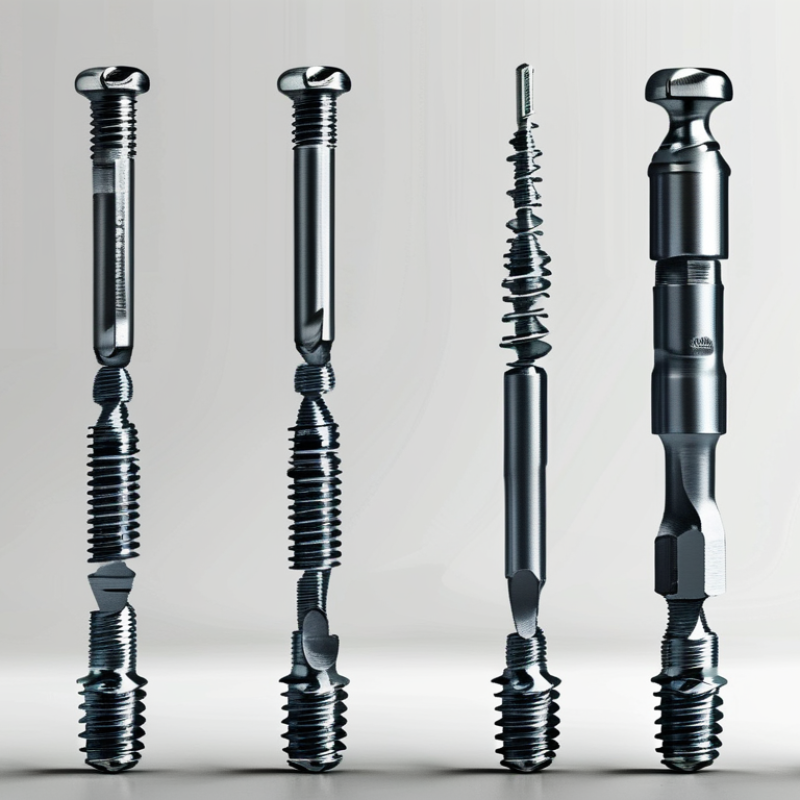
2026 Top Headless Cannulated Screw Types for Buyers

What Are Headless Cannulated Screws and How Do They Work?

Headless cannulated screws are hollow fixation devices designed to stabilize small bone fragments without leaving a prominent screw head. Their central channel allows placement over a guidewire, improving alignment during surgery. A surgeon can check position with imaging before final tightening. The buried end may reduce irritation near joints or under thin soft tissue.

Their action depends on thread design. Partially threaded screws can draw one fragment toward another, creating compression across a fracture or fusion site. Fully threaded screws mainly provide positional fixation when compression is not desired. Variable-pitch designs may increase compression as the screw advances, but bone quality and fragment size still control the result.

Small differences matter.

The process is precise. The guidewire enters first, followed by drilling, tapping when necessary, and screw insertion. The screw’s countersunk end sits beneath the bone surface. Correct depth is essential; too shallow can irritate tissue, while too deep may weaken fixation.

Buyers should examine thread geometry, diameter options, alloy documentation, sterility controls, and validated mechanical data. Clinical training also matters. A catalog alone cannot predict performance in osteoporotic or highly fragmented bone.

In practice, no single type wins every case. My own cautious view is that “headless” does not automatically mean safer; placement accuracy, imaging, and patient-specific planning remain decisive.

Key Design Features of Headless Cannulated Screw Types

Headless cannulated screws combine compression, guided placement, and a low-profile finish. Their defining feature is the internal cannula, which allows passage over a guidewire during insertion. This improves trajectory control, especially when access is limited. The headless design leaves no prominent screw head above the bone surface. That matters near cartilage, tendons, and joint margins.

Thread design separates the main screw types. Fully threaded screws can provide consistent purchase across a fracture line, but they may not create compression by themselves. Partially threaded screws use a smooth shaft to let the far threads pull one fragment toward another. Variable-pitch threads create compression as the screw advances. Pitch differences must be selected carefully. Too much compression may damage fragile bone.

Countersunk or tapered ends can reduce prominence and improve seating. Buyers should compare outer diameter, core diameter, thread depth, and available lengths. These details affect strength, insertion torque, and purchase in dense or weak bone. Titanium alloys offer useful strength and imaging compatibility, while stainless steel may provide different stiffness and handling characteristics. Check the exact material specifications.

In practical evaluations, instrument quality can be as important as screw geometry. A flexible guidewire may bend during drilling. A shallow driver interface may strip under high torque. Small issues become costly in surgery. No single type suits every anatomy. Selection should match imaging, bone quality, fracture pattern, and the complete insertion system. Even experienced teams can overlook thread-to-drill compatibility. That deserves a second review.

2026 Top Headless Cannulated Screw Types for Buyers — Key Design Features

Representative nominal diameter ranges commonly used across orthopedic headless cannulated screw configurations. Actual availability varies by surgical application and design system.

Buyer guide: Fully threaded screws are commonly selected for positional fixation, while partially threaded and variable-pitch designs are used when interfragmentary compression is required. Larger diameters generally provide greater core strength, whereas smaller diameters are suited to mini-fragment and small-bone applications.

Major Headless Cannulated Screw Types and Their Uses

Headless cannulated screws are selected by thread design, compression behavior, and the fracture’s stability. Partially threaded screws create interfragmentary compression when the threads cross the far fragment. Surgeons often use them for scaphoid, radial head, and small-fragment fixation. Fully threaded screws provide positional fixation without pulling fragments together. They suit stable fractures, osteotomies, and situations requiring controlled alignment.

Variable-pitch screws add another option. Their changing thread geometry can increase compression as the screw advances, but bone quality still controls the result. Bioabsorbable versions may reduce later hardware removal, although strength loss and inflammatory reactions require careful assessment. AO Surgery Reference emphasizes screw trajectory, fragment purchase, and countersinking as key technical factors. Small errors matter.

Clinical data should guide buying decisions. A systematic review of scaphoid fixation studies reported union rates commonly above 90%, but results varied with fracture location and vascular status. Meta-analyses of femoral-neck fixation also show that nonunion and avascular necrosis remain meaningful risks, especially in older patients. Buyers should therefore compare diameter, length range, cannulation, alloy, and instrument compatibility. “Headless” does not automatically mean better. The right screw depends on anatomy, loading, and surgeon experience.

How to Compare Materials, Sizes, Threads, and Drive Systems

2026 Top Headless Cannulated Screw Types for Buyers

How to Compare Materials, Sizes, Threads, and Drive Systems

Material affects strength, stiffness, corrosion resistance, and imaging behavior. Titanium alloy is lightweight and commonly selected when reduced stiffness matters. Stainless steel offers strong mechanical performance and familiar handling. Compare published fatigue data, surface finish, sterilization limits, and MRI conditions. Do not judge material by appearance alone. A polished screw may still have unsuitable mechanical properties for the intended fixation.

Size selection should match anatomy, guidewire diameter, and the available insertion corridor. Check both outer diameter and usable thread length. A screw that is too short may lose purchase; one that is too long can irritate nearby tissue. Threads deserve close attention. Partial threads can create compression across a fracture, while full threads may support positioning without the same compression effect. Pitch, thread depth, and cutting-flute design also influence insertion torque. Small differences matter.

Tips: Request dimensional drawings and sample instruments. Confirm measurement accuracy over the guidewire. Compare hexagonal and star-shaped drives for torque transfer and stripping resistance. Instrument fit is critical. A strong screw with a poor driver remains a purchasing problem. One practical warning: comparison charts can hide missing data. Ask for test methods, tolerances, and clinical-use feedback. Recheck assumptions with qualified surgical and engineering teams before approval.

What Buyers Should Check Before Selecting a Screw Type

What Buyers Should Check Before Selecting a Screw Type

Demand is growing with musculoskeletal injuries. The 2024 Burden of Musculoskeletal Diseases report identifies over 126 million affected Americans. Buyers should not choose a headless cannulated screw by diameter alone. Check thread design, pitch, length range, cannulation size, and compression behavior. A fully threaded screw may improve purchase, while a partially threaded model can create interfragmentary compression.

Mechanical evidence matters. ASTM F543 testing covers axial, torsional, and bending performance for metallic bone screws. The FDA’s orthopedic device guidance also emphasizes fatigue and insertion-related evaluation. Ask suppliers for test methods, sample sizes, failure modes, and lot-level traceability. Marketing charts are not enough.

Look closely at the instrument system. Confirm guidewire fit, countersink depth, driver engagement, and fluoroscopic visibility. Check whether the screw material matches the intended imaging and revision workflow. Stainless steel and titanium have different stiffness and artifact profiles.

Packaging deserves attention too. Sterile status, expiry control, and available lengths can affect operating-room efficiency. Small details matter.

A screw may pass a bench test yet perform poorly in dense or fragile bone. That is the uncomfortable part. Buyers should compare clinical evidence with laboratory data, then review the choice with qualified orthopedic professionals. Keep a written selection matrix. It exposes assumptions before they become inventory.

FAQS

: What is a headless cannulated screw?

: It has an internal channel for guidewire-guided insertion. The buried design leaves little hardware above the bone surface. This can help near joints, cartilage, and tendons.

How do partially threaded screws create compression?

Their smooth shaft crosses the near fragment. Far-side threads pull the opposite fragment toward it. Thread placement matters. Incorrect positioning may reduce compression.

When are fully threaded screws useful?

They mainly provide positional fixation without automatic fragment compression. They may suit stable fractures, osteotomies, and controlled alignment. They are not ideal for every fracture pattern.

What do variable-pitch threads do?

Changing thread spacing can increase compression during advancement. Bone quality still controls the final result. Excessive compression may damage fragile bone. That risk deserves careful review.

Which measurements should buyers compare?

Compare outer diameter, core diameter, thread depth, and available lengths. Also check usable thread length and guidewire size. A short screw may lose purchase. A long screw may irritate nearby tissue.

How do titanium alloy and stainless steel differ?

Titanium alloy is lightweight and may offer useful imaging compatibility. Stainless steel can provide different stiffness and handling characteristics. Review fatigue data, corrosion resistance, and sterilization limits. Appearance proves little.

Why does the driver system matter?

A shallow driver interface may strip under high torque. Hexagonal and star-shaped drives can transfer torque differently. Driver fit must be tested with the screw system. Small instrument problems become expensive during procedures.

How should a team select the appropriate screw type?

Selection should match anatomy, bone quality, fracture stability, and imaging findings. The complete insertion system also matters. Review guidewire flexibility and drilling accuracy. Even experienced teams can overlook thread-to-drill compatibility. Check it again.

Conclusion

This article provides a practical overview of Headless Cannulated Screws, explaining how their hollow design supports guide-wire placement and how the screw head can sit beneath the bone surface. It examines key design features such as thread configuration, compression capability, screw length, core diameter, and drive system, helping buyers understand how these elements affect insertion, fixation, and clinical use.

The guide also compares major screw types and their typical applications in small-bone, joint, and fracture fixation procedures. Buyers will learn how to evaluate material options, available sizes, thread patterns, and instrument compatibility, while also considering purchase factors such as documentation, quality control, sterilization status, packaging, traceability, and supplier support. By reviewing these criteria systematically, purchasers can select a suitable screw type based on procedural requirements, surgeon preference, inventory management, and applicable regulatory expectations.

Aria

Aria

Aria is a dedicated marketing professional with a deep passion for innovative strategies and a keen understanding of our company's product offerings. With a wealth of experience in the industry, Aria excels at crafting engaging content that highlights the unique features and benefits of our......