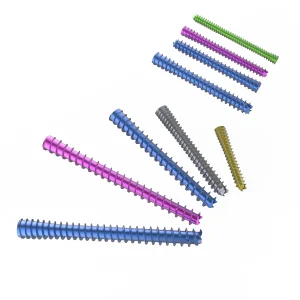
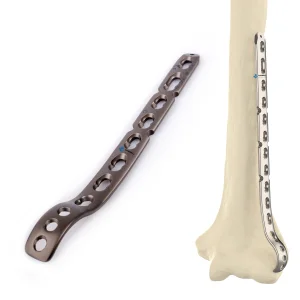
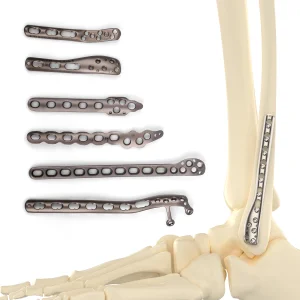
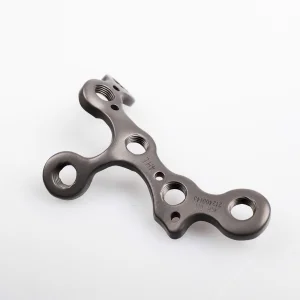
Explore our elite portfolio of clinically approved orthopedic trauma plates, screws, and dynamic hip systems designed for precise anatomical alignment.
The global orthopedic trauma devices market is undergoing a seismic shift driven by demographic shifts, technological iterations, and stringent regulatory demands. According to industry analysis, the trauma fixation market is expected to surpass USD 10 billion by 2028, expanding at a CAGR of 6.2%. Key growth drivers include an aging global population prone to osteoporotic fractures and the rising incidence of road traffic accidents (RTAs) in developing regions.
From an industrial perspective, manufacturers face complex regulatory frameworks. The transition from the Medical Device Directive (MDD) to the Medical Device Regulation (MDR) in the European Union has raised the bar for clinical evidence and biological evaluation, causing buyers to prioritize certified suppliers with robust clinical profiles. Concurrently, in emerging markets, cost-containment measures like bulk government procurement require manufacturers to deliver high-quality titanium alloys (e.g., Ti-6Al-4V ELI) without compromising manufacturing margins.
Industrialization has transitioned from simple plate bending to high-precision CNC multi-axis milling and additive manufacturing (3D printing). Advanced suppliers now offer customized, patient-specific anatomical plates designed via CT data. In response, global orthopedic brands are seeking supply chain partners that can deliver OEM capabilities with verified quality assurance and traceable processes.
Partnering with hospitals, distributors, and global medical device brands since 2017 to supply world-class orthopedic trauma solutions.
Moventra Medical Technology (China) Co., Ltd. is a professional manufacturer specializing in the research, development, production, and global supply of orthopedic medical devices and surgical solutions. Established in 2017, the company is dedicated to delivering innovative, high-quality products for trauma, spine, joint reconstruction, sports medicine, and orthopedic surgical procedures.
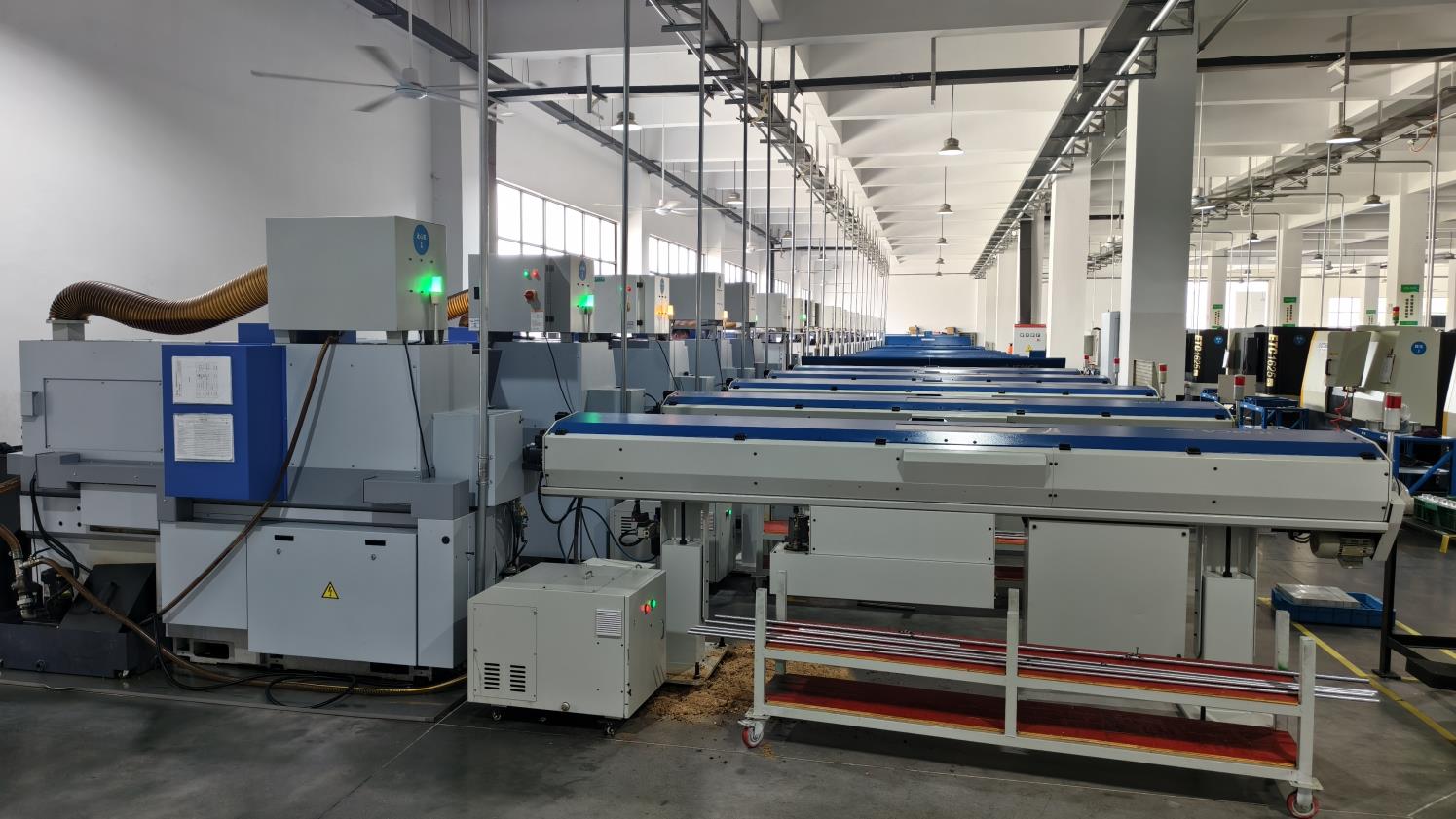
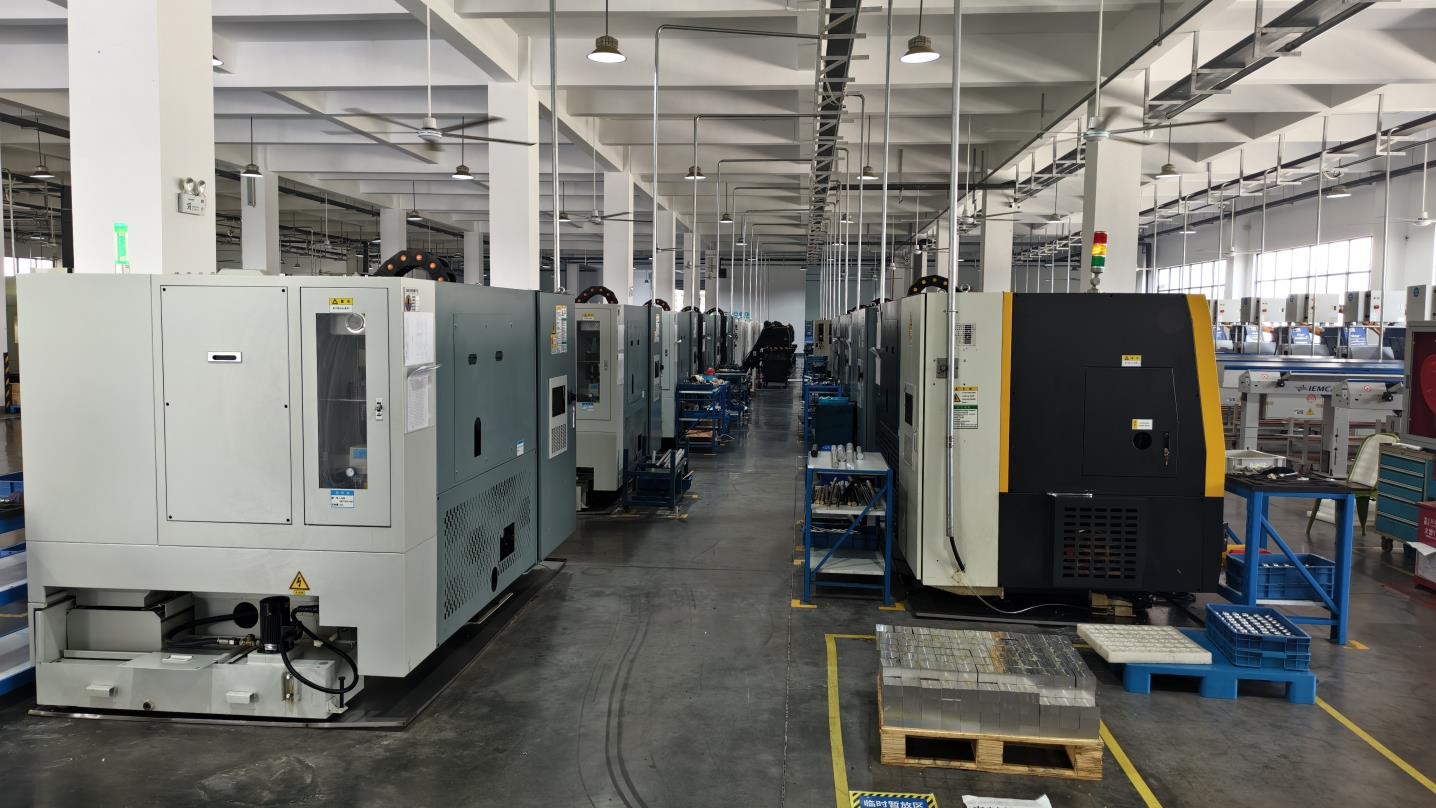
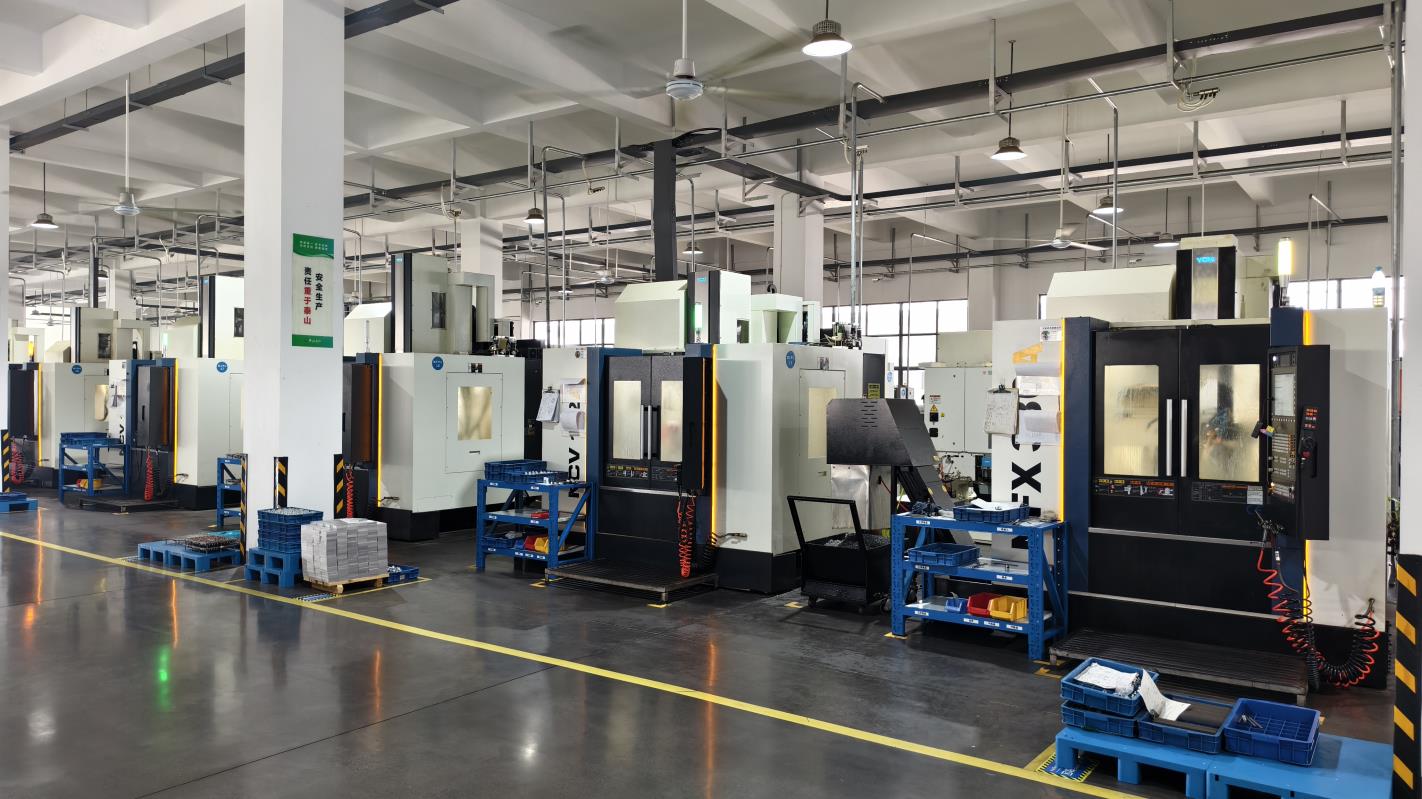
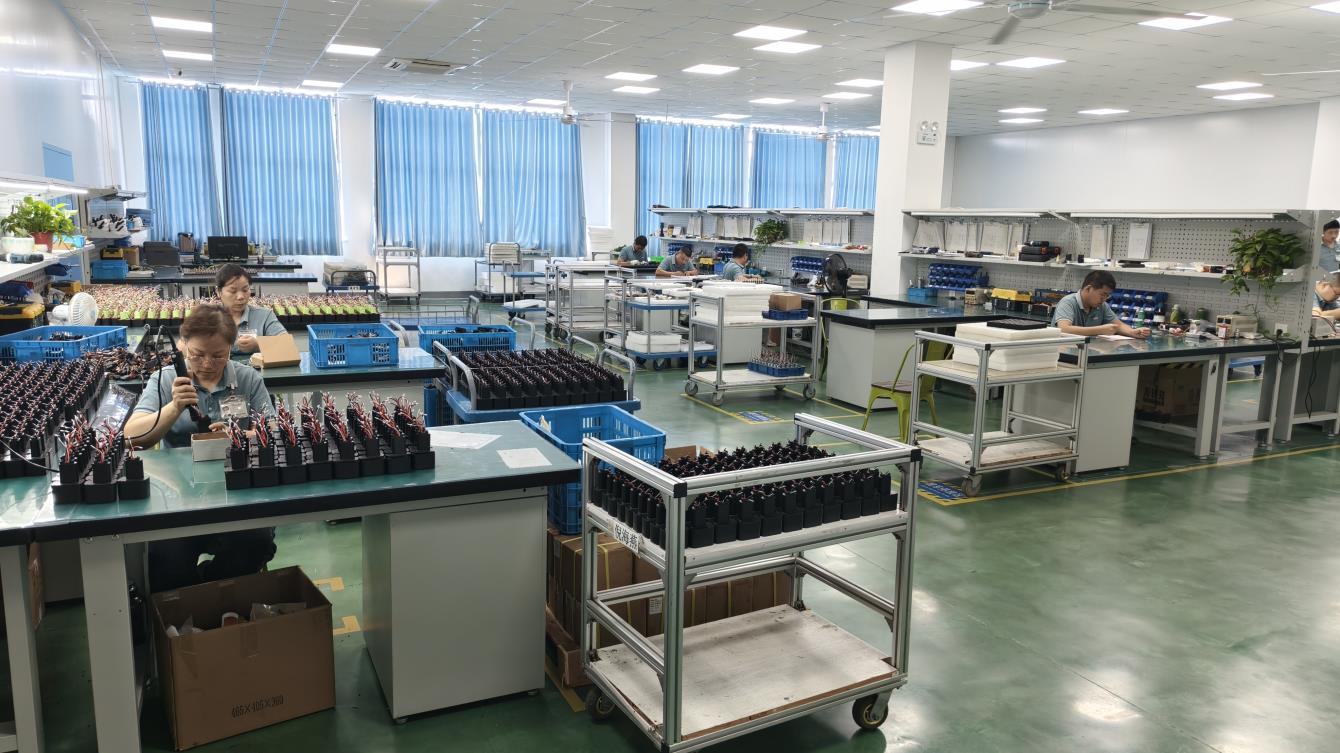
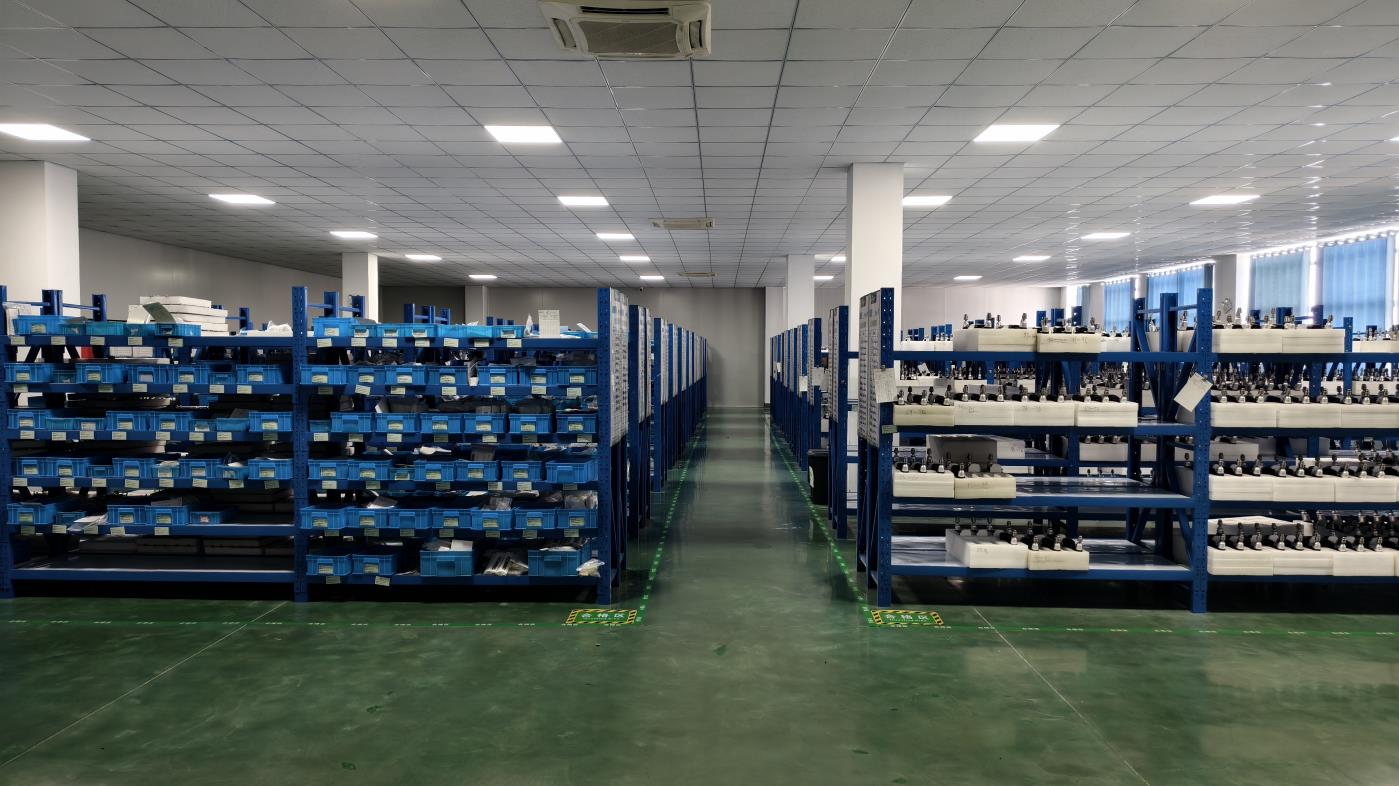
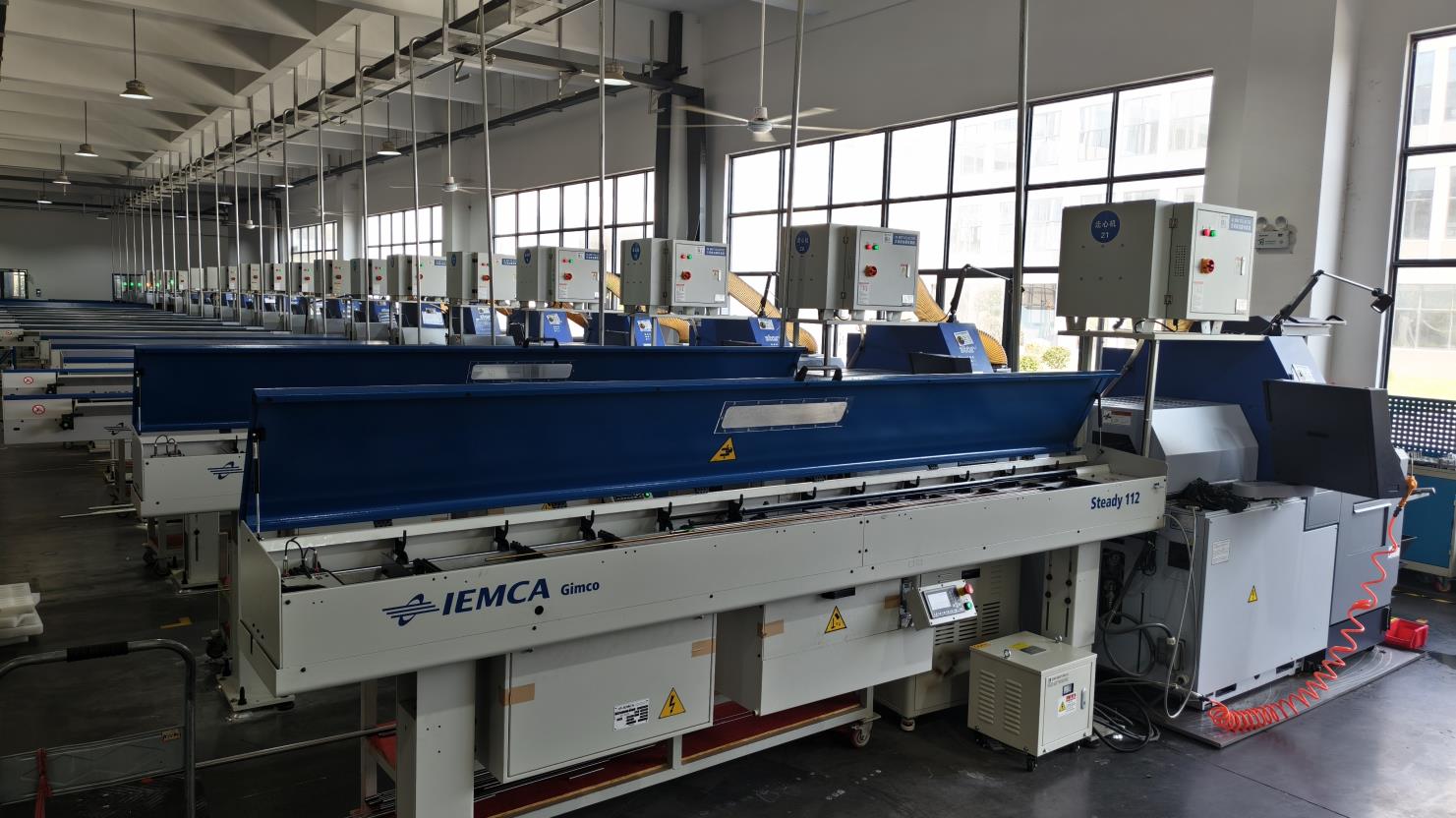
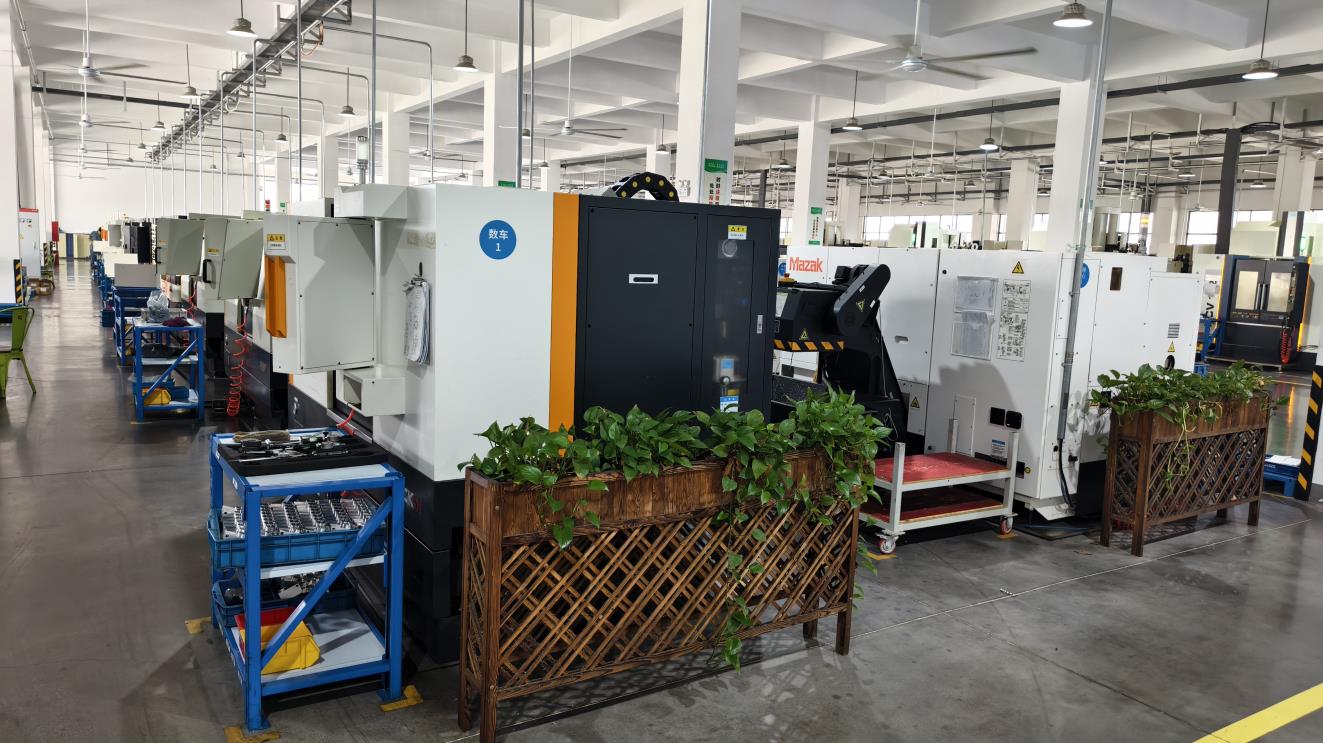
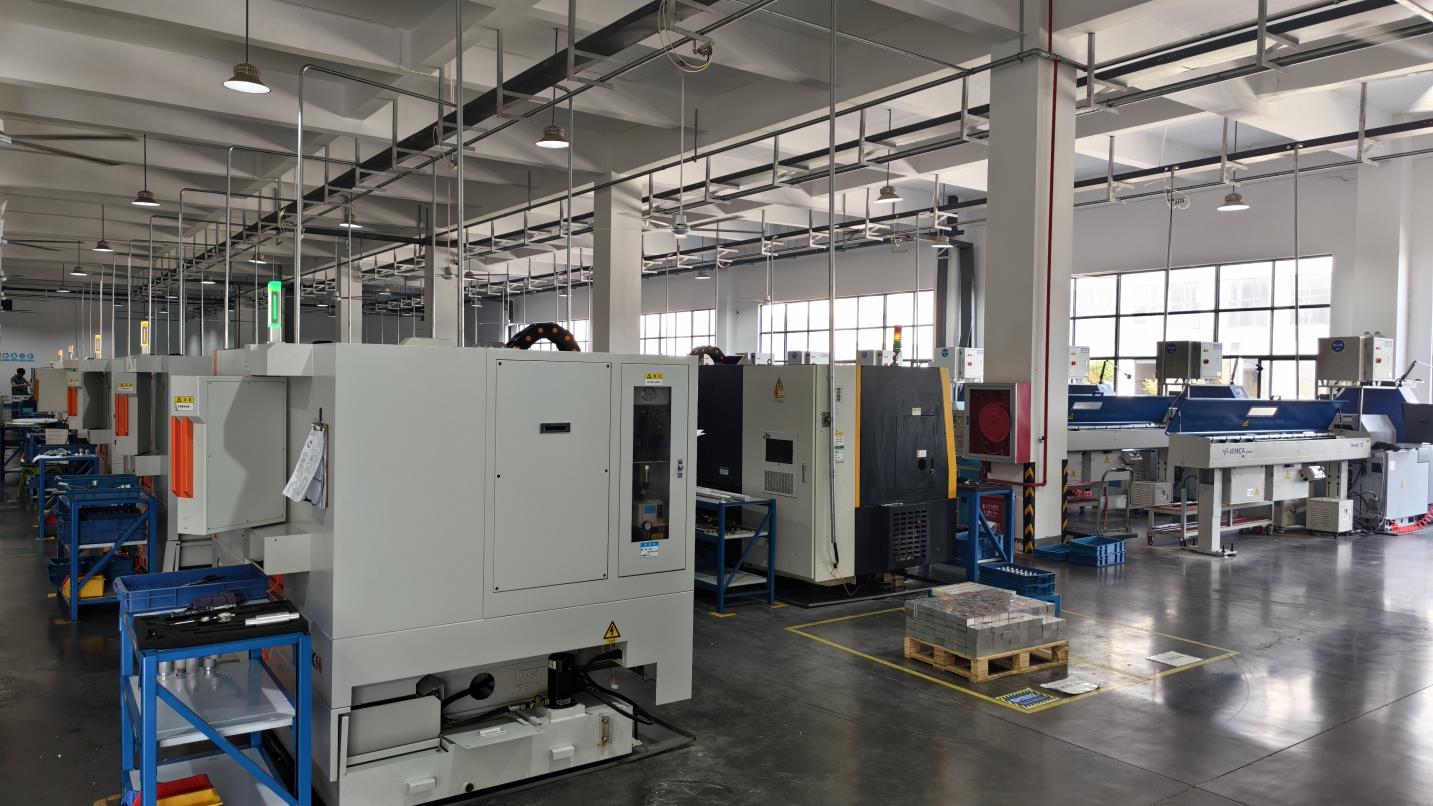
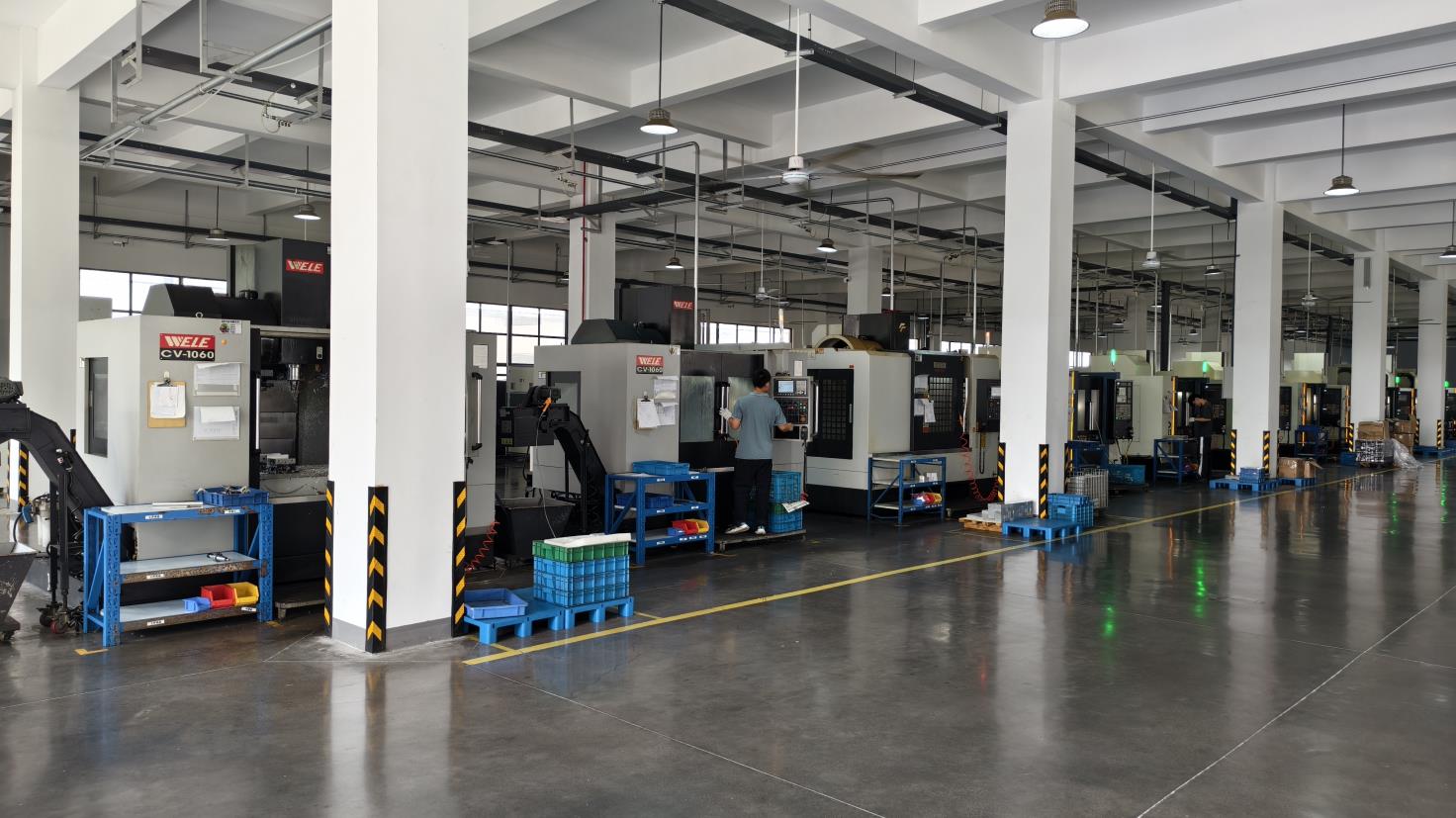
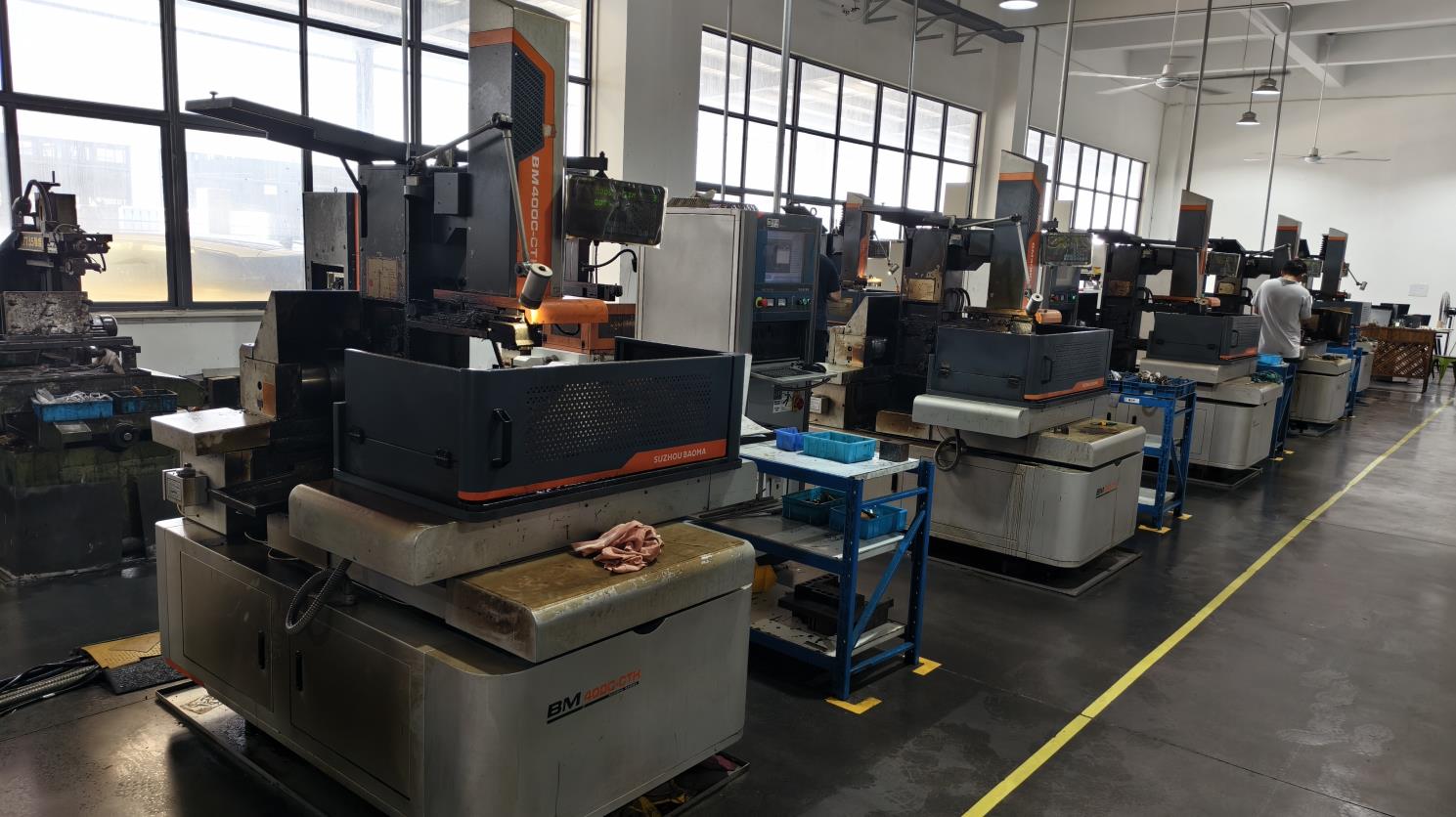
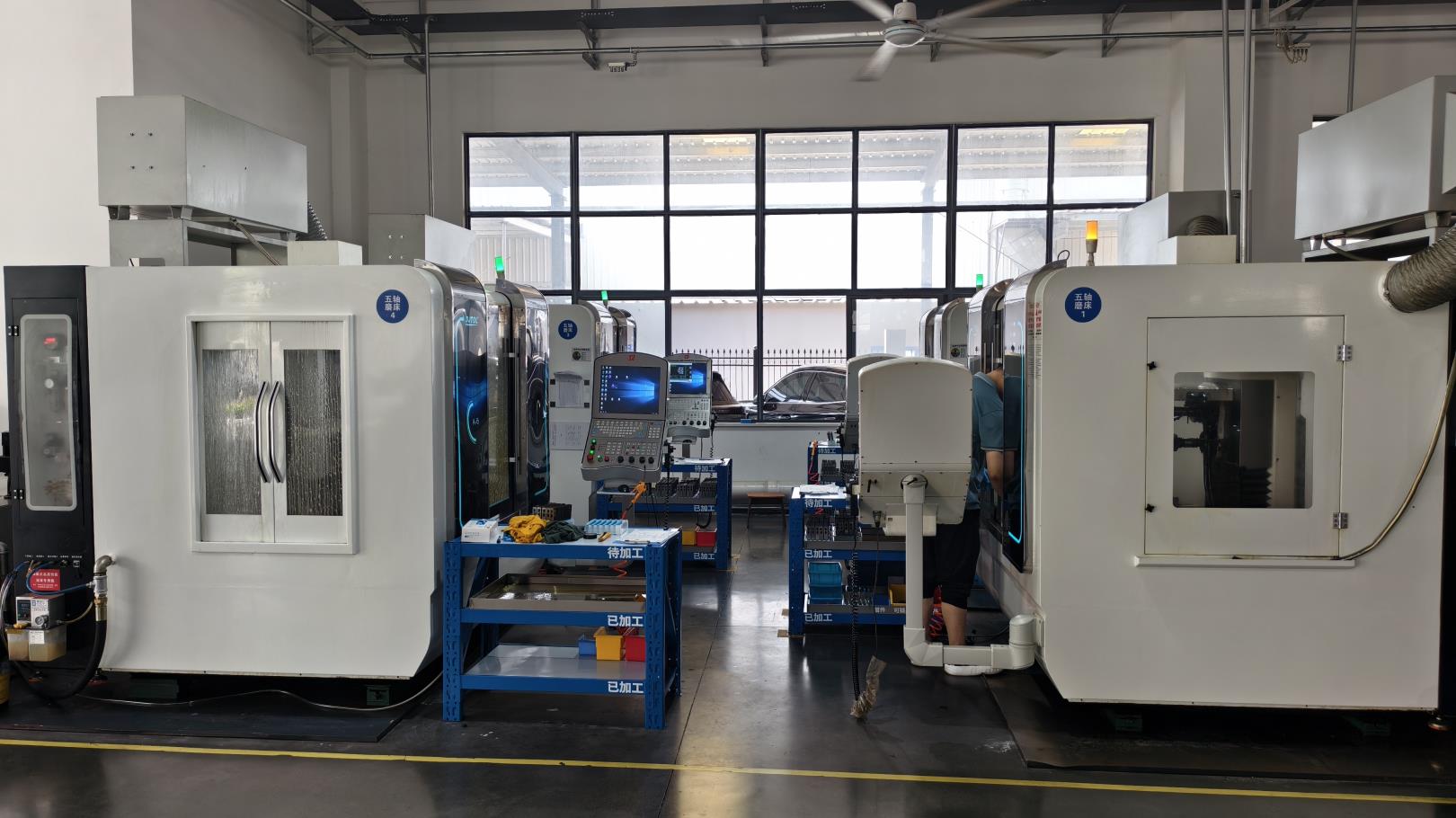
With a modern manufacturing facility covering 18,600 m², Moventra integrates advanced CNC machining, precision manufacturing, automated production lines, and strict quality management systems to ensure every product meets international medical standards. Our commitment to continuous innovation enables us to provide reliable OEM and ODM services for global medical device brands, distributors, and healthcare institutions.
Supported by an experienced R&D team and comprehensive quality assurance system, Moventra continuously develops innovative orthopedic solutions that improve surgical efficiency and patient outcomes. Our products are exported to customers worldwide and are trusted for their precision, safety, and consistent performance.
| Item | Details |
|---|---|
| Company Name | Moventra Medical Technology (China) Co., Ltd. |
| Brand | Moventra |
| Established | 2017 |
| Facility Area | 18,600 m² |
| Annual Export Revenue | USD 23.8 Million |
| Export Experience | 7 Years |
| Industry Experience | 13 Years |
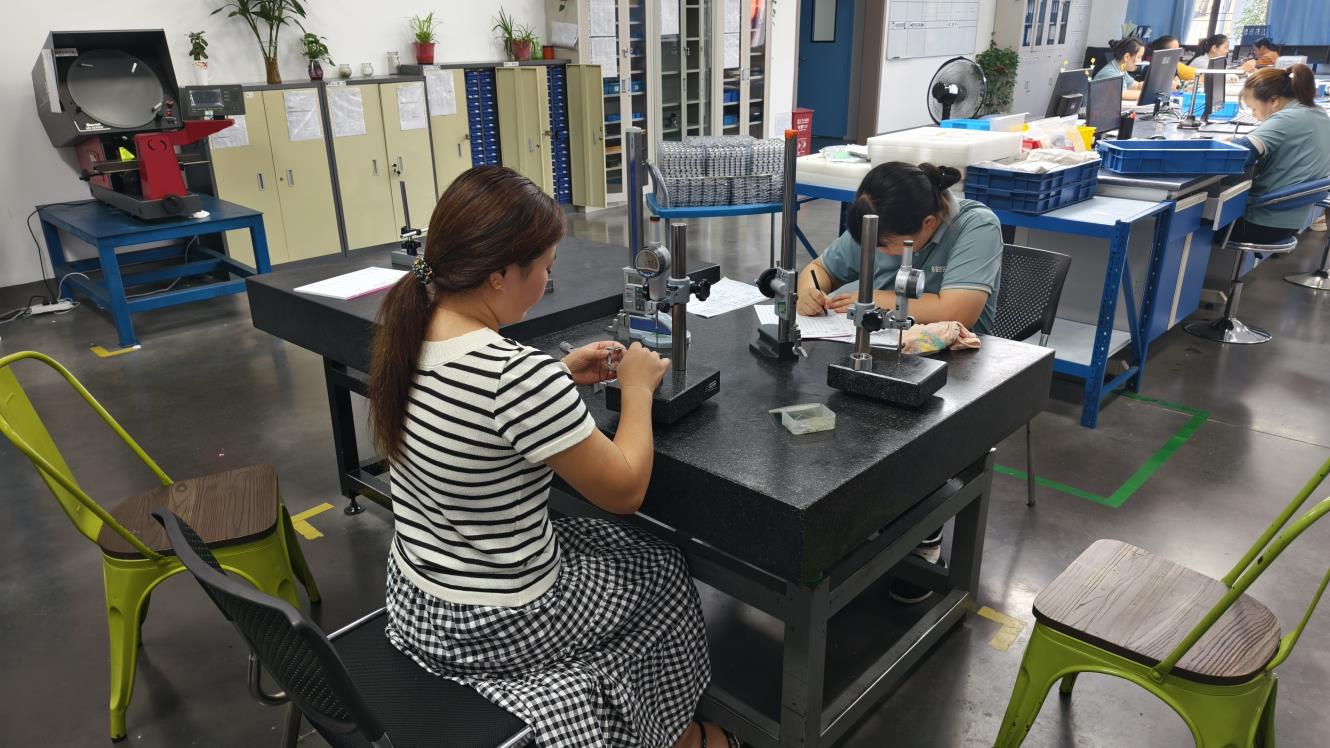
| Quality Inspection | 100% Quality Inspection Before Shipment |
| R&D Capability | Independent Design, Prototyping, OEM/ODM |
| New Products Released | 156 (Last Year) |
| R&D Engineers | 86 |
| Quality Control Staff | 48 |
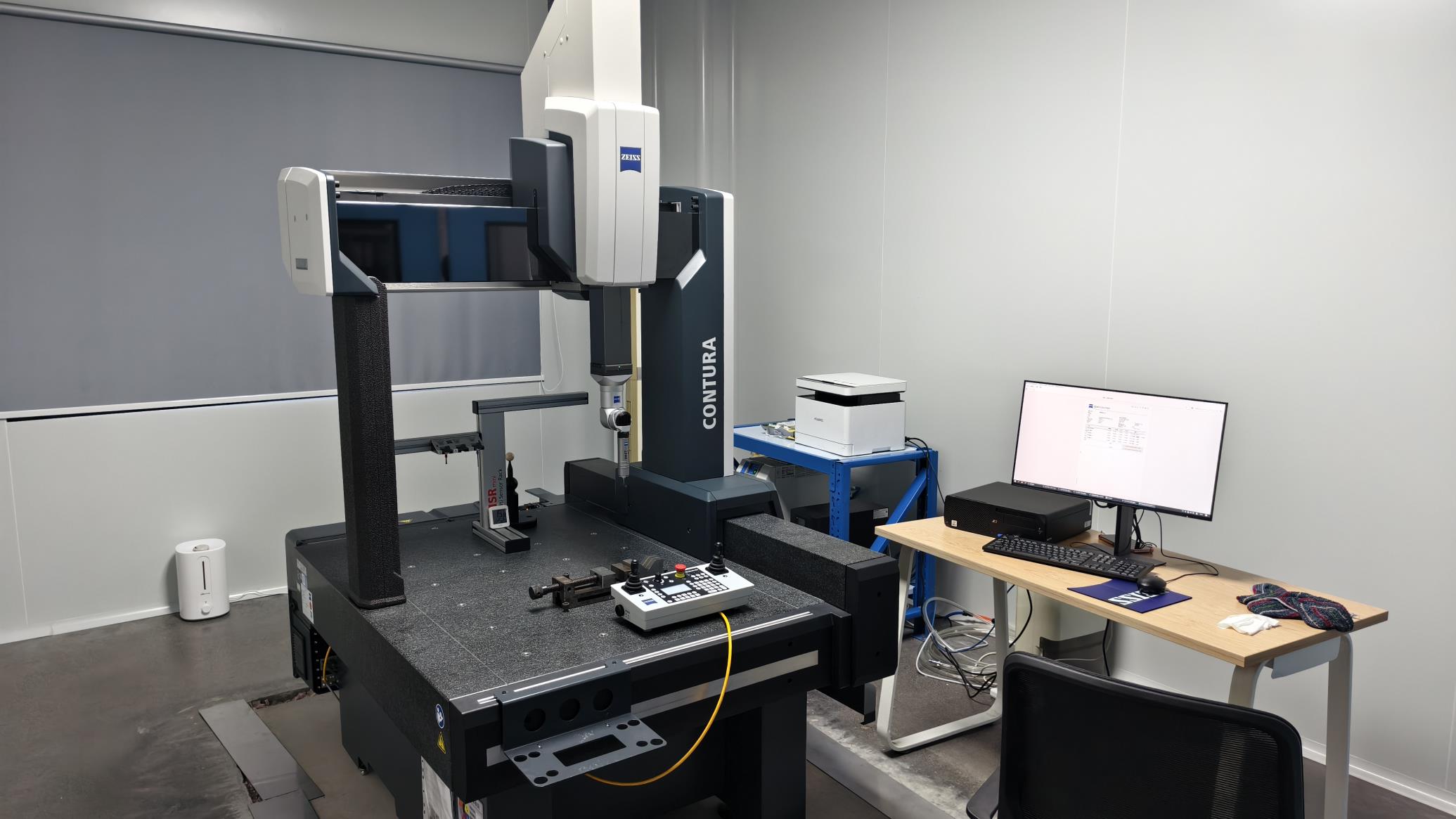
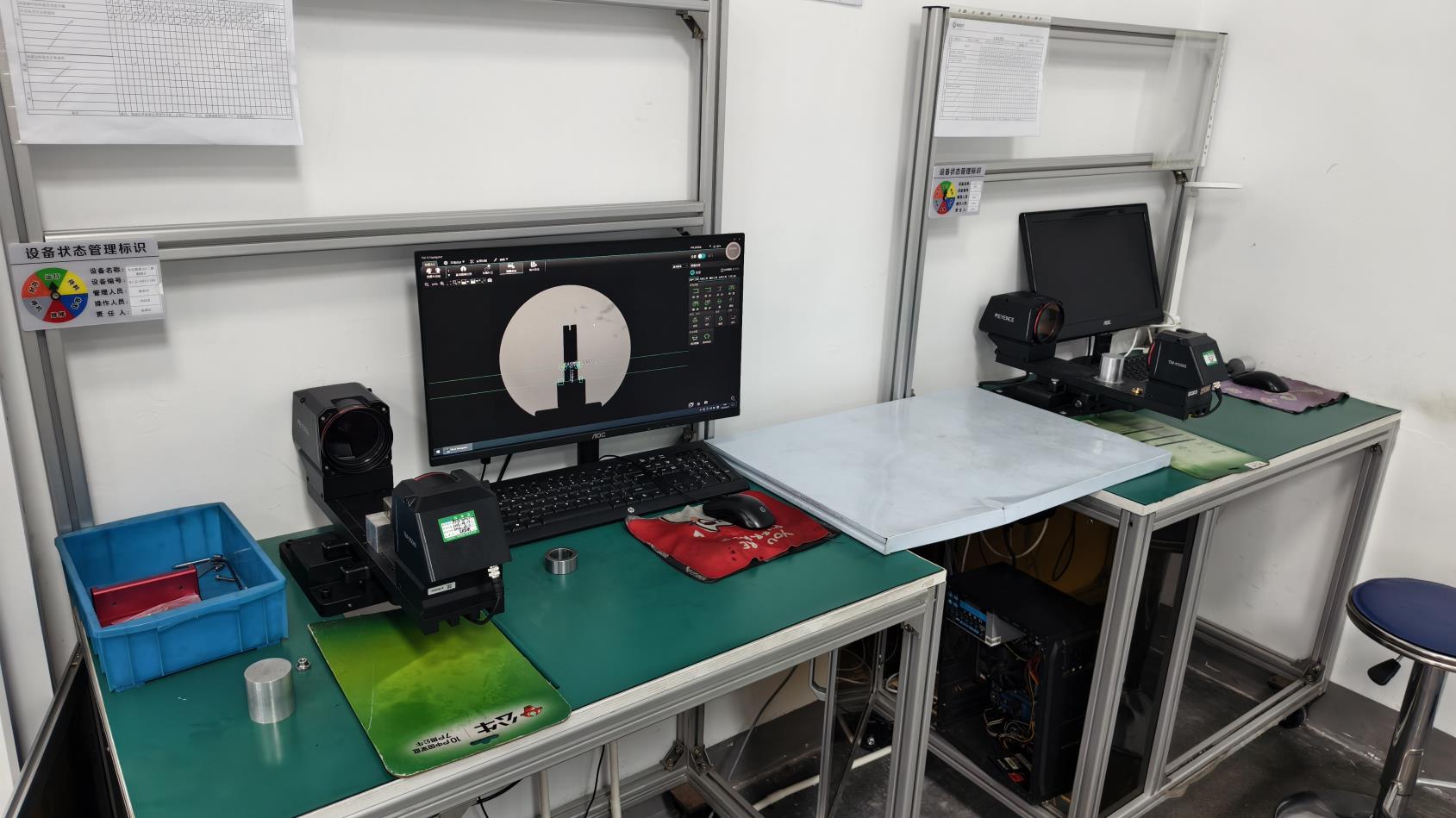
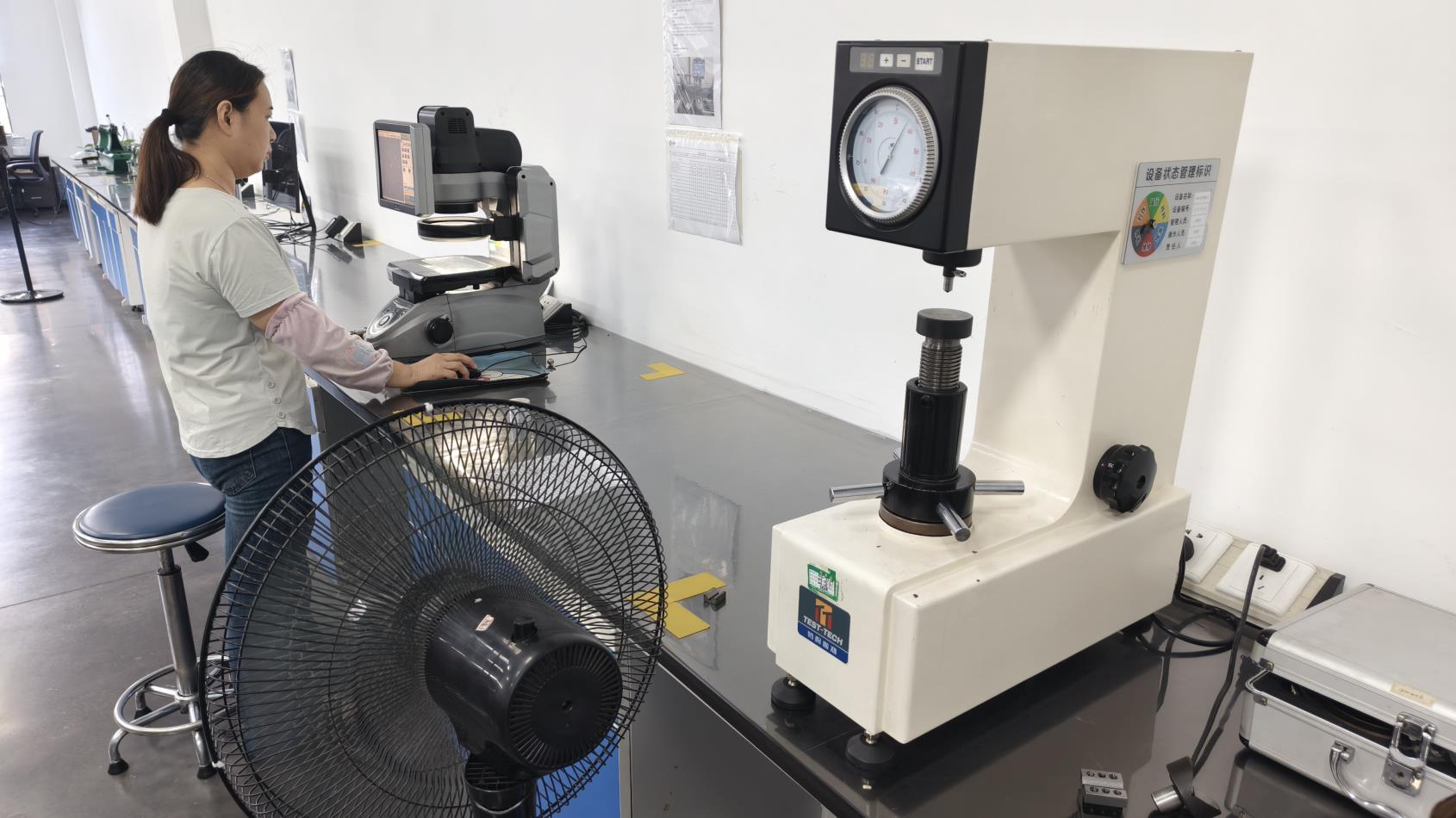
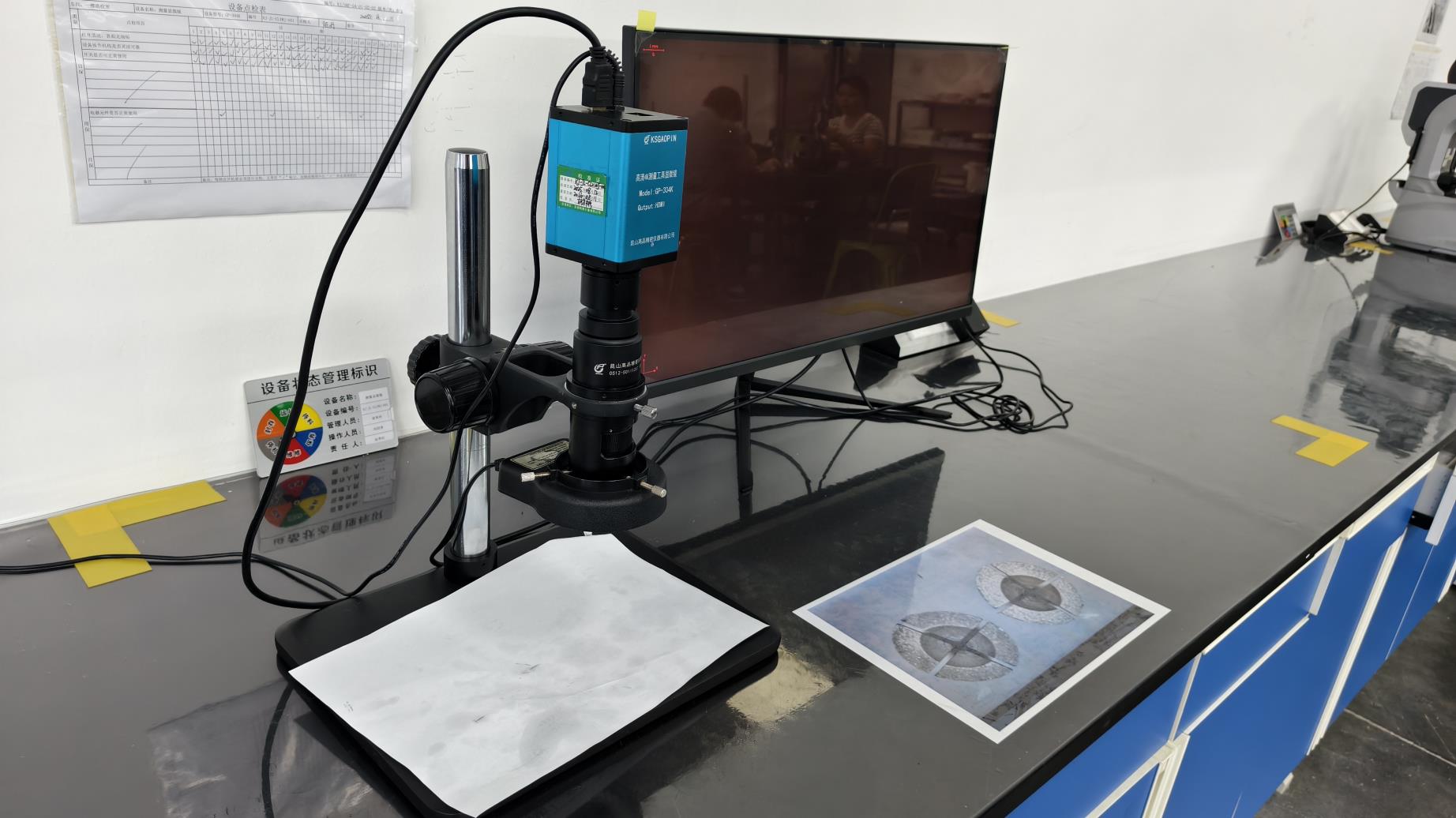
Our 18,600 m² workshop uses premium Swiss CNC machines and rigorous testing systems to guarantee high-precision medical implants.
Technological innovations reshaping orthopedic surgeries, biomechanical efficiency, and clinical safety.
Standard bone plates require intraoperative bending, which increases operating room time and can weaken the metal. Modern solutions use anatomical pre-contoured plates that match typical bone geometry, minimizing bending while reducing soft-tissue irritation.
Variable-angle (VA) locking technology allows surgeons to angle screws up to 15 degrees from the central axis. This is critical for complex periarticular fractures, allowing optimal screw placement to avoid implants or joint spaces.
Surface anodization techniques, including Type II anodized titanium, improve fatigue strength and reduce the risk of cold welding between screws and plates, simplifying future hardware removal if needed.
Every bone system requires a distinct biomechanical approach to support physiological loads and vascular health.
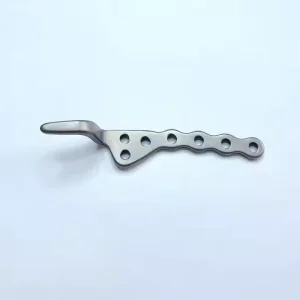
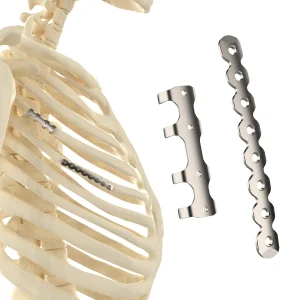
Fractures of the upper extremities require low-profile designs to protect delicate overlying soft tissues. For clavicle fractures, 3.5 mm Clavicle Reconstruction Compression Locking Plates and specialized clavicle hook plates provide the anatomical contouring needed to match the S-shape of the bone, minimizing hardware prominence.
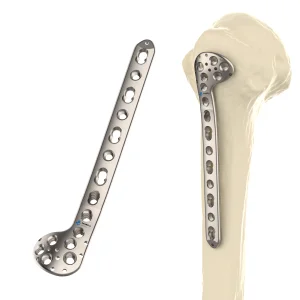
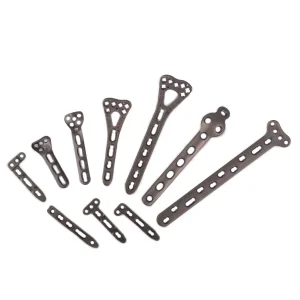
For proximal humerus fractures, locking plates with designated suture holes allow surgeons to secure the rotator cuff directly to the plate, stabilizing the repair and facilitating early mobilization.
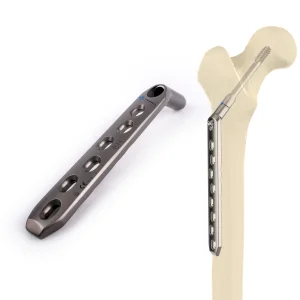
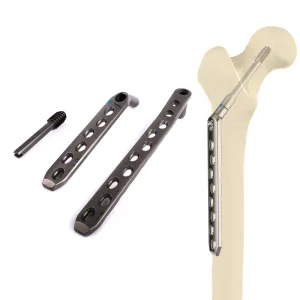
The distal femur and tibia bear significant physiological loads. Systems like the Dynamic Hip Screw (DHS) and DHS barrel plates are designed to withstand shear forces at the femoral neck while allowing controlled compression along the fracture line.
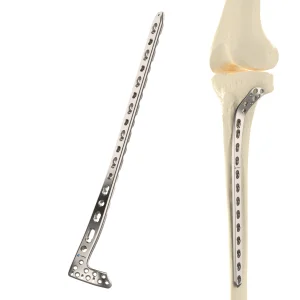
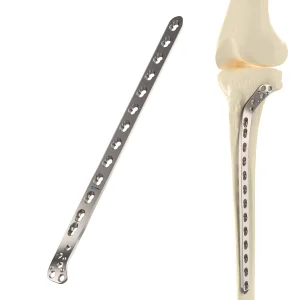
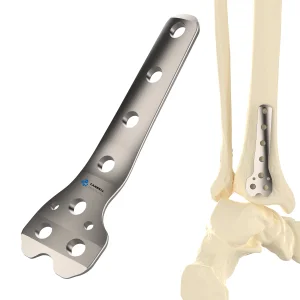
For distal tibia fractures, low-profile metaphyseal locking systems provide stable fixation for areas with limited soft tissue coverage, reducing the risk of wound complications.
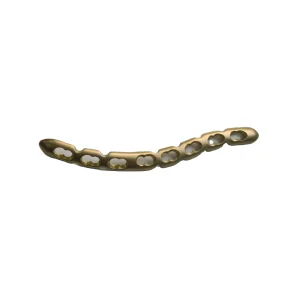
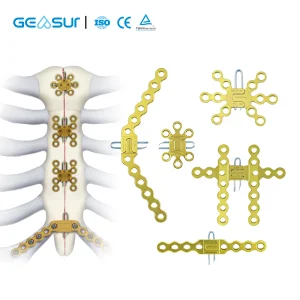
Rib stabilization and pediatric trauma require specialized implants. Titanium Rib Locking Plates are thin and flexible, matching the elasticity of the chest wall to allow normal respiration while maintaining rib alignment.
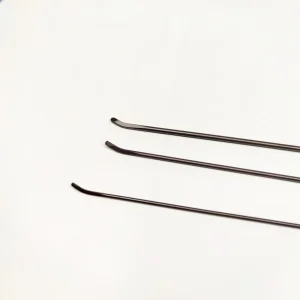
For pediatric long bone fractures, Titanium Elastic Nails (TEN) offer a minimally invasive approach. By utilizing symmetrical elastic stable intramedullary nailing, surgeons can stabilize pediatric fractures while protecting the active growth plates (physeal preservation).
The next frontier of orthopedic traumatology merges smart materials with digital surgical planning.
To eliminate the need for secondary hardware removal surgeries, R&D is focused on biodegradable materials. Magnesium alloy and polylactic acid (PLA) polymers are being developed to support the bone during the healing phase and then safely resorb into the body over time.
Moventra's R&D team is currently studying controlled-degradation magnesium matrices for pediatric applications to support growing skeletal structures without requiring implant extraction.
Future orthopedic implants will do more than provide mechanical stability; they will monitor the healing process. Integrated micro-sensors can track strain, load distribution, and local temperature, wireless transmitting data to surgeons to identify non-union or early infection.
This data-driven approach allows for personalized post-operative rehabilitation, adjusting weight-bearing protocols based on real-time biomechanical feedback.
Comprehensive supply chain and engineering support designed for global medical brands and hospital tenders.
With 86 R&D engineers, we translate CAD drawings or physical clinical models into functional prototypes within weeks, accelerating your market entry.
We provide non-sterile bulk packaging or pre-sterilized, single-use blister packs under ISO 11607 standards, ready for direct distribution to operating rooms.
We assist distributors with comprehensive documentation, including material certificates and sterilization reports, to support regional government tenders.
Clear answers to regulatory, material, and manufacturing questions for orthopedic buyers.
Precision internal fixation systems designed for distal extremities, rib fracture stabilization, and specialized joint repair.
 Moventra Medical