Precision engineered, medical-grade implants manufactured under strict ISO 13485 requirements for optimal biomechanical safety and osteointegration.
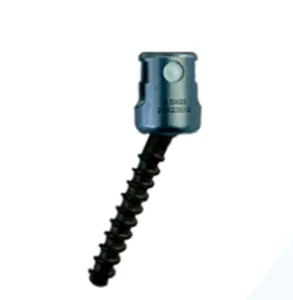
Geasure CHINA Manufacturer Titanium 3.5mm Poly Screw Manufacture for Fixation System Cervical Screw
Explore Specs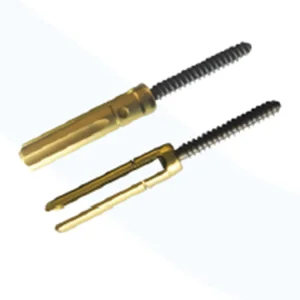
Geasure Titanium Minimally Invasive Pedicle Screw Spinal Interventional Implant Material
Explore Specs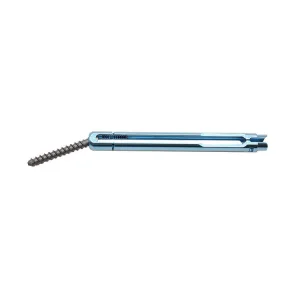
Orthopedic Surgical Implants MIS Spine Surgery Screw Sedicle Screws at Competitive Price Interventional Materials
Explore Specs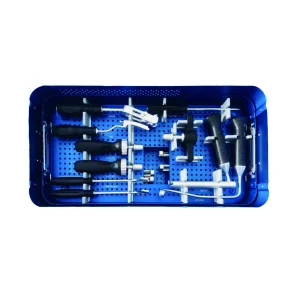
Geasure Selftapping Polyaxial Titanium Minimally Invasive Pedicle Screw MIS Percutaneous Screw Lumbar GB1Z-II 5.5-7.5
Explore Specs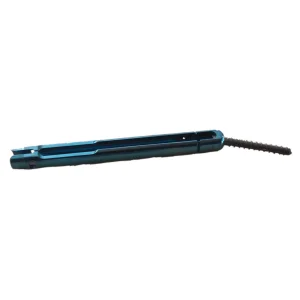
Geasure Orthopedic 5.5mm Minimally Invasive Pedicle Screw Surgical Implants for Spine Interventional Materials
Explore Specs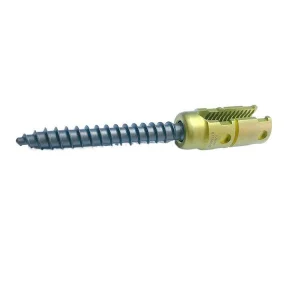
Geasure Titanium Alloy Spine 6.0 Reduction Polyaxial Pedicle Screw Orthopedic Implant Set Interventional Materials Product
Explore Specs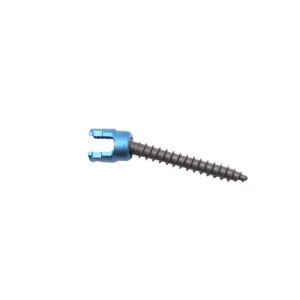
Geasure Orthopedic Spine Pedicle Polyaxial Screw 6.0 Spine Titanium Pedicle Screws
Explore Specs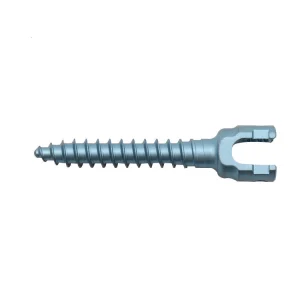
High Quality Titanium Alloy 6.0 Monoaxial Pedicle Screw for Hospital Use Wholesale Available
Explore SpecsThe global spinal implants industry sits at a pivotal intersection of robotic-assisted precision surgery, advanced biomaterials engineering, and demanding regulatory compliance. As degenerative spine conditions rise alongside aging demographics globally, the requirement for robust internal fixation systems has intensified. Today's clinical environment demands implants that not only achieve mechanical stability but also accelerate osseointegration, reduce rates of adjacent segment disease, and facilitate less invasive surgical access.
Sourcing from professional manufacturers is no longer merely a transaction of purchasing machined screws and rods. It is a strategic collaboration requiring deep insights into metallurgy, micron-level dimensional tolerances, and surface modification technologies. For hospital procurement boards and international medical device brands, understanding the structural capabilities of manufacturing factories is vital to mitigation of implant failure risks and maintaining compliance with strict international regulatory bodies such as the FDA, CE, and NMPA.
The global market for spinal implants and devices was valued at approximately USD 11.5 Billion in 2023 and is projected to expand at a Compound Annual Growth Rate (CAGR) of 5.6% over the next decade. This growth is predominantly driven by two macro-demographic trends: the surging global population of geriatric patients experiencing lumbar stenosis, scoliosis, and degenerative disc diseases (DDD); and the rising adoption of Minimally Invasive Spine Surgery (MISS) protocols that significantly shorten post-operative recovery timelines.
North America and Western Europe remain the primary consumers of premium orthopedic spinal systems, emphasizing smart implants, navigation-integrated systems, and patient-specific customized titanium 3D-printed cages. Clinical standards in these regions prioritize high-fatigue performance data and long-term track records of biocompatibility.
Regions across the Asia-Pacific and Latin America present double-digit demand growth for standardized, high-quality, cost-efficient implants. Driven by governmental healthcare expansions, these regions represent massive volume markets. Crucially, China has established itself as the global epicenter for precision medical device fabrication, leveraging advanced industrial clusters and world-class raw material refineries.
As a result, leading medical companies rely on highly certified Chinese factories like Moventra Medical Technology for OEM/ODM manufacturing. By merging Swiss-type CNC precision machining with cost-optimized high-capacity supply lines, these factories allow brand owners to rapidly launch compliant product configurations in highly competitive global territories.
Pioneering precision orthopedic engineering and international OEM/ODM supply chain integration.
Moventra Medical Technology (China) Co., Ltd. is a professional manufacturer specializing in the research, development, production, and global supply of orthopedic medical devices and surgical solutions. Established in 2017, the company is dedicated to delivering innovative, high-quality products for trauma, spine, joint reconstruction, sports medicine, and orthopedic surgical procedures.
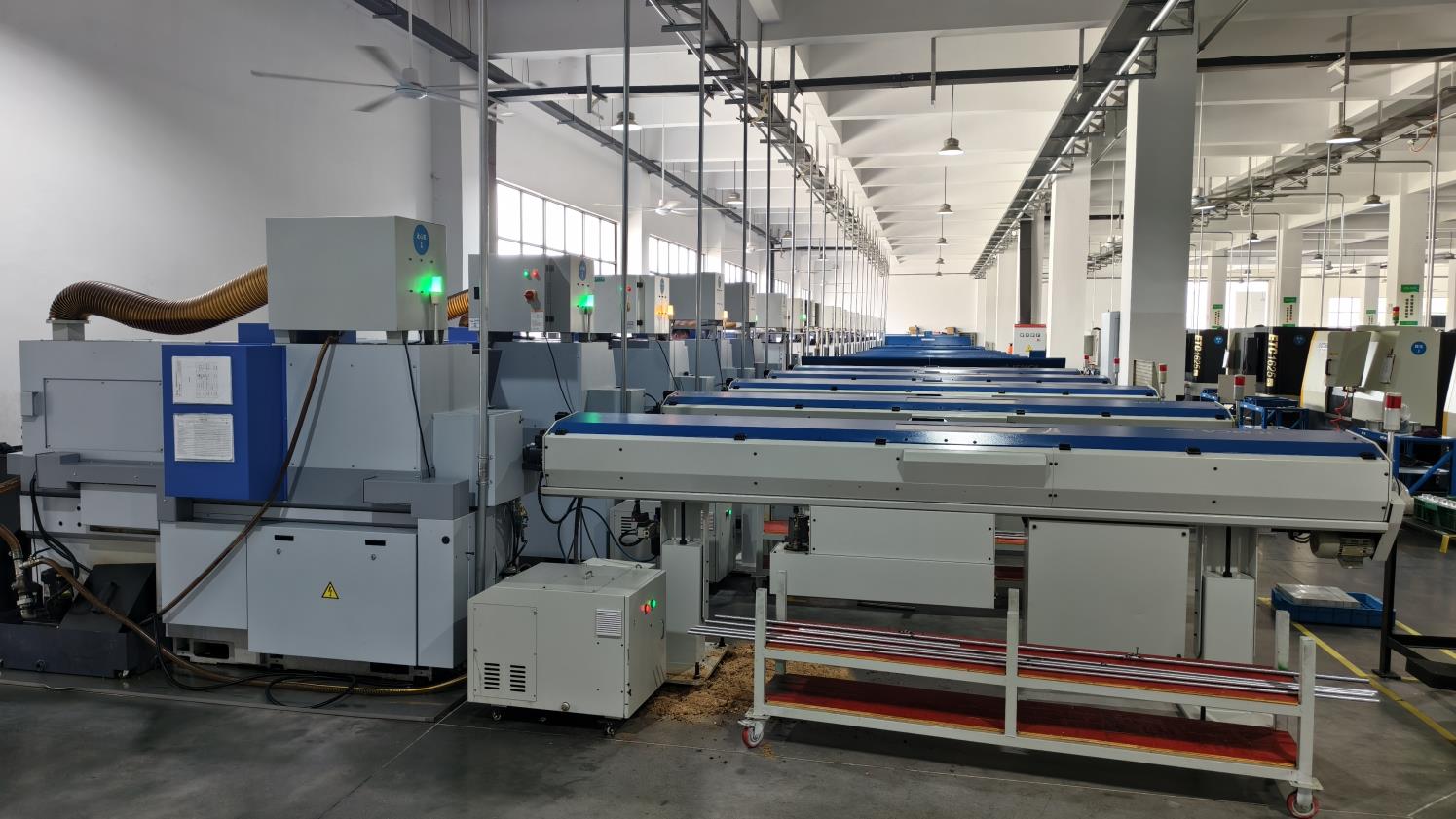
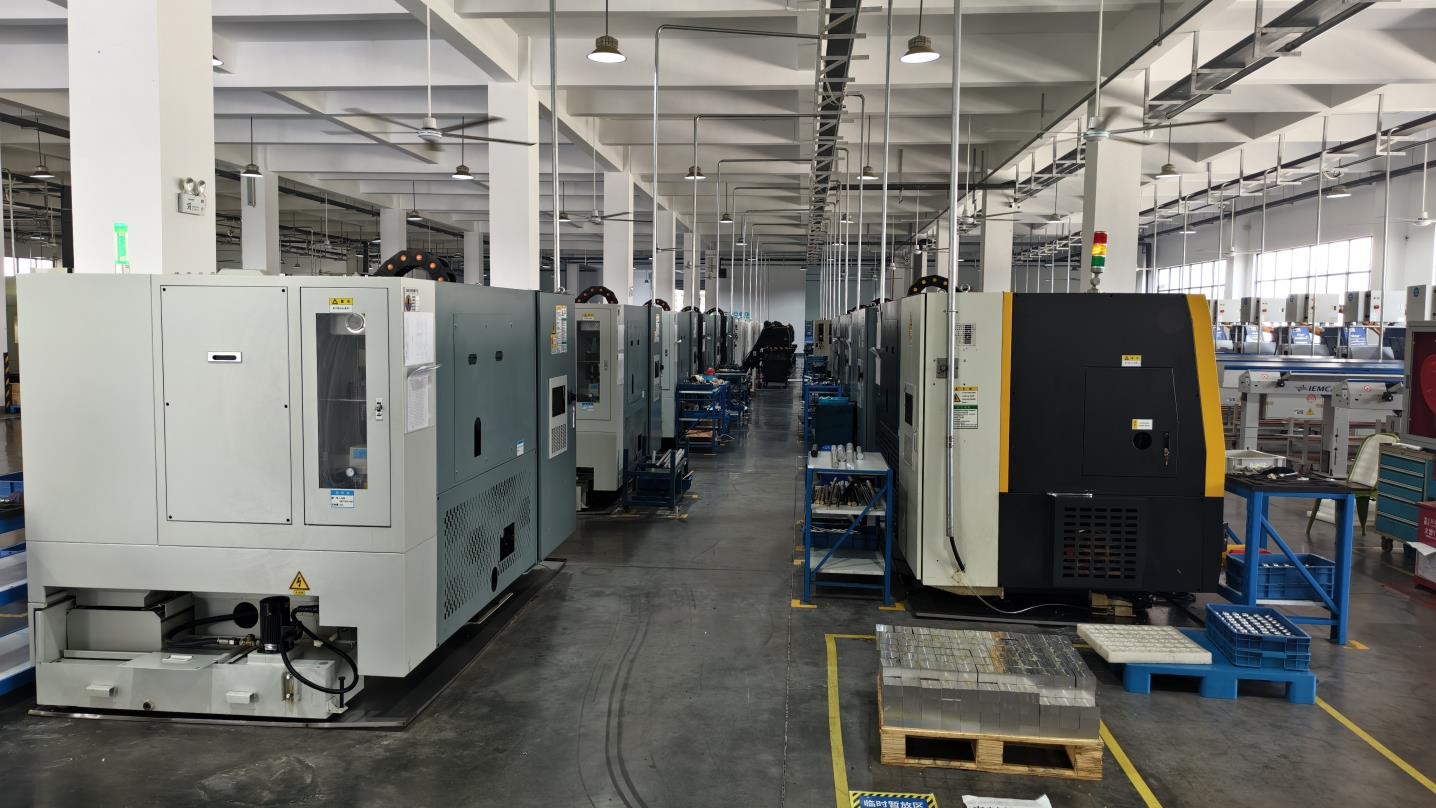
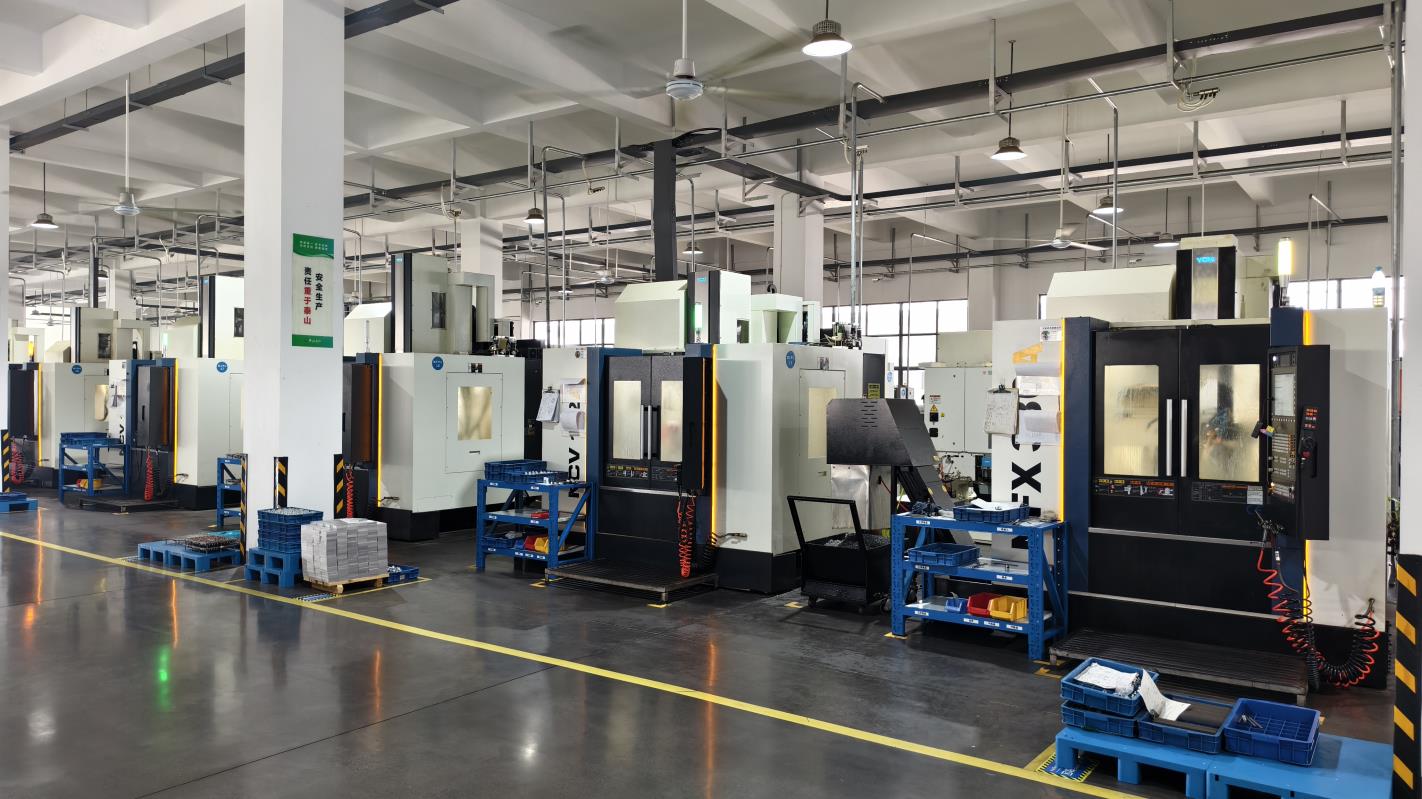
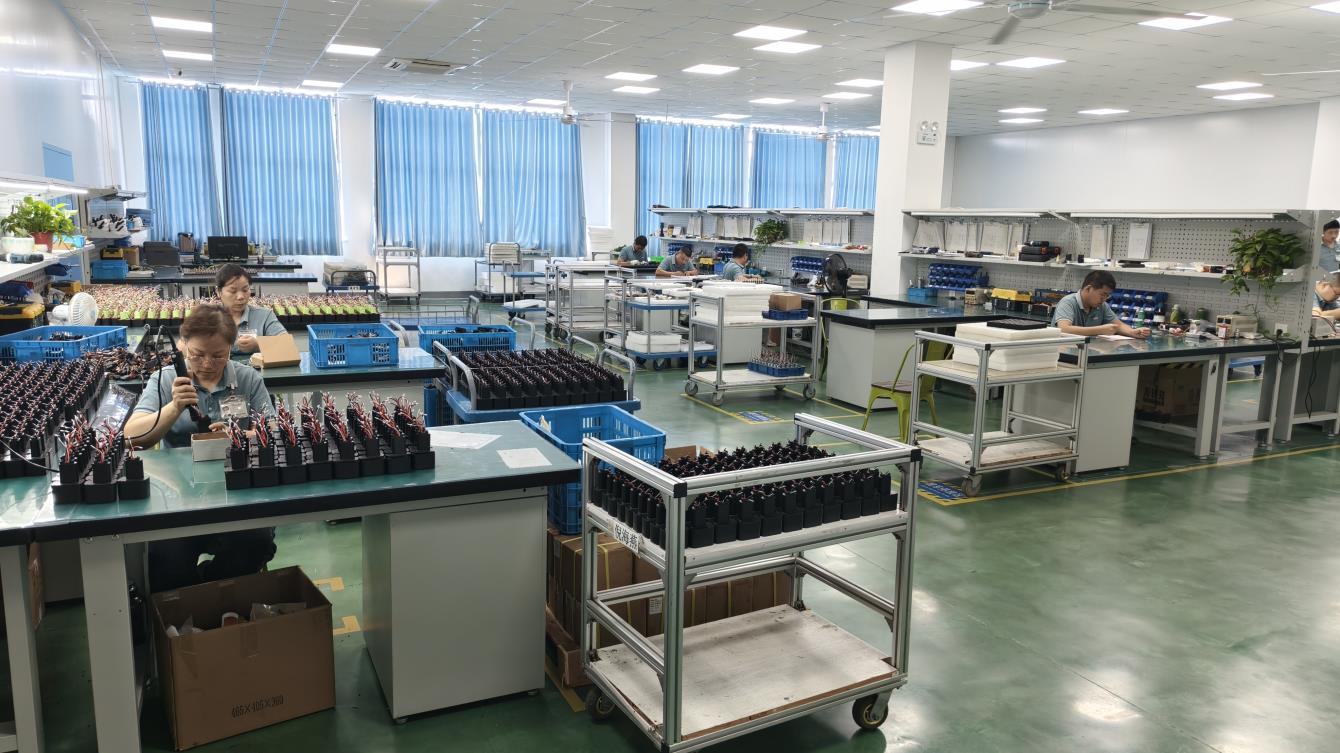
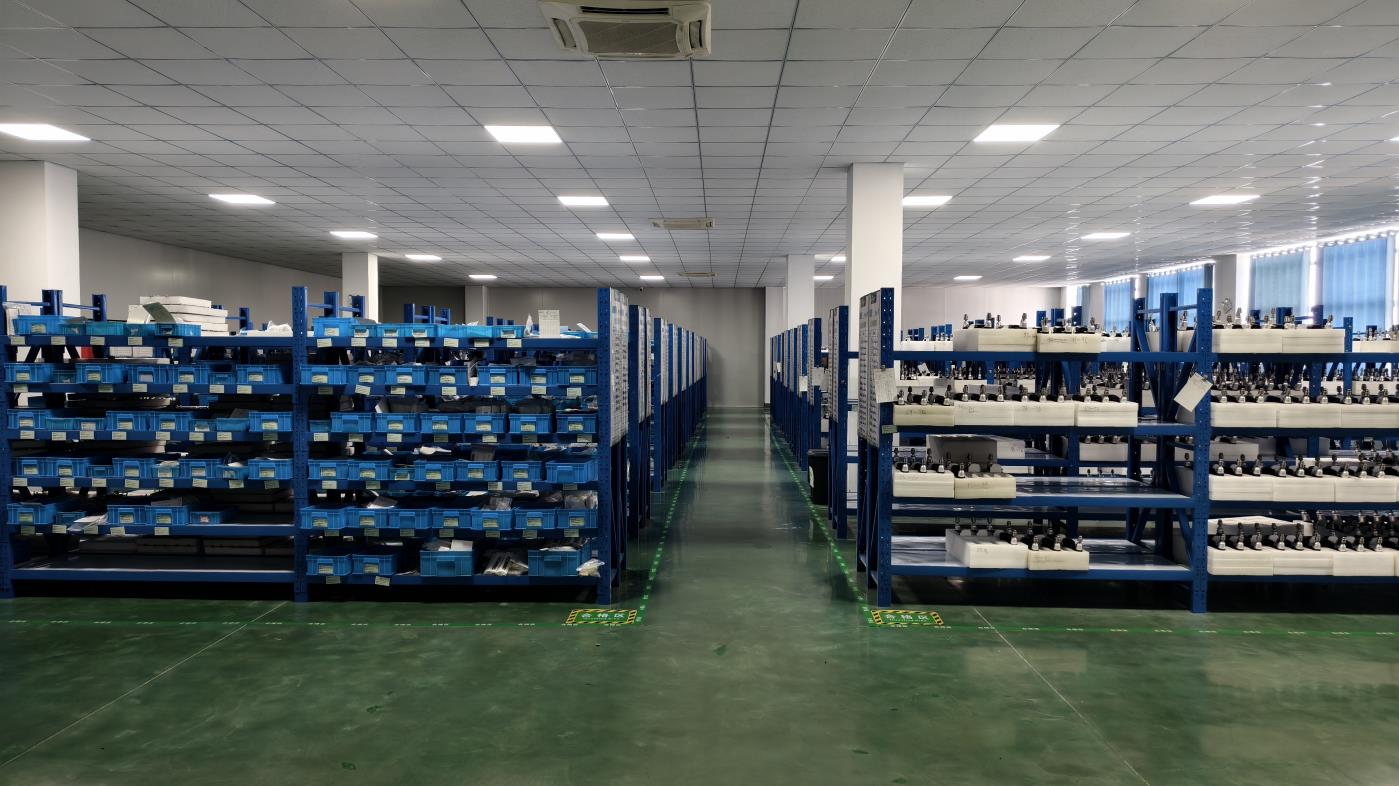
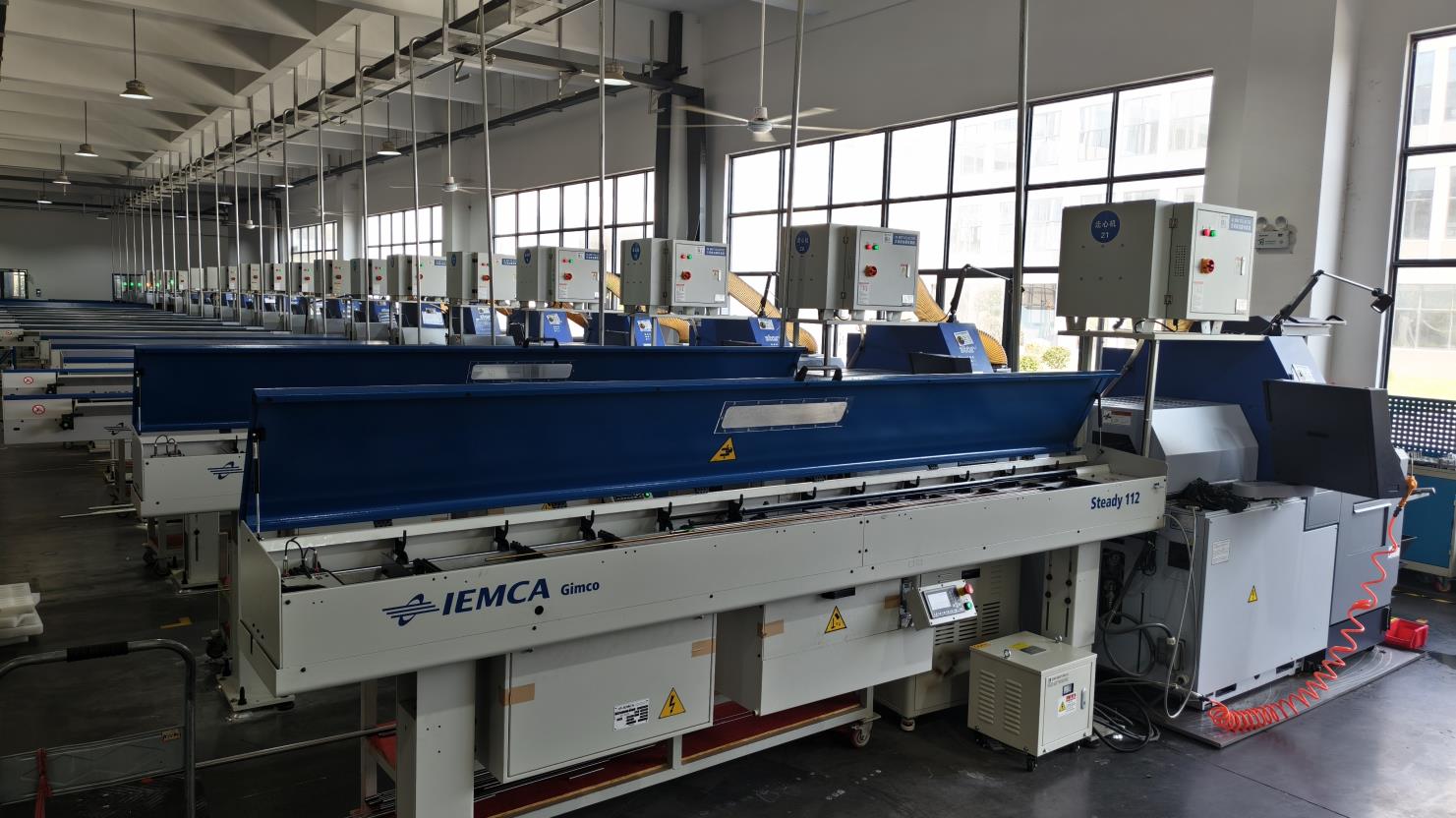
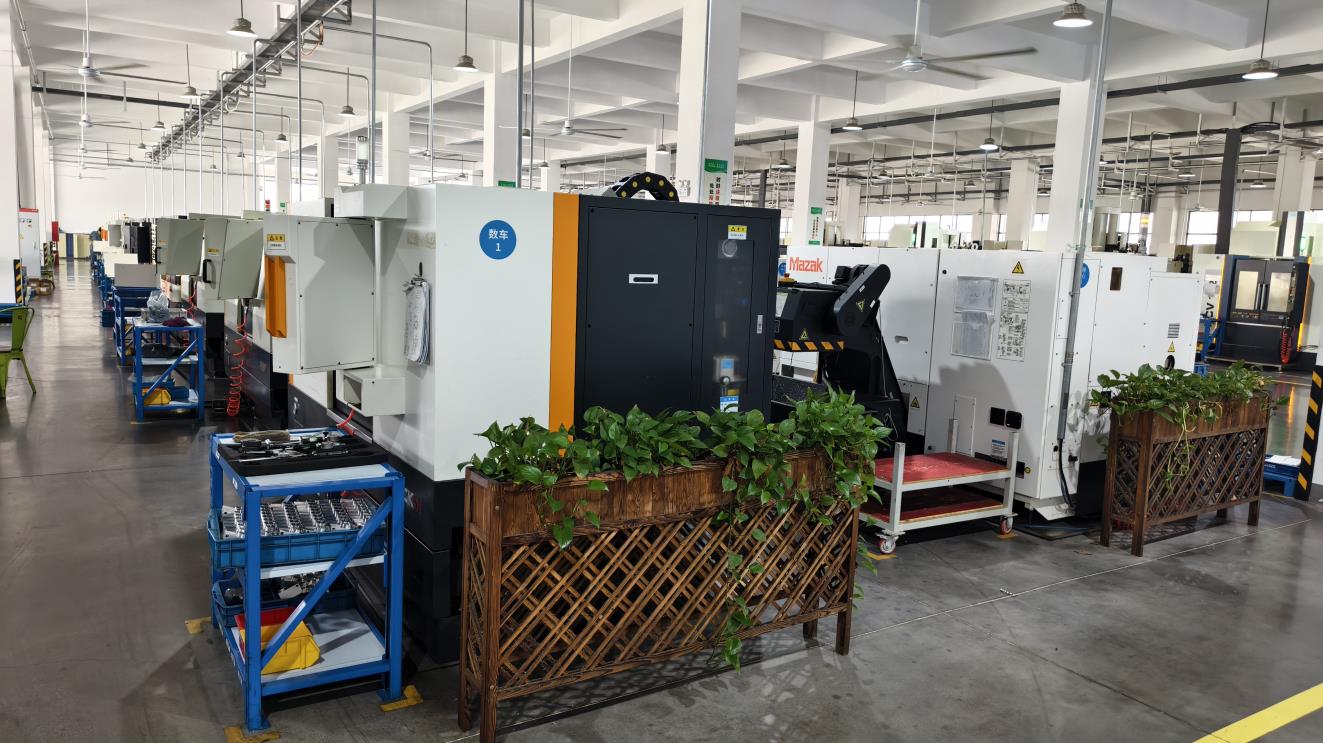
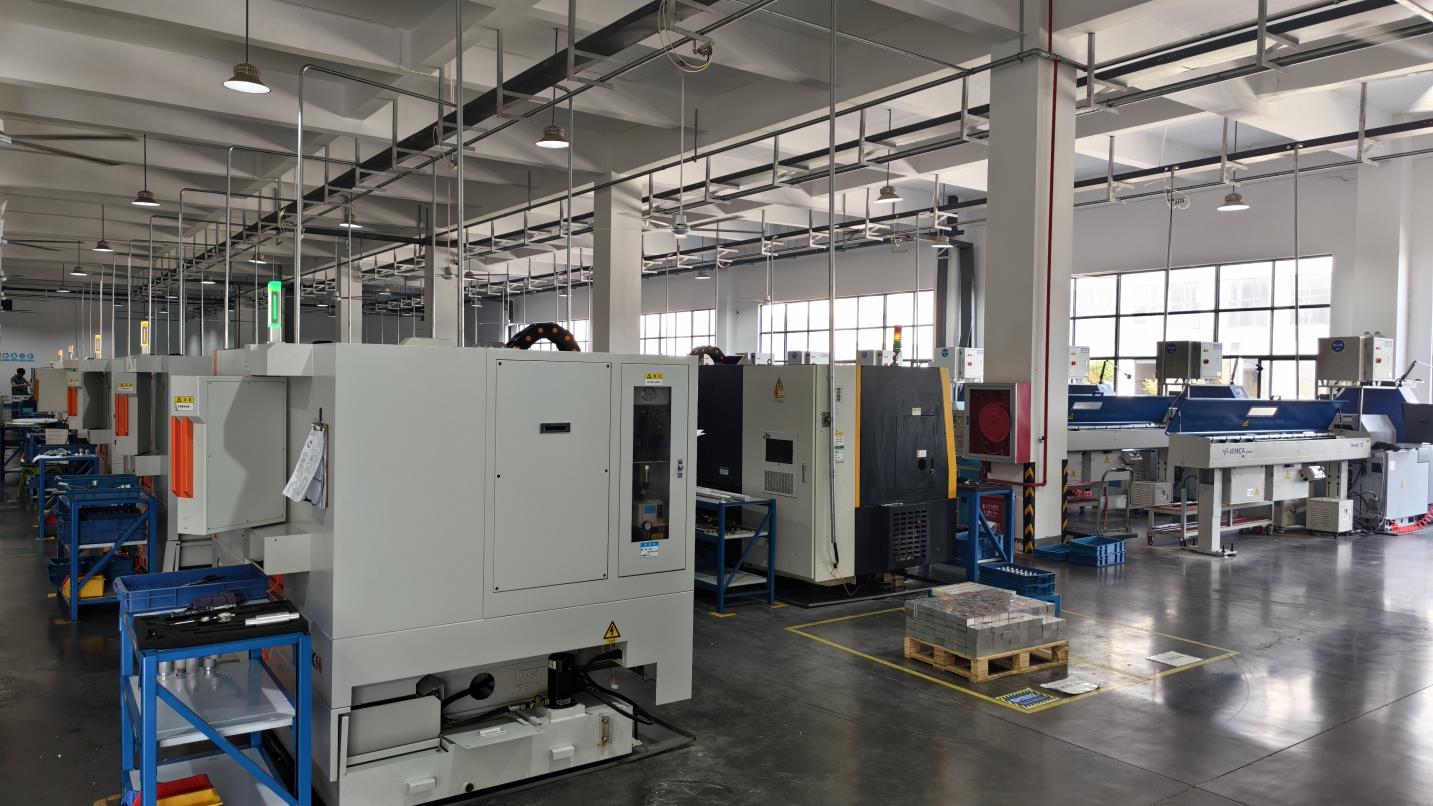
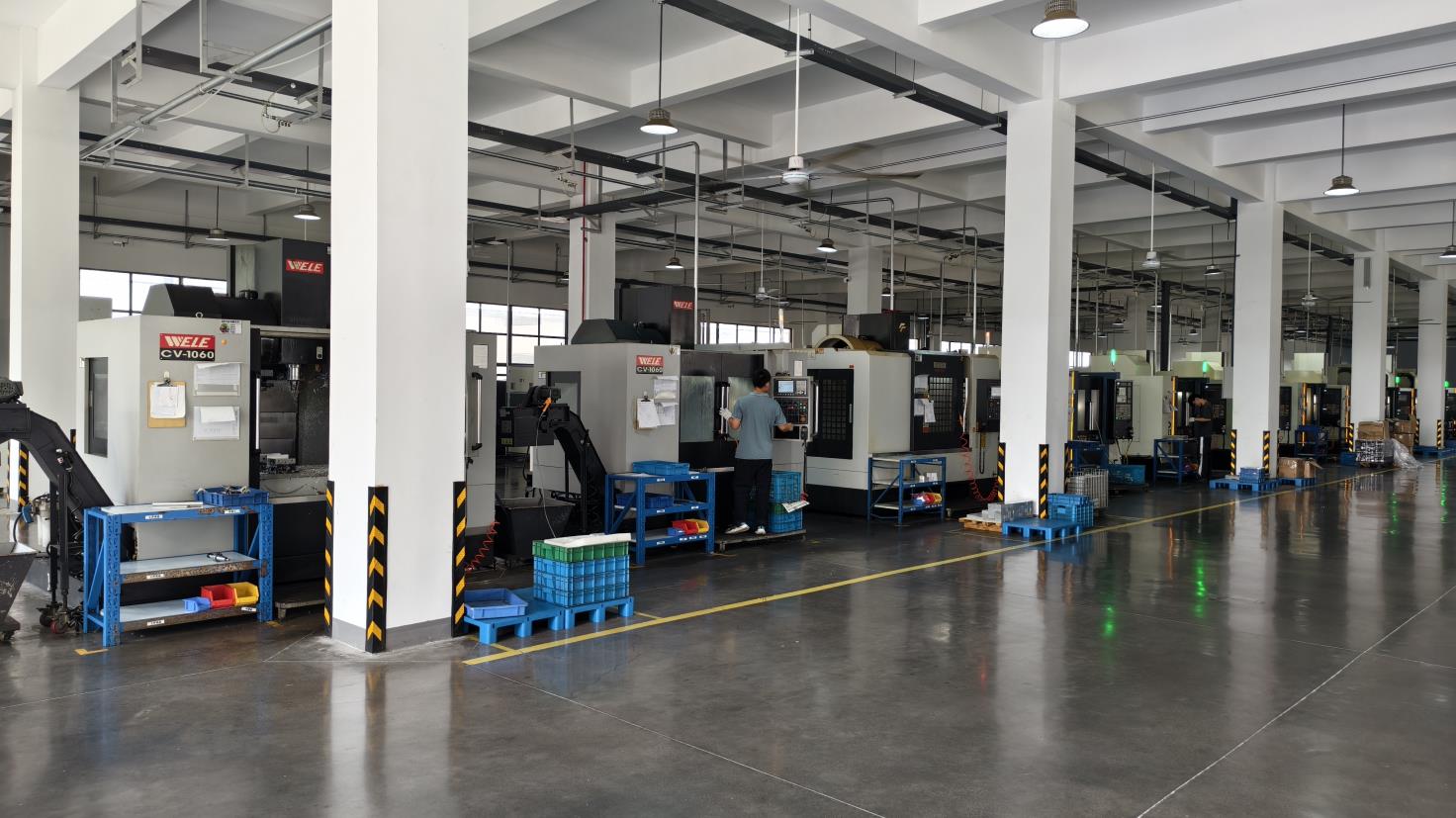
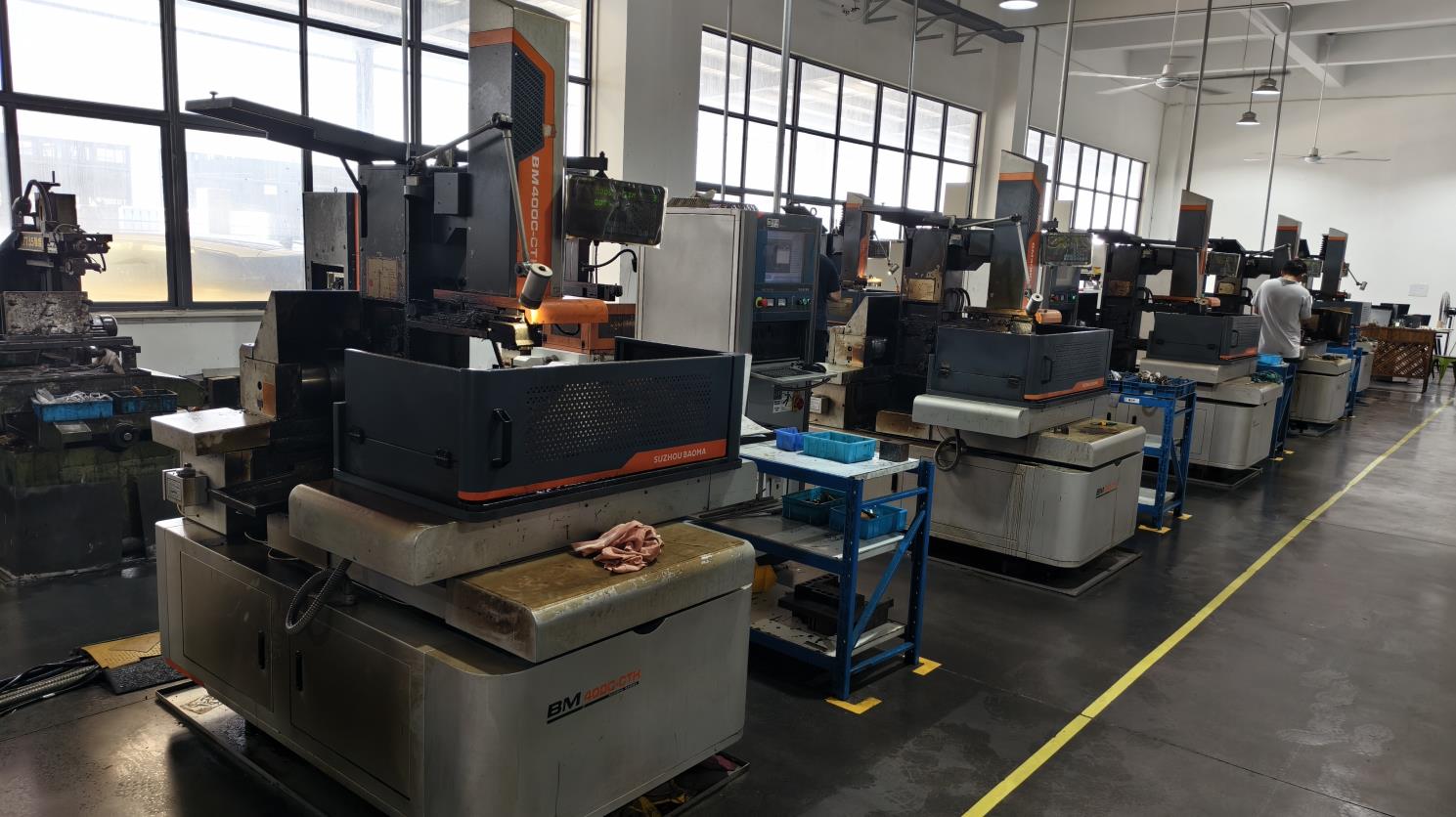
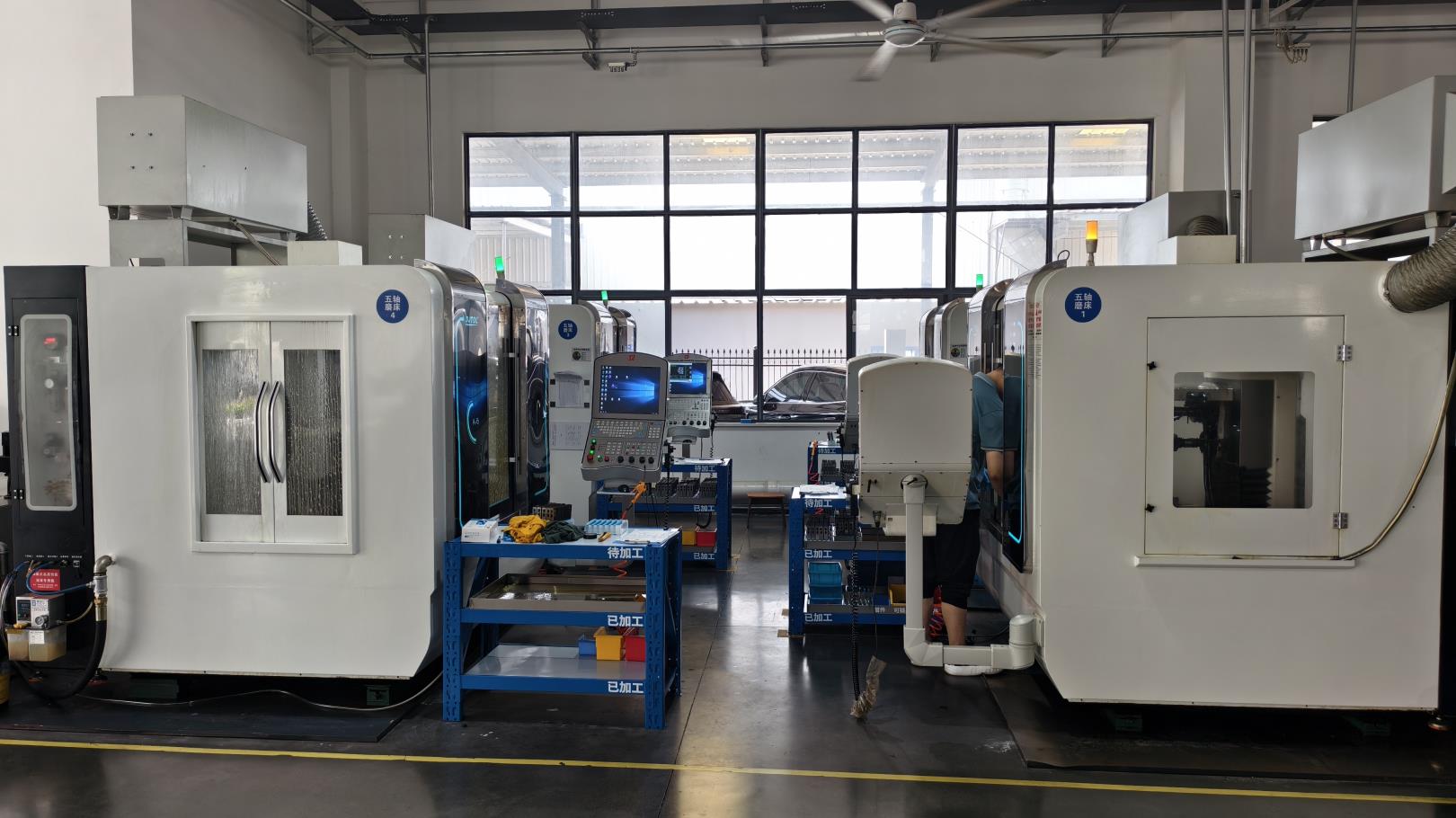
With a modern manufacturing facility covering 18,600 m², Moventra integrates advanced CNC machining, precision manufacturing, automated production lines, and strict quality management systems to ensure every product meets international medical standards. Our commitment to continuous innovation enables us to provide reliable OEM and ODM services for global medical device brands, distributors, and healthcare institutions.
Supported by an experienced R&D team and comprehensive quality assurance system, Moventra continuously develops innovative orthopedic solutions that improve surgical efficiency and patient outcomes. Our products are exported to customers worldwide and are trusted for their precision, safety, and consistent performance.
| Item | Details |
|---|---|
| Company Name | Moventra Medical Technology (China) Co., Ltd. |
| Brand | Moventra |
| Established | 2017 |
| Facility Area | 18,600 m² |
| Annual Export Revenue | USD 23.8 Million |
| Export Experience | 7 Years |
| Industry Experience | 13 Years |
| Quality Inspection | 100% Quality Inspection Before Shipment |
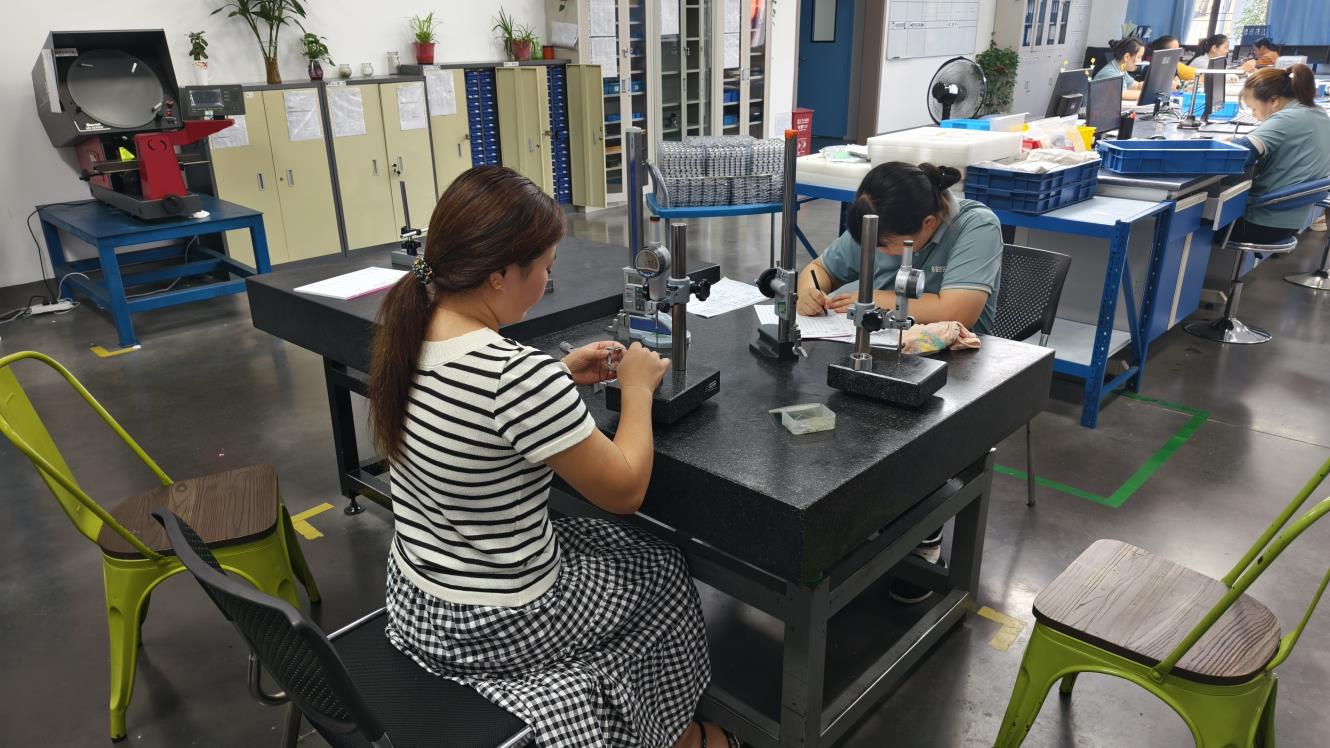
| Product Inspection Methods | Dimensional Inspection, Material Analysis, Surface Finish Inspection, Mechanical Performance Testing, Sterility Verification |
| Quality Control Staff | 48 |
| Business Type | Manufacturer, OEM & ODM, Exporter |
| Main Markets | North America, Europe, South America, Middle East, Southeast Asia, Australia |
| Supply Chain Partners | 1,120 |
| Main Customer Types | Medical Device Brands, Orthopedic Distributors, Hospitals, Importers, Government Procurement Projects |
| R&D Capability | Independent Product Design, Rapid Prototyping, OEM/ODM Development, Customized Engineering Solutions |
| Customization Options | Logo Customization, Packaging Customization, Product Design Customization, Drawing-Based Manufacturing, Sample-Based Manufacturing |
| New Products Released Last Year | 156 |
| R&D Engineers | 86 |
Modern spinal implant technology has transitioned from rigid, non-dynamic fixation to systems that respect natural sagittal balance and dynamic loading forces. Below is the industrial technical roadmap defining today's manufacturing paradigms:
Historically, stainless steel (316L) was standard. However, modern spinal surgeries rely extensively on Titanium Alloy (Ti-6Al-4V ELI / Grade 5) due to its superior biocompatibility, fatigue strength, and reduced imaging artifact generation. Additionally, PEEK (Polyetheretherketone) has established dominance in interbody fusion cages because its elastic modulus closely mirrors that of human cortical bone, reducing stress shielding and optimizing bone remodeling (Wolff’s Law).
Standard smooth titanium lacks optimal long-term direct bone-anchoring properties. Advanced manufacturers implement surface modification processes including SLA (Sandblasted, Large Grit, Acid-etched), anodic oxidation, and hydroxyapatite (HA) plasma spraying. These micro- and nano-structured surfaces mimic natural trabecular bone patterns, significantly accelerating osteoblast proliferation and ensuring immediate post-surgical stability.
Surgical trends heavily favor minimal tissue disruption. Modern MIS pedicle screws feature integrated reduction tabs, self-tapping double-lead thread profiles, and cannulation channels designed to guide the implant along precise guide wires (K-wires). This complex geometry requires specialized multi-axis tooling and lathe operations to prevent micro-fractures in the thin-walled cannulated core during high-stress bone entry.
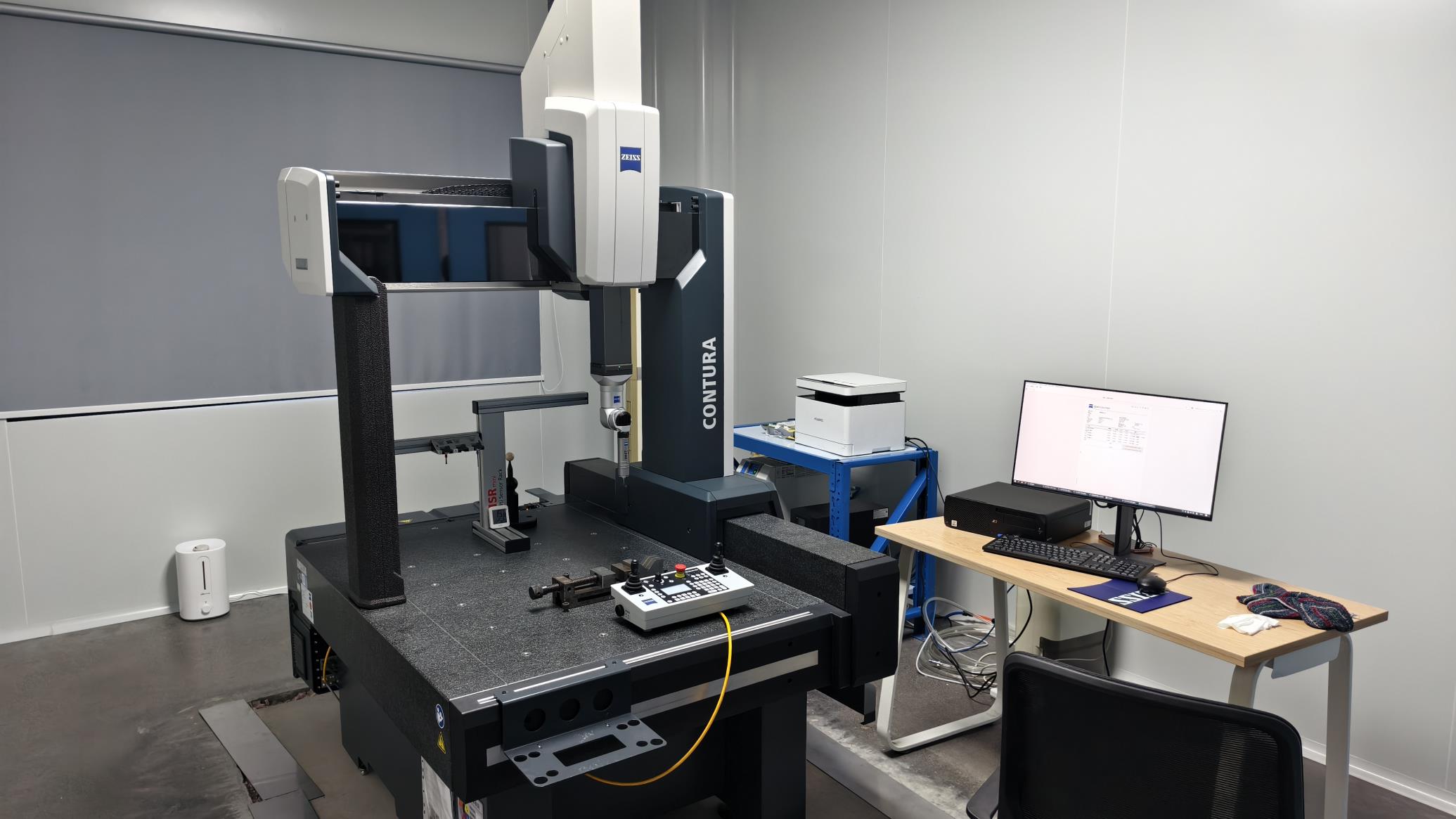
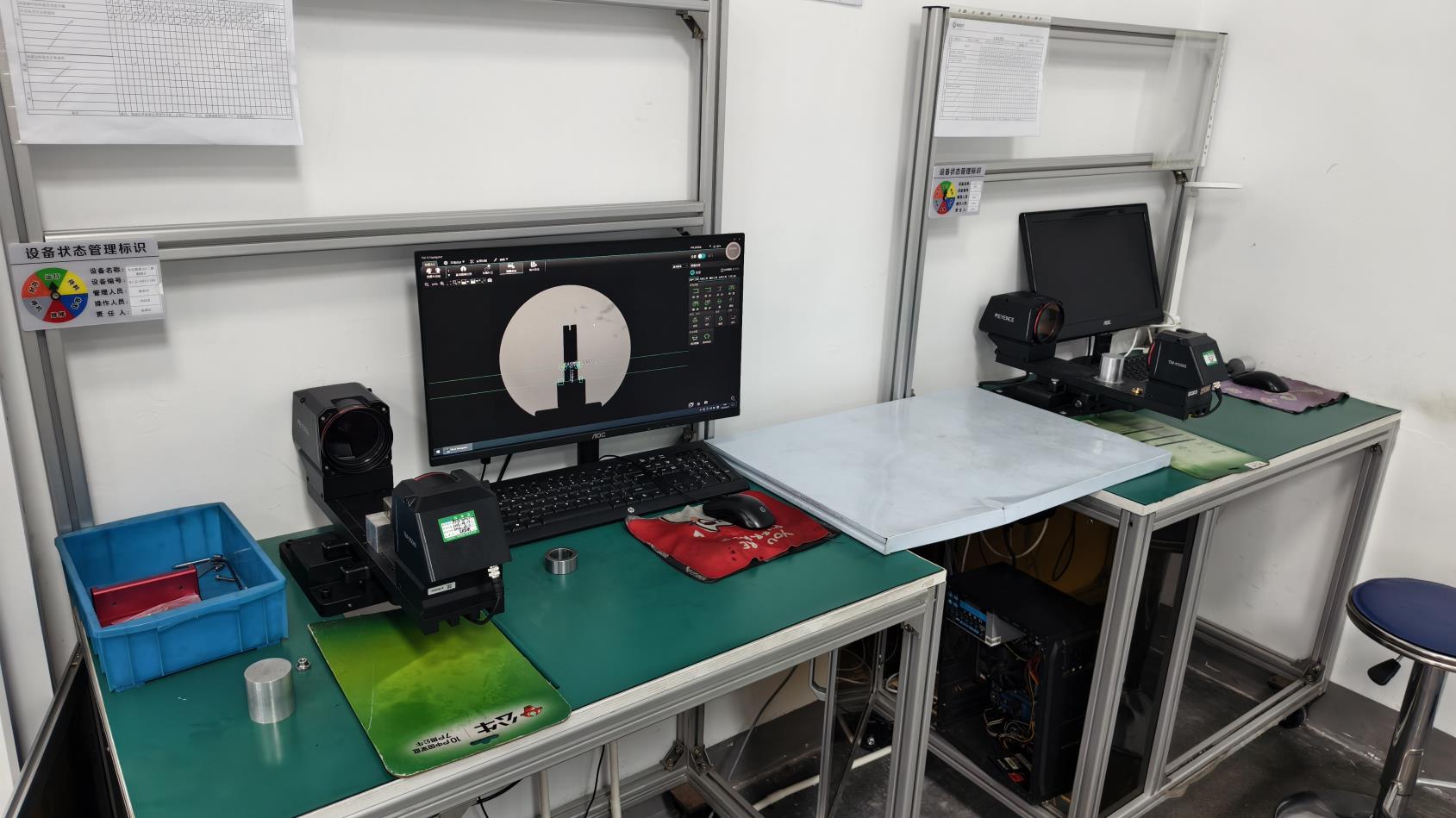
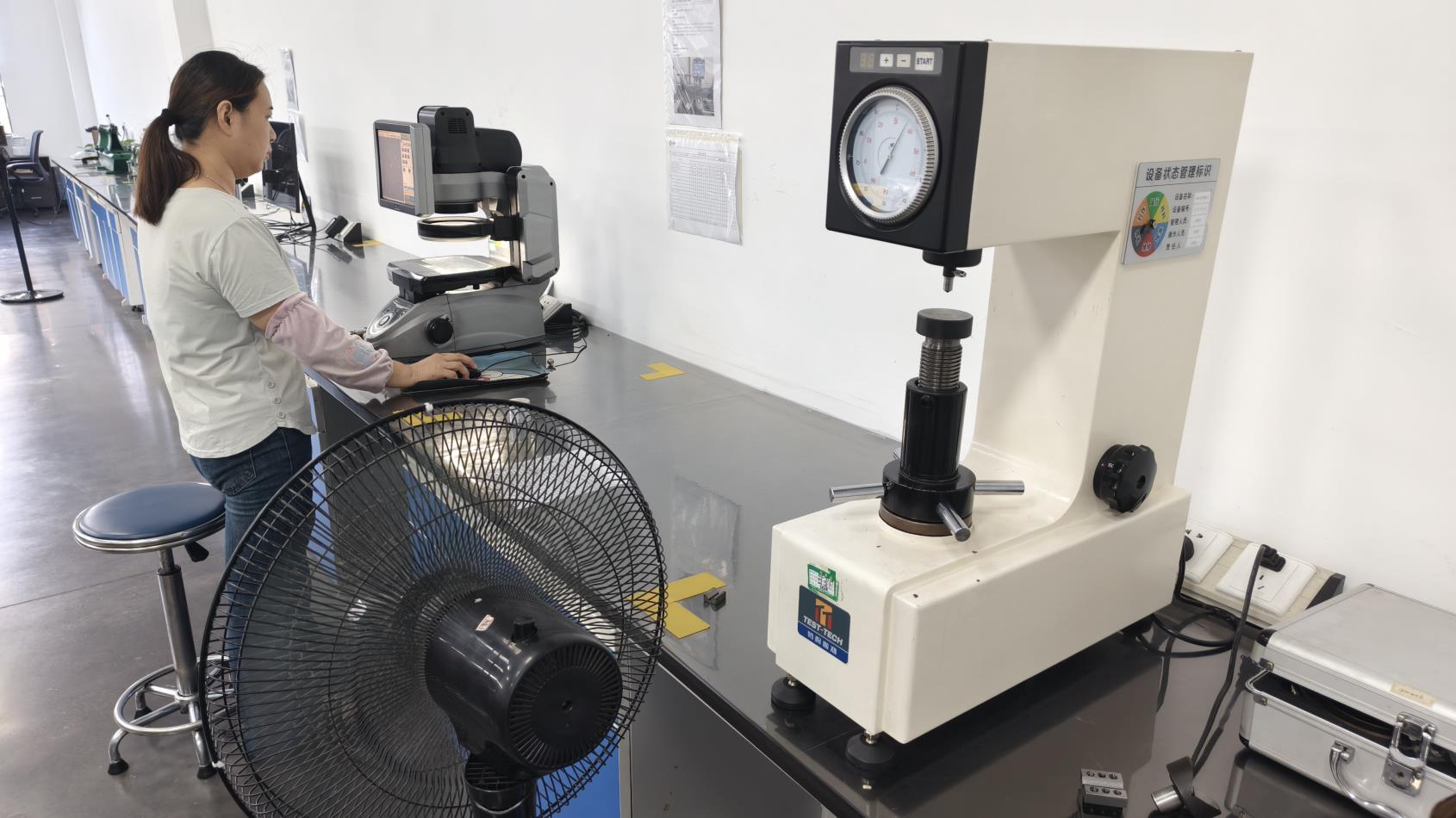
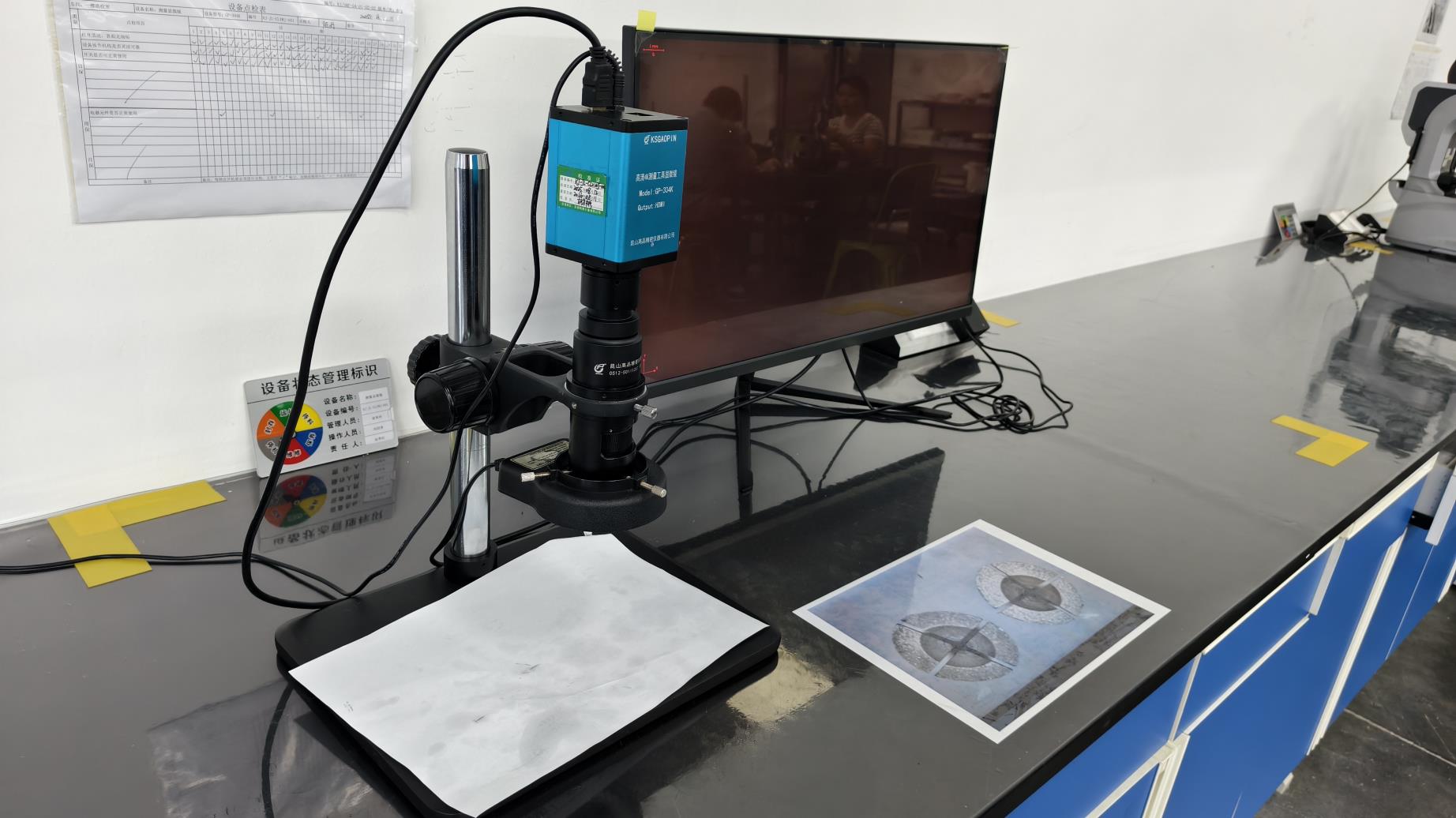
Realize the scale of production through our state-of-the-art machinery, inspection laboratories, and sterile assembly lines.
Orthopedic sourcing is highly specialized; solutions must map precisely to regional healthcare demands and clinical sub-disciplines. The table below represents how we structuralize product configurations to clinical pathways:
| Clinical Specialty | Common Pathologies | Primary Sourcing Solution | Typical Dimensional Specs |
|---|---|---|---|
| Cervical Fixation | Herniated Discs, Cervical Spondylosis, Trauma | Anterior Cervical Plates, Polyaxial Cervical Screws | 3.5mm Poly Screws, Titanium rods (3.0mm-3.2mm) |
| Thoracolumbar Deformity | Adolescent/Adult Scoliosis, Severe Kyphosis | Reduction Pedicle Screws, Straight Co-Cr/Titanium Rods | 5.5mm, 6.0mm Polyaxial System (Reduction & Mono) |
| Minimally Invasive (MISS) | Spinal Instability, Grade I/II Spondylolisthesis | Percutaneous Pedicle Screws, Cannulated Rod Systems | 5.5mm - 7.5mm Self-tapping Polyaxial MIS Screws |
| Degenerative Interbody Fusion | Disc Space Collapse, Stenosis | PEEK or 3D-Printed Titanium Cages (TLIF, PLIF, ALIF) | Anatomical lordotic angles, porous surface structures |
For procurement officers, sourcing products with standardized diameters (e.g., 5.5mm & 6.0mm systems) is critical to ensure compatibility with standard clinical surgical instrument trays already present in operating theaters. Purchasing comprehensive implant sets ensures surgical procedures progress seamlessly without component mismatch.
Deep answers to technical and regulatory queries commonly raised by surgical specialists and clinical distributors.
Complete your sourcing portfolio with our premium spinal hardware, posterior internal fixation rods, and trauma stabilization devices.
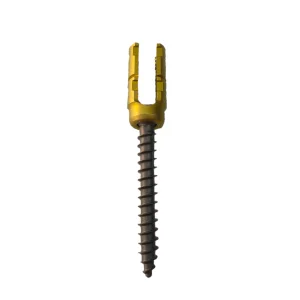
Wholesale Polyaxial Pedicle Titanium Screws Titanium Alloy Pedicle Screw for Hospital Spine Implant Interventional Materials
Explore Specs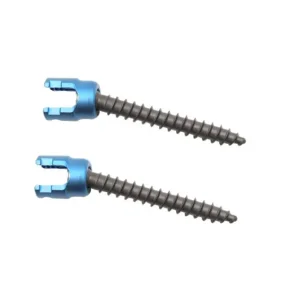
Geasure Factory Price Ortopedia 6.0 System Titanium Spine System Polyaxial Pedicle Screws for Spine Surgery
Explore Specs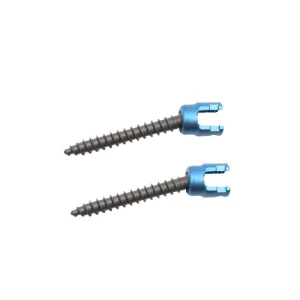
Geasure Ortopedia 6.0 Spinal Polyaxial Pedicle Screw Titanium Alloy Spinal Screw
Explore Specs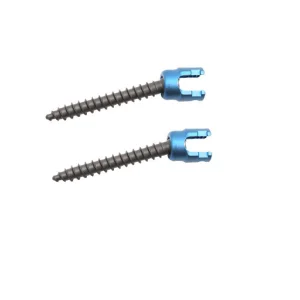
Geasure Orthopedic Surgical Implants Neurosurgery Spine 6.0 Polyaxial Titanium Alloy Pedicle Screws GB1Z-II Model Hospital Use
Explore Specs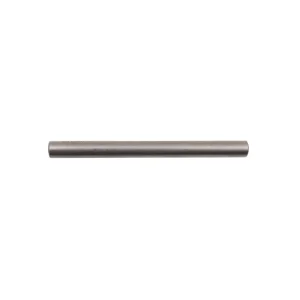
Geasure Titanium Straight Rod Orthopedic Material Spine System for 6.0 Spinal Pedicle Screw Implants & Interventional Materials
Explore Specs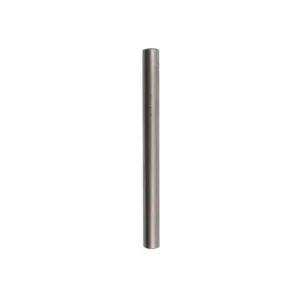
Geasure Orthopedic Titanium Alloy Straight Rod 6.0 System Spinal Pedicle Screw Implant Set Interventional Materials
Explore Specs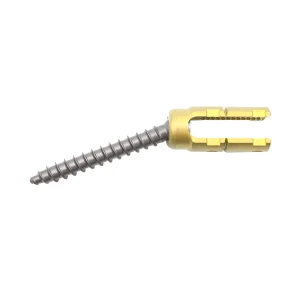
Geasure 6.0 Reduction Polyaxial Pedicle Screw System Titanium Orthopedic Surgical Implants for Spinal Surgery
Explore Specs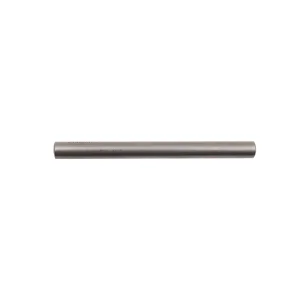
Geasure 6.0 Titanium Straight Rod Posterior Internal Fixation Orthopedic Implant for Spinal Surgical Medical Intervention
Explore Specs Moventra Medical