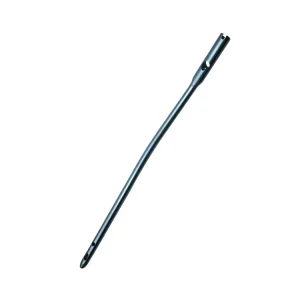
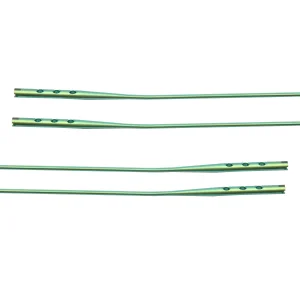
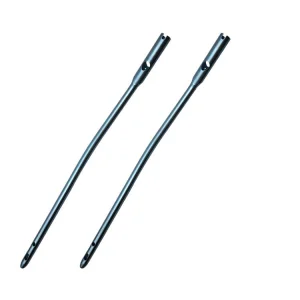
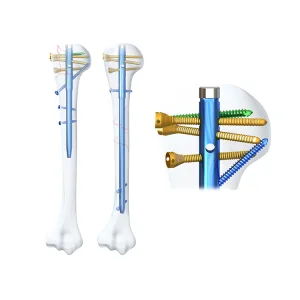
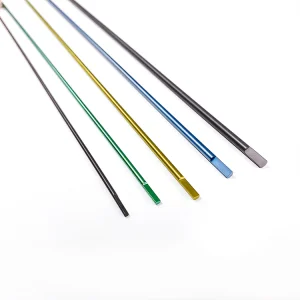
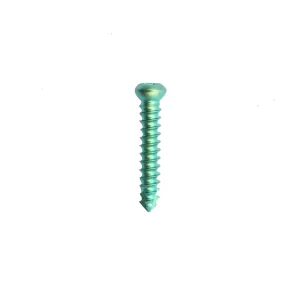
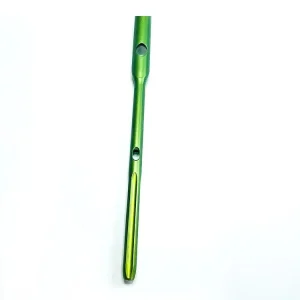
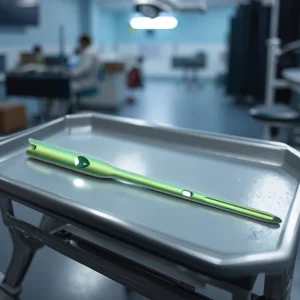
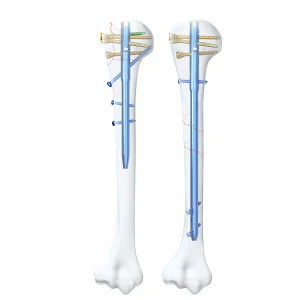
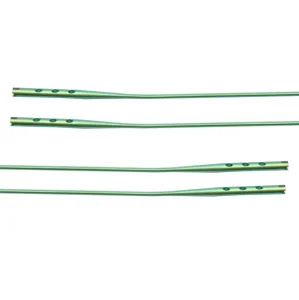
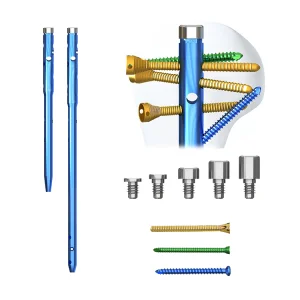
Engineered for physiological load-sharing, advanced stability, and optimal osteosynthesis in long-bone trauma fixations.
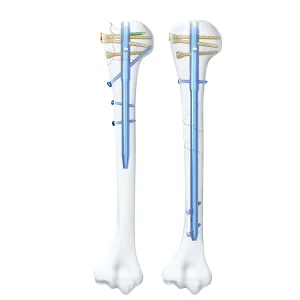
The global orthopedic market has undergone a significant paradigm shift from conventional plate fixation to modern, minimally invasive intramedullary (IM) nail fixation. Designed to serve as an internal splint, the intramedullary nail is inserted into the medullary canal of long bones (such as the femur, tibia, and humerus), converting shear displacement forces into physiological compression across the fracture site.
By positioning the implant along the central mechanical axis of the bone, intramedullary nails reduce the lever arm of deformation forces compared to laterally applied bone plates. This biomechanical configuration minimizes the risk of implant failure, promotes load-sharing rather than load-bearing, and significantly limits stress shielding—a common cause of local bone resorption and delayed union.
From an anatomical standpoint, maintaining local tissue vascularity is critical for bone healing. Modern IM nailing preserves the periosteal blood supply, which is often compromised during open reduction and internal plate fixation. Because the insertion is performed percutaneously or through mini-open incisions, it retains the fracture hematoma—a rich reservoir of osteogenic cytokines and growth factors essential for early osteogenesis.
For procurement officers and medical device brands, sourcing implants requires strict compliance with international regulatory bodies and advanced mechanical testing standards.
Implants are manufactured exclusively from biocompatible alloys like Titanium Alloy (Ti-6Al-4V ELI, conforming to ASTM F136 / ISO 5832-3) and Ultra-Clean Stainless Steel. These materials provide high fatigue strength, corrosion resistance, and a low elastic modulus to minimize stress shielding.
Utilizing high-end Swiss-type CNC lathe and milling machinery, tolerances are controlled within the micro-meter scale. Precision cannulation is critical to ensure smooth guide wire transit and prevent cortical bone damage during clinical insertion.
Finished implants undergo rigorous ultrasonic cleaning, automated chemical passivation to enhance the protective oxide layer, and cleanroom packaging (Class 10,000 / ISO Class 7 environment) to guarantee zero contamination before sterilization.
How Moventra integrates advanced manufacturing technologies to provide medical device brands with reliable OEM/ODM capacity and absolute compliance.
Operating a state-of-the-art 18,600 m² facility in China, Moventra Medical Technology (China) Co., Ltd. represents the standard of modern orthopedic manufacturing. Established in 2017, the factory is engineered around digital supply chain integration, precision production, and strict mechanical testing protocols.
By using Swiss-type lathes, automated multi-axis milling centers, and wire cutting equipment, Moventra maintains complete control over the manufacturing process. These technologies are backed by a robust quality management system consisting of 48 dedicated QC personnel, ensuring a 100% quality inspection rate before shipment.
In addition to standard OEM production, the facility has a strong product design team of 86 R&D engineers who released 156 new products last year. This team helps global medical companies design, prototype, and manufacture custom implants using drawing-based or sample-based manufacturing protocols.
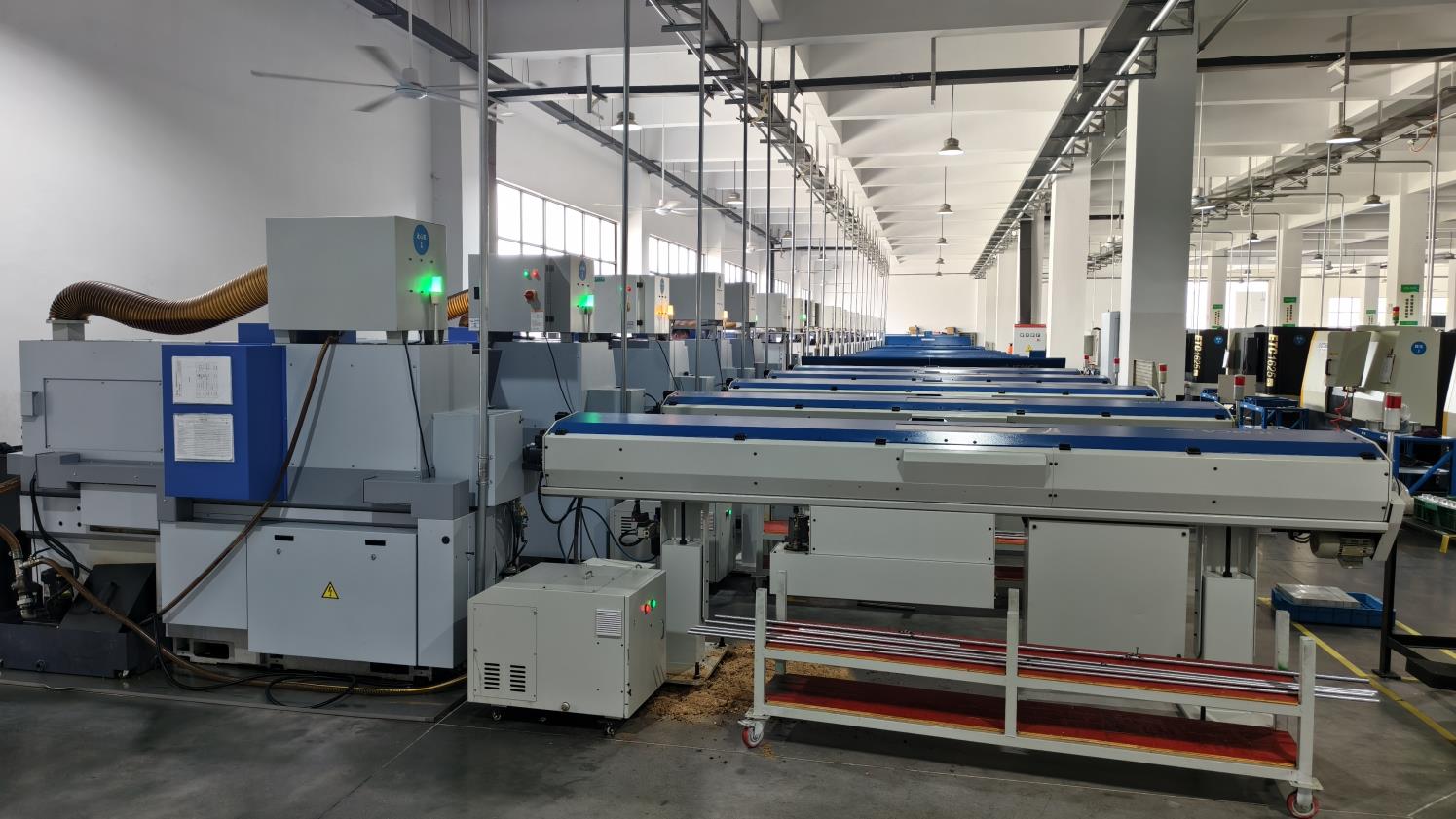
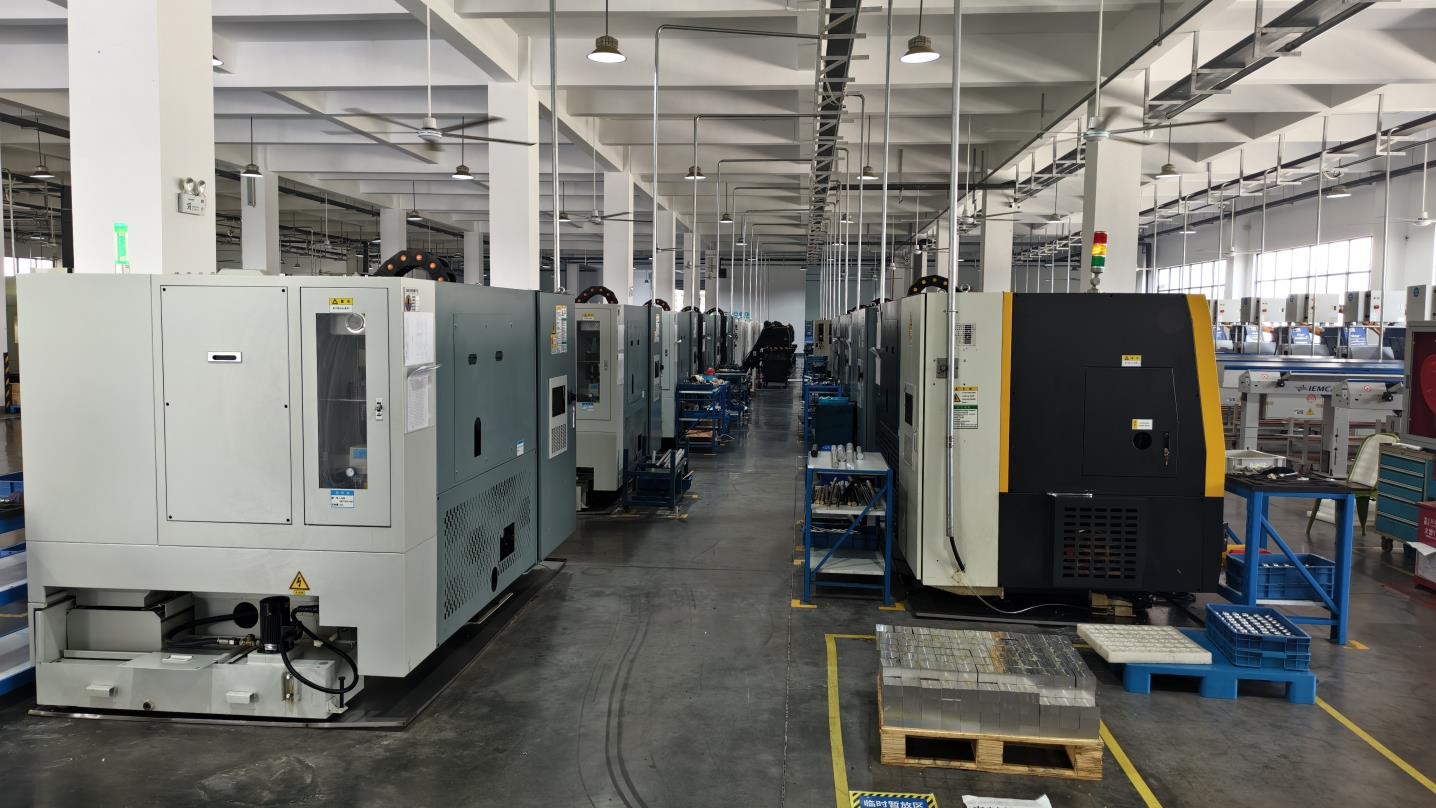
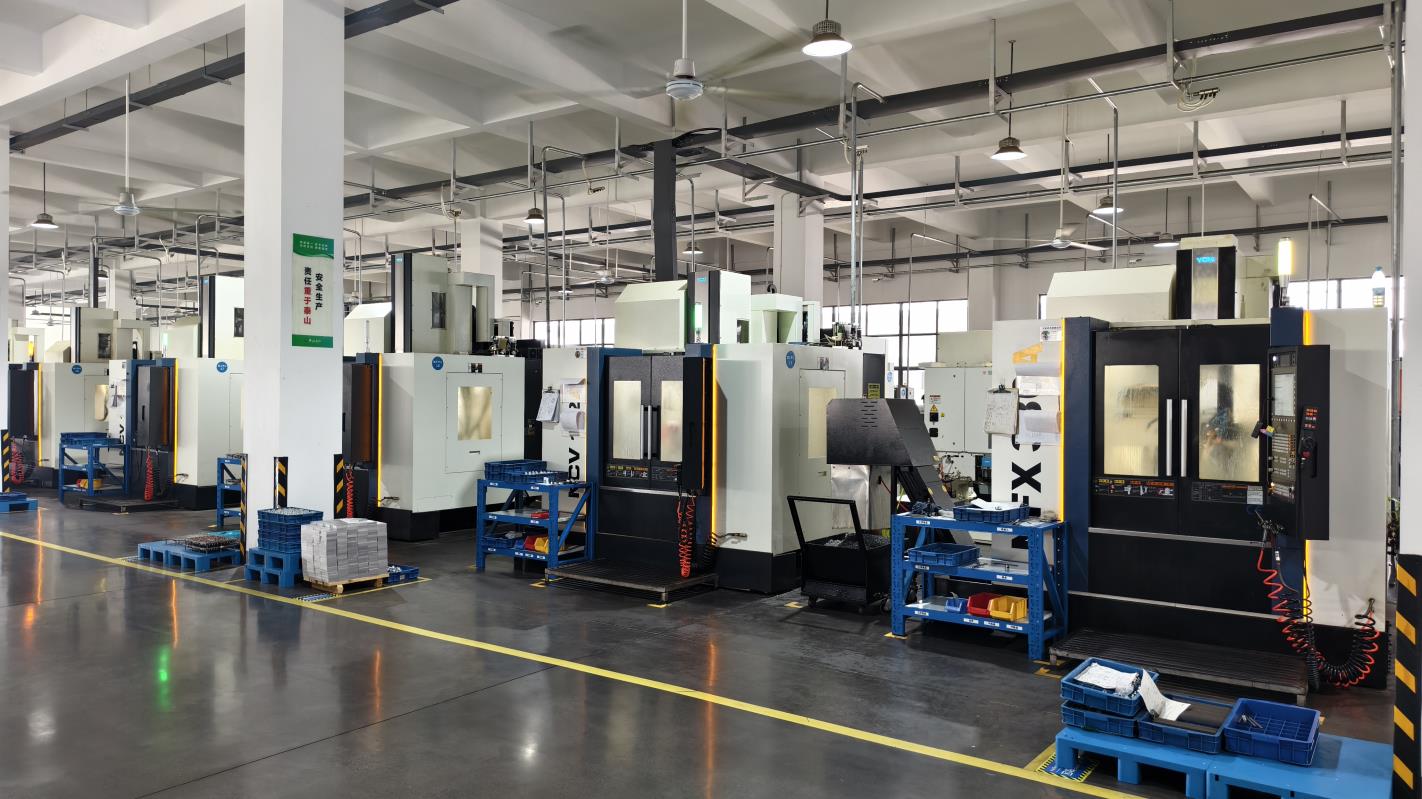
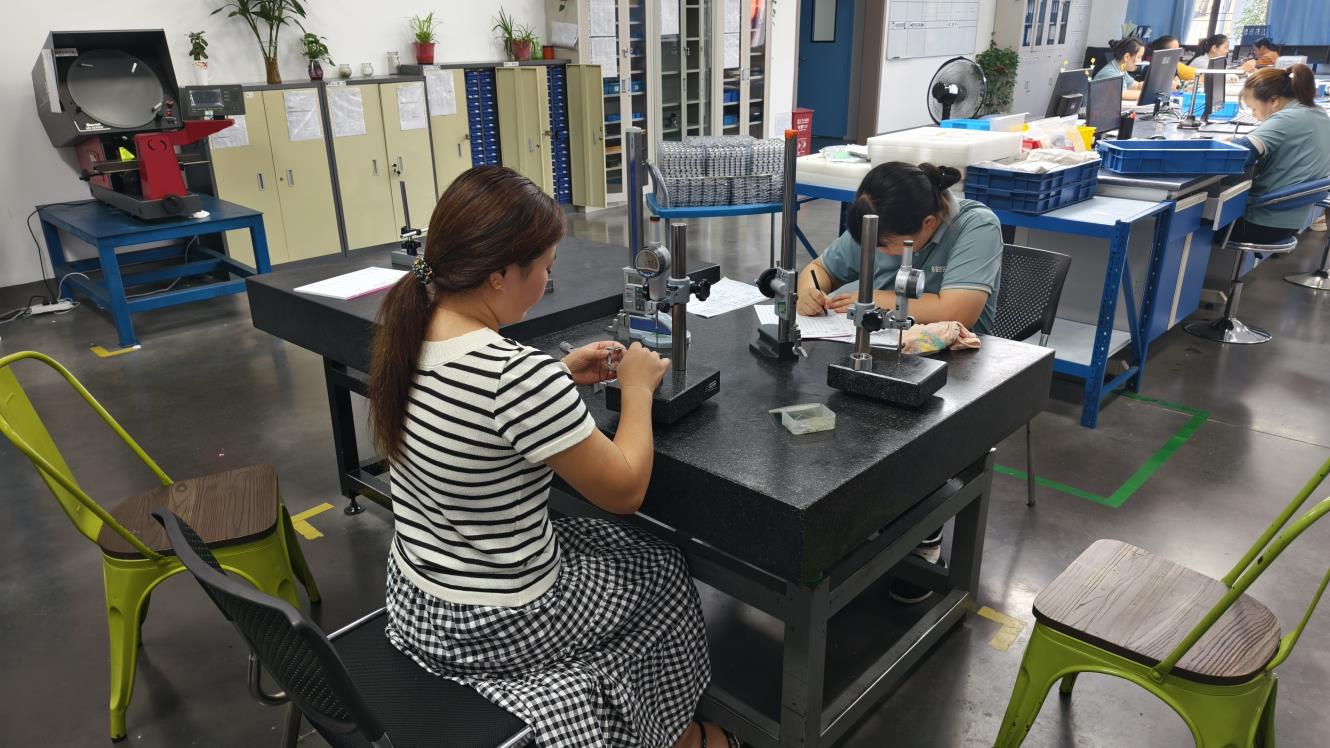
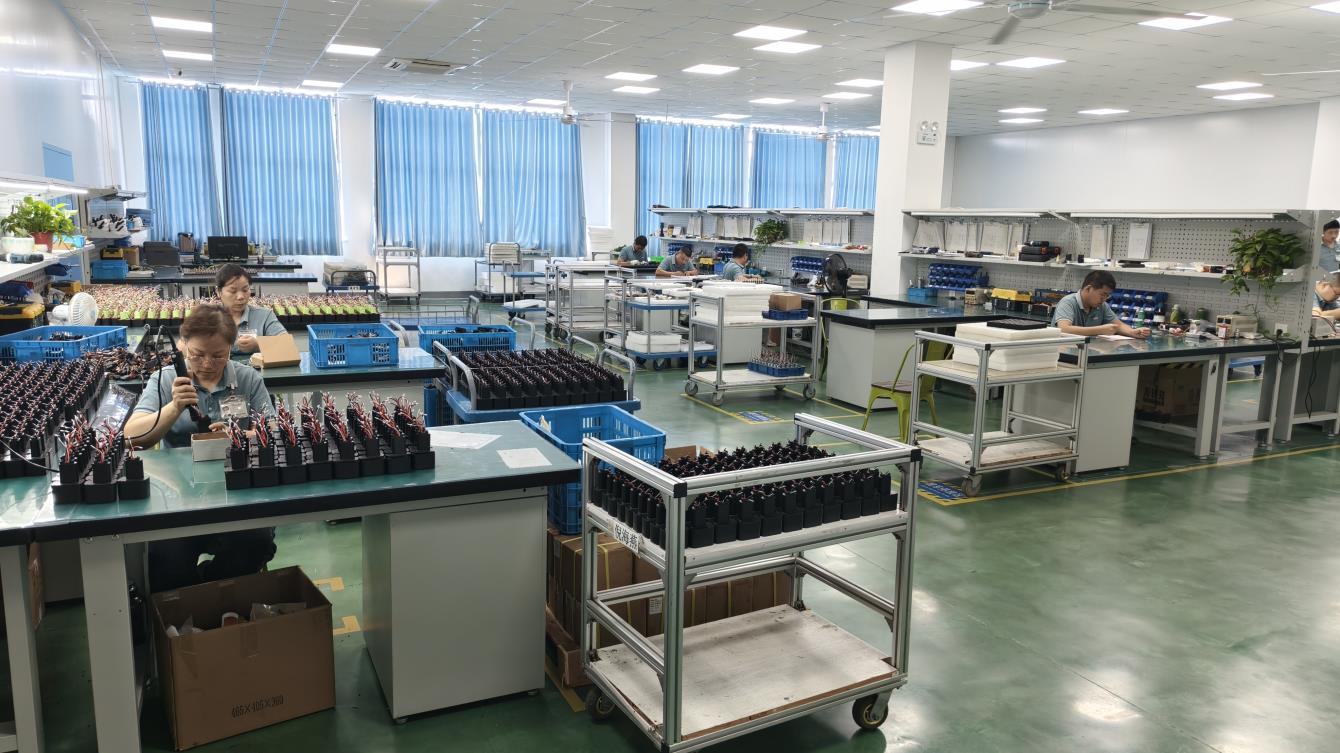
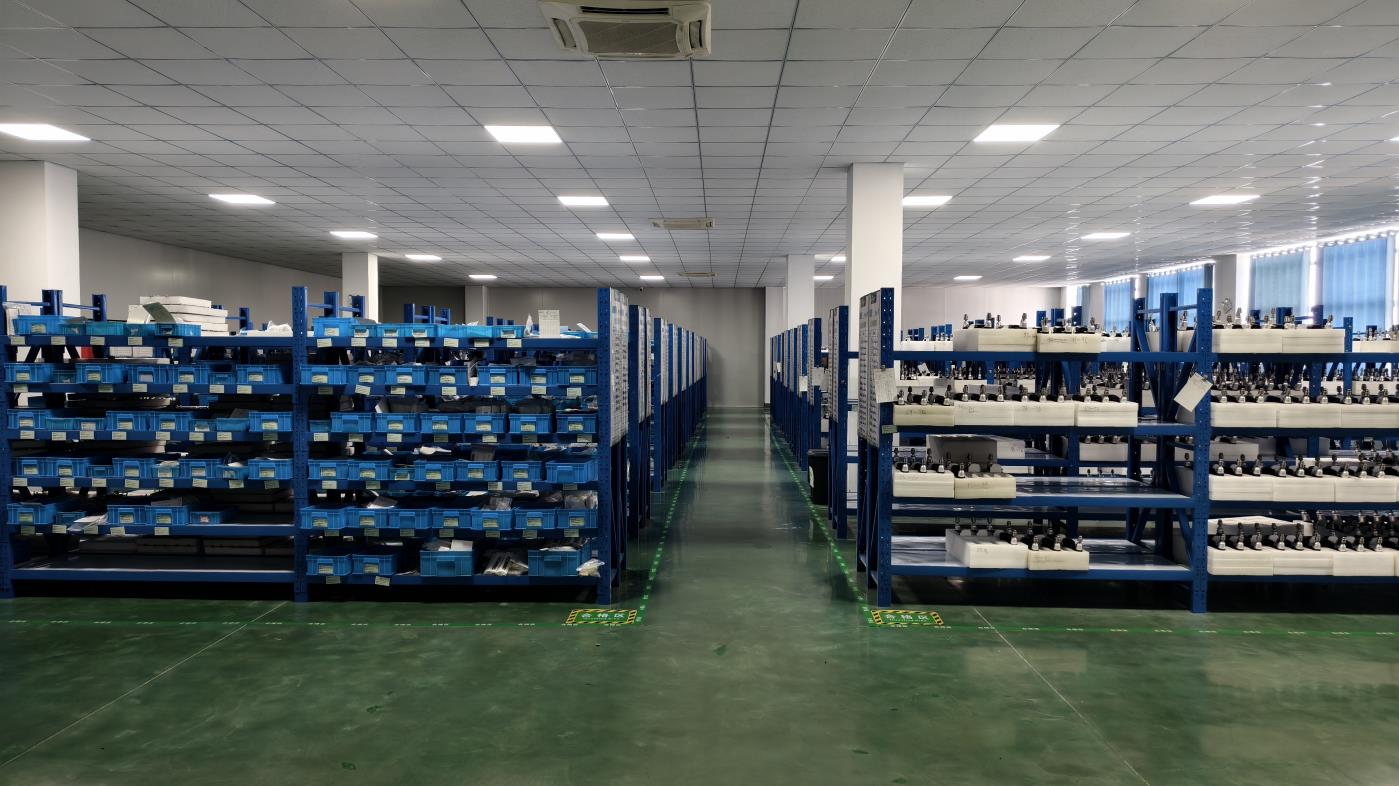
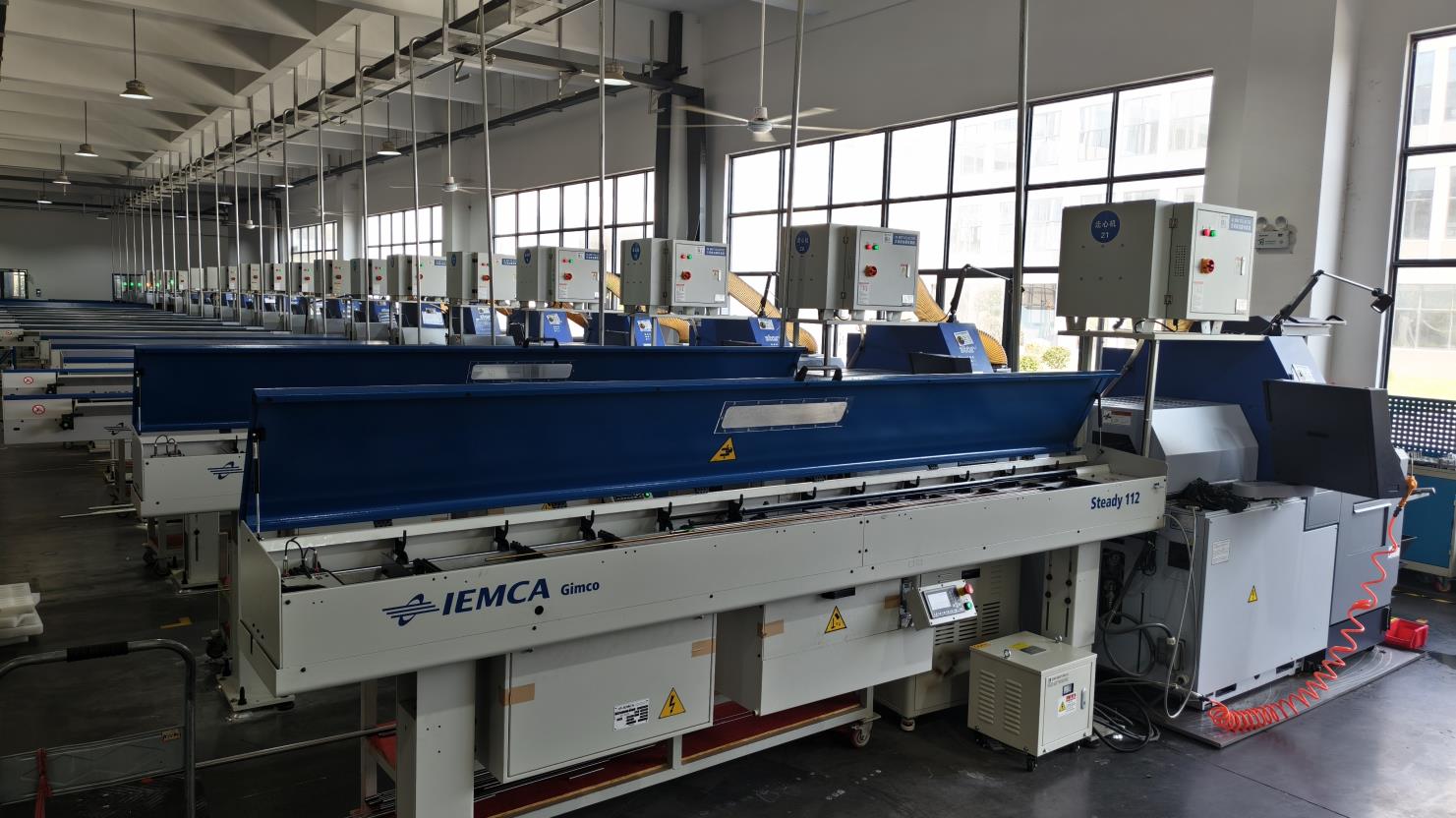
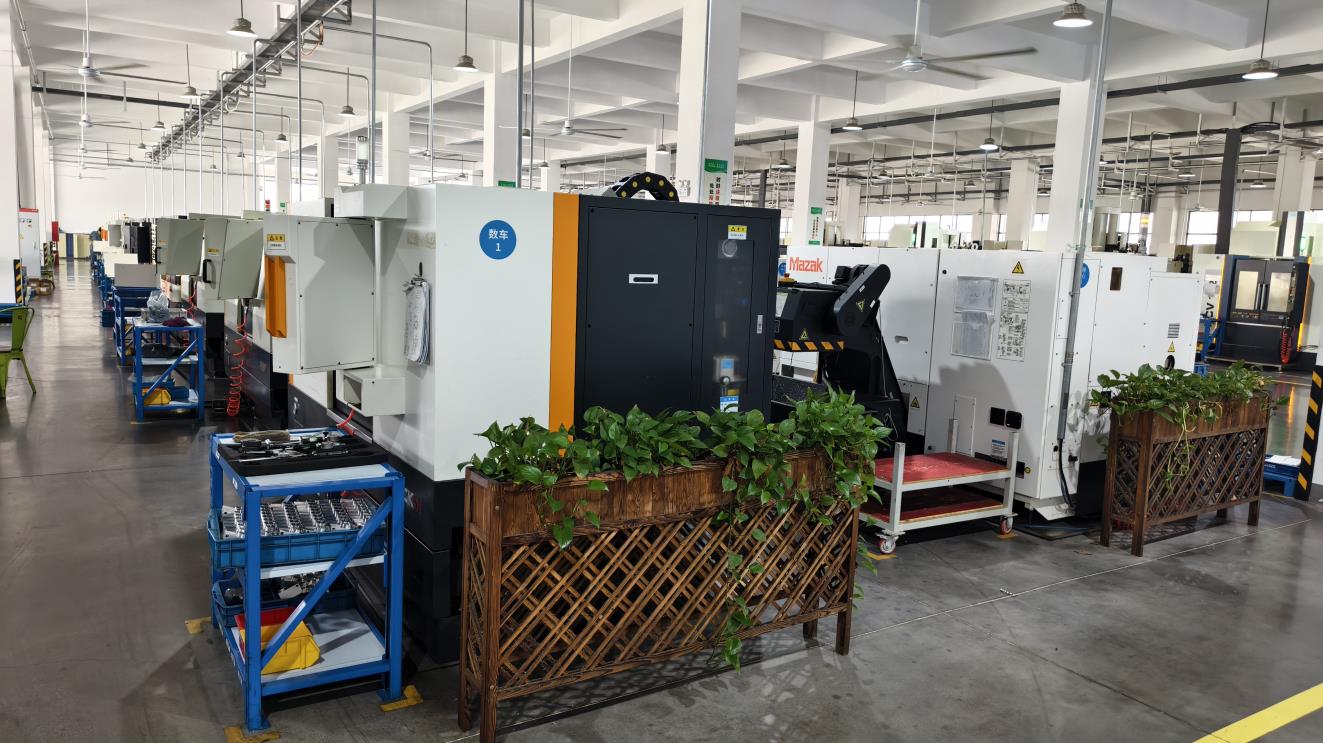
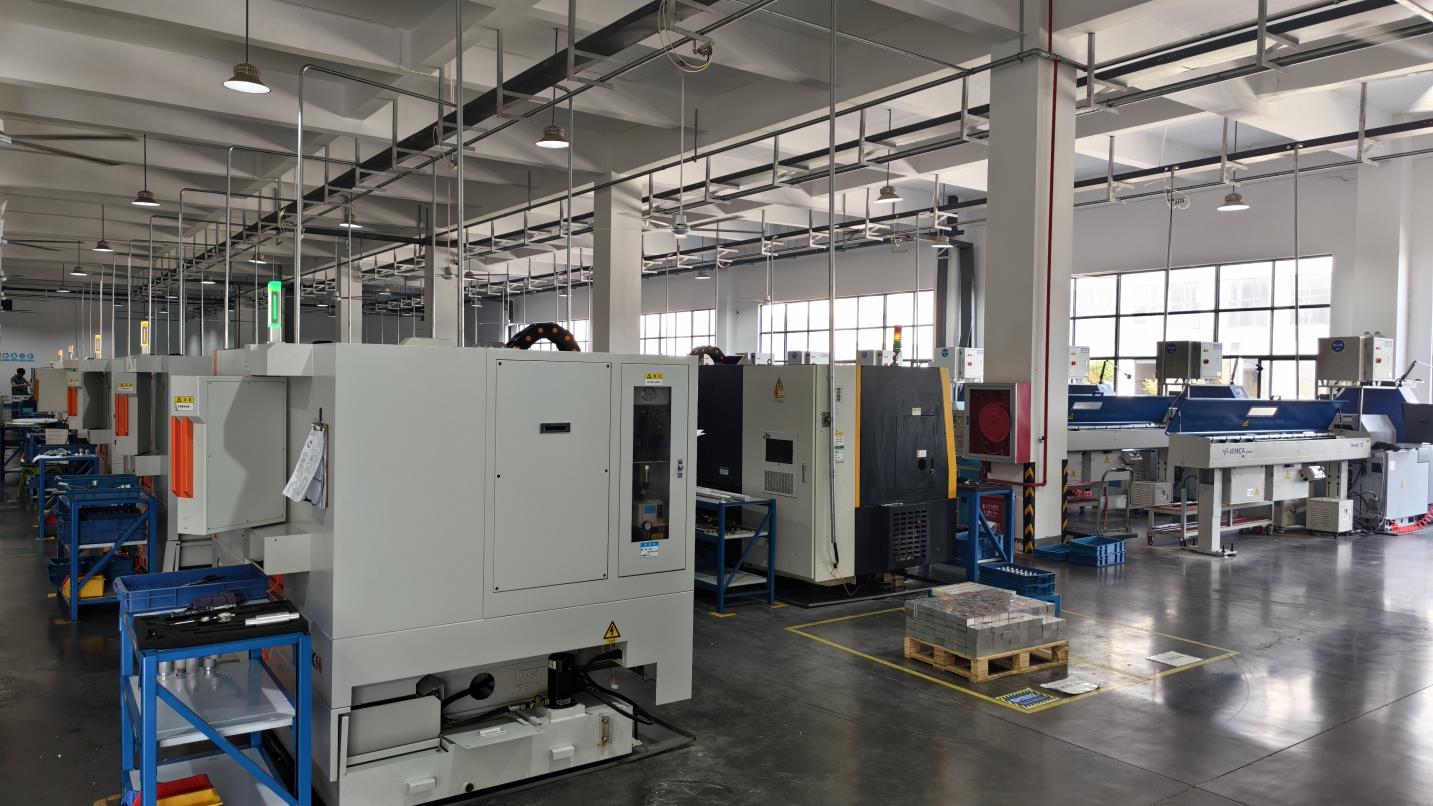
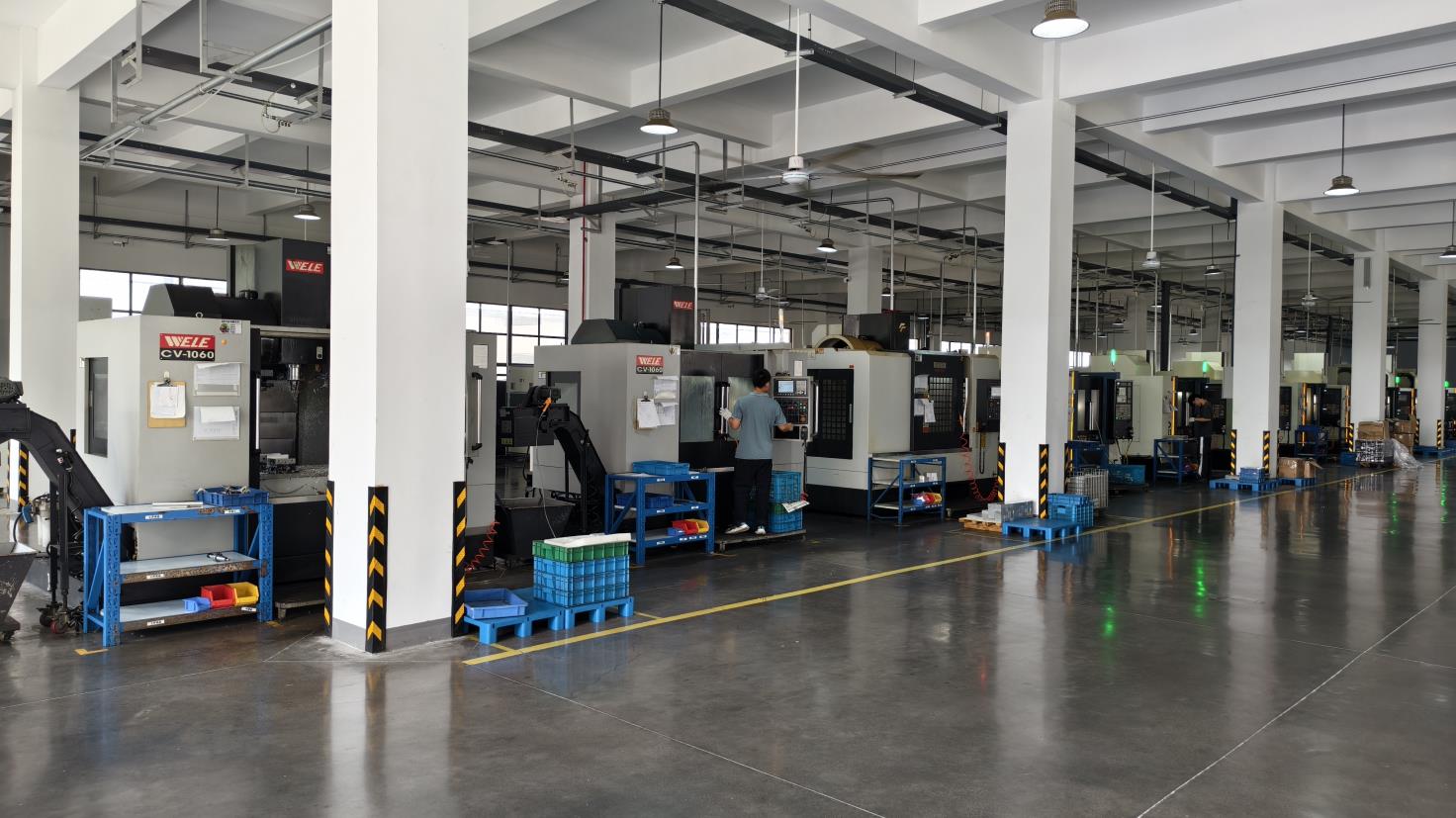
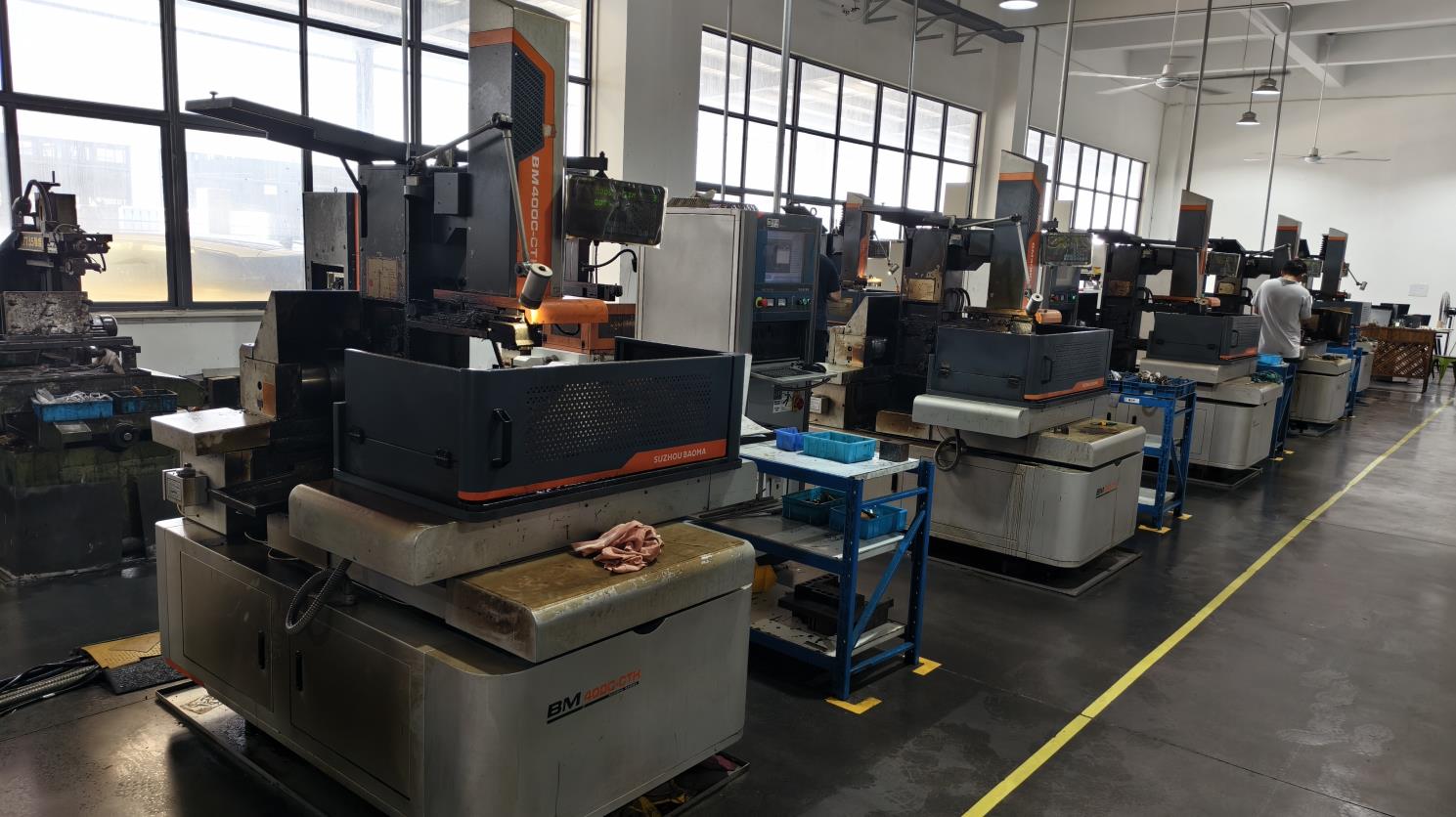
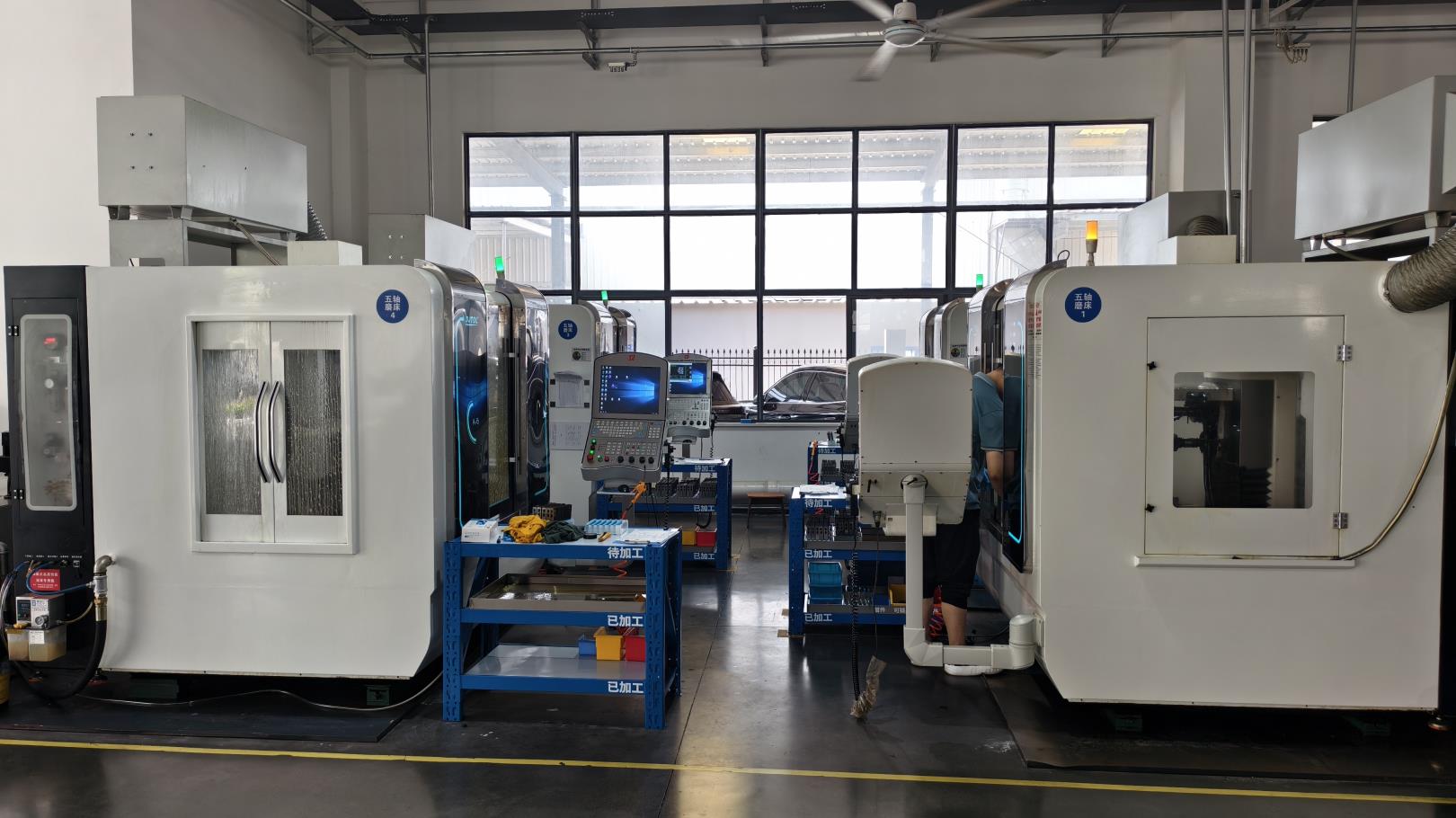
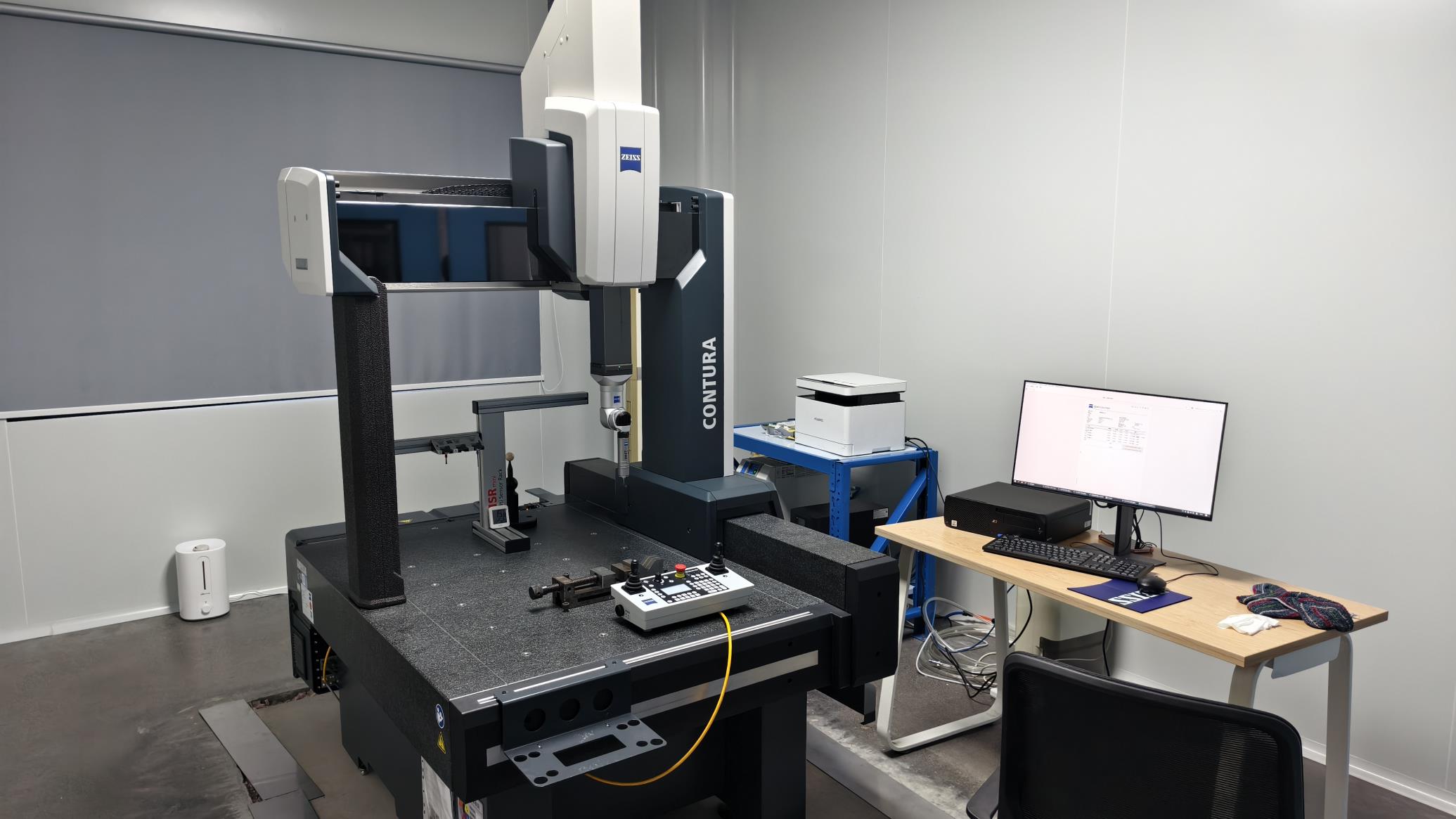
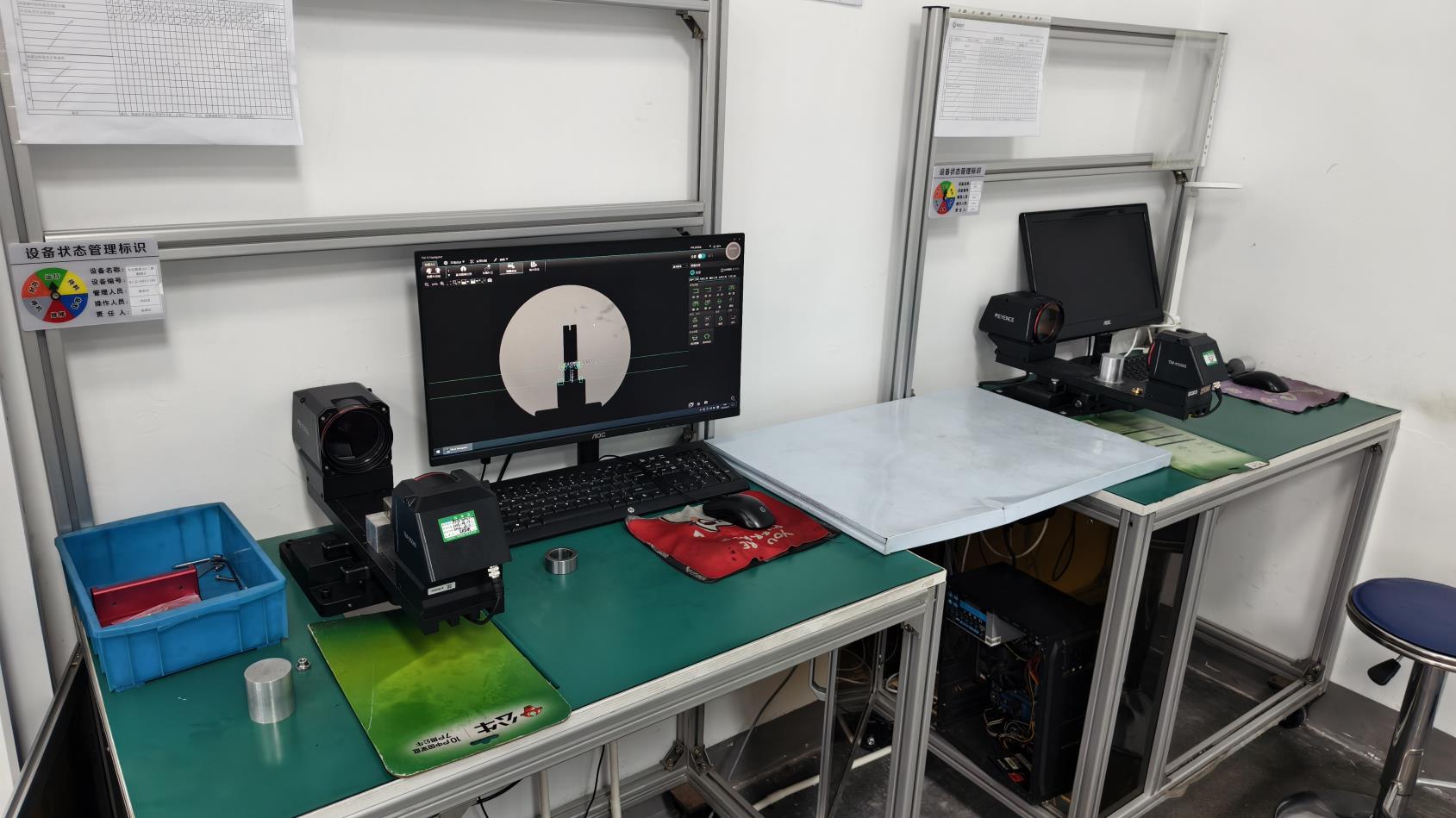
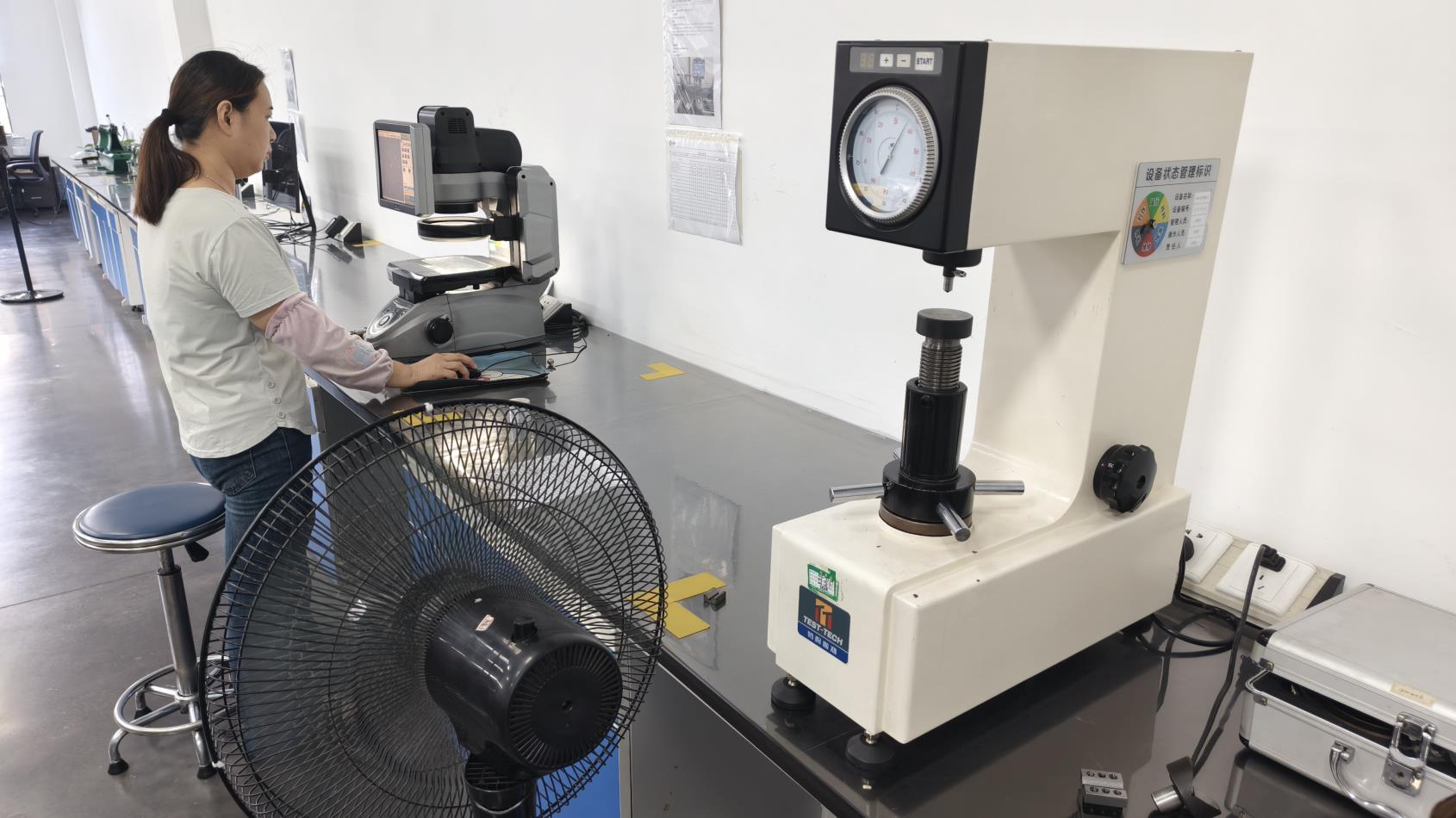
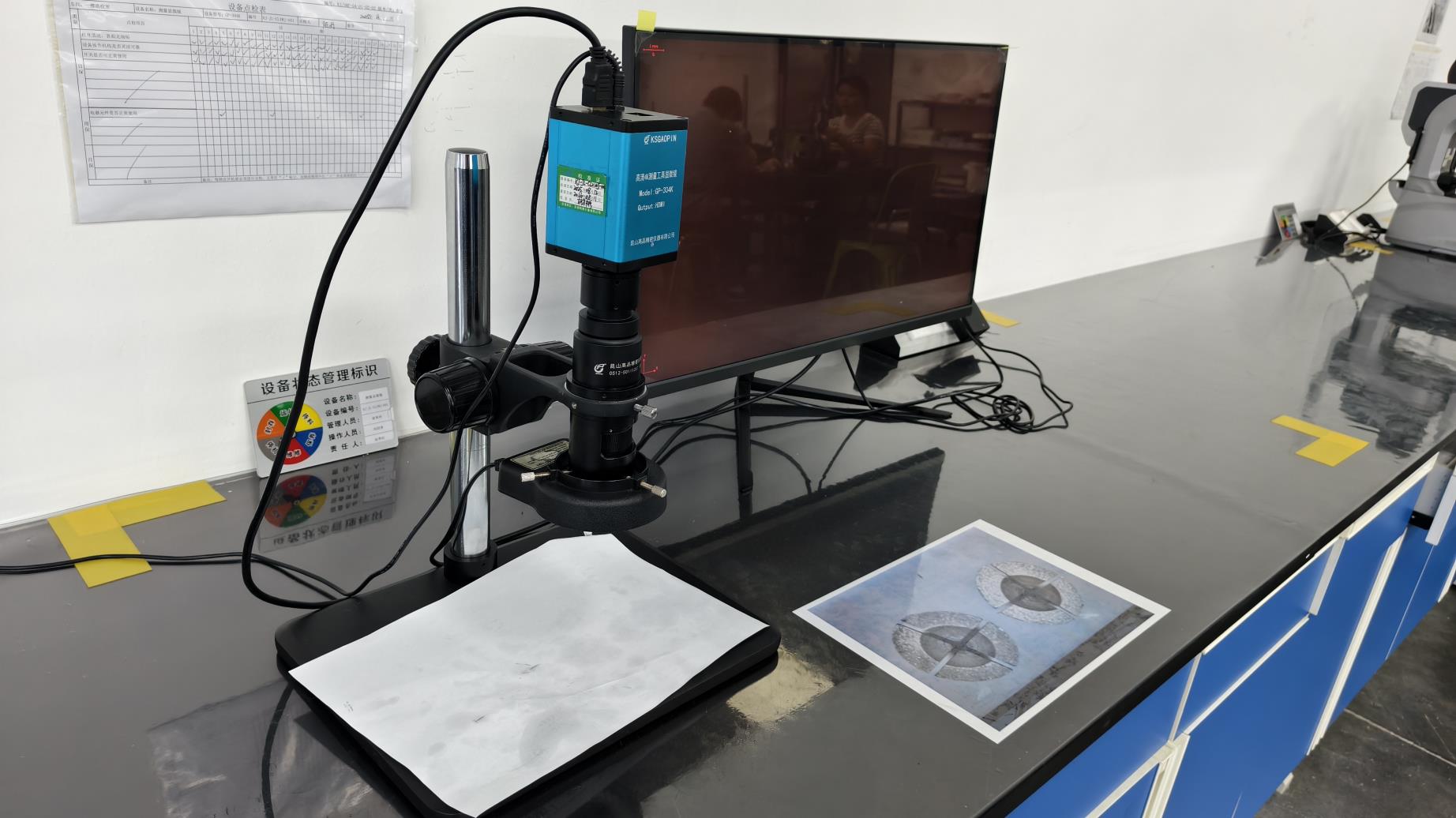
A detailed overview of Moventra Medical Technology's corporate capabilities and production capacities.
| Capability Category | Specification Details & Standards |
|---|---|
| Company Name | Moventra Medical Technology (China) Co., Ltd. |
| Brand Label | Moventra |
| Established Year | 2017 (Industry Experience: 13 Years) |
| Total Facility Footprint | 18,600 m² modern medical device complex |
| Annual Export Revenue | USD 23.8 Million |
| Export Experience | 7 Years |
| Quality Control Framework | 100% Quality Inspection Before Shipment with 48 dedicated QC Staff |
| Testing Protocols | Dimensional inspection, material analysis, surface finish inspection, mechanical performance testing, sterility verification |
| Production Options | Manufacturer, Exporter, OEM (Original Equipment Manufacturer), ODM (Original Design Manufacturer) |
| Main Global Markets | North America, Europe, South America, Middle East, Southeast Asia, Australia |
| Supply Chain Ecosystem | 1,120 supply chain partners |
| Client Profile Focus | Orthopedic brands, distributors, hospitals, importers, and government procurement projects |
| R&D Capability | Independent design, rapid prototyping, customized engineering solutions (86 engineers, 156 new products released last year) |
| Customization Scope | Logo customization, package design, product geometry optimization, drawing-based/sample-based manufacturing |
Key technical, regulatory, and mechanical questions addressed by our engineering and logistics teams.
Browse our specialized selection of pediatric, humeral, tibial, and femoral interlocking devices designed for target anatomies.
 Moventra Medical