Selecting the right femoral intramedullary nails is crucial for successful surgical outcomes. Dr. John Smith, a leading orthopedic surgeon, once stated, "The choice of femoral nails can define the recovery trajectory of patients." This highlights the importance of understanding the unique features and applications of various intramedullary nails.
When choosing femoral intramedullary nails, several factors come into play. Surgeons must evaluate nail design, length, and material to ensure compatibility with patient needs. The multitude of options can overwhelm even seasoned professionals. A misplaced choice may lead to complications, such as malalignment or delayed healing.
Rigorous training and experience in this field can enhance decision-making. Yet, even experts must continuously reflect on their choices. The evolving landscape of technology introduces new challenges and opportunities. In the quest for optimal outcomes, understanding the nuances of femoral intramedullary nails remains vital for every orthopedic practitioner.
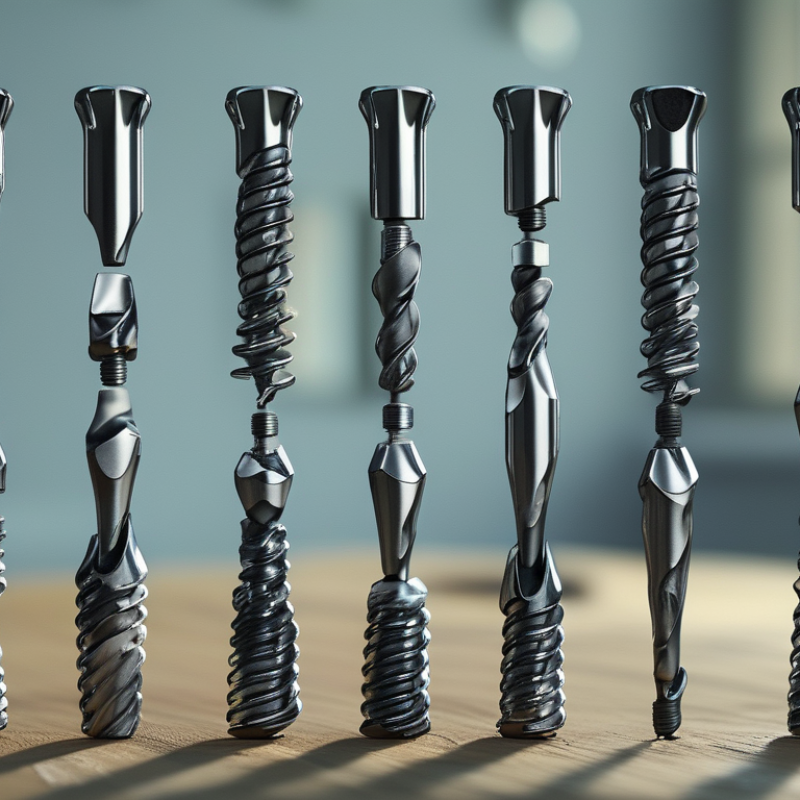
Understanding Femoral Intramedullary Nails: An Overview
Understanding femoral intramedullary nails is crucial in orthopedic surgery. These devices are designed to stabilize fractures in the femur. Their design allows for the alignment of the bone along its natural axis. This prevents excessive movement during healing and optimizes recovery.
When selecting femoral intramedullary nails, surgeons consider several factors. The patient's age, bone quality, and injury type are key. Different nail lengths and diameters are available. The right choice can positively impact healing time and outcomes. However, challenges may arise. A mismatched nail could lead to complications, such as nonunion or malalignment. Understanding the specific needs of each case is essential.
Training and experience play a large role in these decisions. Surgeons must be aware of the latest techniques and materials. Some may rely on outdated information, which can lead to suboptimal choices. Continuous education is vital to avoid these pitfalls. Innovative methods evolve rapidly in this field. Balancing these elements is essential to ensure successful surgeries and recovery.
Types of Femoral Intramedullary Nails: Pros and Cons
When choosing femoral intramedullary nails, understanding the types available is crucial. There are several variations, each with unique benefits and drawbacks. One common type is the locking intramedullary nail, known for its stability. This option is advantageous for complex fractures. However, it requires precise surgical techniques, which can increase operation time.
Another type is the non-locking intramedullary nail. It is simpler to insert and can be effective for certain fracture types. Yet, this option may provide less stability in a more complicated fracture scenario. Surgeons must weigh ease of use against the need for enhanced support.
Some nails are designed for specific patient needs or fracture patterns. This specialization can lead to better outcomes but may lack versatility. The decision must consider the patient's anatomy and injury specifics. Reflecting on past cases reveals that the choice of nail impacts recovery. A thoughtful approach can lead to improved results and fewer complications.
Factors to Consider When Selecting Femoral Intramedullary Nails
When selecting femoral intramedullary nails, several key factors will impact the outcome. The type of fracture is essential in decision-making. A stable fracture may require a different nail compared to an unstable one. Surgeons must evaluate the fracture location carefully. This ensures that the selected nail provides adequate support.
One vital factor is the patient's bone quality. Osteoporotic bones need special attention. The nail design should accommodate these conditions. Choosing a nail that has a broader surface area can enhance fixation. This is crucial for preventing complications.
Tips: Always consider the patient's mobility before surgery. A more active individual may require a different approach than a sedentary patient. The length of the nail is also significant. It should extend adequately into the metaphysis for proper support.
In surgical planning, it's important to discuss potential limitations. There might be unexpected difficulties during insertion. These conversations can prepare both the surgical team and the patient. Ultimately, the choice of femoral intramedullary nails hinges on a blend of factors, all tailored to individual needs.
Choosing the right femoral intramedullary nails is crucial for optimal surgical results. This chart illustrates the importance of various factors to consider when selecting these nails, rated on a scale from 1 to 10. These factors include material quality, coronal alignment, length compatibility, weight load capacity, and intraoperative ease, indicating their significance in achieving successful surgical outcomes.
Techniques for Optimal Placement of Intramedullary Nails
When placing intramedullary nails, precision is critical. The alignment of the nail with the femoral axis can dramatically affect the outcome. An optimal approach involves careful imaging techniques. X-rays can guide proper placement, minimizing the risk of complications. Each case may demand different angles, so adaptability during the procedure is essential.
Surgeons should consider the insertion technique. A reamer may be beneficial in some cases. However, excessive reaming can weaken the bone structure. Practicing a balance is key. A thorough understanding of the patient's anatomy is paramount. Using anatomical landmarks can aid in achieving the correct placement.
As with any surgical technique, reflections on past procedures can lead to improvements. One might notice recurring patterns in alignment failures. Learning from these experiences can enhance proficiency. Regularly reviewing surgical outcomes fosters ongoing development. Emphasizing continued education in emerging techniques is vital for lasting success.
How to Choose Femoral Intramedullary Nails for Optimal Results?
| Parameter |
Recommended Value |
Rationale |
| Nail Diameter |
8-11 mm |
Optimal strength while minimizing bone resection |
| Nail Length |
200-300 mm |
Adequate support for varying femoral anatomy |
| Angle of Insertion |
10-15 degrees |
Facilitates optimal alignment with femoral shaft |
| Locking Mechanism |
Blocked and Unblocked |
Tailored to fracture type to enhance stability |
| Material |
Titanium or Stainless Steel |
Durable with good biocompatibility |
| Radiolucency |
High |
Allows for clear imaging of healing progress |
Postoperative Care and Monitoring After Nail Insertion
Postoperative care after inserting femoral intramedullary nails is crucial for recovery and overall outcomes. Patients typically experience varying levels of pain and functional limitations. Regular assessments of the surgical site for signs of infection or complications are essential. A study showed that around 10% of patients develop postoperative infections. Thus, careful monitoring and education on wound care are vital.
Physical therapy plays a key role in rehabilitation. Early mobilization can enhance recovery rates significantly. According to recent data, patients who engage in structured rehabilitation within the first two weeks have a 30% faster recovery than those who do not. It's important to customize rehabilitation plans to match each patient's needs, ensuring they progress safely and effectively. Complications can arise if patients push themselves too hard too soon.
Monitoring for complications, like nonunion or malalignment, is also critical. Research indicates that up to 15% of patients may face these issues, requiring additional interventions. Timely imaging studies and follow-up consultations help detect and address these complications early, reducing the potential for long-term issues. While the goal is often optimal recovery, reflecting on individual recovery challenges can aid in improving future outcomes.
Conclusion
The article "How to Choose Femoral Intramedullary Nails for Optimal Results?" provides a comprehensive guide on the selection and use of Femoral Intramedullary Nails in orthopedic surgery. It begins with an overview of these nails, explaining their purpose and function in the treatment of femoral fractures. The article then discusses various types of Femoral Intramedullary Nails, highlighting their advantages and disadvantages to help surgeons make informed choices.
Key factors to consider when selecting Femoral Intramedullary Nails are presented, emphasizing the importance of patient-specific considerations and anatomical factors. Additionally, the article outlines techniques for optimal placement of these nails, ensuring effective outcomes and minimizing complications. Lastly, it addresses the critical aspects of postoperative care and monitoring to ensure a successful recovery. This structured approach assists healthcare professionals in achieving the best possible results when using Femoral Intramedullary Nails.

 Moventra Medical