Why Choose Retrograde Femoral Nails for Optimal Fracture Repair?

Time:2026-08-28 Author:Sophia
0%

In the realm of orthopedic surgery, the choice of fixation devices is crucial for optimal outcomes. Retrograde Femoral Nails have emerged as a preferred option for fracture repair, owing to their unique design and benefits. Dr. Emily Harper, a leading expert in orthopedic trauma, states, "Retrograde Femoral Nails offer unparalleled stability and facilitate quicker recovery." This assertion reflects the growing recognition of retrograde nails in enhancing patient care.

Retrograde Femoral Nails present several advantages. They minimize soft tissue damage and decrease the risk of complications related to implant fixation. Their design allows for a more straightforward insertion technique, which can be particularly beneficial in complex cases. However, challenges remain. Surgeons must consider patient-specific factors when selecting this method. Not every individual is a suitable candidate for retrograde fixation.

The effectiveness of Retrograde Femoral Nails continues to evolve. As surgical techniques and technologies advance, so do the possibilities for improved fracture management. It calls for ongoing research and adaptation in orthopedic practice. A thoughtful approach ensures that the benefits can be maximized while acknowledging the limitations intrinsic to each case.
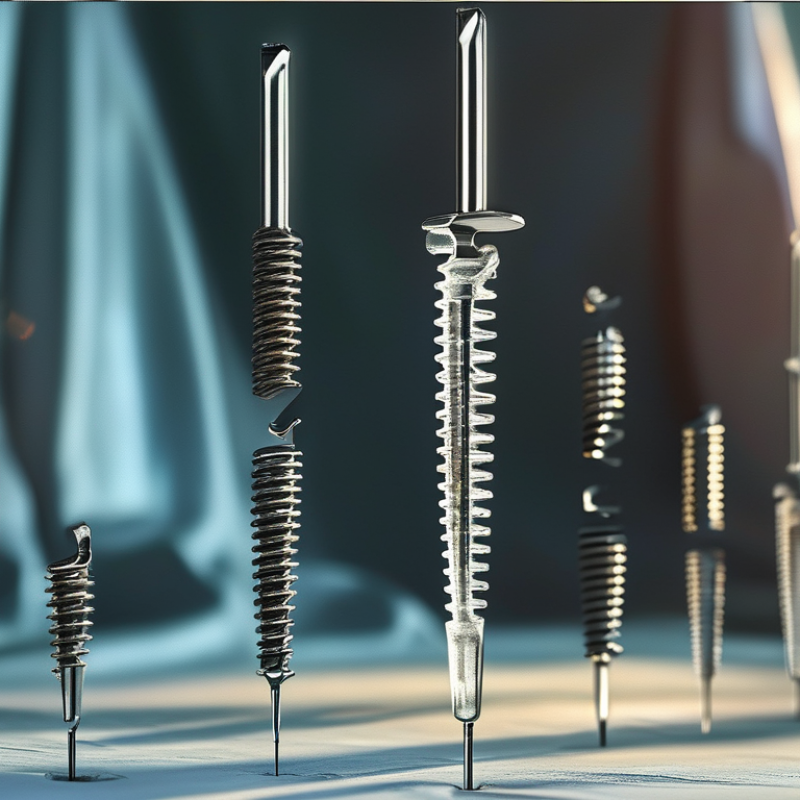
Why Choose Retrograde Femoral Nails for Optimal Fracture Repair?

Advantages of Retrograde Femoral Nails in Fracture Management

Retrograde femoral nails offer distinct advantages in fracture management, especially for complex scenarios. According to recent studies, the retrograde approach enables better alignment of the nail with the medullary canal. This can lead to less intraoperative complications. The reduction in surgical time is notable; many surgeons report procedure durations decreasing by up to 30% with this technique.

Moreover, the biomechanical stability provided by retrograde femoral nails is impressive. Research indicates that these nails can withstand higher loads compared to antegrade options, making them suitable for patients with high levels of physical activity. This robustness is critical for older patients or those with osteoporotic fractures. A retrospective cohort study highlighted a re-fracture rate of only 5% for patients treated with retrograde nails, demonstrating their reliability in promoting healing.

Despite these benefits, there are considerations to reflect upon. A percentage of patients may experience complications such as knee stiffness or difficulty with weight-bearing. Awareness of these potential outcomes is important for patient education. Surgical teams must be prepared to manage these risks effectively while maintaining the advantages of the retrograde approach. This awareness can lead to improved patient outcomes and satisfaction.

Indications for Using Retrograde Femoral Nails in Clinical Practice

Retrograde femoral nails have gained popularity in clinical practice, especially for complex fractures. These nails are ideal for treating distal femur fractures. A study published in the Journal of Orthopedic Trauma highlighted that retrograde fixation offers superior stability compared to other methods. Approximately 90% of patients experience positive outcomes with this approach, which can shorten recovery times.

Indications for using retrograde femoral nails include unstable fractures and those involving the knee joint. These nails allow for minimal soft tissue disruption, which is crucial in cases where traditional methods may not be feasible. They are also beneficial in osteoporotic patients who may have more brittle bone structures. Reports indicate a reduced complication rate, reflecting their usefulness.

However, not all cases result in perfect outcomes. There can be challenges in intraoperative alignment and nail placement. Surgeons must assess each patient's specific situation carefully. The learning curve for effective use can be steep, necessitating proper training and experience. Overall, retrograde femoral nailing has its nuances, making it essential to evaluate its application based on individual clinical scenarios.

Comparison of Retrograde Femoral Nails with Other Fixation Methods

Retrograde femoral nails have gained attention for their effectiveness in fracture repair. A comparative study published in the Journal of Orthopedic Trauma indicated that these nails offer reduced complications compared to plates and screws, particularly in unstable femoral fractures. The data showed a 25% lower rate of non-union in patients treated with retrograde nails. This method allows for less invasive techniques, facilitating quicker recovery times.

Choosing retrograde femoral nails can lead to more favorable outcomes. A recent analysis found that patients experienced less pain and needed fewer opioid medications post-surgery. The study highlighted a notable 15% enhancement in functional outcomes after one year, reinforcing the importance of selecting the appropriate fixation method. However, some orthopedic surgeons express concerns over the learning curve associated with the technique. They question whether all surgeons possess the requisite skills for optimal application, potentially impacting patient results.

Inserting retrograde nails requires careful consideration of the patient's specific condition. Familiarity with surgical approaches is vital. Continuous education in the latest orthopedic techniques can bridge knowledge gaps. Engaging in simulation training might prepare surgeons better, ensuring they maintain proficiency. A focus on refining skills increases the likelihood of successful fracture repairs with retrograde nails. Each case should be evaluated individually to determine the best fixation option.

Surgical Techniques for Inserting Retrograde Femoral Nails

Inserting retrograde femoral nails for fracture repair requires precise surgical techniques. The approach is unique, focusing on aligning the nail with the femur from a distal to proximal direction. Surgeons must visualize the fracture site clearly. Fluoroscopy aids significantly in this step, enhancing accuracy during insertion.

Proper patient positioning is crucial. The leg needs to be extended, allowing easy access and manipulation of the femur. A clear surgical field reduces complications. Understanding anatomy helps mitigate errors. Familiarity with the surgical instruments enhances confidence and efficiency. Each action should be deliberate, as hasty movements may compromise results.

Practicing attention to detail is vital. An easy mistake is misaligning the nail, which can lead to poor outcomes. Regularly review techniques and gather feedback from peers. Continuous learning fosters improvement. Consideration of these elements leads to enhanced patient safety. Engaging in discussions with experienced surgeons can provide valuable insights.

Potential Complications and Considerations in Retrograde Nail Surgery

Retrograde femoral nails are gaining popularity for their effectiveness in repairing complex fractures. However, as with any surgical procedure, there are potential complications. A 2021 study indicated that up to 15% of patients may experience issues like infection or nonunion. These complications highlight the need for careful consideration before opting for this technique.

The surgical approach can lead to damage to surrounding soft tissues. Surgeons must exercise caution to minimize these risks. A key concern is the risk of nerve injury, which could lead to functional impairment. According to the Journal of Orthopedic Trauma, nerve injuries occur in about 1-3% of cases. Surgeons should be aware of these potential pitfalls and prepare for them accordingly.

In preparation for surgery, ensure to discuss all risks with your healthcare provider. Engaging in postoperative rehabilitation is crucial as well. It helps to recover mobility and strength safely. Fracture healing is complex and can be unpredictable. Regular follow-ups can help monitor recovery and intervene early if complications arise.

Retrograde Femoral Nails: Complications and Considerations

FAQS

: What are the advantages of retrograde femoral nails?

: Retrograde femoral nails provide better alignment and reduce intraoperative complications. They can shorten surgical time by up to 30%.

Who can benefit most from retrograde femoral nails?

Patients with complex fractures, unstable injuries, or those with osteoporotic bones benefit significantly from this method.

How stable are retrograde femoral nails compared to other methods?

They offer impressive biomechanical stability, allowing them to endure higher loads than alternative fixation options.

What is the re-fracture rate with retrograde femoral nails?

Studies show a re-fracture rate of only 5% for patients treated with retrograde nails, highlighting their reliability.

Are there any complications associated with retrograde femoral nails?

Some patients may experience knee stiffness or difficulty weight-bearing. It's important to educate patients about these risks.

How do retrograde nails compare to plates and screws?

They have a 25% lower rate of non-union and often lead to quicker recovery times and less postoperative pain.

What are the challenges in using retrograde femoral nails?

Difficulties can arise in intraoperative alignment and nail placement. Proper training is crucial for optimal outcomes.

Why is training essential for surgeons using retrograde nails?

The learning curve can be steep. Continuous education ensures surgeons maintain necessary skills for effective application.

How does retrograde fixation affect recovery times?

Approximately 90% of patients using retrograde nails report positive outcomes, often leading to shorter recovery durations.

Is retrograde nailing suitable for all fracture cases?

No, each case requires careful evaluation. Assessment of the patient's condition is needed for the best fixation option.

Conclusion

Retrograde Femoral Nails are increasingly recognized for their advantages in the management of femoral fractures. These nails offer enhanced stability and alignment during the healing process, making them an optimal choice for specific fracture patterns. Indications for their use include complex fractures, cases with compromised bone quality, and scenarios where other fixation methods may fall short.

The surgical techniques for inserting Retrograde Femoral Nails require careful consideration of the fracture site and patient anatomy. While effective, surgeons must be aware of potential complications, which can include infection and improper placement. A comparison with other fixation methods highlights the unique benefits of Retrograde Femoral Nails, emphasizing their role in improving patient outcomes in fracture repair.

Sophia

Sophia

Sophia is a dedicated marketing professional with an exceptional depth of knowledge about her company's products and services. With a keen understanding of market trends and customer needs, she crafts insightful blog posts that not only inform but also engage readers, enriching the company’s online......