What is Tibial Locking Plates and How Do They Work?

Time:2026-07-19 Author:Mason
0%

Tibial Locking Plates represent a significant advancement in orthopedic surgery. These devices are specifically designed for stabilizing fractures in the tibia, which is critical for proper healing. Unlike traditional plating systems, Tibial Locking Plates provide greater stability through locking screws that prevent movement at the fracture site.

The unique design of these plates allows for better alignment of bone fragments. Surgeons can achieve this with minimal disruption to the surrounding soft tissues. This is vital for reducing recovery times and improving patient outcomes. However, the complexity of these systems can pose challenges. Not all patients may respond positively, and complications can arise if proper techniques are not followed.

Surgeons must have a thorough understanding of the anatomy involved. The choice to use Tibial Locking Plates should be based on individual circumstances and potential risks. Ultimately, while they offer improved fixation, ongoing education and skill refinement are necessary to maximize their effectiveness.
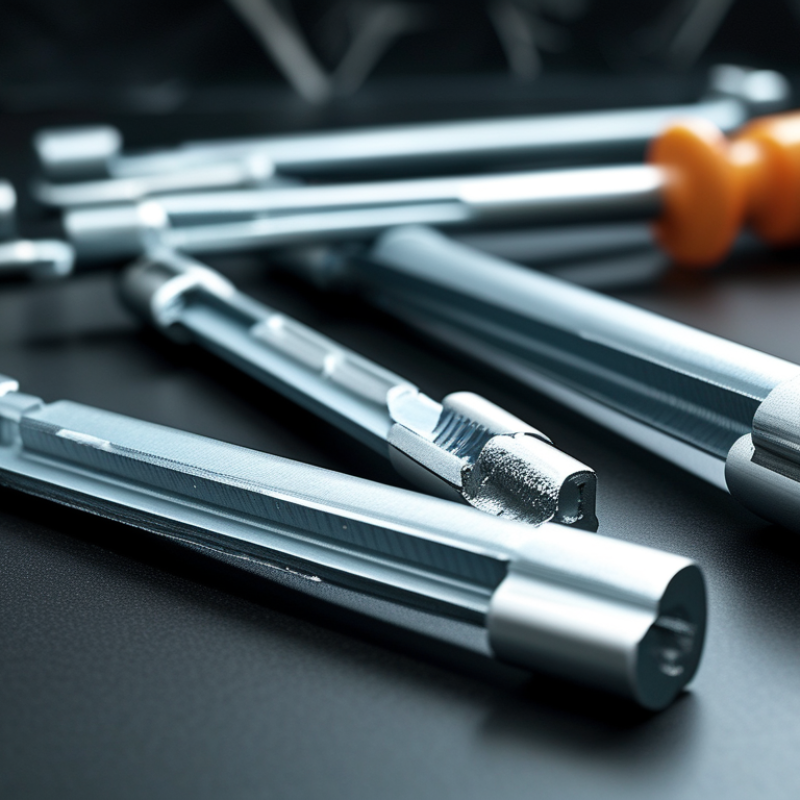
What is Tibial Locking Plates and How Do They Work?

What are Tibial Locking Plates?

Tibial locking plates are advanced medical devices used in orthopedic surgeries. They provide stability to fractured bones, particularly in the tibia. Their design includes threaded screws that lock into the plate, which helps secure the bone fragments in place. This feature is crucial for maintaining alignment during the healing process.

When a fracture occurs, proper alignment is vital for recovery. Tibial locking plates allow surgeons to achieve this with precision. They distribute the load across the bone, reducing stress on the fracture site. This minimizes the risk of complications. Moreover, these plates can be used in complex fractures that are challenging to treat with traditional methods.

While tibial locking plates are effective, not all cases are straightforward. Surgeons must carefully assess the fracture type and patient condition. Sometimes, these plates may not fit well due to bone geometry. Complications can arise, requiring further interventions. Therefore, it is essential to weigh the benefits against potential challenges during surgery. Each case is unique, and careful planning is crucial for optimal outcomes.

Design and Structure of Tibial Locking Plates

Tibial locking plates are specialized orthopedic devices designed for the stabilization of fractures in the tibia. The structure comprises a plate made of titanium or stainless steel, featuring multiple holes for locking screws. This unique design enhances stability and allows for angular stability in the fracture zone. According to a report by the Journal of Orthopedic Trauma, the use of locking plates has significantly reduced the incidence of reoperation rates due to malunion, achieving figures as low as 5% in select cases.

The geometry of tibial locking plates is vital for effective load transfer across the fracture line. Plates are often contoured to match the tibia’s anatomy, thereby minimizing soft tissue disruption. The locking mechanism creates a fixed-angle construct. This characteristic aids in maintaining alignment during the healing process. Notably, studies indicate that oncological considerations, such as bone quality, can affect the performance of these plates. This highlights the necessity for surgeons to evaluate individual patient conditions carefully.

Despite their advantages, tibial locking plates can have complications, such as infection rates reported between 1-10%. Surgeons must weigh the benefits against potential risks. Ongoing research aims to refine plate designs, addressing issues such as soft tissue irritation and long-term durability. As the field progresses, a better understanding of these complications is essential for improving patient outcomes.

The Mechanism of Action in Tibial Locking Plates

Tibial locking plates are crucial in orthopedic surgery, specifically for complicated fractures in the tibia. They provide stable fixation and facilitate proper healing. The mechanism of action relies on the unique design of these plates, which uses locking screws. These screws engage with the plate, ensuring a fixed angle that improves stability.

When a fracture occurs, the bone is not only broken but often displaced. Conventional plates require friction against the bone to hold them in place. In contrast, tibial locking plates create a form of fixed-angle constructs. This allows for better load distribution. It also reduces stress on the surrounding soft tissues. Such a design is particularly beneficial in cases with poor bone quality, where traditional fixation methods may fail.

Despite their advantages, there are concerns. Some studies suggest locking plates may lead to complications, such as stiffness or delayed healing. Surgeons must balance the benefits against potential risks. The choice between locking and non-locking systems should consider individual patient needs. Understanding these nuances is vital for optimal outcomes.

What is Tibial Locking Plates and How Do They Work? - The Mechanism of Action in Tibial Locking Plates

Feature Description
Locking Mechanism Utilizes threaded screws that lock into the plate, providing stability.
Material Typically made of titanium or stainless steel for biocompatibility.
Indications Used for fractures of the tibia, especially in complex or unstable cases.
Advantages Enhanced stability, less chance of screw backout, and improved alignment.
Minimally Invasive Allows for smaller surgical incisions and less soft tissue disruption.
Load Sharing Allows for load sharing between plate and bone, promoting healing.
Post-operative Care Involves monitoring for complications and gradual rehabilitation.

Applications of Tibial Locking Plates in Orthopedic Surgery

Tibial locking plates are essential in orthopedic surgery. They provide stable fixation for fractures in the tibia, particularly in complex cases. The unique design of these plates allows for locking screws that enhance stability. This is crucial for patients with comminuted fractures or those who have undergone previous surgeries.

Orthopedic surgeons use tibial locking plates in various situations. They are often employed in cases of osteoporotic fractures. In such situations, traditional plates may fail to hold properly. Locking plates help prevent complications by offering a secure fixation. Surgeons appreciate their effectiveness in maintaining alignment and promoting healing.

Despite their advantages, there are challenges. Some surgeons may find them complex to use. Proper placement requires significant skill and experience. Additionally, post-operative complications can occur. Careful patient selection and thorough planning are essential. This ensures that locking plates provide the best outcomes for patients.

Benefits and Limitations of Using Tibial Locking Plates

Tibial locking plates are innovative devices used in orthopedic surgery. They provide stable fixation for fractures in the tibia, allowing better alignment during the healing process. One significant benefit is their ability to provide angular stability. This is crucial for challenging fractures and helps maintain proper bone alignment.

Using tibial locking plates also has limitations. For instance, the surgical technique can be complex. Surgeons must have a high level of skill to avoid complications. There's potential for infection at the implant site. Additionally, while these plates offer strong fixation, they may not be suitable for every patient. Fracture type and bone quality are essential considerations. Not all fractures respond equally well to this method.

Patient recovery with tibial locking plates can vary. Some experience quick healing, while others face complications. The plate's presence may cause discomfort or irritation. In some cases, removal of the plate is necessary after healing. These factors underline the importance of thorough patient assessment before using locking plates.

FAQS

: What is the primary purpose of tibial locking plates?

: They provide stable fixation for complicated tibia fractures. This aids proper healing during recovery.

How do locking plates work differently than conventional plates?

Locking plates use screws that create a fixed angle. This improves stability and load distribution.

What are the benefits of using tibial locking plates?

They offer angular stability, maintaining proper bone alignment. This is crucial for complex fractures.

Are there any limitations to tibial locking plates?

Yes, the surgical technique is complex and may lead to complications like infection or discomfort.

How does bone quality affect the use of locking plates?

Poor bone quality may lead to fixation failure. Bone condition significantly impacts patient outcomes.

Can everyone use tibial locking plates for fractures?

No, suitability depends on fracture type and bone quality. Not all cases respond well to this method.

What should patients expect during recovery with locking plates?

Recovery varies; some may heal quickly, while others might face complications. Discomfort is also possible.

Is surgical skill important when using tibial locking plates?

Absolutely. A high level of surgical skill is required to avoid complications during the procedure.

Will a plate need to be removed after healing?

In some cases, yes. Plate removal may be necessary if it causes discomfort or irritation.

What should surgeons consider when choosing between fixation methods?

Individual patient needs, fracture characteristics, and potential risks should all be evaluated carefully.

Conclusion

Tibial Locking Plates are specialized orthopedic implants designed to stabilize fractures in the tibia, or shinbone. Their design features include a series of locking screws that create a fixed-angle construct, enhancing the stability of the fracture site. The unique mechanism of action allows for the screws to lock into the plate, preventing movement and enabling the bone to heal effectively.

In orthopedic surgery, Tibial Locking Plates are commonly employed for complex fractures, particularly in cases where traditional plating systems may fail. The benefits of using these plates include improved fixation stability, reduced risk of plate cutting through the bone, and the ability to maintain proper alignment and length of the limb. However, there are limitations to consider, such as the potential for infection and the complexity of the surgical procedure required for implantation. Overall, Tibial Locking Plates represent a significant advancement in orthopedic surgical techniques, providing both surgeons and patients with enhanced outcomes in fracture management.

Mason

Mason

Mason is a seasoned marketing professional with a deep expertise in the company's offerings and a passion for driving brand awareness. With a strong background in digital marketing strategies, he has an innate ability to connect with diverse audiences and effectively communicate product benefits.......