Why Are Spinal Internal Fixation Systems Used?

Time:2026-11-24 Author:Isabella
0%

Why Are Spinal Internal Fixation Systems Used?

Spinal Internal Fixation Systems help surgeons stabilize selected spinal segments when injury, deformity, or degeneration has made normal support unreliable. Screws, rods, plates, or cages may hold vertebrae in position while bone heals or a fusion develops. The hardware is not a cure by itself. Its purpose is to support a treatment plan tailored to the patient’s condition, anatomy, and goals.

The need is substantial, but surgery is not appropriate for every case. The World Health Organization reported that low back pain affected 619 million people worldwide in 2020 and could affect 843 million by 2050 (WHO, 2023). Those figures describe a major health burden, not the number of people who need fixation. Clinical decisions depend on examination, imaging, symptoms, and evidence. A scan alone is not enough.

Spine surgeon and researcher Dr. Alexander R. Vaccaro’s work emphasizes the importance of matching spinal procedures to the problem being treated. In practical terms, fixation can provide stability while healing takes place; it cannot promise pain relief. That distinction matters. A metal rod may look reassuring on an X-ray, yet recovery can involve discomfort, rehabilitation, and uncertain results. This introduction examines why clinicians use these systems, what they are designed to do, and where their limits deserve careful attention. For trustworthy decisions, readers should compare claims with clinical guidance and discuss individual risks with a qualified spine specialist.
Why Are Spinal Internal Fixation Systems Used?

What Spinal Internal Fixation Systems Are

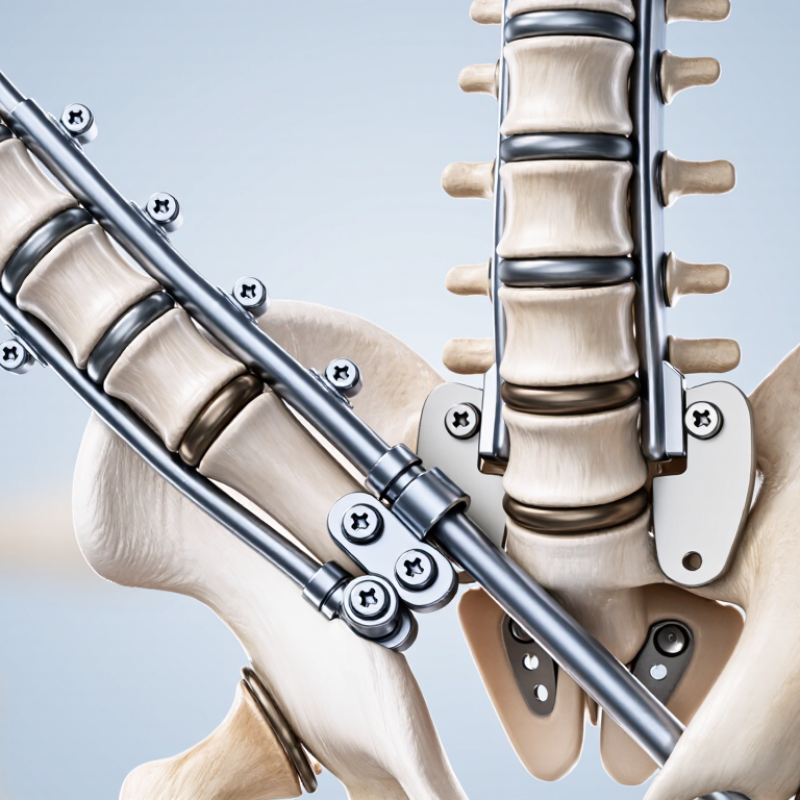
Spinal internal fixation systems are medical implants placed during surgery to help stabilize part of the spine. Many include screws anchored in vertebrae and metal rods connecting those screws. Other designs may use plates, hooks, or devices placed between vertebrae. The exact components depend on the spinal level, the patient’s anatomy, and the reason for surgery. Small parts matter.

These implants can limit unwanted movement while bone heals or a spinal fusion develops. Some systems also help maintain alignment after an injury or correct a deformity. The hardware itself does not make bone fuse; fusion depends on bone growth and other clinical factors. That distinction matters. Surgeons select and position components using the patient’s imaging and surgical plan, and the arrangement can vary from one procedure to another. The term “fixation system” can sound like one standard kit, but it describes a range of devices. Patients can ask their care team which components are planned and what role each one serves.

How Spinal Fixation Devices Stabilize the Spine

Spinal internal fixation systems use screws, rods, plates, or connecting devices to hold selected vertebrae in a steadier position. A surgeon places these components near the affected area, often using imaging to guide their position. The hardware can help limit unwanted movement after an injury or during treatment for spinal instability.

A rod may connect screws placed in neighboring vertebrae, creating a firm support structure. This can help maintain alignment while bone graft material heals and, when appropriate, fuses the bones together. Less movement may reduce strain on sensitive tissues. It does not guarantee pain relief. Healing takes time.

The exact setup depends on a person’s anatomy, diagnosis, and surgical plan. Some systems support only a short section; others span several levels. Placement must be precise, since nerves and other delicate structures lie close to the spine. Follow-up visits and imaging help clinicians check alignment and healing. Hardware is not a substitute for careful diagnosis, and it may not address every source of back pain. Even a technically successful procedure can leave questions about comfort, mobility, or recovery.

Conditions That May Require Internal Fixation

Why Are Spinal Internal Fixation Systems Used?

Conditions That May Require Internal Fixation

Spinal internal fixation may be considered when the spine is unstable or needs support while bones heal. A vertebral fracture after a fall or collision can shift and threaten nearby nerves. Some fractures remain stable, though, and may not need surgery. Stability matters.

Degenerative conditions can also cause abnormal movement between vertebrae. In spondylolisthesis, one vertebra slips forward over another, sometimes causing back pain, leg symptoms, or nerve compression. Severe spinal deformity, such as scoliosis, may require fixation when the curve affects balance or function. It depends on the person. Bone weakened by a tumor or infection may also need structural support, alongside treatment for the underlying cause.

Fixation may be used during fusion surgery, including when removing bone to relieve pressure could leave the spine less stable. Doctors assess symptoms, physical findings, and imaging before recommending it. They also consider bone quality, overall health, and whether non-surgical care has helped. A scan alone does not decide. The benefits and risks can differ, and hardware cannot guarantee pain relief. Even experienced teams must weigh details that are not always clear-cut.

How Fixation Supports Healing and Spinal Alignment

Why Are Spinal Internal Fixation Systems Used?
How Fixation Supports Healing and Spinal Alignment

Spinal internal fixation systems use screws, rods, or plates to hold selected vertebrae steady. Surgeons may use them after certain fractures, deformity corrections, or spinal fusion procedures. By limiting unwanted movement, the hardware can help maintain alignment while bone heals. It does not make bones fuse on its own. Healing takes time. The procedure and recovery plan depend on the patient’s condition, overall health, and the specific spinal level involved. Follow-up visits and imaging help the care team check alignment and progress. Still, fixation is not a perfect shortcut; healing may be uneven, and hardware cannot guarantee pain relief.

Tips: Follow your surgeon’s movement and lifting guidance, even when you feel better. Ask which symptoms need prompt attention, and keep scheduled follow-up appointments. Small details matter.

A stable spine can make it easier for healing tissue to develop without repeated strain. For example, a rod may help keep two vertebrae in position during fusion, while screws anchor it to the bone. The goal is support, not permanent stiffness in every case; some procedures preserve movement at other spinal levels. Recovery can include soreness and gradual changes in activity. If pain worsens or new weakness appears, contact your care team rather than changing your activity plan alone.

Why Are Spinal Internal Fixation Systems Used?

Typical vertebral counts by spinal region

Screws and rods can stabilize selected vertebrae and help maintain alignment while a fusion heals. The chart shows typical anatomy—not treatment outcomes; the number of vertebrae included in a fixation procedure varies by patient and condition.

Risks and Factors in Choosing a Fixation System

Why Are Spinal Internal Fixation Systems Used?

Risks and Factors in Choosing a Fixation System

Choosing a spinal fixation system means balancing stability against patient-specific risks. The surgeon considers the affected levels, bone quality, spinal alignment, and whether the operation is a revision. A construct that works well in strong bone may loosen in fragile bone.

Small details matter.

Smoking is one concern. A 2024 systematic review and meta-analysis in Global Spine Journal associated smoking with higher odds of pseudarthrosis after lumbar fusion, reporting an odds ratio of 1.57. That figure describes odds, not an individual patient’s certainty of failure.

The FDA’s MAUDE database includes reports of device problems, but the agency cautions that such reports cannot establish how often problems occur. They lack a reliable denominator. Still, loosening, breakage, infection, and nerve injury deserve discussion before surgery.

I would not pretend that a single device feature resolves every risk. Implant choice, surgical technique, bone health, and follow-up all matter; the evidence is not equally strong for every patient or spinal level. A careful plan should explain why the proposed fixation suits the patient’s anatomy and what trade-offs remain.

FAQS

What is a spinal internal fixation system?

It is hardware placed during surgery to help stabilize part of the spine. Small parts matter.

What components might the system include?

Some systems use screws anchored in vertebrae and rods connecting them. Others may include plates, hooks, or devices between vertebrae.

Why might a surgeon use fixation hardware?

It can limit unwanted movement while bone heals or fusion develops. It may also help maintain alignment after an injury or correct a deformity.

Does the hardware make the bone fuse?

No. Fusion depends on bone growth and other clinical factors. That distinction matters.

How is a fixation system selected?

Surgeons consider spinal levels, bone quality, alignment, anatomy, and whether the operation is a revision. The plan can vary from patient to patient.

What risks should patients discuss before surgery?

Possible concerns include loosening, breakage, infection, and nerve injury. Bone health and follow-up also matter.

How can smoking relate to spinal fusion?

A 2024 review associated smoking with higher odds of pseudarthrosis after lumbar fusion. The reported odds ratio was 1.57, not a prediction for one person.

Do reports of device problems show how often problems happen?

Not reliably. Reports may describe problems, but they do not establish how frequently those problems occur.

What should patients ask their care team?

Ask which components are planned and what each one does. Also ask why the proposed setup suits your anatomy and which trade-offs remain. No single feature settles everything.

Conclusion

Spinal Internal Fixation Systems are medical devices used to stabilize the spine when its structure or alignment has been affected by injury, disease, or surgery. Typically, screws, rods, plates, or similar components are attached to selected vertebrae to limit unwanted movement and help maintain a stable position. The specific configuration depends on the part of the spine involved and the patient’s condition.

Fixation may be considered for problems such as fractures, spinal instability, deformity, or conditions requiring fusion. By supporting the spine while bone heals, these systems can help preserve alignment and create conditions for recovery. Choosing a fixation system involves weighing potential benefits against risks, including infection, bleeding, nerve irritation, or issues with the implants. A qualified specialist considers the diagnosis, bone quality, overall health, and treatment goals when deciding whether fixation is appropriate and which approach to use.

Isabella

Isabella

Isabella is a dedicated marketing professional with a sharp focus on driving brand growth and engagement through strategic content creation. With an extensive background in digital marketing, she combines her passion for storytelling with her keen understanding of industry trends to deliver......