A Comprehensive Technical White Paper on Biodegradable Implants for Global Sourcing Partners
In modern orthopedic reconstructive surgery, the medical community is moving rapidly beyond permanent metallic implants. Historically, titanium alloy and stainless steel plates and screws have been the gold standard for fracture fixation. However, their permanent presence introduces long-term clinical complications, including stress shielding, hardware migration, chronic inflammatory tissue reactions, and the frequent clinical necessity for a secondary hardware removal surgery.
Bioresorbable Orthopedic Implants represent a critical evolutionary step. Fabricated from advanced, biocompatible, and bioabsorbable polymers (such as PLLA, PDLLA, and PLGA) or bioresorbable magnesium alloys, these implants provide stable mechanical fixation during the bone healing window. Once the bone has remodeled and regained its physiological weight-bearing capacity, the polymer progressively degrades via hydrolysis into non-toxic monomers (lactic acid and glycolic acid), which are then metabolized and eliminated by the body as carbon dioxide and water. The result is a fully regenerated host bone, free of foreign metallic hardware.
As a leading CE Certified Bioresorbable Orthopedic Implants Supplier, Moventra Medical Technology is at the forefront of this industrial transformation. We bridge the gap between material science and clinical execution, ensuring that distributors, hospital purchase managers, and medical device brands receive internationally compliant, high-performance implants that meet the stringent standards of the European Union Medical Device Regulation (EU MDR 2017/745).
How Modern Bioresorbable Materials Match the Biomechanics of Bone Healing
PLLA is characterized by high tensile strength and a slow degradation profile. Its semi-crystalline structure allows it to maintain mechanical load-bearing capacity for up to 18 to 24 months, making it the ideal polymer choice for plates and screws in low-load trauma areas and sports medicine applications where prolonged healing support is vital.
PDLLA features an amorphous structural layout. This lack of crystallinity enables a more rapid and uniform hydrolysis, accelerating the degradation cycle. PDLLA is typically deployed in pediatric osteosynthesis, cranial fixation, and sites where swift bone remodeling makes a long-term implant presence redundant.
By blending bioactive ceramic particles (such as hydroxyapatite) directly with bioabsorbable polymers, we create composites that exhibit osteoconductive capabilities. This hybrid chemistry buffers local acid production during polymer degradation while encouraging rapid osteogenesis directly on the implant surface.
Guaranteeing Patient Safety and Legal Access to High-Entry Markets
Under the European Union’s Medical Device Regulation (EU MDR 2017/745), bioresorbable orthopedic implants are classified under the most stringent regulatory categories (Class III). This classification dictates that manufacturers must provide exhaustive clinical trial validation, post-market clinical follow-up (PMCF) registries, and comprehensive biocompatibility studies (ISO 10993) to achieve CE certification.
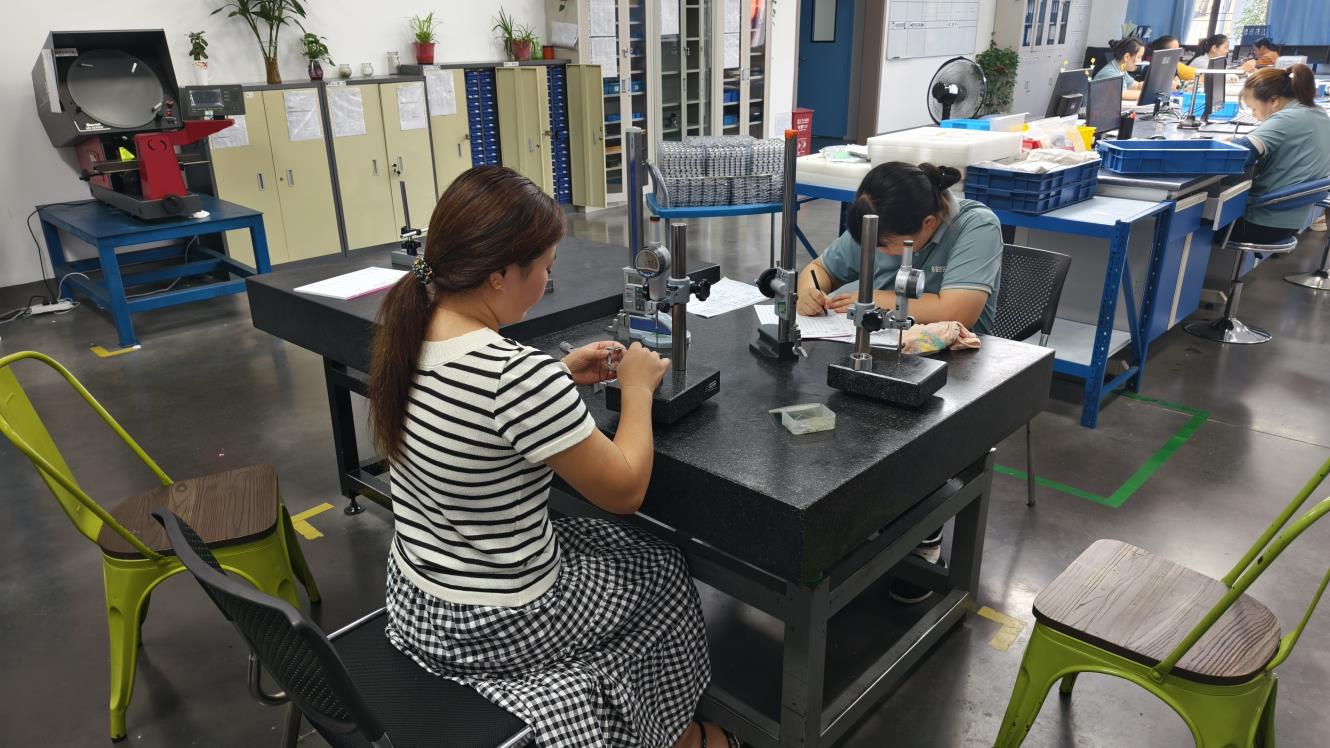
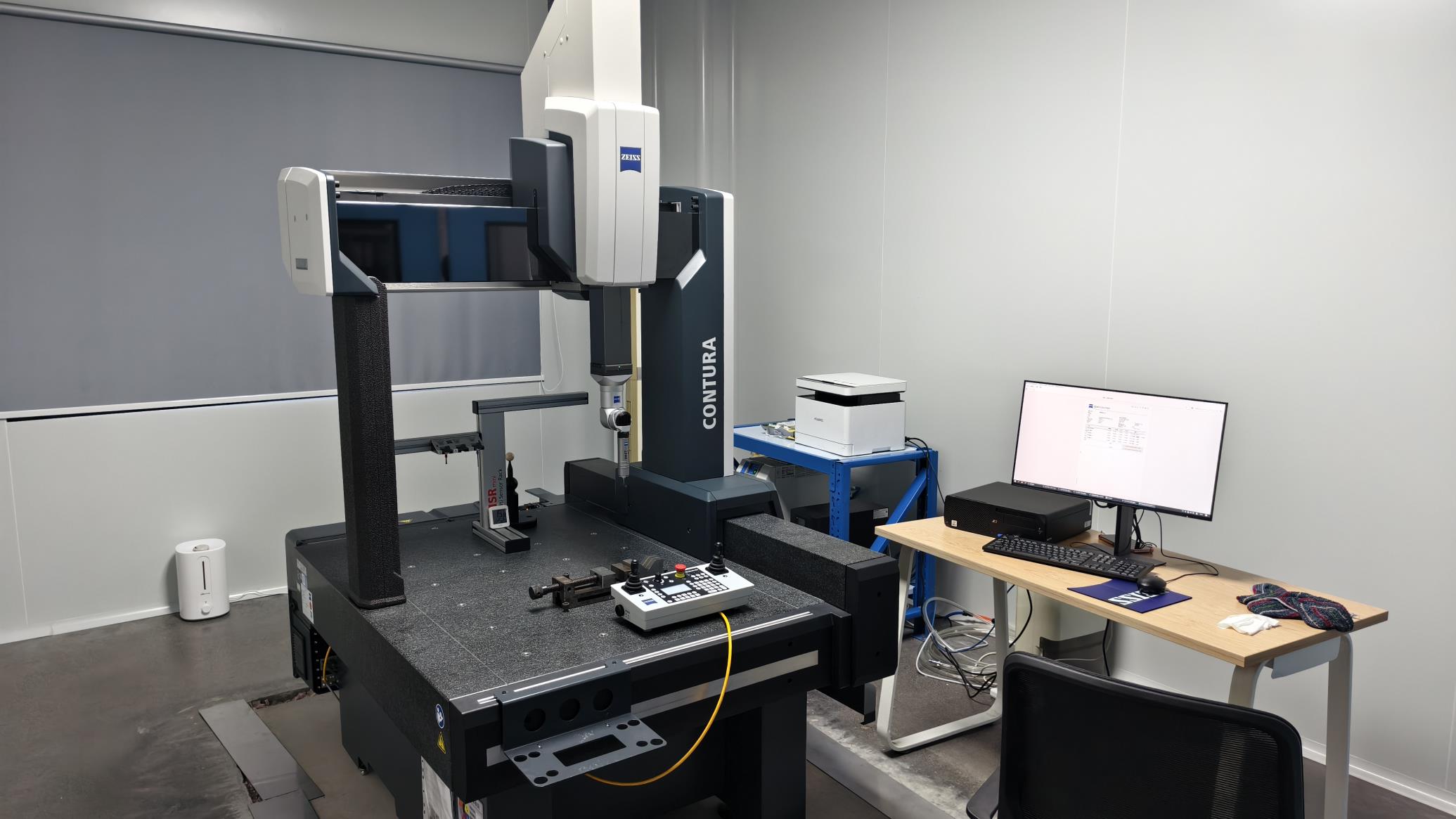
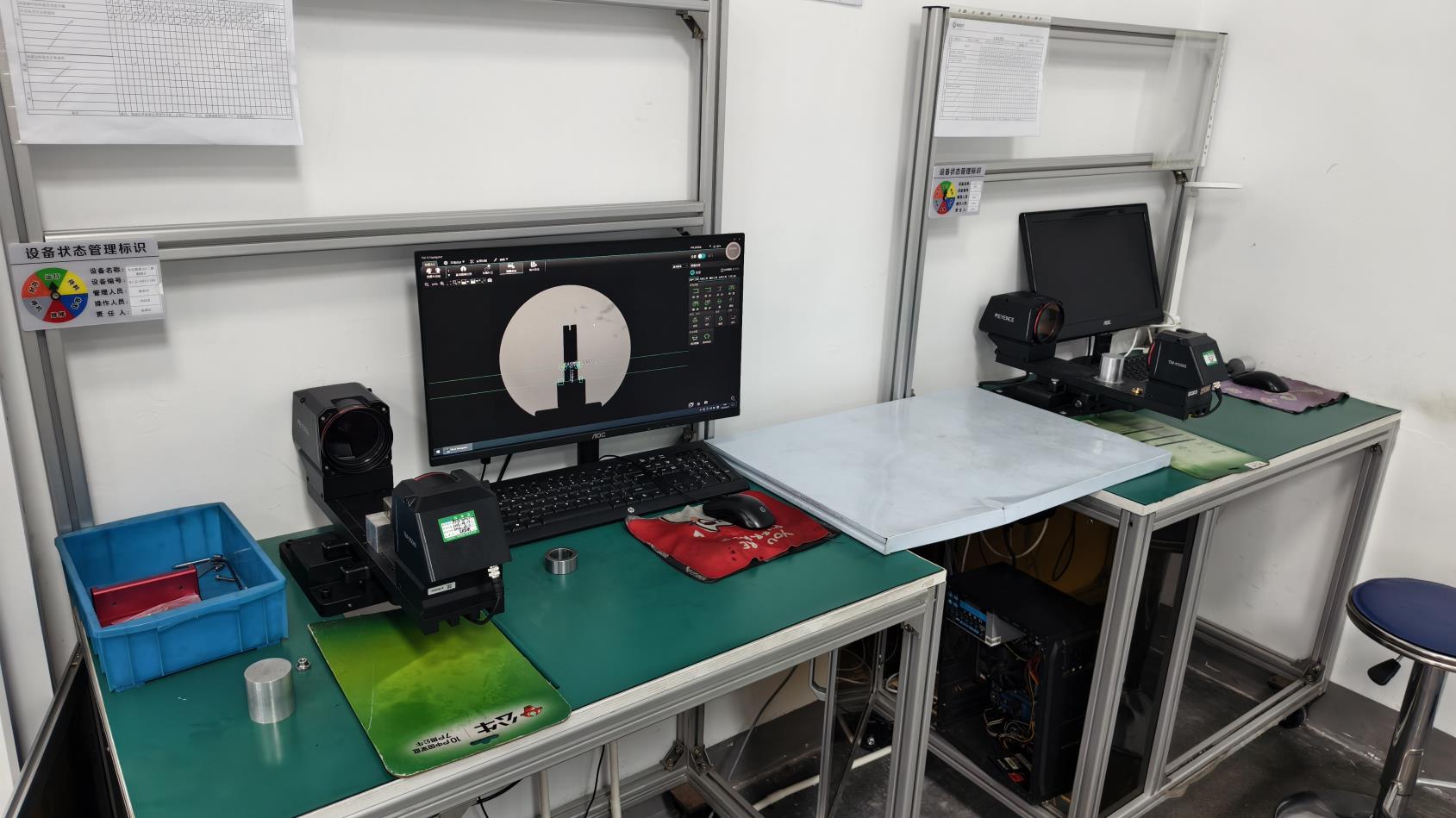
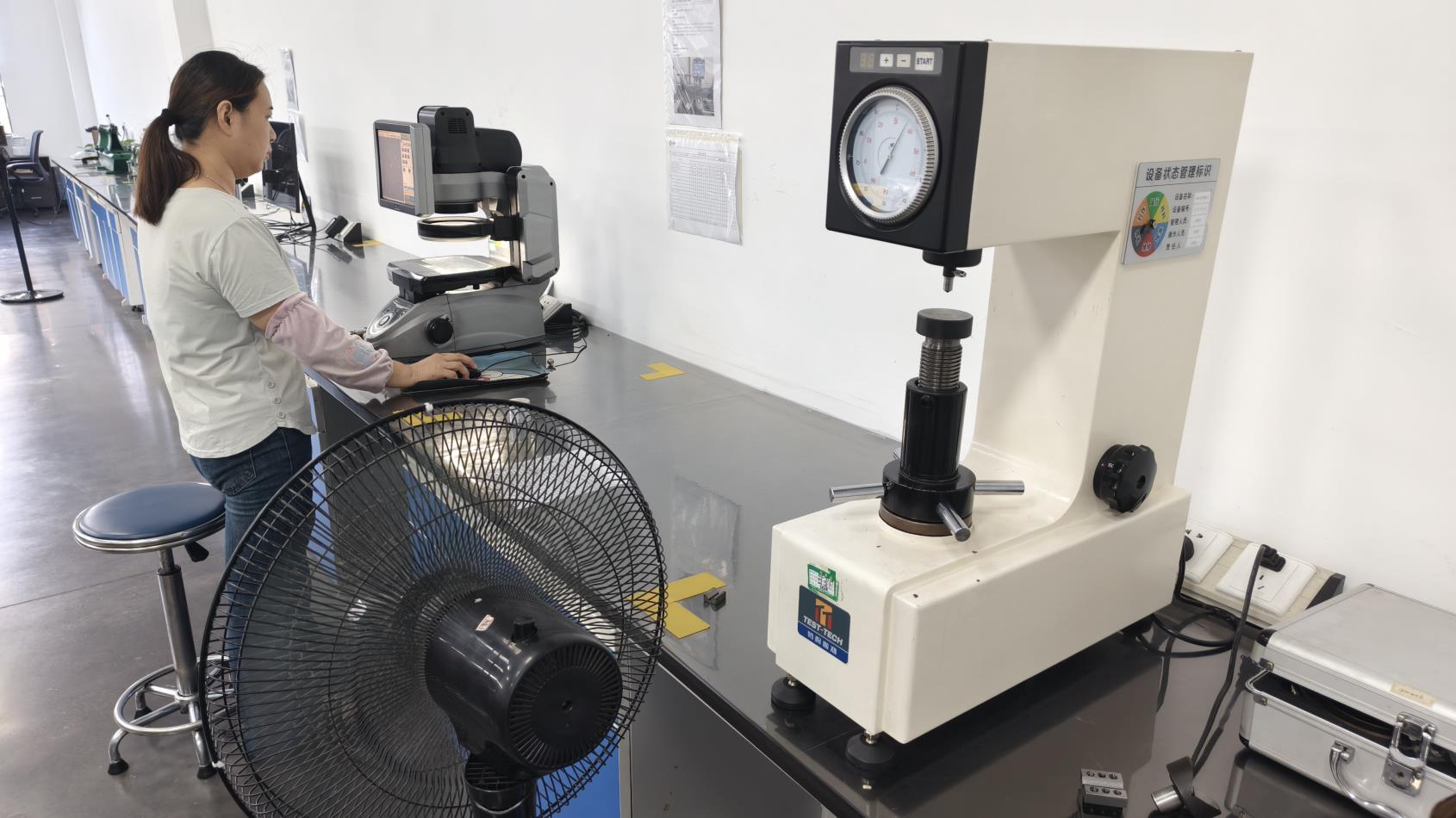
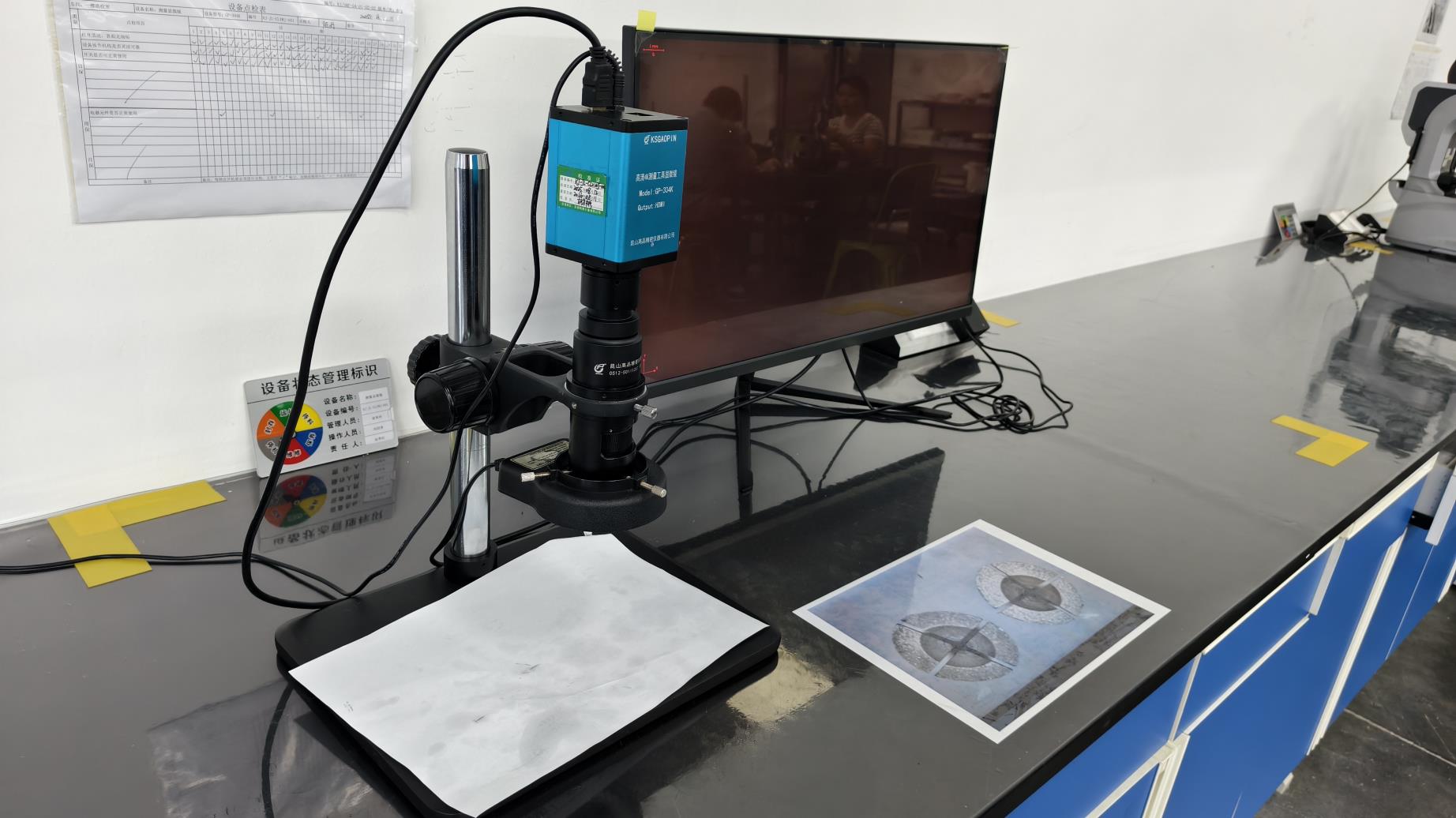
Moventra Medical Technology operates in strict alignment with ISO 13485:2016 quality management systems. Our CE markings are not just legal stamps; they represent systematic, verified design dossiers and technical files audited by world-class Notified Bodies. Each batch of bioresorbable screws, plates, and anchors undergoes 100% rigorous inspection processes—including dimensional checking via automated coordinate machines, mechanical strength verification, molecular weight testing, and sterility validations.
For global distributors, purchasing CE-certified bioresorbable solutions from Moventra mitigates regulatory risks. We supply the complete technical documentation package (including CER, GSPR compliance reports, and stability data) required to secure local market authorization across Europe, South America, the Middle East, and Asia-Pacific.
Advanced Chinese Manufacturing Capabilities Meeting International Clinical Standards
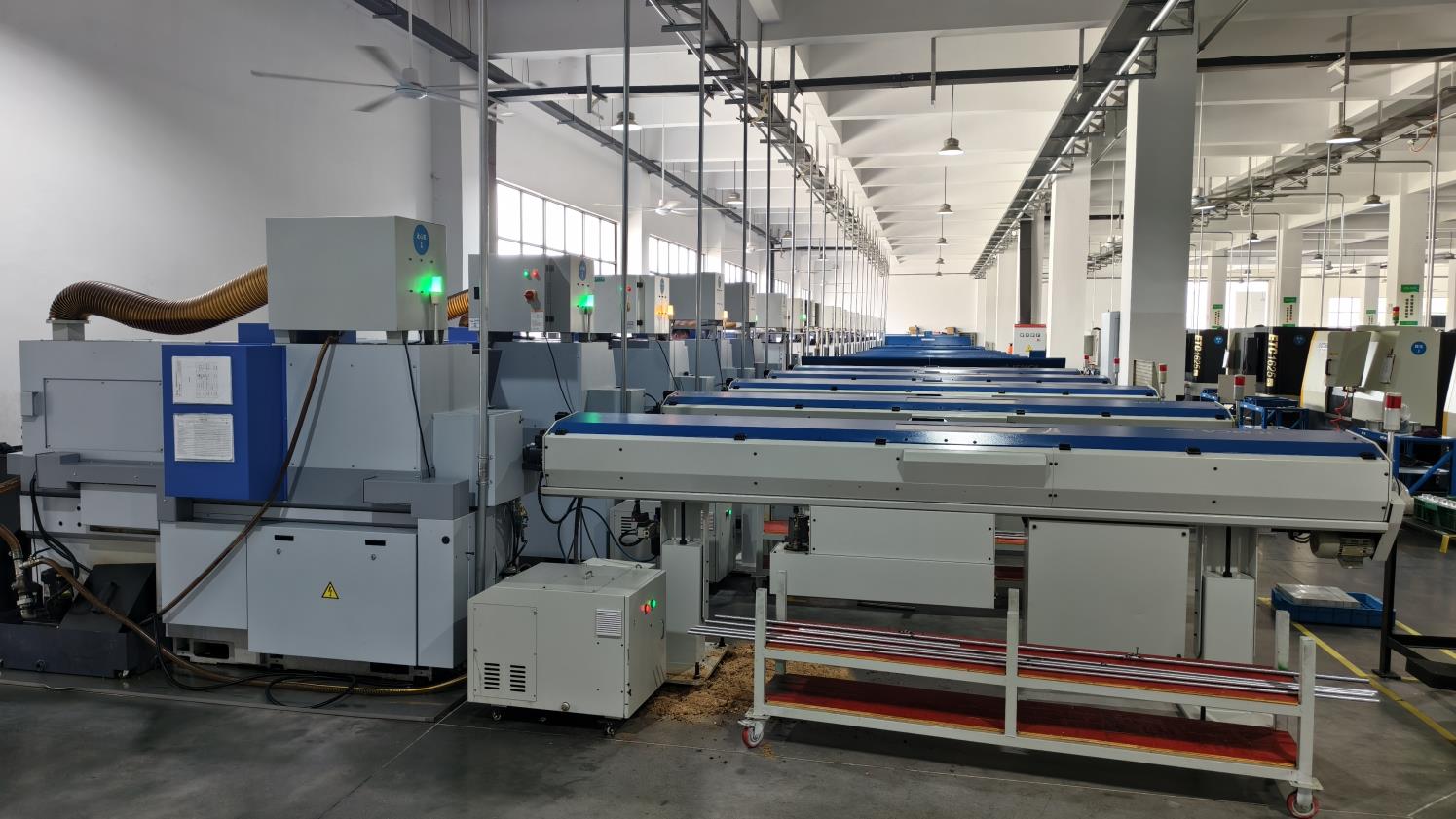
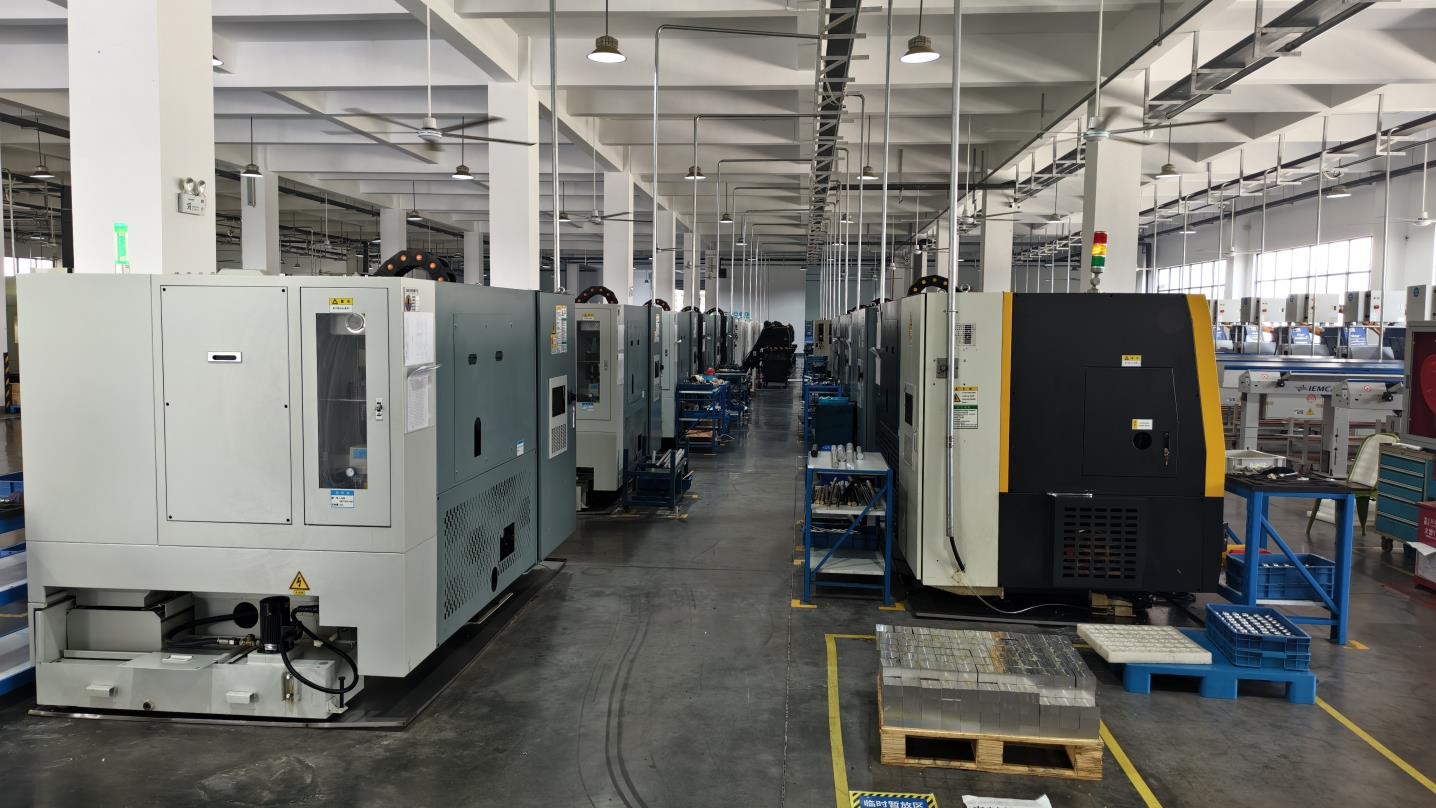
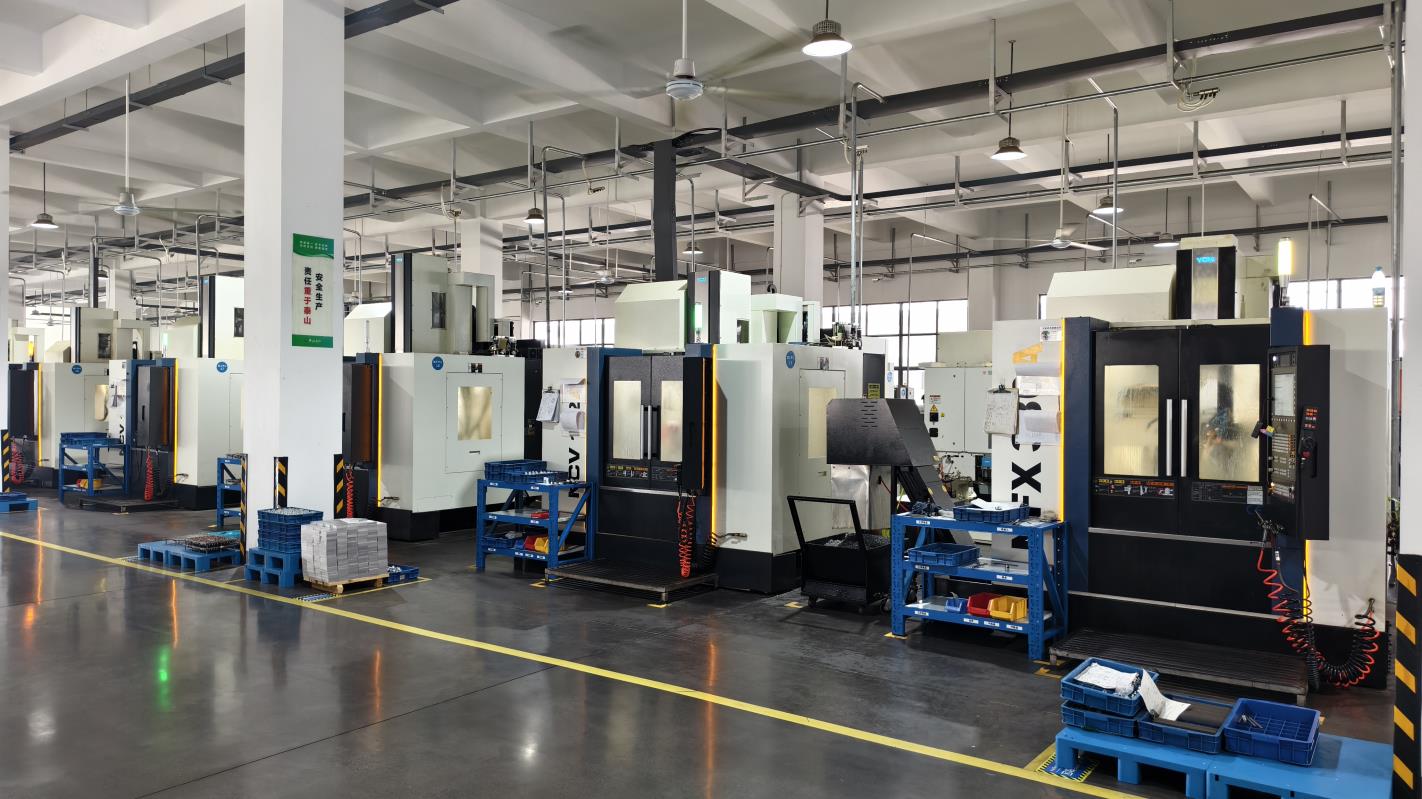
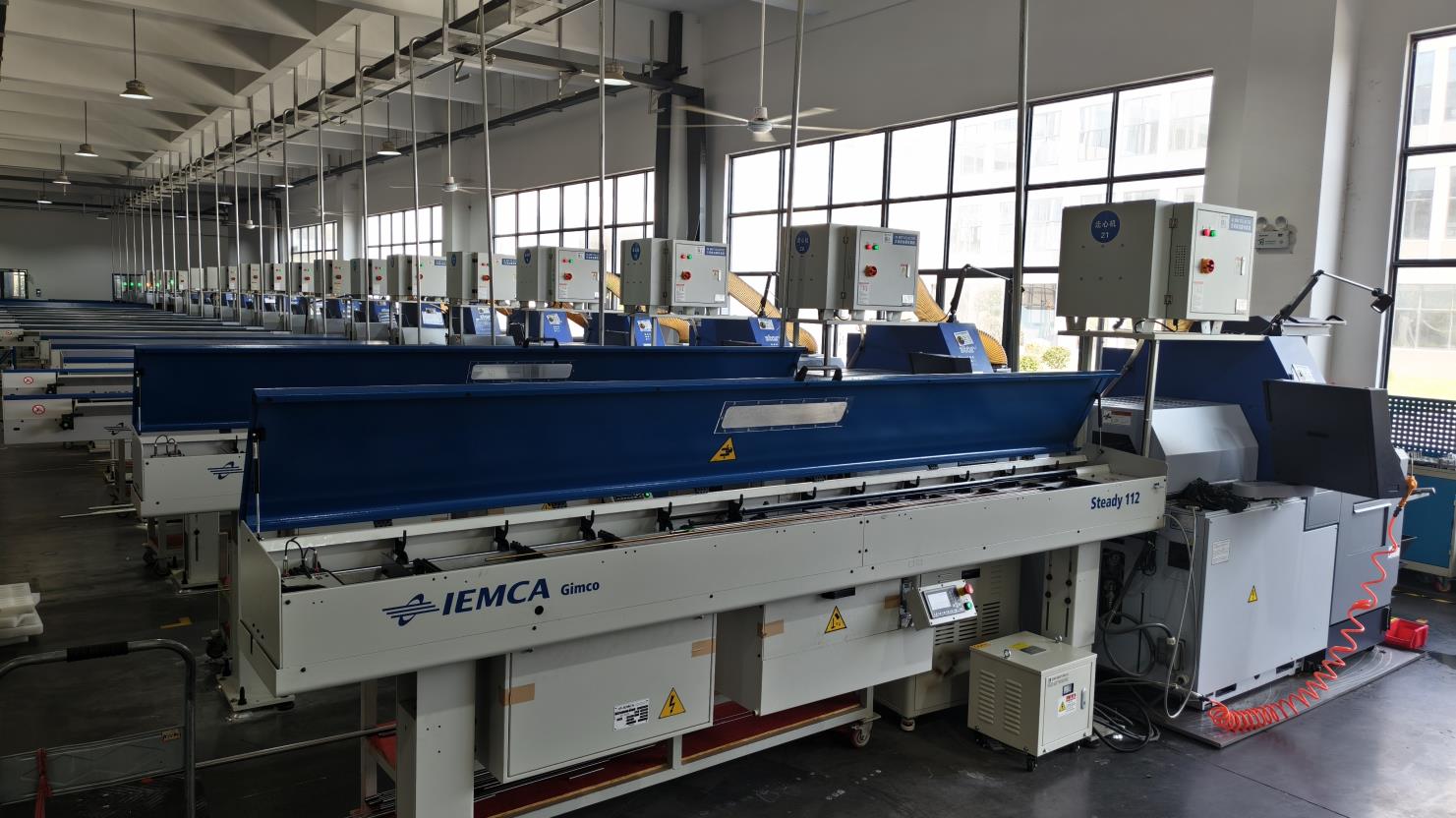
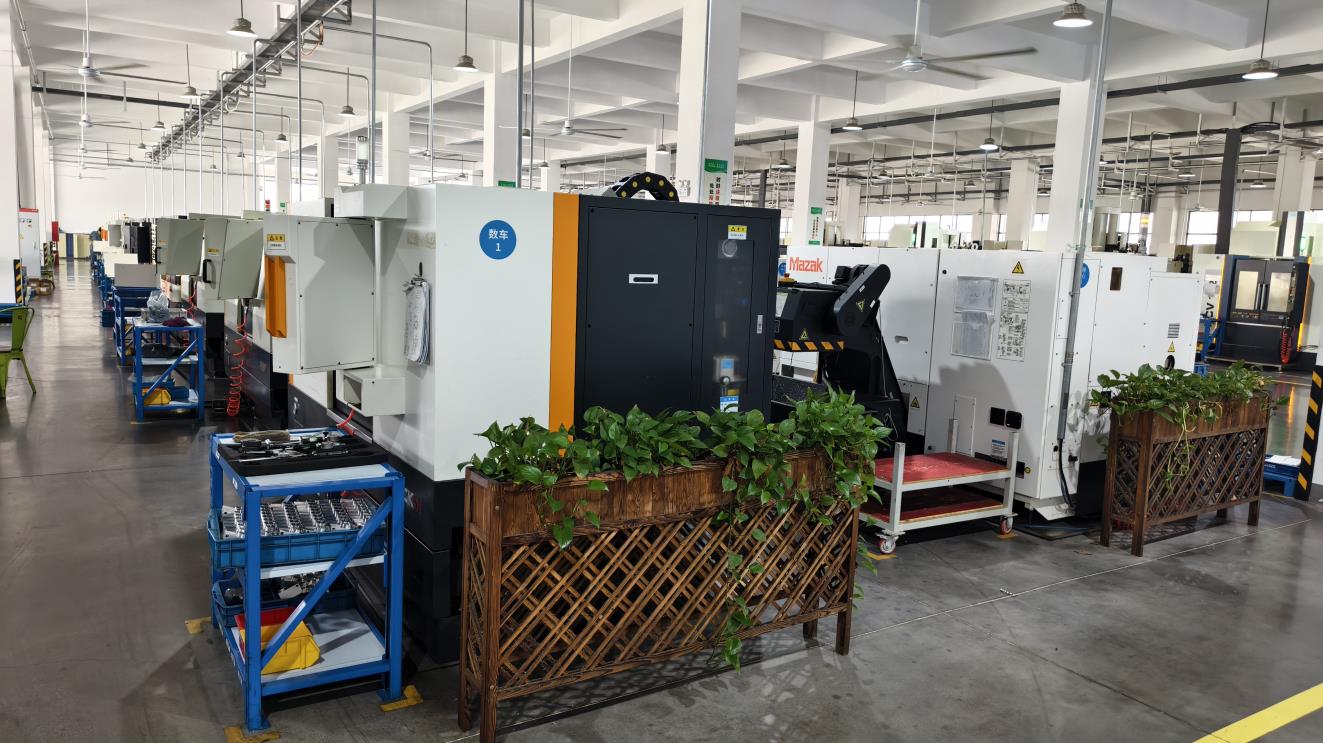
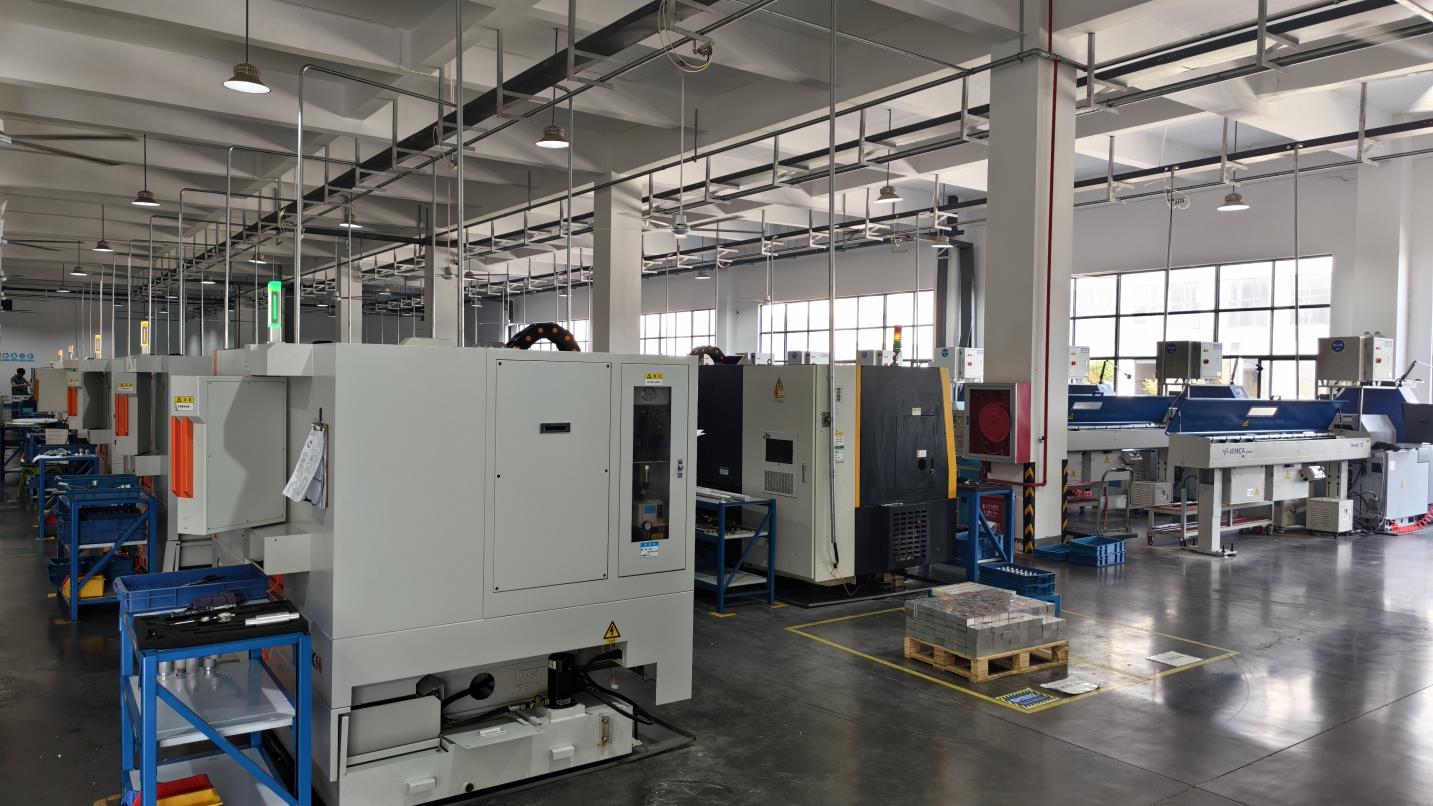
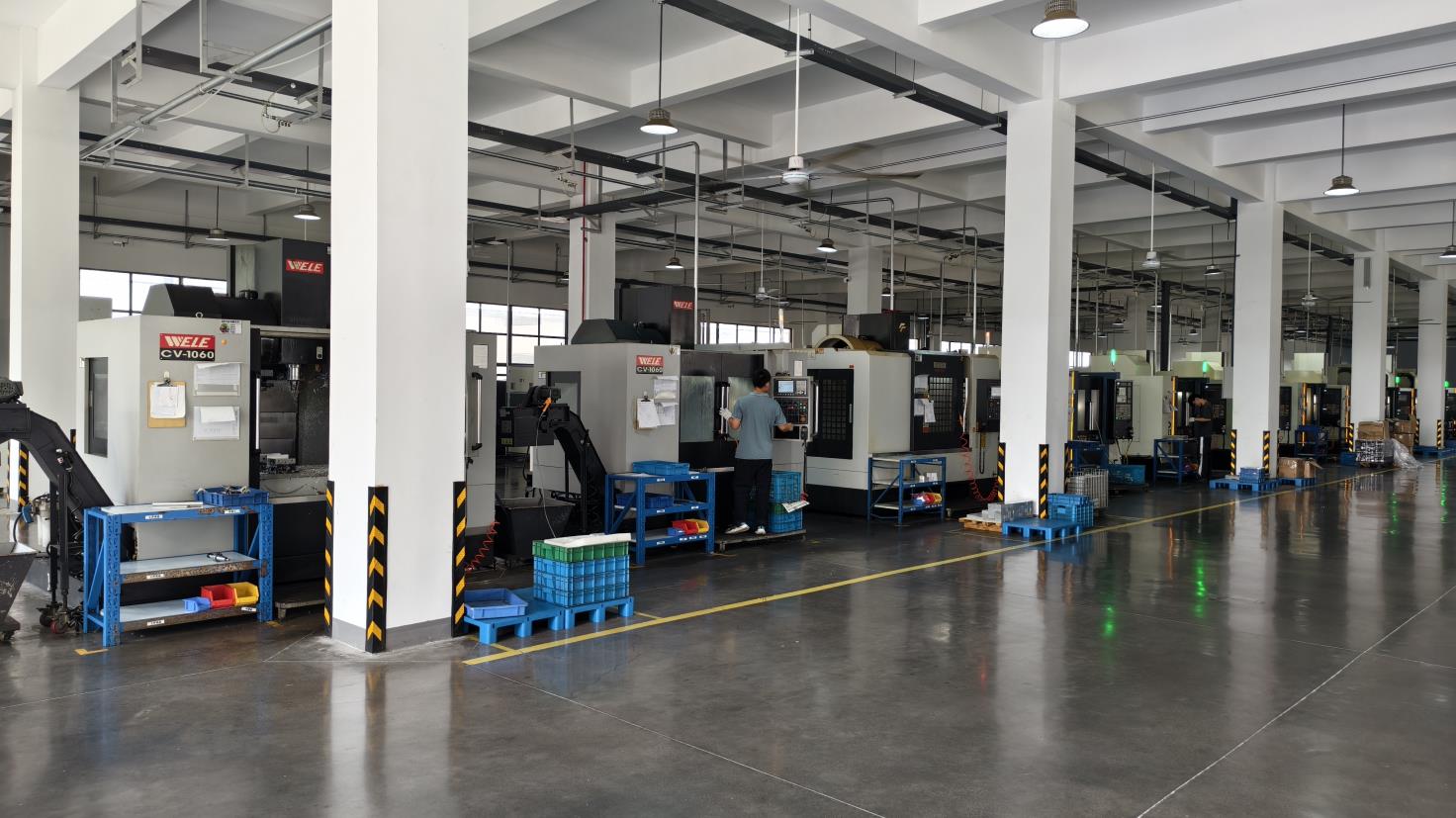
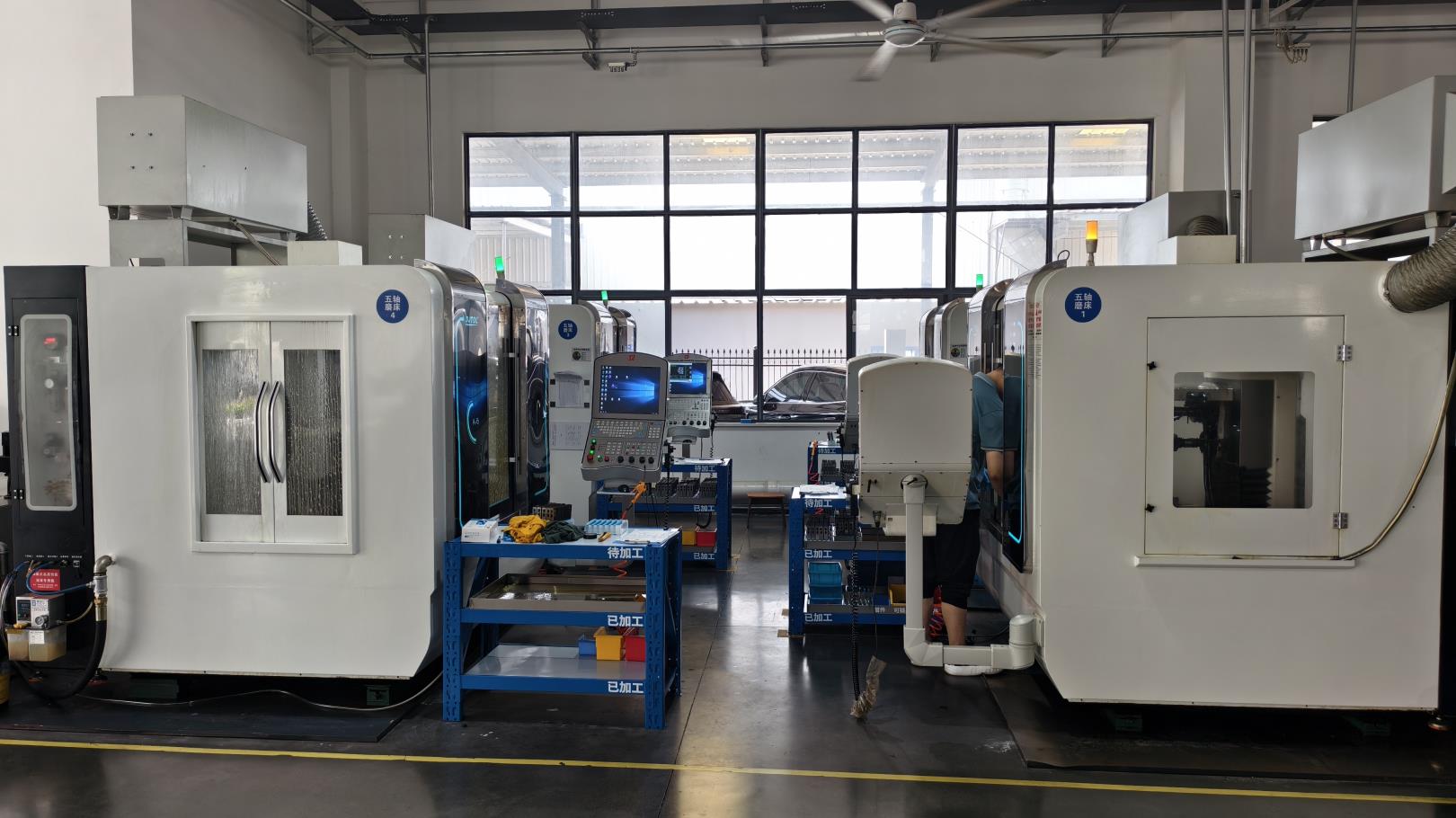
Our facility houses high-end Swiss-type lathes and multi-axis milling centers capable of working with high-precision bioresorbable raw materials without compromising molecular integrity. Processing temperatures and cutting forces are digitally monitored to prevent premature thermal degradation of polymer links.
Any particulate contamination during the processing of bioabsorbable polymers can cause local tissue inflammation in patients. Moventra handles all component cleaning, packaging, and sealing operations in modern cleanrooms built to ISO Class 7/Class 10,000 cleanroom design parameters.
By leveraging China's dense industrial clusters for tooling, raw polymer supply chains, and highly skilled engineering staff, we offer medical device brands premium CE-certified implants at a highly optimized cost per unit. This economic flexibility allows our partners to win high-volume public hospital tenders.
Your Trusted Global OEM/ODM Partner for Advanced Orthopedic Solutions
Moventra Medical Technology (China) Co., Ltd. is a professional manufacturer specializing in the research, development, production, and global supply of orthopedic medical devices and surgical solutions. Established in 2017, the company is dedicated to delivering innovative, high-quality products for trauma, spine, joint reconstruction, sports medicine, and orthopedic surgical procedures.
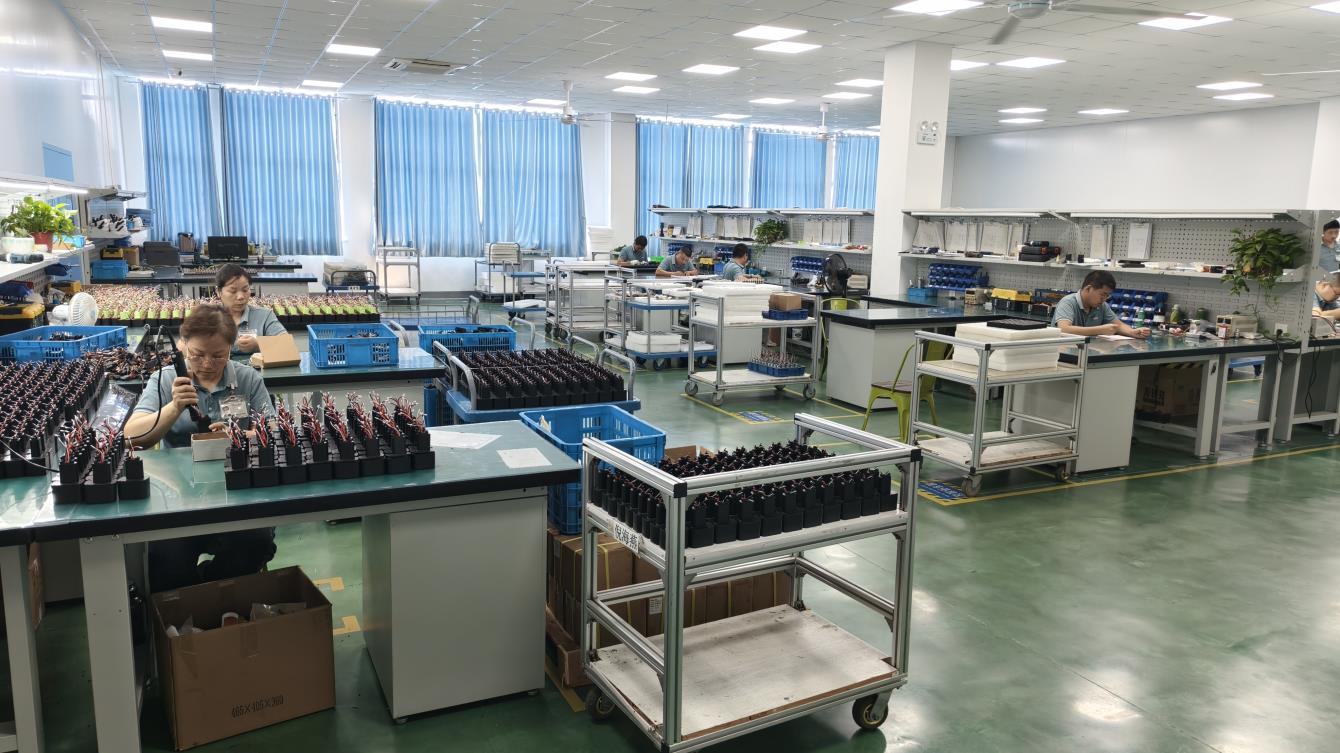
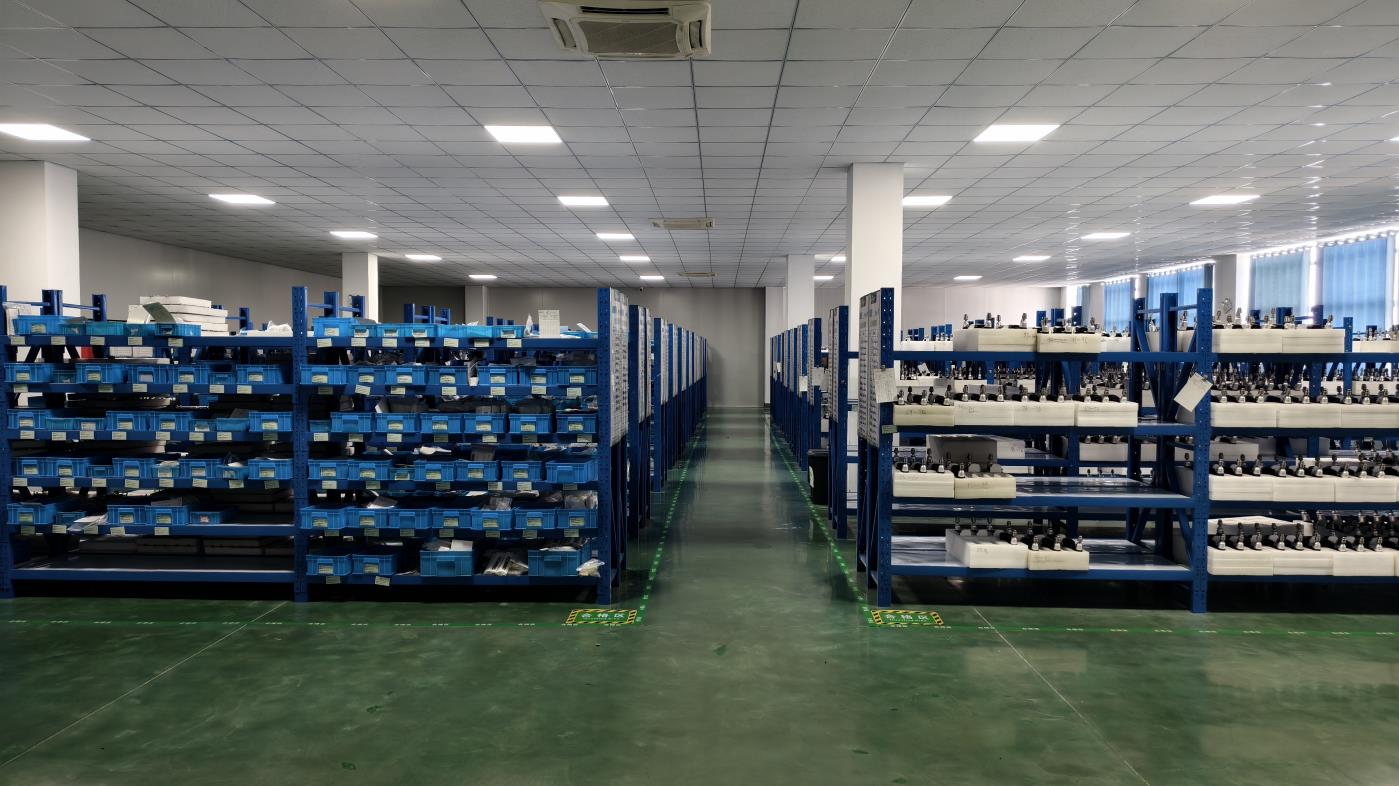
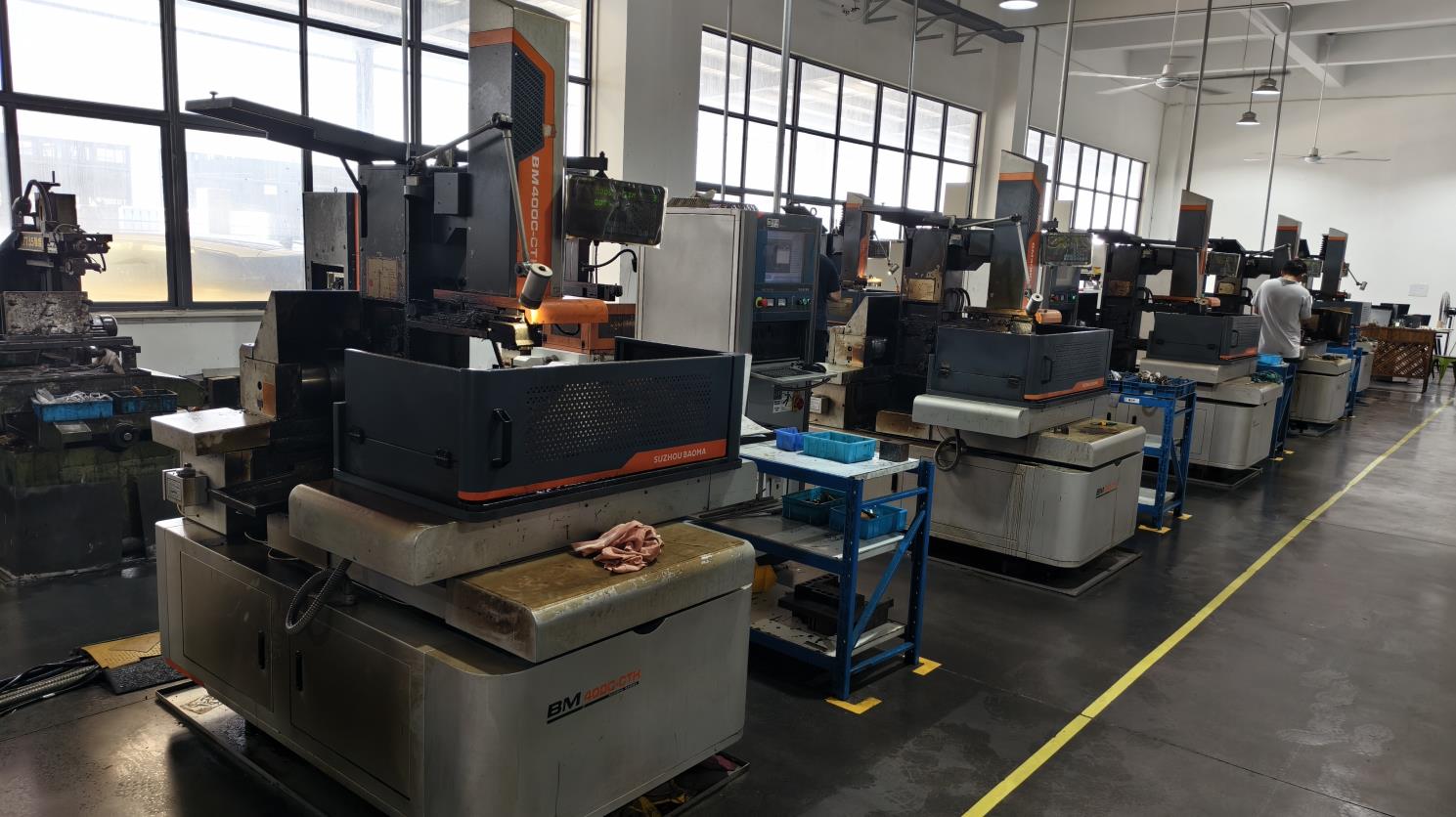
With a modern manufacturing facility covering 18,600 m², Moventra integrates advanced CNC machining, precision manufacturing, automated production lines, and strict quality management systems to ensure every product meets international medical standards. Our commitment to continuous innovation enables us to provide reliable OEM and ODM services for global medical device brands, distributors, and healthcare institutions.
| Item | Details |
|---|---|
| Company Name | Moventra Medical Technology (China) Co., Ltd. |
| Brand | Moventra |
| Established | 2017 |
| Facility Area | 18,600 m² |
| Annual Export Revenue | USD 23.8 Million |
| Export Experience | 7 Years |
| Industry Experience | 13 Years |
| Quality Inspection | 100% Quality Inspection Before Shipment |
| Product Inspection Methods | Dimensional Inspection, Material Analysis, Surface Finish Inspection, Mechanical Performance Testing, Sterility Verification |
| Quality Control Staff | 48 |
| Business Type | Manufacturer, OEM & ODM, Exporter |
| Main Markets | North America, Europe, South America, Middle East, Southeast Asia, Australia |
| Supply Chain Partners | 1,120 |
| Main Customer Types | Medical Device Brands, Orthopedic Distributors, Hospitals, Importers, Government Procurement Projects |
| R&D Capability | Independent Product Design, Rapid Prototyping, OEM/ODM Development, Customized Engineering Solutions |
| Customization Options | Logo Customization, Packaging Customization, Product Design Customization, Drawing-Based Manufacturing, Sample-Based Manufacturing |
| New Products Released Last Year | 156 |
| R&D Engineers | 86 |
A Tour of Moventra’s Advanced Machining and Testing Laboratories
Addressing the Practical Regulatory and Supply Needs of Strategic Sourcing Managers
Navigating the global landscape of medical device distribution requires deep localization support. Hospital systems, national health tender offices, and regional distributors require customized packaging, translated Instructions for Use (IFUs), localized surgical manuals, and specific compliance certificates that align with domestic health bodies such as the FDA, ANVISA, COFEPRIS, or the GCC Health Council.
Moventra Medical Technology provides tailored localization support to streamline your market entry processes:
Where Bioresorbable Implants Excel Over Traditional Metal Fixations
Children's bones grow rapidly. Stiff metallic implants can restrict normal bone growth, leading to bone deformation or the painful need for a second surgery to remove the metal. Bioresorbable implants degrade naturally as the child's bone heals, allowing for uninterrupted skeletal development without secondary surgeries.
Ligament and tendon reconstructions, such as ACL/PCL reconstructions, require temporary, stable mechanical fixation in the bone tunnel. Bioresorbable interference screws provide the necessary pressure for healing and gradually disappear, leaving a clean native bone tunnel that simplifies future revisions if needed.
Mid-face fractures and skull reconstructions benefit greatly from thin, moldable bioabsorbable plates and screws. Since these anatomical areas are close to the skin surface, using metal can cause aesthetic issues and temperature sensitivity. Biodegradable polymers solve these issues completely.
The Evolution of 3D Printing, Biocompatibility, and Drug-Eluting Platforms
The global bioresorbable orthopedic implants market is evolving beyond simple mechanical fixation. Leading-edge R&D points toward three clear industry trends:
1. Bioactive and Osteoinductive Composites: Future implants will integrate osteoinductive compounds directly into the polymer matrix. These composite implants will not only degrade, but actively stimulate osteoblast migration, accelerating the conversion of the polymer scaffold into real, load-bearing bone tissue.
2. Drug-Eluting Implants: Bioresorbable implants are ideally structured to function as local drug delivery systems. By blending antibiotic agents or localized anti-inflammatory molecules into the polymer mixture, implants can slowly release therapeutic agents at the fracture site to prevent infection and speed up patient recovery.
3. 3D-Printed Patient-Specific Implants: Using advanced medical printing technologies, bioresorbable polymers like PCL and PLA can be printed into highly customized, patient-specific scaffolds that match the patient's unique anatomy. This method is highly effective for complex bone tumor resections and major reconstructive surgeries.
Technical & Commercial Insights for Orthopedic Procurement Experts
 Moventra Medical