Global Clinical Solutions & Hardware Integrity

CE Certified Distal Radius Locking Plates Factories & Suppliers

Advanced Osteosynthesis Implants Engineered to ISO 13485 & CE Standards for Superior Trauma Fixation & Patient Mobility.

Featured Orthopedic Surgical Instruments & Implants

Explore our top-tier precision orthopedic systems. Underpinned by raw-material traceability and engineered for seamless operating theatre integration.
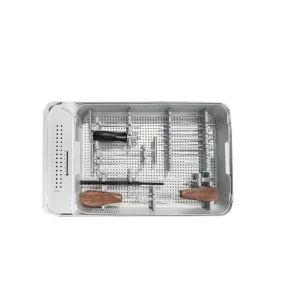
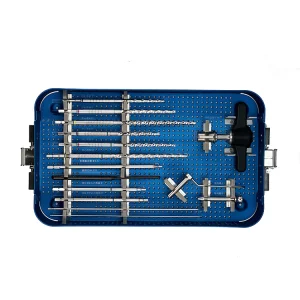
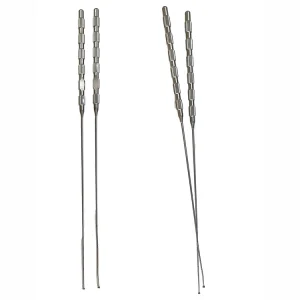
Single Probe Orthopedic Surgical Spinal Instruments
Spinal Surgery

Single Probe Orthopedic Surgical Spinal Instruments for Scoliosis Surgery Medical Consumables

View Details
Titanium Locking Plate Distal Tibial
Trauma Implants

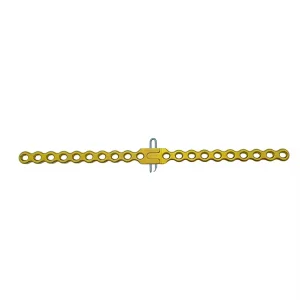
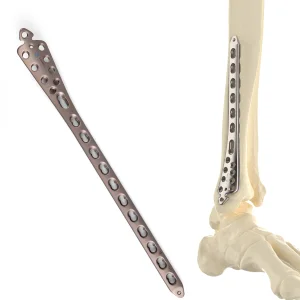
Competitive Price 8-30 Holes Titanium Locking Plate Distal Lateral Tibial Locking Plate-I

View Details
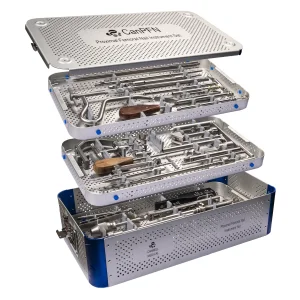
CANWELL Proximal Femoral Nail
Intramedullary Fixation

CANWELL CanPFN Proximal Femoral Nail Orthopedic Surgery Intramedullary Fixation Instrument Set

View Details
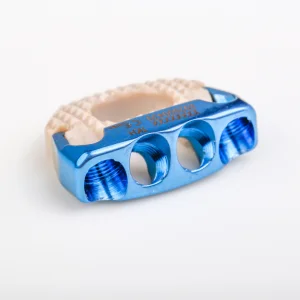
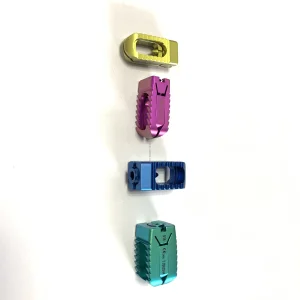
Titanium PEEK Anterior Cage
Spinal Fusion

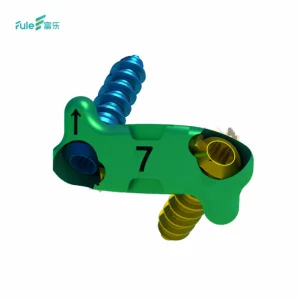
Competitive Price CE/ISO13485/ISO9001 Certified Fule Titanium/PEEK Anterior Interbody Fusion Cage

View Details
CANWELL Distal Medial Tibial Plate
CE Certified Titanium

CANWELL Distal Medial Tibial Locking Plate 3.5mm Compression Bone Orthopedic Implants

View Details
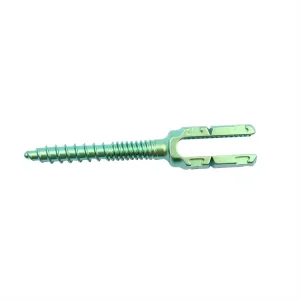
CANWELL Pedicle Screw
Lumbar Fixation

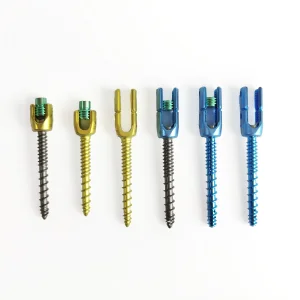
CANWELL 5.5 Reduction Polyaxial Pedicle Screw Monoaxial Pedicle Screw Double-threaded

View Details
Geasure Spine Pedicle Screw
Double Thread

Geasure Factory Price Spine Implants 5.5 Spine Titanium Orthopedic Implants Pedicle Screw

View Details
Expandable Lumber Cage
5+ Year Warranty

Hot-selling Expandable Lumber Cage Titanium Alloy Implant CE Certified Beijing Fule

View Details
Clinical Biomechanics & Research Insights

Biomechanics of Distal Radius Fracture Osteosynthesis

Distal radius fractures constitute approximately 15% to 20% of all bone injuries encountered in emergency departments. Over the past two decades, the treatment paradigm has shifted dramatically from conservative casting to anatomical internal fixation. Modern surgical approaches prioritize early mobilization, anatomical restoration of the articular surface, and reduction of the volar tilt and radial inclination. Distal Radius Locking Plates represent the pinnacle of this evolution, offering stable internal fixation even in severely osteoporotic bones.

When structural integrity is compromised by comminuted fractures (AO Type C), standard non-locking plates rely heavily on friction generated between the plate and the bone surface. This friction is highly dependent on screw torque, which often fails in low-density trabecular bone structure. Volar locking plates, by contrast, act as fixed-angle constructs. In these systems, the screw heads thread directly into the plate, forming a unified frame that transfers loads directly across the fracture site. This biomechanical dynamic prevents collapse and preserves angular stability under physiological load, drastically reducing the incidence of secondary displacement.

Key Biomechanical Parameters Restored via Volar Plating
Volar locking plates allow precise restoration of the volar tilt (typically 11 degrees), radial inclination (typically 22 degrees), and radial height (averaging 11–12mm), which are essential for restoring optimal radioulnar joint tracking and preventing long-term osteoarthritic degradation.

Mechanical Superiority: Titanium Grade 5 vs. 316L Stainless Steel

For critical orthopedic implants, the choice of material is fundamental to clinical success. Grade 5 Titanium (Ti-6Al-4V ELI) is widely utilized by premium suppliers like Moventra. With a tensile yield strength exceeding 860 MPa and a Young’s modulus (~110 GPa) much closer to cortical bone than stainless steel (~200 GPa), titanium reduces stress shielding. Stress shielding occurs when rigid metal plates bear excessive structural load, leaving the underlying bone under-stressed, which can result in localized bone resorption.

Furthermore, Titanium forms a stable, protective titanium oxide (TiO₂) passivation layer upon exposure to oxygen. This layer renders the implant highly resistant to corrosion and limits the release of metal ions into surrounding tissues, yielding unmatched biocompatibility and significantly lower rates of late implant removal compared to traditional 316L medical stainless steel.

Volar vs. Dorsal Surgical Approaches

The volar plating technique has largely surpassed dorsal plating as the preferred clinical approach for distal radius fractures. The anatomical landscape of the volar radius provides greater soft-tissue coverage, accommodating thicker locking constructs while minimizing irritation of the extensor tendons. Furthermore, the volar approach preserves the critical vascular supply to the dorsal bone fragments, promoting faster union rates.

However, complex intra-articular fractures with dorsal comminution sometimes require specialized low-profile double-plate configurations. Our manufacturing lines address this clinical variability by providing anatomy-specific, ultra-low-profile plate designs. These profiles boast rounded edges and polished surfaces to limit tendon impingement, accommodating both volar and dorsal surgical protocols.

Industrial Capacity & Advanced Production Lines

Moventra Corporate Overview & China Supply Chain Resilience

Established in 2017, Moventra Medical Technology (China) Co., Ltd. stands as a premier manufacturer, OEM & ODM provider, and exporter of high-precision orthopedic medical devices. With a state-of-the-art 18,600 m² facility and 13 years of industry experience, Moventra integrates advanced manufacturing technologies with an uncompromised commitment to quality control.

18,600m²
Modern Facility Area
$23.8M
Annual Export Revenue
86
R&D Engineers
48
QC Inspection Experts

The Efficiency & Resilience of Chinese Manufacturing Ecosystems

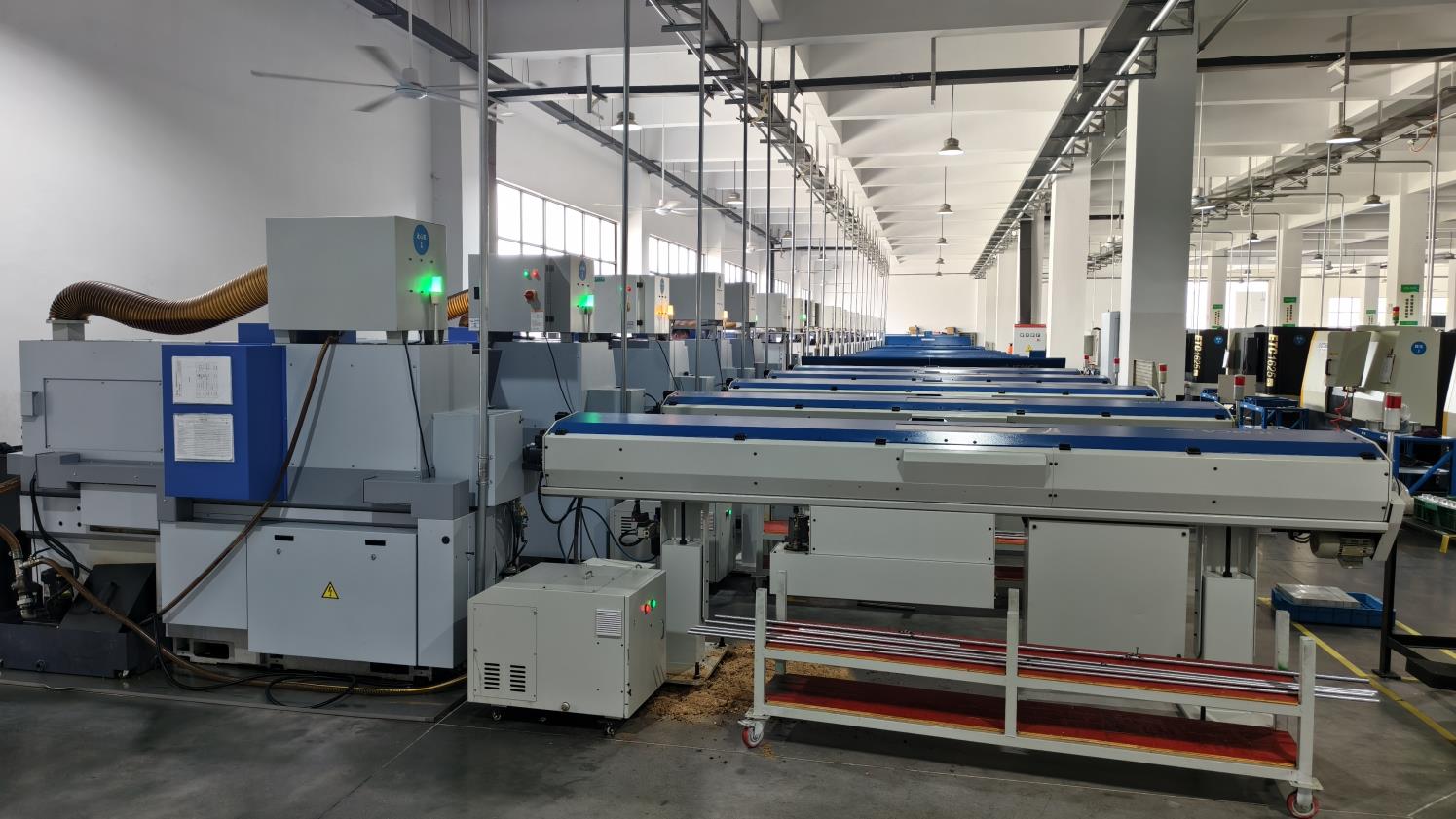
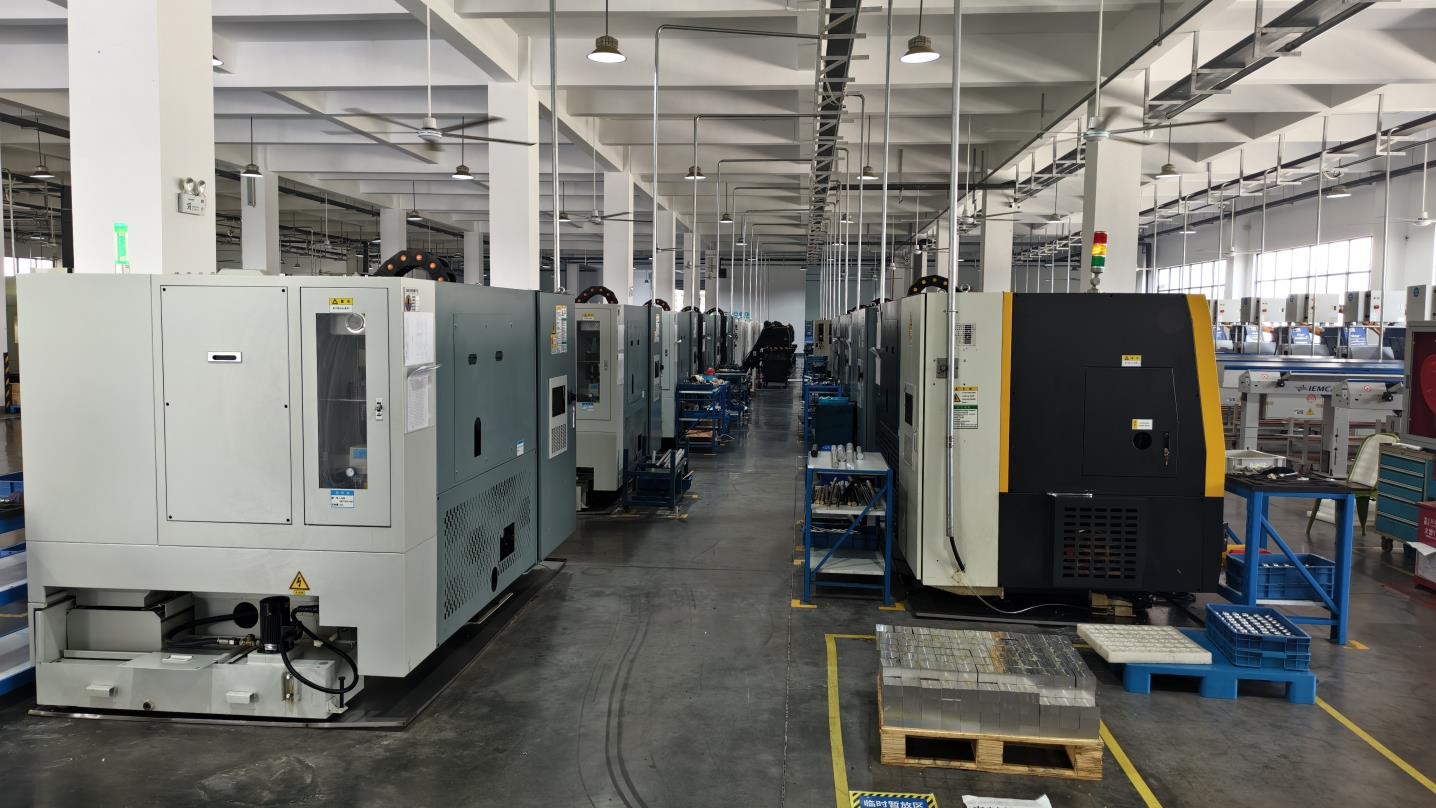
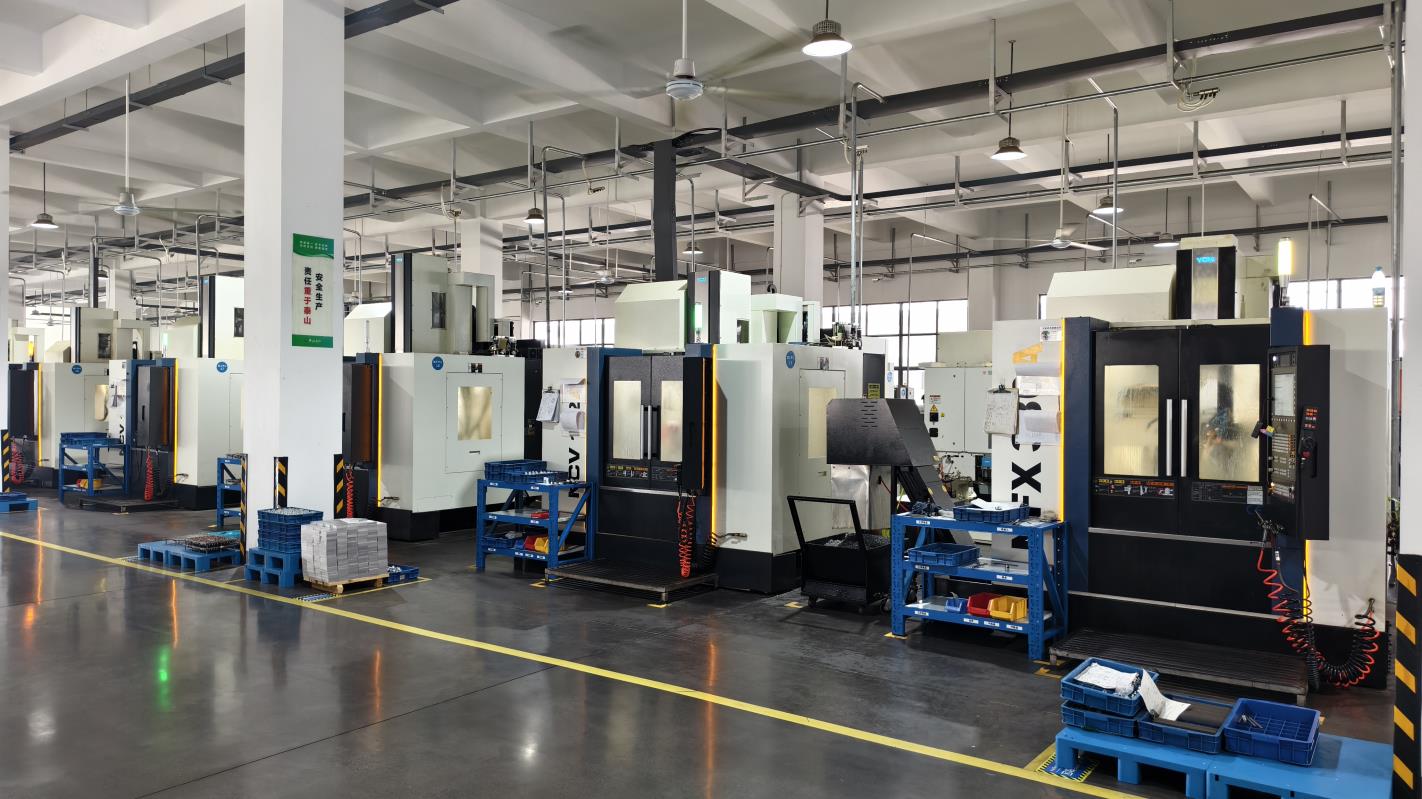
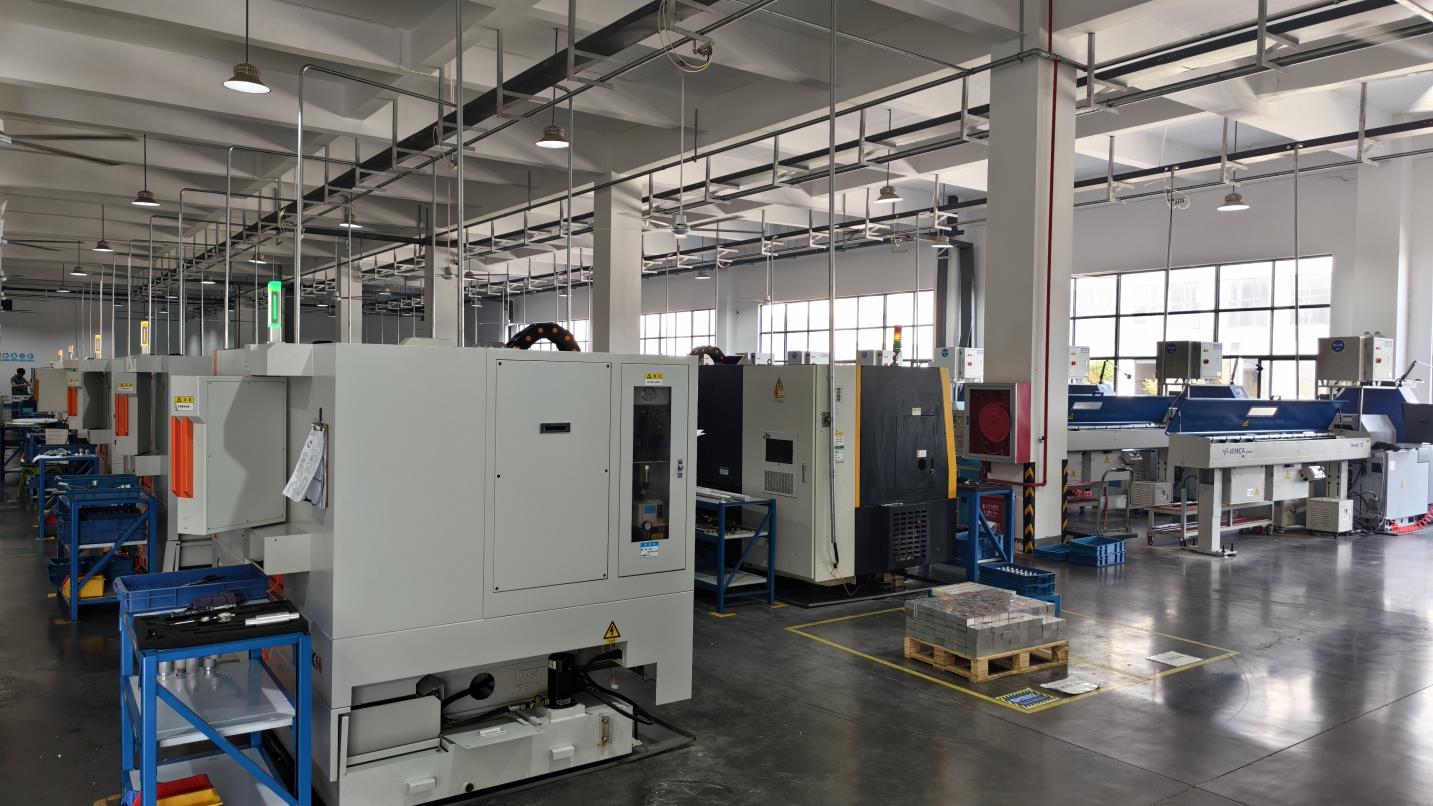
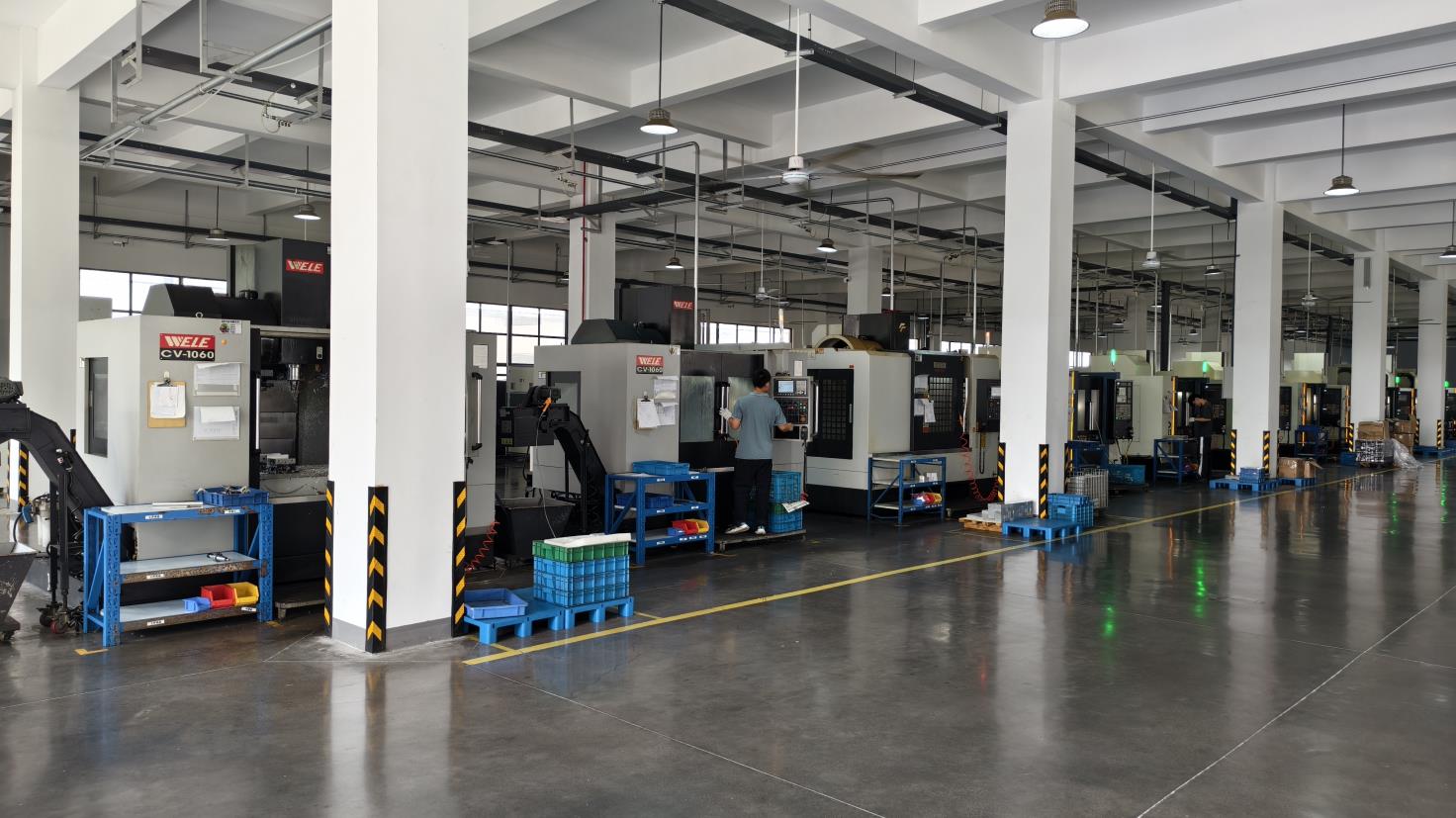
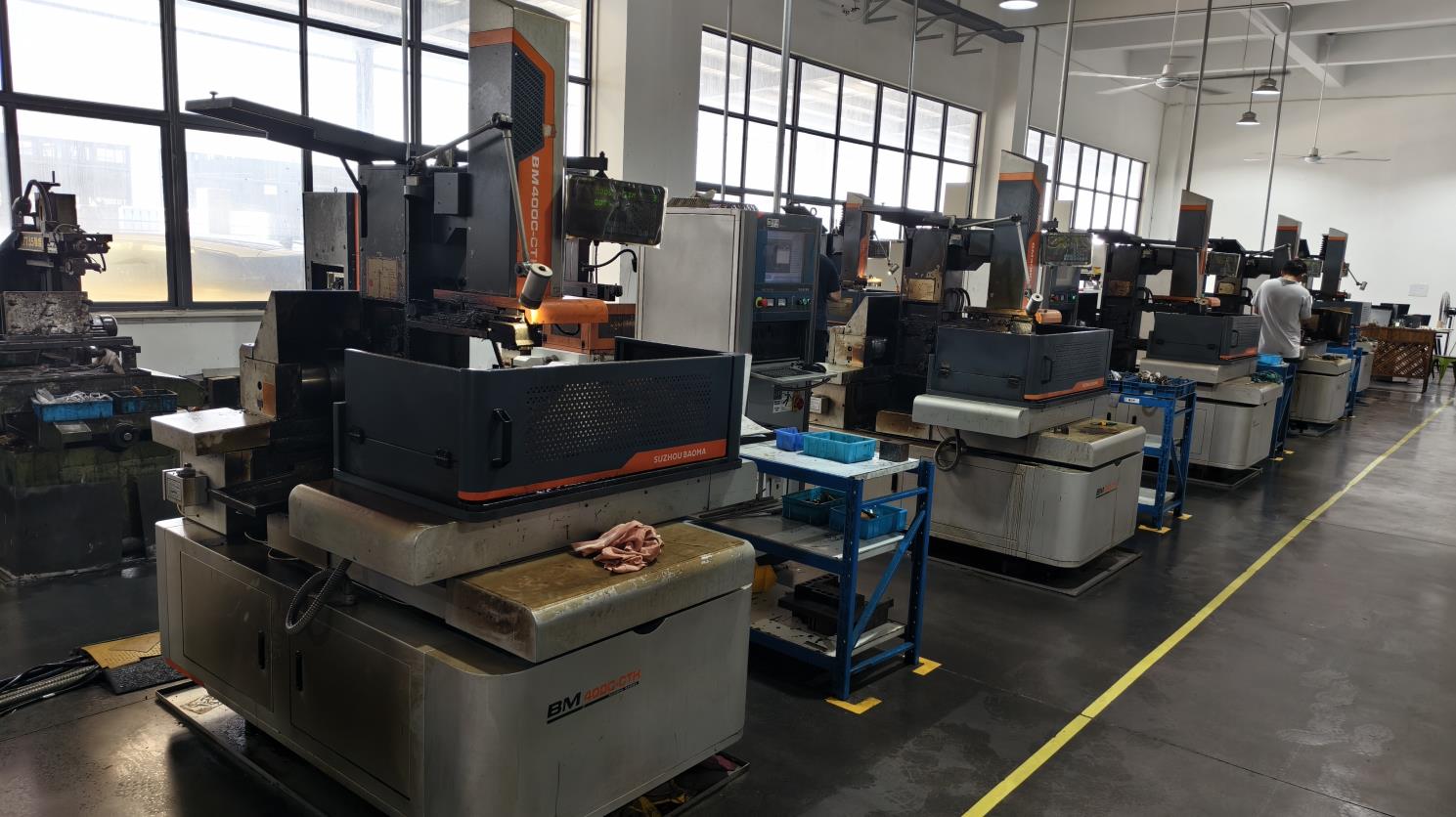
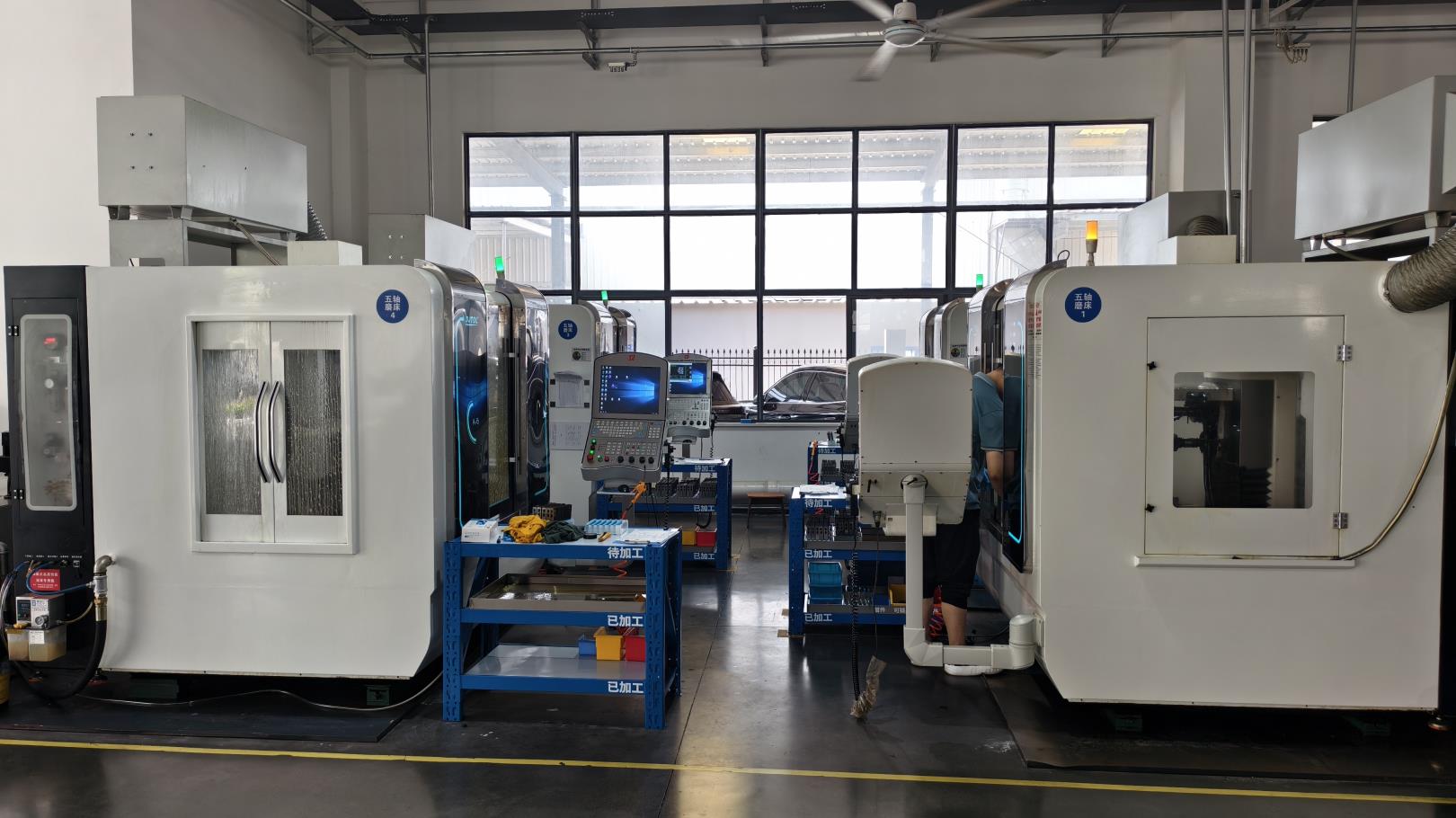
China’s orthopedic supply chain offers unparalleled resilience, enabling manufacturers like Moventra to deliver premium-grade locking plates with swift lead times. Our integration of Swiss-type CNC lathes, multi-axis machining centers, and wire cutting machinery ensures consistent, micrometer-level precision. This robust industrial ecosystem enables us to manage over 1,120 supply chain partners, guaranteeing a steady supply of medical-grade raw materials and advanced surface treatments, even amid global logistical disruptions.

Operational Core Metric Moventra Capabilities & Technical Details
Business Types Manufacturer, OEM & ODM Exporter
Main Markets Served North America, Europe, South America, Middle East, Southeast Asia, Australia
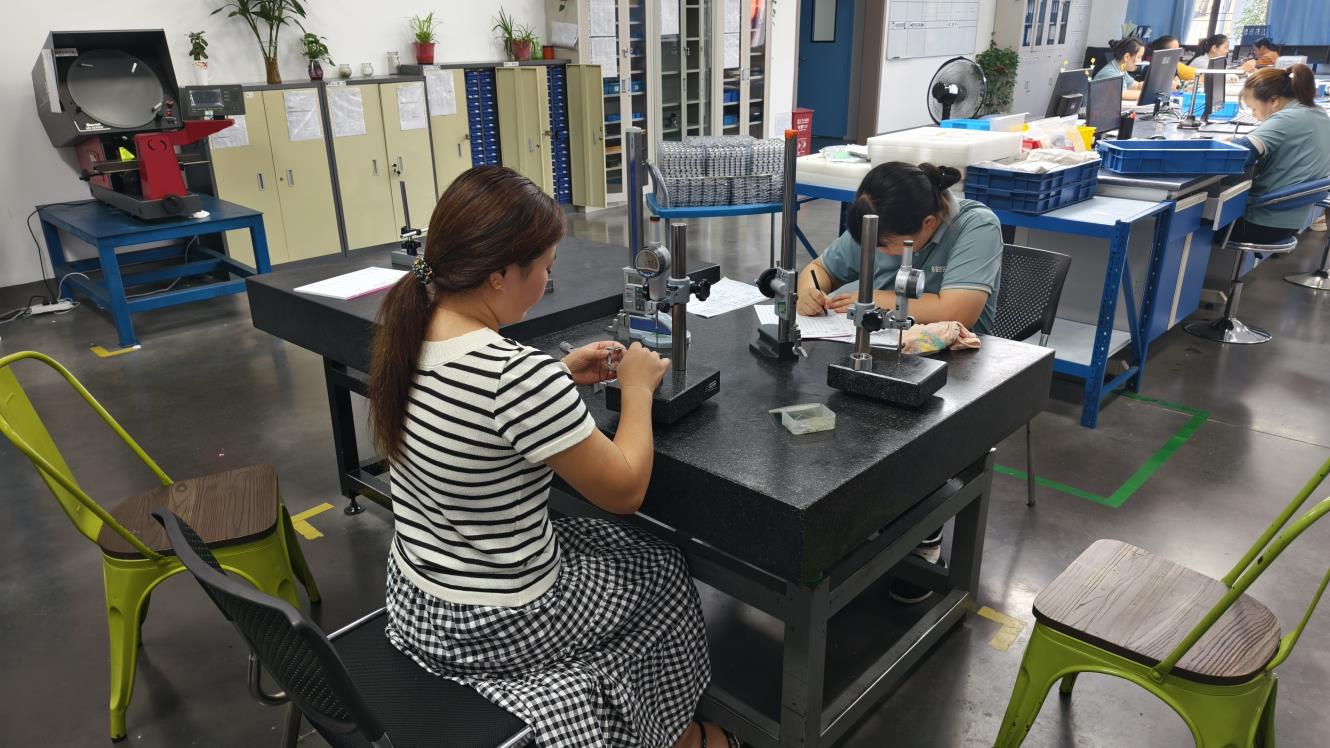
Quality Inspection Protocols 100% Quality Inspection before shipment utilizing dimensional inspection, material analysis, surface finish inspection, mechanical performance testing, and sterility verification.
R&D Specialization Independent product design, rapid prototyping, customized engineering solutions, and drawing/sample-based manufacturing.
Innovative Velocity 156 new orthopedic and trauma-focused products released last year.

Inside Our ISO 13485 Certified Production Facilities

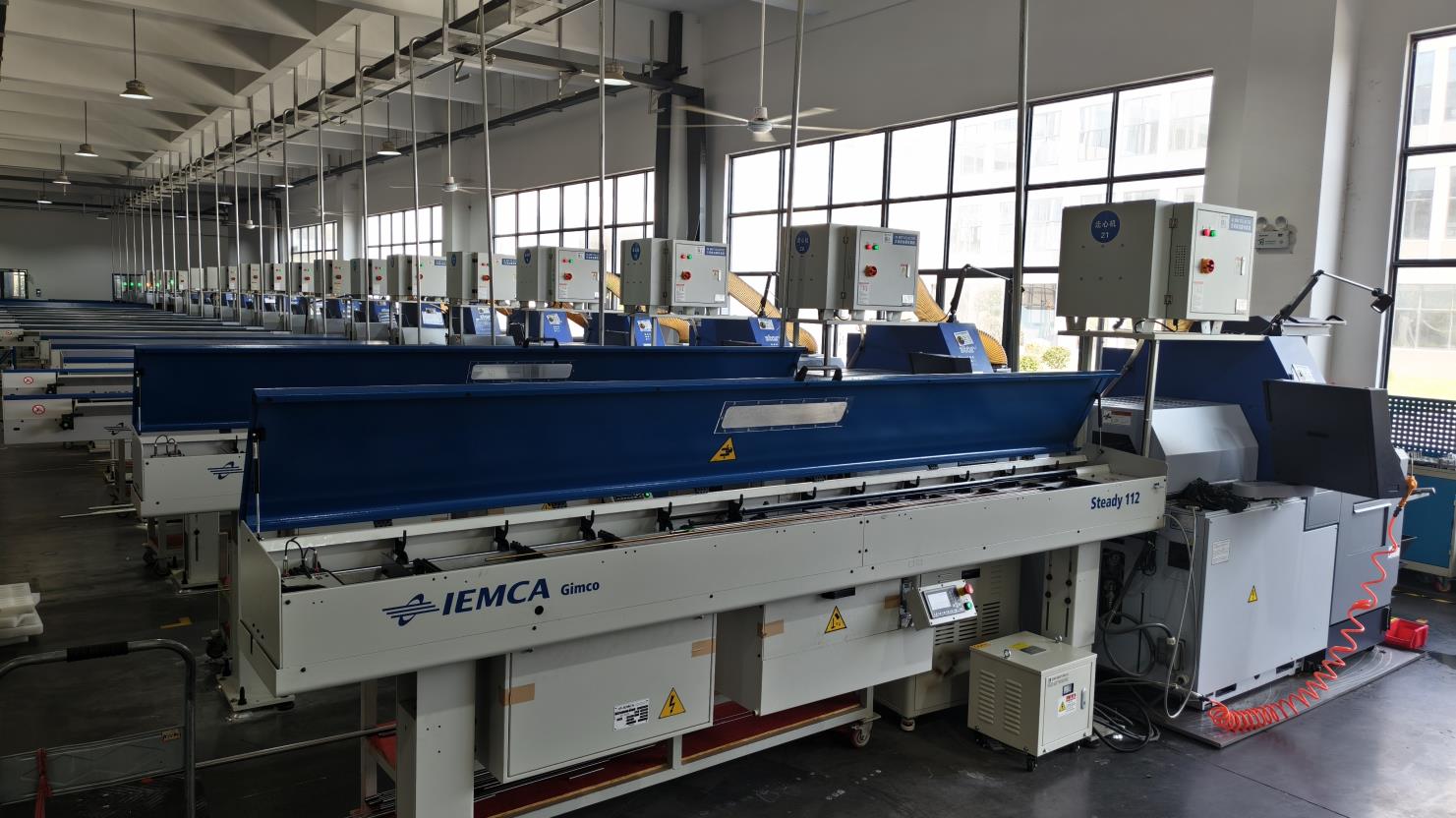
Swiss-type CNC Machine
Swiss-type
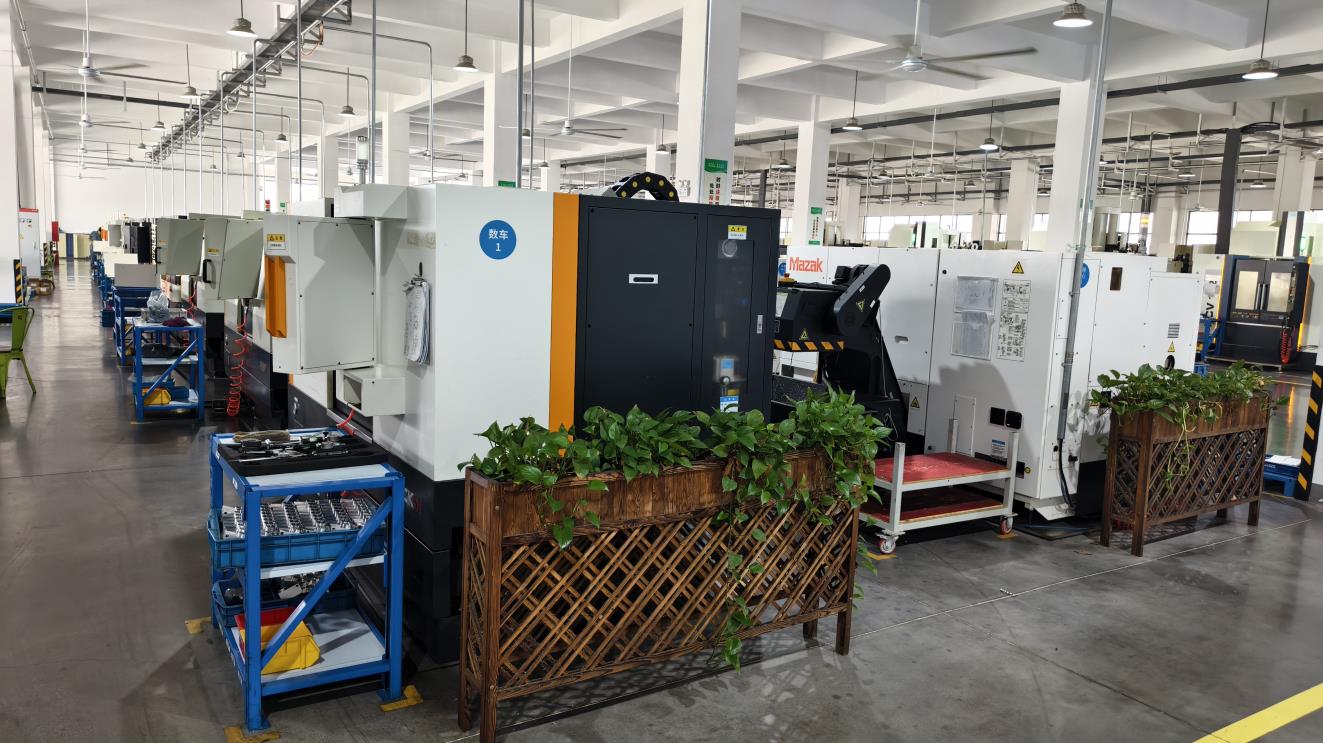
Lathe and Milling Machining
Lathe and Milling
Machining Operations
Machining
Quality Testing Room
Testing
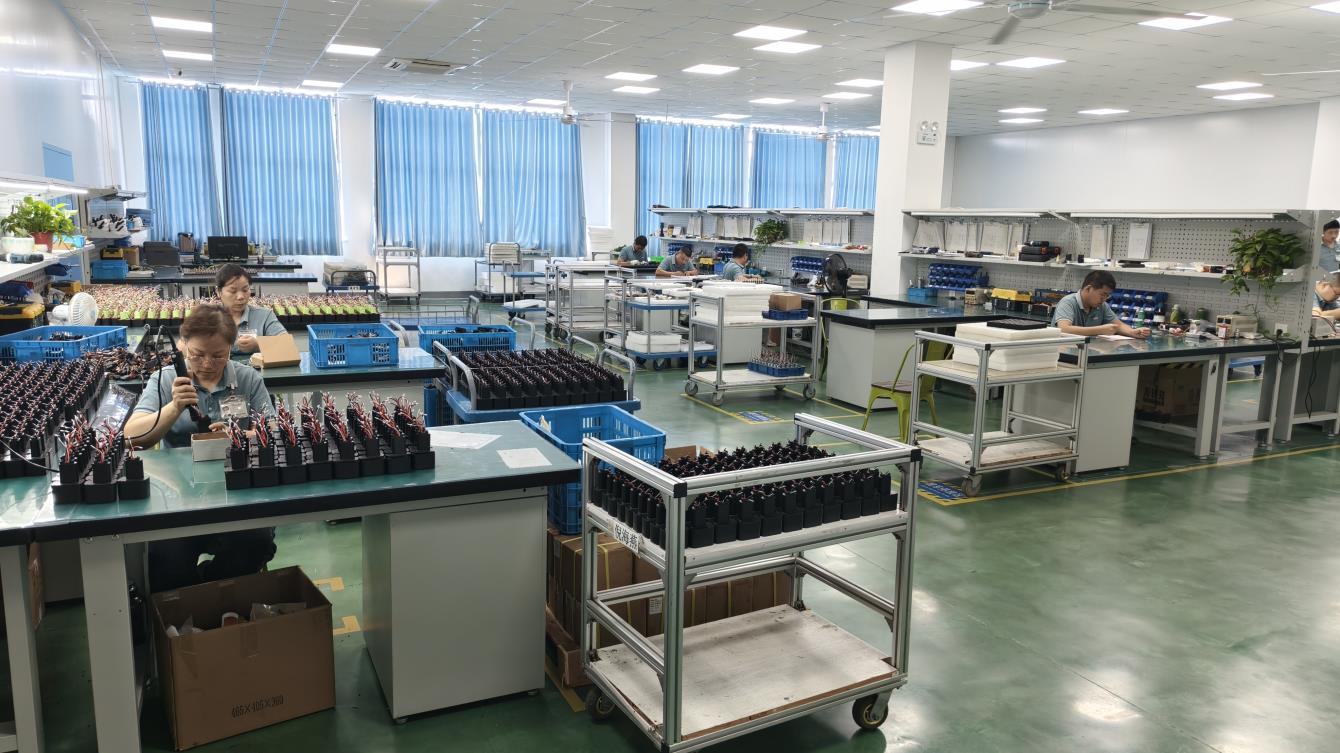
Assembling Unit
Assembling
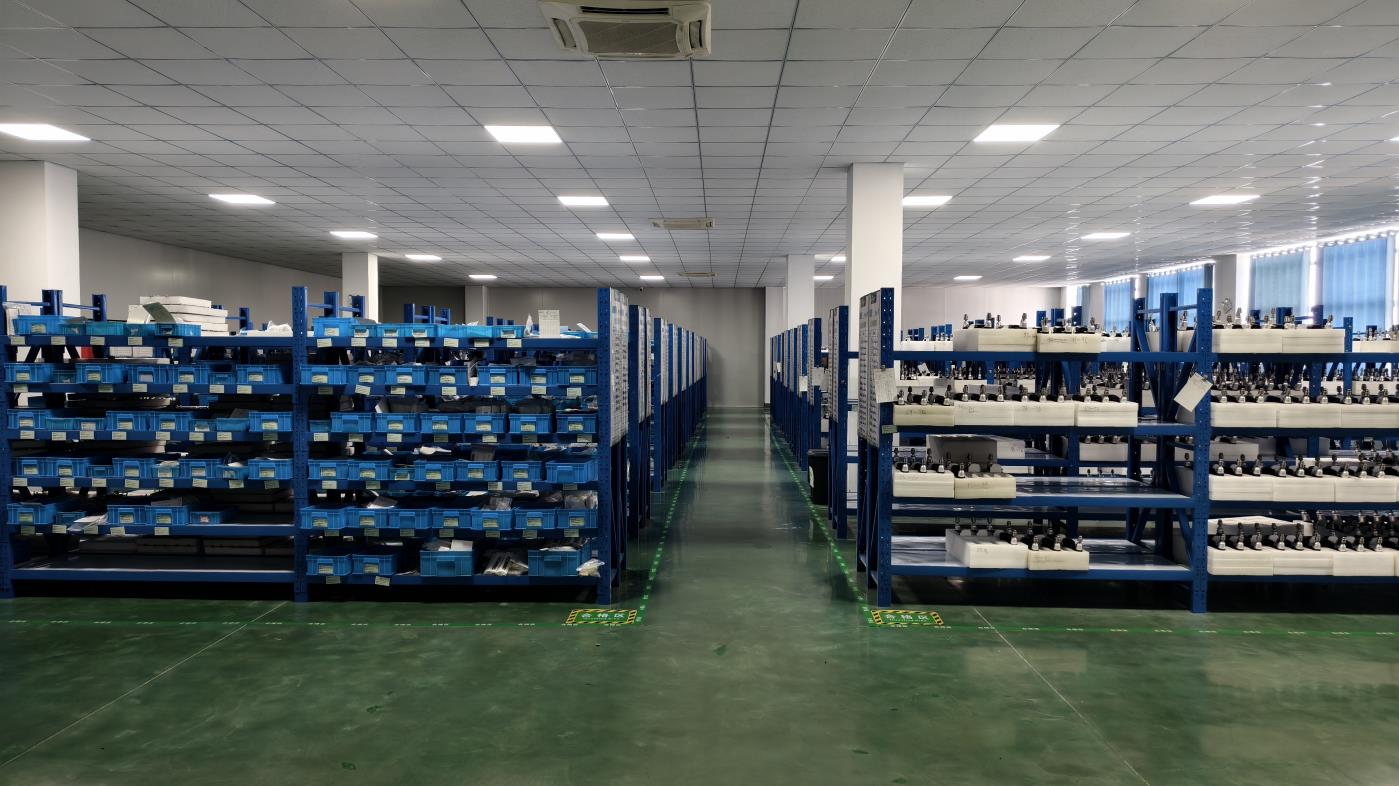
Inventory and Warehouse
Warehouse
Swiss-type Lathe Station
Swiss-type lathe
Lathe and Milling Machine Setups
Lathe and milling machine
Lathe Station
Lathe
High Precision Machining Center
Machining center
Precision Wire Cutting Machine
Wire cutting machine
Surface Grinding Machine
Grinding machine
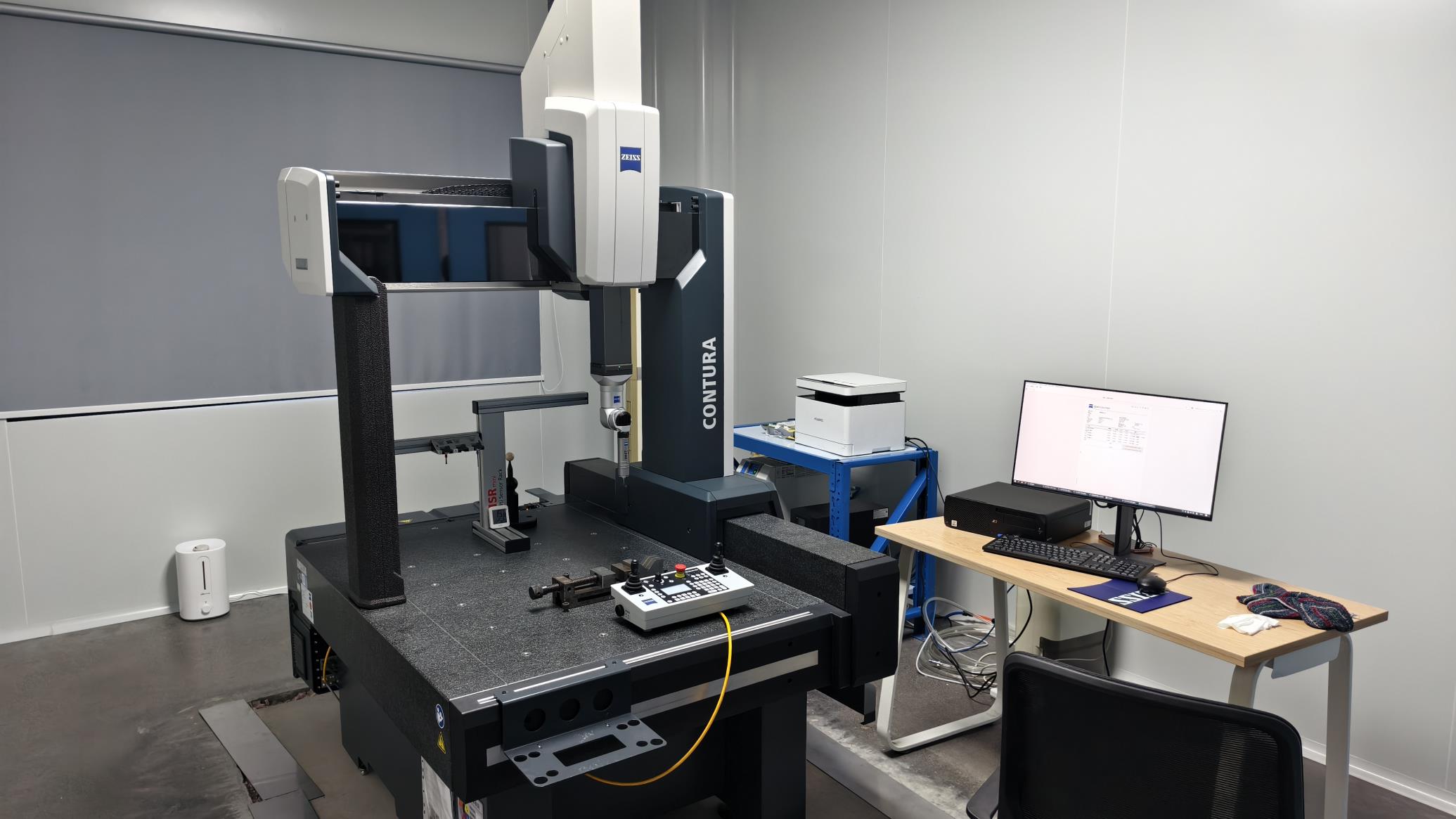
Three-coordinate measuring machine CMM
Three-coordinate measuring machine
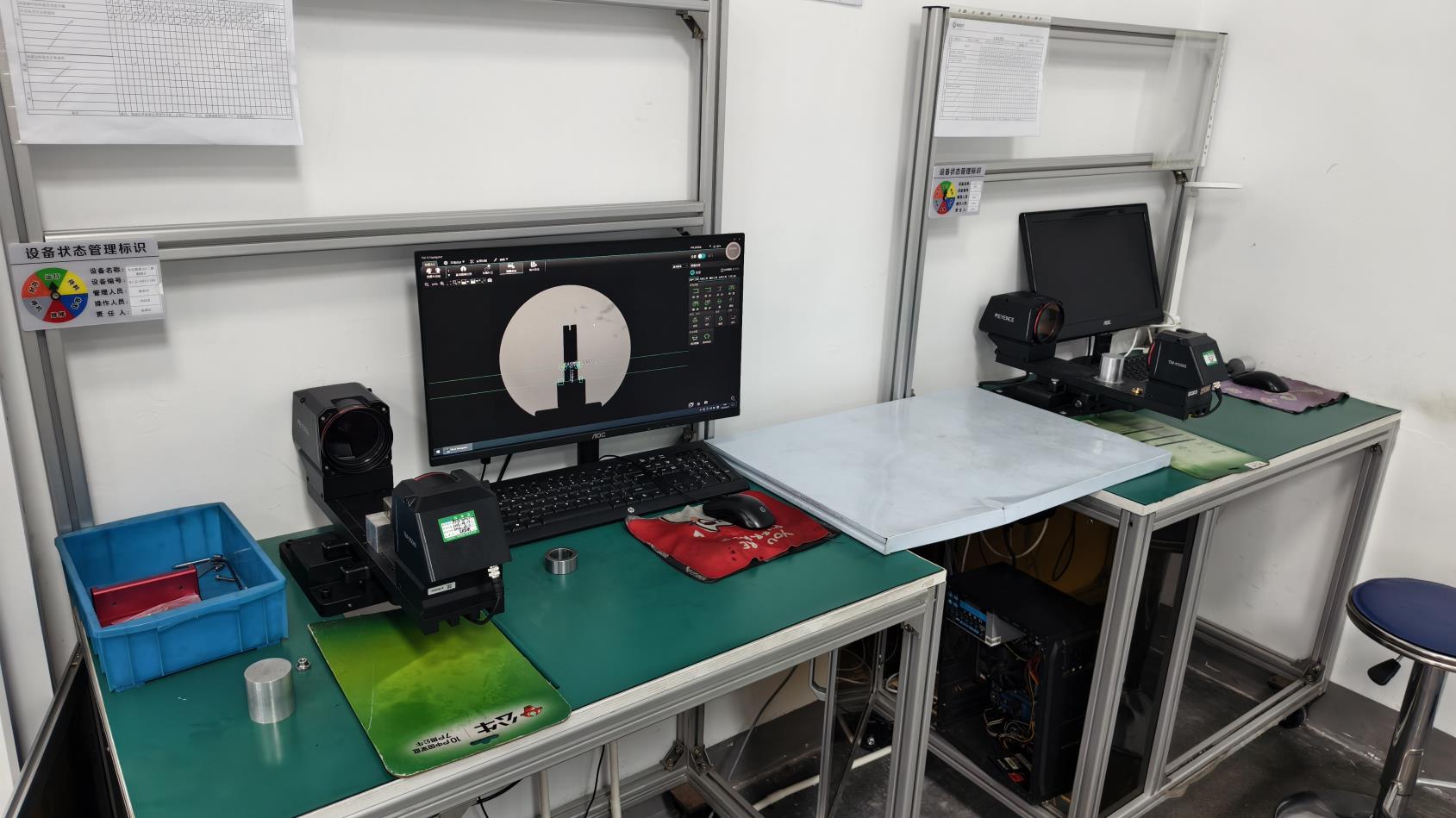
Two-dimensional Micrometer
Two-dimensional micrometer
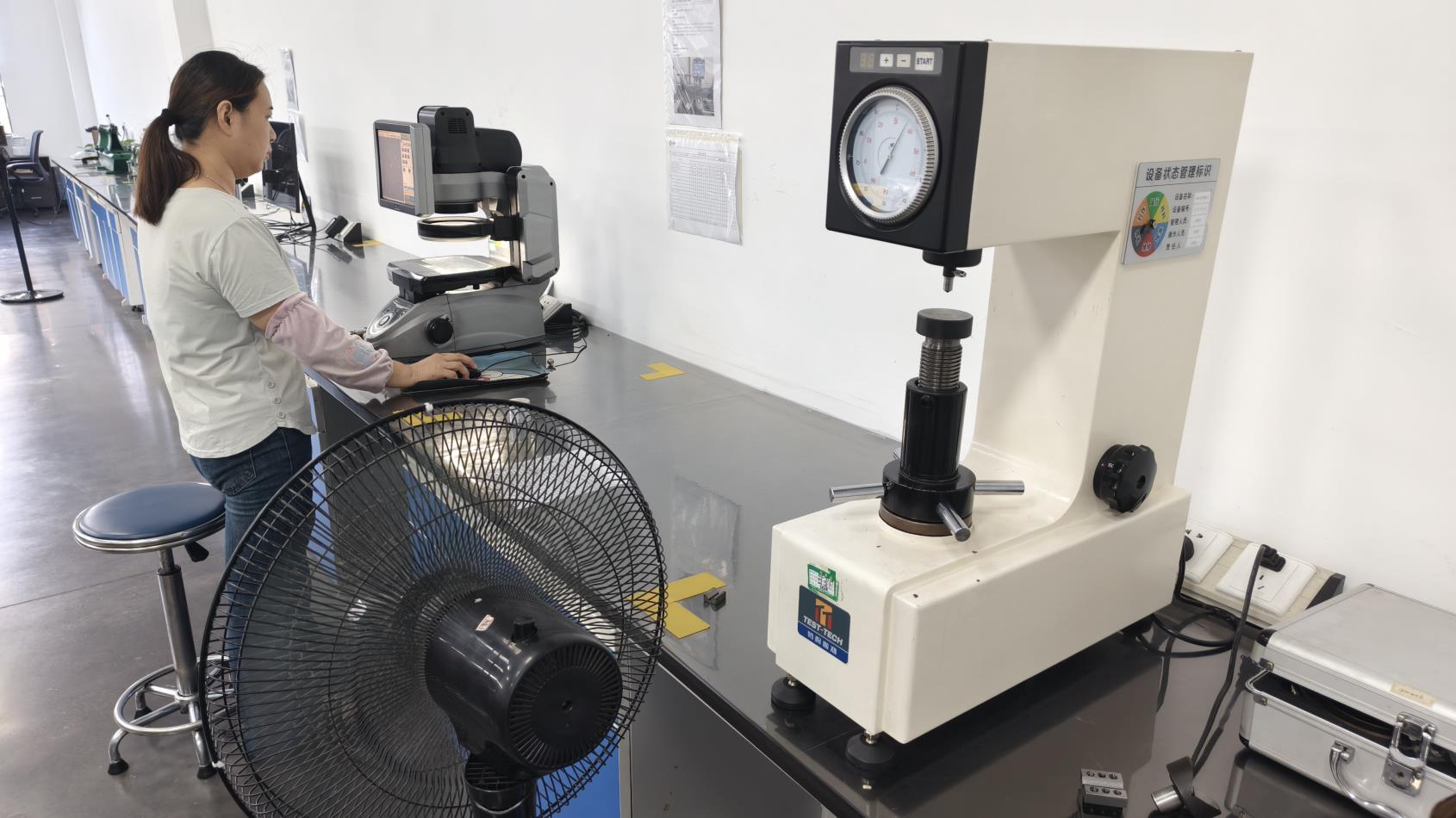
Hardness Tester Device
Hardness tester
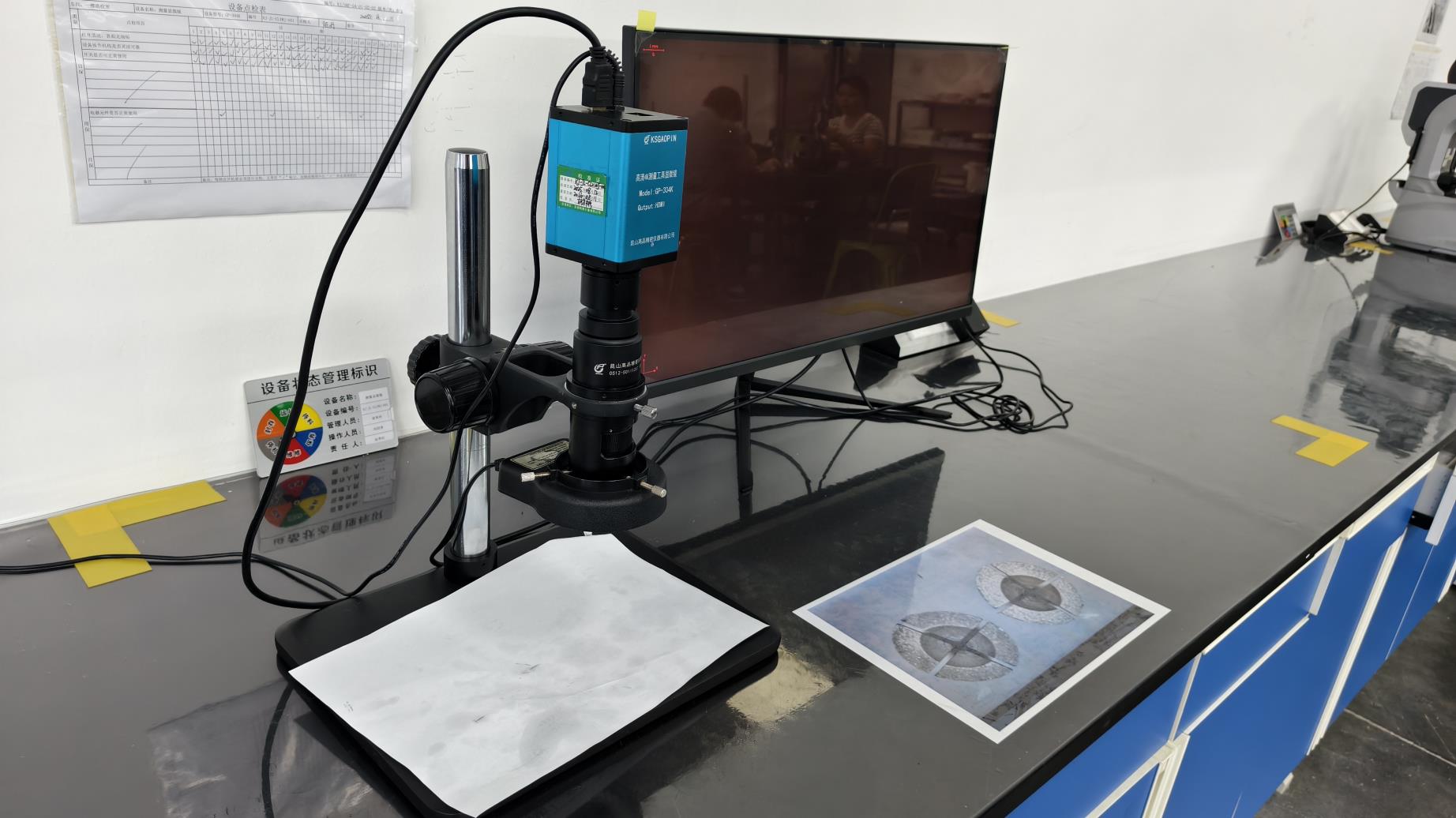
Metallurgical Microscope
Microscope
Technical Roadmap & Design Optimizations

Technology Roadmap & Clinical Customization

Modern internal fixation requires a balance of biomechanical rigidity and anatomical compatibility. Distal Radius Locking Plates have undergone several design iterations to maximize bone reconstruction success:

Variable Angle (VA) Locking

Unlike traditional monoaxial locking systems, Variable Angle (VA) locking allows surgeons to angulate screws up to 15 degrees in any direction. This capability facilitates precise screw placement to bypass articular fractures and avoid collateral soft tissue damage.

Ultra-Low Profile Edges

To prevent soft-tissue irritation and tendon wear, contemporary locking plates feature tapered profiles, rounded margins, and highly polished surface finishes. These design enhancements minimize friction against moving extensor tendons.

Anodized Surface Passivation

Type II anodization increases surface hardness and wear resistance while forming a barrier that prevents screw-to-plate cold welding. This modification facilitates cleaner extraction when hardware removal is clinically indicated.

Localized Application Scenarios

Implant designs must adapt to regional variations in patient demographics:

  • Geriatric Osteoporotic Fracture Care: In older populations with low bone mineral density, our locking plates act as internal bridging devices, distributing physiological loads without relying on bone-to-plate compression.
  • High-Impact Sports & Trauma Units: For active patients, the dual locking design provides rigid structural stability, supporting accelerated rehabilitation and enabling an earlier return to work.
  • Anatomical Variations & Ethnic Demographics: Volar plate curves are optimized to suit varying skeletal structures across global populations, reducing the need for intraoperative plate bending.

Regulatory Compliance & CE Certification

Under the EU Medical Device Regulation (MDR 2017/745), Class IIb implants like distal radius locking plates face strict quality and clinical evaluation guidelines. Moventra ensures compliance through rigorous manufacturing controls:
  • Traceability: Every implant carries a Unique Device Identification (UDI) code, mapping it back to its specific raw material heat and production run.
  • Sterility Assurance: ISO Class 7 Cleanrooms ensure low bioburden limits before final ethylene oxide (EO) sterilization.
  • Quality Systems: Our ISO 13485 framework guarantees that every stage, from CNC milling to packaging, is fully documented.
Clinical FAQ

Technical & Regulatory FAQ

Answers to common clinical, manufacturing, and regulatory questions from healthcare buyers and distributors.
1. How do locking plates prevent displacement compared to non-locking systems?
In non-locking plate systems, stability depends on friction between the plate and the bone, which is generated by screw tension. If the screw loosens or the bone is osteoporotic, the construct can shift. Locking plates use screws that thread directly into the plate, forming a fixed-angle construct. This design does not rely on bone-to-plate compression, preventing collapse and maintaining reduction even in low-density bone.
2. Why is Grade 5 Titanium (Ti-6Al-4V ELI) preferred over 316L Stainless Steel?
Grade 5 Titanium offers a superior strength-to-weight ratio and a lower elastic modulus (~110 GPa) compared to Stainless Steel (~200 GPa). This closer match to the physical properties of cortical bone reduces the risk of stress shielding. Titanium also has excellent biocompatibility, forming a stable surface oxide layer that resists corrosion and minimizes adverse tissue reactions.
3. What is the clinical benefit of Variable Angle (VA) locking screws?
Variable Angle locking technology allows surgeons to angle screws up to 15 degrees off-axis. This flexibility is useful for targeting specific bone fragments, avoiding joint spaces, and accommodating individual anatomical variations without sacrificing locking stability.
4. How is the risk of cold welding managed between titanium plates and screws?
Cold welding occurs when similar titanium surfaces bind under pressure. To prevent this, our manufacturing process applies a Type II anodization treatment to the plates. This surface modification increases hardness, reduces friction, and allows for easier screw removal when hardware extraction is required.
5. What documentation is provided to satisfy EU MDR requirements?
We provide full documentation to support CE compliance under EU MDR 2017/745. This includes material certification (ISO 5832-3), Class 7 cleanroom packaging records, sterilization validation data, clinical evaluation reports (CER), and UDI traceability files.
6. Can Moventra manufacture plates according to custom OEM specifications?
Yes. Supported by 86 R&D engineers and advanced CNC equipment, we offer comprehensive OEM and ODM services. We can customize plate geometry, hole configurations, surface finishes, and packaging based on custom drawings, technical specifications, or physical samples.

Comprehensive Trauma & Spinal Product Line

Explore our broader portfolio of orthopedic systems, designed for joint reconstruction, trauma fixation, and spinal fusion procedures.
Geasure Micro Locking Plate Instrument
Micro Implants

Factory Outlet Geasure Micro Locking Plate Instrument GC15X Titanium Alloy Surgical Instruments

View Details
Veterinary Orthopedic Kit
Veterinary Medicine

QSWTITAN Orthopedic Veterinary Kit 2.4/2.7 Locking Screw Orthopedic Instrument Set

View Details
Cannulated Screw Set
Stainless Steel 3.5/4.0

Hot Sales Bone Surgical Trauma Stainless Steel 3.5/4.0 mm Cannulated Screw Instrument Set

View Details
Flexible Reamer Veterinary
Veterinary Instruments

Orthopedic Flexible Reamer Veterinary Surgical Instrument For Intraosseous Prep

View Details
HIP Surgery Retractors
Surgical Retractors

Manufacturer Price Orthopedic Surgical Instruments Retractor Stainless Steel HIP Surgery Retractors

View Details
Cocrmo Implant Rod
Spinal Stabilization

Orthopedic Cocrmo Implant Straight Rod for Spain Surgical Procedures

View Details
Headless Compression Hollow Screw
Lifetime Warranty

Orthopedic Implants Headless Compression Hollow Screw 6/7 Special Titanium Alloy

View Details
PEEK Zero Spinal Cage
Cervical Fusion

CANWELL Cervical PEEK Zero Spinal Cage Orthopedic Implants for Spinal Fusion

View Details