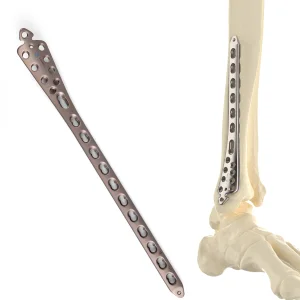
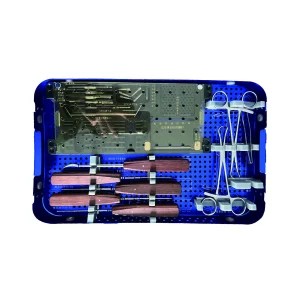
Explore our premium clinical orthopedic components designed to fulfill structural durability and anatomical restoration standards.
Factory Size (m²)
R&D Engineers
Export Revenue (USD)
Supply Chain Partners
Total Elbow Arthroplasty (TEA) and hemiarthroplasty of the distal humerus represent complex orthopedic interventions indicated for severe rheumatoid arthritis, post-traumatic osteoarthritis, acute distal humeral fractures, and bone loss resulting from oncology resections. The elbow joint, functioning as a highly complex ginglymoarthrodial articulation, experiences multifaceted torsional load pathways, axial translation forces, and high joint reaction pressures. Engineering implants that successfully emulate the kinematic motion profile of this hinge-like configuration while maintaining structural resilience over millions of stress cycles demands advanced metallurgy, tribology, and strict regulatory adherence.
Contemporary elbow arthroplasty implants are bifurcated into two primary mechanical design categories: Linked (Semi-Constrained) and Unlinked (Unconstrained) configurations. The selection process rests on the status of the medial and lateral collateral ligaments. Unlinked implants depend entirely on the patient's soft tissue tension for stability, minimizing wear pathways but requiring perfect ligamentous integrity. Conversely, semi-constrained linked implants incorporate a mechanical axle joint that links the humeral and ulnar stems, allowing for minimal varus-valgus and rotational play (laxity) to prevent stress transmission to the bone-cement interface. This laxity prevents premature aseptic loosening—historically the principal failure mode of early total elbow designs.
Utilizes a physical hinge component to secure connection. Recommended for unstable joints, severe bone loss, and cases with deficient collateral ligaments.
Relies on anatomical ligamentous tension to preserve joint stability. Offers greater rotational freedom and minimizes implant stress shear.
Modular or monolithic configurations, frequently utilized in complex elbow trauma, restoring valgus stability and axial load-bearing capacity.
The success of implant integration within anatomical structures relies heavily on the biocompatibility, mechanical modulus, and wear rates of the constituent materials. Modern elbow implants feature:
As Class III medical implants under the European Medical Device Regulation (MDR 2017/745), elbow implants must adhere to rigorous regulatory standards. Sourcing from a partner possessing direct CE Mark certification ensures full risk mitigation for clinical entities. Our production process maintains strict validation according to the following directives:
| Standard | Regulatory Requirement / Focus Area | Moventra Compliance Validation Method |
|---|---|---|
| ISO 13485:2016 | Quality Management Systems for Medical Devices | Annual external audits, complete traceability from raw bar stock to sterile packaging. |
| ISO 10993 Series | Biological Evaluation of Medical Devices (Biocompatibility) | In-vitro cytotoxicity, systemic toxicity, sensitization, and implantation testing. |
| ASTM F2009 | Standard Test Method for Axial Pull-out Strength of Tapers | Verification of modular elbow junction stability under maximum physiological pull-out forces. |
| ISO 14801 / ISO 14254 | Dynamic Fatigue Testing of Implants & Joint Kinematics | Fatigue validation testing for 10 million cycles under extreme load profiles (varus/valgus stress). |
| ISO 11137 / ISO 11607 | Sterilization Validation & Packaging Systems | Gamma irradiation sterilization validation (SAL 10^-6) and Tyvek pouch barrier integrity tests. |
Moventra Medical Technology (China) Co., Ltd. represents the modern paradigm of smart medical manufacturing. Established in 2017 with an operational footprint of 18,600 m², Moventra integrates advanced CNC systems, material science controls, and metrology to supply top-tier orthopedic solutions to medical brands, distributors, and surgical centers globally.
Operating out of China allows Moventra to harness localized supply chain advantages. Our integration with regional raw material smelters (delivering certified implant-grade titanium and cobalt-chromium) allows us to eliminate global transport delays and secure raw materials at optimized costs. By combining these resource networks with highly automated manufacturing pipelines, we provide international procurement projects with short lead times, precise customizable designs, and scalable output capability.
Our facility houses advanced manufacturing systems, enabling high precision during material removal operations. Below are key phases of our manufacturing and inspection lines:
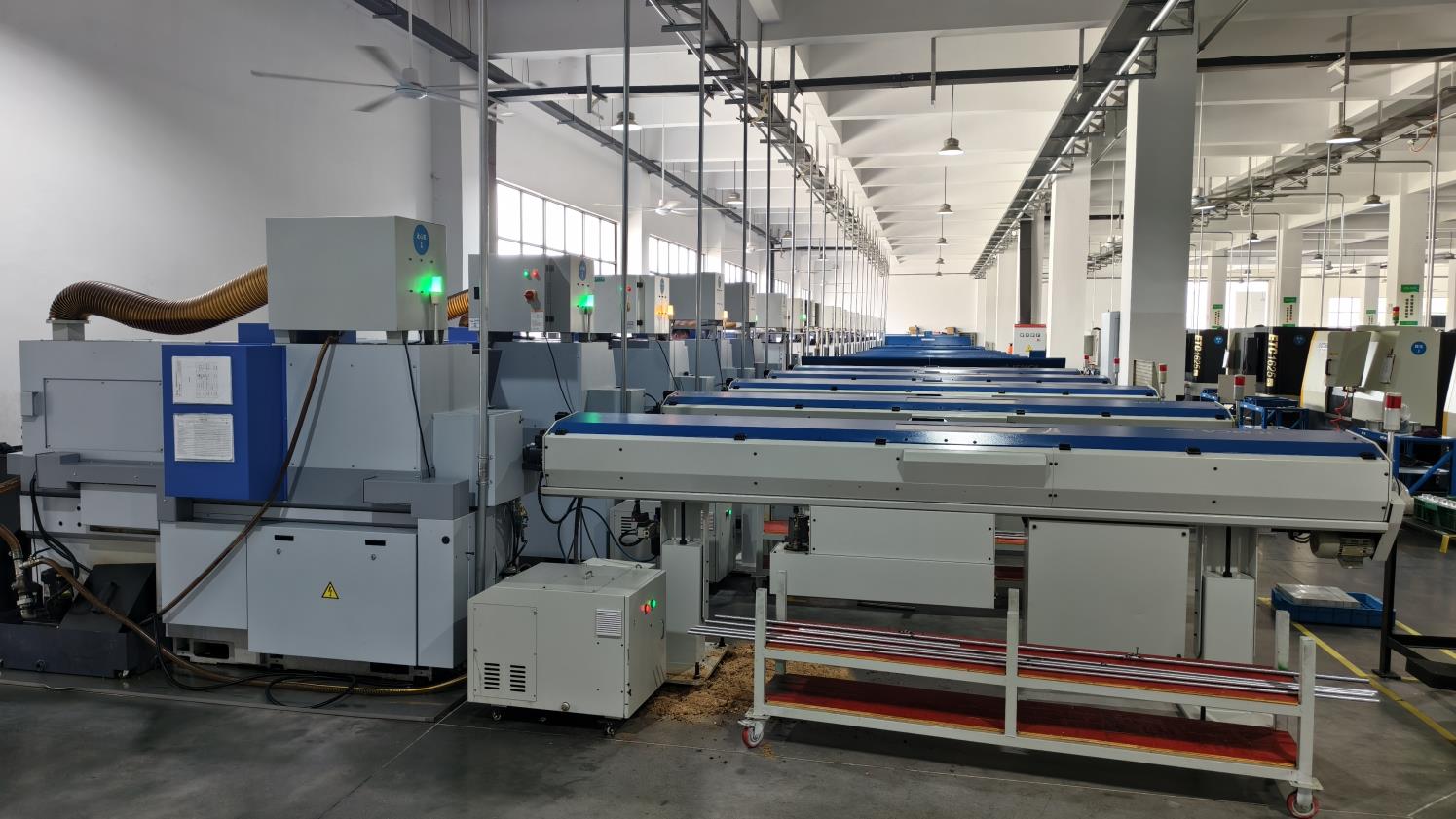
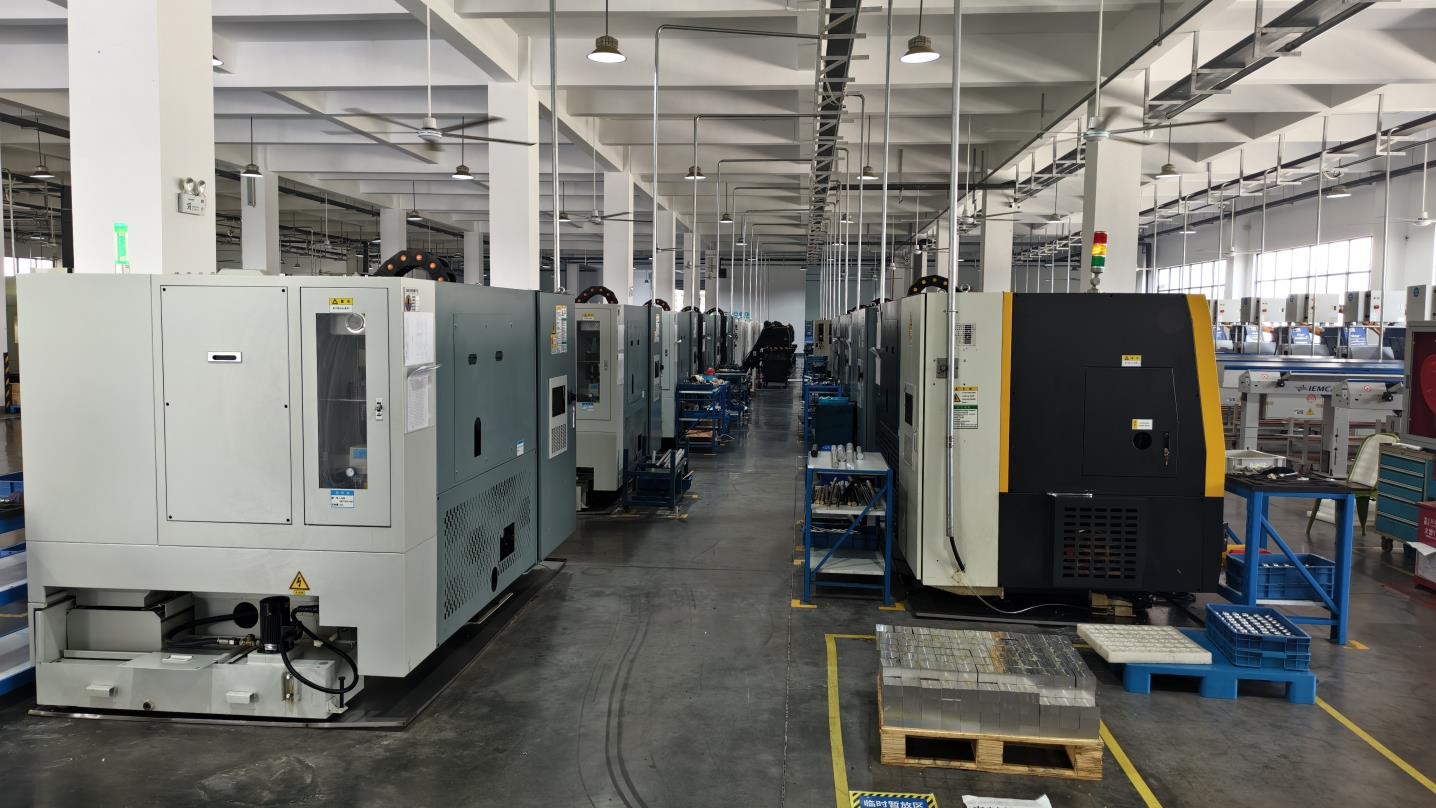
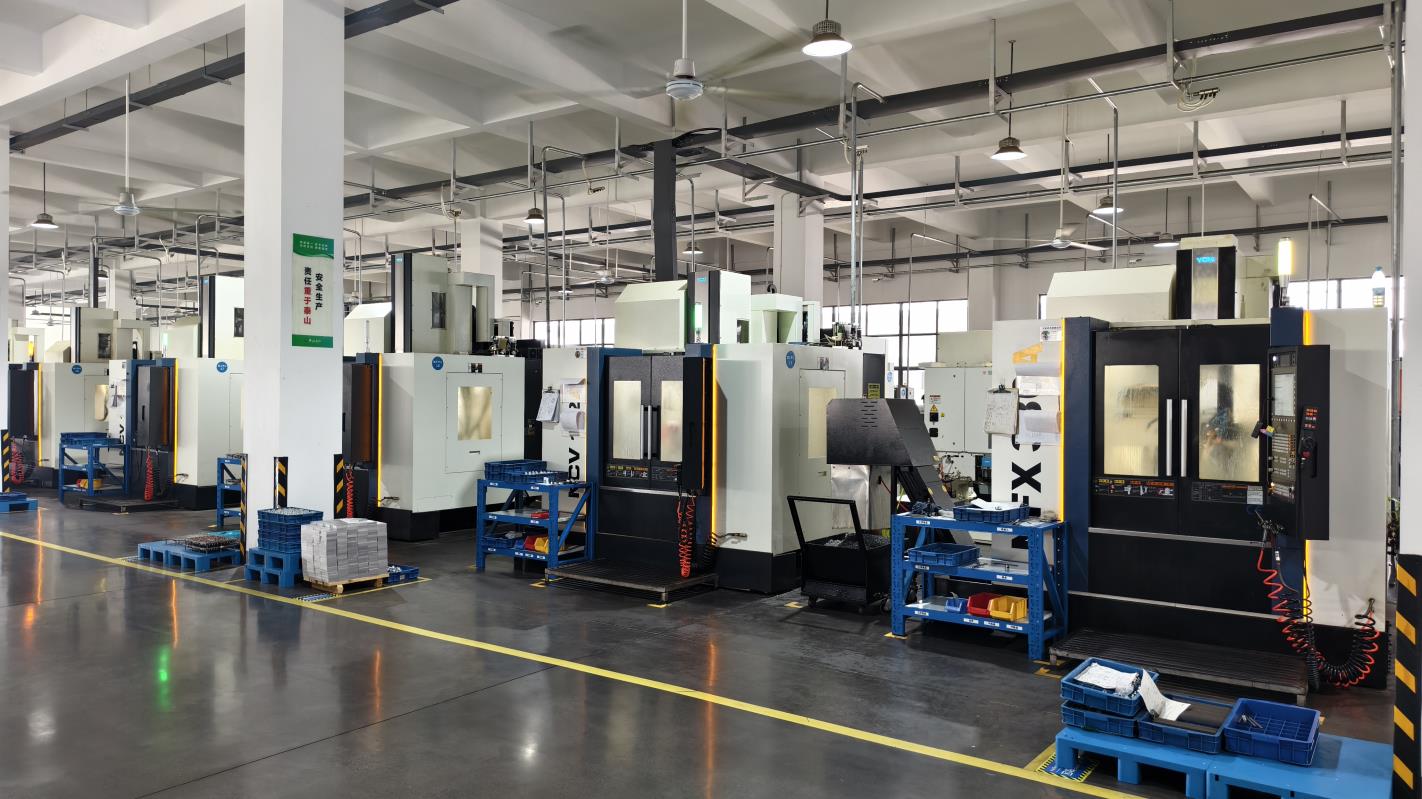
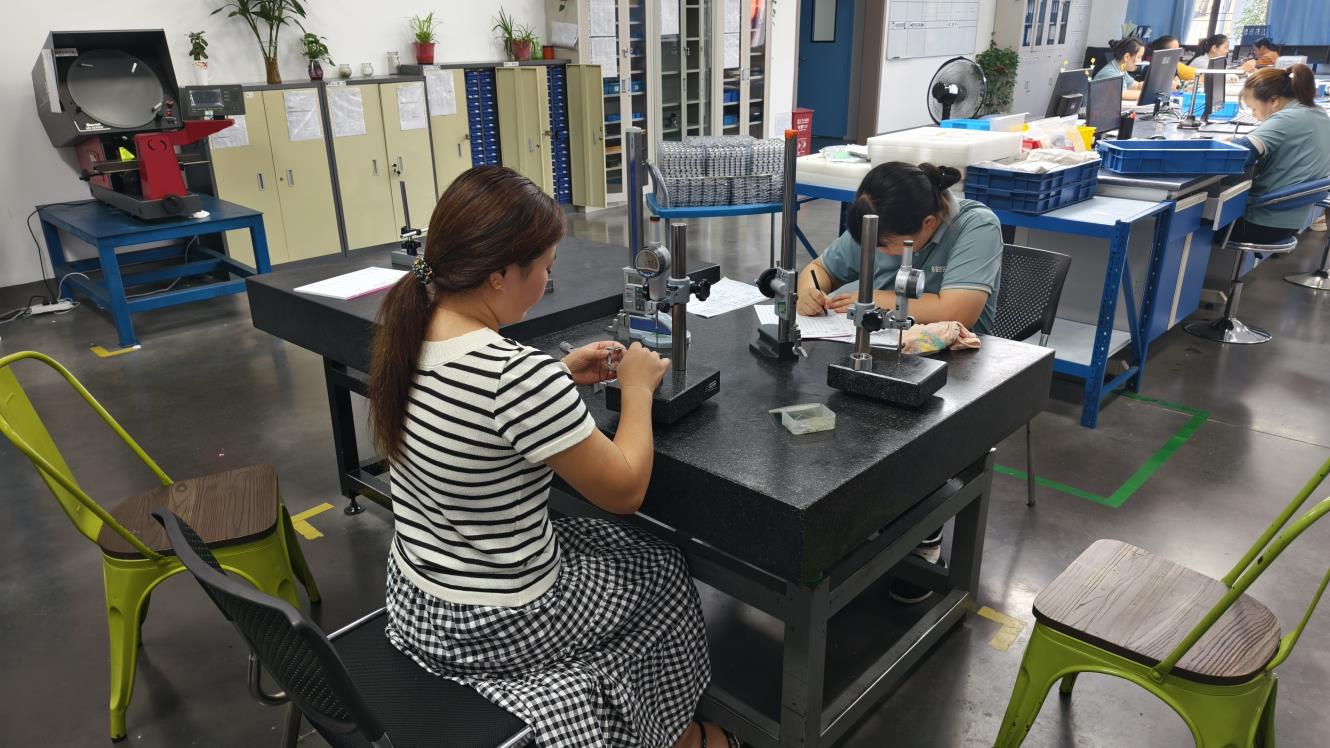
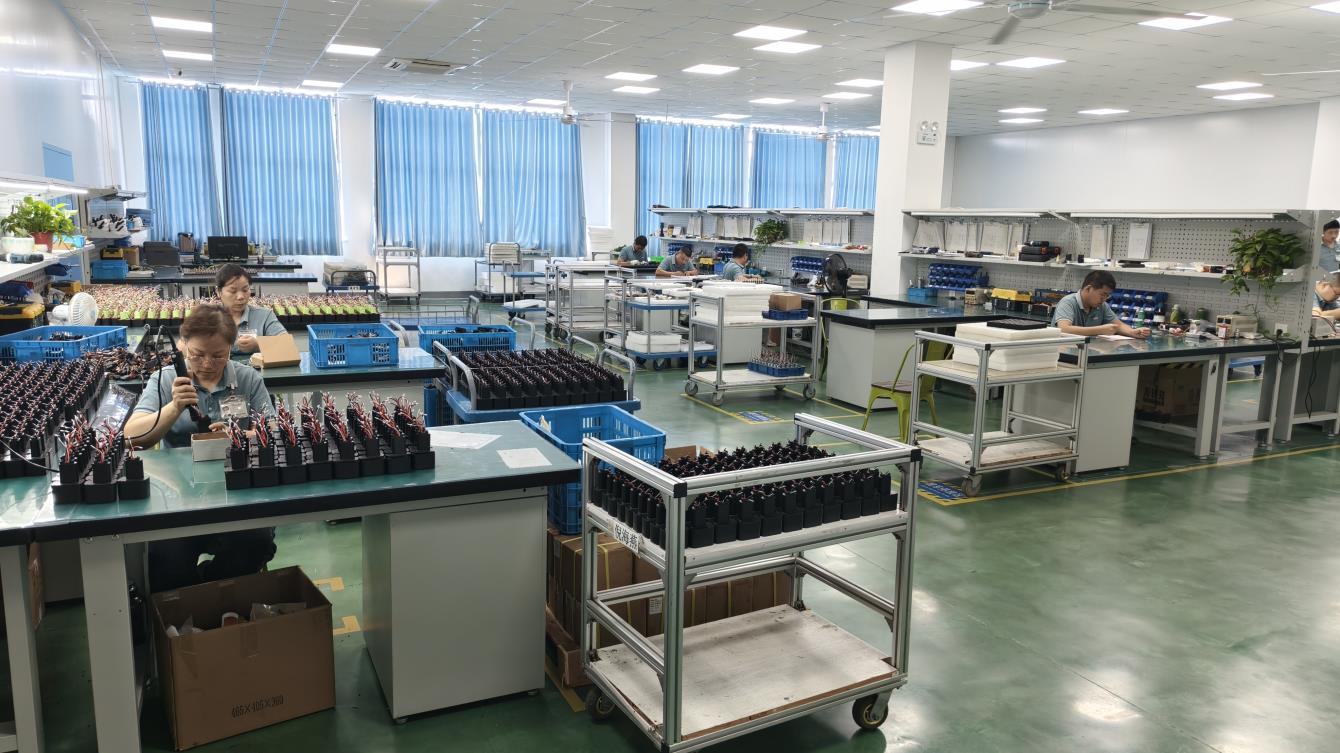
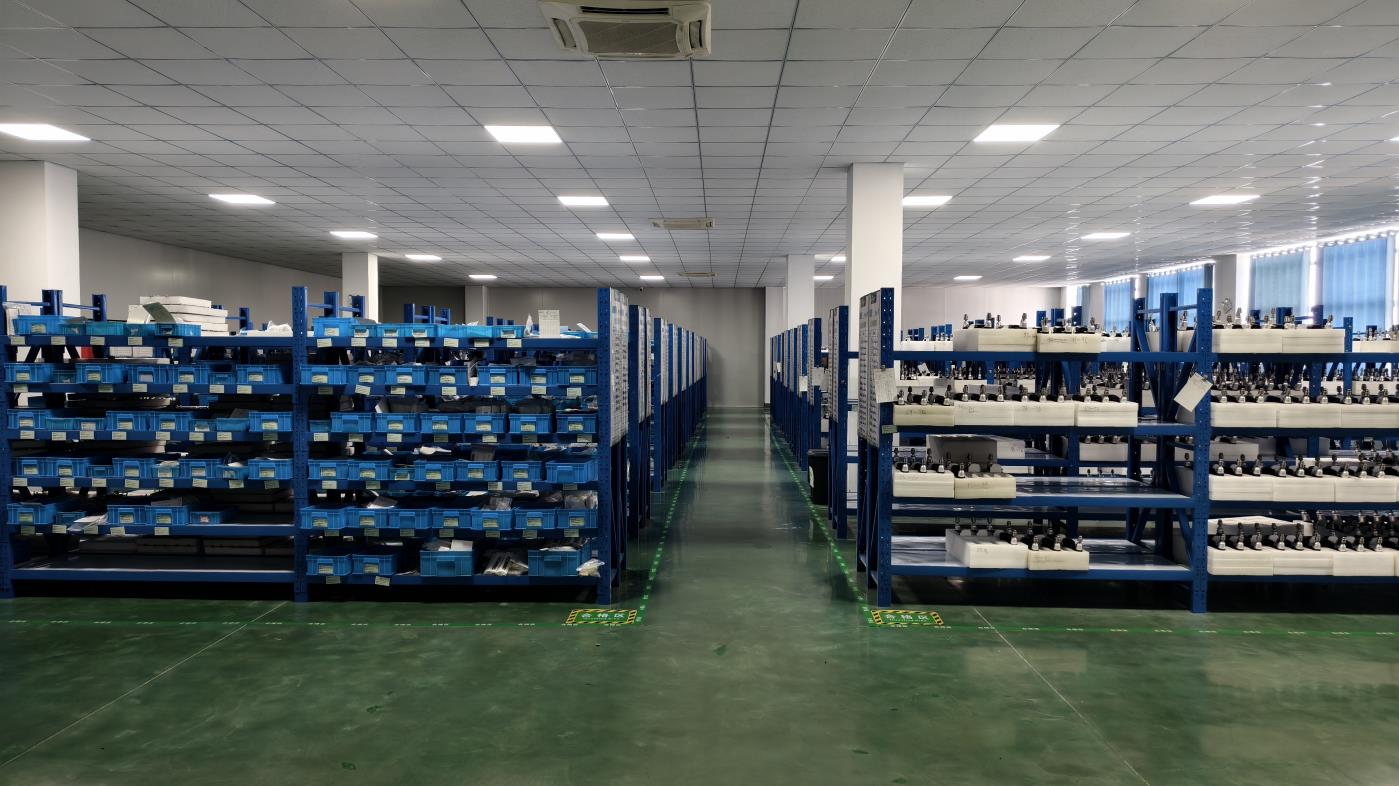
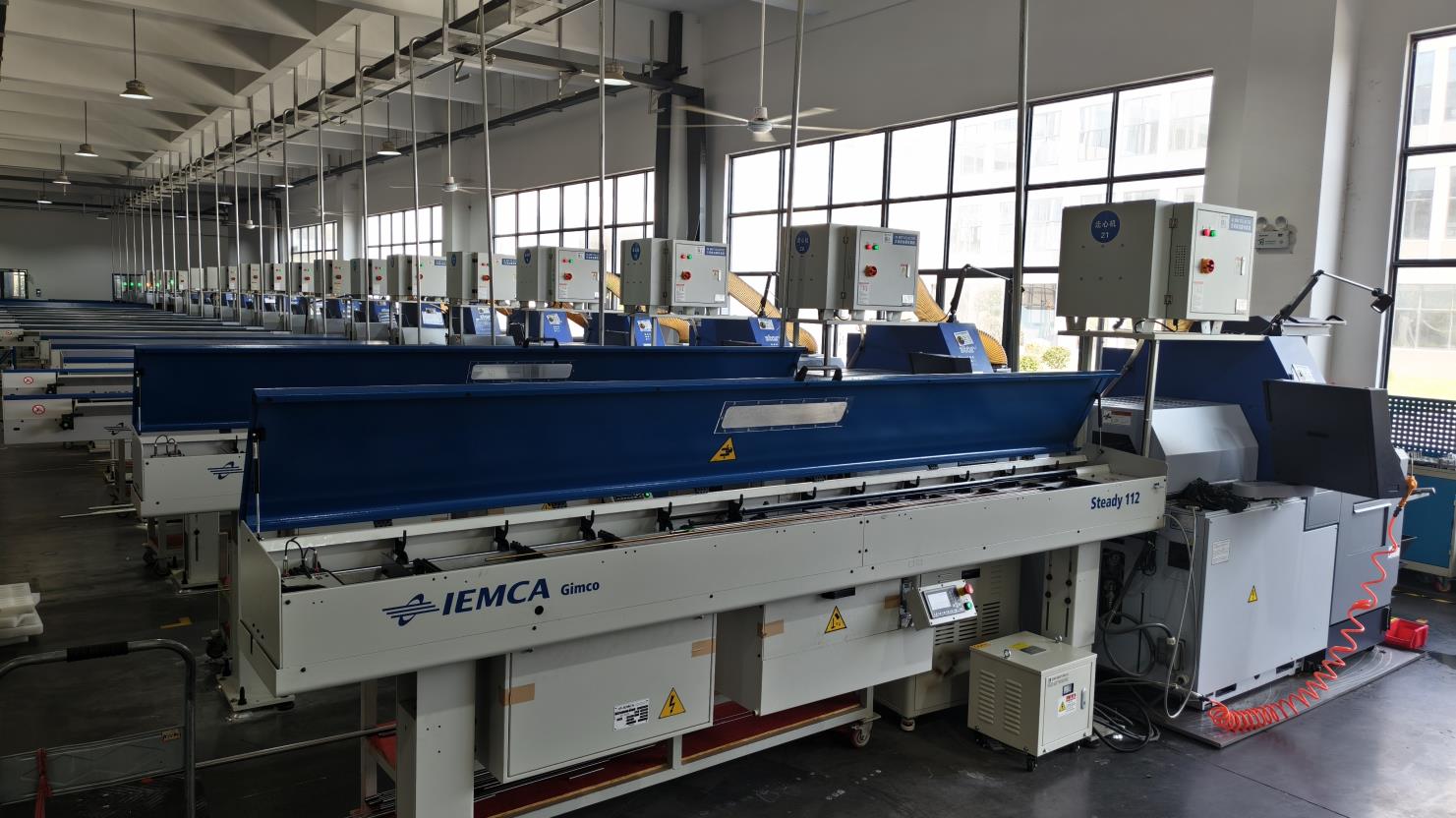
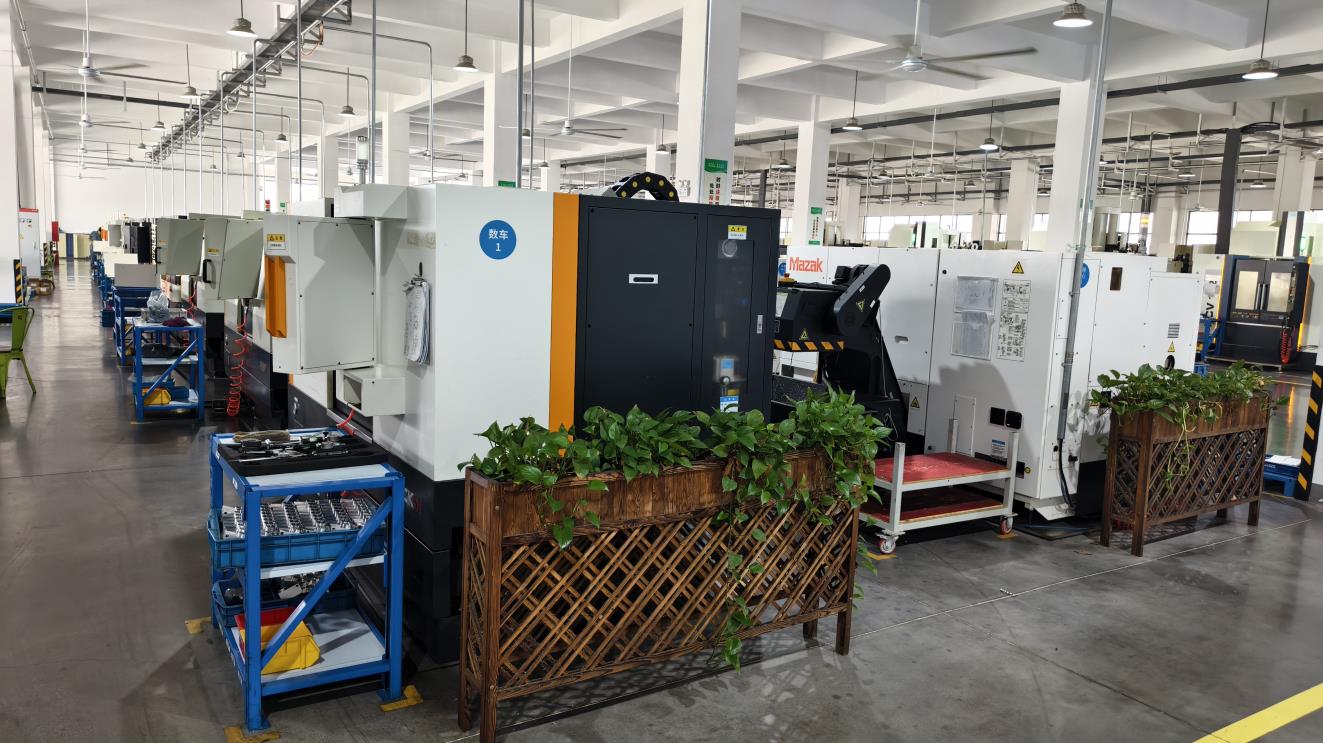
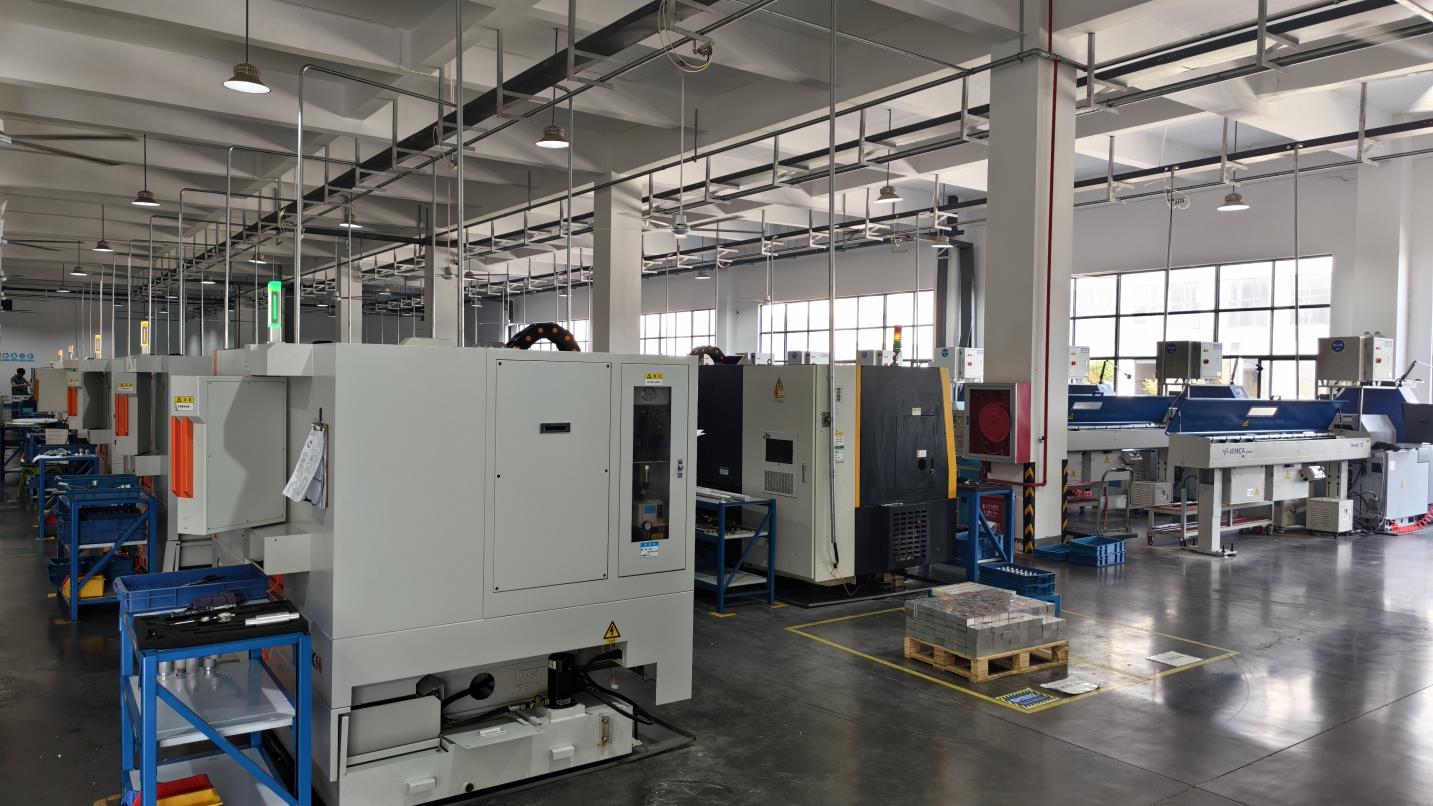
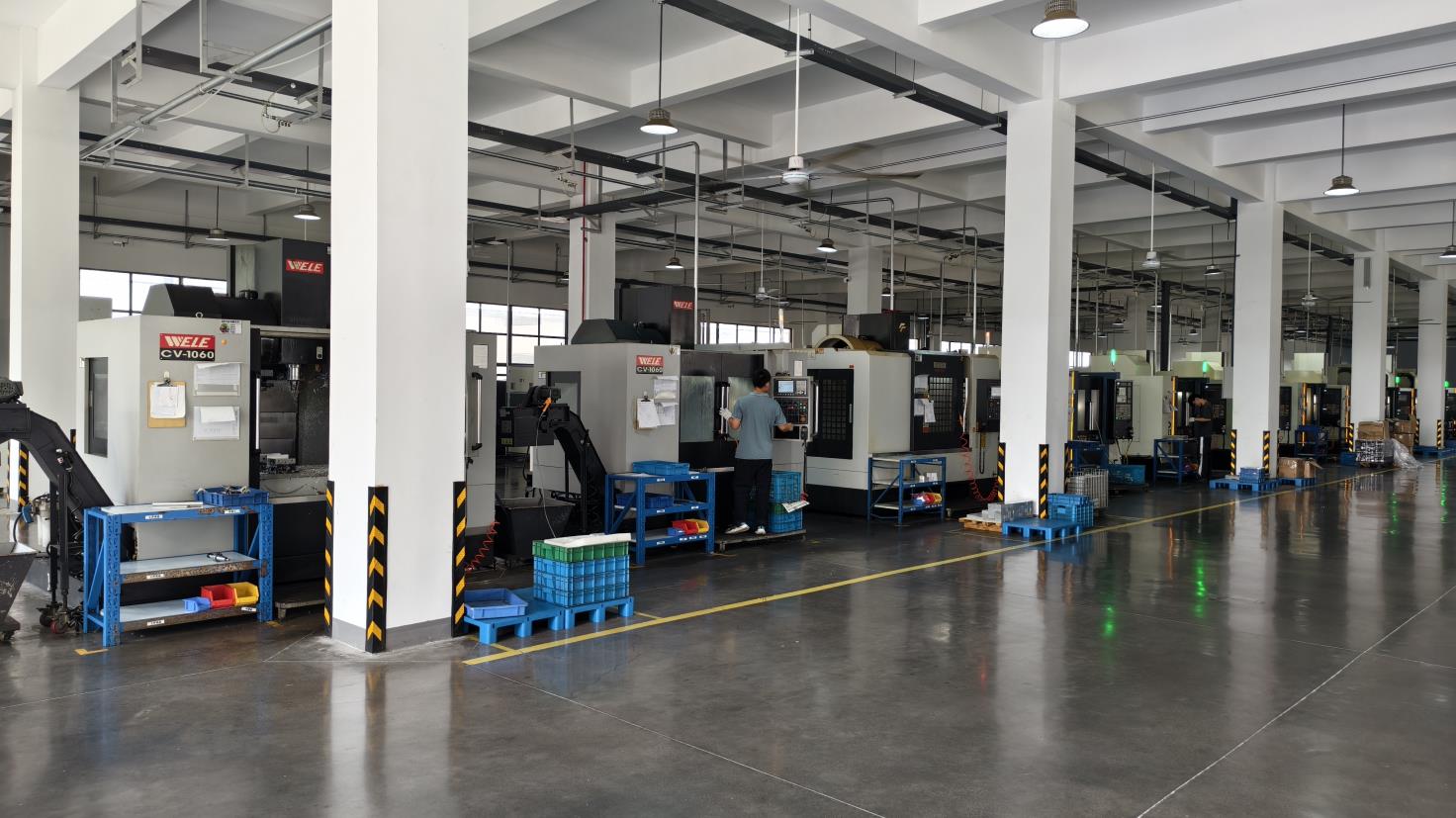
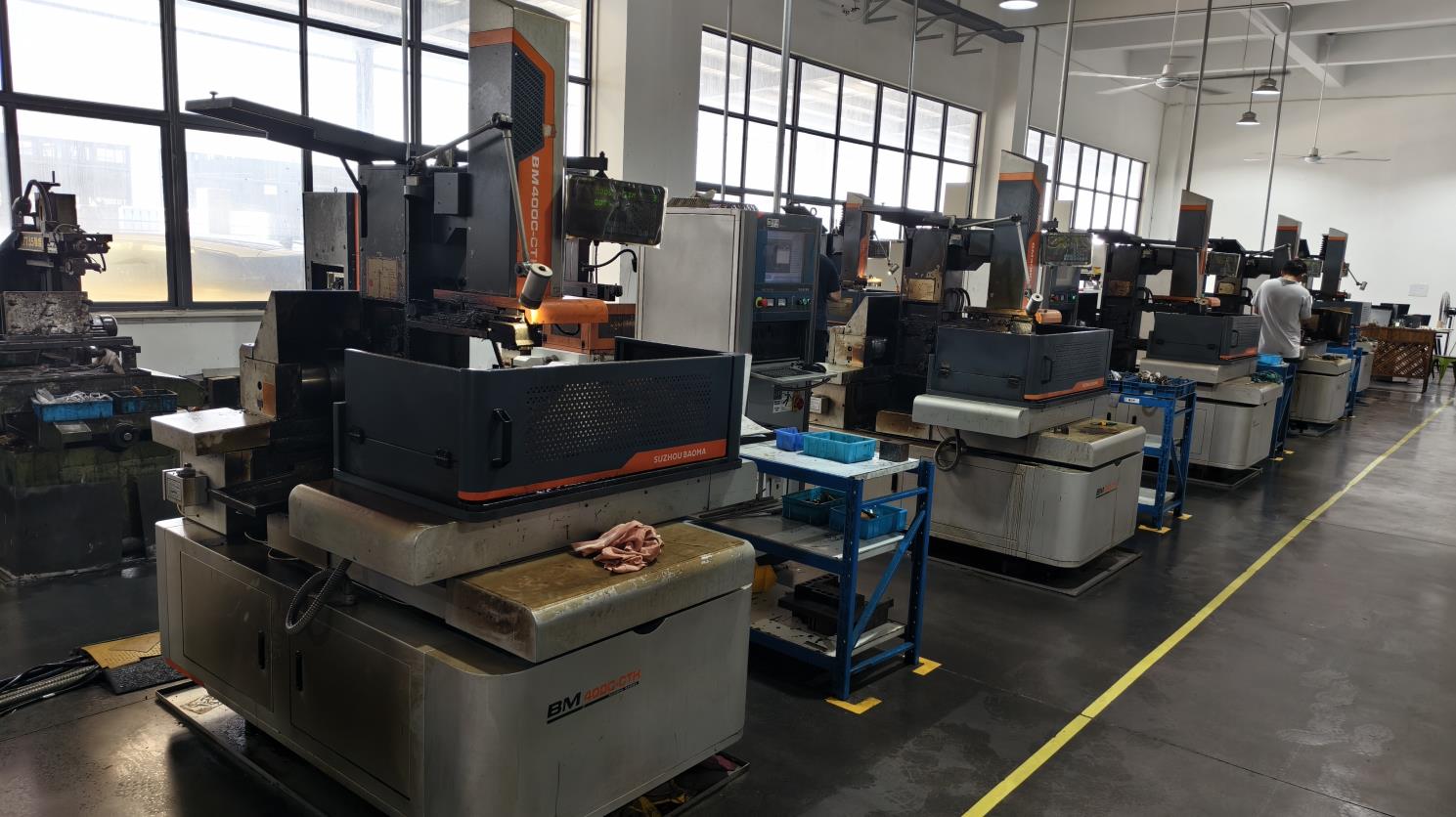
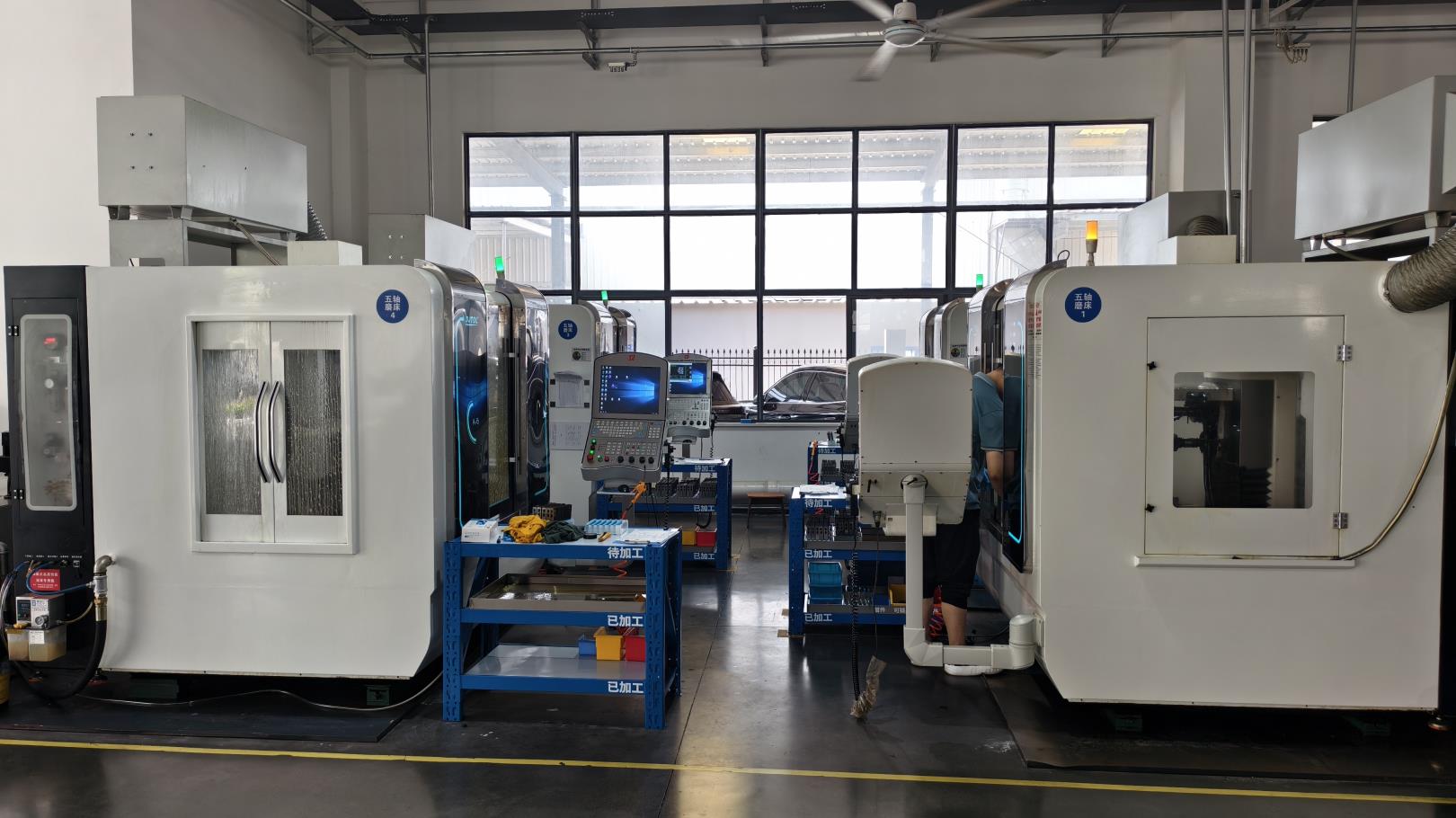
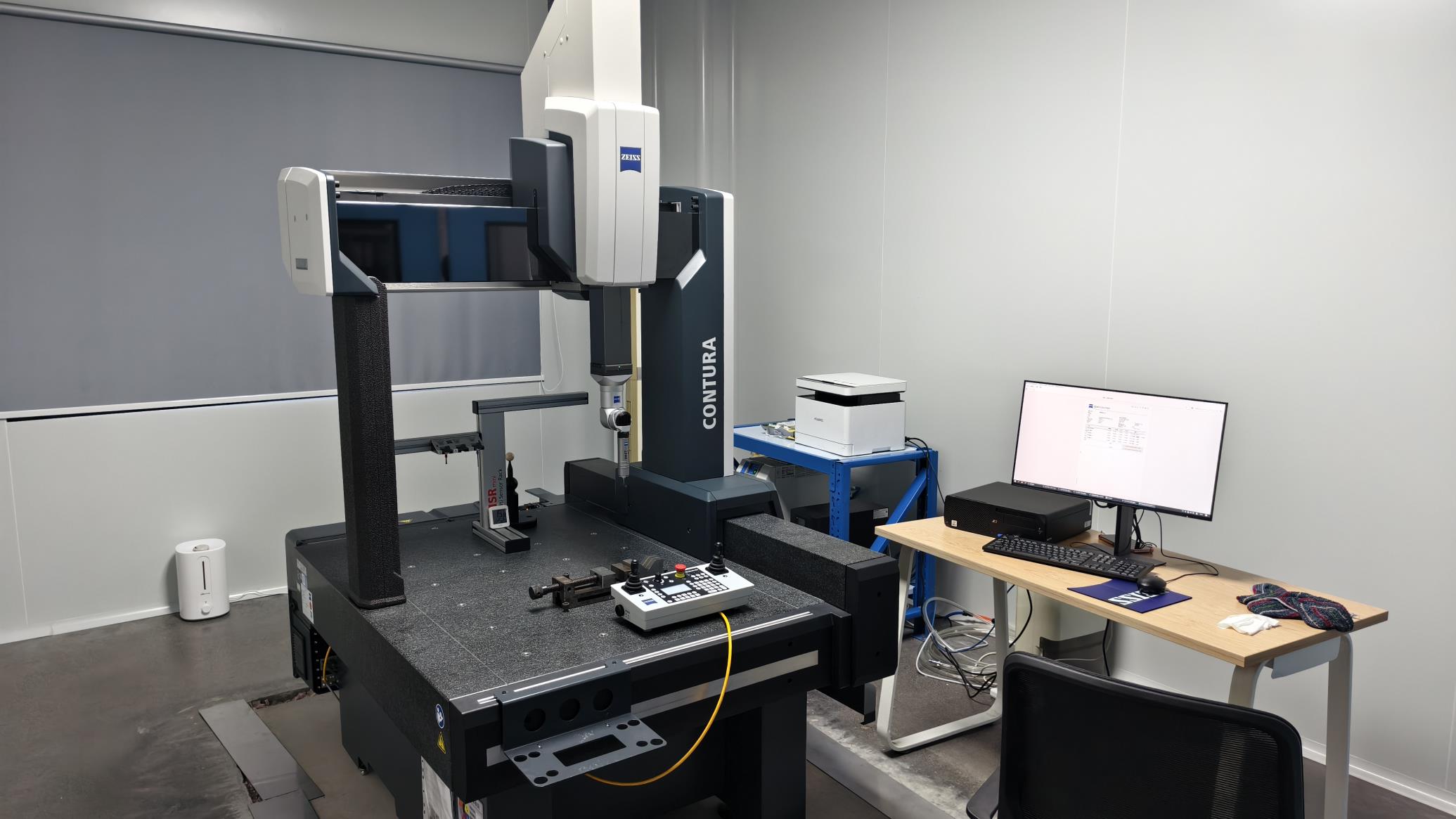
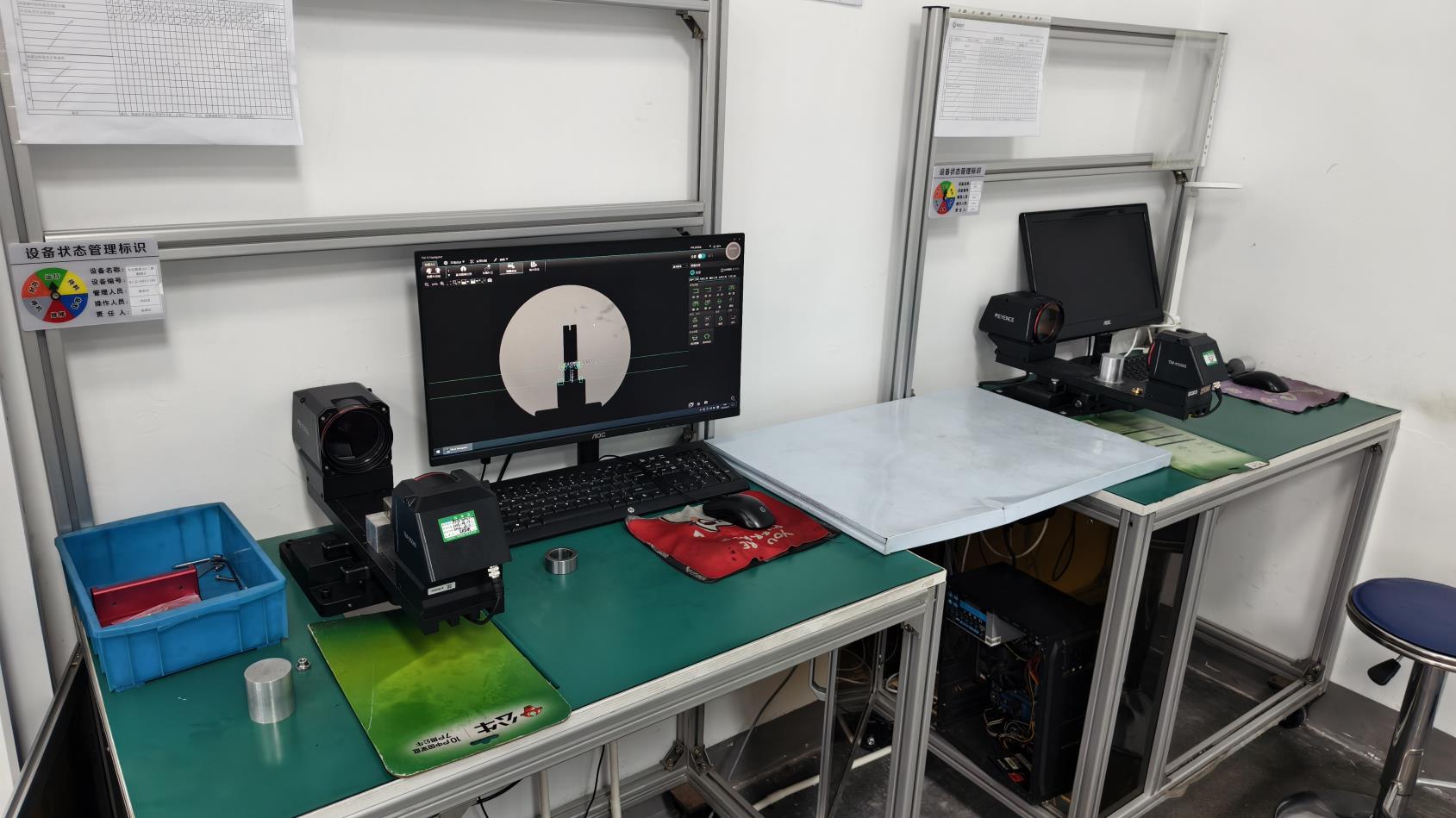
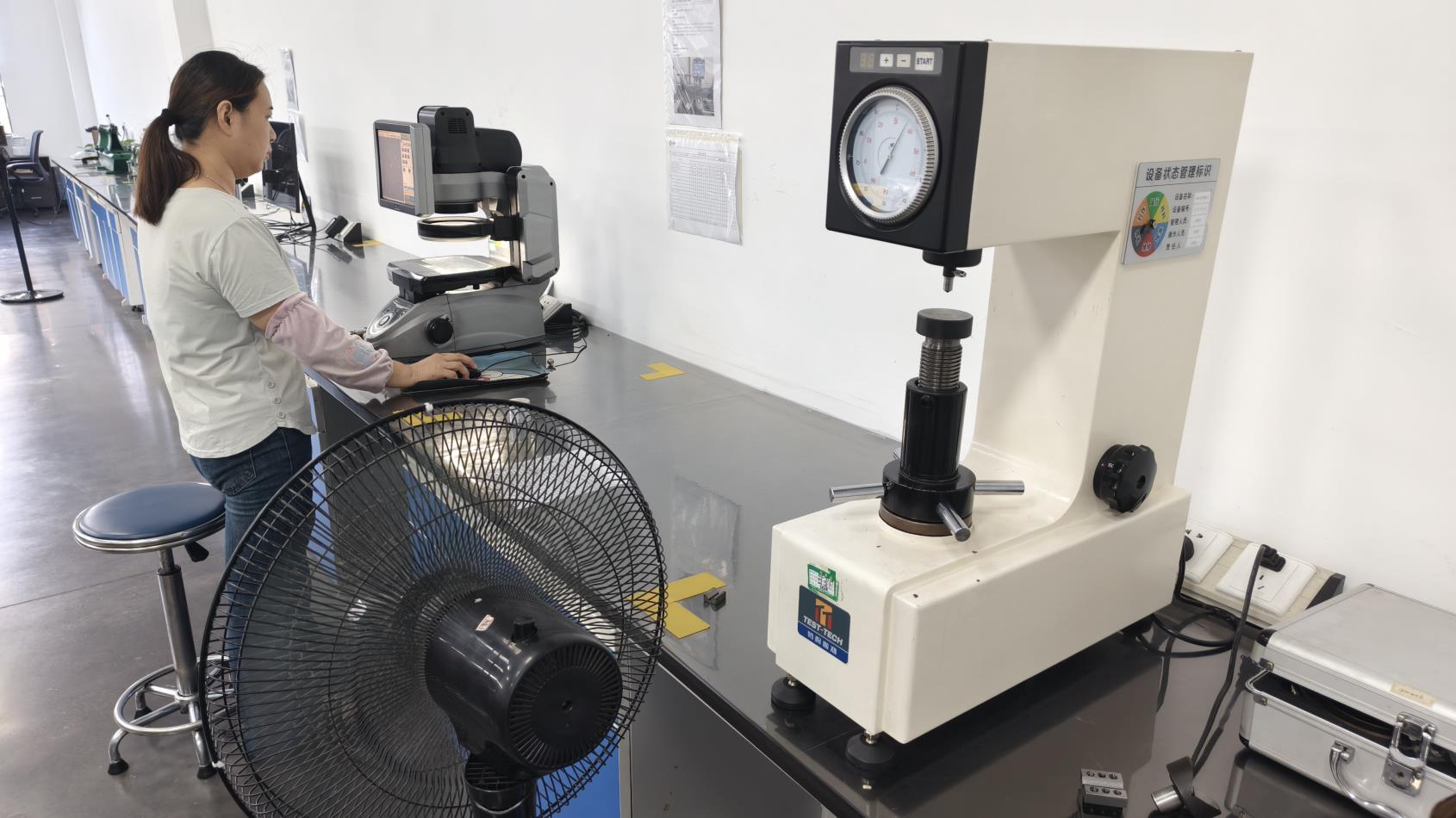
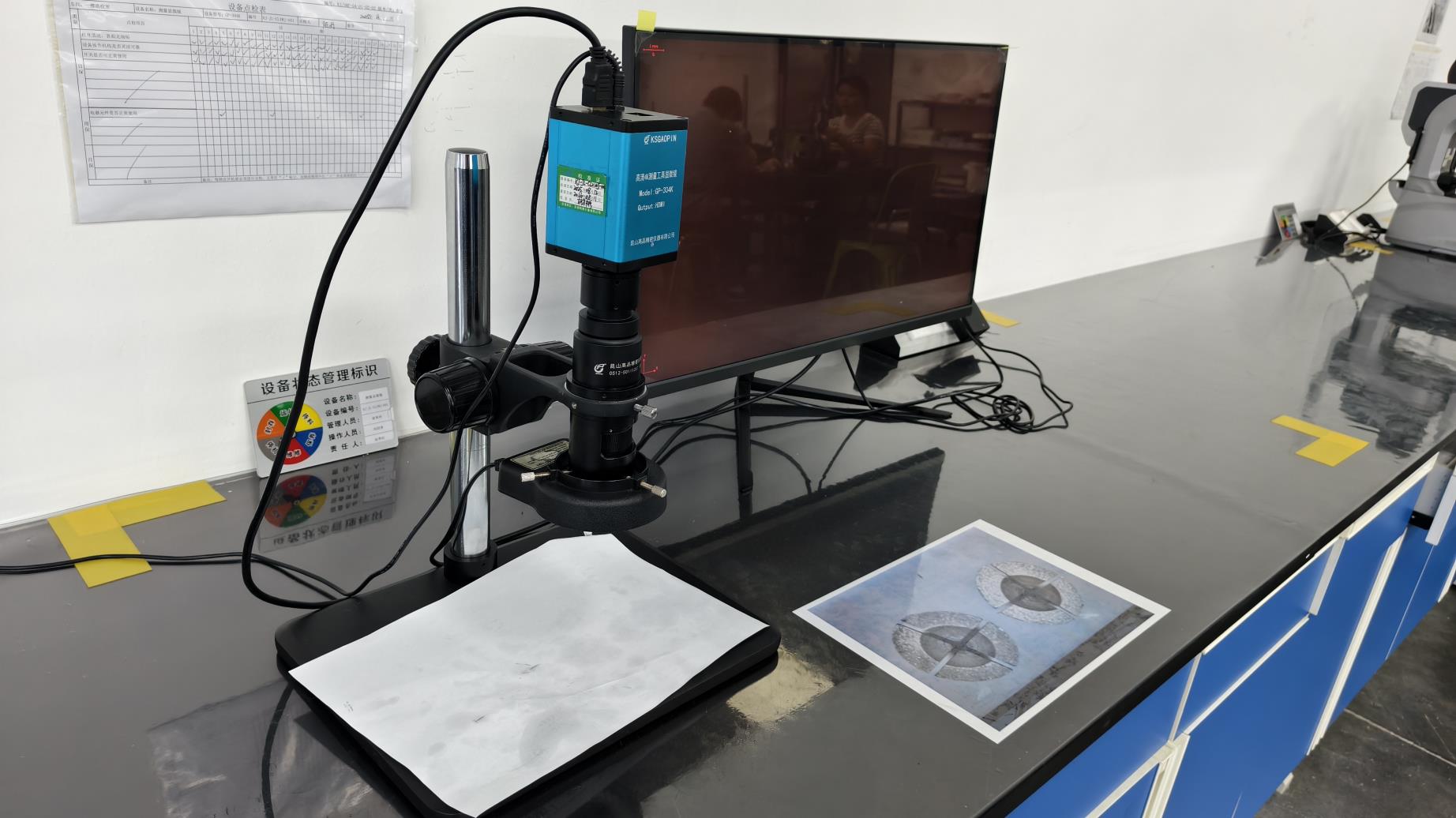
Our quality assurance framework guarantees that every finished component conforms to international medical standards prior to shipment. Review our operational parameters:
| Company Specifications | Verified Details & Capacity Metrics |
|---|---|
| Company Name | Moventra Medical Technology (China) Co., Ltd. |
| Brand Identity | Moventra |
| Established Year | 2017 |
| Facility Infrastructure | 18,600 m² modern manufacturing space |
| Annual Export Revenue | USD 23.8 Million |
| Export History | 7 Years of direct global distribution |
| Total Industry Experience | 13 Years of professional manufacturing expertise |
| Quality Control Framework | 100% Quality Inspection before shipment |
| Product Inspection Methods | Dimensional Inspection, Material Analysis, Surface Finish Inspection, Mechanical Performance Testing, Sterility Verification |
| Dedicated QC Staff | 48 Quality Engineers and Inspectors |
| Business Model | Manufacturer, OEM & ODM Service Provider, Direct Exporter |
| Key Sourcing Territories | North America, Europe, South America, Middle East, Southeast Asia, Australia |
| Supply Chain Integrity | 1,120 approved raw materials and logistics partners |
| Client Demographics | Medical Device Brands, Orthopedic Distributors, Hospitals, Importers, Government Procurement Projects |
| R&D Infrastructure | Independent Product Design, Rapid Prototyping, OEM/ODM Development, Customized Engineering Solutions |
| Customization Scope | Logo Customization, Packaging Customization, Product Design Customization, Drawing-Based Manufacturing, Sample-Based Manufacturing |
| New Product Cycles | 156 new products released in the last calendar year |
| Internal Engineering Staff | 86 R&D Engineers |
B2B buyers, such as hospitals, regional medical importers, and orthopedic brand managers, navigate intricate compliance and distribution pathways. Moventra addresses these regulatory barriers by providing support documentation including Technical Files, Material Mill Test Certificates (MTC), and Sterility Validation Dossiers.
Our localized support network assists with import customs clearance, regional transport compliance, and regulatory filing support for national health registries. Regardless of whether your target market requires FDA registration, CE MDR conformity, or localized health board approvals, Moventra offers the structural and legal documentation required to minimize project delays.
The total elbow reconstruction sector is shifting away from monolithic implants toward modular and patient-specific implant designs. Moventra is actively investing in three primary development sectors:
Our implants are engineered to address specific pathological conditions:
Key technical, mechanical, and logistical answers for medical procurement directors and orthopedic distributors.
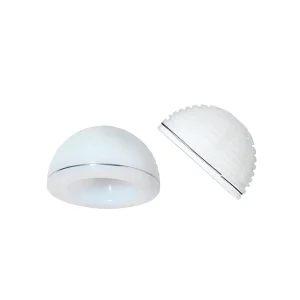
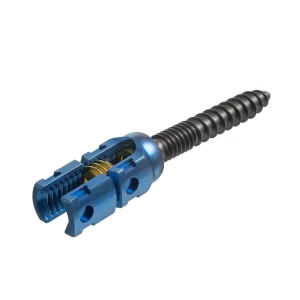
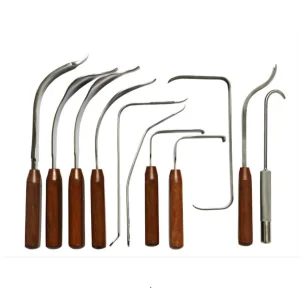
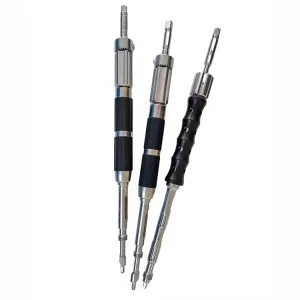
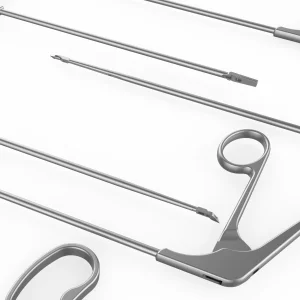
Explore our corresponding product categories, including joint reconstruction systems, trauma implants, and specialized surgical equipment.
 Moventra Medical