Tibial shaft fractures represent one of the most common long-bone fractures encountered in trauma surgery worldwide. Over the past few decades, Tibial Intramedullary Nailing (IMN) has established itself as the undisputed gold standard for treating these injuries, offering superior biomechanical stability, preservation of the periosteal blood supply, and early functional weight-bearing capabilities.
Modern clinical studies indicate that surgical intervention utilizing locked intramedullary nails significantly reduces rates of nonunion and malunion compared to conservative casting or plating methods. As global trauma rates rise due to increasing urbanization and traffic activity, healthcare providers demand tibial implants that not only offer anatomical fit but are also manufactured to the highest regulatory standards. CE Certification under the European Medical Device Regulation (MDR 2017/745) has become a non-negotiable benchmark, verifying that these implants fulfill the strictest safety and performance mandates.
Nails act as load-sharing devices, aligning close to the mechanical axis of the tibia, allowing controlled micro-motion that stimulates secondary bone healing via callus formation.
Unlike plates, IM nails are inserted using minimally invasive techniques, preventing extensive periosteal stripping and protecting the crucial osteogenic vascular network.
By providing rigid internal splinting, patients can initiate early joint mobilization and progressive weight-bearing, minimizing joint stiffness and muscular atrophy.
The manufacturing and design of Tibial Intramedullary Nails have entered an era of rapid evolutionary refinement. Contemporary designs focus heavily on anatomical pre-bent configurations, customized multiplanar distal locking configurations, and material innovations such as Grade 5 Titanium Alloy (Ti-6Al-4V ELI). This specific alloy offers a lower modulus of elasticity, closer to that of human cortical bone, which minimizes the risk of stress shielding and subsequent implant-induced bone resorption.
Additionally, advanced surface treatments, including anodic oxidation and acid-etching, are being utilized to enhance biocompatibility and reduce bacterial adhesion. The market is also experiencing a shift toward suprapatellar surgical approaches, which require dedicated instrument sets designed to protect the patellofemoral joint cartilage while facilitating precise nail alignment.
For international medical device distributors, government procurement agencies, and hospital networks, selecting a supplier for tibial intramedullary nails requires deep vetting. The modern procurement officer evaluates suppliers based on a strict matrix of regulatory compliance, manufacturing consistency, packaging integrity, and instrument system compatibility.
| Procurement Pillar | Technical Specification / Requirement | Critical Impact on Clinical Operations |
|---|---|---|
| Regulatory Dossier | CE Certification (MDR compliant), FDA 510(k) clearances, ISO 13485 | Ensures legal import compliance and risk mitigation in high-tier medical markets. |
| Material Authenticity | Certified Ti-6Al-4V ELI (ASTM F136 / ISO 5832-3) | Guarantees biomechanical fatigue life and minimizes toxic metallurgical reactions. |
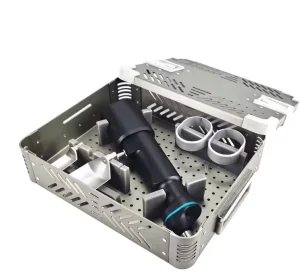
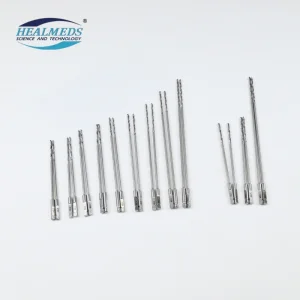
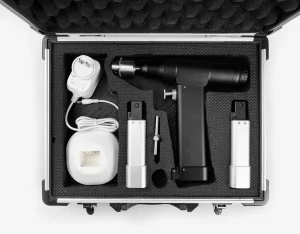
| Instrumentation Systems | Carbon-fiber radiolucent guides, quick-coupling drills, color-coded trial sleeves | Directly impacts surgical efficiency, reduces OR time, and minimizes surgeon fatigue. |
| Sterility & Delivery | Sterile double-barrier packaging with RFID or QR tracking | Streamlines hospital inventory control and ensures absolute patient safety at point-of-use. |
Furthermore, supplier flexibility in providing customized length-to-diameter combinations is critical. As physical patient profiles vary greatly across different geographic regions (e.g., North America versus Southeast Asia), manufacturers must offer a comprehensive matrix of nail sizes, typically ranging from diameters of 8mm to 12mm and lengths from 240mm to 420mm.
Moventra Medical Technology (China) Co., Ltd. is a professional manufacturer specializing in the research, development, production, and global supply of orthopedic medical devices and surgical solutions. Established in 2017, the company is dedicated to delivering innovative, high-quality products for trauma, spine, joint reconstruction, sports medicine, and orthopedic surgical procedures.
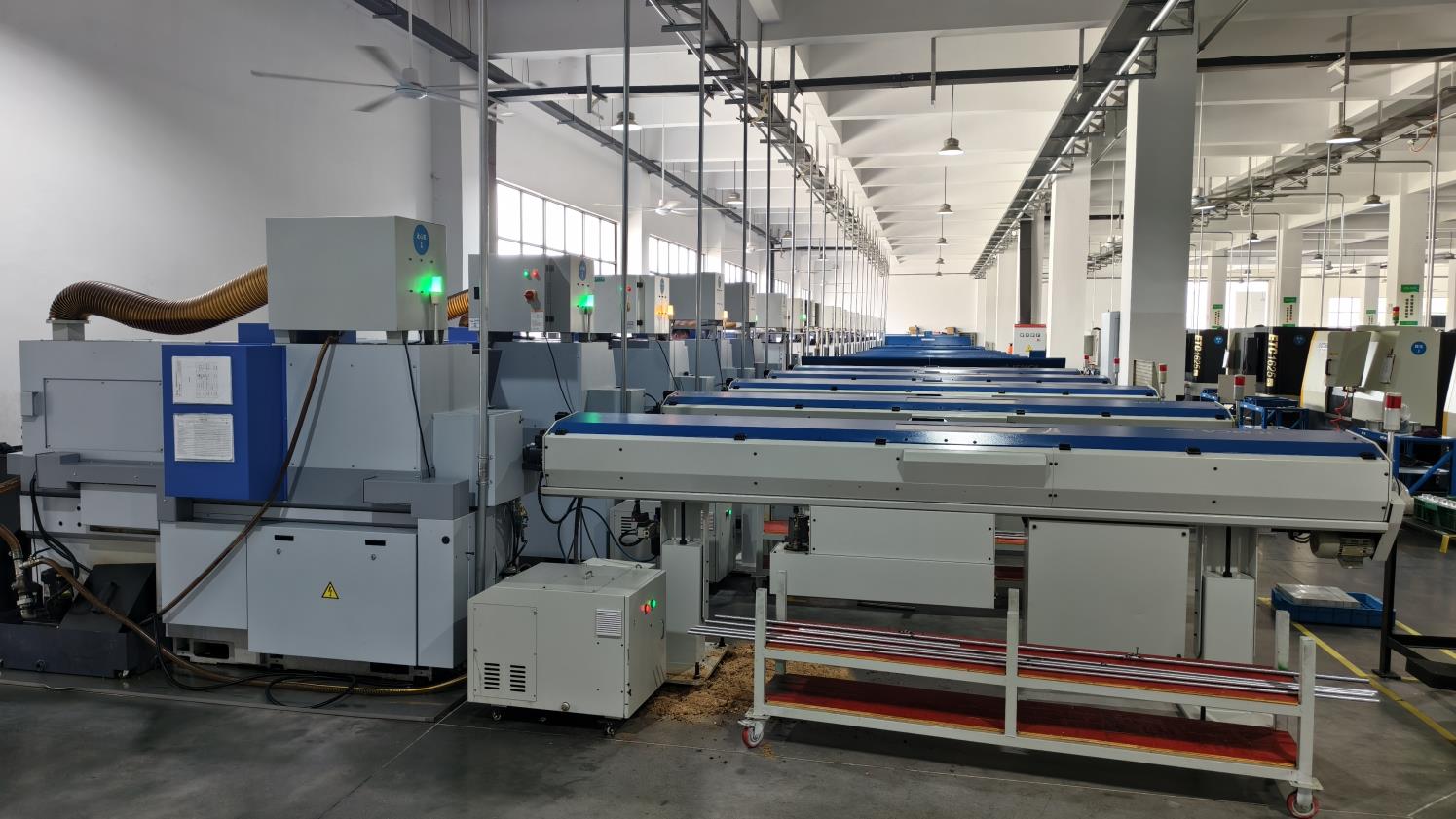
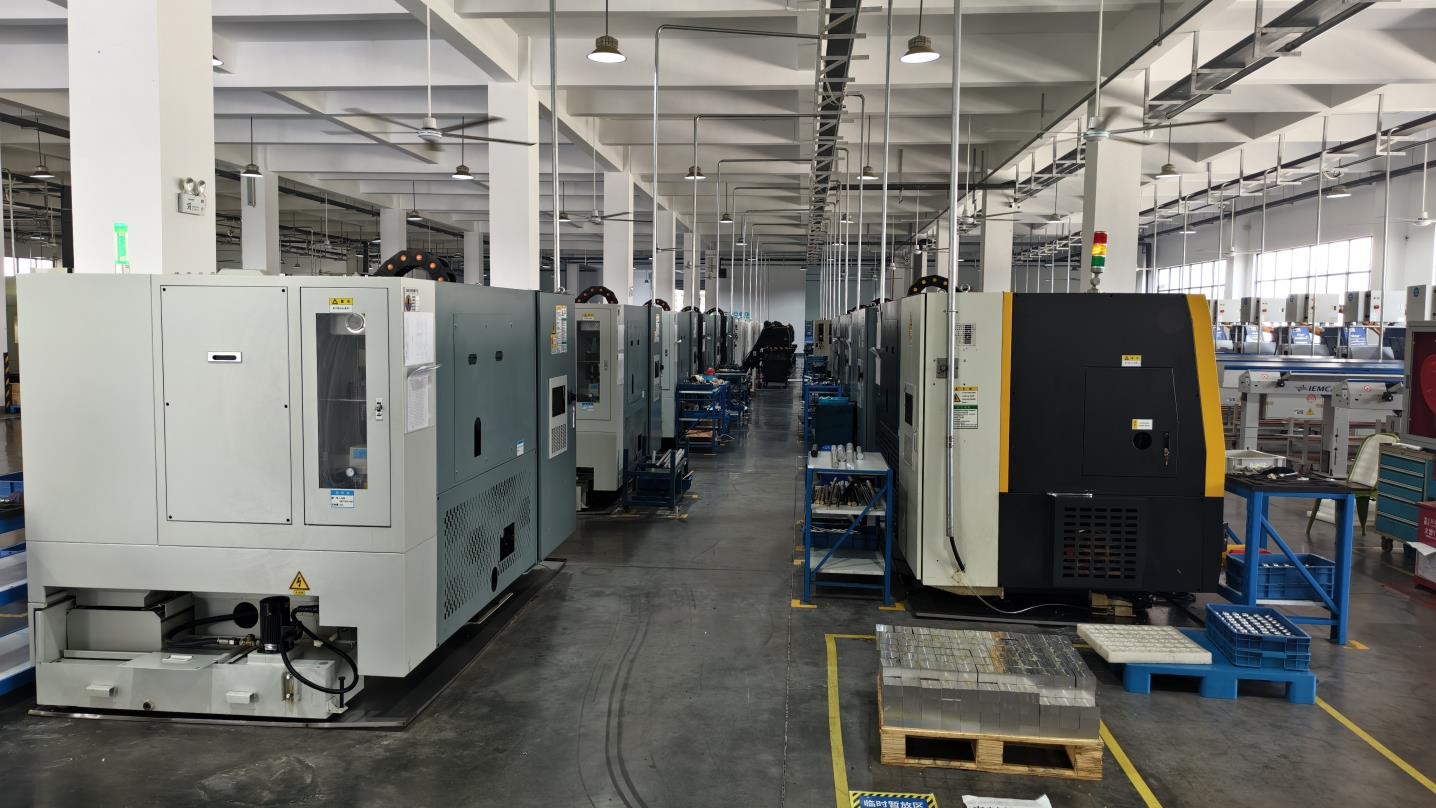
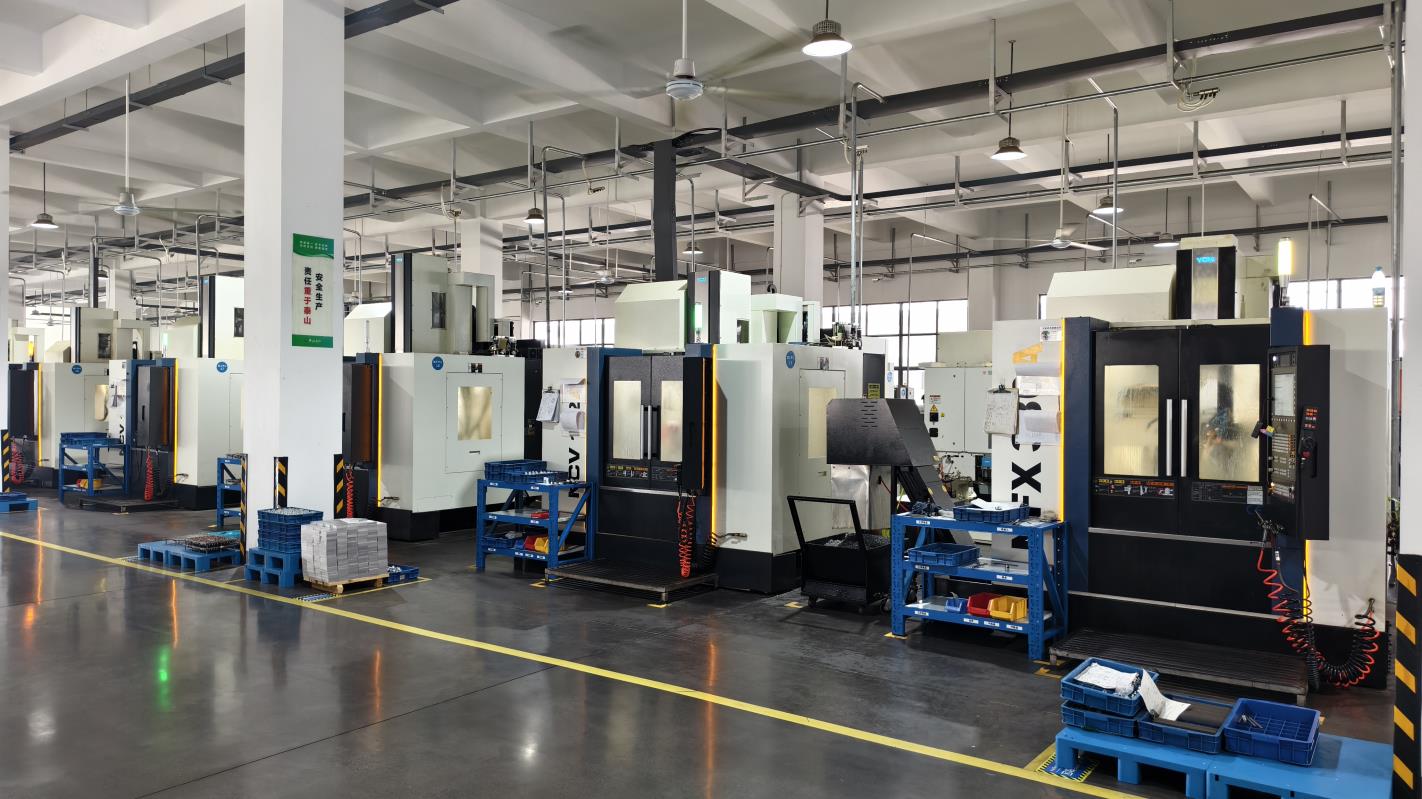
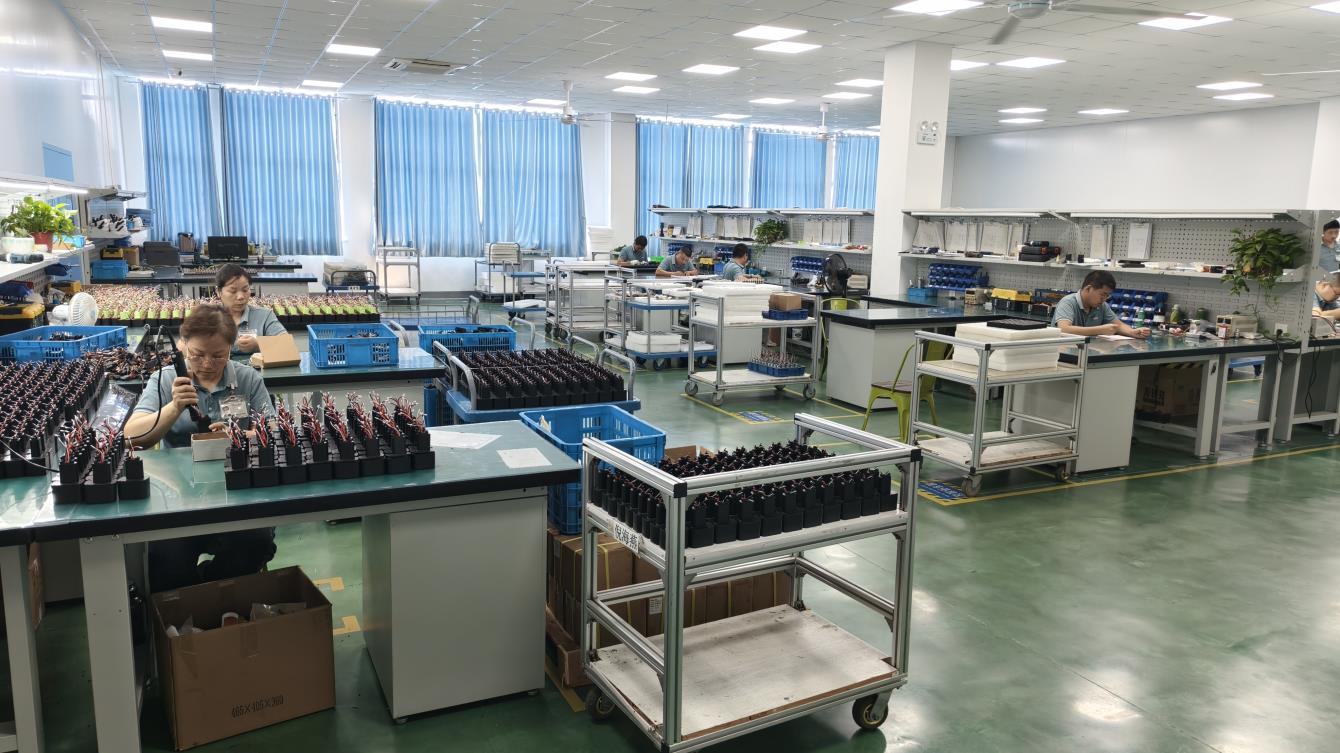
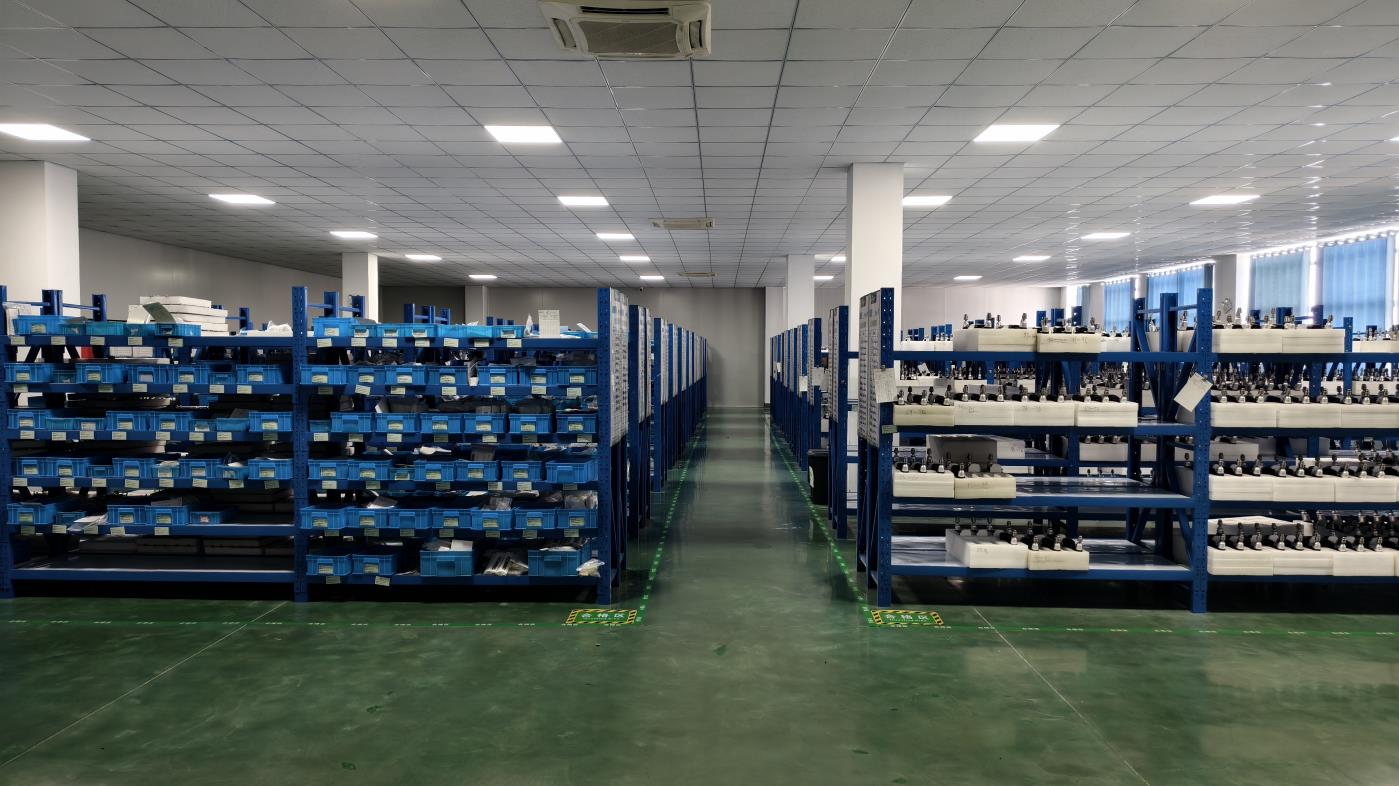
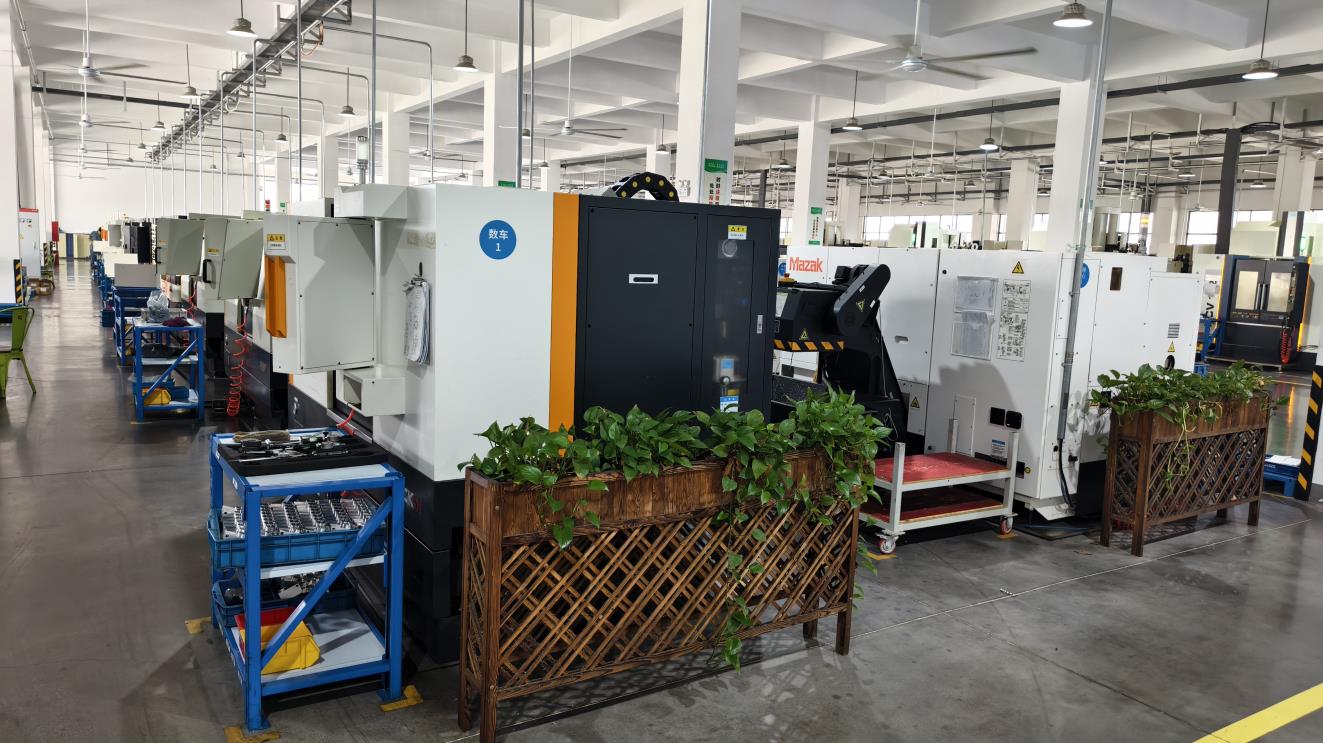
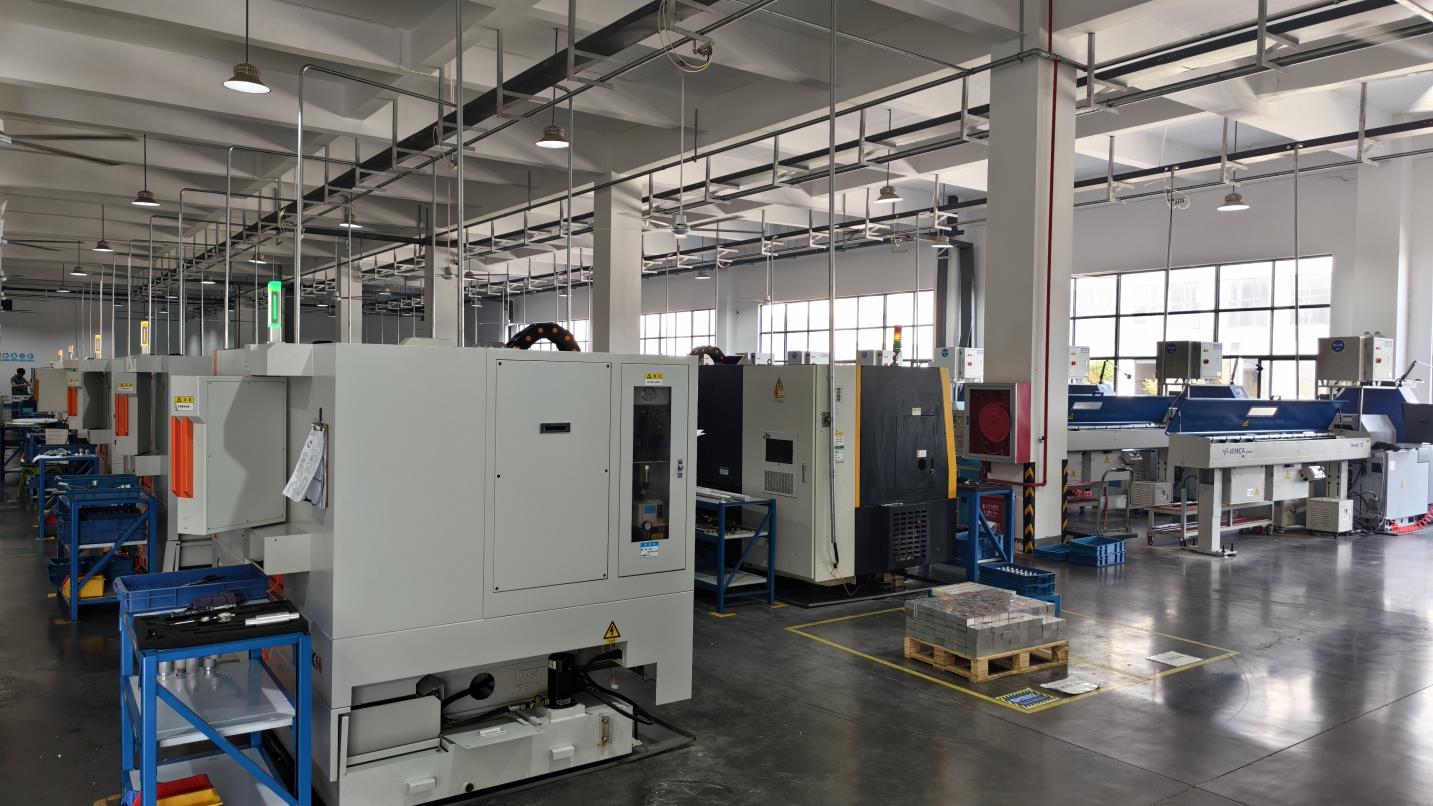
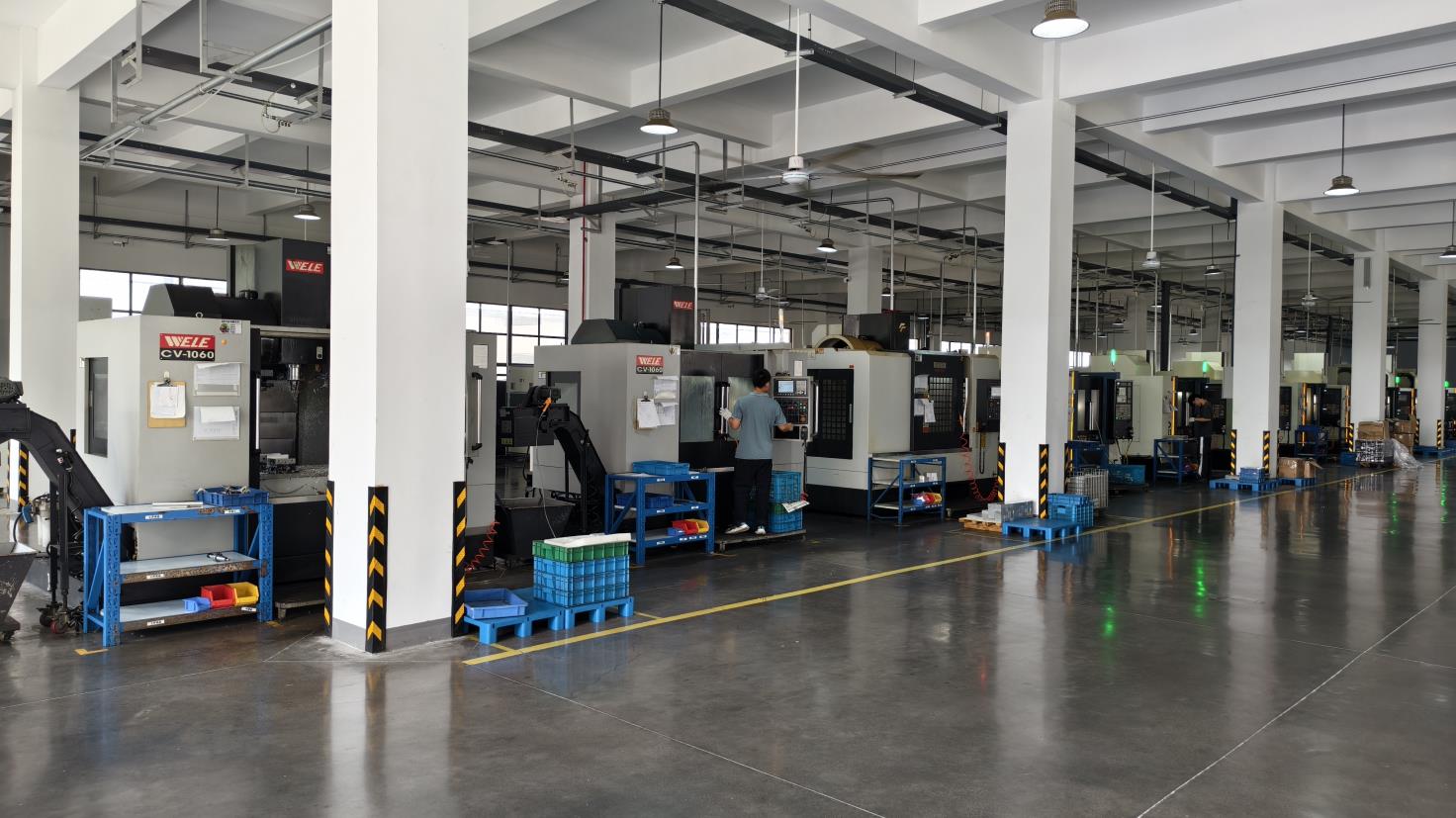
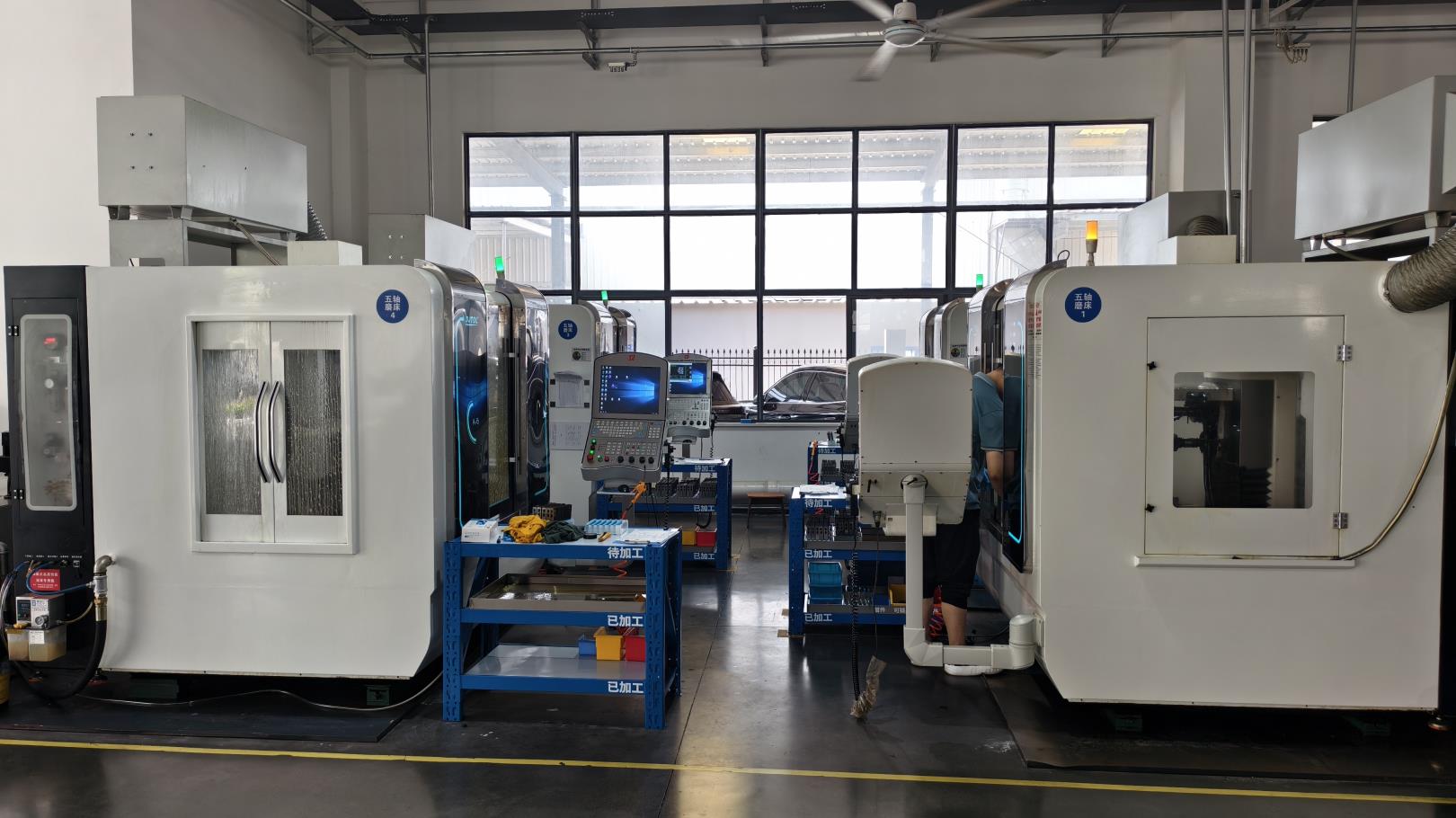
With a modern manufacturing facility covering 18,600 m², Moventra integrates advanced CNC machining, precision manufacturing, automated production lines, and strict quality management systems to ensure every product meets international medical standards. Our commitment to continuous innovation enables us to provide reliable OEM and ODM services for global medical device brands, distributors, and healthcare institutions.
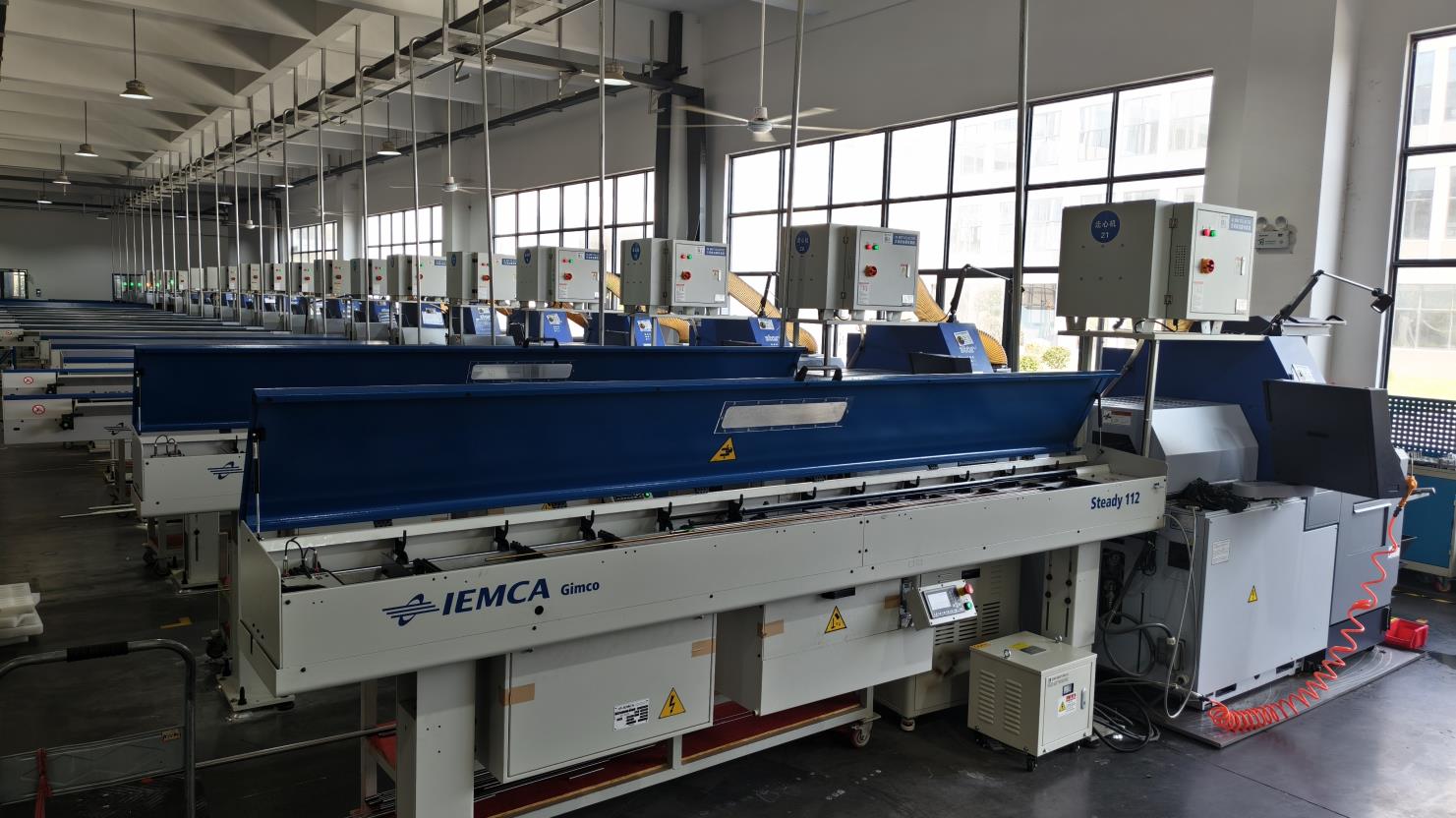
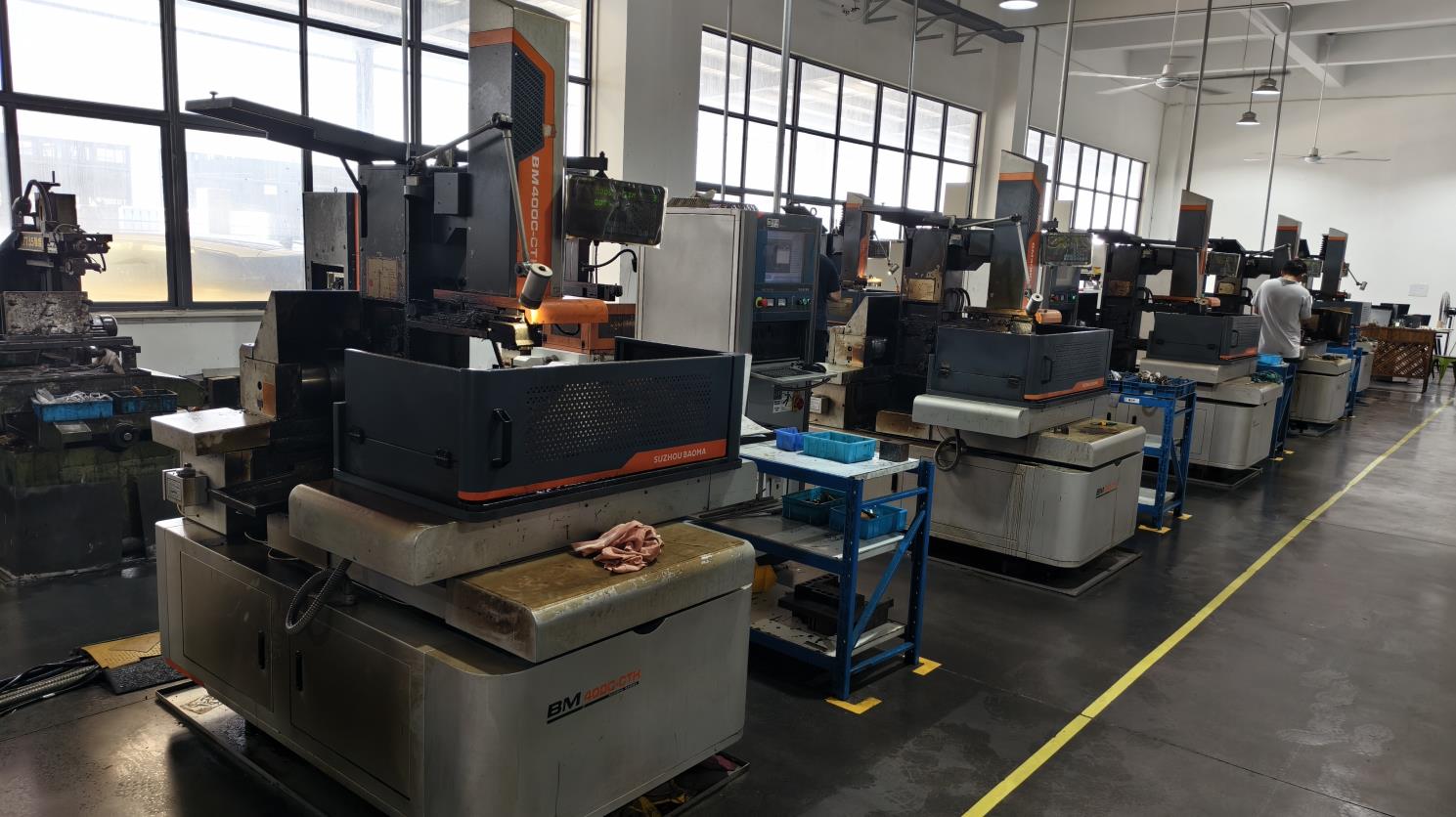
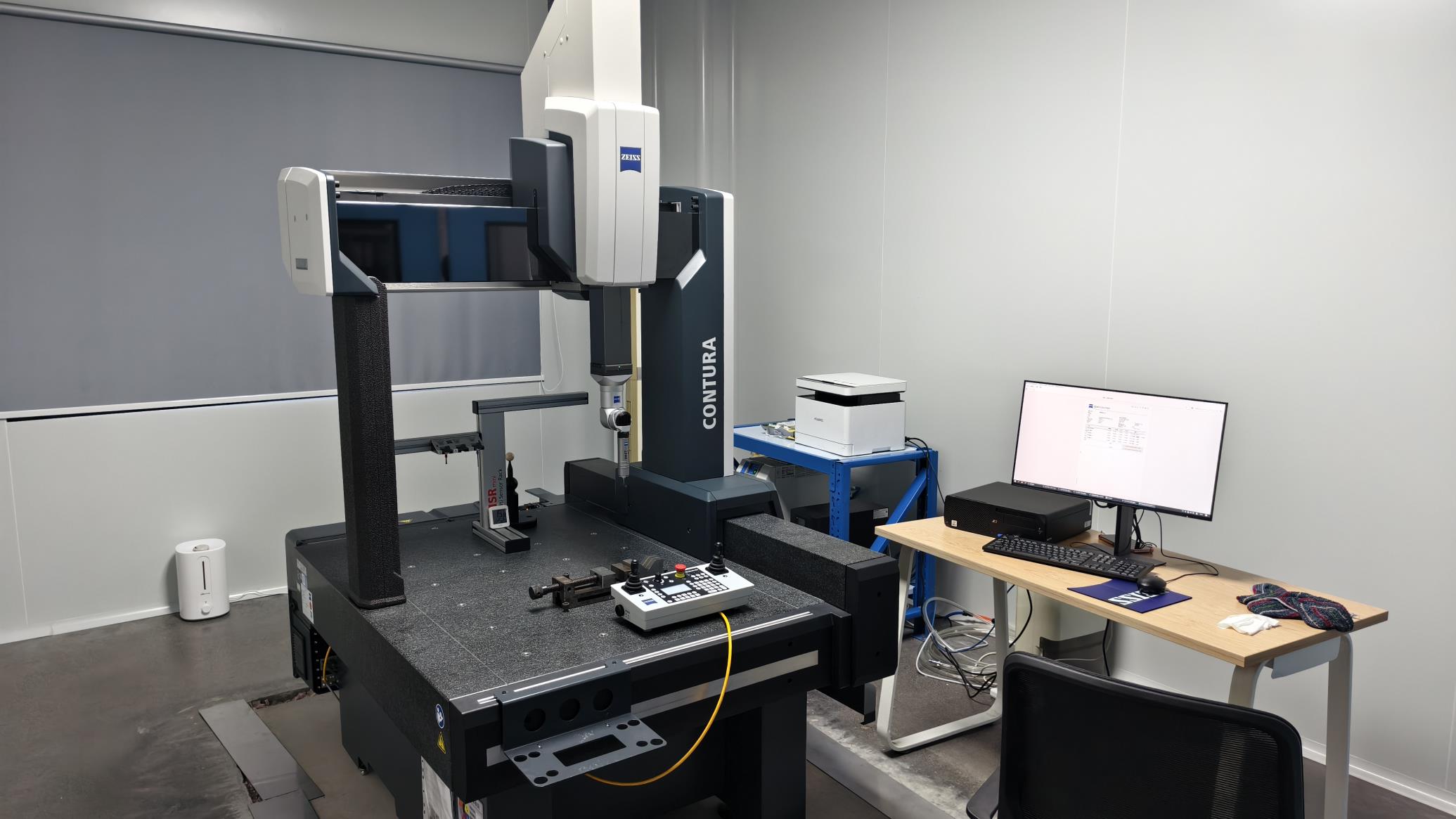
The manufacturing of orthopaedic implants allows no margin for error. A variance of even 0.05 millimeters can lead to catastrophic intraoperative difficulties or post-operative hardware failure. To guarantee consistency across thousands of production batches, Moventra has transitioned to a Factory 4.0 infrastructure, relying on Swiss-type CNC lathes, multi-axis machining centers, and fully automated wire cutting processes.
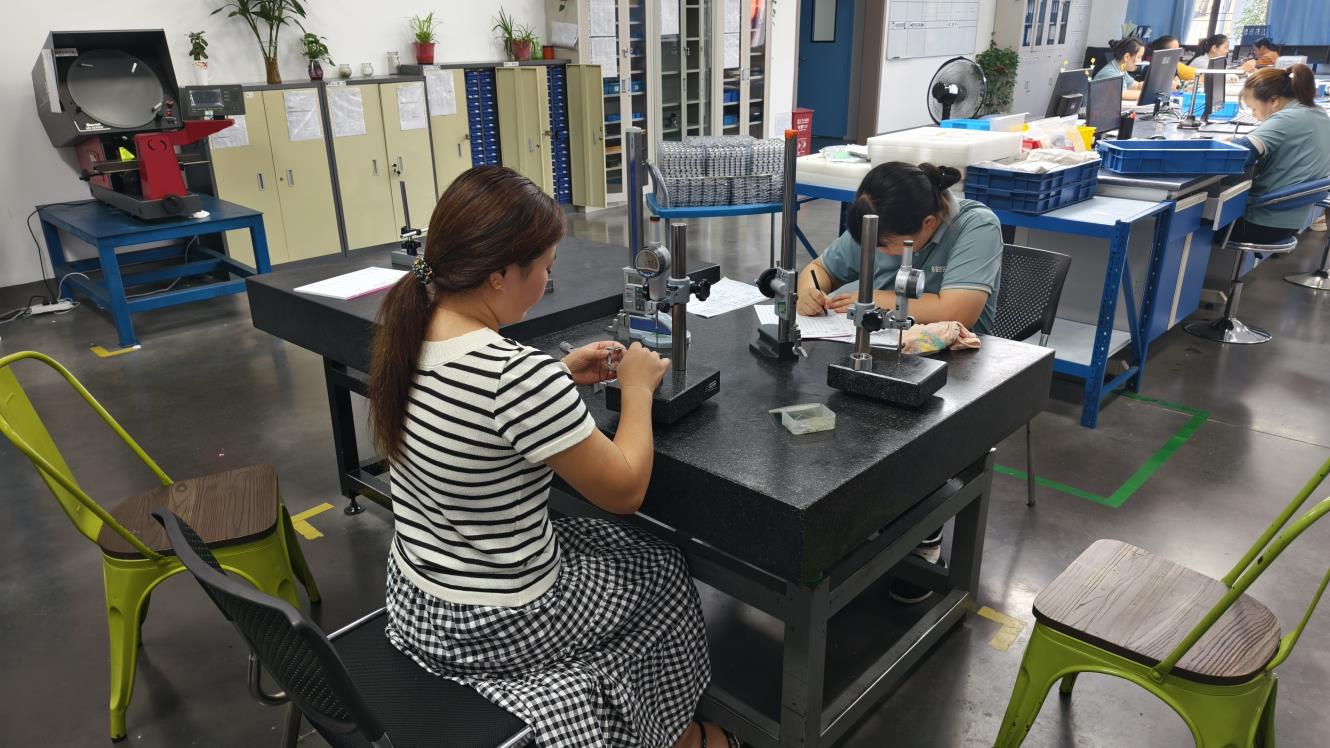
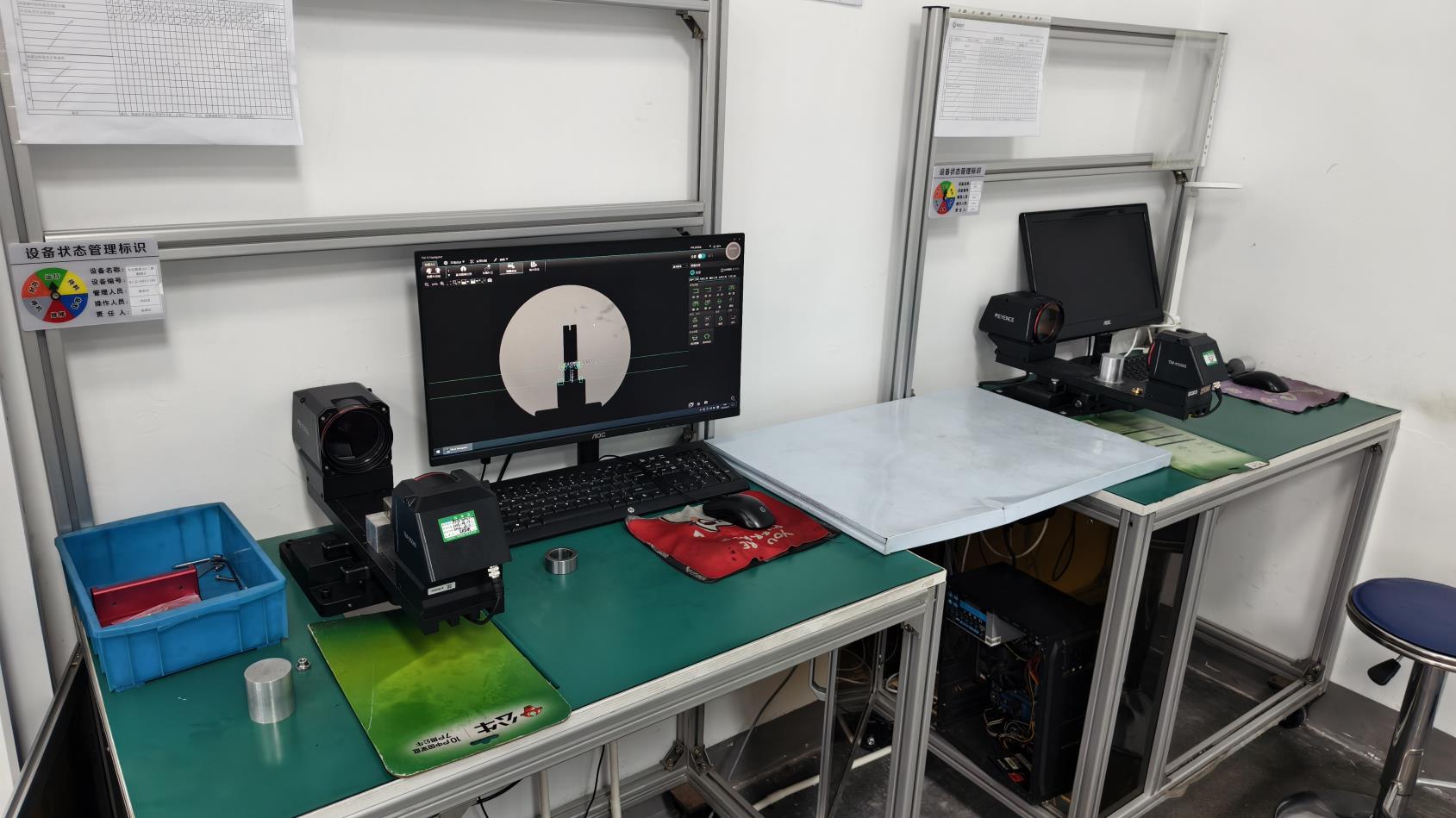
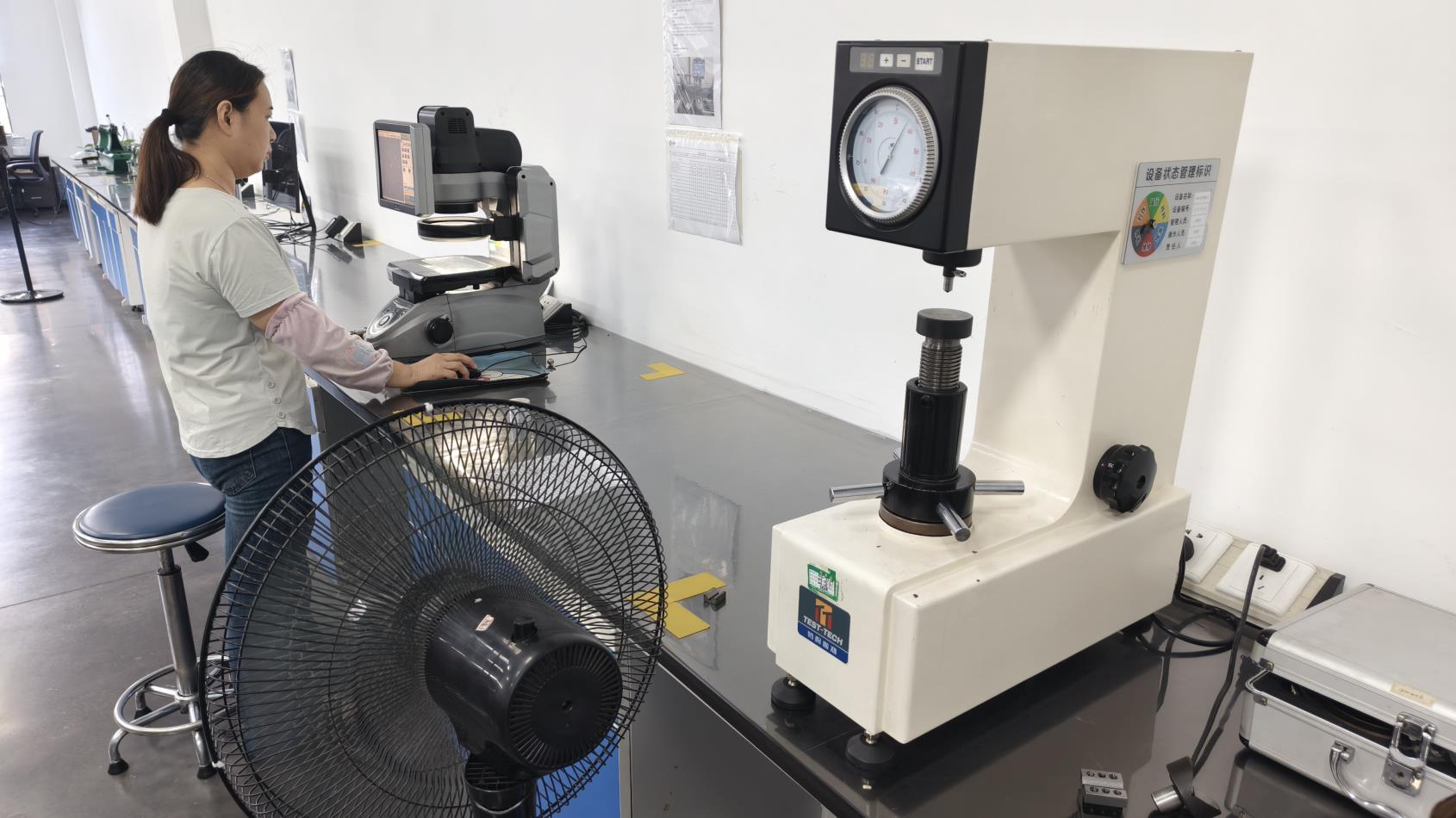
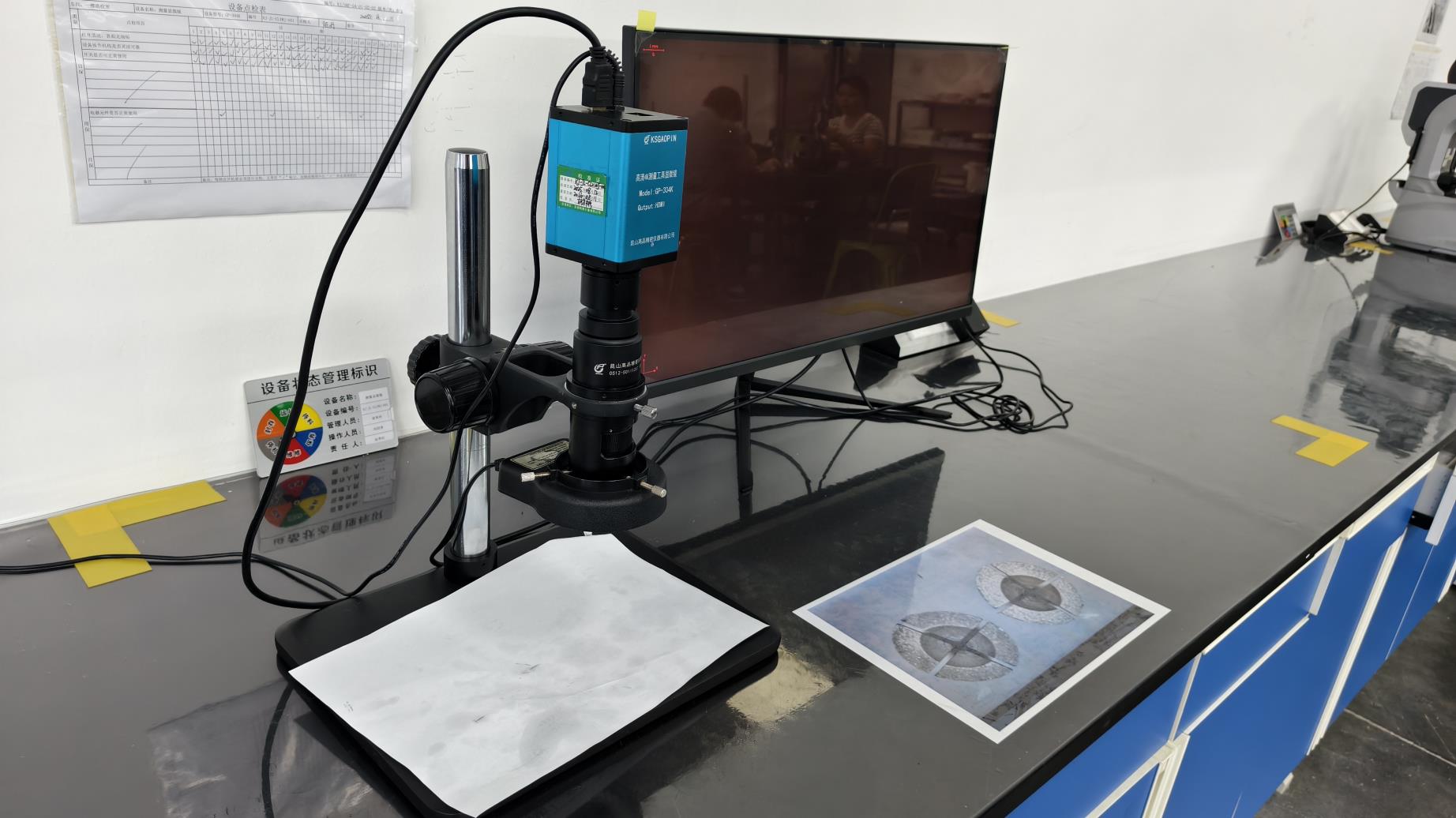
This automated ecosystem reduces human error, optimizes metallurgical grain alignment during machining, and maintains tight control over surface finishes. By incorporating in-line 3D coordinate metrology, hardness testing, and micro-defect analysis directly into our production flow, we deliver European-tier quality at optimized manufacturing cost profiles.
| Corporate Parameter | Company Capability Details |
|---|---|
| Company Name | Moventra Medical Technology (China) Co., Ltd. |
| Established | 2017 (Industry Experience: 13 Years) |
| R&D Capability | Independent Product Design, Rapid Prototyping, OEM/ODM Development, Customized Engineering Solutions |
| Quality Control Staff | 48 Quality Control Professionals |
| Inspection Methods | Dimensional Inspection, Material Analysis, Surface Finish Inspection, Mechanical Performance Testing, Sterility Verification |
| Customization Options | Logo Customization, Packaging Customization, Product Design Customization, Drawing/Sample-Based Manufacturing |
| Export Footprint | 7 Years of Exporting to North America, Europe, South America, Middle East, Southeast Asia, Australia |
No single tibial intramedullary nail is universal for all fractures. A sophisticated manufacturer must design systems that accommodate diverse anatomical sites and fracture morphologies. Clinically, tibial intramedullary nails are applied across distinct anatomical zones:
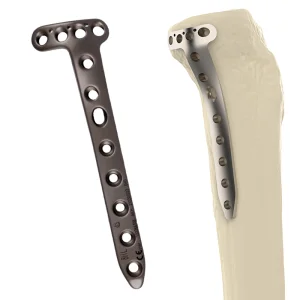
These fractures present distinct challenges, such as apex anterior and valgus deformities. In these cases, using a suprapatellar approach while the knee is in a semi-extended position reduces the deforming forces of the quadriceps mechanism. Our specialized proximal nail designs feature multiple locking options to secure short proximal segments.
This classic indication benefits from a standardized infrapatellar approach. The intramedullary nail is positioned centrally along the tibial canal. Dynamic locking can be utilized at the distal or proximal ends to encourage axial weight-bearing while preventing rotational misalignment.
For distal third tibia fractures, achieving stable fixation in the short distal fragment is critical. The proximity to the ankle joint demands locking configurations that locate screws close to the distal tip of the nail. Modern locking configurations feature cross-locking designs in multiple planes to prevent rotation, providing structural stability even in osteopenic bone.

 Moventra Medical