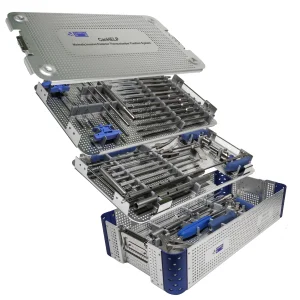
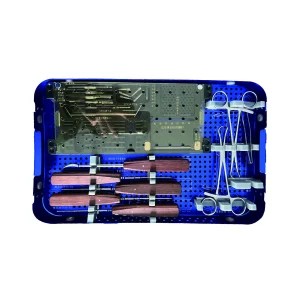
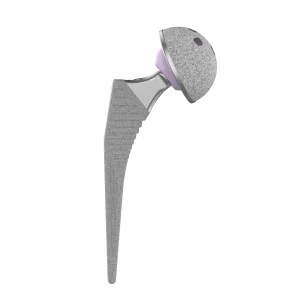
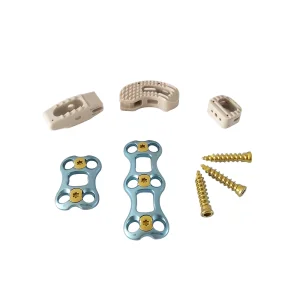
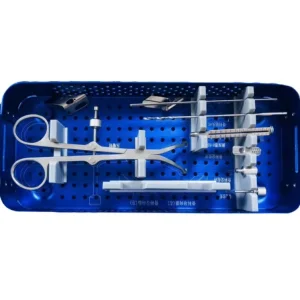
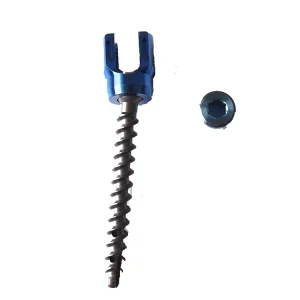
Discover our advanced class-certified orthopedic instrumentation, spinal systems, and trauma fixation plates.
Analyzing the macro-economical, technical, and regulatory trajectories driving fracture fixation implants worldwide.
The global orthopedic market has transitioned decisively from conventional compression plates to rigid titanium locking systems. The primary biomechanical advantage of locking plates is their capacity to act as external fixators internally. Because the screw heads thread directly into the plate, the screw-plate construct forms a single stable frame.
This design prevents the plate from being compressed hard against the periosteum, minimizing the risk of bone necrosis and preserving local vascular supply. Clinically, this translates to faster healing times, reduced risk of pseudoarthrosis, and vastly superior results in osteoporotic or comminuted fractures.
Distributors and medical networks are navigating tightening compliance barriers. The European Union's Transition from Medical Device Directive (MDD) to Medical Device Regulation (MDR 2017/745) has forced clinical evaluations to become more rigorous. Similarly, FDA 510(k) clearances require comprehensive mechanical fatigue test data conforming to ASTM F382 protocols.
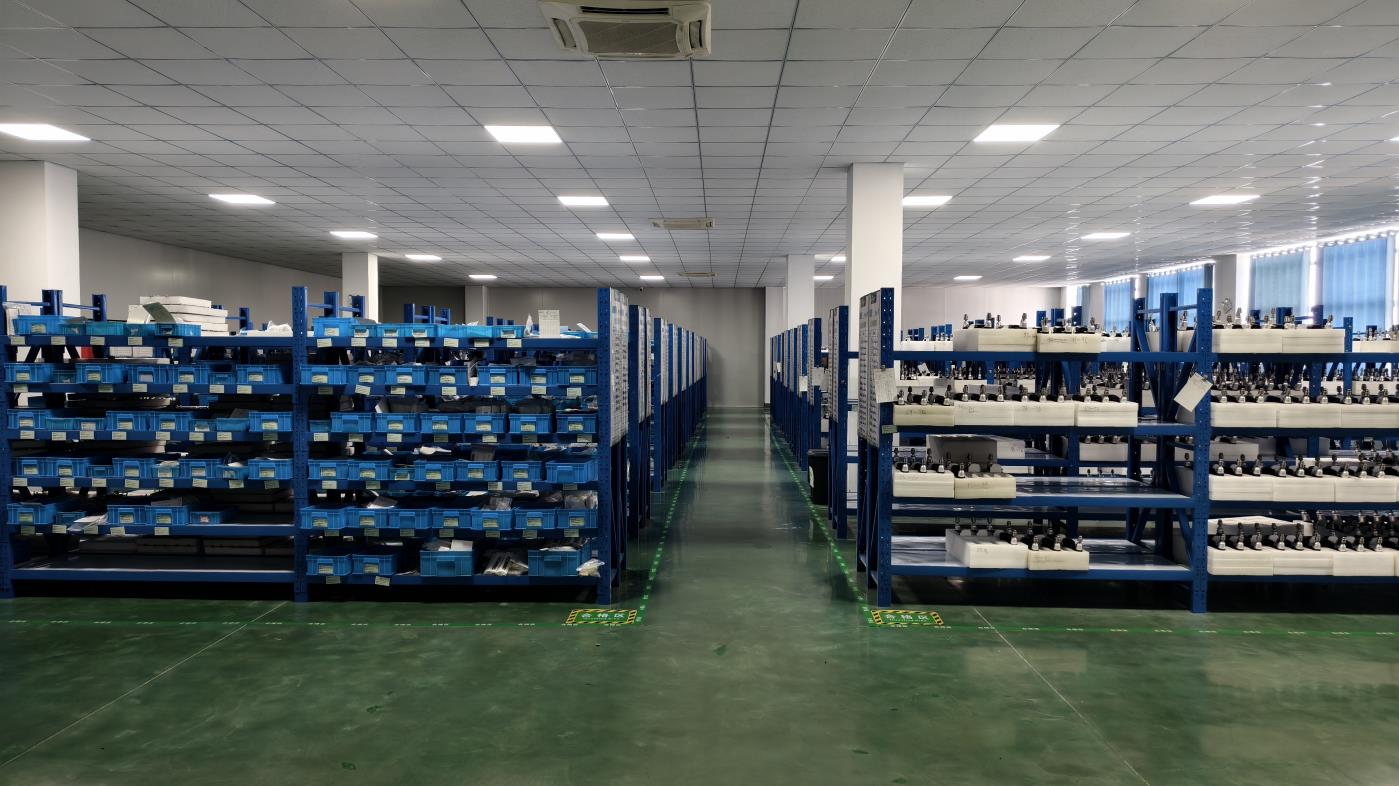
For manufacturers, staying competitive requires having valid CE certifications and ISO 13485-compliant quality management systems. Factories must offer complete traceability of titanium alloys from the mill to the sterile operating package.
Understanding metallurgical microstructures and surface properties that optimize clinical survival rates.
Titanium alloys, specifically Ti6Al4V ELI (Extra Low Interstitial), are preferred over 316L stainless steel. Titanium’s elastic modulus (~110 GPa) is closer to that of cortical bone (~15-30 GPa) than stainless steel (~200 GPa), significantly mitigating the risk of stress shielding.
We use electrochemical anodization (Type II & Type III) to enhance fatigue life, prevent cold-welding of screws to the plate, and color-code plates for quick size identification in stressful operating rooms.
Our micro-engineered plates undergo rigorous fatigue tests up to 1 million cycles under loads simulating physiological gait patterns, ensuring stability during long-term non-union recovery phases.
How Moventra Medical integrates advanced automation, engineering expertise, and cost structures to benefit global partners.
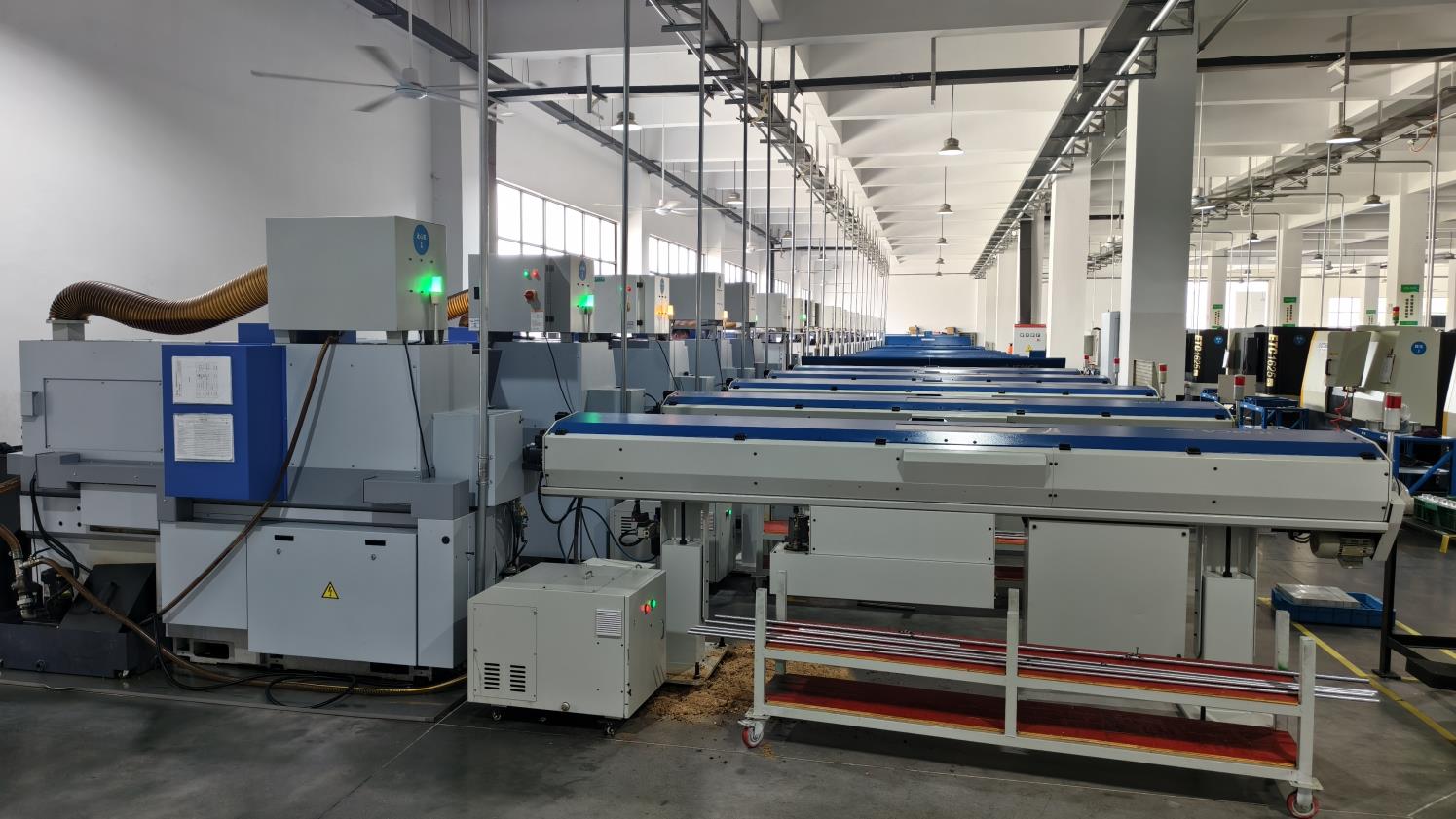
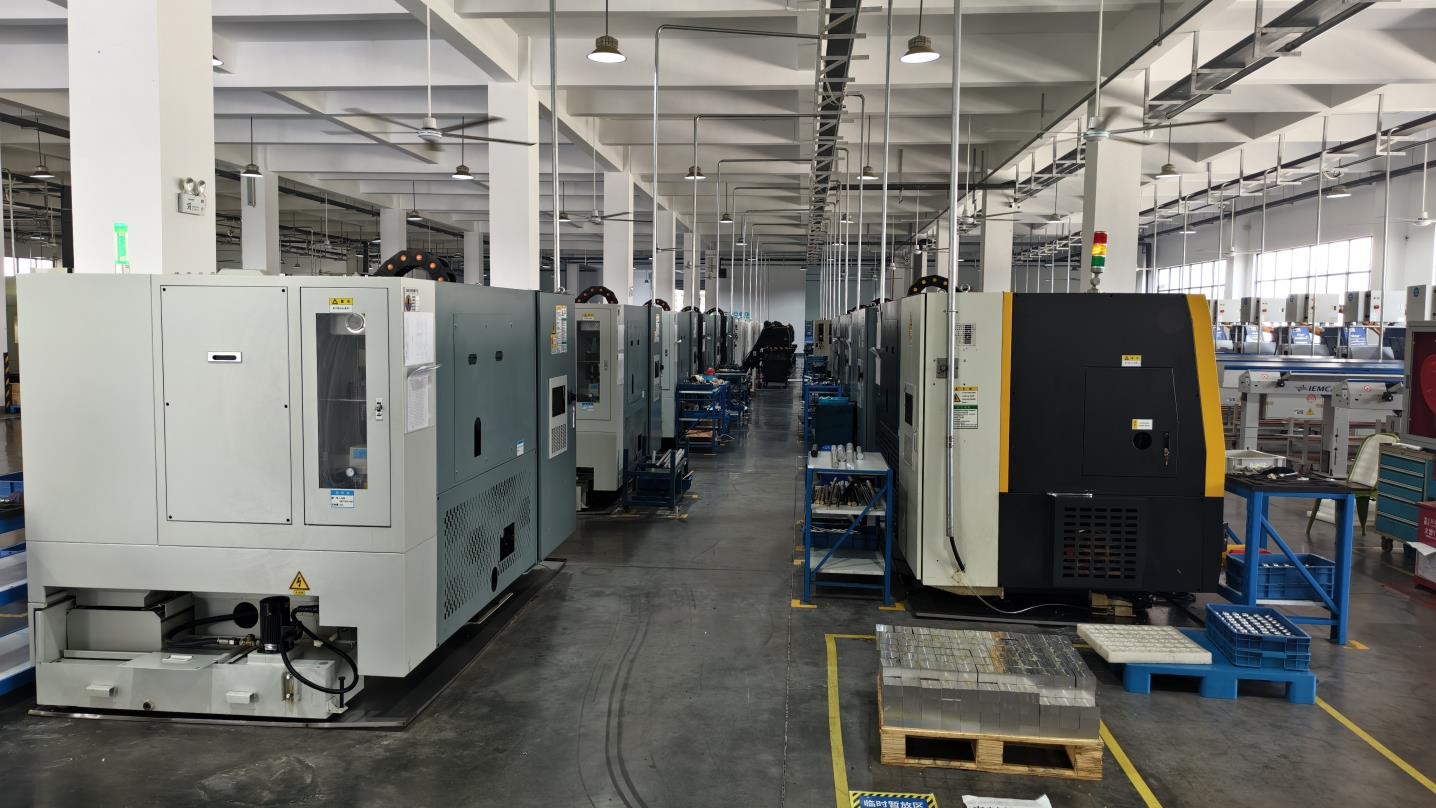
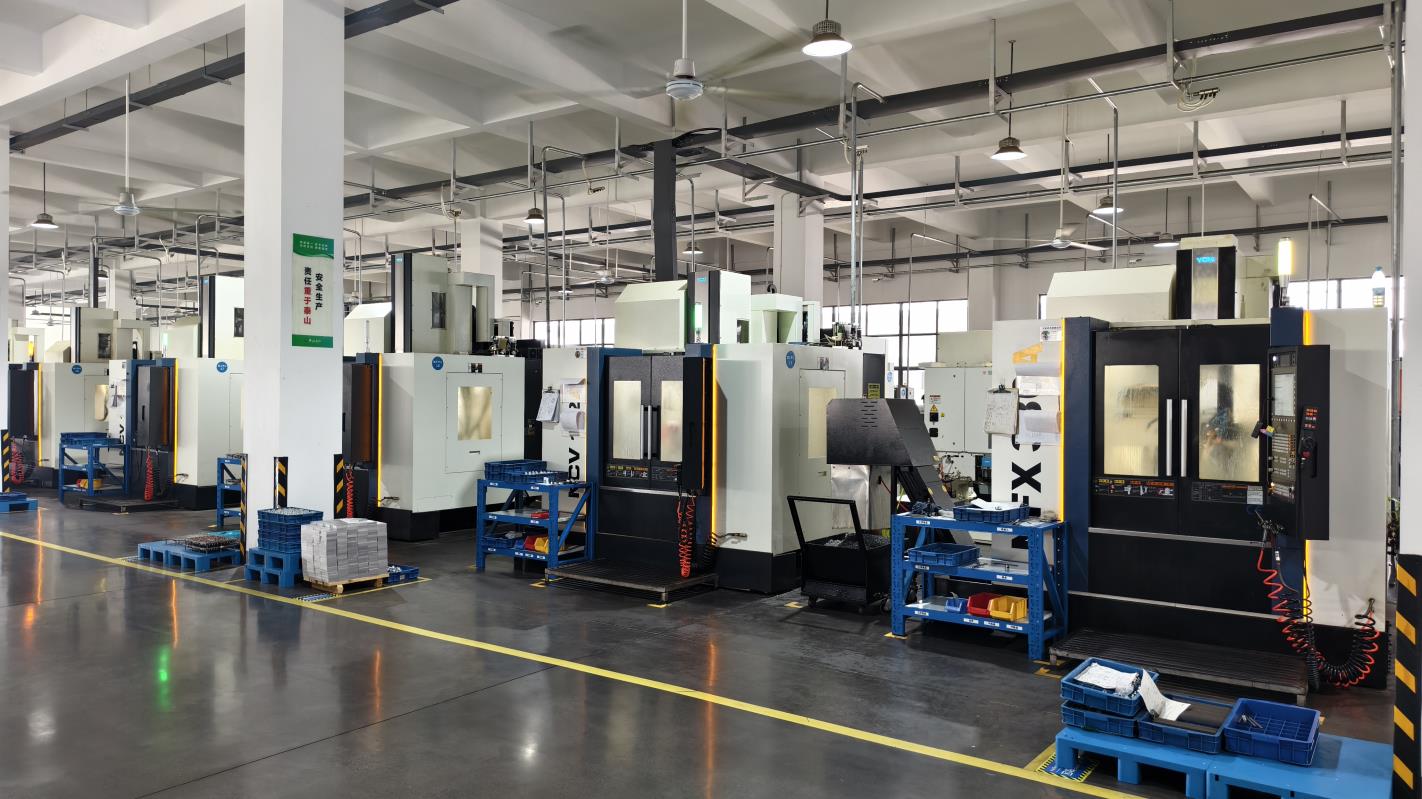
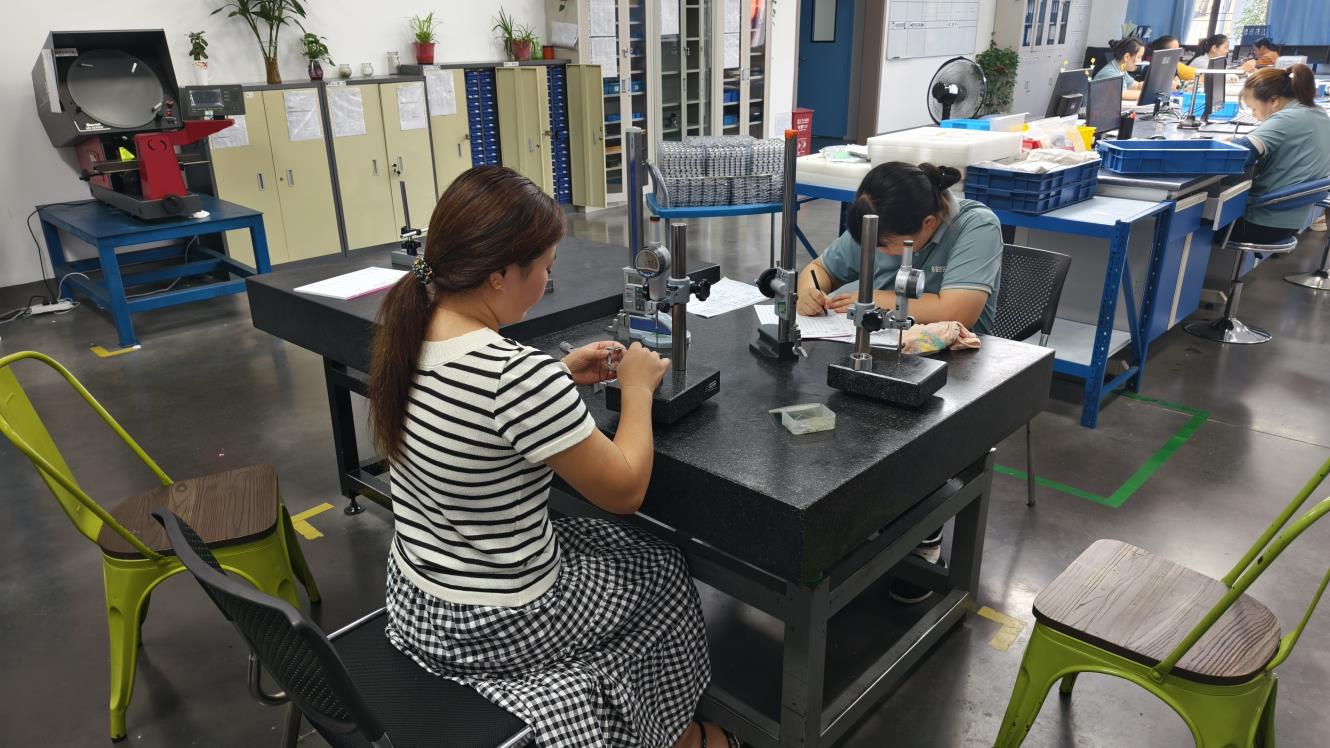
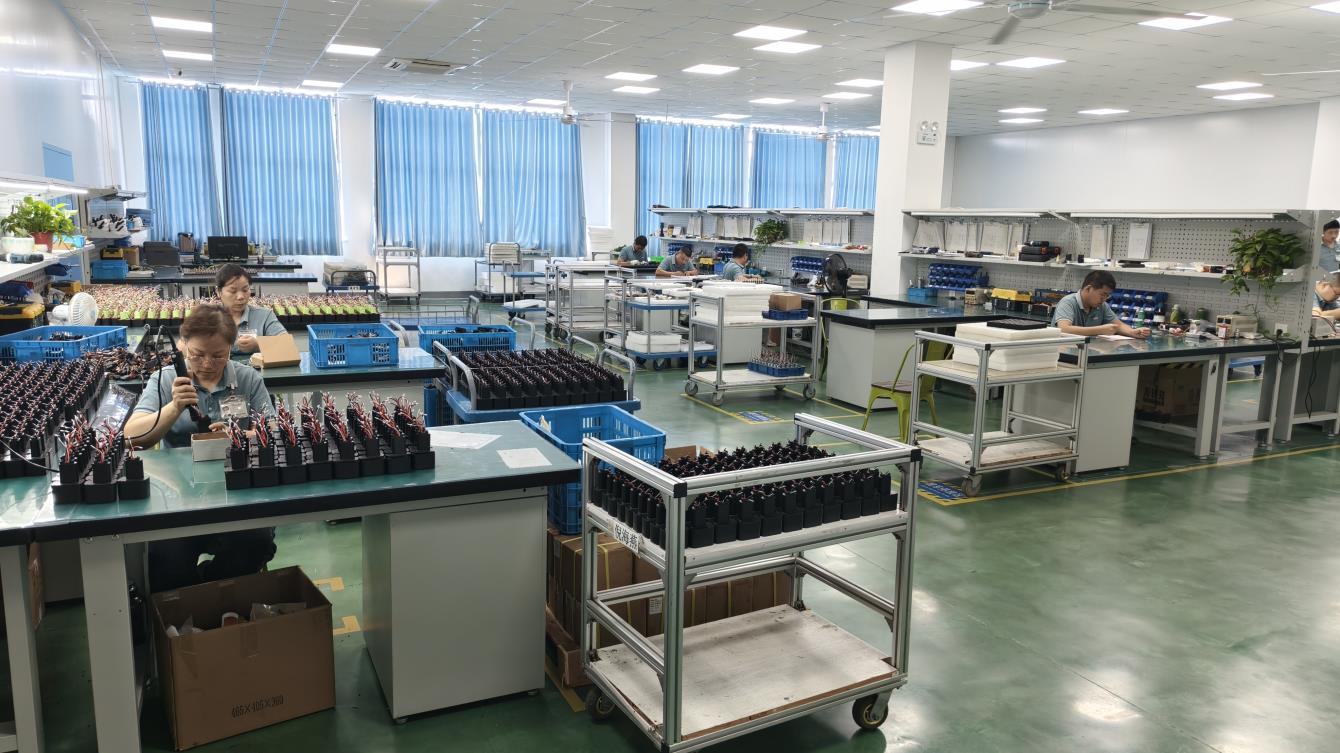
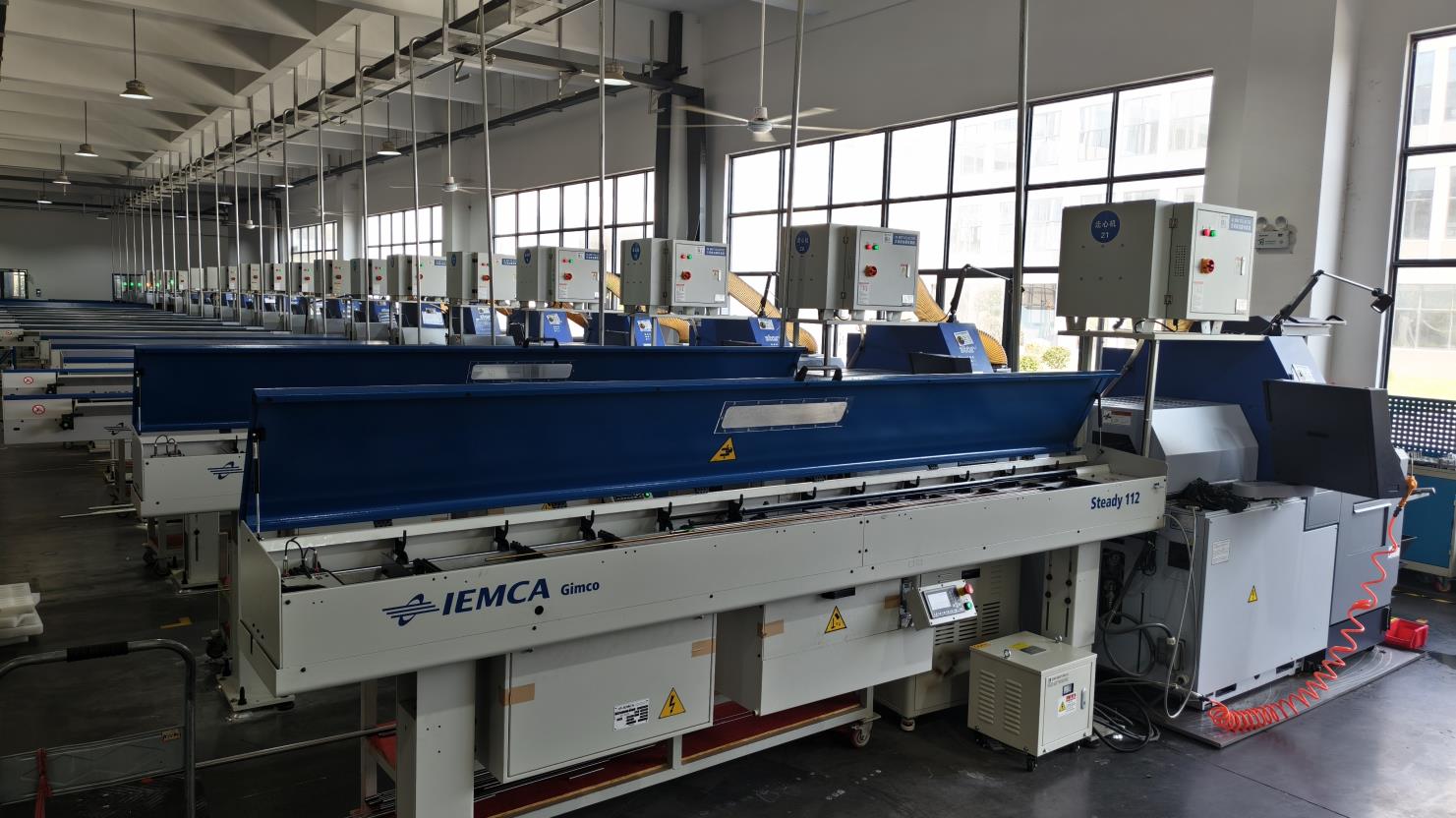
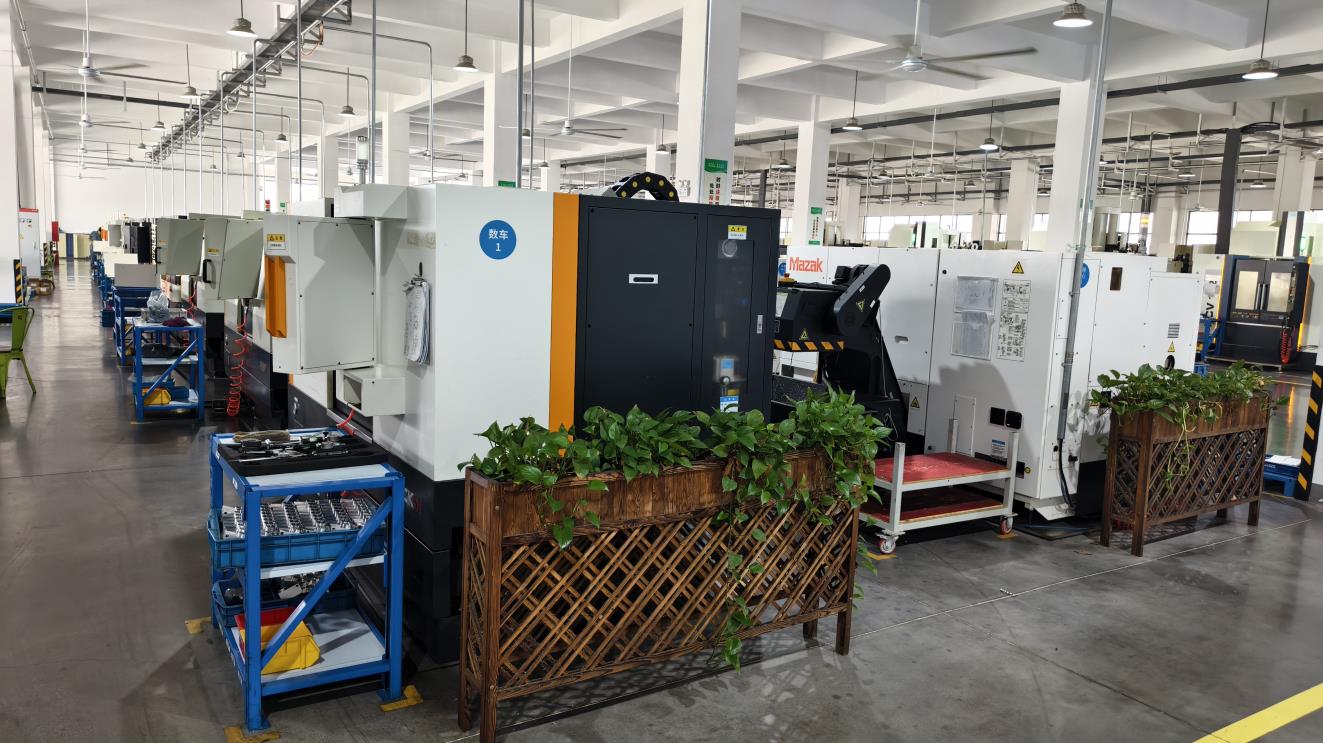
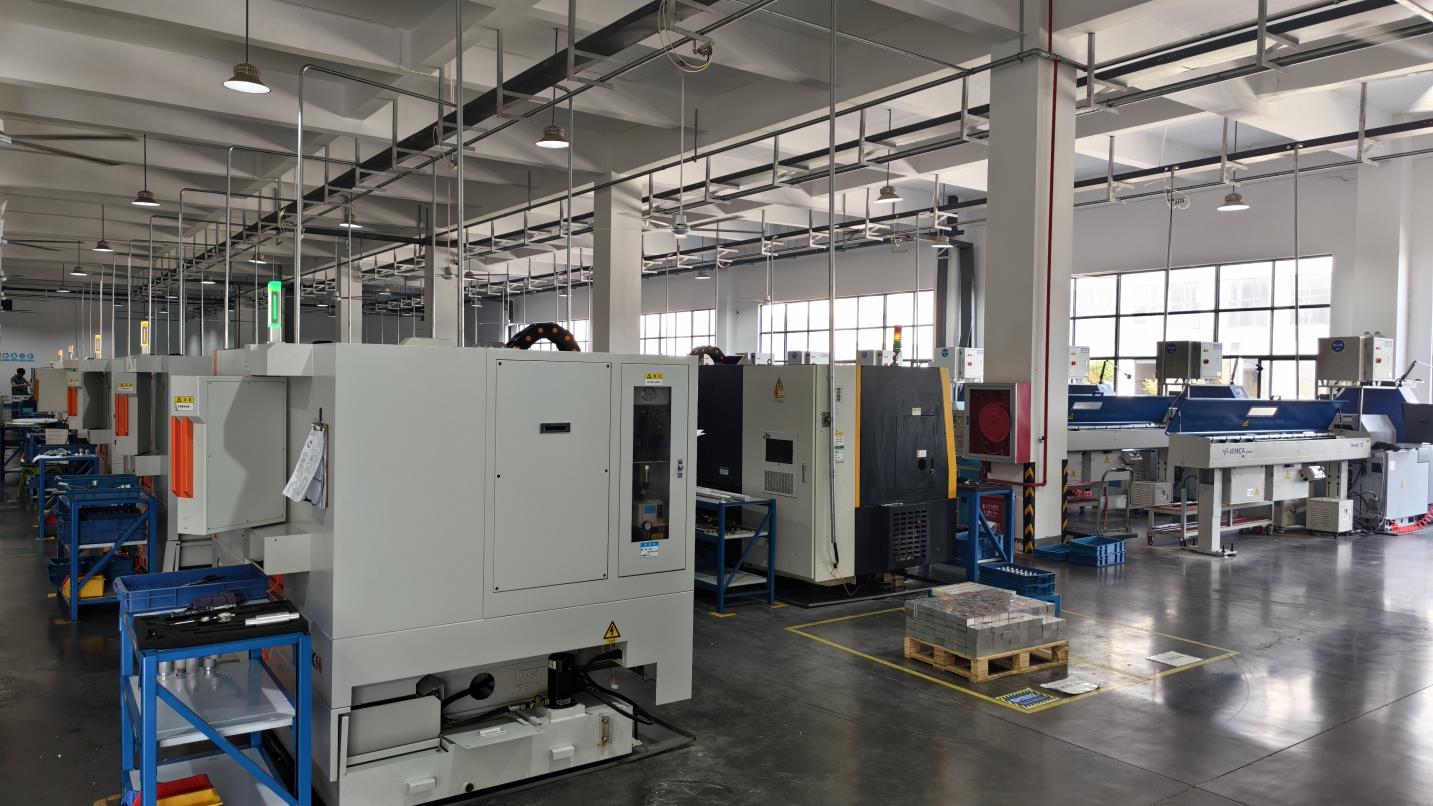
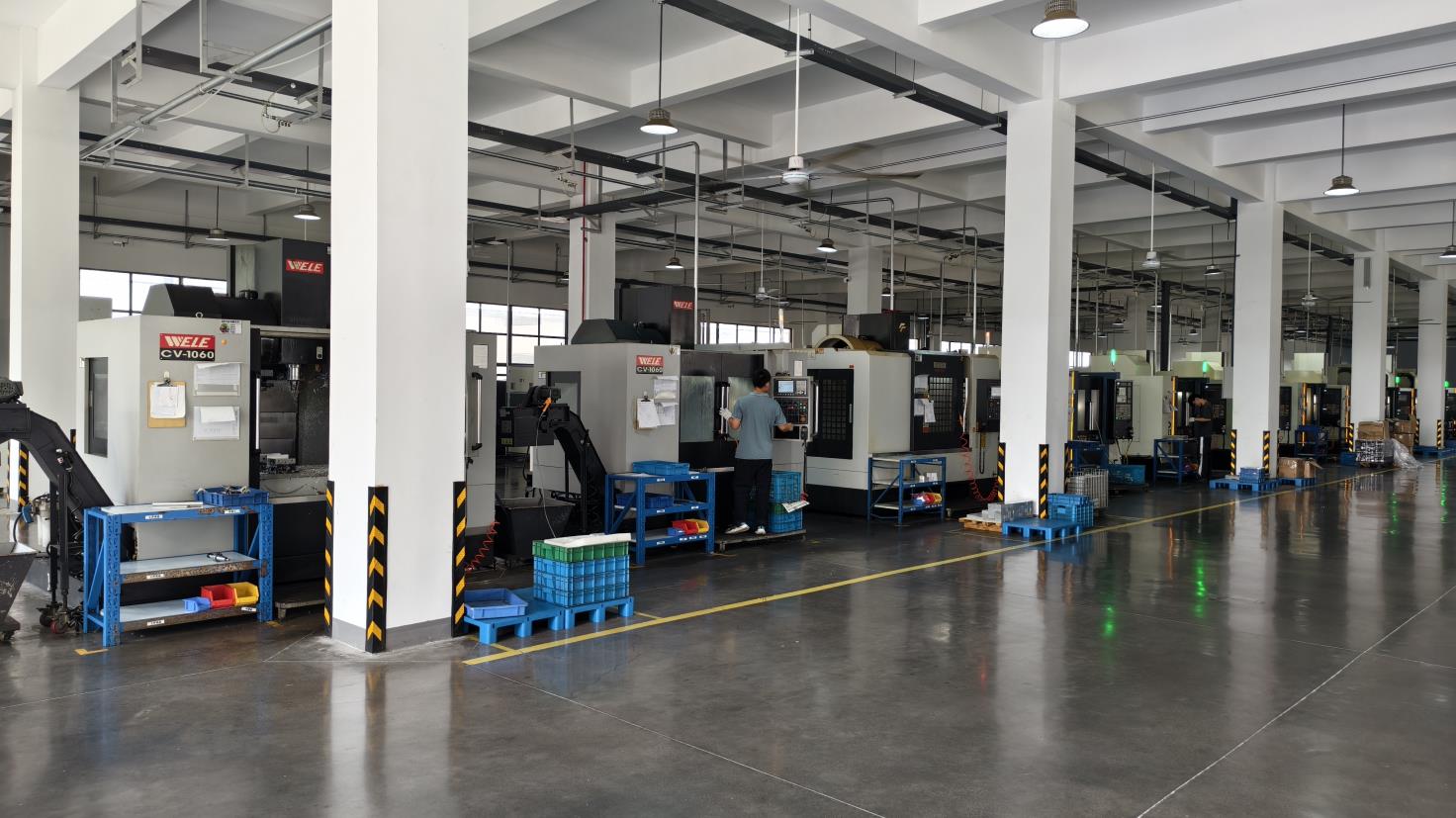
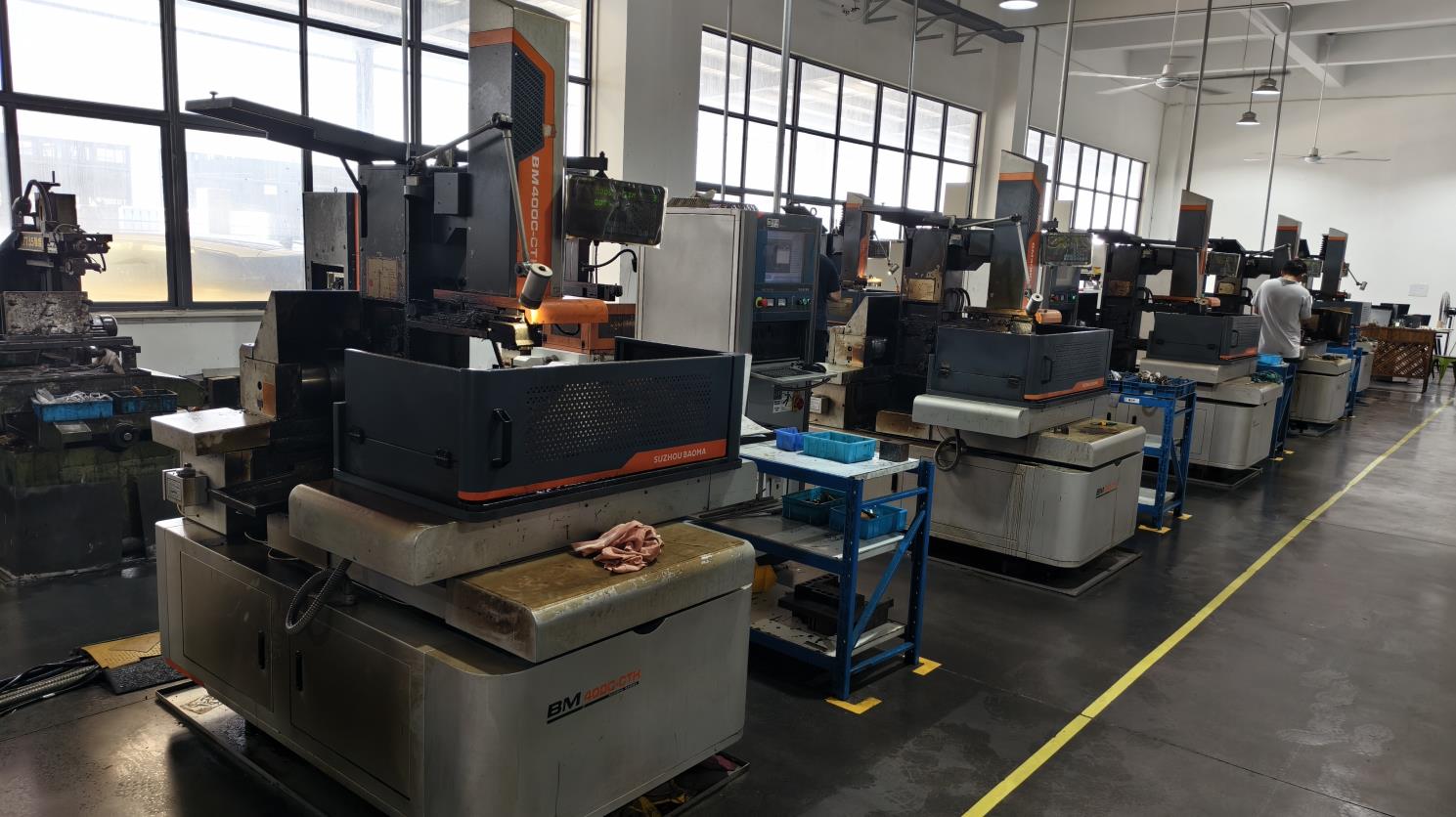
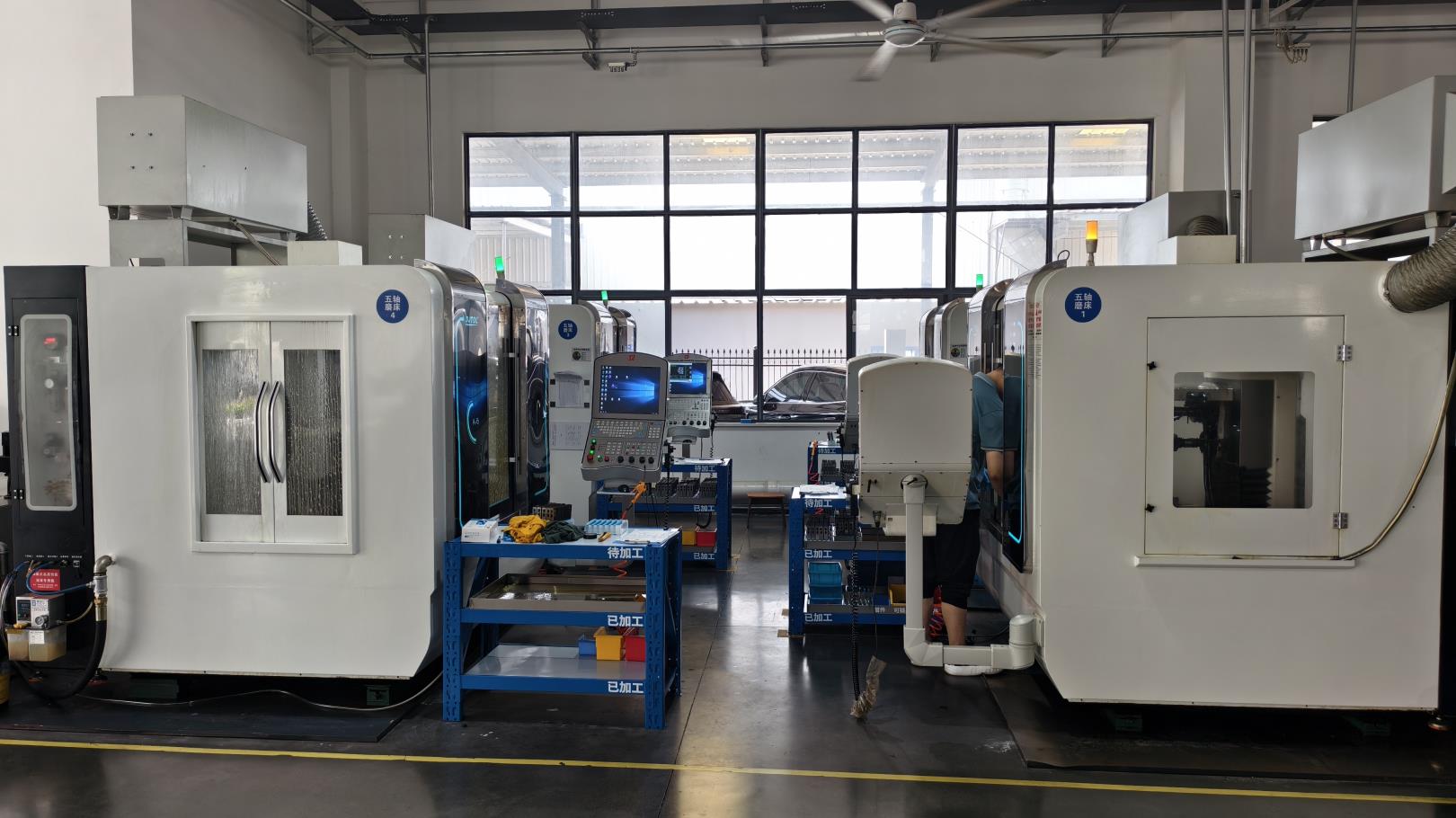
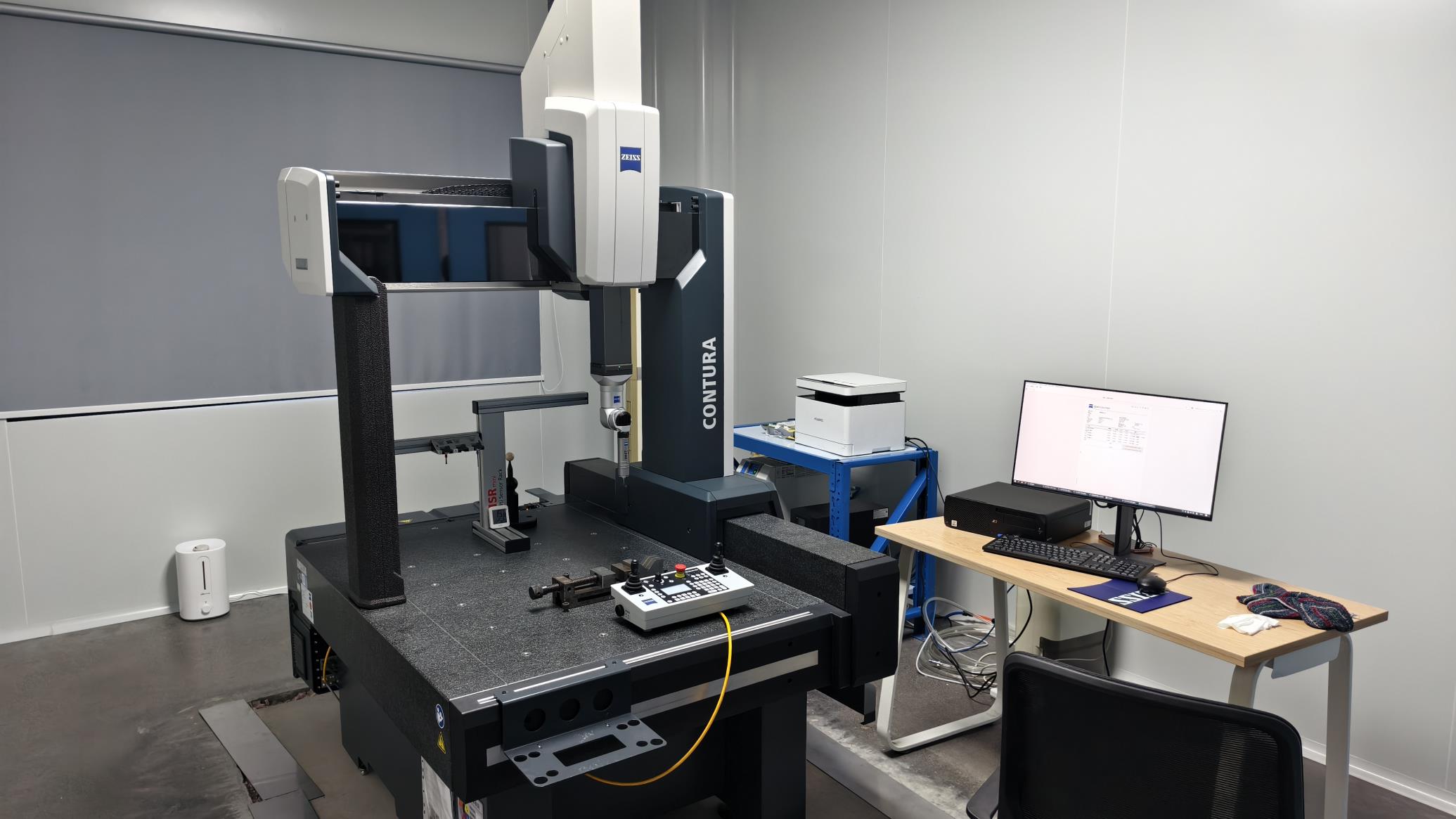
China's medical manufacturing industry has evolved from high-volume assembly lines to high-precision engineering hubs. Moventra Medical Technology (China) Co., Ltd. stands at the forefront of this shift. Located in a modern facility, we utilize Swiss-type lathes, multi-axis machining centers, and automated coordinate-measuring machines (CMM) to produce trauma implants with dimensional tolerances tighter than ±5 microns.
By leveraging an integrated local industrial ecosystem, Moventra reduces raw materials logistics and optimization costs, passing these efficiencies directly onto global medical distributors and OEM brands.
| Specification Key | Details & Capabilities |
|---|---|
| Company Name | Moventra Medical Technology (China) Co., Ltd. (Brand: Moventra) |
| Established Year | 2017 (With 13 years of total industry engineering experience) |
| Annual Export Revenue | USD 23.8 Million |
| Global Reach / Main Markets | North America, Europe, South America, Middle East, Southeast Asia, Australia |
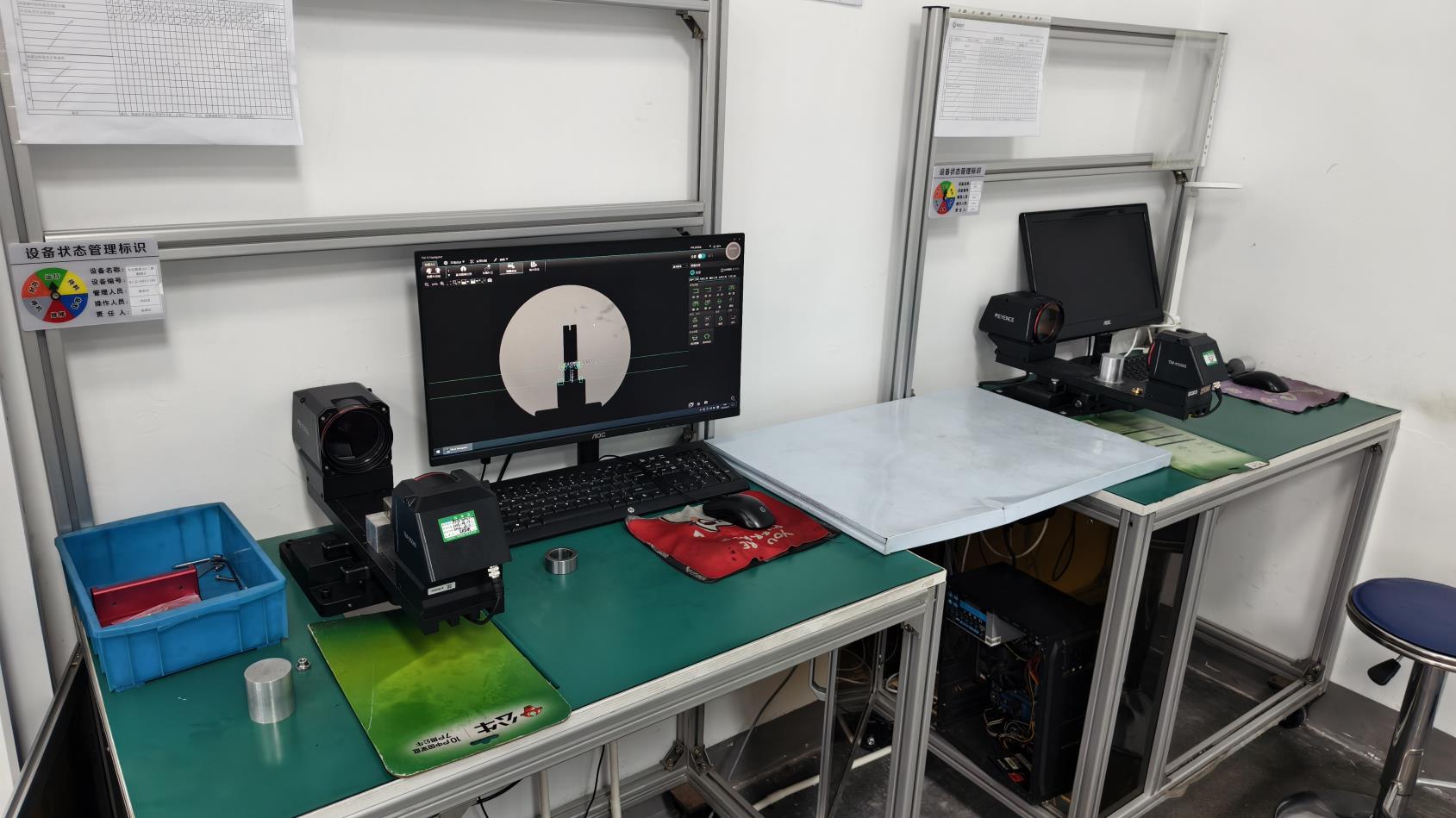
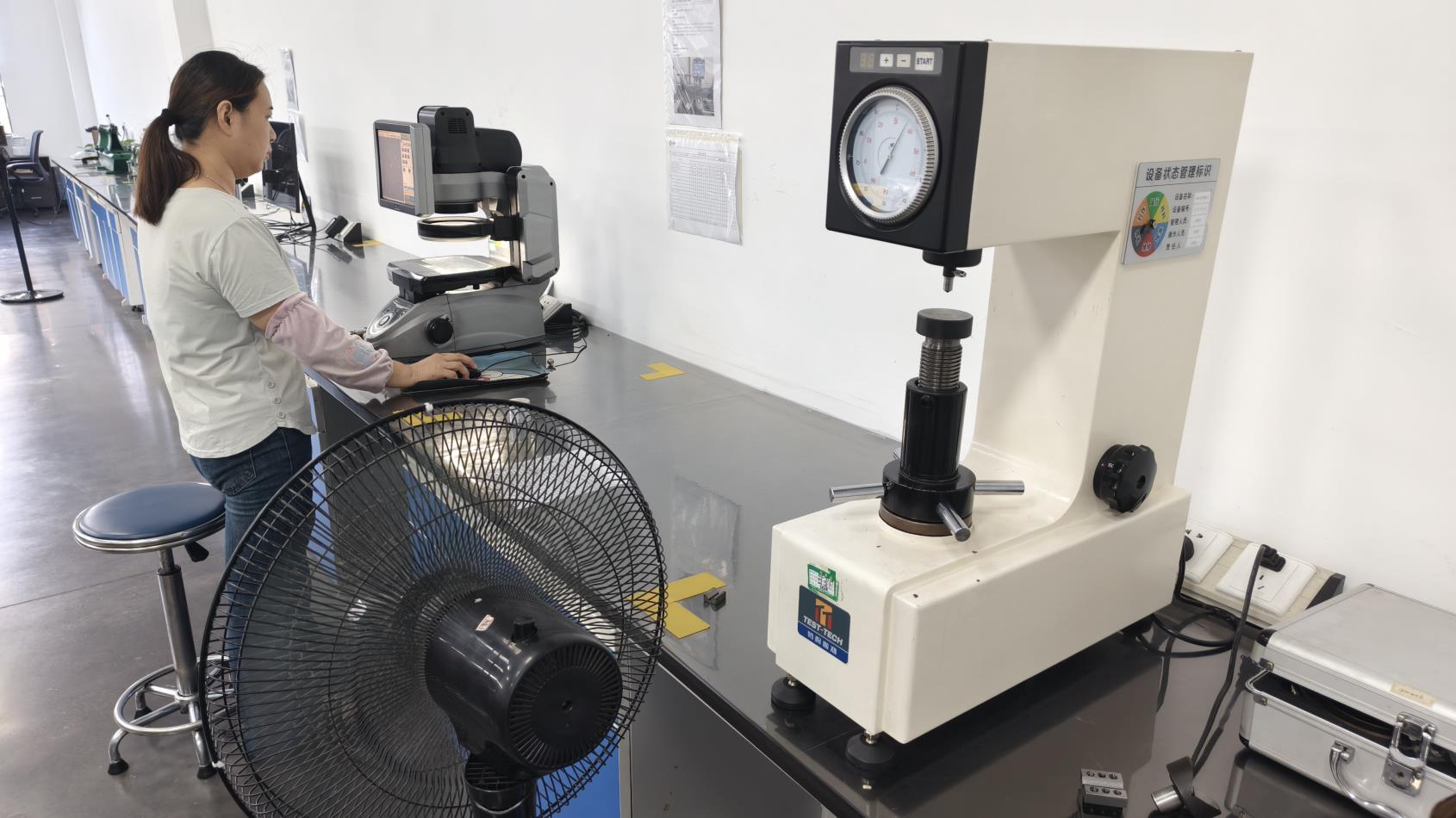
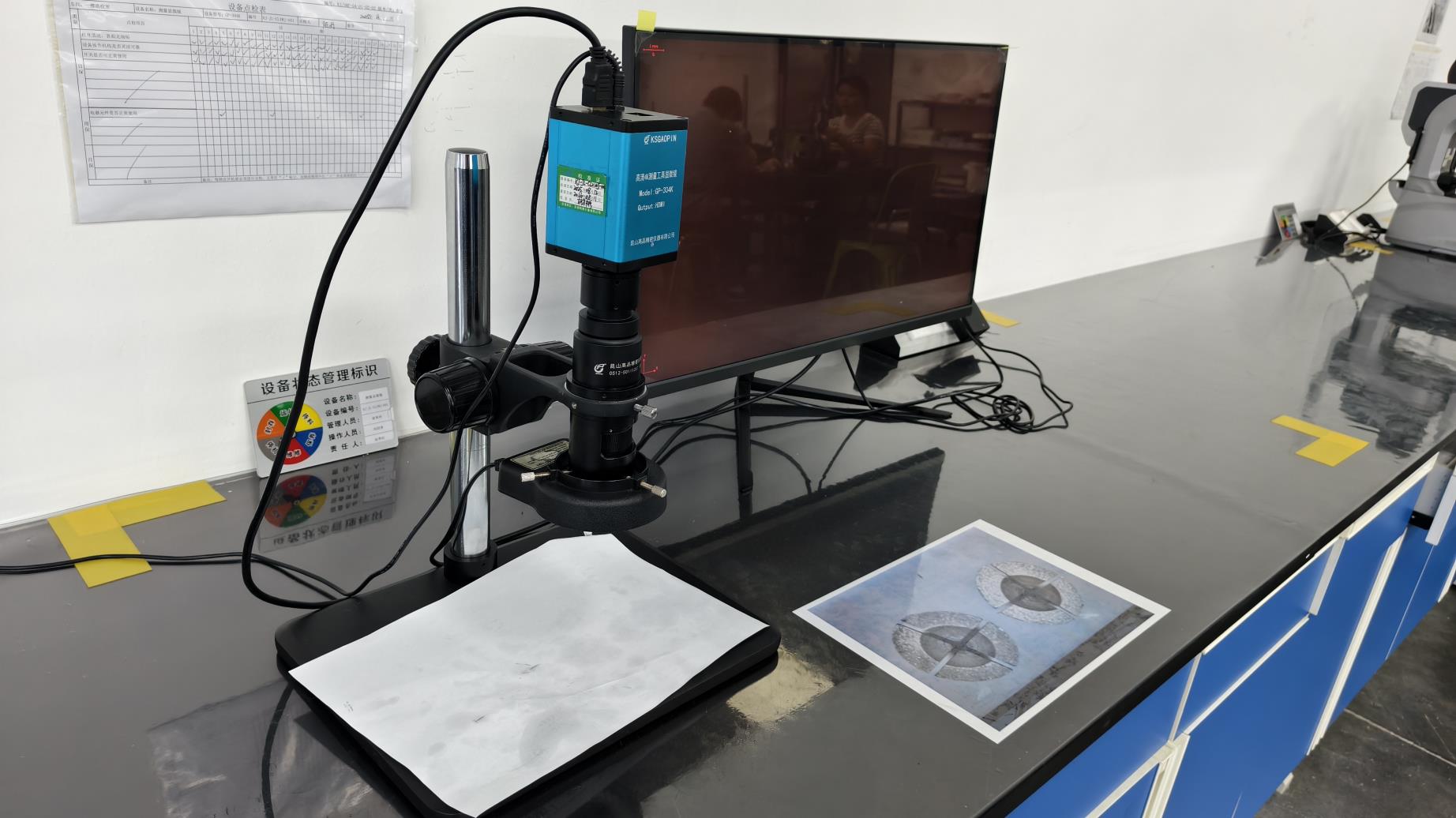
| Quality Inspection Method | 100% Quality Inspection (Dimensional, Material Analysis, Surface Finish, Mechanical Performance, Sterility Verification) |
| R&D and Customization | Independent Design, Rapid Prototyping, OEM/ODM drawing/sample-based manufacturing |
| New Product Development | 156 New Products Released last year |
How variable-angle and anatomic contouring reduce operation steps and post-surgical complications.
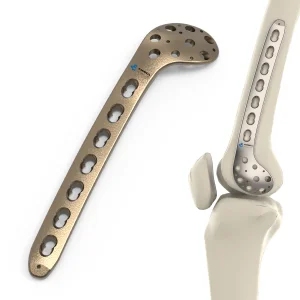
Our distal medial femoral locking plates feature anatomically contoured configurations that map to the natural bend of the femur. This removes the need for intraoperative plate bending, minimizing stress concentration points and structural integrity fatigue.
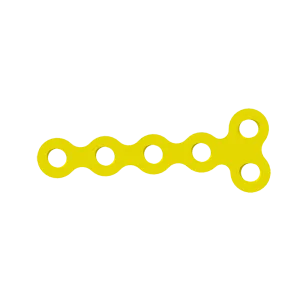
In hand and foot reconstruction, 2.0 Y-Shaped and Micro Locking Plates allow for low-profile construct heights. The low profile minimizes tendon and soft-tissue irritation while keeping joint stability high.
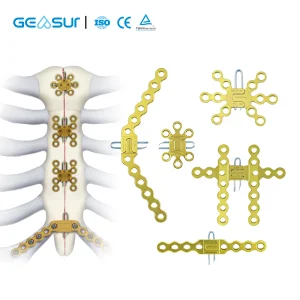
Our straight-type sternal locking reconstruction plates provide the structural strength needed for post-thoracotomy closure or trauma cases, helping patients recover breathing motion early.
Procurement checklist for international supply chains, hospital networks, and tender managers.
When selecting a manufacturing partner for locking compression systems, buyers should review the following factors:
Ensure the factory provides complete material test reports (MTRs) detailing the chemical composition and mechanical strength profiles of each raw titanium block used. We provide full traceability for every production batch, ensuring compliance with international regulations.
Static and dynamic fatigue tests must verify the stability of the plate-screw construct under cyclic loading. Check if your partner utilizes ASTM F382 or ISO 9585 standards. Our in-house testing laboratory ensures compliance with these testing protocols.
Critical clinical, engineering, and supply-chain answers for medical professionals and procurement managers.
Explore our range of spinal screws, trauma plates, and specialized orthopedic surgical tools.
 Moventra Medical