Explore our CE certified range of medical instruments and orthopedic trauma systems.

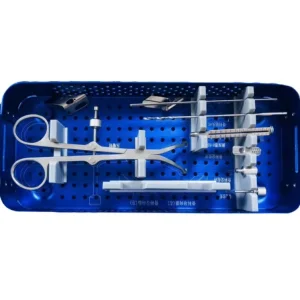
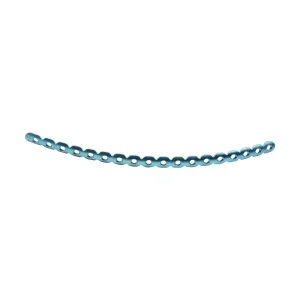
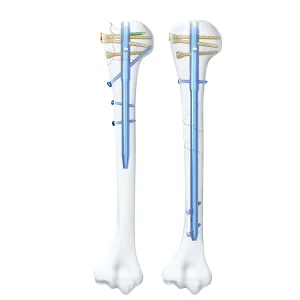
Deep diving into the clinical and commercial ecosystem of cranial reconstruction implants.
Titanium mesh remains the globally recognized gold standard for cranioplasty. Its exceptional mechanical strength protects the underlying brain tissue, while its lightweight properties ensure patient comfort post-surgery.
The micro-porous structure of titanium mesh facilitates rapid tissue growth and integration. By allowing cerebrospinal fluid dynamics and soft tissue vascularization to persist, it dramatically reduces the risk of postoperative infection.
Modern medical titanium alloys are optimized for reduced MRI and CT scan artifacts. This allows neuro-oncology and trauma patients to undergo regular postoperative follow-up scans without severe image distortion.
Expert Growth Director Insight: In the global B2B procurement sector, search queries for "CE Certified Titanium Mesh" have grown by 34% year-over-year. This increase is driven by hospital tender requirements in Latin America, Europe, and Asia-Pacific demanding strict regulatory certifications alongside production transparency.
Cranioplasty represents a highly critical segment of neurosurgery, requiring materials that can withstand physical impact while promoting tissue integration. As surgical techniques evolve, hospitals and clinics are transitioning from traditional polymethyl methacrylate (PMMA) hand-molded implants toward pre-shaped or custom-molded titanium meshes. The primary commercial catalyst for titanium mesh adoption is the mitigation of complications: titanium demonstrates significantly lower rejection and infection rates than polymethyl methacrylate. This directly reduces hospital readmission rates, which is a key performance index for modern healthcare systems.
From a procurement perspective, global medical device distributors look for manufacturers that can balance high-precision tolerance with scalable logistics. B2B purchasers require products that possess the European Conformity (CE) mark, certifying compliance with Regulation (EU) 2017/745 for medical devices (MDR), ensuring that the manufacturer operates under a highly strict Quality Management System (QMS).
A look into our manufacturing footprint, structural statistics, and technological leadership.
Moventra Medical Technology (China) Co., Ltd. is a professional manufacturer specializing in the research, development, production, and global supply of orthopedic medical devices and surgical solutions. Established in 2017, the company is dedicated to delivering innovative, high-quality products for trauma, spine, joint reconstruction, sports medicine, and orthopedic surgical procedures.
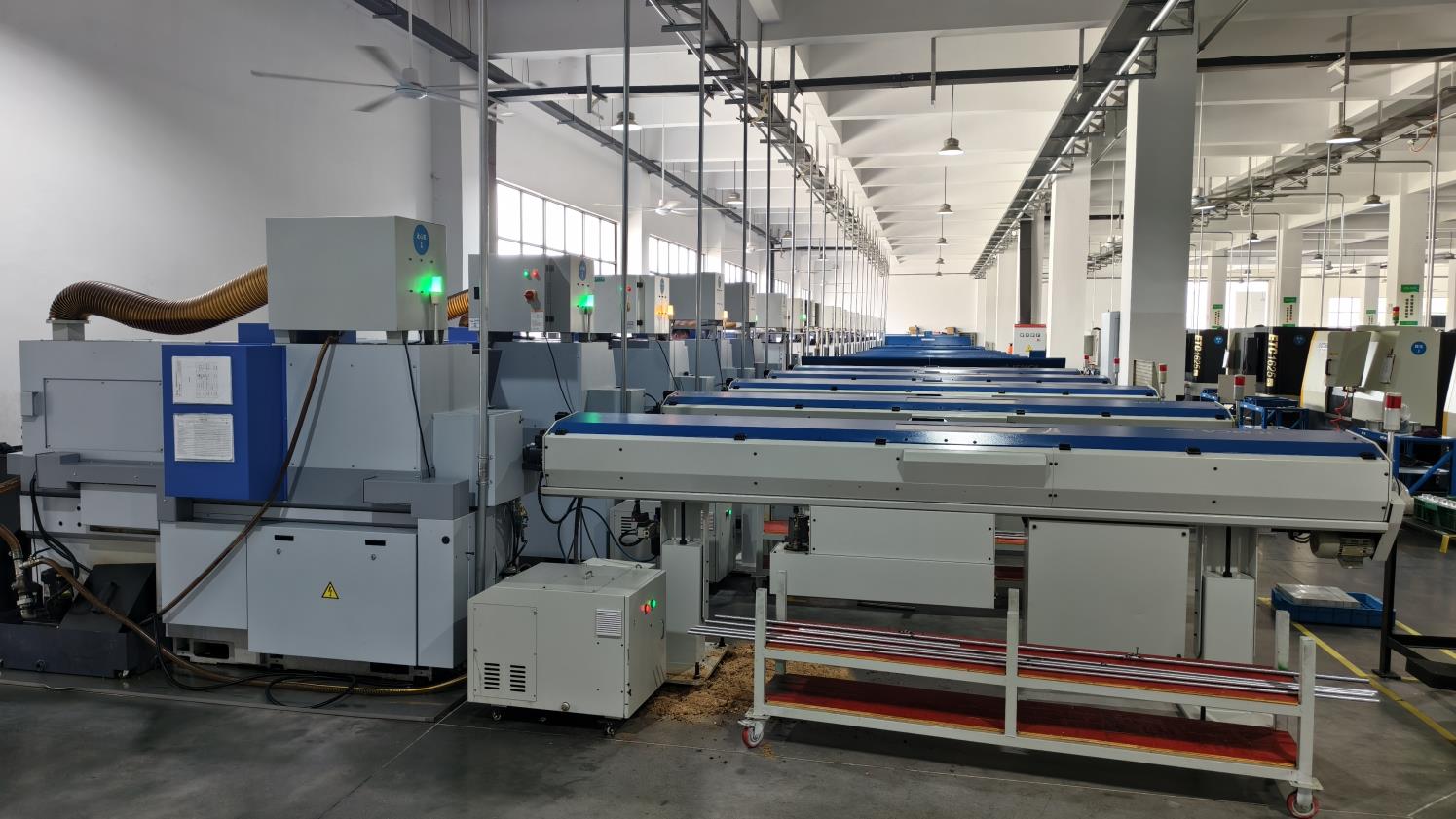
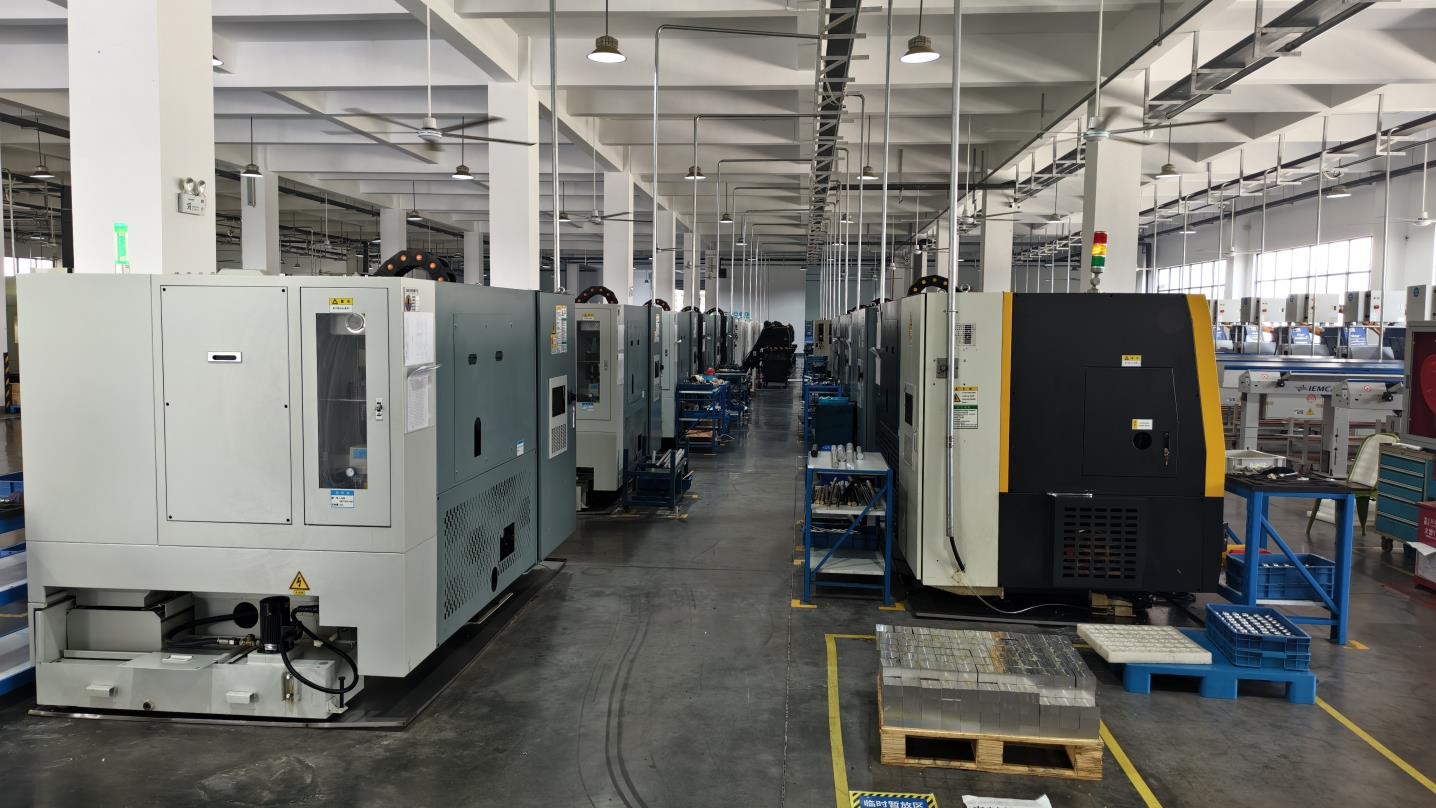
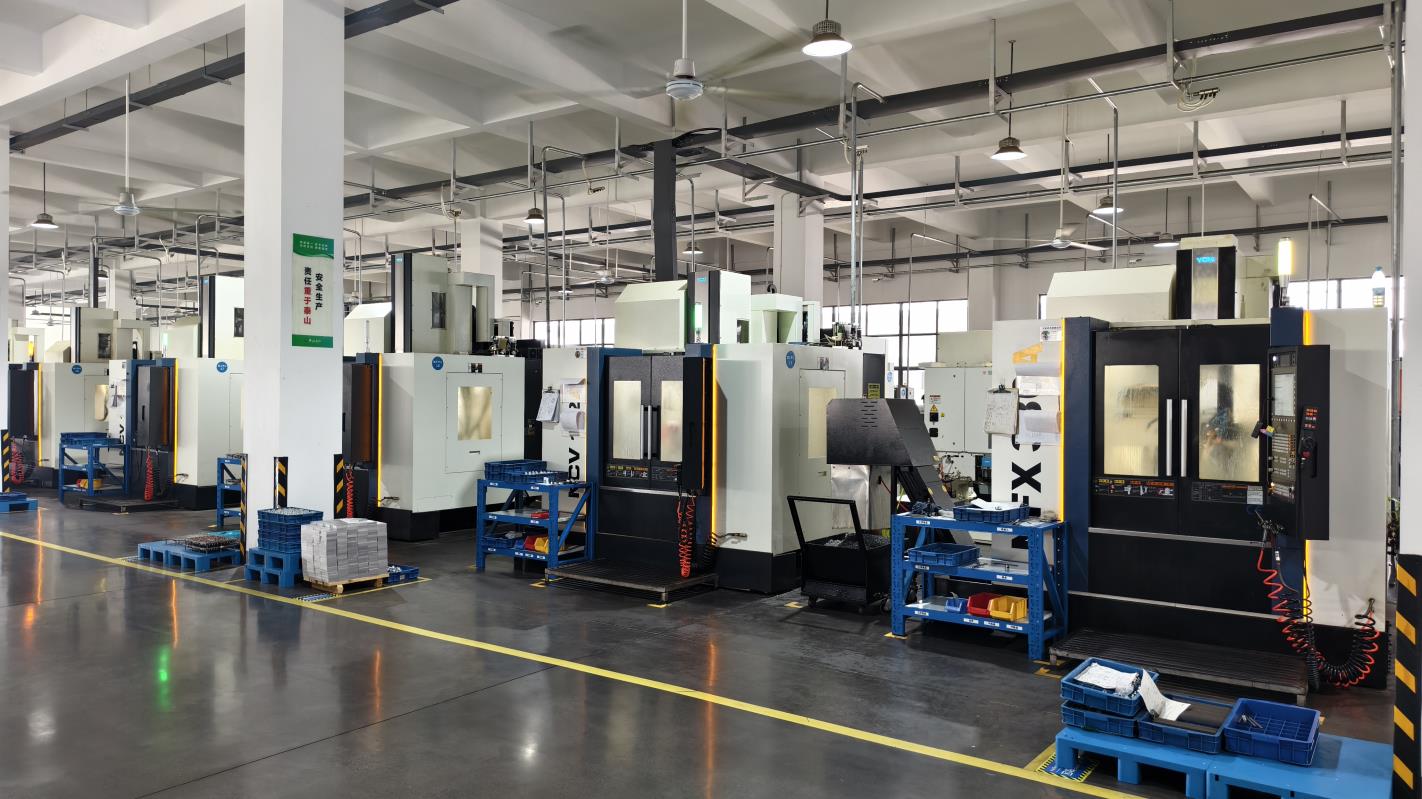
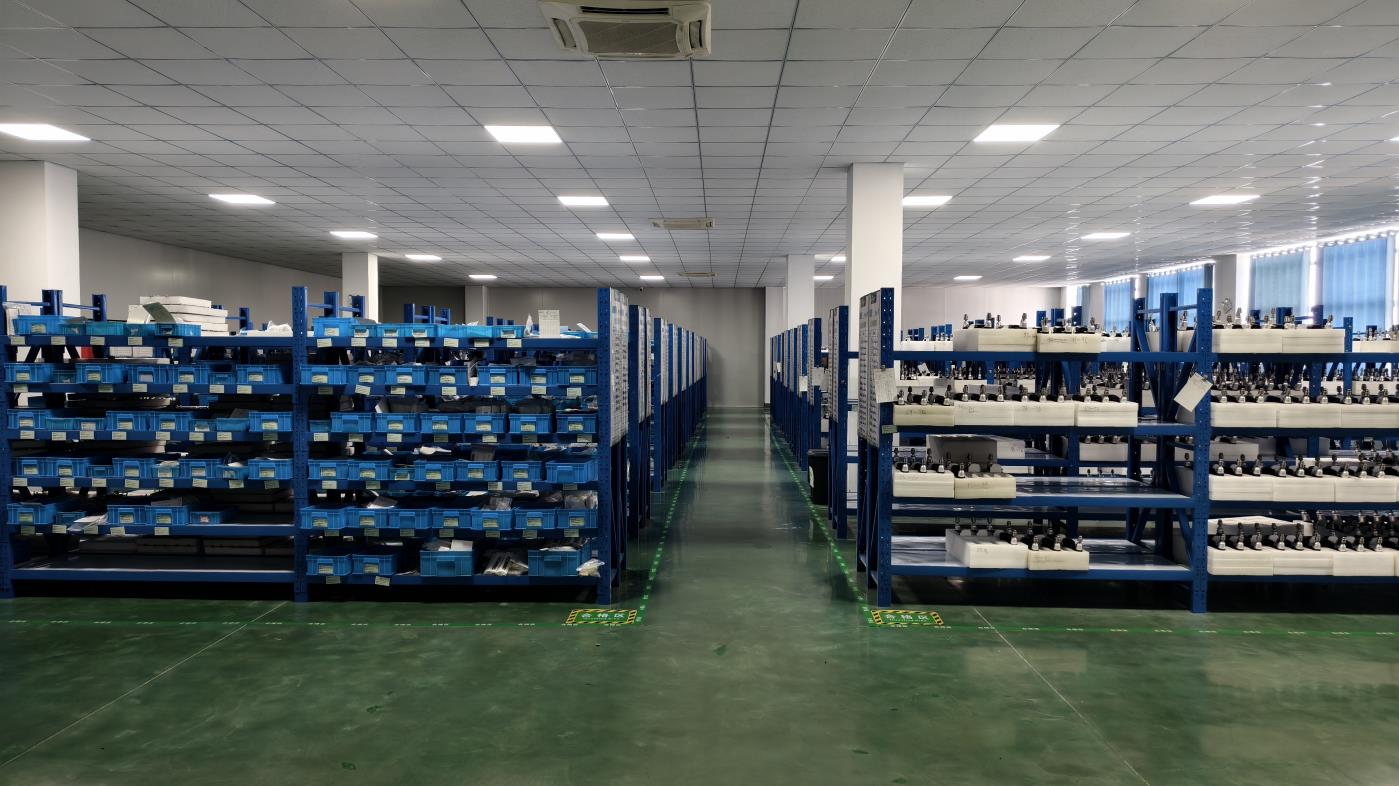
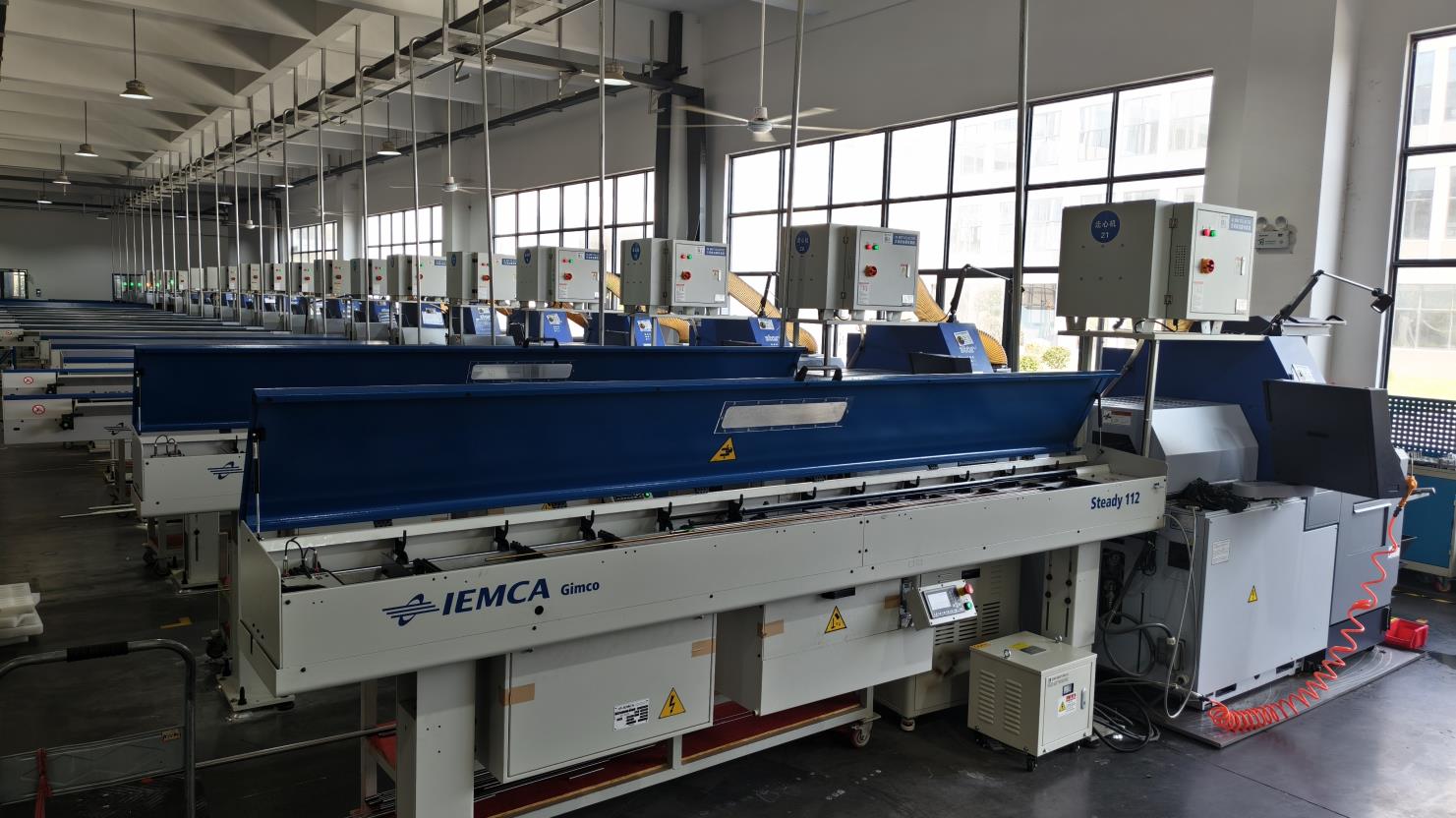
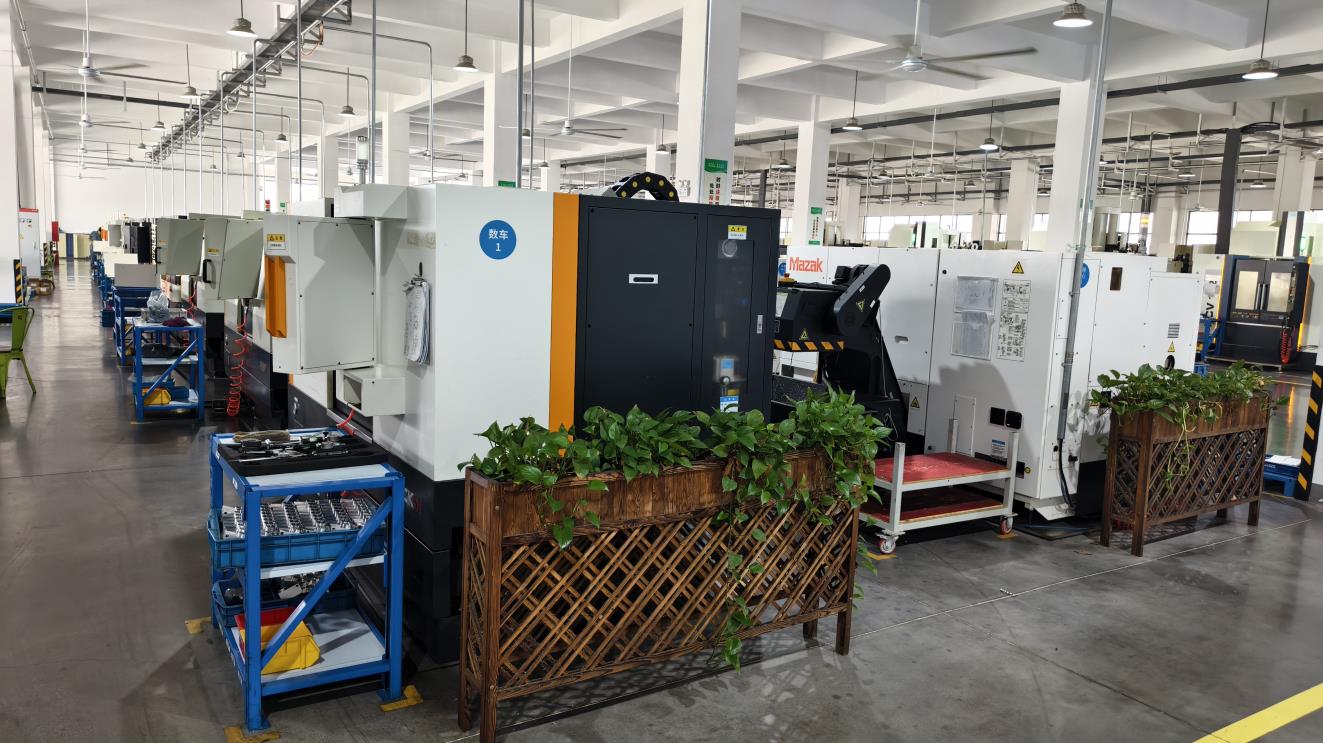
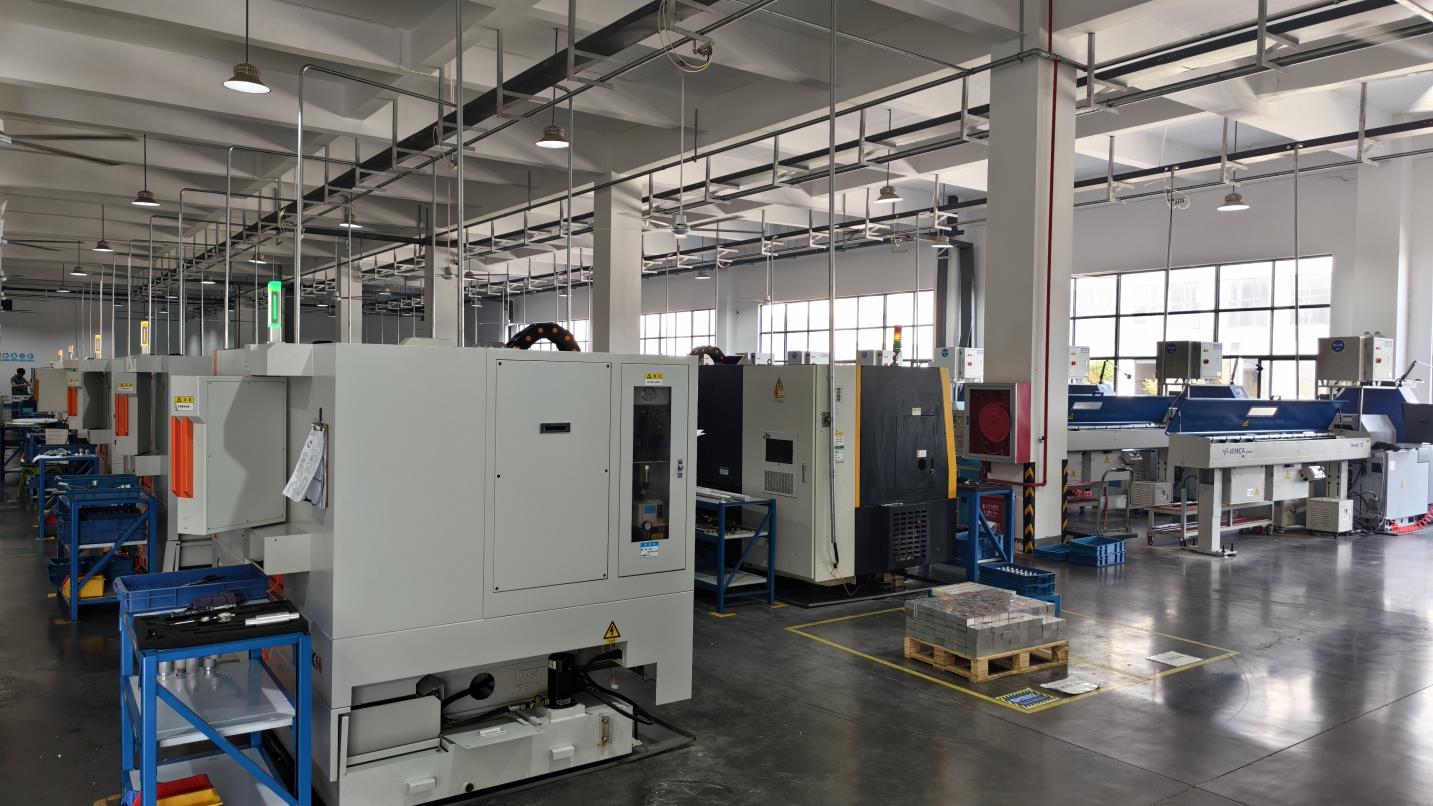
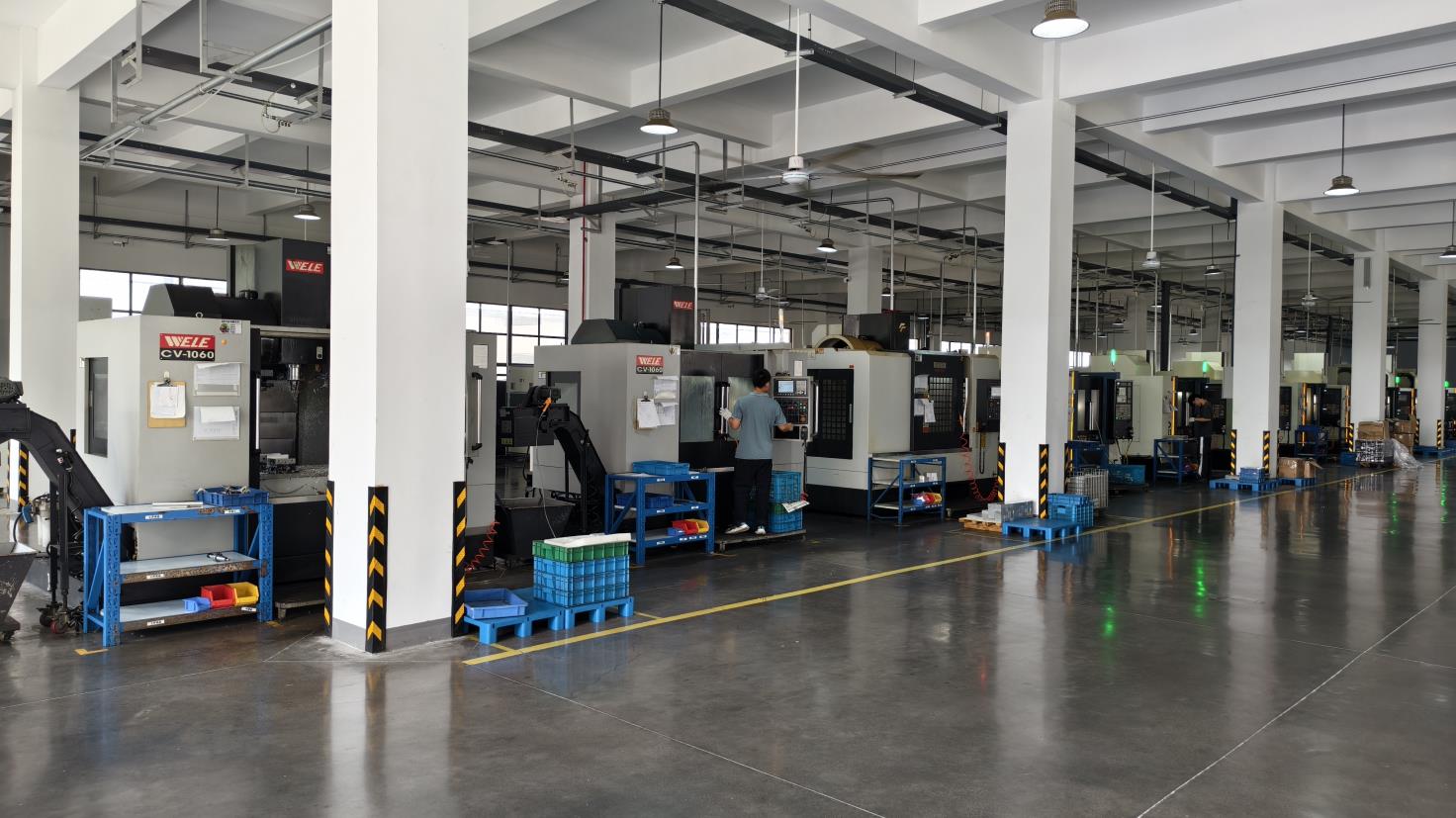
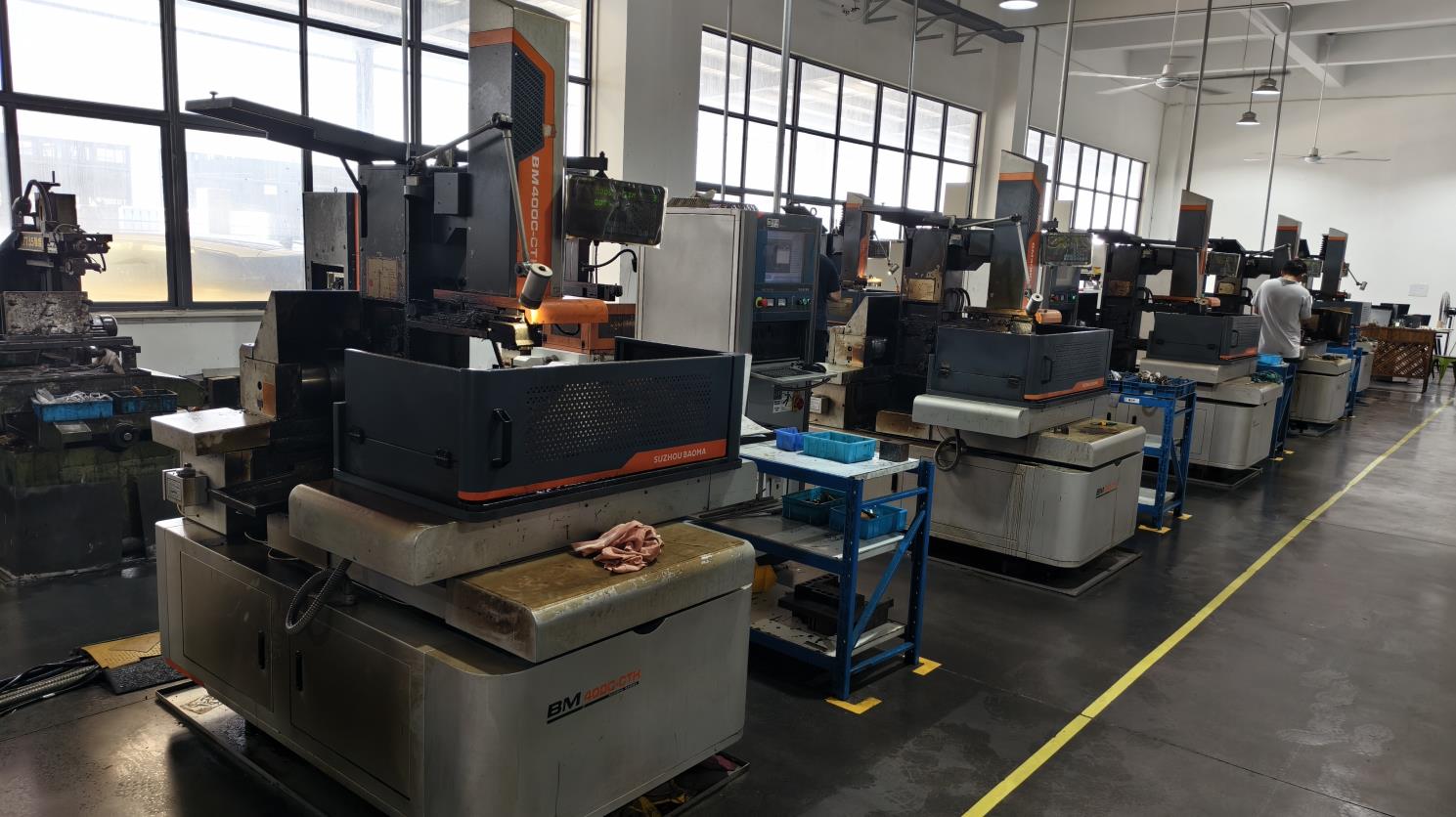
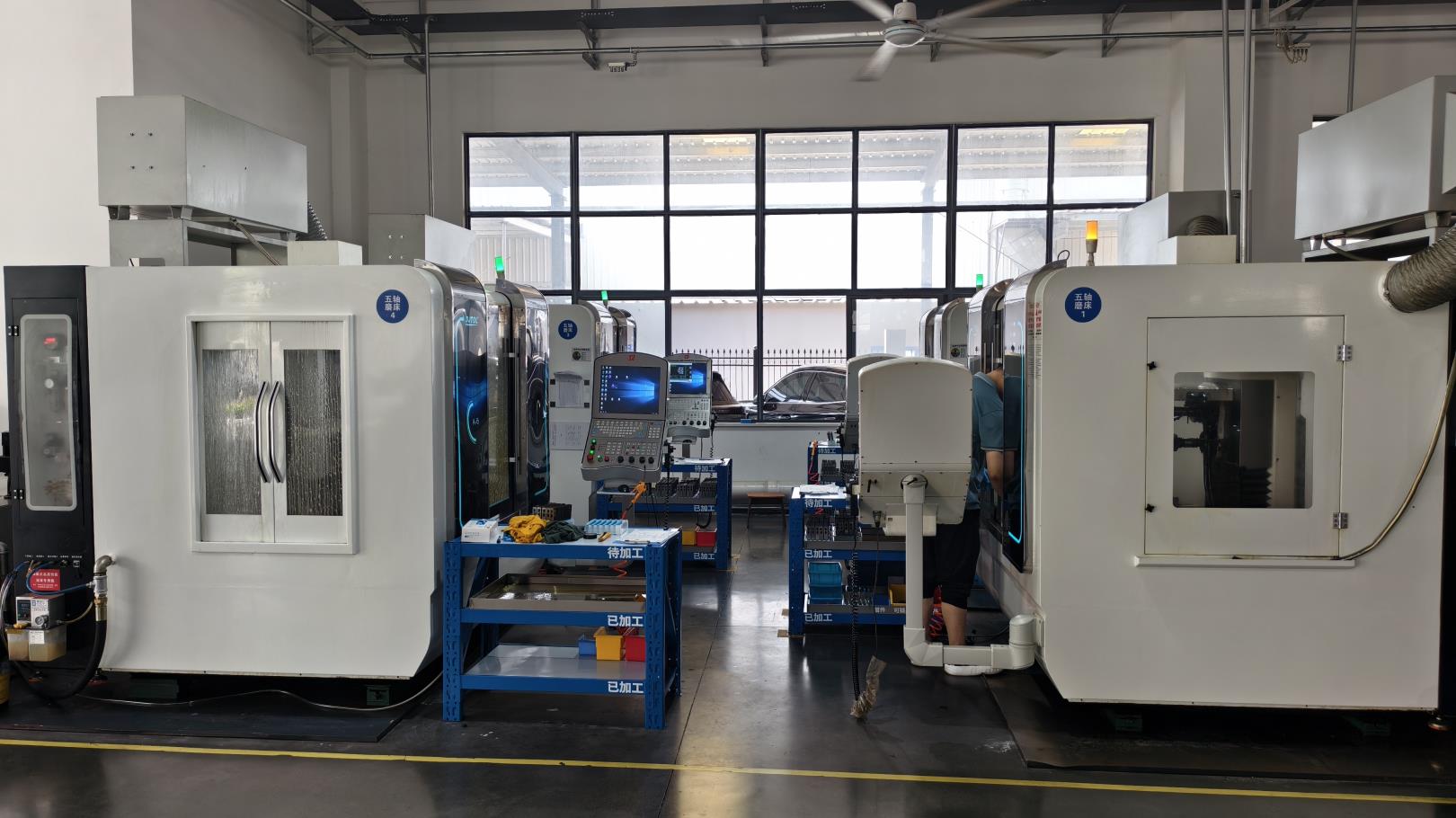
With a modern manufacturing facility covering 18,600 m², Moventra integrates advanced CNC machining, precision manufacturing, automated production lines, and strict quality management systems to ensure every product meets international medical standards. Our commitment to continuous innovation enables us to provide reliable OEM and ODM services for global medical device brands, distributors, and healthcare institutions.
Supported by an experienced R&D team and comprehensive quality assurance system, Moventra continuously develops innovative orthopedic solutions that improve surgical efficiency and patient outcomes. Our products are exported to customers worldwide and are trusted for their precision, safety, and consistent performance.
| Item | Details |
|---|---|
| Company Name | Moventra Medical Technology (China) Co., Ltd. |
| Brand | Moventra |
| Established | 2017 |
| Facility Area | 18,600 m² |
| Annual Export Revenue | USD 23.8 Million |
| Export Experience | 7 Years |
| Industry Experience | 13 Years |
| Quality Inspection | 100% Quality Inspection Before Shipment |
| Quality Control Staff | 48 Specialists |
| R&D Engineers | 86 Engineers |
| New Products (Last Year) | 156 Released |
How advanced production ecosystems deliver quality, scalability, and economic feasibility.
The manufacturing of neurosurgical implants requires strict control over raw materials and geometric tolerances. At our facility, the integration of advanced European fabrication methodologies with Chinese supply chain efficiency creates a highly competitive product. By sourcing medical-grade titanium directly from certified domestic producers (which adhere strictly to ASTM F67 and ASTM F136 specifications), we guarantee a stable raw material pipeline free from geopolitically induced supply delays.
Supply Chain Resilience: With over 1,120 partner suppliers, Moventra has built an ecosystem where raw material procurement, surface anodization, bioburden-controlled packaging, and air logistics are managed in a seamless digital pipeline.
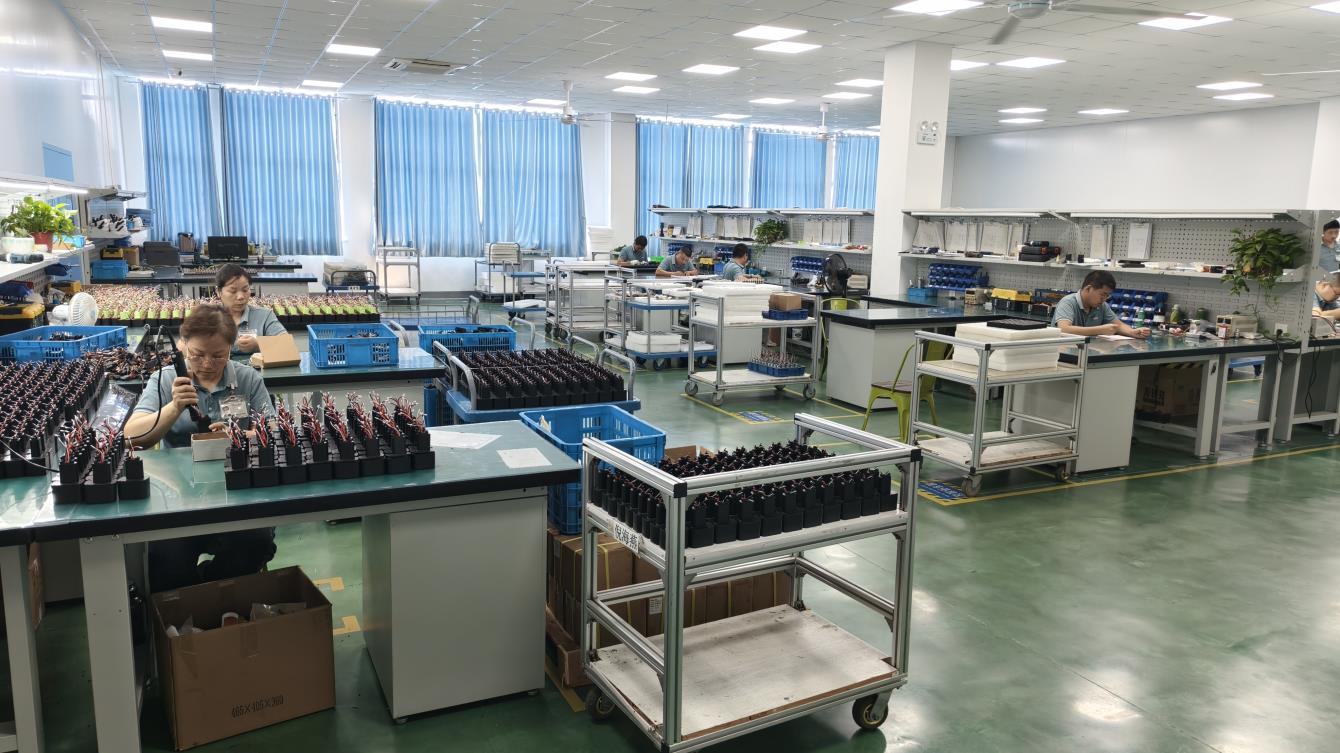
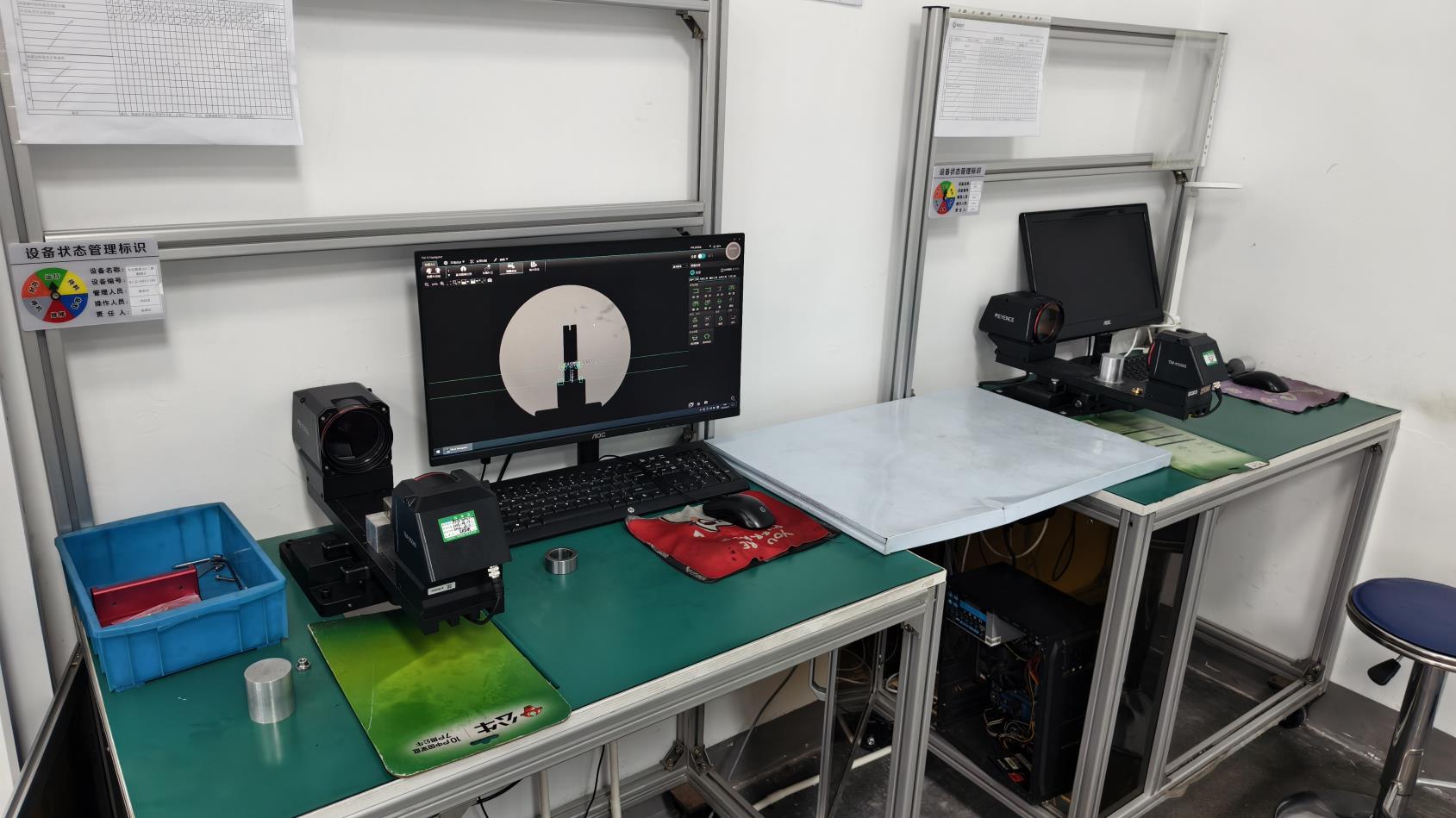
Our facility utilizes Swiss-type automatic lathes and 5-axis lathe-milling machining centers to carve titanium plates and fixation screws with tolerances tighter than ±5 microns. The production of titanium cranial mesh is not merely a stamping process; it involves chemical polishing, electrochemical anodization (to create a biocompatible titanium oxide passive layer), and ultrasonic cleaning inside Class 10,000 cleanrooms.
How different clinical scenarios dictate the selection, shape, and thickness of titanium cranial repair systems.
Following a decompressive craniectomy due to high-impact trauma, the brain requires absolute protection. In emergency surgical settings, standard 2D pre-formed titanium mesh plates are utilized due to their immediate availability and ease of intraoperative shaping. They can be bent and cut by the neurosurgeon to adapt to the margins of the cranial defect, saving critical operative time.
Meningiomas or primary bone malignancies often necessitate the resection of extensive cranial structures. The resulting bony defects are irregular and require high-precision cosmetic and protective restoration. For these patient demographics, custom-made 3D titanium implants designed from pre-operative high-slice CT scans are preferred, ensuring a seamless interface with the surrounding native bone.
Pediatric cranioplasty requires a highly sensitive approach due to the continuous growth of the skull. Titanium meshes with customized screw tracks or slide-fixation designs allow for accommodating cranial expansions, minimizing the need for secondary revision surgeries as the pediatric patient matures.
In addition to human clinical systems, veterinary orthopedics has seen a major rise in titanium mesh applications. Dogs and cats recovering from traumatic cranial injuries or structural defects resulting from skull tumors benefit from micro-titanium meshes (often 0.4mm to 0.6mm thickness) combined with ultra-low profile micro-screws. This prevents postoperative soft-tissue irritation under the thin skin of companion animals.
Stay ahead with the latest technological developments and strict compliance practices.
Advanced medical imaging software linked with 3D printers and high-speed CNC milling systems allows for the fabrication of cranial plates customized to the patient's anatomy. The transition from stock inventory to customized production runs is changing the B2B supply model, demanding rapid turn-around times (typically under 7 to 10 days from CT scan upload to shipping).
Research indicates that modifying the titanium surface with hydroxyapatite (HA) or titanium-dioxide nanotube coatings can accelerate bone cell migration and attachment. Modern factories are investing in advanced surface modification lines to supply these next-generation bio-active implants.
For procurement officers in medical device conglomerates, selecting the right manufacturing partner is a high-responsibility task. Use the following validation checklist during your supplier evaluation:
| Audit Category | Required Verification Benchmark | Moventra Compliance Standard |
|---|---|---|
| Raw Material Certs | ASTM F67 (Pure Ti), ASTM F136 (Ti-6Al-4V ELI) Mill Test Reports | 100% verified material batch testing with complete chemical profiling. |
| Quality Certifications | ISO 13485 (Medical Devices QMS), CE Mark (EU MDR compliance) | Fully certified by accredited notified bodies with 7+ years export history. |
| Production Environment | Class 10,000 / ISO Class 7 Cleanrooms for packaging and final cleaning | In-house cleanroom assembly and certified sterility verification protocols. |
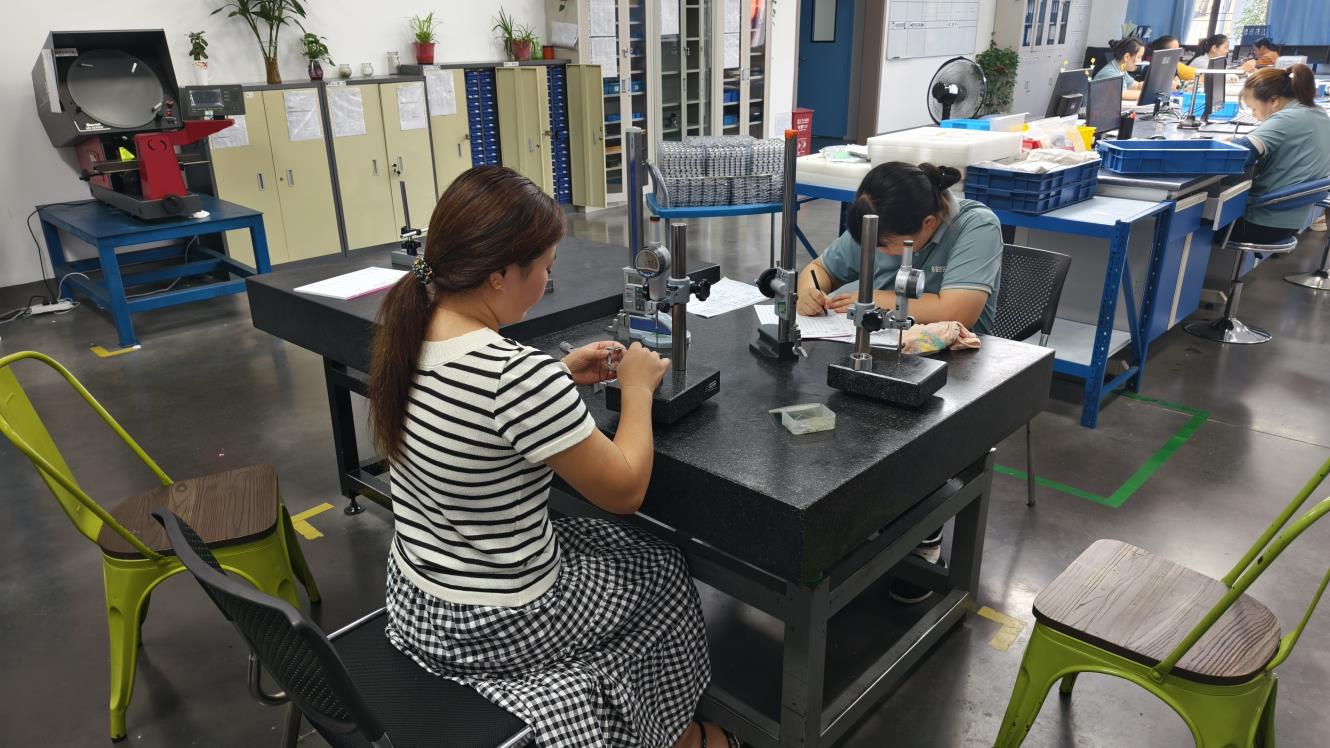
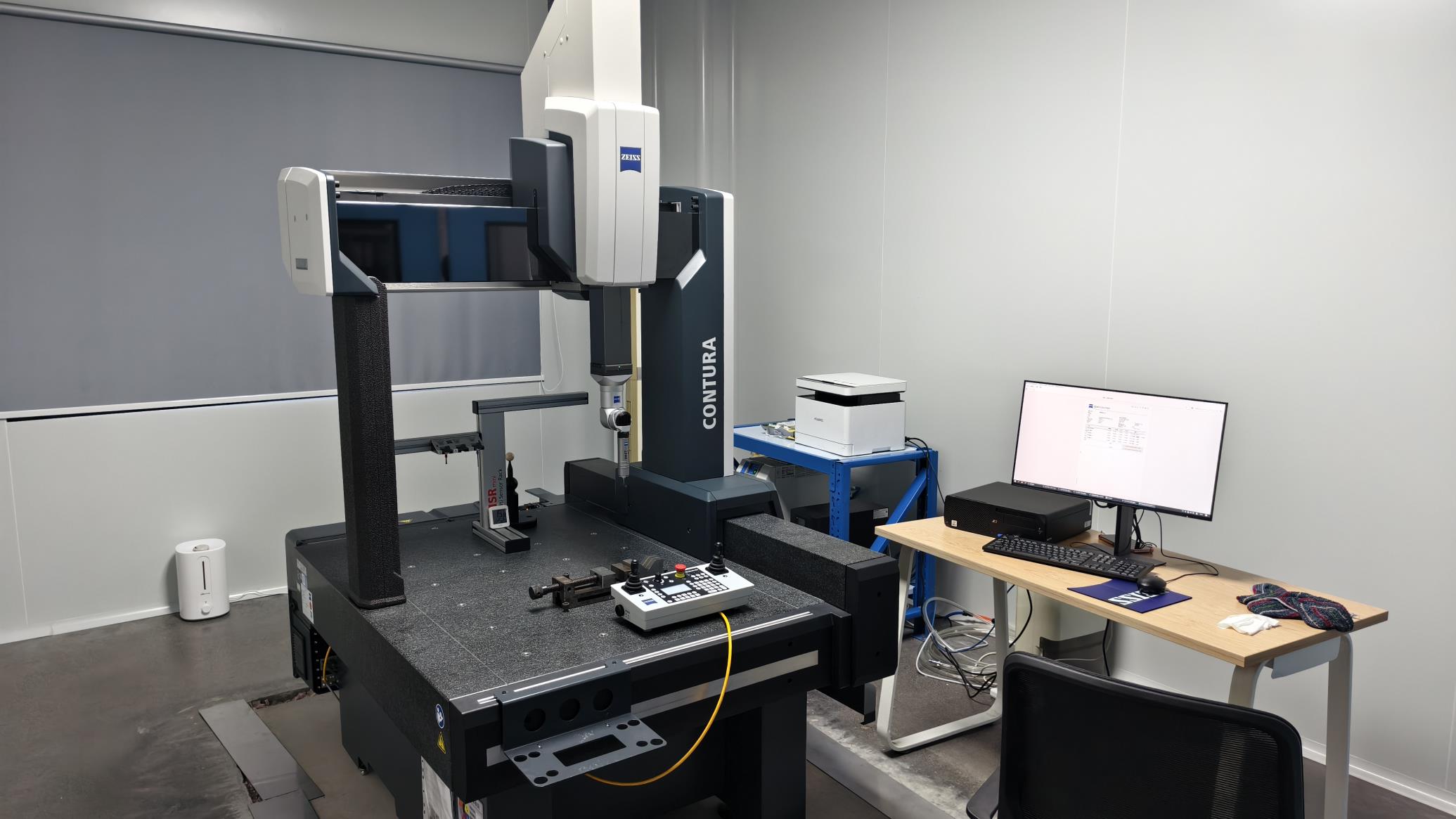
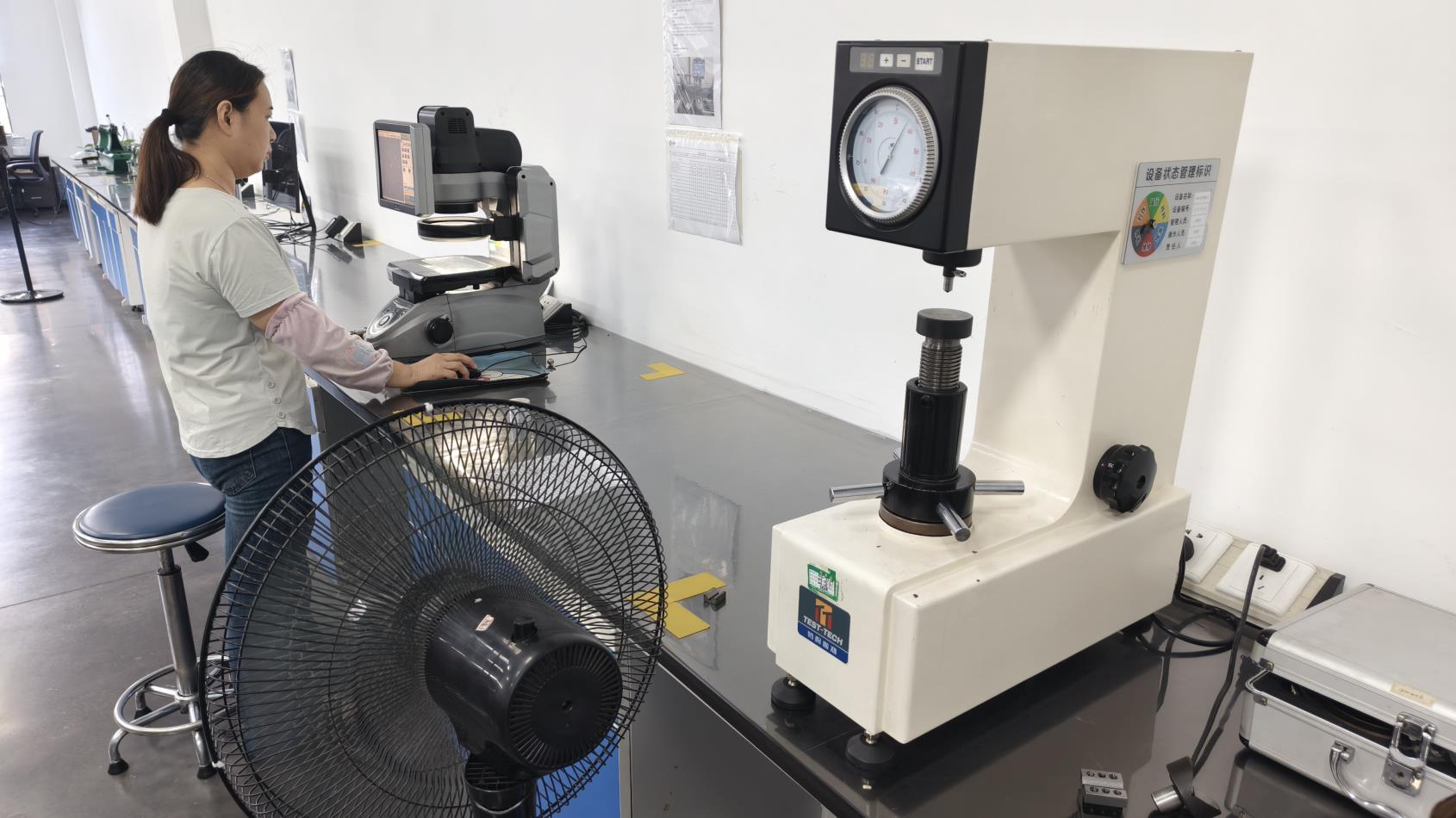
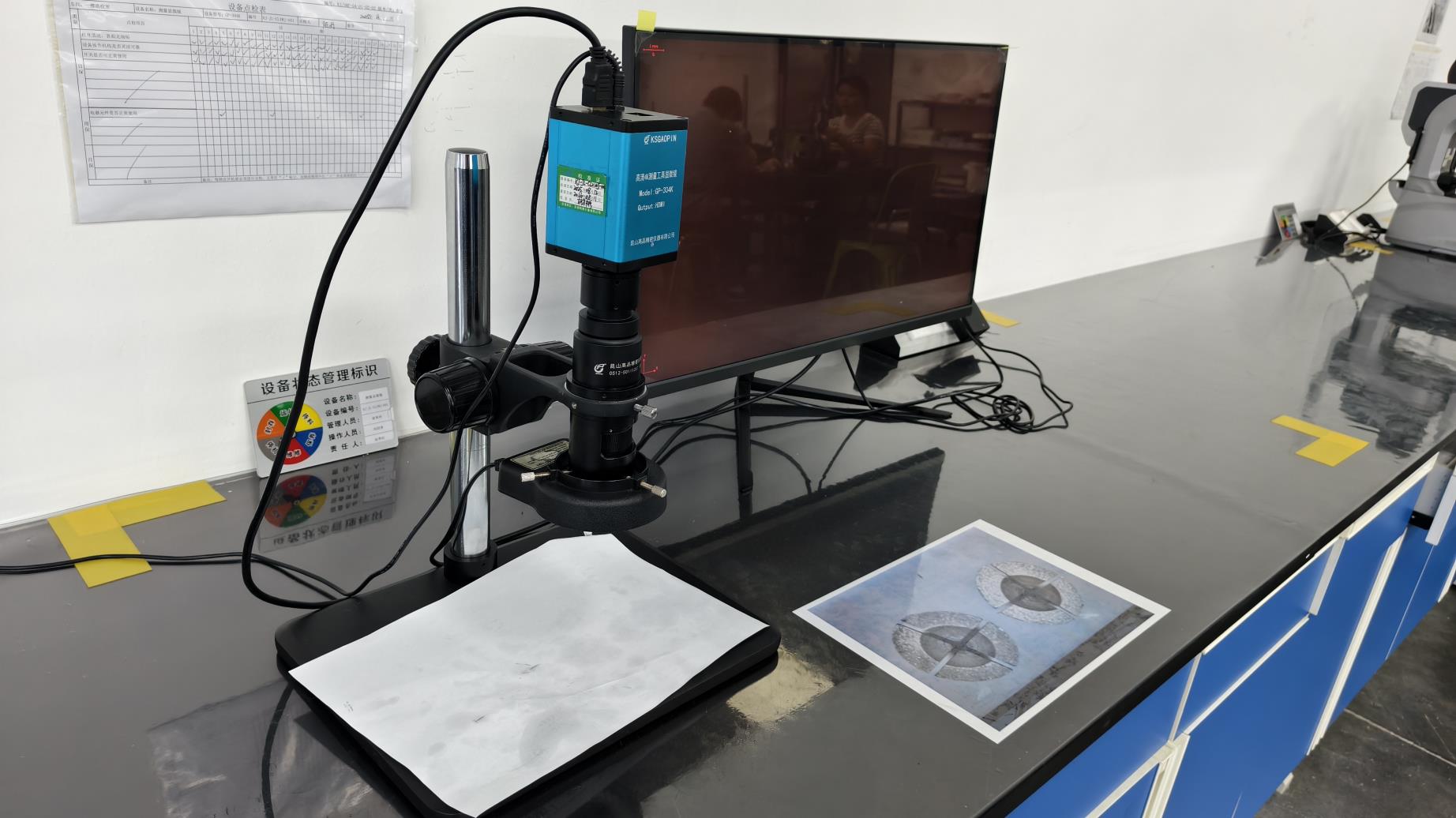
| Metrology Equipment | Coordinate Measuring Machine (CMM), Laser Micrometers, Hardness Testers | Equipped with 3-Coordinate measuring units, 2D micrometers, and microscopes. |
Expert answers to common queries from neurosurgeons, distributors, and procurement officers.
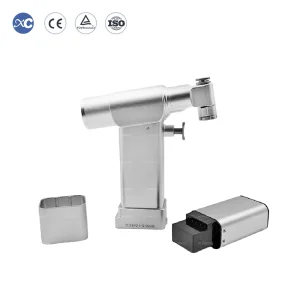
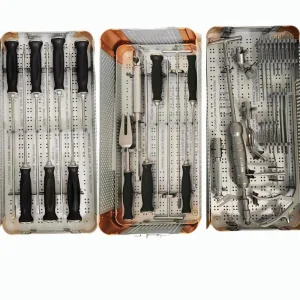
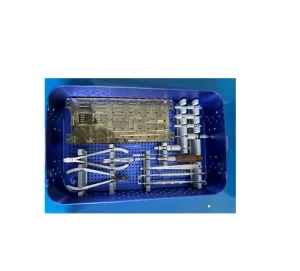
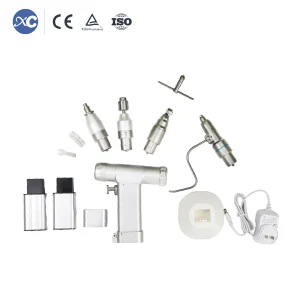
High-precision orthopedic implants, surgical power tools, and hardware kits.
 Moventra Medical