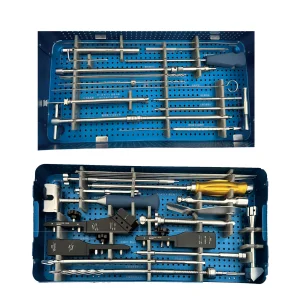
Explore our top-tier surgical instrument configurations, advanced spinal stabilization fusion systems, and multi-axial orthopedic implants optimized for global clinic standards.
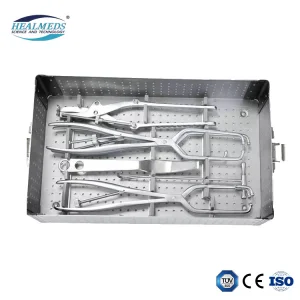
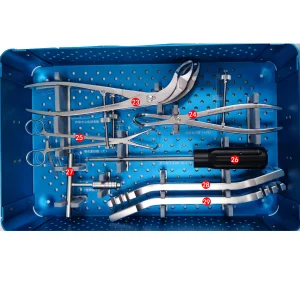
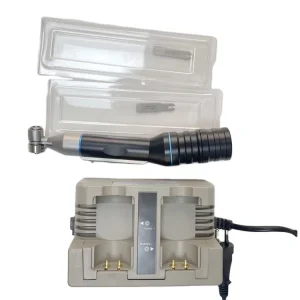
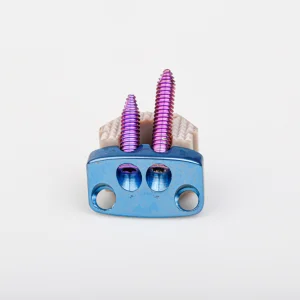
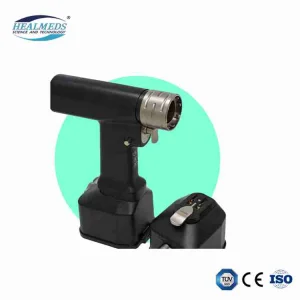
Understanding the critical performance metrics of PEEK and Titanium Cervical Interbody Cages in modern spinal arthrodesis.
Modern cervical interbody cages must match the natural elasticity of human cortical bone. PEEK (Polyetheretherketone) provides an elastic modulus close to cortical bone (~3.6 GPa), significantly mitigating the risk of stress shielding, adjacent segment degeneration, and device subsidence into the vertebral endplates.
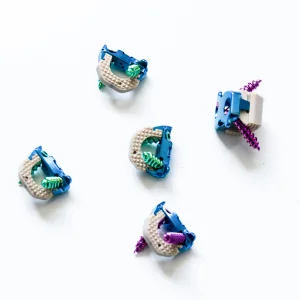
For applications demanding rapid mechanical fixation, Titanium Alloy (Ti6Al4V) and advanced 3D-printed porous titanium structural cages provide highly interconnected micro-porous matrices. This geometry actively facilitates bone ingrowth (osteoconduction), assuring early secondary stability.
PEEK's complete radiolucency allows orthopedic surgeons to perform unobstructed post-operative evaluation of trabecular bone bridges via conventional X-ray and CT imaging. Integrated titanium or tantalum marker pins are placed strategically to provide precise spatial positioning and alignment verification.
A trusted global manufacturing partner of orthopedic medical devices, integrating advanced research, global certifications, and rapid production capabilities.
Moventra Medical Technology (China) Co., Ltd. is a professional manufacturer specializing in the research, development, production, and global supply of orthopedic medical devices and surgical solutions. Established in 2017, the company is dedicated to delivering innovative, high-quality products for trauma, spine, joint reconstruction, sports medicine, and orthopedic surgical procedures.
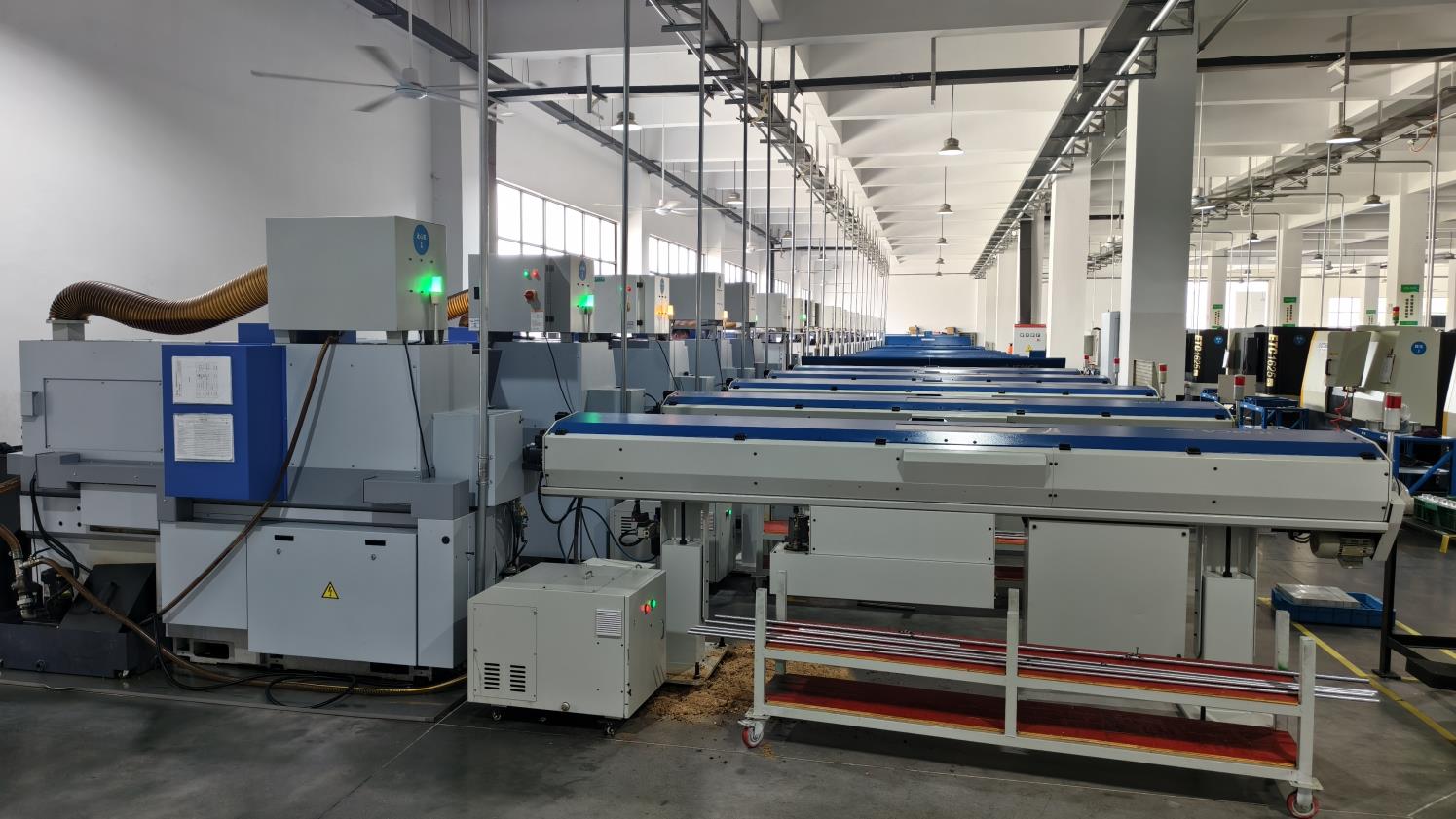
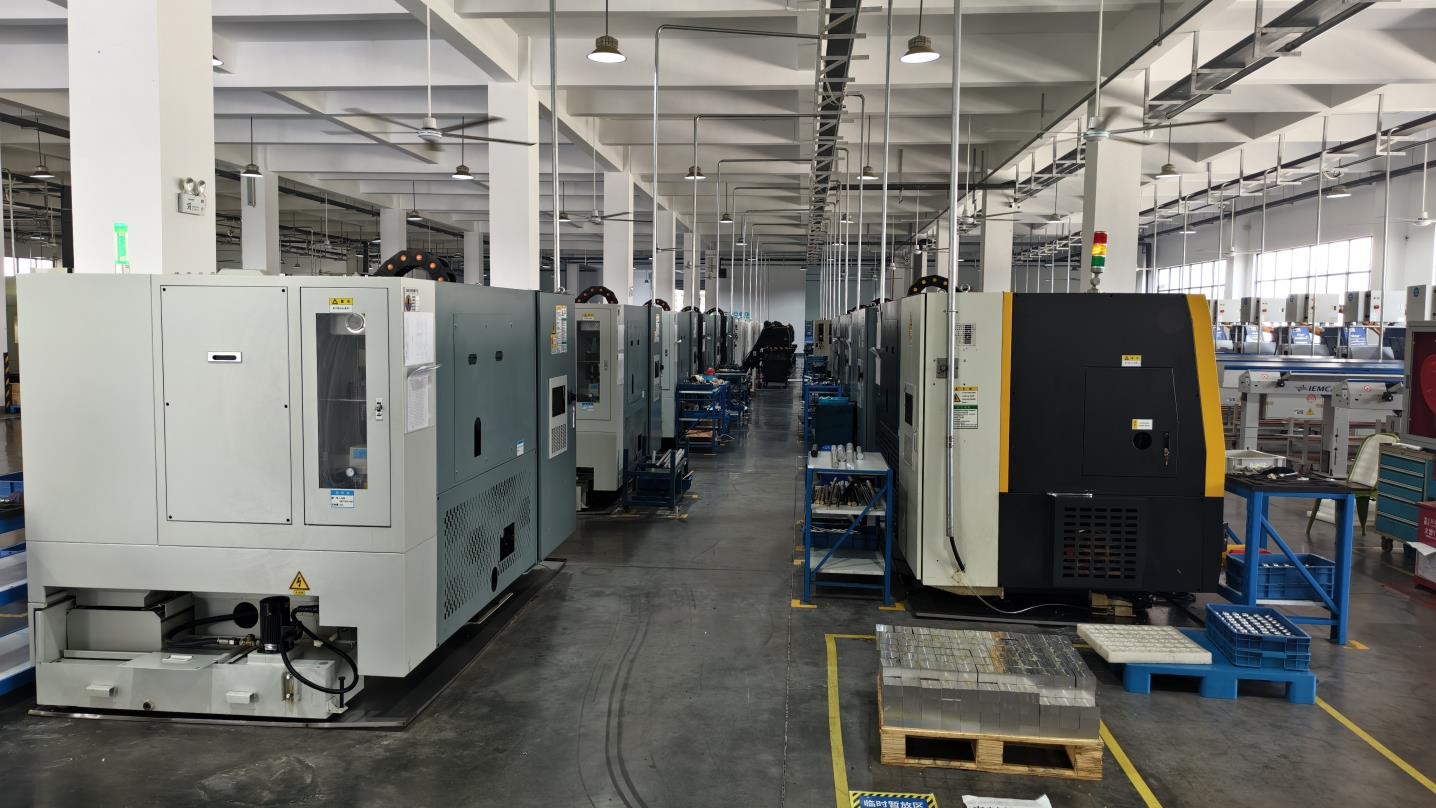
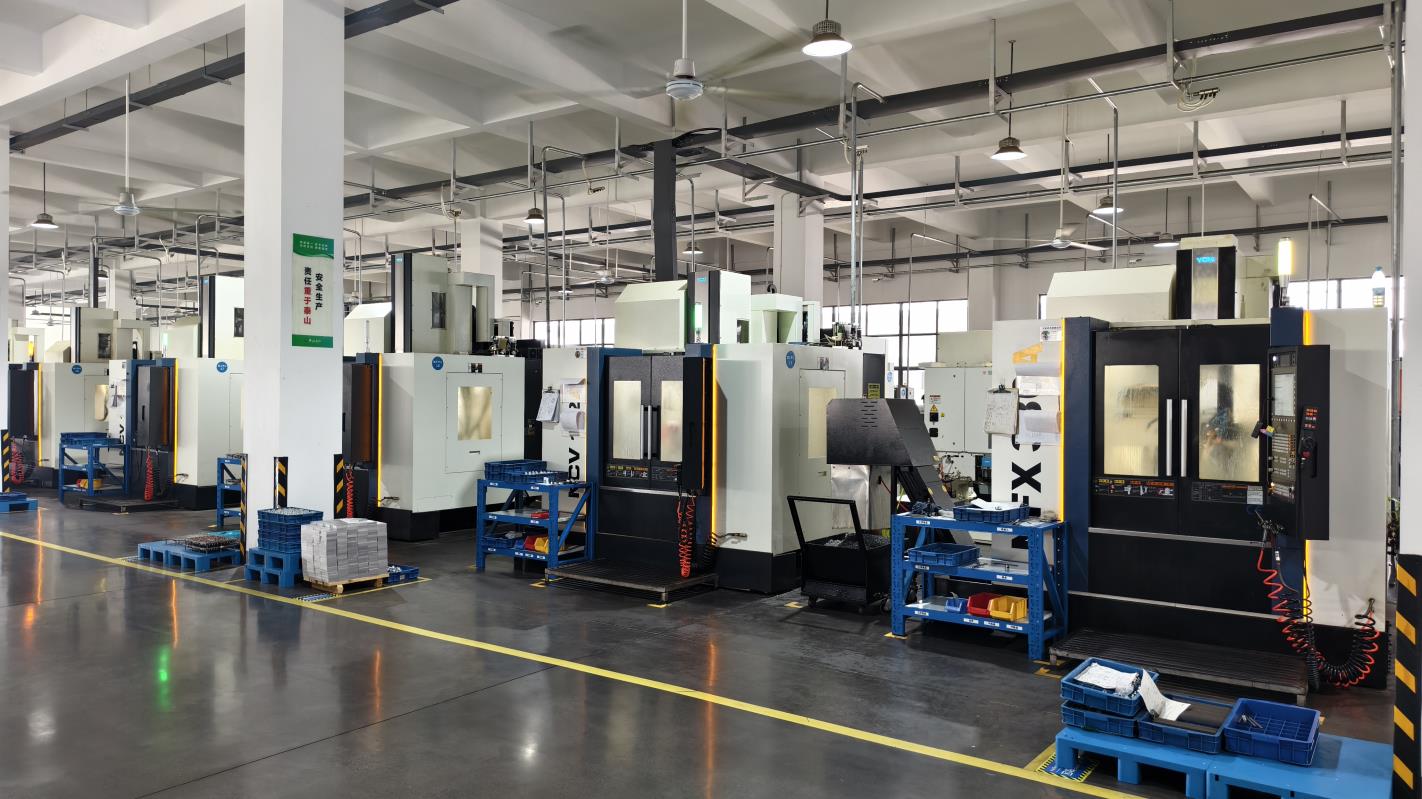
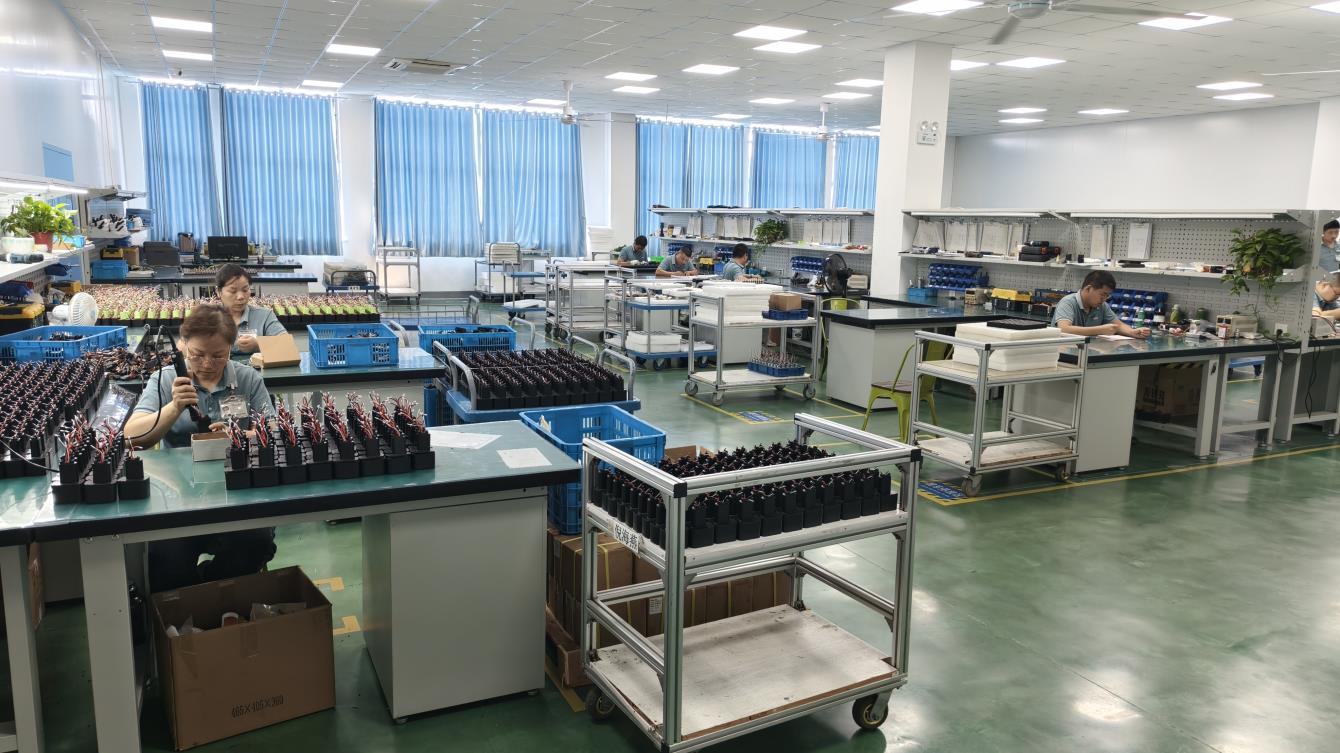
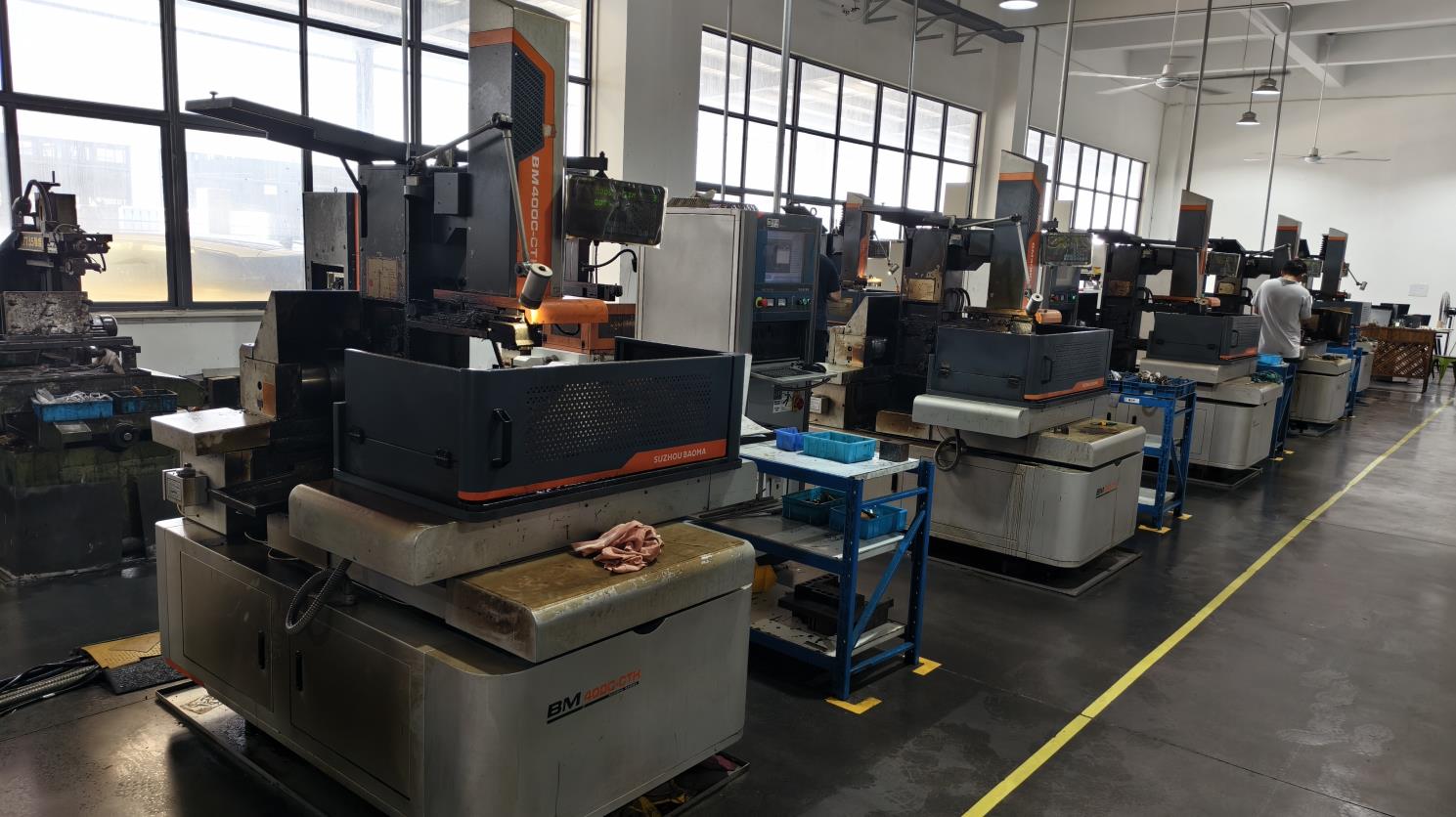
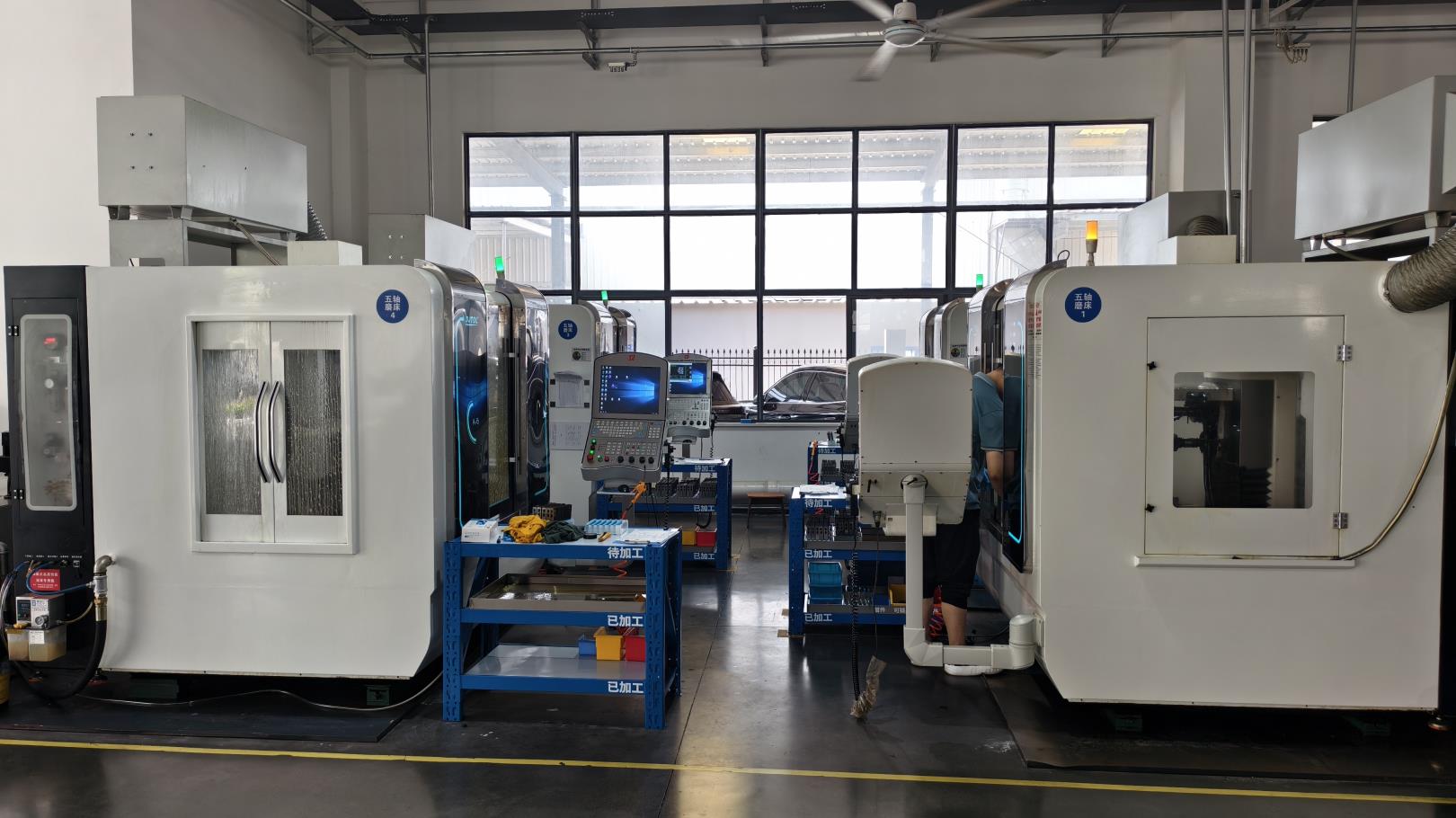
With a modern manufacturing facility covering 18,600 m², Moventra integrates advanced CNC machining, precision manufacturing, automated production lines, and strict quality management systems to ensure every product meets international medical standards. Our commitment to continuous innovation enables us to provide reliable OEM and ODM services for global medical device brands, distributors, and healthcare institutions.
Supported by an experienced R&D team and comprehensive quality assurance system, Moventra continuously develops innovative orthopedic solutions that improve surgical efficiency and patient outcomes. Our products are exported to customers worldwide and are trusted for their precision, safety, and consistent performance.
| Metric / Detail | Value / Information |
|---|---|
| Company Name | Moventra Medical Technology (China) Co., Ltd. |
| Brand Name | Moventra |
| Established | 2017 |
| Facility Area | 18,600 m² |
| Annual Export Revenue | USD 23.8 Million |
| Export Experience | 7 Years |
| Industry Experience | 13 Years |
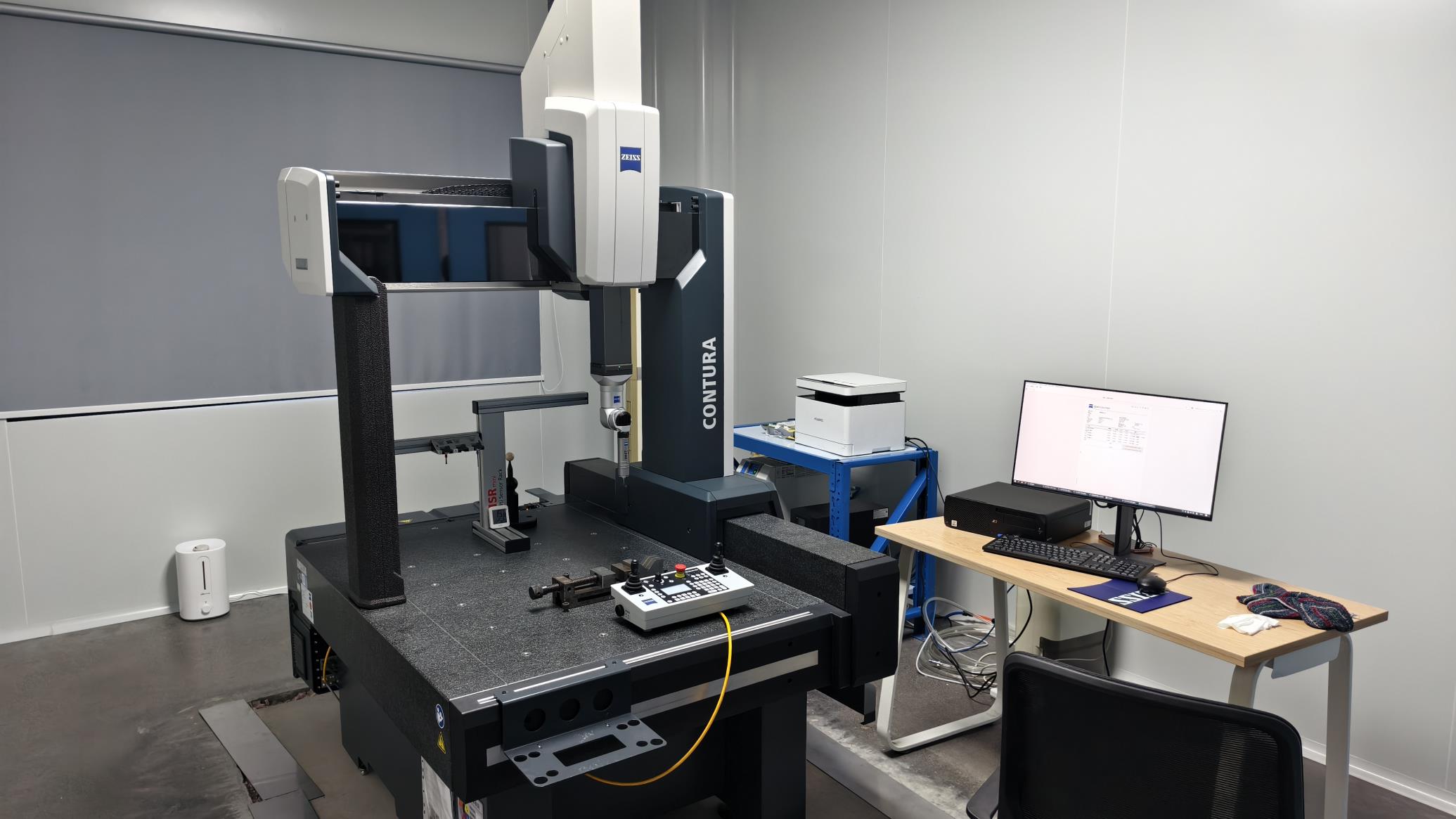
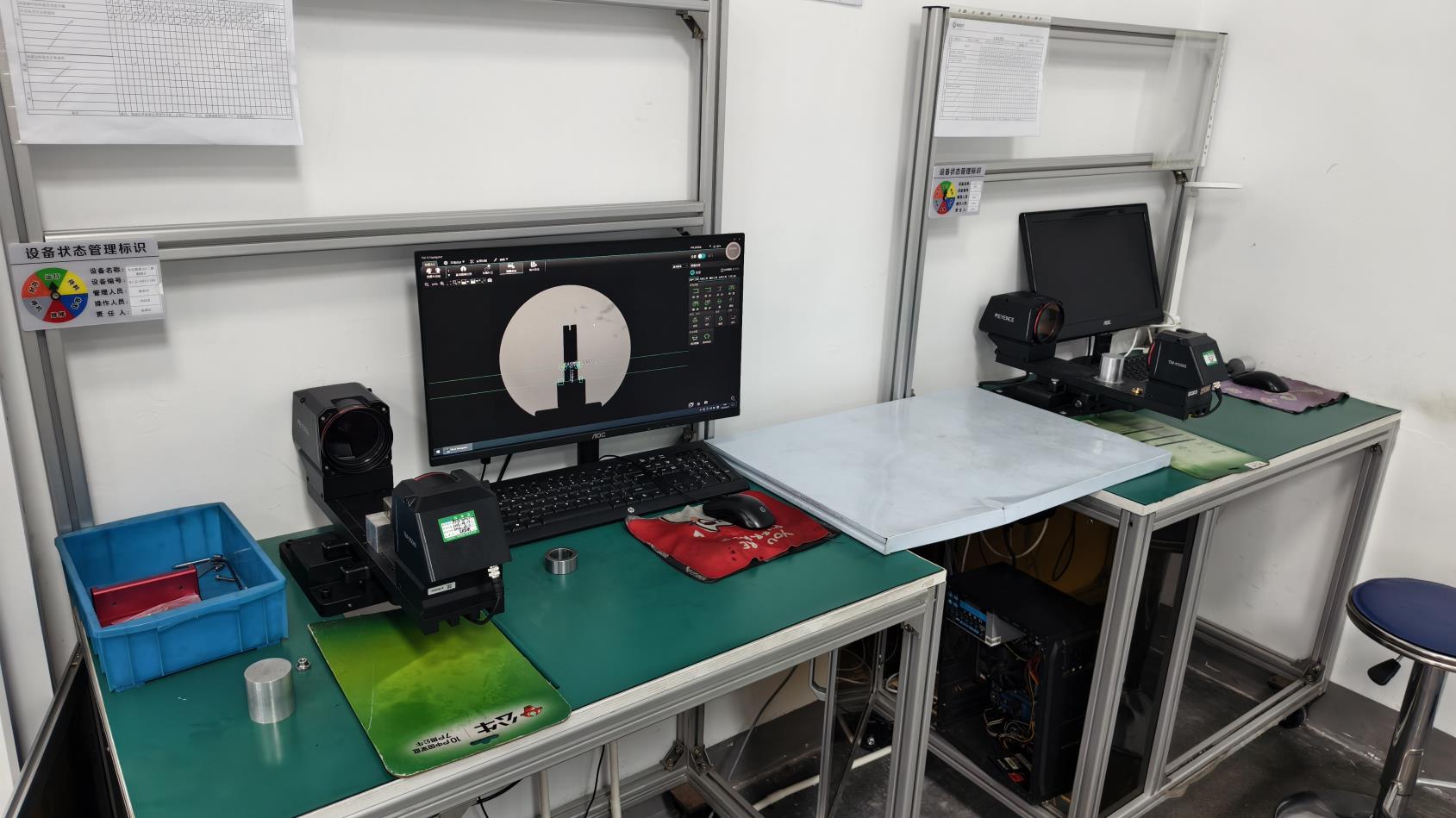
| Quality Inspection | 100% Quality Inspection Before Shipment |
| Operation Details | Standards & Capabilities |
|---|---|
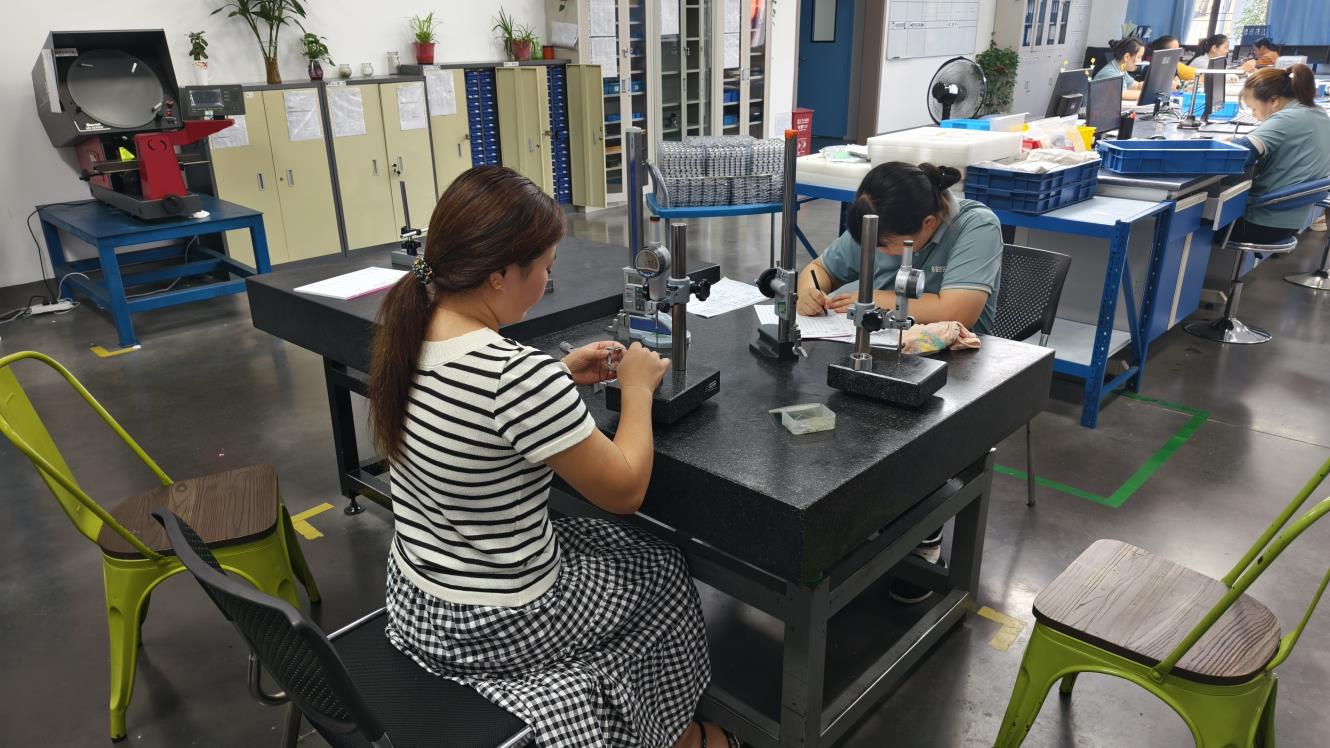
| Product Inspection Methods | Dimensional Inspection, Material Analysis, Surface Finish Inspection, Mechanical Performance Testing, Sterility Verification |
| Quality Control Staff | 48 Dedicated Specialists |
| Business Type | Manufacturer, OEM & ODM, Exporter |
| Main Markets | North America, Europe, South America, Middle East, Southeast Asia, Australia |
| Supply Chain Partners | 1,120 Verified Clinical & Logistics Partners |
| Main Customer Types | Medical Device Brands, Orthopedic Distributors, Hospitals, Importers, Government Procurement Projects |
| R&D Capability | Independent Product Design, Rapid Prototyping, OEM/ODM Development, Customized Engineering Solutions |
| Customization Options | Logo Customization, Packaging Customization, Product Design Customization, Drawing-Based Manufacturing, Sample-Based Manufacturing |
| New Products Released (Last Year) | 156 FDA/CE-ready clinical and orthopedic solutions |
| R&D Engineers | 86 Biomedical & Mechanical Engineers |
Why global medical brands choose Chinese factories for high-precision spinal implants and surgical tools.
Chinese manufacturers maintain strategic relationships with top-tier biomedical titanium and polymer producers. We secure medical-grade ASTM F136 Titanium Alloy and certified PEEK-OPTIMA polymers, maintaining full material traceability certificates (MTR) required for compliance with health authorities globally.
Equipped with state-of-the-art multi-axis Swiss-type lathe and milling machining centers, our factory achieves tolerances within ±0.005mm. This level of precision prevents dimensional variation in cage serrations, screw holes, and implant-holder interfaces during spinal surgeries.
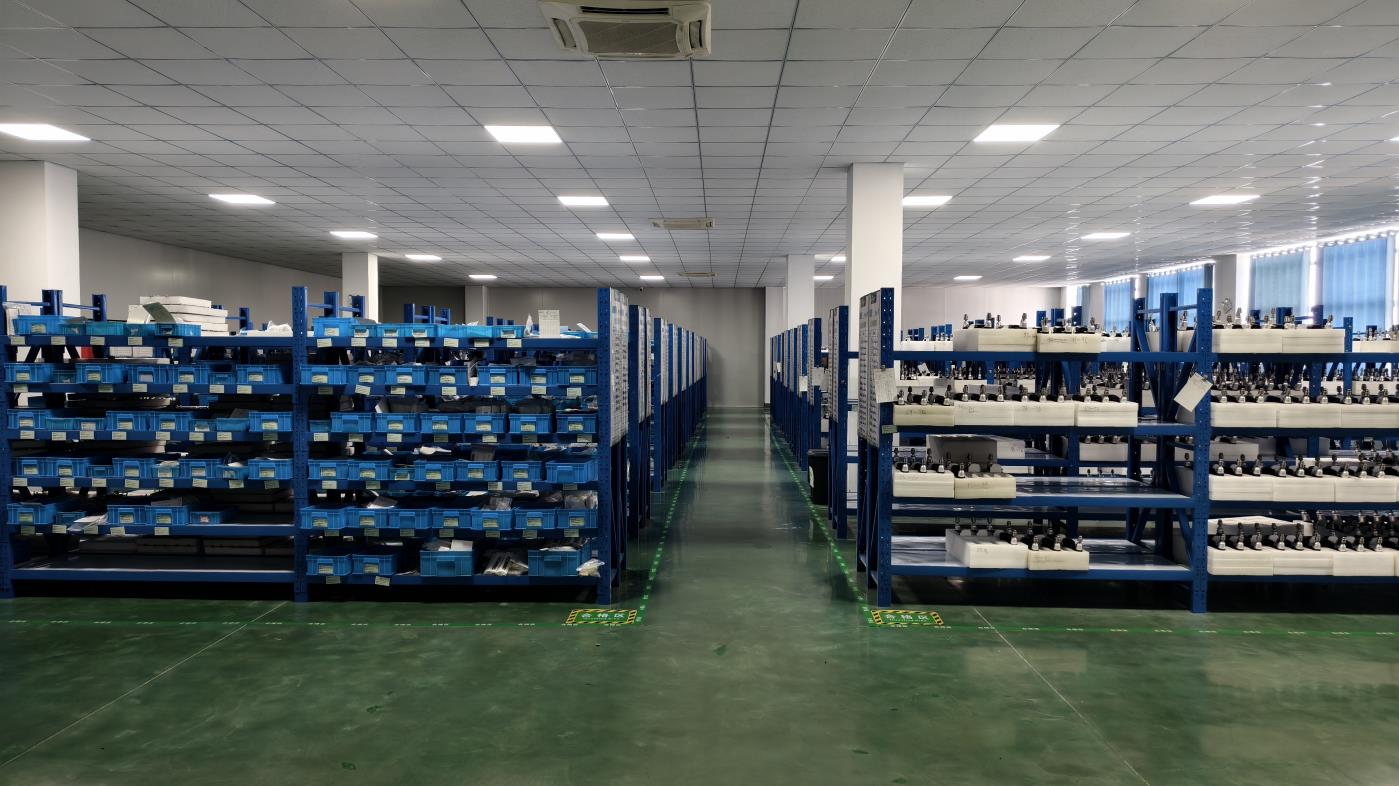
Our 18,600 m² facility guarantees massive output scalability, shielding our international distributors from stock outs. With integrated warehousing and optimized customs pathways in Shanghai and Ningbo, we offer shortened lead times for high-volume orders.
Navigating global healthcare laws and optimizing registration processes for successful market entry.
We supply comprehensive technical documentation to streamline national registration processes (FDA 510(k), CE MDR, ANVISA, NMPA). This includes biocompatibility data (ISO 10993), mechanical performance summaries (ASTM F2077/F2267 static and dynamic compression, shear, and torsion tests), and validation reports for sterile barrier packaging systems.
Understanding regional surgical preferences is vital. We assist partners by customizing lordotic angles (ranging from 0° to 12°), cage footprints, and implant heights to match unique anatomical profiles. Furthermore, localized laser marking, private label packaging, and customized surgical instrument cases are available.
Deep insight into clinical scenarios and the technological evolution of cervical fusion implants.
Cervical Interbody Cages are the gold standard for treating cervical degenerative disc disease (DDD), cervical disc herniation, spinal stenosis, and spondylolisthesis. They are predominantly utilized in:
The global orthopedics market is transitioning towards bio-active and digitalized surgical workflows:
Inside our production and quality control facility. Every implant is subjected to thorough inspection to guarantee safety and performance.
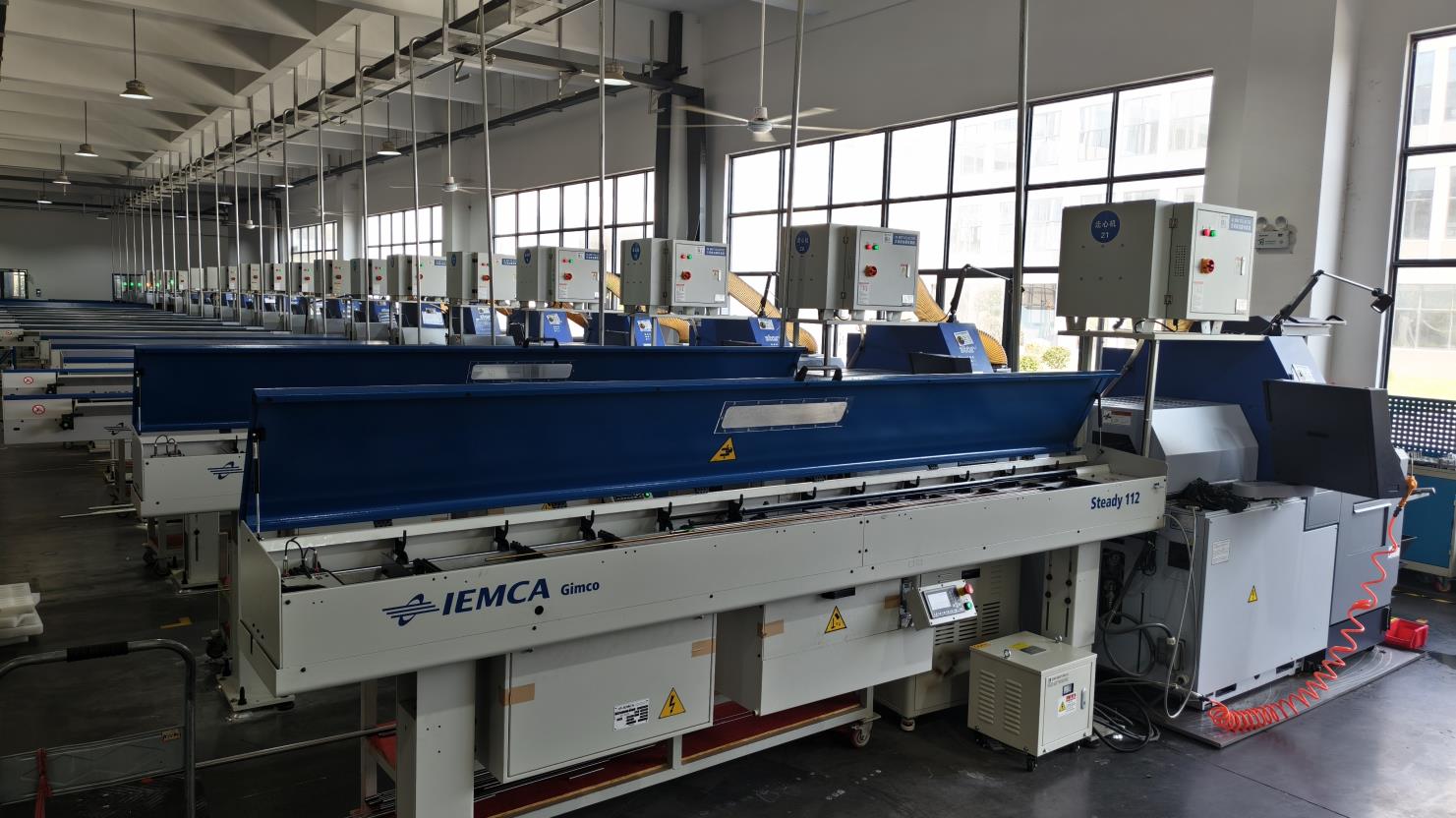
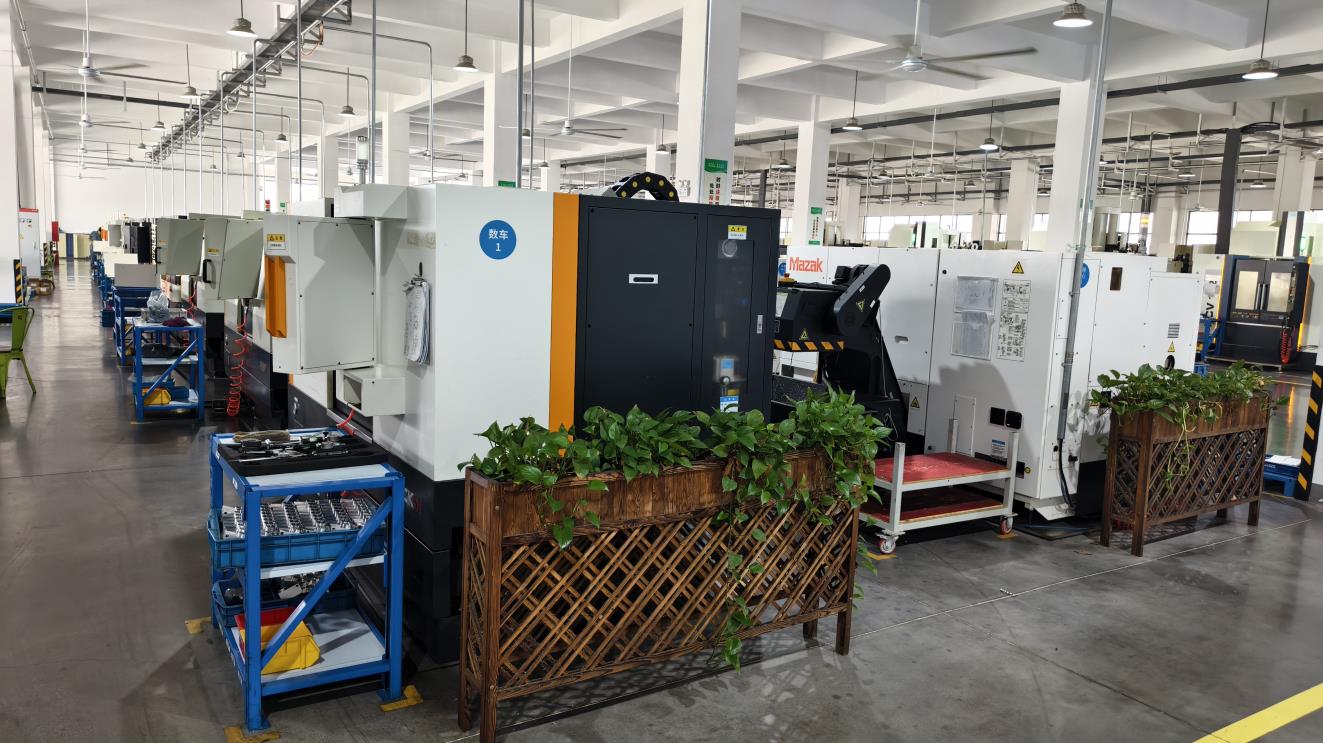
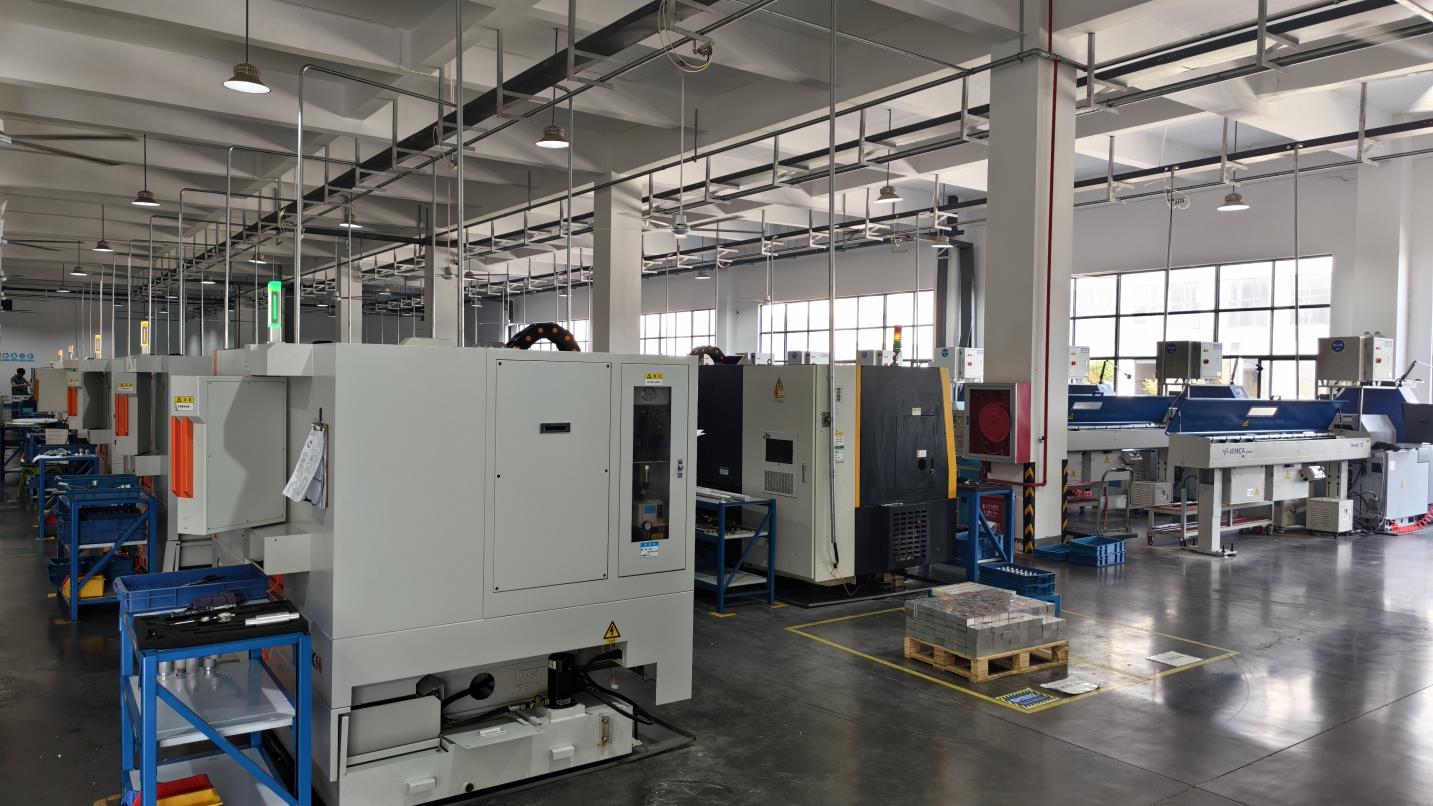
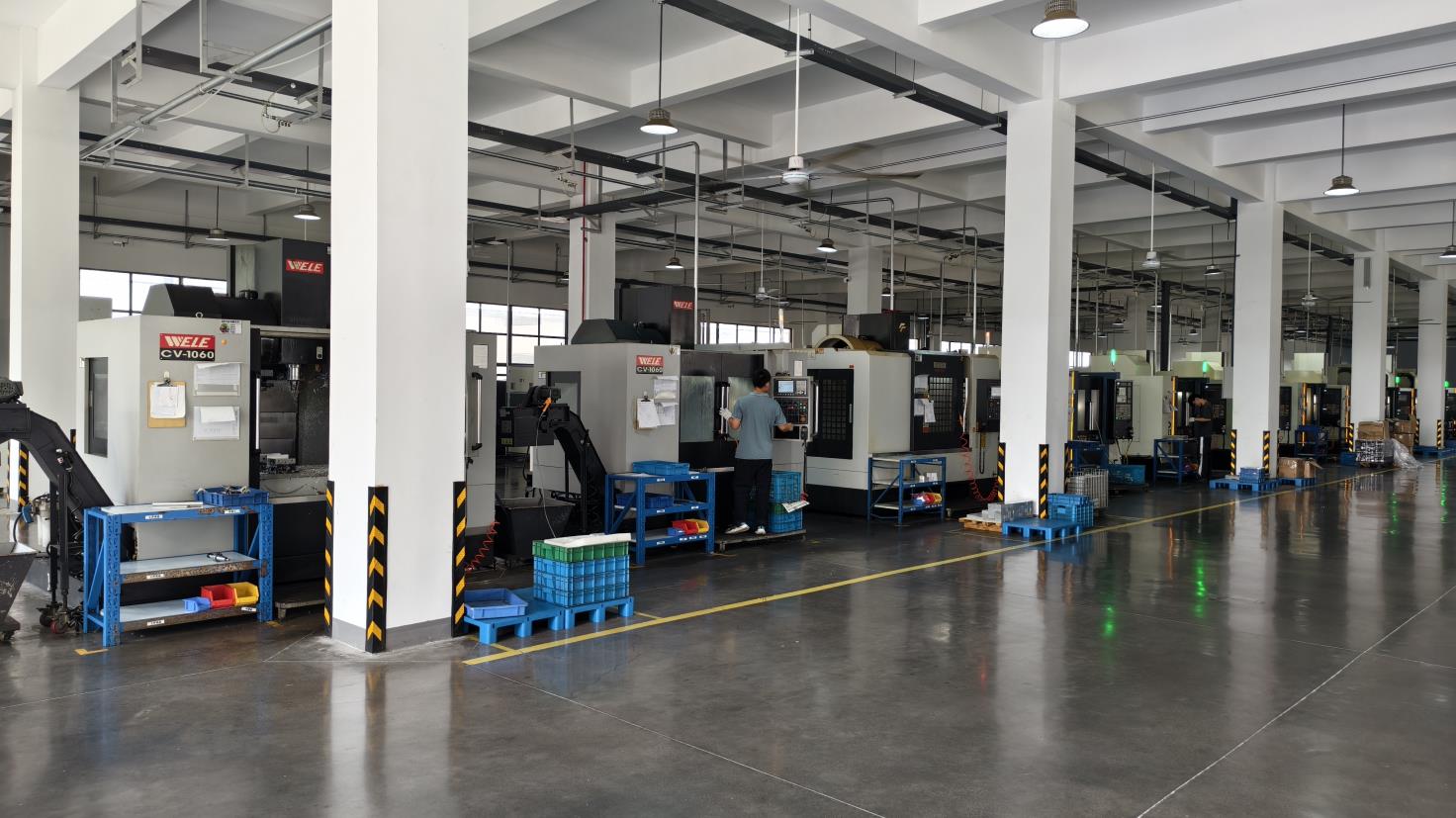
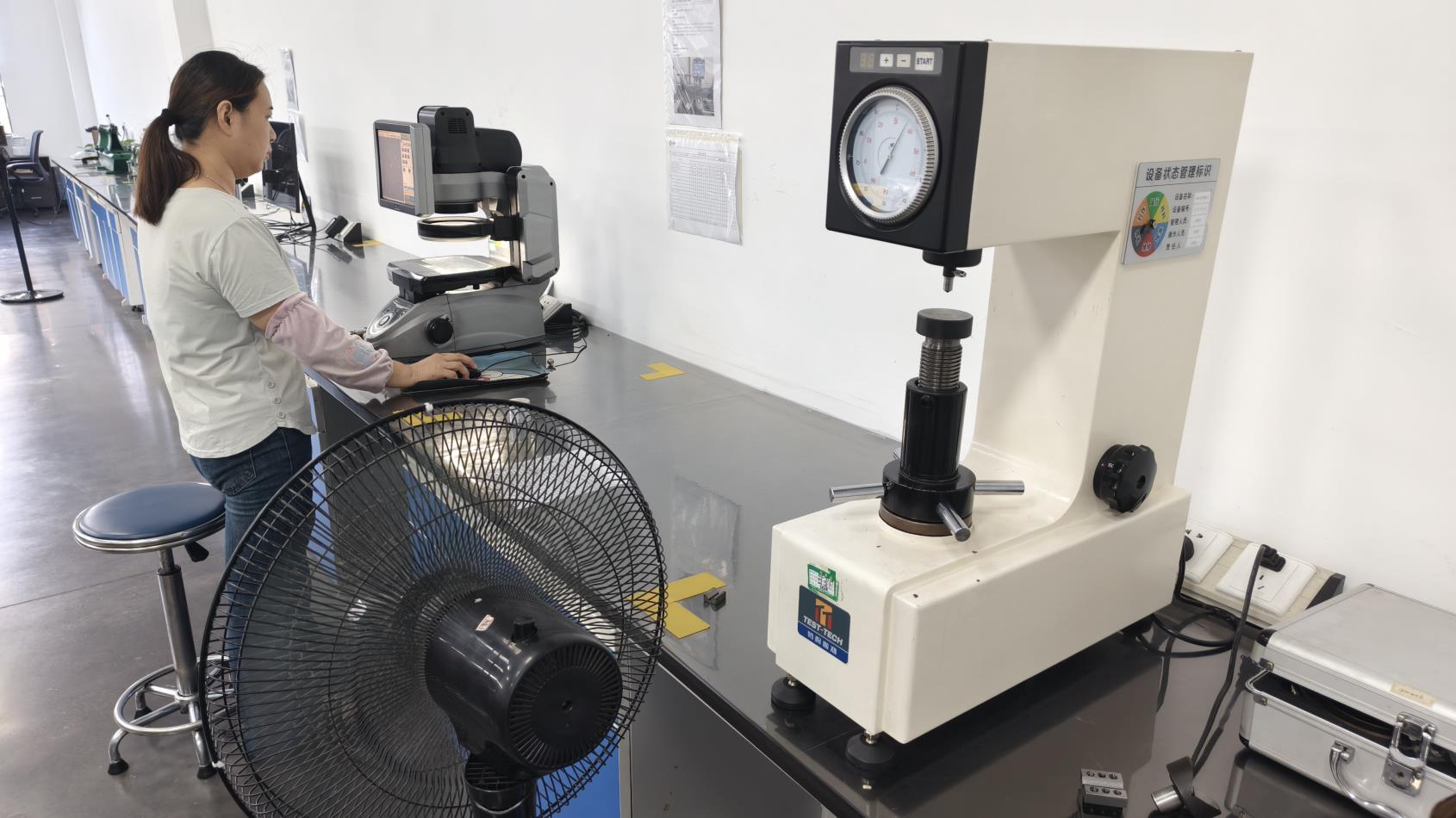
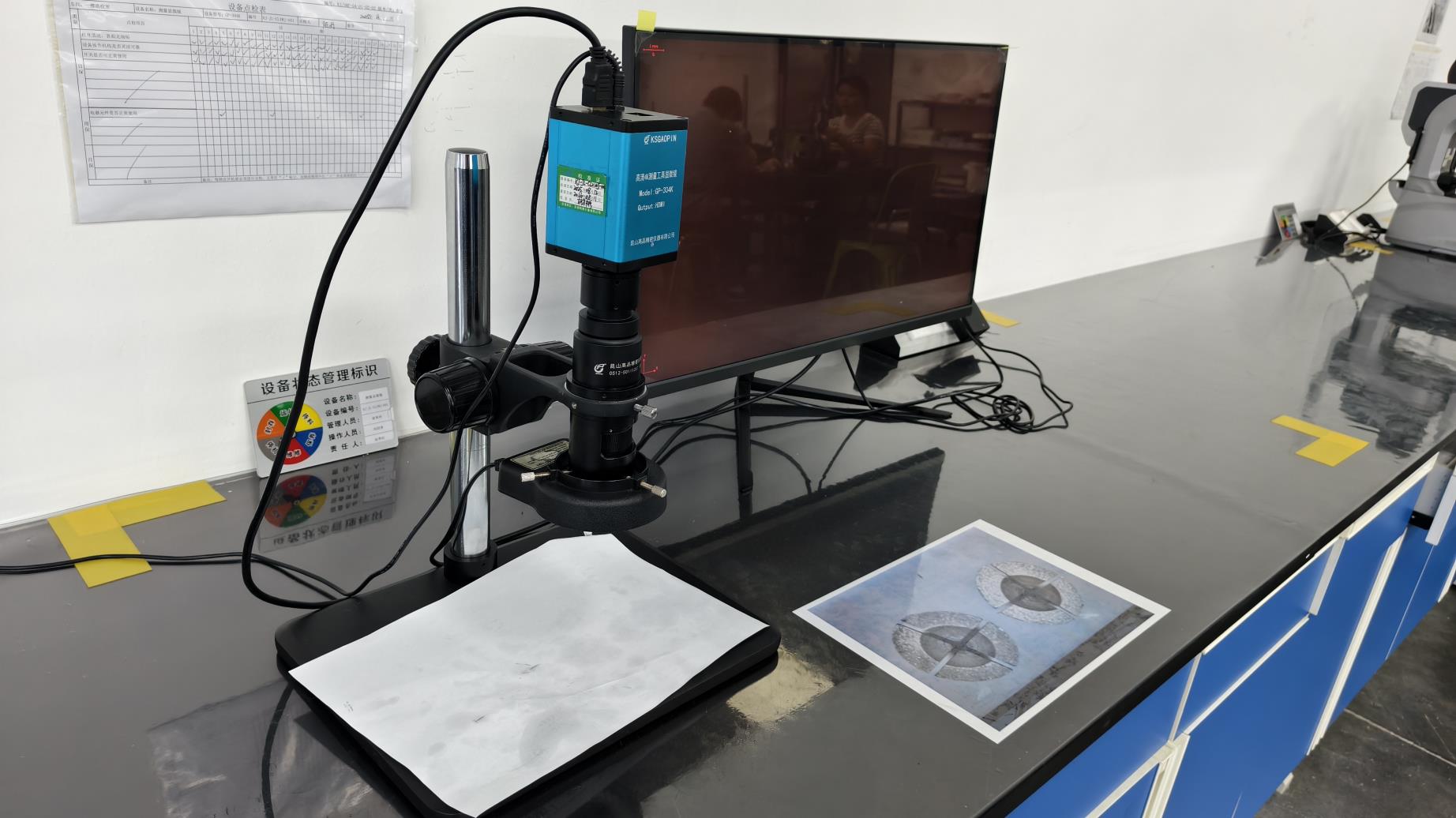
Detailed technical answers addressing common inquiries from orthopedic surgeons, product managers, and medical distributors.
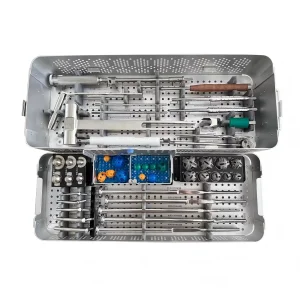
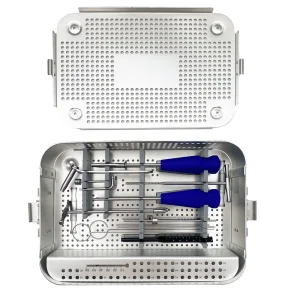
Complete your supply chain with our range of joint reconstruction products, trauma plates, and specialized surgical equipment.
 Moventra Medical