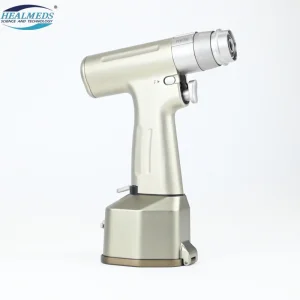
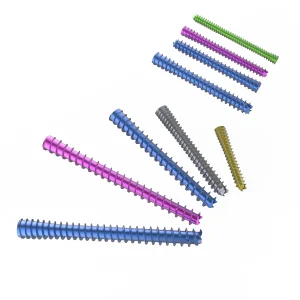
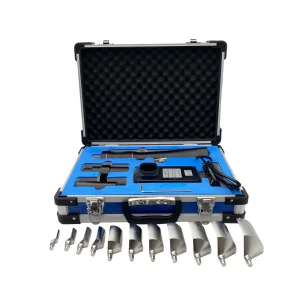
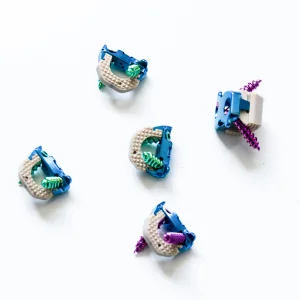
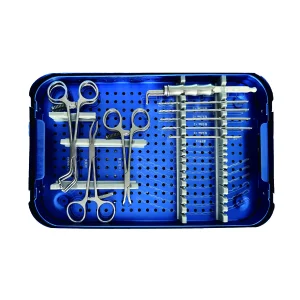
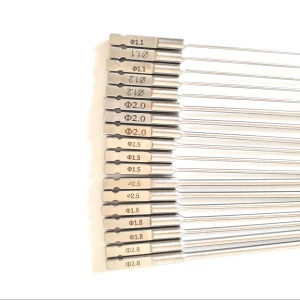
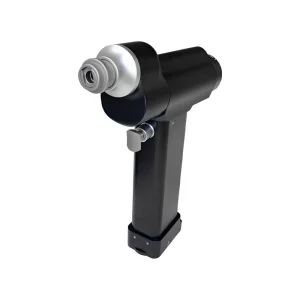
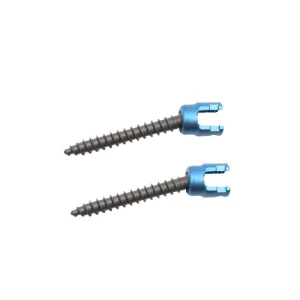
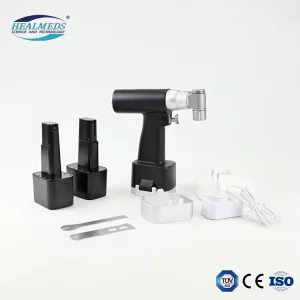
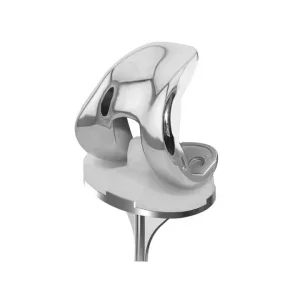
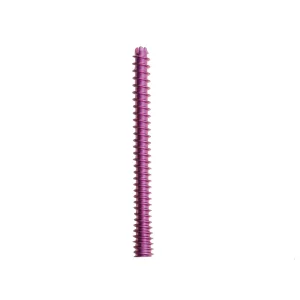
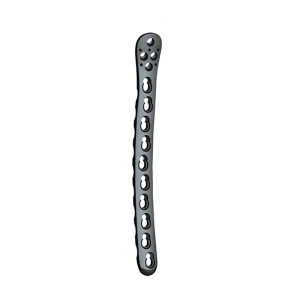
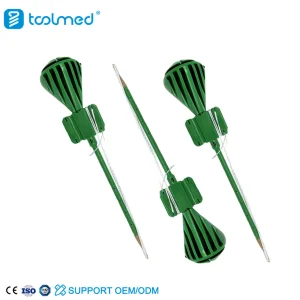
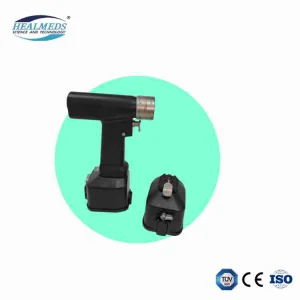
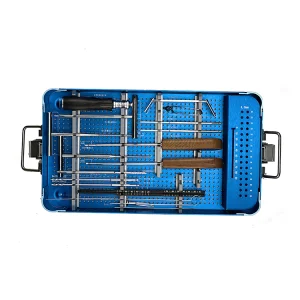
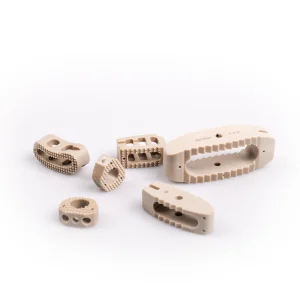
Advanced trauma implants, power tool components, and specialized spinal implants optimized for immediate clinical performance.
In modern osteosynthesis and trauma orthopedics, the cortical screw serves as the bedrock of rigid internal fixation. Designed with a shallower thread pitch and a larger core-to-outer diameter ratio compared to cancellous screws, these fasteners are engineered to engage the dense, hard outer cortex of bone structures. Historically, the evolution of cortical screw design has followed a trajectory from structural stabilization to biological integration and biomechanical customization.
The industry has migrated from standard surgical stainless steel (316L) to highly bio-compatible titanium alloys, such as Ti-6Al-4V ELI (Grade 23, ASTM F136). This alloy yields a superior strength-to-weight ratio and a modulus of elasticity closer to cortical bone, mitigating stress-shielding effects.
Anodization (Type II & Type III) and acid-etching are applied to optimize osseointegration. Hydroxyapatite (HA) coatings and modern PEEK composites are also expanding, allowing screws to achieve robust secondary stability inside bone channels.
Self-tapping and self-drilling cortical geometries minimize bone thermal necrosis during insertion. Optimizing thread profile angles reduces torque resistance while increasing pull-out forces by up to 25%, crucial for osteoporotic patients.
Medical device brand managers, global distributors, and hospital procurement officers navigate a complex web of requirements. A supplier is no longer just evaluated on the price-per-part ratio; they must demonstrate system-level compliance, biological safety, and risk mitigation.
Every batch of cortical screws must feature full raw material traceability (heat number, melt source certification) complying with ASTM and ISO. Suppliers must facilitate MDR (EU) and FDA regulatory submission dossiers. Moventra's strict 100% pre-shipment inspections satisfy global market standards.
Dimensional variances can lead to devastating intraoperative screw failures. The pitch diameter, major diameter, and driver recess (e.g., Torx/Hexagon) must exhibit zero-tolerance consistency. A deviation of just 10 micrometers can compromise the torque transmission, resulting in stripped heads or unstable fixation.
Global logistics demand customized packaging. Cleanroom packaging (ISO Class 7/Class 8) for non-sterile implants, or gamma/EtO-sterilized individual pouches, allow distributors to bypass intermediate processing and deliver directly to surgical theaters.
With volatile medical demand, lead times are a critical risk factor. Exporters must be able to pivot production from standard 2.0mm cortical screws to larger 4.5mm sizes without retooling bottlenecks. Dynamic tooling capacity prevents supply chain disruption for OEM buyers.
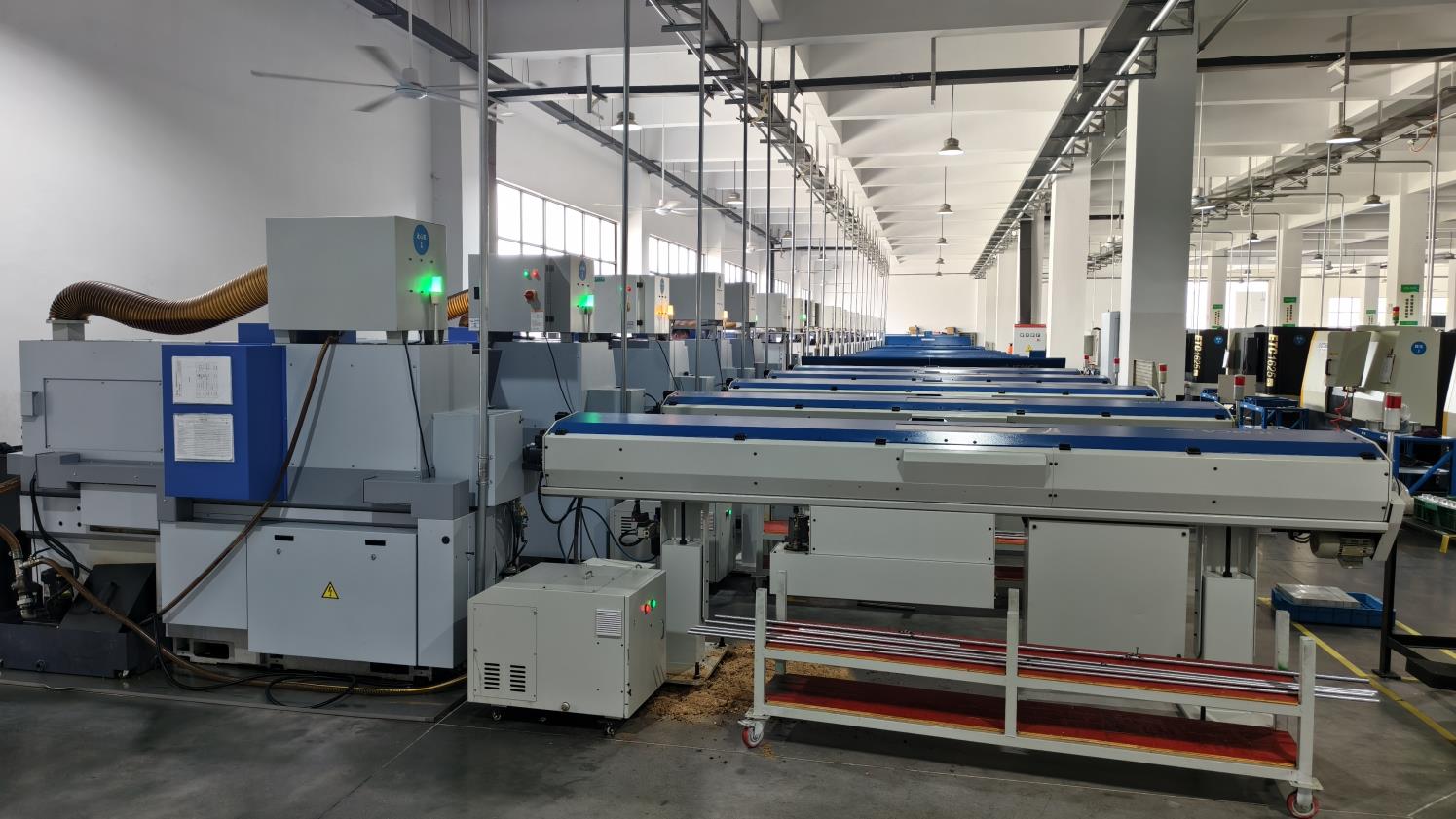
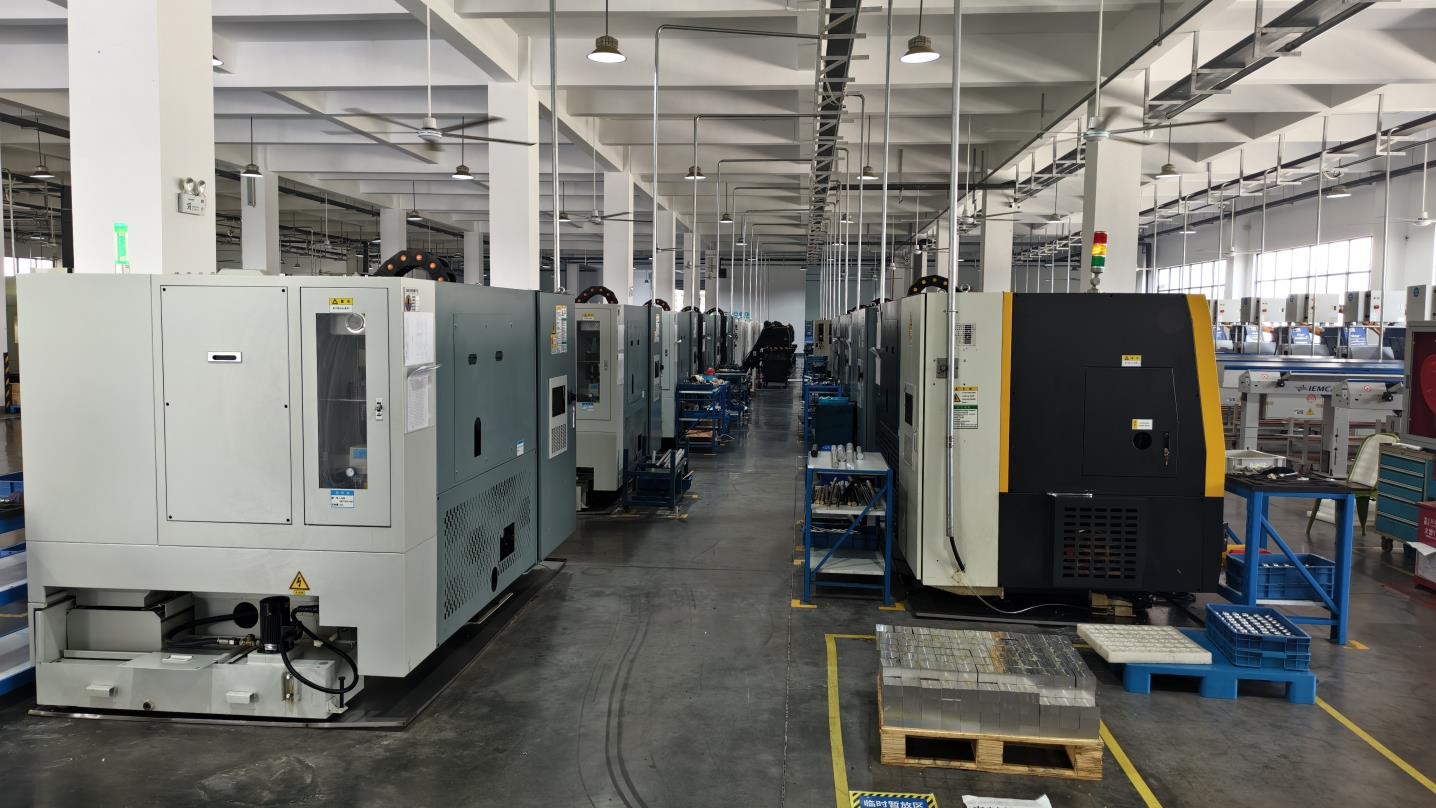
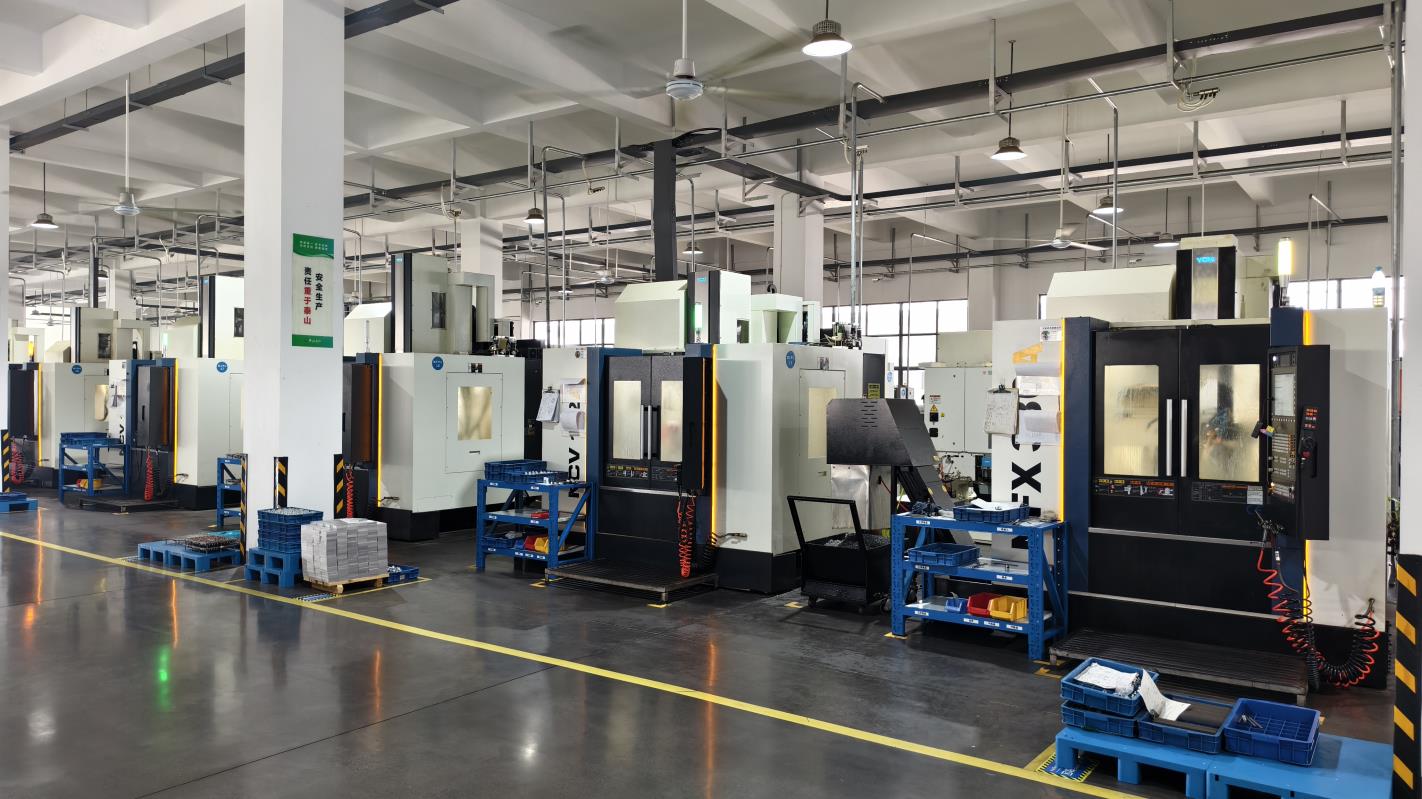
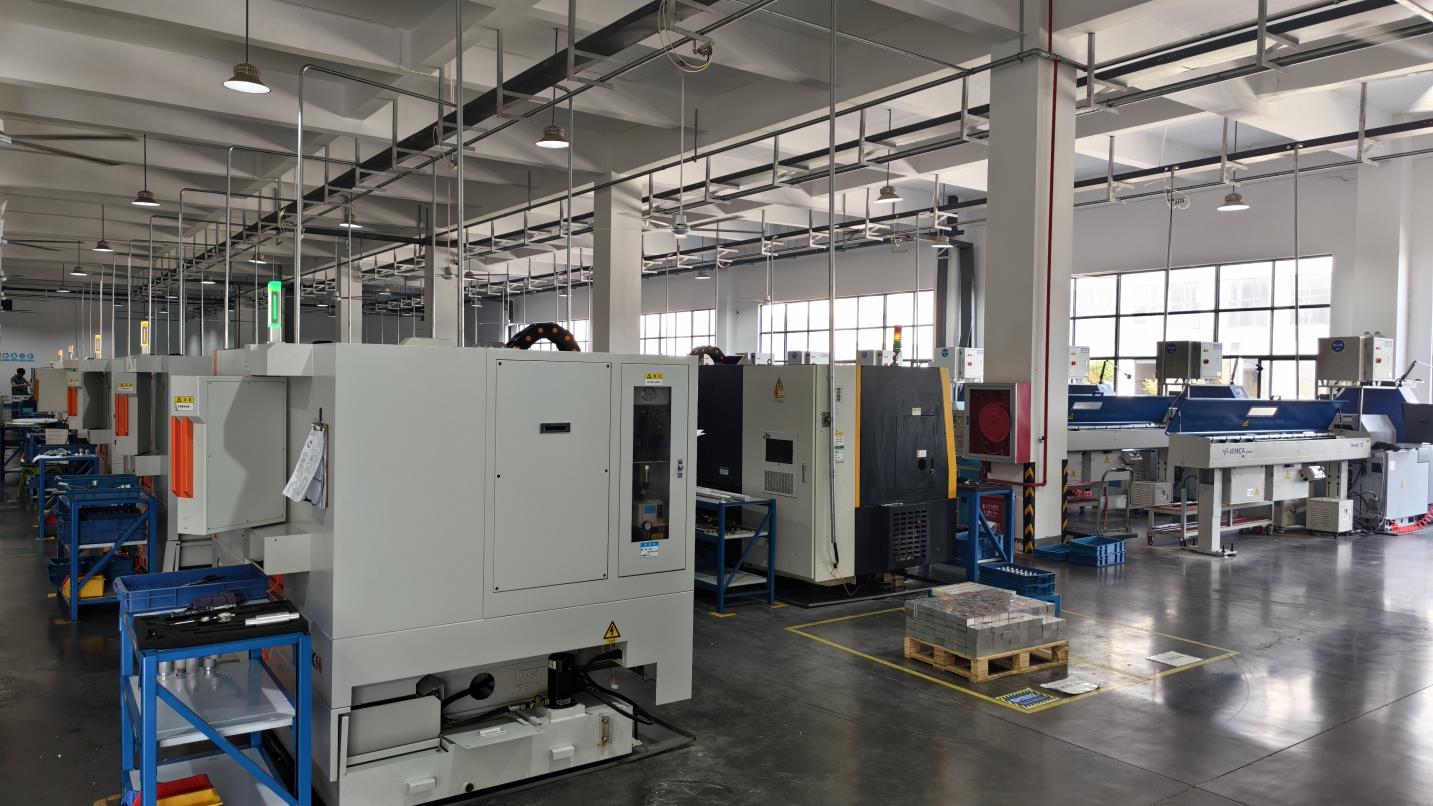
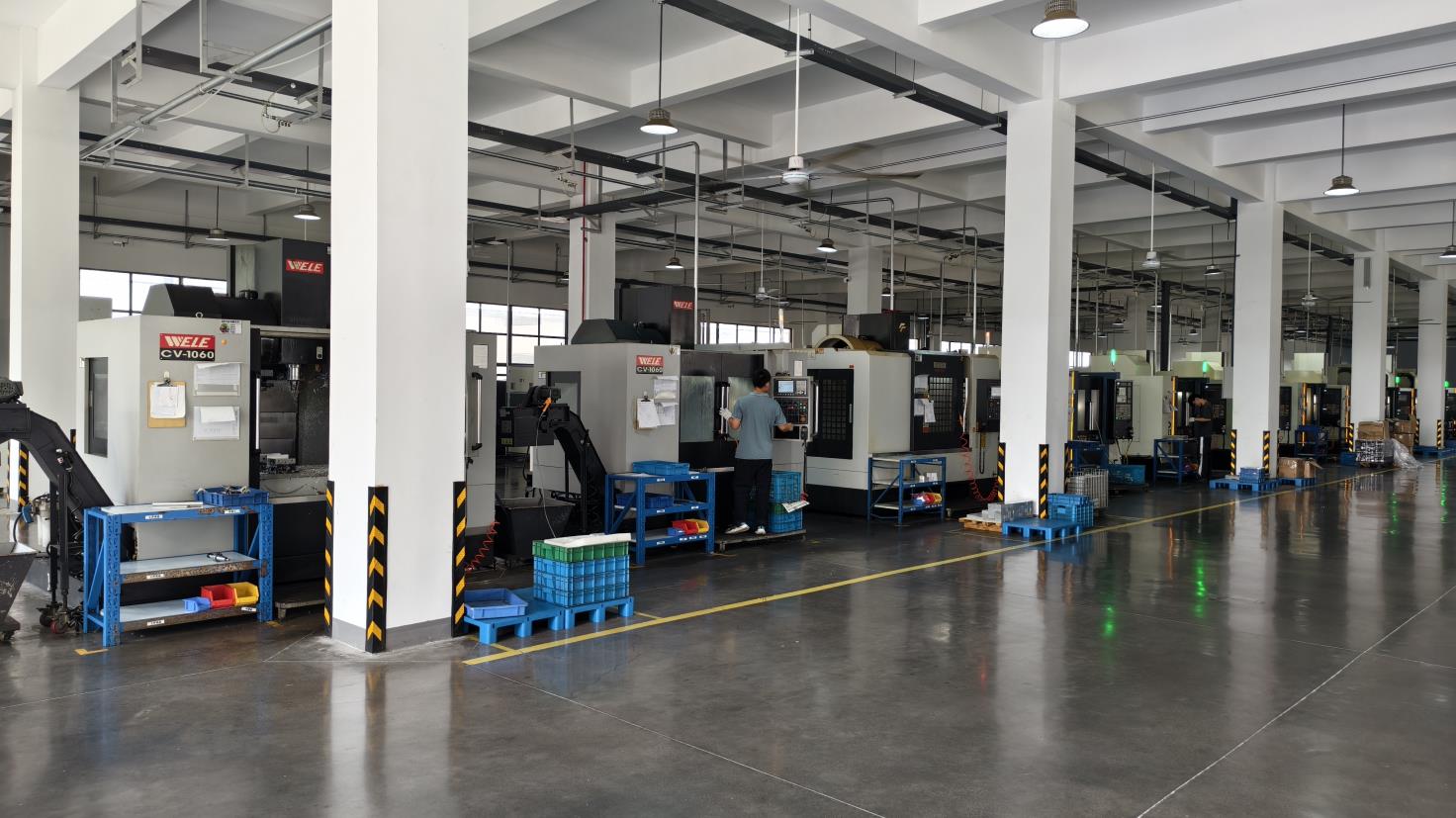
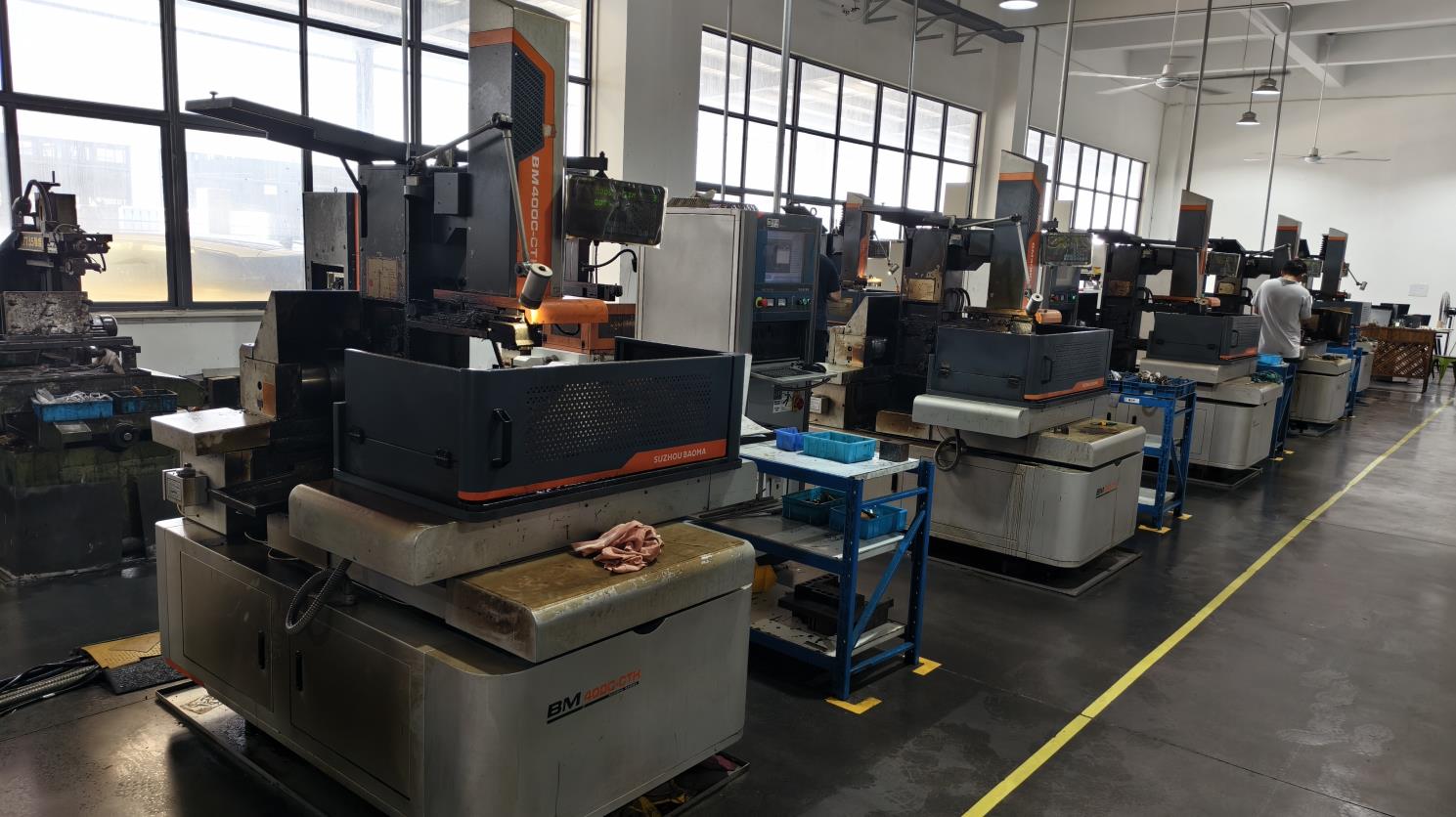
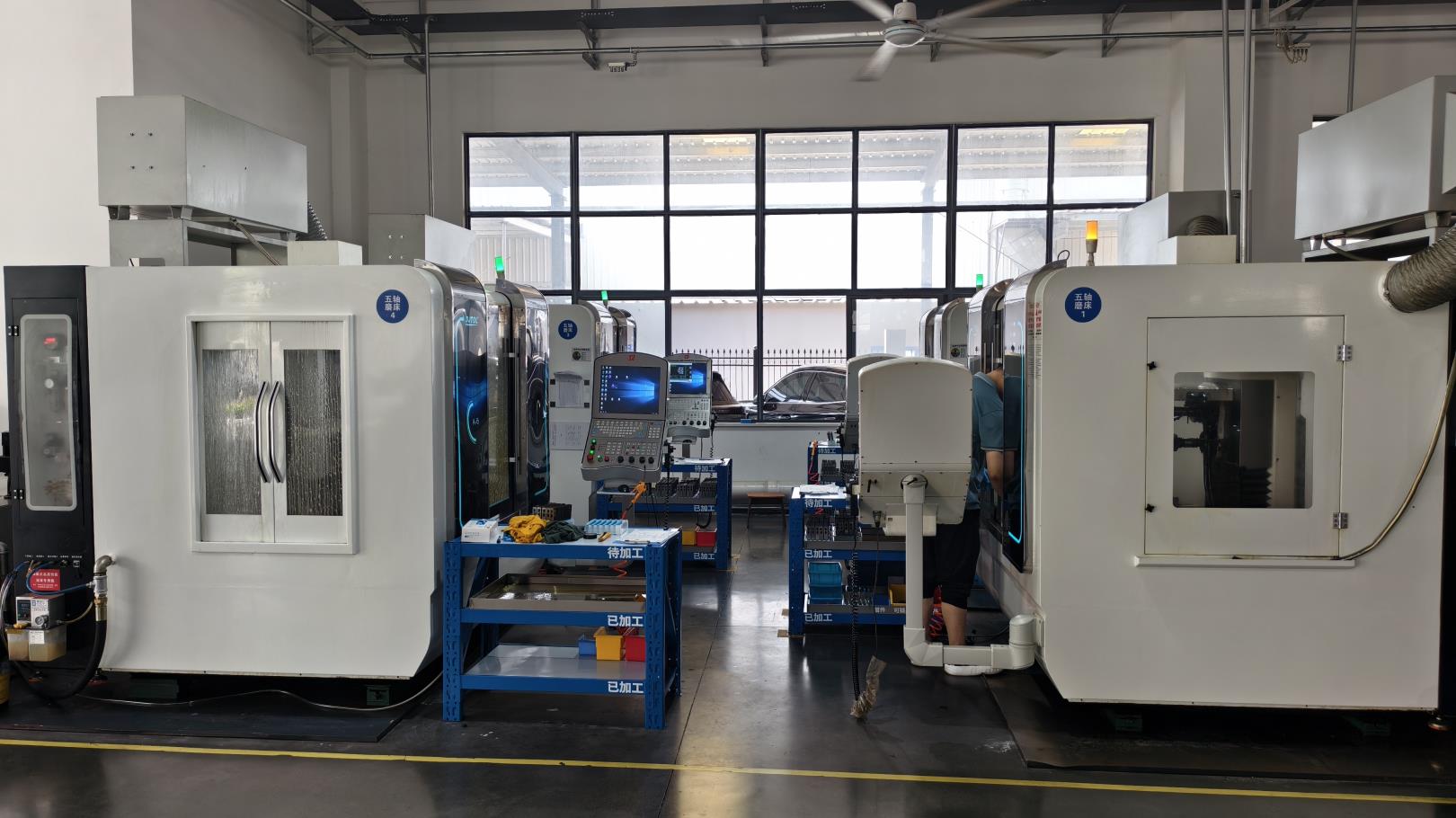
Moventra Medical Technology represents the vanguard of China Factory 4.0 in orthopedic manufacturing. By utilizing advanced Swiss-type CNC lathes and multi-axis milling centers, the production process merges micro-precision with economies of scale.
The consolidation of the raw material supply chain in China allows medical companies to secure high-purity medical-grade titanium and PEEK at optimized tariffs. Because all critical steps—rough turning, thread cutting, head slotting, electrochemical passivation, ultrasonic washing, and laser marking—are executed within a single facility, lead times are reduced by up to 40% compared to Western manufacturers. This vertical integration builds massive resilience against supply shocks and shipping delays.
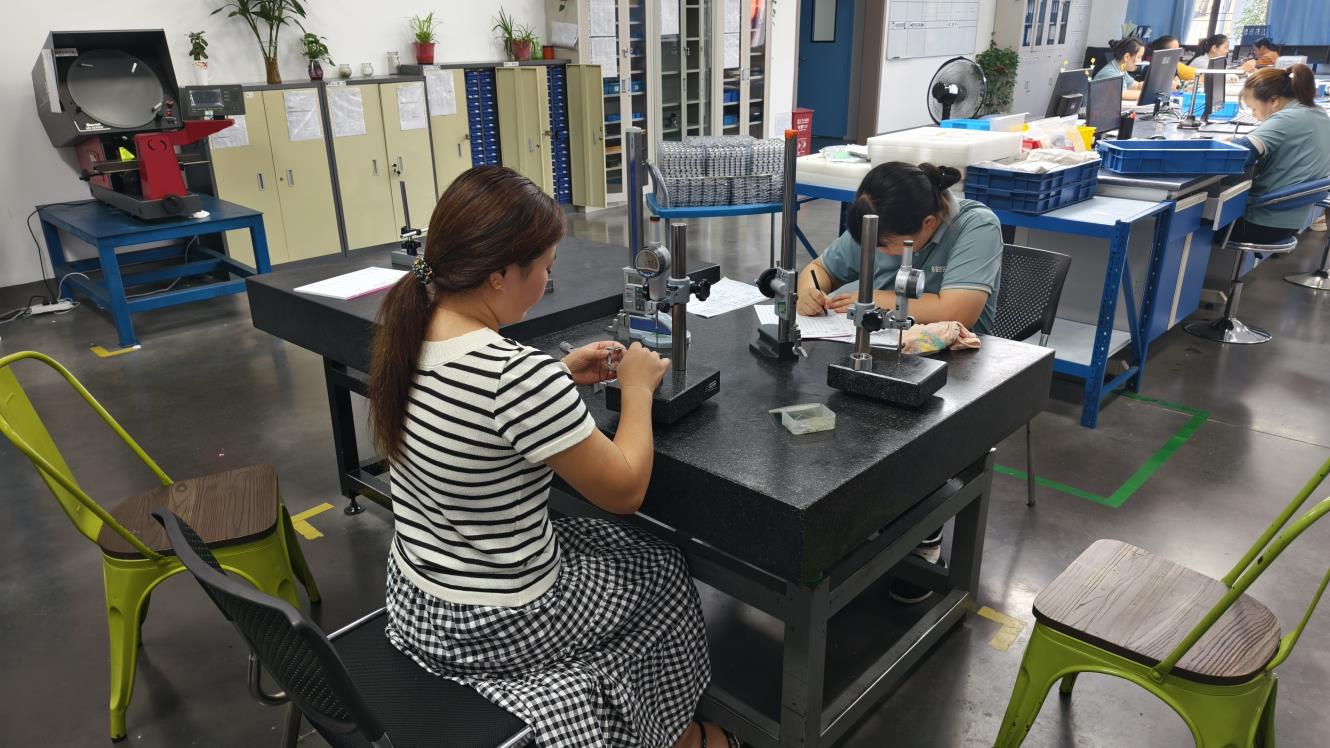
Established in 2017, Moventra Medical Technology (China) Co., Ltd. has developed into a preeminent hub for orthopedic OEM/ODM development. With a large R&D team and professional metrology labs, we deliver world-class medical implants to the global market.
| Strategic Indicator | Moventra Capability Details |
|---|---|
| Company Name / Brand | Moventra Medical Technology (China) Co., Ltd. (Brand: Moventra) |
| Established / Experience | Established in 2017 (7 Years Export, 13 Years Industry Experience) |
| Facility Area | 18,600 m² modern manufacturing space |
| Annual Export Revenue | USD 23.8 Million |
| Quality Inspection | 100% Quality Inspection before shipment |
| Inspection Methods | Dimensional, Material Analysis, Surface Finish, Mechanical Performance, Sterility Verification |
| QC & R&D Staff | 48 Quality Control personnel, 86 R&D Engineers |
| Supply Chain Network | 1,120 validated industrial supply partners |
| Customization Options | Logo, Packaging, Product Design, Drawing-Based & Sample-Based Manufacturing |
| Innovation Output | 156 new orthopedic products released last year |
Our factory houses state-of-the-art Swiss-type CNC lathes and metrology platforms. Here is a look inside our cleanrooms, machining center, and testing labs where medical-grade implants are crafted.
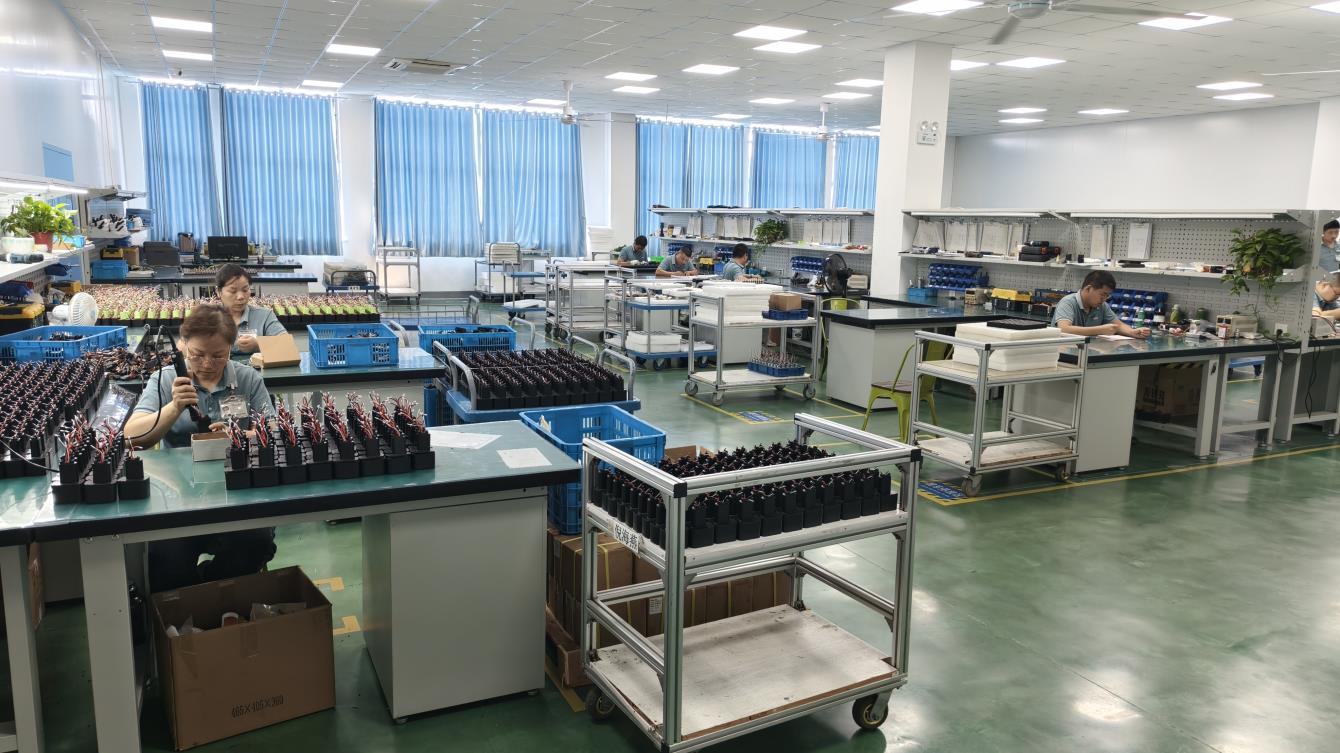
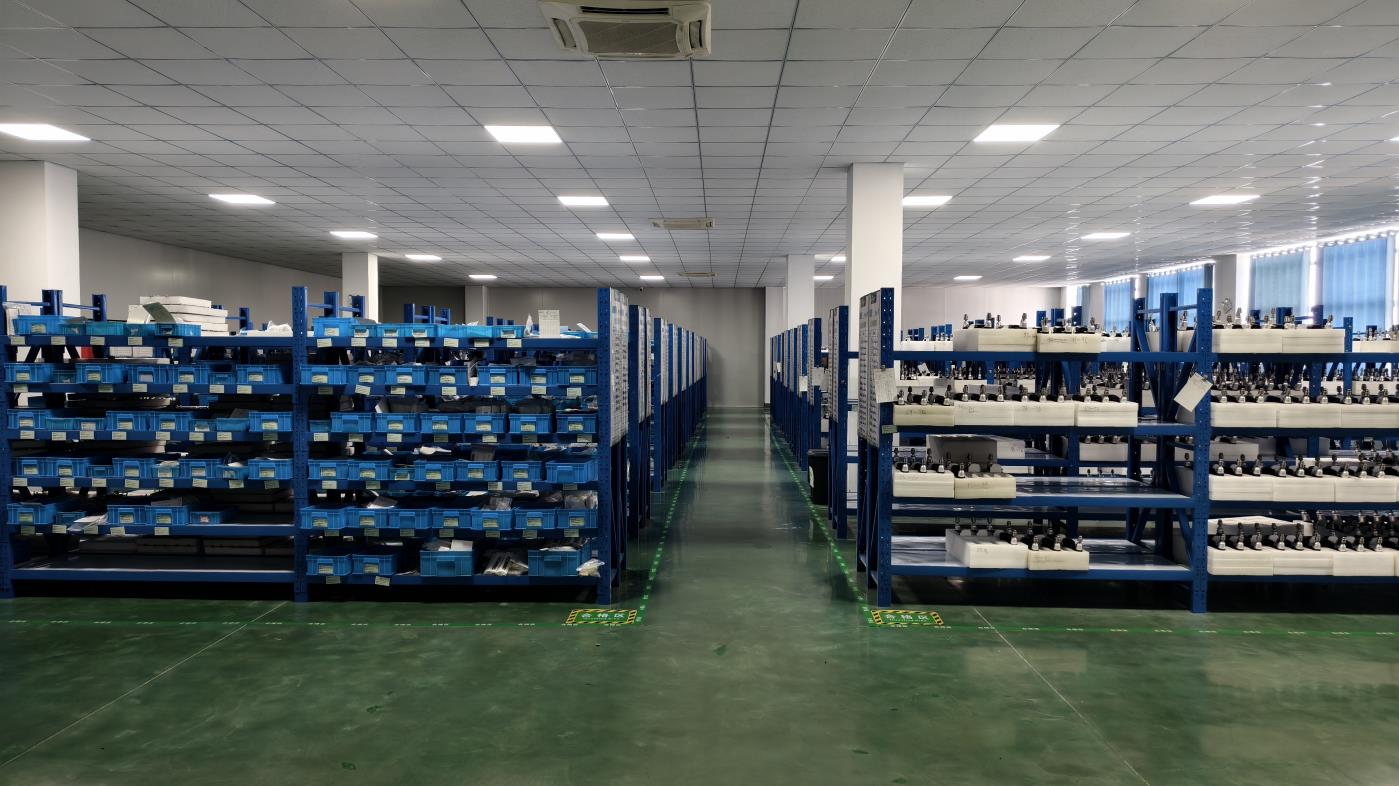
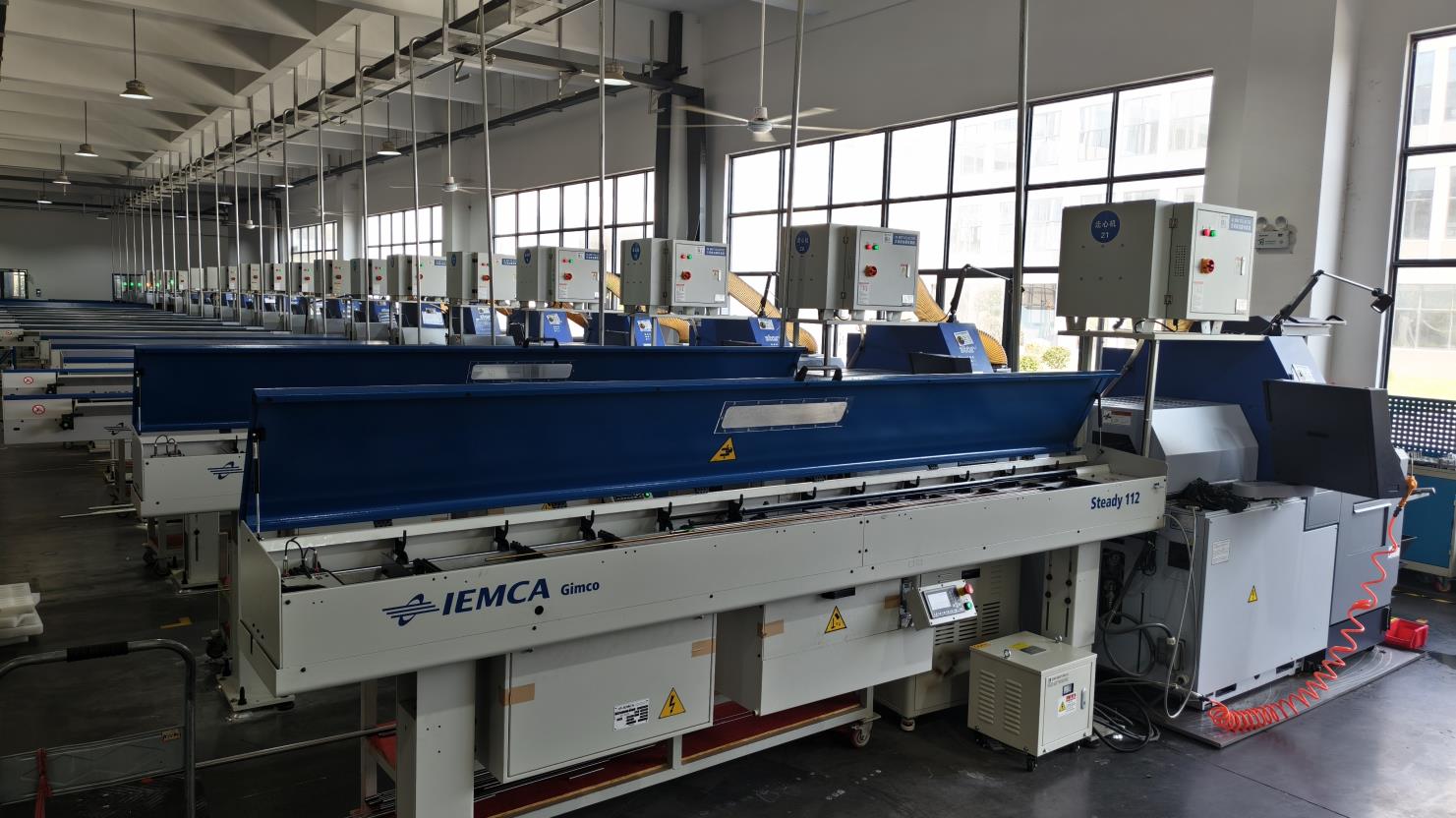
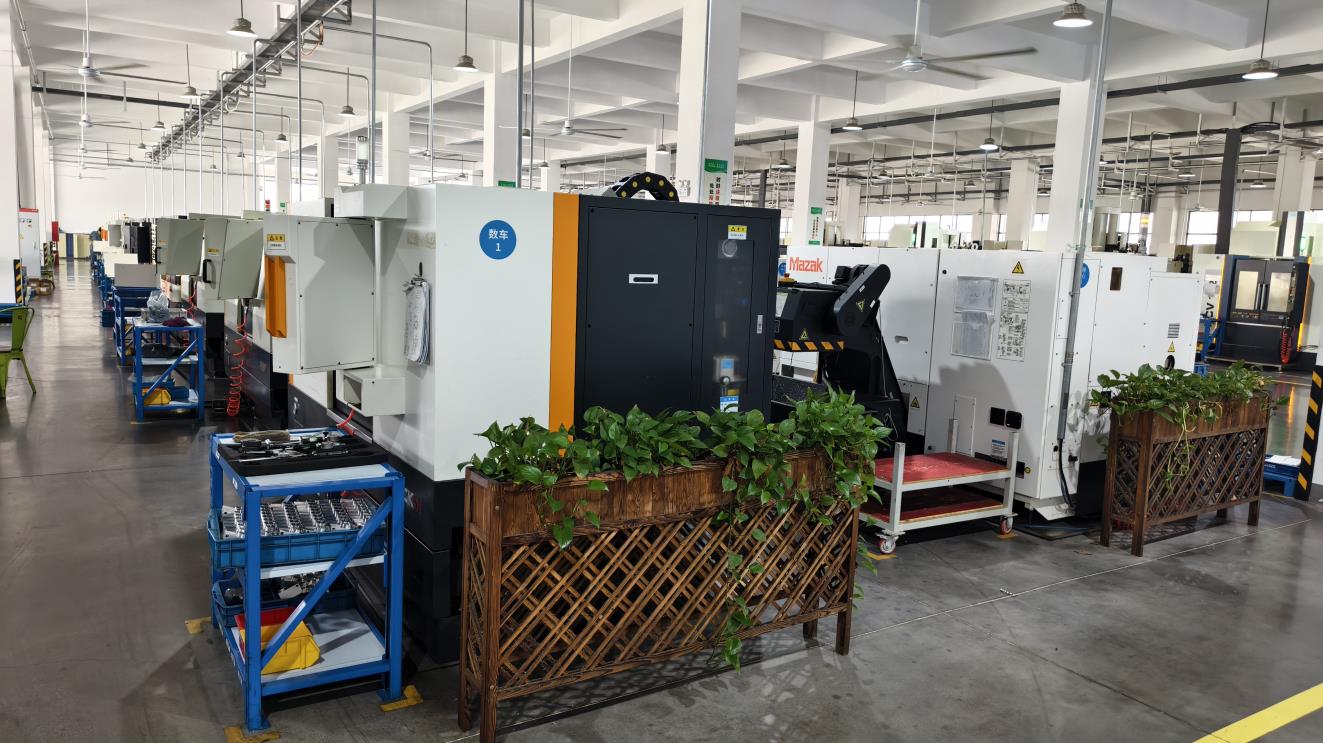
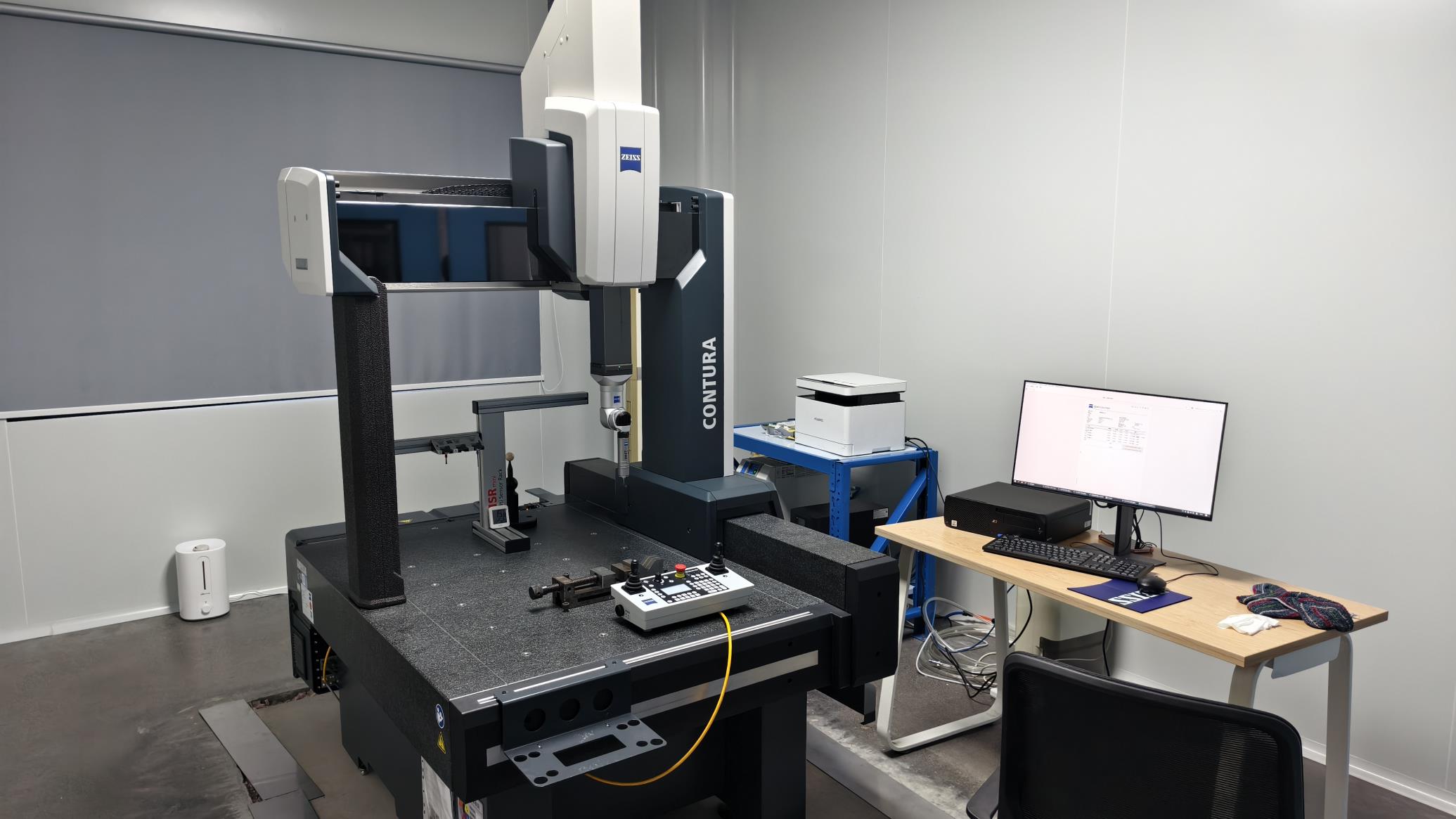
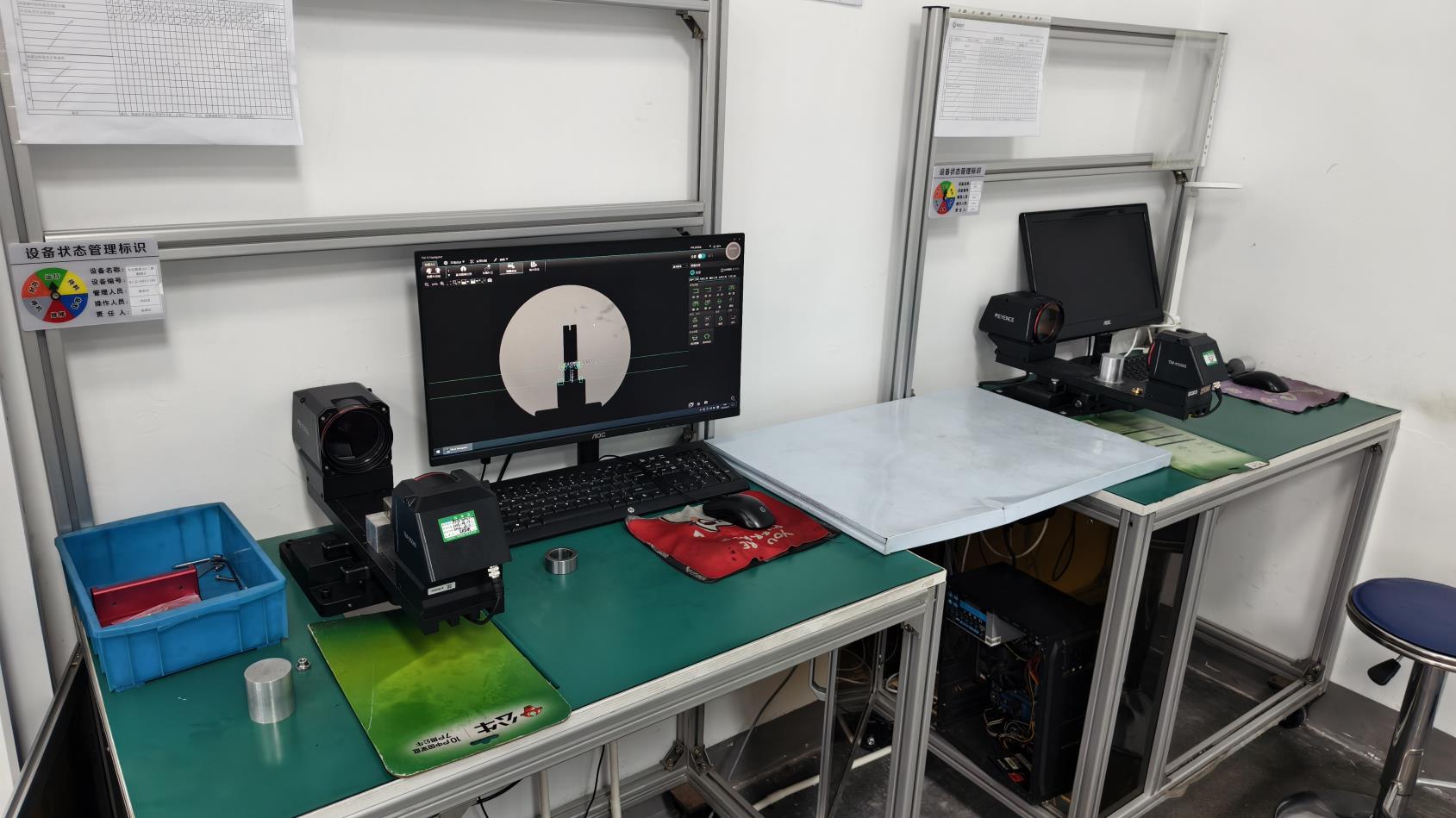
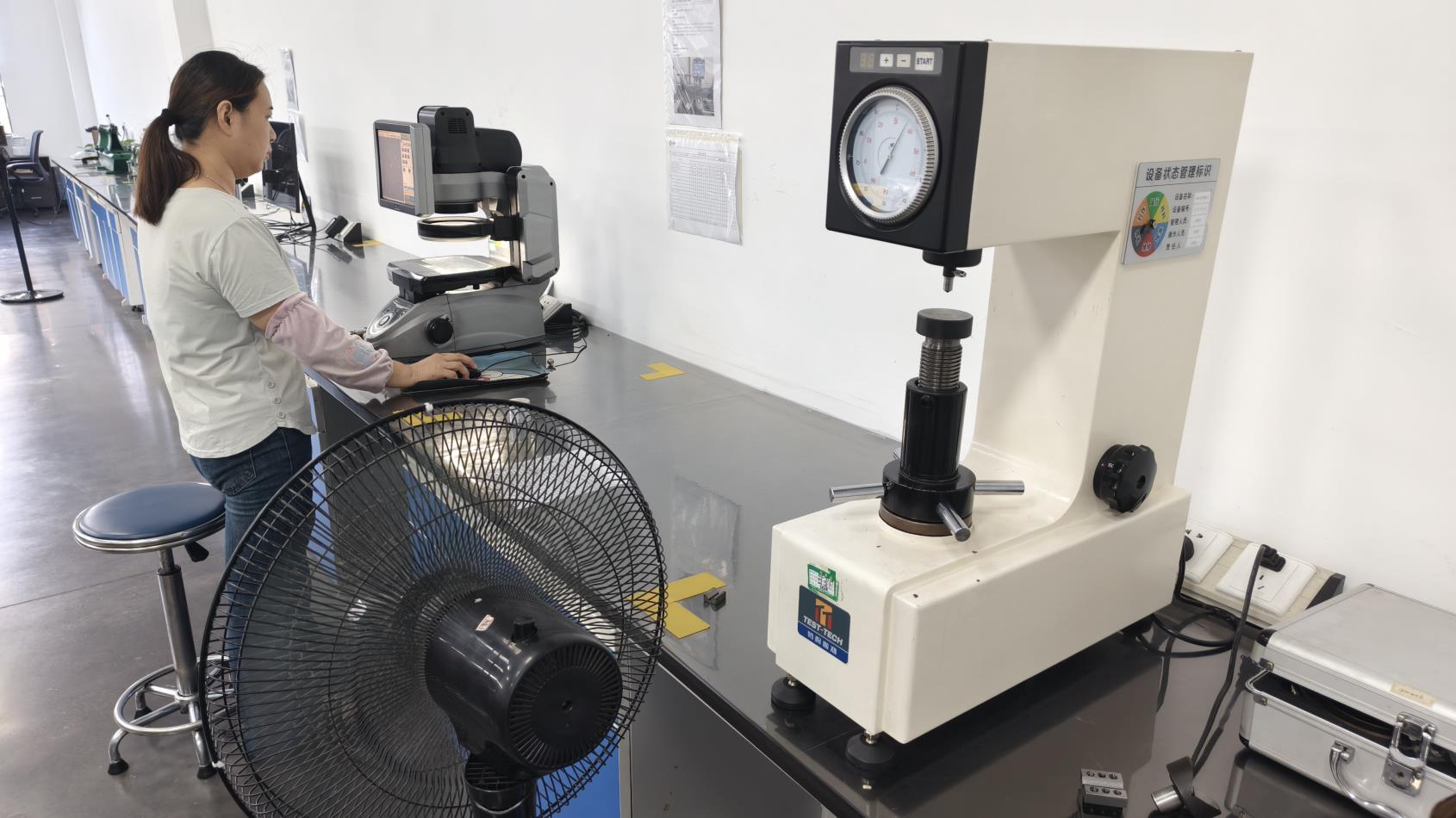
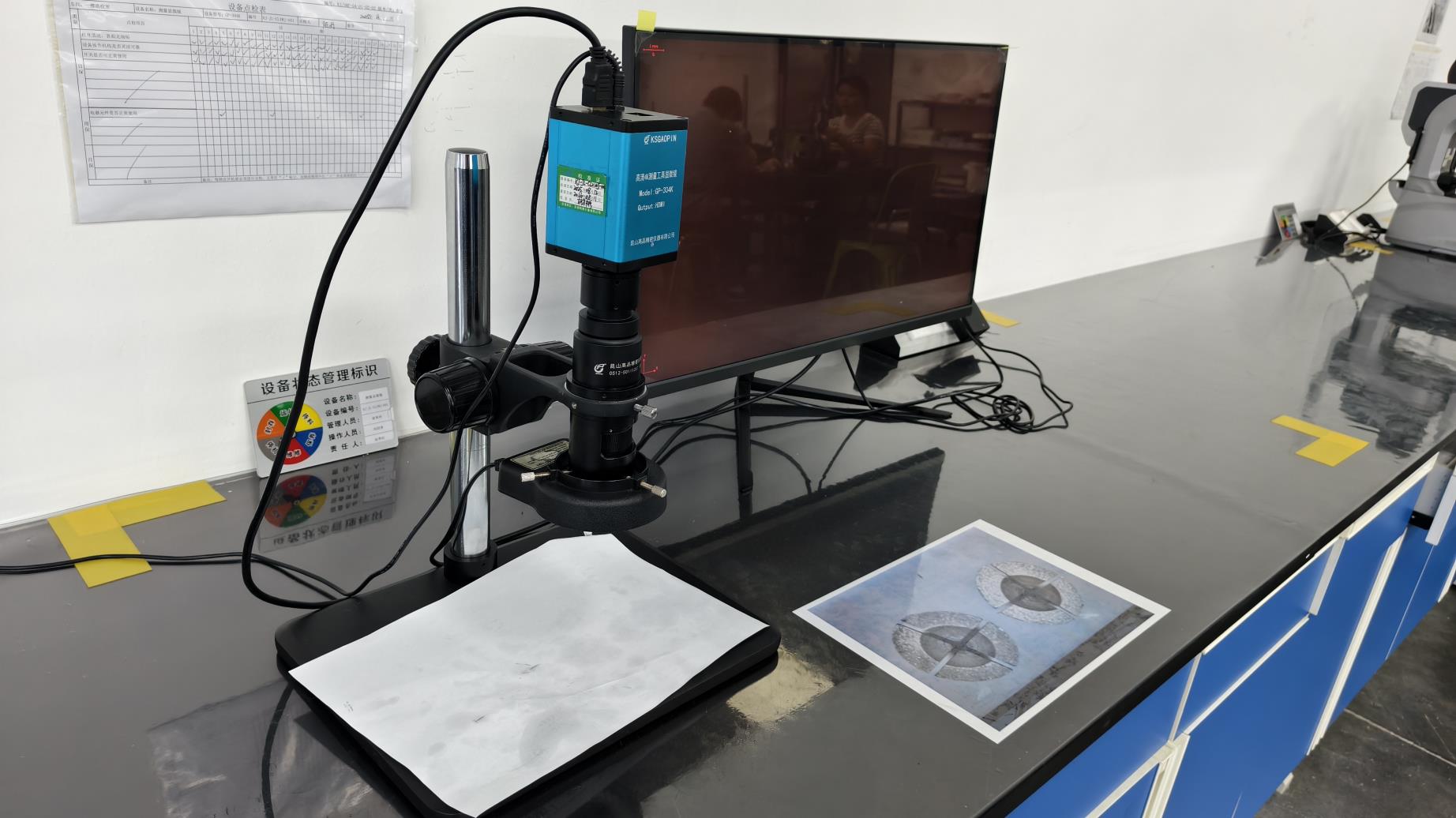
The structural integrity of a cortical screw is tested across distinct mechanical and anatomical environments. By analyzing these specific clinical setups, Moventra designs fasteners to meet localized mechanical demands.
Used to fix compression plates onto long bone shafts (femur, tibia, humerus). The screws traverse both the near and far cortices to supply high mechanical compression. The shallower thread depth maximizes shear resistance against lateral bending loads.
In canine cruciate ligament surgeries, veterinary surgeons use TPLO plates stabilized by cortical screws. Animal bones feature a thinner, denser cortex than humans, demanding aggressive self-tapping lead threads to avoid bone splits during rapid deployment.
Micro-cortical screws (1.5mm to 2.0mm diameters) stabilize structural plates in facial trauma or spinal constructs. In these delicate structures, low-profile screw heads are vital to prevent soft-tissue irritation and erosion post-surgery.
Providing transparent, engineering-backed answers to build supply chain trust.
Comprehensive reconstruction systems, joint prostheses, locking plates, and specialized instruments.
 Moventra Medical