Explore our primary selection of elite orthopedic tools, premium titanium plates, and high-performance surgical systems engineered to global specifications.
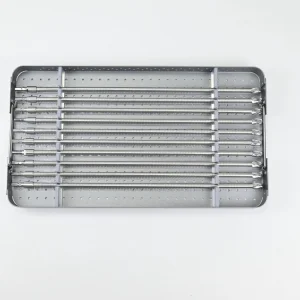
Flexible Reamer Orthopedic Accessories Orthopedic Medical Orthopedic Tools
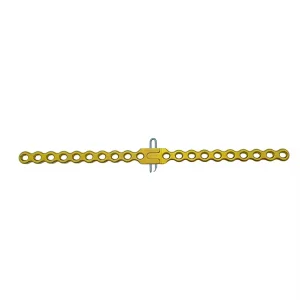
Competitive Price 8-30 Holes Titanium Locking Plate Distal Lateral Tibial Locking Plate-I
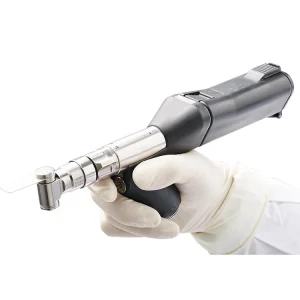
Portable Orthopaedic Craneotomo High Speed Drill Neurosurgery
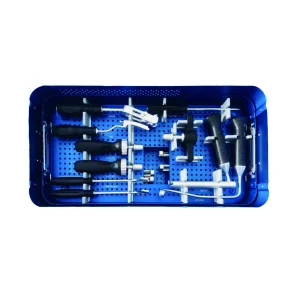
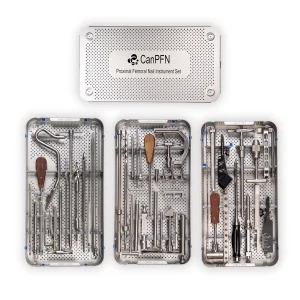
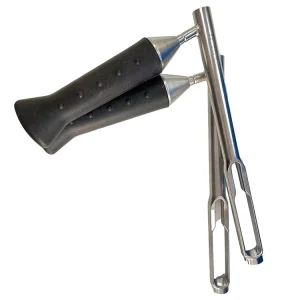
Fighting Spanner Orthopedic Surgical Spinal Instruments for Scoliosis Surgery
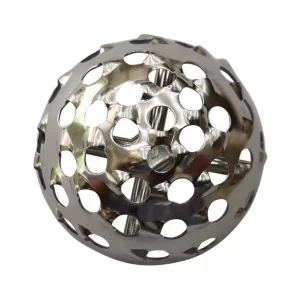
Medical Surgery Power Tool Acetabulum Reamer Drill for Total Hip Replacement
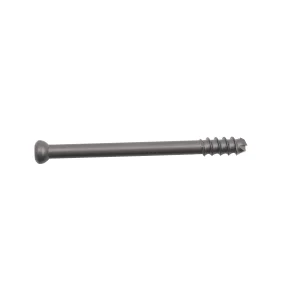
First introduced by Timothy Herbert, the headless compression screw has revolutionized the clinical approach to intra-articular fractures, osteochondral fragments, and micro-bone osteotomies. As a leading manufacturer, Moventra Medical explores the mechanics that make this component an essential tool in clinical environments.
The fundamental engineering behind a Herbert Screw rests on its variable thread pitch. By integrating two distinct threaded sections separated by a smooth central shaft, the screw achieves precise interfragmentary compression. The leading thread utilizes a finer pitch (slower progression) compared to the trailing thread with a coarser pitch (faster progression).
As the screw is driven into the bone, the difference in thread advancement pulls the distal bone fragment firmly toward the proximal fragment. Because the screw is entirely headless, it can be countersunk beneath the articular surface, mitigating the risk of tendon irritation or localized cartilage damage.
Established in 2017, Moventra Medical Technology (China) Co., Ltd. has developed into a top-tier manufacturer and global exporter of high-precision orthopedic medical devices.
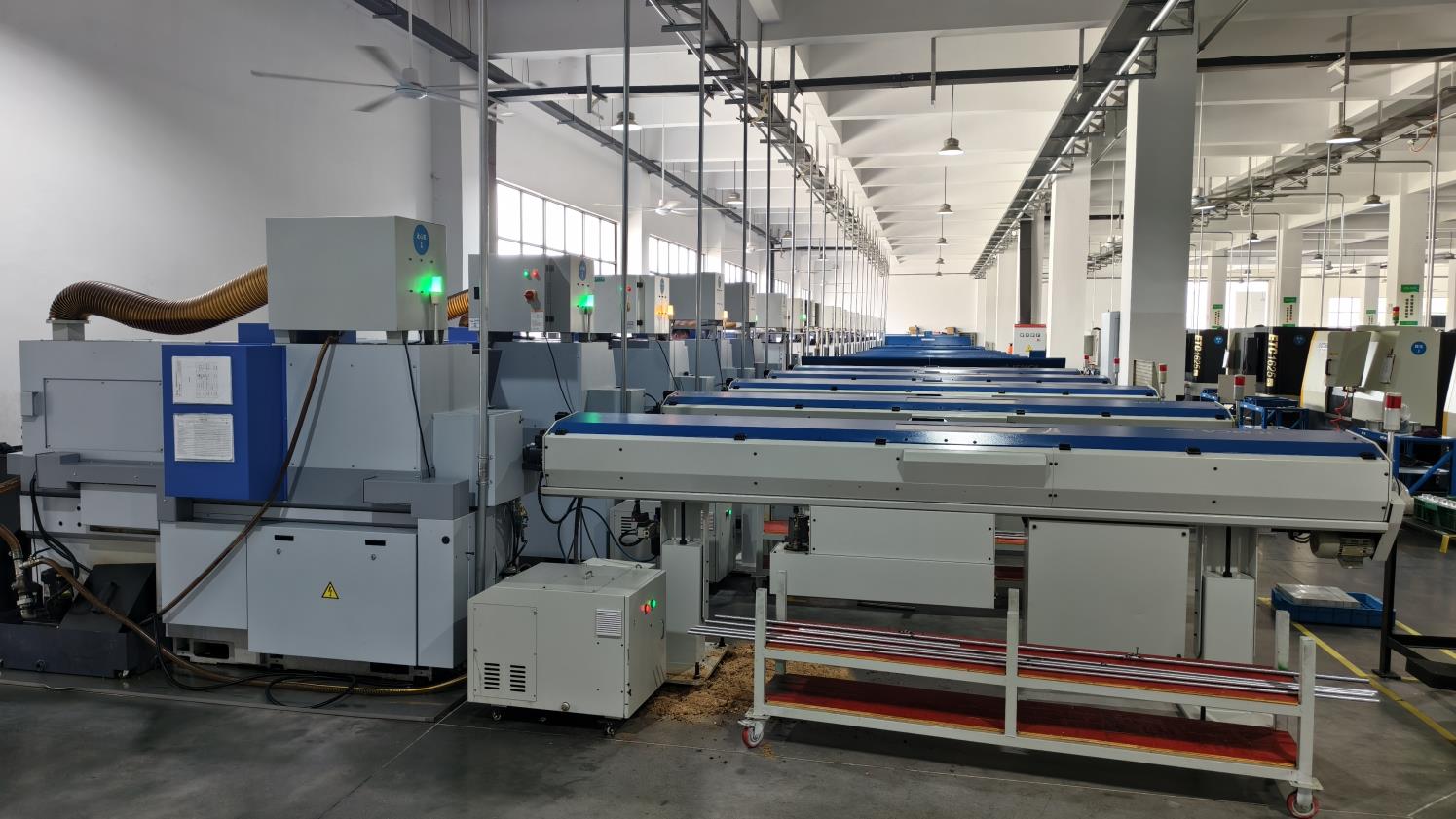
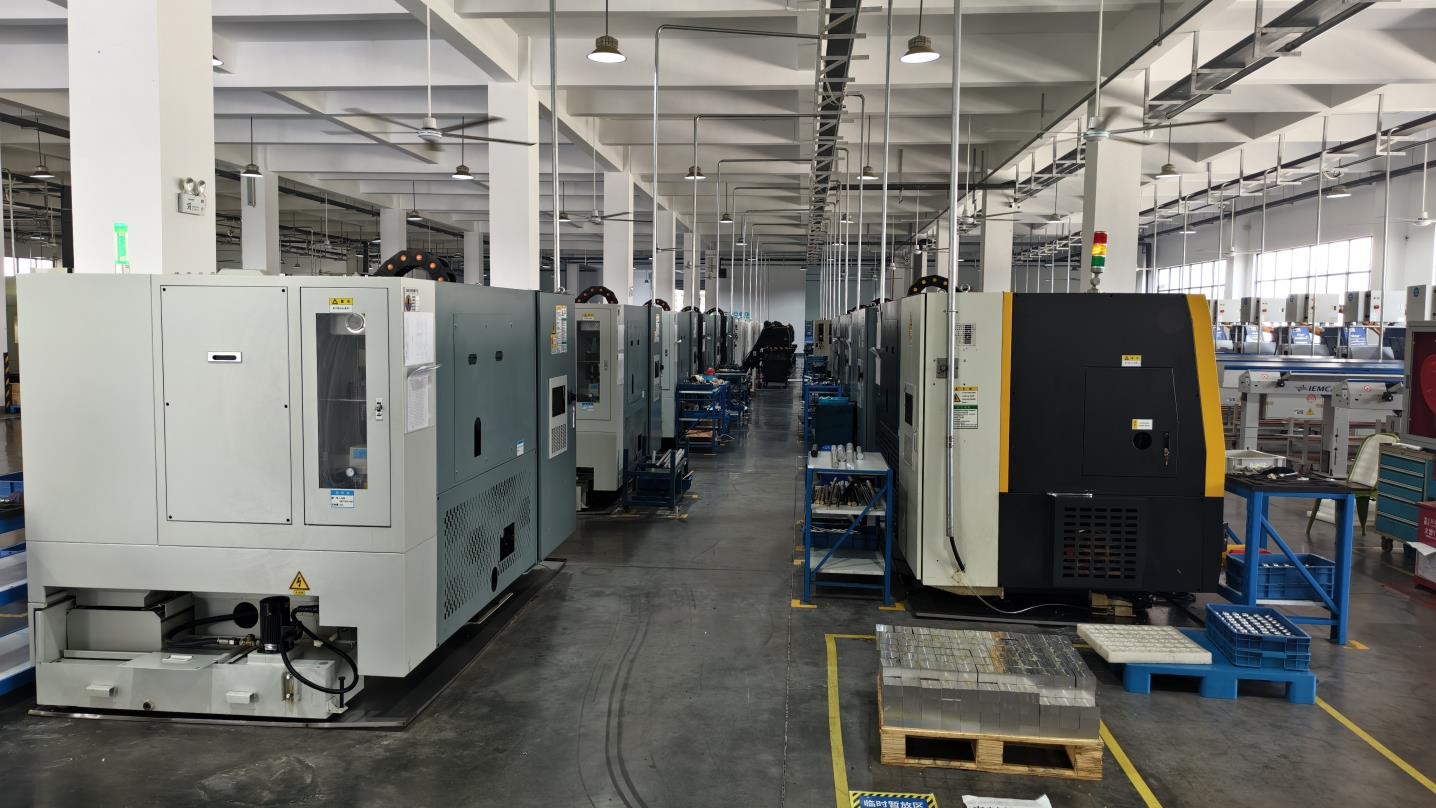
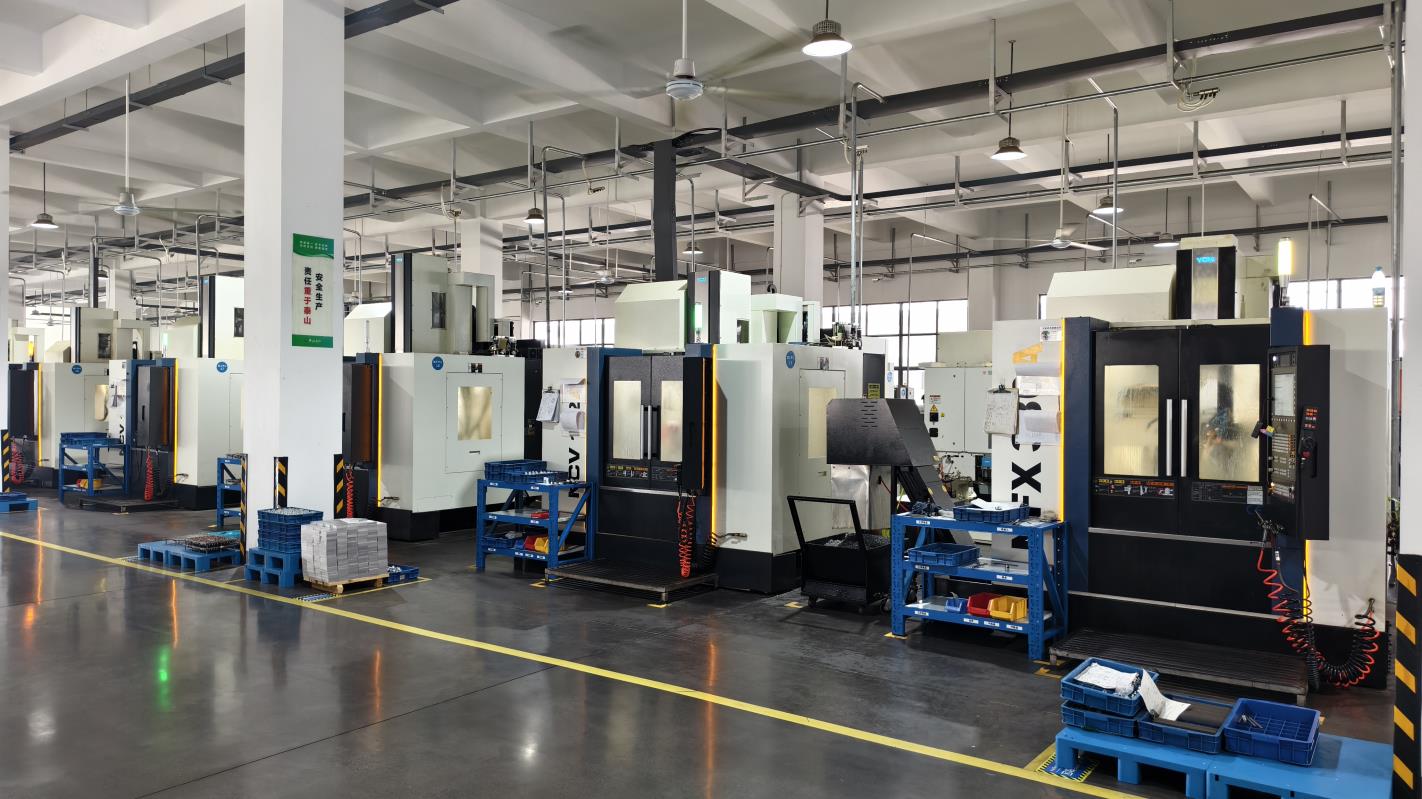
Based in a modern 18,600 m² facility, we integrate Swiss-type precision machining, fully automated production lines, and cleanroom packaging facilities. We leverage standard-setting R&D capabilities to address critical clinical problems in trauma, joint, spinal, and sports medicine procedures.
| Specification Parameter | Details & Capabilities |
|---|---|
| Company Name | Moventra Medical Technology (China) Co., Ltd. |
| Brand | Moventra |
| Established | 2017 |
| Facility Area | 18,600 m² |
| Annual Export Revenue | USD 23.8 Million |
| Export / Industry Experience | 7 Years Exporting / 13 Years Industry Background |
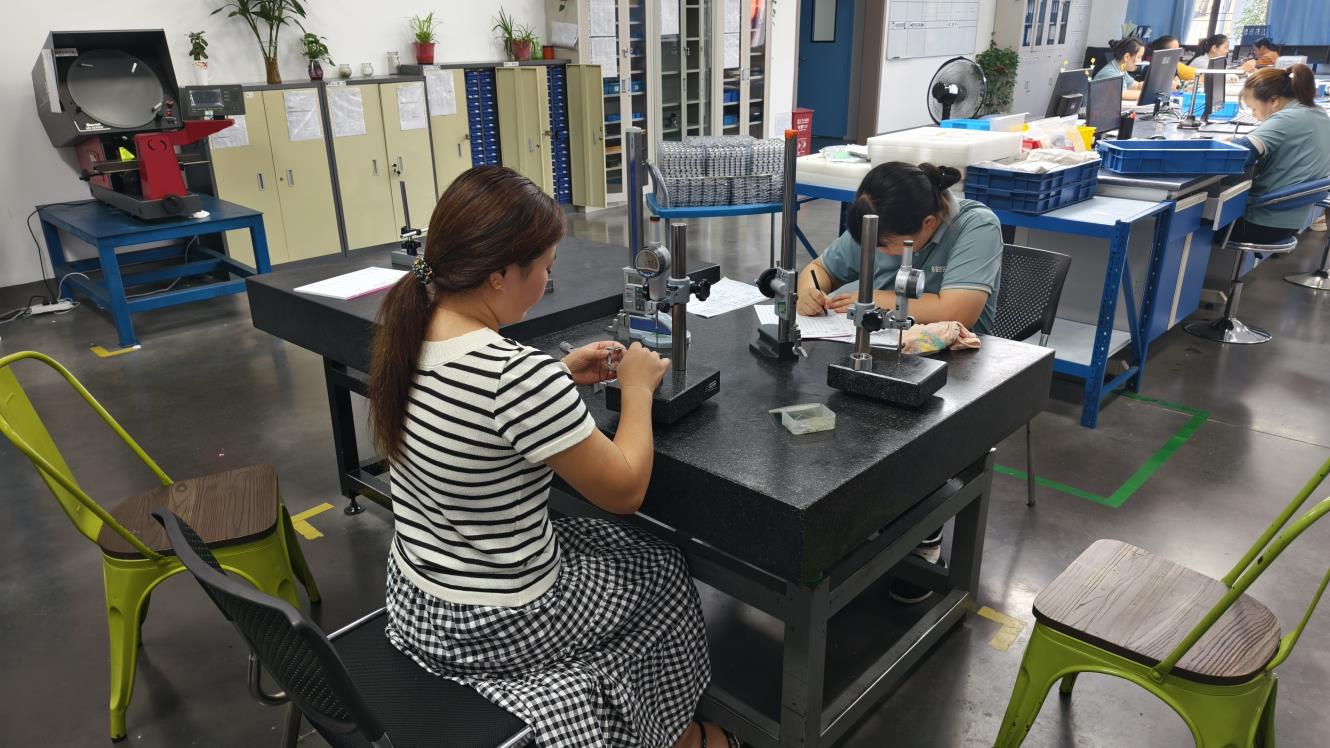
| Quality Inspection | 100% Quality Inspection Before Shipment |
| Product Inspection Methods | Dimensional Inspection, Material Analysis, Surface Finish Inspection, Mechanical Performance Testing, Sterility Verification |
| Quality Control Staff | 48 Quality Specialists |
| Business Type | Manufacturer, OEM & ODM, Exporter |
| Main Markets | North America, Europe, South America, Middle East, Southeast Asia, Australia |
| Supply Chain Partners | 1,120 Partners |
| Main Customer Types | Medical Device Brands, Orthopedic Distributors, Hospitals, Importers, Government Procurement Projects |
| R&D Capability | Independent Product Design, Rapid Prototyping, OEM/ODM Development, Customized Engineering Solutions |
| Customization Options | Logo Customization, Packaging Customization, Product Design Customization, Drawing-Based Manufacturing, Sample-Based Manufacturing |
| New Products Released Last Year | 156 Products |
| R&D Engineers | 86 Engineers |
How Moventra leverages industry-leading infrastructure to secure stable, scalable, and traceably compliant supply routes for orthopedic distributors globally.
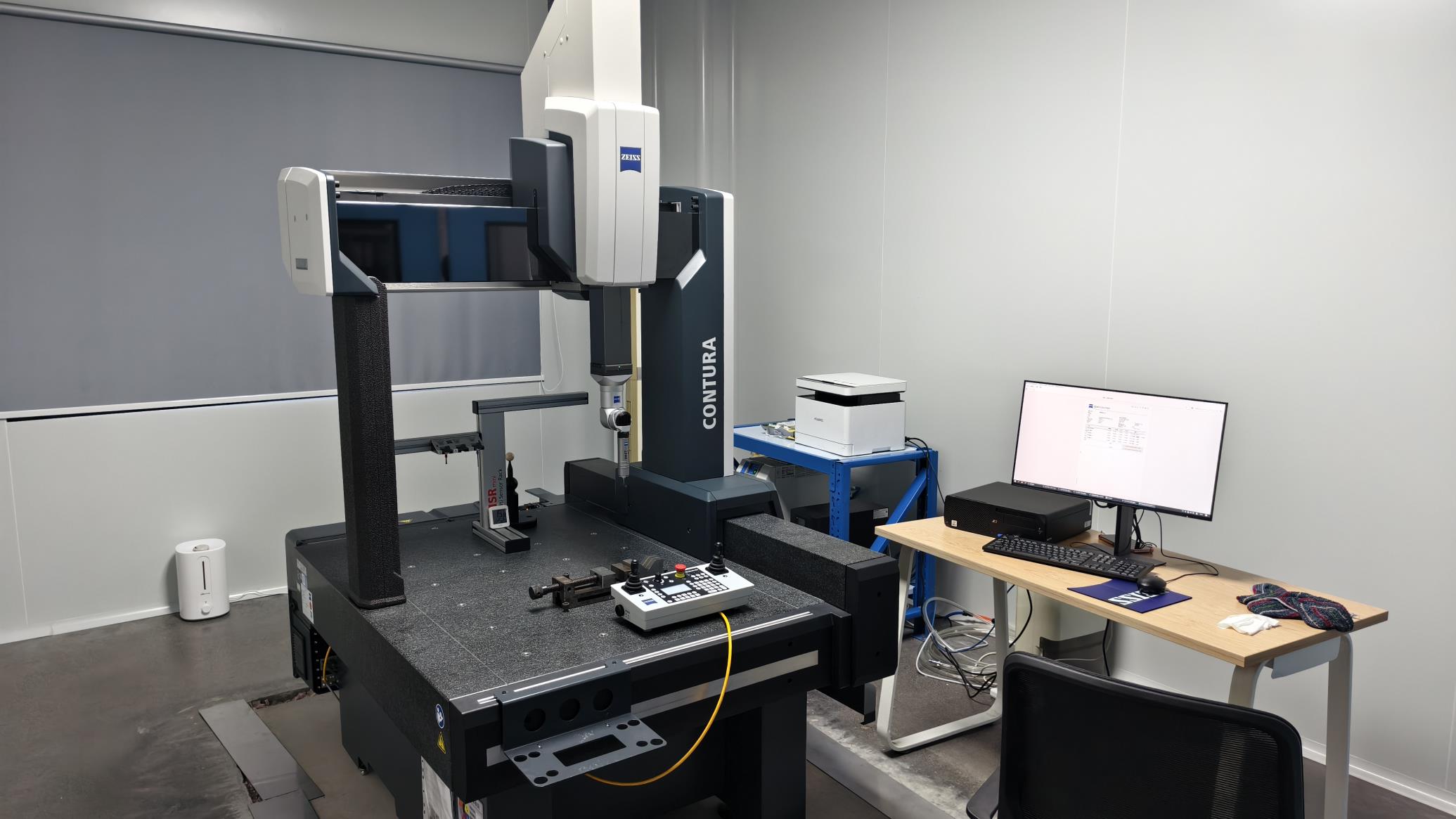
Our facility employs Swiss-type multi-axis CNC machines to achieve micron-level dimensional accuracy. This equipment allows us to turn the complex pitch variations of Herbert Screws in a single pass, guaranteeing structural concentricity.
Corrosion resistance is enhanced through automated chemical passivation. Our specialized post-machining processes stabilize the titanium oxide surface layer, minimizing post-operative ion release in the patient's body.
Contamination control is critical for orthopedic devices. Implants undergo particulate cleaning and primary packaging in certified cleanrooms, complying with international bioburden standards.
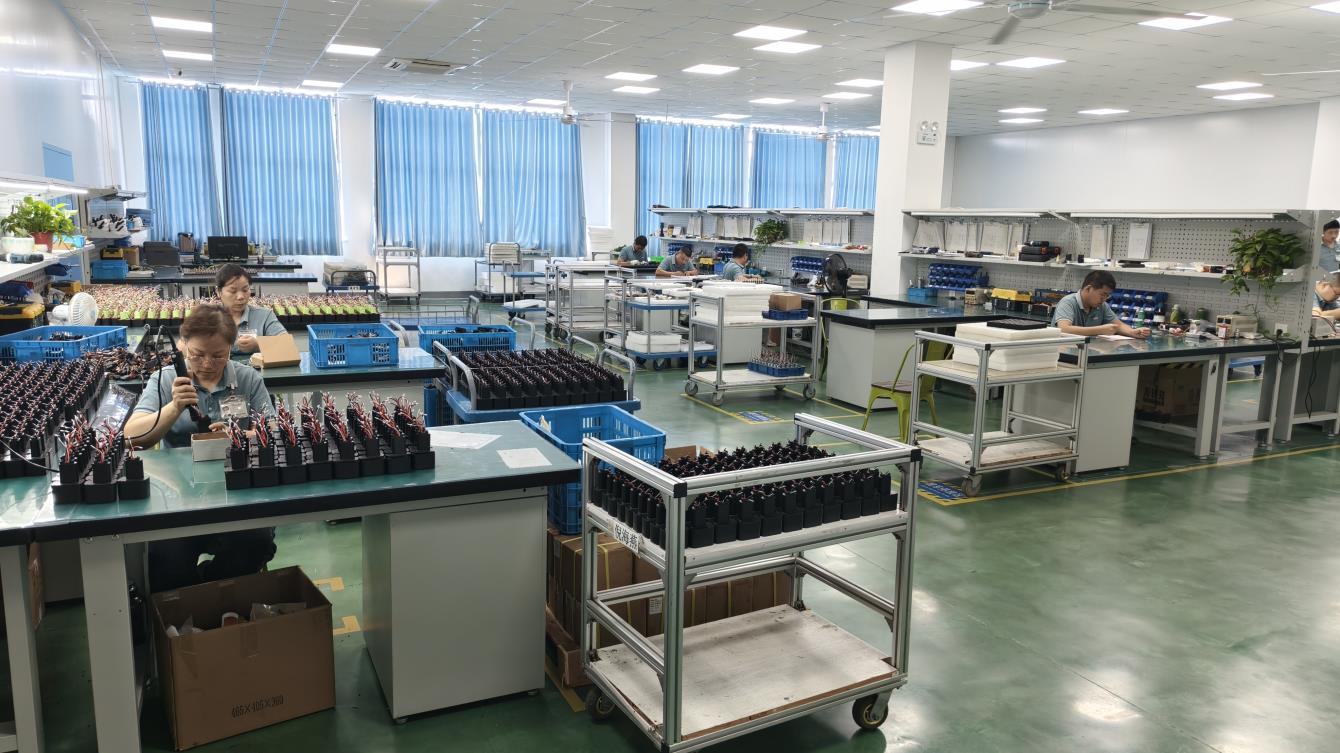
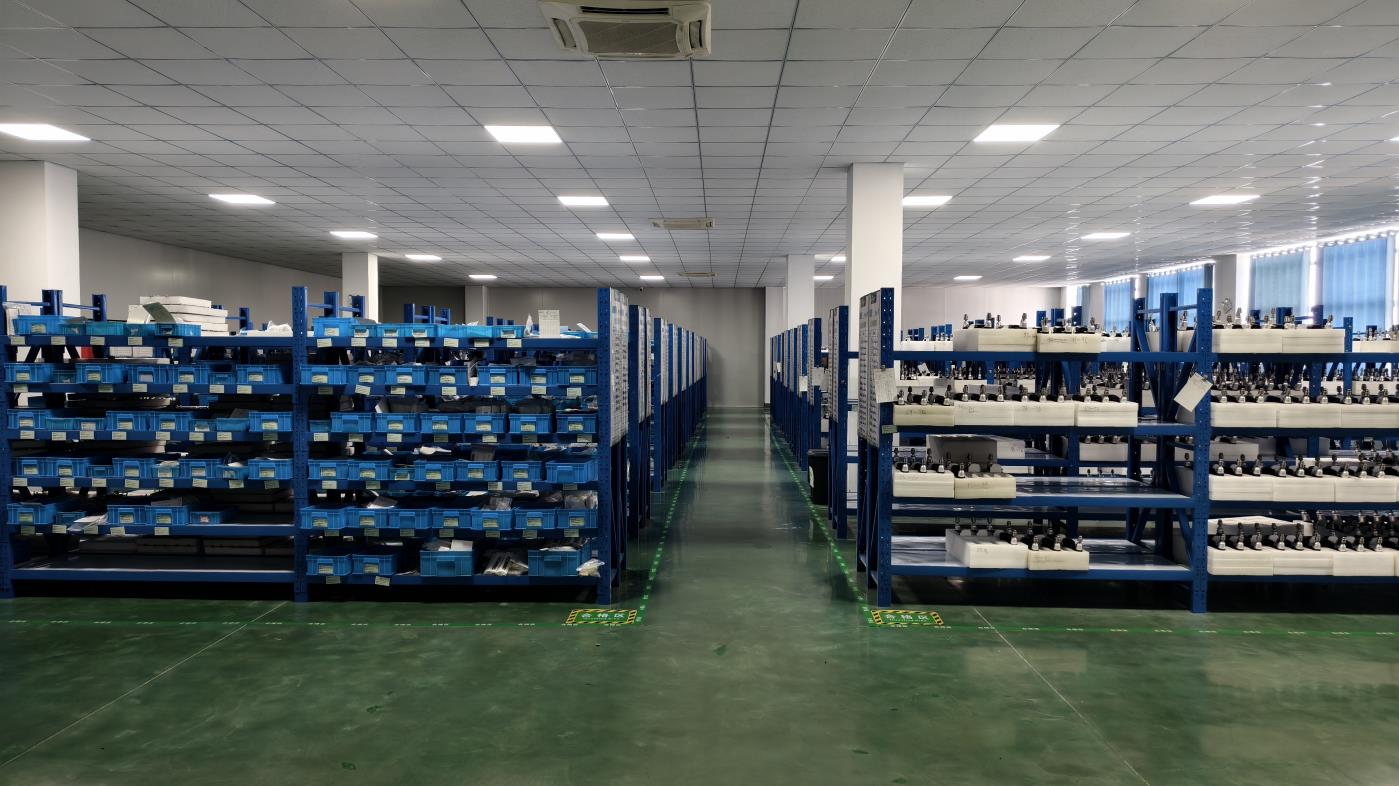
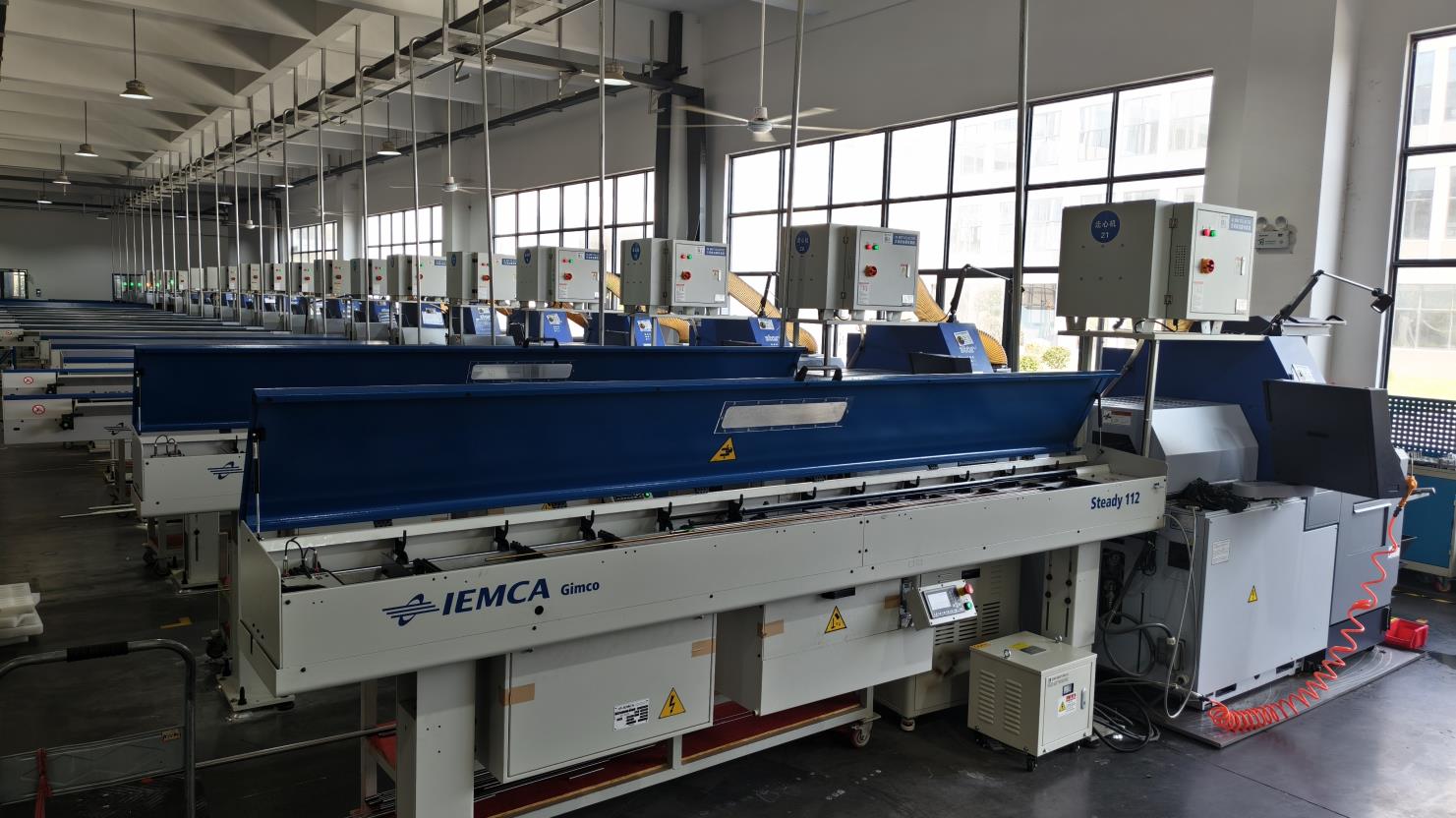
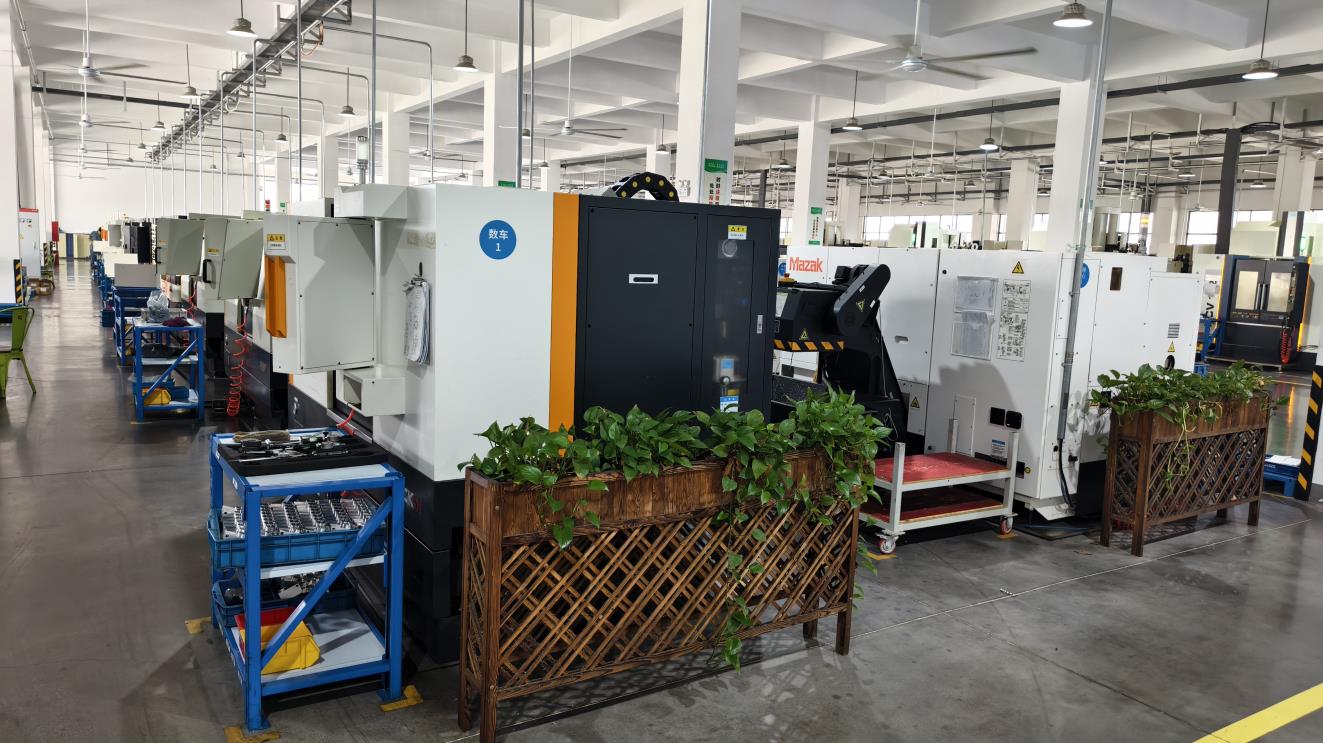
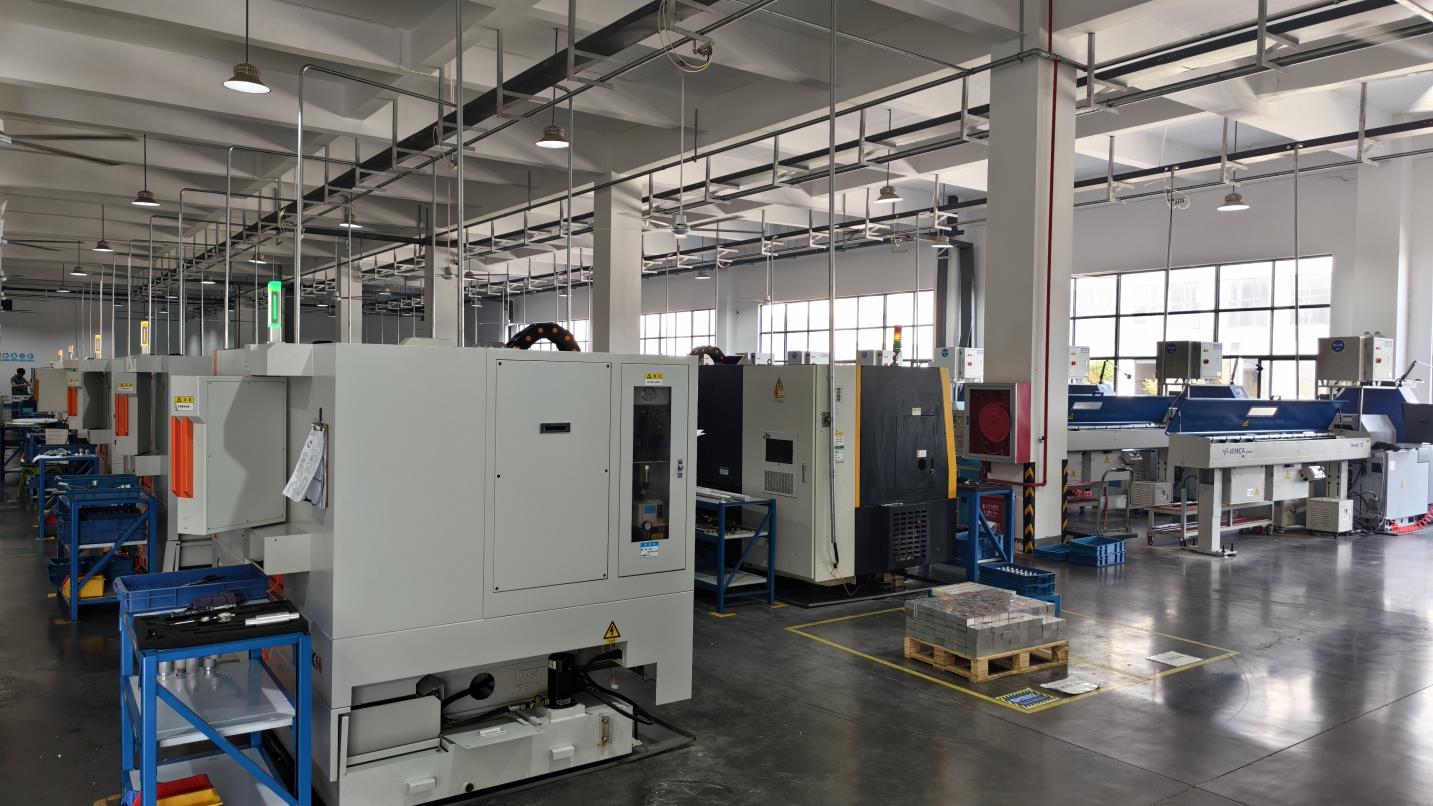
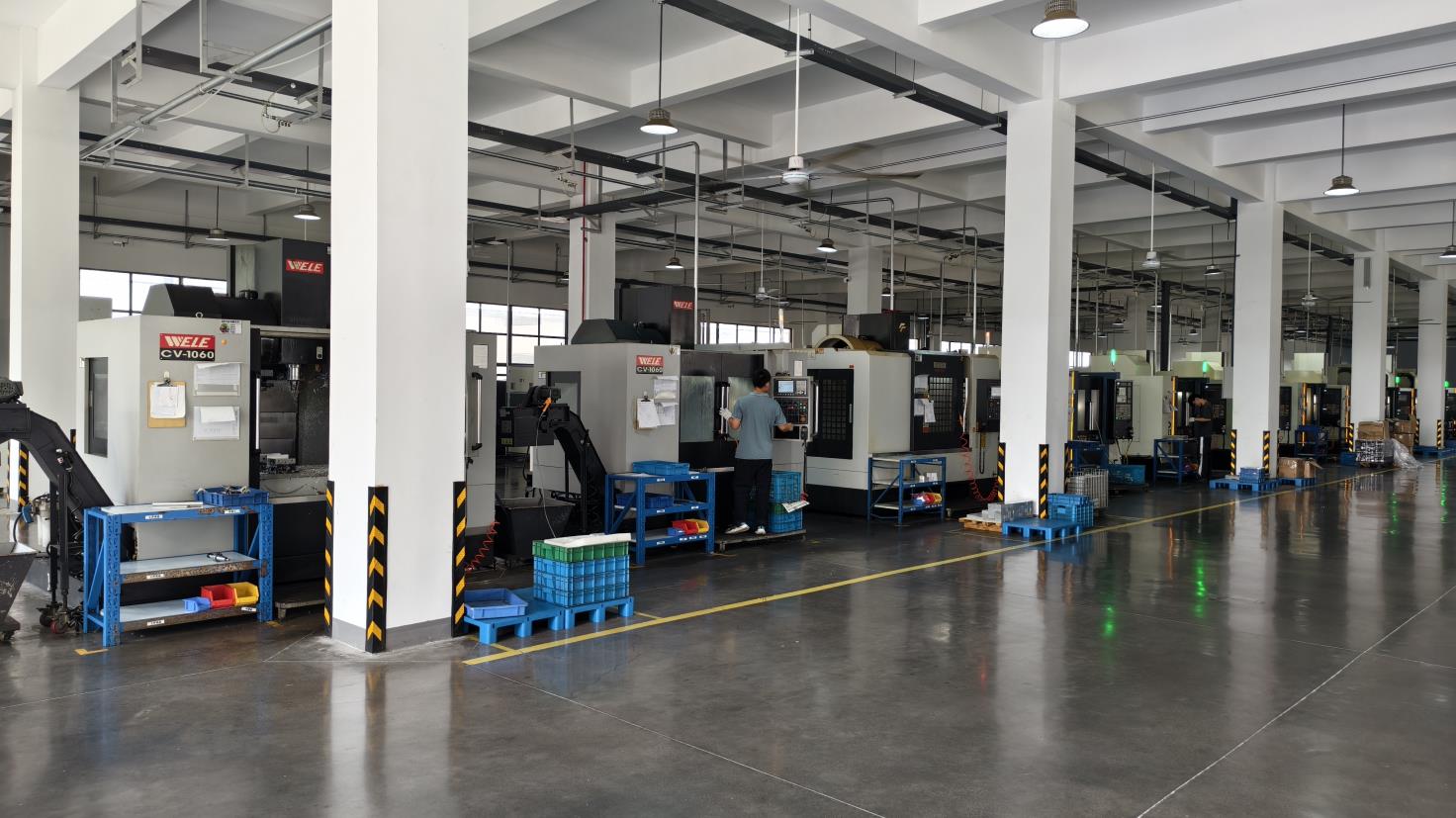
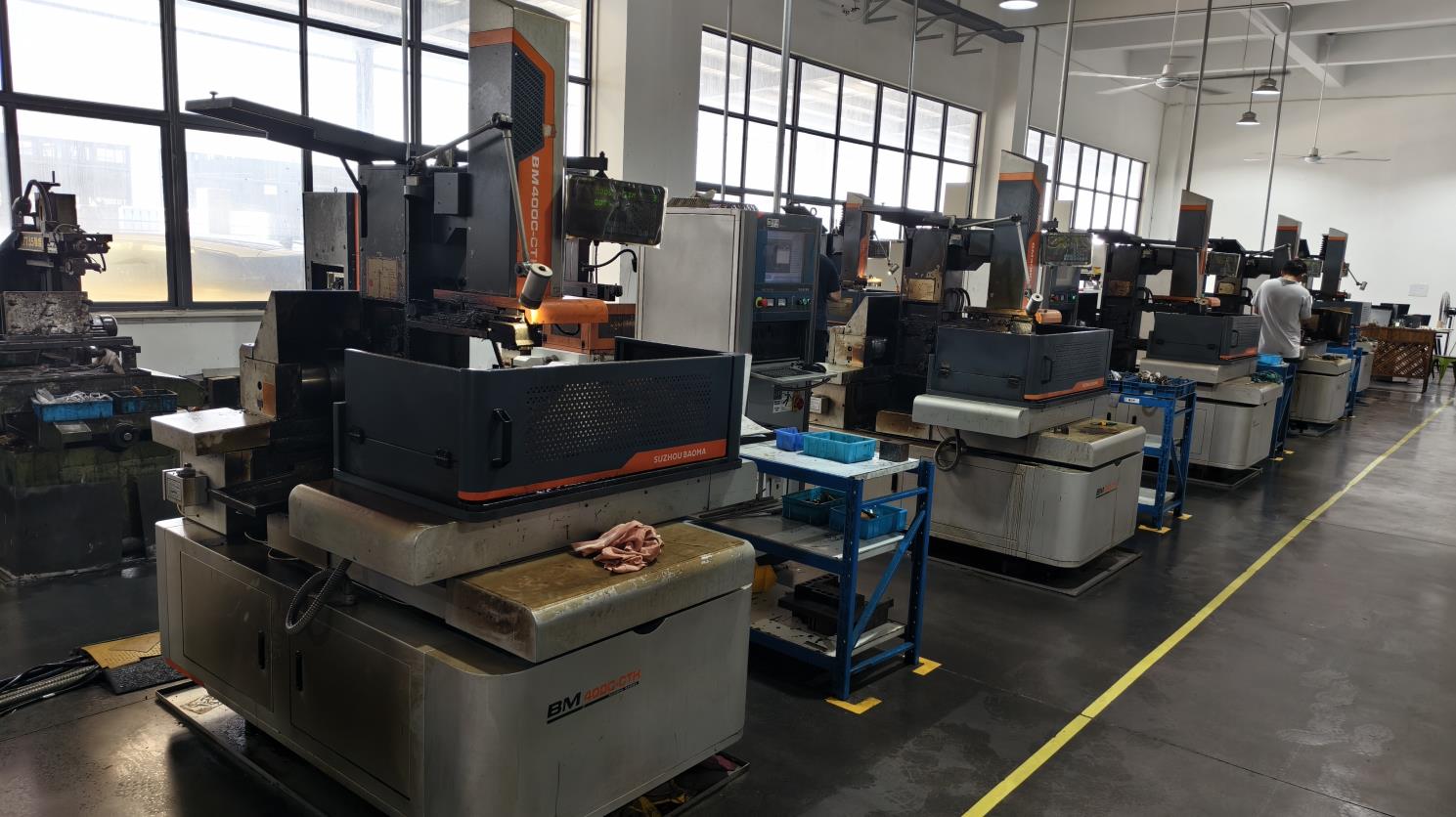
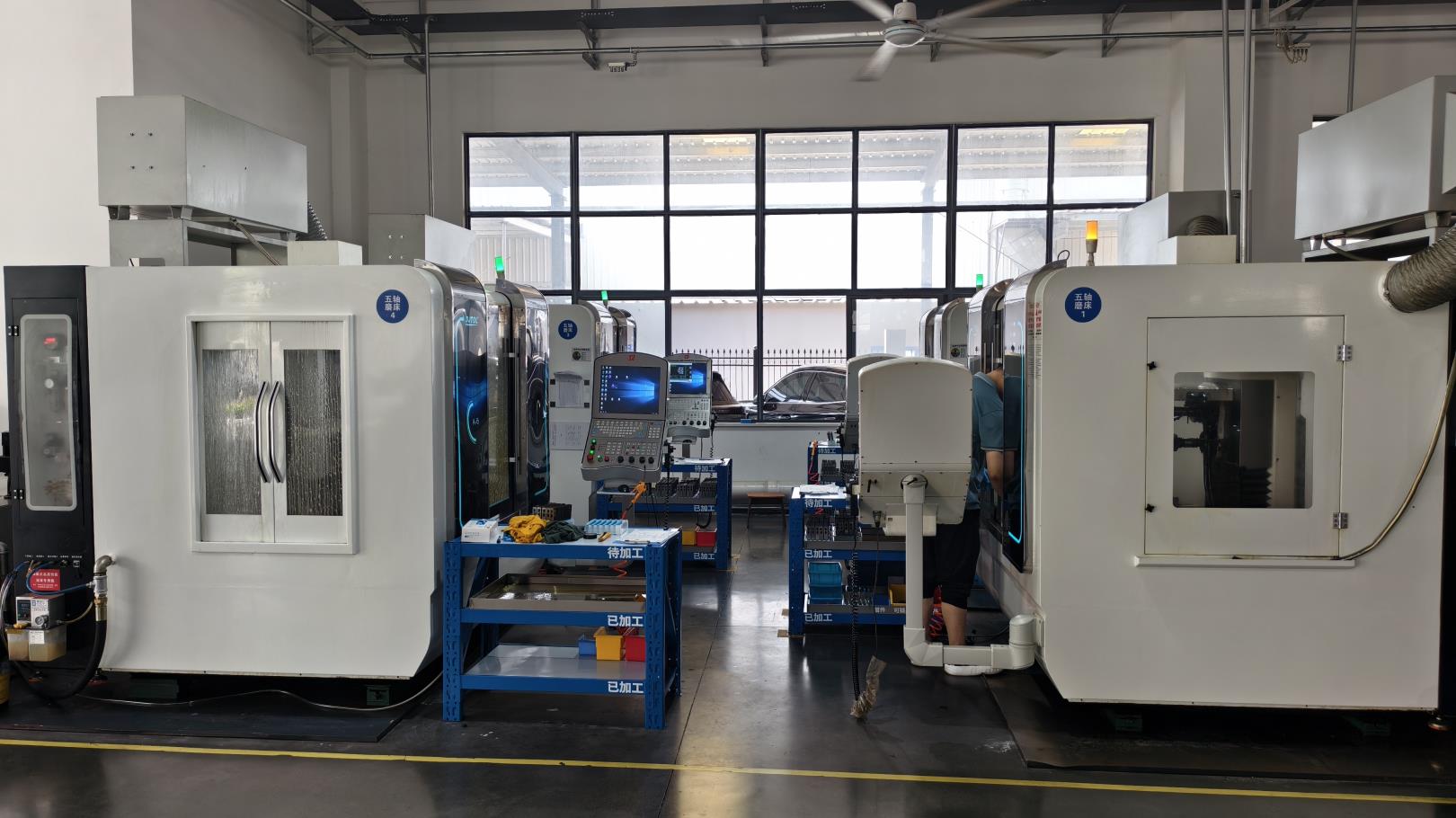
Headless compression screws are not single-indication devices; they represent a fundamental mechanism used to treat complex articular fractures.
When treating a scaphoid fracture, a key challenge is the risk of avascular necrosis. Due to the retrograde blood supply of the scaphoid bone, precise internal compression is necessary to stabilize the bone fragments and facilitate vascular regrowth. Traditional plates or K-wires often fail to apply adequate compression or remain exposed, causing irritation to surrounding tendons. The Herbert Screw solves both issues simultaneously.
The headless configuration allows the screw to be inserted inline with the scaphoid's central axis, compression-locking the proximal pole and stabilizing healing structures.
In distal femur, talus, and radial head injuries, the articular cartilage must remain smooth. The countersunk design allows these screws to fix fragments without wearing on opposing joint surfaces.
Whether managing hallux valgus or interphalangeal arthritis, our screws provide axial compression, securing stable bone fusion in minimal-space environments.
Moventra's engineering pipeline is focused on optimizing bone-implant interfaces, utilizing advanced medical alloys and surface modification techniques.
Our current Herbert Screws are manufactured from premium Ti-6Al-4V ELI (Extra Low Interstitial) alloy, conforming strictly to ASTM F136. This material provides high fatigue resistance, low elastic modulus (compared to stainless steel), and high biocompatibility, reducing stress-shielding risks in delicate bone structures.
Surface treatment options, such as type II hard anodizing, increase fatigue strength and reduce friction during screw insertion, protecting the thread channel.
As part of our commitment to technical innovation, Moventra is testing biodegradable magnesium alloys (Mg-Zn-Ca). Once implanted, these screws support the bone during the healing cycle and gradually degrade, eliminating the need for removal surgeries.
We are also exploring PEEK carbon-fiber composites, which match the natural modulus of cortical bone to promote physiological loading and clearer post-operative MRI imaging.
How we collaborate with medical brands and distributors to deliver customized orthopedic implants under strict regulatory frameworks.
Our R&D team reviews your technical drawings or reference samples to verify dimensions, thread geometry, drive recess (e.g., hex, star, Torx), and material requirements.
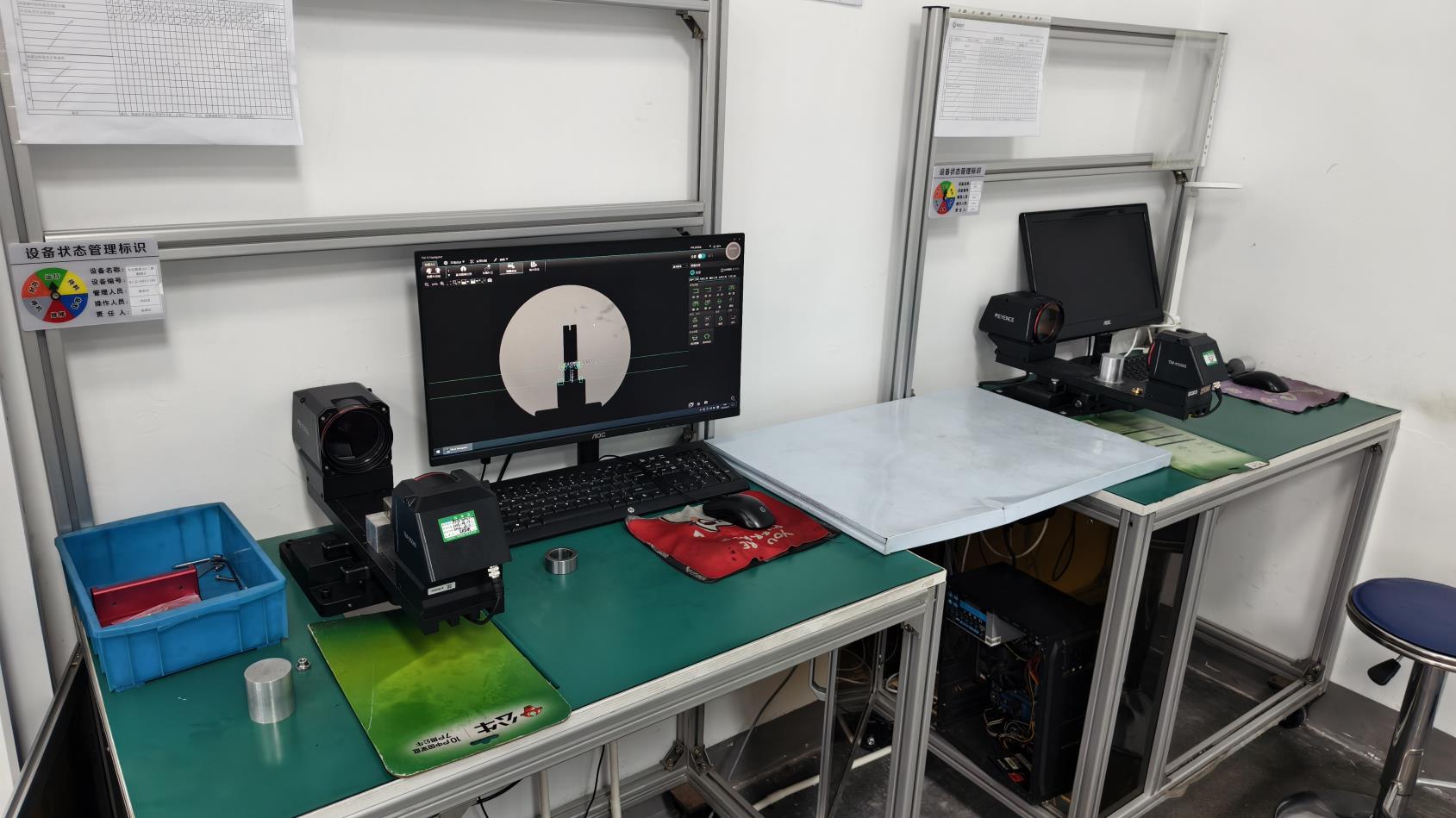
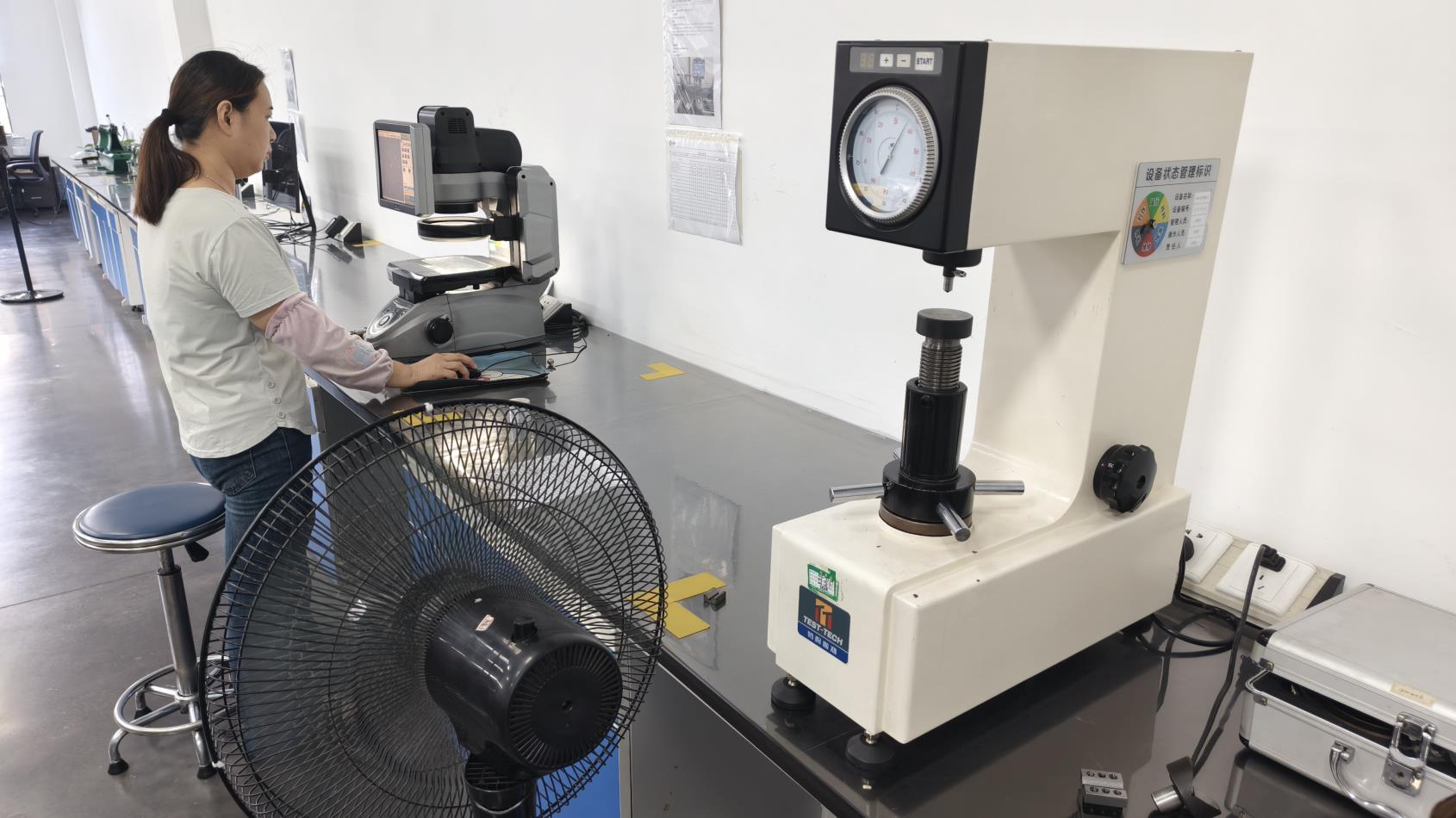
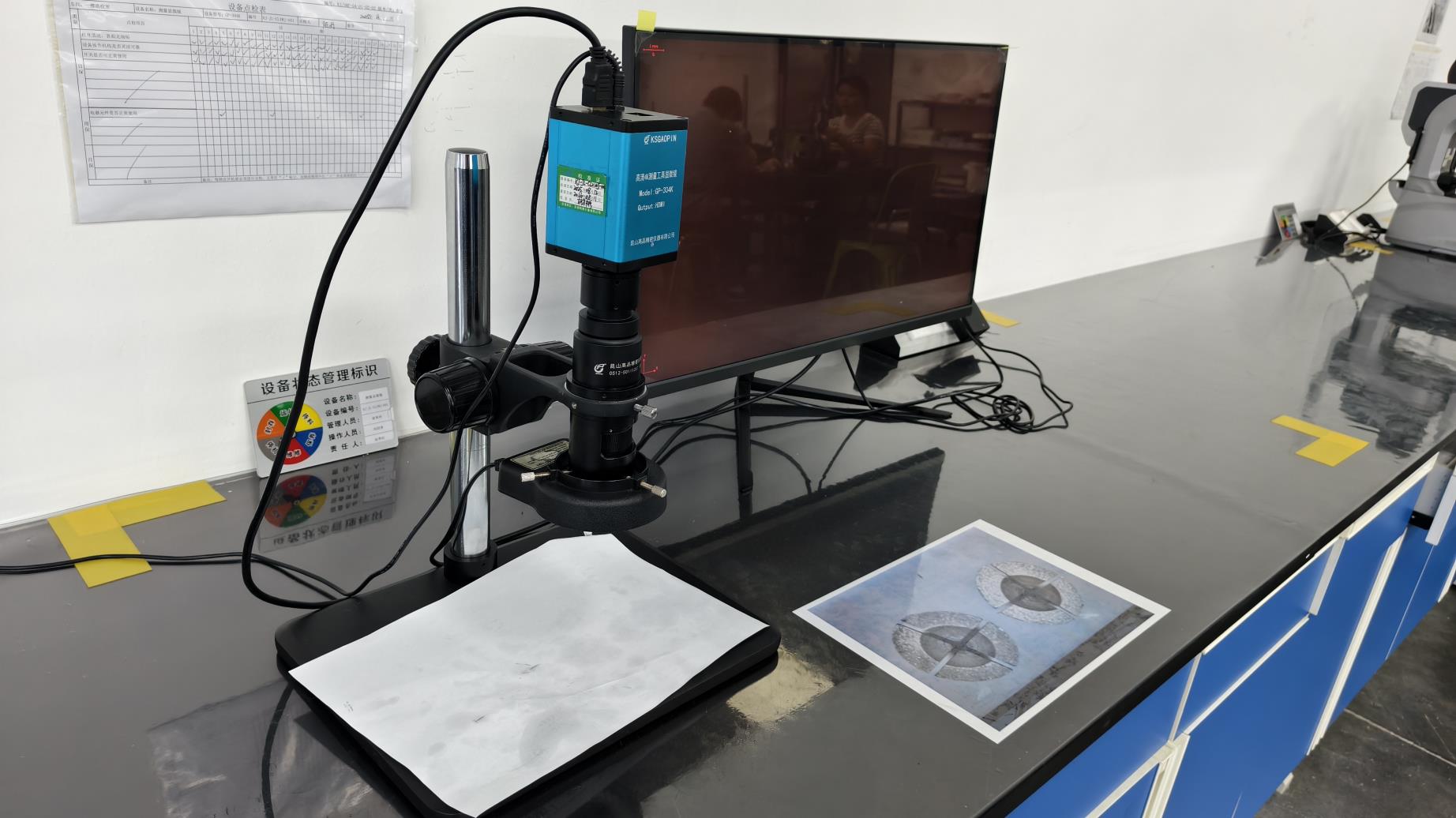
Using Swiss CNC lathes, we produce sample batches for dimensional analysis, surface finish evaluation, and mechanical torque testing under ASTM guidelines.
Following prototype approval, production is scheduled across our automated lines. Real-time CMM measurement guarantees consistency across production batches.
Implants undergo multi-stage cleaning and passivation in our ISO Class 7 cleanrooms, followed by sterile packaging ready for global export.
Moventra's quality management system is designed to verify clinical safety and support regulatory approval processes for distributors in global markets.
Our products are manufactured to meet national and international standards for Class III medical devices. Our facilities are audited to meet the requirements of ISO 13485:2016 medical device quality systems.
We assist partners with regulatory compliance by providing technical documentation, including raw material certificates (coforming to ASTM standards), biocompatibility testing data (ISO 10993), sterilization validation, and clinical evaluation files.
Whether importing to the European Union under MDR (2017/745) or registering products with North American FDA pathways, Moventra provides the documentation needed to verify safety and regulatory compliance.
Get authoritative, clear answers on the design, materials, customization, and export workflows of our Herbert Screws.
Discover our complete range of spine, trauma, and joint arthroplasty products manufactured to the same specifications as our compression systems.
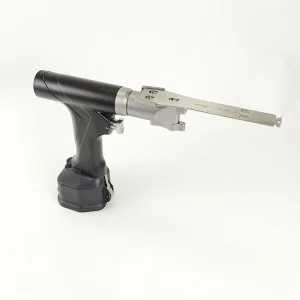
Stryker 6209 System 6 Precision Oscillating Tip Saw Large Bone Orthopedics
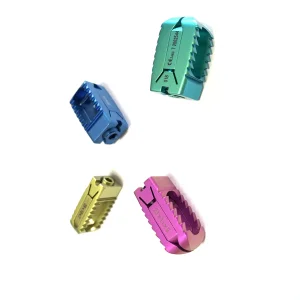
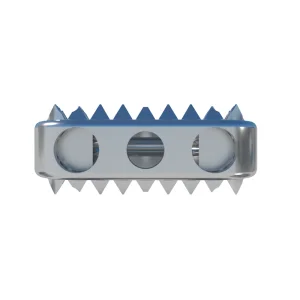
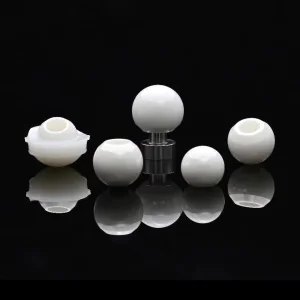
Total Hip Replacement Ceramic Femoral Head for Joint Support Hip Replacement Prosthesis Implant
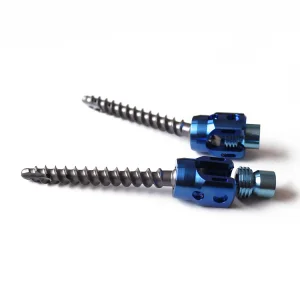
Geasure Factory Price Orthopedic Implants Titanium 5.5 Spinal Polyaxial Pedicle Screw
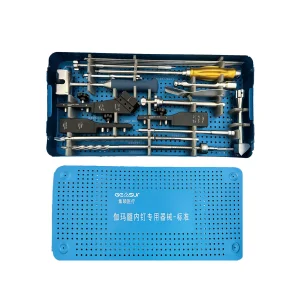
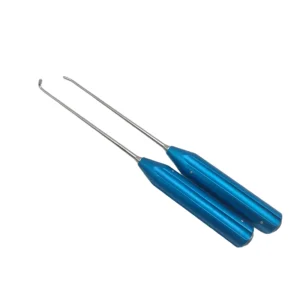
Medical Surgical Instruments Meniscus Repair Tool Meniscus Rasp
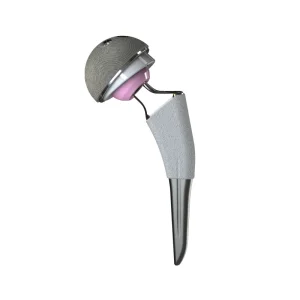
BP Orthopaedic Bipolar Head Internal Locking Ceramic Dog Total Hip Joint System
 Moventra Medical