Explore our class-leading orthopedic hardware and specialty instrumentation engineered for optimal patient outcomes.
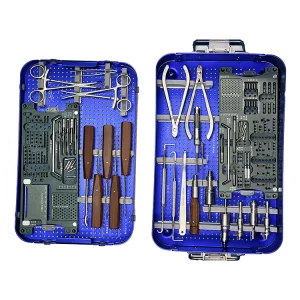
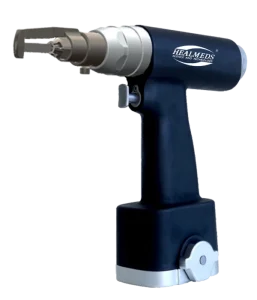
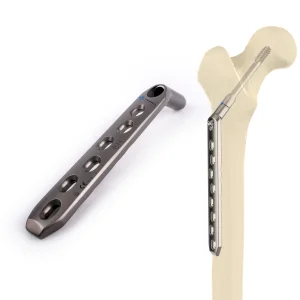
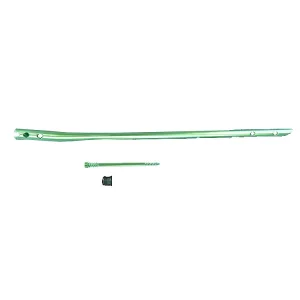
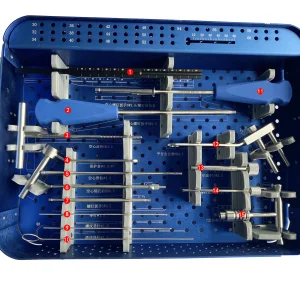
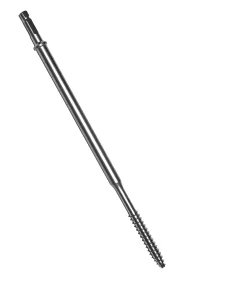
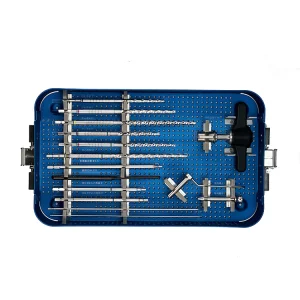
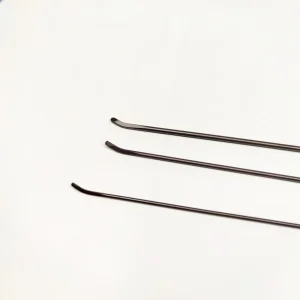
The evolution of trauma surgery has established intramedullary (IM) nailing as the gold standard for stabilizing long-bone fractures, particularly in diaphyseal segments of the femur, tibia, and humerus. Unlike dynamic compression plates, which act as load-bearing structures that carry the entirety of the mechanical stress, an interlocking intramedullary nail behaves as a load-sharing device. By residing within the neutral axis of the medullary canal, the nail works in biomechanical synergy with the surrounding cortical bone, allowing controlled micro-motion. This localized physiological strain stimulates secondary bone healing via external callus formation, significantly reducing the recovery cycle for the patient.
Crucial to the structural integrity of IM stabilization is the interlocking mechanism. Distal and proximal locking screws transform the nail from a simple alignment rod into a rigid rotational and axial stabilizer. This prevents shear forces, rotation, and shortening of the limb under weight-bearing conditions. From a clinical perspective, managing these dynamic loads is paramount. In highly comminuted fractures, where the cortical bone cannot assist in load-bearing, the mechanical fatigue limit of the implant is heavily tested. Consequently, manufacturing tolerances, geometry design, and metallurgical purity directly dictate patient outcomes and prevent premature implant failure.
Choosing the correct alloy involves balancing stiffness, fatigue strength, and biocompatibility. In modern orthopedics, Titanium Alloy (specifically Ti-6Al-4V ELI, conforming to ASTM F136 standards) has largely superseded stainless steel for long-term internal fixation. The core reason lies in the material's elastic modulus: Titanium has a modulus of roughly 110 GPa, which is much closer to human cortical bone (10-30 GPa) than that of Stainless Steel (200 GPa). This closer match helps mitigate the risk of stress shielding—a clinical phenomenon where the implant absorbs all the mechanical load, causing the surrounding bone to resorb due to lack of physiological stimulation.
However, Medical Grade Stainless Steel (316LVM, ASTM F138) remains widely utilized in temporary fixations and specific high-torque applications due to its superior ductility, ease of machining, and higher shear strength. Moventra addresses both clinical pathways by maintaining parallel production capability for both materials, subjecting all raw materials to strict ultrasonic testing and spectral analysis to guarantee clean internal microstructures devoid of inclusions or voids.
An executive analysis of supply chain optimization, risk mitigation, and strategic OEM alignment for global healthcare buyers.
B2B hospital networks and distributors are moving away from premium-tier domestic pricing in favor of certified offshore manufacturing. Moventra cuts manufacturing costs without sacrificing material performance, clinical precision, or regulatory compliance.
With global supply chains facing systemic bottlenecks, medical device distributors require partners with verified capacity. Operating an 18,600 m² advanced facility allows Moventra to provide consistent batch lead times and reliable shipping timelines.
Navigating EU MDR transitions and FDA clearances is a core hurdle for importers. Working with an established manufacturer that maintains a regulatory department, provides complete technical documentation files, and complies with ISO standards eliminates market-entry friction.
| Evaluation Parameter | Moventra Medical Solutions | Traditional Premium Brands | Low-Tier Tier-2 Manufacturers |
|---|---|---|---|
| Base Material Purity | ASTM F136 Ti6Al4V ELI (Certified) | Equivalent ASTM Standards | Non-medical grade / Unverified trace elements |
| Dimensional Tolerances | Strictly controlled within ±0.005mm (Swiss CNC) | Within ±0.005mm | Within ±0.05mm (high failure rate on locking pins) |
| Anodization Type | Type II Anodization (Fatigue-resistant barrier) | Type II or Type III | Basic color anodization (prone to degradation) |
| Traceability Framework | Complete DMR & DHR traceability from melt to shipping | Full Traceability | Fragmented paper records, batch-only tracking |
| Unit Cost Structure | Highly Optimized (40-60% margin advantages) | Premium Luxury Pricing | Unstably Cheap (risky for clinical use) |
Leveraging continuous infrastructure investments and advanced production technology to serve orthopedic brands worldwide.
Established in 2017, Moventra Medical Technology (China) Co., Ltd. is a professional manufacturer specializing in the research, development, production, and global supply of orthopedic medical devices and surgical solutions. Over the past 7 years, we have built a modern manufacturing facility designed for trauma, spine, joint reconstruction, sports medicine, and specialized surgical procedures.
With 13 years of industry experience embedded in our executive and engineering teams, we align with international quality standards. This guarantees 100% inspection before shipment using mechanical, surface, and dimensional testing tools.
| Establishment Year | 2017 |
| Quality Inspectors | 48 Staff Members |
| Business Framework | OEM, ODM & Direct Export |
| Primary Markets | North America, Europe, South America, Middle East, SE Asia, Australia |
| Inspection Frameworks | Dimensional, Material Analysis, Surface Finish, Mechanical Testing, Sterility |
| Product Pipeline (Last Year) | 156 New Products Released |
Our ISO 13485 facility utilizes advanced production systems and quality control technology to achieve micro-level precision.
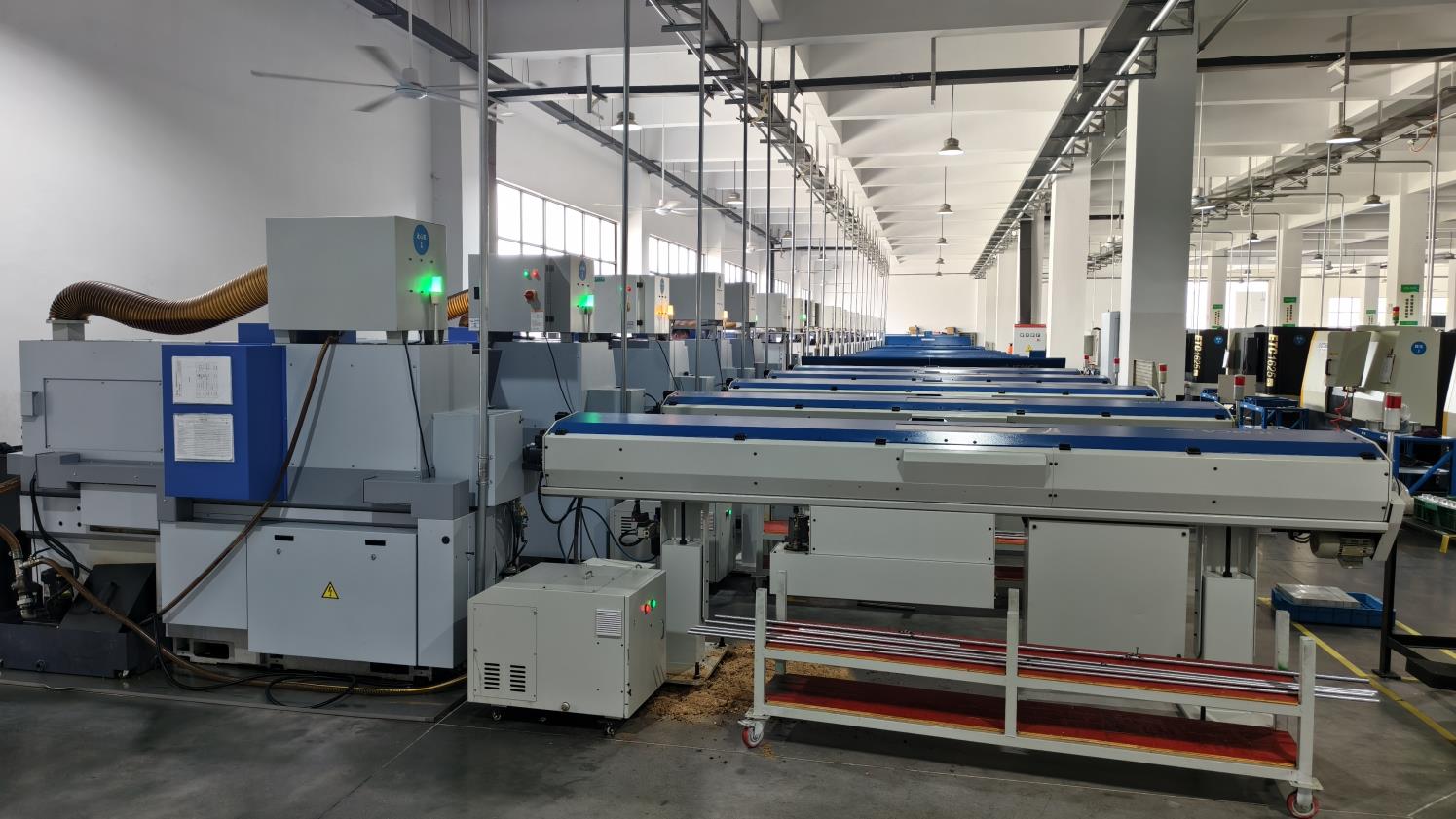
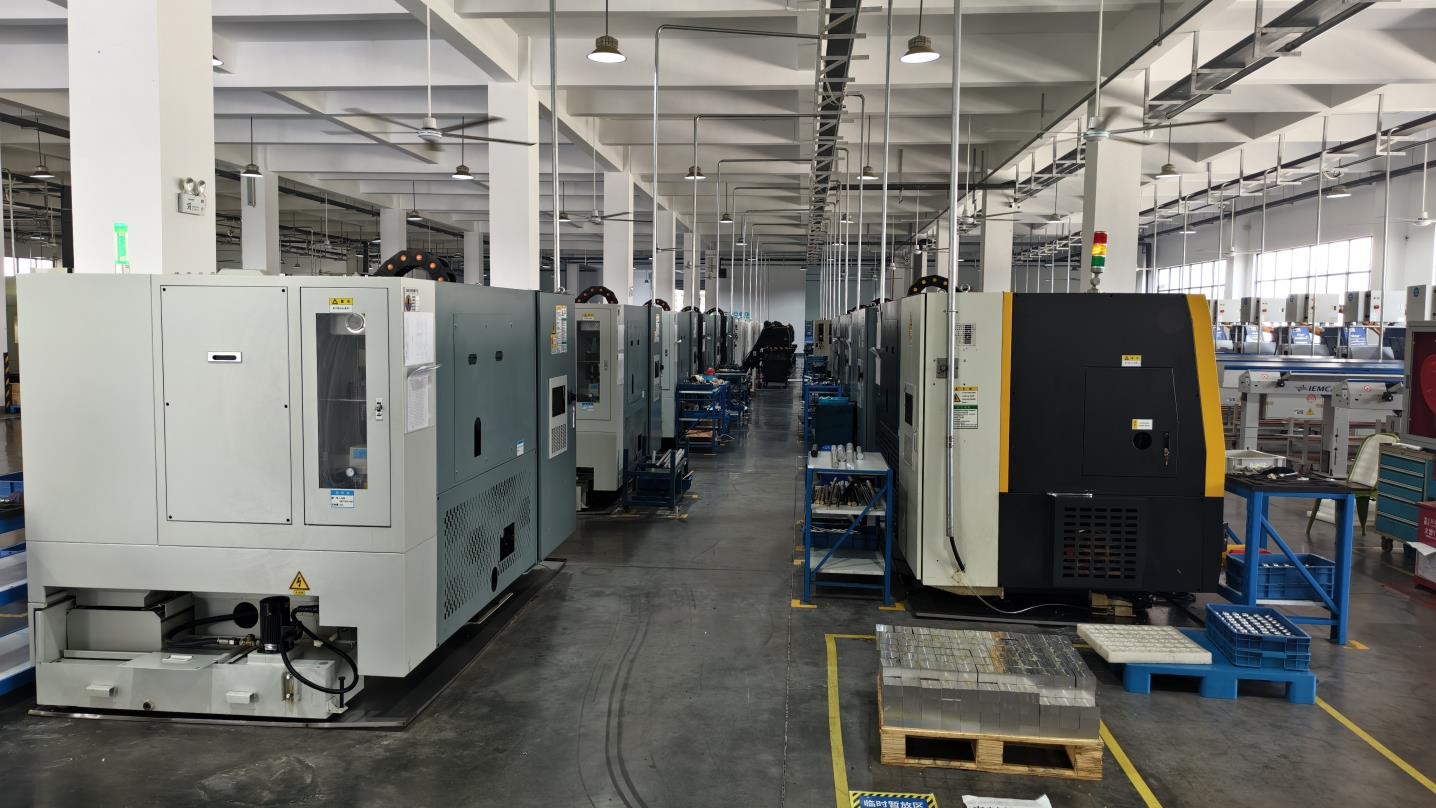
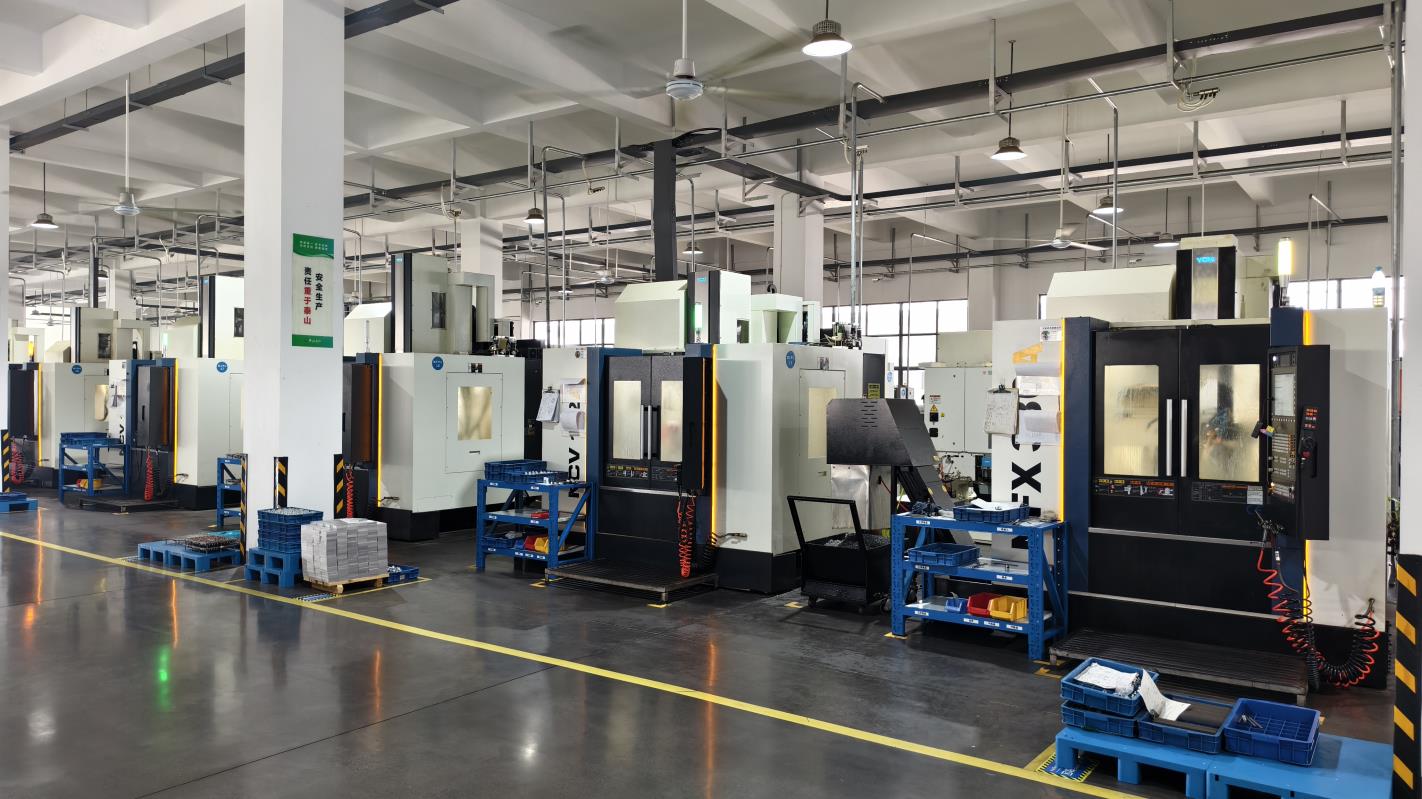
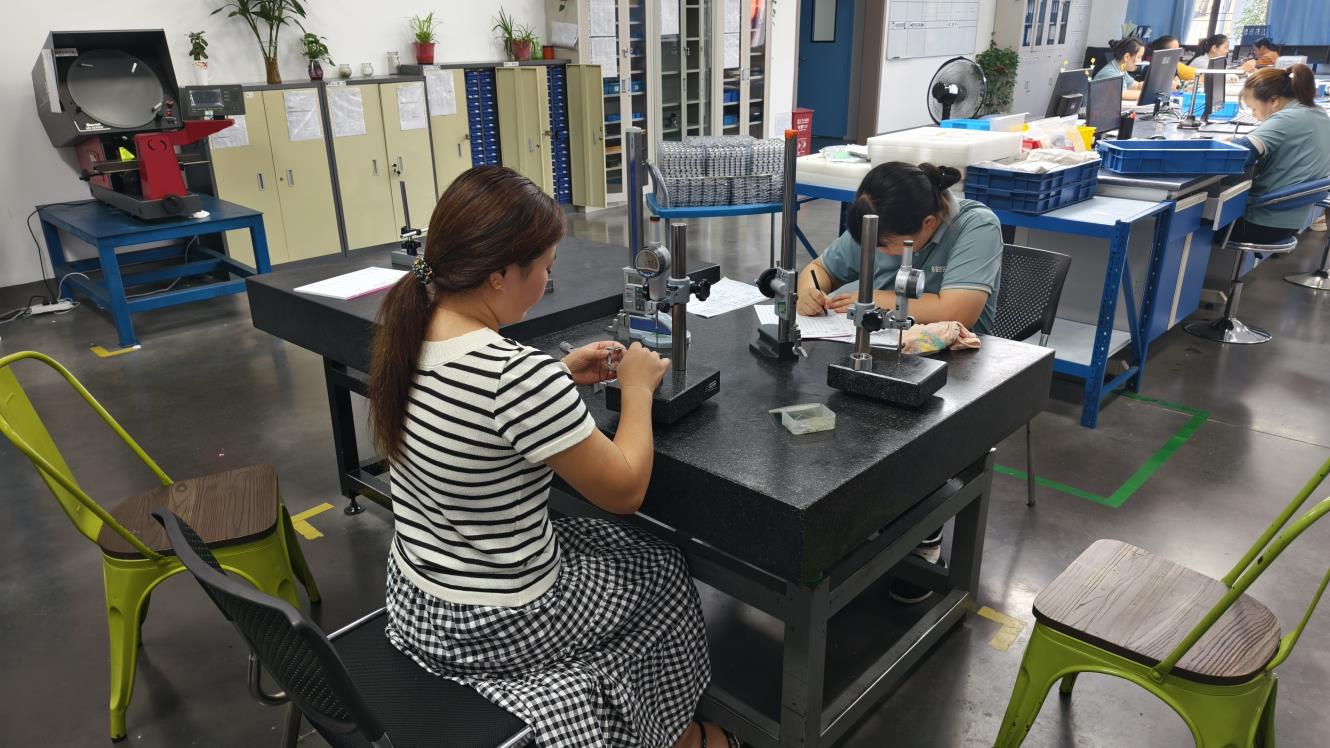
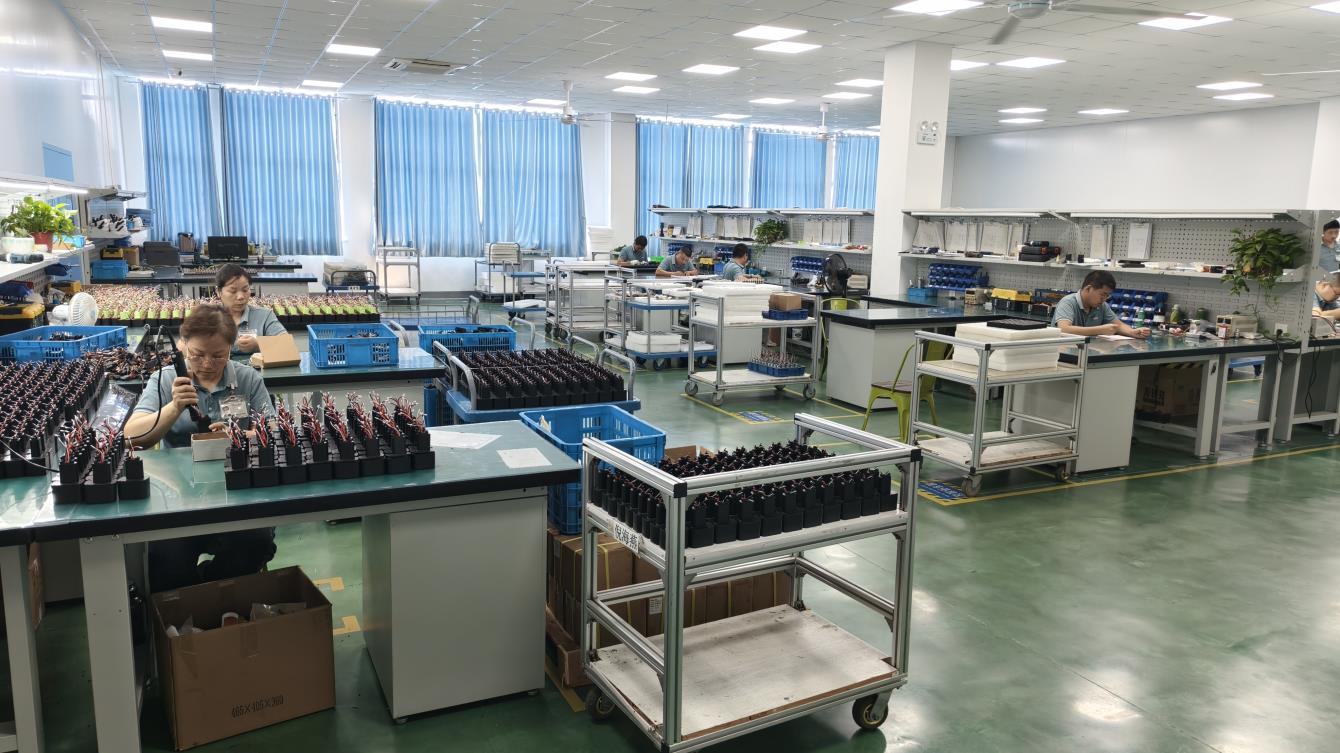
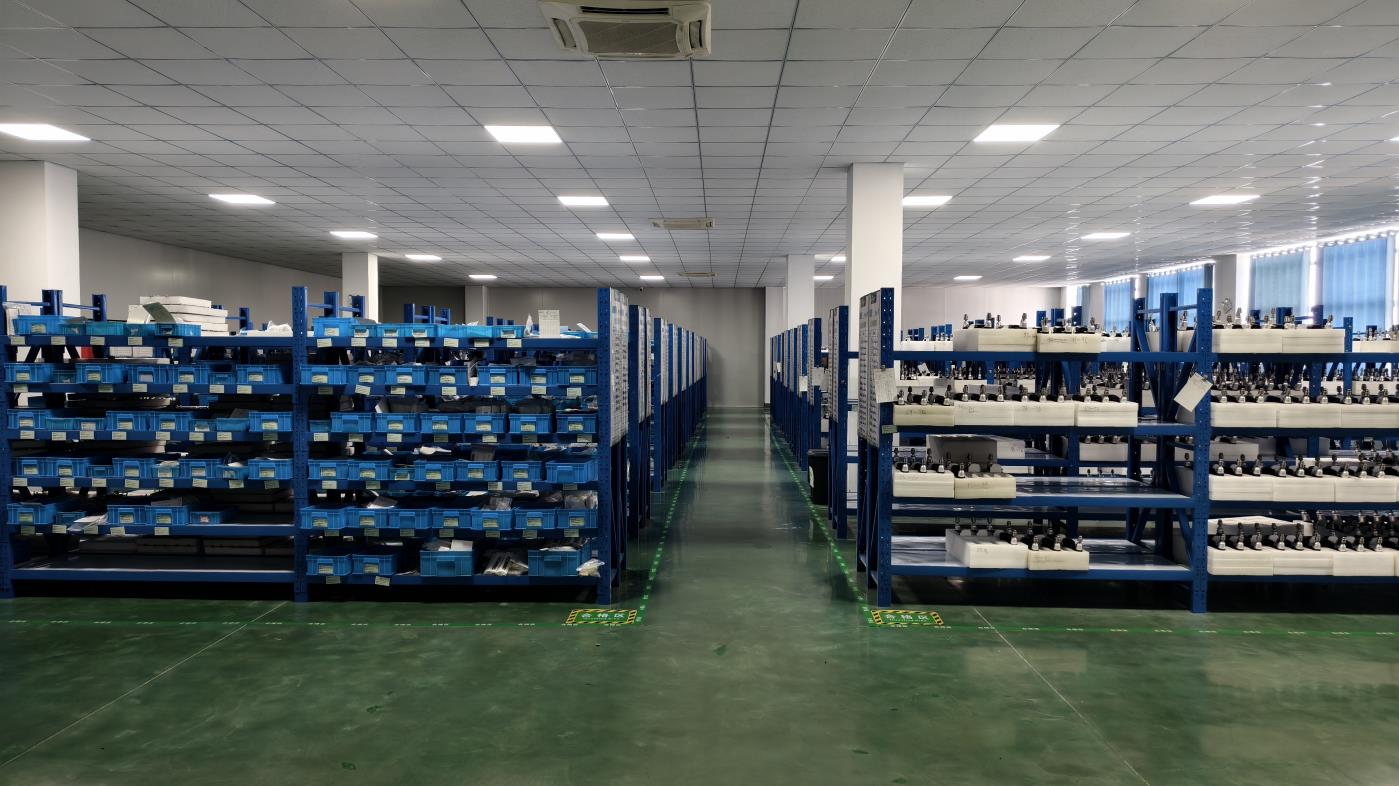
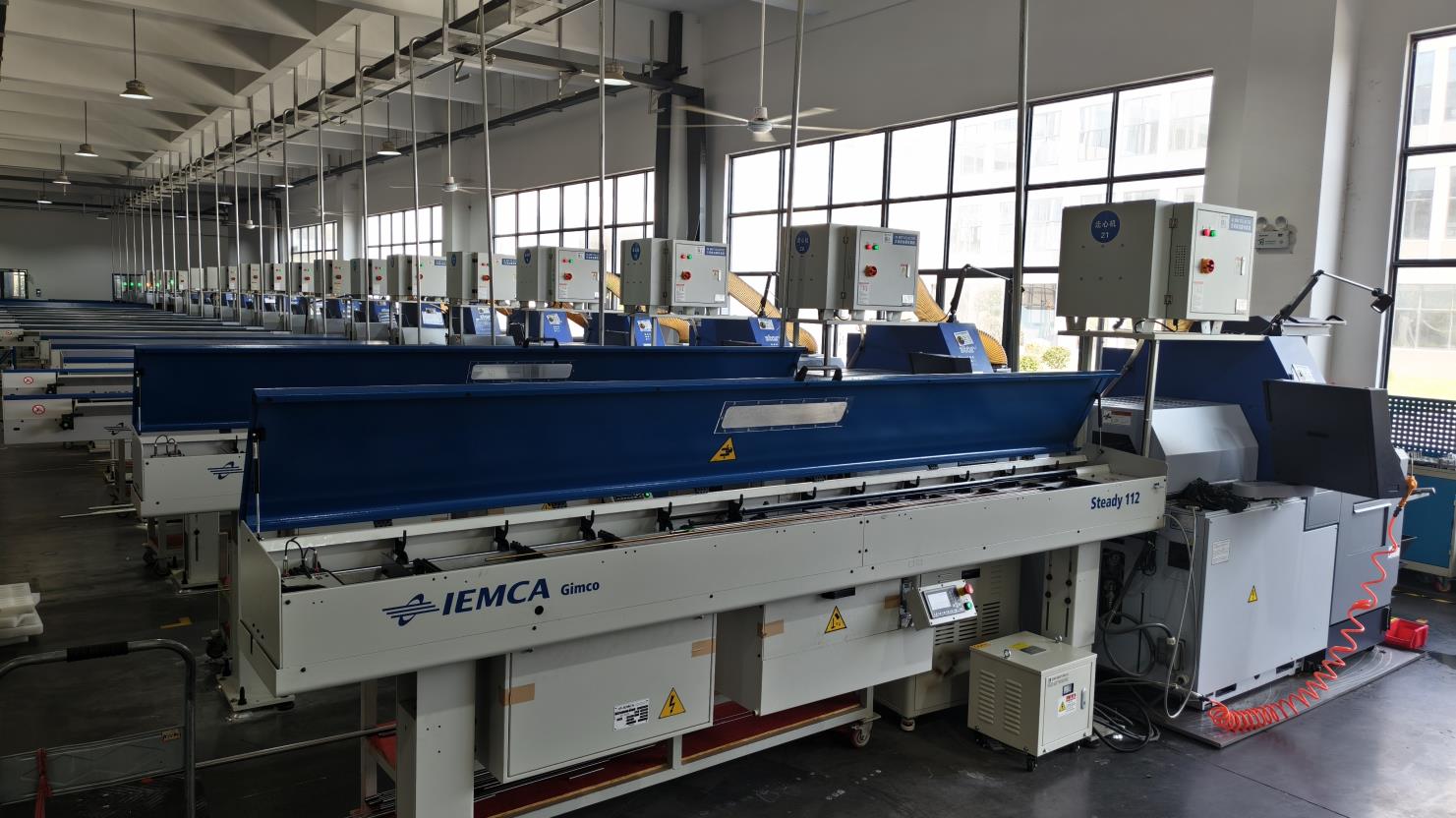
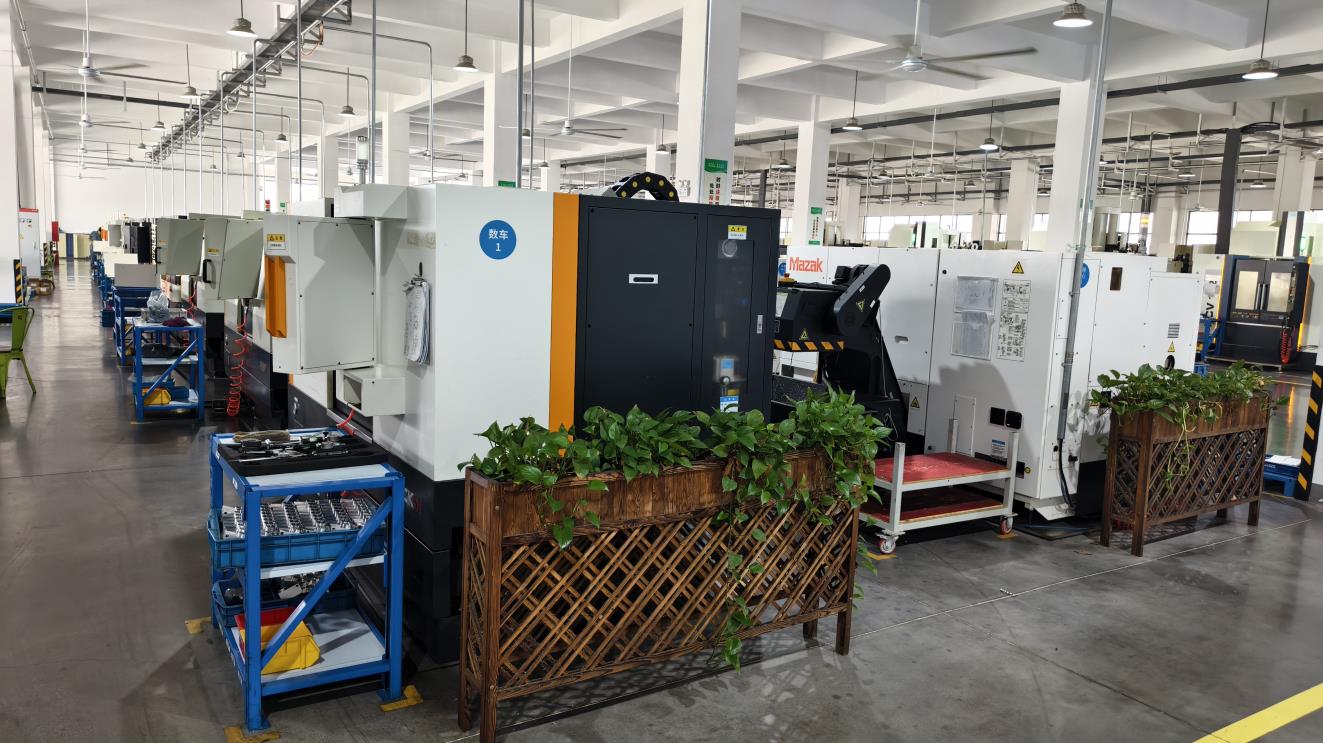
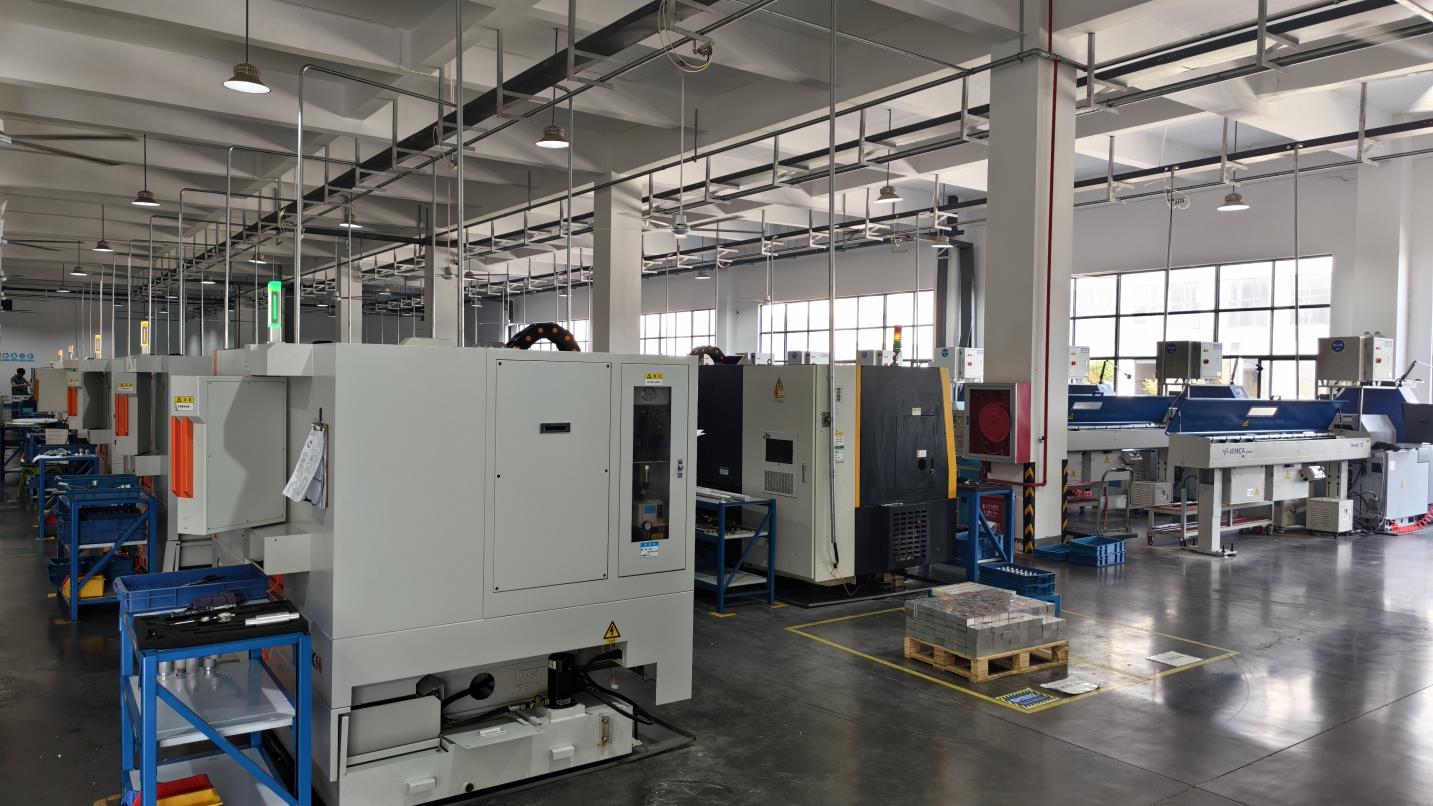
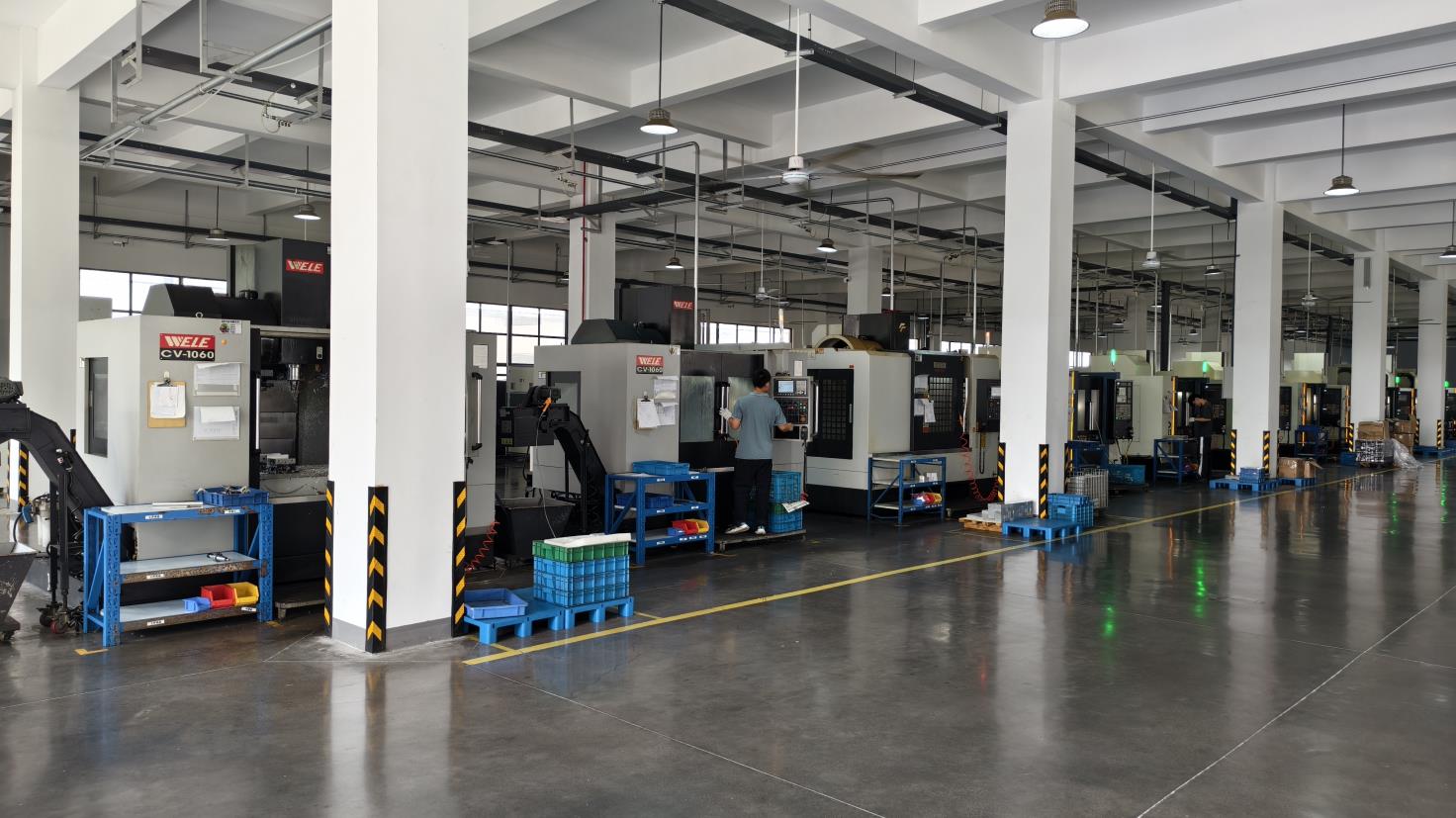
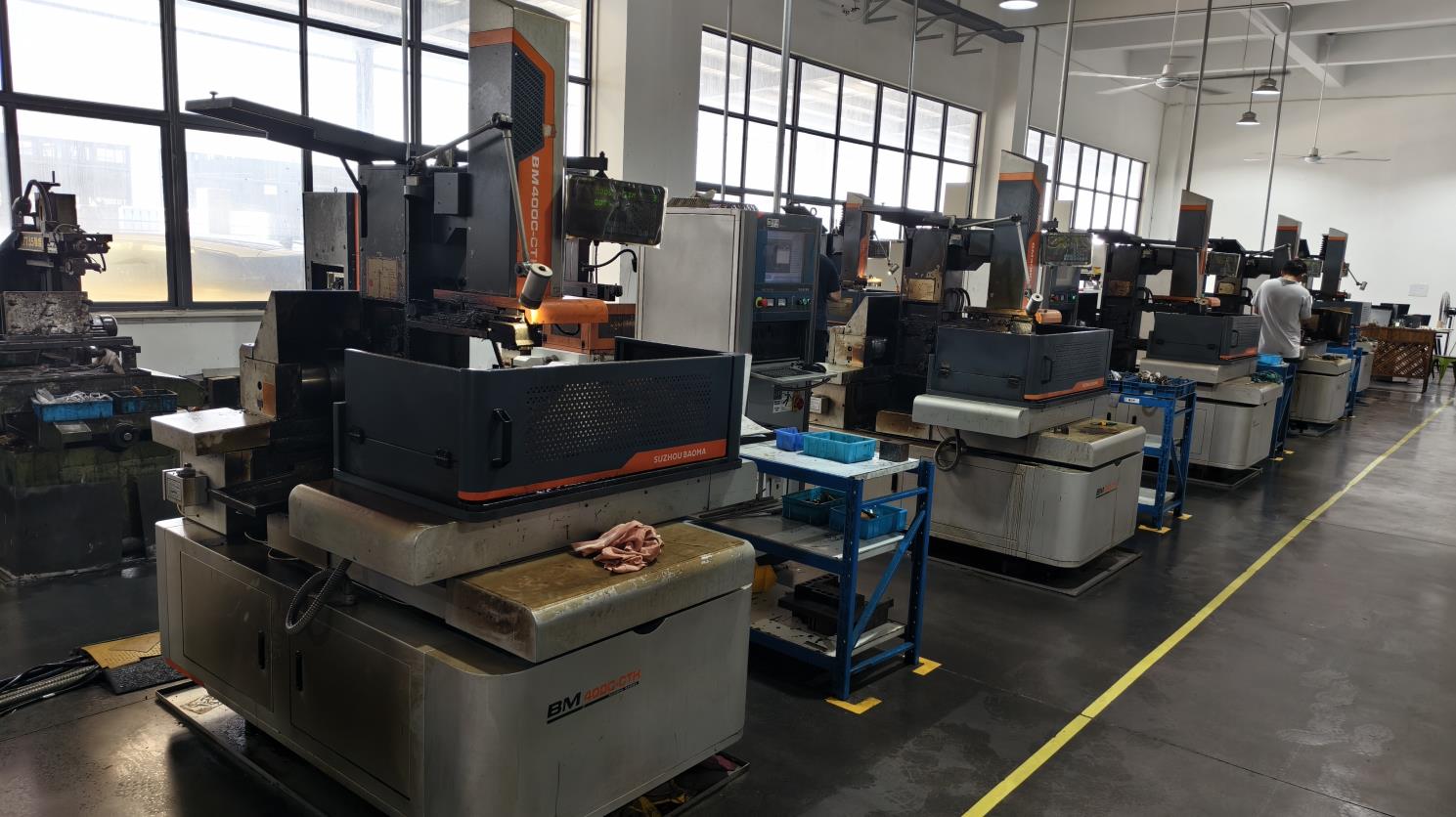
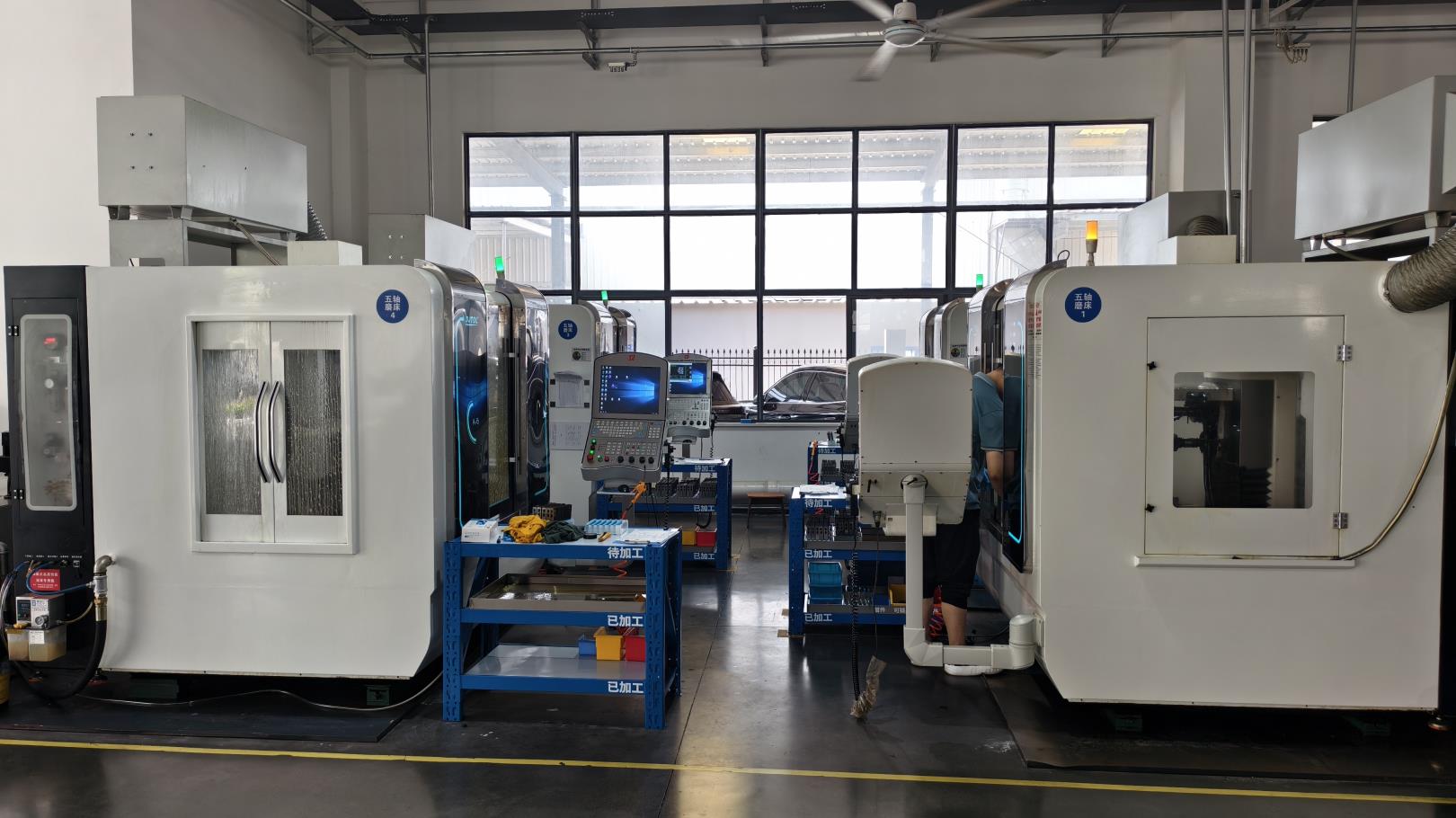
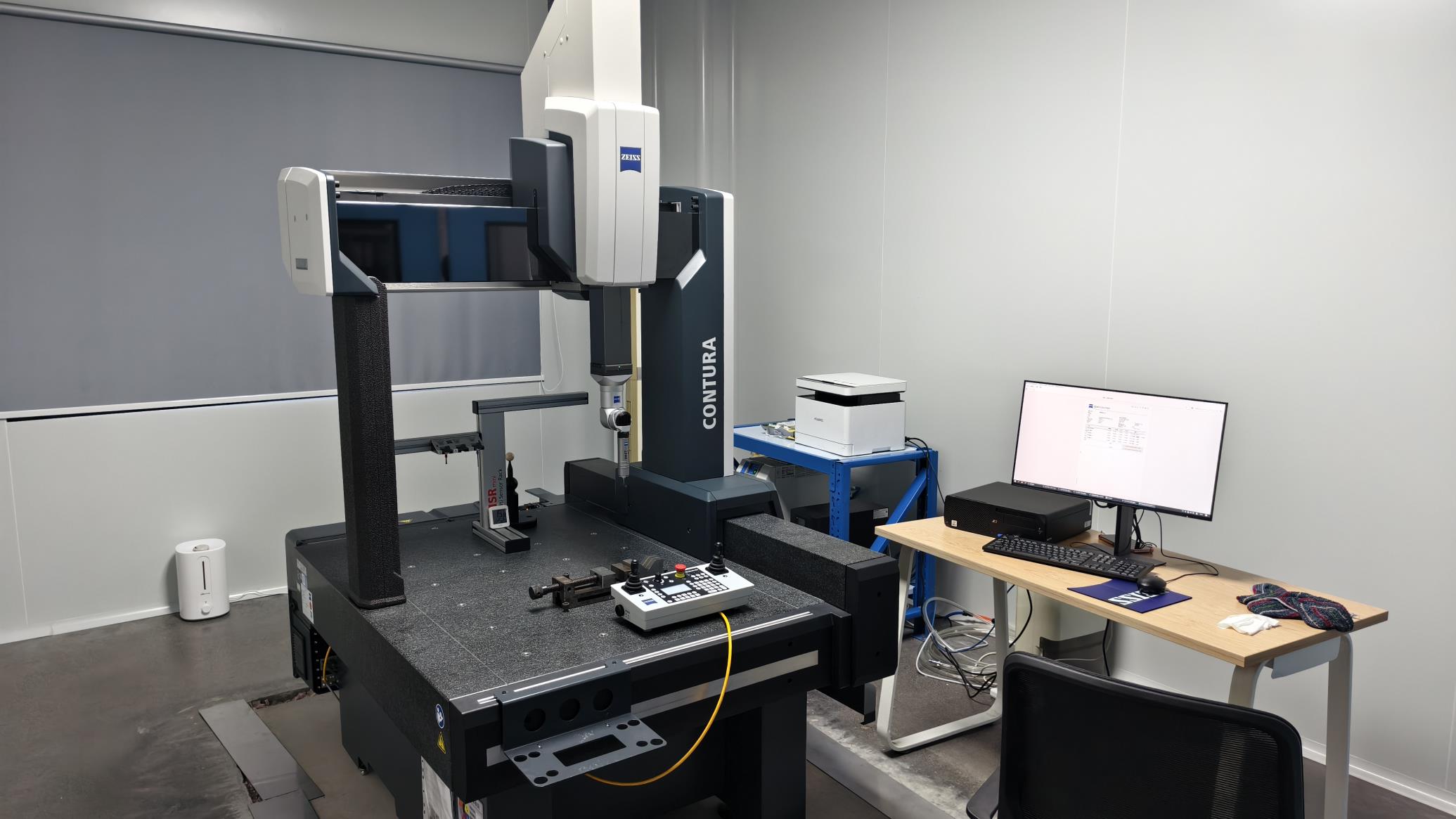
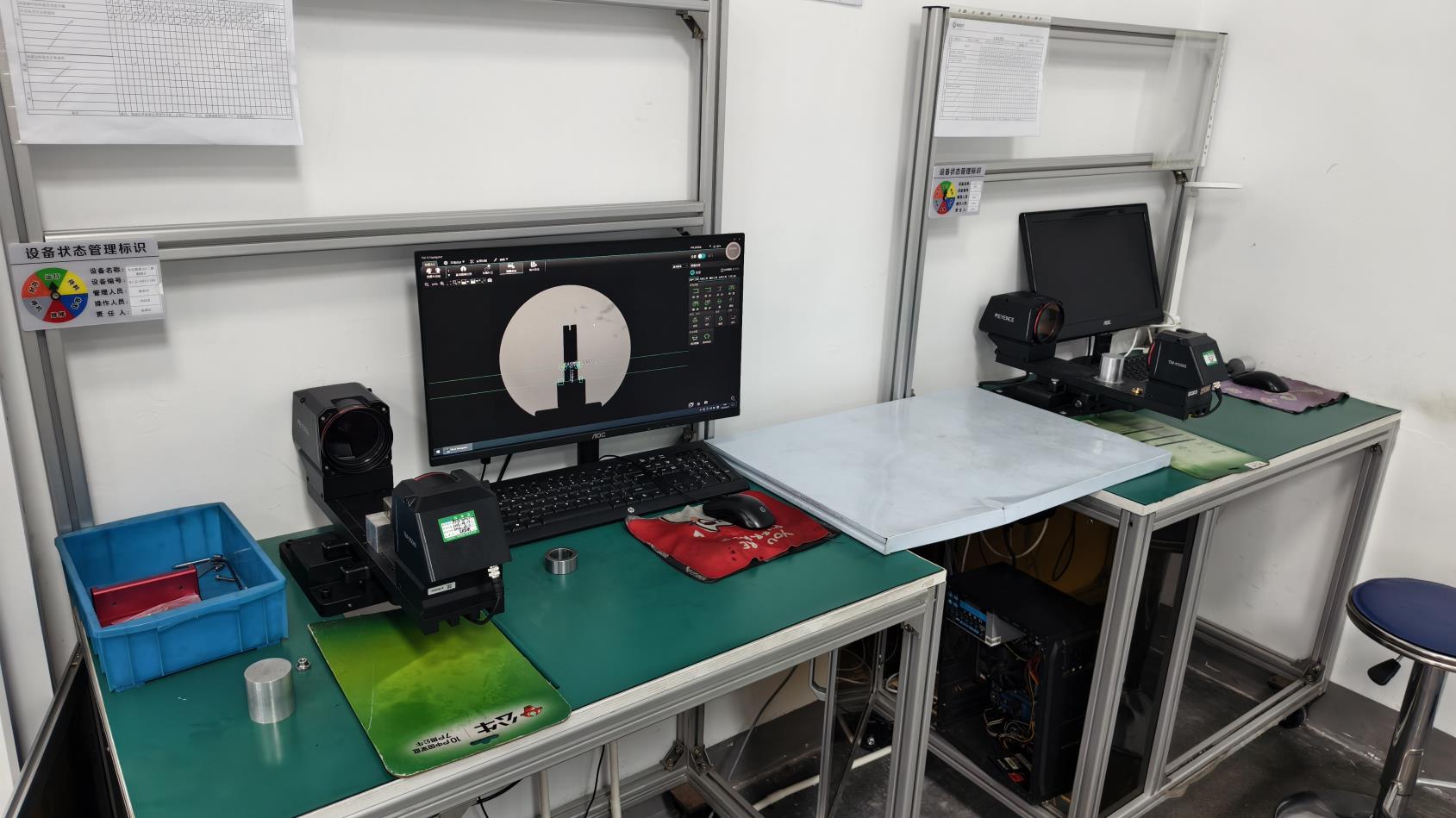
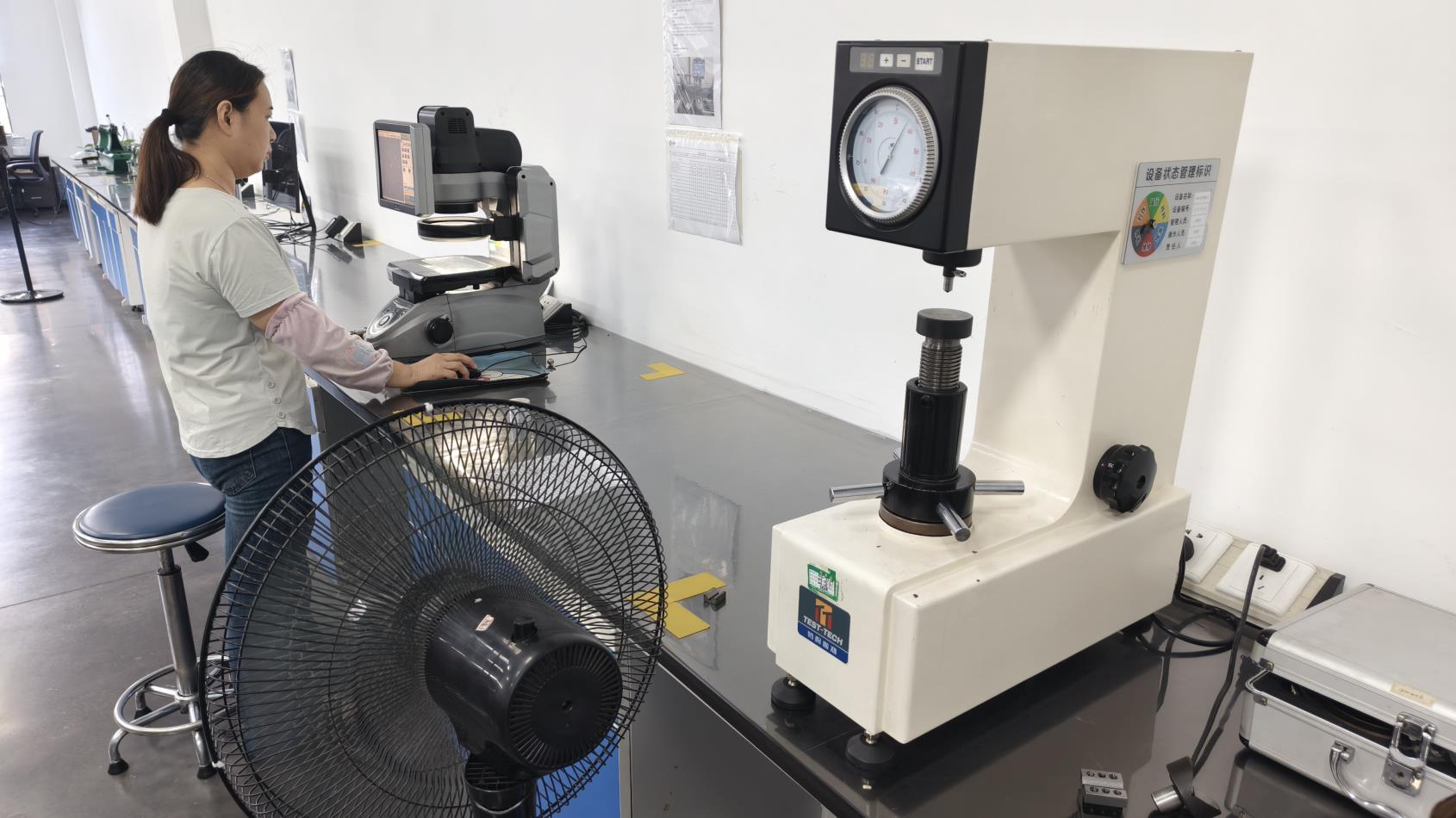
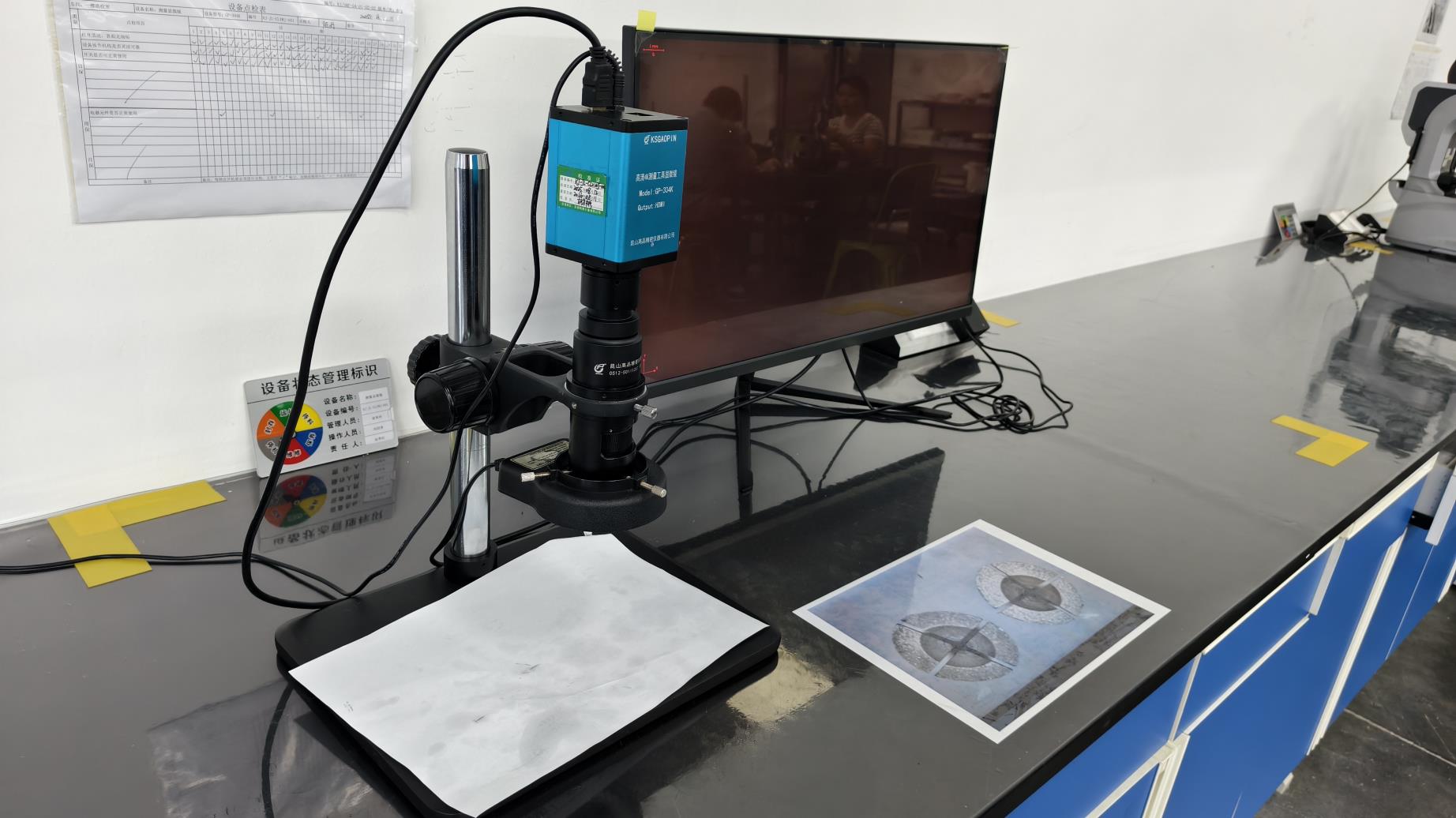
Operating as an international orthopedic exporter demands adherence to a matrix of regional medical directives. Moventra maintains a dedicated QA/RA (Quality Assurance and Regulatory Affairs) department that actively tracks updates to the EU MDR 2017/745, US FDA CFR Title 21, and ANVISA requirements. We support our customers through the entire product registration cycle by providing complete Technical Files, including ISO 10993 biocompatibility assessment reports, mechanical fatigue performance data (under ASTM F382 or ASTM F1264 guidelines), and validated sterilization validation logs.
For OEMs and private labels, our custom engineering capabilities bridge the gap between design and scale. Moventra's R&D team consists of 86 engineers specialized in translation dynamics. Whether it is adjusting the thread pitch of a proximal locking screw, optimizing the geometry of a dynamic femoral nail, or fabricating bespoke surgical instruments, our team uses rapid 3D prototyping and FEA (Finite Element Analysis) to evaluate prototype behavior before initiating large-scale CNC production.
Mill test reports detailing elemental composition and grain size structure.
Ra roughness mapping ensuring compliance with clinical standards.
Documentation of run-out performance under physiological loads.
Cytotoxicity, sensitization, and systemic toxicity testing data.
Get answers to technical, mechanical, and logistical questions regarding global orthopedic supply chains.
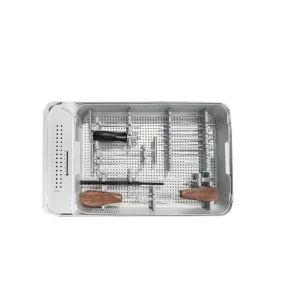
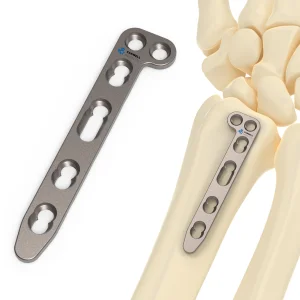
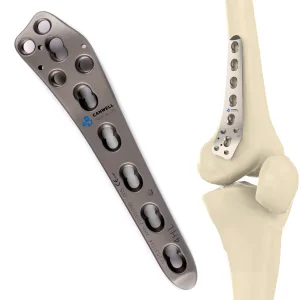
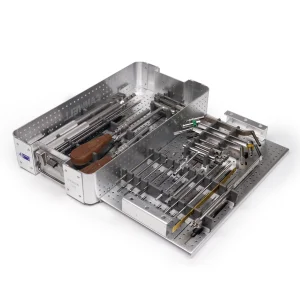
Complete surgical lines, external systems, and instrumentation designed to meet strict clinical requirements.
 Moventra Medical