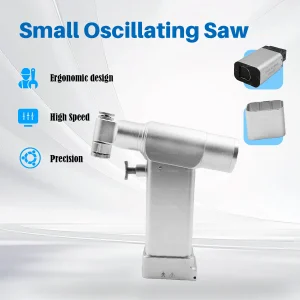
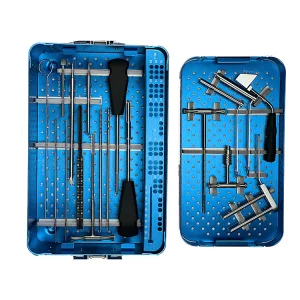
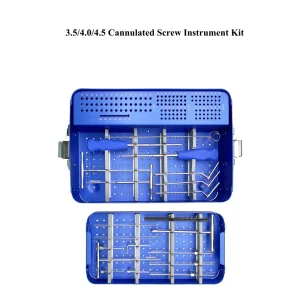
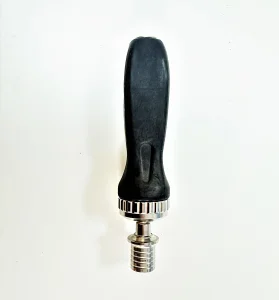
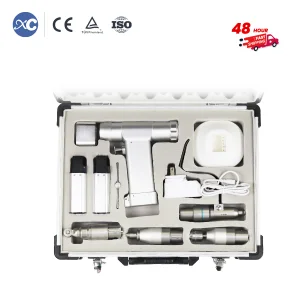
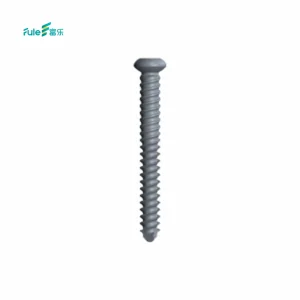
Explore our high-precision implants and surgical instruments designed for advanced clinical applications.
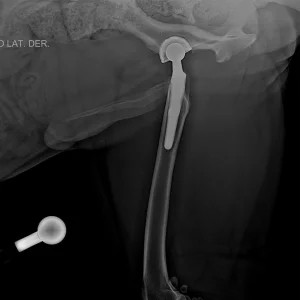
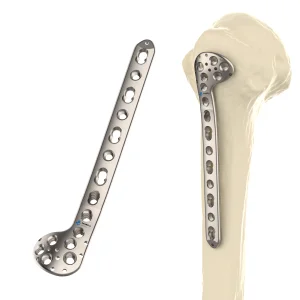
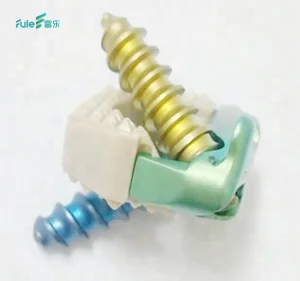
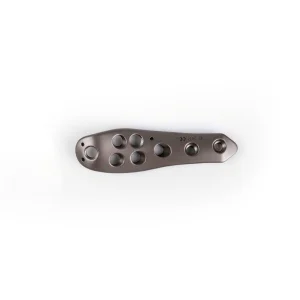
In modern orthopedic trauma care, the clinical paradigm has shifted decisively from absolute rigidity to biologically optimized fixation. Small Fragment Locking Plates (typically containing 2.7mm, 3.55mm, and 4.0mm systems) represent a pivotal class of internal fixation devices. They are predominantly utilized for fractures of the distal radius, fibula, clavicle, and various small bone structures.
The global market is expanding rapidly due to rising geriatric populations, high incidents of sports injuries, and a growing insistence on minimally invasive surgical techniques like MIPPO (Minimally Invasive Percutaneous Plate Osteosynthesis). Locking plates serve as a fixed-angle construct, maintaining local biological vascularity while guaranteeing structural stability in osteopenic bone.
Clinical Insight: The mechanical advantages of locking plates reduce the risk of primary loss of reduction and mitigate the necessity of precise contouring to the underlying bone, preserving periosteal blood supply.
Small fragment systems utilize combination holes (Combi Holes) that allow the surgeon to choose between dynamic axial compression and fixed-angle locking stability. Under mechanical loads, the screw-plate construct distributes the stress over the entire length of the plate, avoiding the stress concentration zones typical of older dynamic compression plates (DCP).
For procurement officers and clinical distributors, importing locking plates requires a deep understanding of metallurgy—specifically the choice between Titanium Alloy (Ti-6Al-4V ELI) and implant-grade 316L Stainless Steel. These materials must comply with stringent ASTM and ISO criteria to ensure biocompatibility and high fatigue limits.
Over the last decade, China's medical device manufacturing sector has evolved from high-volume production to precision-engineered innovation. Factories like Moventra Medical Technology leverage highly integrated vertical supply chains to offer competitive pricing models without compromising the strict parameters set by regulatory frameworks like the FDA, CE, and ISO 13485.
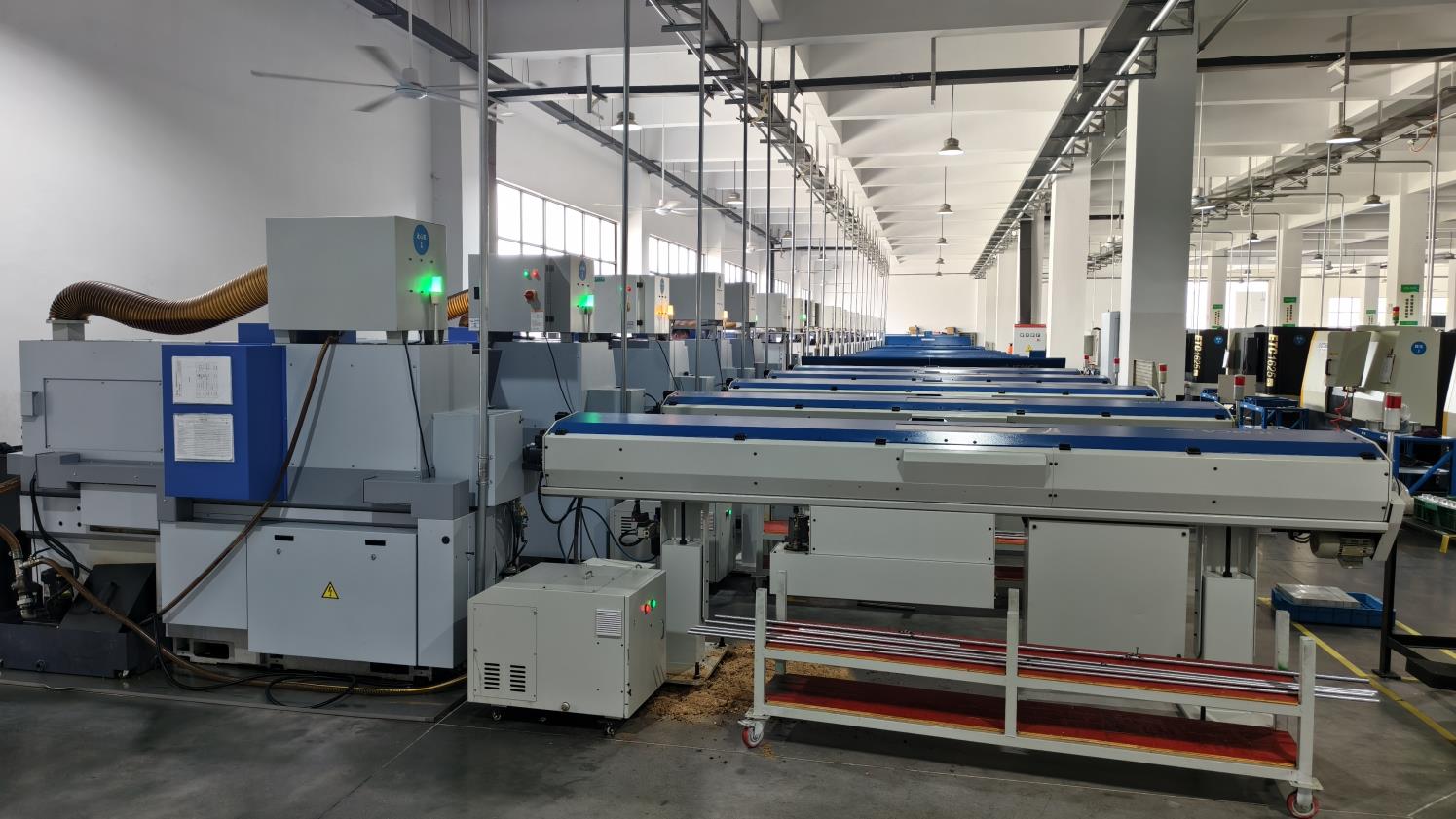
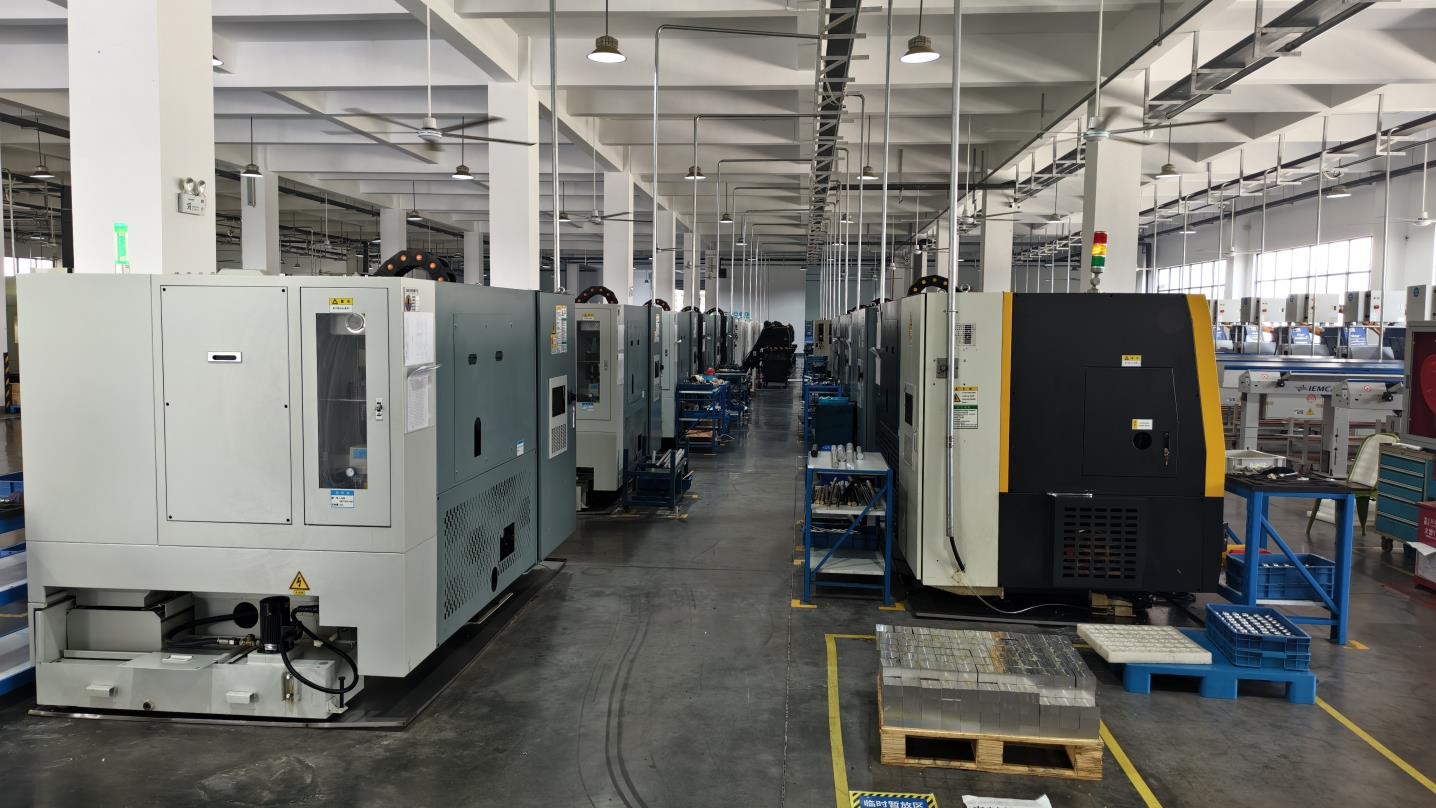
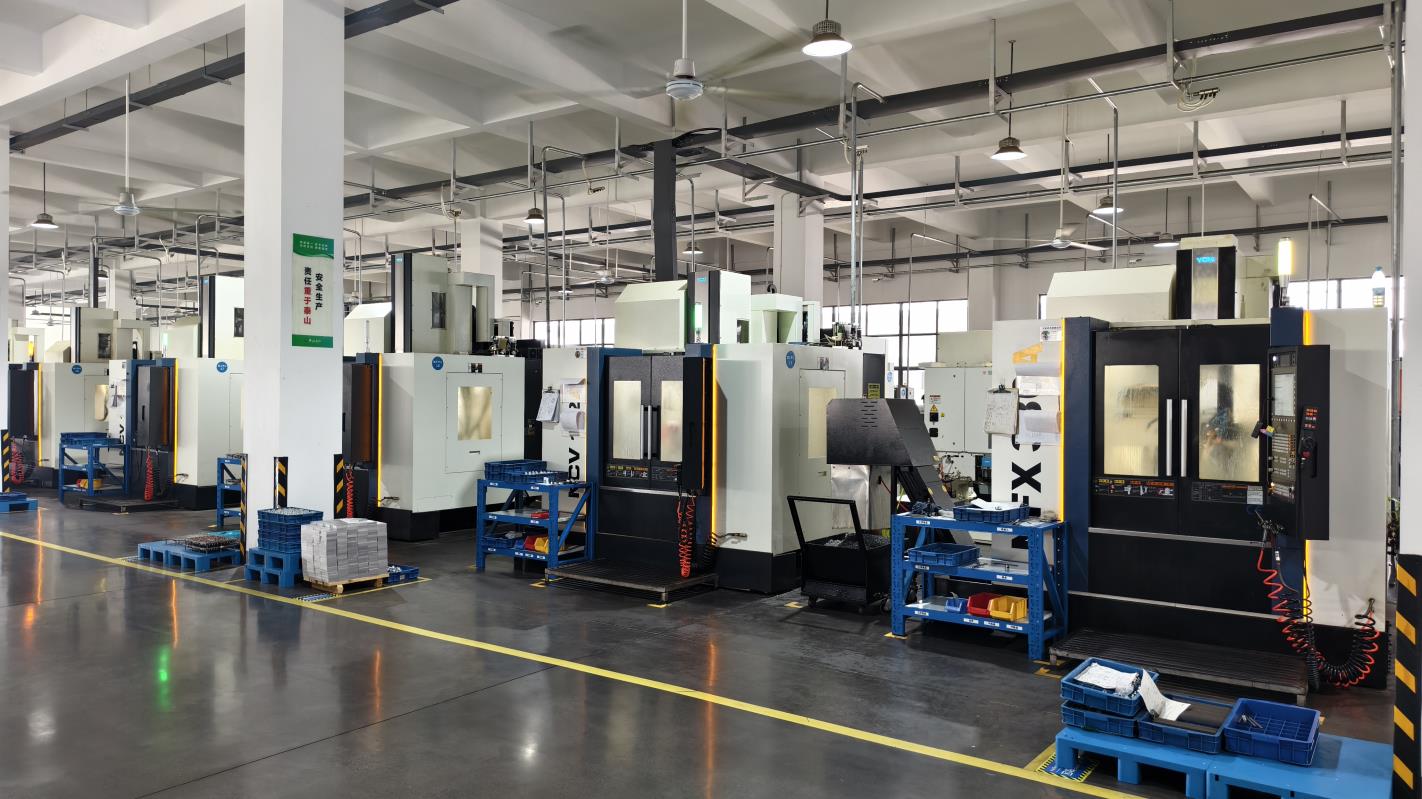
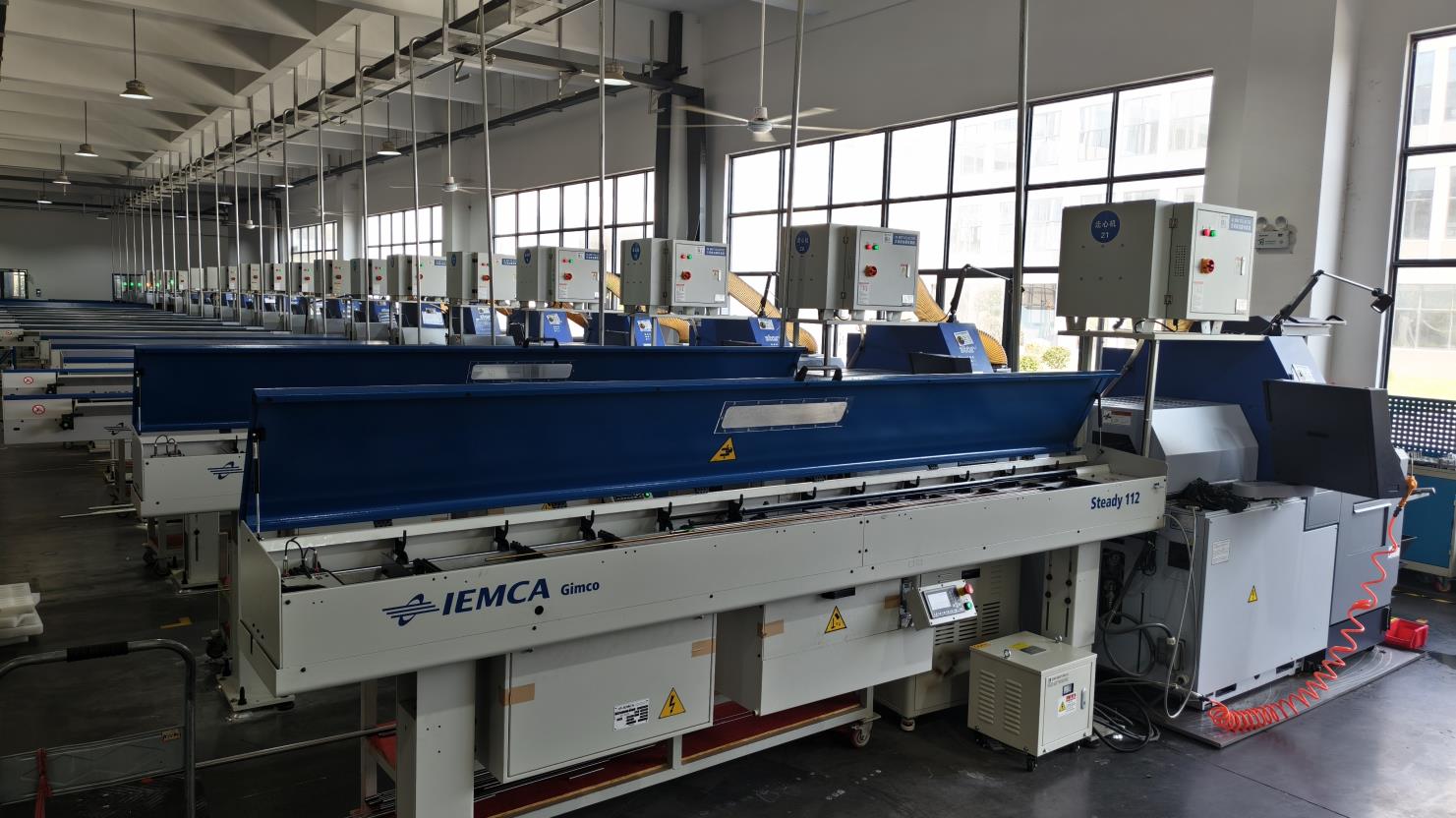
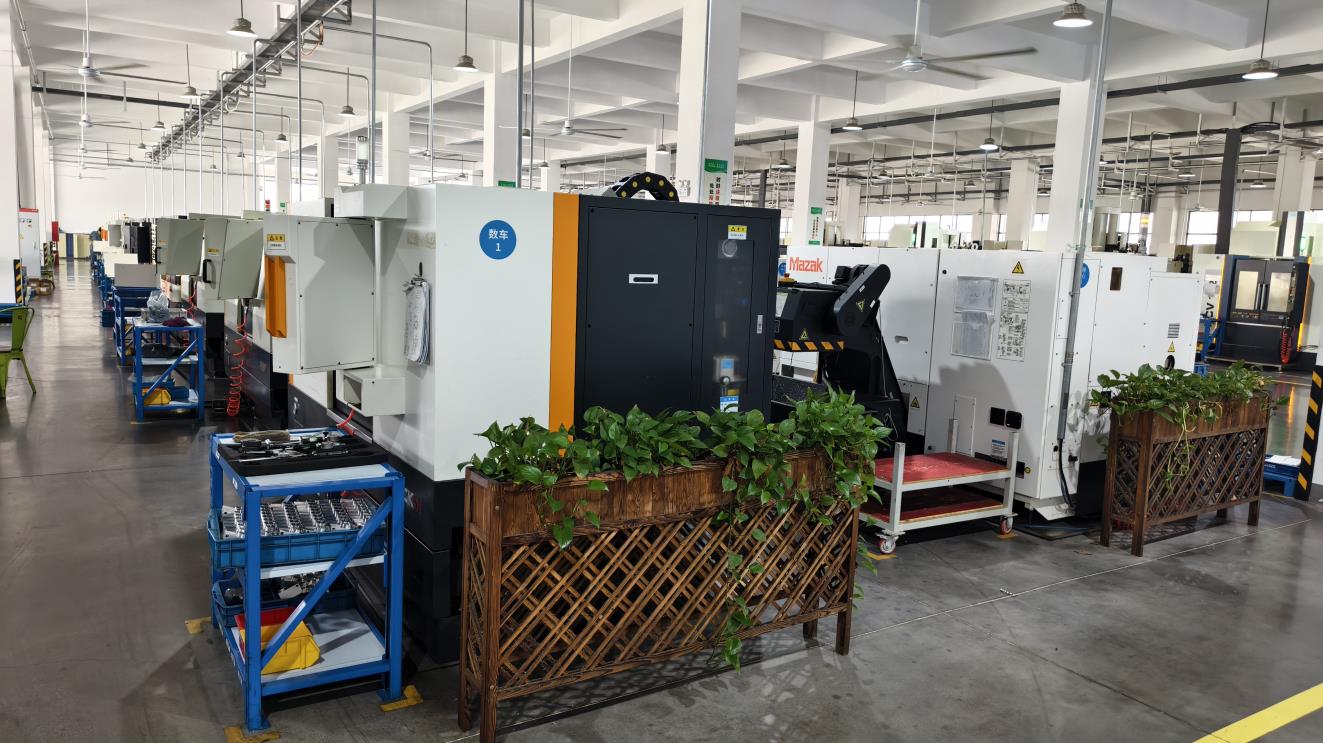
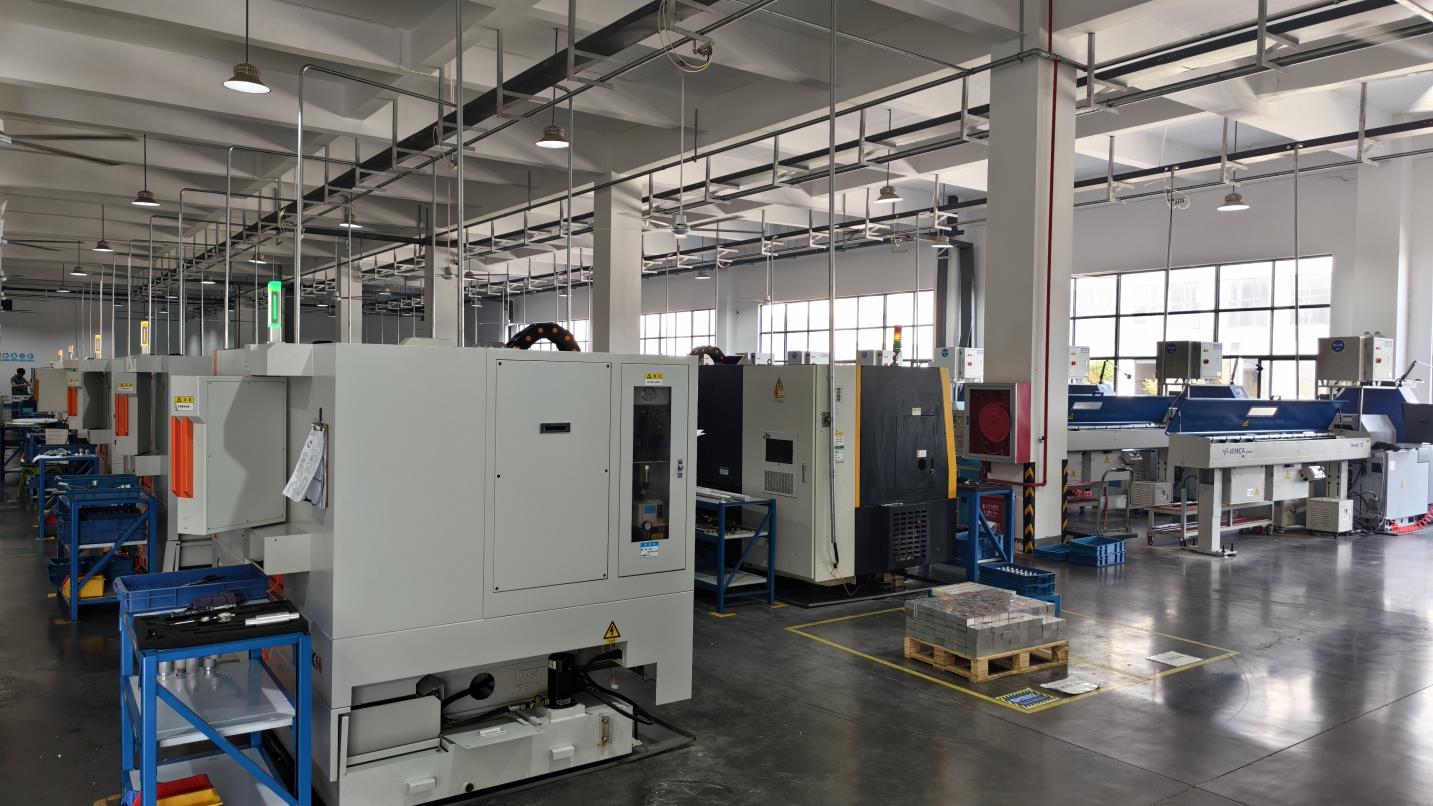
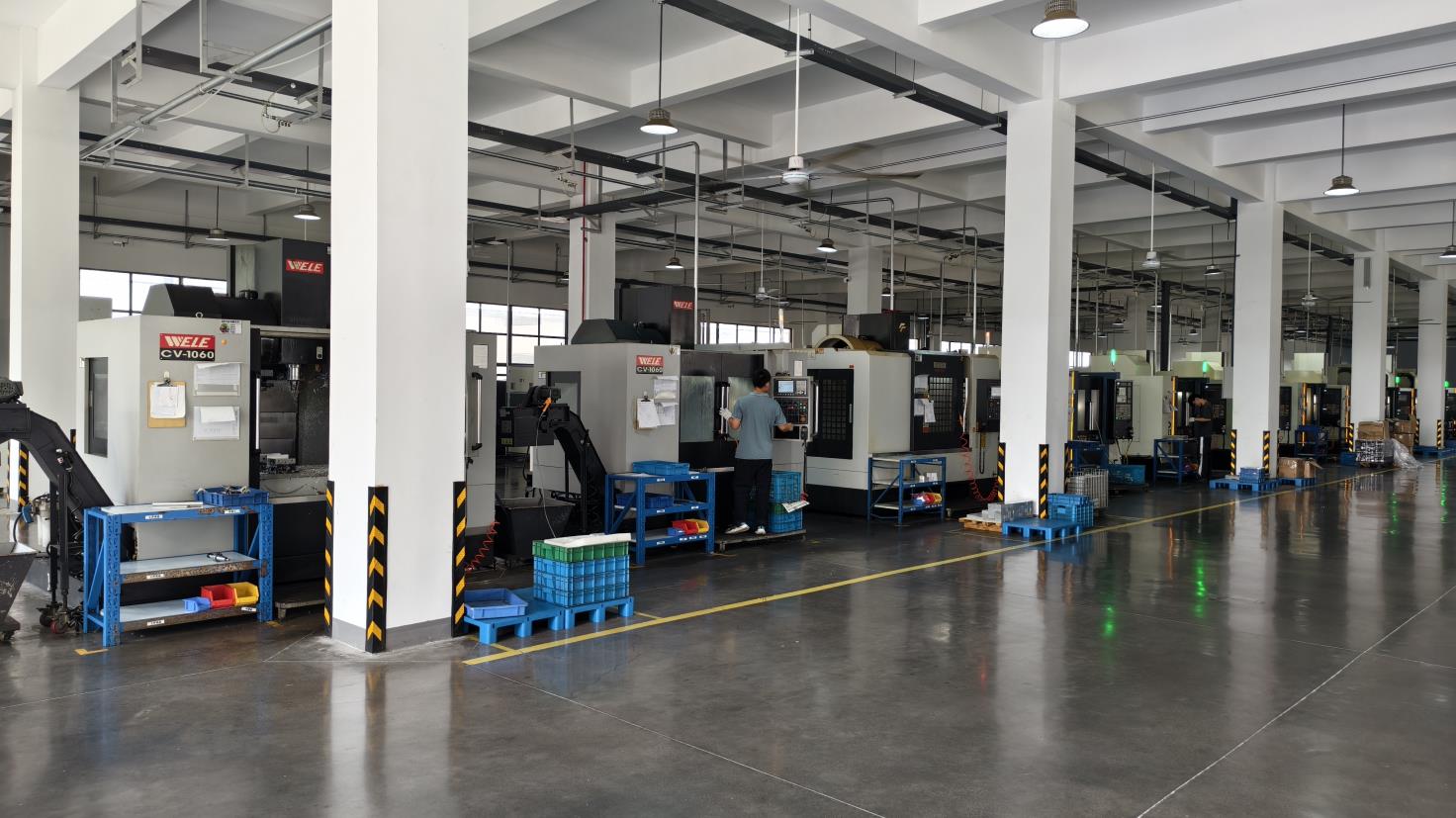
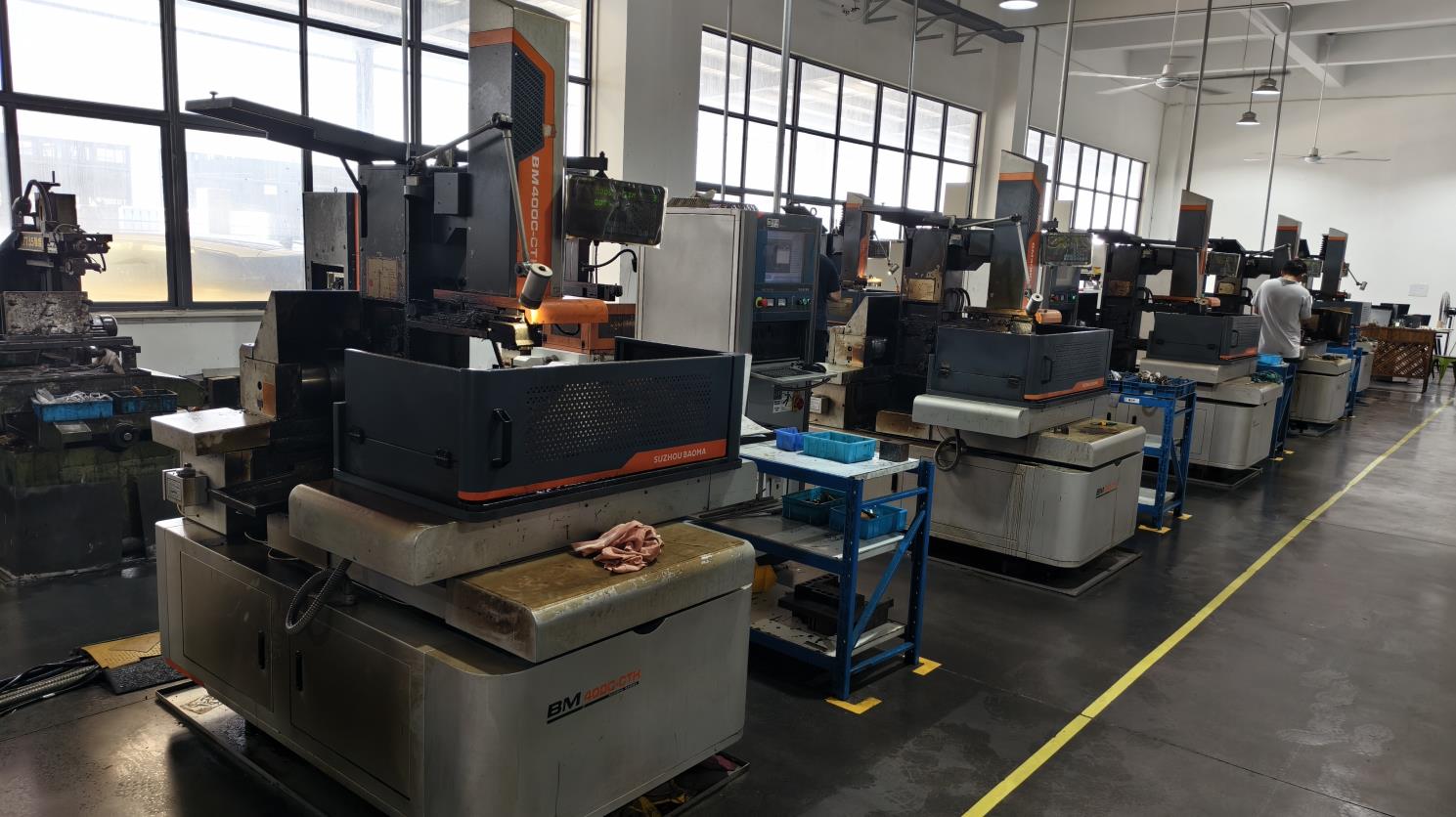
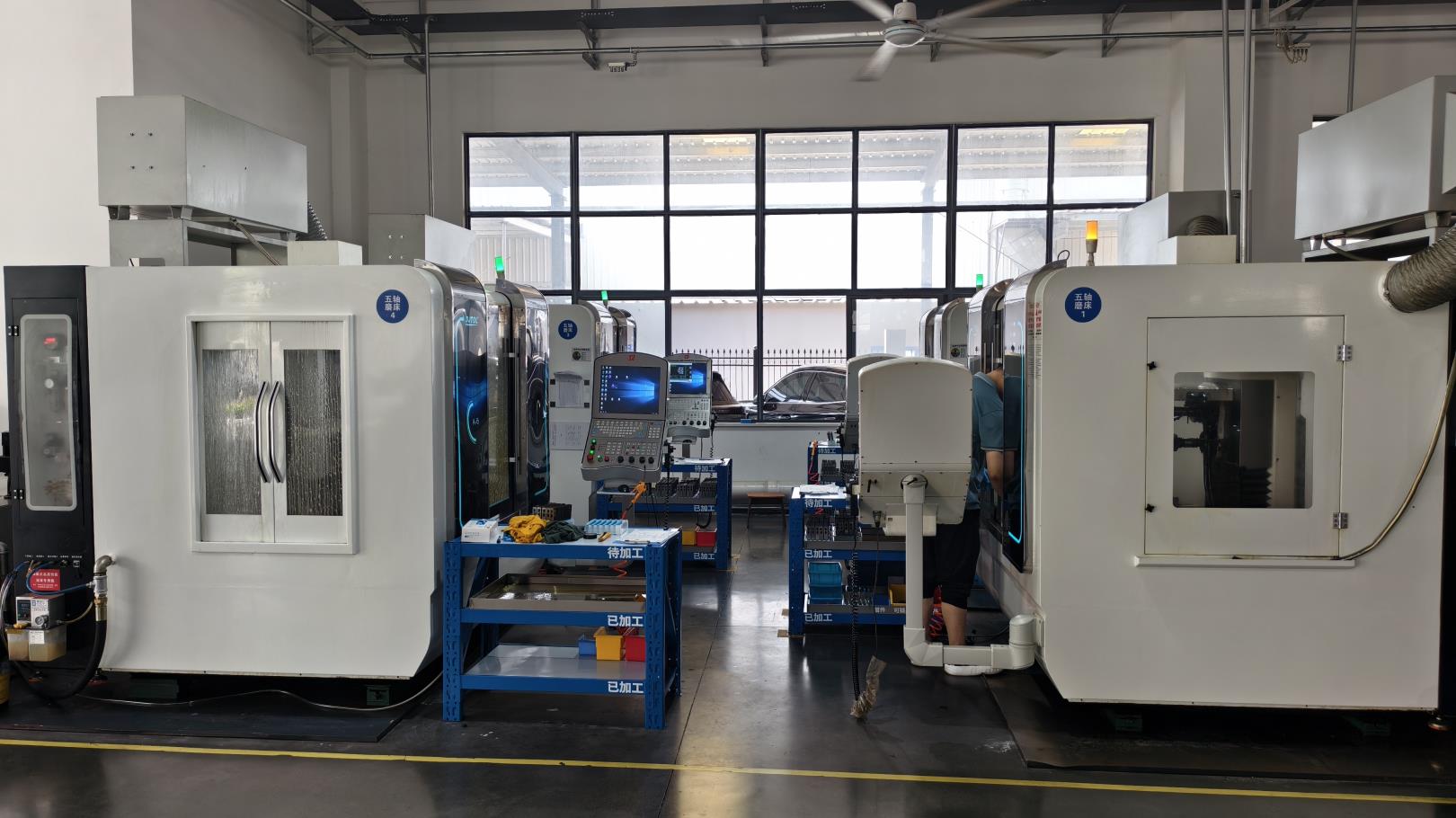
Moventra's facility relies on Swiss-type CNC lathes and Multi-axis Machining Centers to guarantee sub-micron tolerances. This extreme precision ensures that the thread profile of locking screws matches the locking hole of the plate flawlessly, avoiding cold welding or cross-threading during surgery.
Furthermore, localizing the raw material sourcing from verified suppliers ensures low material variability, high corrosion resistance, and optimized pricing structures, translating into a lower total cost of ownership (TCO) for global distributors and hospitals.
Supply Chain Security: "By consolidating raw material procurement, advanced processing machinery, and rapid prototyping under a single 18,600 m² factory, Chinese manufacturers bypass intermediate supply chain friction, shortening delivery lead times by 30% to 50% compared to Western competitors."
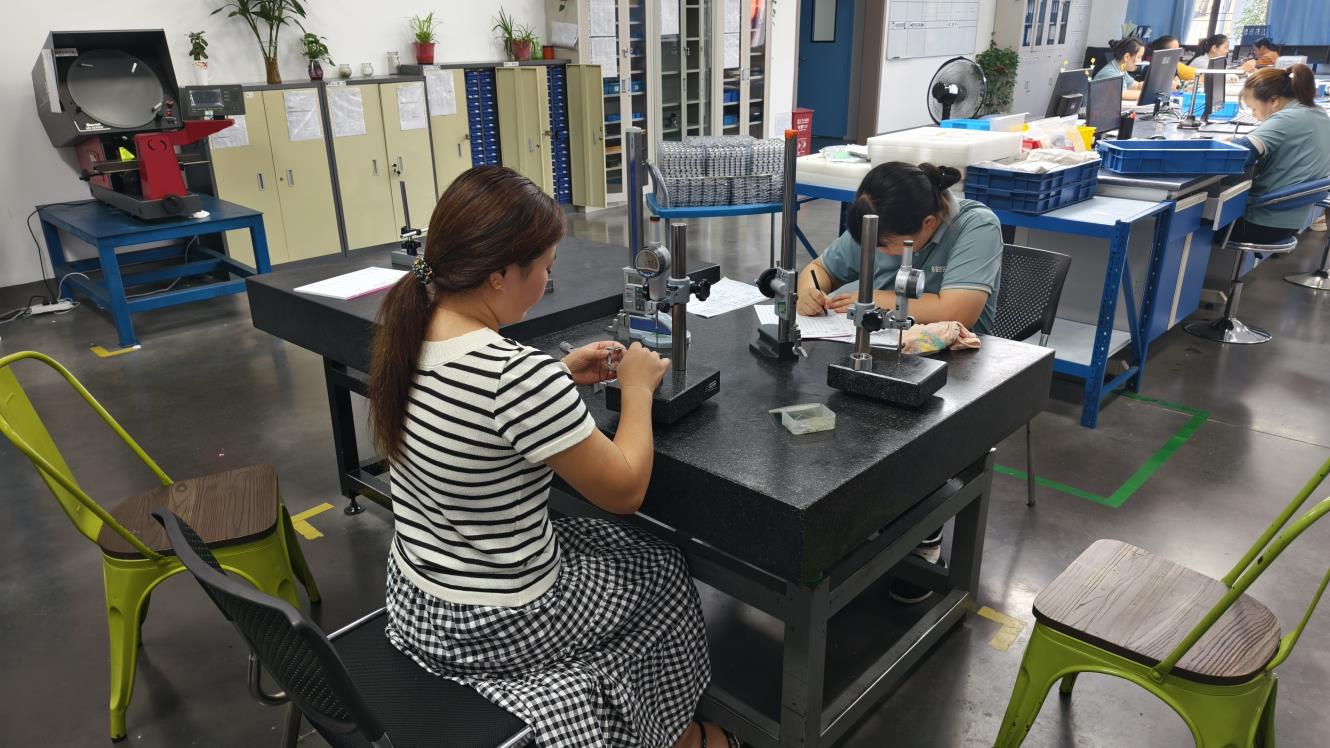
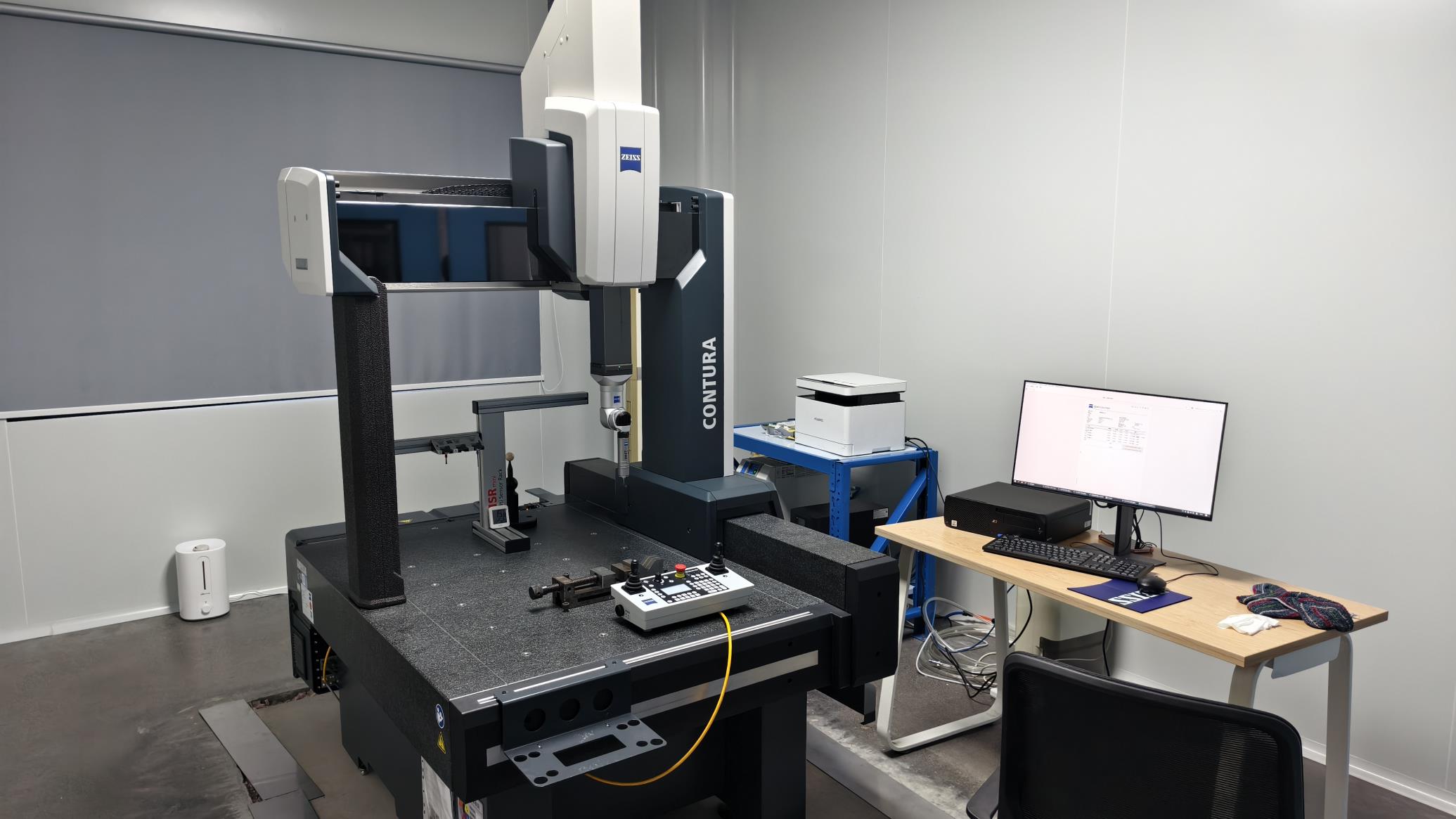
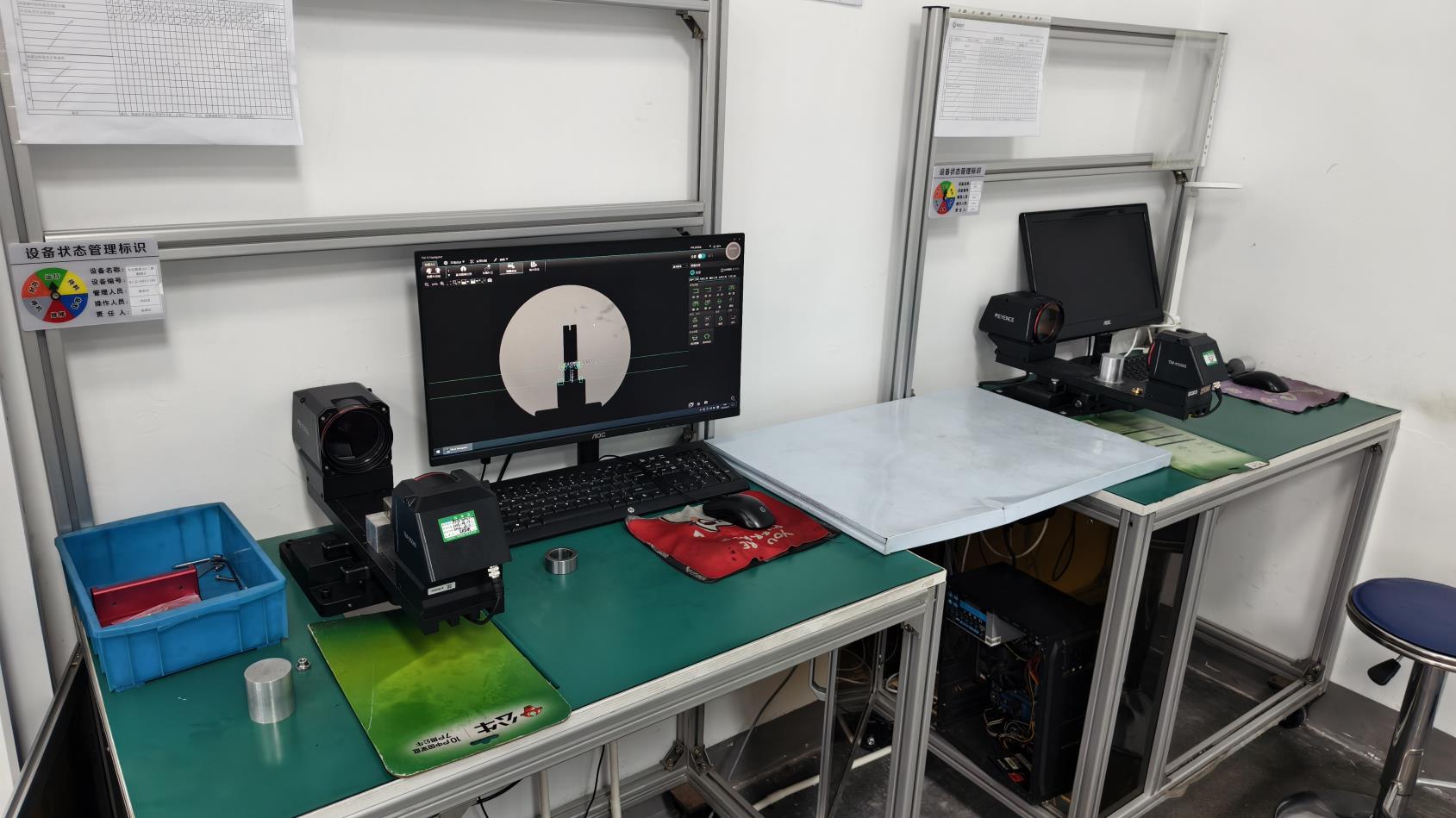
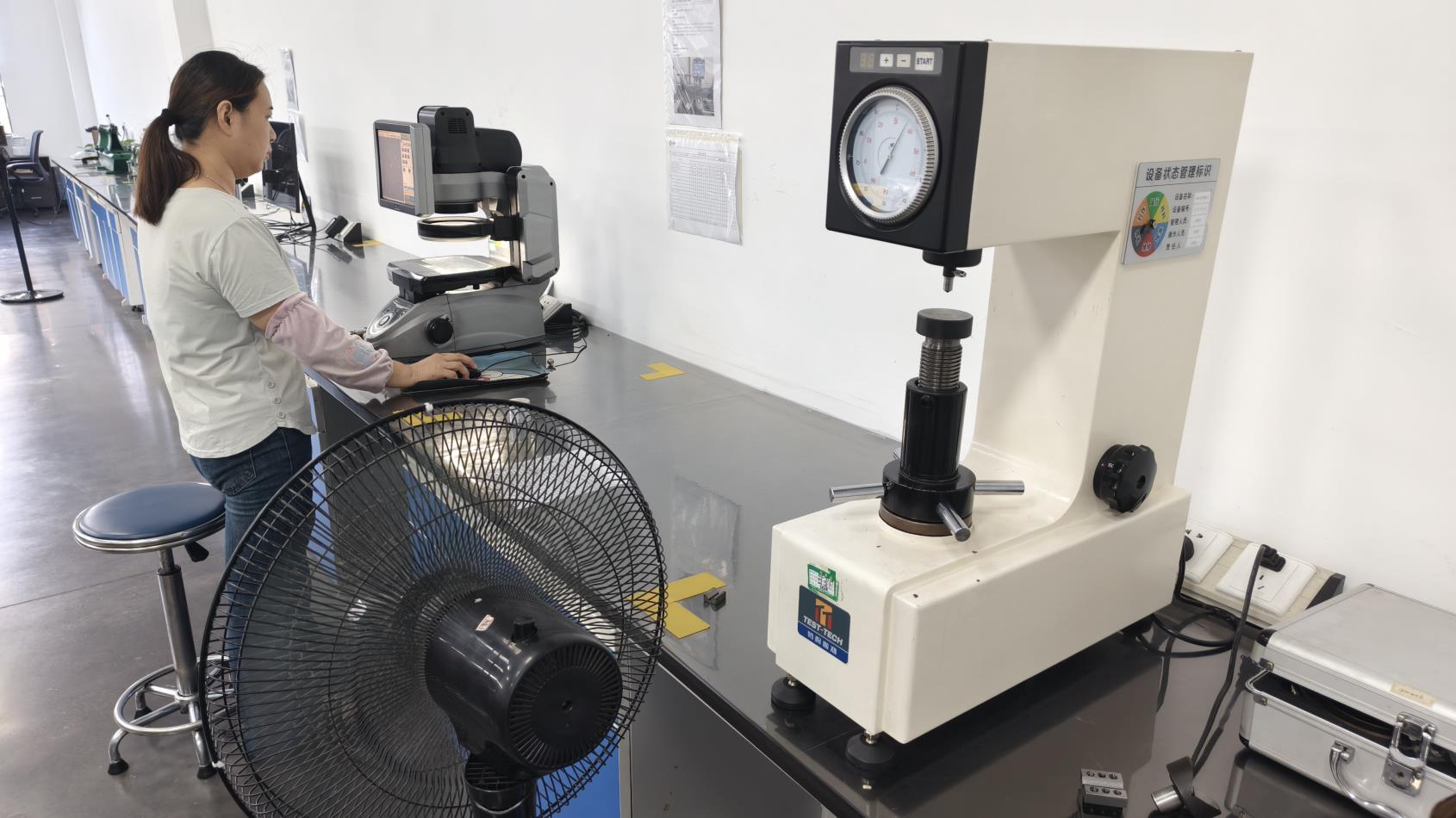
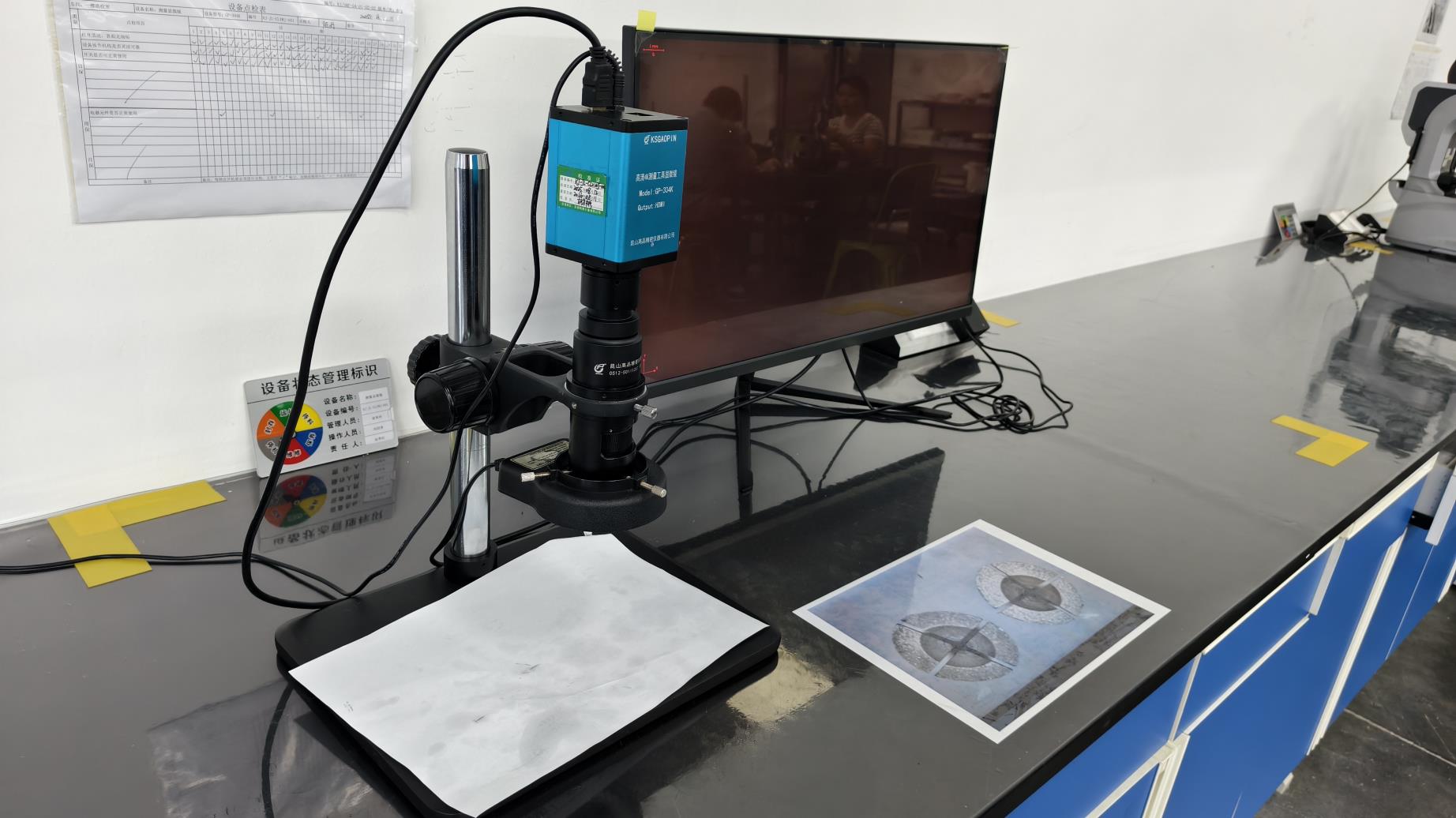
With 48 dedicated Quality Control inspectors and 86 R&D engineers, Moventra ensures that every batch of Small Fragment Locking Plates undergoes meticulous dimensional inspection, surface finish analysis, and mechanical fatigue testing. This matches the benchmark expectations of Western clinical settings.
Supported by 86 engineers, releasing over 150 new medical device designs annually to align with global anatomical updates.
Dimensional mapping, material analysis, mechanical load limits, and surface testing for every production run.
Custom branding, specific anodization colors, packaging optimization, and rapid prototype modeling to support market entry.
Small Fragment Locking Plates are engineered to adapt to highly specific skeletal configurations. The anatomical contours of the distal radius, proximal humerus, lateral fibula, and clavicle demand plates that feature a low-profile construct to prevent soft-tissue irritation while maintaining rigid multi-planar fixation.
We utilize type II anodization, which improves the fatigue life of titanium and provides clear color coding (e.g., blue, green, gold) to distinguish locking holes from non-locking options. This helps surgical teams work more efficiently under pressure in the operating room.
Low contact profiles are built into the design of the plates, minimizing contact with the periosteum. This design choice helps protect the vascular network supplying the bone, which supports faster consolidation and bone healing.
A statistical breakdown of Moventra Medical Technology (China) Co., Ltd.'s operations, industrial capabilities, and strict pre-shipment verification standards.
| Operational Parameter | Specification Detail |
|---|---|
| Company Name | Moventra Medical Technology (China) Co., Ltd. |
| Brand Identity | Moventra |
| Established Year | 2017 |
| Total Facility Area | 18,600 m² |
| Annual Export Revenue | USD 23.8 Million |
| Export Experience | 7 Years |
| Industry Domain Experience | 13 Years |
| Quality Assurance Protocols | 100% Quality Inspection Before Shipment |
| Inspection Methods Employed | Dimensional Inspection, Material Analysis, Surface Finish Inspection, Mechanical Performance Testing, Sterility Verification |
| Dedicated QC Staff | 48 Professionals |
| Business Framework | Manufacturer, OEM & ODM, Exporter |
| Primary Global Markets | North America, Europe, South America, Middle East, Southeast Asia, Australia |
| Verified Supply Chain Partners | 1,120 Partners |
| Primary Client Segments | Medical Device Brands, Orthopedic Distributors, Hospitals, Importers, Government Procurement Projects |
| R&D Scope | Independent Product Design, Rapid Prototyping, OEM/ODM Development, Customized Engineering Solutions |
| Customization Scope | Logo Customization, Packaging Customization, Product Design Customization, Drawing-Based Manufacturing, Sample-Based Manufacturing |
| New Product Innovations (Last Year) | 156 Products Released |
| Active R&D Engineers | 86 Engineers |
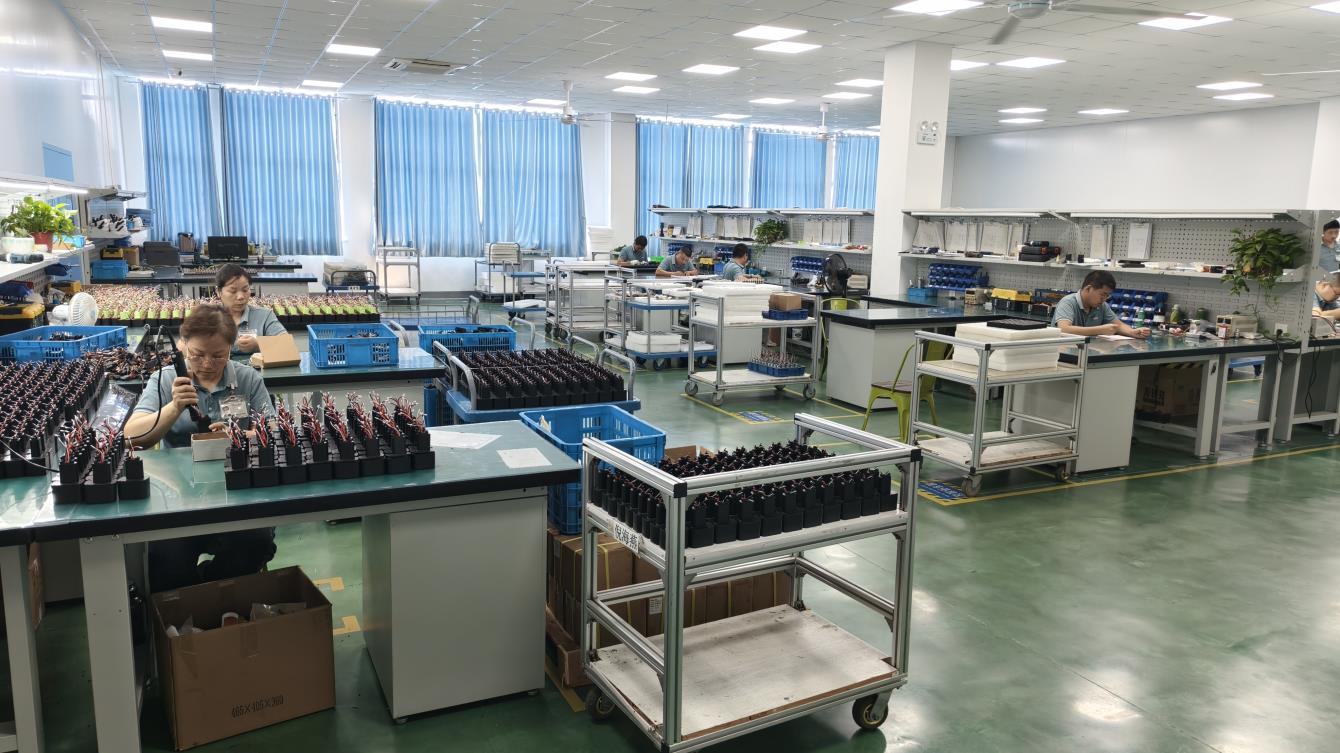
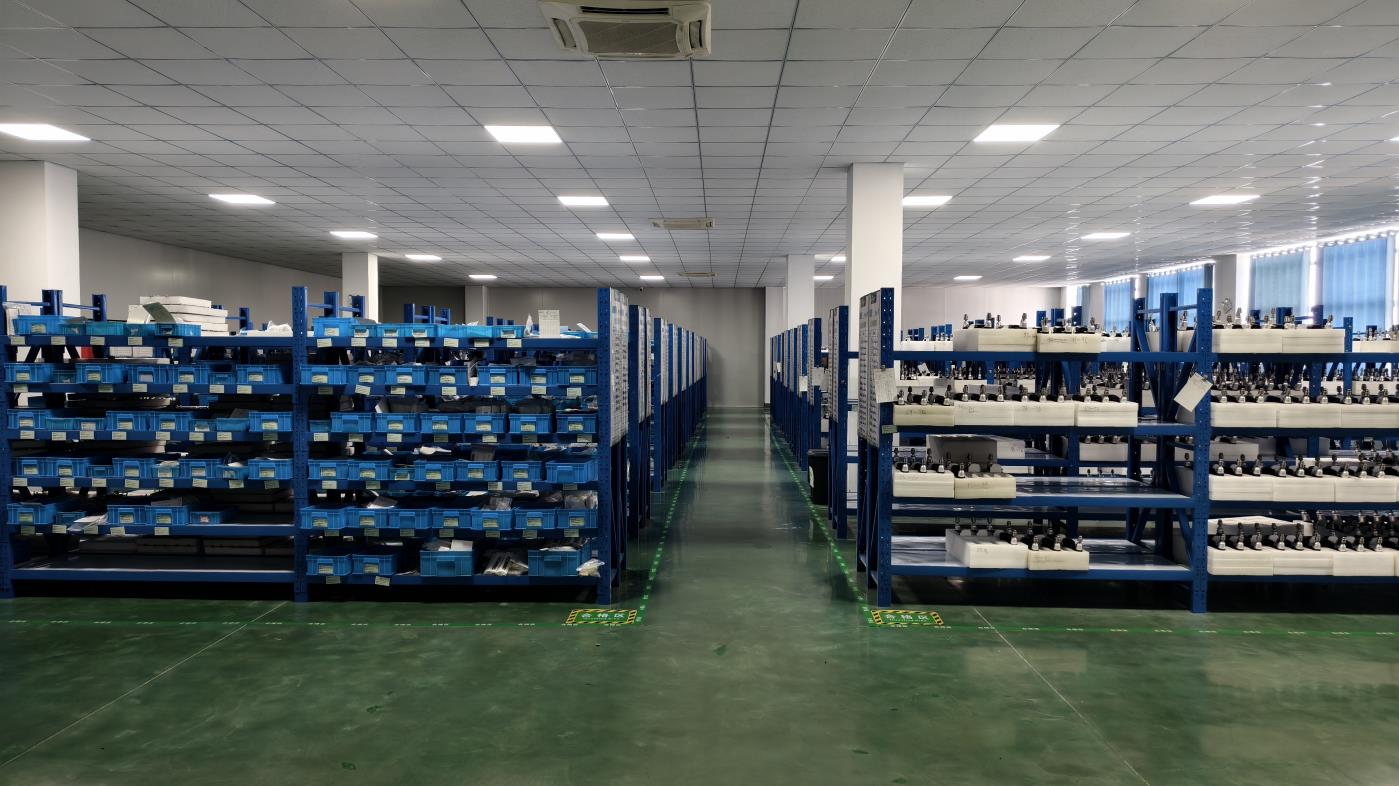
Inside Moventra's production facilities: where precision engineering meets clinical excellence.
Key clinical and logistical questions answered by our engineering and regulatory affairs team.
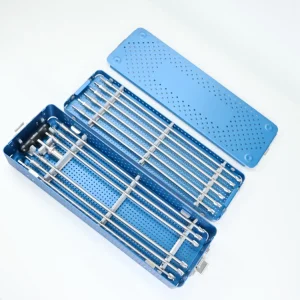
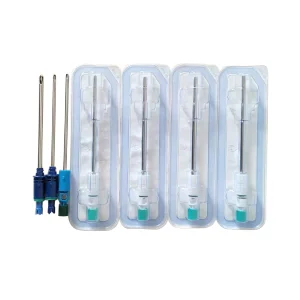
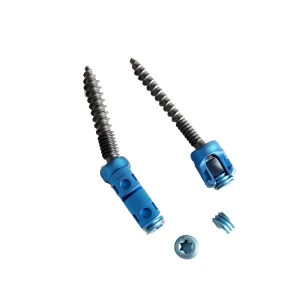
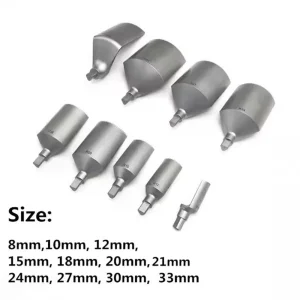
Complete surgical solution sets for professional healthcare distributors and medical institutions.
 Moventra Medical