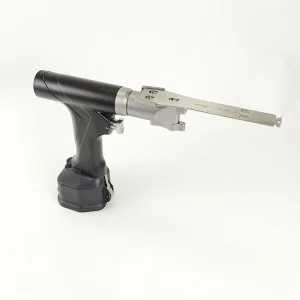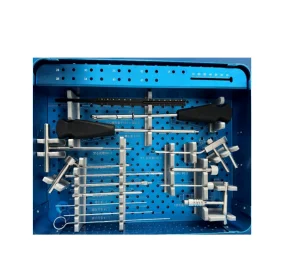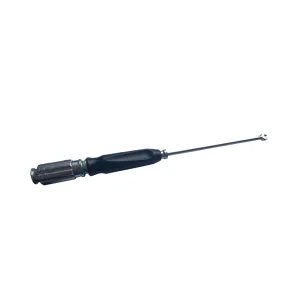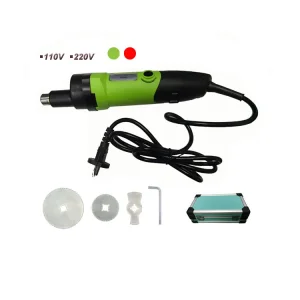
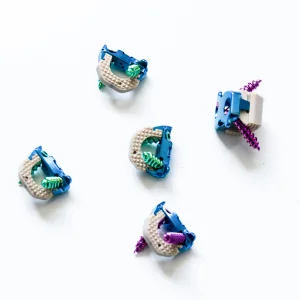
Modern spinal surgery requires an extraordinary level of precision, material stability, and ergonomic control. As surgical methodologies shift from open, highly invasive techniques toward Minimally Invasive Surgery (MIS) and robot-assisted interventions, the demand for cutting-edge Spine Instrument Sets has grown exponentially. Instrument kits are no longer merely manual mechanical aids; they represent highly complex systems engineered to interface seamlessly with implantable biomaterials, such as titanium cages, PEEK spacers, and dynamic stabilization rods.
For medical device brands, global orthopedic distributors, and clinical purchasing organizations, establishing partnerships with high-tier manufacturers in China has become a critical strategic objective. China's top-tier orthopedic factories have transitioned from basic contract manufacturing to state-of-the-art co-development, combining advanced metallurgy, CNC machining centers, and strict regulatory pathways (FDA, CE, and ISO 13485) to deliver clinical-grade instrumentation at optimized unit costs.
Moventra Medical Technology (China) Co., Ltd. is a leading professional manufacturer specializing in the research, development, production, and global supply of orthopedic medical devices and surgical solutions. Established in 2017, the company focuses on delivering innovative, high-quality products for trauma, spine, joint reconstruction, sports medicine, and orthopedic surgical procedures.
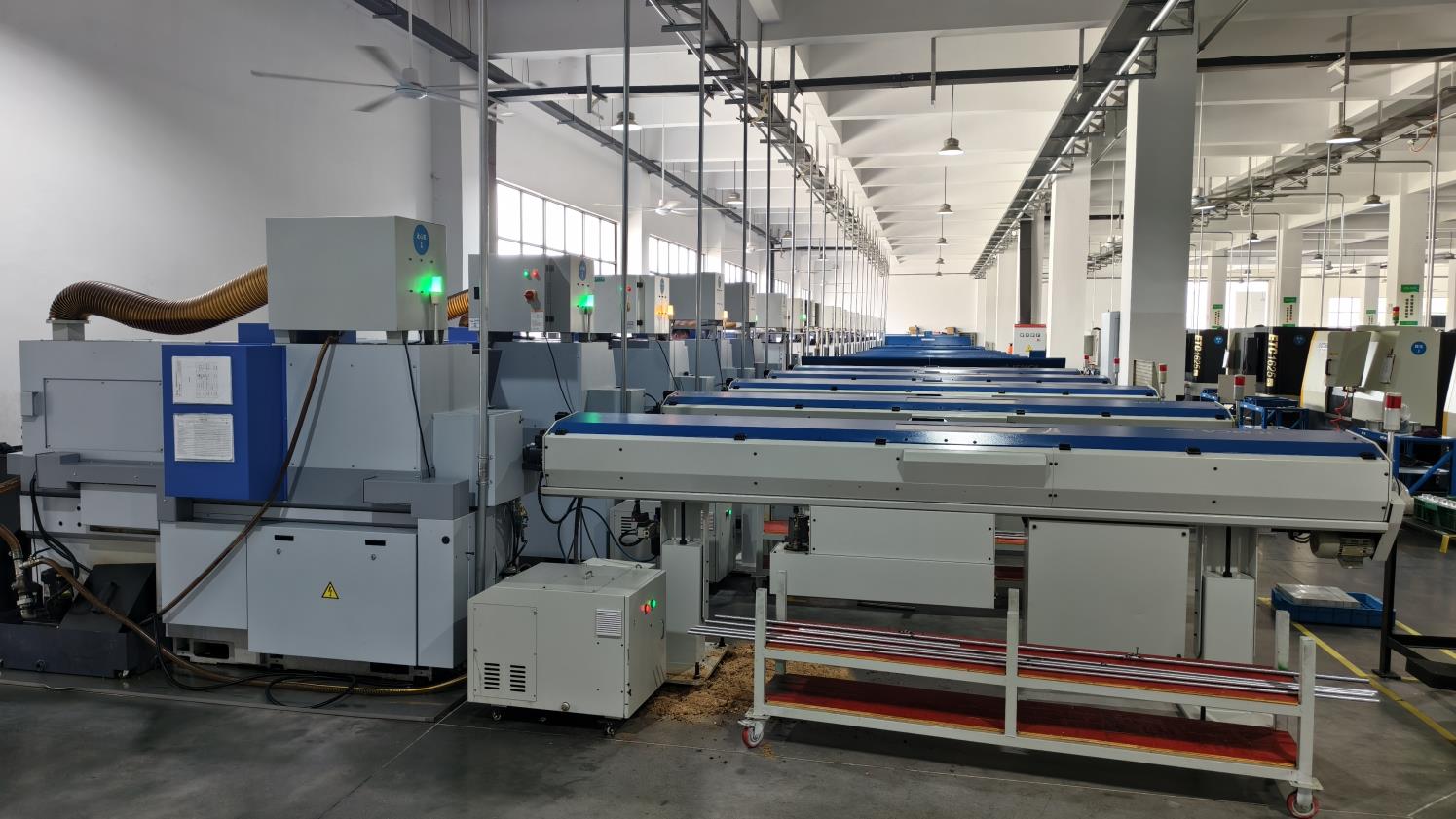
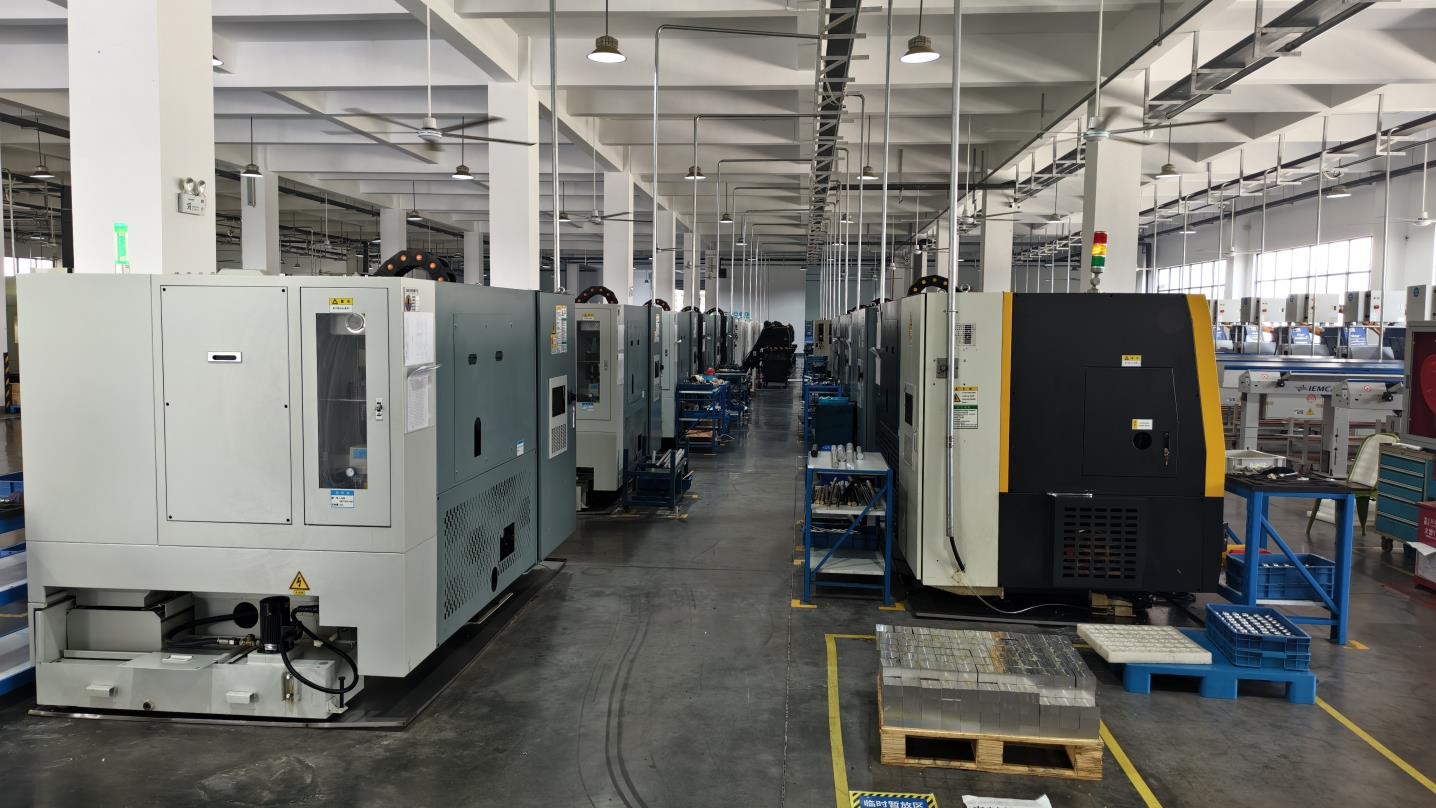
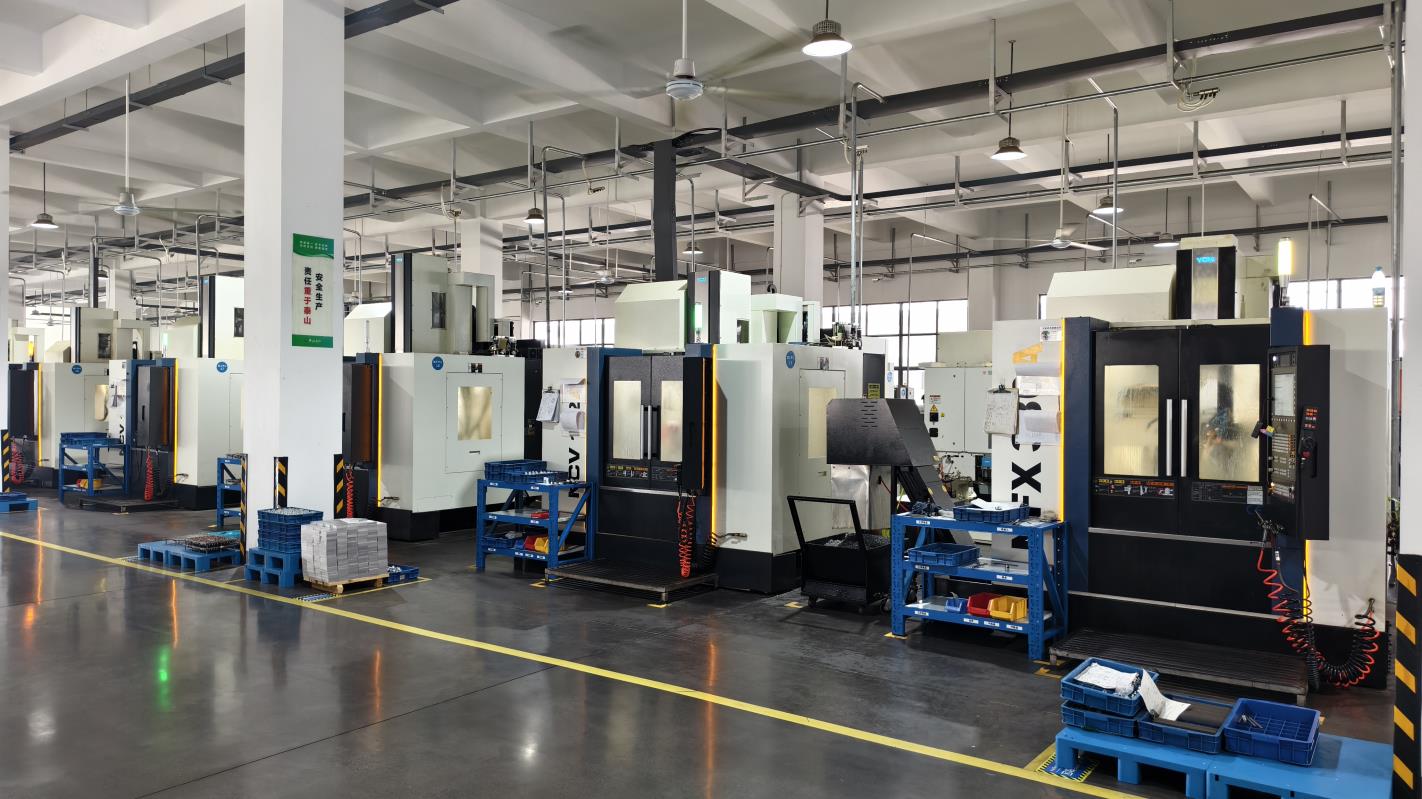
Operated from a modern manufacturing facility covering 18,600 m², Moventra integrates advanced Swiss-type CNC machining, automated production lines, and strict quality management systems to ensure that every instrument meets and exceeds international standards. We supply custom OEM/ODM services for global medical device brands, distributors, and governmental hospital procurements.
| Operational Metric | Specification Detail |
|---|---|
| Company Name | Moventra Medical Technology (China) Co., Ltd. |
| Established & Industry Experience | Established in 2017 (7 Years Export Experience, 13 Years Industry Experience) |
| Facility Footprint | 18,600 m² modern clean-room and manufacturing facilities |
| Annual Export Revenue | USD 23.8 Million |
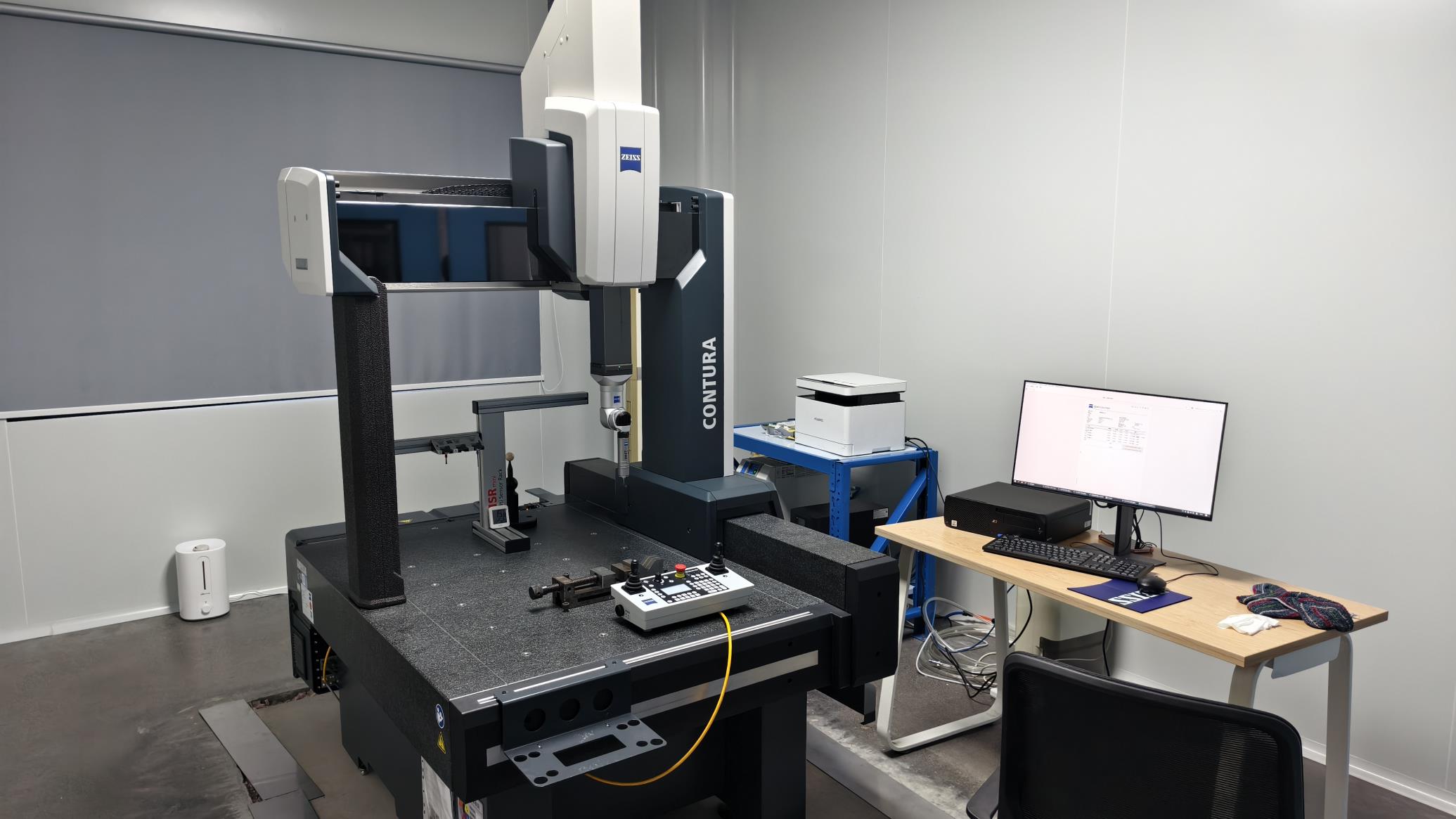
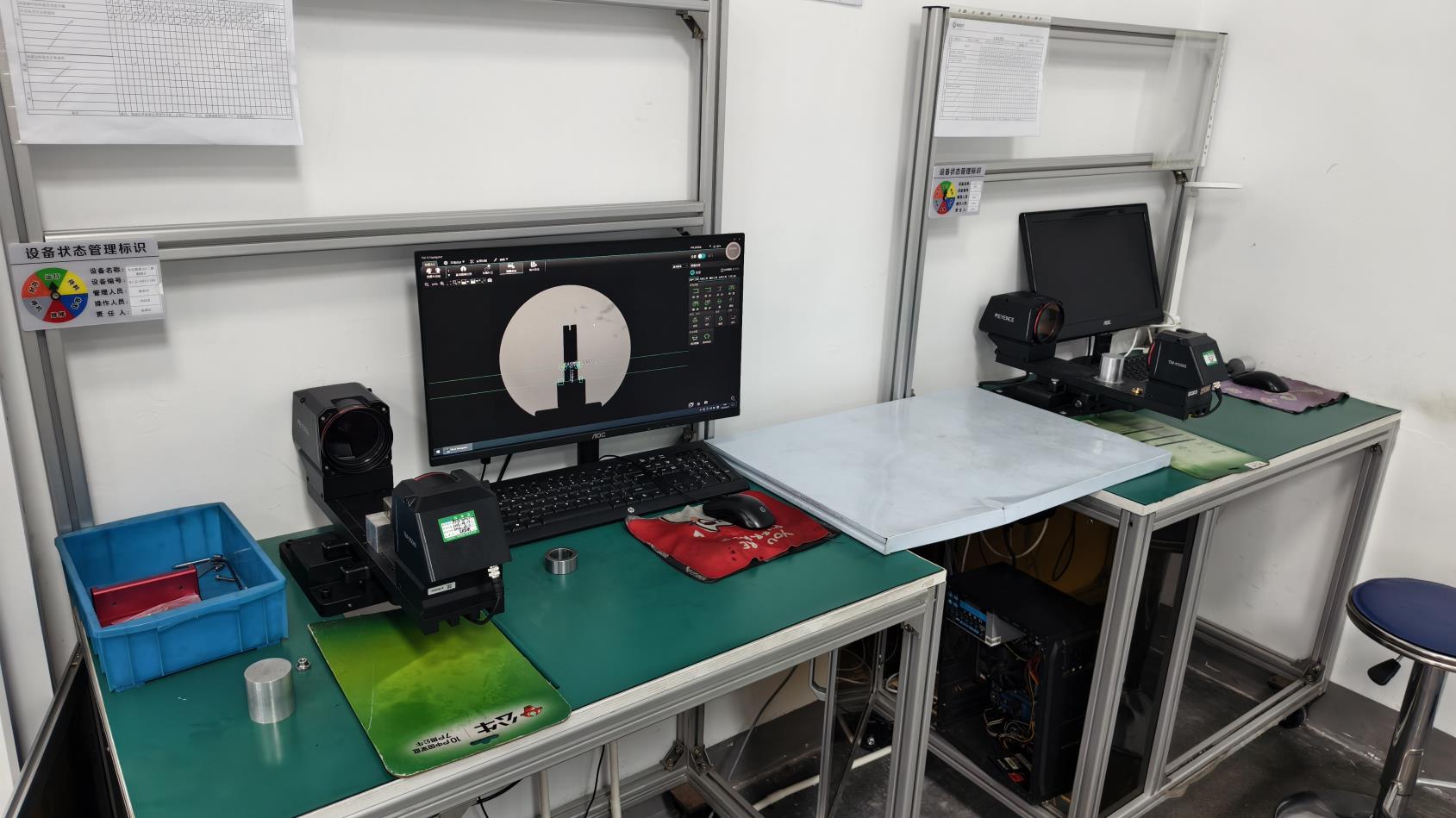
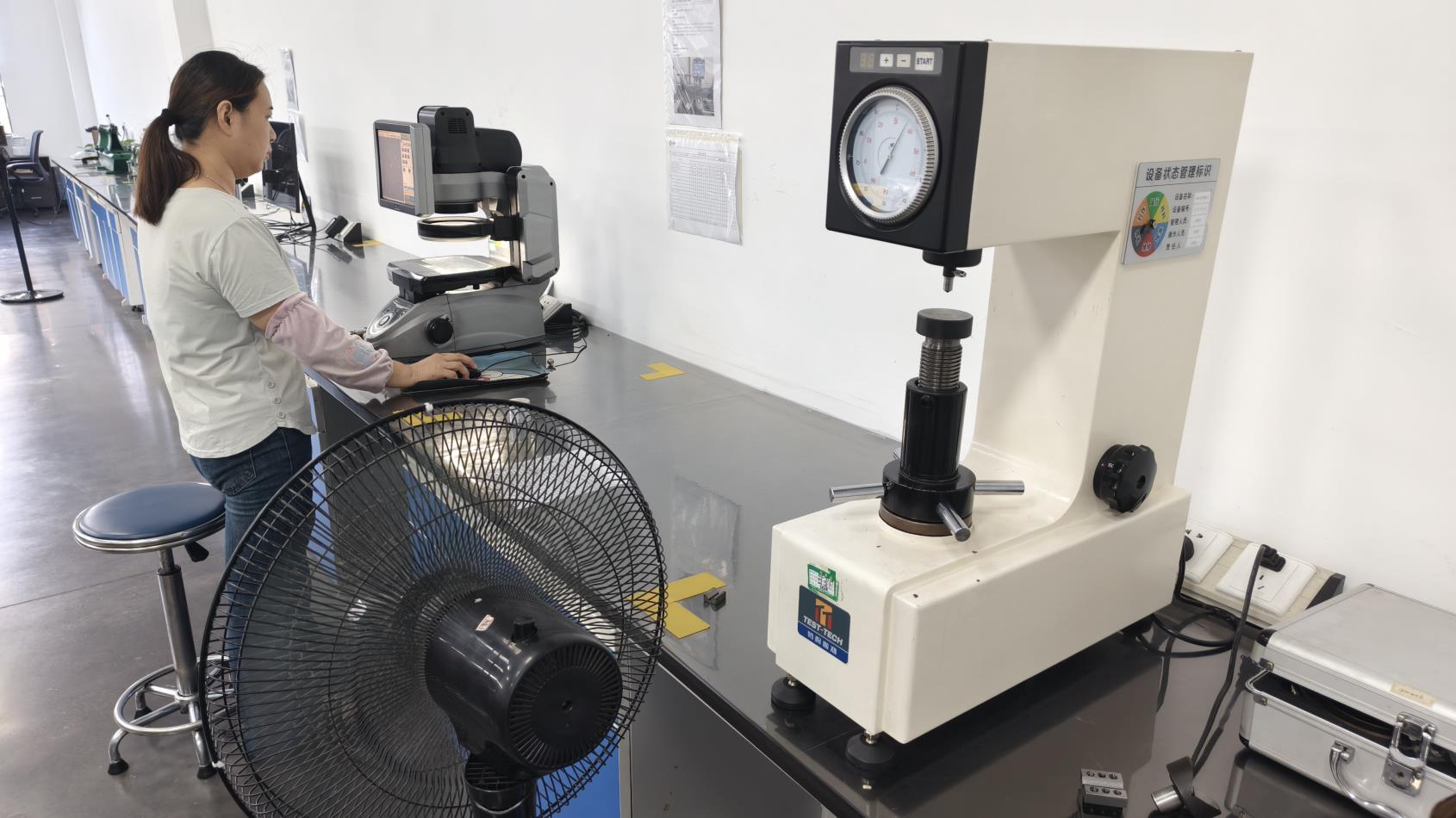
| Inspection Methodology | 100% Dimensional Inspection, Material Analysis, Surface Finish Verification, Mechanical Performance Testing |
| R&D Strength | 86 Engineers; 156 New Products Launched Last Year |
| Global Markets Served | North America, Europe, South America, Middle East, Southeast Asia, Australia |
| Quality Assurance Staff | 48 Quality Control Professionals |
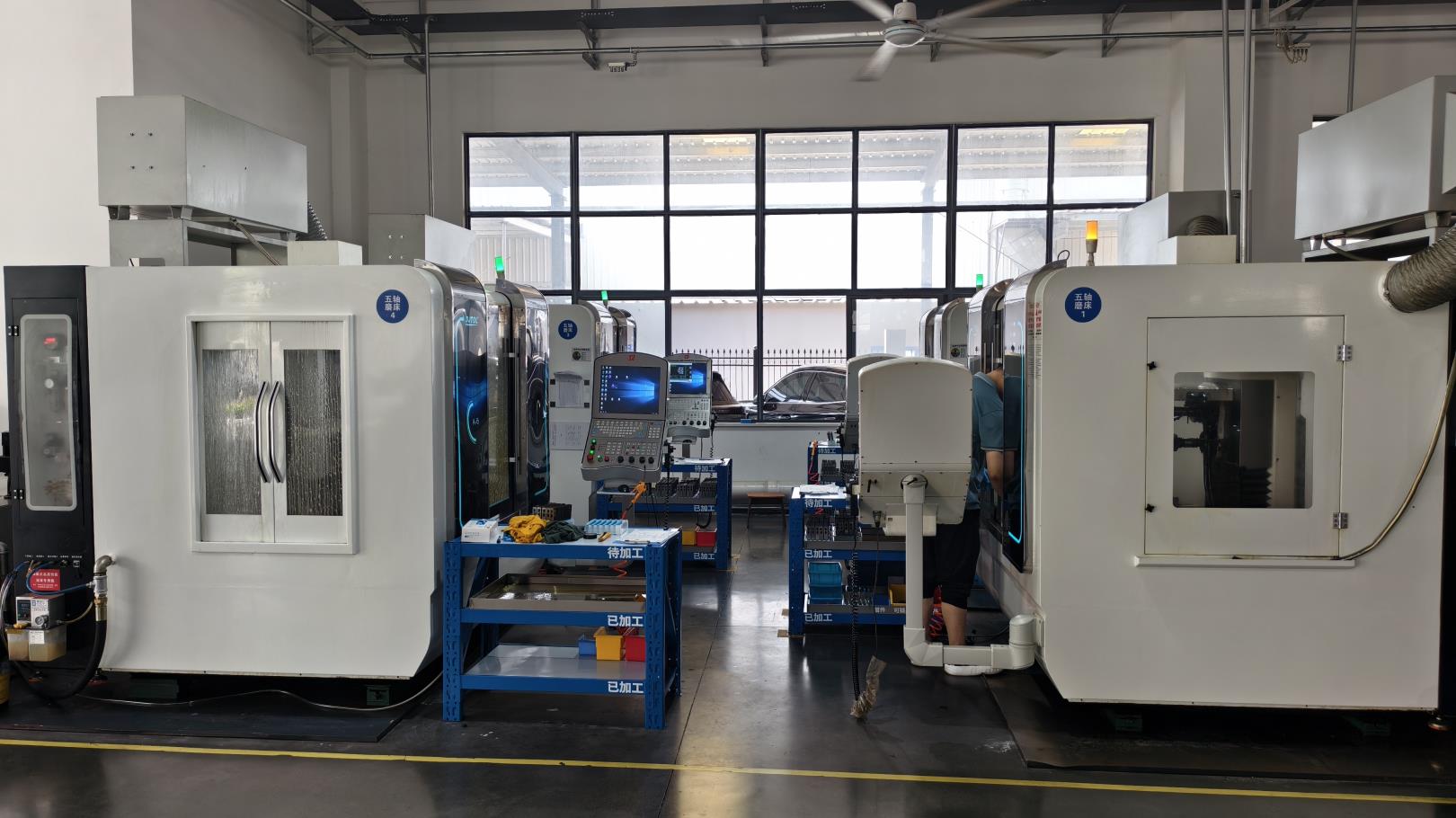
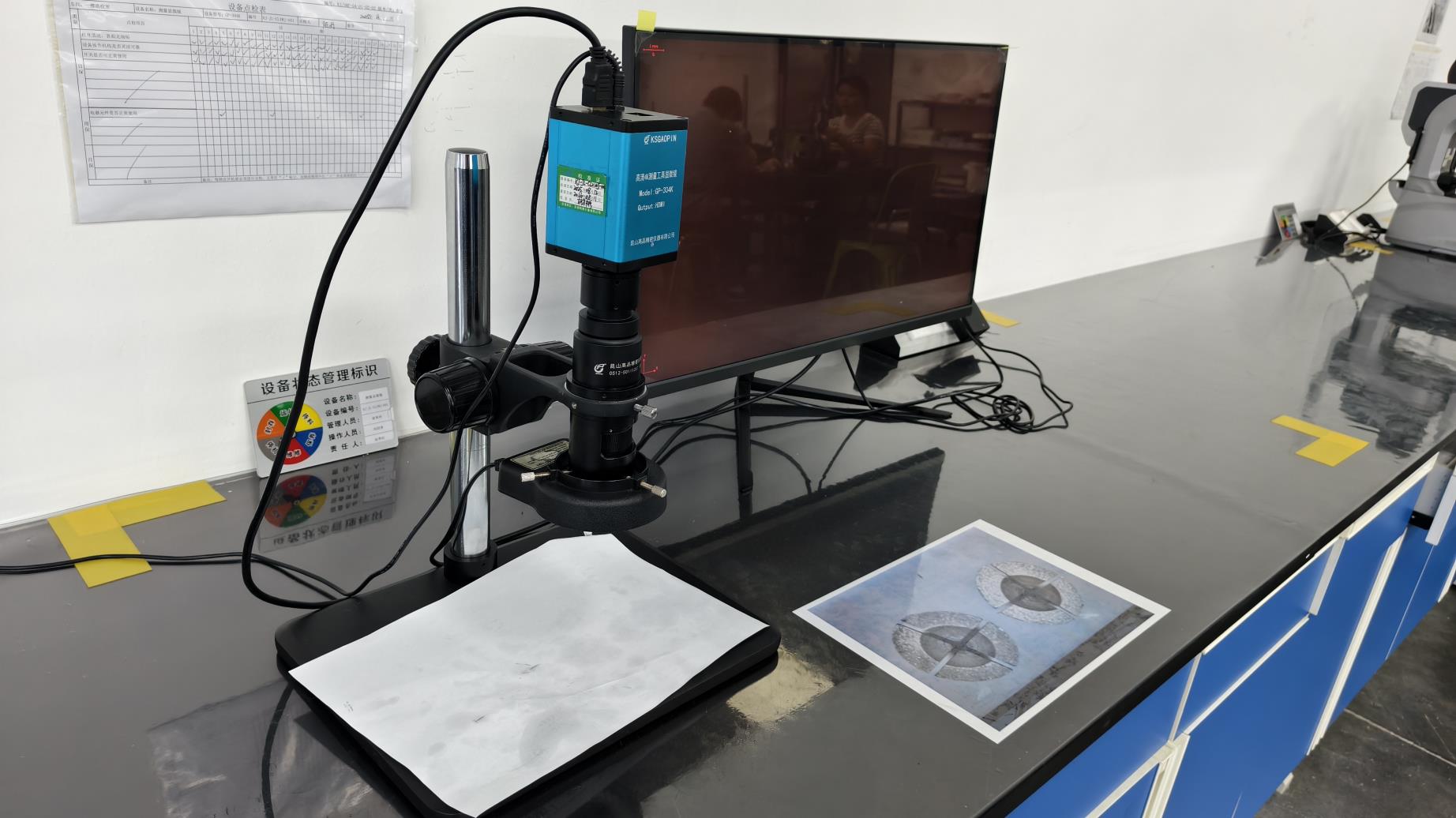
The manufacturing of spinal instruments is highly complex due to the intricate geometries and tight tolerance windows required (often within ±0.005 mm). At Moventra, our factory floor has been digitized and automated under Industry 4.0 guidelines. Our technical capability is anchored by Swiss-type CNC lathes, multi-axis machining centers, and wire-cutting machinery.
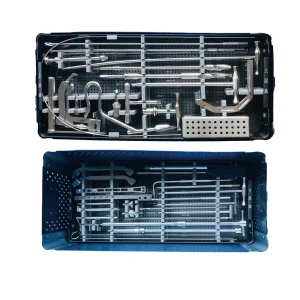
These technologies allow us to process bio-compatible materials like Grades 5 Titanium (Ti-6Al-4V ELI) and high-performance polymers (PEEK-OPTIMA) without compromising material structural integrity. The incorporation of advanced robotics in the polishing and surface finishing stages ensures that instruments such as TLIF cage holders, curettes, and pedicle screw inserters exhibit high corrosion resistance and high tactile feedback during surgery.
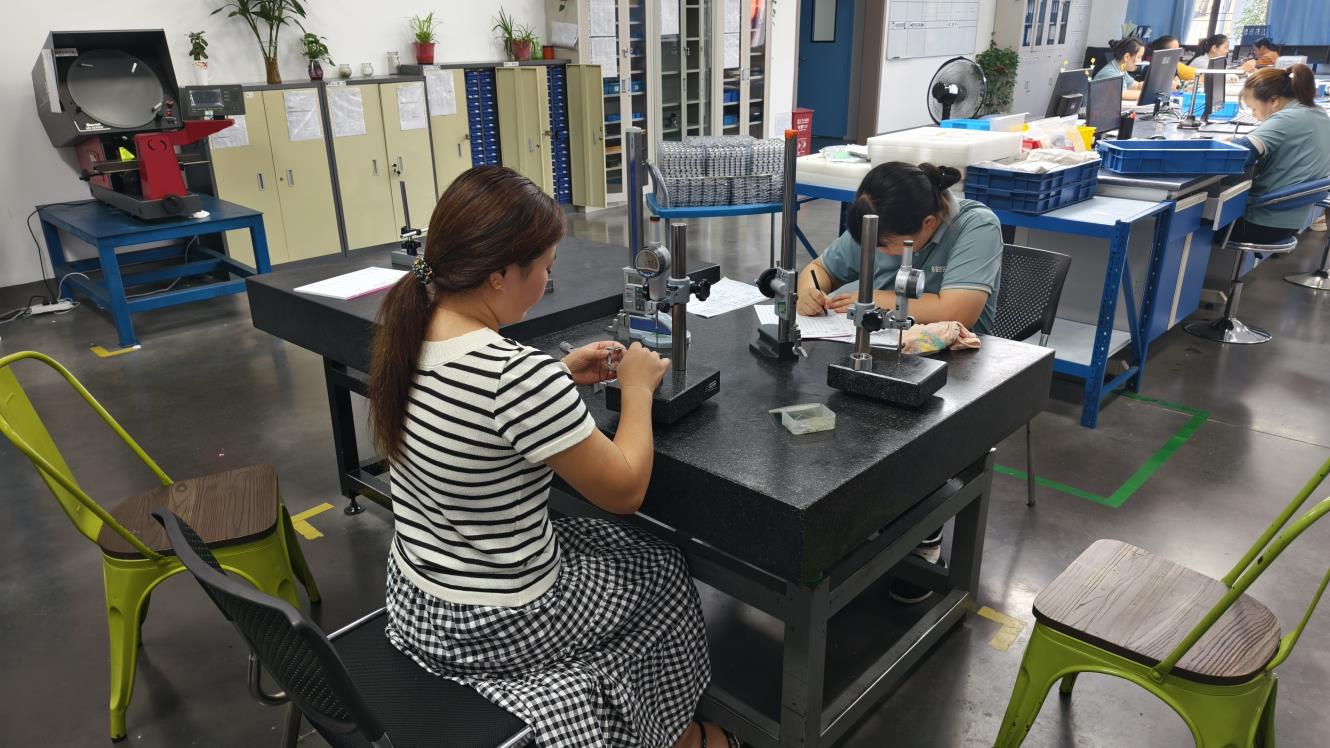
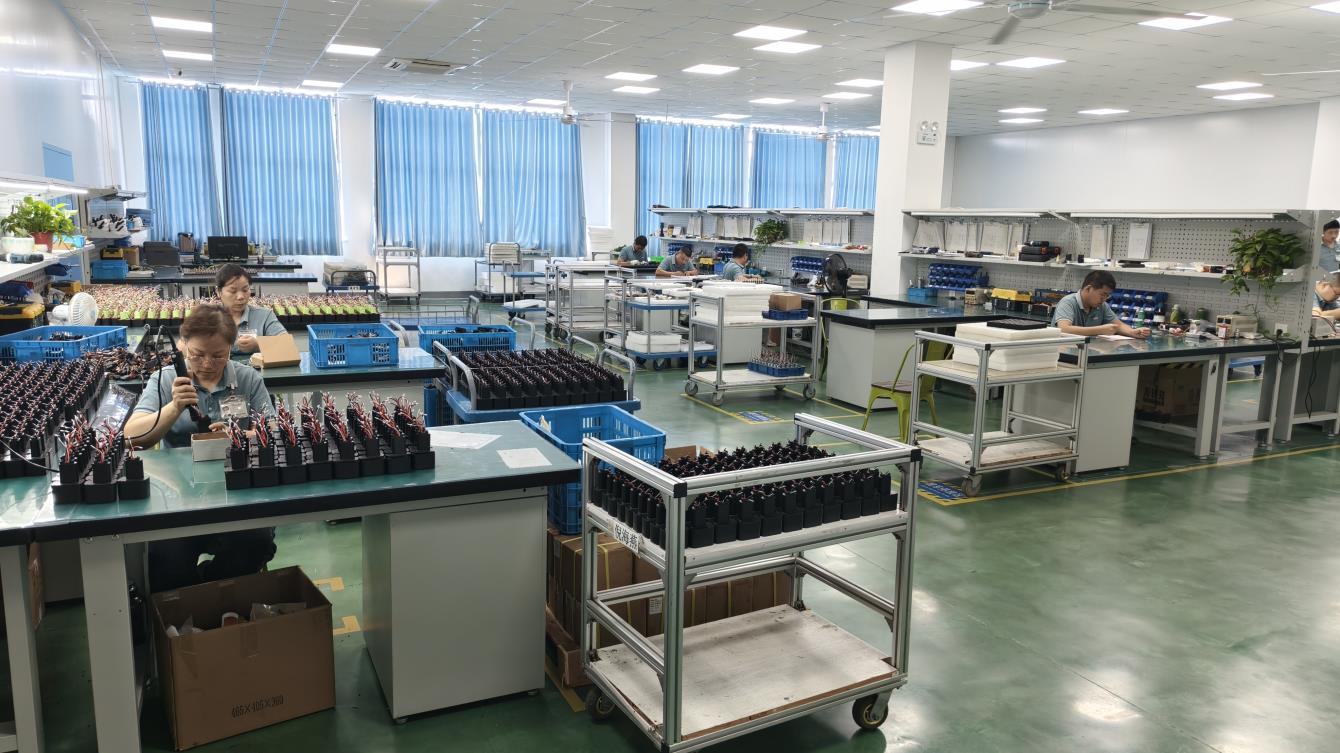
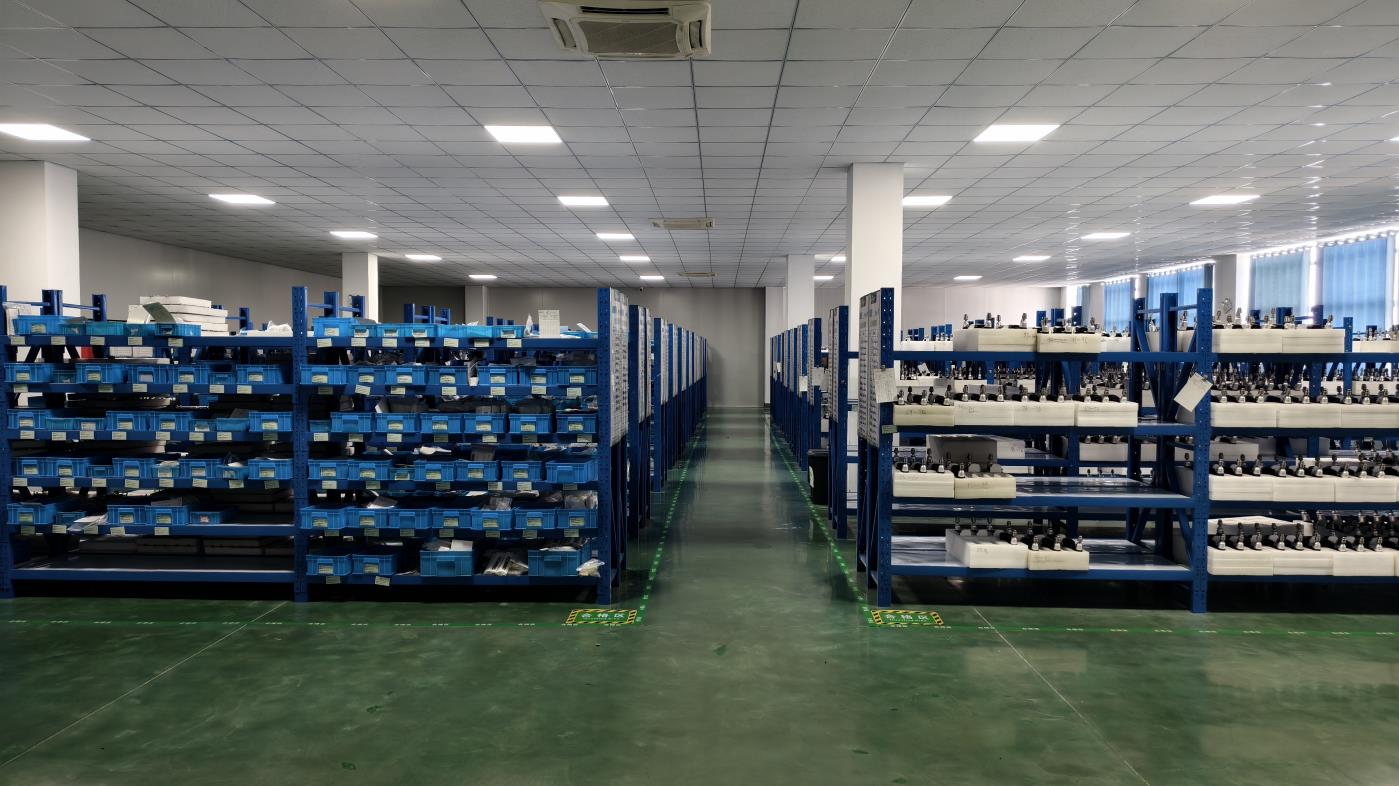
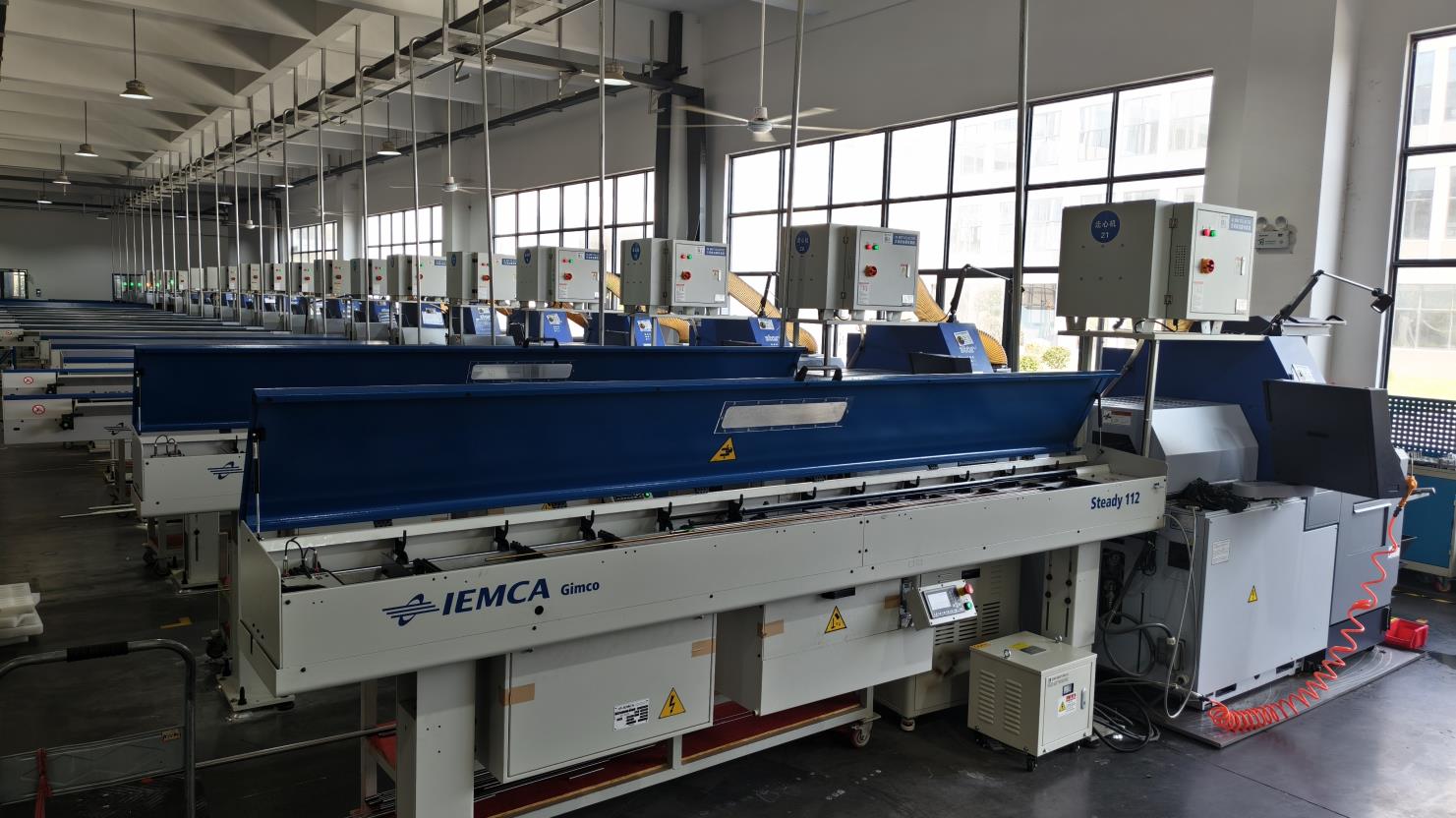
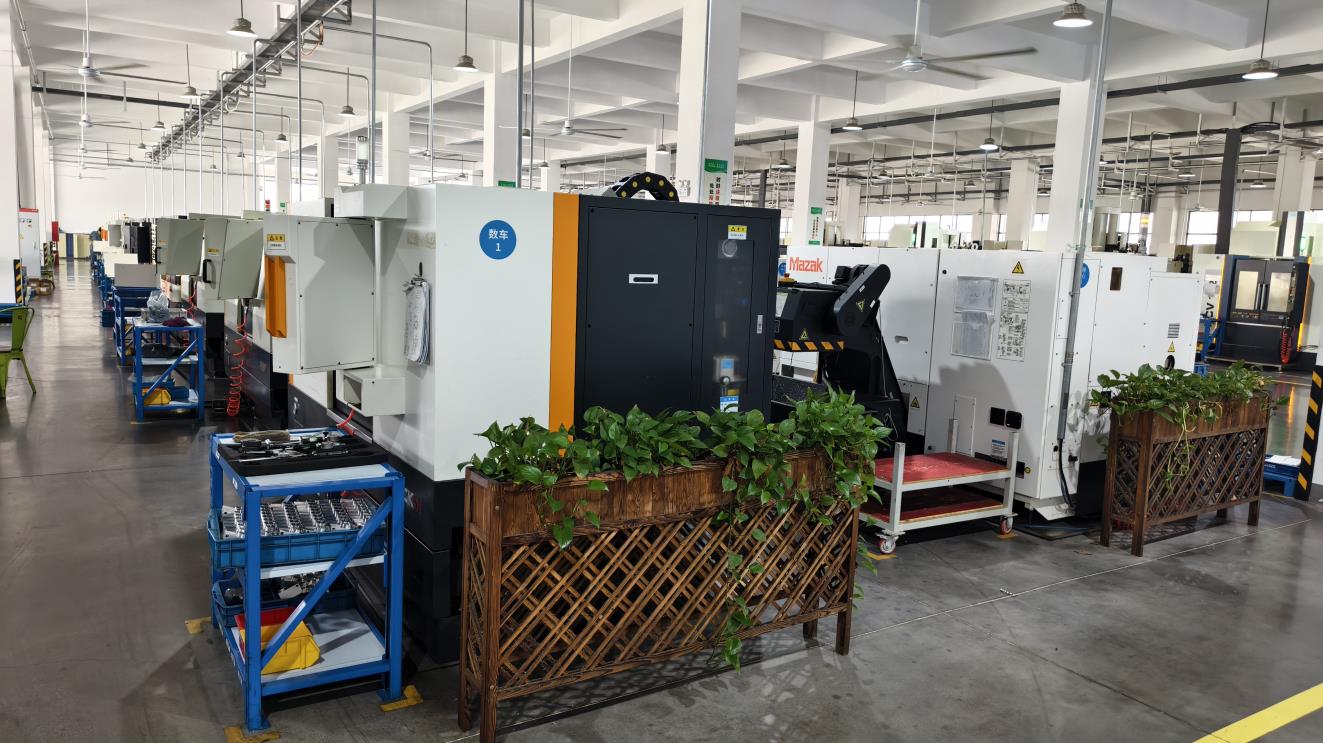
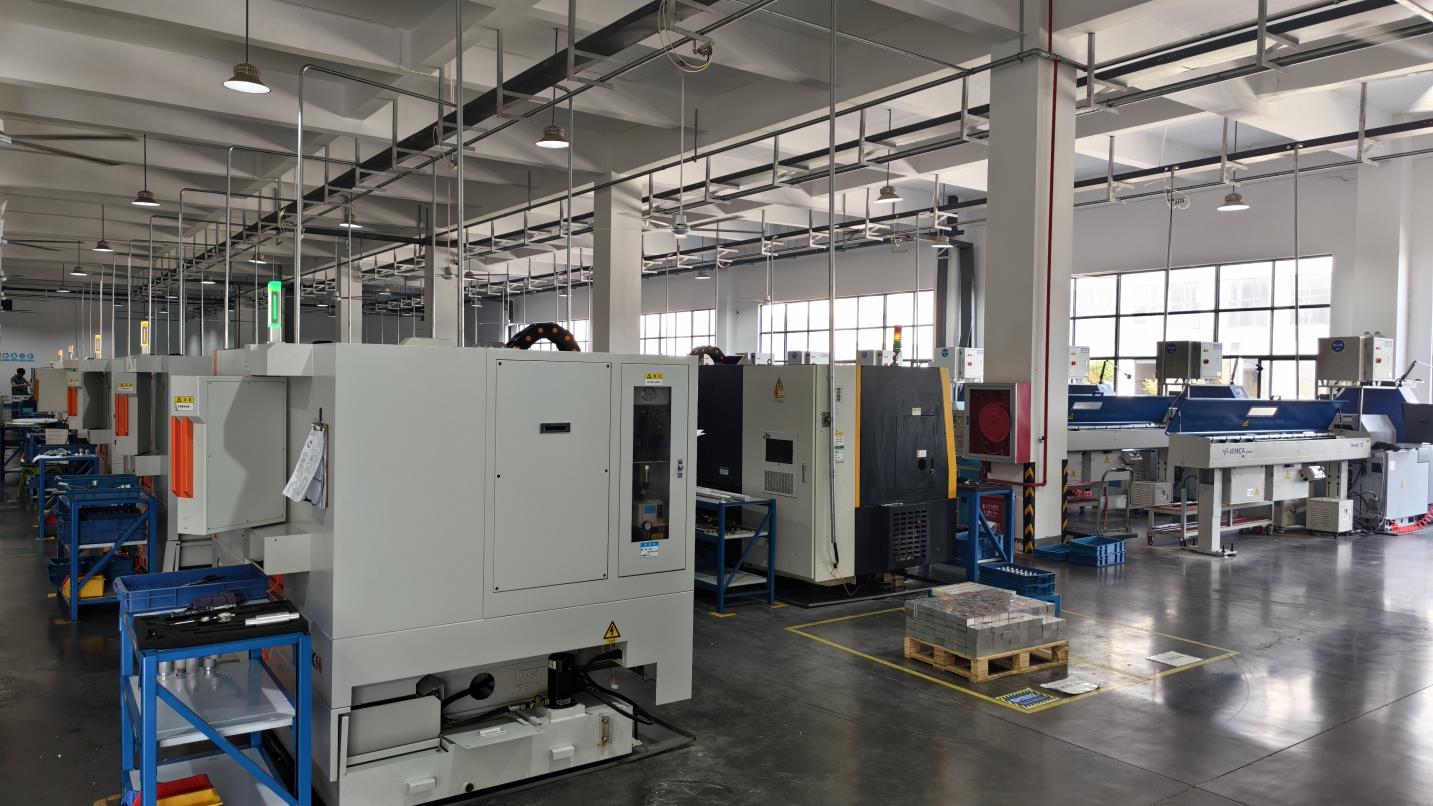
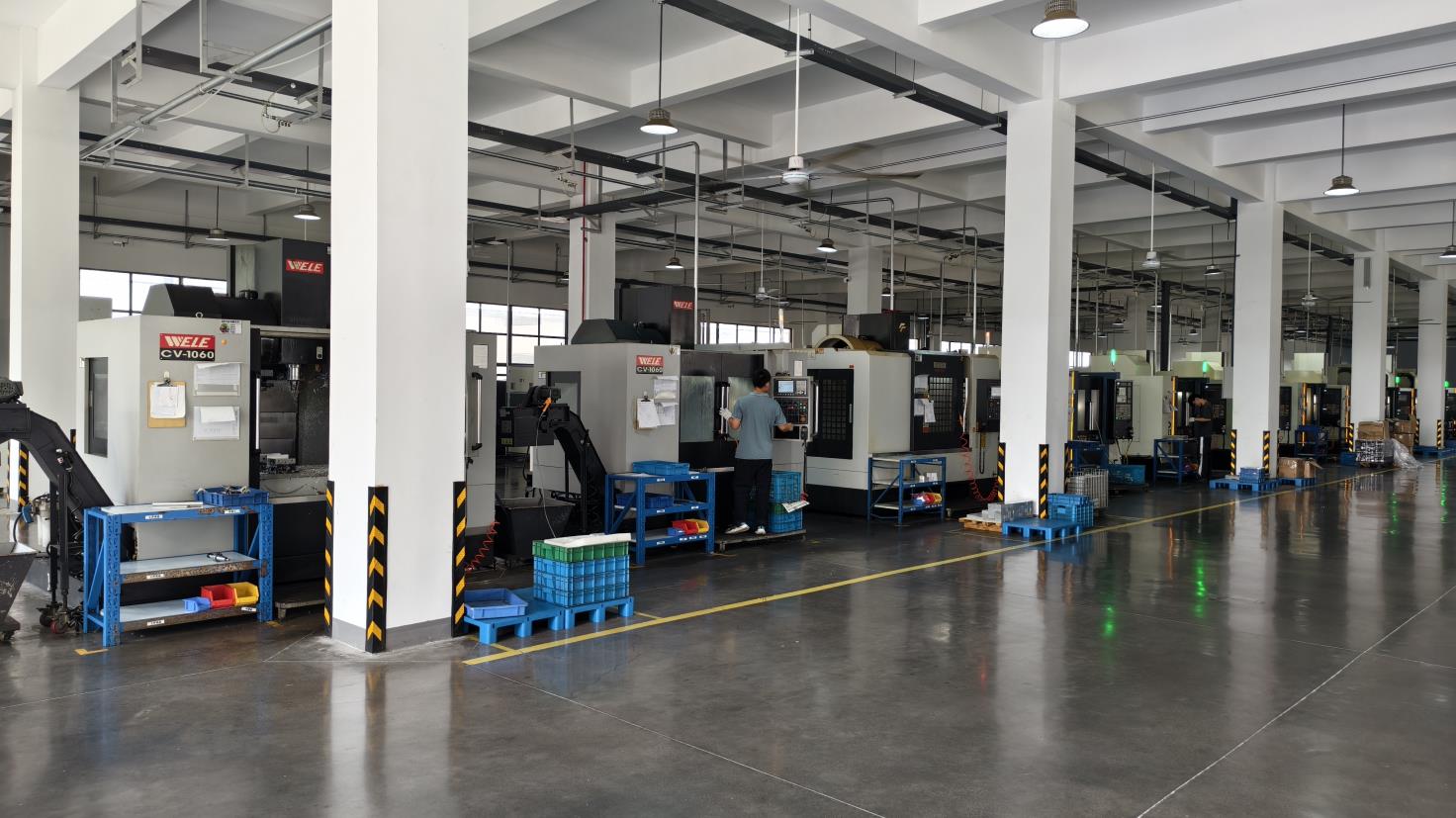
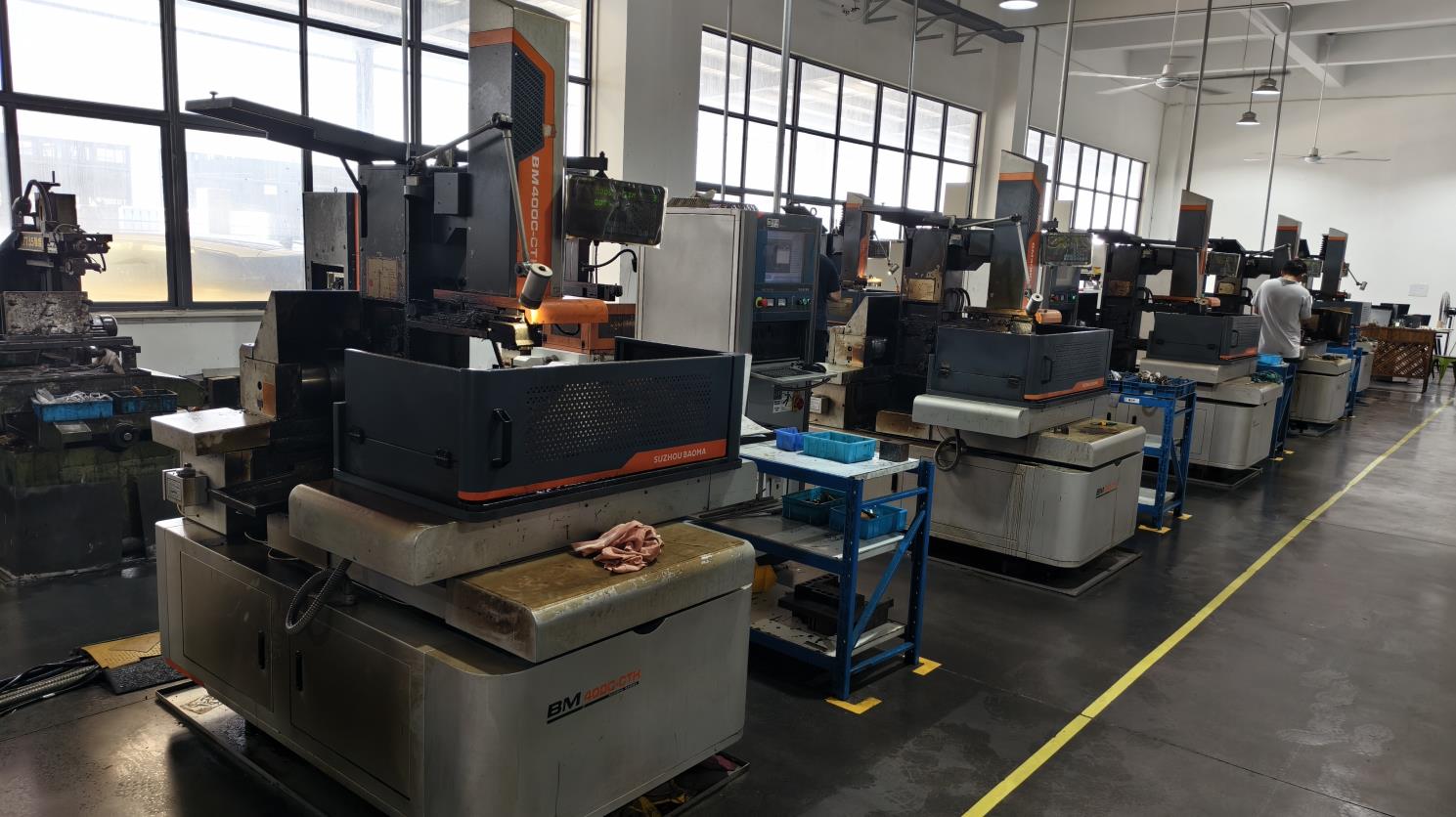
The landscape of spinal instrumentation is experiencing a rapid technological evolution. As a pioneer in the orthopedic manufacturing space, Moventra maintains an active R&D roadmap designed to integrate tomorrow's clinical requirements into today's production lines. Key focus areas include:
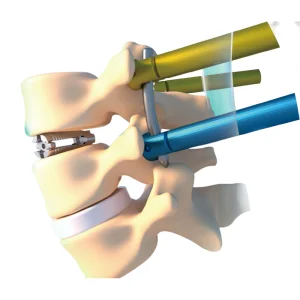
Developing smaller-profile retractor systems, percutaneous screw insertion towers, and flexible shaft screwdrivers that reduce patient trauma and hospital stay duration.
Integrating optical and electromagnetic trackers directly into spine instrument handles, enabling real-time navigation feedback with major digital surgical suites.
Transitioning to ultra-high corrosion resistant steels, carbon-fiber reinforced PEEK (CF-PEEK) for radiolucent instruments, and surface treatments like DLC (Diamond-Like Carbon) coatings.
Sourcing spine instrument sets globally requires a comprehensive assessment of regulatory, technical, and logistic frameworks. Hospital systems and medical device importers face strict verification requirements before deploying any instrument kit into the sterile operating field.
Our comprehensive B2B solutions cover every critical parameter of this procurement matrix:
The COVID-19 pandemic highlighted the vulnerability of single-source medical device supply chains. Moventra addresses this by offering robust supply chain resilience through a network of 1,120 supply chain partners. This ensures uninterrupted access to medical-grade raw materials (titanium rods, cobalt-chromium alloys, special medical stainless steels).
Furthermore, we provide localized support including custom translation of user guides, training videos for sales representatives, localized warehousing options, and fast-track shipping solutions to prevent stockouts at critical distributor distribution centers.

 Moventra Medical