In modern sports medicine, the surgical restoration of joint stability—particularly in Anterior Cruciate Ligament (ACL) reconstruction, syndesmotic disruptions, and acromioclavicular (AC) separations—has moved decisively towards suspensory cortical fixation. Cortical fixation buttons act as the critical biomechanical anchor, distributing tensile loads across the outer cortical bone shell while securing graft loops or high-strength sutures.
Historically, interference screws dominated graft fixation. However, they presented challenges including graft laceration, localized osteolysis, and complex revision procedures. The arrival of cortical buttons, pioneered in titanium and cobalt-chrome, solved these issues by leveraging the superior tensile properties of cortical bone compared to softer cancellous bone. Today, leading Chinese manufacturers, backed by advanced machining and material science, have refined these implants into sophisticated Fixed-Loop and Adjustable-Loop systems.
To meet global OEM/ODM specifications, cortical buttons must possess precise geometry and surface profiles. A sharp edge on a button can sever a suture loop under loading. Therefore, precision tumbling, electrochemical polishing, and radiusing processes are crucial steps in manufacturing.
Exclusively machined from medical-grade Titanium Alloy (Ti-6Al-4V ELI) conforming to ASTM F136 or ISO 5832-3, providing optimal strength-to-weight ratios and high fatigue limits.
Thickness profiles reduced to less than 1.5mm to minimize soft-tissue irritation and prominence in subcutaneous zones, such as the lateral femoral condyle.
Adjustable-loop variants employ unique self-locking friction nodes that tighten progressively as tension is applied, avoiding manual knot slippage.
The physical profile of cortical buttons relies on micro-machining capabilities. Chinese factories optimize the "flip-angle" physics—designing the button center of gravity so that it transitions from longitudinal insertion to transverse seating reliably when pulled through the cortical tunnel.
Moventra Medical Technology (China) Co., Ltd. is a professional manufacturer specializing in the research, development, production, and global supply of orthopedic medical devices and surgical solutions. Established in 2017, the company is dedicated to delivering innovative, high-quality products for trauma, spine, joint reconstruction, sports medicine, and orthopedic surgical procedures.
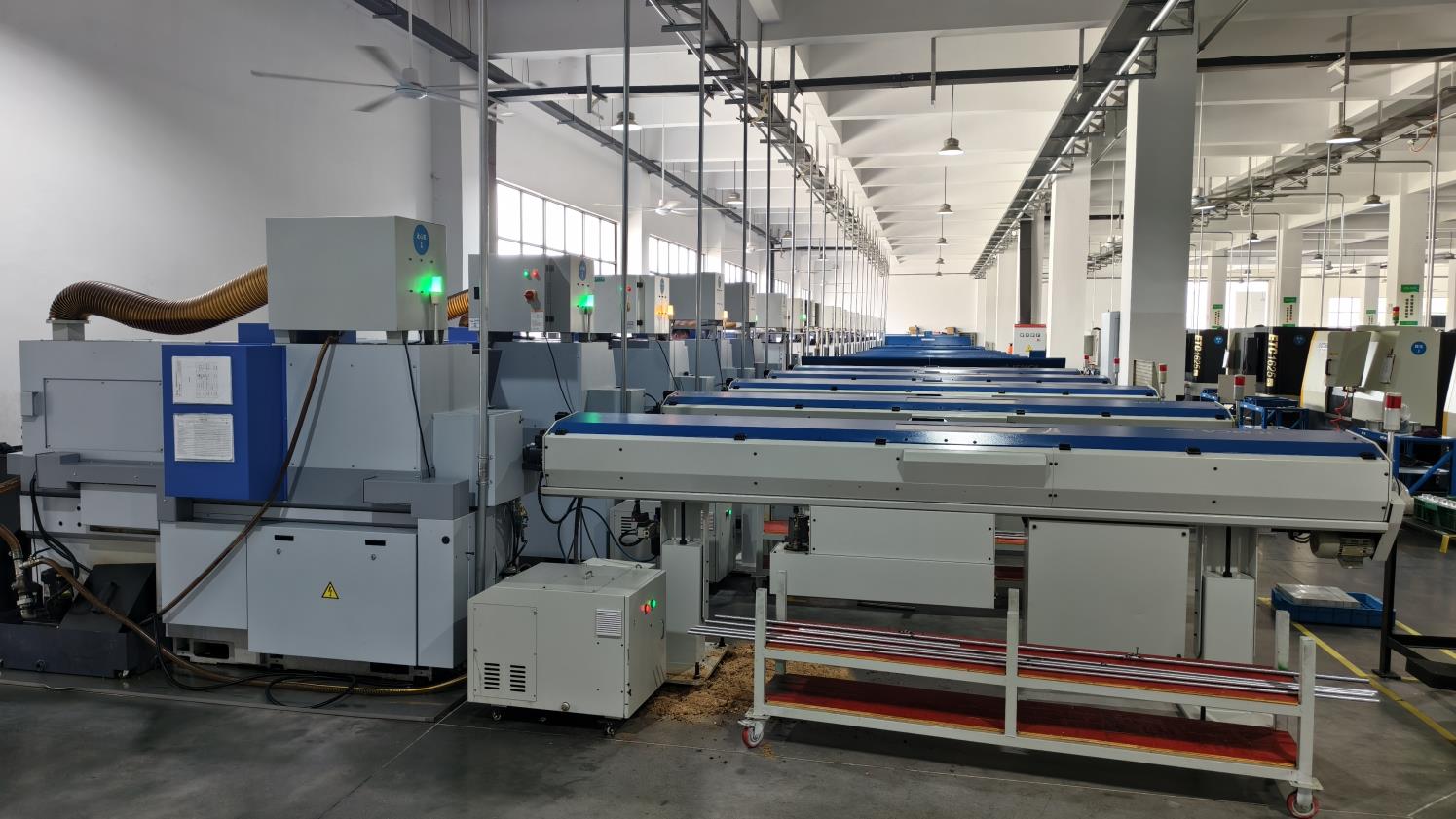
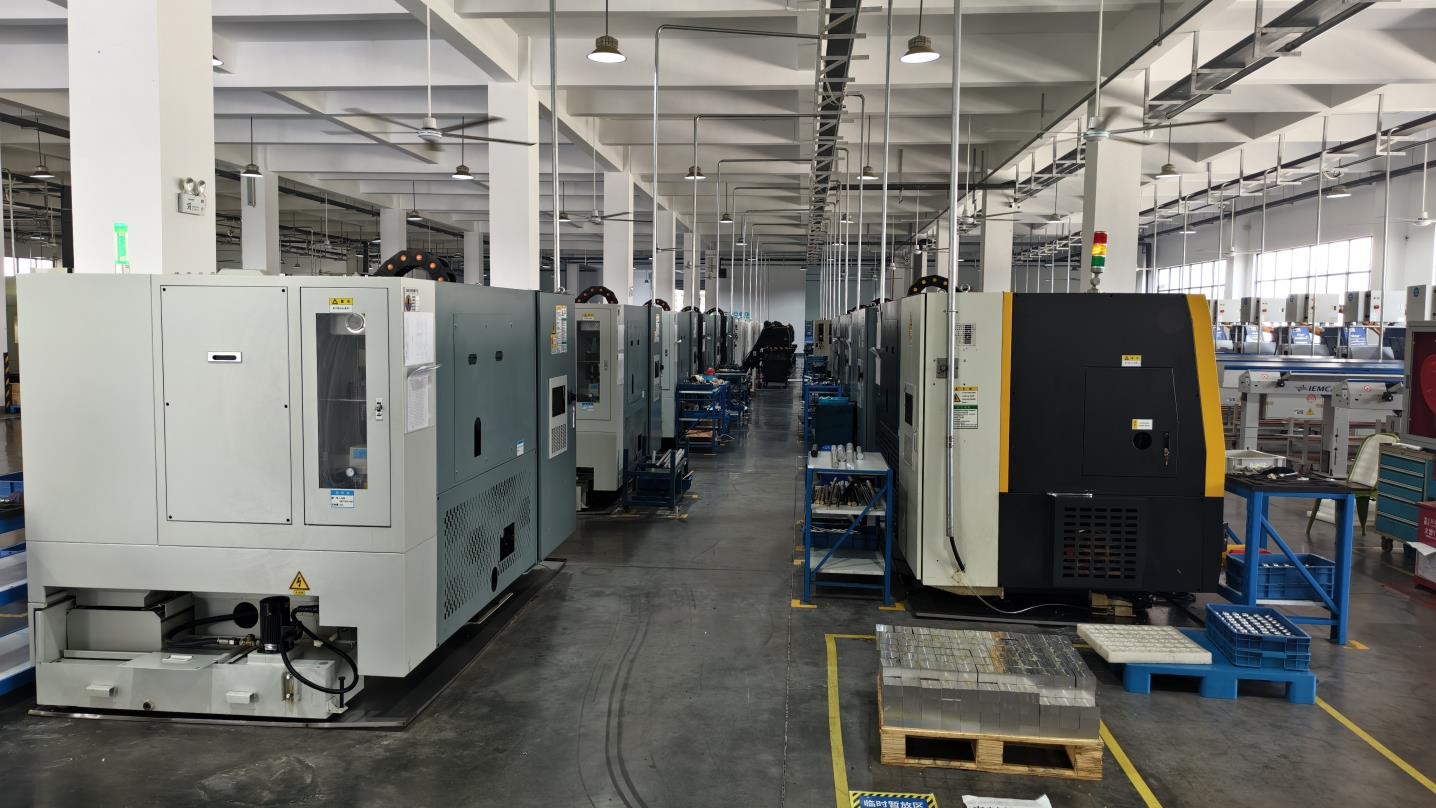
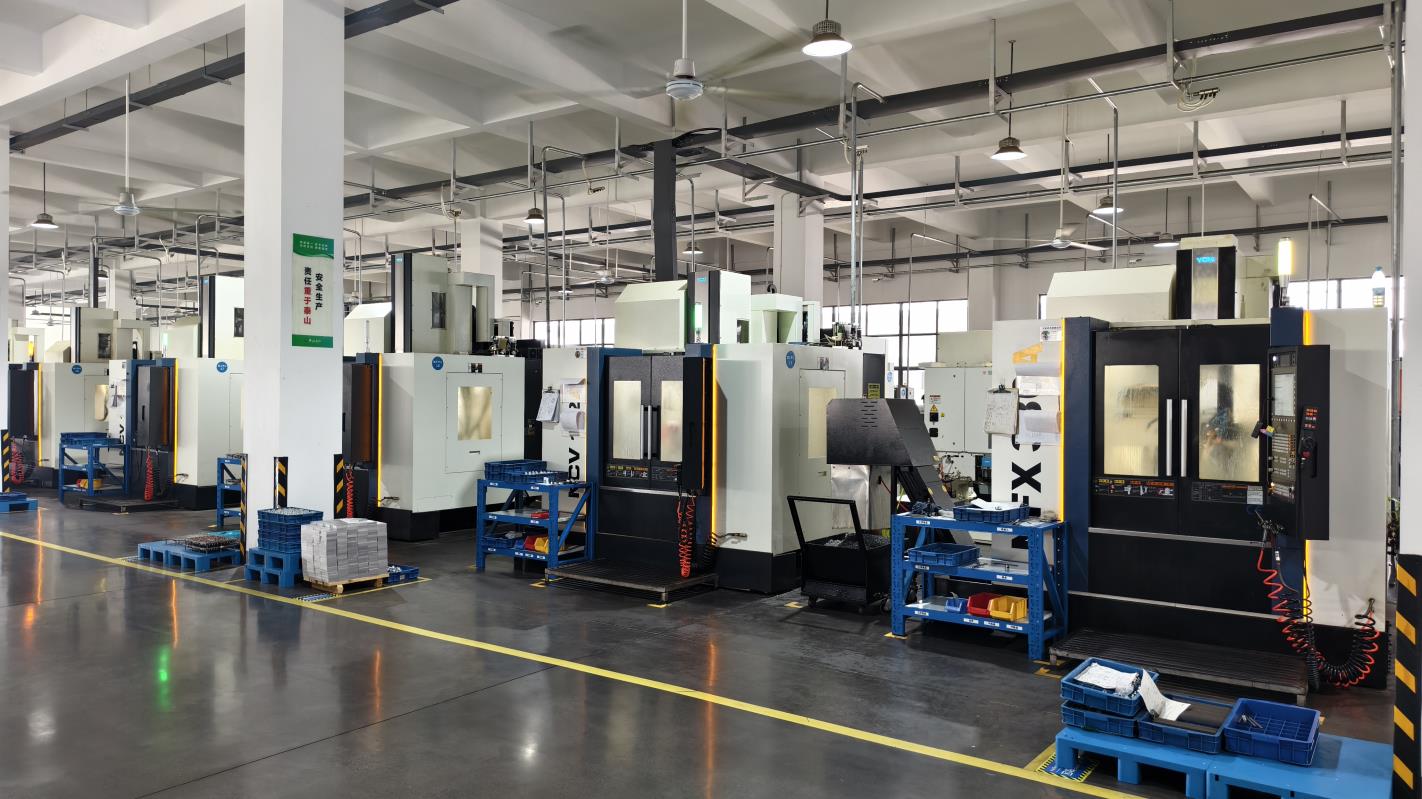
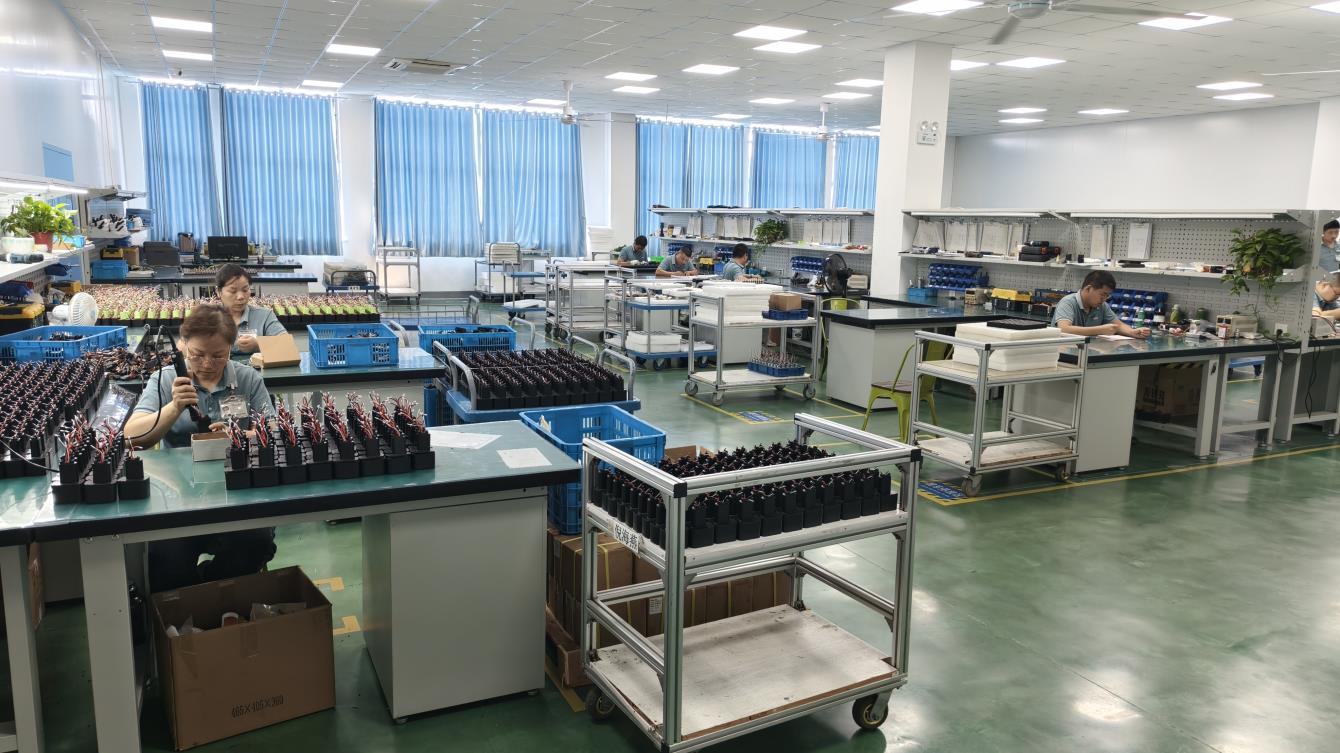
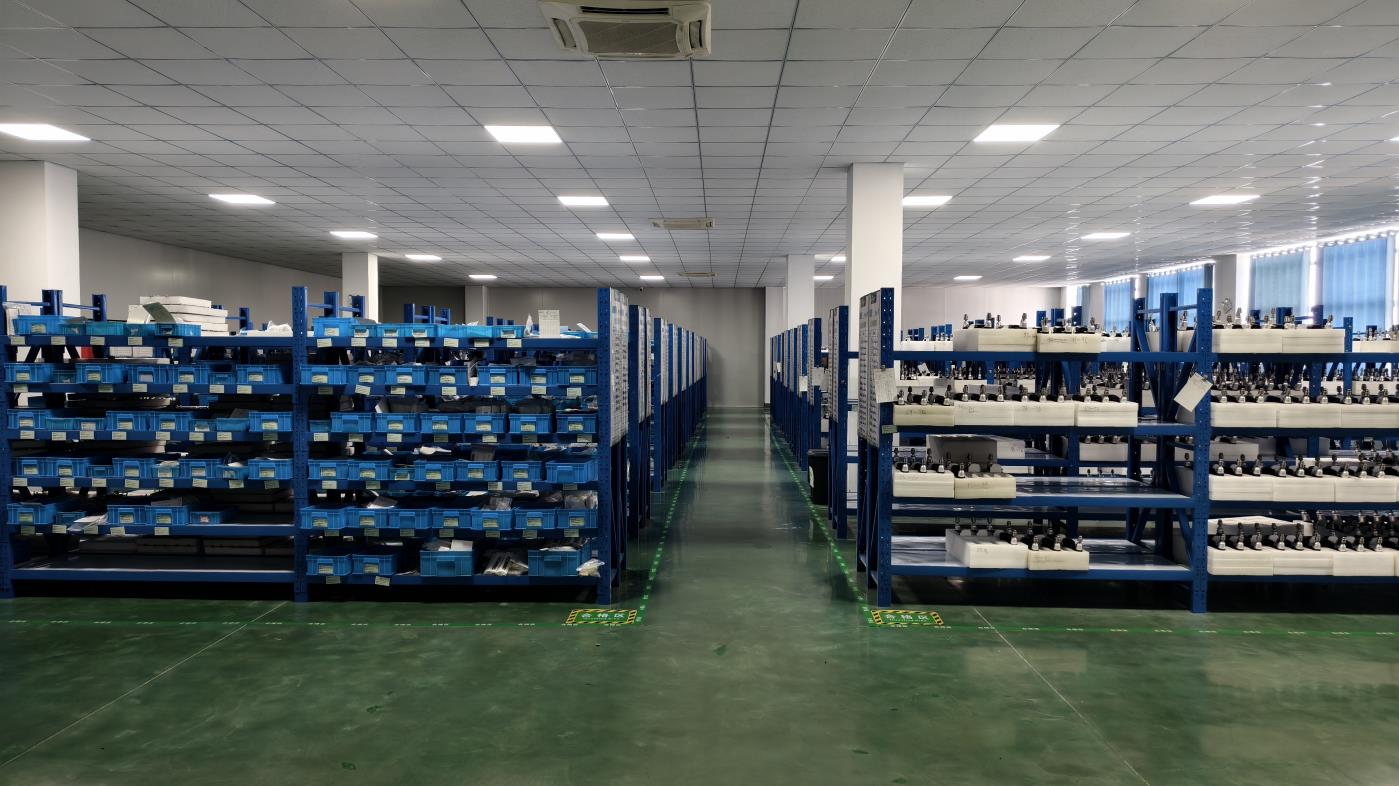
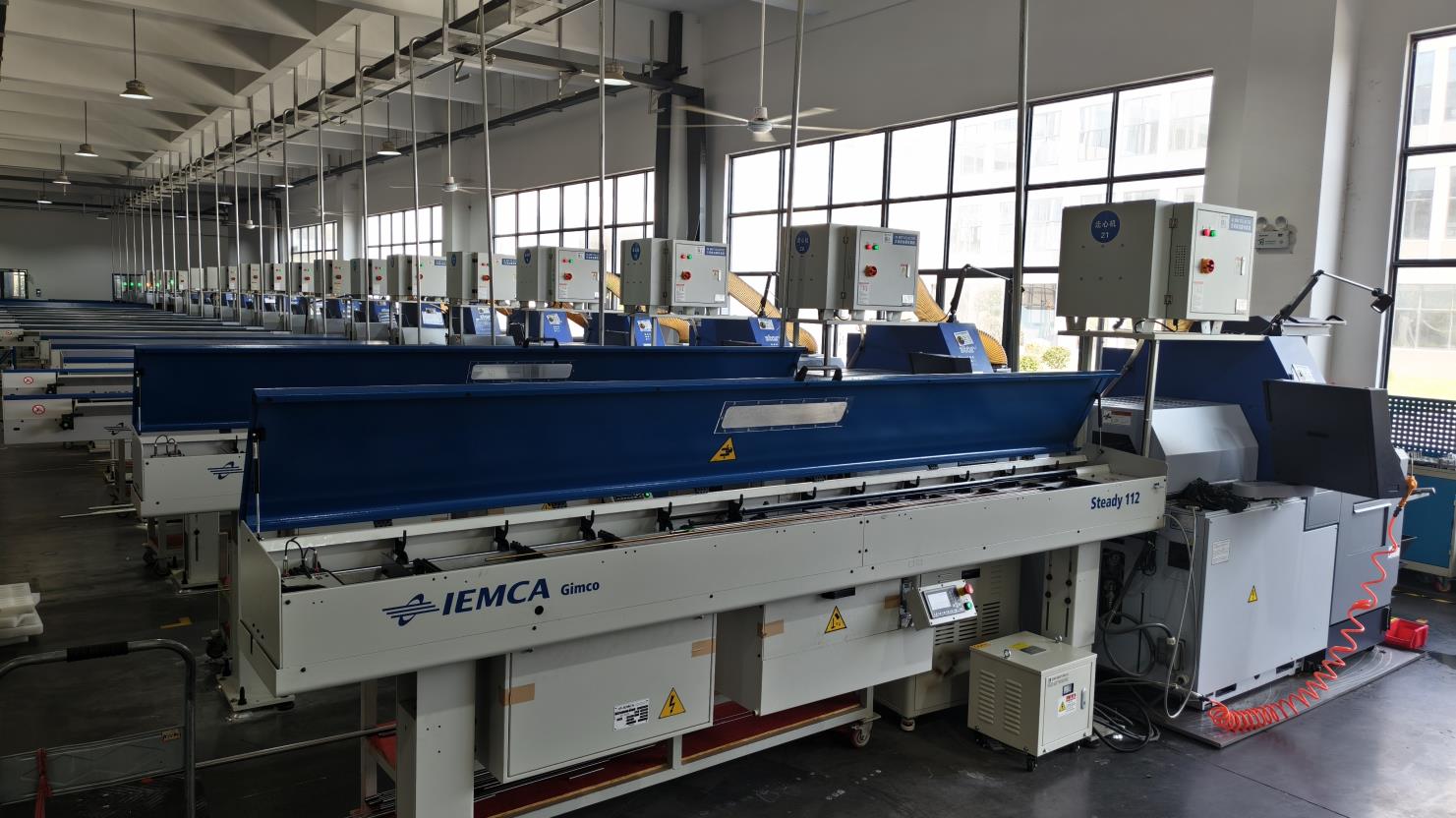
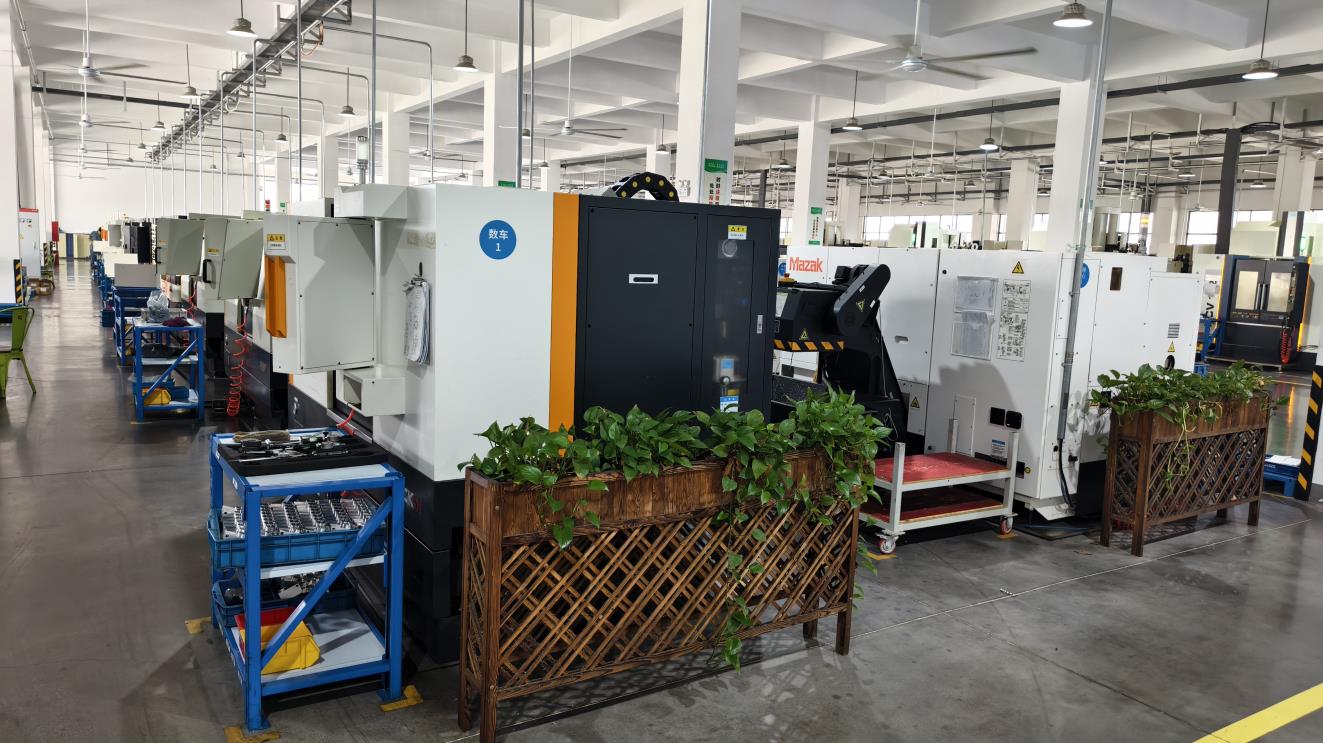
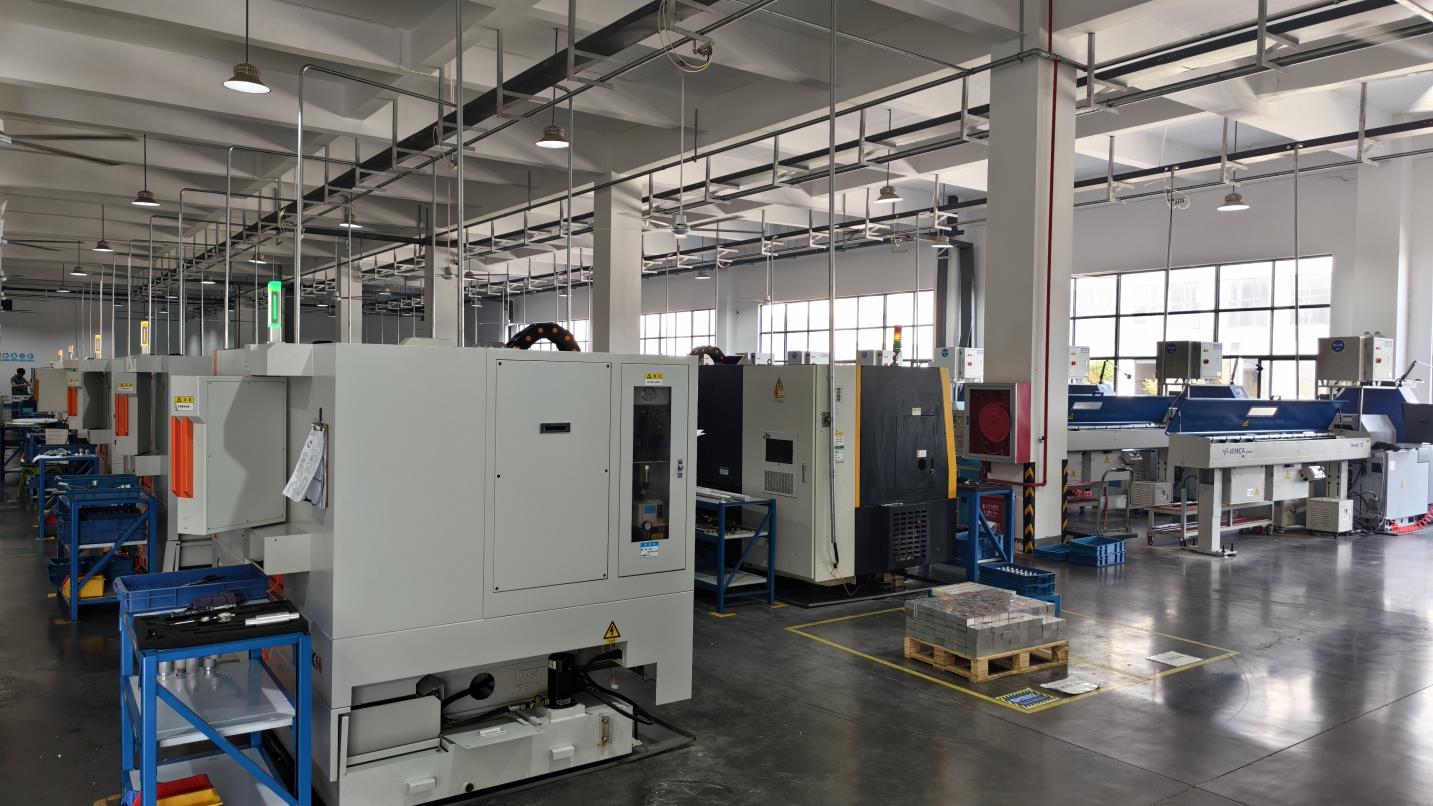
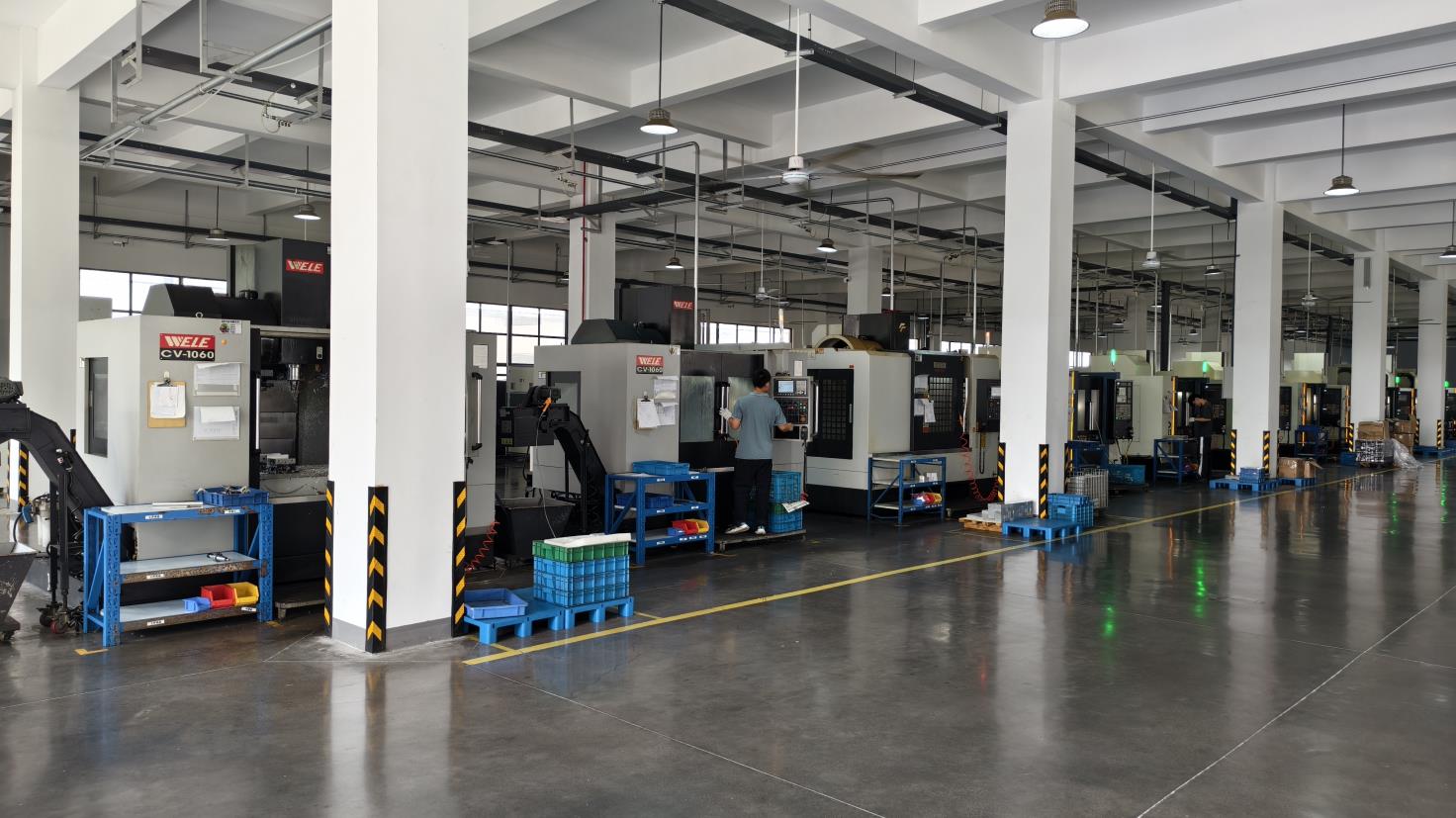
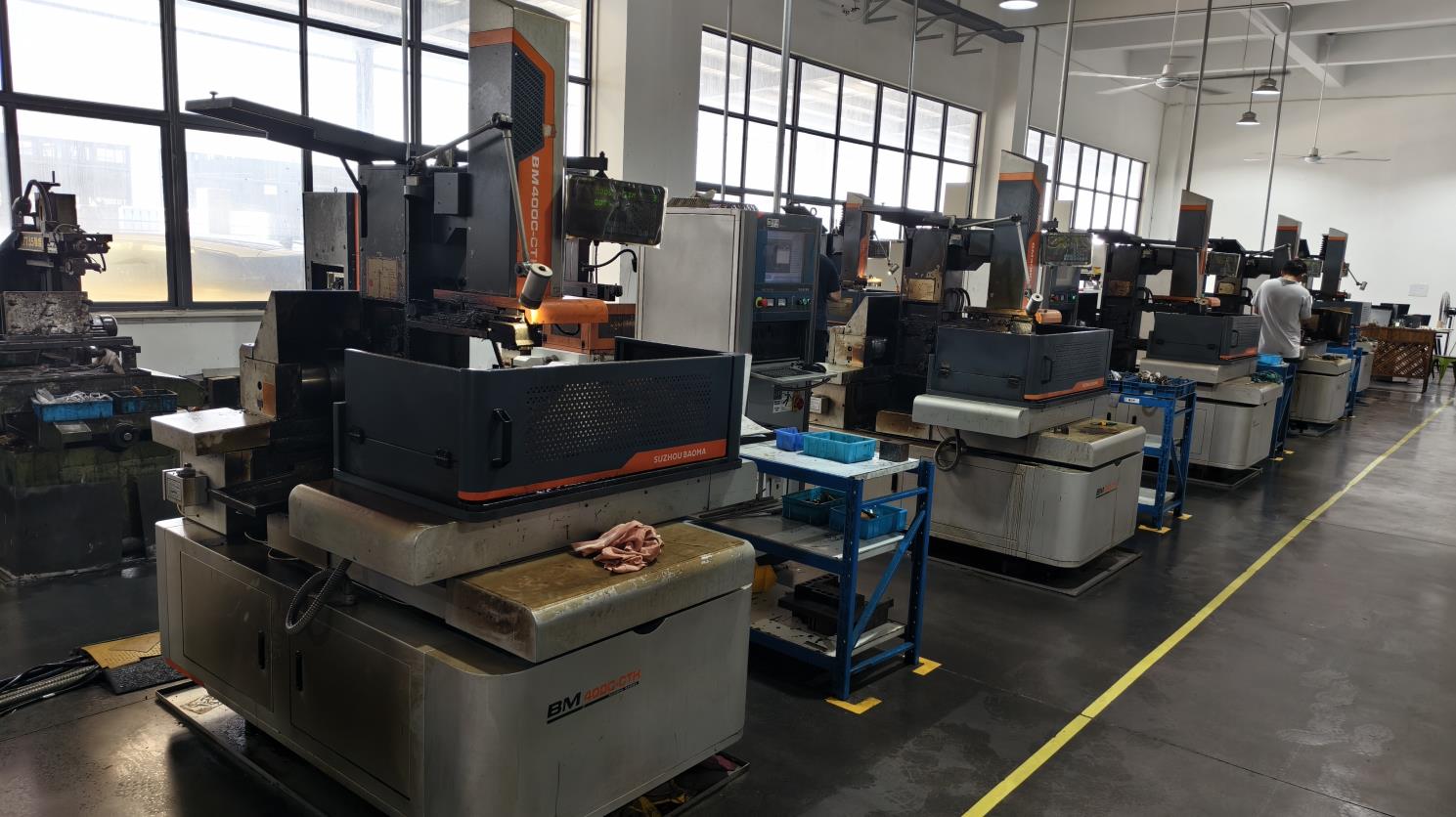
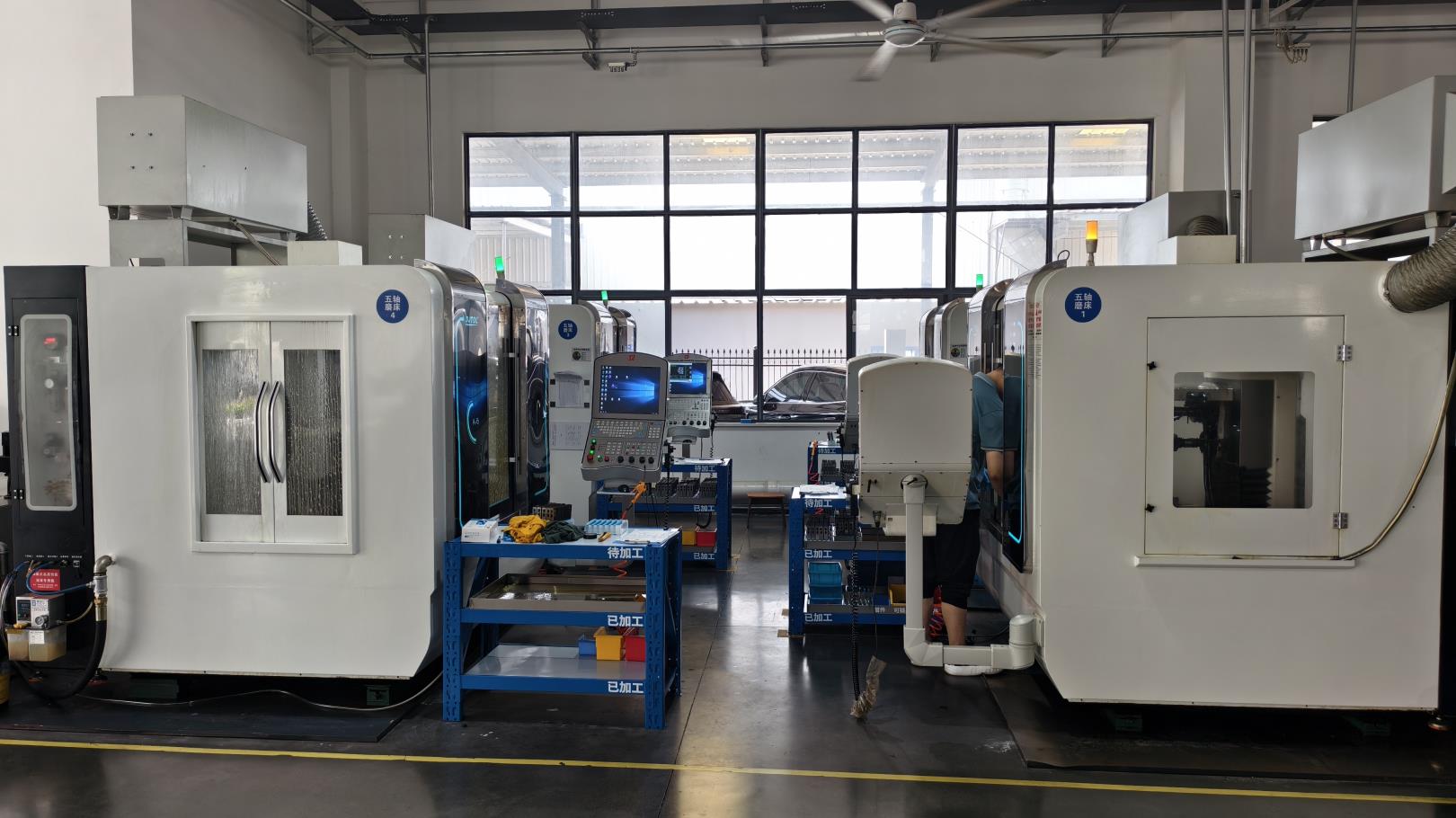
With a modern manufacturing facility covering 18,600 m², Moventra integrates advanced CNC machining, precision manufacturing, automated production lines, and strict quality management systems to ensure every product meets international medical standards. Our commitment to continuous innovation enables us to provide reliable OEM and ODM services for global medical device brands, distributors, and healthcare institutions.
Supported by an experienced R&D team and comprehensive quality assurance system, Moventra continuously develops innovative orthopedic solutions that improve surgical efficiency and patient outcomes. Our products are exported to customers worldwide and are trusted for their precision, safety, and consistent performance.
| Item | Details |
|---|---|
| Company Name | Moventra Medical Technology (China) Co., Ltd. |
| Brand | Moventra |
| Established | 2017 |
| Facility Area | 18,600 m² |
| Annual Export Revenue | USD 23.8 Million |
| Export Experience | 7 Years |
| Industry Experience | 13 Years |
| Quality Inspection | 100% Quality Inspection Before Shipment |
| Product Inspection Methods | Dimensional Inspection, Material Analysis, Surface Finish Inspection, Mechanical Performance Testing, Sterility Verification |
| Quality Control Staff | 48 |
| Business Type | Manufacturer, OEM & ODM, Exporter |
| Main Markets | North America, Europe, South America, Middle East, Southeast Asia, Australia |
| Supply Chain Partners | 1,120 |
| Main Customer Types | Medical Device Brands, Orthopedic Distributors, Hospitals, Importers, Government Procurement Projects |
| R&D Capability | Independent Product Design, Rapid Prototyping, OEM/ODM Development, Customized Engineering Solutions |
| Customization Options | Logo Customization, Packaging Customization, Product Design Customization, Drawing-Based Manufacturing, Sample-Based Manufacturing |
| New Products Released Last Year | 156 |
| R&D Engineers | 86 |
The clinical demands for cortical buttons vary across localized healthcare networks. Understanding these specific application scenarios allows developers to refine OEM parameters effectively:
In outpatient clinics and sports centers, suspensory fixation serves as the gold standard for securing soft-tissue grafts. Adjustable-loop designs allow surgeons to tension the graft directly inside the femoral tunnel, eliminating the need to calculate precise loop lengths pre-operatively.
Through minimally invasive portals, a miniature cortical button is passed through the radial tuberosity. Its micro-profile allows insertion with minimal bone resection, providing immediate post-op pullout strength to support early rehabilitation.
Used as an alternative to rigid syndesmotic screws, dynamic button systems maintain anatomical reduction while permitting physiological micro-motion of the fibula relative to the tibia, avoiding the need for a secondary hardware removal surgery.
By designing features suited for diverse surgical habits—such as integrated pull-sutures for trans-tibial insertion or specialized toggling tabs—Chinese manufacturers supply implants optimized for specific clinical workflows.
China's dominance in orthopedic manufacturing is built on integrated industrial ecosystems. At Moventra, this translates to a 100% controlled process from raw titanium billet sourcing to sterilized retail packaging.
High-precision Swiss-type CNC tooling allows the machining of cortical buttons to tolerances within ±5 micrometers. This accuracy is essential for minimizing edge abrasion on ultra-high-molecular-weight polyethylene (UHMWPE) loop structures.
The future of suspensory cortical fixation focuses on smart materials, biological integration, and customized biomechanical performance. Leading R&D teams are actively pursuing three core technical development pipelines:
Shifting from traditional titanium implants to polyetheretherketone (PEEK) buttons. This reduces MRI imaging artifacts, allowing surgeons to monitor postoperative tunnel healing and bone integration more clearly.
Applying thin-film hydroxyapatite (HA) or plasma-sprayed titanium coatings to the bone-facing side of the button. This promotes direct osseointegration, reducing micro-motion and the risk of cortical bone erosion.
Developing research prototypes containing miniature strain gauges. These sensors measure ligament tension and graft loading in real time post-surgery, providing feedback for personalized rehabilitation protocols.
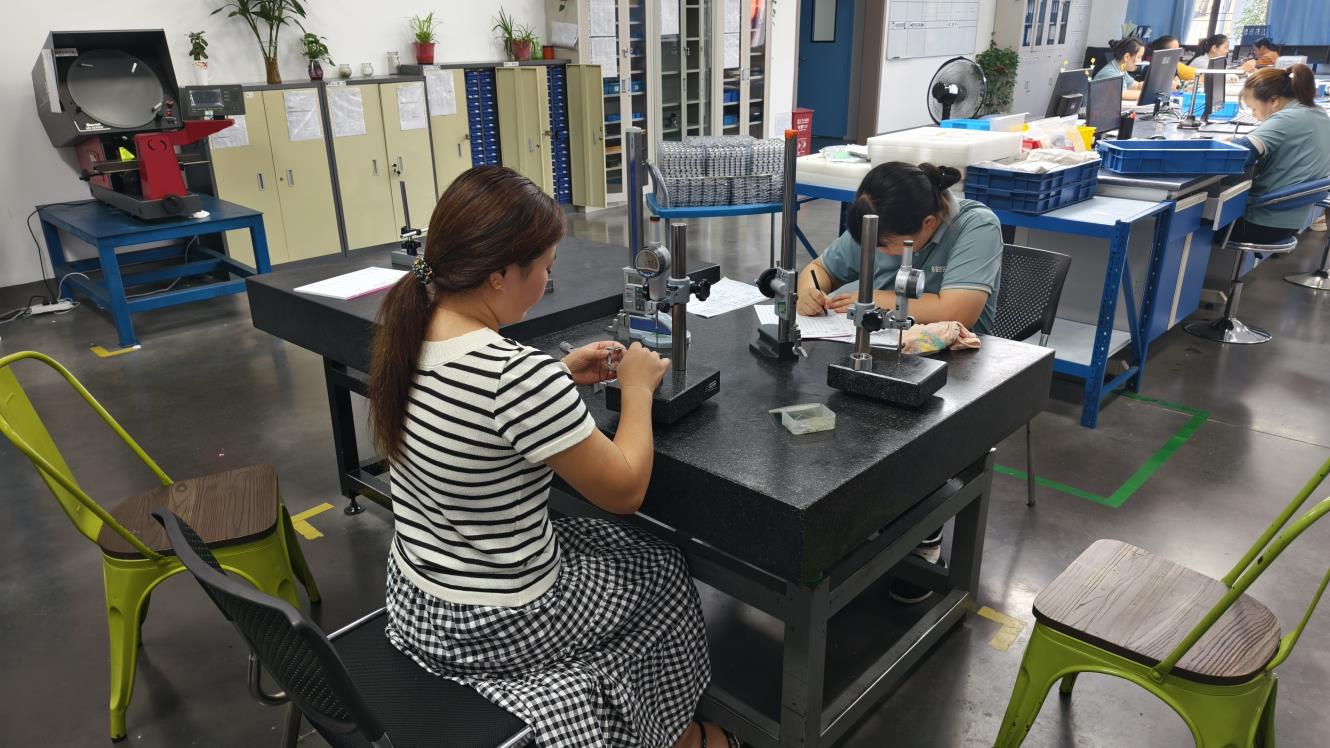
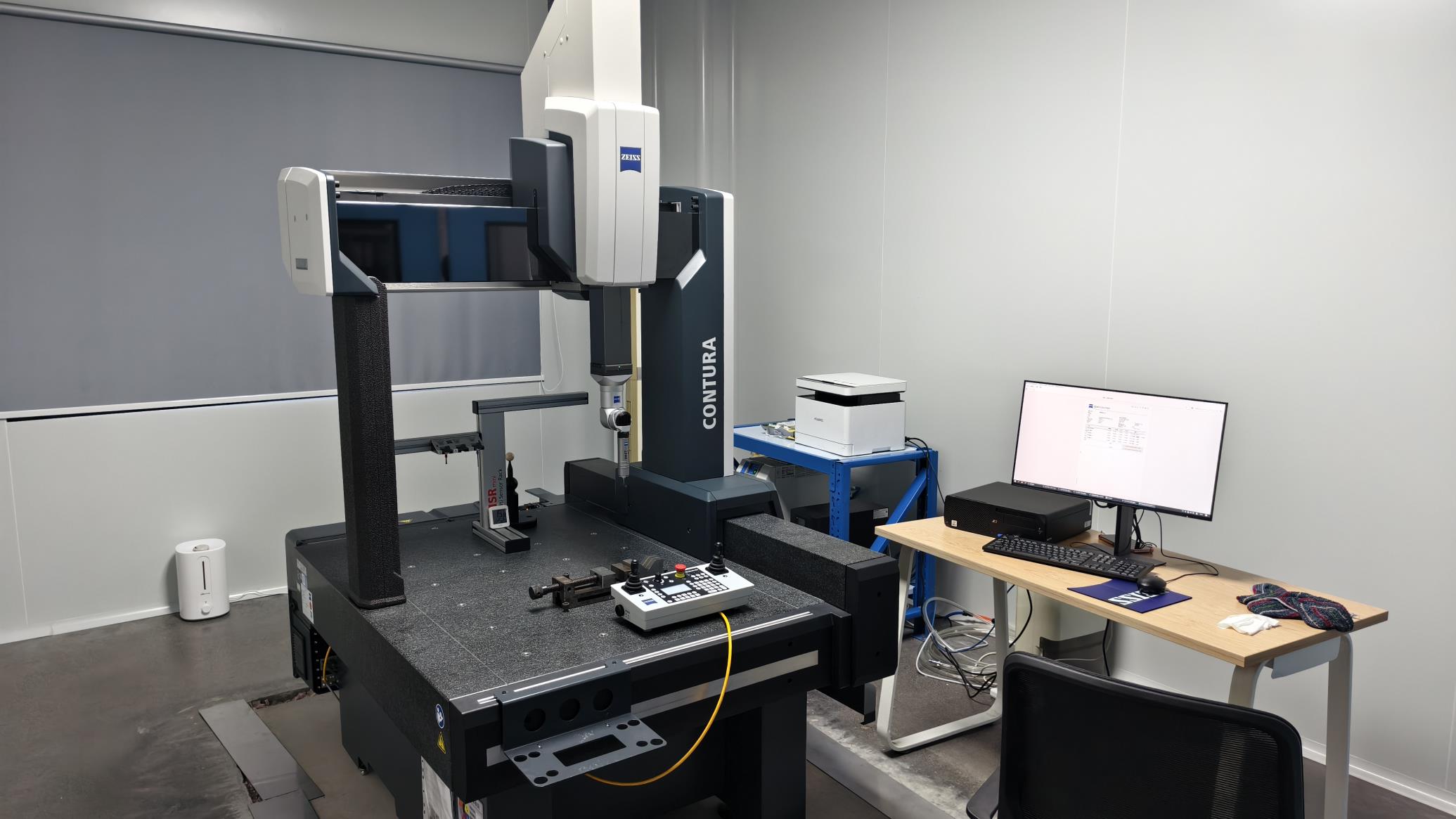
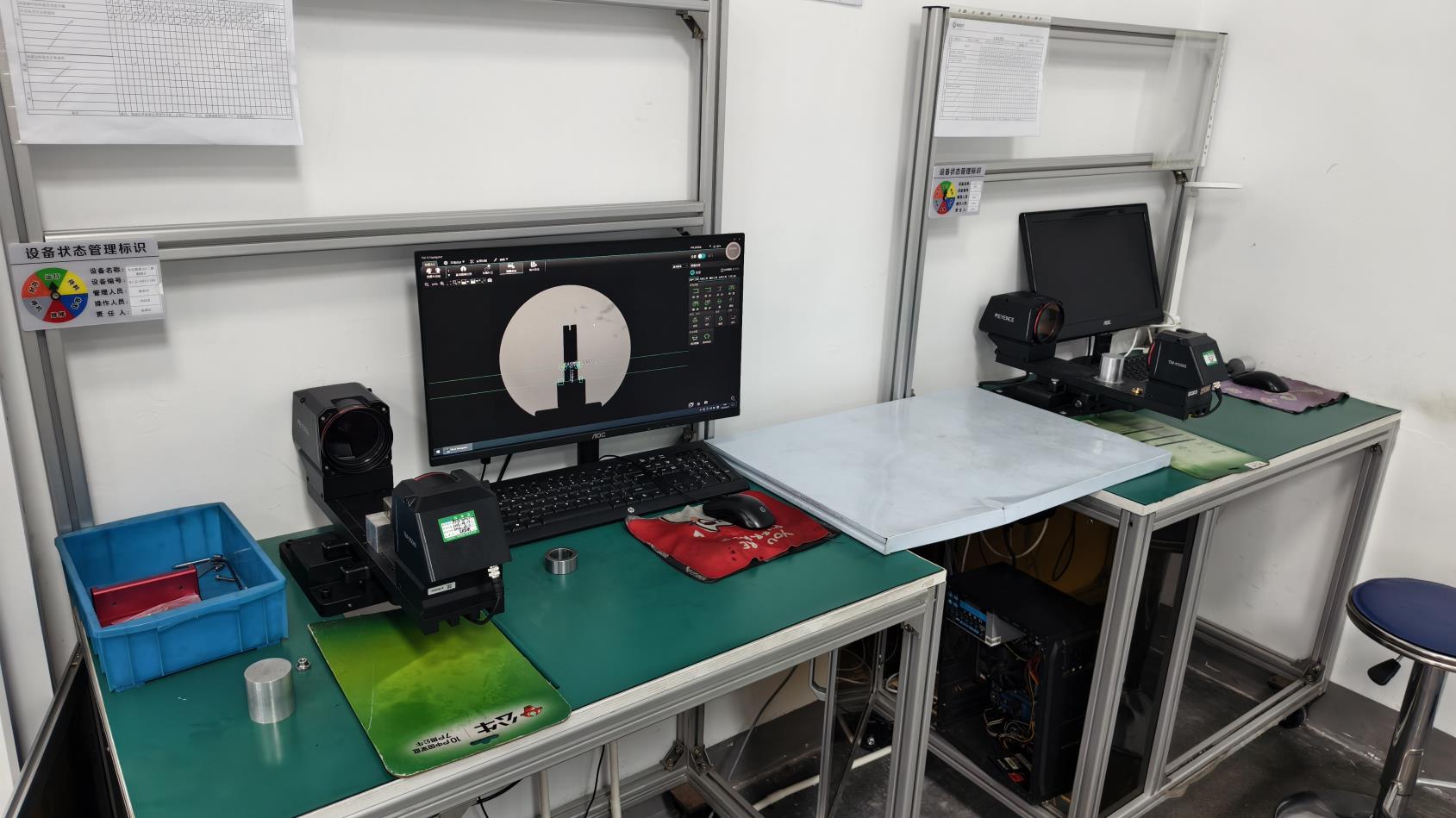
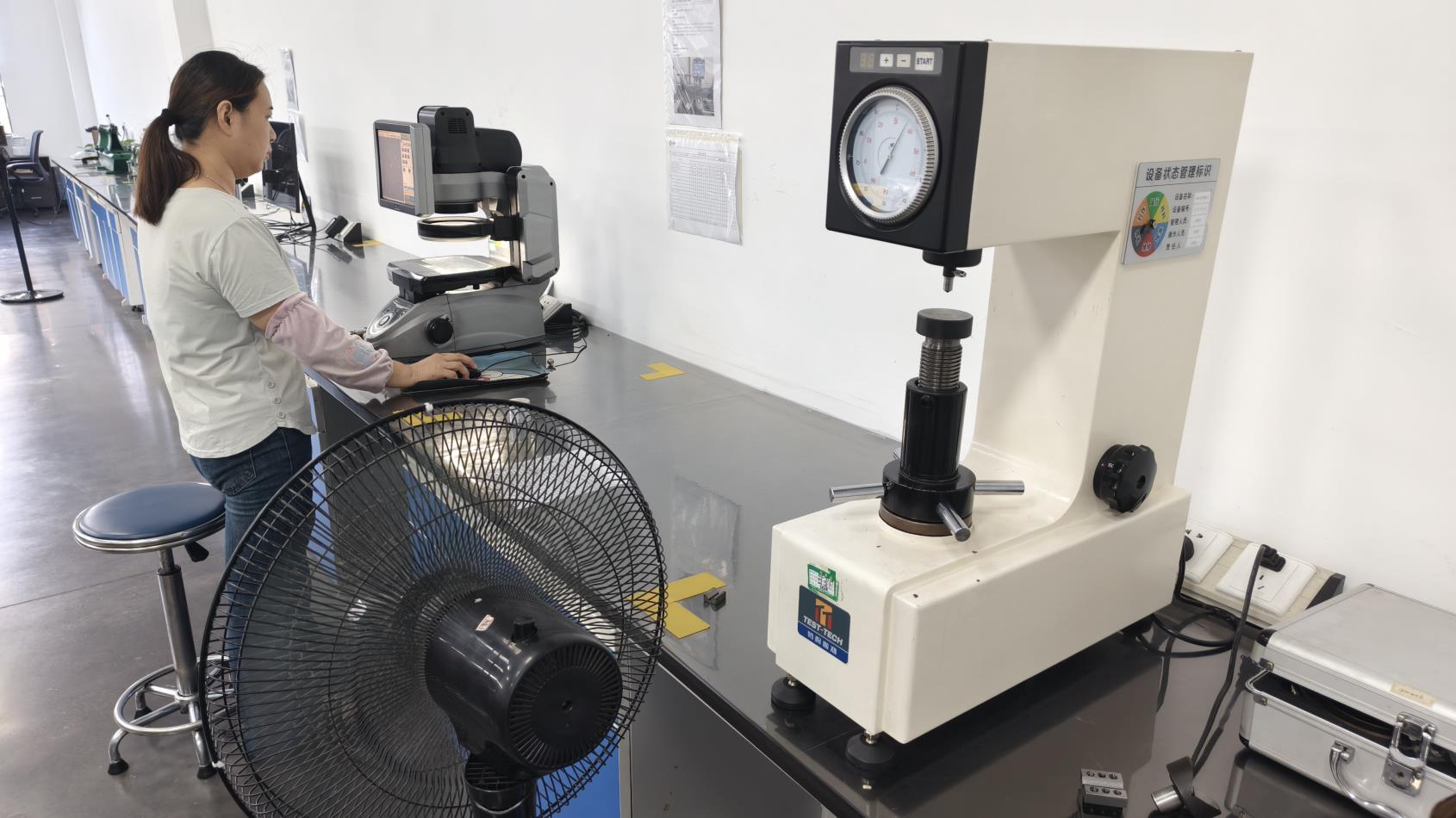
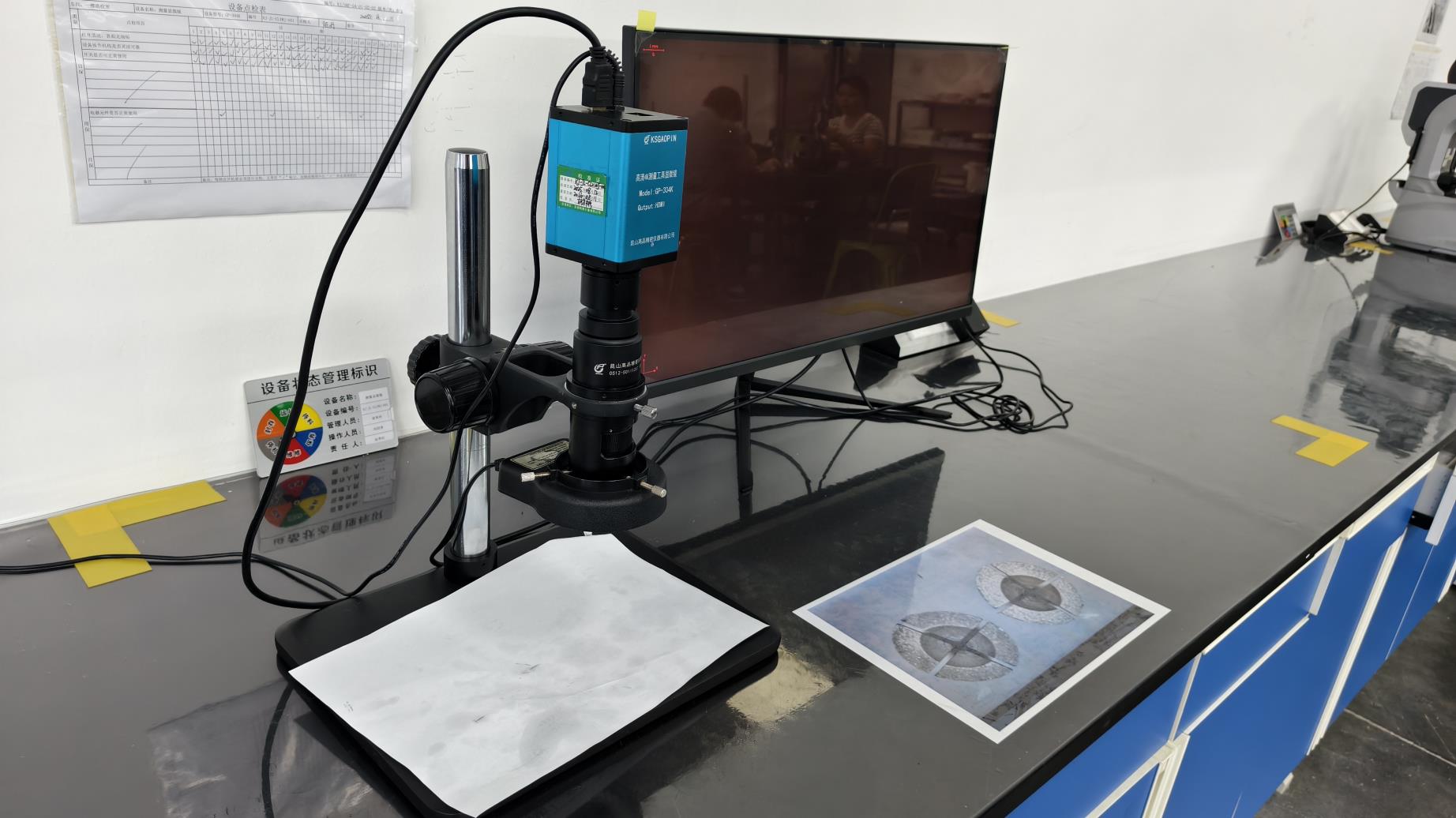
Exporting orthopedic medical devices requires adherence to strict quality control frameworks. Moventra maintains a quality team of 48 specialists utilizing advanced inspection protocols:
Using 3D Coordinate Measuring Machines (CMM) and video measuring systems to verify all critical tolerances, including inner chamfer radii and loop passage dimensions.
Every batch of titanium is verified with mechanical and chemical testing to ensure compliance with medical standards before entering the production line.
Finished implants are packaged in cleanrooms (Class 10,000 / ISO Class 7) and sterilized via Ethylene Oxide (EO) or Gamma irradiation, certified for sterile barrier integrity.
Moventra holds international quality certifications, including ISO 13485, and produces CE-marked products. This enables seamless integration into hospital networks across North America, Europe, South America, and the Asia-Pacific region.
 Moventra Medical