Medical-grade solutions engineered for absolute surgical accuracy and optimal patient healing outcomes.
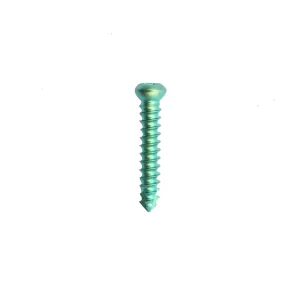
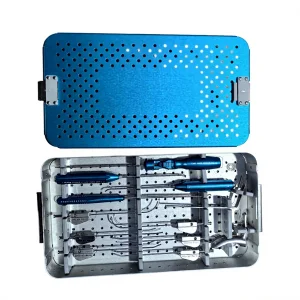
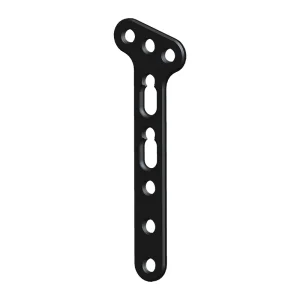
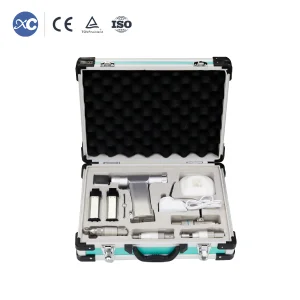
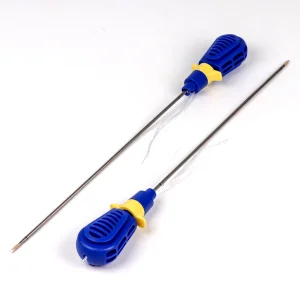
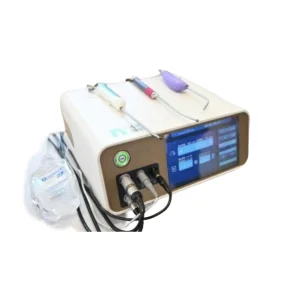
Navigating clinical challenges, regulatory standards, and structural advancements in cranial and maxillofacial reconstruction.
The global market for craniofacial implants and neurosurgical devices is undergoing a structural paradigm shift. Driven by a surge in high-velocity trauma cases, oncological resections of the skull, and corrective congenital craniofacial surgeries, the demand for high-precision biocompatible hardware is at an all-time high. Craniofacial reconstruction presents unique anatomical complexities. Unlike appendicular skeletal repair, the visceral cranium and neurocranium demand thin, low-profile plating systems that maintain mechanical integrity while avoiding soft-tissue irritation or palpability under the skin.
Currently, the market demands class-leading materials such as Grade 5 ELI (Extra Low Interstitial) Titanium Alloy (Ti-6Al-4V) and PEEK (Polyetheretherketone). These materials are selected not only for their superior strength-to-weight ratio but also for their radiolucency (in the case of PEEK) and osseointegrative performance. Global B2B buyers—ranging from multi-site hospital networks to national medical device distributors—confront a matrix of challenges: balancing the clinical need for patient-specific implants (PSIs) with the economic realities of healthcare procurement. As strict regulatory pathways like the EU MDR 2017/745 and FDA 510(k) enforce absolute traceability, securing a reliable, ISO 13485-certified manufacturing partner has become a critical strategic objective.
Ultra-thin profiles minimize palpable boundaries in delicate craniofacial regions, ensuring natural contours and reduced risk of postoperative wound dehiscence.
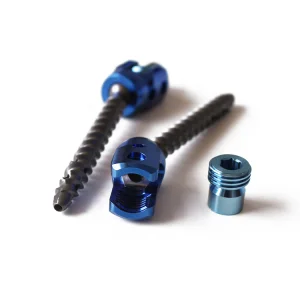
Utilizing high-purity medical titanium (ASTM F136) and premium implantable PEEK to reduce aseptic loosening and maximize osseointegration.
Absolute alignment with international compliance standards including ISO 13485, CE certification, and comprehensive traceability dossiers.
A premier manufacturing hub for advanced trauma, spinal, and maxillofacial implant systems.
Established in 2017, Moventra Medical Technology (China) Co., Ltd. is a leading professional manufacturer specializing in the research, development, production, and global supply of orthopedic medical devices and surgical solutions. We operate from a state-of-the-art 18,600 m² facility designed to integrate advanced precision CNC machining, Swiss-type milling, automated post-processing, and multi-tier quality control systems. Our core capability resides in providing high-volume, extremely high-tolerance OEM and ODM services for global medical brands, healthcare ministries, and distributors.
Backed by an extensive team of 86 R&D engineers and 48 quality control specialists, we maintain a 100% inspection protocol prior to shipment. This scientific approach guarantees that every bone plate, locking screw, intramedullary system, and neurosurgical drill meets the exact tolerances required by surgeons worldwide. With over 13 years of industry experience and a strong supply chain encompassing 1,120 partners, Moventra represents the nexus of high quality, economic efficiency, and production agility.
| Item / Parameter | Details & Capabilities |
|---|---|
| Company Name | Moventra Medical Technology (China) Co., Ltd. |
| Brand | Moventra |
| Established | 2017 |
| Facility Area | 18,600 m² |
| Annual Export Revenue | USD 23.8 Million |
| Export Experience | 7 Years |
| Industry Experience | 13 Years |
| Quality Inspection | 100% Quality Inspection Before Shipment |
| Product Inspection Methods | Dimensional Inspection, Material Analysis, Surface Finish Inspection, Mechanical Performance Testing, Sterility Verification |
| Quality Control Staff | 48 Specialists |
| Business Type | Manufacturer, OEM & ODM, Exporter |
| Main Markets | North America, Europe, South America, Middle East, Southeast Asia, Australia |
| Supply Chain Partners | 1,120 Partners |
| Main Customer Types | Medical Device Brands, Orthopedic Distributors, Hospitals, Importers, Government Procurement Projects |
| R&D Capability | Independent Product Design, Rapid Prototyping, OEM/ODM Development, Customized Engineering Solutions |
| Customization Options | Logo Customization, Packaging Customization, Product Design Customization, Drawing-Based Manufacturing, Sample-Based Manufacturing |
| New Products Released Last Year | 156 |
| R&D Engineers | 86 Engineers |
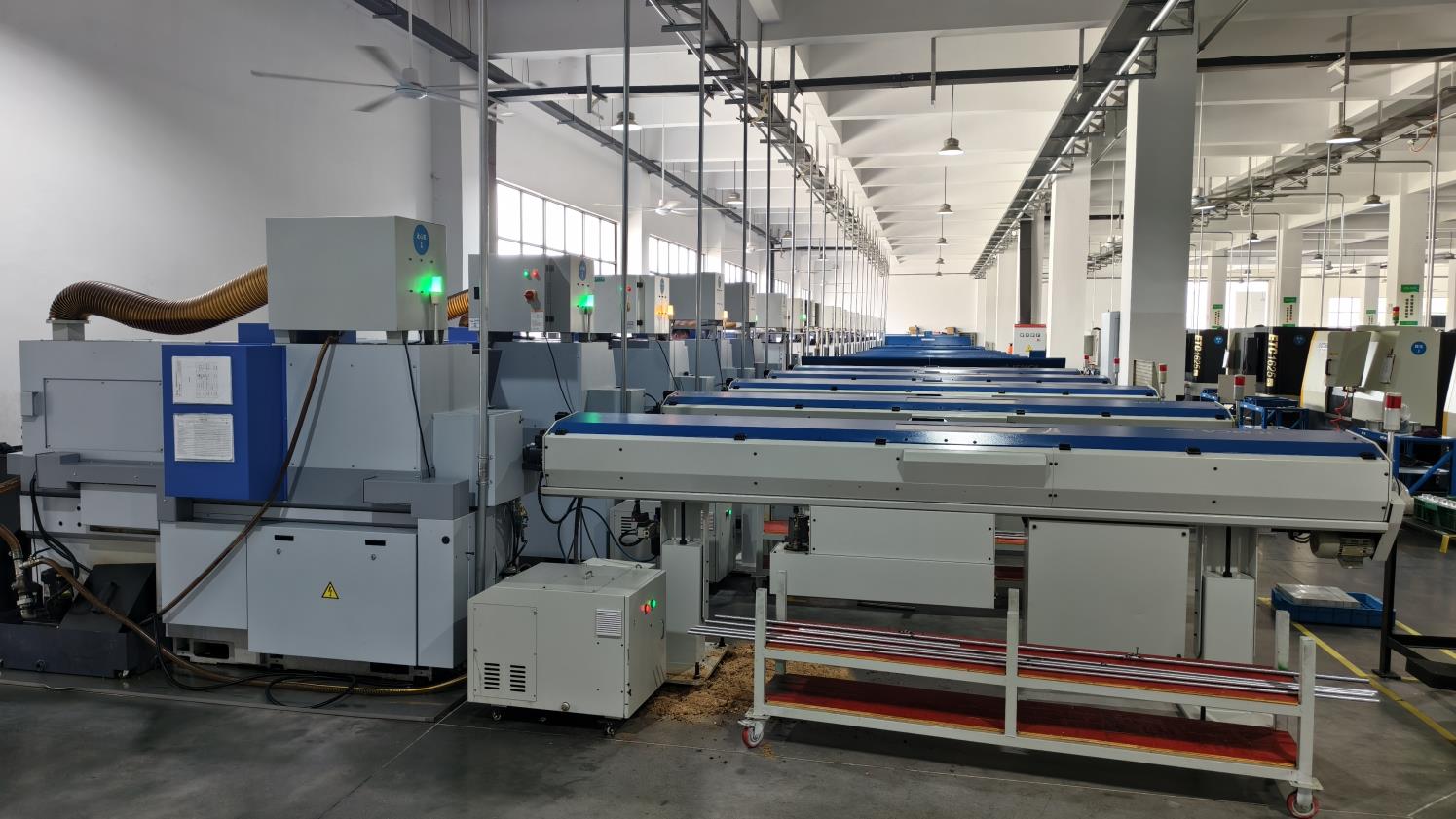
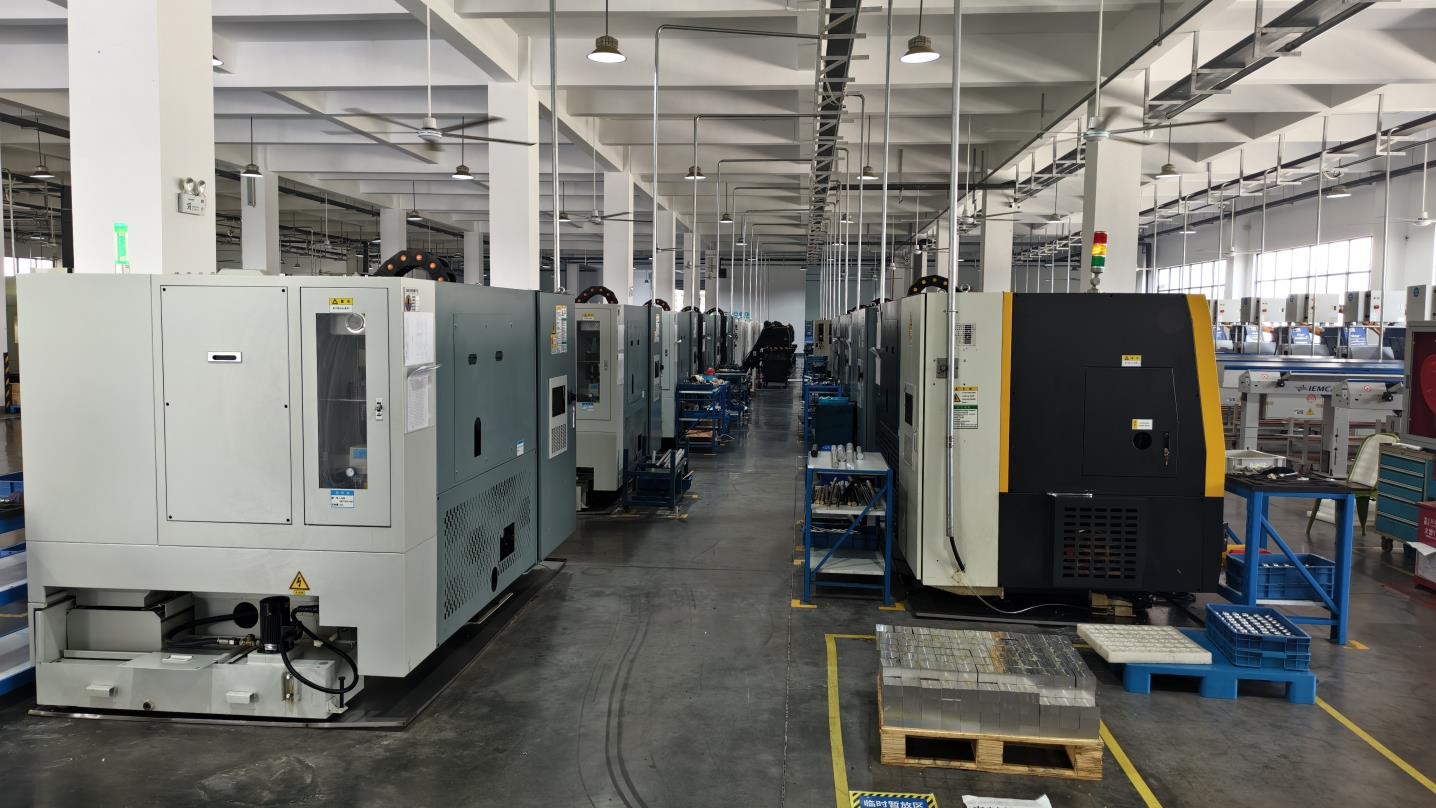
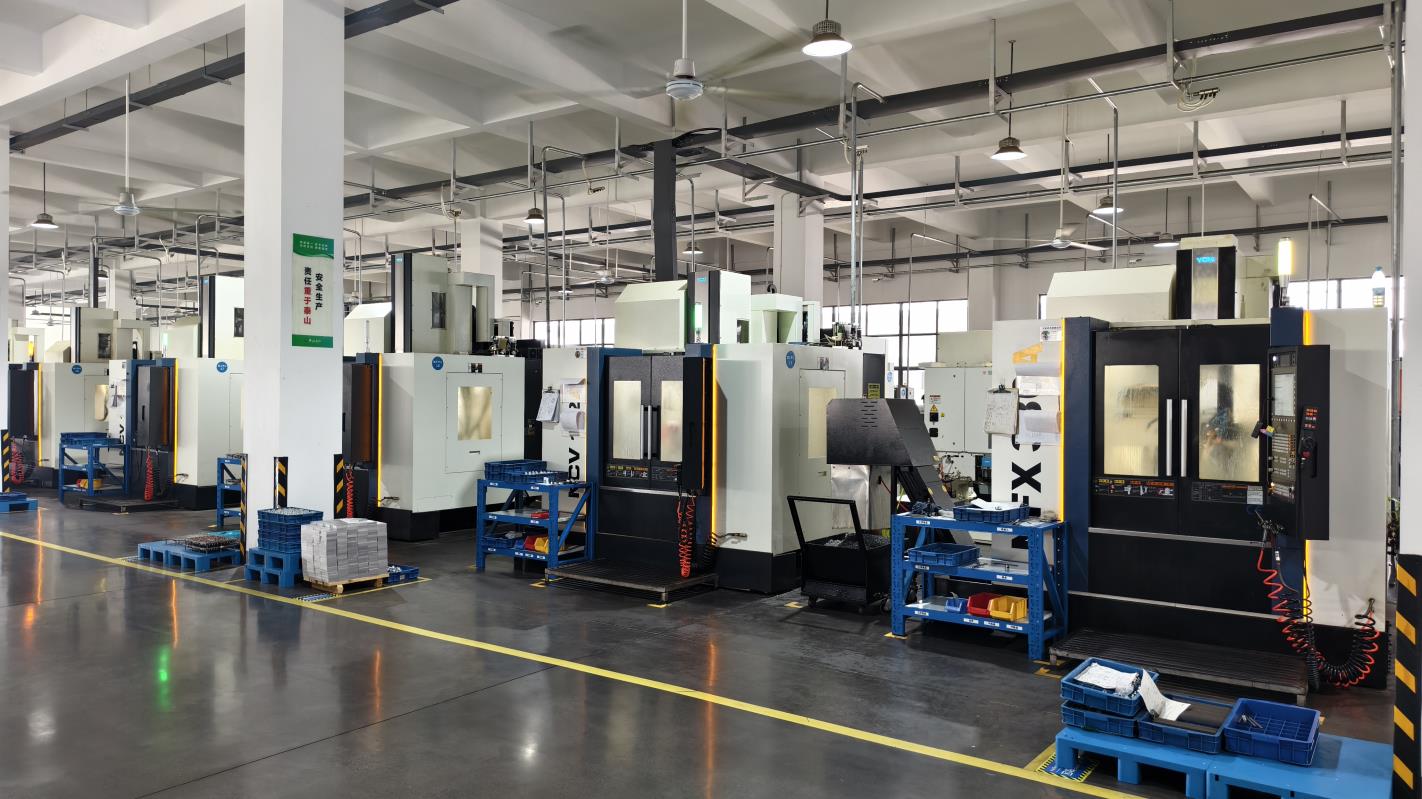
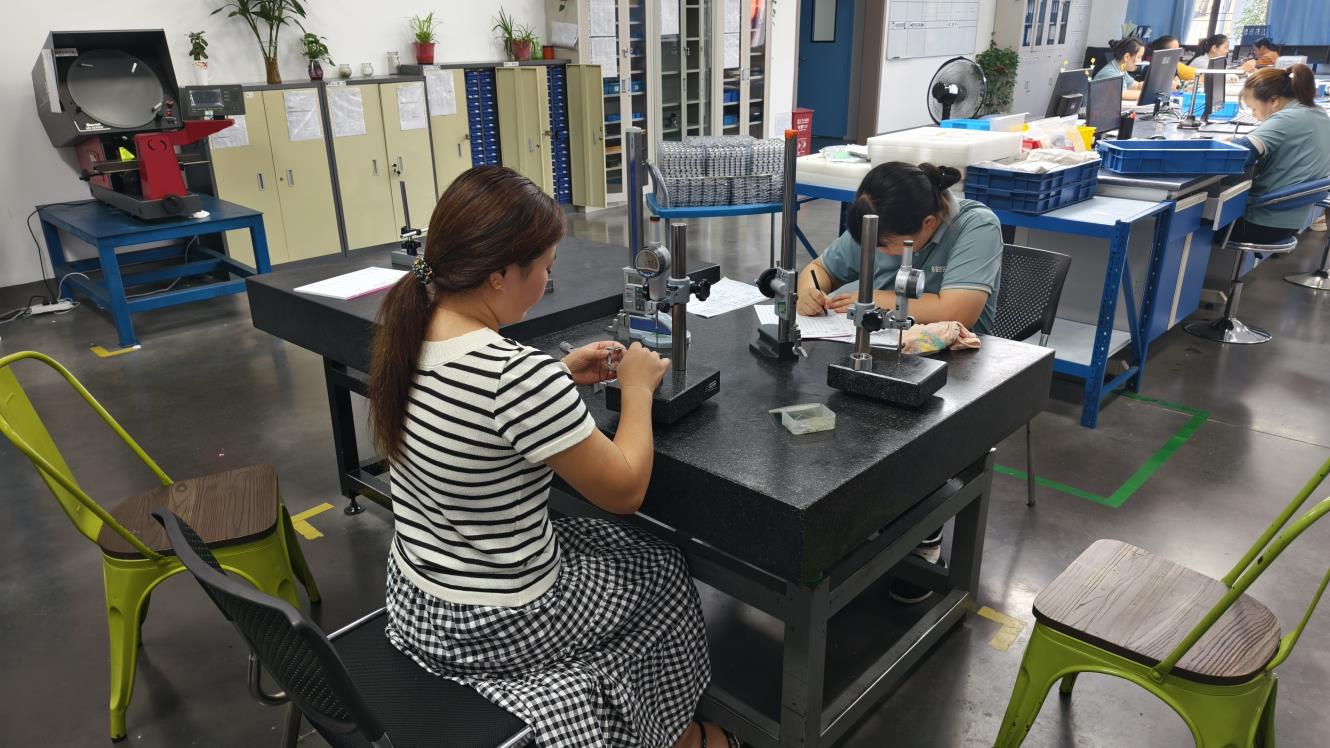
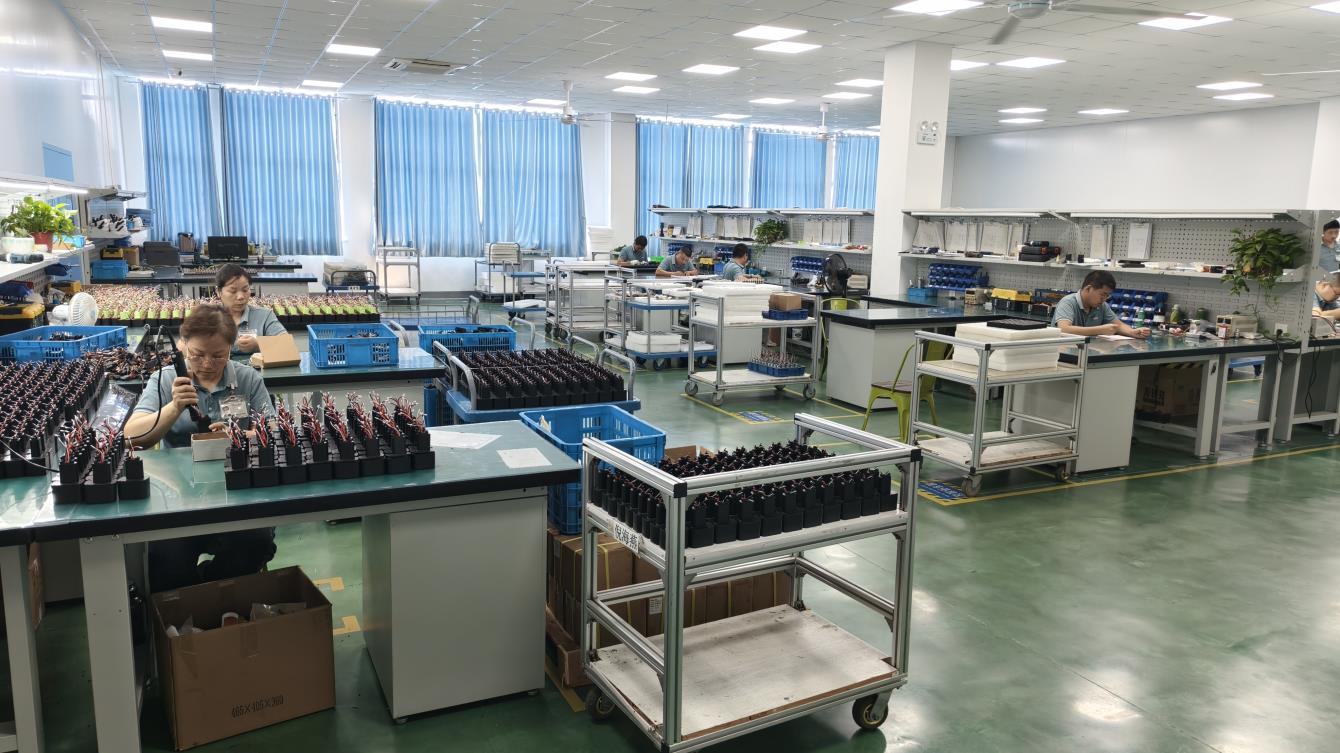
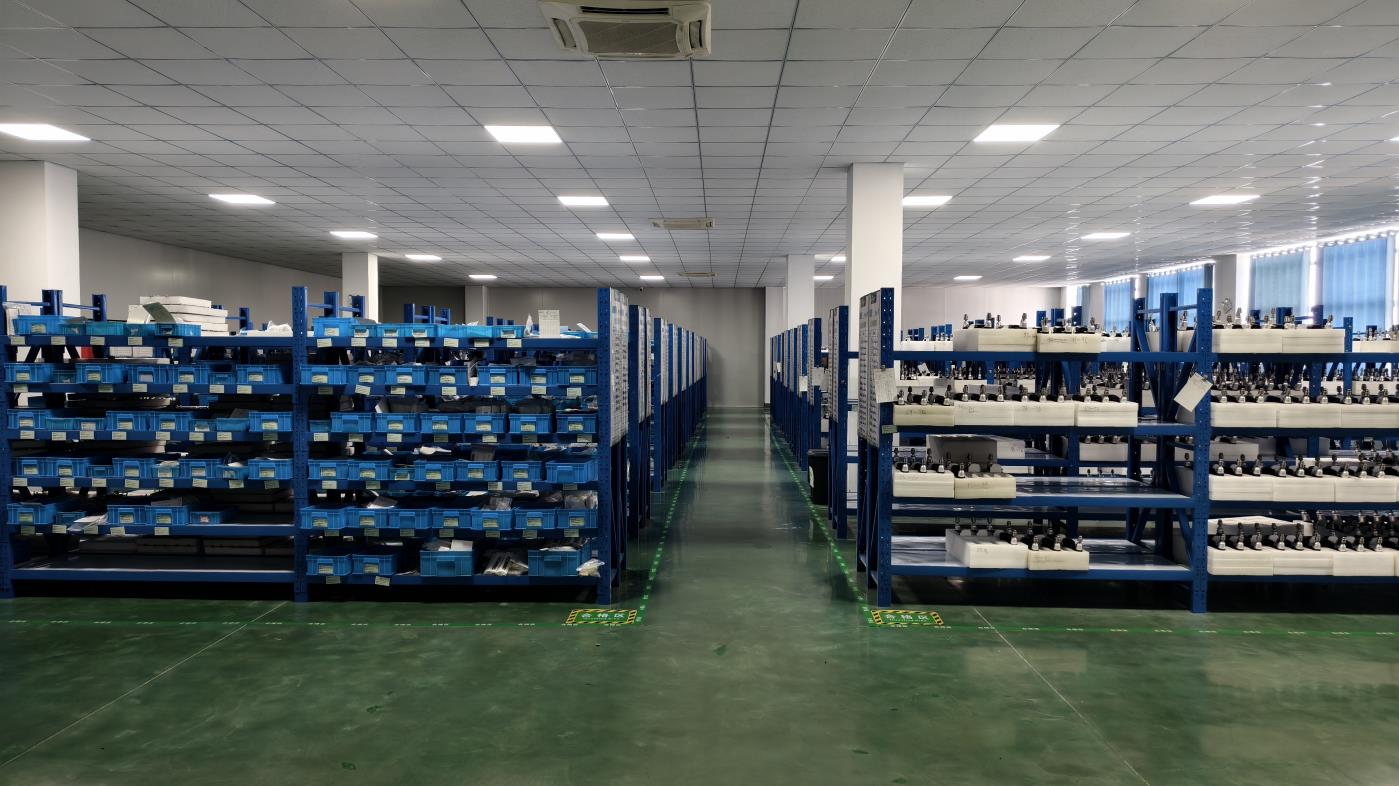
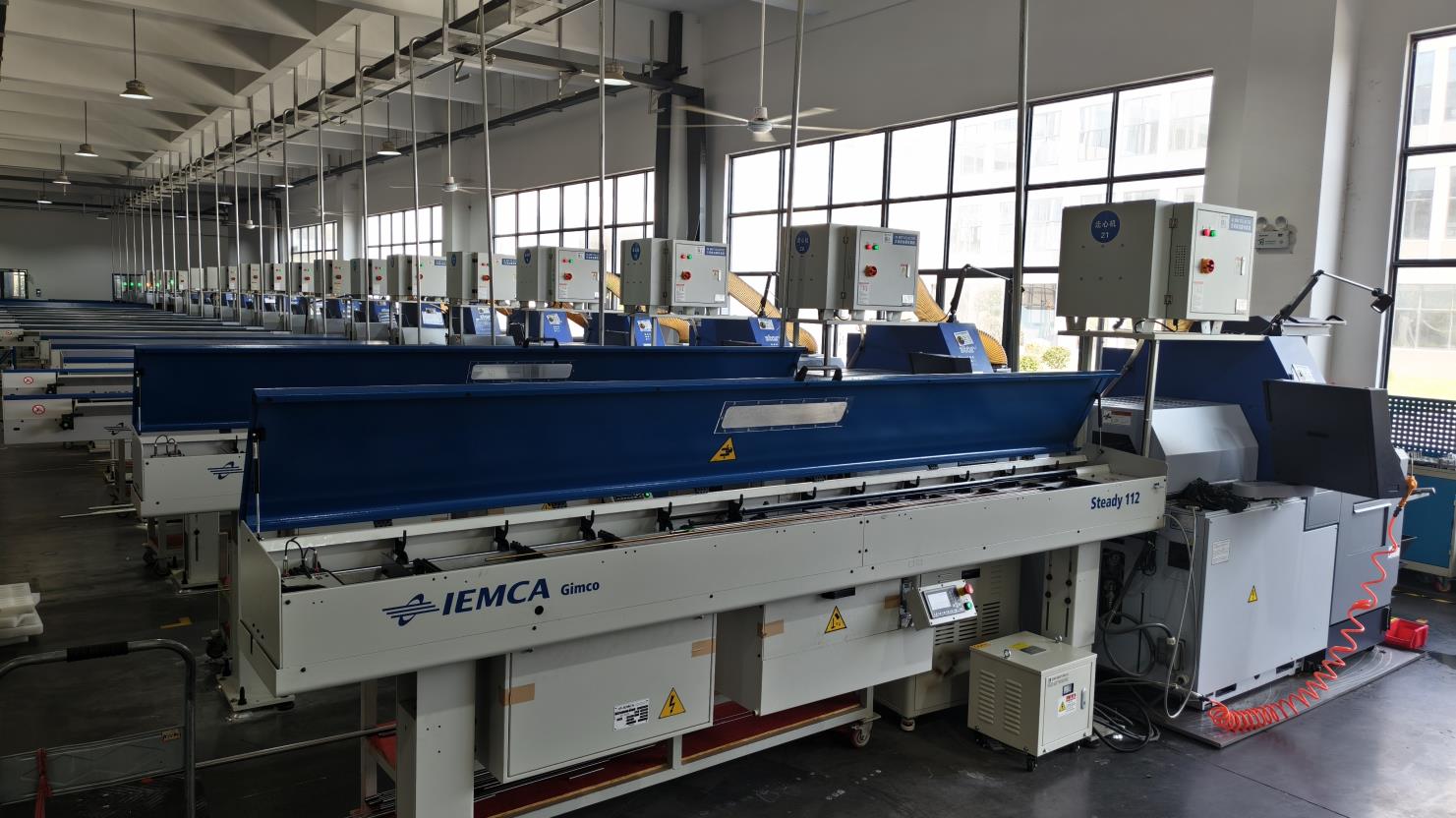
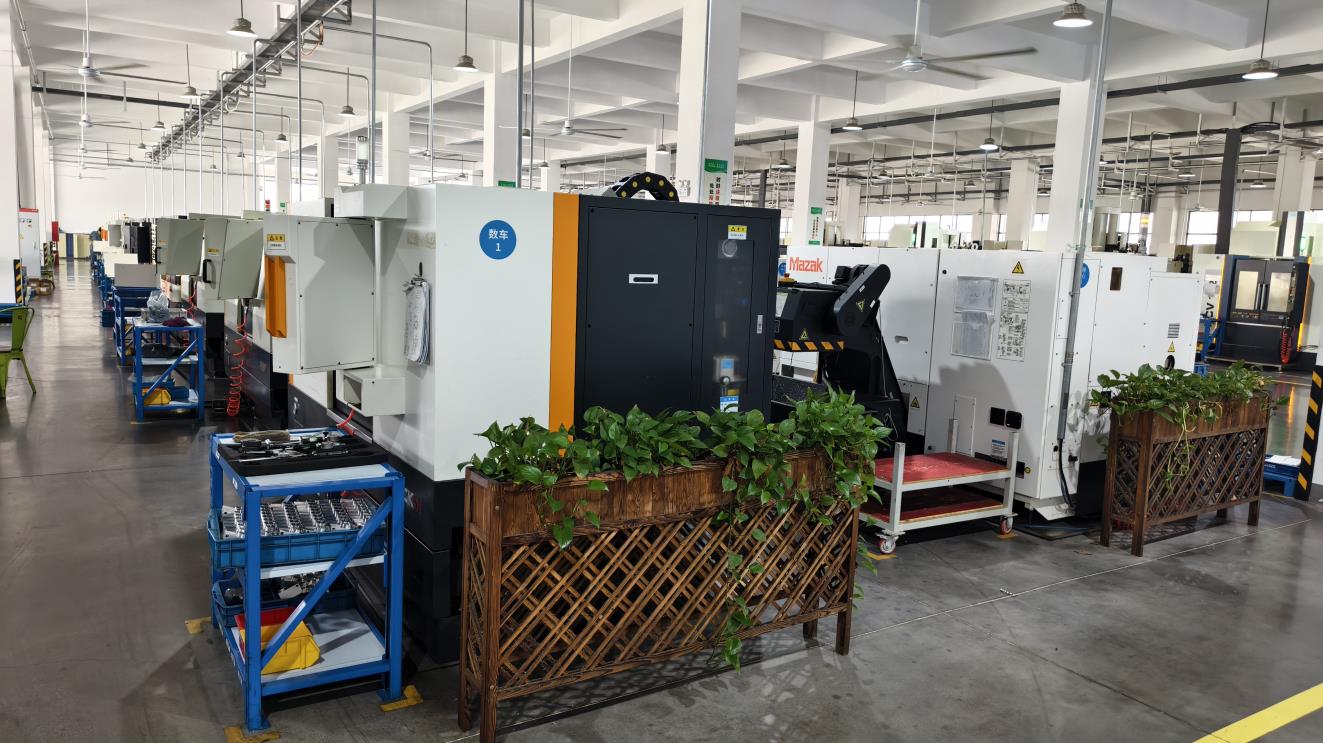
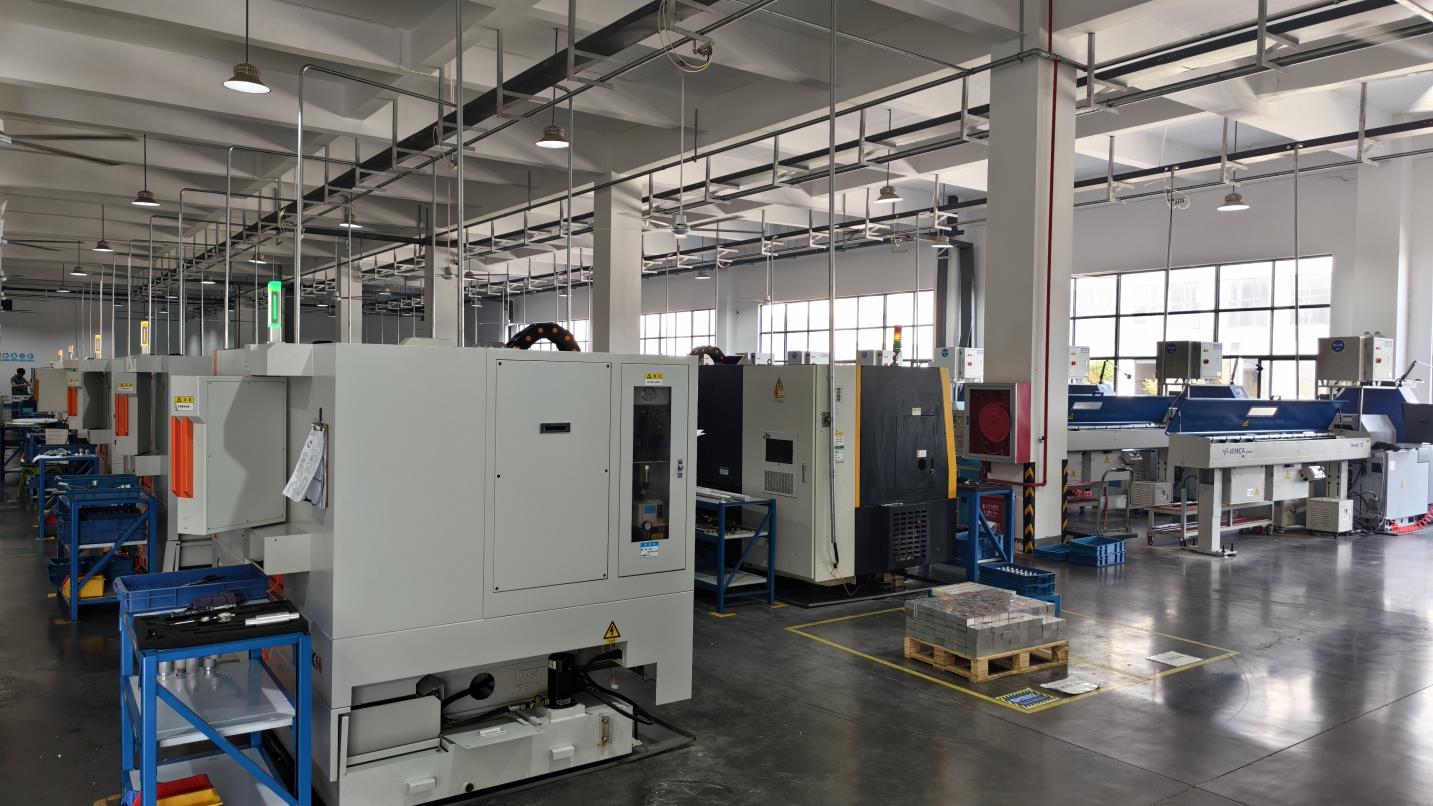
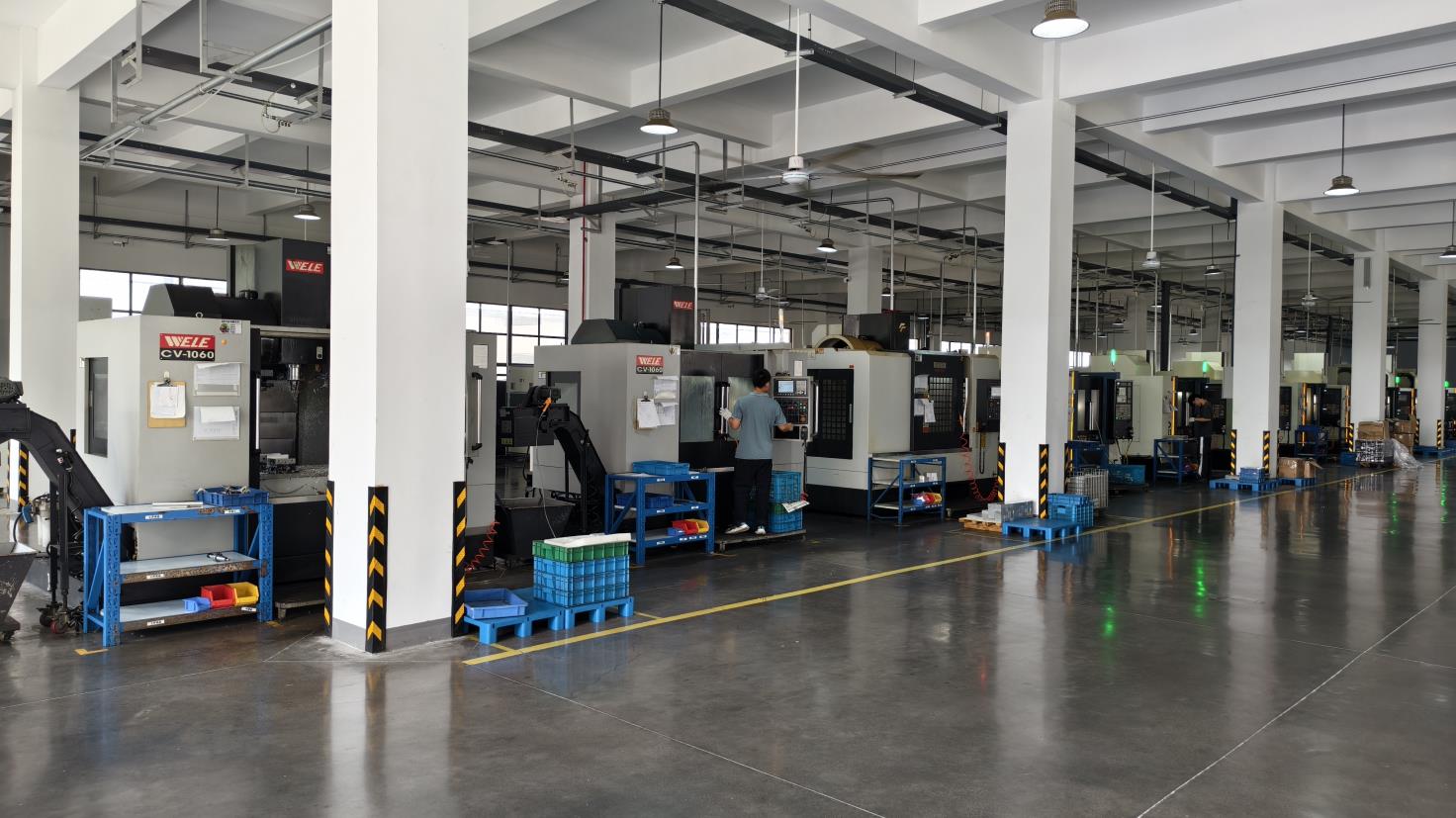
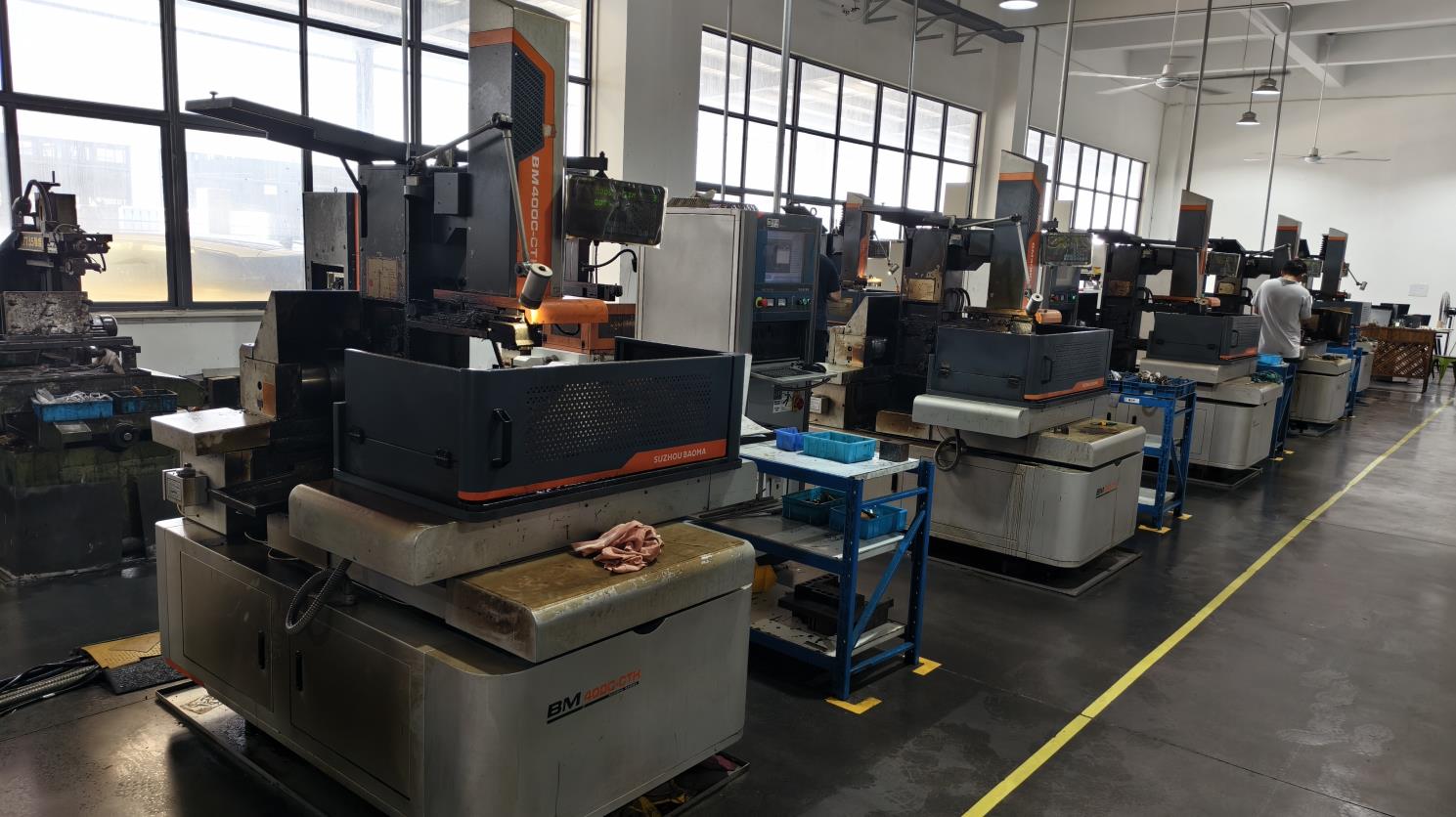
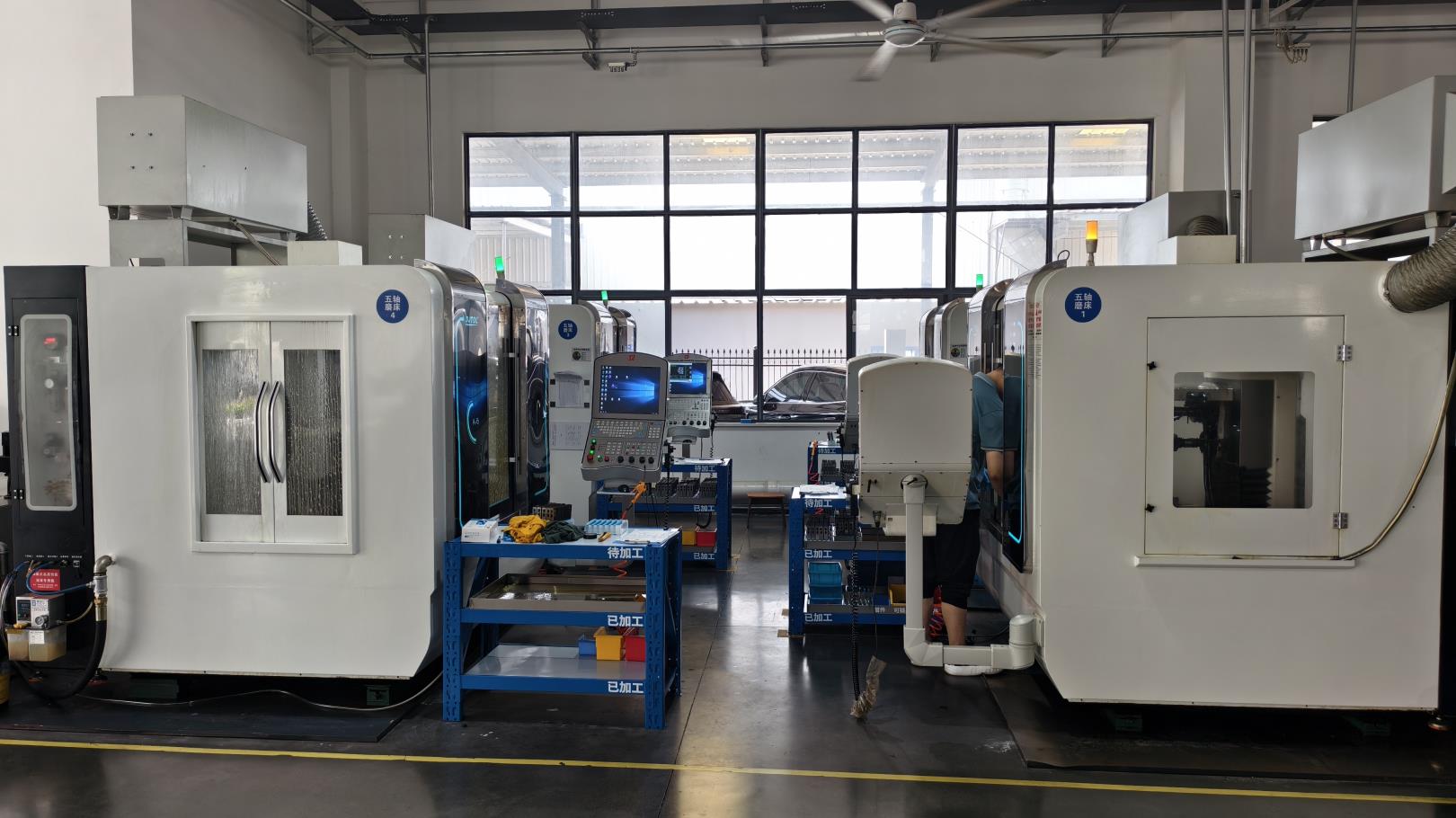
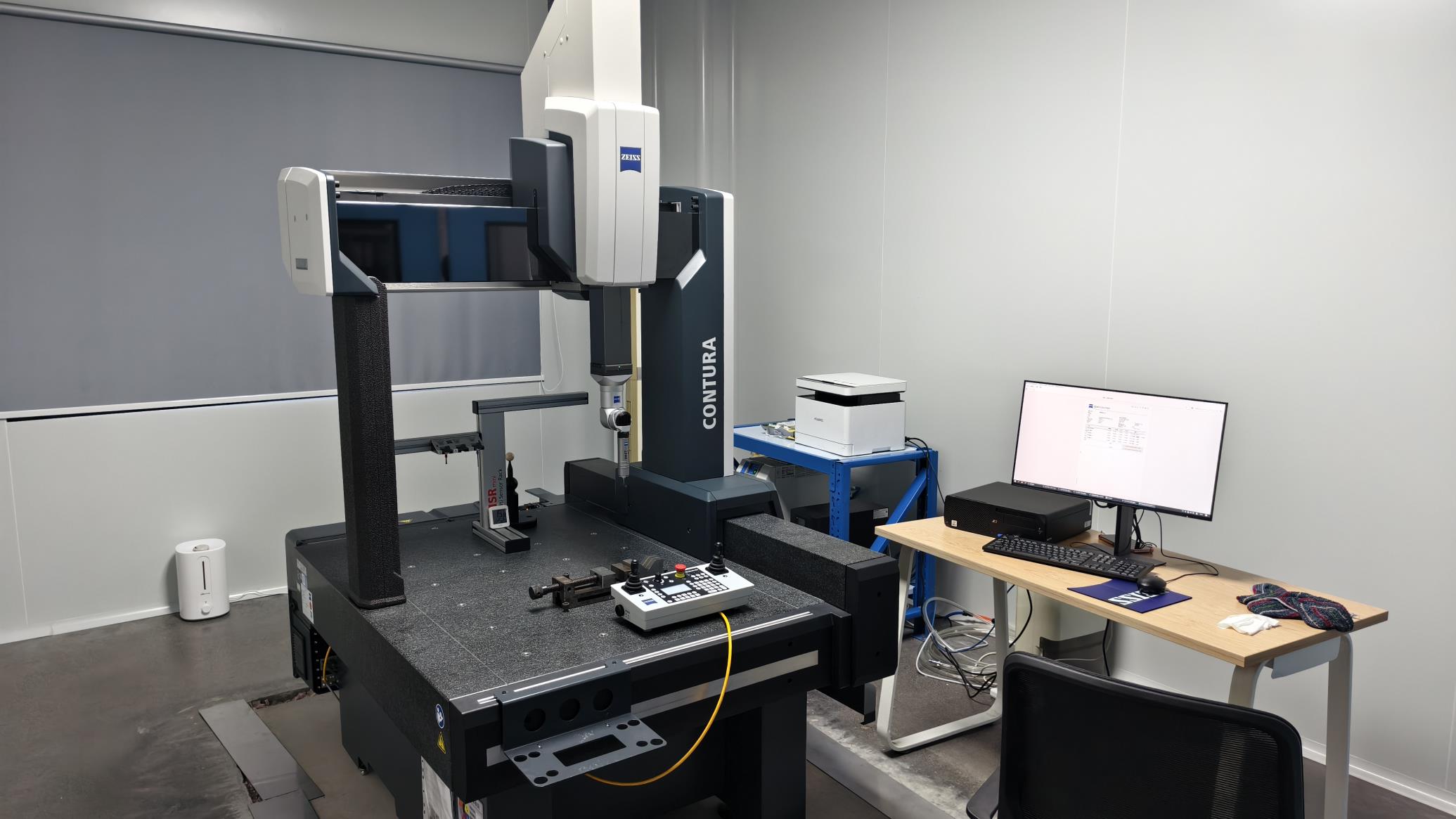
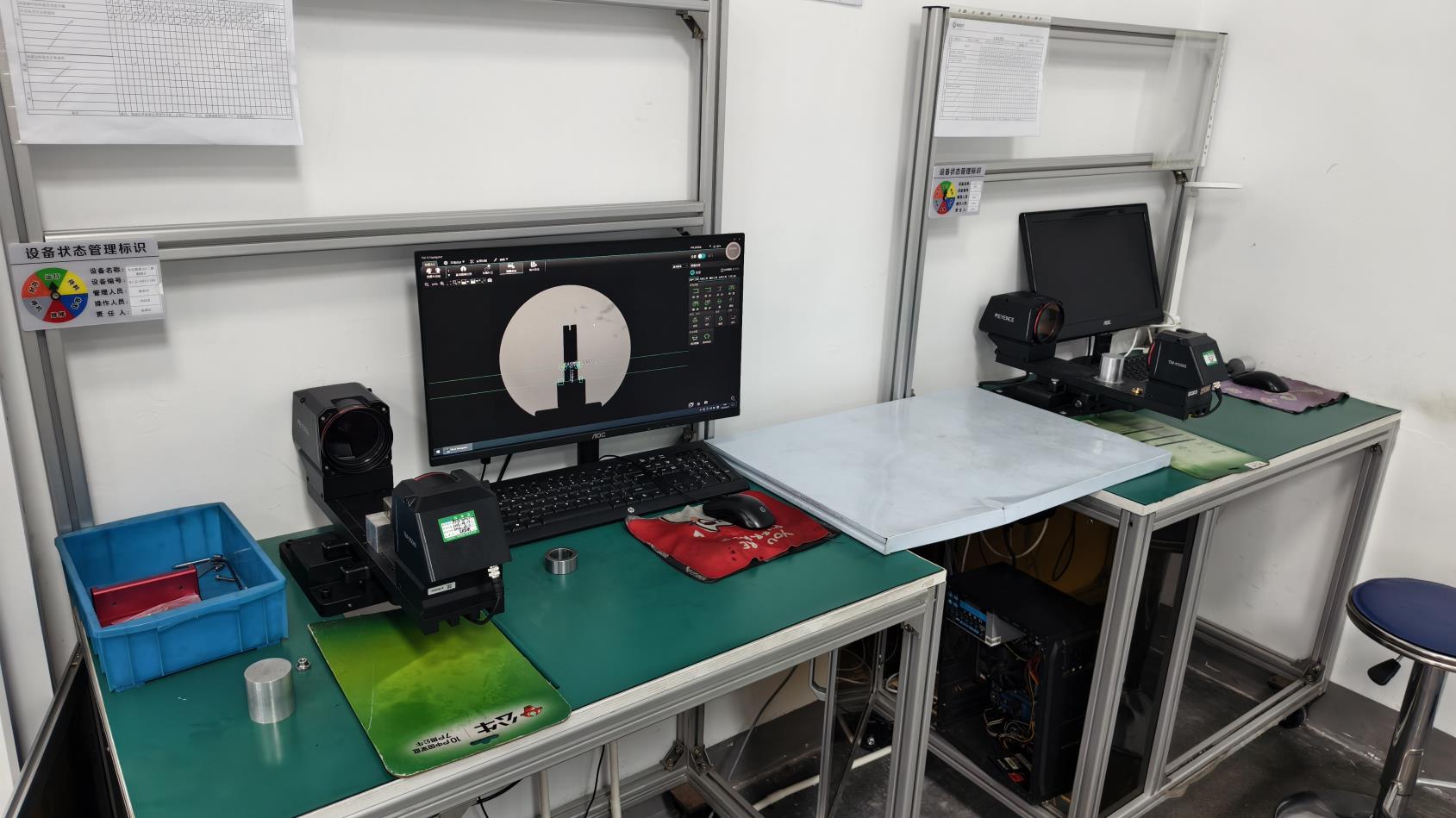
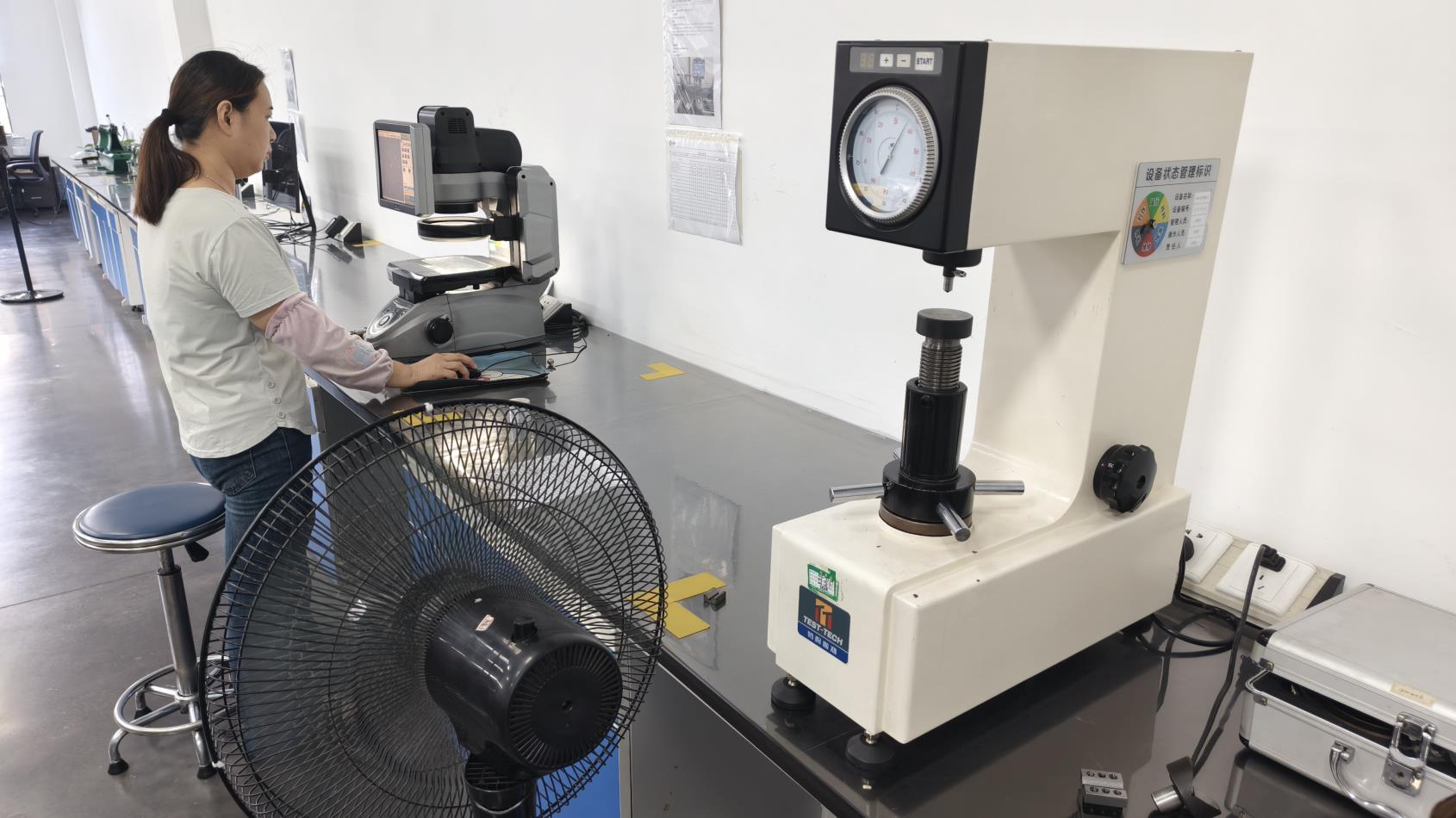
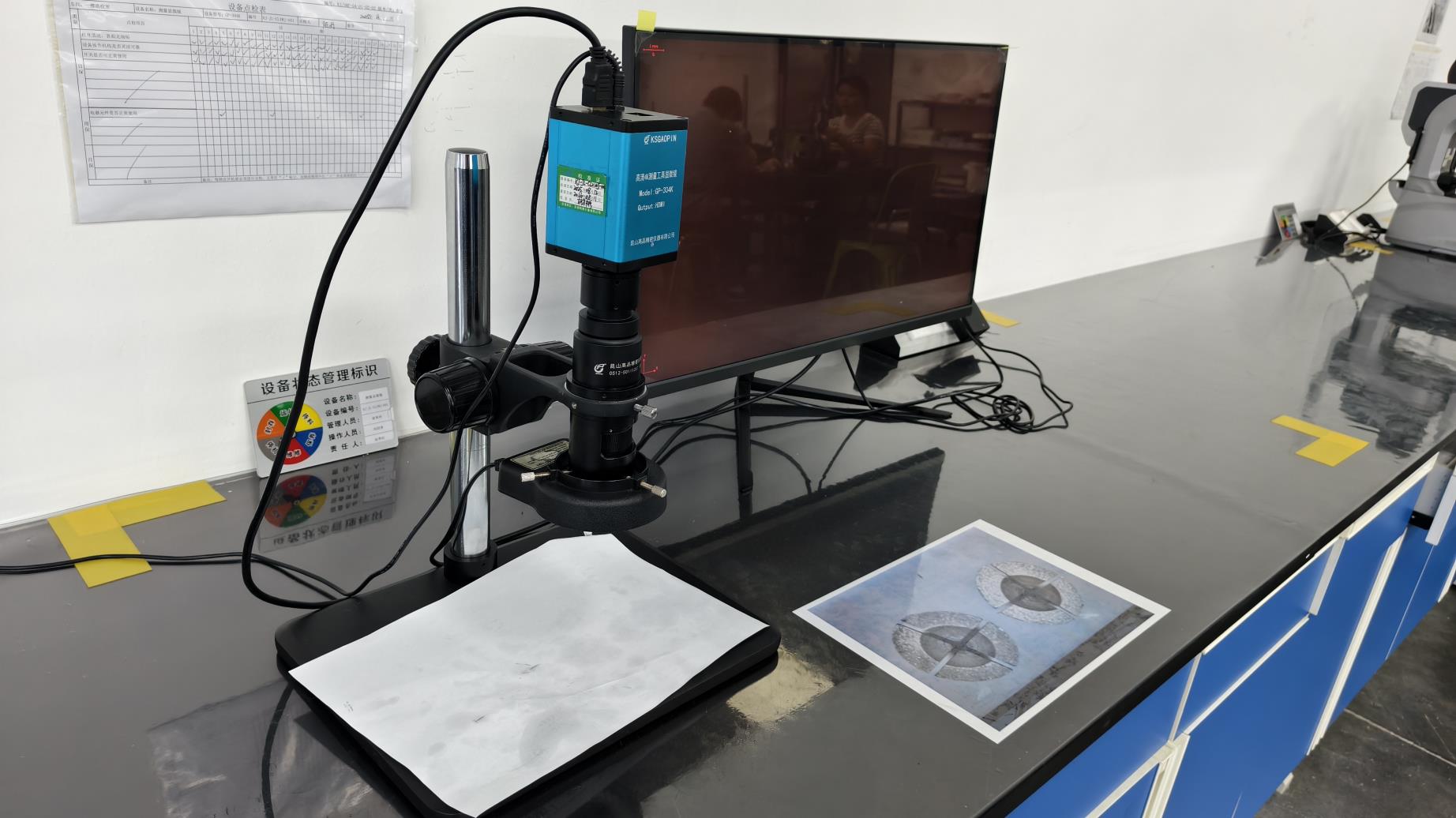
Under the hood of Moventra's advanced machining, testing, and assembly centers.
In medical manufacturing, the term "efficiency" signifies more than speed—it represents the capacity to repeat nanoscale precision consistently. Moventra leverages Swiss-type multi-axis lathes, high-precision machining centers, and wire cutting setups to maintain unmatched quality. By centralizing metallurgy, precision machining, electrochemical surface treatment, and Class 100,000 cleanroom packaging in a single facility, we eliminate typical supply chain delays. Below is a comprehensive look at the infrastructure that fuels our global exports.
Tailoring implant designs to clinical indications, emergency trauma, and specialized veterinary orthopedics.
Craniofacial implants operate at the junction of structural mechanics and aesthetic restoration. Clinical demands vary widely based on the anatomical target. In reconstructive neurosurgery, following a craniotomy due to stroke or tumor removal, securing the bone flap requires rigid fixations that prevent micro-motion while promoting osteo-integration. Plates must sit flush with the skull surface, demanding ultra-low-profile profiles to maintain natural scalp contours.
Conversely, mid-face trauma and orthognathic correction (mandibular or maxillary osteotomy) present distinct challenges. Here, cyclic loading from chewing requires high fatigue resistance. Screws must lock securely into multi-directional plating arrays, avoiding the nerves of the dental arches. In addition, the growing field of veterinary traumatology utilizes modified maxillofacial implants to treat canine and feline skeletal trauma, demanding specialized instrument kits, robust bone drills, and reliable saw blades designed for varying bone densities.
For custom reconstructions, Moventra uses CAD/CAM processing to turn patient CT scan data into patient-specific implants. These customized solutions reduce operating times by eliminating the need for intraoperative plate contouring. They ensure exact alignment at the bony margins, improving clinical outcomes and overall patient satisfaction.
Analyzing the shift from traditional alloys to advanced polymers and additive manufacturing techniques.
The materials science of craniofacial surgery is evolving rapidly. While medical-grade titanium (Ti-6Al-4V ELI) remains the industry gold standard for general orthopedic fixation, Polyetheretherketone (PEEK) has emerged as a premium alternative. PEEK's elastic modulus closely matches that of human cortical bone, reducing the stress-shielding effect where rigid metal shields the natural bone from mechanical stress, which can lead to bone resorption. Furthermore, PEEK is radiolucent, meaning it does not produce artifacts on CT or MRI scans. This is a critical benefit for oncology patients requiring ongoing post-operative imaging.
To improve biological integration, modern titanium implants often feature advanced surface modifications. Techniques like acid etching, sandblasting, and electrochemical anodizing create sub-micron topologies that encourage osteoblasts to attach directly to the implant. Simultaneously, additive manufacturing (3D printing) of titanium structures allows for the production of porous lattices. These configurations mimic the porous structure of trabecular bone, facilitating bone growth directly through the implant to create a permanent, biological bond.
How procurement managers can manage quality assurance, reduce lead times, and streamline regulatory compliance.
Sourcing medical implants globally requires balancing cost with strict regulatory compliance. B2B procurement managers must verify that manufacturing partners operate in strict compliance with ISO 13485 standards. This certification ensures that document control, change protocols, and production tracking are maintained to medical-grade standards. Traceability is critical: every single screw or plate must be traceable back to its raw material heat lot number.
Moventra's integrated supply chain streamlines this process. By coordinating raw material sourcing, multi-axis machining, finishing, and testing under one roof, we significantly reduce manufacturing lead times. Additionally, we provide comprehensive documentation packages—including material certifications (MTRs), bio-burden testing, and sterilization validations—to help our international partners navigate complex local registration processes, such as FDA 510(k) clearances or CE mark approvals.
Expert technical answers addressing key regulatory, material, and manufacturing queries from B2B buyers.
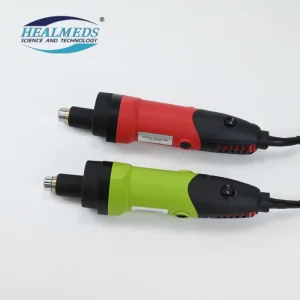
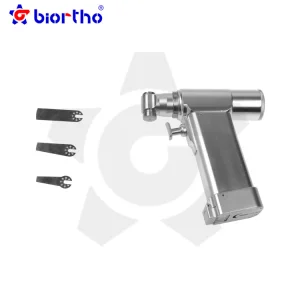
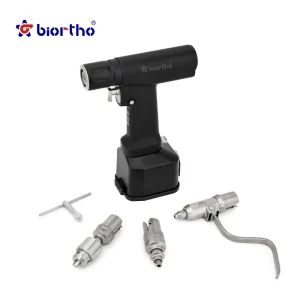
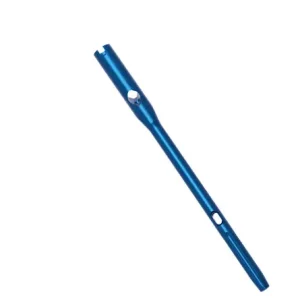
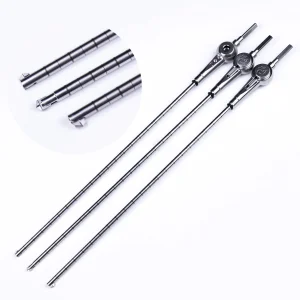
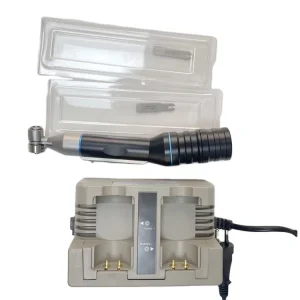
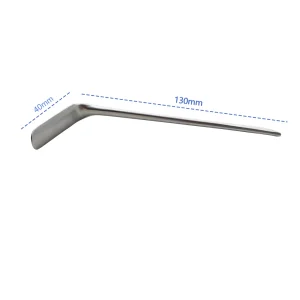
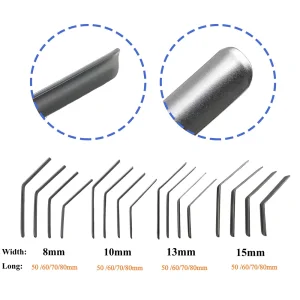
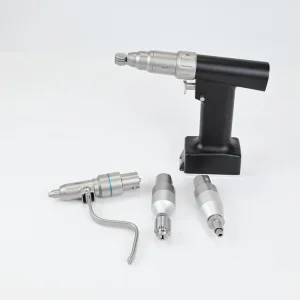
Comprehensive surgical instruments, traumatology nail systems, and specialized pet surgery power tools.
 Moventra Medical