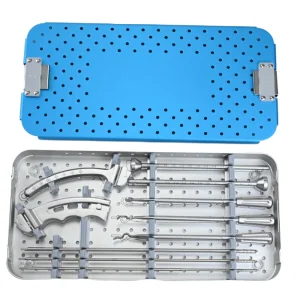
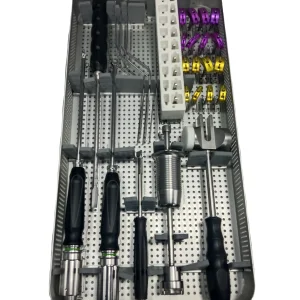
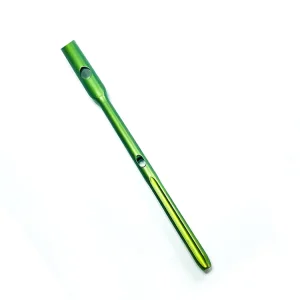
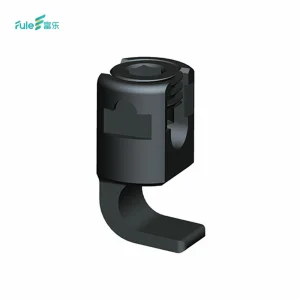
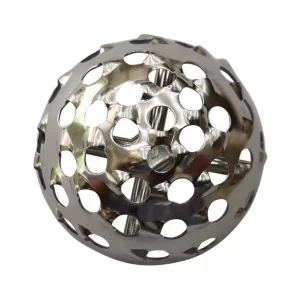
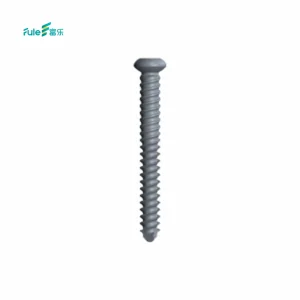
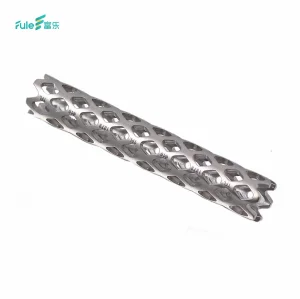
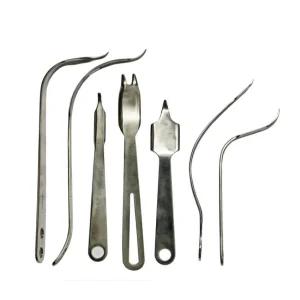
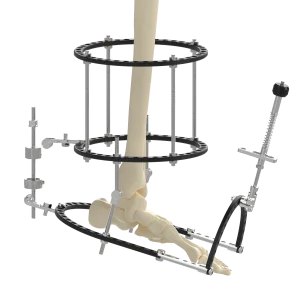
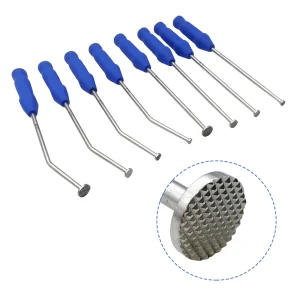
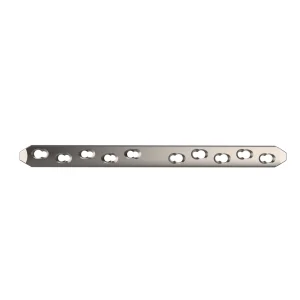
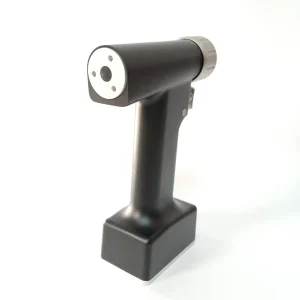
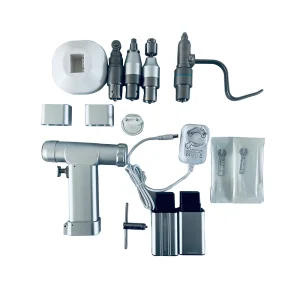
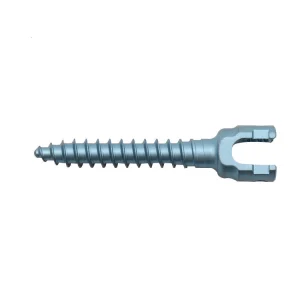
Explore our foundational range of surgical components, precision intramedullary devices, and clinical reconstruction instruments.
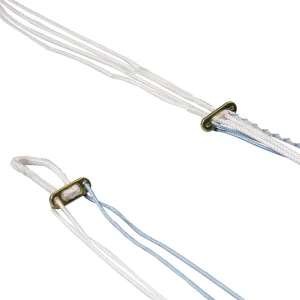
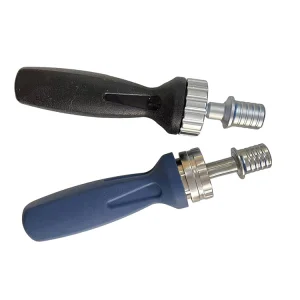
Analyzing clinical trends, implant design parameters, and engineering dynamics in modern arthroplasty systems.
Reverse Shoulder Arthroplasty (RSA) has fundamentally transformed the management of rotator cuff tear arthropathy, complex proximal humeral fractures, and failed primary shoulder reconstructions. The core mechanical premise, pioneering by the Grammont design philosophy, shifts the semi-constrained articulation center medially and distally. By repositioning the center of rotation (COR) relative to the glenoid surface, the deltoid muscle leverage is maximized. This mechanical adjustment compensates for the absent or non-functional rotator cuff, allowing patients to regain active elevation and abduction.
Our collaborative research with clinical biomechanics laboratories confirms that even minor adjustments in the lateralization of the glenosphere can exert significant influence over deltoid muscle efficiency and shearing forces at the bone-implant interface. Modulating this lateralization has emerged as a crucial approach to minimizing complications such as glenoid scapular notching, while concurrently preserving natural internal and external rotation capabilities.
First-generation reverse shoulder implants suffered from high rates of scapular notching—a mechanical impingement between the humeral cup and the scapular neck during adduction. Advanced manufacturing responses focus on optimized design alterations: inferiorly tilted or eccentric glenosphere configurations, lateralized baseplates, and highly cross-linked polyethylene (HXLP) liners infused with Vitamin E to combat long-term oxidative stress.
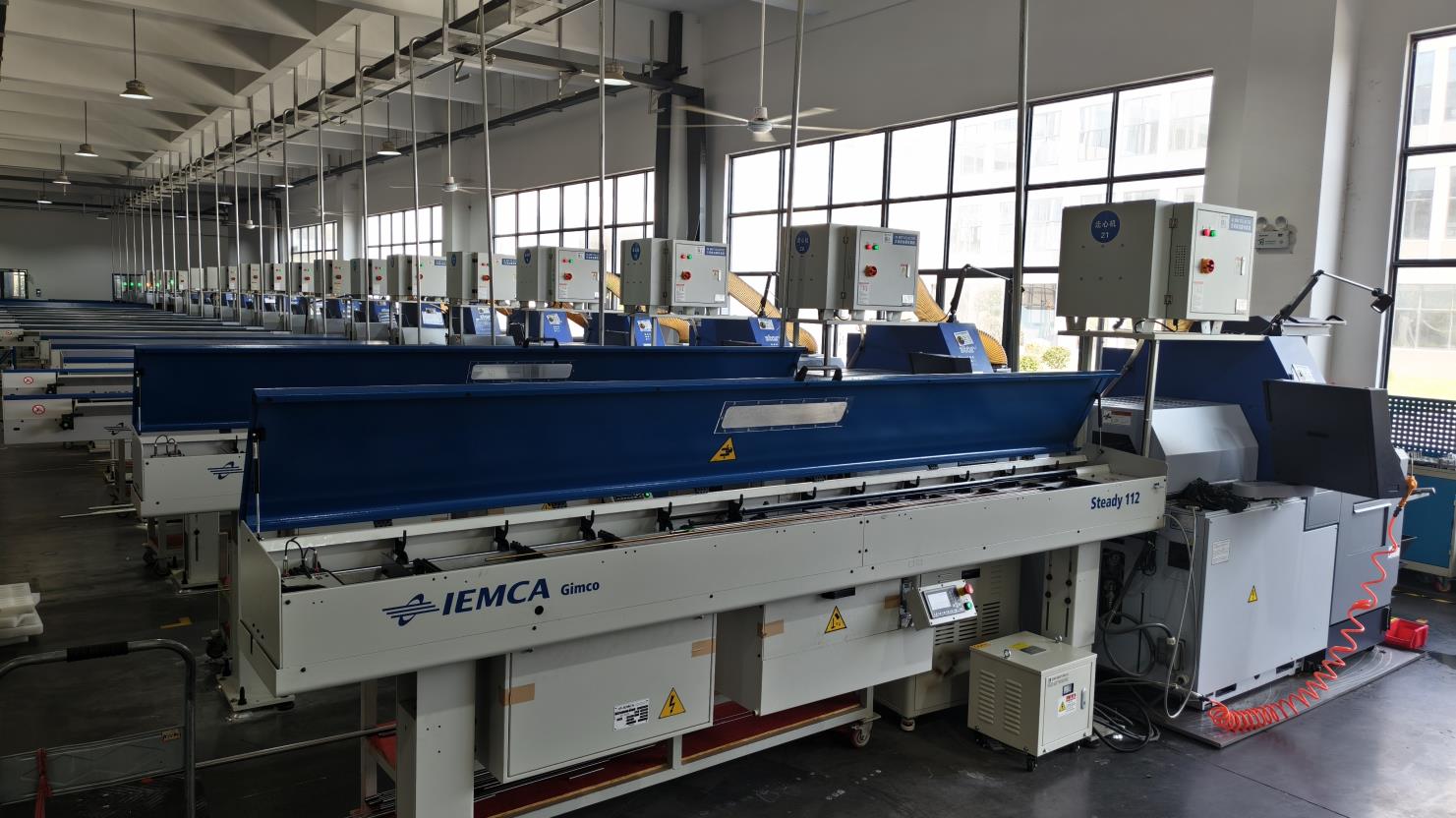
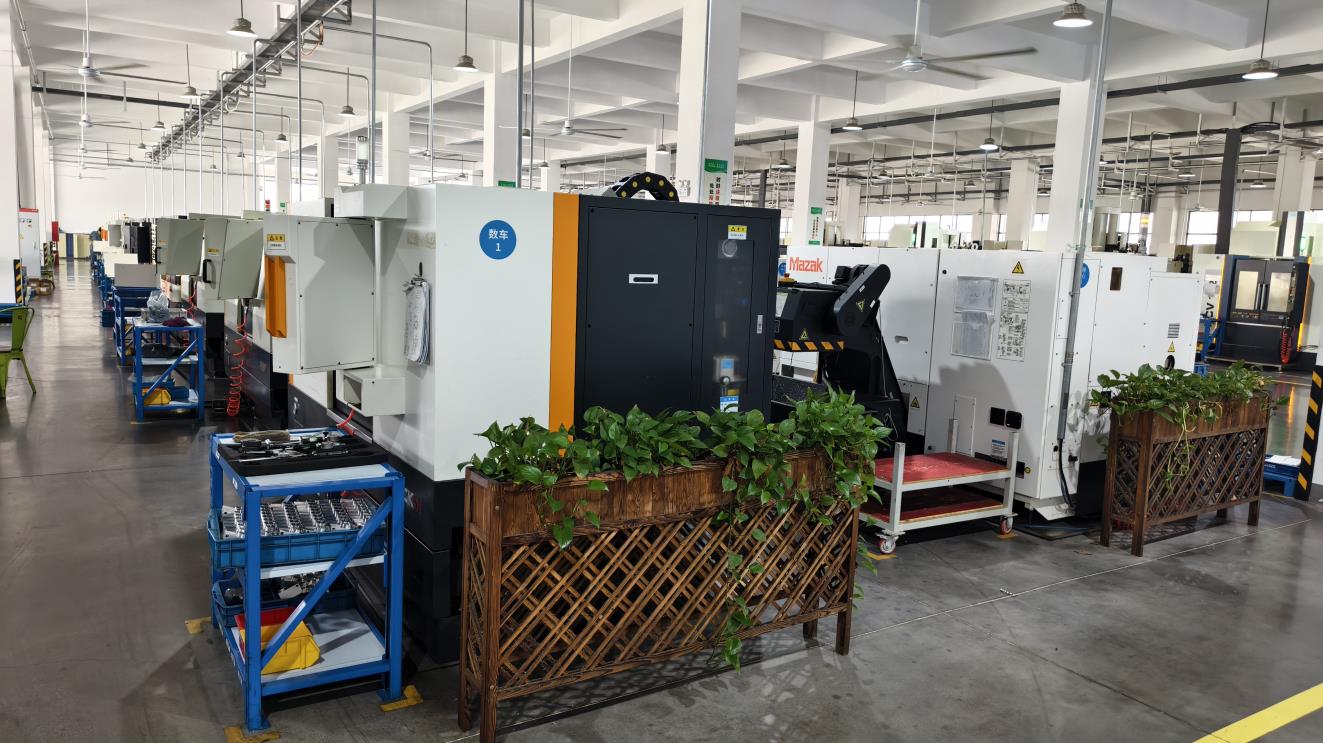
As a leading supplier in China, we prioritize these refinements. By deploying automated CNC multi-axis milling and ultra-fine surface polishing, we manufacture glenosphere components with sub-micron roughness tolerances. These low-friction surfaces significantly minimize particulate debris formation, reducing the risk of osteolysis and extending implant survivability for younger, more active patient cohorts.
A premier global manufacturer specializing in orthopedic implants, precision tools, and tailored joint reconstruction systems.
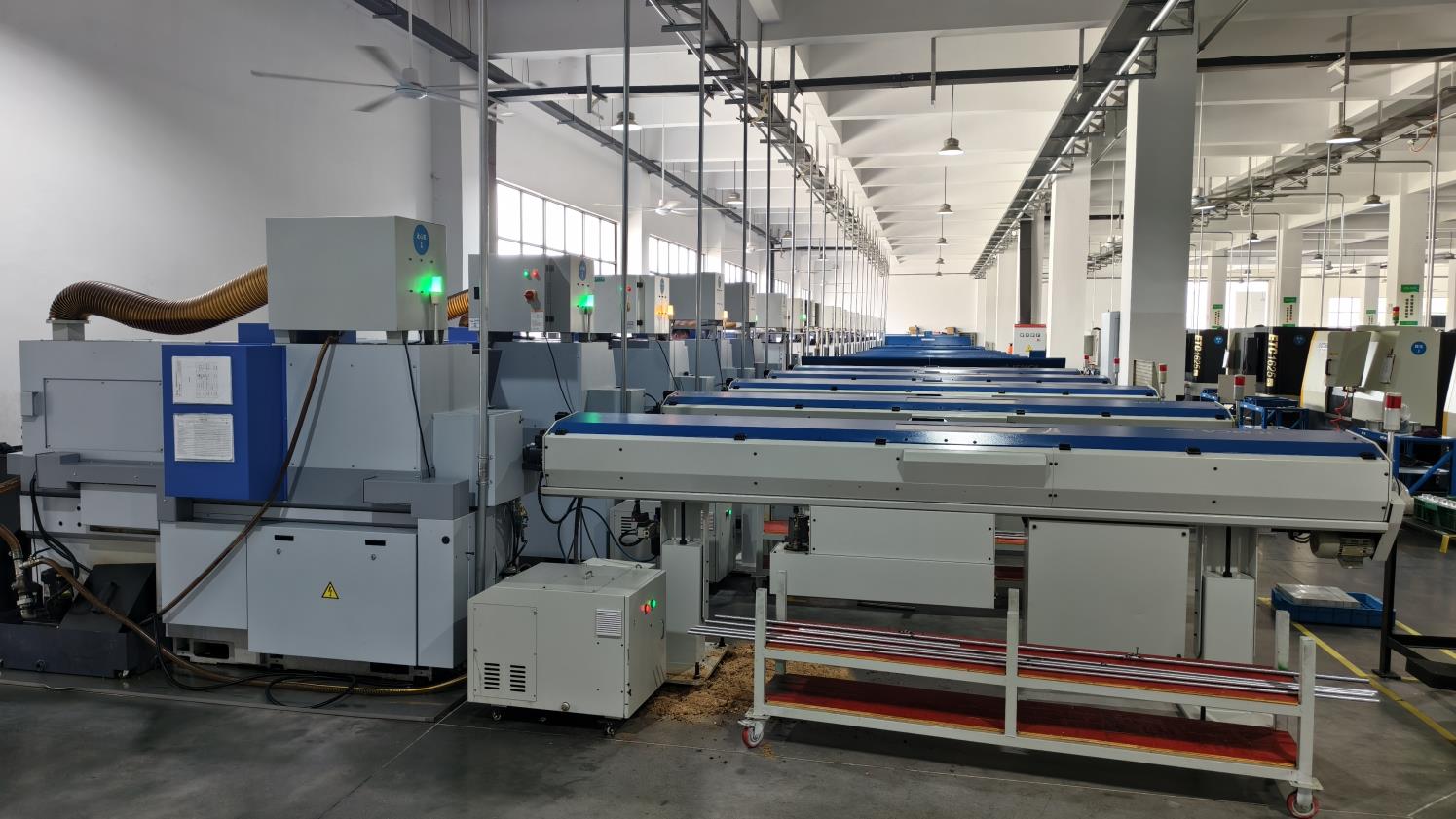
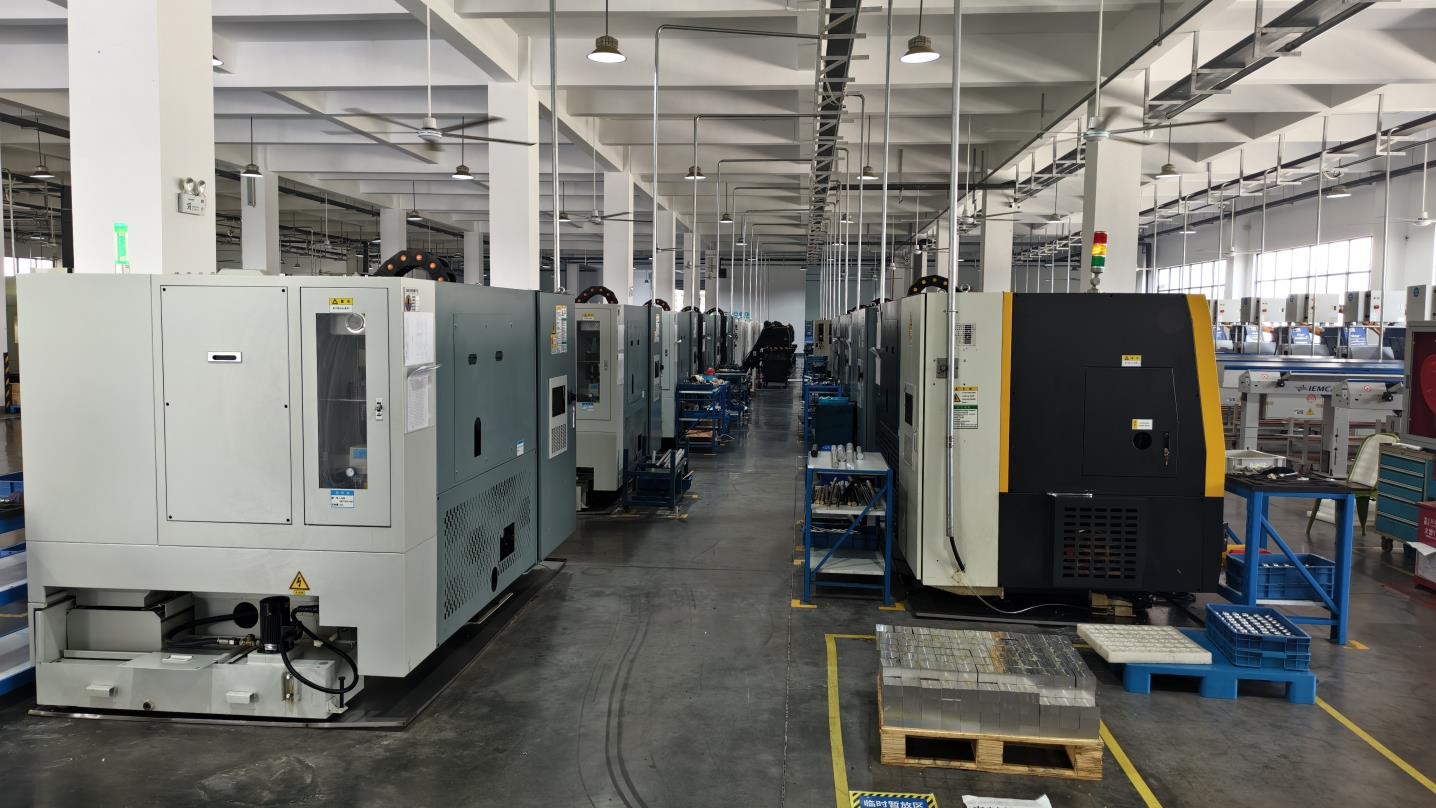
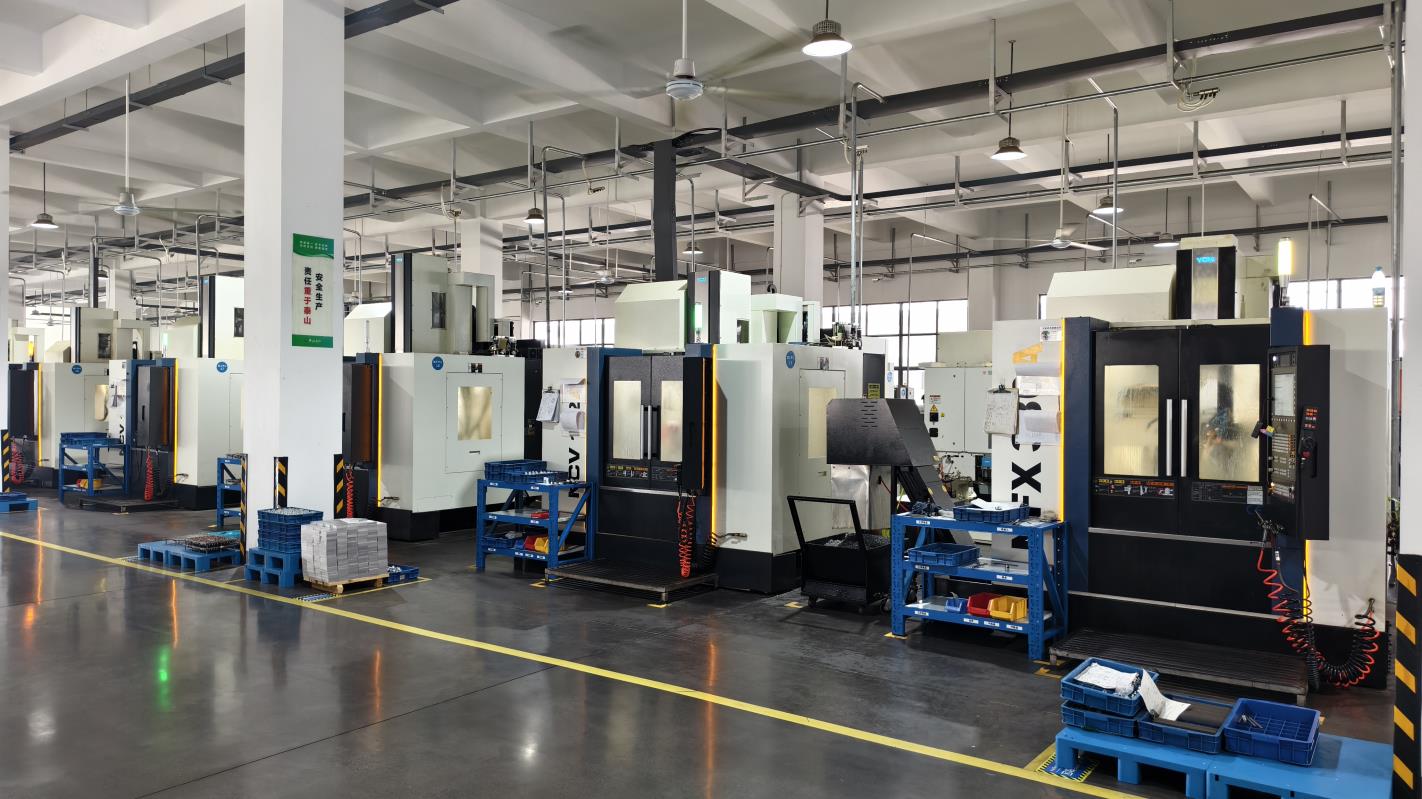
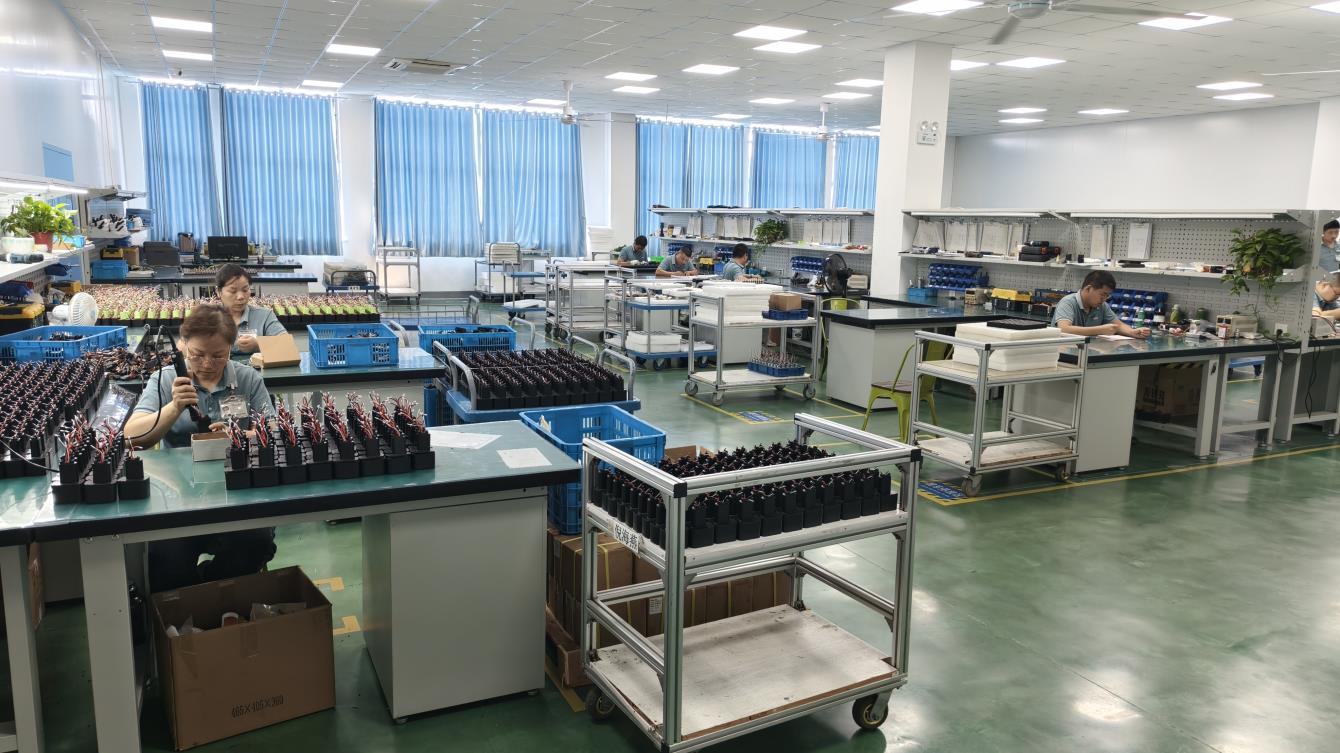
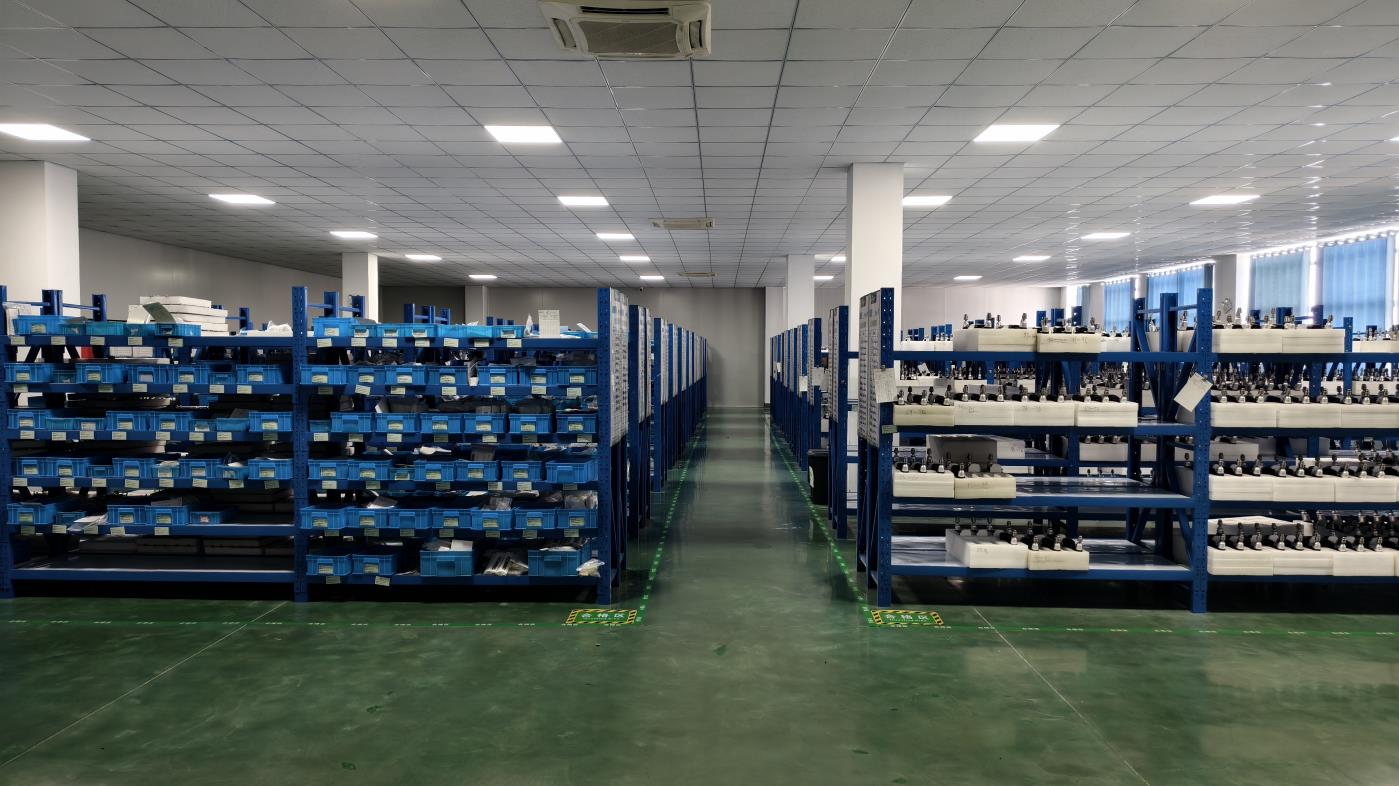
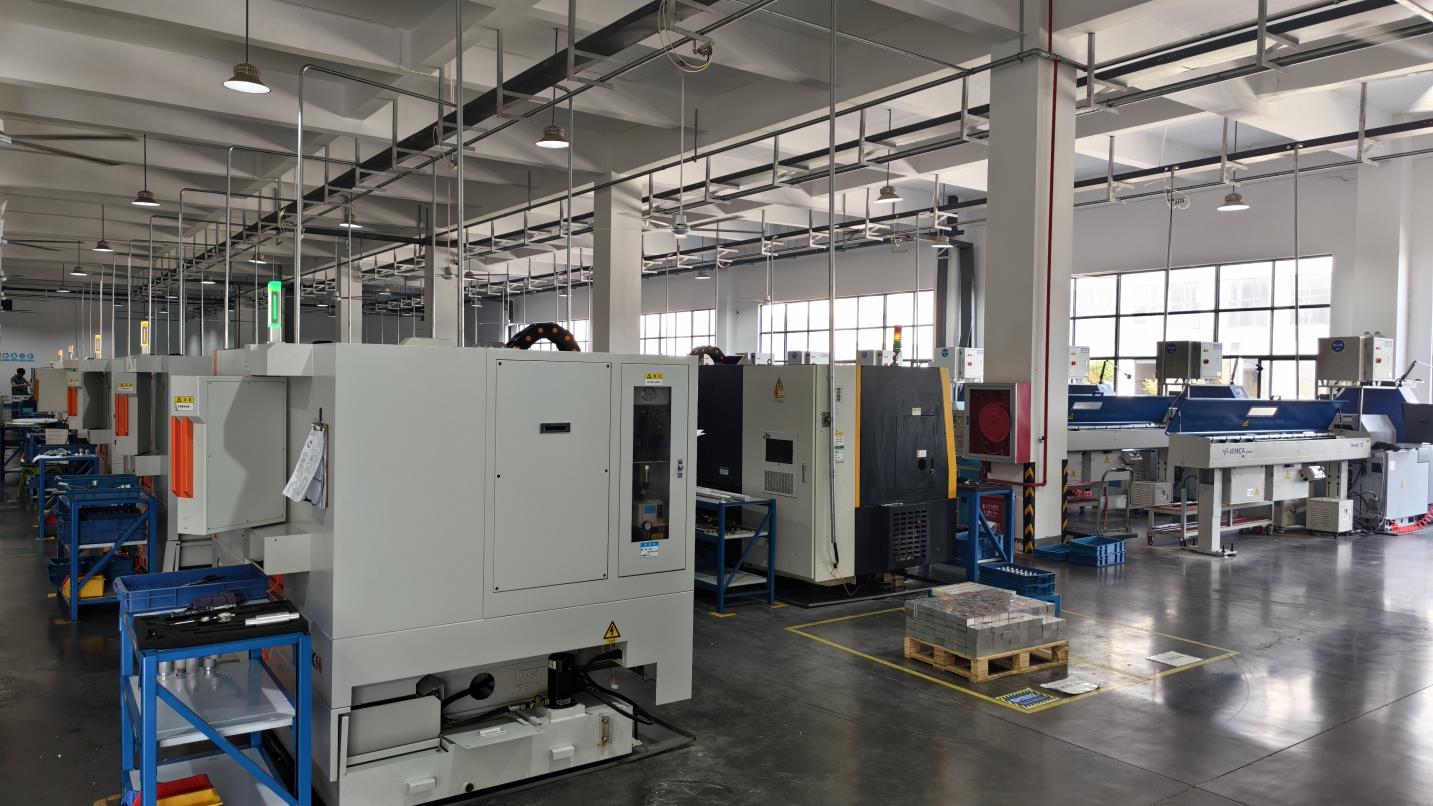
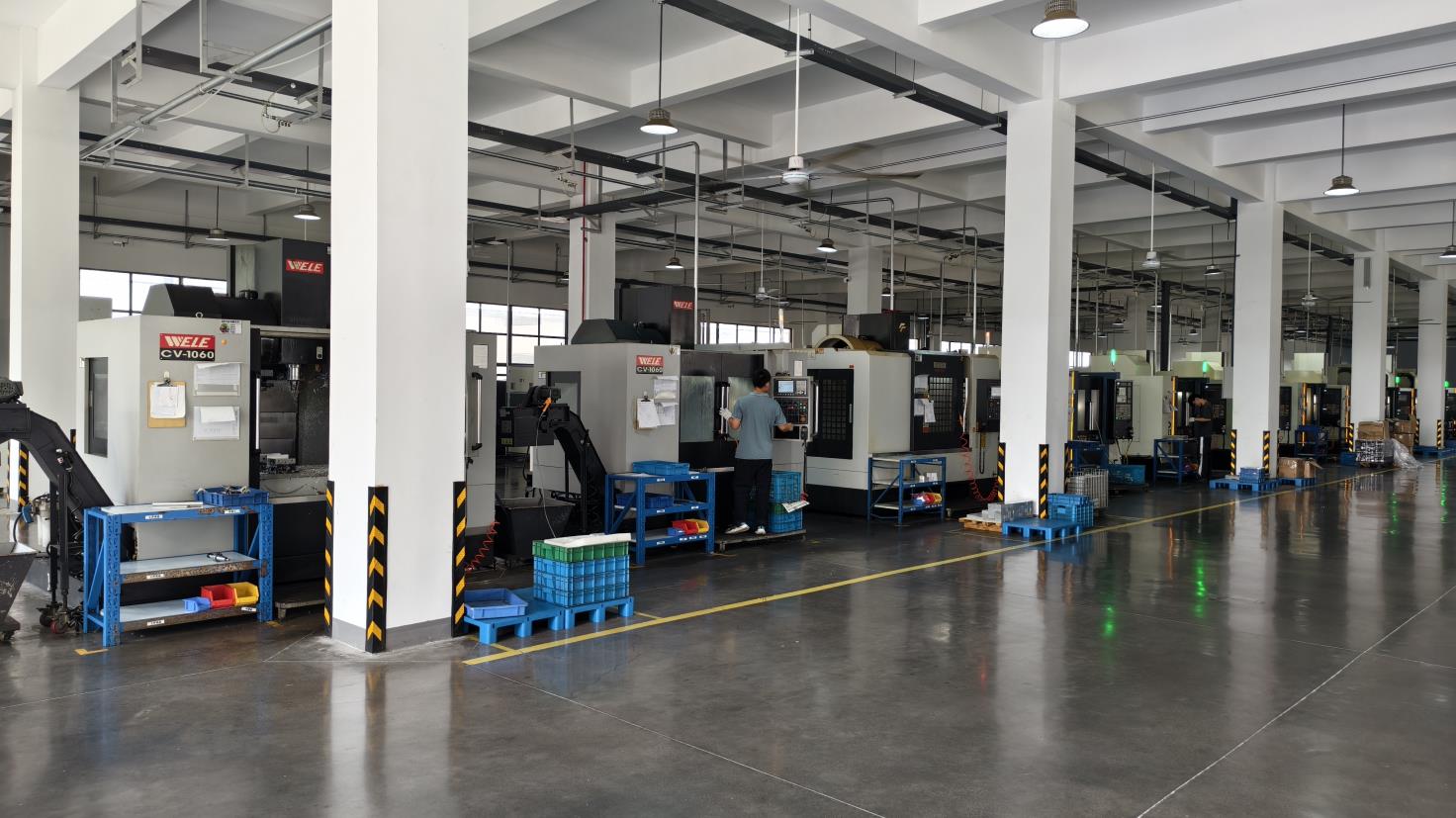
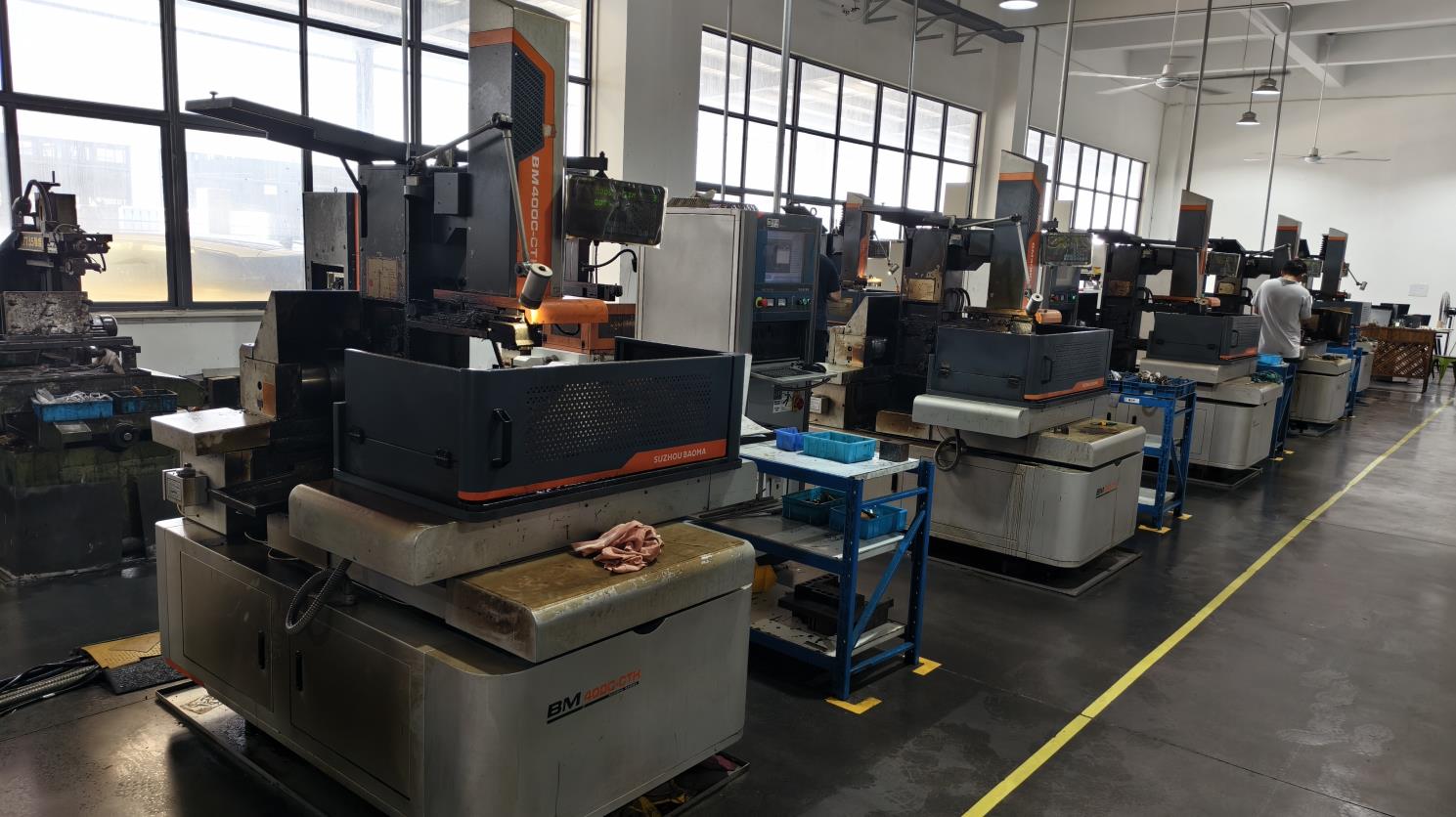
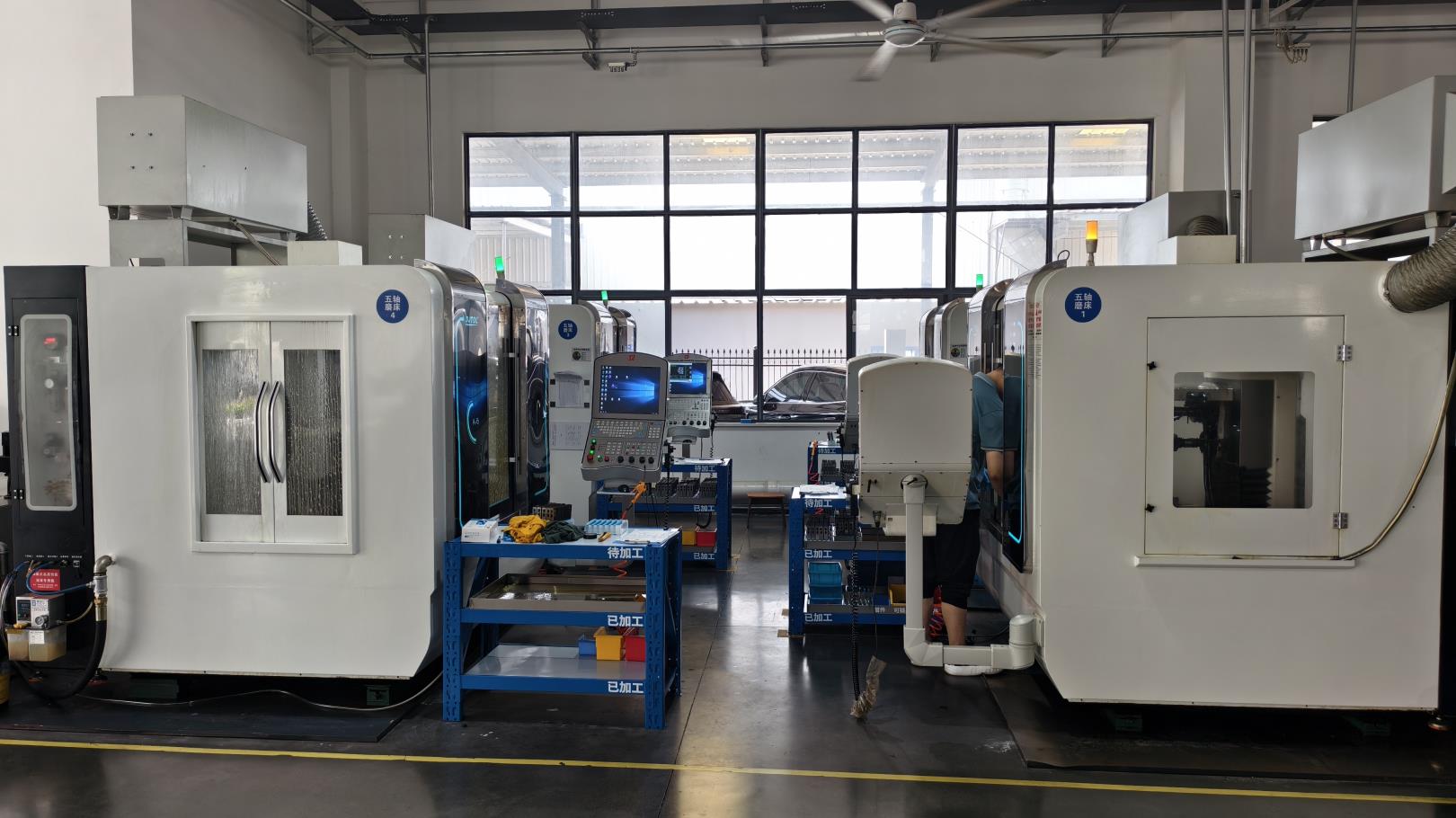
Established in 2017, Moventra Medical Technology (China) Co., Ltd. is a dedicated manufacturer specializing in the research, development, production, and international supply of orthopedic devices. Operating from an expansive, state-of-the-art 18,600 m² manufacturing base, we combine Swiss-type machining, automated lathe systems, and high-performance quality inspection structures to produce Class III medical device components designed to meet stringent global regulatory standards.
| Item | Details |
|---|---|
| Company Name | Moventra Medical Technology (China) Co., Ltd. |
| Brand | Moventra |
| Established | 2017 |
| Facility Area | 18,600 m² |
| Annual Export Revenue | USD 23.8 Million |
| Export Experience | 7 Years |
| Industry Experience | 13 Years |
| Quality Inspection | 100% Quality Inspection Before Shipment |
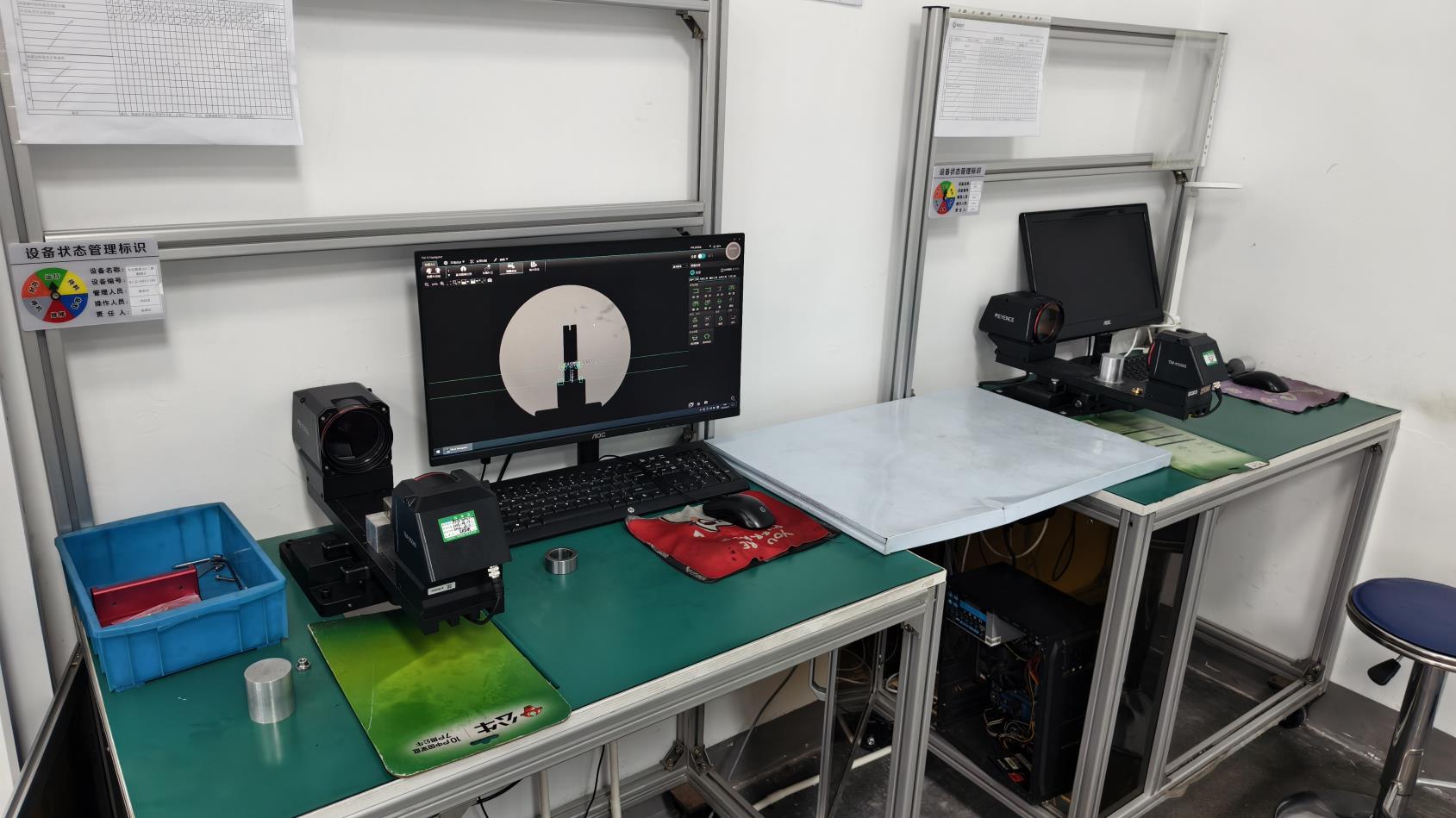
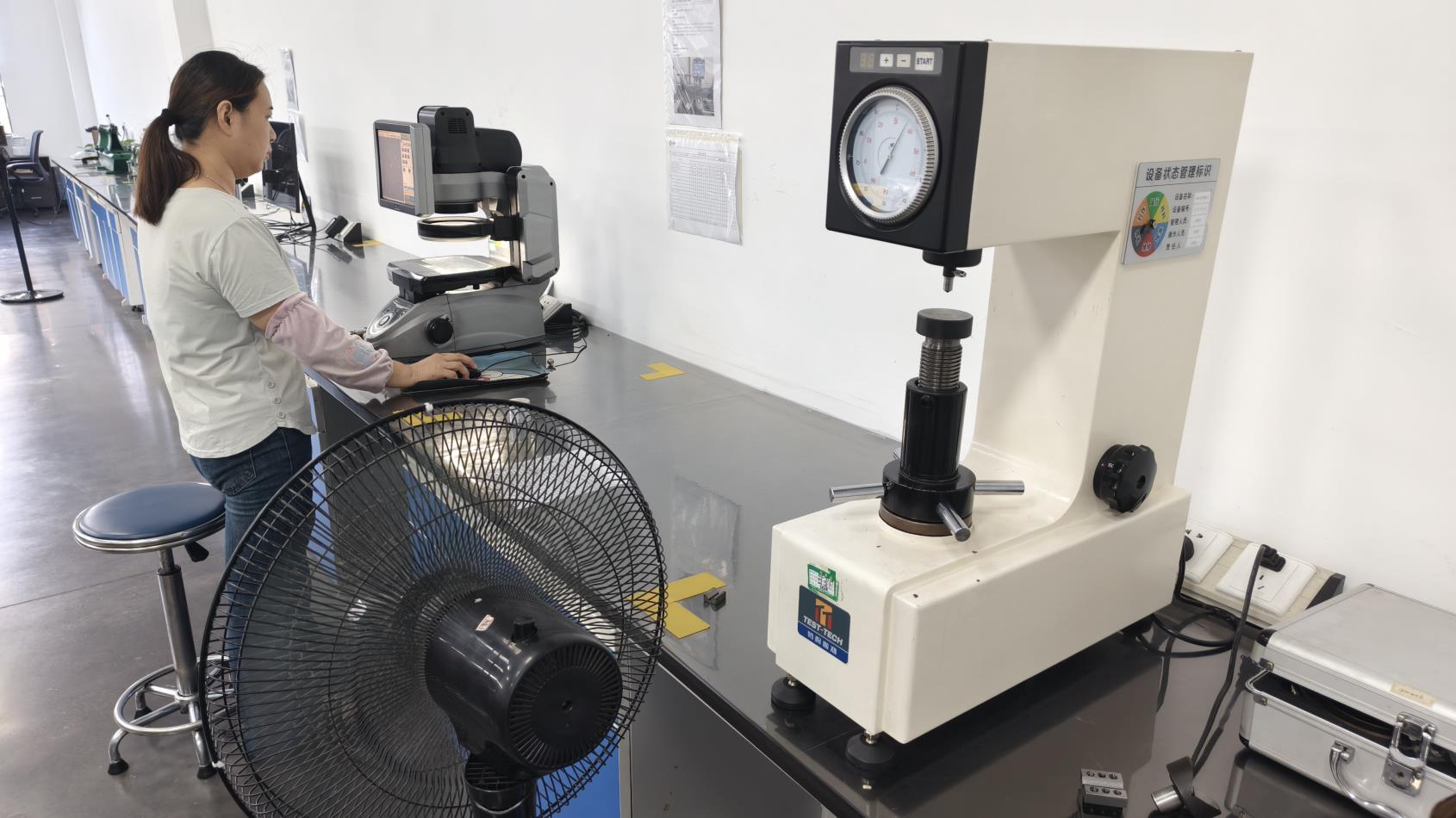
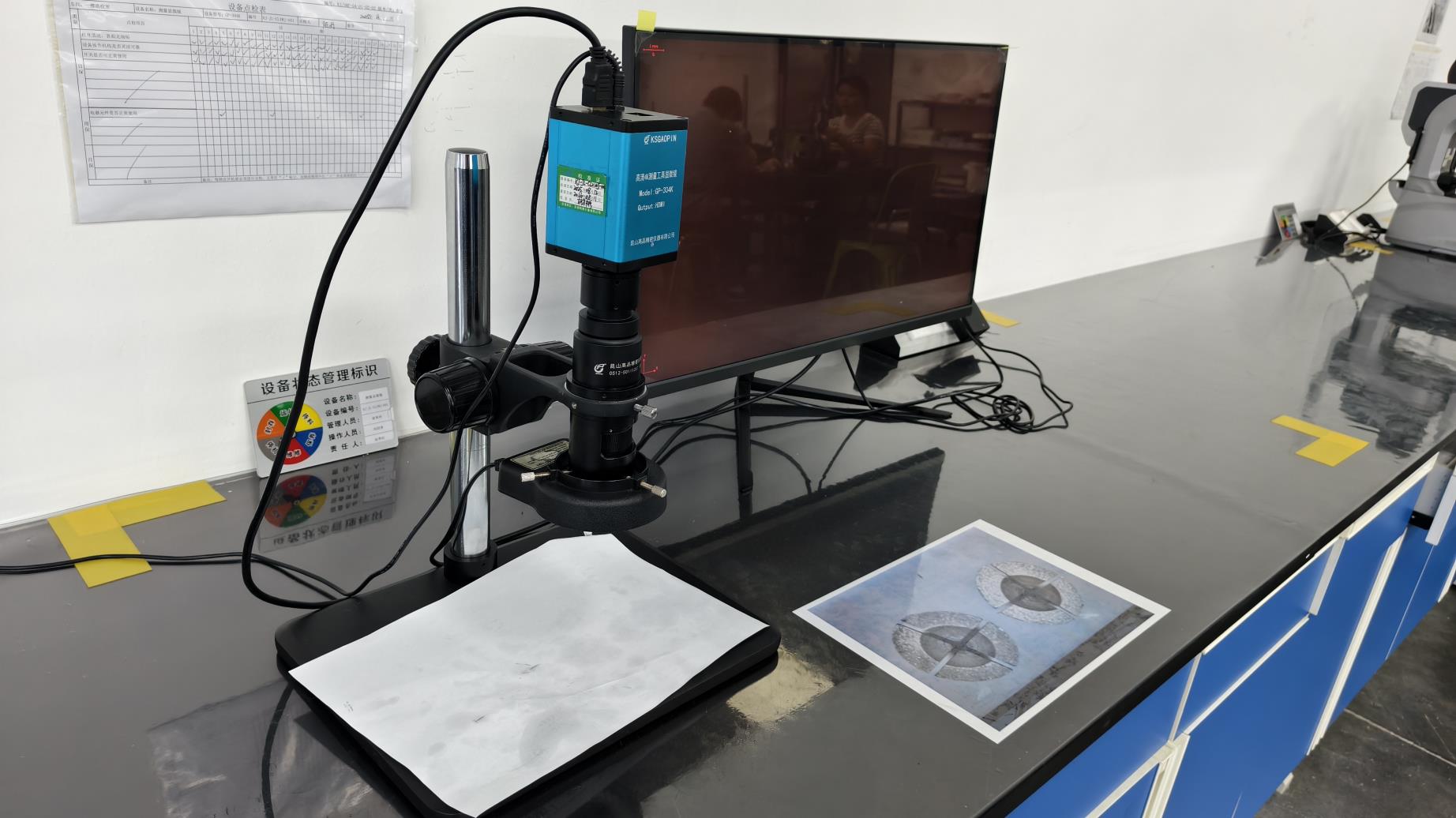
| Product Inspection Methods | Dimensional Inspection, Material Analysis, Surface Finish Inspection, Mechanical Performance Testing, Sterility Verification |
| Quality Control Staff | 48 |
| Business Type | Manufacturer, OEM & ODM, Exporter |
| Main Markets | North America, Europe, South America, Middle East, Southeast Asia, Australia |
| Supply Chain Partners | 1,120 |
| Main Customer Types | Medical Device Brands, Orthopedic Distributors, Hospitals, Importers, Government Procurement Projects |
| R&D Capability | Independent Product Design, Rapid Prototyping, OEM/ODM Development, Customized Engineering Solutions |
| Customization Options | Logo Customization, Packaging Customization, Product Design Customization, Drawing-Based Manufacturing, Sample-Based Manufacturing |
| New Products Released Last Year | 156 |
| R&D Engineers | 86 |
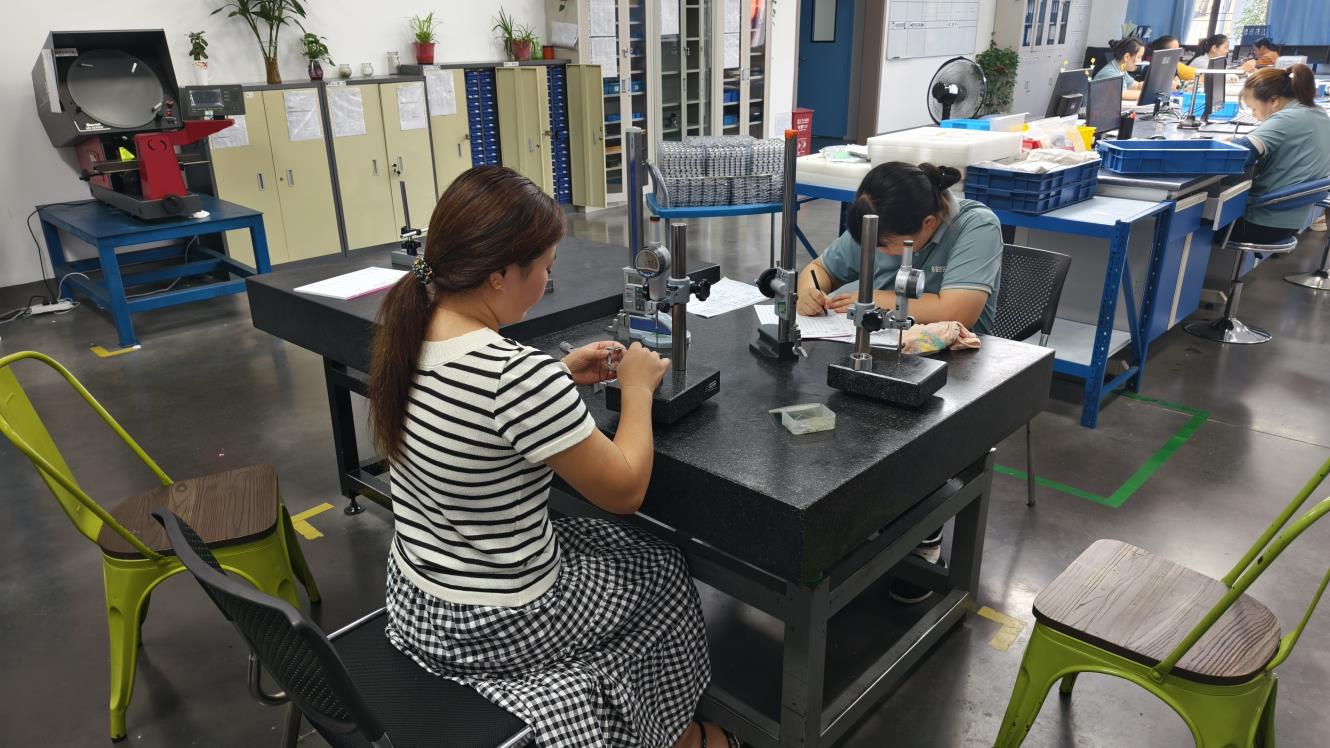
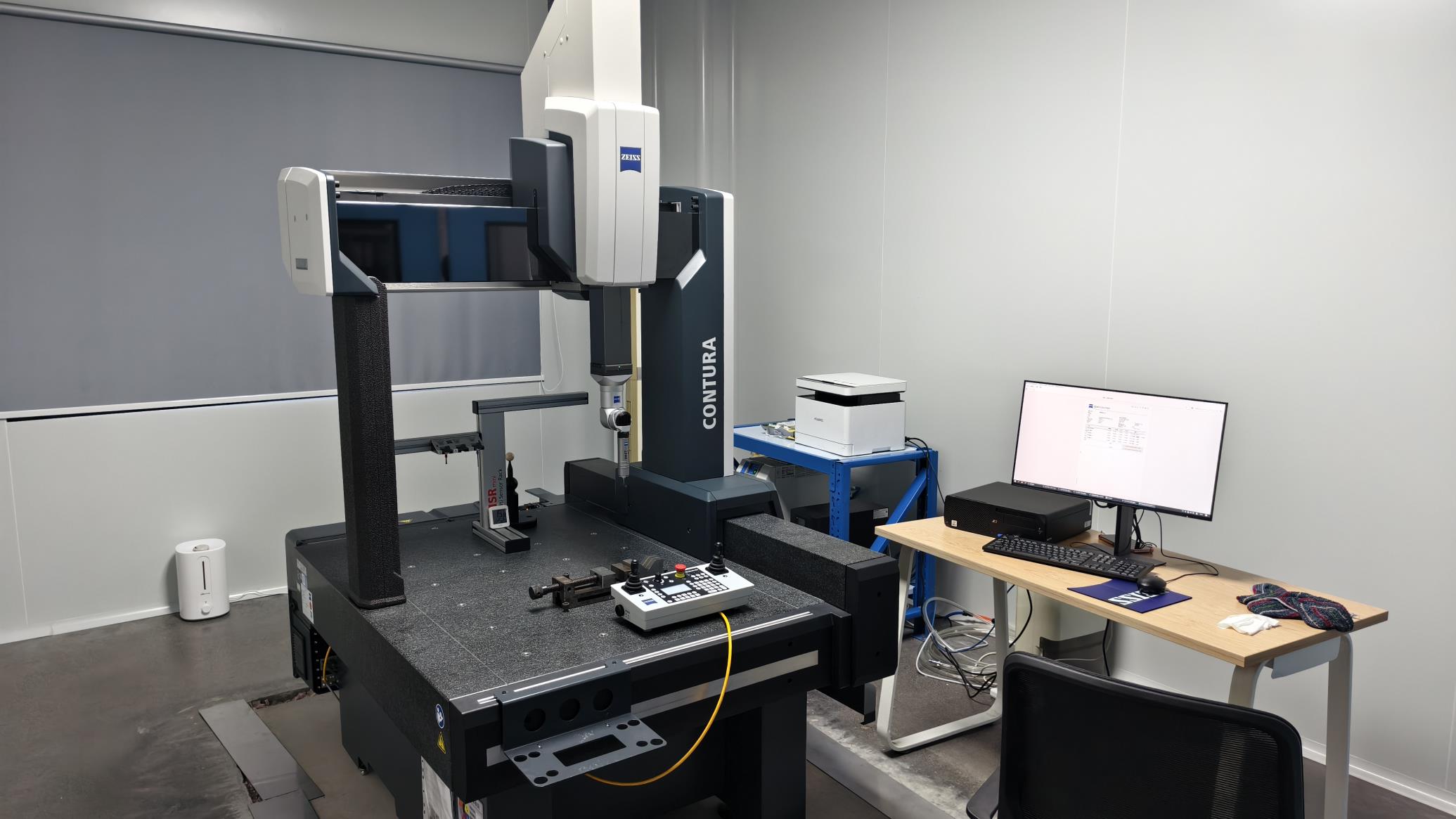
A visual walk-through of our state-of-the-art facility, precision machining capabilities, and advanced measurement technologies.
How orthopedic distributors, procurement officers, and medical brands can mitigate regulatory, logistics, and production risks.
Navigating the transition from MDD to MDR (Medical Device Regulation) in Europe and securing FDA 510(k) clearances in North America are primary bottlenecks for orthopedic brands. Moventra coordinates compliance pathways through meticulous documentation, comprehensive material characterization (such as verifying surgical-grade titanium alloys like Ti-6Al-4V ELI conforming to ASTM F136), and strict sterile barrier packaging validation (ISO 11607).
International buyers frequently require modifications in humeral stem geometries, porous coatings (such as titanium plasma spray or hydroxyapatite), and bespoke surgical instrumentation. With an R&D crew comprising 86 specialized engineers, we accelerate the journey from initial CAD configuration and 3D FEA (Finite Element Analysis) prototype evaluations to functional production runs, keeping developers ahead of clinical demands.
Managing multiple supply vendors introduces risk, increases transit costs, and dilutes quality accountability. By hosting integrated capabilities that cover machining, cleaning, cleanroom packaging, and testing within our 18,600 m² site, we lower manufacturing costs. This concentration gives medical brands and major distributors a reliable, single-source structure for orthopedic projects.
A systematic overview of material science advancements and digital system integration guiding the future of joint replacement.
The interface between host bone and baseplate demands rapid osseointegration to avert early aseptic loosening. The future of RSA manufacturing lies in advanced additive surface modifications. Trabecular metal structures, simulated via 3D laser sintering (Direct Metal Laser Sintering - DMLS), provide highly porous structures resembling natural cancellous bone. This technology facilitates immediate mechanical stability and stimulates long-term biological fixation.
Our research roadmap integrates sub-micron hydroxyapatite (HA) plasma spraying processes. Through careful control of crystal size and layer thickness, these coatings dissolve at rates matching native osteoblast deposition, transforming the implant surface into a biologically integrated zone.
Accurate glenoid placement remains one of the most challenging aspects of reverse shoulder surgery. Standard clinical instrumentation can sometimes lead to micro-misalignments, accelerating premature polyethylene wear. To resolve this, we are expanding our custom medical design services to include patient-specific guides (PSI).
Utilizing high-resolution CT scan data, we render three-dimensional reconstructions of patient anatomy. We then manufacture single-use polymer guide blocks that fit perfectly onto the patient's bony landmarks during surgery. This ensures highly accurate pin placement, drilling, and reaming, reducing operating times and improving overall implant alignment.
Establishing robust quality controls, risk-mitigated supply lines, and dedicated client services across continents.
At Moventra, we address global distribution challenges by maintaining a comprehensive quality infrastructure. Our team of 48 quality control specialists operates under strict ISO 13485 guidelines, ensuring that production runs undergo meticulous assessment before dispatch. From raw bar stock analysis using optical emission spectrometers to final dimension verification via coordinate-measuring machines (CMM), every step is thoroughly documented.
Every batch of titanium alloy, stainless steel, or PEEK is tracked back to its original melt, accompanied by chemical composition and tensile testing certificates. This ensures complete traceability for downstream clinical compliance audits.
We offer both non-sterilized components and pre-sterile implants packed in certified cleanrooms (Class 10,000 / ISO Class 7 equivalent), prepared for ethylene oxide (EO) or gamma irradiation protocols.
Our experienced logistics department coordinates customs clearance processes, handles international shipping documents, and provides comprehensive technical dossiers to accelerate regional registrations.
Addressing key inquiries regarding manufacturing capabilities, quality assurance, regulatory compliance, and ordering procedures.
Explore our specialized range of trauma plates, bone screws, fusion cages, external fixators, and surgical power tools.
 Moventra Medical