High-performance implants and precision surgical instrumentation designed for clinical excellence and biomechanical stability.
A deep dive into the engineering paradigms, material sciences, and clinical capabilities driving the global spinal implant market.
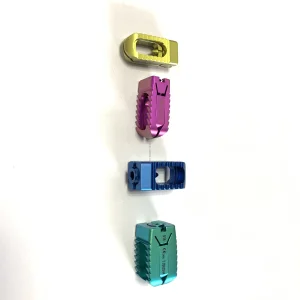
The global spinal fusion market is witnessing a rapid structural transition. For decades, polyetheretherketone (PEEK) dominated the interbody device market due to its radiolucency and bone-like elastic modulus. However, recent clinical evidence highlighting PEEK's hydrophobic surface and propensity for fibrous encapsulation has catalyzed a resurgence in titanium-based systems. Today's Titanium Interbody Cages utilize advanced medical-grade titanium alloys (primarily Ti-6Al-4V ELI) and pioneering porous surface treatments that actively promote osteointegration.
China's leading orthopedic manufacturers have adapted to this paradigm by integrating subtractive precision CNC machining with additive manufacturing (3D printing). Porous titanium structures engineered in Chinese high-tech zones mimic the trabecular architecture of cancellous bone. By controlling the pore size (typically between 300 to 800 microns) and porosity rates (50% to 80%), these implants optimize primary stability, reduce the modulus of elasticity to mitigate stress shielding, and facilitate rapid bone ingrowth directly into the implant matrix.
From raw medical-grade titanium ingot processing to cleanroom sterilization and secondary packaging, China's centralized industrial clusters minimize logistics overhead and lead times.
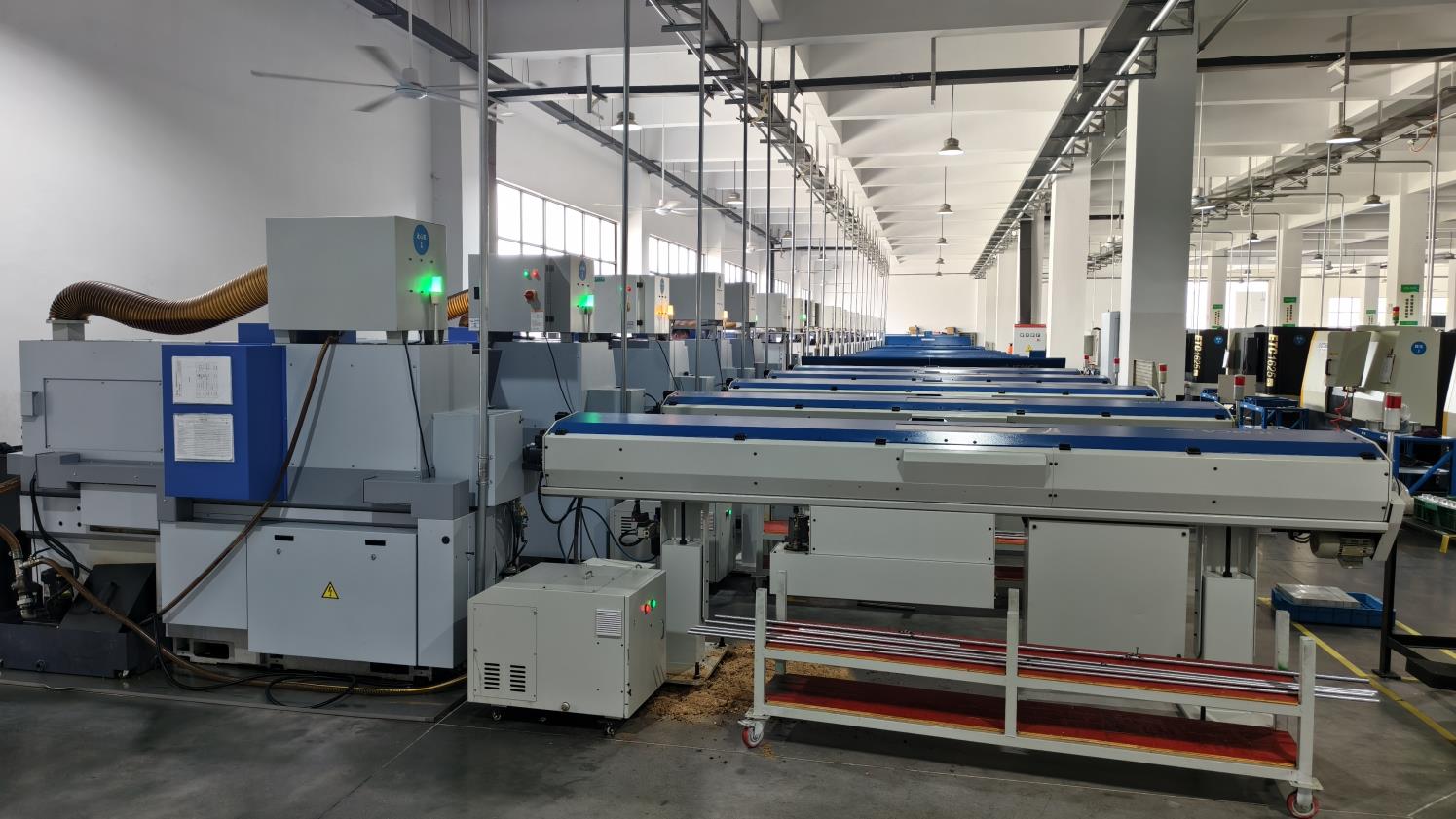
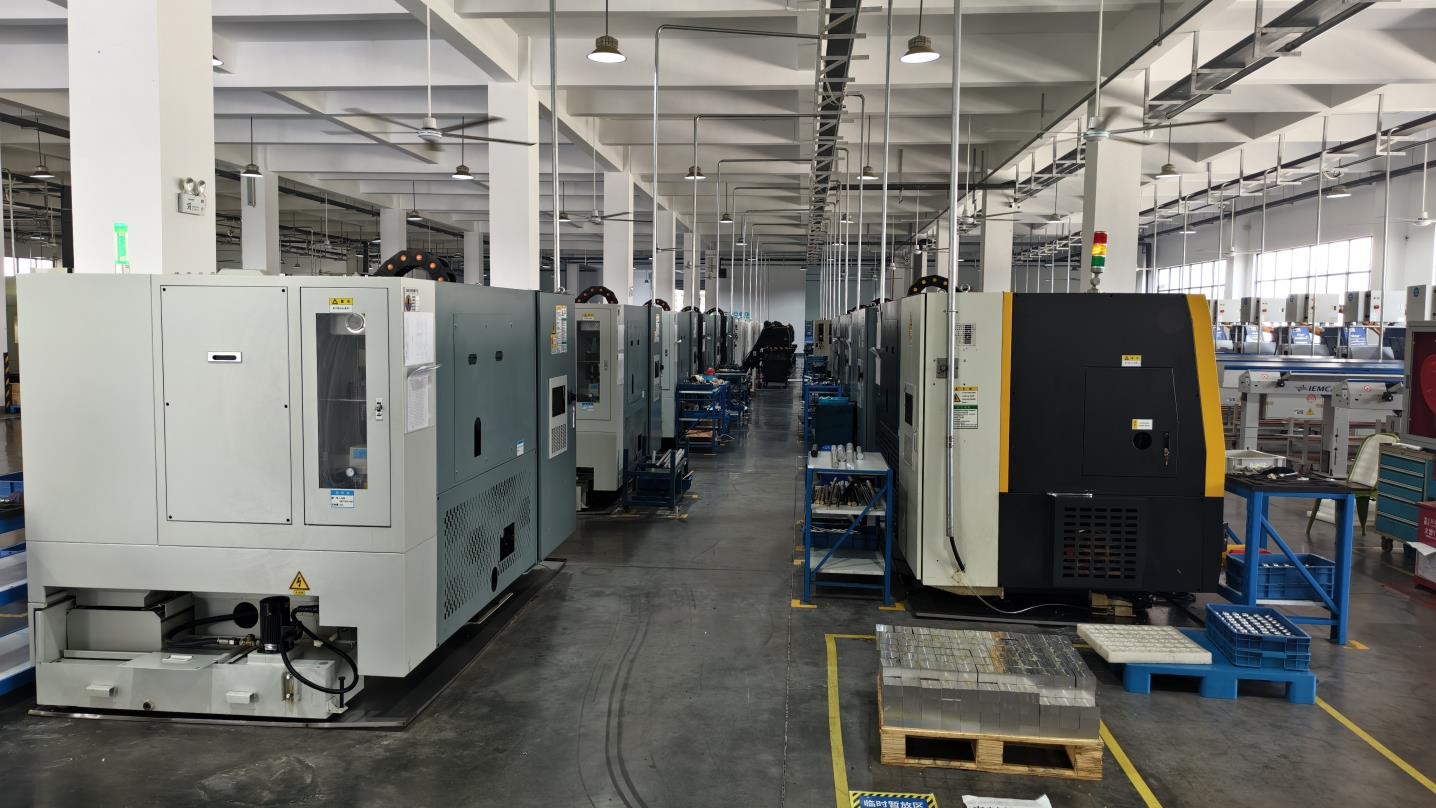
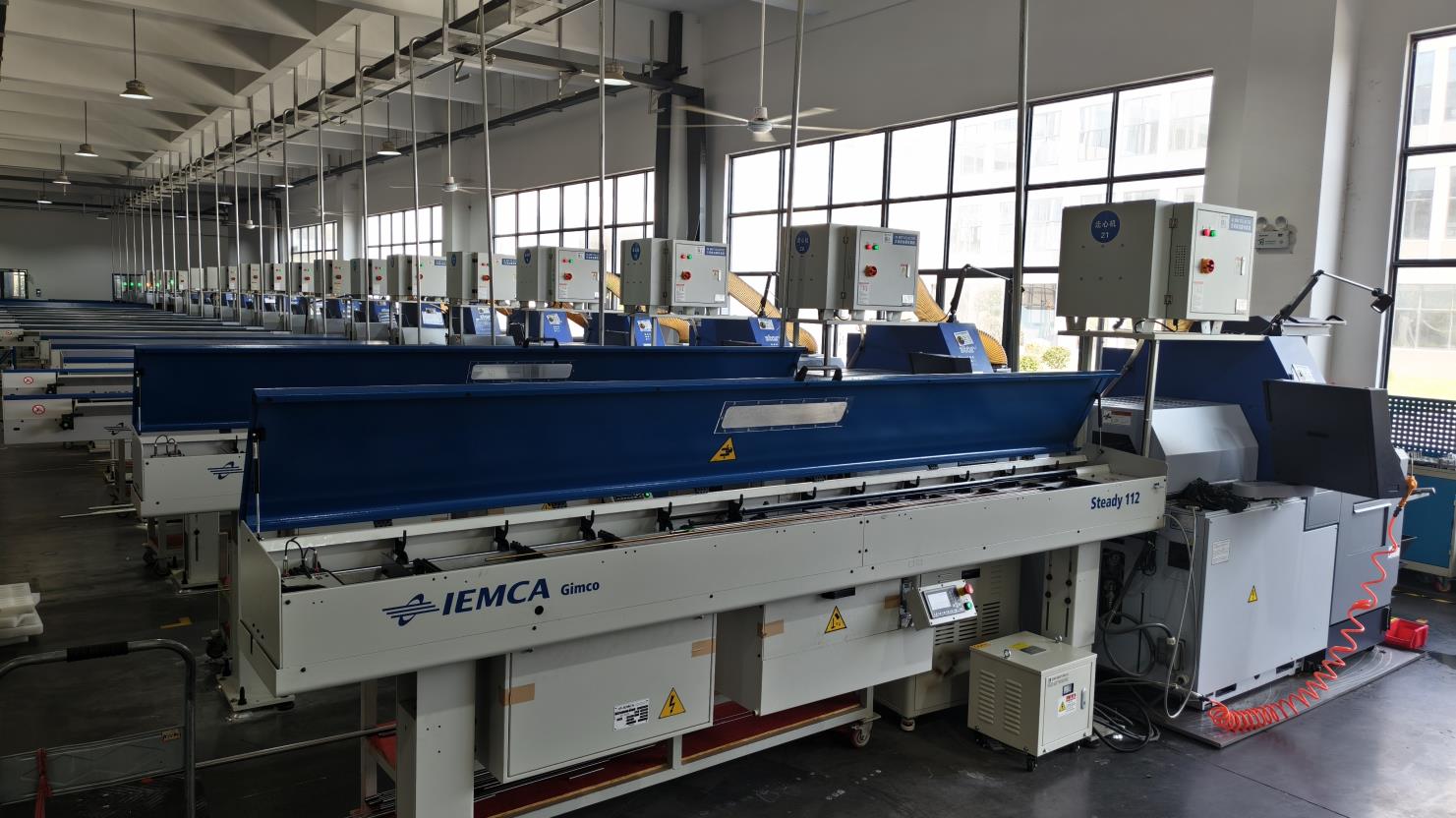
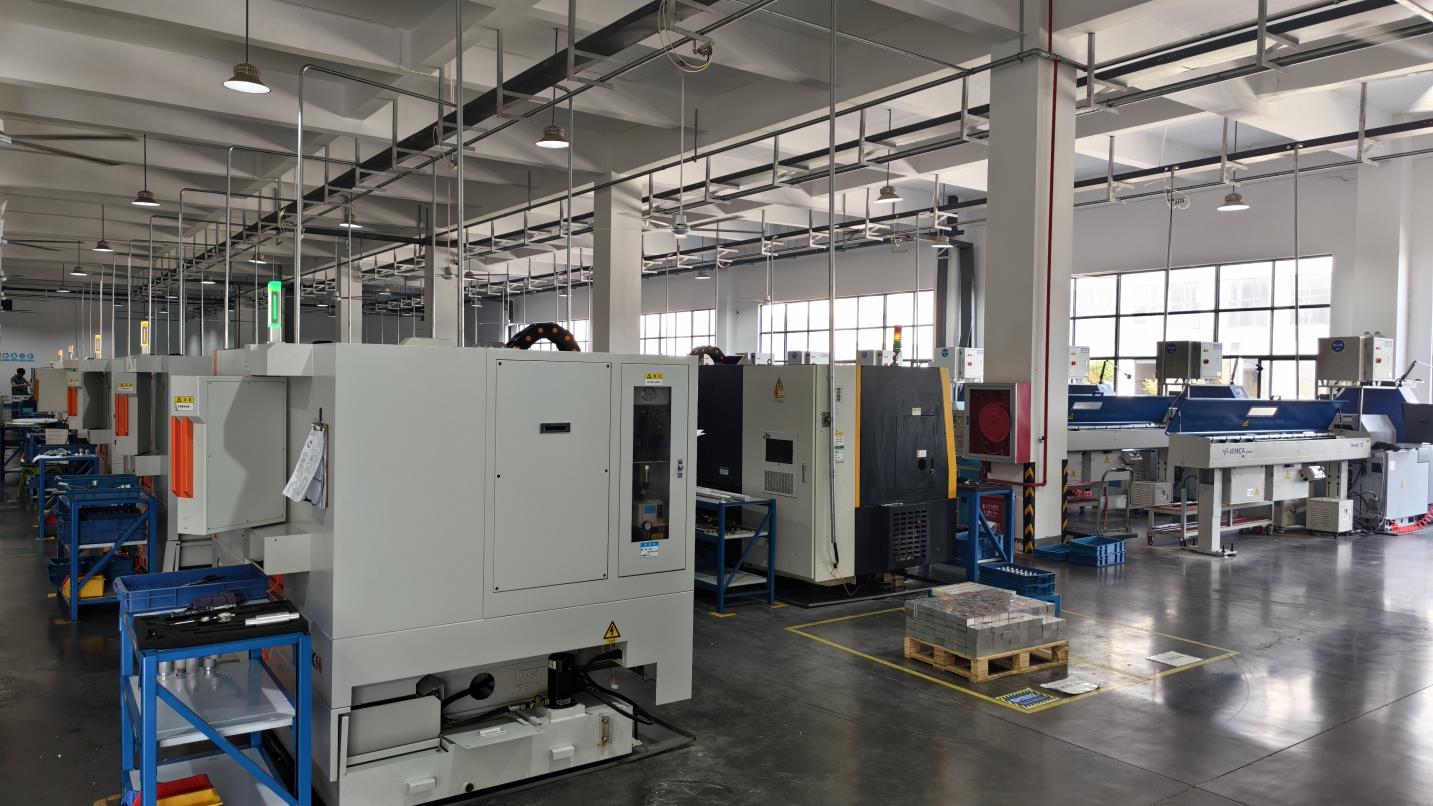
Utilizing Swiss-type multi-axis lathe and milling centers, Chinese factories guarantee micron-level dimensional tolerances, essential for complex thread designs and interlocking mechanisms.
Leading exporters like Moventra operate under strict ISO 13485 quality systems, delivering products certified for CE, and tracking regulatory pathways for diverse global regions.
For international medical brand owners and orthopedic distributors, procurement is no longer just about per-unit manufacturing cost. The total cost of ownership (TCO) includes regulatory compliance, biological risk mitigation, supply chain elasticity, and engineering agility. Chinese manufacturers have shifted from simple contract factories to strategic collaborative R&D partners. This enables global enterprises to transition from rigid, high-overhead domestic manufacturing models to agile, hybrid sourcing structures.
Through dedicated OEM/ODM divisions, factories provide comprehensive documentation packages (including material certificates, chemical characterization, fatigue test data conforming to ASTM F2077/F2267, and validation protocols) that directly support local registry submissions. This reduces the time-to-market for spinal implant startups and established multinational corporations alike.
Integrating world-class manufacturing infrastructures with strict medical device quality control protocols.
Moventra Medical Technology (China) Co., Ltd. is a professional manufacturer specializing in the research, development, production, and global supply of orthopedic medical devices and surgical solutions. Established in 2017, the company is dedicated to delivering innovative, high-quality products for trauma, spine, joint reconstruction, sports medicine, and orthopedic surgical procedures.
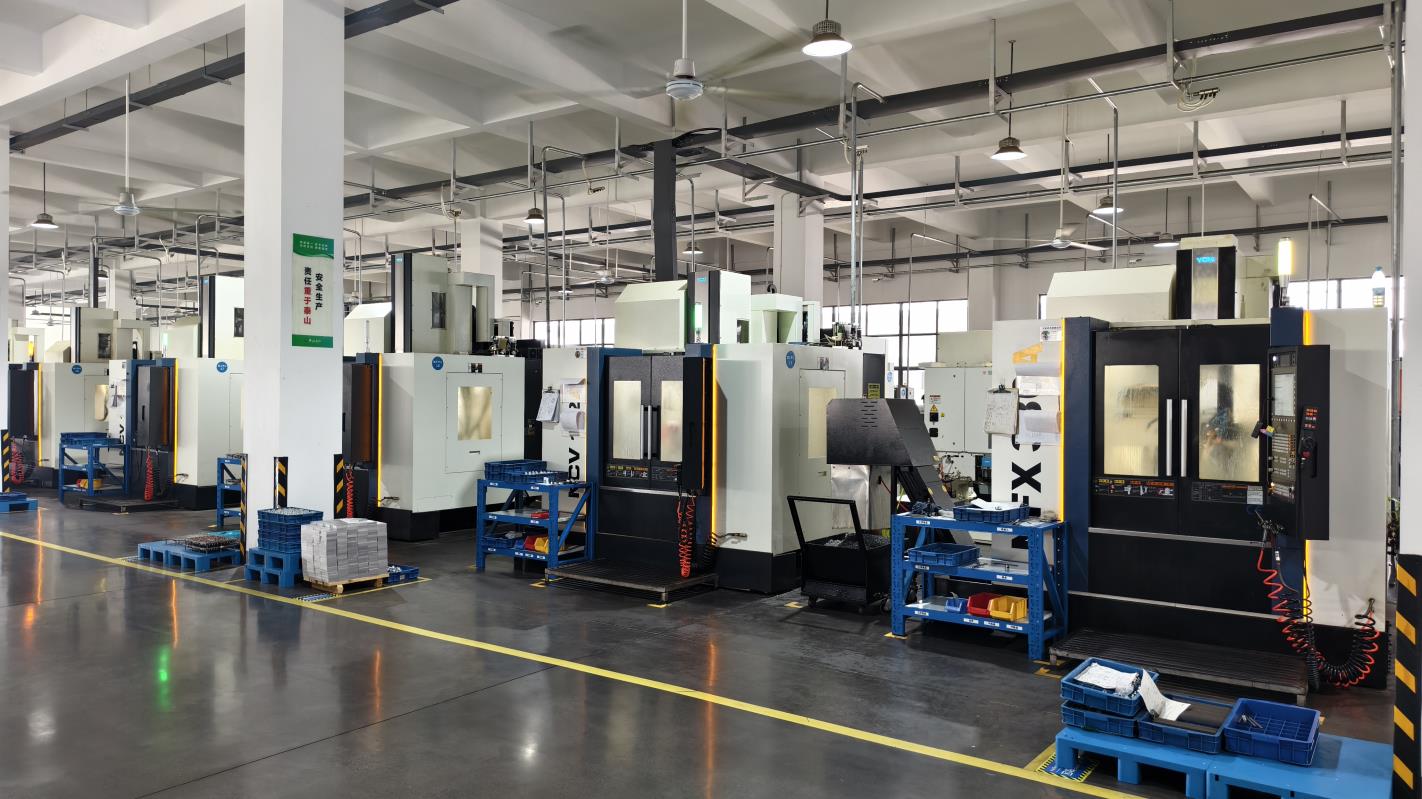
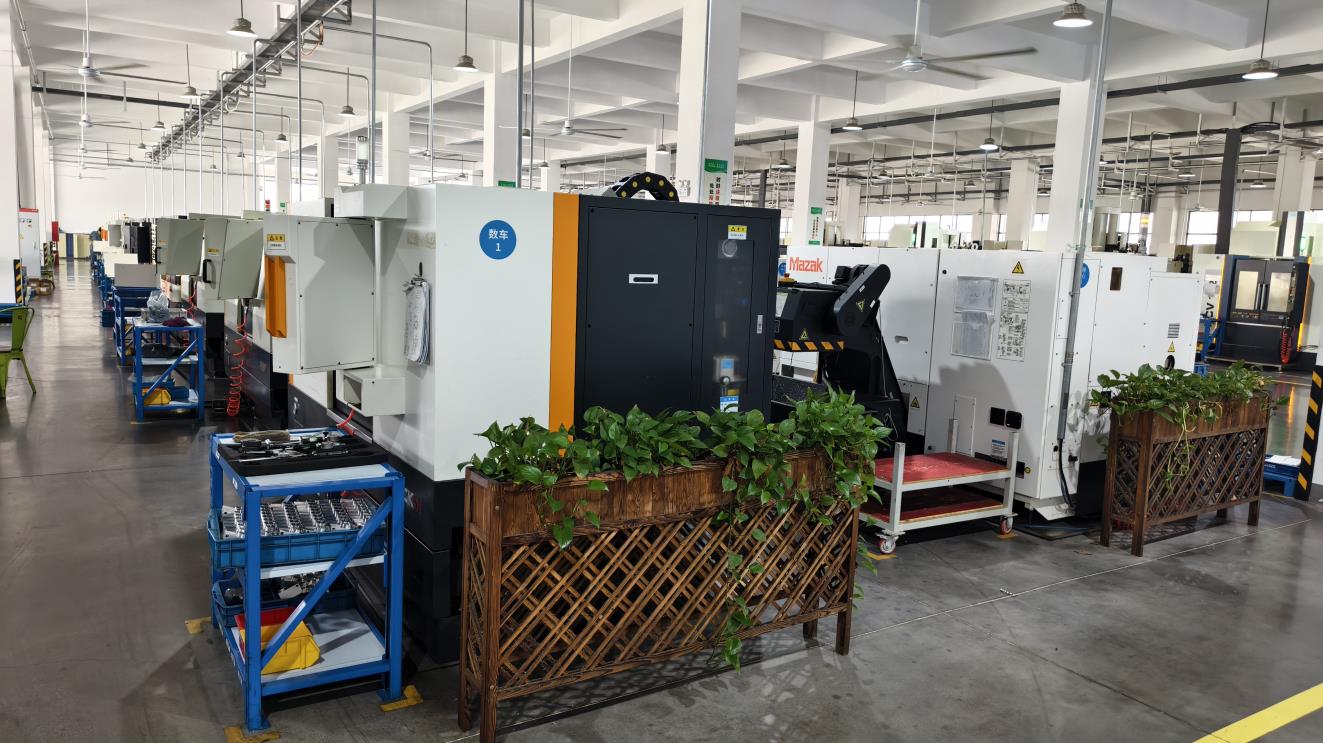
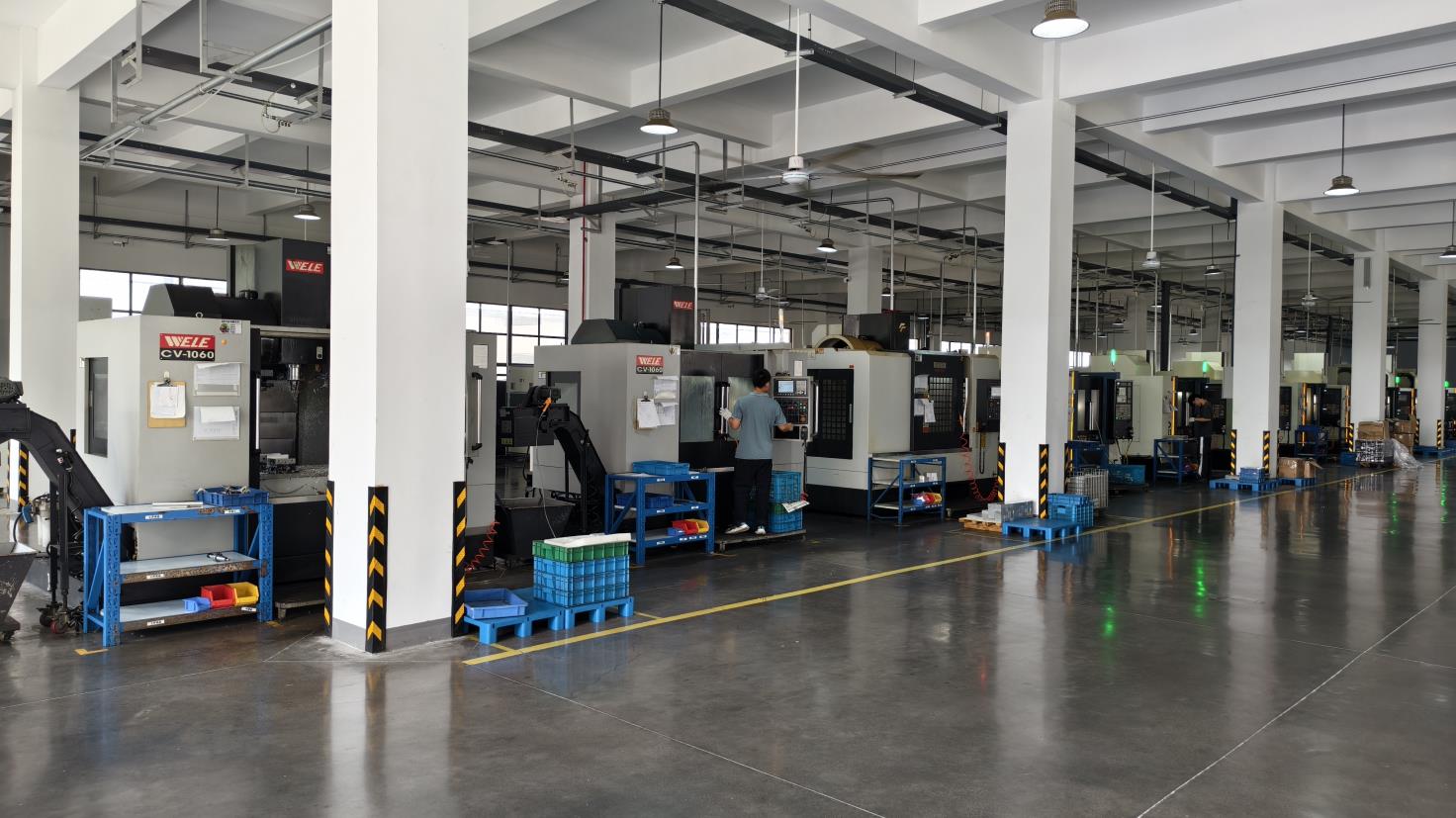
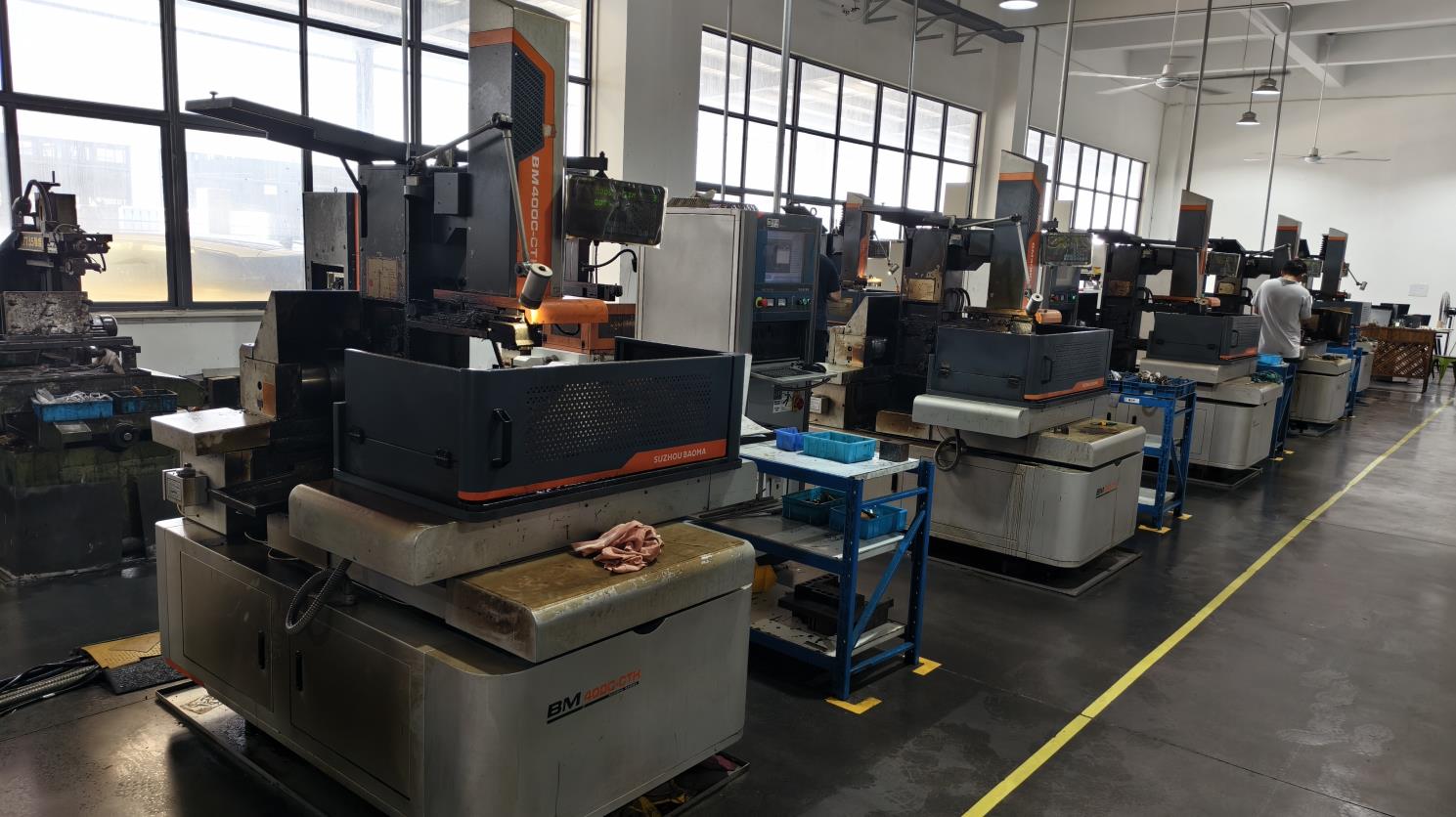
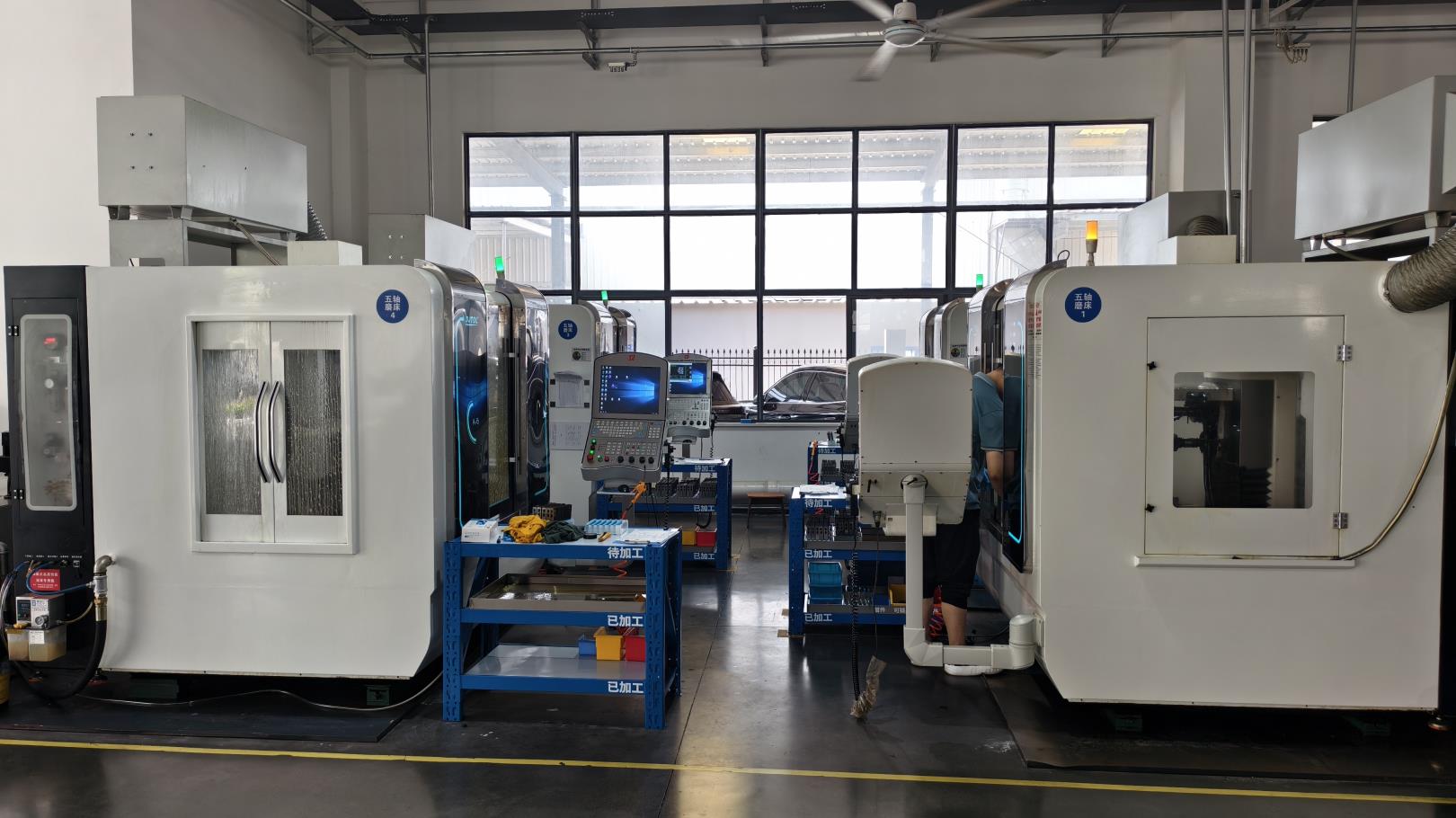
With a modern manufacturing facility covering 18,600 m², Moventra integrates advanced CNC machining, precision manufacturing, automated production lines, and strict quality management systems to ensure every product meets international medical standards. Our commitment to continuous innovation enables us to provide reliable OEM and ODM services for global medical device brands, distributors, and healthcare institutions.
Supported by an experienced R&D team and comprehensive quality assurance system, Moventra continuously develops innovative orthopedic solutions that improve surgical efficiency and patient outcomes. Our products are exported to customers worldwide and are trusted for their precision, safety, and consistent performance.
| Item | Details |
|---|---|
| Company Name | Moventra Medical Technology (China) Co., Ltd. |
| Brand | Moventra |
| Established | 2017 |
| Facility Area | 18,600 m² |
| Annual Export Revenue | USD 23.8 Million |
| Export Experience | 7 Years |
| Industry Experience | 13 Years |
| Quality Inspection | 100% Quality Inspection Before Shipment |
| Product Inspection Methods | Dimensional Inspection, Material Analysis, Surface Finish Inspection, Mechanical Performance Testing, Sterility Verification |
| Quality Control Staff | 48 |
| Business Type | Manufacturer, OEM & ODM, Exporter |
| Main Markets | North America, Europe, South America, Middle East, Southeast Asia, Australia |
| Supply Chain Partners | 1,120 |
| Main Customer Types | Medical Device Brands, Orthopedic Distributors, Hospitals, Importers, Government Procurement Projects |
| R&D Capability | Independent Product Design, Rapid Prototyping, OEM/ODM Development, Customized Engineering Solutions |
| Customization Options | Logo Customization, Packaging Customization, Product Design Customization, Drawing-Based Manufacturing, Sample-Based Manufacturing |
| New Products Released Last Year | 156 |
| R&D Engineers | 86 |
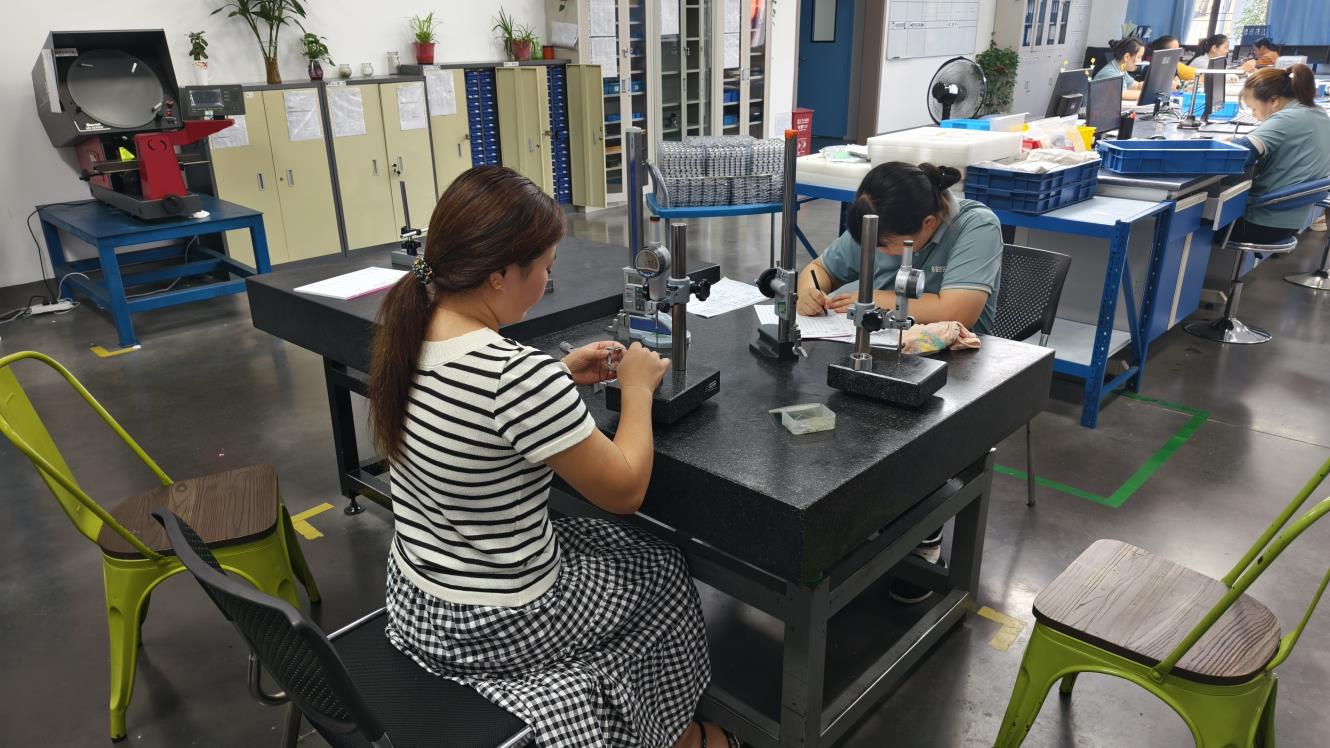
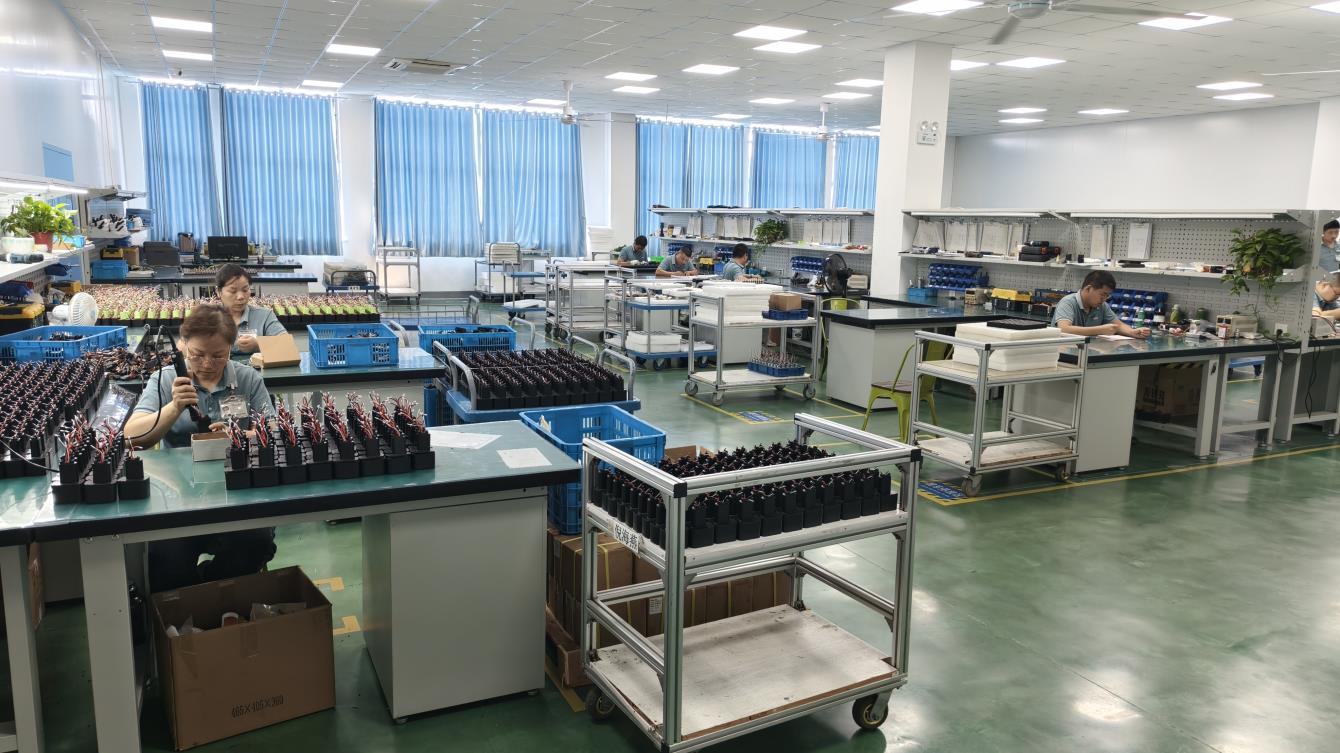
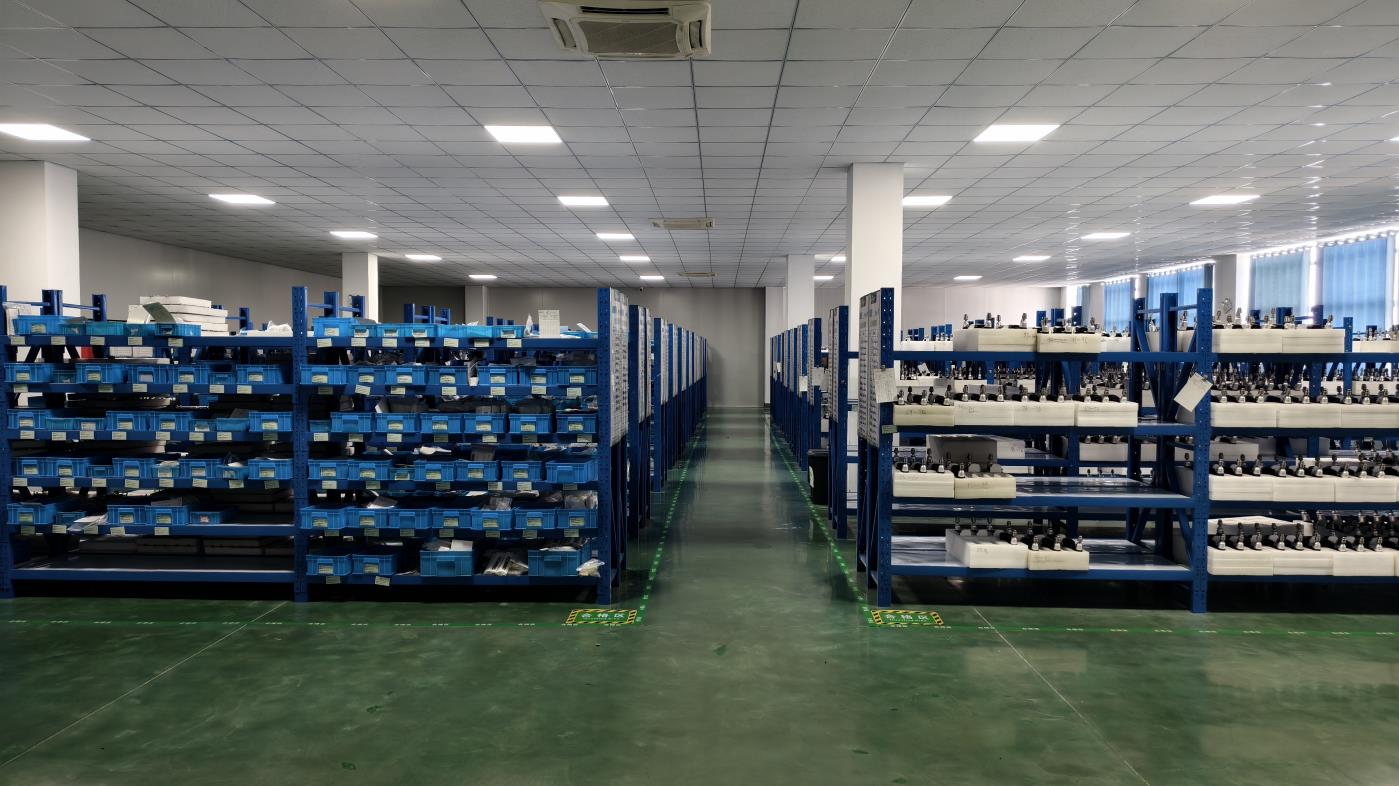
A visual tour of our production centers, precision Swiss-type lathes, quality assurance testing equipment, and cleanrooms.
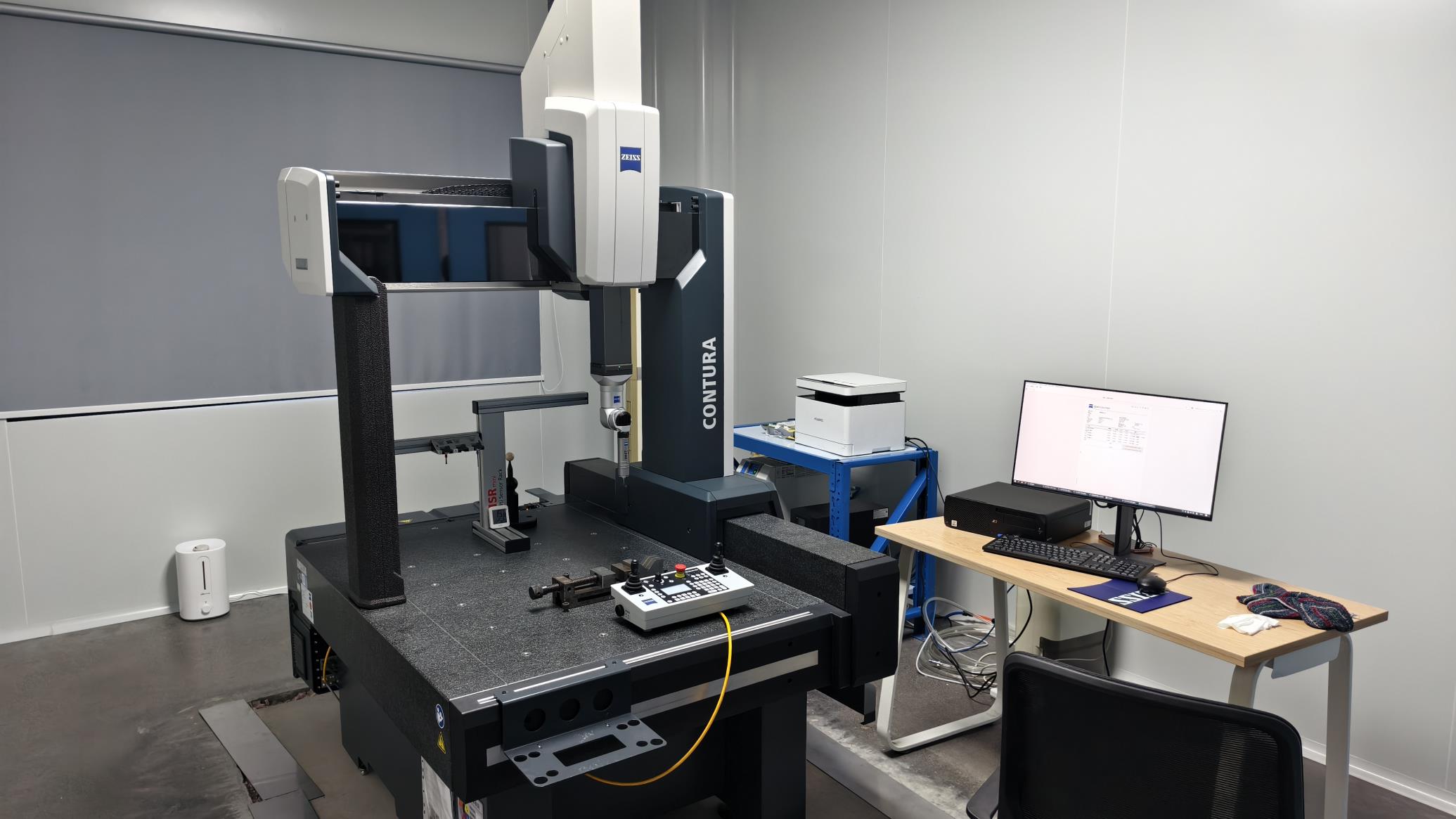
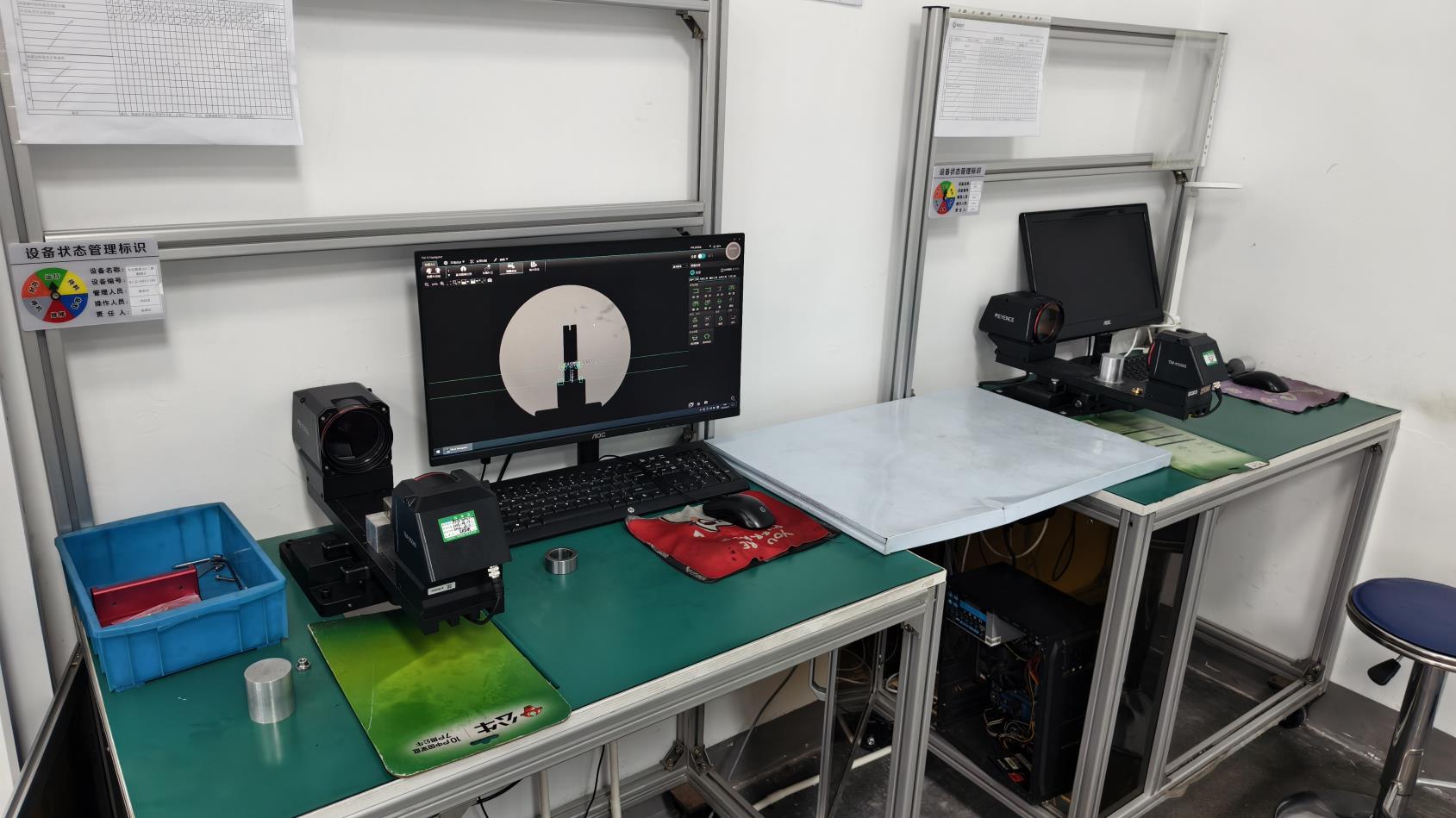
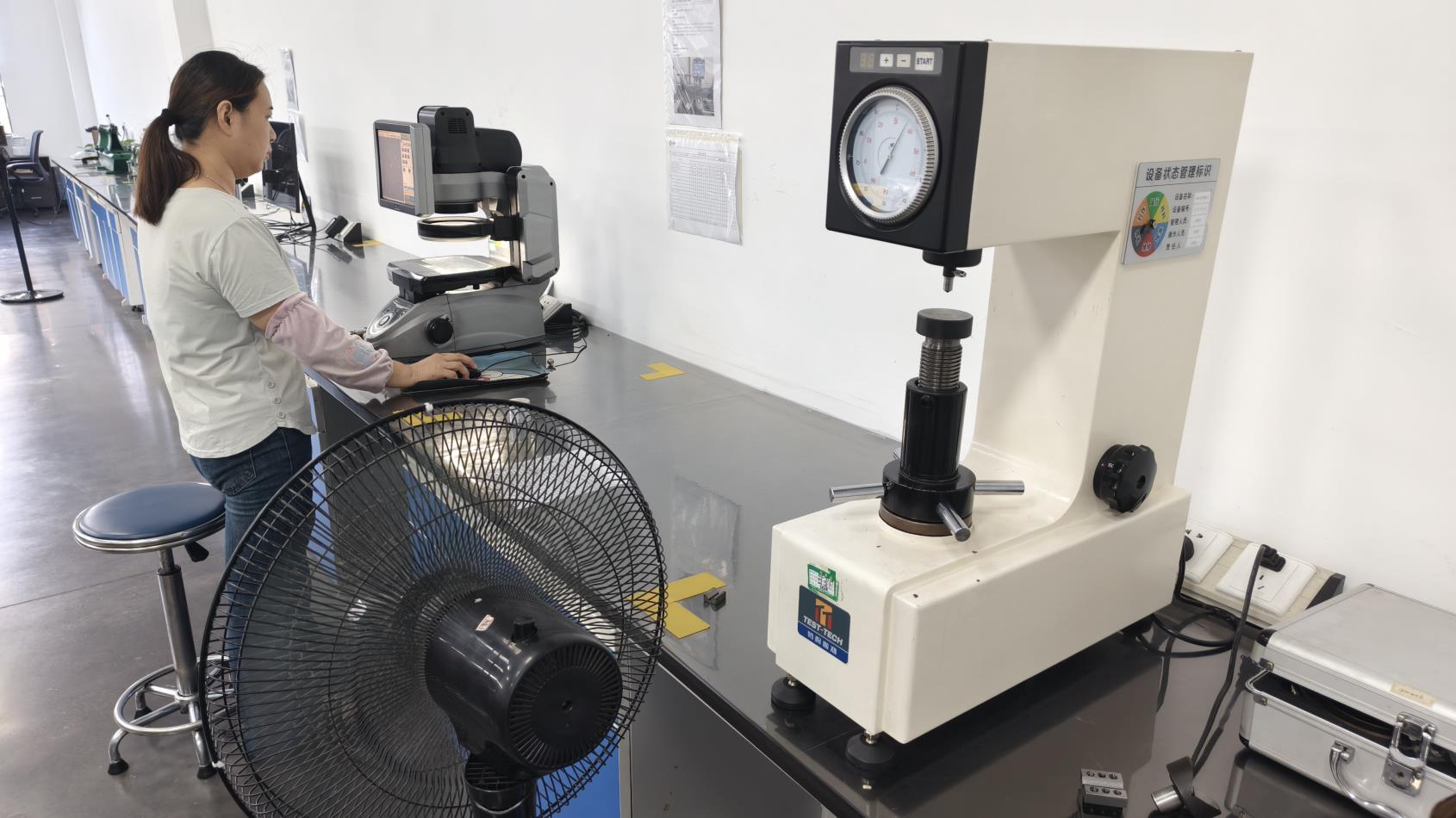
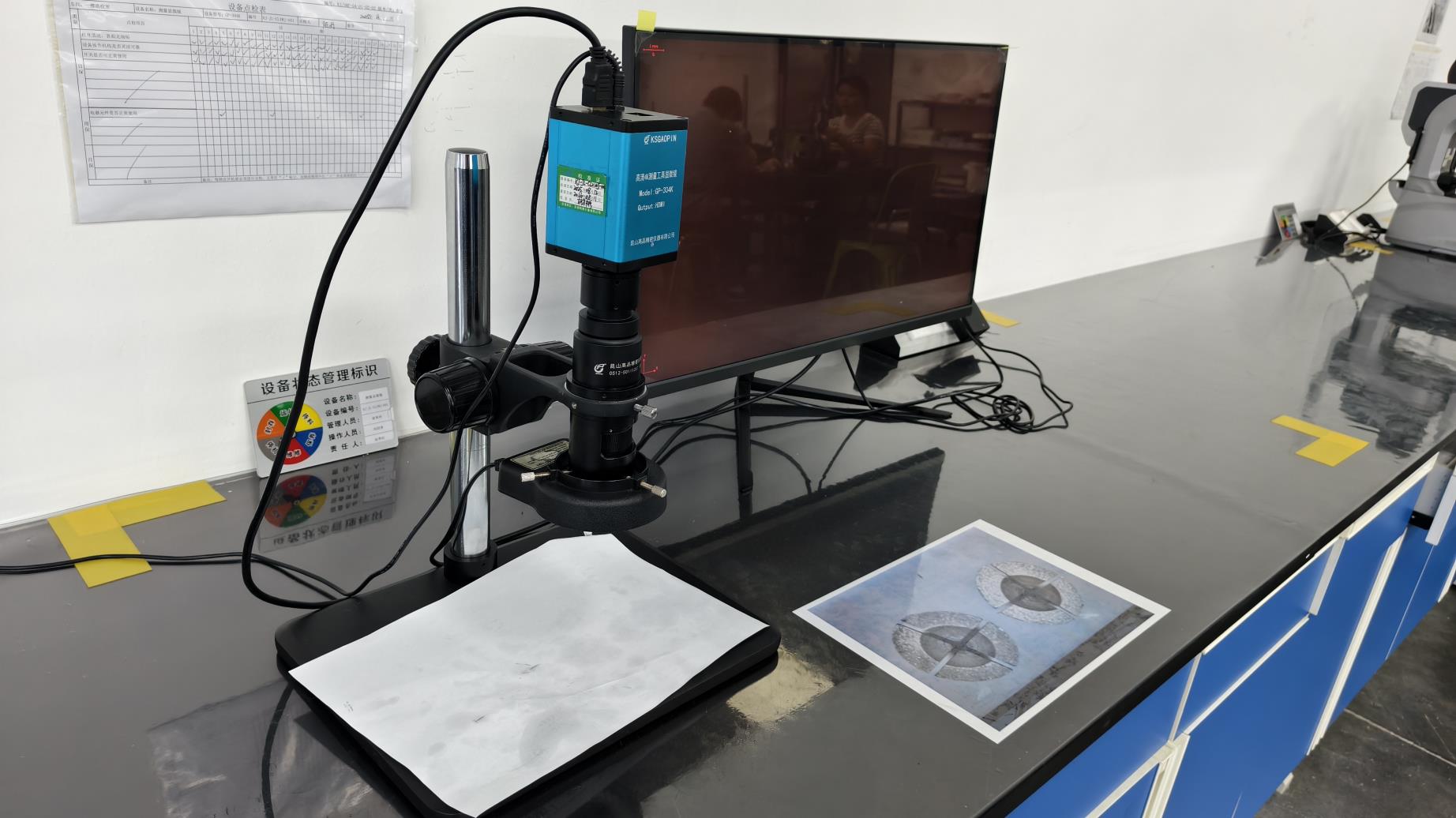
Orthopedic procedures demand high levels of personalization. Interbody fusion procedures vary in anatomical approach and mechanical requirements. Moventra's range of PEEK and Titanium interbody fusion cages is engineered to support different clinical approaches:
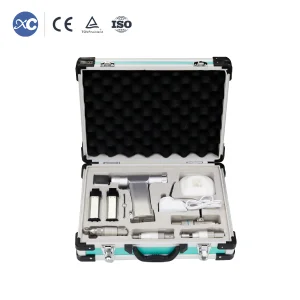
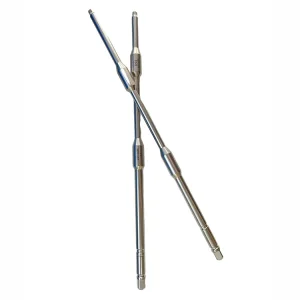
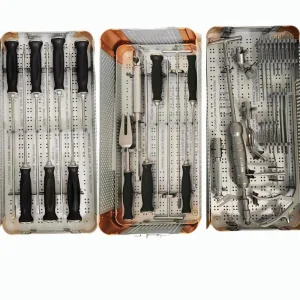
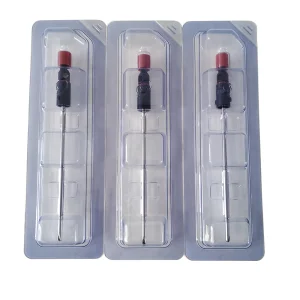
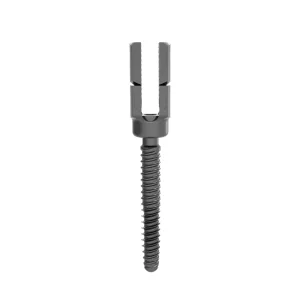
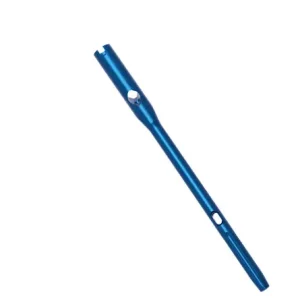
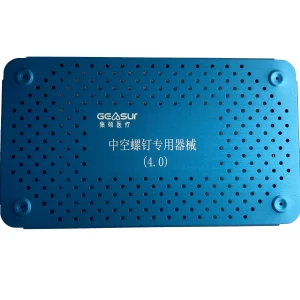
Each application demands custom instrumentation. Moventra supplies complete spinal fixation sets, including spinal rods, pedicle screws, and dedicated insertion and extraction instruments. This comprehensive solution ensures compatibility and streamlines procurement for distributors supplying modern surgical centers.
We maintain high regulatory standards at every stage of production. Raw materials undergo rigorous verification before entering manufacturing. Each batch of titanium alloy (Ti-6Al-4V ELI) is analyzed using optical emission spectroscopy and mechanical tensile testing to confirm compliance with ASTM F136 requirements.
Our quality control laboratory is equipped with state-of-the-art metrology instruments. As seen in our facility profile, our QA staff of 48 uses Three-Coordinate Measuring Machines (CMM) and 2D optical micrometers to verify dimensional accuracy, keeping thread profiles, internal tolerances, and locking mechanisms within micron-level limits. Standard testing also includes surface roughness profiling to evaluate the micro-texture of raw titanium cages, ensuring it supports optimal cellular attachment and tissue response.
Answers to key technical questions from orthopedic distributors, procurement officers, and regulatory specialists.
Explore our line of trauma fixations, joint reconstruction systems, and veterinary power tools designed to meet diverse surgical requirements.
 Moventra Medical