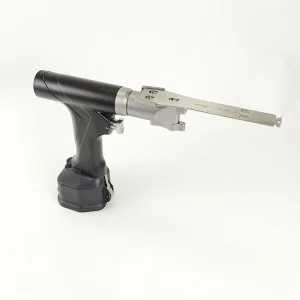
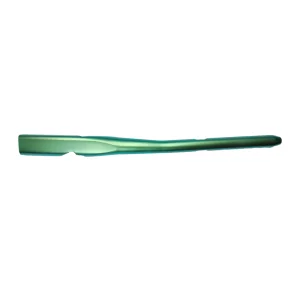
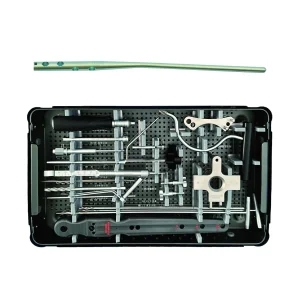
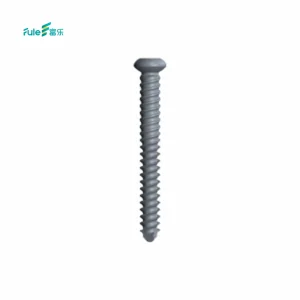
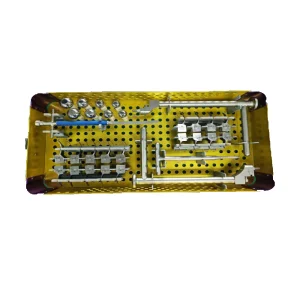
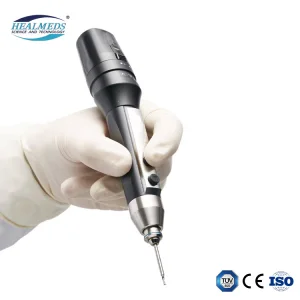
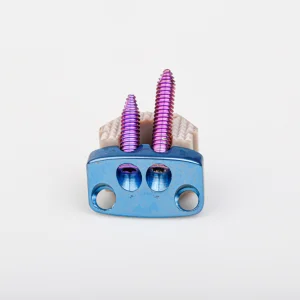
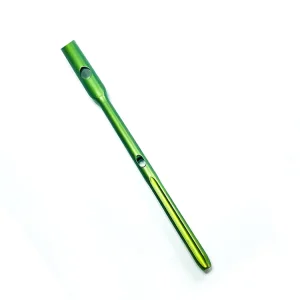
Explore the top-tier selection of precision-engineered orthopedic implants, power systems, and specialized instruments.
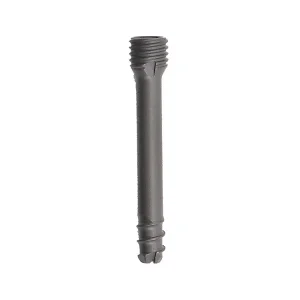
In modern spinal reconstructive surgery, cannulated pedicle screws have emerged as a critical innovation, fundamentally reshaping the execution of Minimally Invasive Spine Surgery (MISS). Traditionally, solid pedicle screws required extensive muscle dissection and direct visualization for accurate placement. The transition to cannulated designs—featuring a hollow longitudinal core—allows surgeons to insert the implant smoothly over a guidewire under fluoroscopic or navigation guidance. This minimizes intraoperative tissue damage, curtails post-operative recovery times, and dramatically reduces blood loss.
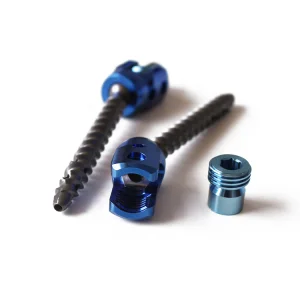
Industry dynamics show a marked shift toward multi-axial systems that integrate cement-augmented designs. For elderly populations presenting with poor bone mineral density or severe osteoporosis, standard pedicle screws face increased risk of pull-out or mechanical loosening. Cannulated screws with lateral fenestrations enable PMMA (Polymethyl Methacrylate) cement injection through the internal shaft into the surrounding trabecular bone structure. This technique provides immediate reinforcement, lowering complication rates and expanding the envelope of safely treatable clinical cases globally.
Enables percutaneous spinal fusion over high-tensile guide wires, reducing paraspinal muscle dissection and preservation of local vascular networks.
Fenestrated shafts allow strategic PMMA deposition directly in weak, osteoporotic bone regions, ensuring maximum construct rigidity.
Engineered tight tolerances of internal lumens facilitate seamless alignment with optical or electromagnetic intraoperative navigation probes.
B2B buyers, including orthopedic distributors, hospital chains, and global medical device brands, must prioritize specific mechanical and biological properties when importing implants. Sourcing criteria has moved far beyond simple per-unit cost. Buyers now run comprehensive evaluations of mechanical fatigue resistance (validated through ASTM F1717 standards), bio-compatibility, raw material chemical consistency, and international regulatory compliance.
To maintain clinical safety and pass local regulatory checks (such as US FDA 510(k), European CE MDR, and Brazilian ANVISA), implants must display pristine material traceability. Leading international brands require raw material inputs to consist strictly of medical-grade Titanium Alloys (Ti-6Al-4V ELI conforming to ASTM F136 or ISO 5832-3). Any deviance in chemical composition—specifically oxygen or nitrogen content—can drastically degrade fatigue life under dynamic physiological loads, resulting in premature implant failure.
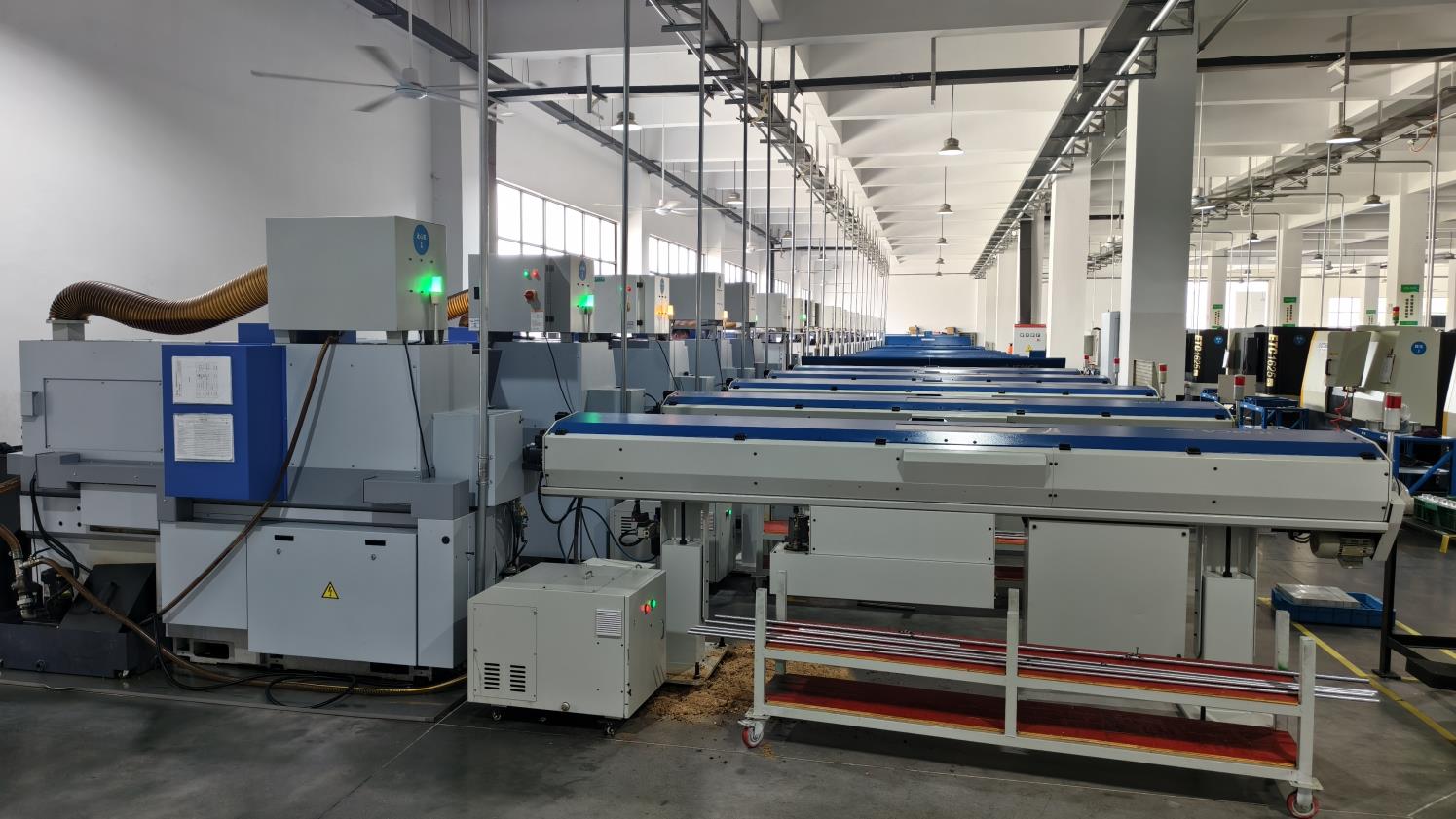
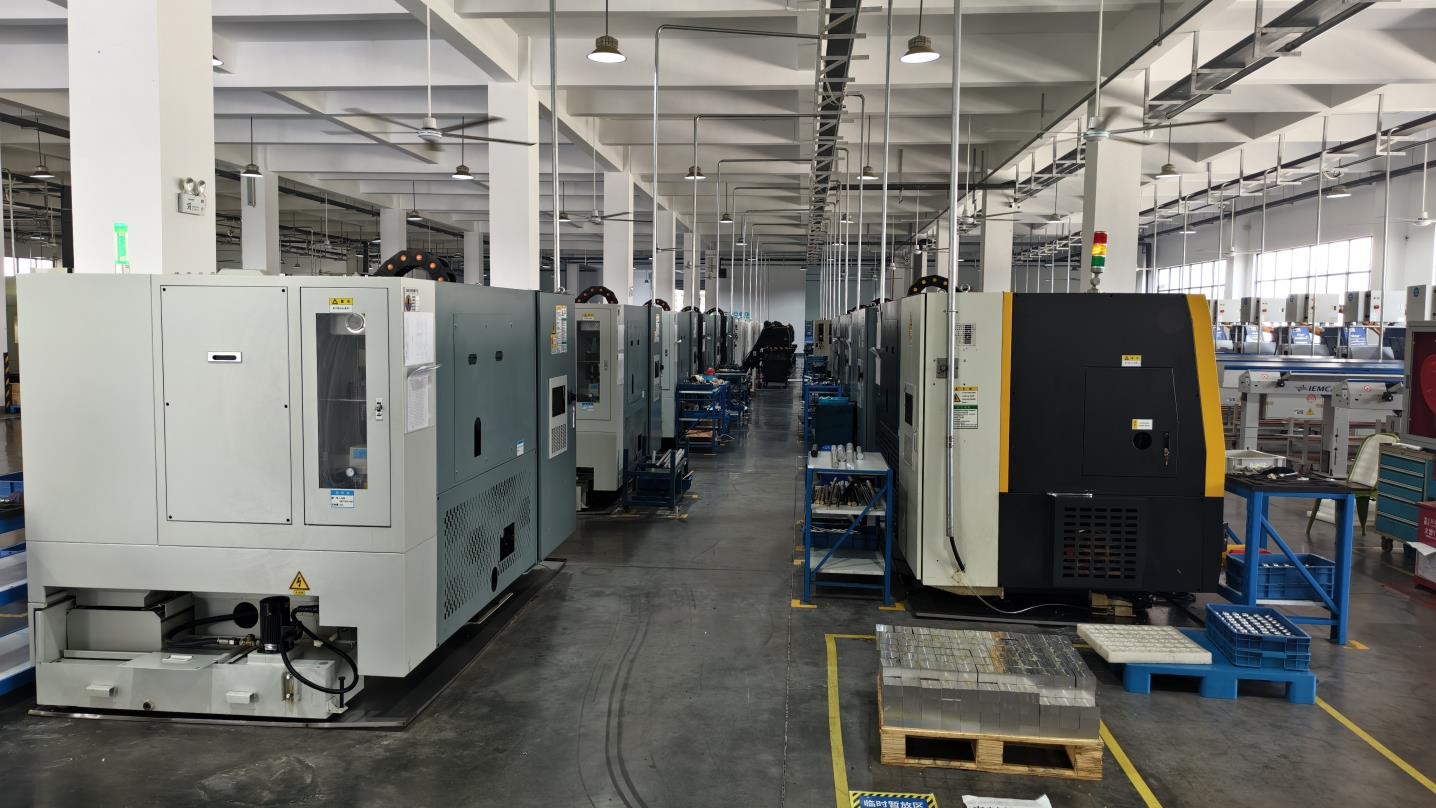
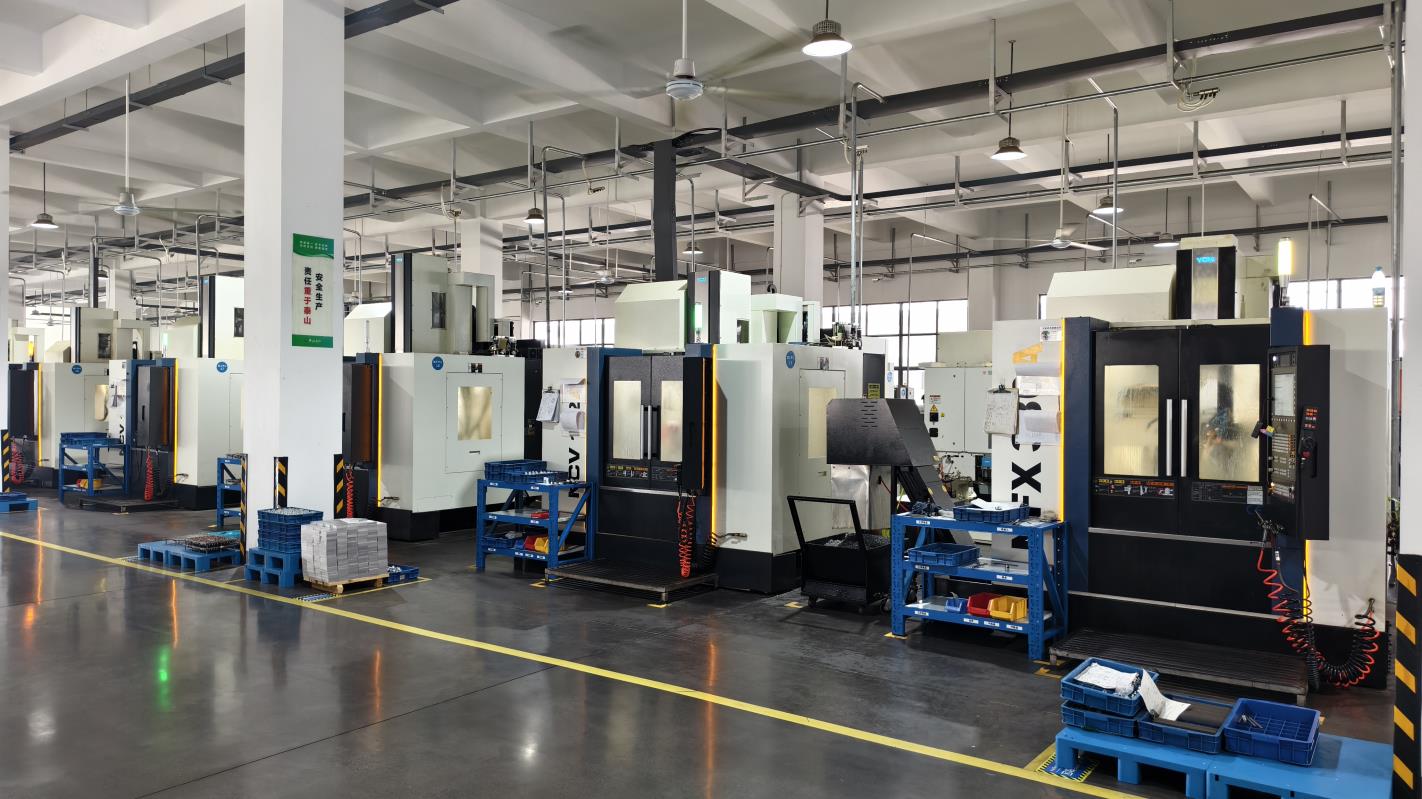
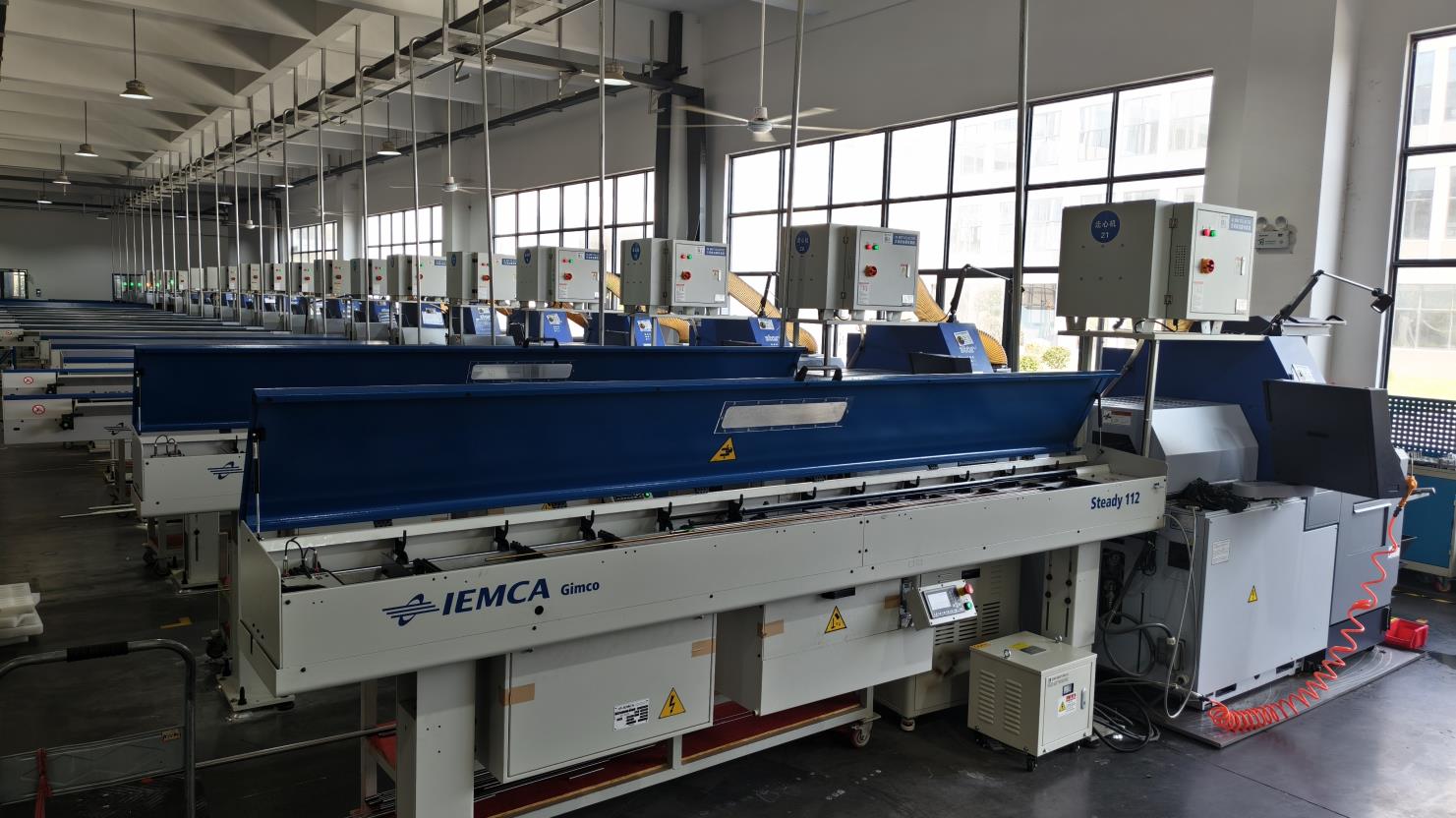
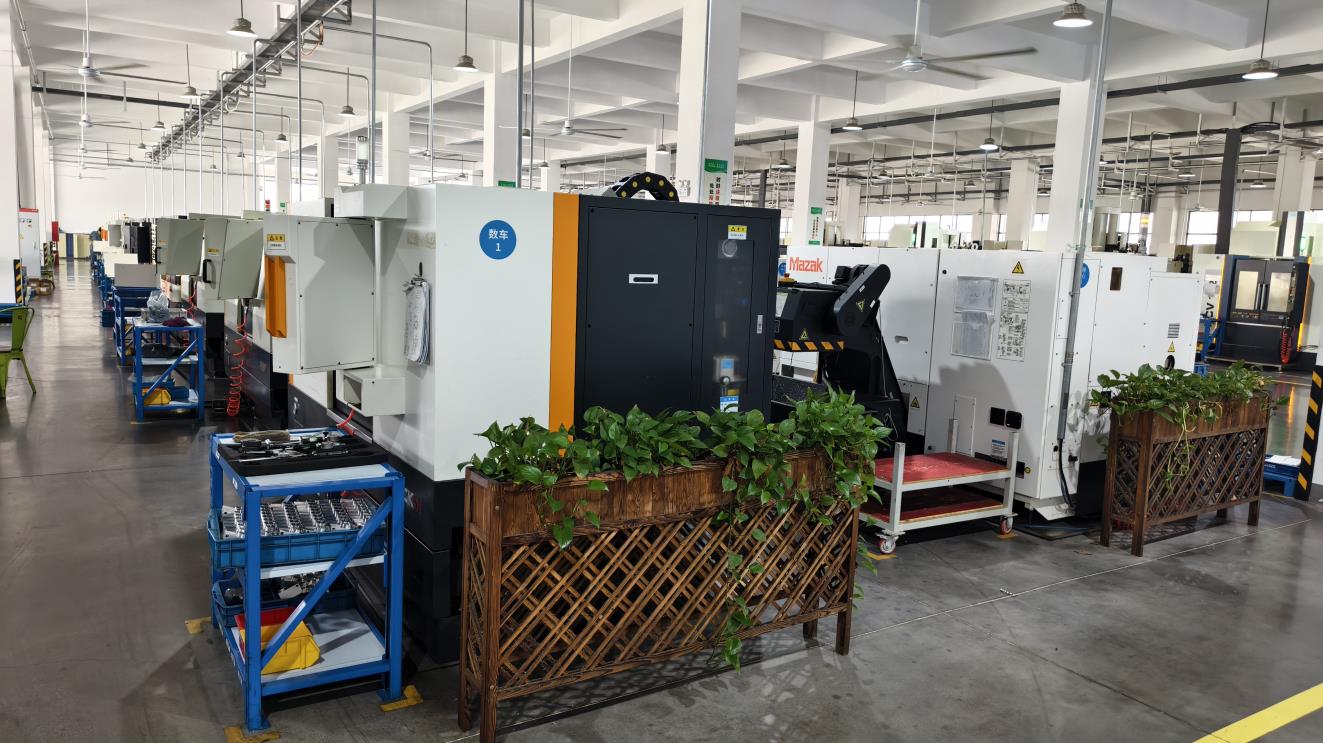
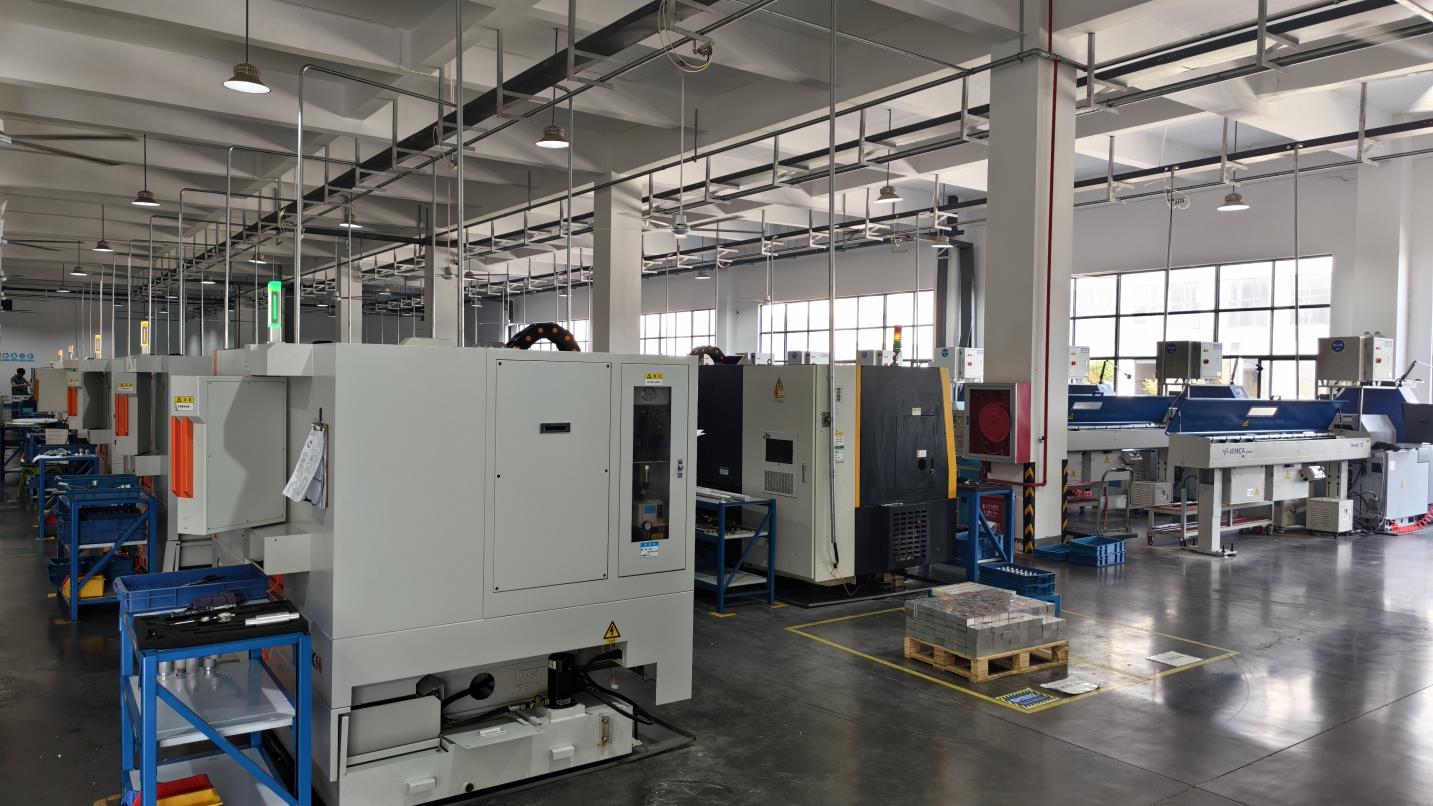
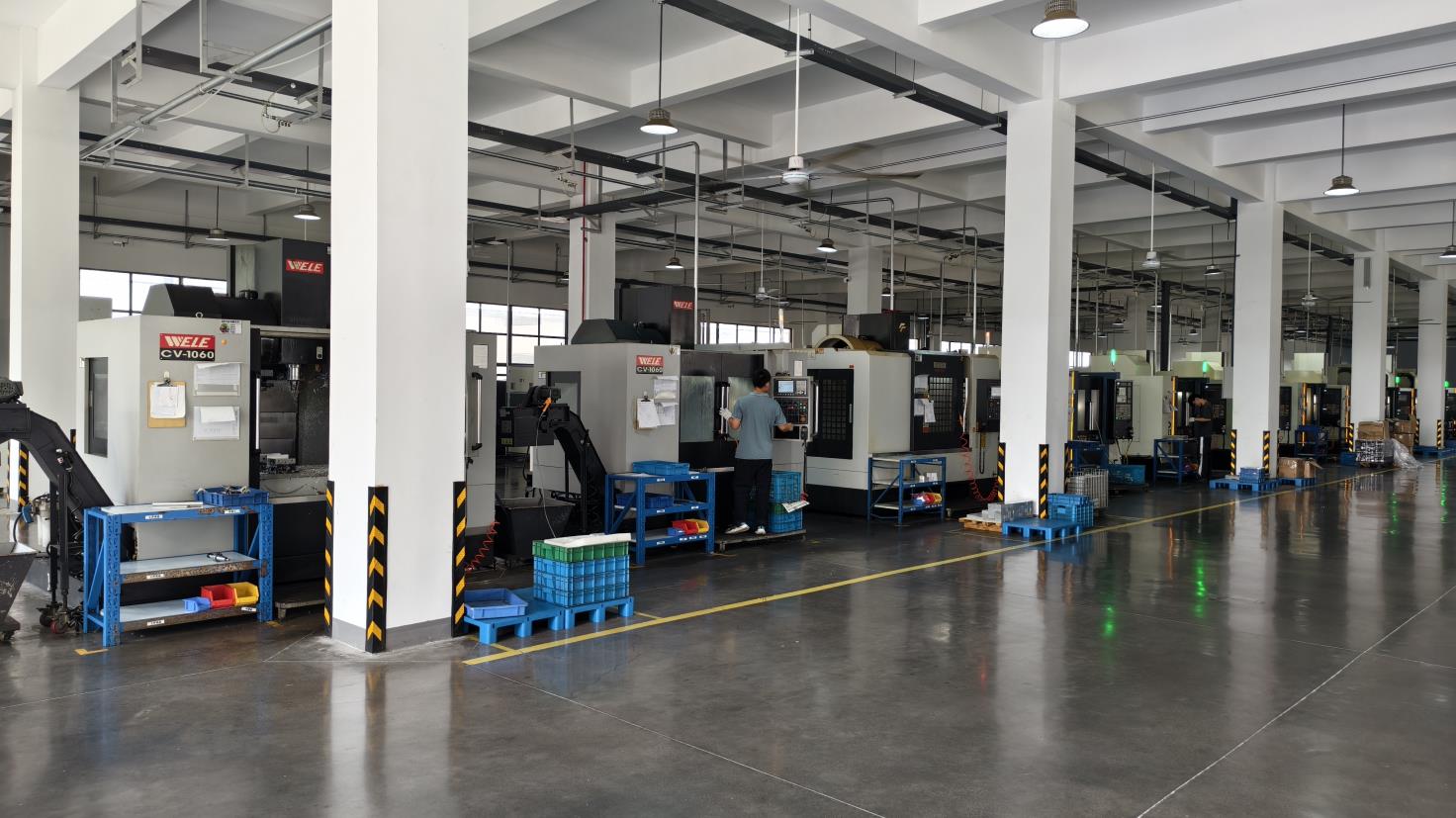
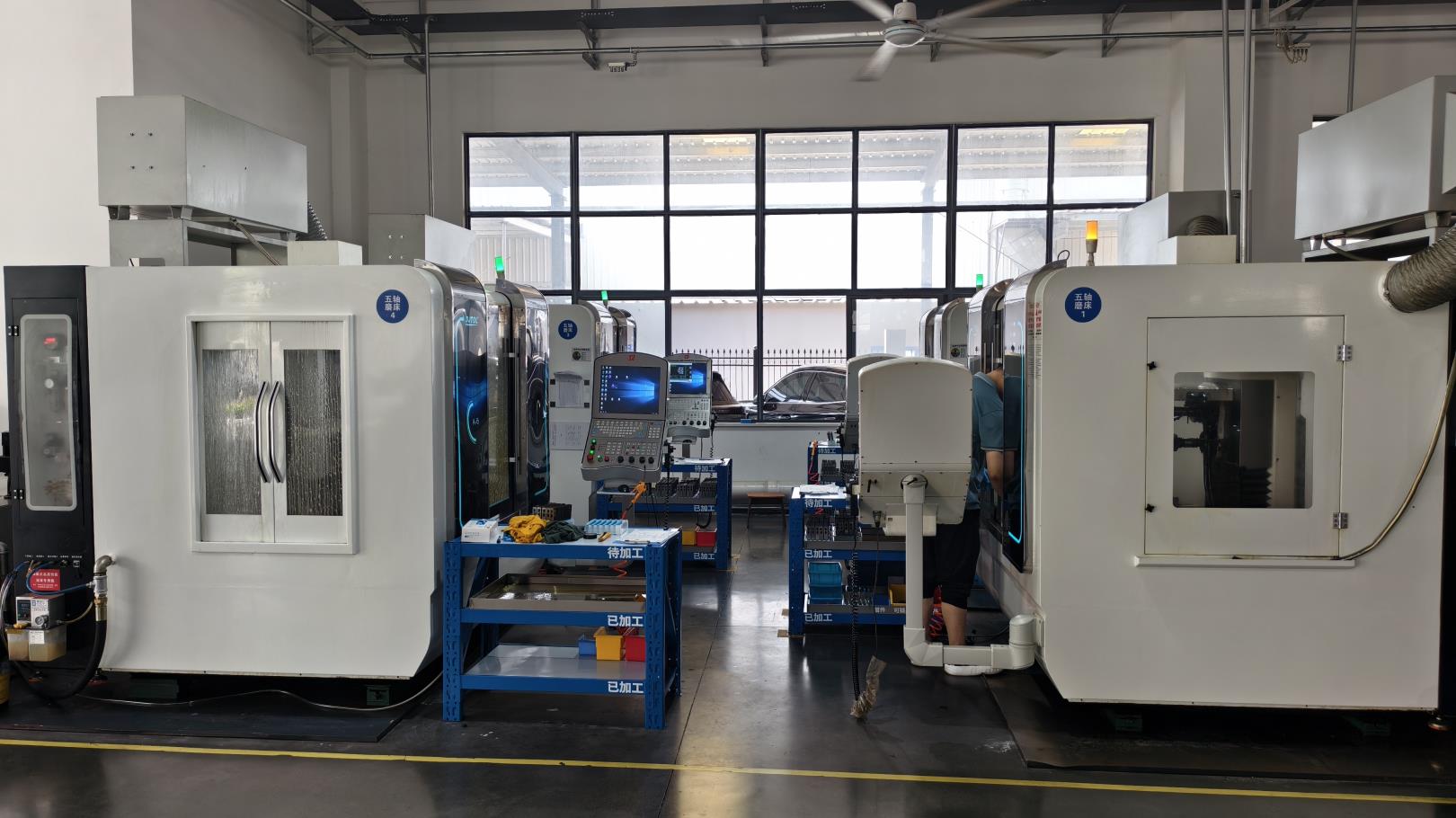
The global medical device supply chain is undergoing structural changes. Advanced Chinese manufacturing facilities are moving past standard high-volume processing to implement Smart Factory initiatives (Industry 4.0). This paradigm shift integrates high-precision CNC multi-axis Swiss-type lathe machinery, automated sensor-driven dimensional testing, and complete environmental control (ISO Class 7/8 Cleanrooms).
By automating core production phases, manufacturers ensure extreme consistency, maintaining dimensional tolerances as strict as ±0.005mm across high-volume production runs. Furthermore, structural supply chain integration in key industrial zones facilitates short turnaround times for customized implant modifications, raw material access, and testing validation. This provides global distributors with reliable inventory buffers during unpredictable demand spikes.
Moventra Medical Technology (China) Co., Ltd. is a leading professional manufacturer specializing in the research, development, production, and global supply of orthopedic medical devices and surgical solutions. Established in 2017, the company focuses on providing highly reliable, innovative implants and tools spanning spine stabilization, joint reconstruction, sports medicine, trauma fixation, and customized surgical procedures.
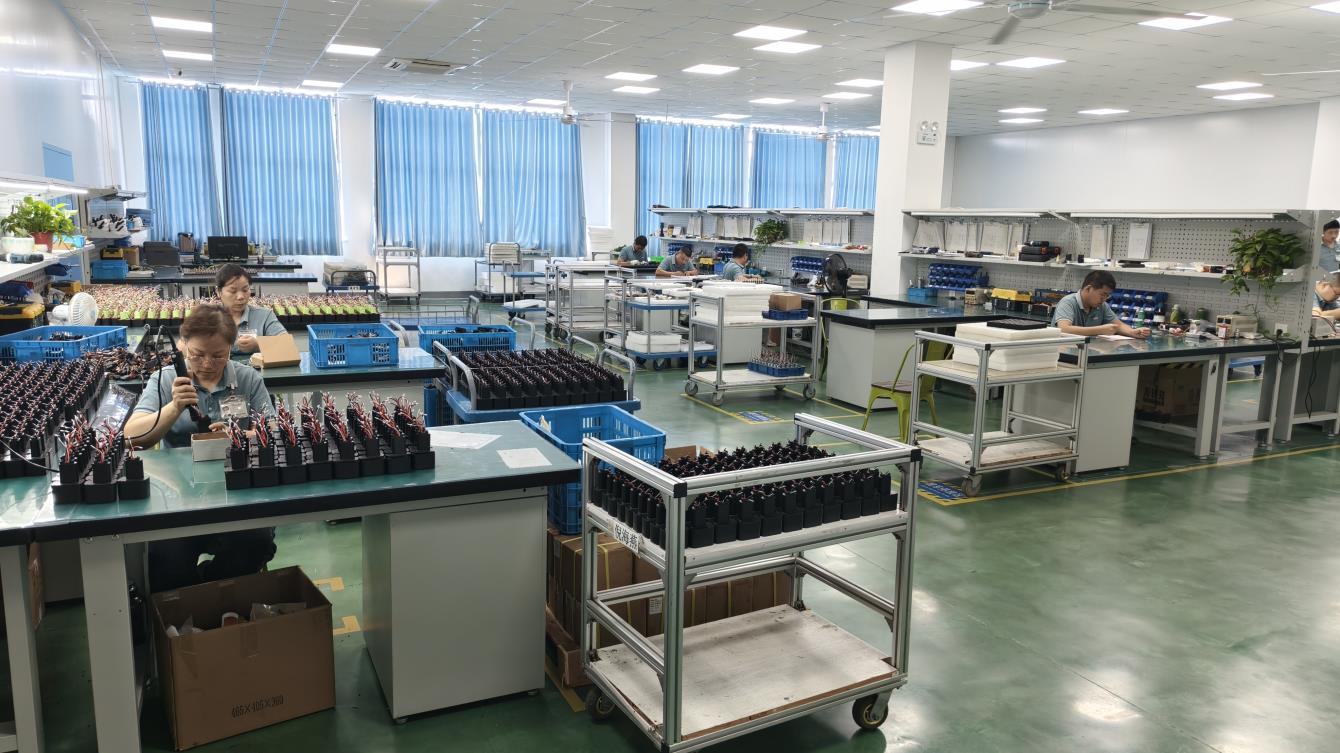
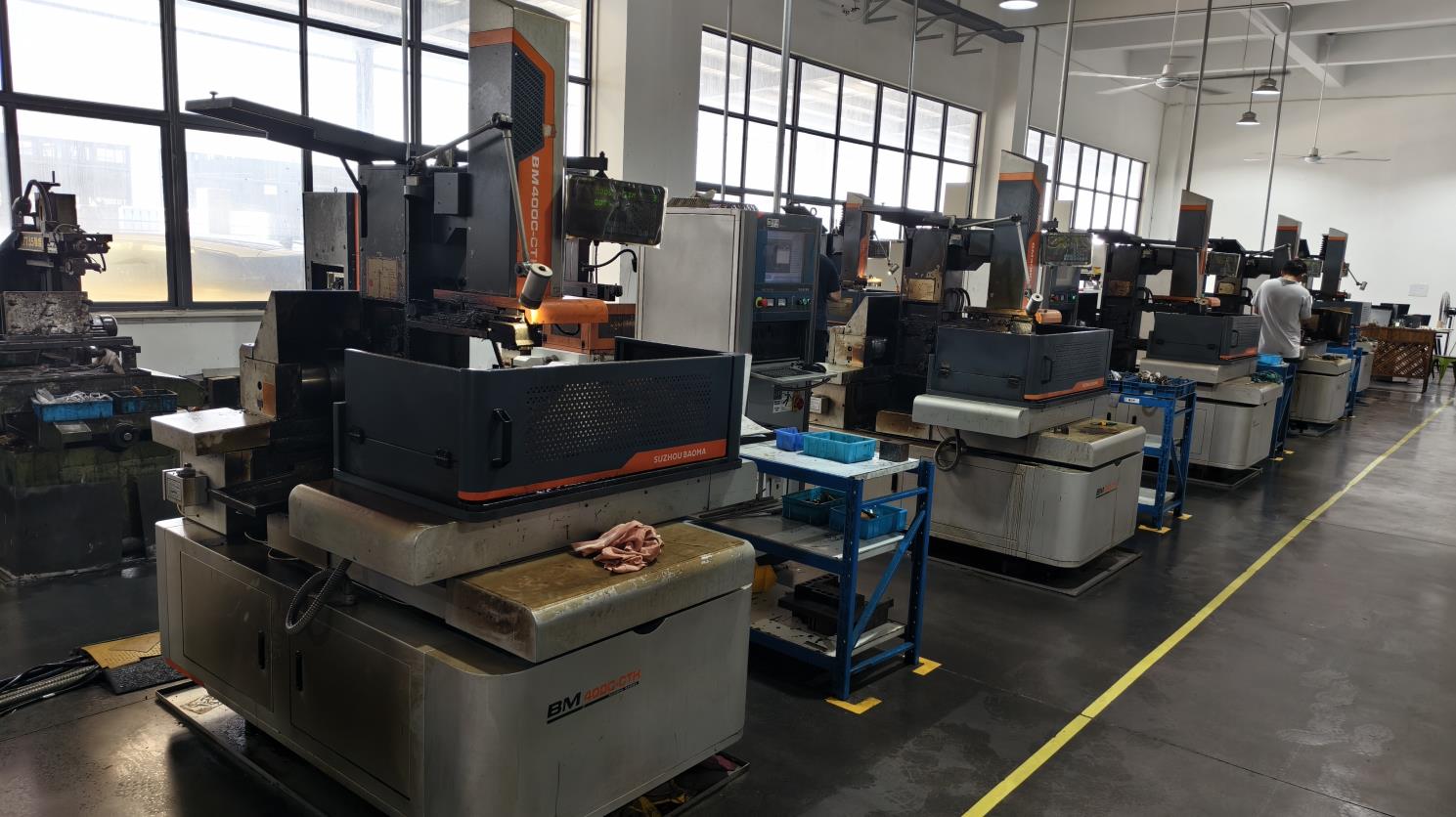
Operated from a state-of-the-art facility spanning 18,600 m², Moventra coordinates advanced CNC Swiss-type milling, automated component testing, and specialized cleanroom packaging lines to confirm every product complies with international regulations. Our highly experienced engineering team delivers customized OEM/ODM services to premium global medical brands, healthcare groups, and national distributors, accelerating product commercialization from design drawings to sterilized final implants.
| Specification Item | Operational Details & Technical Capabilities |
|---|---|
| Company Name | Moventra Medical Technology (China) Co., Ltd. |
| Brand Registry | Moventra |
| Established Year | 2017 |
| Total Facility Area | 18,600 m² |
| Annual Export Revenue | USD 23.8 Million |
| Export Experience | 7 Years |
| Industry Experience | 13 Years |
| Quality Assurance Protocols | 100% Quality Inspection Before Shipment |
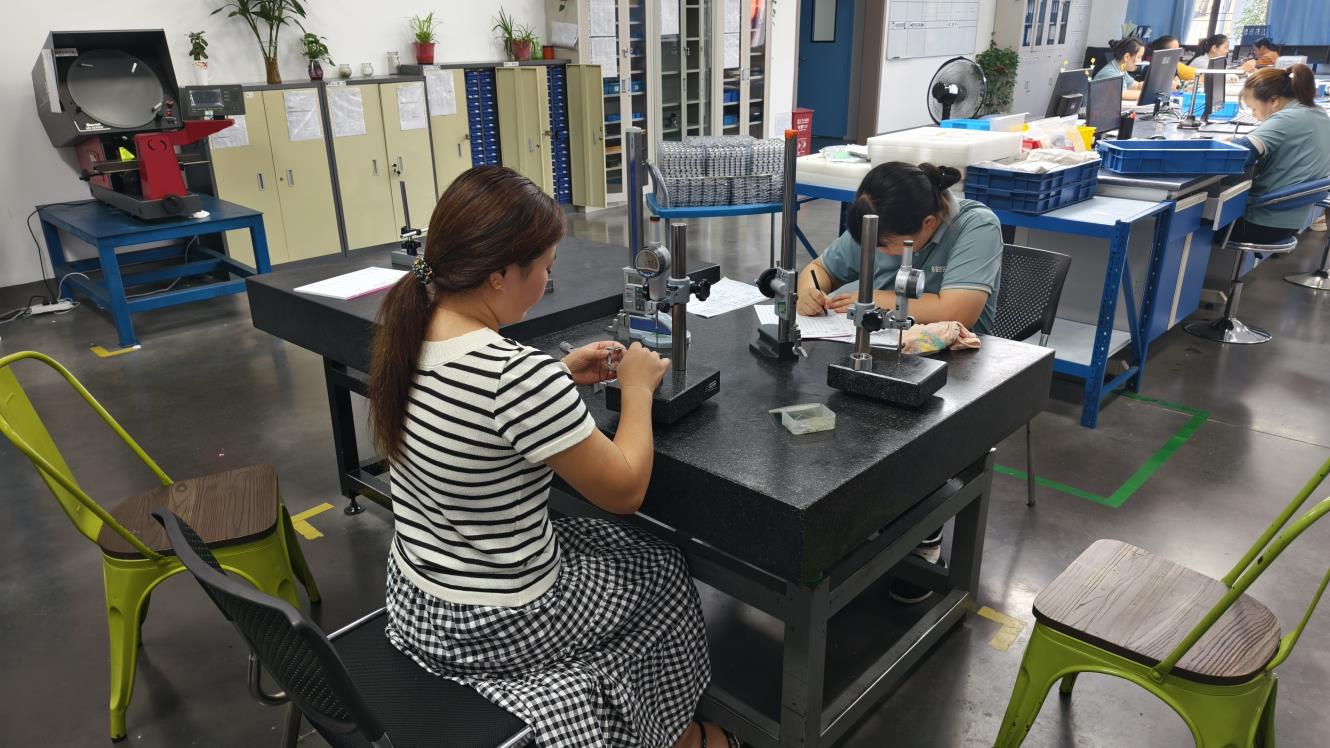
| Inspection Infrastructure | Dimensional Metrology, Material Spectrometry, Surface Roughness Analysis, Dynamic Mechanical Testing, Sterility Verification |
| Dedicated Quality Control Staff | 48 Personnel |
| Primary Business Mode | Manufacturer, OEM & ODM, Exporter |
| Global Footprint | North America, Europe, South America, Middle East, Southeast Asia, Australia |
| Supply Chain Partners | 1,120 Verified Partners |
| Key Customer Profiles | International Brands, Distributors, Private Hospitals, Importers, Public Procurement Authorities |
| R&D Capabilities | Independent CAD/CAM Design, Rapid Prototyping, OEM/ODM Engineering, Custom Implant Development |
| Customization Offerings | Laser Marking, Sterile & Non-Sterile Packaging, Custom Geometry, Drawing or Sample-Based Production |
| Annual R&D Output | 156 New Products Developed Last Year |
| Dedicated R&D Engineers | 86 Engineers |
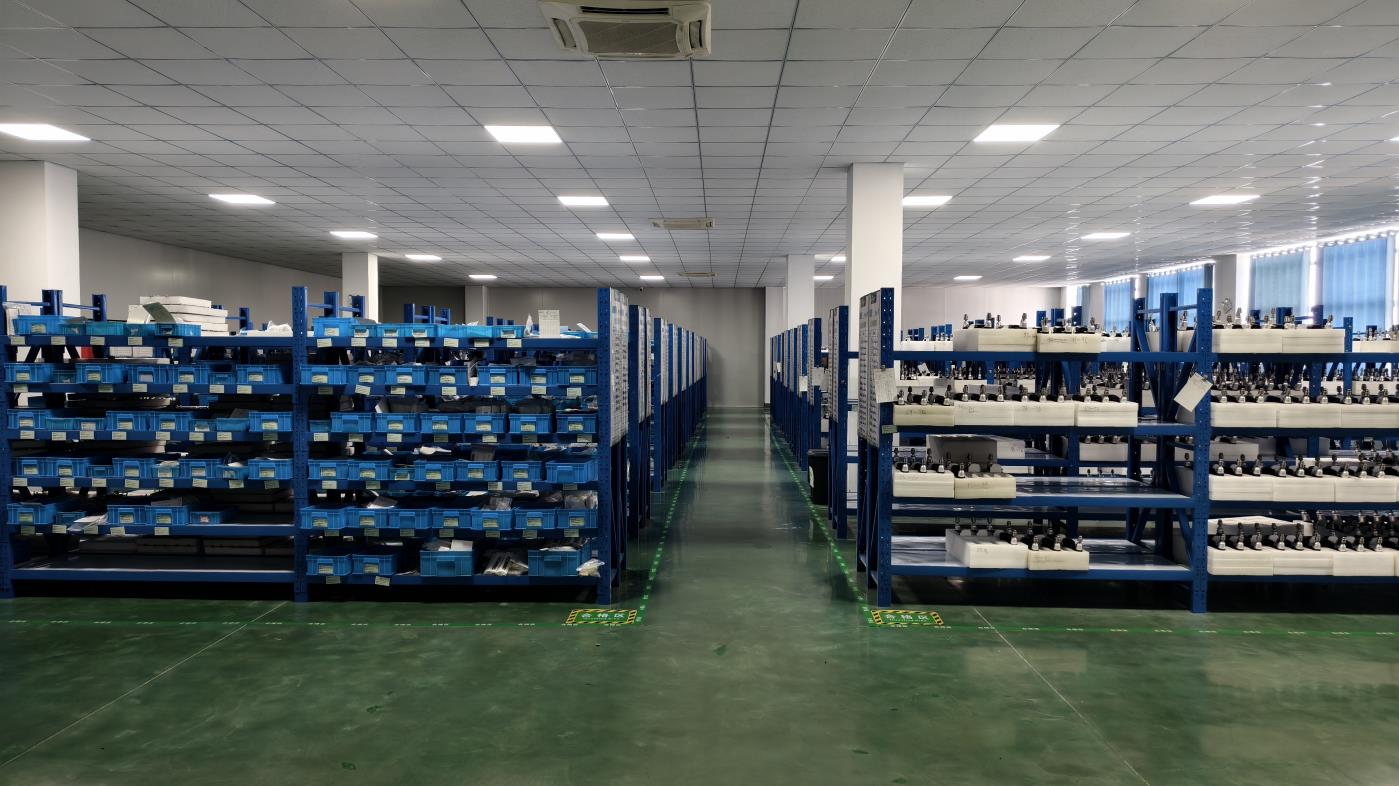
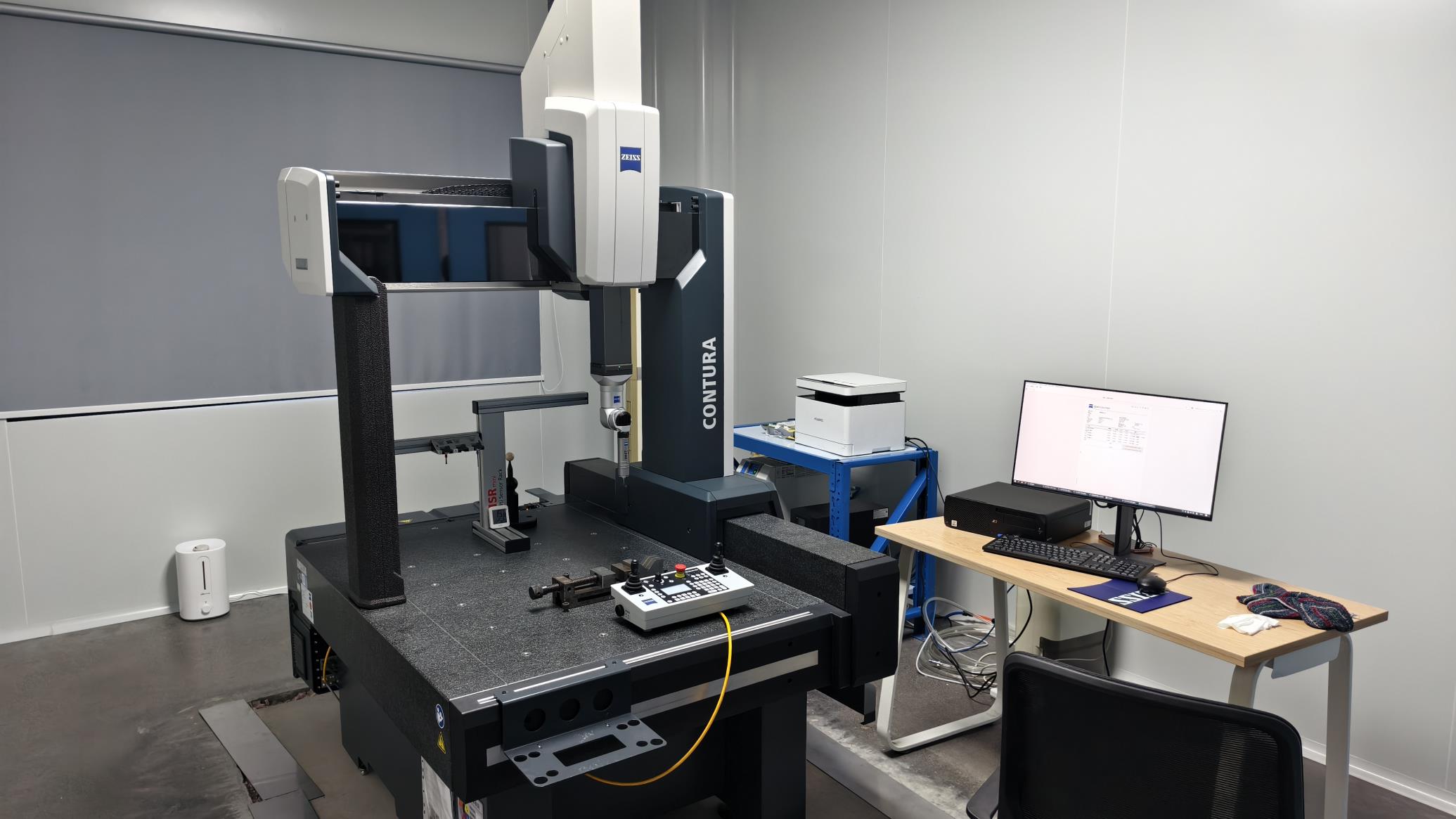
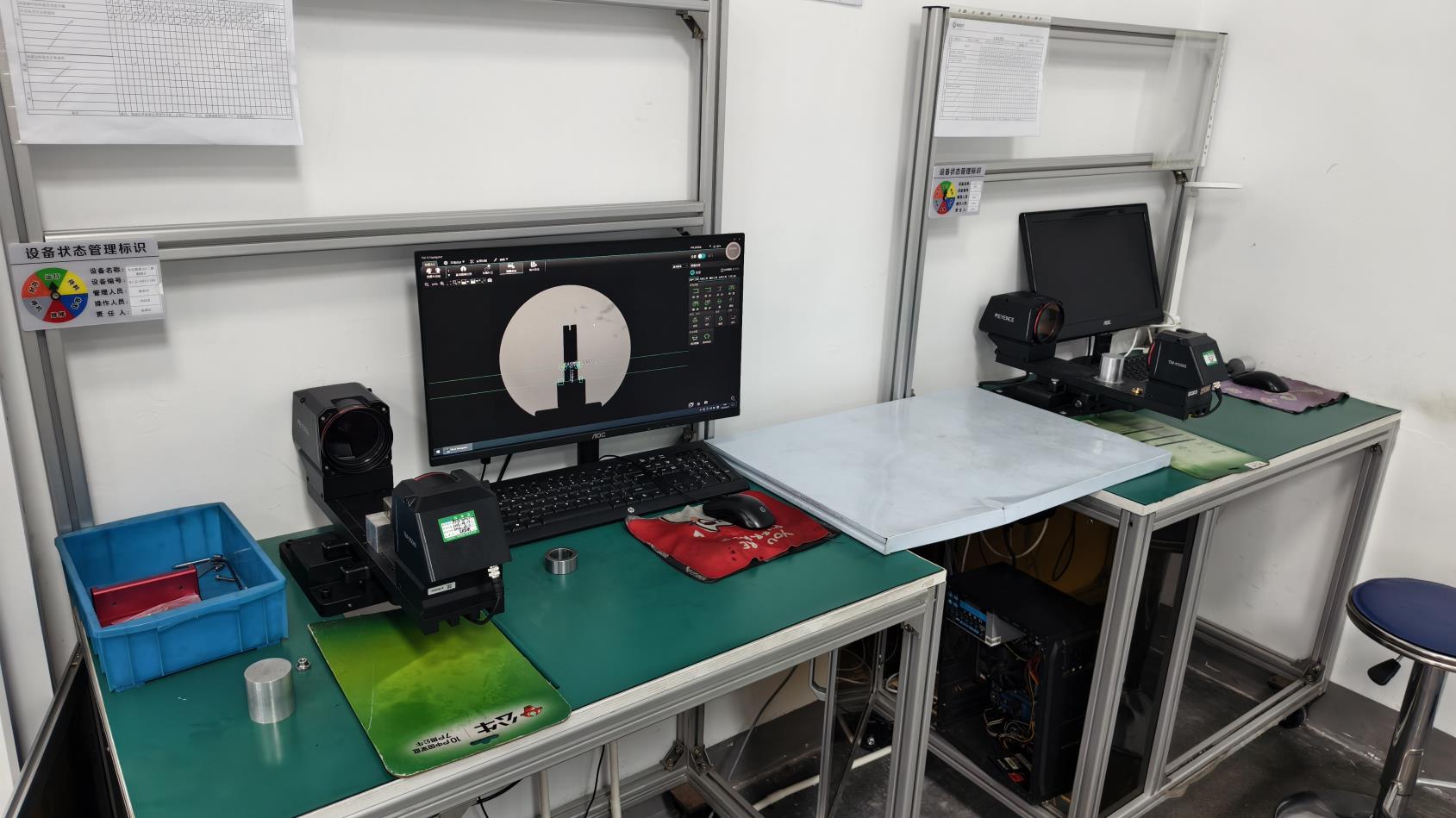
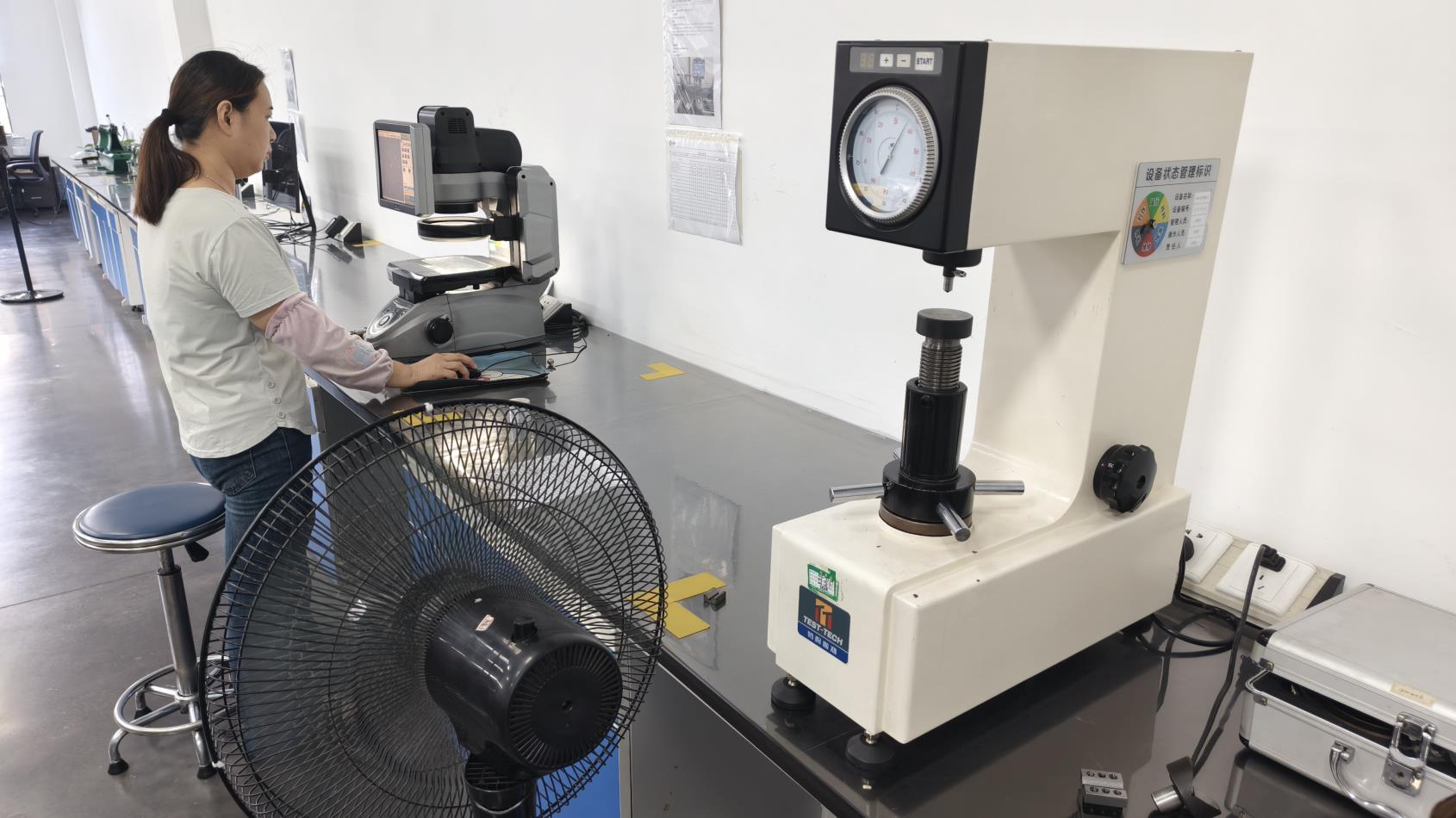
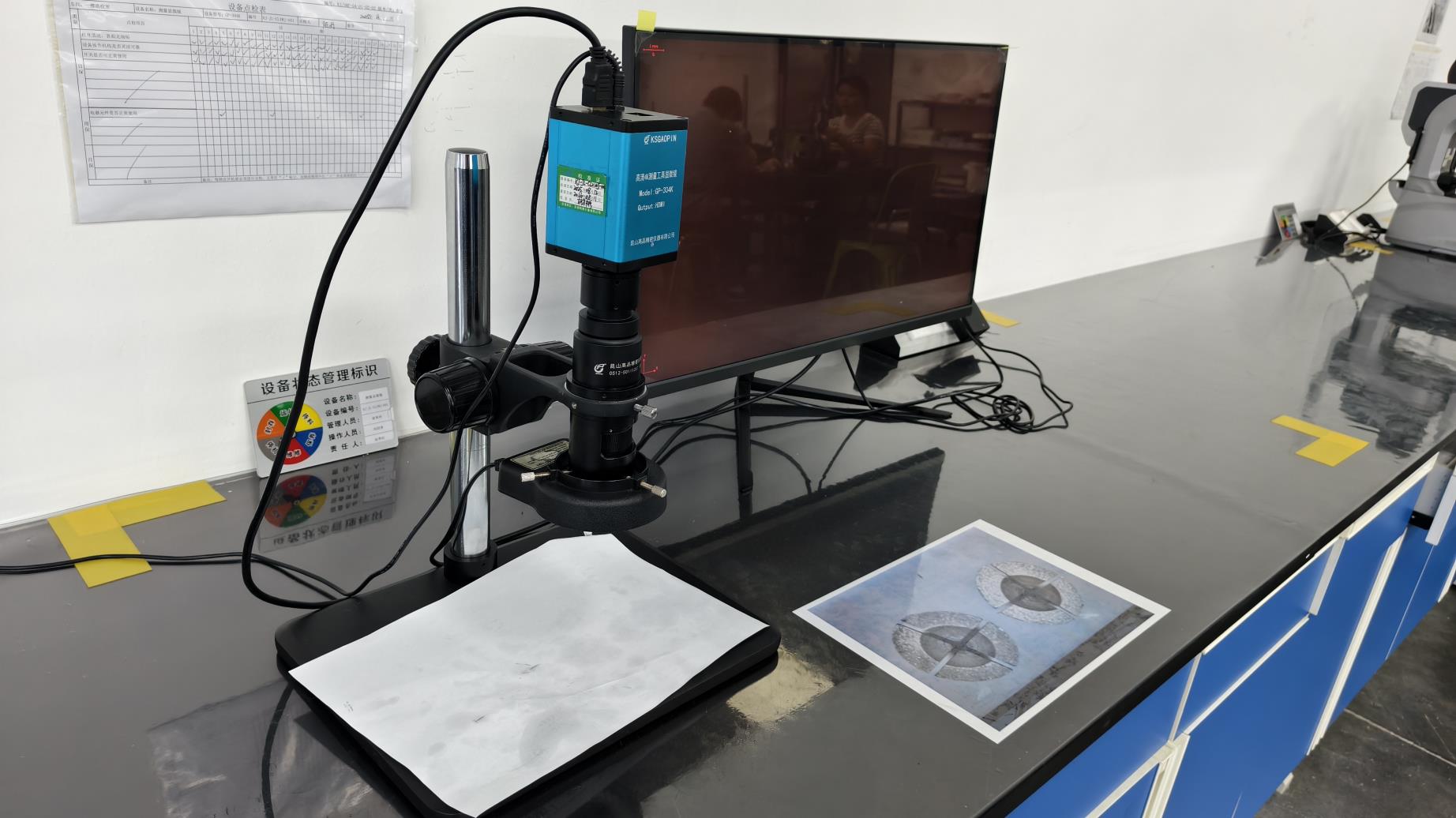
Transparent insight into our modern machinery, inspection environments, and logistical hubs.
Cannulated pedicle screws are critical components across diverse clinical procedures, adapting to different anatomical requirements and surgical protocols. Understanding these target applications helps procurement managers specify the correct configurations, thread designs, and length ranges.
In cases of severe scoliosis or kyphosis, surgeons utilize polyaxial cannulated screws to manage three-dimensional deformity corrections. The cannulation ensures smooth guide-rod insertion over long construct pathways.
For unstable burst fractures resulting from vehicular impact or falls, cannulated screws offer rapid, rigid fixation. Dual-thread designs ensure reliable purchase in both cortical and cancellous bone structures.
Used during transforaminal lumbar interbody fusion (TLIF) procedures, these screws provide post-decompression mechanical stabilization, supporting solid arthrodesis across unstable motion segments.
Technical clarifications and trade operational support for wholesale orthopedic implant buyers.
We utilize strictly medical-grade Titanium Alloys (Ti-6Al-4V ELI conforming to ASTM F136 or ISO 5832-3). We source raw bar stocks from certified mills, providing mill test certificates, chemical analysis reports, and mechanical validation sheets with every batch.
We operate high-precision Swiss-type CNC centers with deep-hole gun drilling components. Concentricity is verified via automated optical sensors and coordinate measuring machines (CMM) to confirm deviation does not exceed ±0.01mm, ensuring smooth guide-wire passage during percutaneous entry.
Yes. Supported by 86 R&D engineers, we provide complete OEM/ODM customized engineering. We can adapt thread pitch, outer/inner diameter ratios, specialized self-tapping flute configurations, and lateral fenestration patterns based on submitted blueprints or physical mockups.
Standard manufacturing lead times range from 30 to 45 days, depending on batch volume, custom packaging requirements, and certification steps. For recurring supply contracts, we can maintain dedicated safety inventory buffers within our 18,600 m² warehouse to enable rapid dispatch.
Our internal laboratory runs a strict QA protocol, which includes Coordinate Measuring Machine (CMM) dimensional checks, metallographic grain structure verification, surface roughness profiling, fatigue testing, and sterility validations to ensure full compliance with regulatory frameworks.
Explore additional specialized orthopedic and veterinary solutions designed to improve patient and procedural outcomes.
 Moventra Medical