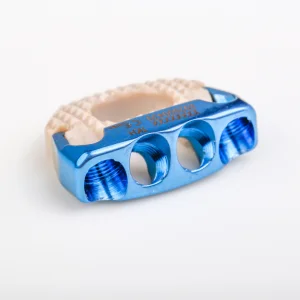
Explore our precision-engineered implant portfolios designed to optimize biomechanical fixation, elevate clinical outcomes, and support specialized orthopedic operations.
An authoritative breakdown of biomechanical performance, metallurgy, and evolving global market standards.
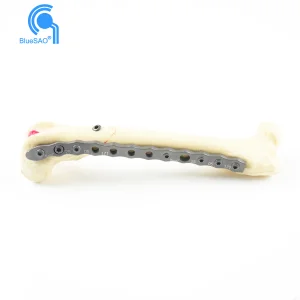
In modern orthopedic trauma surgery, the internal fixation of long-bone fractures (femur, tibia, and humerus) presents severe biomechanical challenges. High-energy trauma, osteoporotic bone beds, and complex comminuted fracture configurations demand fixation structures that balance rigidity with biological preservation. Large Fragment Locking Plates represent the clinical gold standard for managing these demanding scenarios.
Historically, dynamic compression plates (DCP) relied entirely on plate-to-bone friction, which required tight mechanical clamping. This interface often choked the periosteal blood supply, leading to bone necrosis, delayed unions, or implant failures. The integration of locking compression plate (LCP) technology addresses this via a fixed-angle construct. By threading the locking screw directly into the plate, the implant acts as an internal fixator. The plate does not need to press against the periosteum, preserving the vital microvasculature, optimizing callus formation, and lowering infection rates.
In patients undergoing early mobilization post-surgery, large fragment plates (typically accommodating 4.5mm or 5.0mm screw diameters) experience significant stress cycles. Advanced engineering ensures that these plates withstand high load distributions. The locked interface prevents screw toggle and secondary loss of reduction, even in bone beds with low mineral density. For medical device distributors and hospital networks, importing systematically verified implants is essential to minimize revision rates and improve clinical outcomes.
Moventra Medical Technology (China) Co., Ltd. is a global player in advanced orthopedic medical devices and surgical solutions since 2017.
Established in 2017, Moventra Medical Technology (China) Co., Ltd. has grown to become a leading OEM and ODM manufacturer of implants and instruments. Operating out of an 18,600 m² modern facility, Moventra leverages German-inspired manufacturing tolerances and cleanroom environments to deliver trauma, spine, joint, and sports medicine solutions to global medical device brands and hospital networks across the Americas, Europe, and the Asia-Pacific region.
| Operation Parameter | Specification Details |
|---|---|
| Company Name | Moventra Medical Technology (China) Co., Ltd. |
| Establishment Year / Experience | Founded in 2017 / 13 Years Industry Experience |
| Facility Certification | ISO 13485, CE Class III Orthopedic Implant Frameworks |
| Main Customer Channels | Global Brands, Medical Distributors, Orthopedic Hospital Networks, Public Procurement Projects |
| Primary Inspection Protocols | Dimensional inspection, Microscopic material analysis, Fatigue limit validation, Sterility testing |
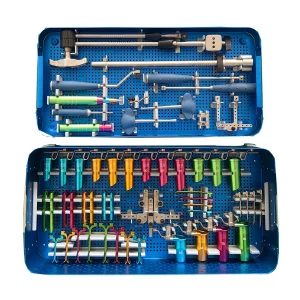
| Customization Options | OEM/ODM contract manufacturing, custom plate profiles, anodization coloring, custom instrumentation sets |
| New Product Innovations (Annual) | 156 new product variations validated annually |
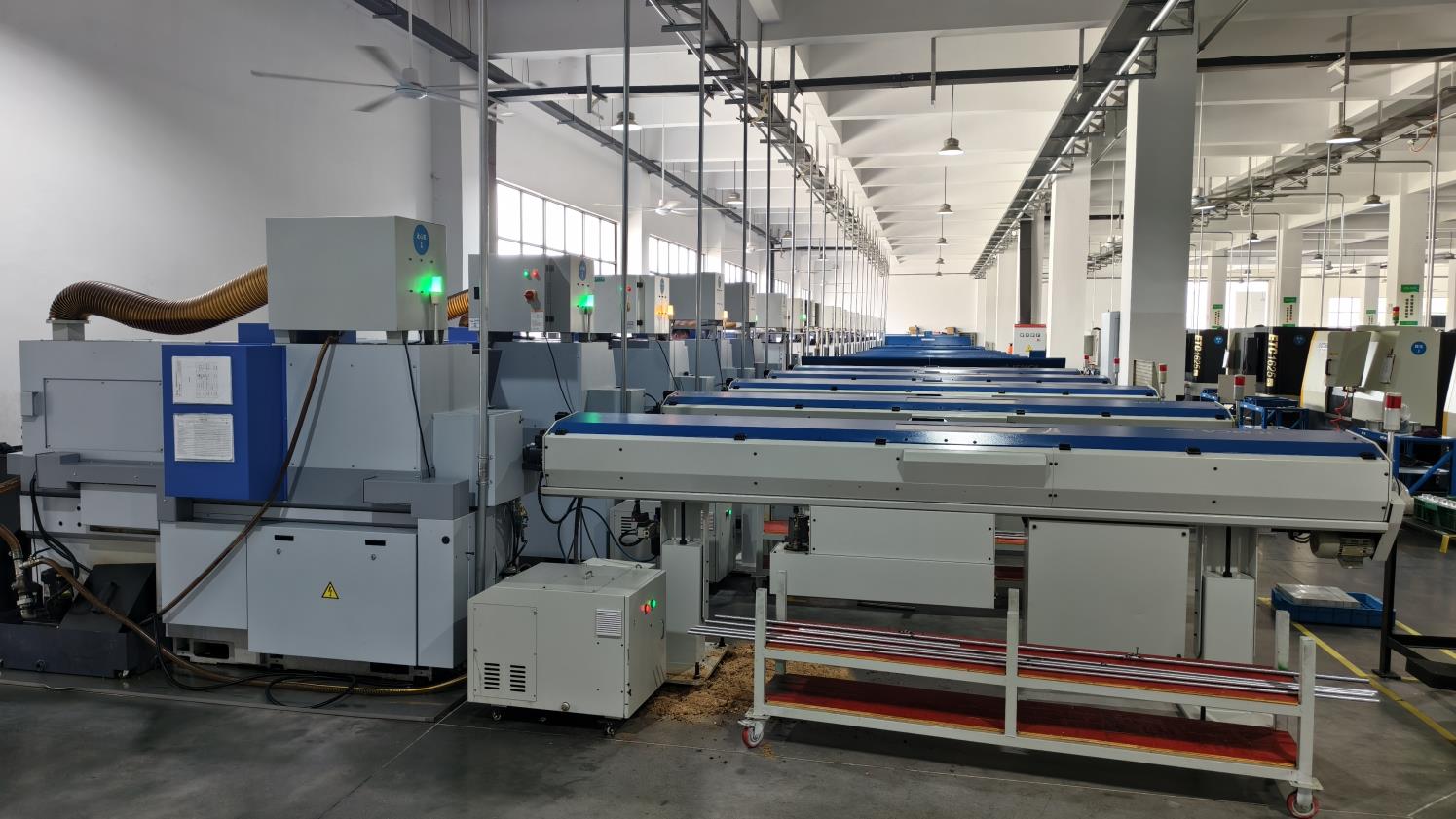
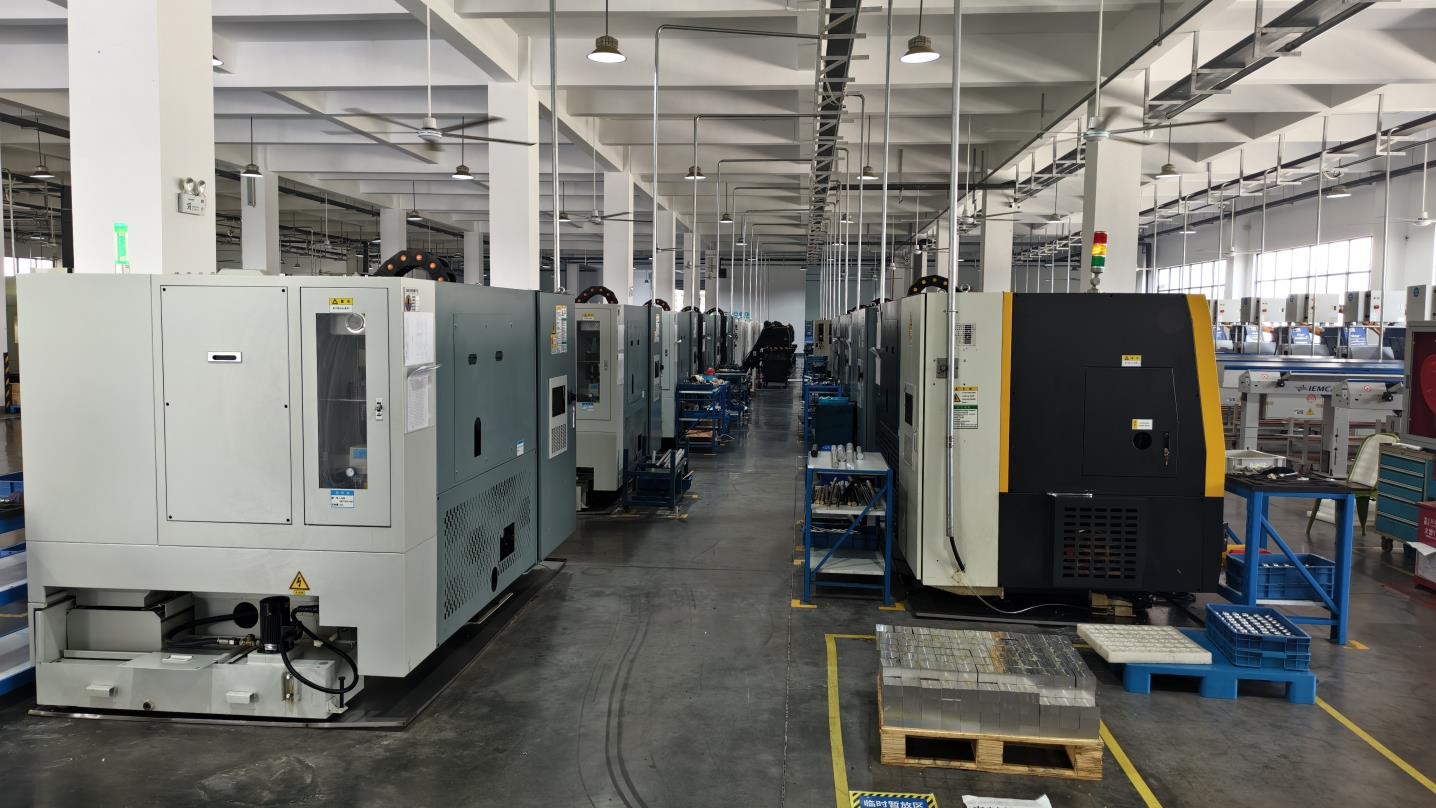
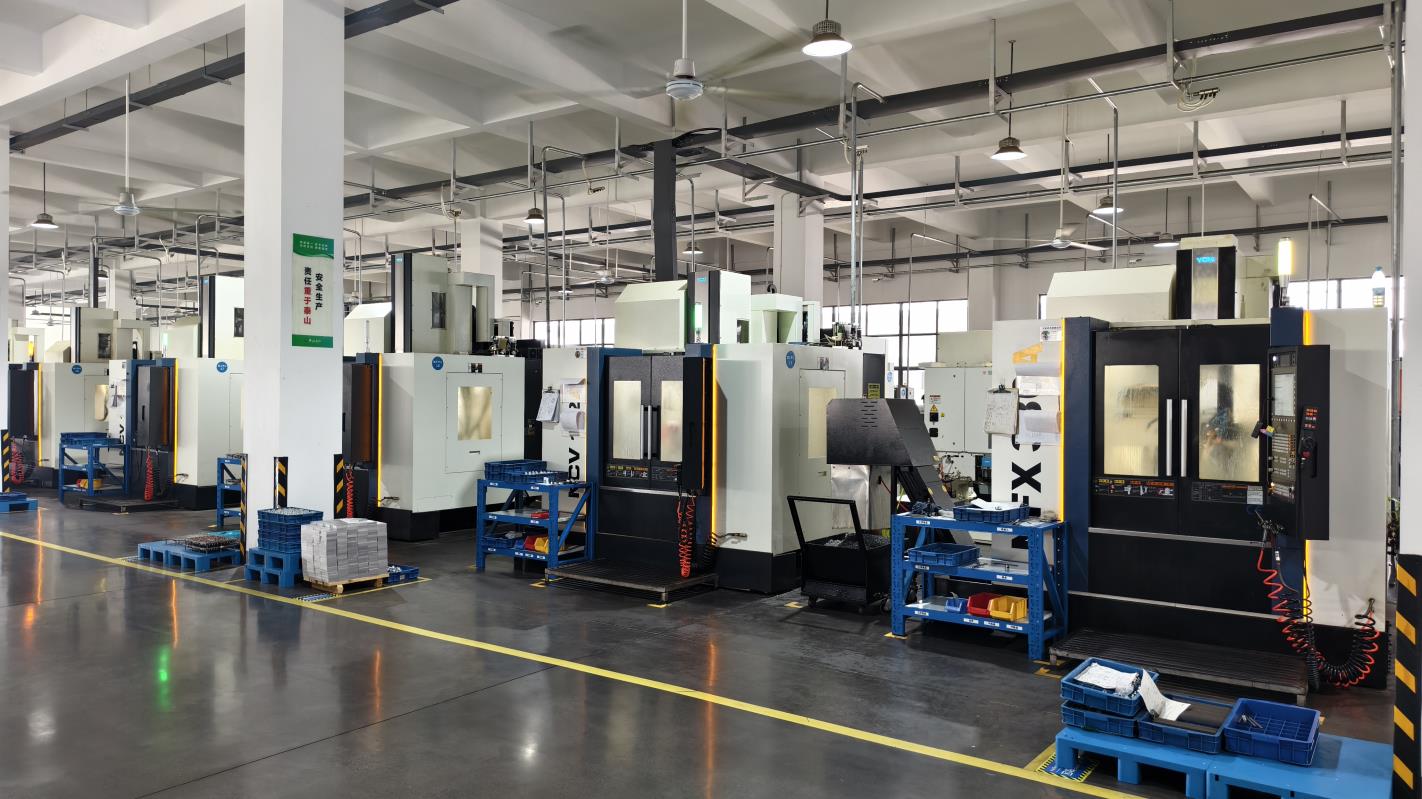
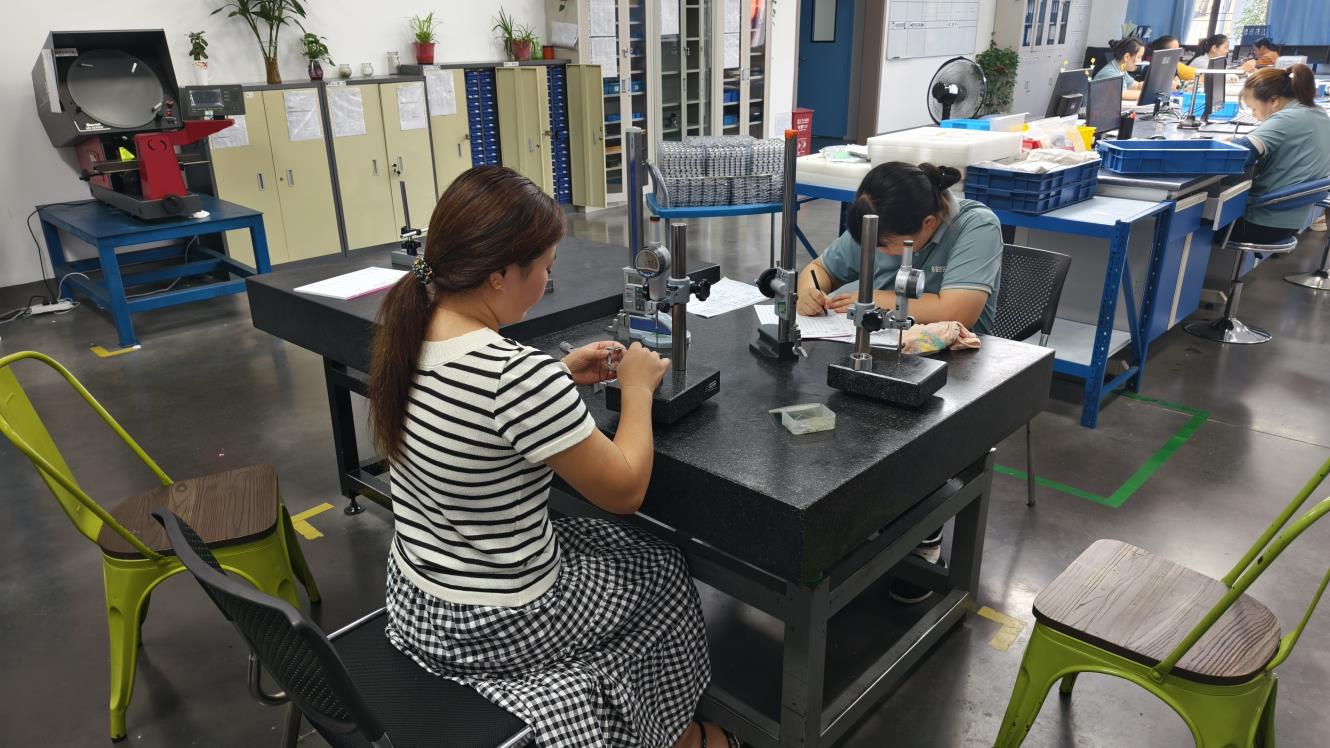
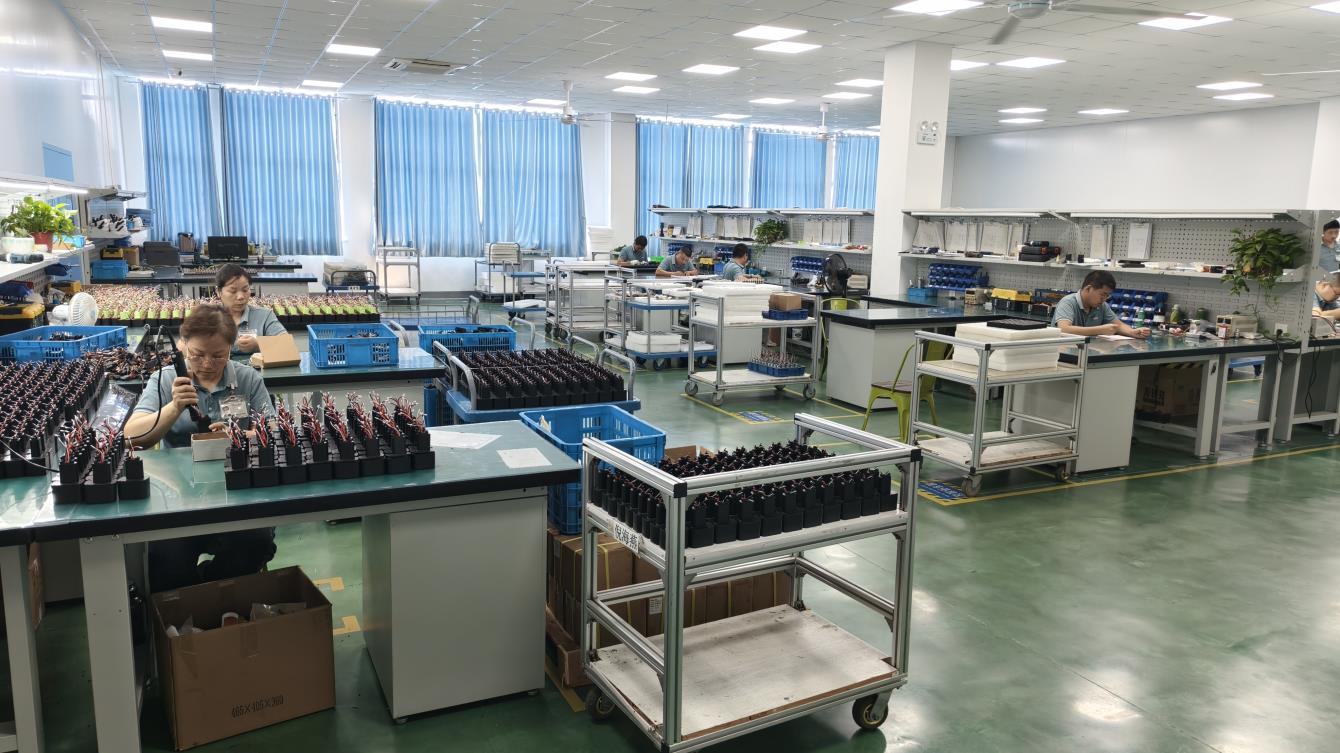
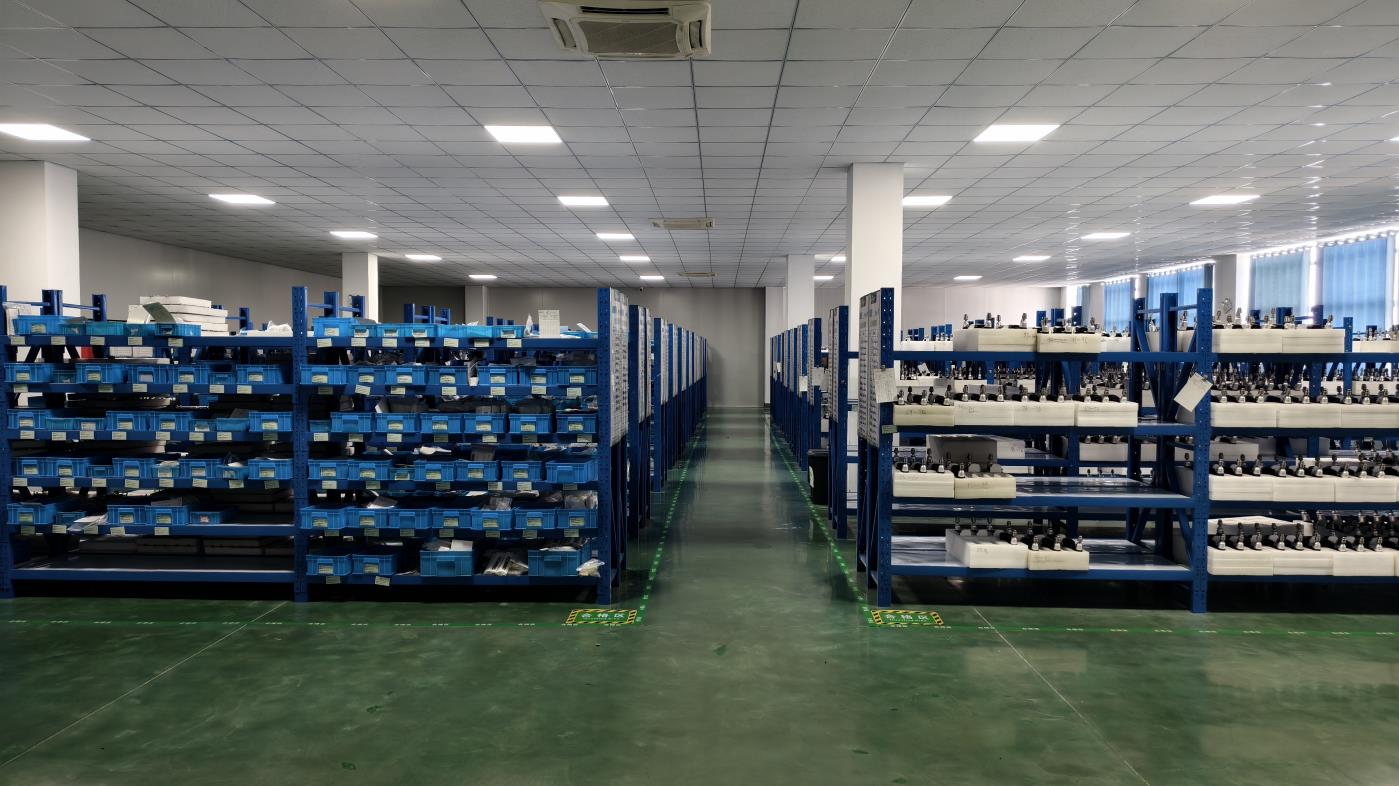
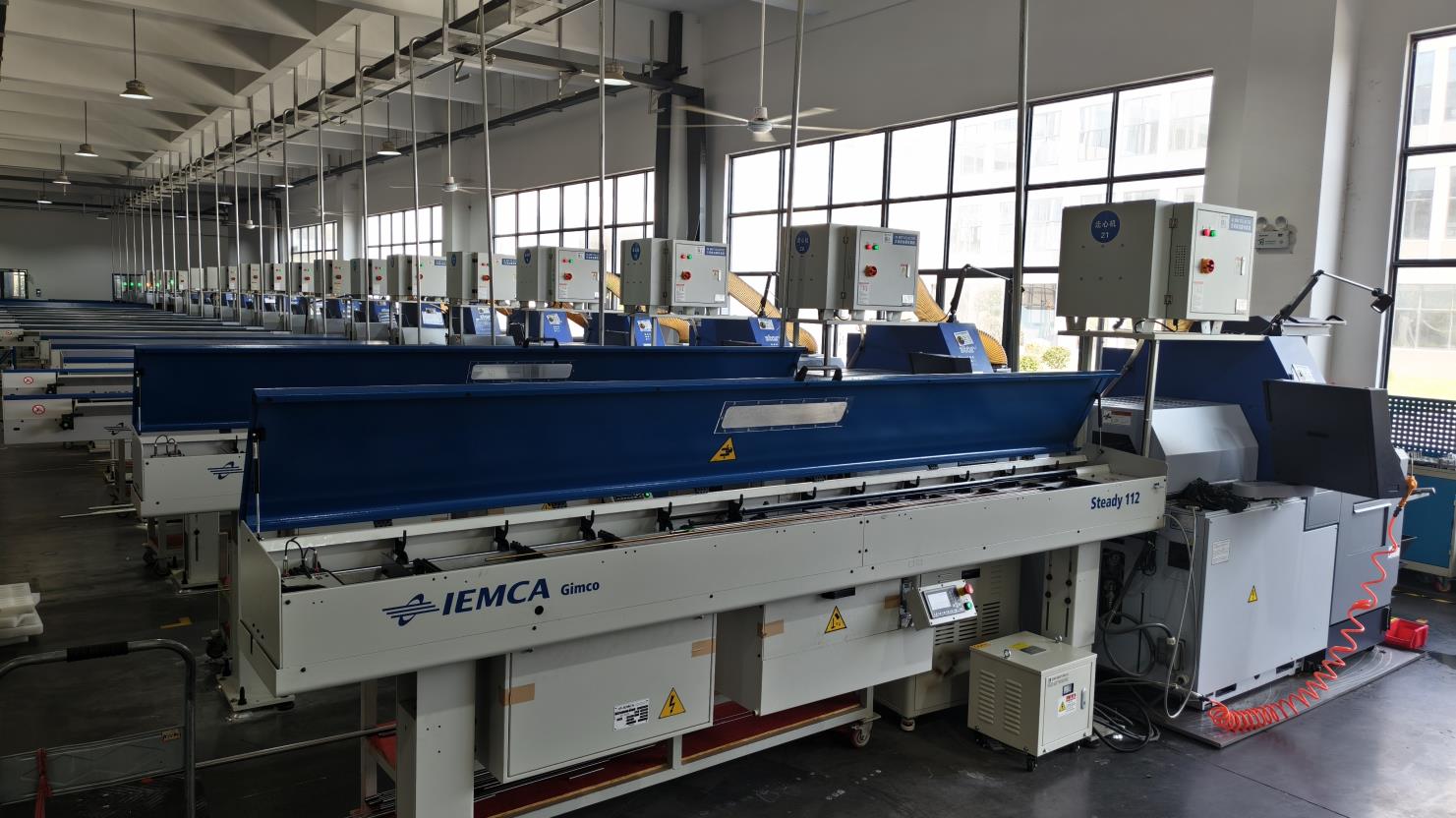
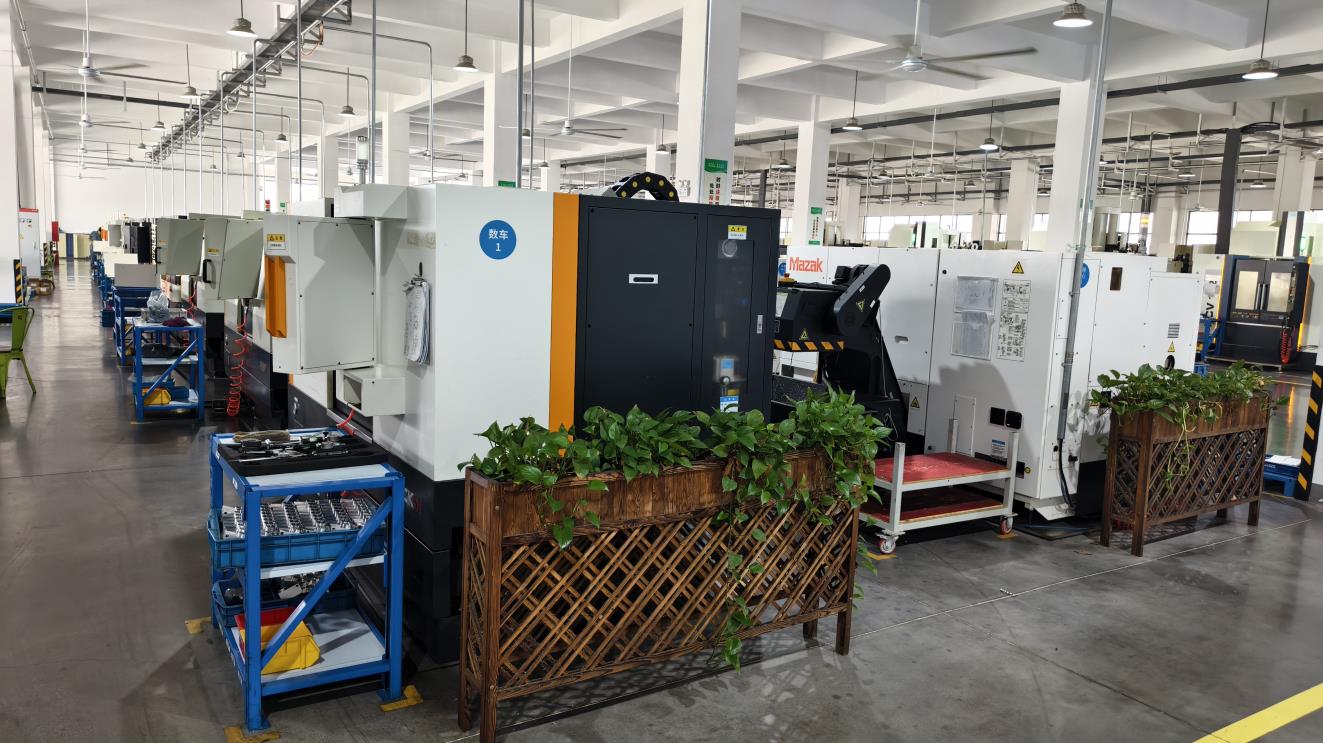
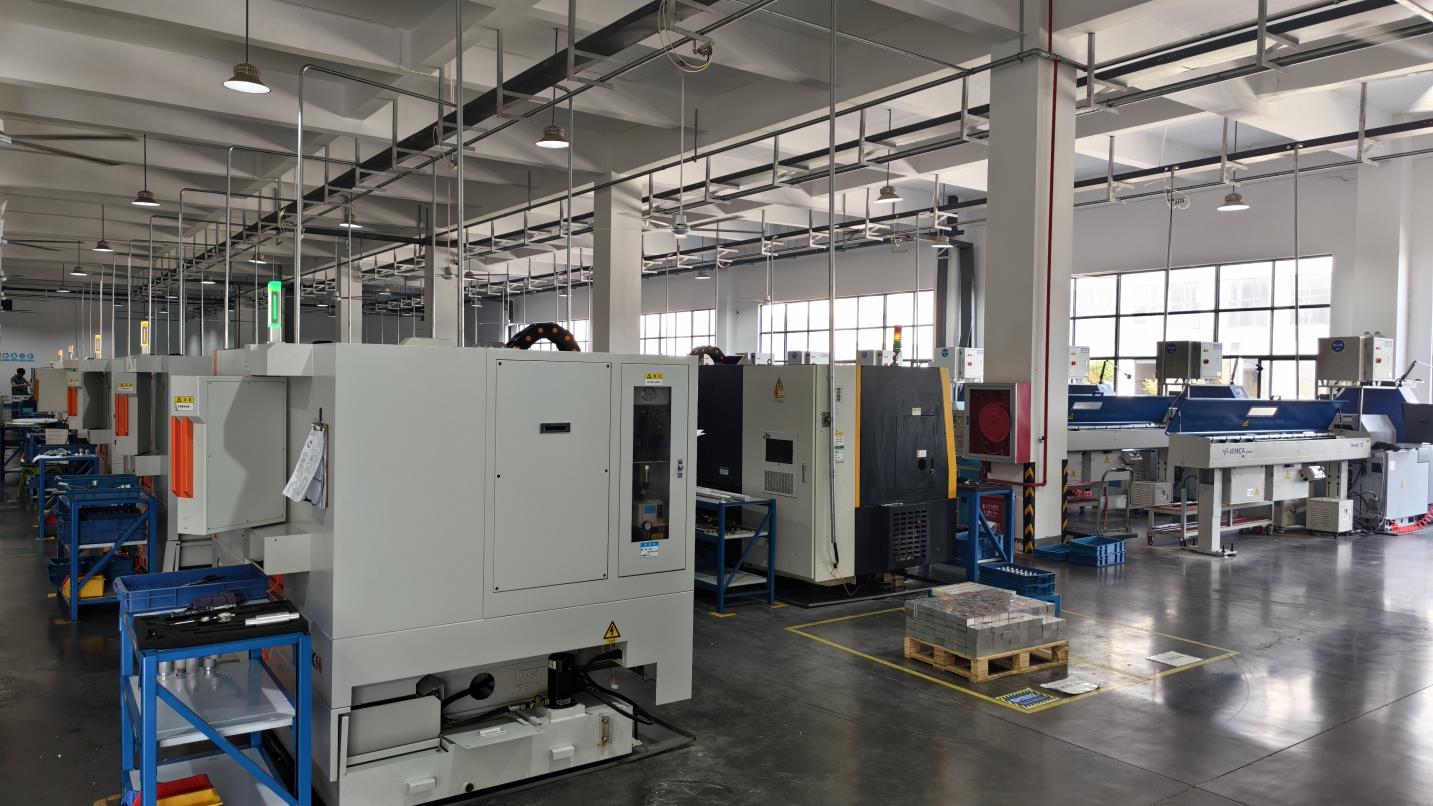
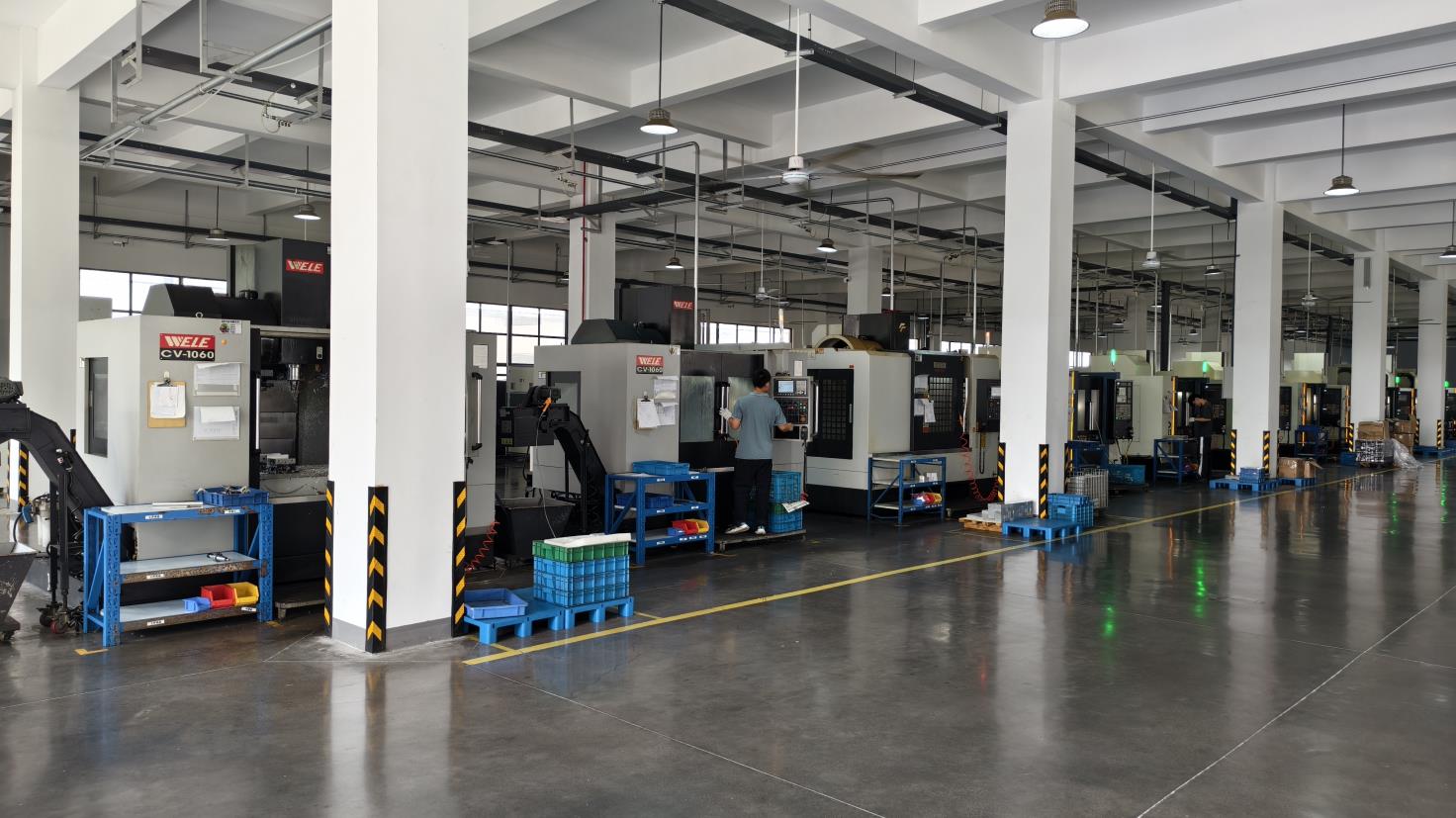
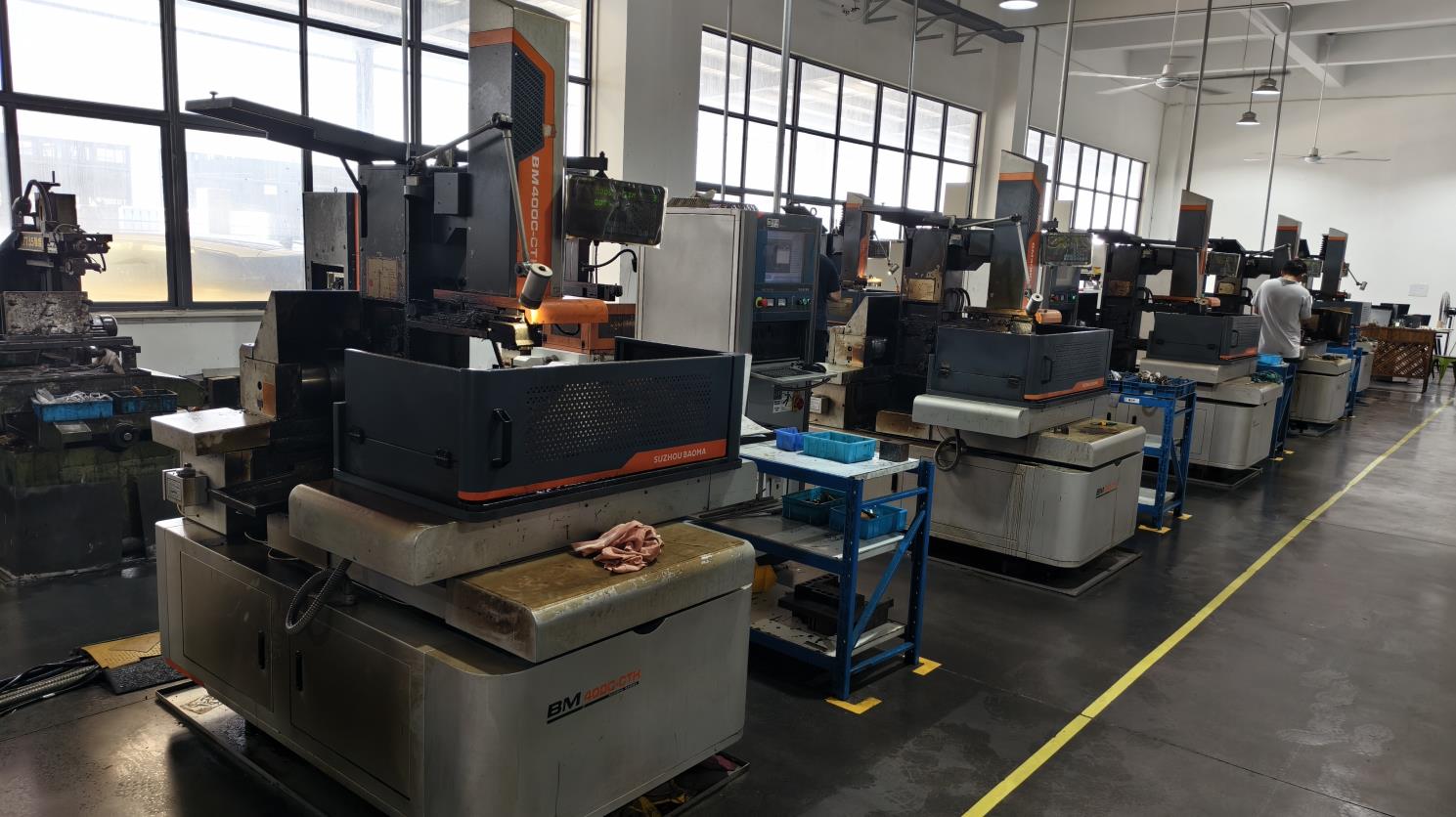
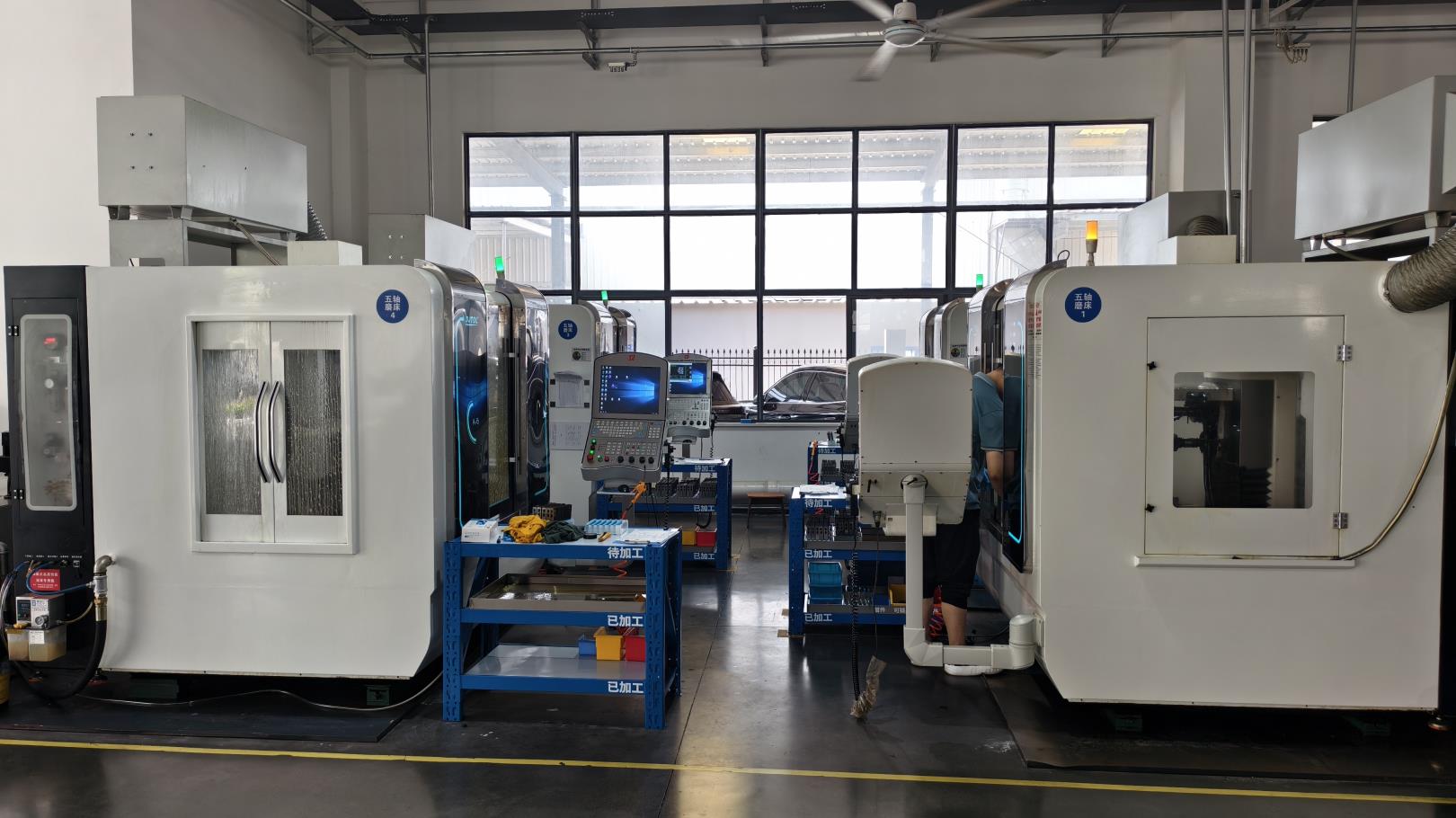
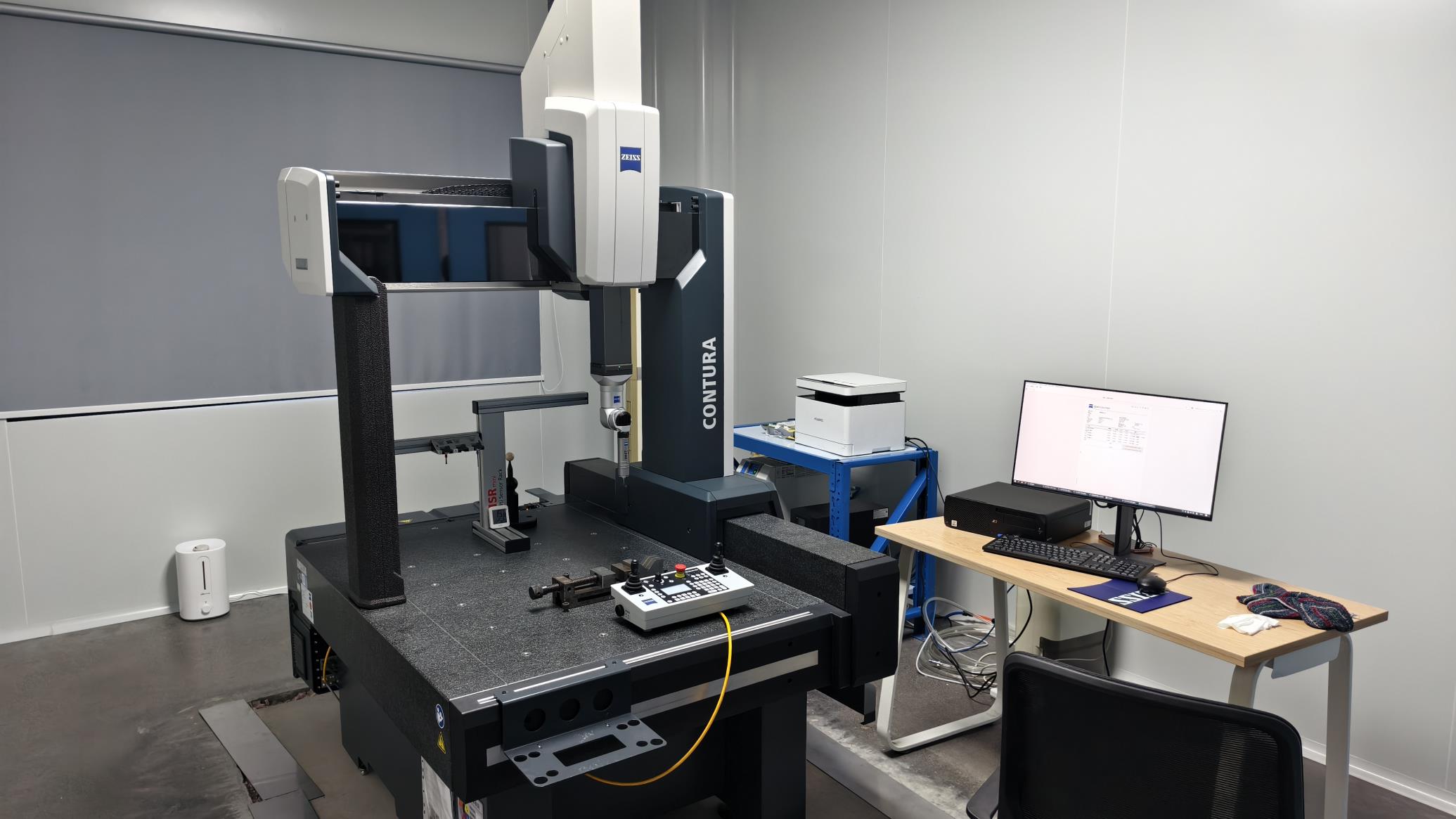
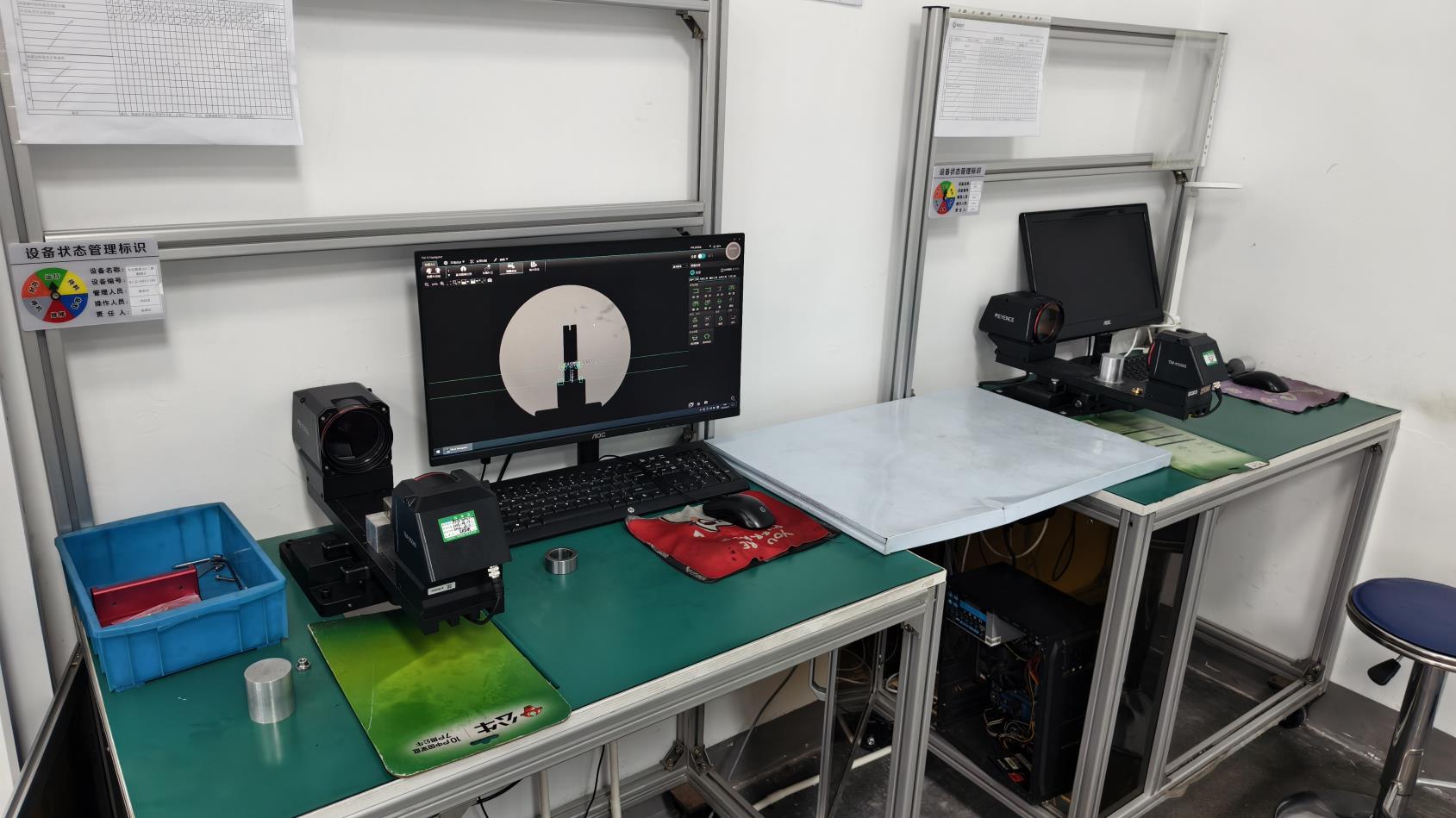
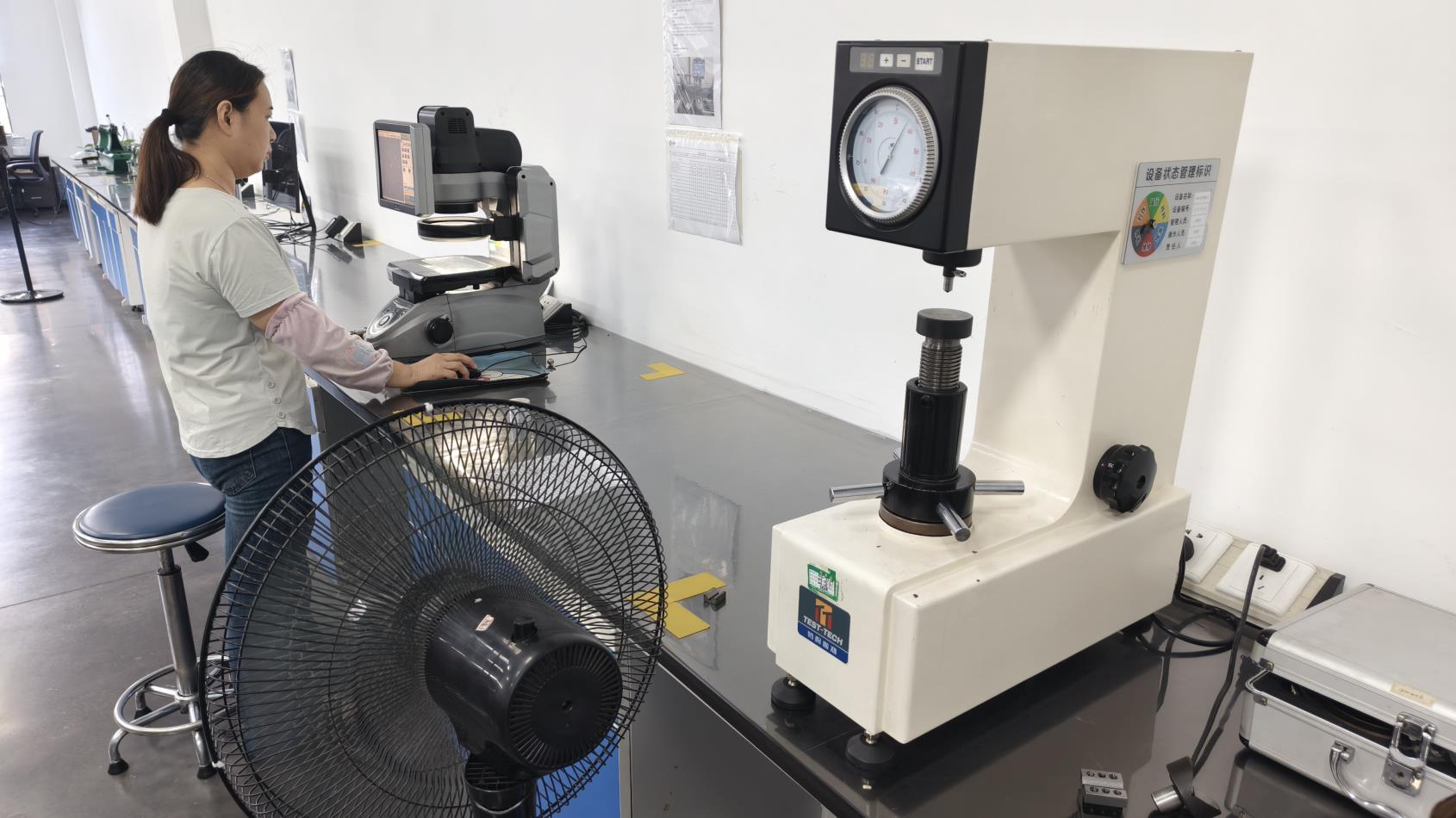
Step inside our advanced workshops, featuring multi-axis CNC Swiss-type lathes, automated wire EDM, and precision quality testing.
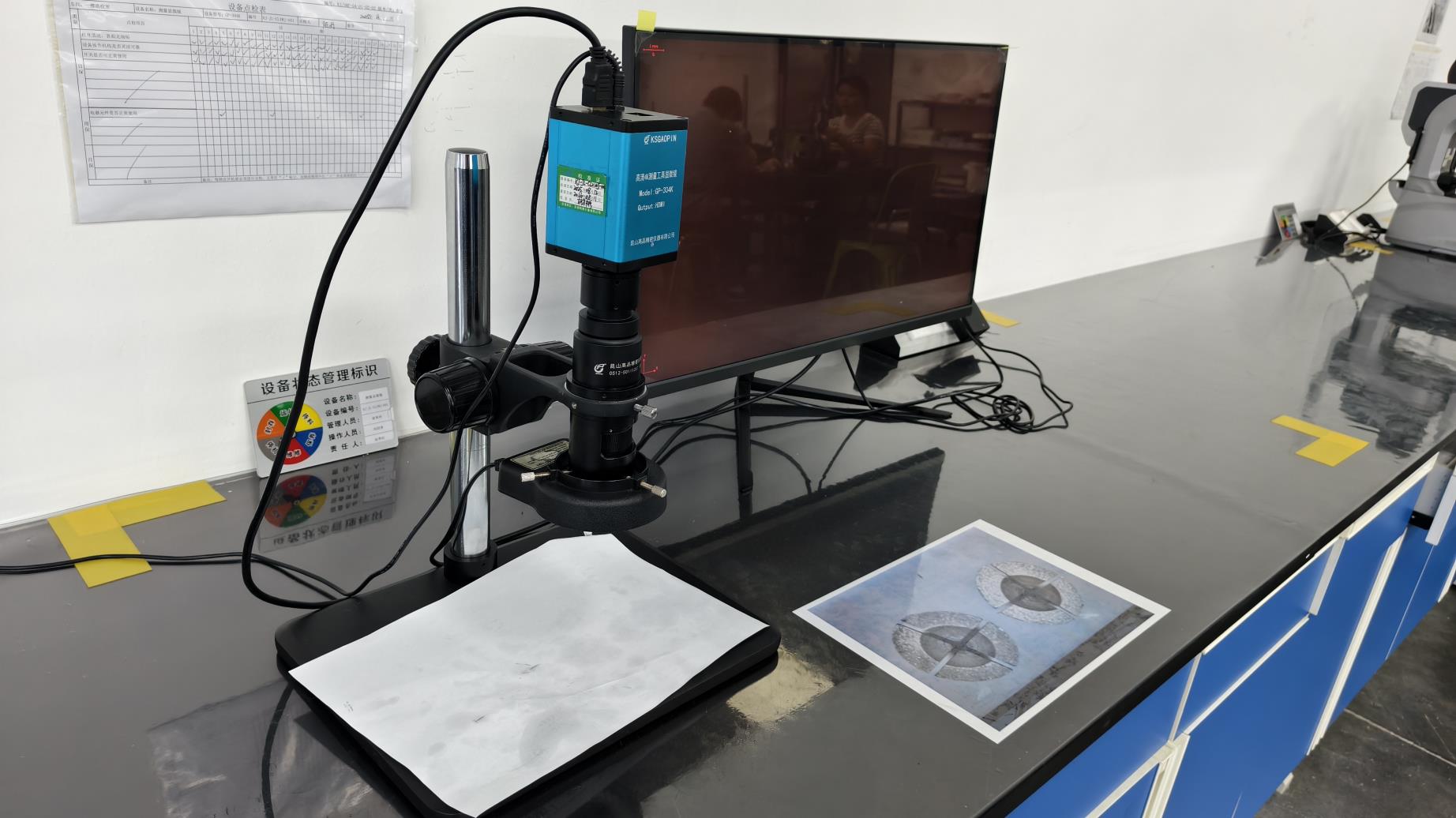
An engineering deep dive into material composition, structural fatigue resistance, and surface anodization.
Our implants utilize Grade 5 Extra Low Interstitial Titanium Alloy. This medical-grade material provides high biocompatibility, corrosion resistance, and an optimal elastic modulus that minimizes stress shielding.
Featuring combined compression-locking screw holes. Surgeons can choose between axial dynamic compression (using cortical/cancellous screws) and rigid, fixed-angle locking (using locking screws) within the same plate footprint.
Our chemical surface treatment forms a stable, dense titanium oxide layer. This passivation process increases surface wear resistance, reduces bone-implant friction, and helps minimize the risk of cold welding.
To ensure high fatigue limits, every design of Large Fragment Locking Plate undergoes cyclic bending fatigue testing in accordance with ASTM F382 standards. This test simulates worst-case anatomical loading scenarios over 1,000,000 cycles, verifying that the implant can withstand load-bearing demands in non-union or delayed union situations without premature catastrophic failure.
How Moventra partners with global medical brands to streamline product design, local registrations, and bulk supply chains.
Bringing internal fixation systems to market requires navigating strict regulatory frameworks. Moventra supports medical device brands and international distributors through comprehensive compliance services. We assist with FDA 510(k) clearances, EU MDR (MDR 2017/745) certificates, and local health registry documentation for regions including Latin America (ANVISA, COFEPRIS), Asia, and the Middle East.
Leveraging 86 R&D engineers, we transform customized designs into sterile, market-ready implants. Our contract manufacturing services include:
Industry-level answers to clinical, mechanical, and commercial questions regarding large fragment locking systems.
Locking screws feature threaded heads that engage with the matching threads inside the plate holes. This creates a fixed-angle construct that behaves like an external fixator, reducing plate-to-bone friction. This configuration prevents the plate from stripping screws or losing reduction under cyclic loading, particularly in osteoporotic or multi-fragmentary fractures.
We manufacture locking plates primarily using Grade 5 Ti6Al4V ELI (ASTM F136 / ISO 5832-3) titanium alloy, and sometimes using high-grade 316LVM Stainless Steel (ASTM F138 / ISO 5832-1). Titanium offers superior biocompatibility and a lower elastic modulus (closer to bone), whereas stainless steel provides higher structural stiffness and yield strength.
Our QC protocol enforces a 100% inspection line. Material certificates are recorded for every batch of raw titanium barstock. Measurements are verified using 3D Coordinate Measuring Machines (CMM) and optical micrometers. Each finished plate is laser-etched with a unique traceability serial number mapping back to its raw material heat batch and machining center logs.
Yes, our 86 R&D engineers offer complete customized design-to-production services. We can customize anatomic plate contours, hole counts, thickness profiles, and anodization finishes based on your specific clinical parameters or 3D models.
Our facility is certified under ISO 13485, and our key orthopedic implant lines carry CE marking. We provide comprehensive documentation support, including clinical evaluation reports (CER), safety data sheets, and process validation files, to assist with local health registry approvals.
Explore our complementary trauma systems, spine systems, arthroscopy tools, and specialized surgical instrument sets.
 Moventra Medical