Spine stabilization has undergone profound structural modifications over the past two decades. The Posterior Pedicle Screw System serves as the gold standard for restoring mechanical integrity, stabilizing segmental spinal segments, and facilitating fusion in cases of degenerative disc disease, spondylolisthesis, spinal fractures, and severe scoliosis. Sourcing high-quality pedicle screw implants requires deep clinical understanding, strict material traceability, and adherence to mechanical standards under high loading cycles.
Mechanically, the pedicle screw acts as a rigid anchor extending from the posterior elements, through the pedicle corridor, into the anterior vertebral body. Under multi-axial loads, these constructs must withstand severe cyclic shear, tension, and compression forces without experiencing thread pull-out or fatigue failure. China's top-tier manufacturers, like Moventra Medical Technology, employ advanced metallurgical processes and rigorous biomechanical fatigue testing (under ASTM F1717 standard configurations) to guarantee clinical longevity and minimize complications such as implant loosening or revision surgery.
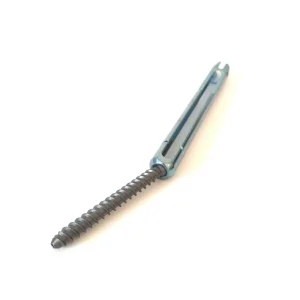
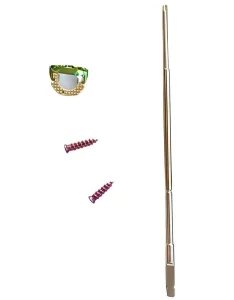
Features dual-lead and variable pitch configurations that enhance purchase in trabecular bone while reducing insertion torque, ensuring faster osseointegration and reducing intraoperative bone damage.
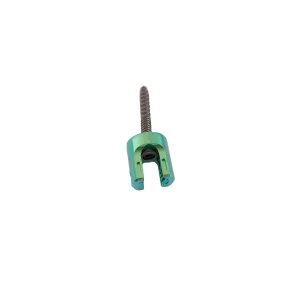
Offers up to 60 degrees of angulation, enabling seamless rod adaptation and decreasing the need for aggressive rod contouring, saving valuable time during complex deformity cases.
Advanced reverse angle set-screw configurations eliminate cross-threading risks, minimizing the occurrence of tulip expansion and subsequent lock loosening during construct closure.
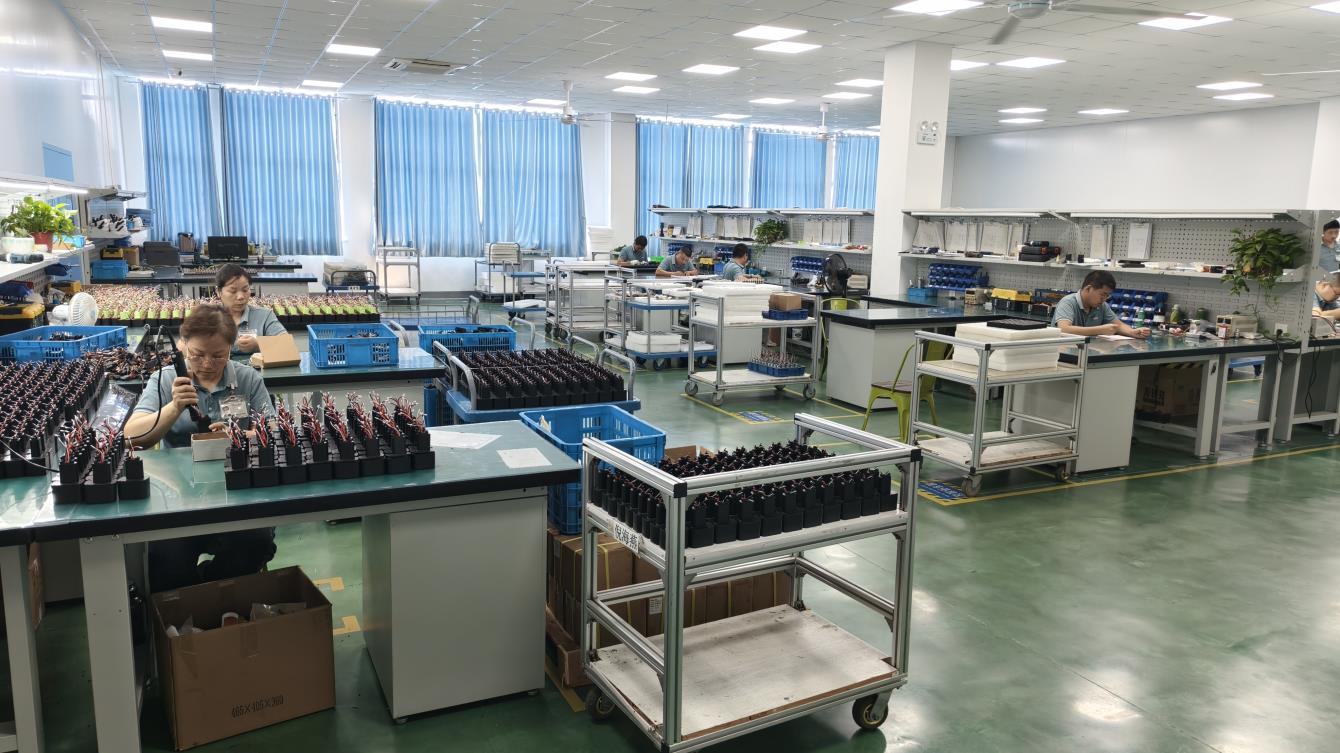
Established in 2017, Moventra Medical Technology (China) Co., Ltd. has developed into a dominant manufacturer, OEM/ODM developer, and exporter specializing in high-precision orthopedic implants and surgical instruments. Centered around a world-class 18,600 m² manufacturing facility, we manage the entire lifecycle of orthopedic devices—from conceptual biomechanical design and rapid prototyping to ISO 7 cleanroom packaging, sterility verification, and global logistics.
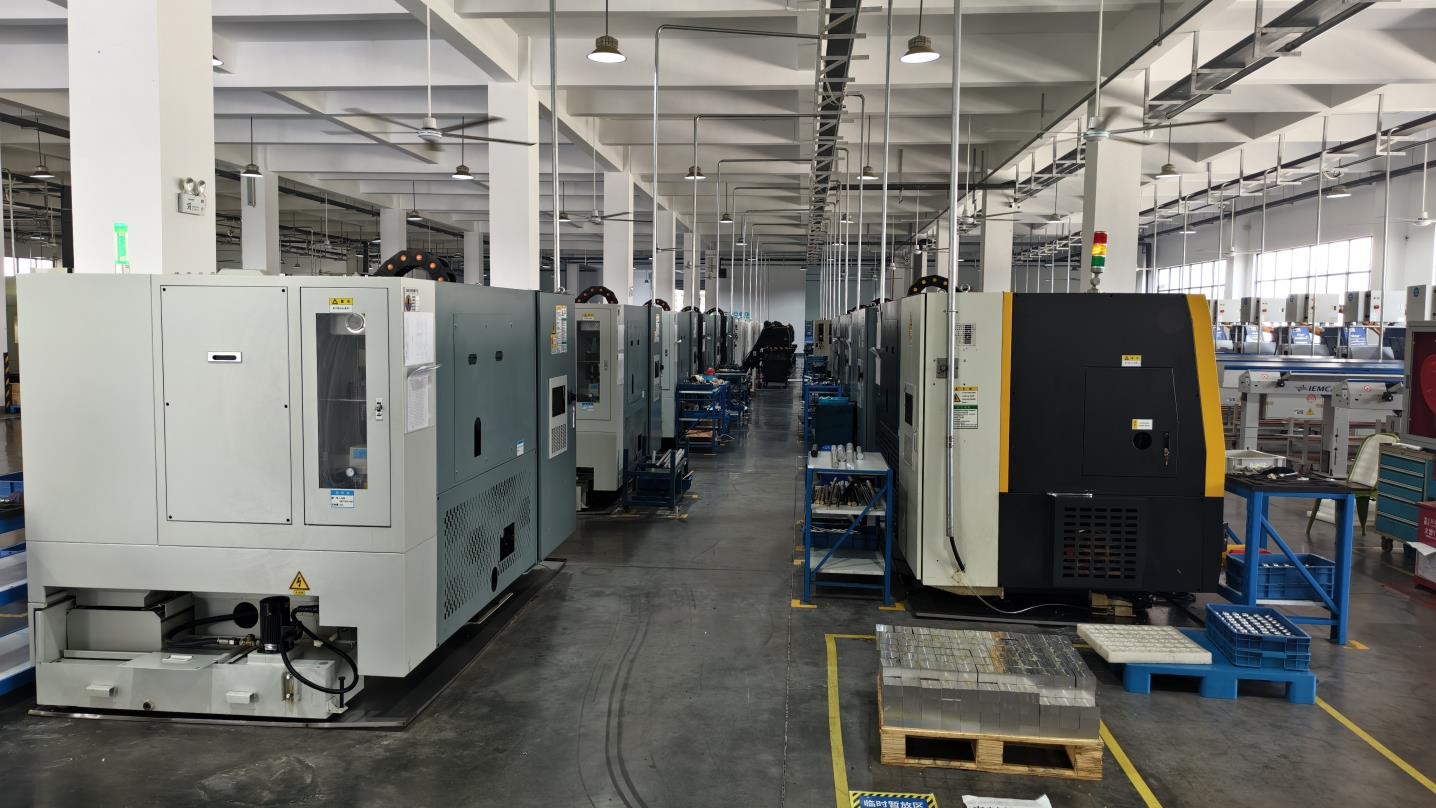
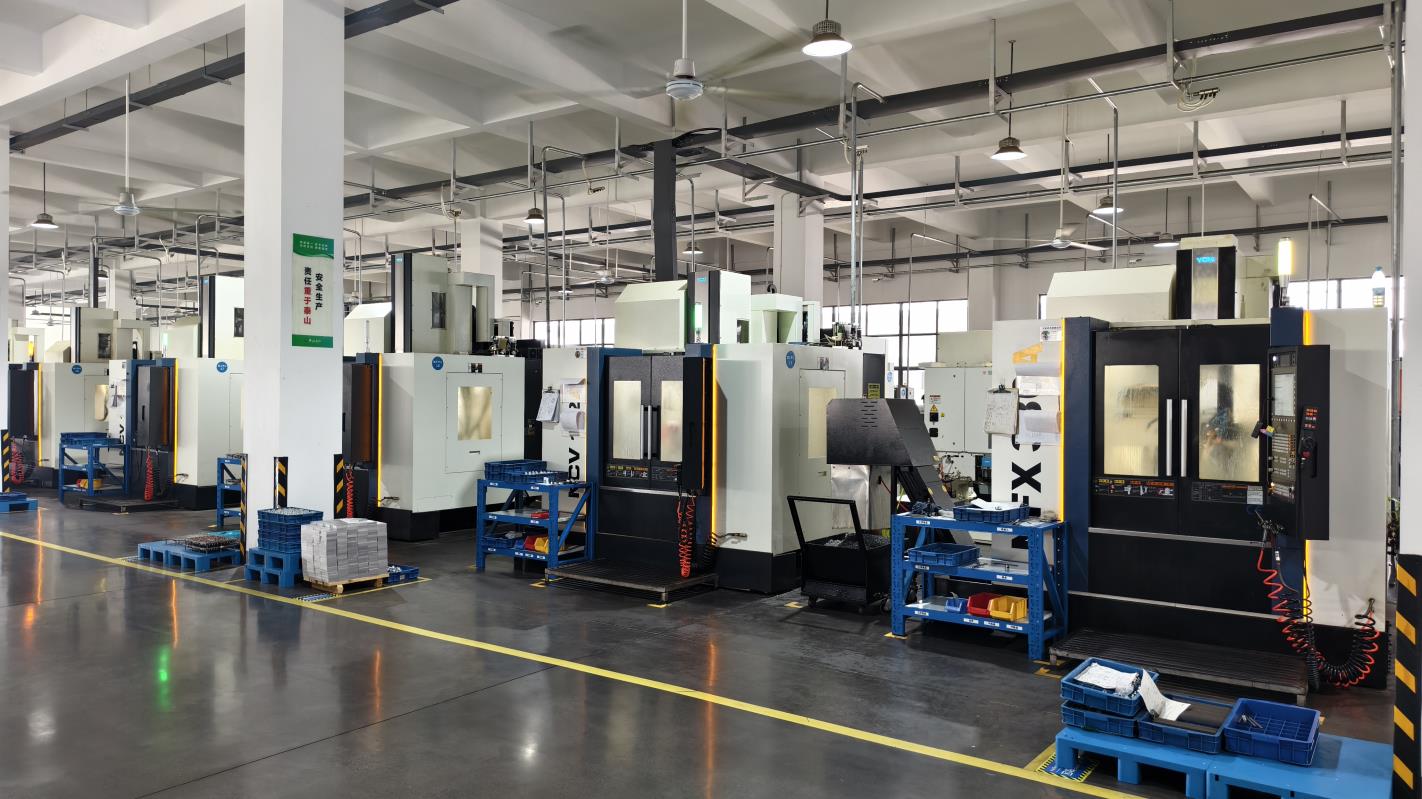
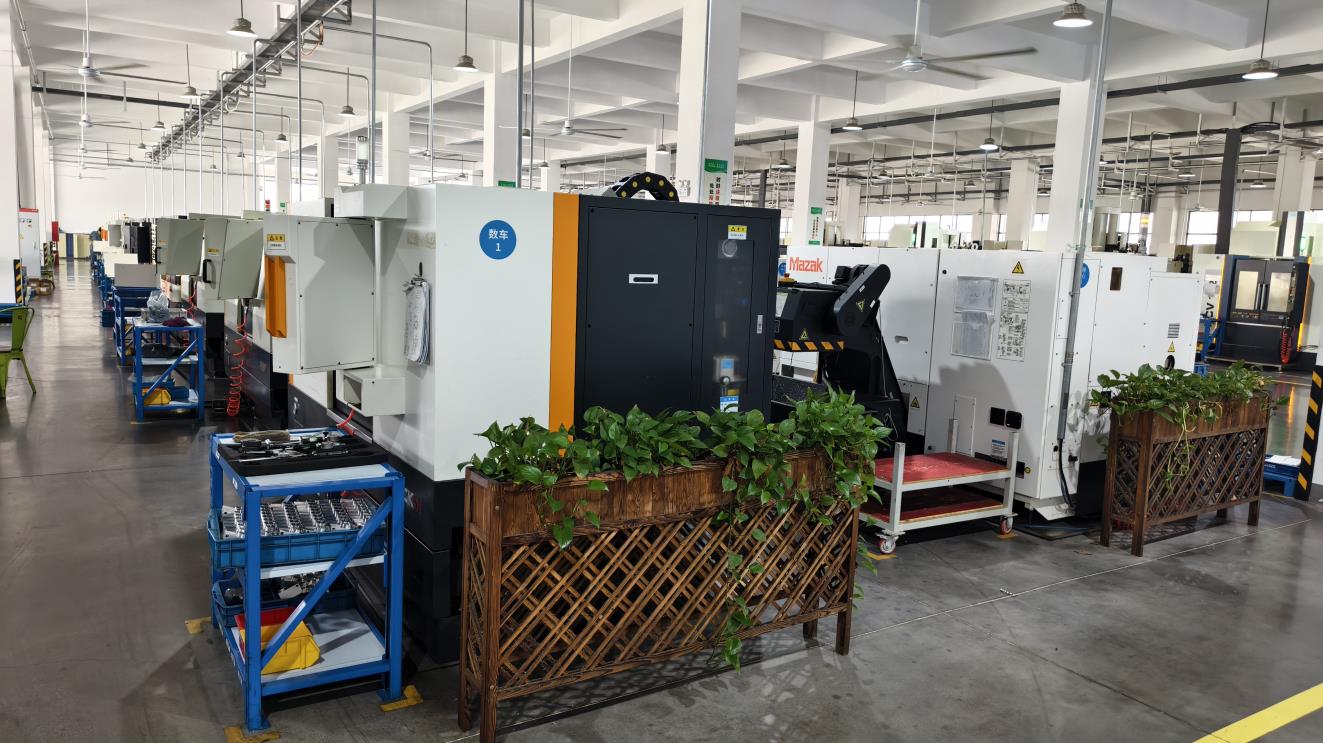
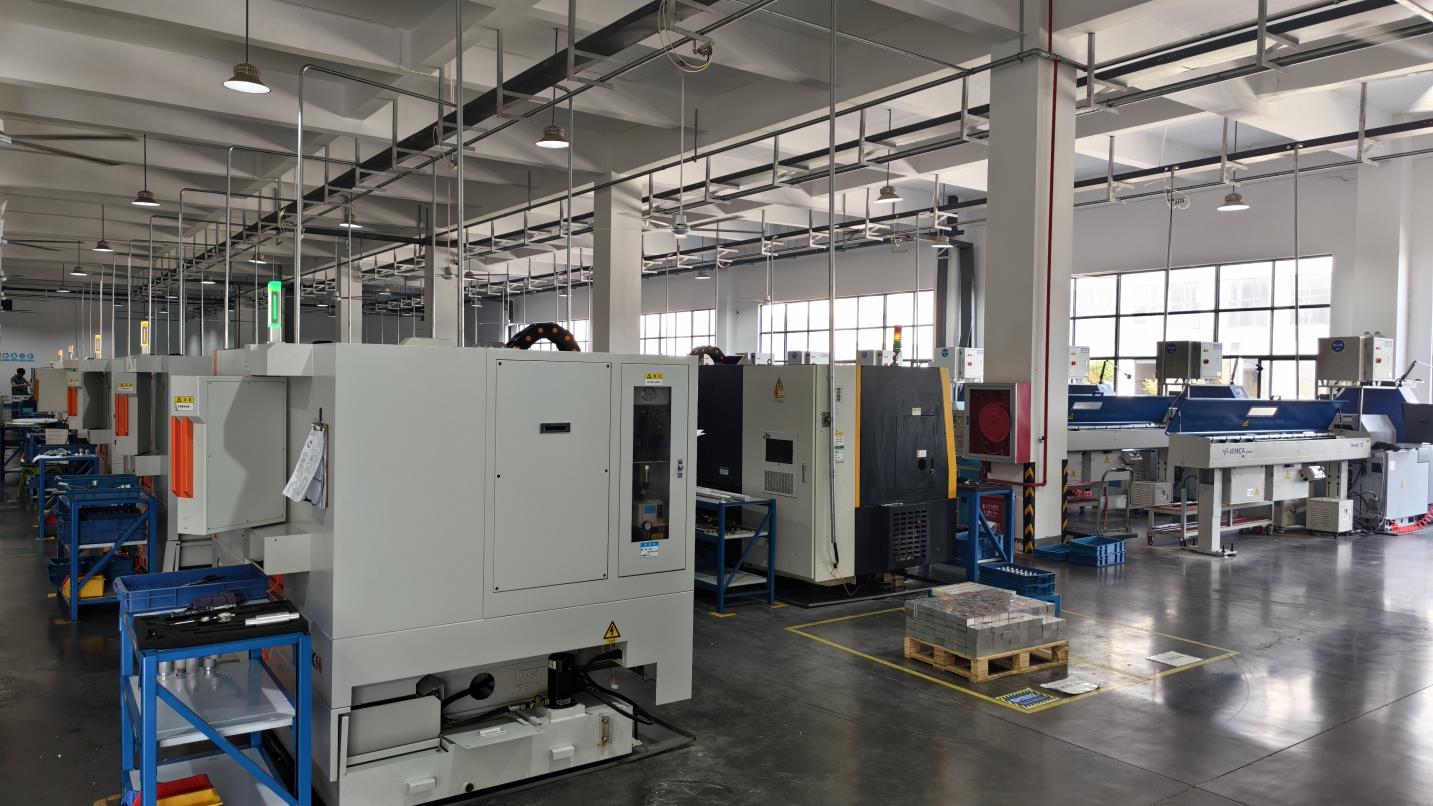
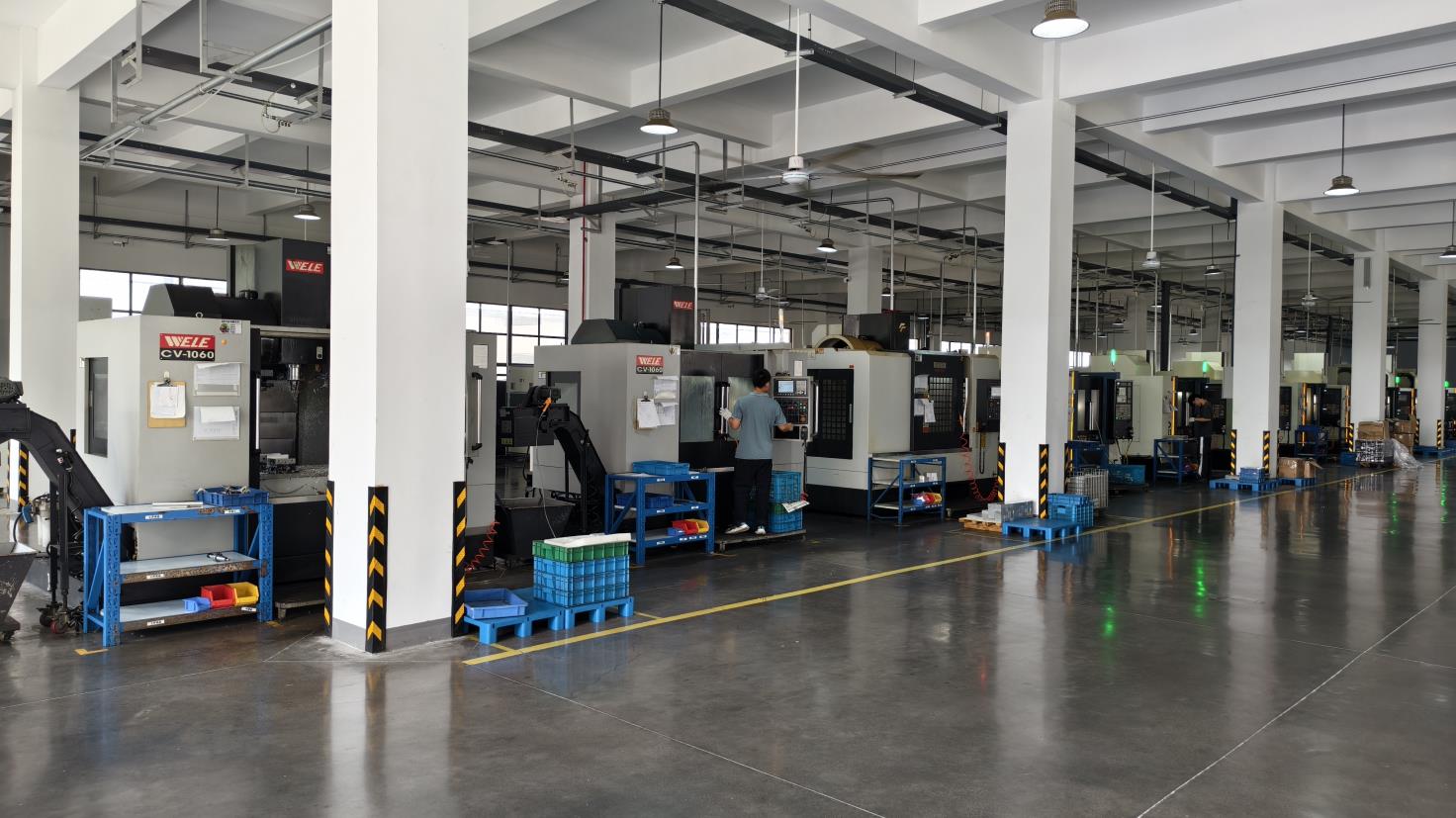
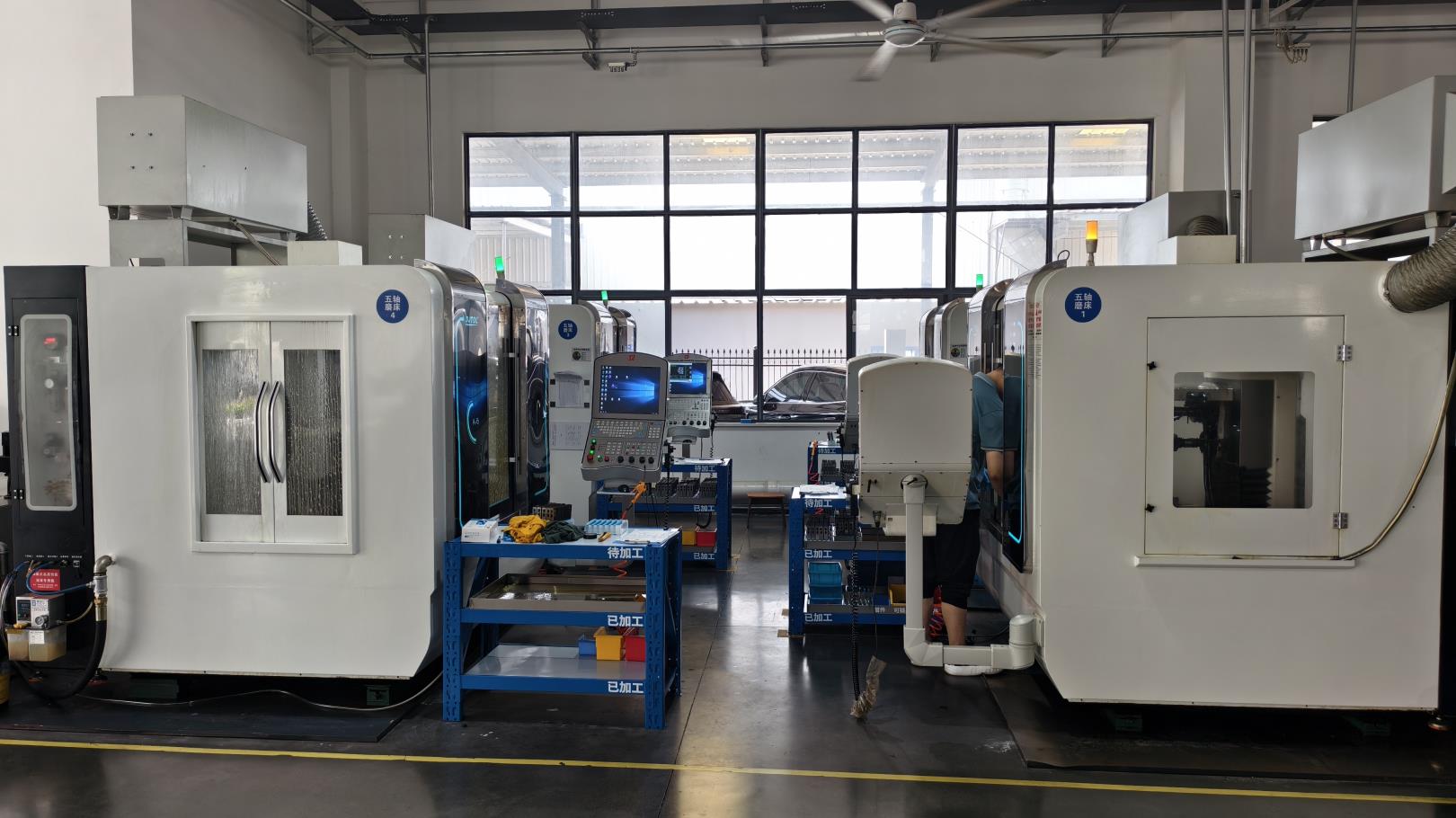
Through continuous investment in Swiss-type automated lathes, multi-axis machining centers, and raw material sourcing protocols, we supply leading medical device brands, orthopedic distributors, hospitals, and government procurement offices in Europe, North America, South America, the Middle East, and Australia. Our collaborative structure ensures custom implants match local clinical standards (e.g., CE, ISO, ASTM).
| Corporate Metric | Certified Value & Operational Details |
|---|---|
| Company Name | Moventra Medical Technology (China) Co., Ltd. |
| Brand | Moventra |
| Established Year | 2017 (Industry Roots dating back 13 Years) |
| Annual Export Revenue | USD 23.8 Million |
| Quality Control Staff | 48 Dedicated Specialists |
| Quality Inspection Protocols | Dimensional Verification, Material Spectroscopy, Surface Roughness Analysis, Mechanical Durability Profiles, Sterility Audits |
| R&D Capability & Engineers | 86 In-house Engineers, Rapid CAD/CAM Prototyping, Customized Finite Element Analysis (FEA) |
| Supply Chain Partners | 1,120 active partners globally |
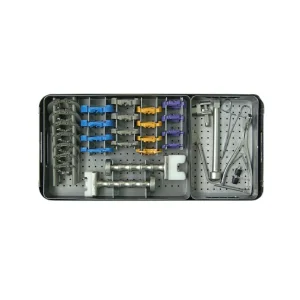
| Customization Scope | Laser Marking, Multi-Color Anodization, Custom Threading Geometry, Custom Instrument Kits, sterile double-barrier blister packs |
Global supply networks demand a balance of regulatory compliance, manufacturing agility, and cost optimization. The medical manufacturing corridor in Jiangsu and Zhejiang provinces represents a dense cluster of specialized raw material producers, precision heat treatment facilities, cleanroom packagers, and third-party laboratory verification hubs.
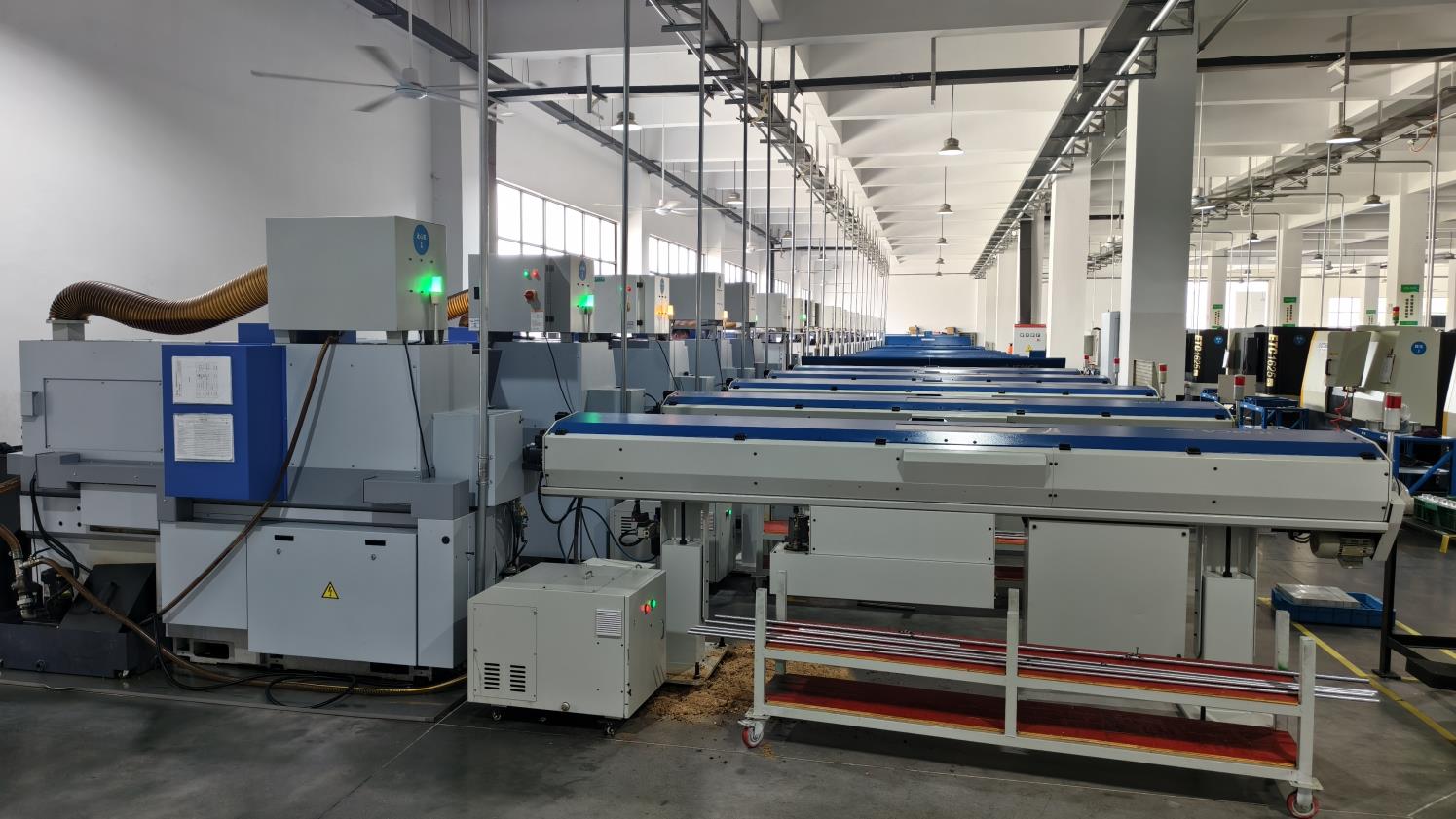
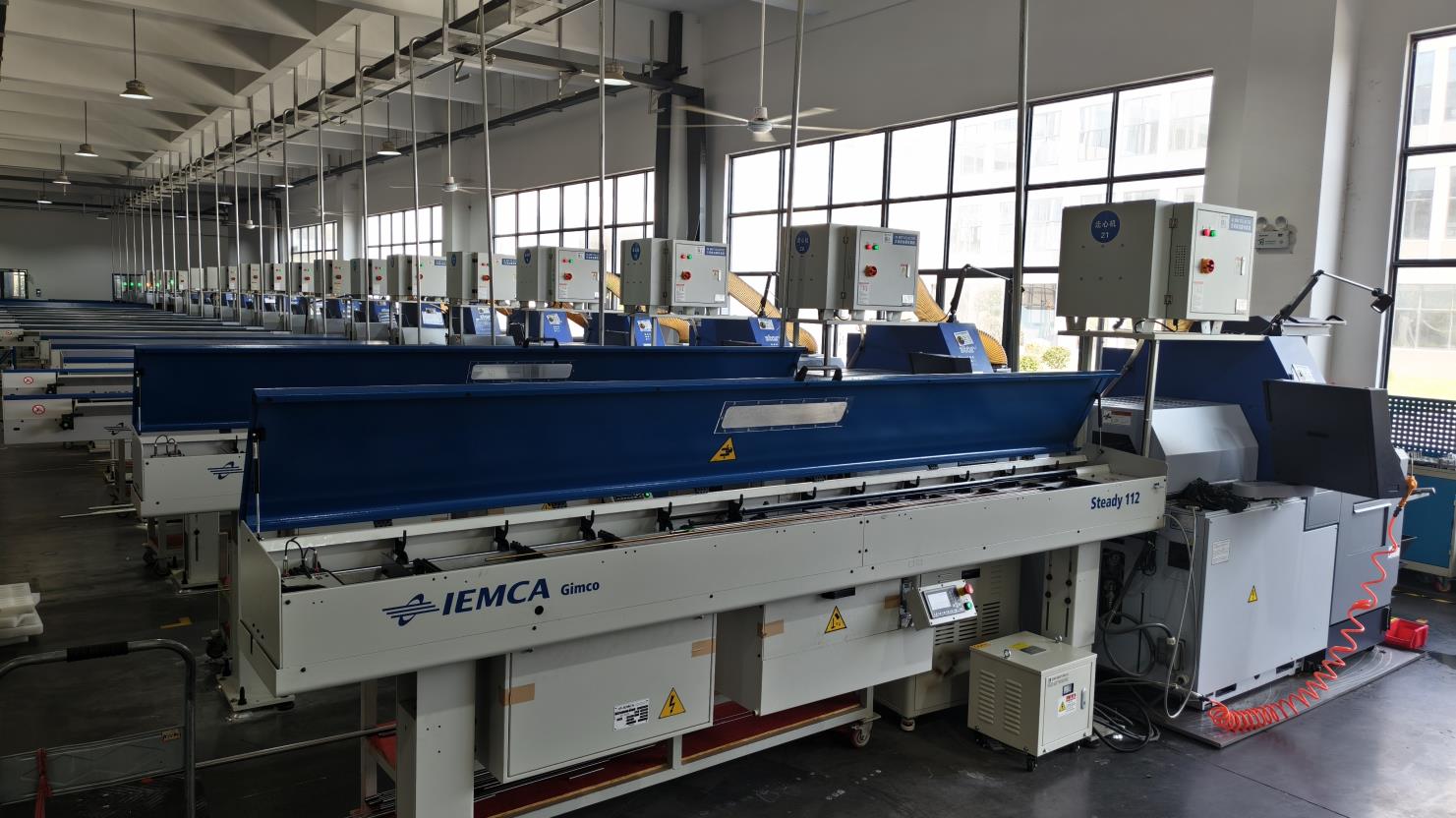
By concentrating these manufacturing services, Moventra delivers premium Posterior Pedicle Screw Systems at highly competitive price points, without compromising clinical quality. Every screw starts with certified Ti-6Al-4V ELI (Grade 5 ASTM F136) medical titanium, which is shaped using advanced Swiss-type sliding head lathes. These machines complete internal drive geometry, complex dual threads, and articulating head shapes in a single setup, achieving structural tolerances within ±0.005mm.
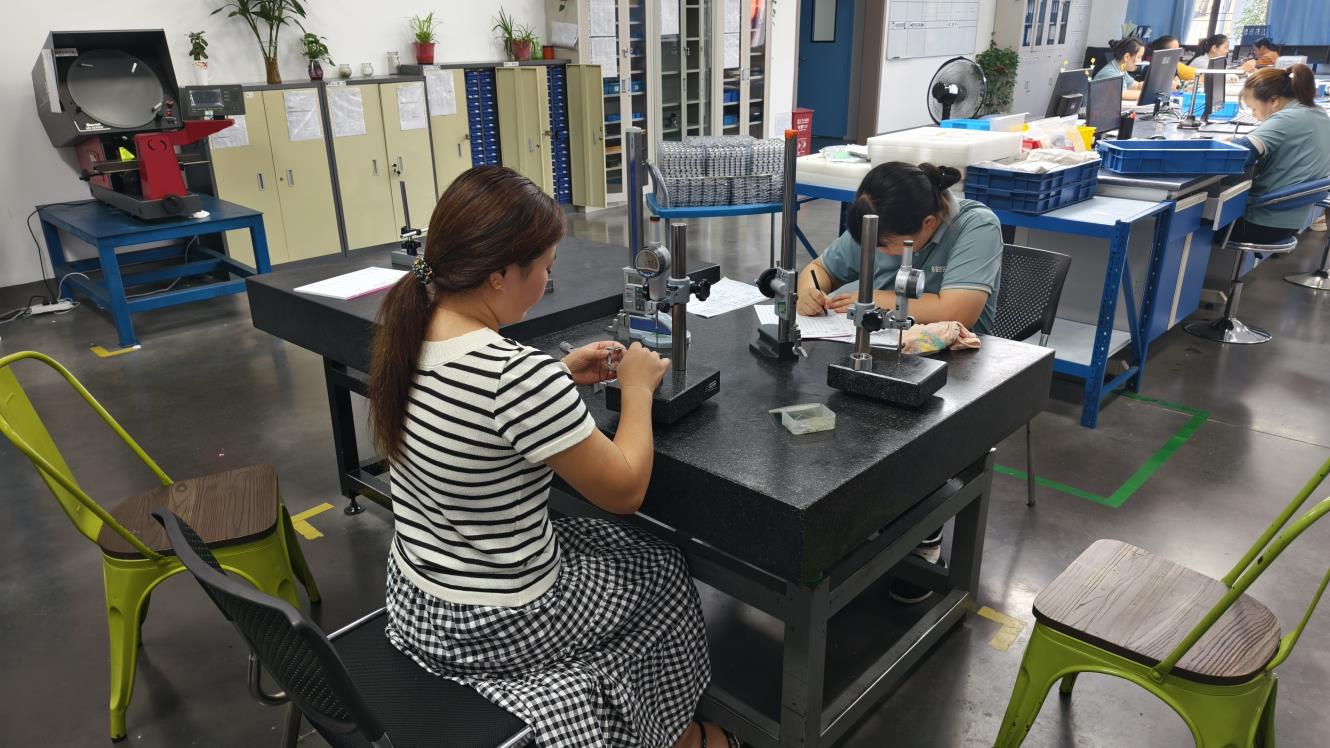
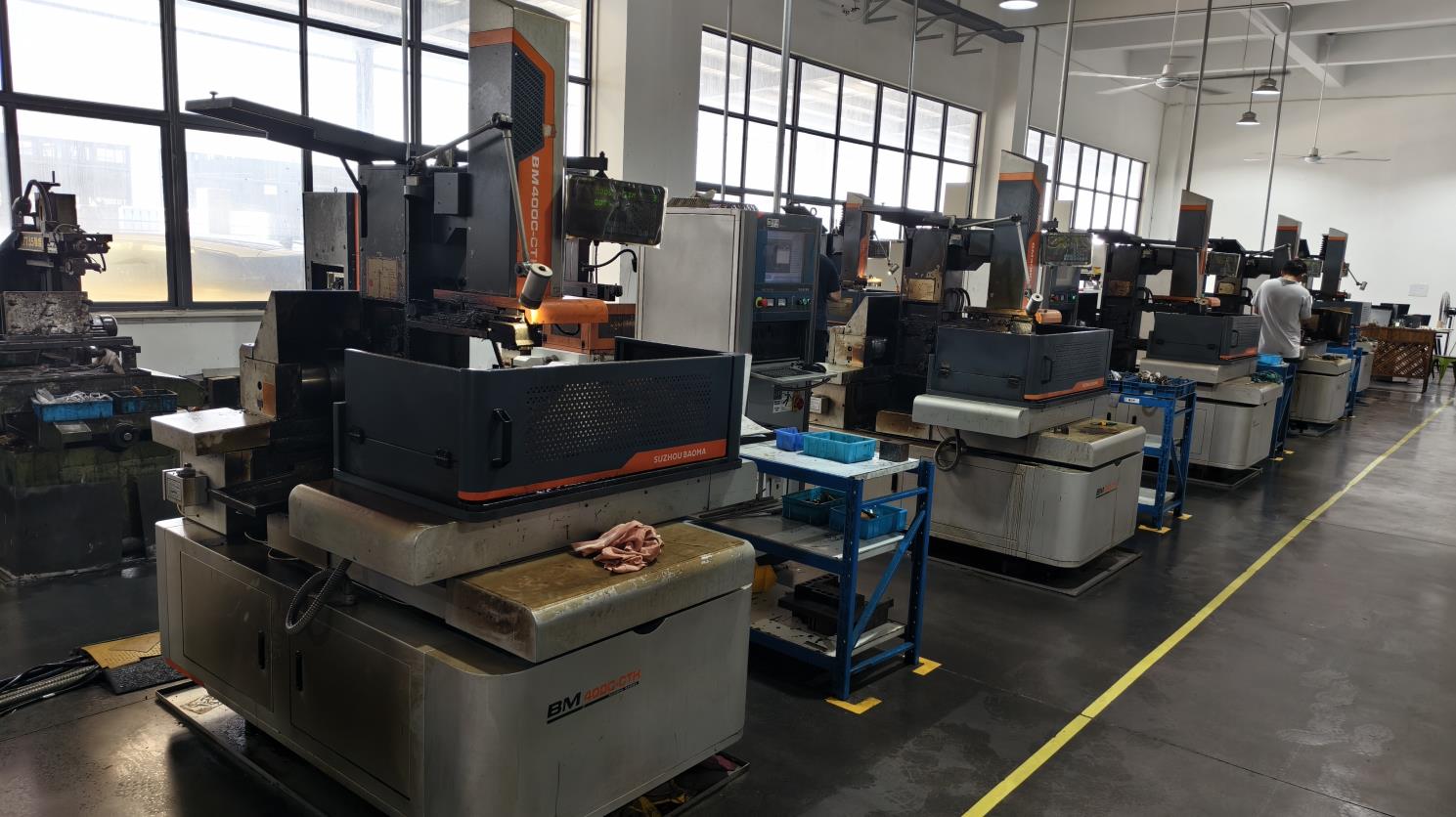
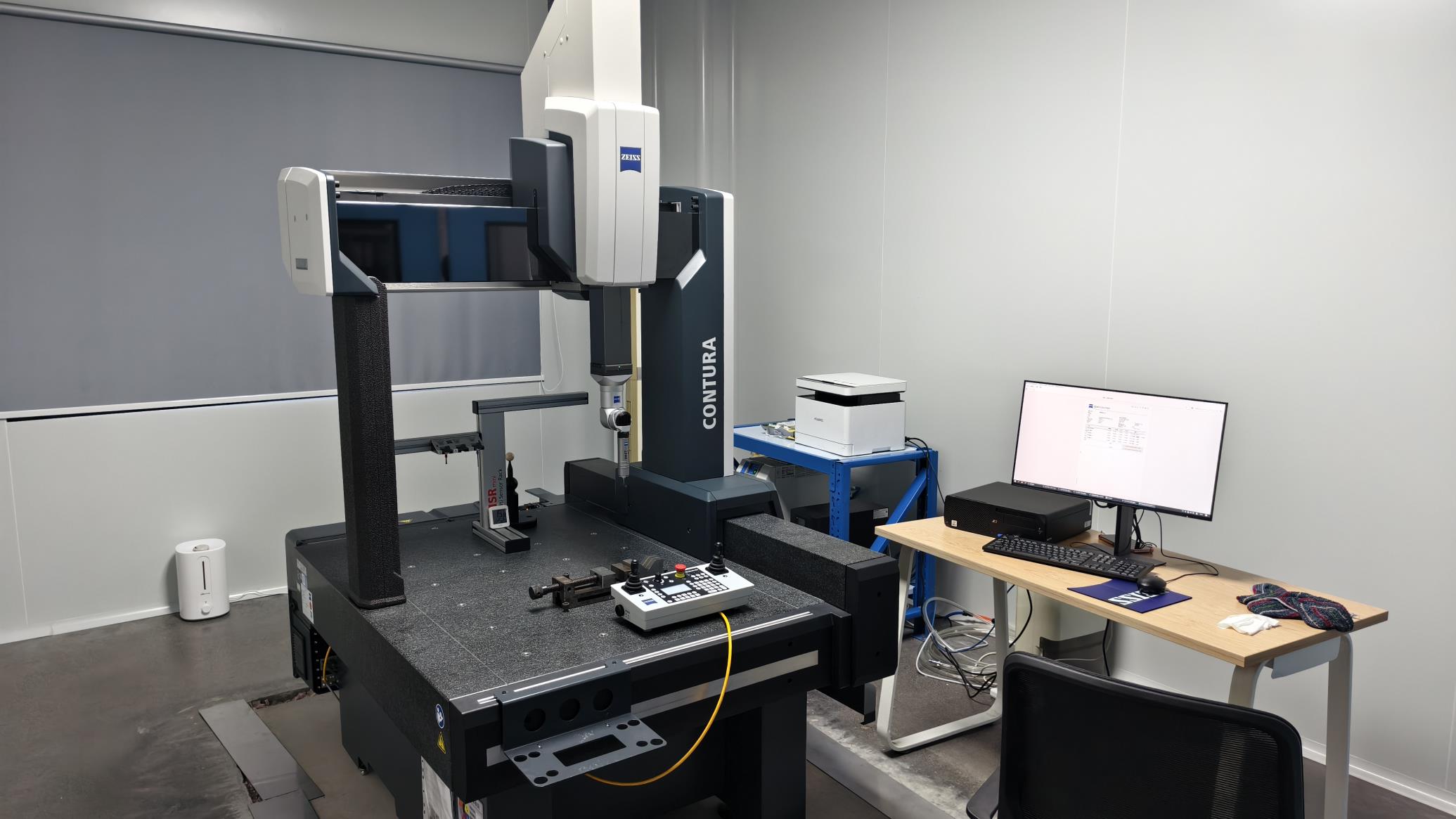
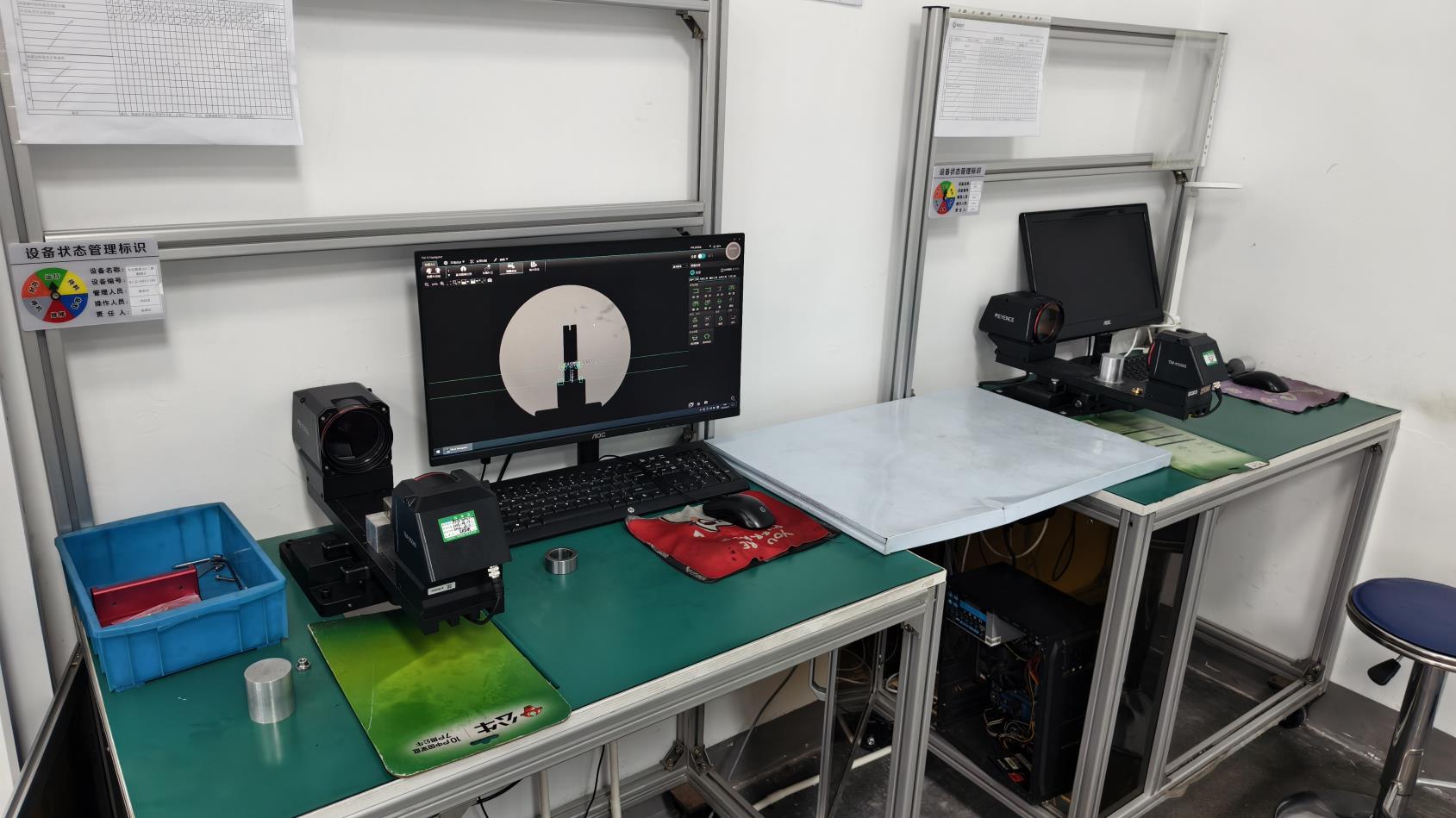
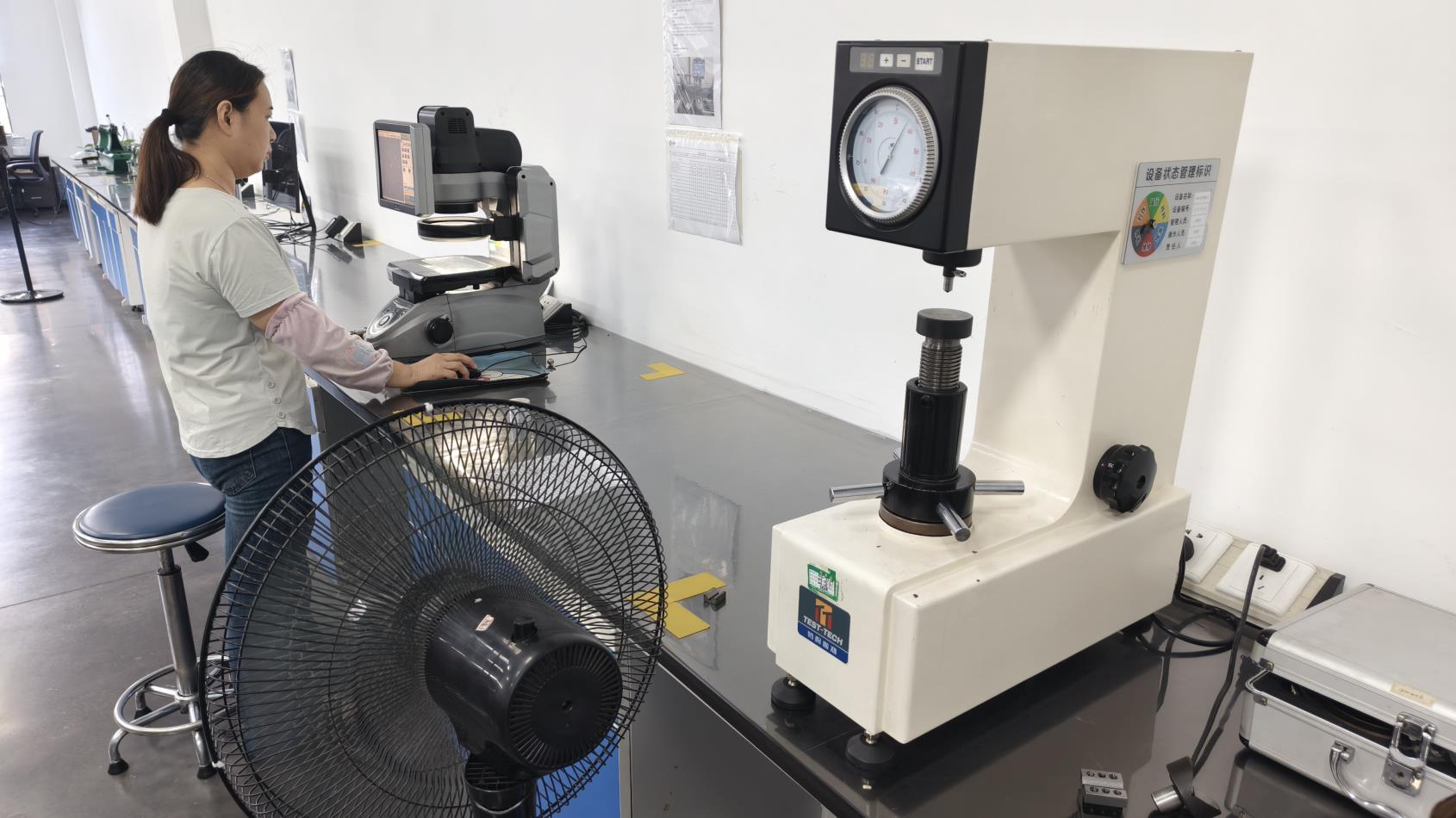
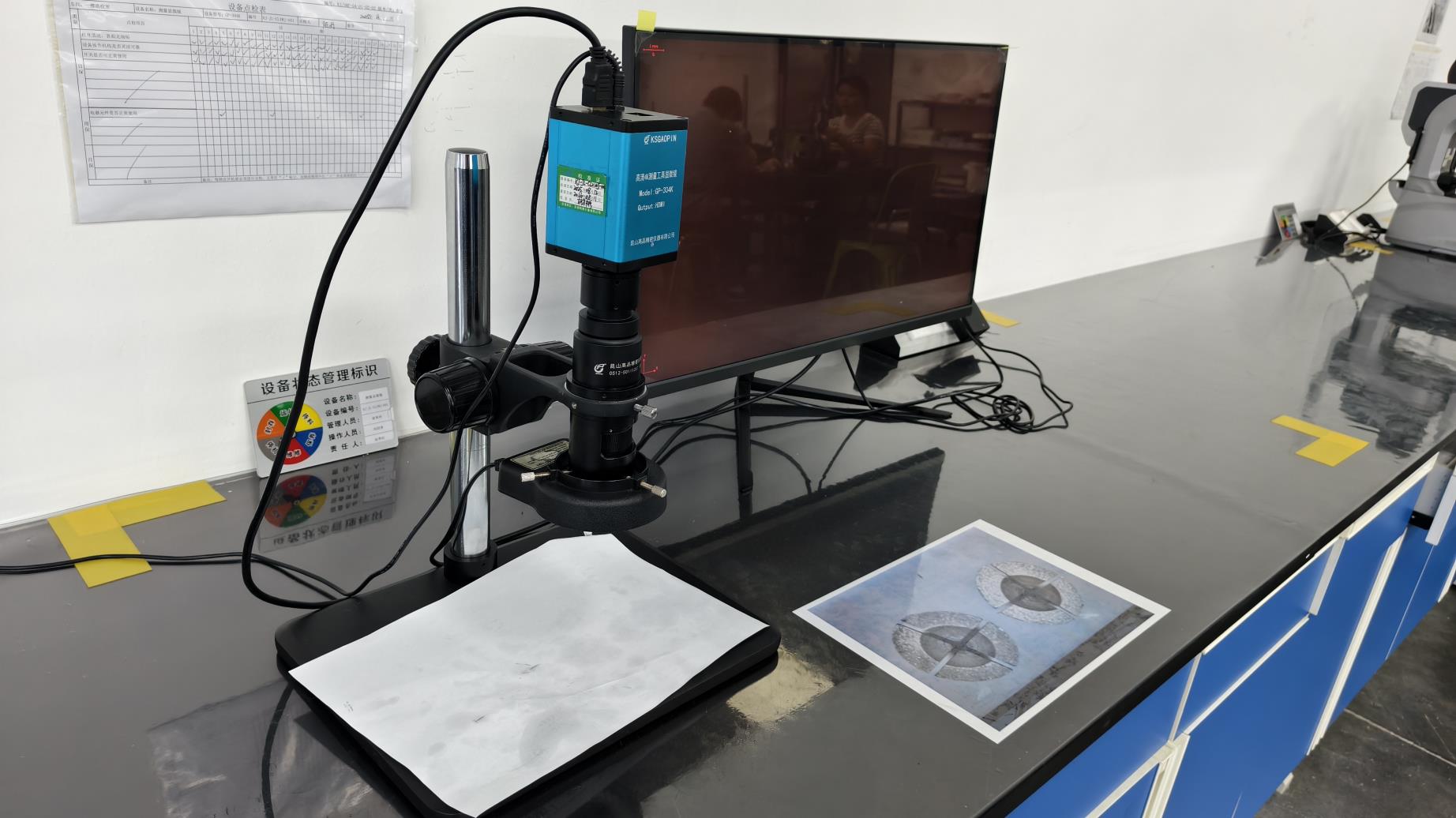
Furthermore, our facility maintains independent testing laboratories equipped with coordinates-measuring machines (CMM), optical comparators, and automated cleaning and passivation lines to ensure chemical residues are kept well below maximum limits defined by European and American standards.
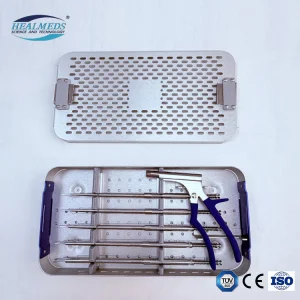
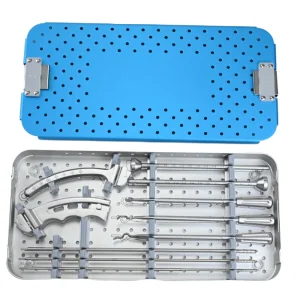
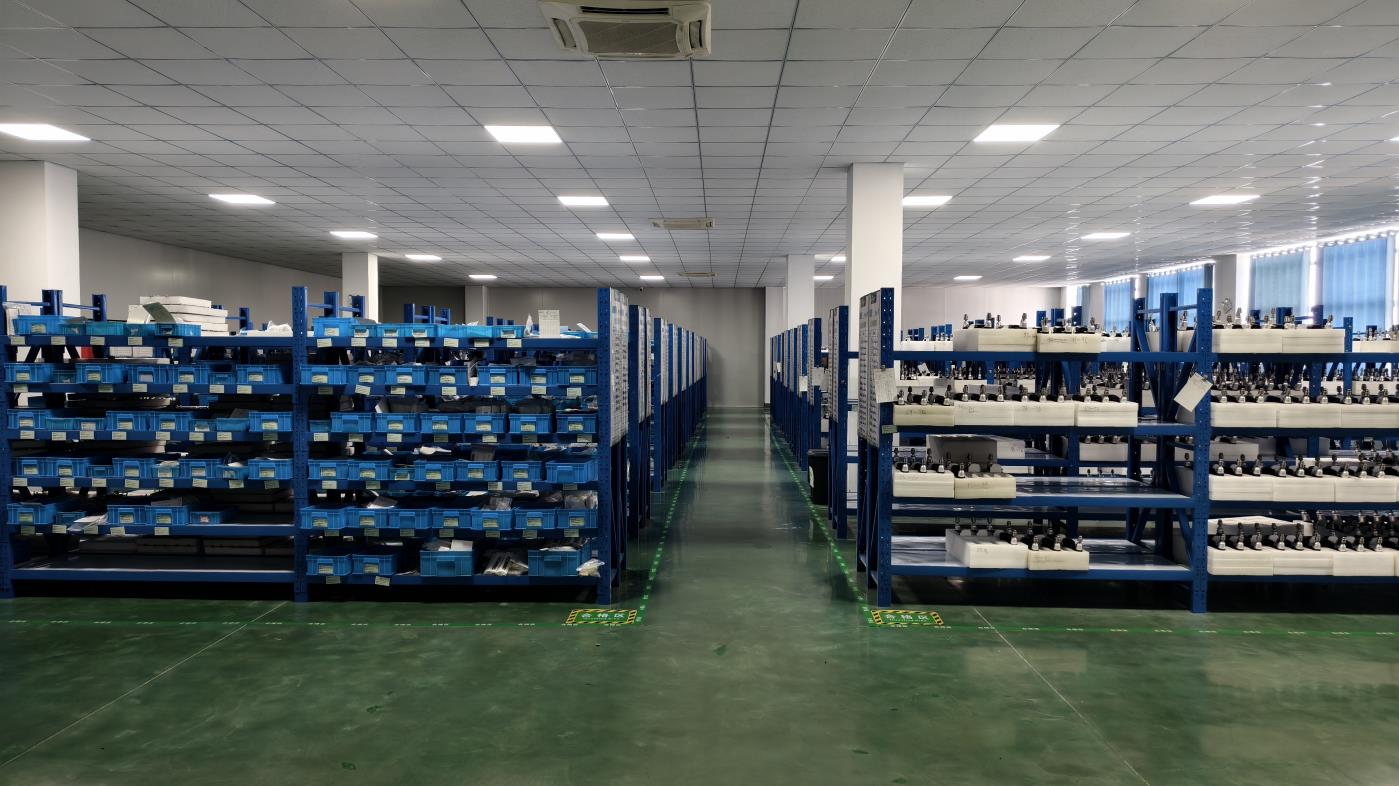
Explore our advanced manufacturing lines. We integrate precision machining, specialized testing, and clean assembly environments to deliver orthopedic trauma and spine implants to our worldwide clientele.
Distributing spine systems requires managing several operational variables. Sourcing professionals must balance high clinical efficacy with pricing pressures from regional tenders. Below, we address three critical procurement challenges and how we solve them:
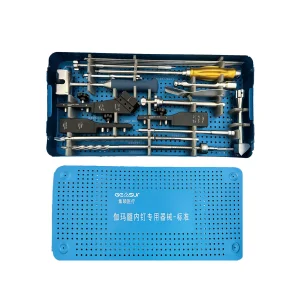
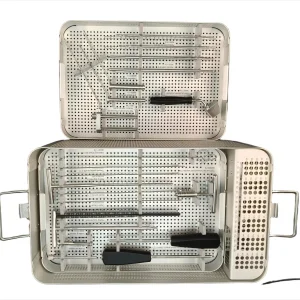
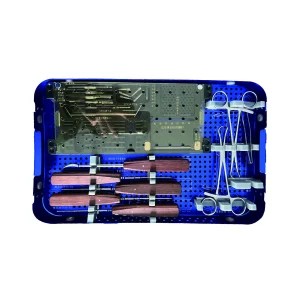
Many distributors need to match existing instrument kits. We resolve this by analyzing client drawings or samples to customize polyaxial drives (e.g., Torx, Hexagonal), pitch, and outer diameters, ensuring 100% cross-compatibility.
Registering implants locally requires comprehensive technical documentation. We supply material grade certs, biocompatibility data, and sterilization validations, enabling straightforward submissions for CE, ANVISA, FDA, and local ministry approvals.
Whether launching a trial run or scaling for a national tender, our automated Swiss-type lathe lines easily scale to match demand, minimizing lead times while maintaining tight mechanical tolerances.
Our posterior pedicle screw systems are engineered using clinical-grade Ti-6Al-4V ELI (Extra Low Interstitial) titanium alloy. This material offers high fatigue strength, excellent biocompatibility, and is fully compatible with post-operative MRI and CT scanning protocols.
| Implant Parameter | Technical Target | Clinical Relevance |
|---|---|---|
| Outer Diameter Range | Ø 4.0 mm to Ø 7.5 mm (in 0.5 mm steps) | Accommodates anatomical variations from thoracic to lumbar pedicles. |
| Length Availability | 25 mm to 60 mm (5 mm increments) | Ensures secure bi-cortical or deep cancellous bone anchoring. |
| Polyaxial Angular Deflection | Up to 60° total cone range | Reduces the need for aggressive rod contouring, saving intraoperative time. |
| Fatigue Strength Limit | Run-out at 5 million load cycles (ASTM F1717) | Minimizes risks of fatigue fracture prior to complete bone fusion. |
| Surface Finish (Ra) | ≤ 0.4 µm (polished tulip), anodized thread | Limits wear debris in articulating joints while facilitating osseointegration. |
By utilizing multi-lead threading, the screw's outer diameter remains constant while the inner diameter tapers towards the tip. This creates a wedging effect that compresses surrounding cancellous bone during insertion, significantly improving pull-out resistance—especially in osteopenic bone structures.
We exclusively manufacture our implants from medical-grade Titanium Alloy (Ti-6Al-4V ELI) conforming to ASTM F136 and ISO 5832-3. We supply material certificates (heat number, chemical composition analysis, and tensile strength records) with every shipment to ensure complete traceability.
Yes. Our R&D department features 86 engineers specialized in custom orthopedic designs. We modify thread profiles, head geometries, and drive slots to match your existing instrument sets, providing quick sample iterations via rapid CNC prototyping.
Moventra operates under a strict ISO 13485 certified quality management system. Our products carry CE marks, and we assist global distributors with technical files to satisfy national regulatory requirements (e.g., FDA, NMPA, ANVISA).
Our spine constructs undergo rigorous testing according to ASTM F1717. This includes static compression bending, static torsion, and dynamic fatigue tests. We ensure that our systems handle typical spinal loading cycles without failure.
For standard parameters, lead times range between 15 to 30 days. Custom OEM orders requiring unique tooling require 45 to 60 days, depending on the volume and batch processing schedule.
 Moventra Medical