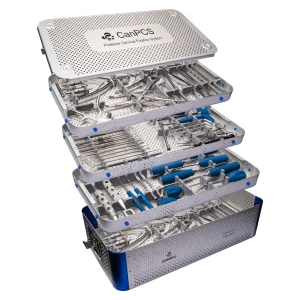
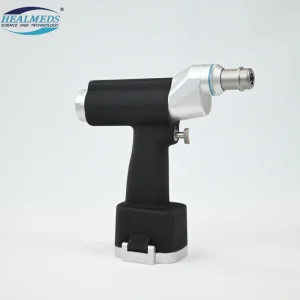
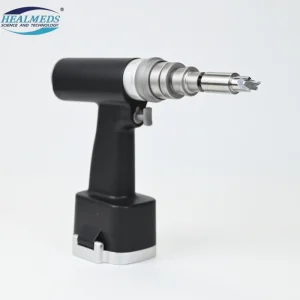
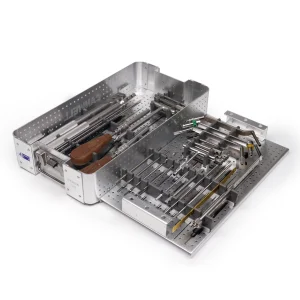
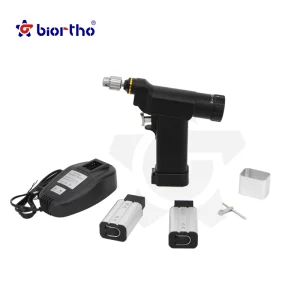
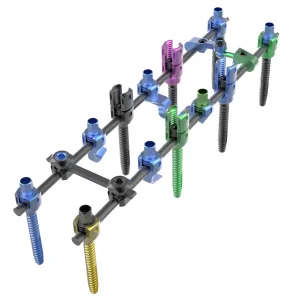
Explore selected products from Moventra Medical Technology, supported by a complete orthopedic manufacturing and export capability for trauma, spine, joint reconstruction, sports medicine, neurosurgery, and veterinary applications.
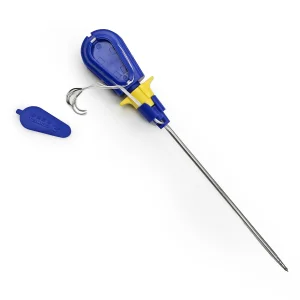
Surgical hooks are deceptively simple instruments with high clinical consequence. They retract, elevate, stabilize, and expose anatomy in trauma, spine, joint, neurosurgery, arthroscopy, and veterinary procedures.
For distributors comparing China wholesale surgical hooks manufacturers and exporters, the decisive question is not only unit price. It is whether the supplier can combine material traceability, repeatable geometry, ergonomic handling, cleanroom-compatible finishing, sterilization compatibility, and OEM/ODM responsiveness at scale. A surgical hook that is difficult to inspect, inconsistent in shape, or poorly balanced in the hand can create downstream friction for surgeons, CSSD teams, and procurement departments.
Moventra Medical Technology (China) Co., Ltd. approaches this requirement from a manufacturer's perspective. The company operates an 18,600 m² production facility, supports OEM and ODM programs, maintains 100% quality inspection before shipment, and supplies a portfolio that spans trauma implants, spine fixation systems, power tools, arthroscopy products, veterinary instruments, and orthopedic instrument sets. This integrated capability is relevant to buyers sourcing surgical hooks as standalone instruments, as part of procedure trays, or as private-label additions to distributor catalogs.
The search intent behind "China wholesale surgical hooks manufacturer and exporters" usually reflects four purchasing missions:
Procurement teams should evaluate a surgical hook supplier through process evidence: material certificates, dimensional inspection records, surface finish controls, mechanical performance checks, packaging verification, and change-control discipline. These factors determine whether a low sample price remains a low total cost after inspection, reprocessing, and clinical use.
Demand is moving from generic instrument supply toward application-specific, traceable, and service-oriented procurement.
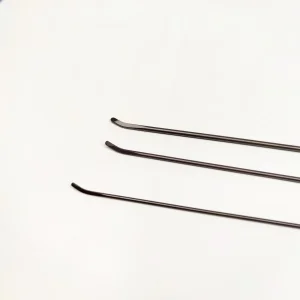
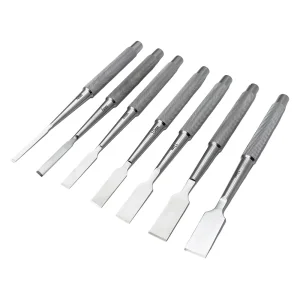
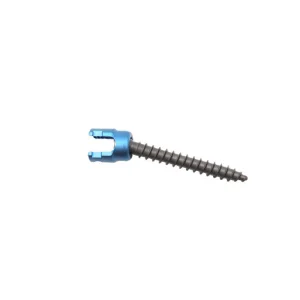
Surgical hooks sit inside a broad instrument ecosystem that includes bone hooks, lamina hooks, nerve hooks, dura hooks, skin hooks, tendon hooks, retractor hooks, arthroscopic probes, and procedure-specific veterinary hooks. They are commonly purchased alongside retractors, elevators, curettes, osteotomes, drills, pedicle screw systems, plates, screws, and implants. As hospitals and distributors consolidate suppliers, the ability to source hooks and related orthopedic products from a coordinated manufacturing partner becomes a commercial advantage.
Several forces are reshaping global purchasing behavior. First, aging populations and sustained trauma volumes continue to support orthopedic and neurosurgical procedure demand. Second, minimally invasive surgery encourages slender, low-profile instruments that preserve visualization and reduce unnecessary tissue disruption. Third, infection prevention and sterile reprocessing requirements increase attention to autoclavability, surface finish, and cleaning validation. Fourth, supply chain resilience has become a board-level issue, prompting buyers to qualify alternative manufacturers with documented quality systems rather than relying on fragmented trading channels.
China's manufacturing ecosystem remains highly relevant because it integrates precision machining, material supply, surface treatment, packaging, tooling, and engineering support within a mature supplier network. However, sophisticated buyers do not treat country of origin as a quality claim. They compare factories by machining capability, inspection discipline, engineering response, production planning, and export documentation. In this environment, a China wholesale surgical hooks manufacturer and exporter earns trust through repeatable processes and information transparency.
The industrial opportunity is especially visible in OEM and private-label programs. Distributors want packaging that supports their brand, tray configurations that match local hospital preferences, and documentation packages that survive distributor audits. Hospitals and government procurement projects demand consistency across repeat orders. Veterinary distributors require smaller instrument sizes and practical reprocessing characteristics. These are not merely sales variations; they are engineering and quality-system requirements that favor manufacturers with in-house R&D and production control.
Efficiency is not only production speed. It is first-pass yield, changeover control, supplier synchronization, inspection capacity, and dependable export execution.
Moventra Medical Technology (China) Co., Ltd. was established in 2017 and reports 13 years of industry experience, 7 years of export experience, and annual export revenue of USD 23.8 million. The company operates from an 18,600 m² facility with CNC machining, Swiss-type turning, lathe and milling, wire cutting, grinding, assembly, testing, and warehouse operations. This breadth supports the production of implants, instrument sets, power tool systems, and reusable surgical instruments with the process control expected by international medical device buyers.
The factory efficiency advantage is cumulative. In-house engineering reduces the distance between a surgeon preference, a distributor request, and a manufacturable drawing. A supply chain network of 1,120 partners supports materials, components, packaging, and rapid production coordination. An R&D team of 86 engineers enables independent product design, rapid prototyping, OEM/ODM development, and customized engineering solutions. A quality team of 48 staff supports dimensional inspection, material analysis, surface finish inspection, mechanical performance testing, and sterility verification, with 100% quality inspection before shipment.
For wholesale surgical hooks and orthopedic instruments, these capabilities translate into practical buyer benefits: repeatable hook geometry, controlled surface finish, consistent laser marking, tray-ready packaging, private-label documentation, and faster response to drawing-based or sample-based customization. Buyers seeking a long-term China supplier should look beyond catalog images and assess whether the factory can sustain the same specification across multiple purchase orders.
Established
Manufacturing facility
Annual export revenue
R&D engineers
Quality control staff
Supply chain partners
New products last year
Years export experience
Different care settings require different balance points between durability, tactile feedback, sterilization workflow, tray configuration, and cost per procedure.
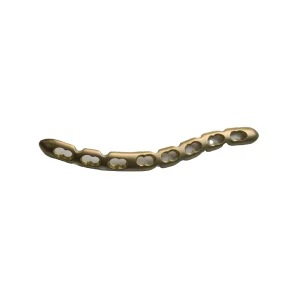
Bone hooks, reduction hooks, and retractor hooks help expose fracture fragments and support implant placement. Buyers often request tray kits that align with locking plate, intramedullary nail, and screw systems.
Lamina hooks, nerve hooks, and fine retractors require precise geometry and smooth surfaces. Reusable instruments must tolerate repeated cleaning and autoclaving while maintaining tactile control.
Arthroscopic hooks and probes support tissue manipulation in confined joint spaces. Distributors increasingly request instrument systems that pair with suture anchors and arthroscopy implants.
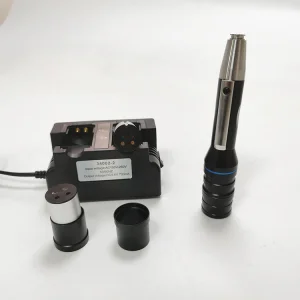
Surgical hooks are often sourced with cannulated drills, craniotomy drills, and orthopedic power tools. Combined sourcing reduces vendor complexity and improves tray compatibility.
Small-animal bone hooks, osteotomes, and veterinary instruments require appropriate scale, durability, and autoclavable construction. Private-label veterinary kits are a growing export opportunity.
Outpatient units value standardized trays, clear labeling, rapid reprocessing, and predictable instrument availability across high-turnover procedure schedules.
Autoclavable instruments must support cleaning, inspection, and sterilization workflows. Surface finish, mating surfaces, and material selection influence long-term service life.
Public-sector buyers emphasize consistent specifications, documentation, packaging, traceability, and repeat-order reliability. Localized labeling and tender-specific kits can improve acceptance.
For surgical hooks and orthopedic instruments, the lowest quotation may not be the lowest total cost. Documentation and process consistency protect the entire supply chain.
Confirm stainless steel or titanium grades, material certificates, and surface treatment specifications. Material selection affects strength, corrosion resistance, weight, and reprocessing behavior.
Ask for dimensional inspection, material analysis, surface finish inspection, and mechanical performance testing. For reusable hooks, tip alignment and handle balance matter as much as nominal dimensions.
Reusable instruments should support cleaning and autoclaving. Packaging, labeling, and instructions should match distributor and hospital handling requirements in destination markets.
Evaluate logo customization, packaging customization, product design customization, drawing-based manufacturing, and sample-based manufacturing. Strong suppliers formalize specifications before mass production.
Discuss production planning, raw material availability, inspection capacity, and export scheduling. A factory with integrated supply chain coordination can reduce surprises during repeat orders.
Batch traceability, inspection records, and change notification are essential for medical device brands and distributors. Documentation should be reviewable before purchase order approval.
Hospitals and distributors are rethinking instrument value through clinical outcomes, reprocessing, standardization, and supply resilience.
Smaller incisions and image-guided workflows favor slender, low-profile hooks and retractors. Design teams must balance visibility, strength, and tactile feedback.
Distributors increasingly maintain both reusable and single-use options. The right mix depends on procedure volume, sterilization capacity, market regulation, and total cost.
CNC programming, inspection data, and batch-level documentation improve consistency. Buyers benefit when manufacturing records can support audits and product complaints.
Hospitals prefer kits that reduce setup complexity. A supplier that can coordinate hooks, drills, implants, trays, and labeling creates operational value beyond unit pricing.
Regional distributors want custom branding, packaging, and specification options. Factories with engineering support and packaging flexibility can help distributors localize faster.
Small-animal surgery and expanding healthcare access are creating demand for practical, durable instruments. Suppliers with scalable production and cost control can serve these markets effectively.
Manufacturer information for distributor due diligence, OEM/ODM evaluation, and global procurement review.
Moventra Medical Technology (China) Co., Ltd. is a professional manufacturer specializing in the research, development, production, and global supply of orthopedic medical devices and surgical solutions. Established in 2017, the company is dedicated to delivering innovative, high-quality products for trauma, spine, joint reconstruction, sports medicine, and orthopedic surgical procedures.
With a modern manufacturing facility covering 18,600 m², Moventra integrates advanced CNC machining, precision manufacturing, automated production lines, and strict quality management systems to ensure every product meets international medical standards. Our commitment to continuous innovation enables us to provide reliable OEM and ODM services for global medical device brands, distributors, and healthcare institutions.
Supported by an experienced R&D team and comprehensive quality assurance system, Moventra continuously develops innovative orthopedic solutions that improve surgical efficiency and patient outcomes. Our products are exported to customers worldwide and are trusted for their precision, safety, and consistent performance.
| Item | Details |
|---|---|
| Company Name | Moventra Medical Technology (China) Co., Ltd. |
| Brand | Moventra |
| Established | 2017 |
| Facility Area | 18,600 m² |
| Annual Export Revenue | USD 23.8 Million |
| Export Experience | 7 Years |
| Industry Experience | 13 Years |
| Quality Inspection | 100% Quality Inspection Before Shipment |
| Product Inspection Methods | Dimensional Inspection, Material Analysis, Surface Finish Inspection, Mechanical Performance Testing, Sterility Verification |
| Quality Control Staff | 48 |
| Business Type | Manufacturer, OEM & ODM, Exporter |
| Main Markets | North America, Europe, South America, Middle East, Southeast Asia, Australia |
| Supply Chain Partners | 1,120 |
| Main Customer Types | Medical Device Brands, Orthopedic Distributors, Hospitals, Importers, Government Procurement Projects |
| R&D Capability | Independent Product Design, Rapid Prototyping, OEM/ODM Development, Customized Engineering Solutions |
| Customization Options | Logo Customization, Packaging Customization, Product Design Customization, Drawing-Based Manufacturing, Sample-Based Manufacturing |
| New Products Released Last Year | 156 |
| R&D Engineers | 86 |
Driven by innovation, precision manufacturing, and international quality standards, Moventra is committed to becoming a trusted global partner for orthopedic medical devices, providing reliable products, customized solutions, and long-term value to customers worldwide.
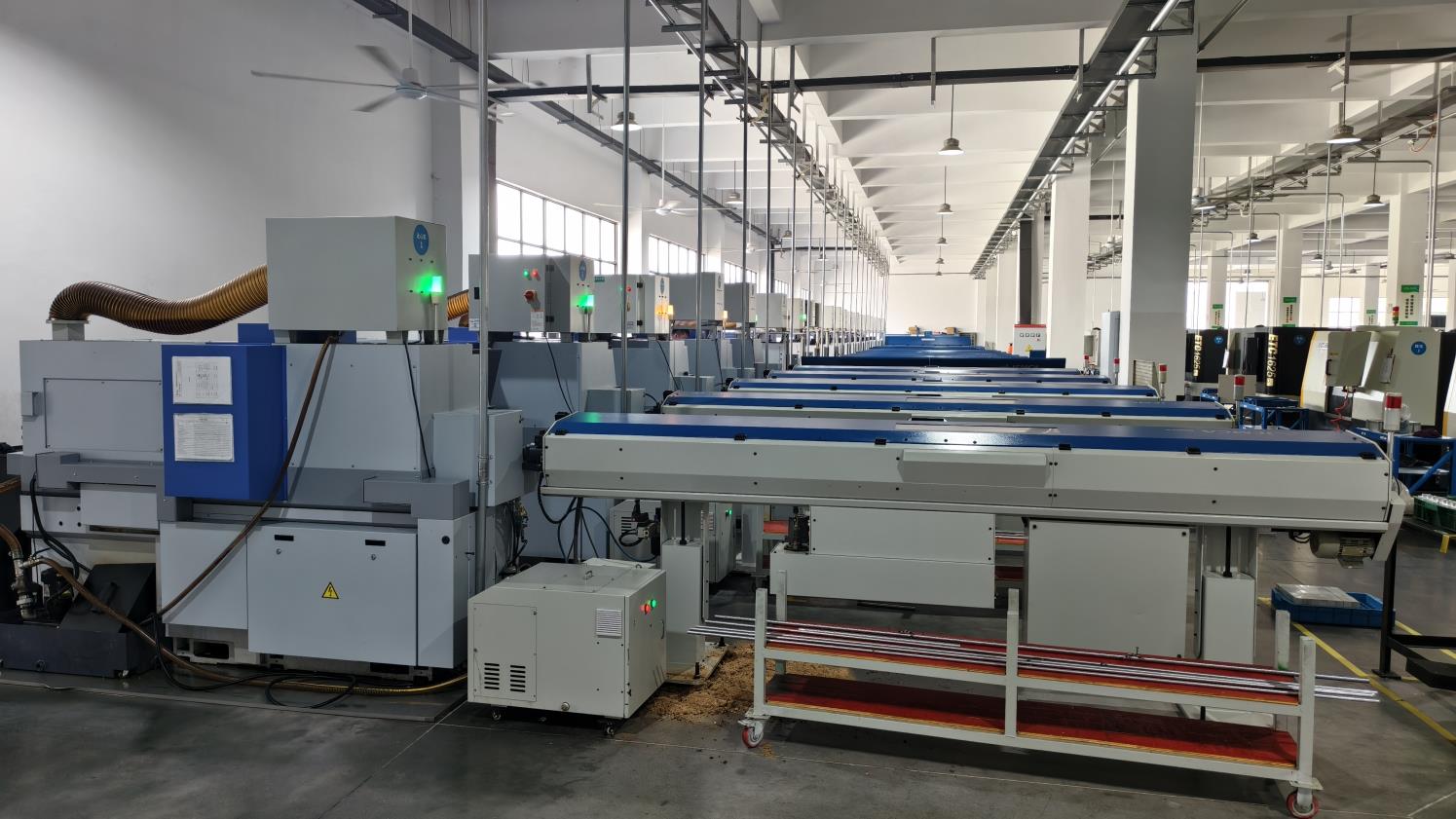
Swiss-type
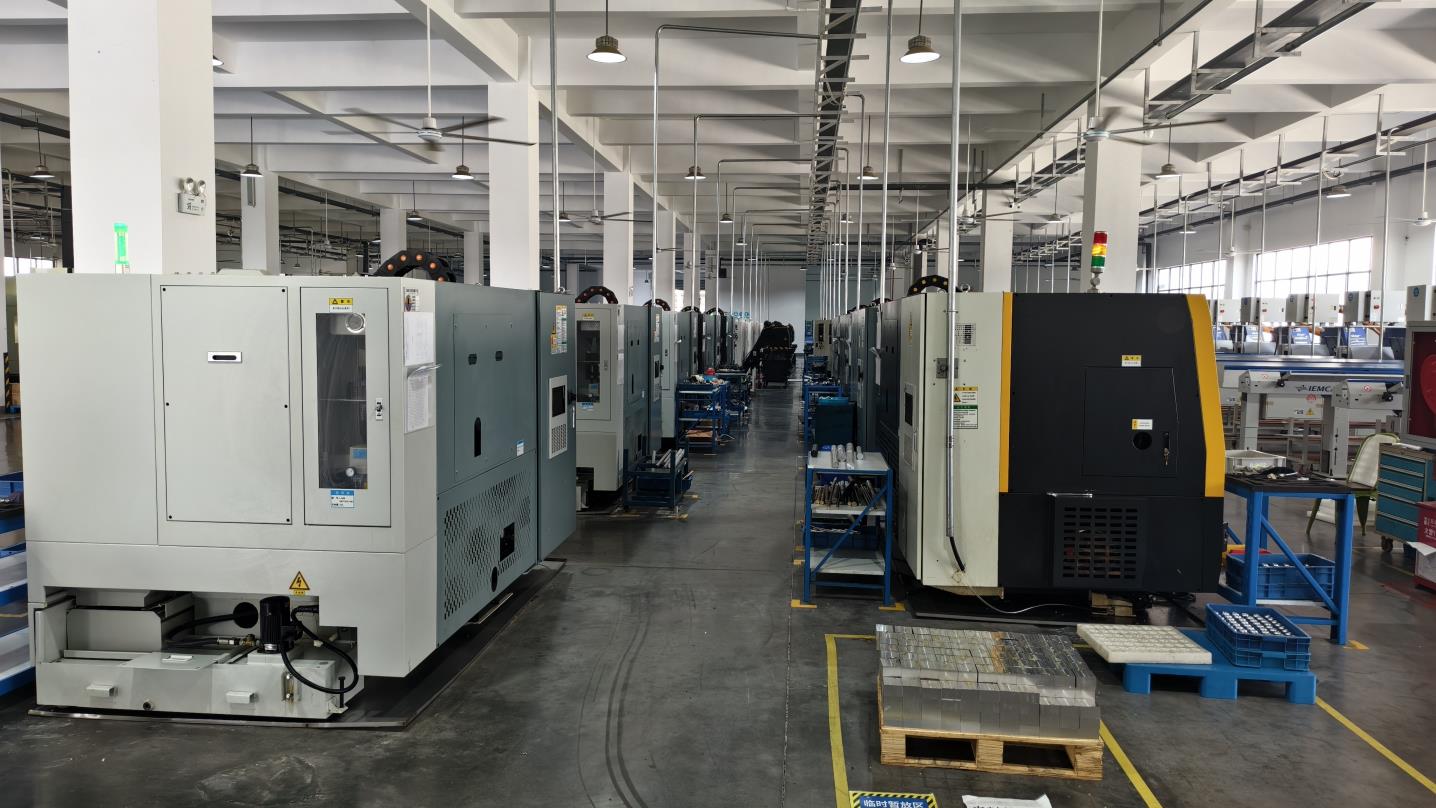
Lathe and Milling
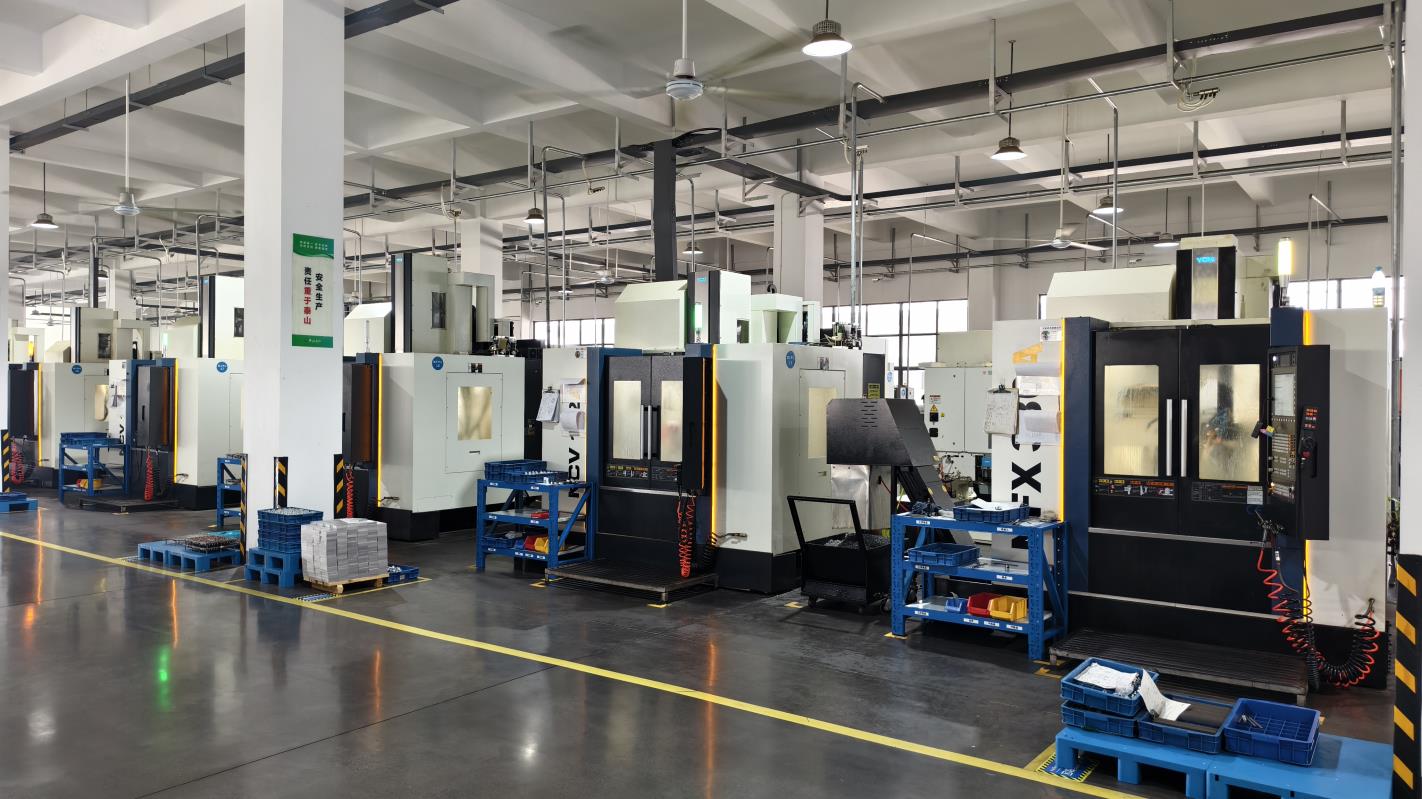
Machining
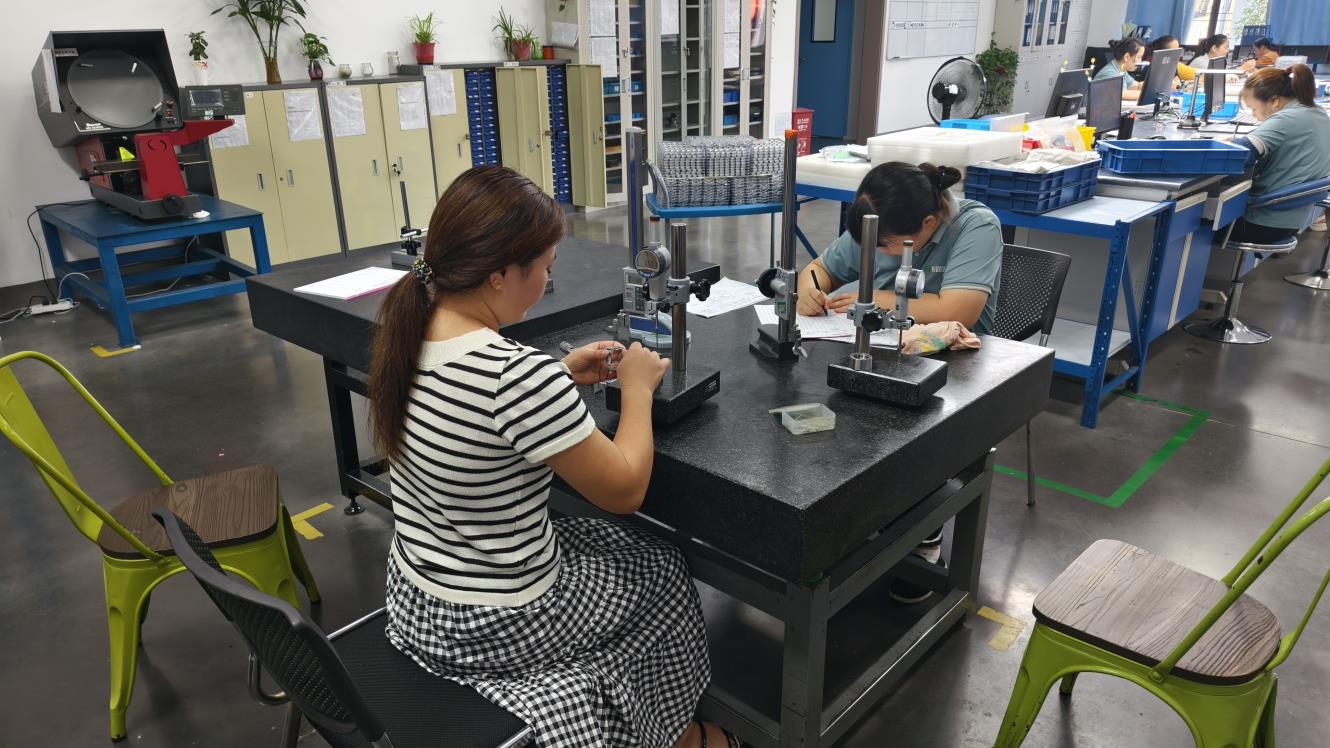
Testing
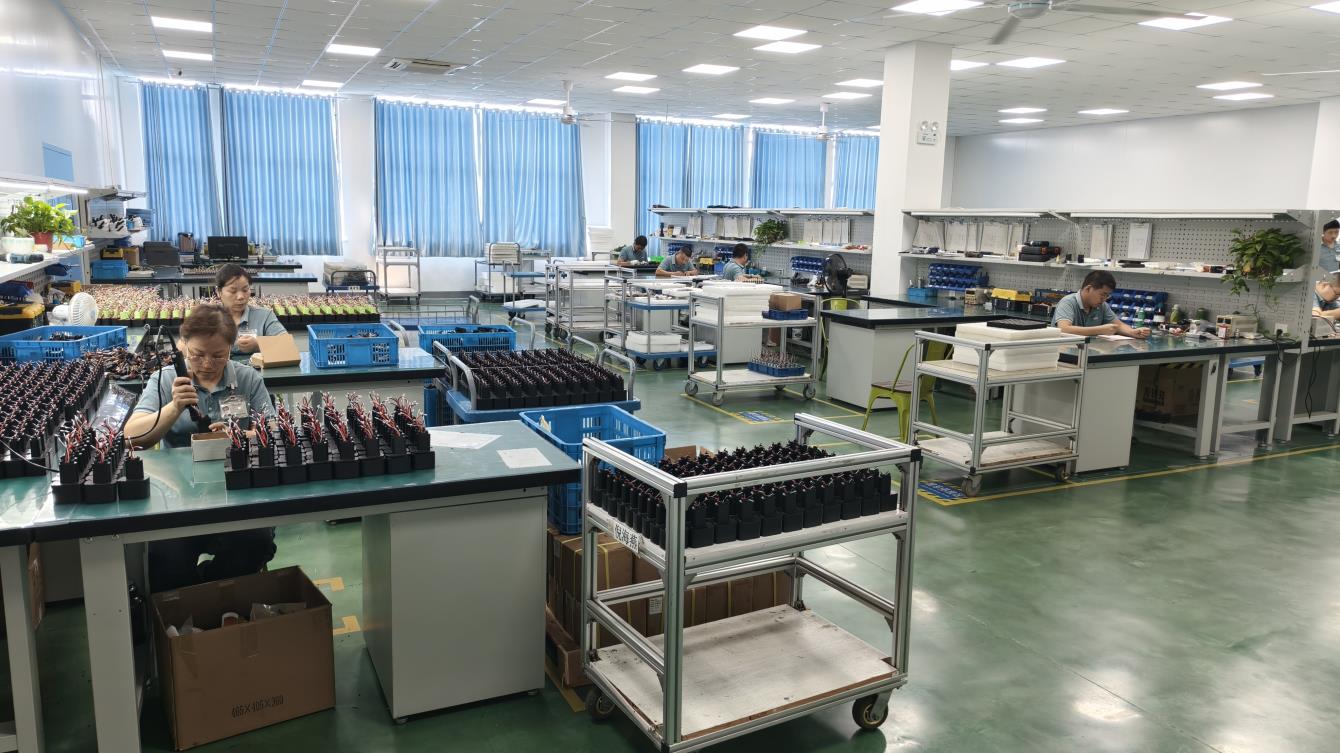
Assembling
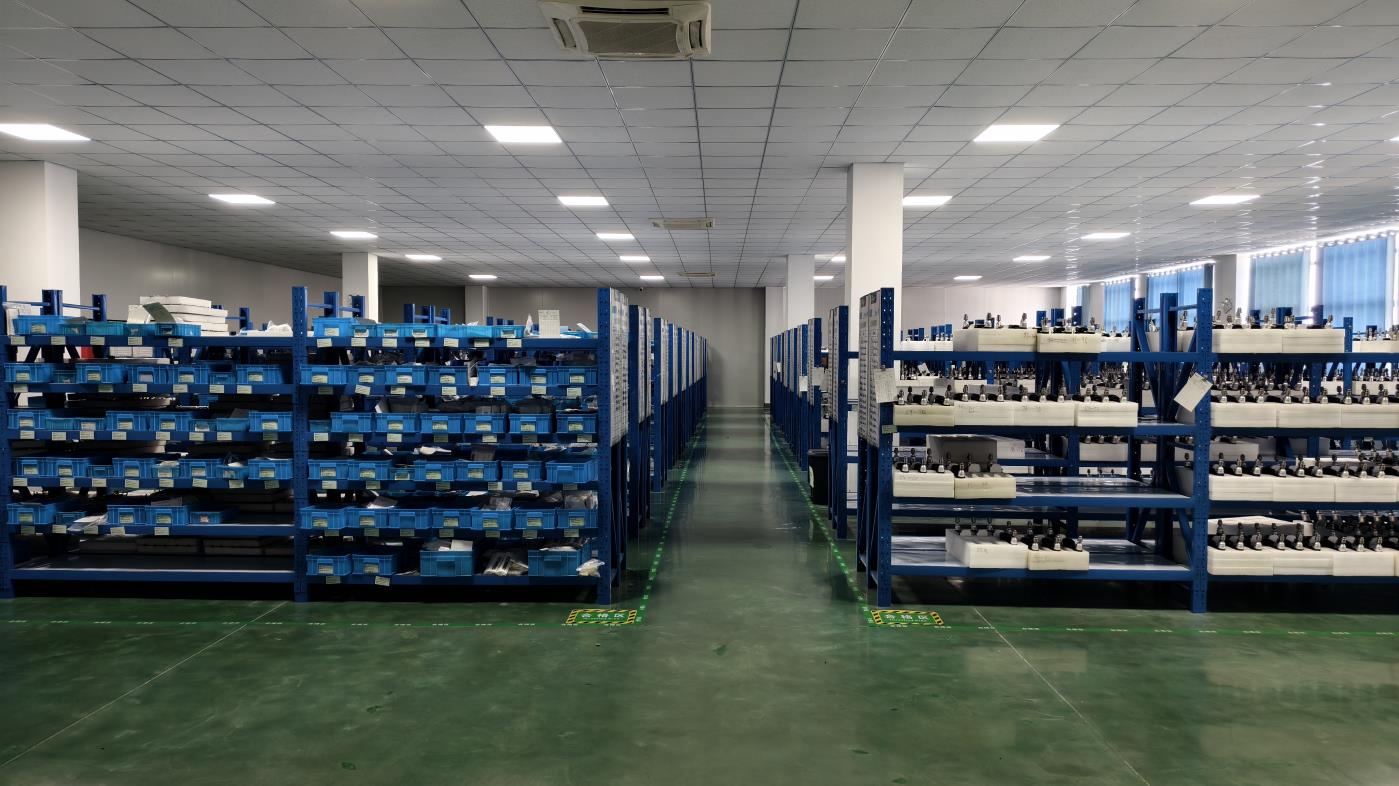
Warehouse
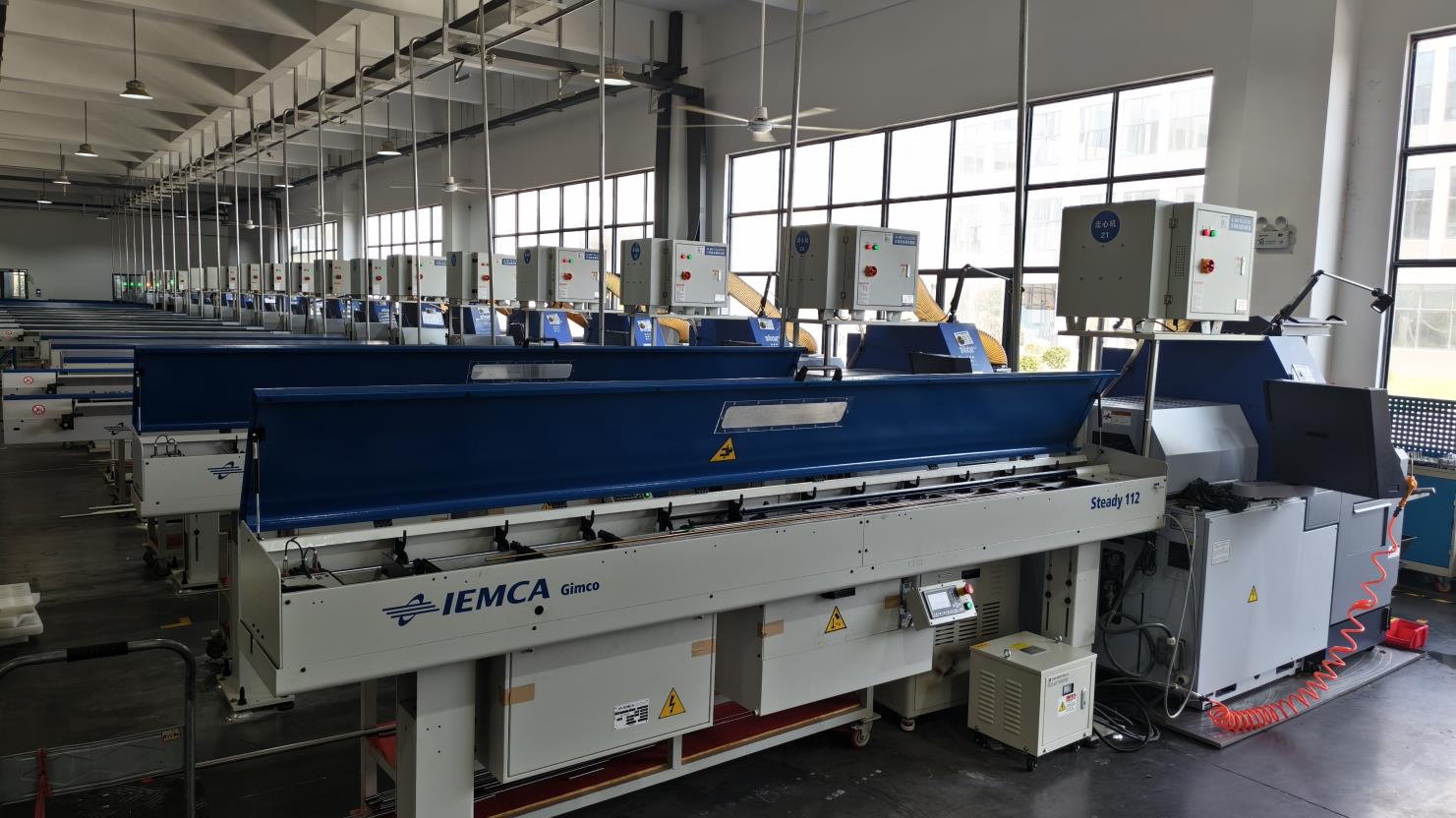
Swiss-type lathe
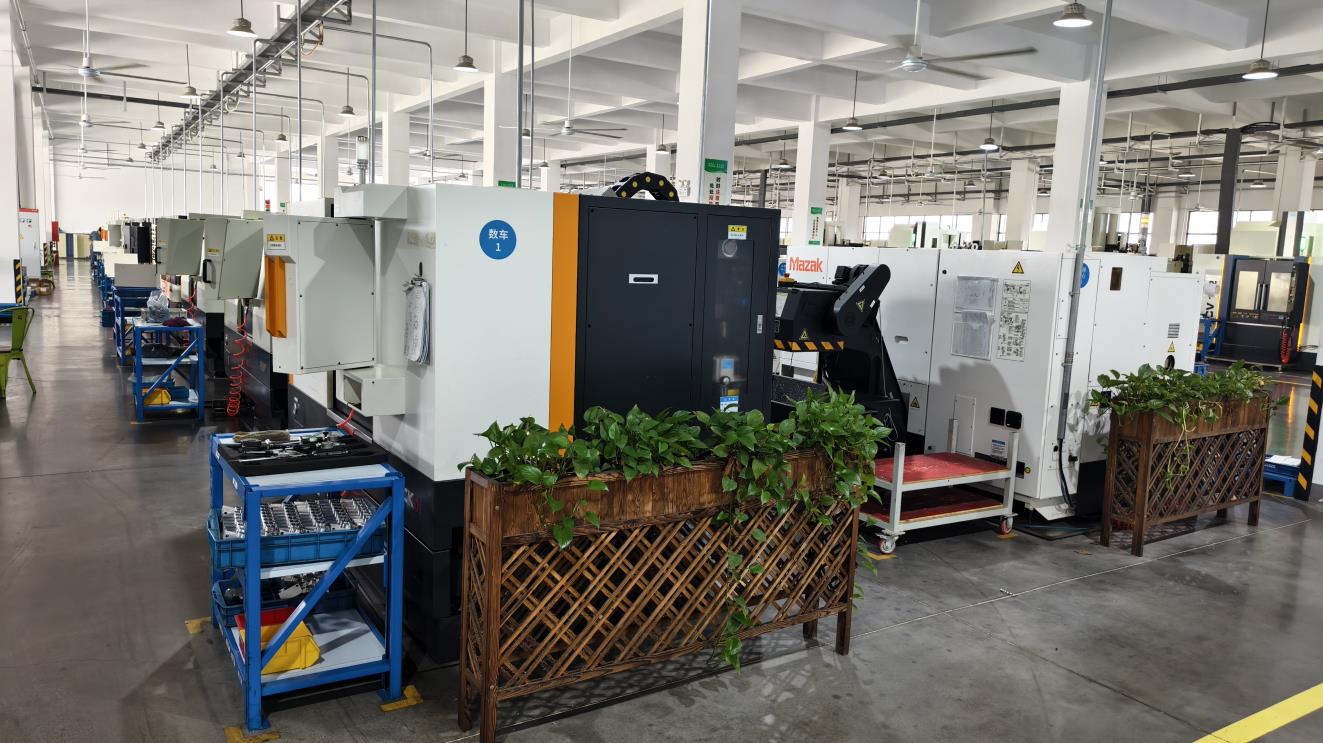
Lathe and milling machine
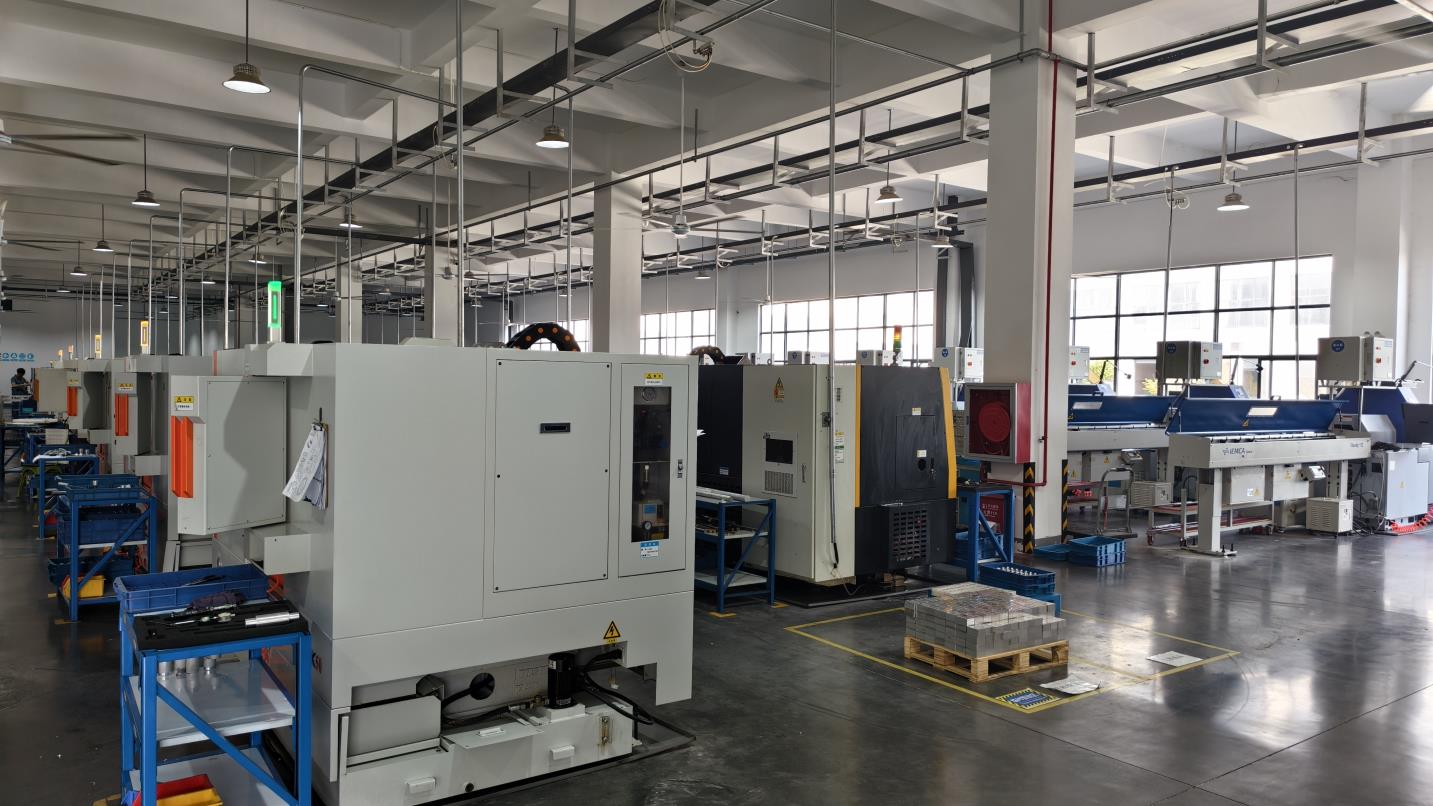
Lathe
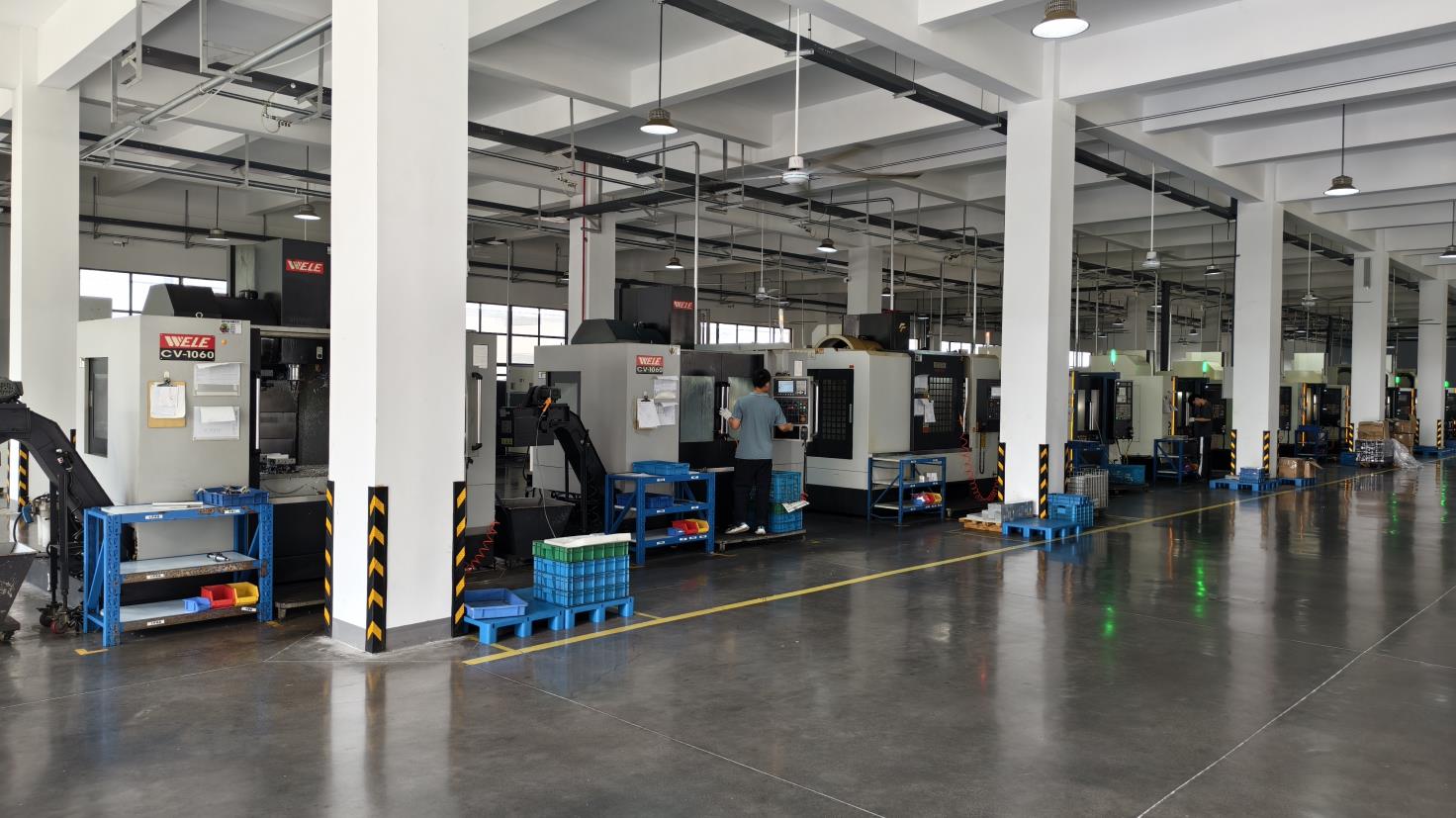
Machining center
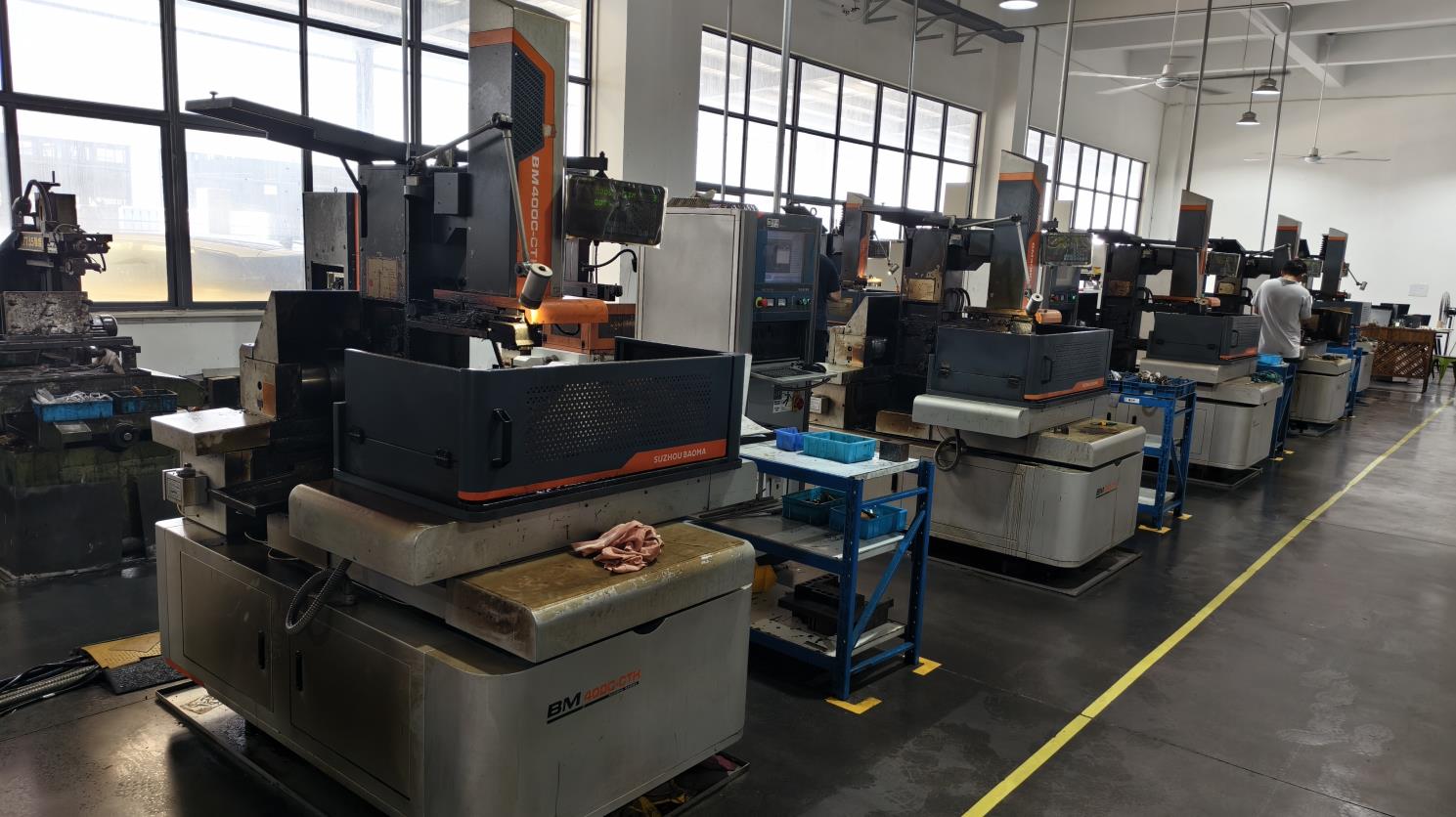
Wire cutting machine
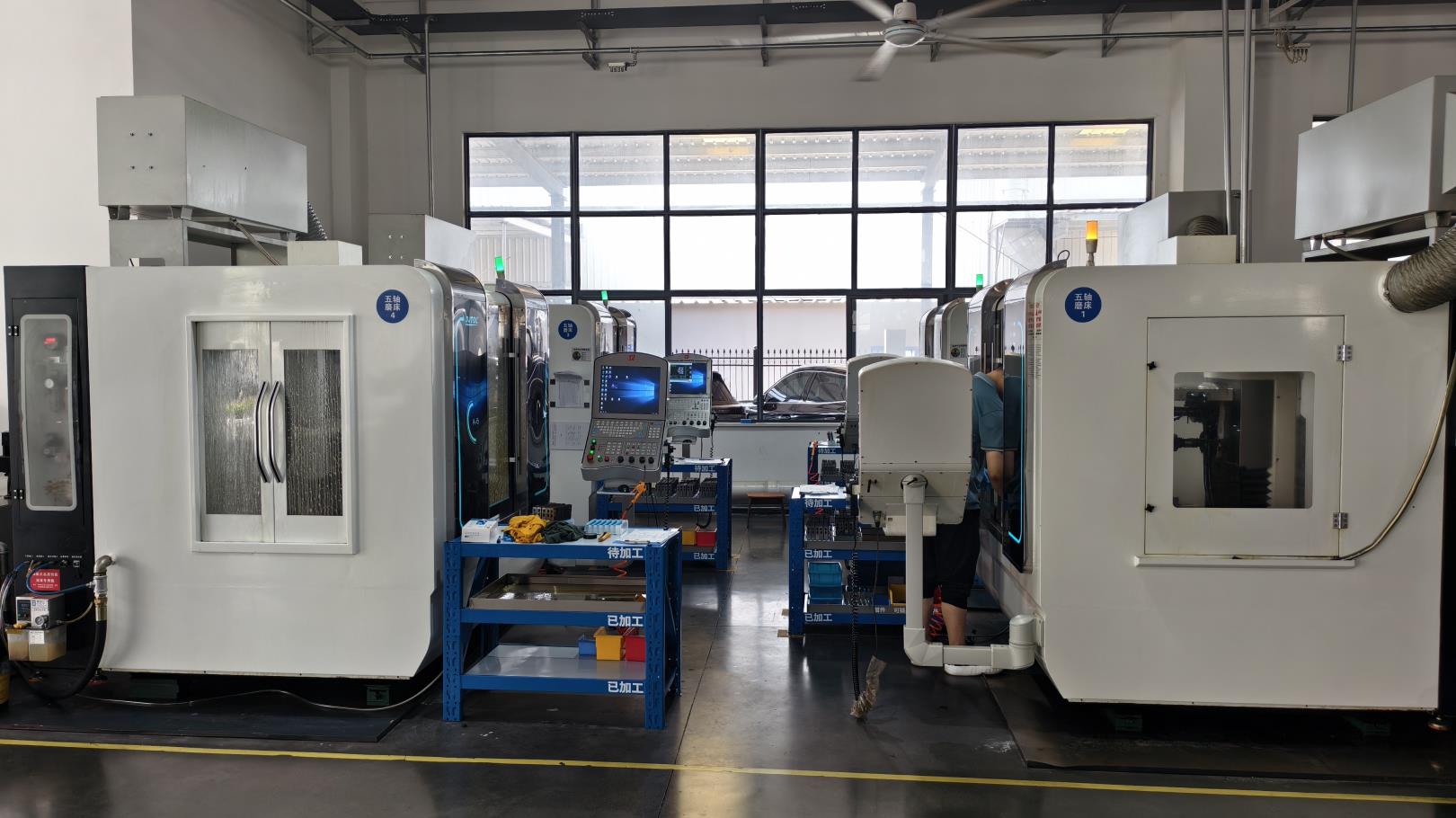
Grinding machine
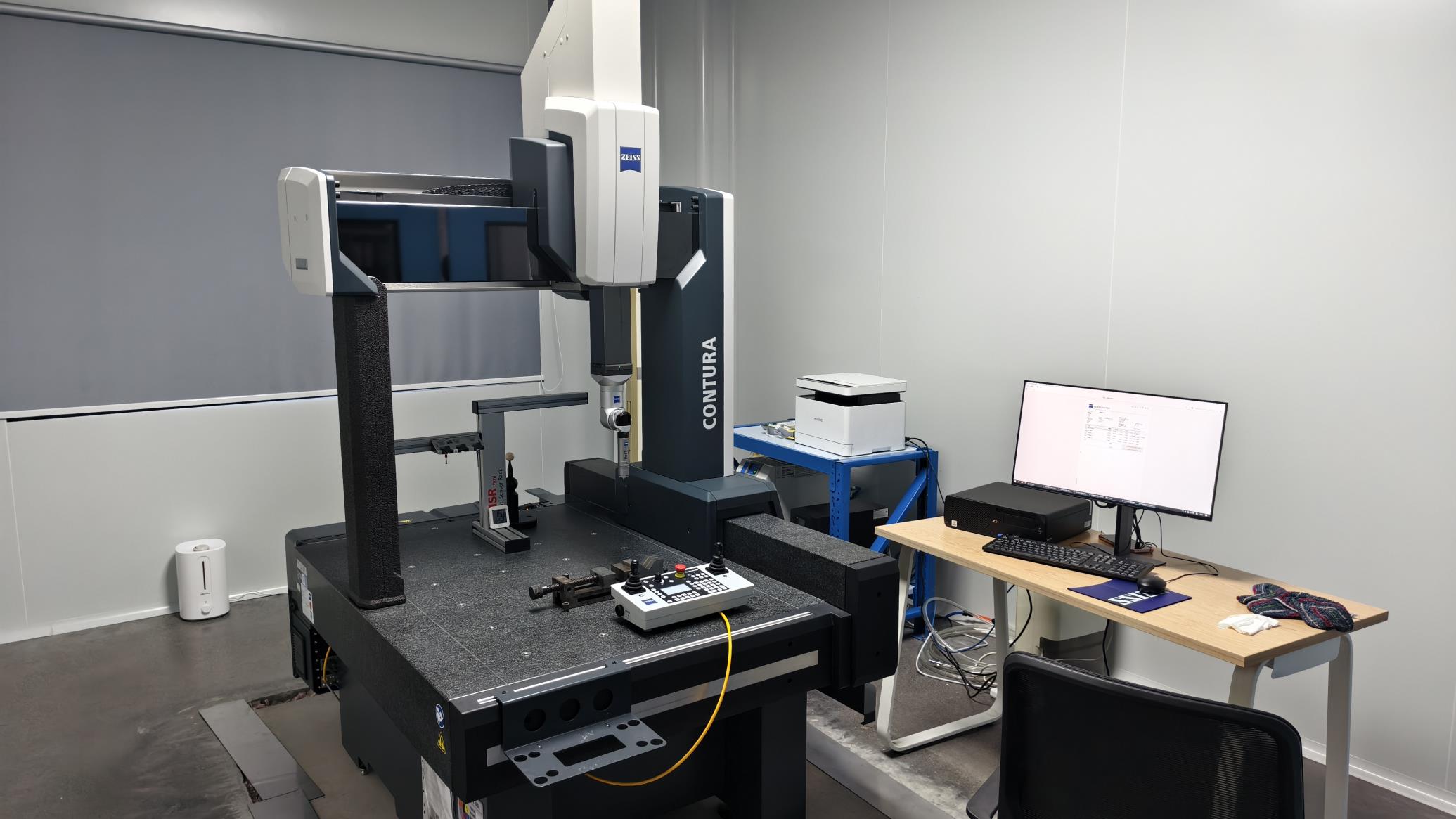
Three-coordinate measuring machine
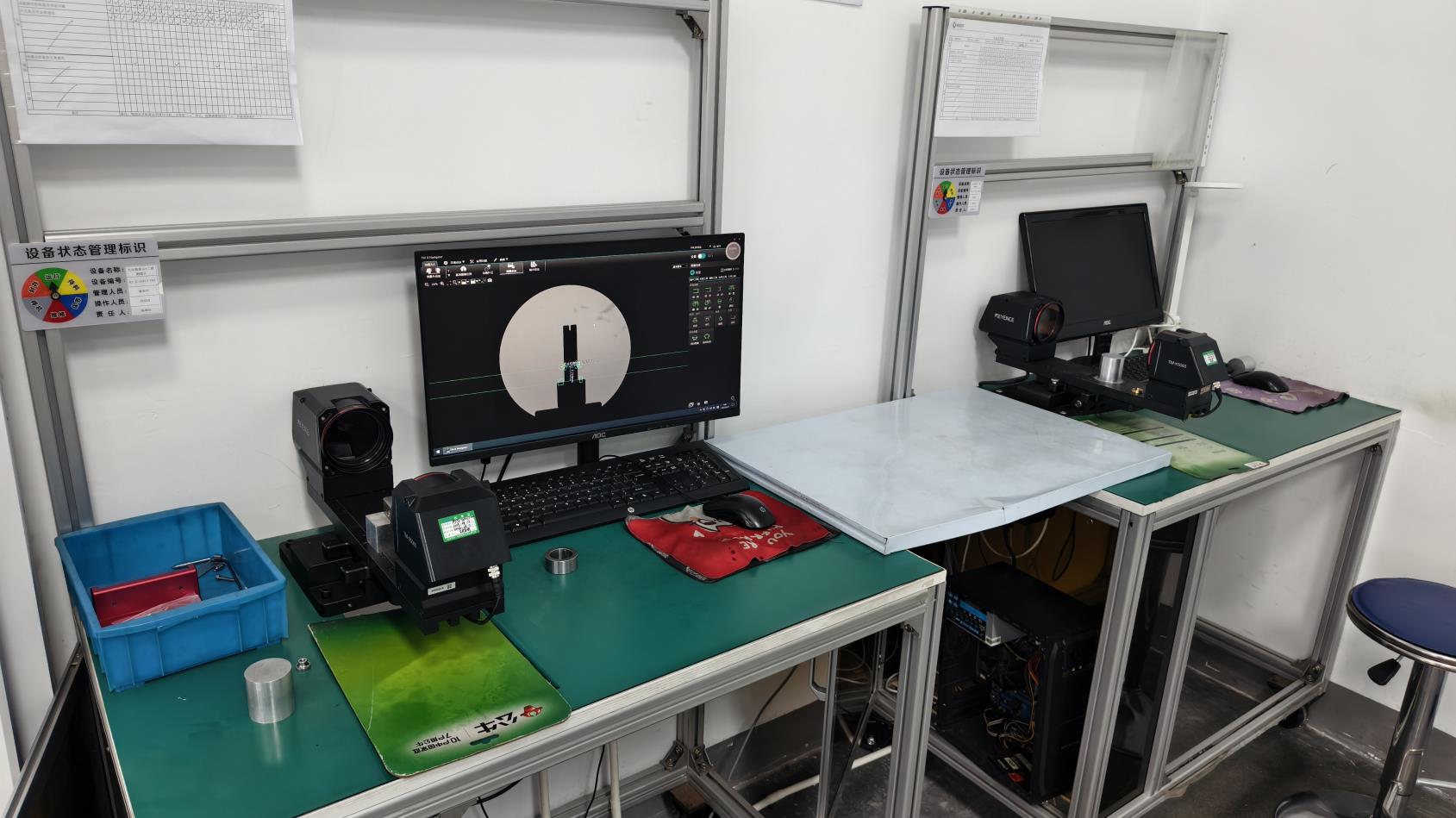
Two-dimensional micrometer
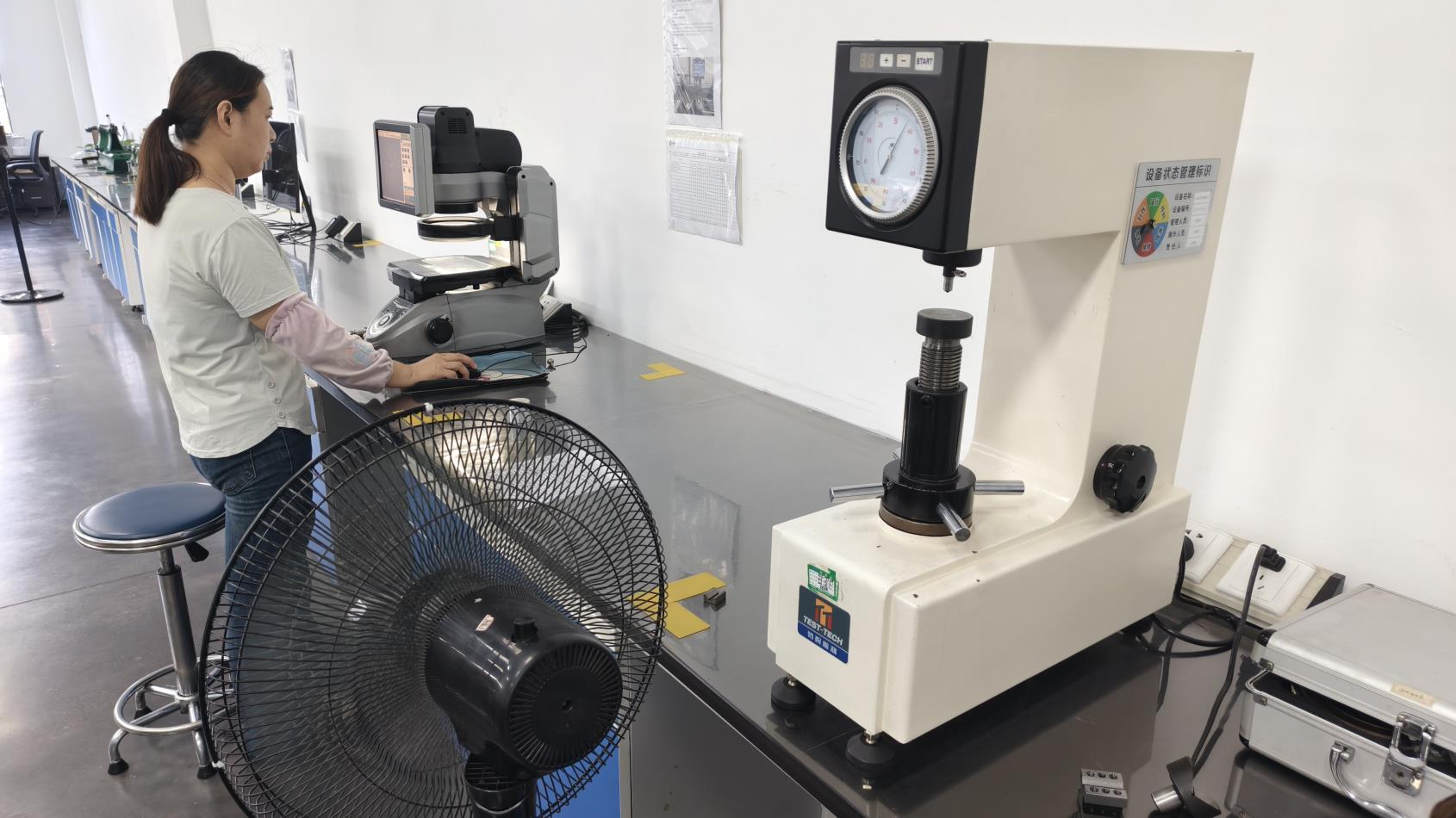
Hardness tester
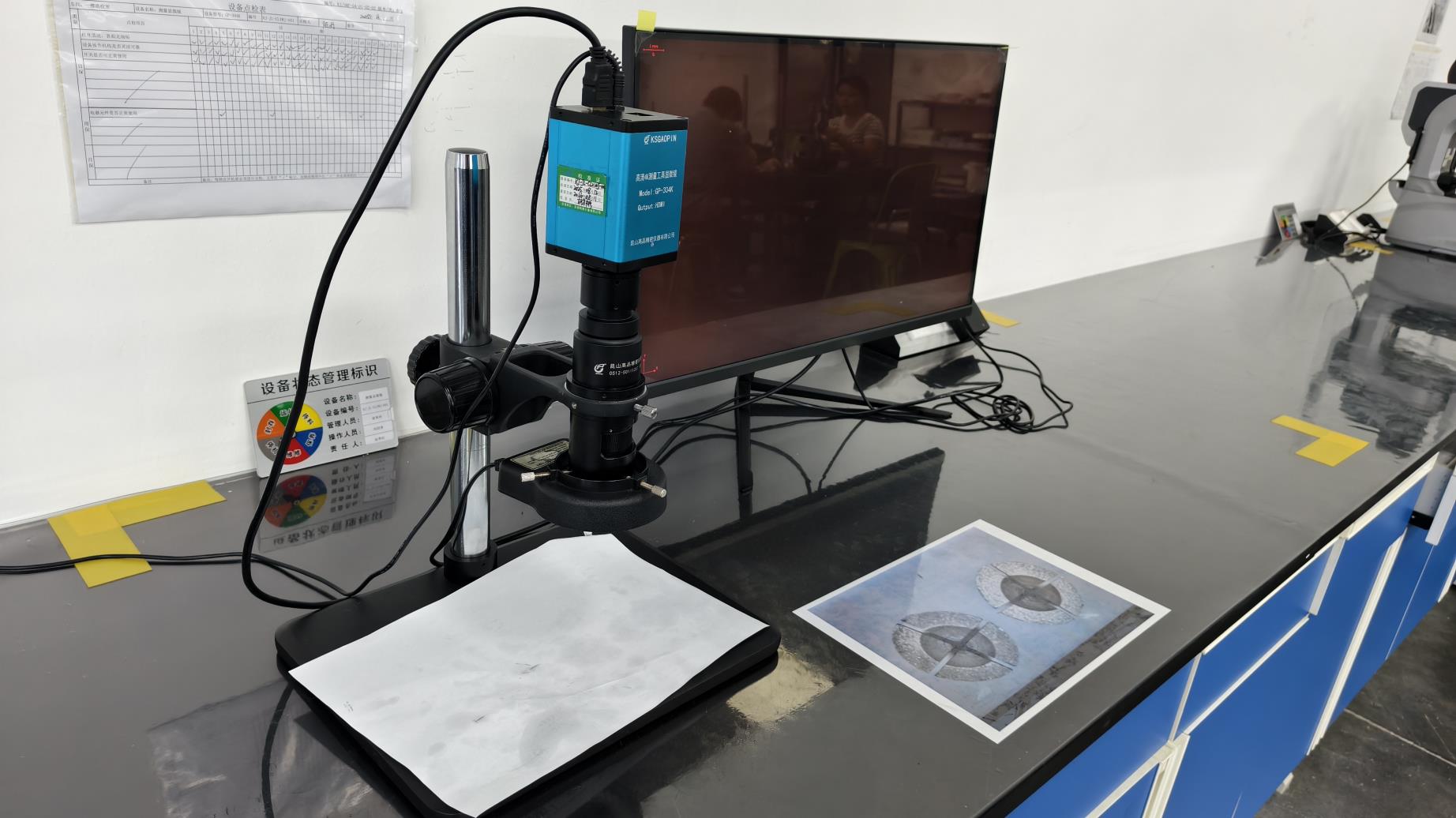
Microscope
Practical answers for distributors, importers, hospitals, and medical device brands evaluating a China manufacturing partner.
Moventra Medical Technology (China) Co., Ltd. is a manufacturer and exporter with OEM/ODM capabilities. The company operates an 18,600 m² facility and supports product design, rapid prototyping, customized engineering, production, assembly, inspection, and export coordination.
Yes. Customization options include logo customization, packaging customization, product design customization, drawing-based manufacturing, and sample-based manufacturing. For regulated markets, specifications, labeling, and documentation should be agreed during the RFQ stage.
Quality control can include dimensional inspection, material analysis, surface finish inspection, mechanical performance testing, and sterility verification. The company states that it performs 100% quality inspection before shipment and maintains a quality control team of 48 staff.
Main markets include North America, Europe, South America, the Middle East, Southeast Asia, and Australia. Main customer types include medical device brands, orthopedic distributors, hospitals, importers, and government procurement projects.
MOQ depends on the product type, material, packaging, labeling, and customization level. A standard catalog item and a new drawing-based surgical hook program follow different production planning assumptions. The commercial team should confirm MOQ during quotation.
Yes. R&D capability includes independent product design, rapid prototyping, OEM/ODM development, and customized engineering solutions. Buyers can provide drawings, samples, tray requirements, or clinical preference notes for engineering review.
Lead time is quoted after specification, quantity, material availability, inspection requirements, and packaging review. Repeat orders benefit from approved specifications and stable production planning. Export scheduling is coordinated with the buyer's destination and documentation requirements.
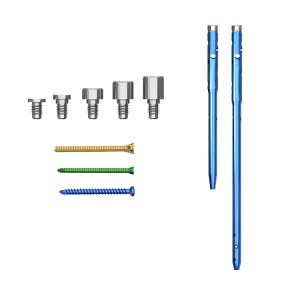
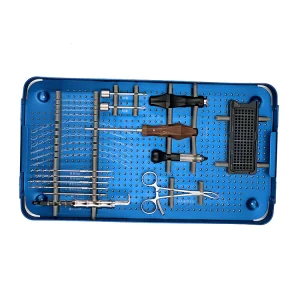
Yes. The portfolio includes spinal instrument kits, orthopedic instrument sets, power tools, craniotomy systems, implants, veterinary instruments, and related surgical products. Kit configuration, labeling, packaging, and inspection plans can be discussed as part of tender or distributor requirements.
These additional products support complete procedural portfolios for distributors, hospitals, importers, and OEM buyers.
 Moventra Medical