An Industry Whitepaper on Anterior Lumbar Interbody Fusion Technology, Mechanical Integrity, and Custom Engineering Standards.
Anterior Lumbar Interbody Fusion (ALIF) has established itself as a premier surgical methodology for addressing degenerative disc disease (DDD), spondylolisthesis, and sagittal plane imbalances. Compared to posterior methodologies (PLIF/TLIF), the anterior pathway yields access to the complete intervertebral space, permitting insertion of a device with a wider footprint. This broad footprint distributes axial loads more evenly across the vertebral endplates, reducing the incidence of device subsidence and facilitating substantial sagittal lordosis correction.
As standard systems face shifting patient profiles and complex pathologies, B2B medical providers and device suppliers demand highly customized, OEM/ODM solutions tailored to specific anatomical, clinical, and mechanical requirements. Modifying attributes such as footprint contours, lordotic angles, lateral profiles, and surface finishes has emerged as a key pathway to optimizing clinical outcomes and strengthening market share.
The human spine exhibits varied anatomical morphology across patient demographics. Consequently, generic implant profiles may fail to provide adequate contact with the subchondral bone of the vertebral endplates. Optimized ALIF cages must balance two primary forces: mechanical load-bearing capacity and stress-shielding mitigation. According to Wolff's Law, bone remodels along the lines of applied stress; if an implant is overly rigid, the surrounding bone tissue resorbs, leading to screw loosening or implant displacement.
We engineer cages featuring lordosis adjustments spanning 4° to 22° to accommodate varying spinal curves and restore natural lumbar sagittal balance.
Our engineering team maximizes endplate surface contact area. This reduces localized pressure spikes and helps prevent structural subsidence.
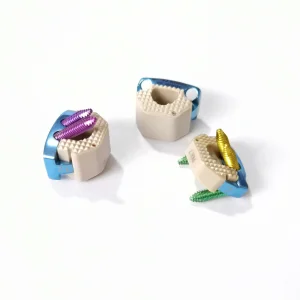
We design zero-profile cages featuring integrated diverging locking screws to deliver immediate primary stability without requiring supplementary posterior fixation.
The choice of material represents a fundamental clinical design decision. Modern spine surgery relies on three main material paradigms, each offering distinct advantages in terms of mechanical properties and diagnostic visibility:
A primary goal of ALIF is achieving long-term bone fusion. Therefore, cage designs must maximize the volume of the graft cavity without compromising the structural integrity of the cage wall. Our OEM engineering services employ Finite Element Analysis (FEA) to run computerized simulation testing on load-bearing capabilities. This methodology helps identify high-stress zones, allowing us to thin non-structural walls, enlarge the graft windows, and maintain overall mechanical integrity.
Translating Clinical Requirements into Scalable, ISO-Compliant Manufacturing and Global Supply Solutions.
Moventra Medical Technology (China) Co., Ltd. is a professional manufacturer specializing in the research, development, production, and global supply of orthopedic medical devices and surgical solutions. Established in 2017, the company is dedicated to delivering innovative, high-quality products for trauma, spine, joint reconstruction, sports medicine, and orthopedic surgical procedures.
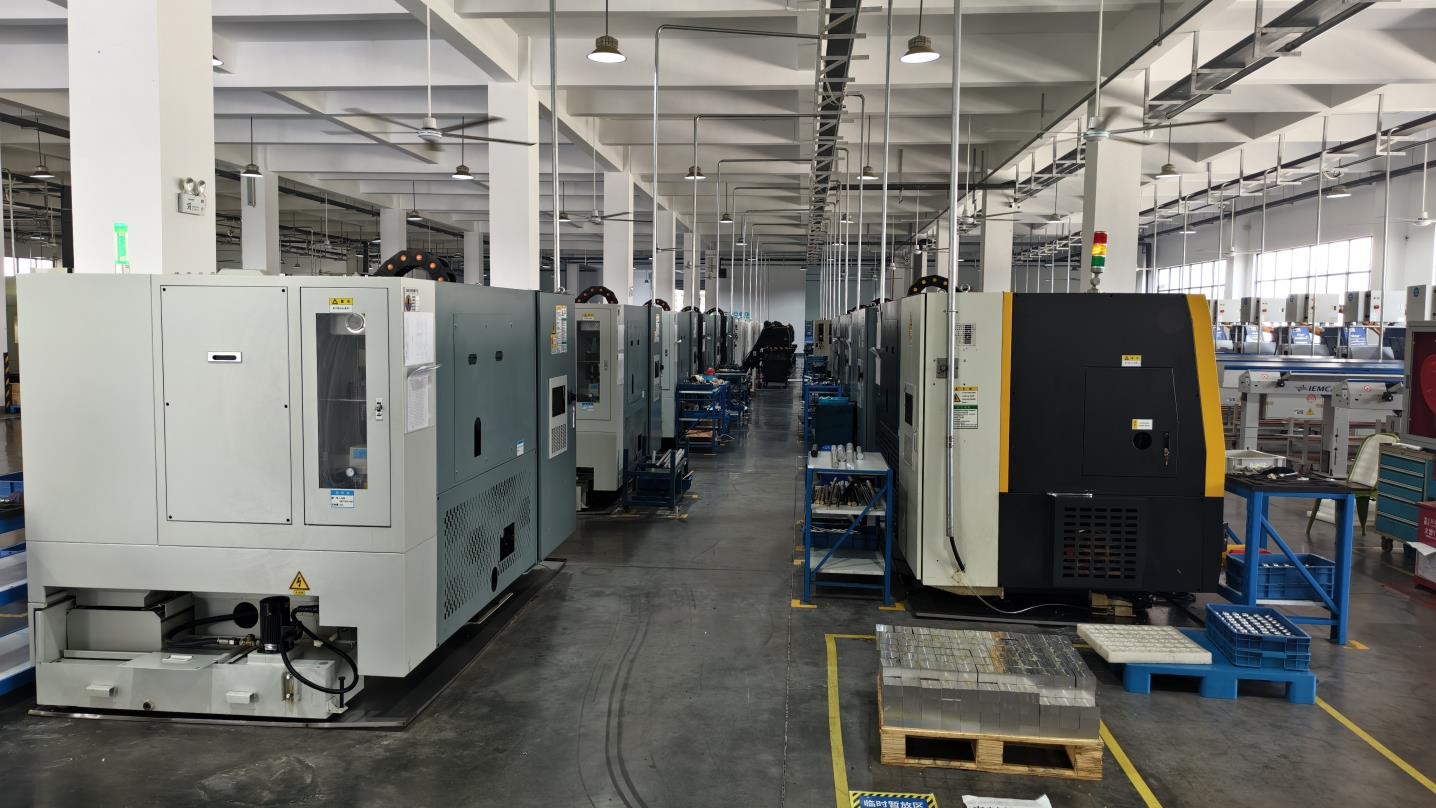
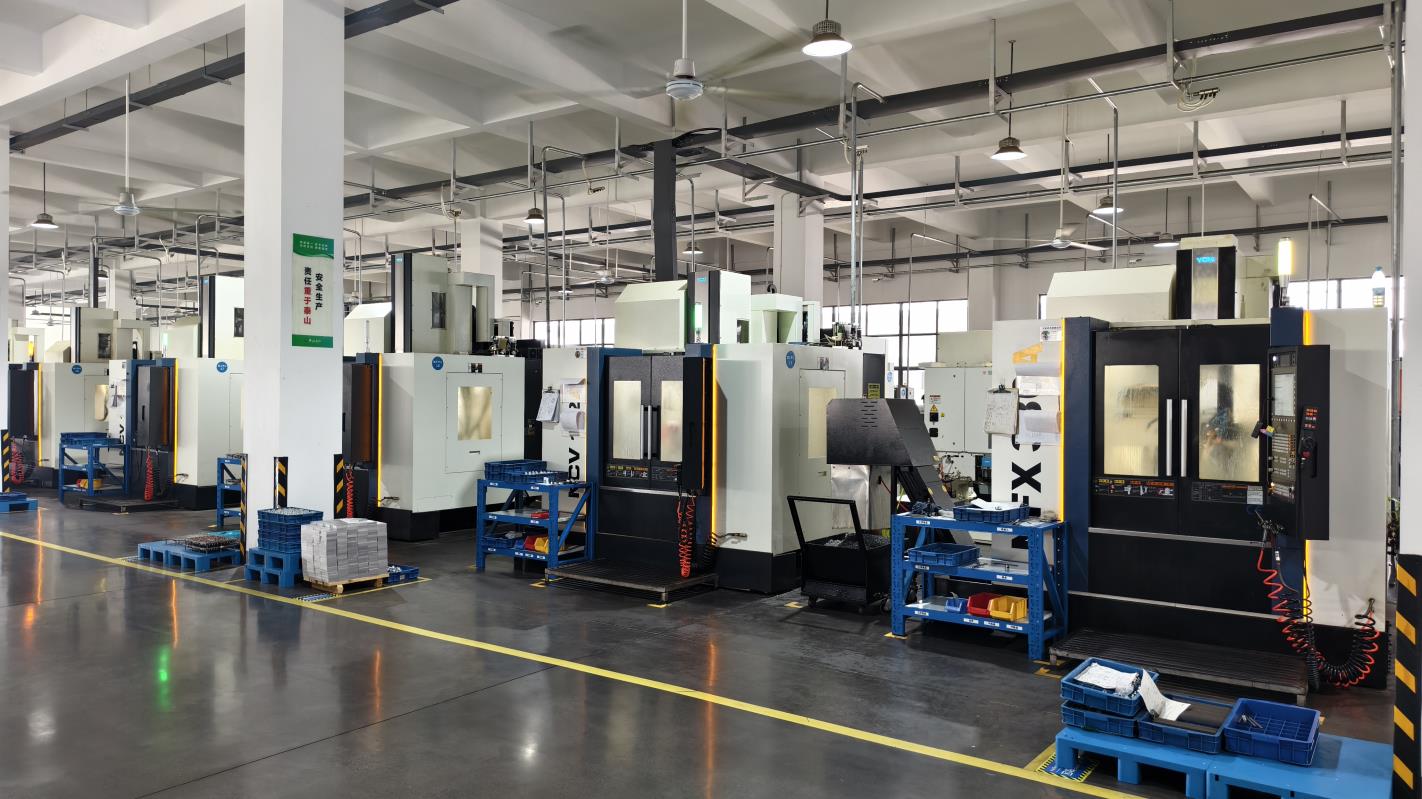
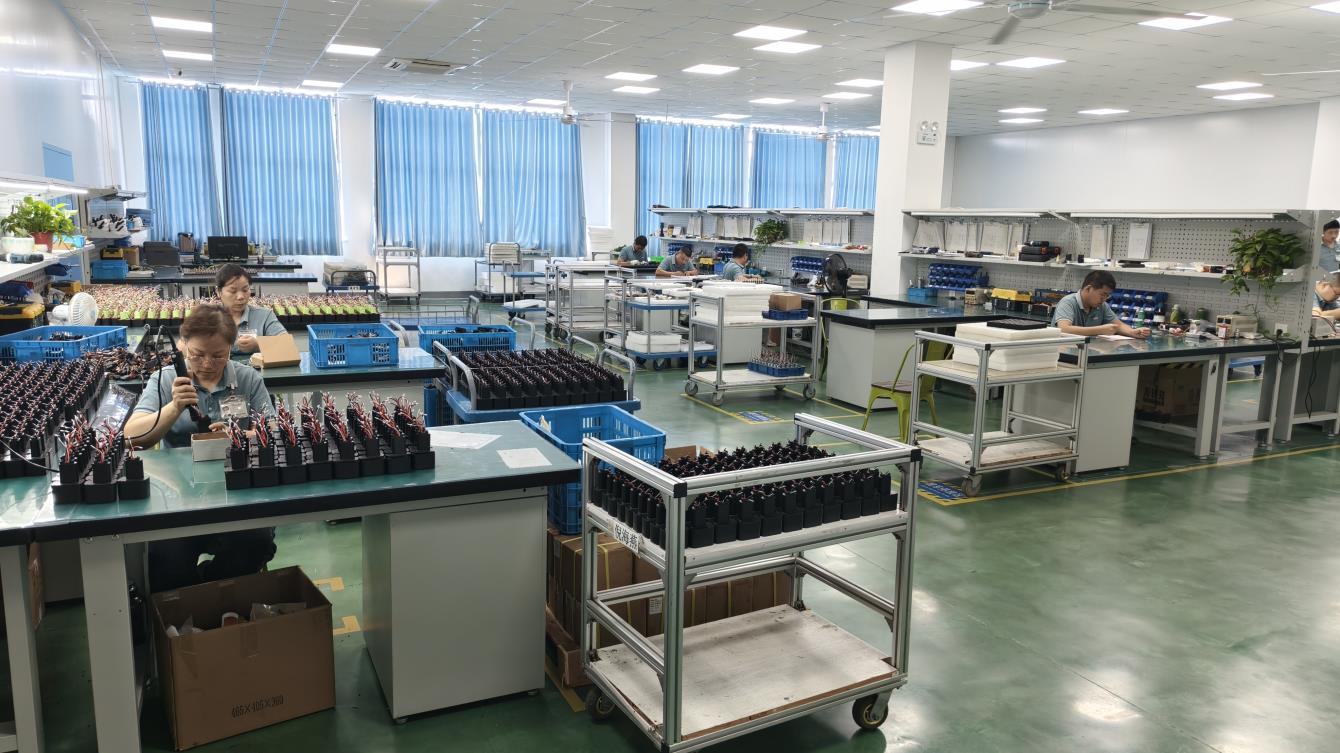
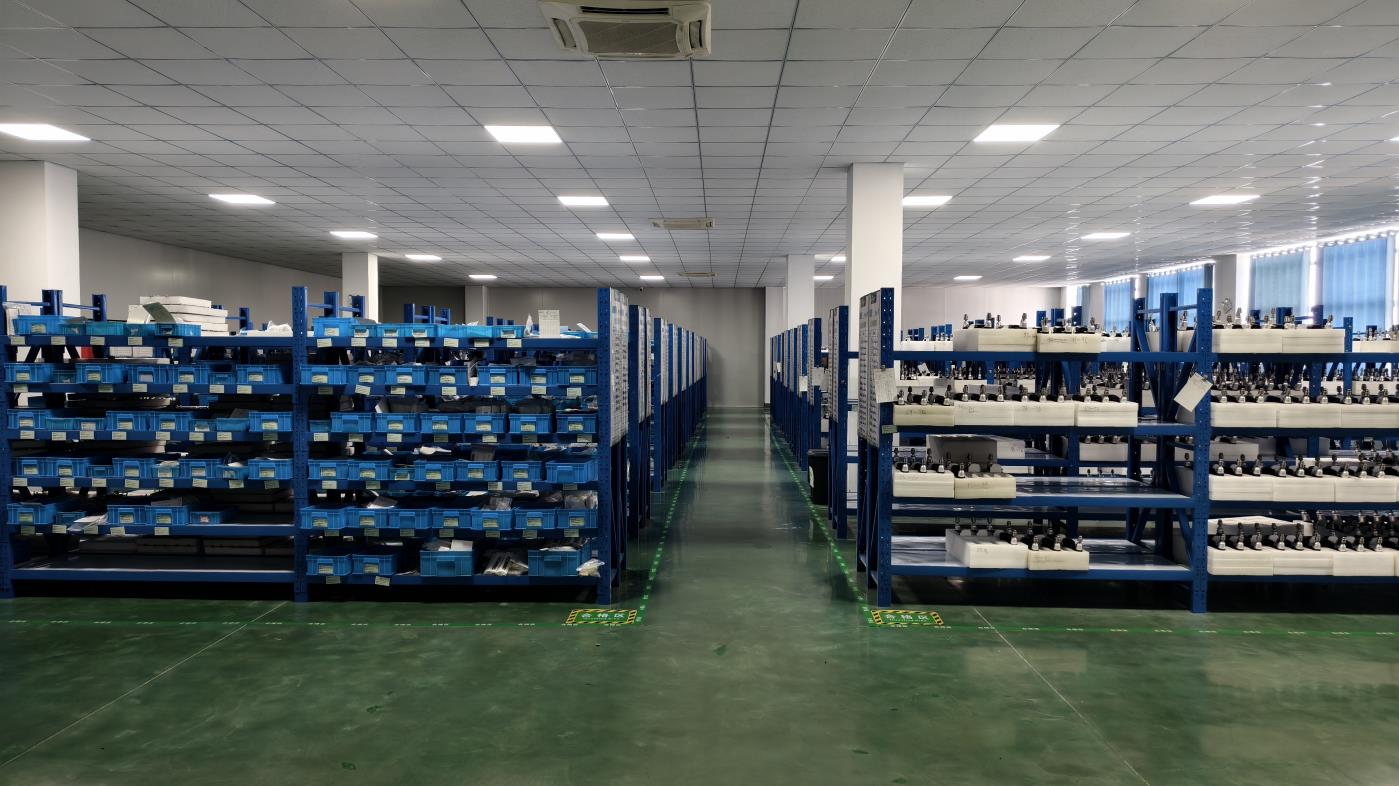
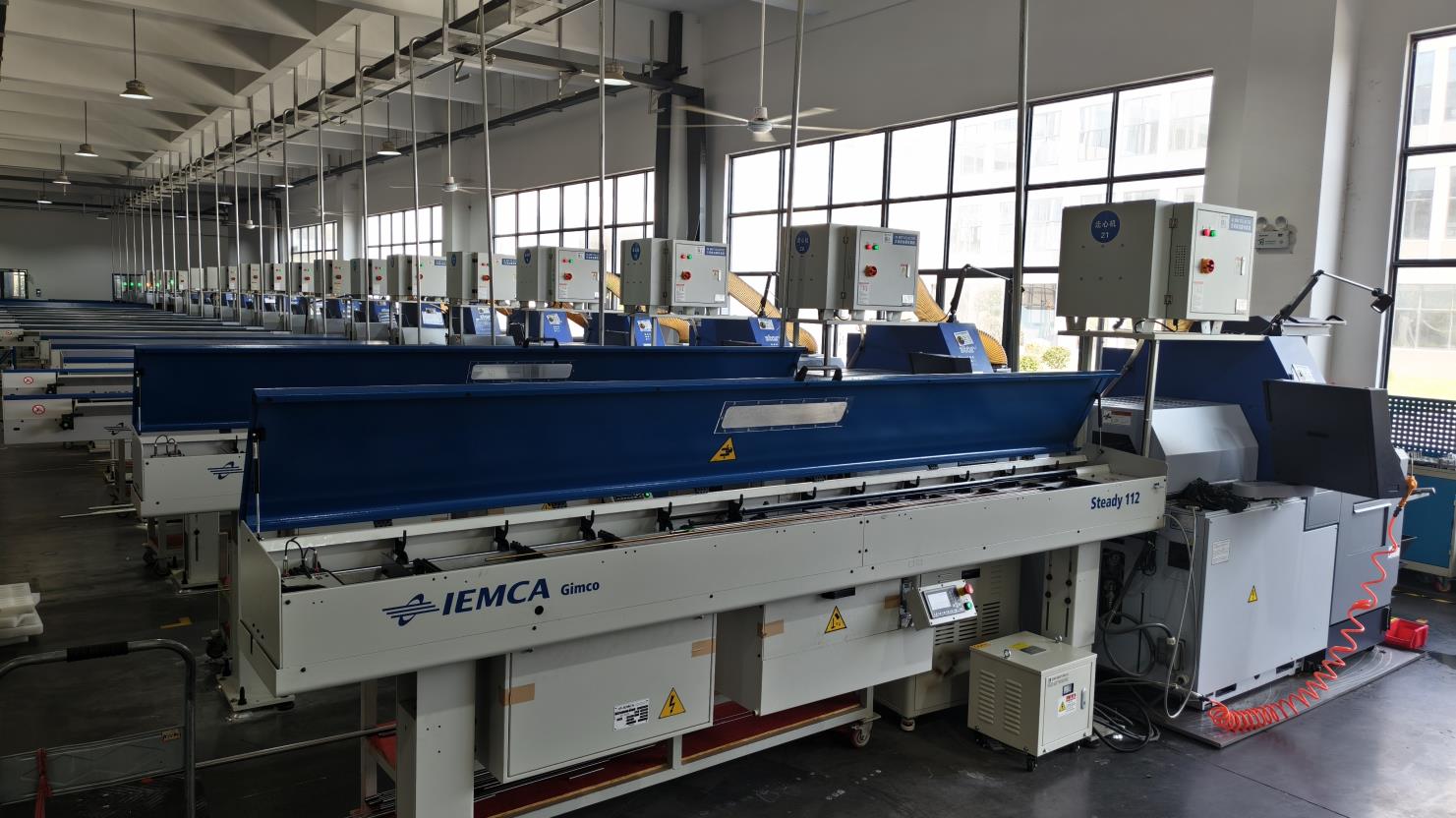
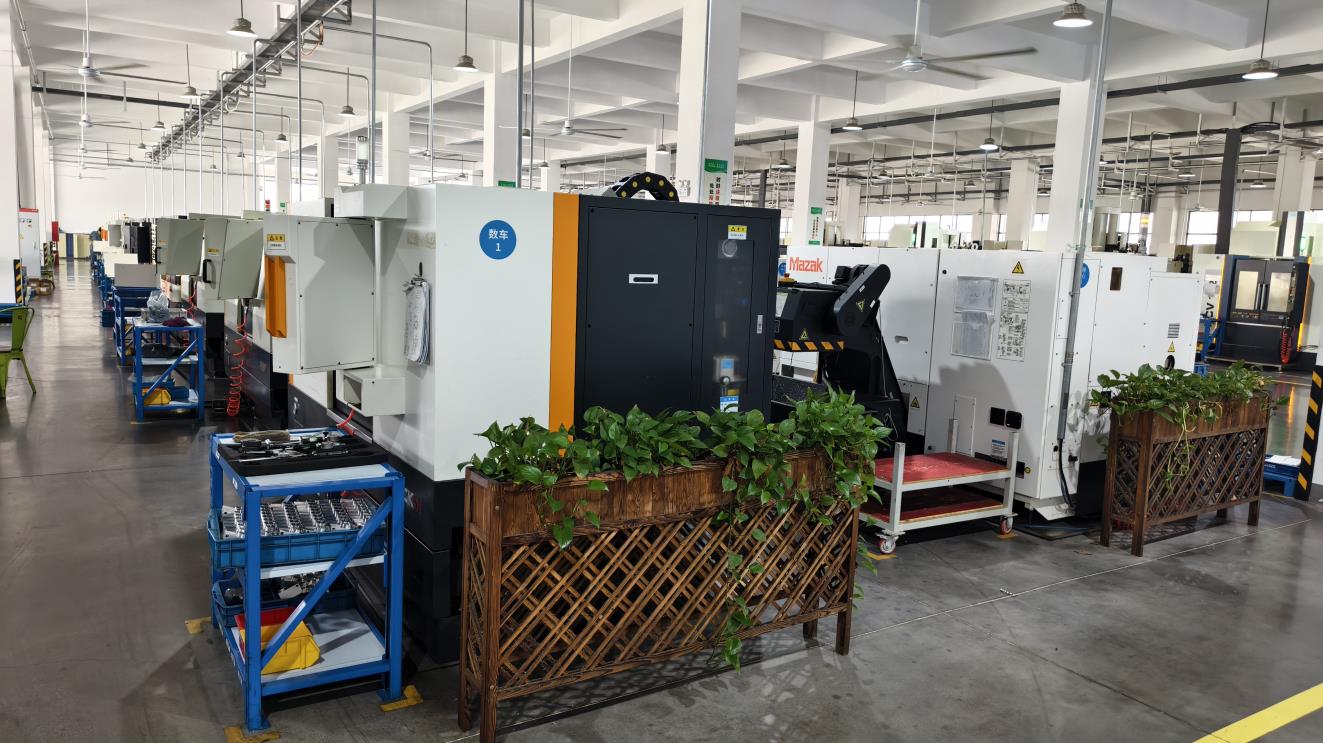
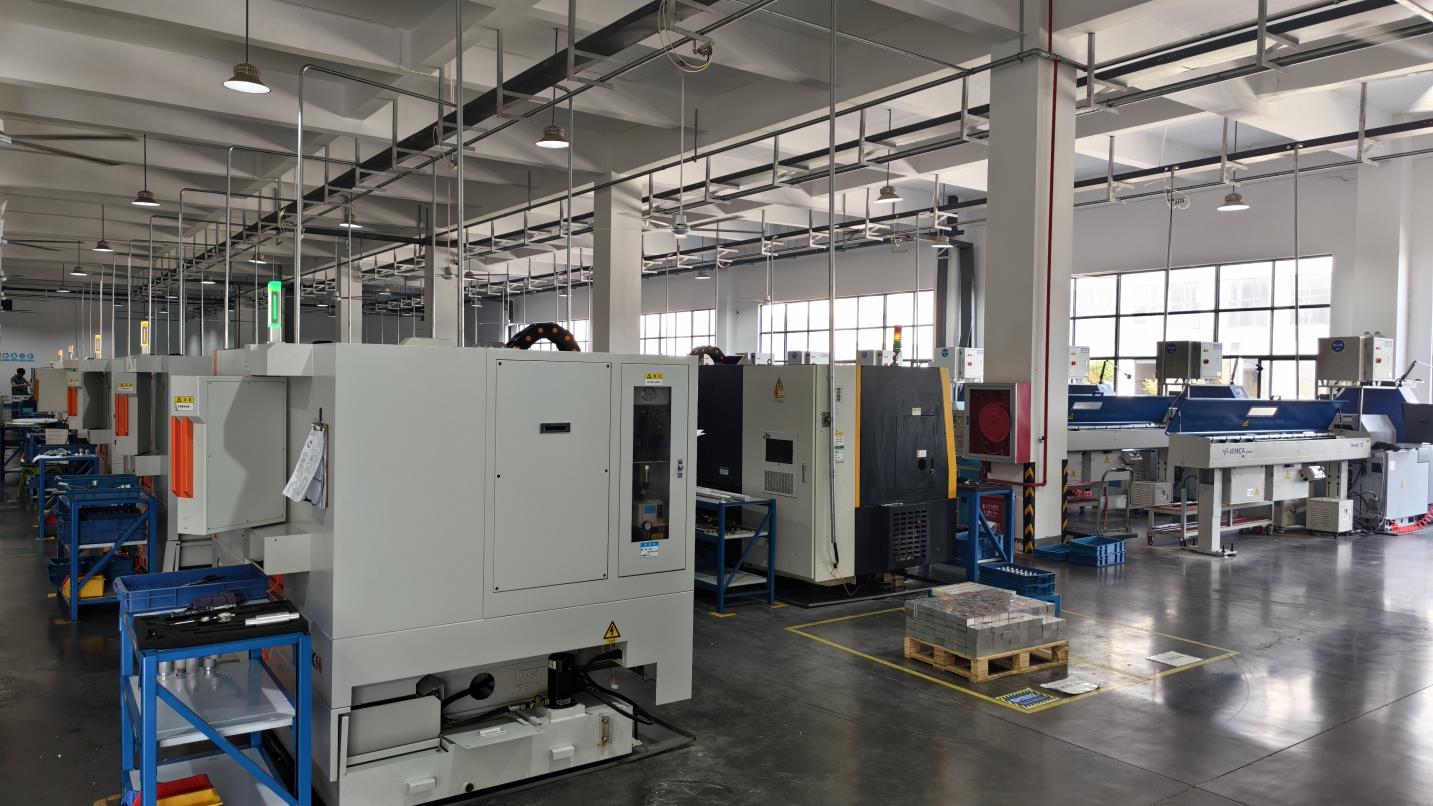
With a modern manufacturing facility covering 18,600 m², Moventra integrates advanced CNC machining, precision manufacturing, automated production lines, and strict quality management systems to ensure every product meets international medical standards. Our commitment to continuous innovation enables us to provide reliable OEM and ODM services for global medical device brands, distributors, and healthcare institutions.
Supported by an experienced R&D team and comprehensive quality assurance system, Moventra continuously develops innovative orthopedic solutions that improve surgical efficiency and patient outcomes. Our products are exported to customers worldwide and are trusted for their precision, safety, and consistent performance.
| Item | Details |
|---|---|
| Company Name | Moventra Medical Technology (China) Co., Ltd. |
| Brand | Moventra |
| Established | 2017 |
| Facility Area | 18,600 m² |
| Annual Export Revenue | USD 23.8 Million |
| Export Experience | 7 Years |
| Industry Experience | 13 Years |
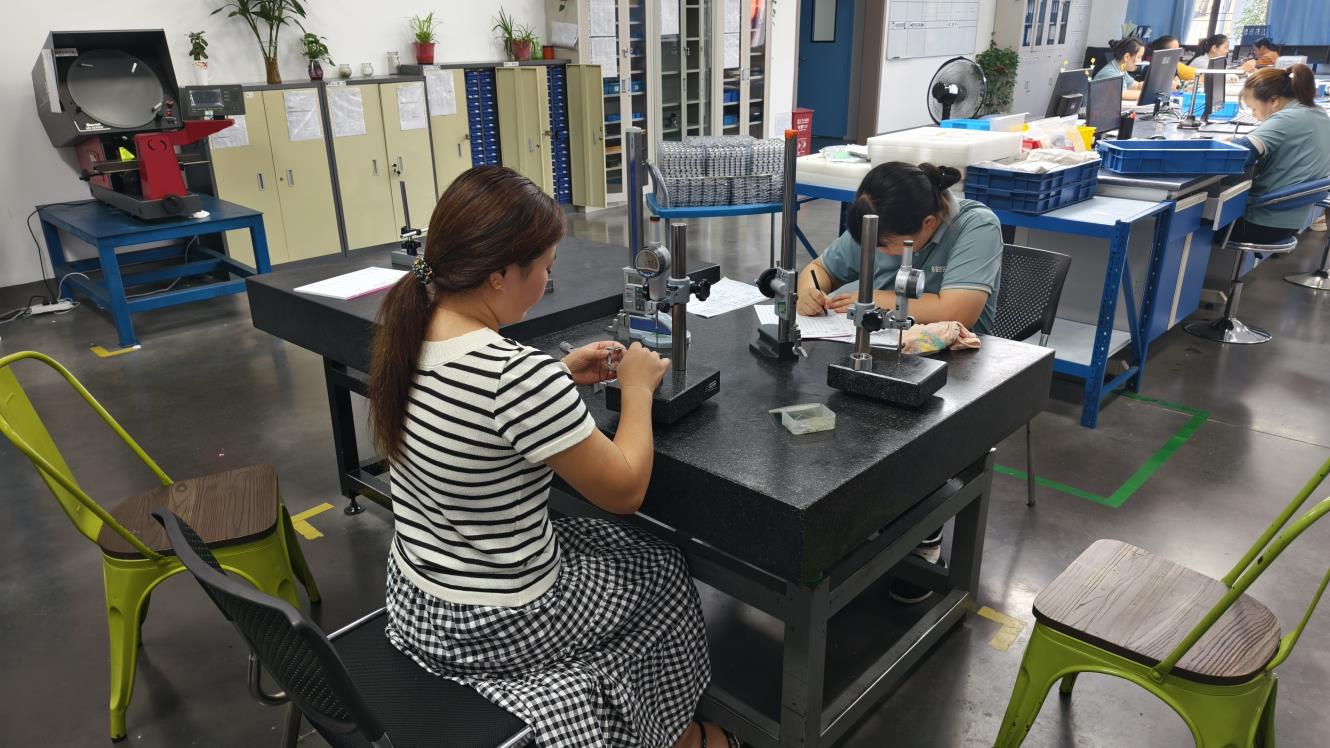
| Quality Inspection | 100% Quality Inspection Before Shipment |
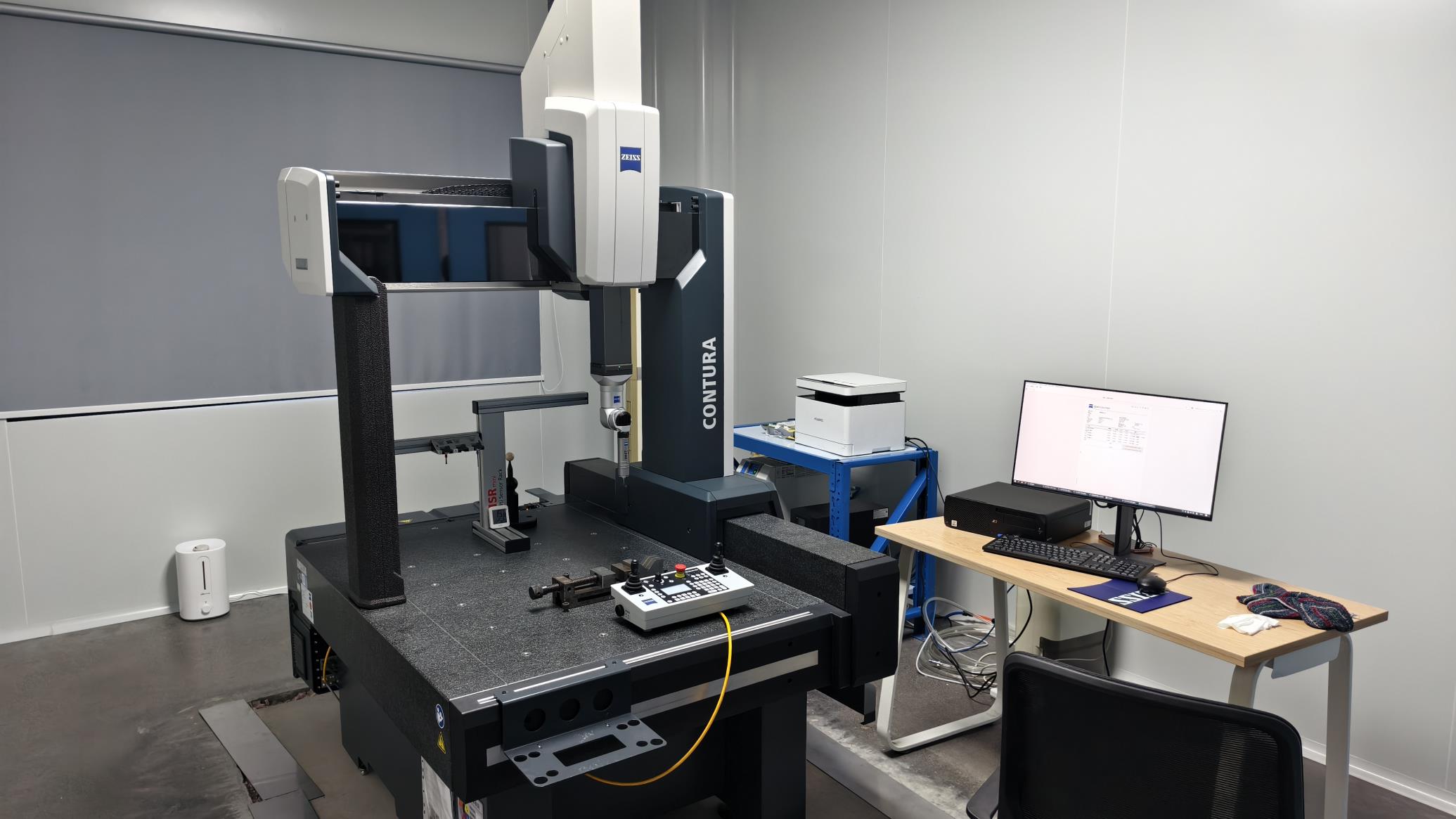
| Product Inspection Methods | Dimensional Inspection, Material Analysis, Surface Finish Inspection, Mechanical Performance Testing, Sterility Verification |
| Quality Control Staff | 48 |
| Business Type | Manufacturer, OEM & ODM, Exporter |
| Main Markets | North America, Europe, South America, Middle East, Southeast Asia, Australia |
| Supply Chain Partners | 1,120 |
| Main Customer Types | Medical Device Brands, Orthopedic Distributors, Hospitals, Importers, Government Procurement Projects |
| R&D Capability | Independent Product Design, Rapid Prototyping, OEM/ODM Development, Customized Engineering Solutions |
| Customization Options | Logo Customization, Packaging Customization, Product Design Customization, Drawing-Based Manufacturing, Sample-Based Manufacturing |
| New Products Released Last Year | 156 |
| R&D Engineers | 86 |
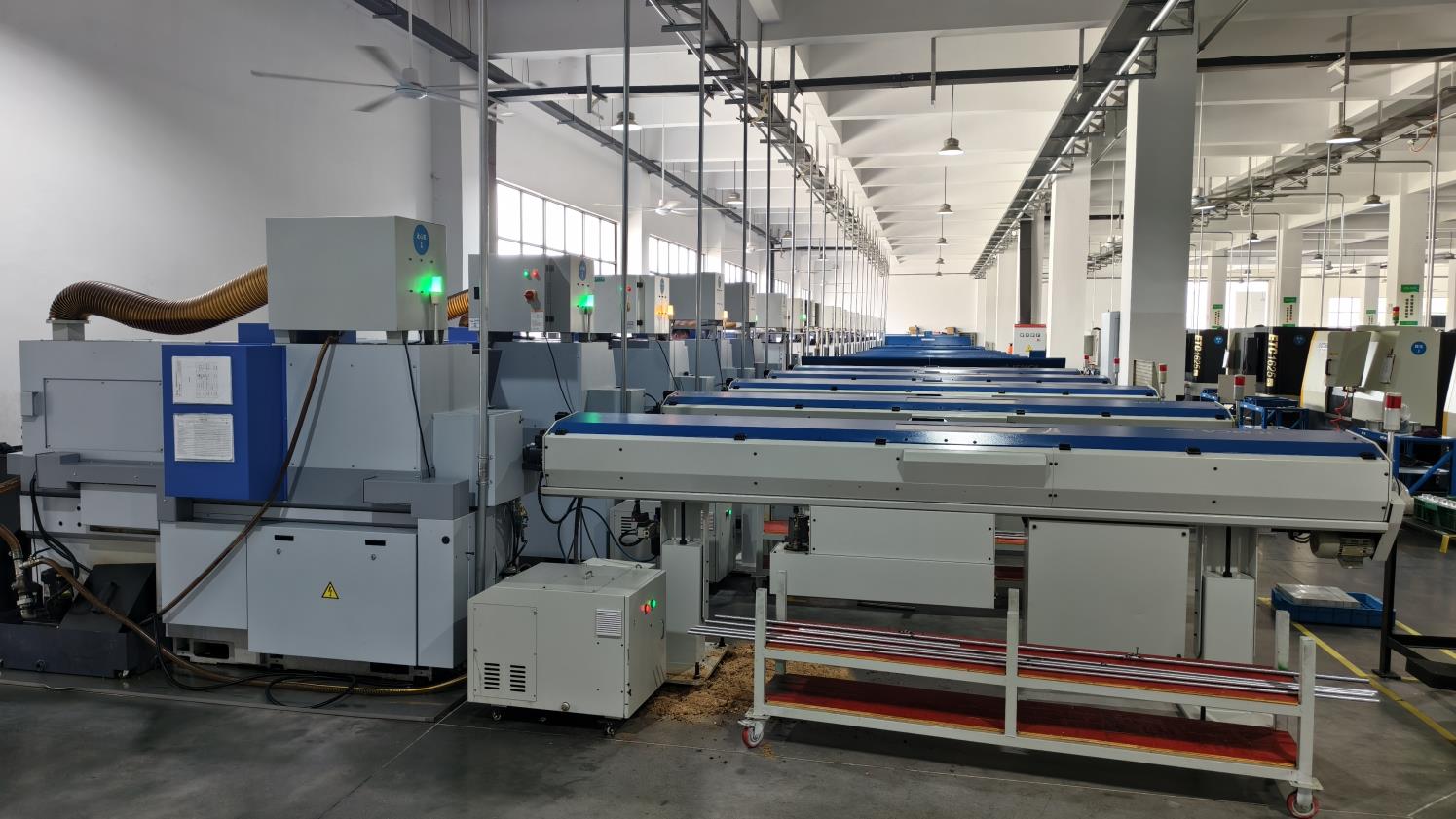
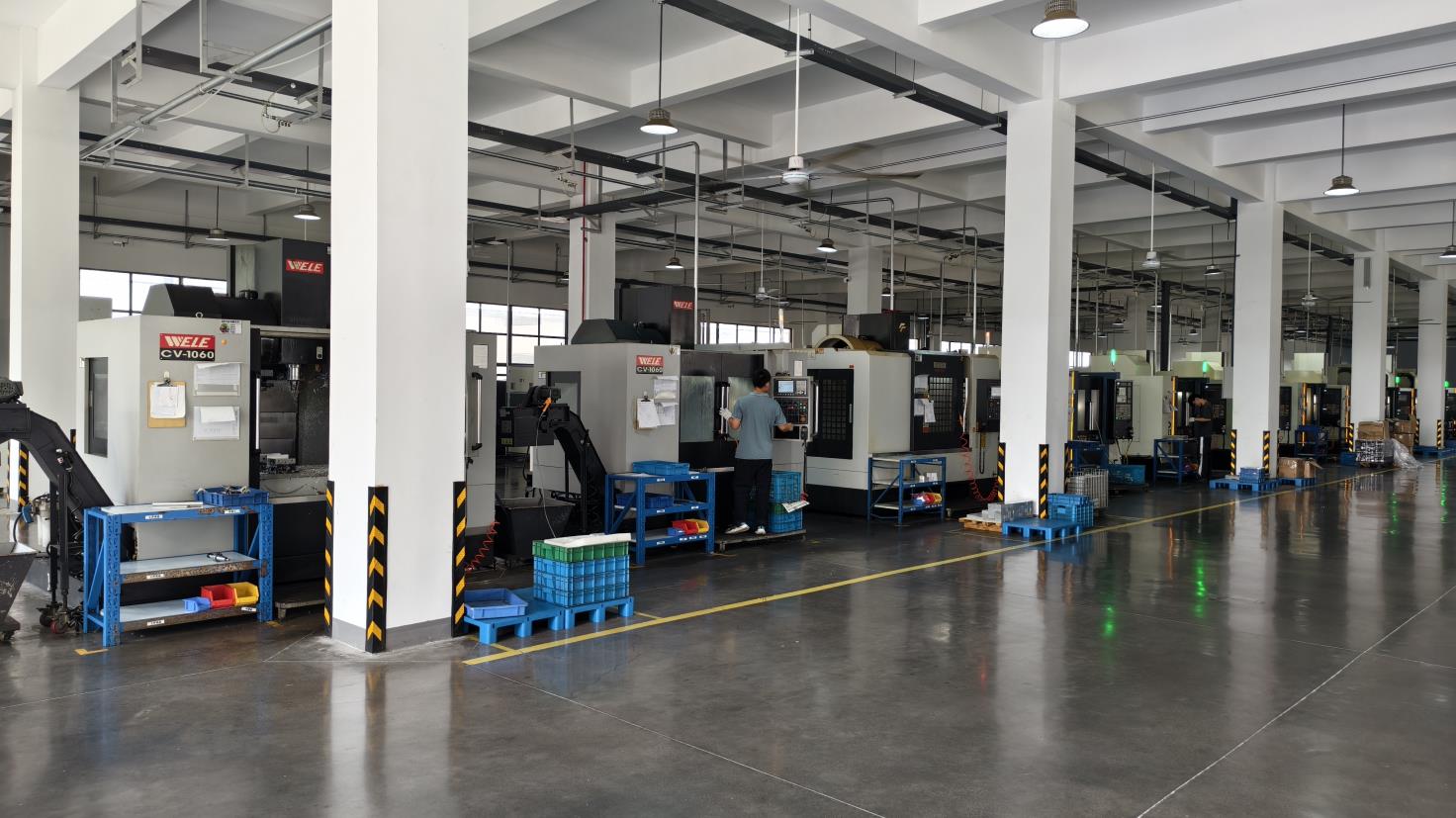
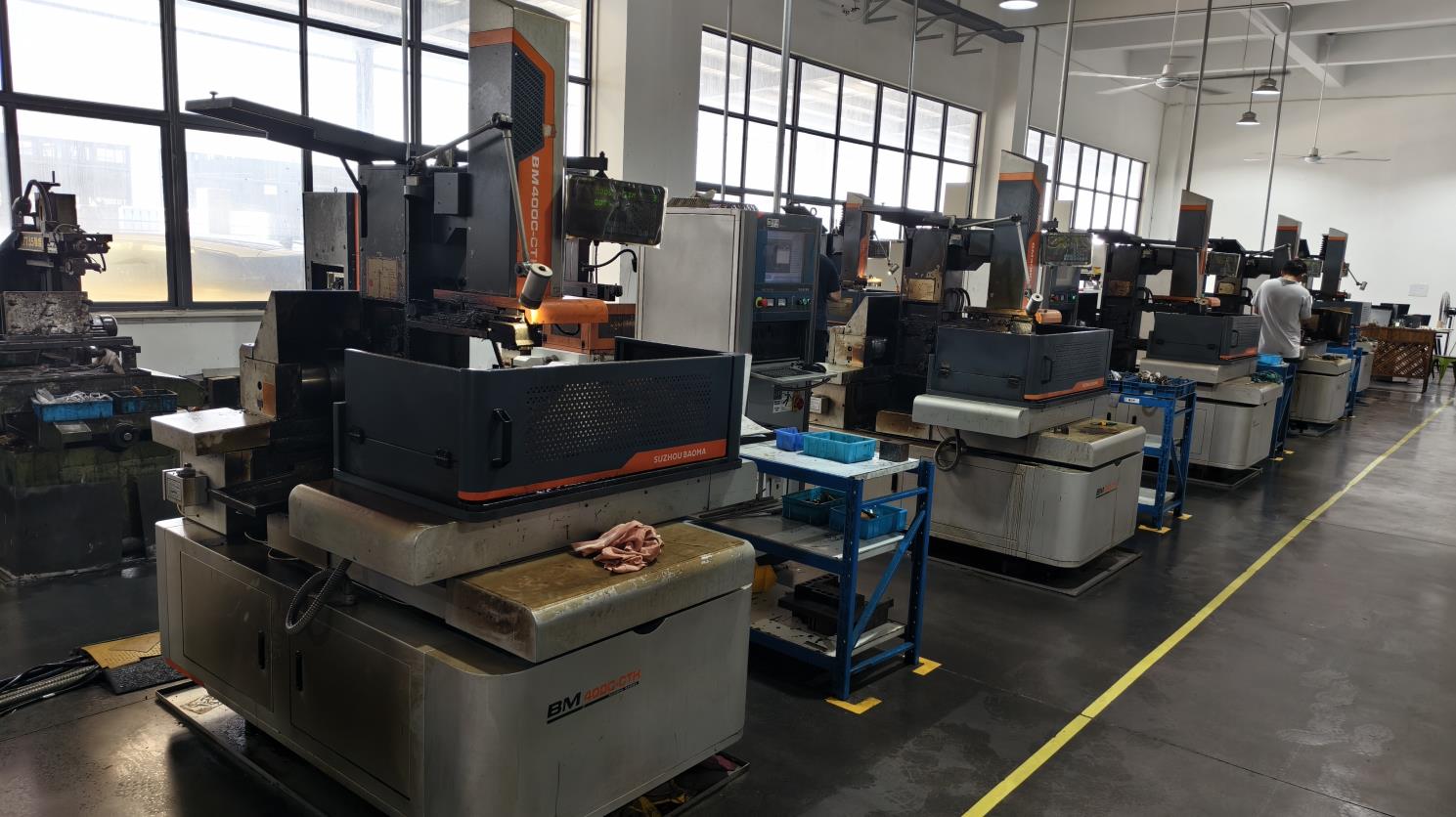
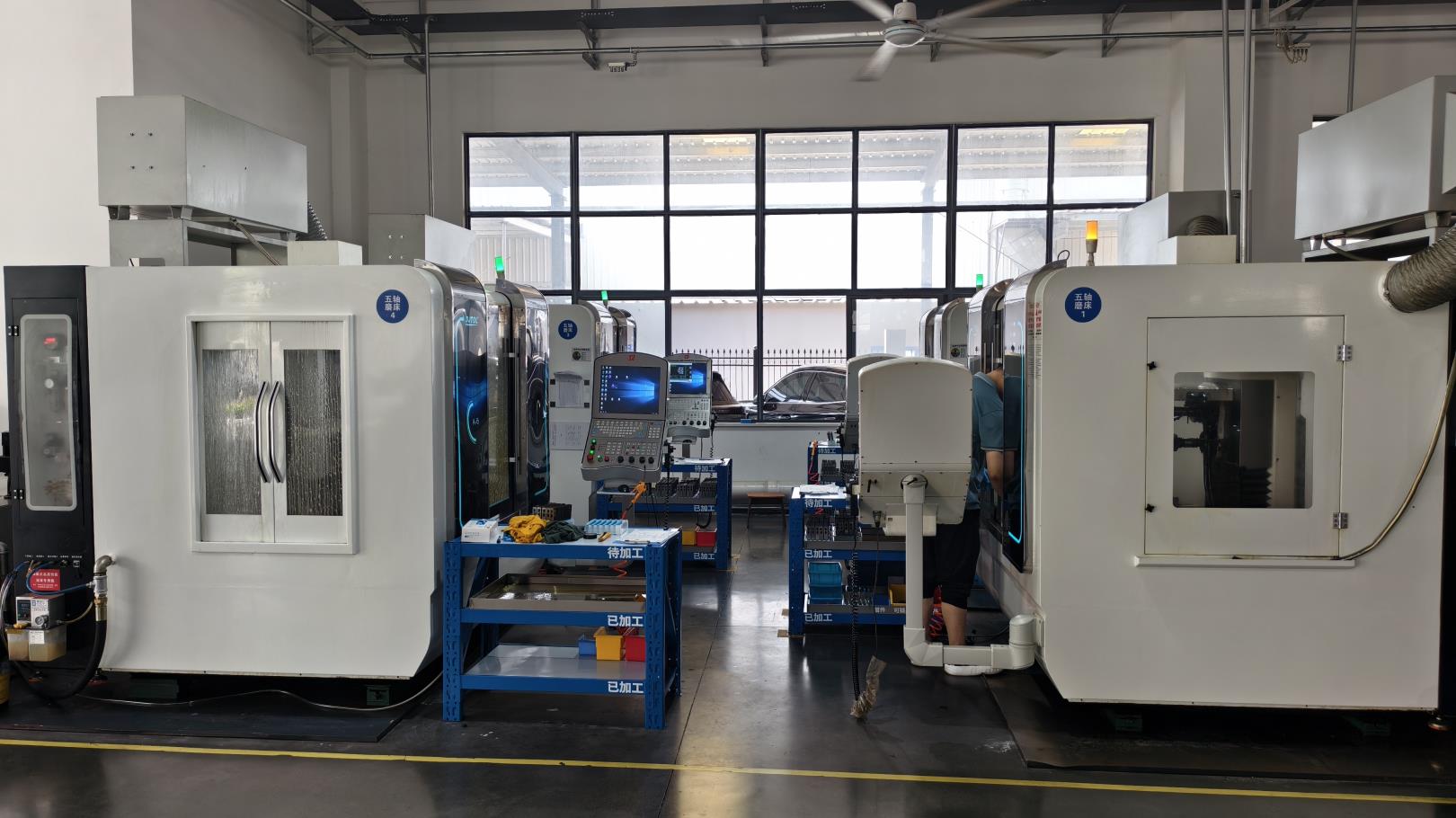
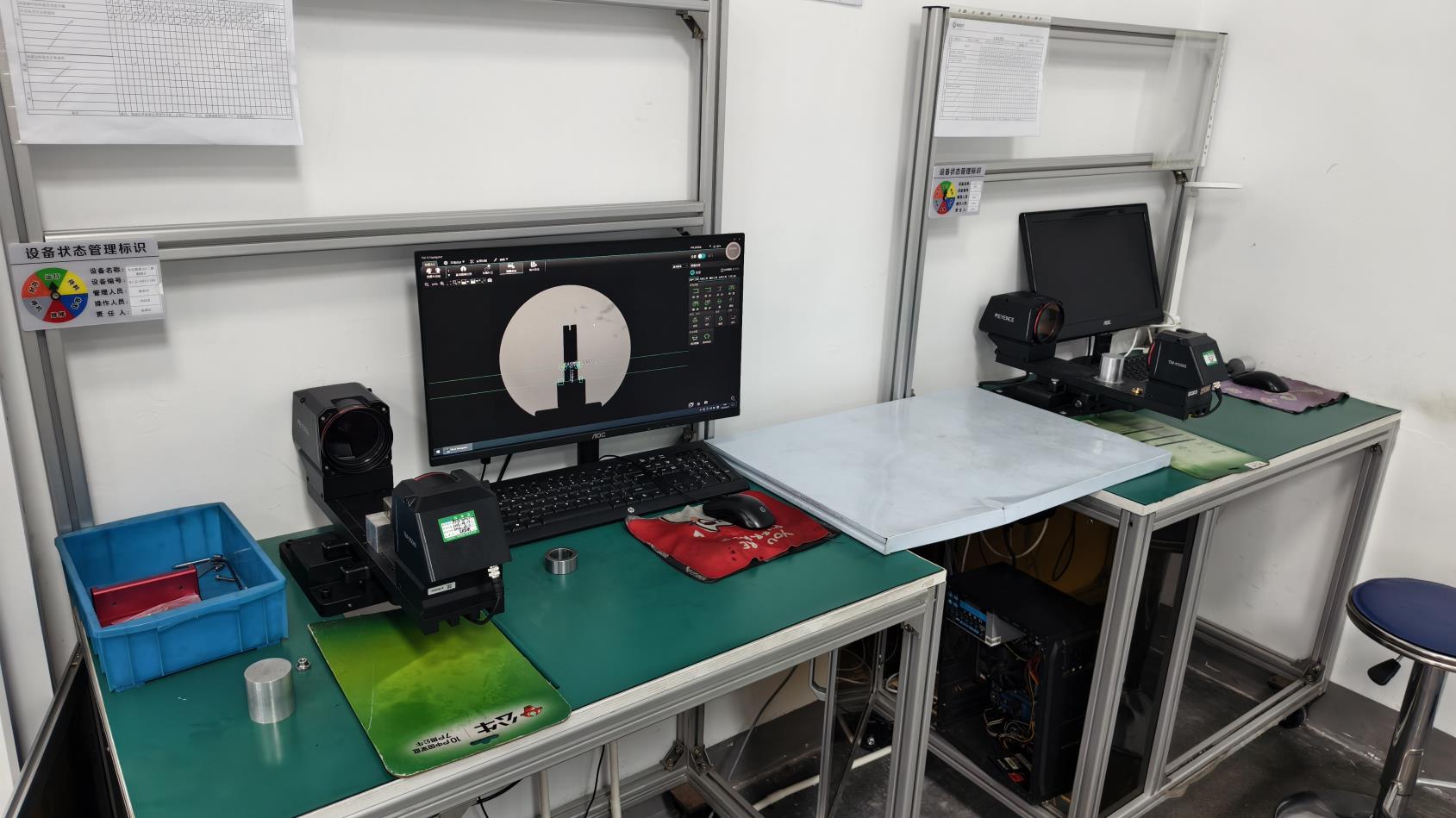
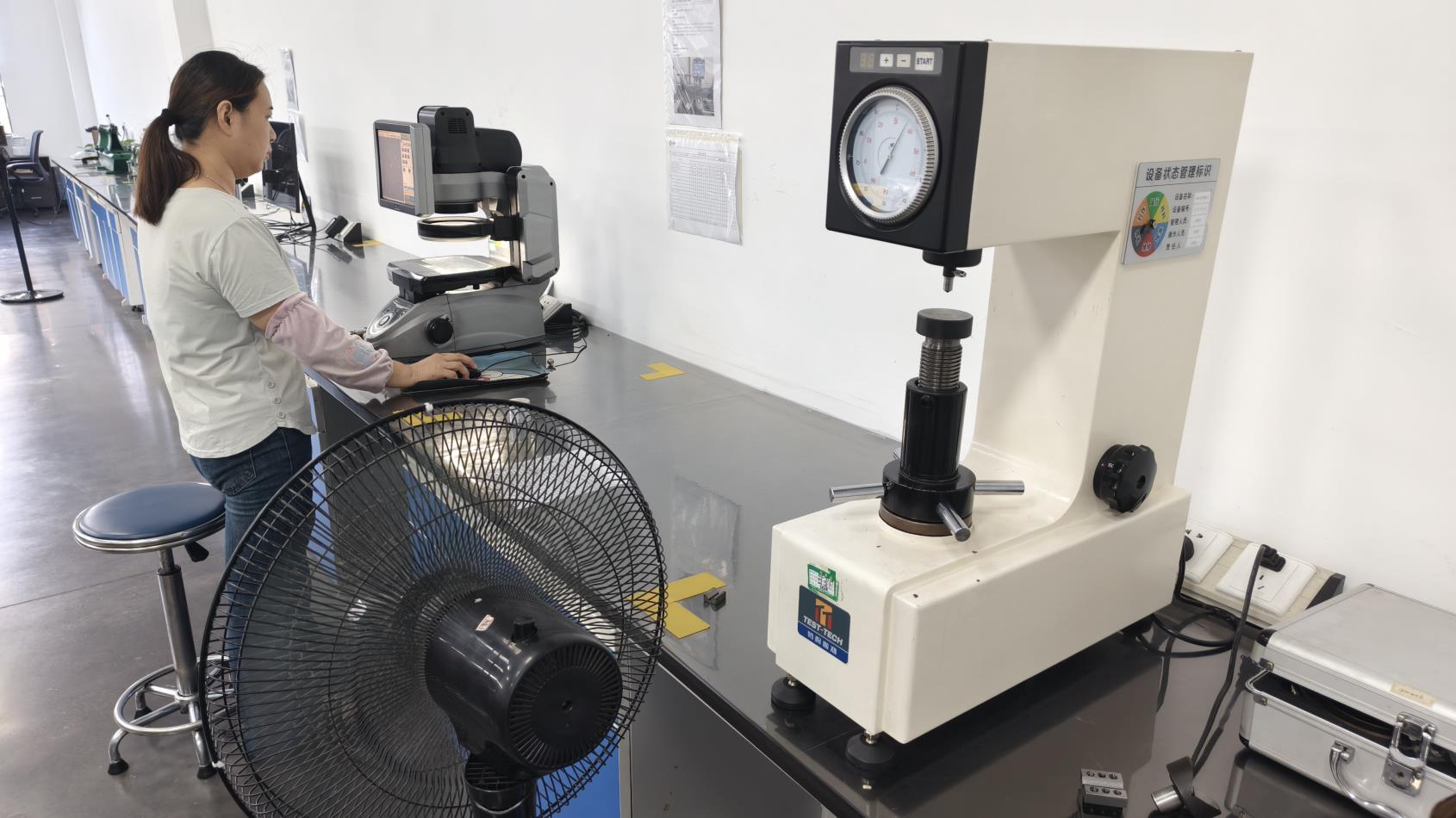
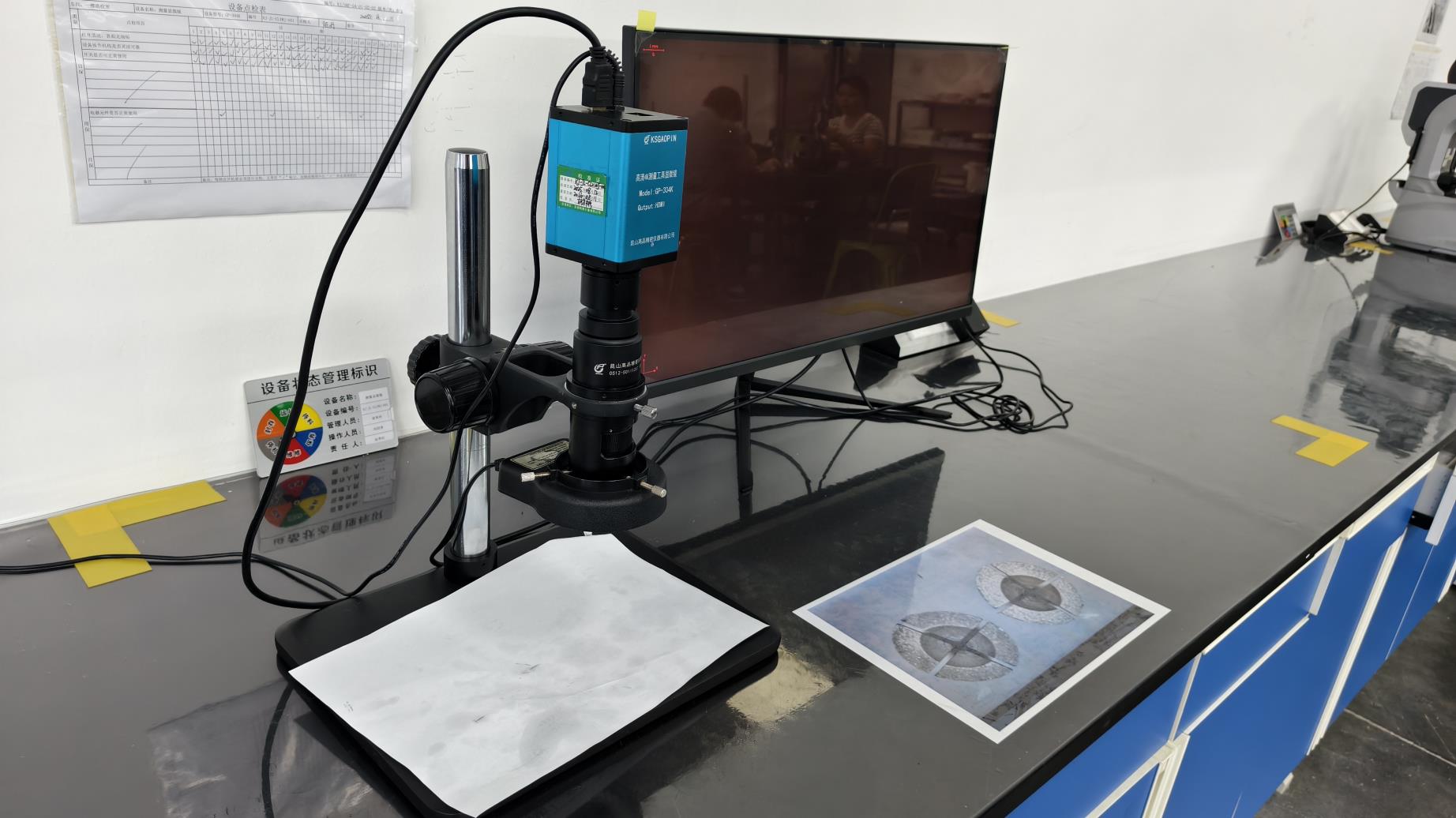
Our modern production floor features Swiss-type lathes, high-speed CNC machining centers, and advanced quality verification instruments.
Bridging Chinese manufacturing cost efficiencies with international quality standards, registration processes, and localized distribution networks.
The manufacturing of advanced medical-grade spine implants requires a highly integrated production ecosystem. Based in China, Moventra leverages key regional supply chain advantages to benefit our global partners. Access to raw materials—such as certified implantable PEEK (e.g., Evonik Vestakeep, Invibio PEEK-OPTIMA) and high-grade titanium alloys (ASTM F136)—guarantees material traceability and clinical safety from the start.
Our 18,600 m² facility features Swiss-type lathes and high-speed CNC centers capable of working with tight tolerances (±0.005mm). By combining advanced hardware with automated tool-path programming, we minimize cycle times and lower production costs. These operational efficiencies translate to lower per-unit pricing for our B2B partners, enabling distributors to scale their product offerings while maintaining competitive margins.
We understand that regulatory clearance is critical for medical distributors. Entering markets like North America, Europe, or the Asia-Pacific requires comprehensive documentation. Moventra supports our partners through the regulatory process by providing technical documentation, including raw material certifications, biocompatibility test results, and mechanical testing reports (such as ASTM F2077 fatigue testing and ASTM F382 static testing).
Whether you are seeking FDA 510(k) clearances, MDD/MDR CE marks, or national registrations, our regulatory affairs department works closely with your compliance teams to compile and submit the necessary technical files, helping to streamline market entry.
To accommodate diverse business models and local logistical setups, we offer two main product delivery systems:
Common questions concerning customization, regulatory support, mechanical testing, and production lead times for ALIF fusion devices.
 Moventra Medical