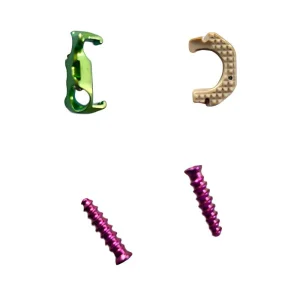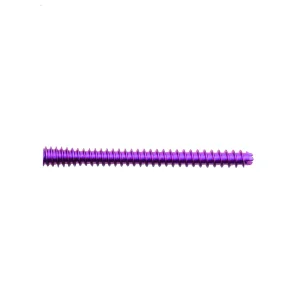
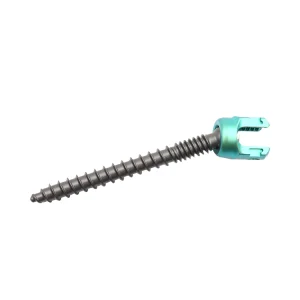
Within modern orthopedic reconstruction and spine surgery, the rigid biomechanical stability of spinal fixation is non-negotiable. Monoaxial pedicle screws, characterized by their fixed screw-head design relative to the longitudinal shaft, represent the gold standard for structural stability. Unlike polyaxial alternatives, which offer axial range variations, monoaxial designs provide direct, uncompromised corrective force transmission. This is especially vital in complex scoliosis alignment, severe kyphotic correction, and targeted posterior spinal fusion.
Globally, the market for spinal fusion hardware is undergoing rapid expansion, driven by an aging demographic, the rising incidence of degenerative disc diseases, and technological shifts toward minimally invasive surgeries (MIS). For healthcare procurement teams and medical device brand distributors, partnering with a reliable, certified OEM/ODM manufacturing facility is critical to securing long-term market presence and maintaining patients' safety.
“In complex adolescent idiopathic scoliosis (AIS) corrections, monoaxial pedicle screws deliver superior derotational torque compared to polyaxial screws, reducing the risk of construct failure and optimizing correction angles.”
By locking the longitudinal rod path perpendicular to the screw insertion axis, monoaxial screws prevent micro-movement at the screw-head junction. This maximizes axial and rotational stability for complex vertebral column realignment.
Manufactured from premium Medical-Grade Titanium Alloy (Ti-6Al-4V ELI). It offers outstanding biocompatibility, high fatigue strength, and minimized MRI scan artifact interference during postoperative observation.
Dual-lead threads and self-tapping tips reduce insertion torque and operation time while maximizing pull-out strength in both cortical and cancellous bone structures.
| Performance Parameters | Monoaxial Pedicle Screws (Fixed Head) | Polyaxial Pedicle Screws (Universal Head) | Clinical Advantages |
|---|---|---|---|
| Angular Flexibility | 0° (Rigidly Fixed Structure) | Up to ±25° (Multi-directional) | Monoaxial guarantees zero loss of corrective vector displacement. |
| Rotational Torque Limit | High (Allows direct vertebral derotation) | Moderate (Joint mechanism limits torque) | Ideal for correcting rotational scoliosis deformities. |
| Pull-Out Strength | Excellent (> 1200 N depending on bone density) | High (Slightly lower head-to-neck limits) | Prevents screw migration in osteoporotic bone beds. |
| Primary Application | Deformity correction, Trauma, Kyphosis | Degenerative Disc Disease, Multilevel Fixation | Allows precise mechanical leverage in target vertebrae. |
Established in 2017, Moventra Medical Technology (China) Co., Ltd. has grown into a leading developer and exporter of orthopedic implants and surgical instruments. Drawing on over 13 years of specialized industry experience, we supply medical device brands, healthcare institutions, and distributors worldwide with certified clinical-grade trauma, joint, and spinal fusion systems.
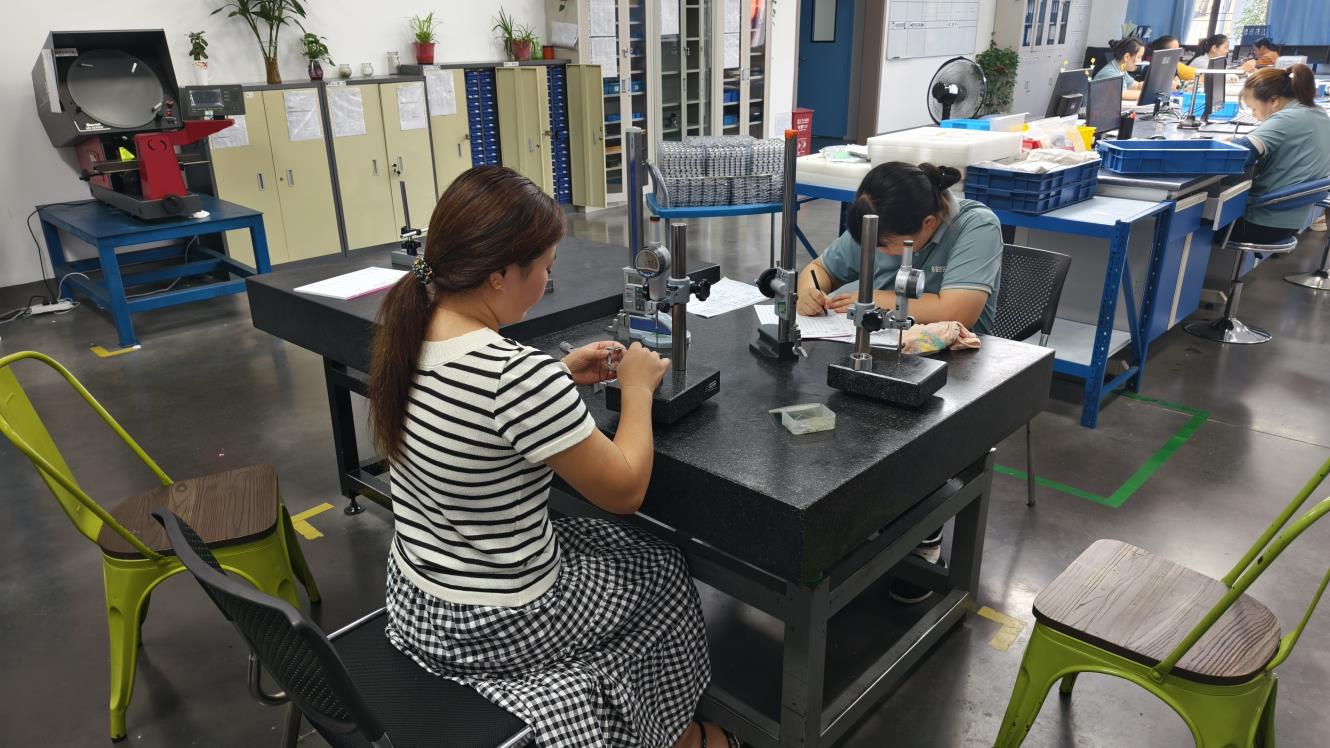
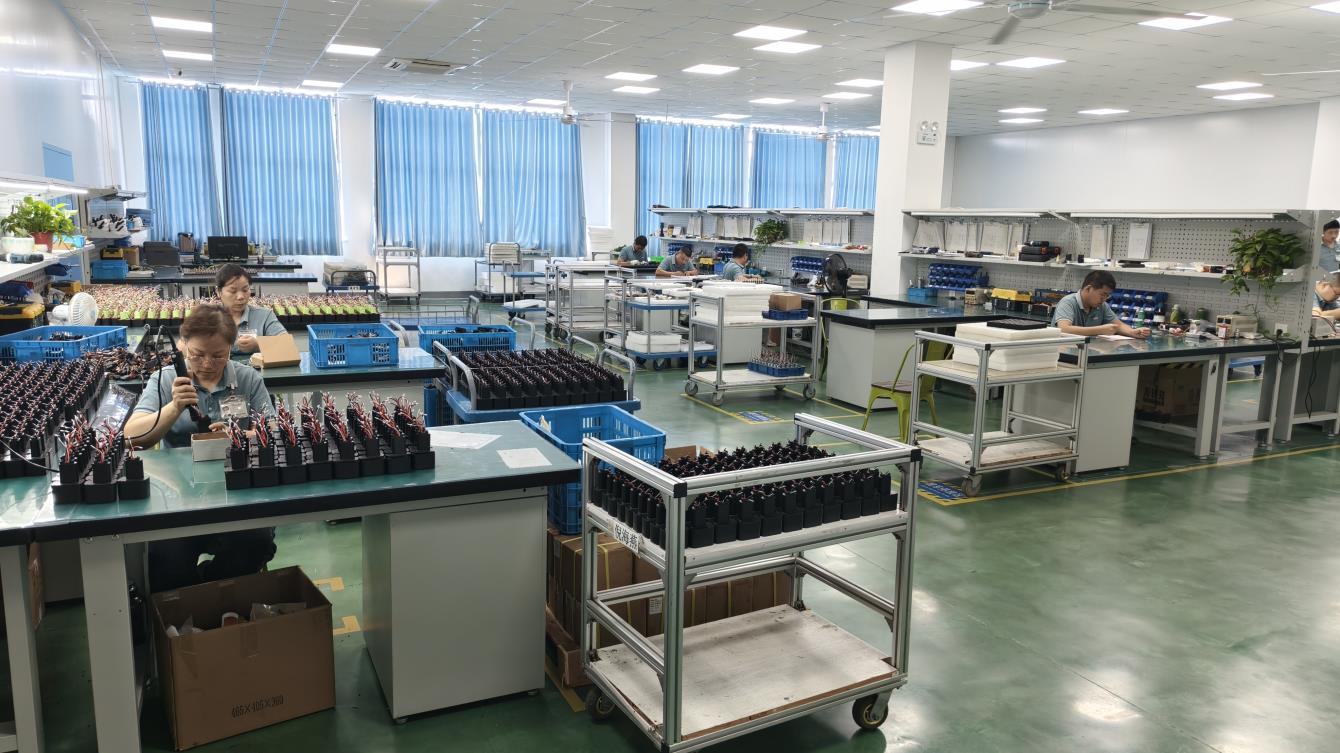
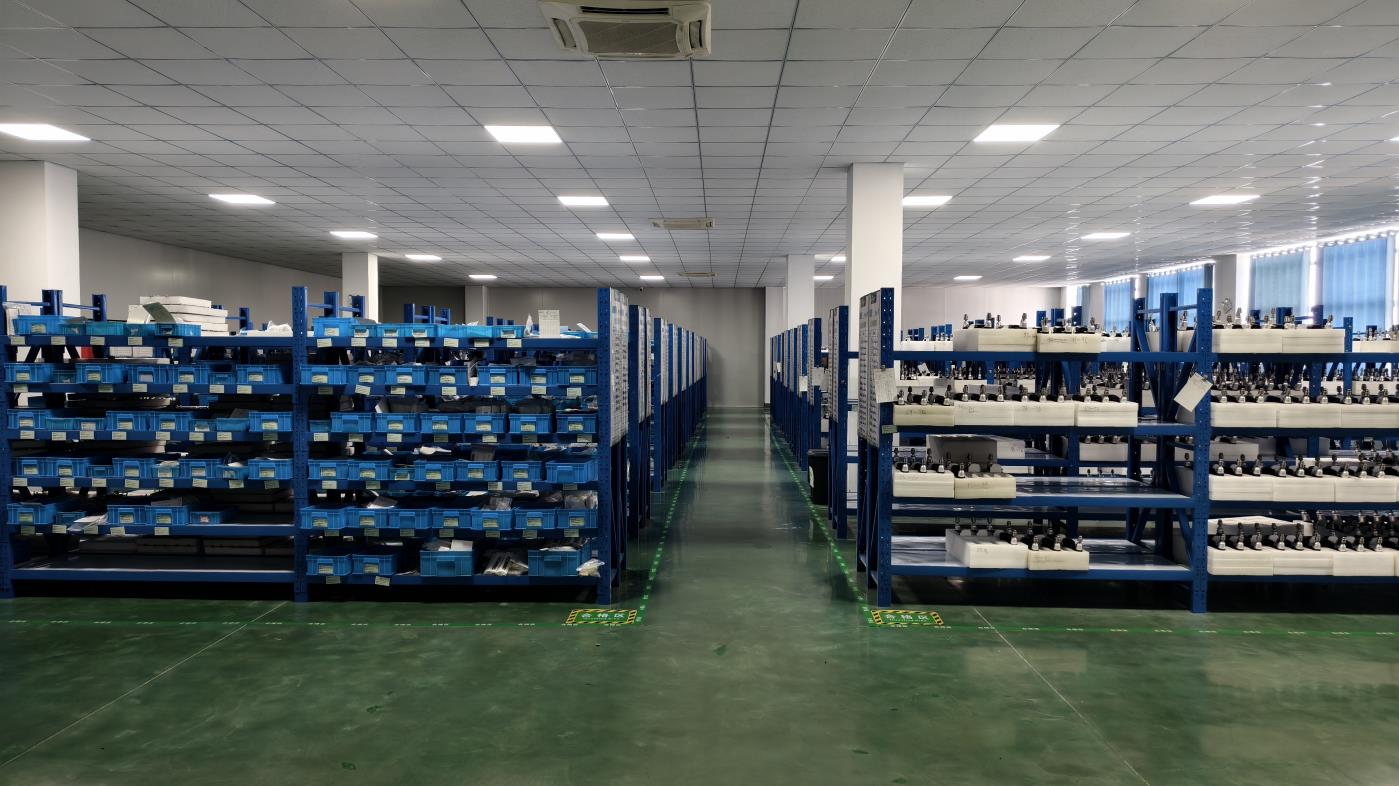
Operating a modernized 18,600 m² cleanroom and manufacturing plant, we have built a streamlined infrastructure that integrates independent R&D engineering, rapid prototyping, and precision machining. Guided by 86 R&D engineers and 48 QC professionals, we implement rigorous, multi-stage inspection protocols to guarantee that every implant conforms to regional medical requirements.
Through our comprehensive OEM/ODM custom services, partners can request customized screw thread pitches, unique surface treatment options (such as HA coating or anodizing), and tailored sterile packing formats to meet regional compliance standards.
| Brand & Identity | Moventra (China) Co., Ltd. / Est. 2017 |
| Infrastructure | 18,600 m² modern facility |
| Annual Export Revenue | USD 23.8 Million |
| QC Staff & Protocols | 48 Specialists / 100% Pre-Shipment Inspection |
| Engineering Staff | 86 R&D Engineers |
| Inspection Capabilities | Dimensional, Material, Surface Roughness, Mechanical Strength |
| Customization Scope | Logo, Packaging, Structural Blueprints, Sample Replication |
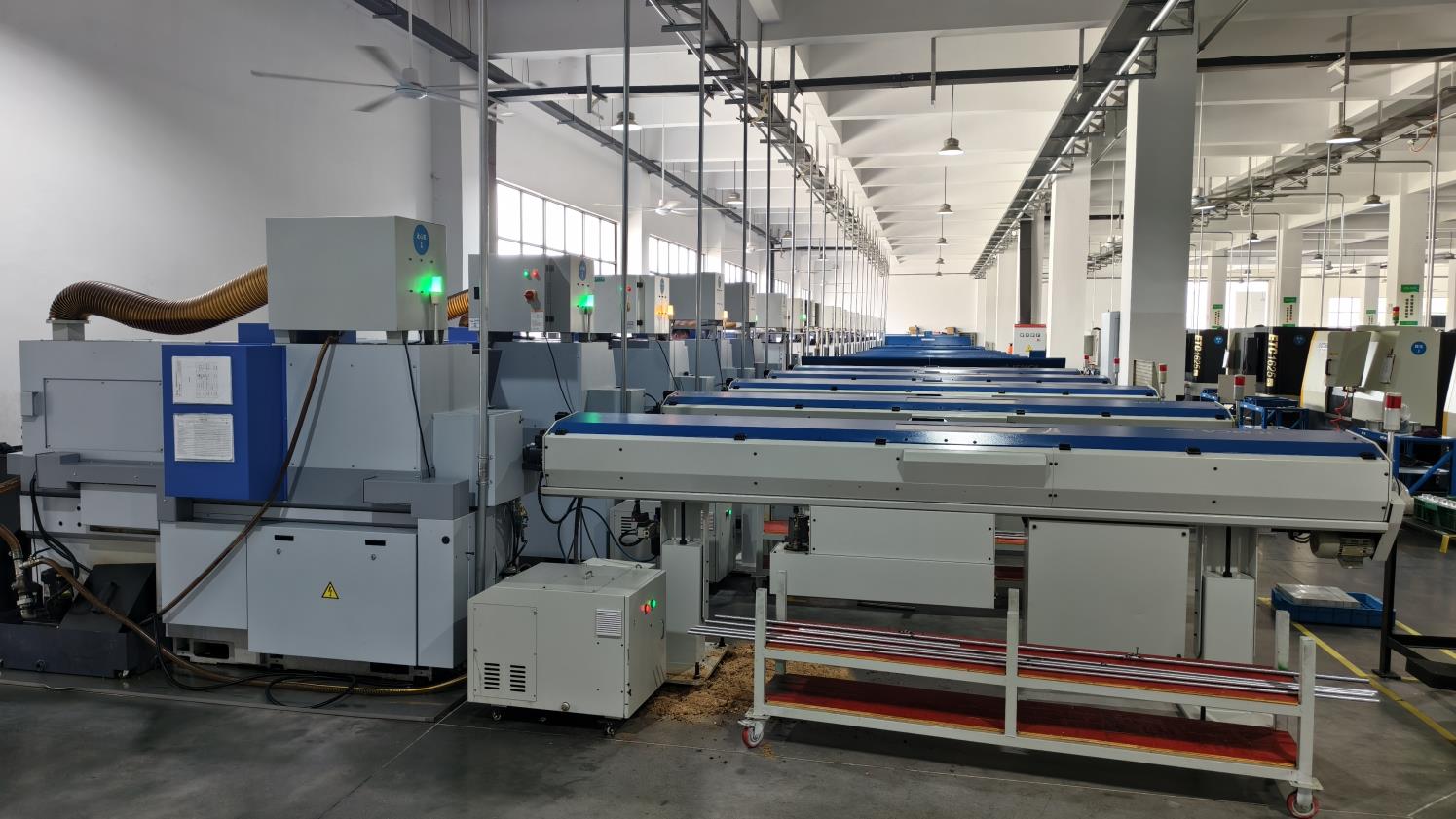
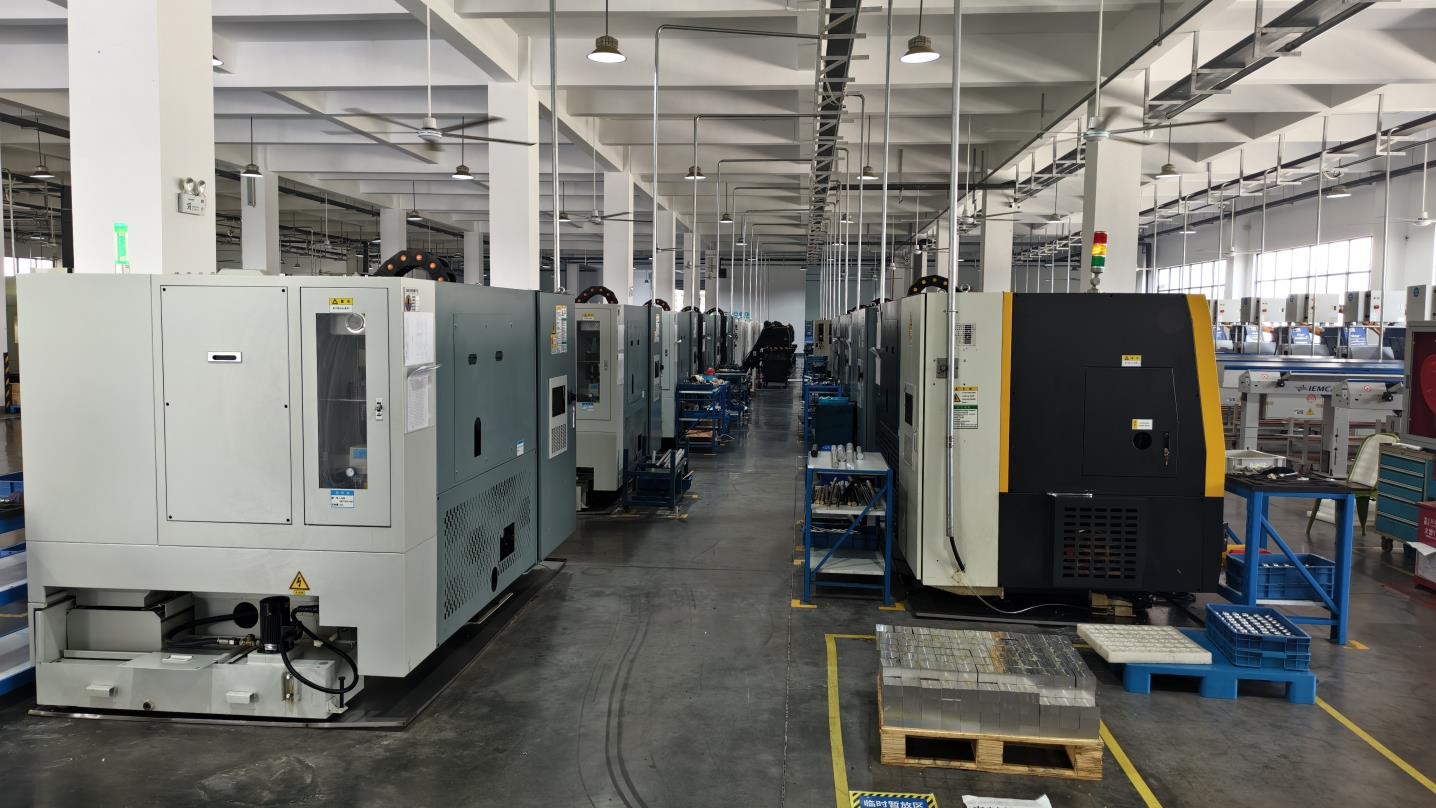
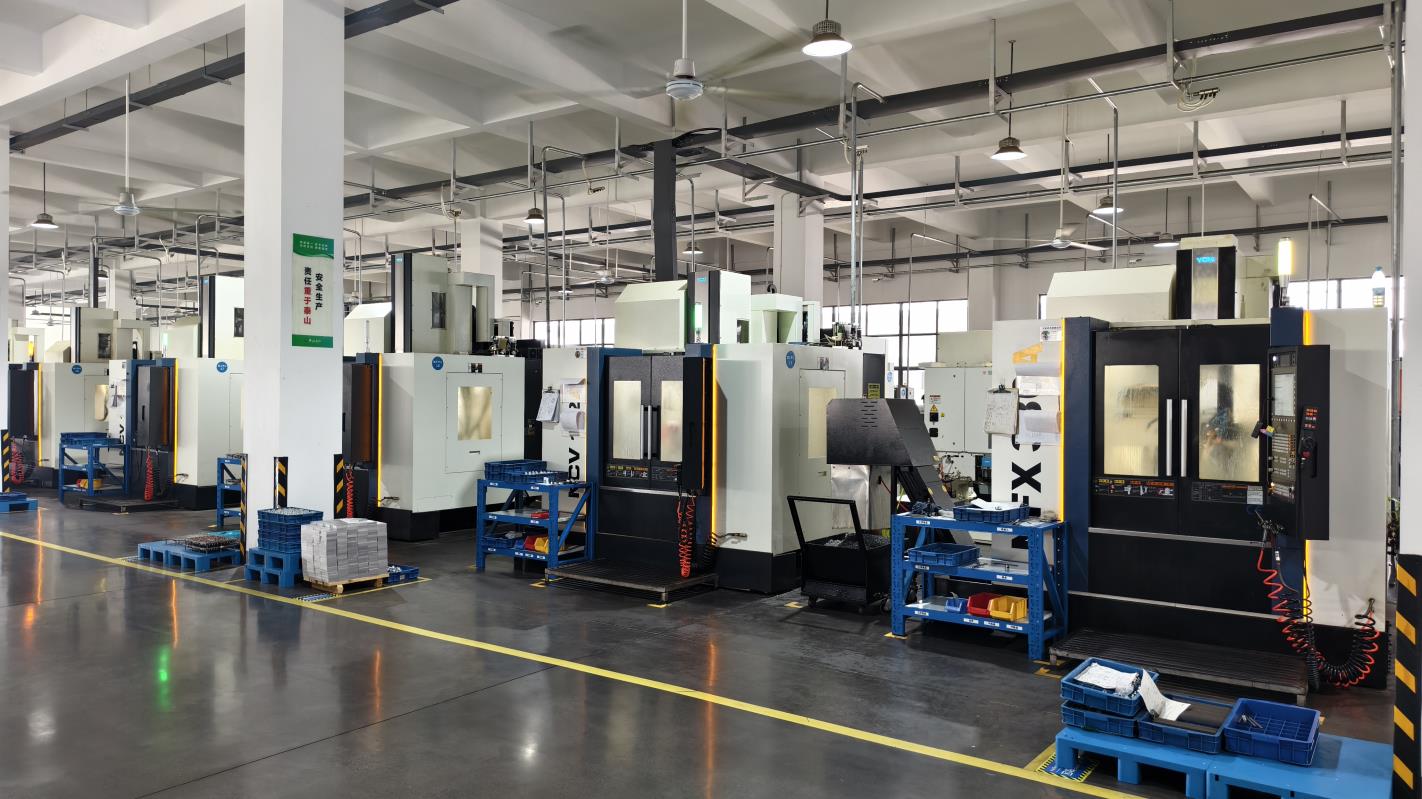
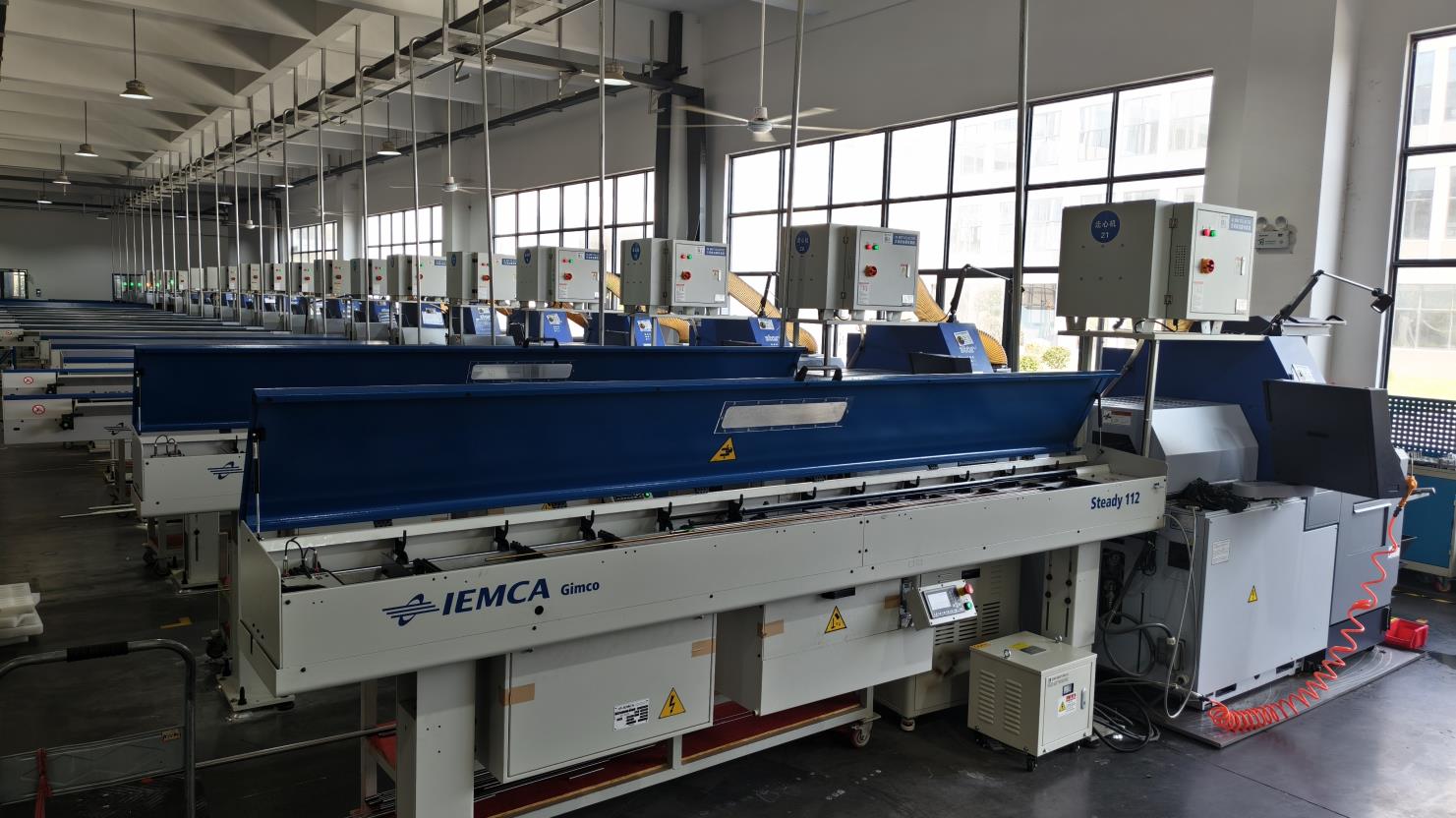
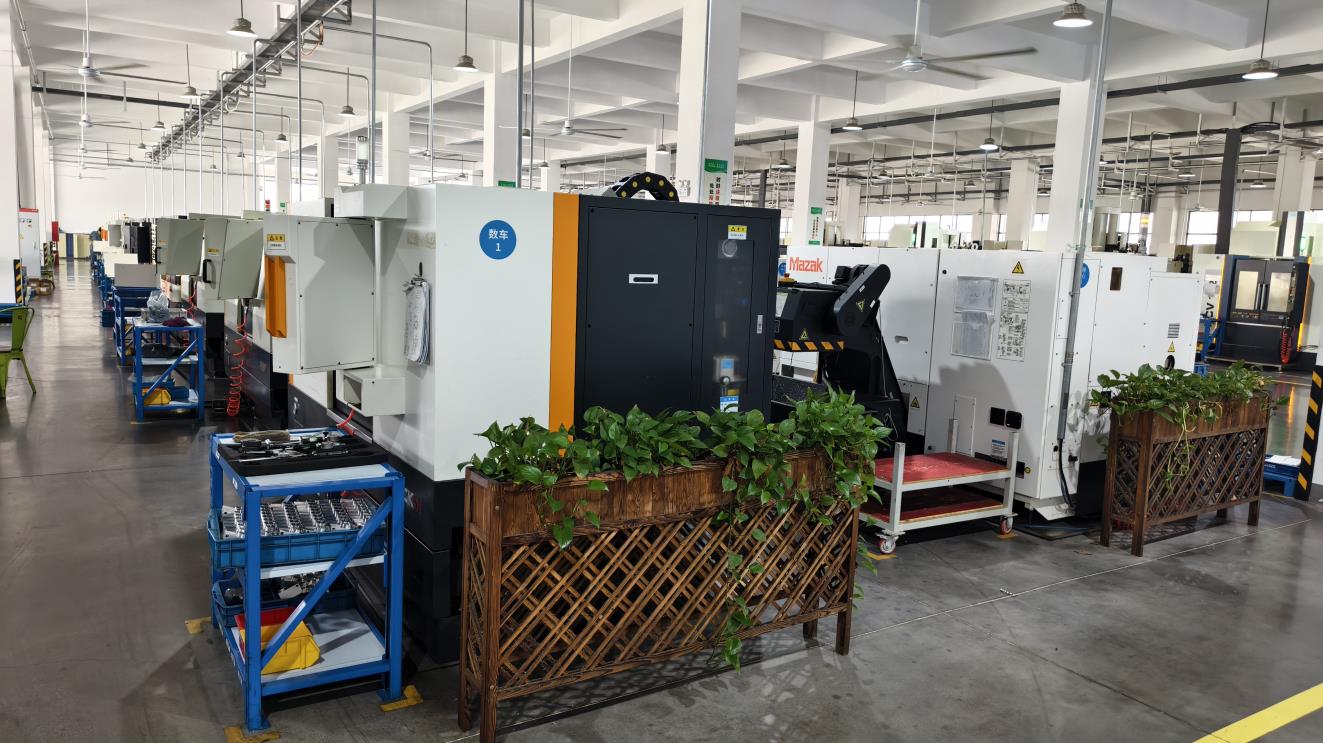
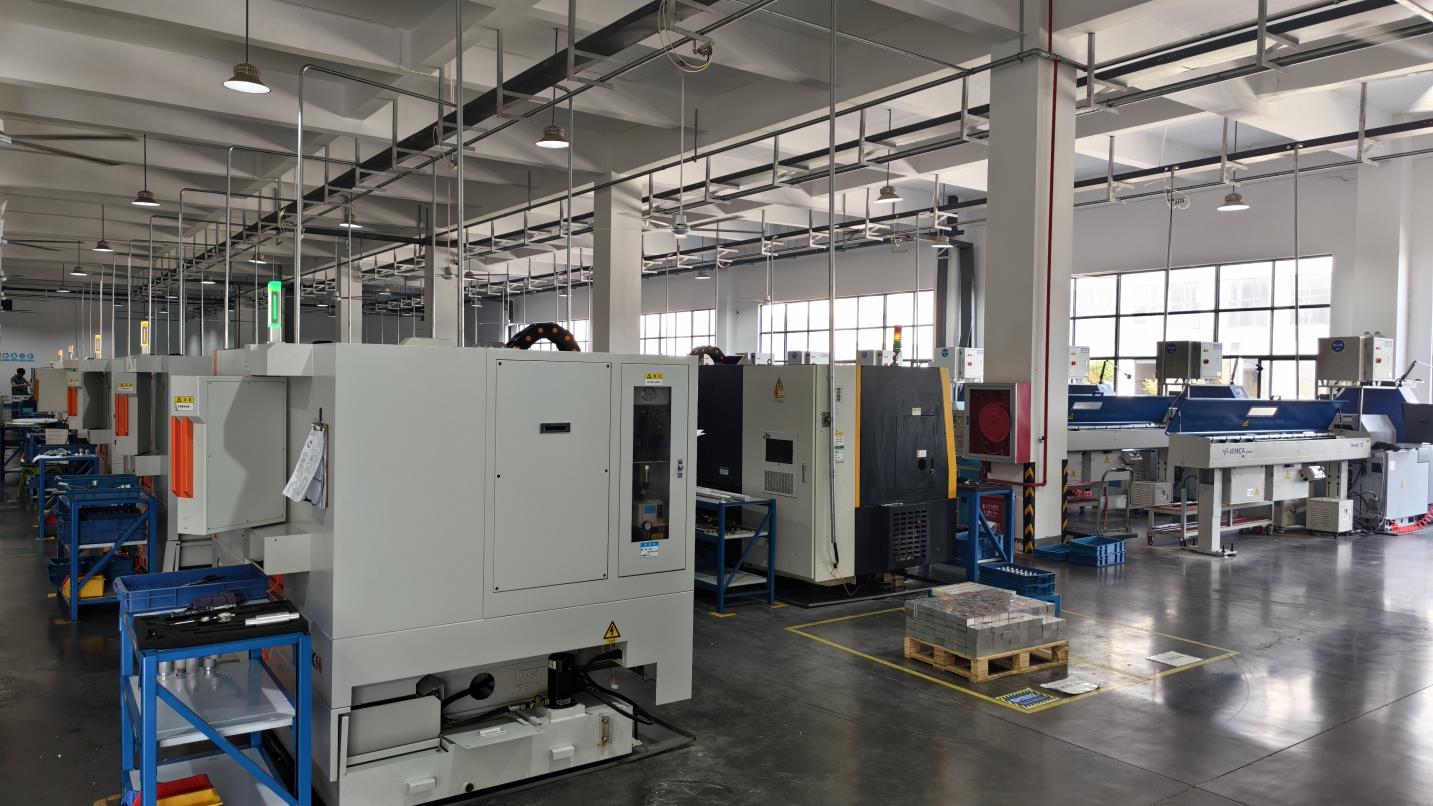
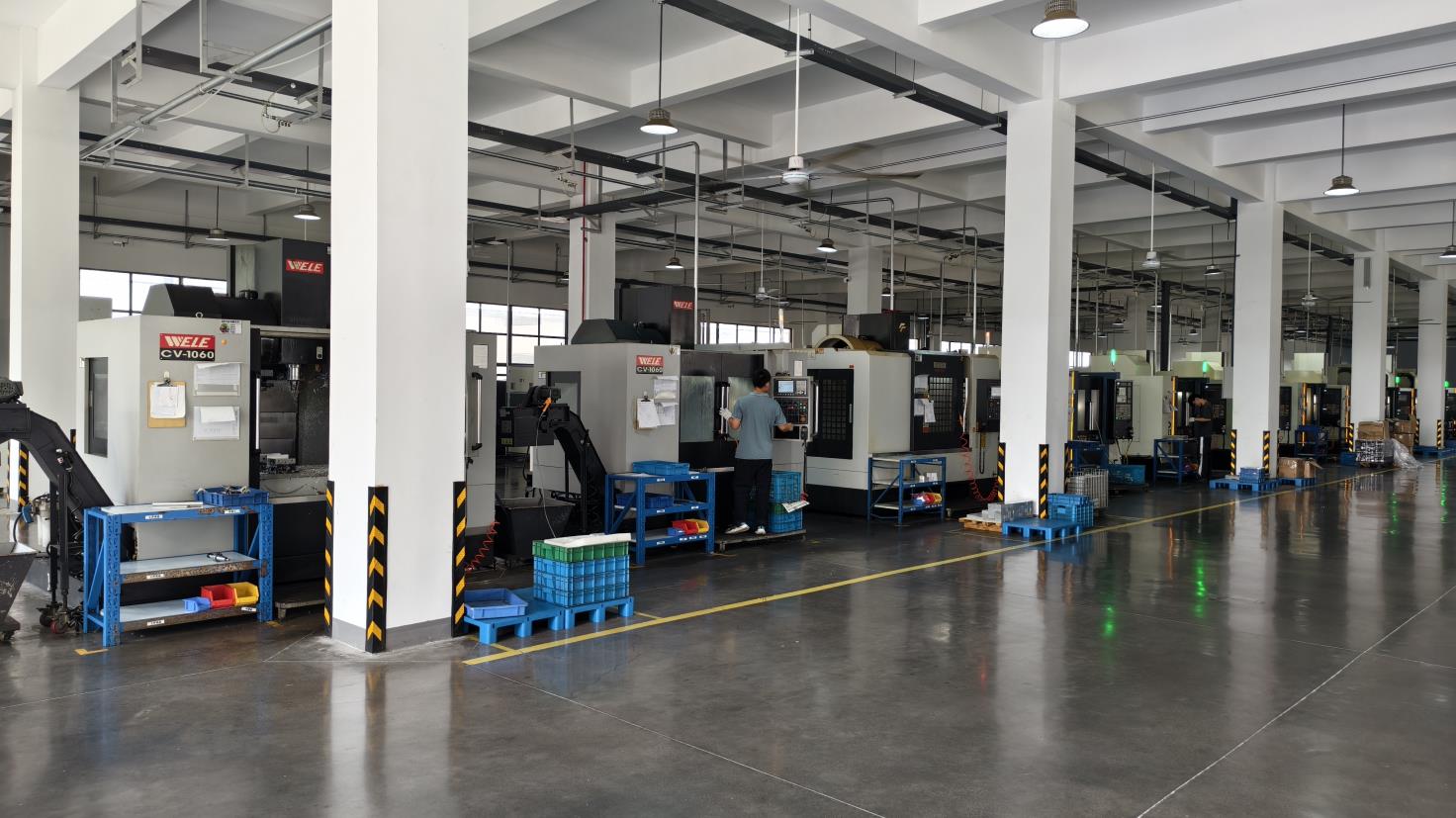
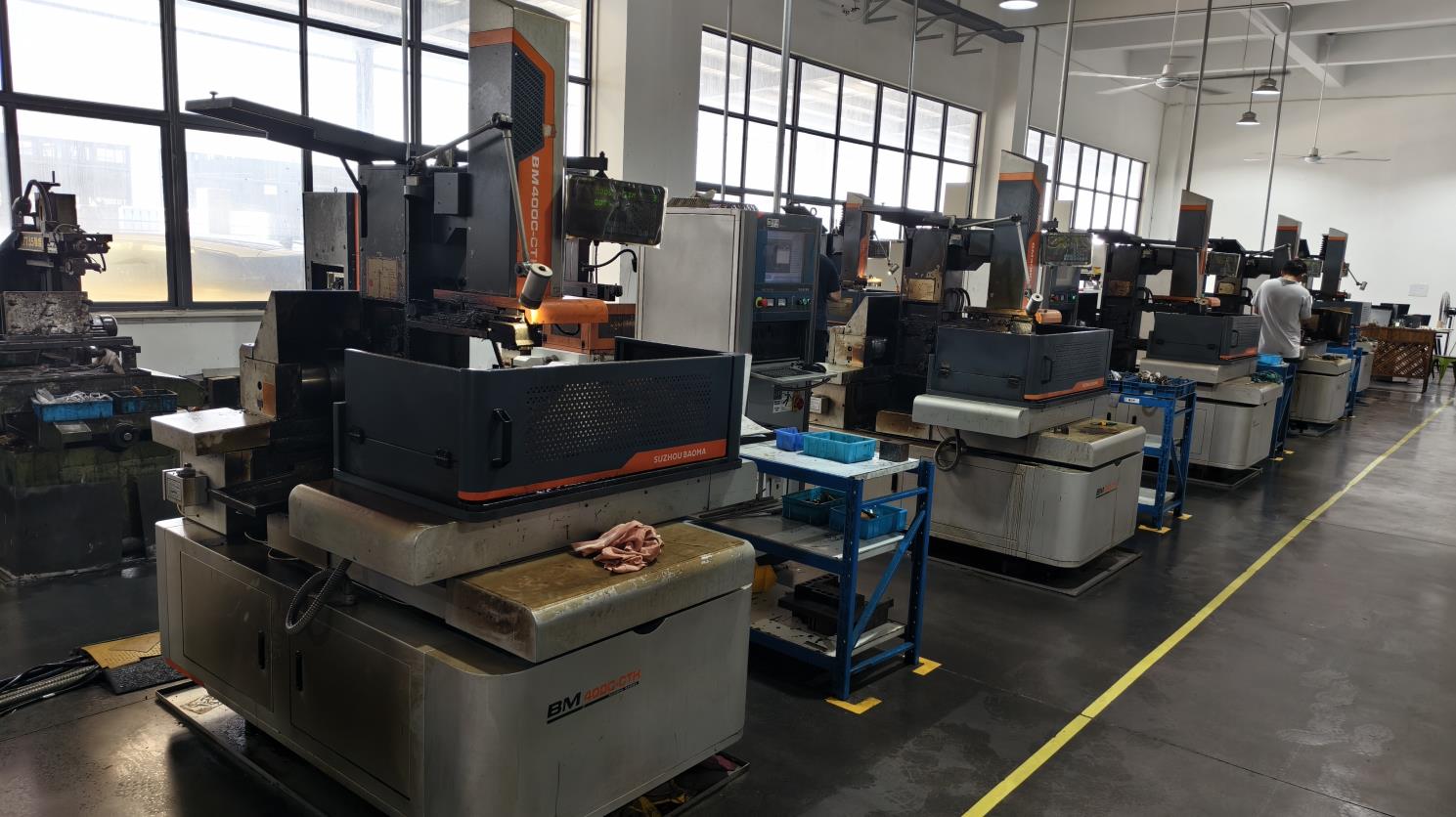
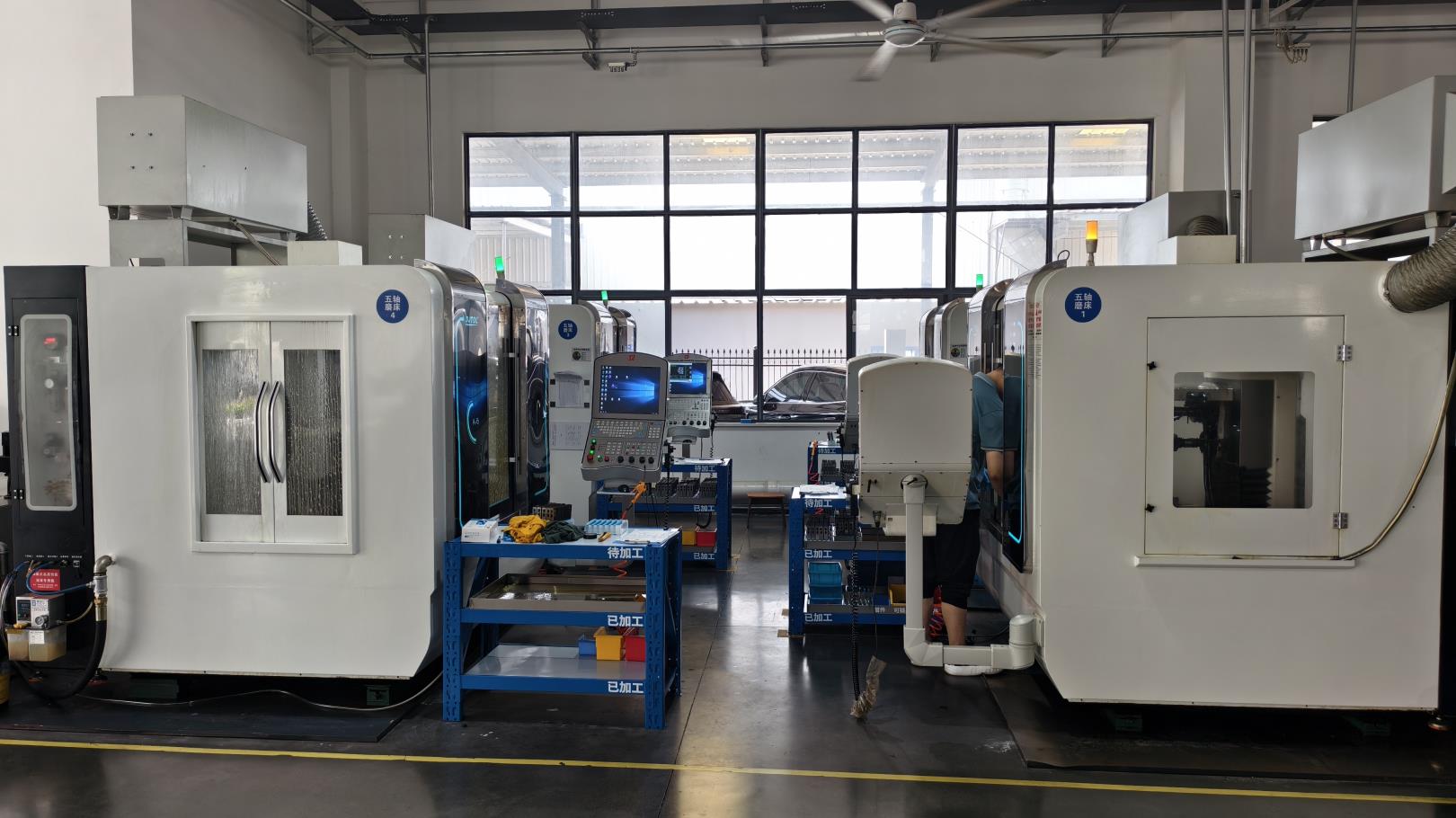
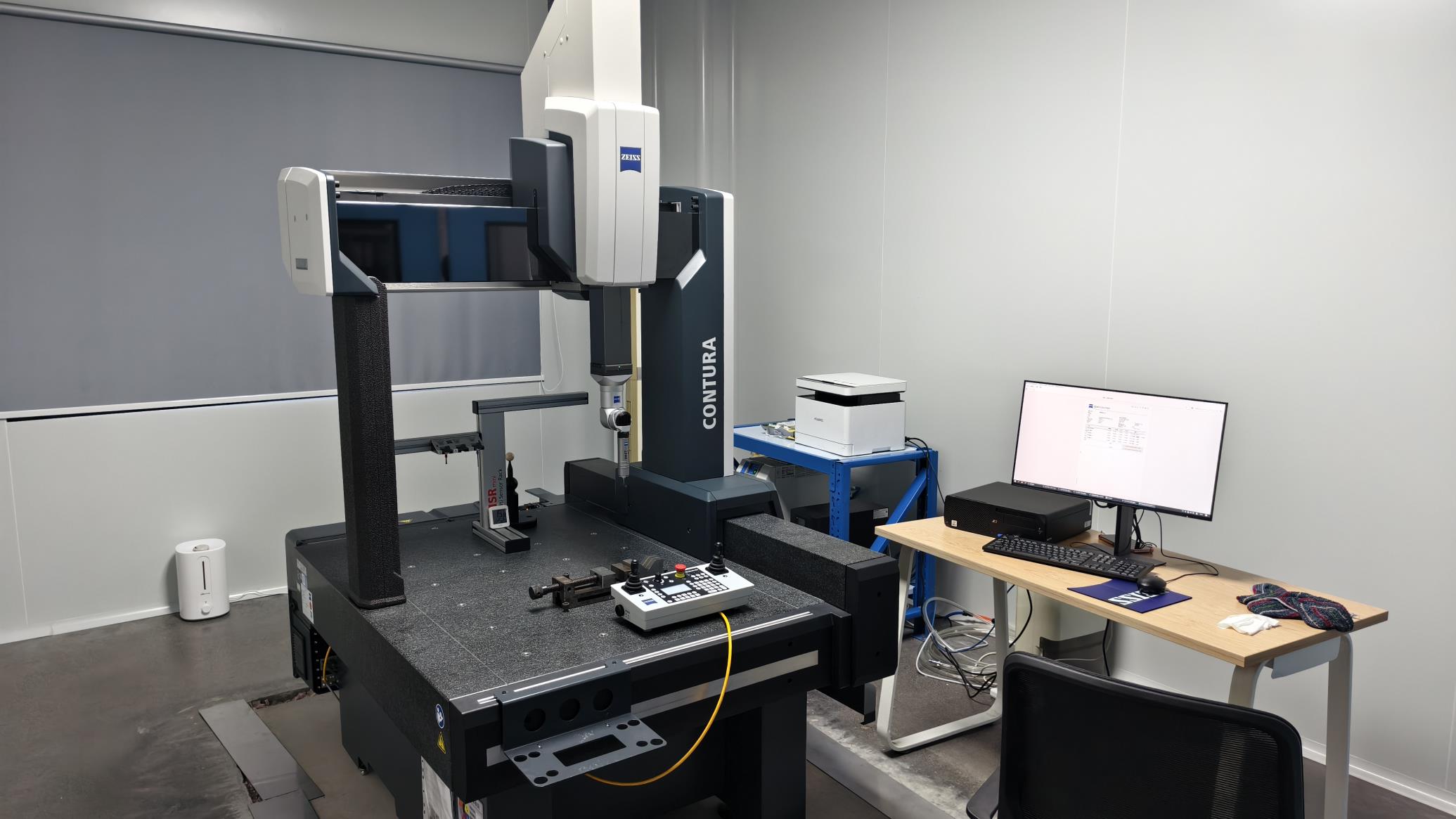
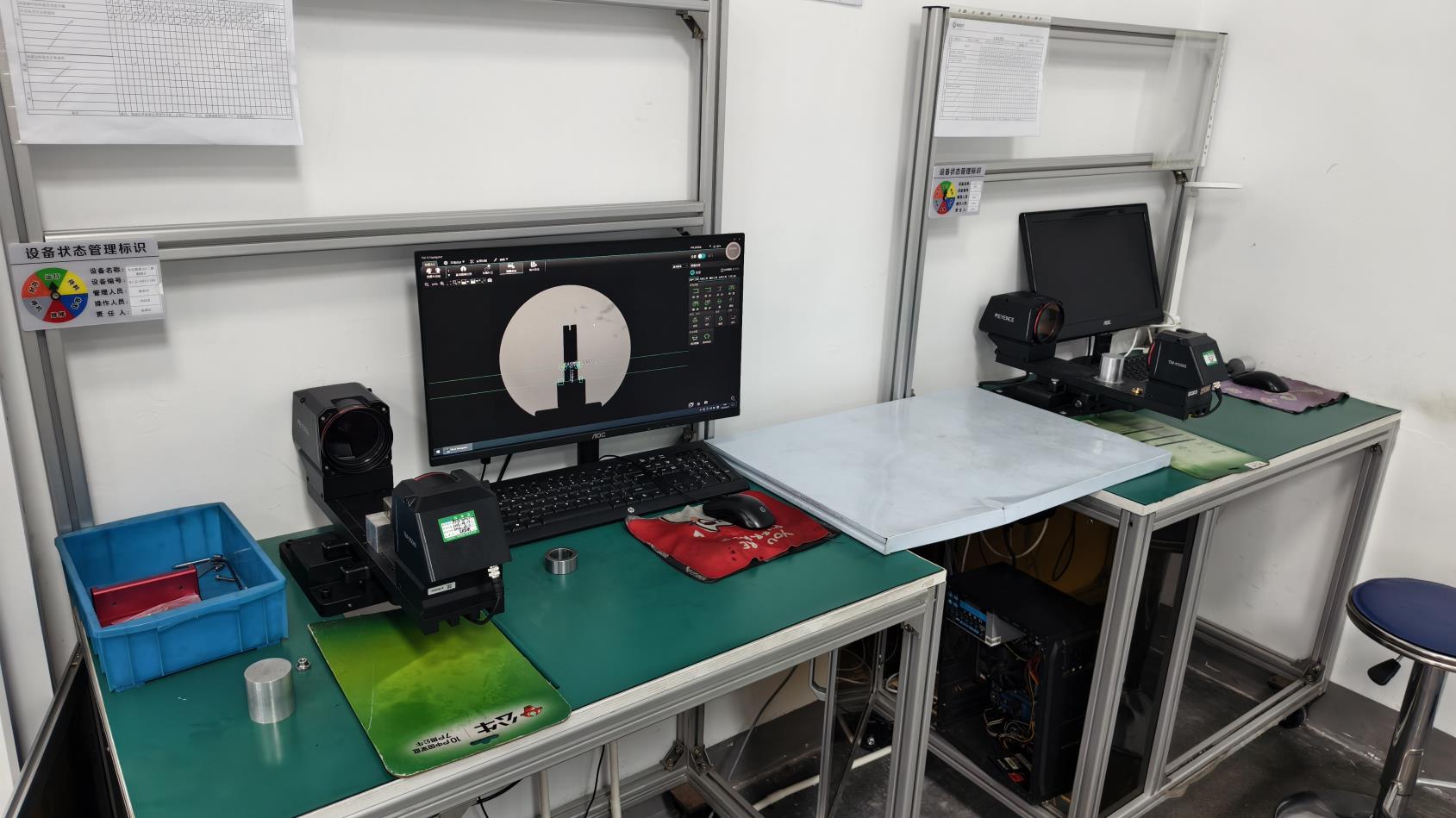
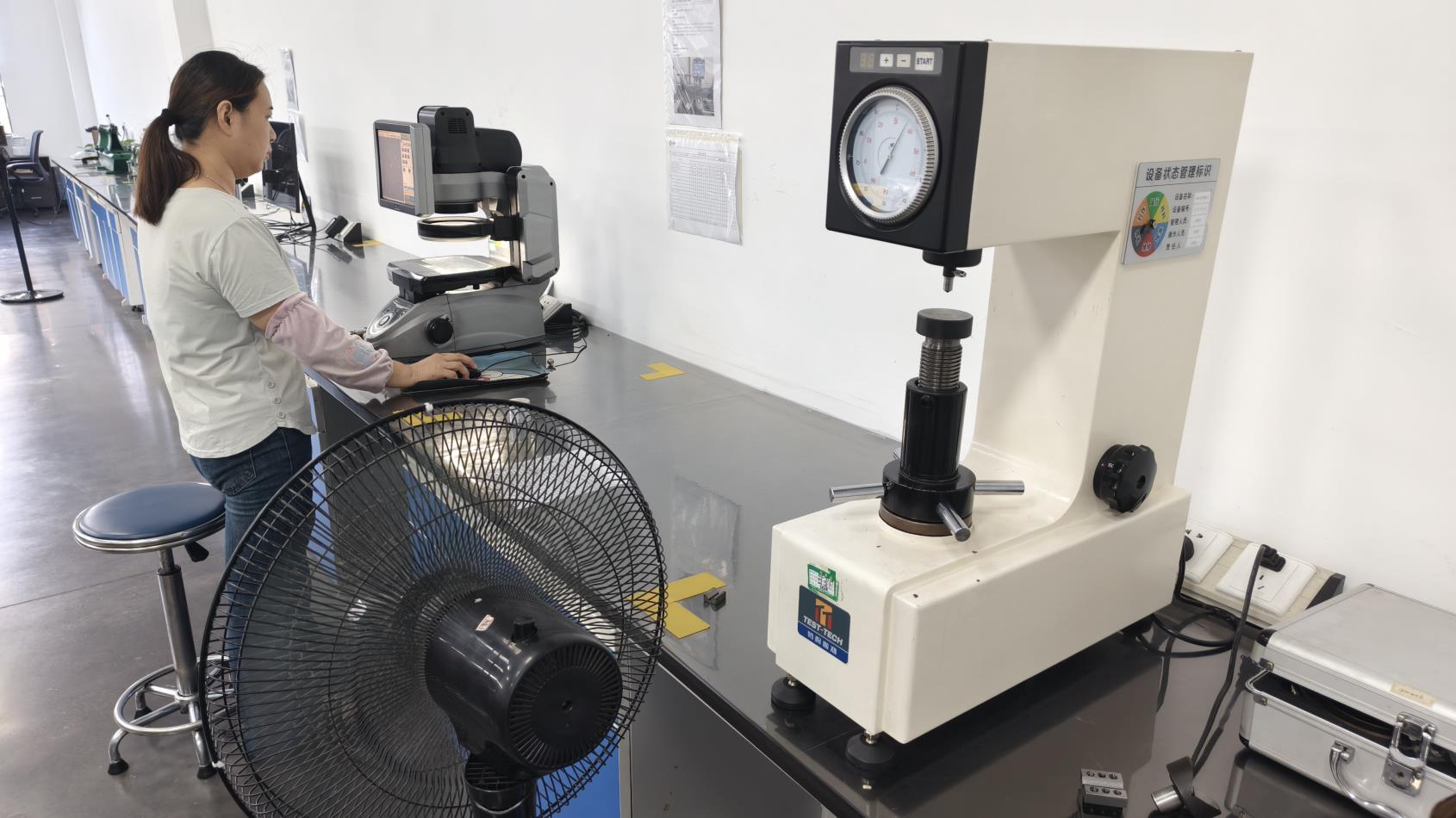
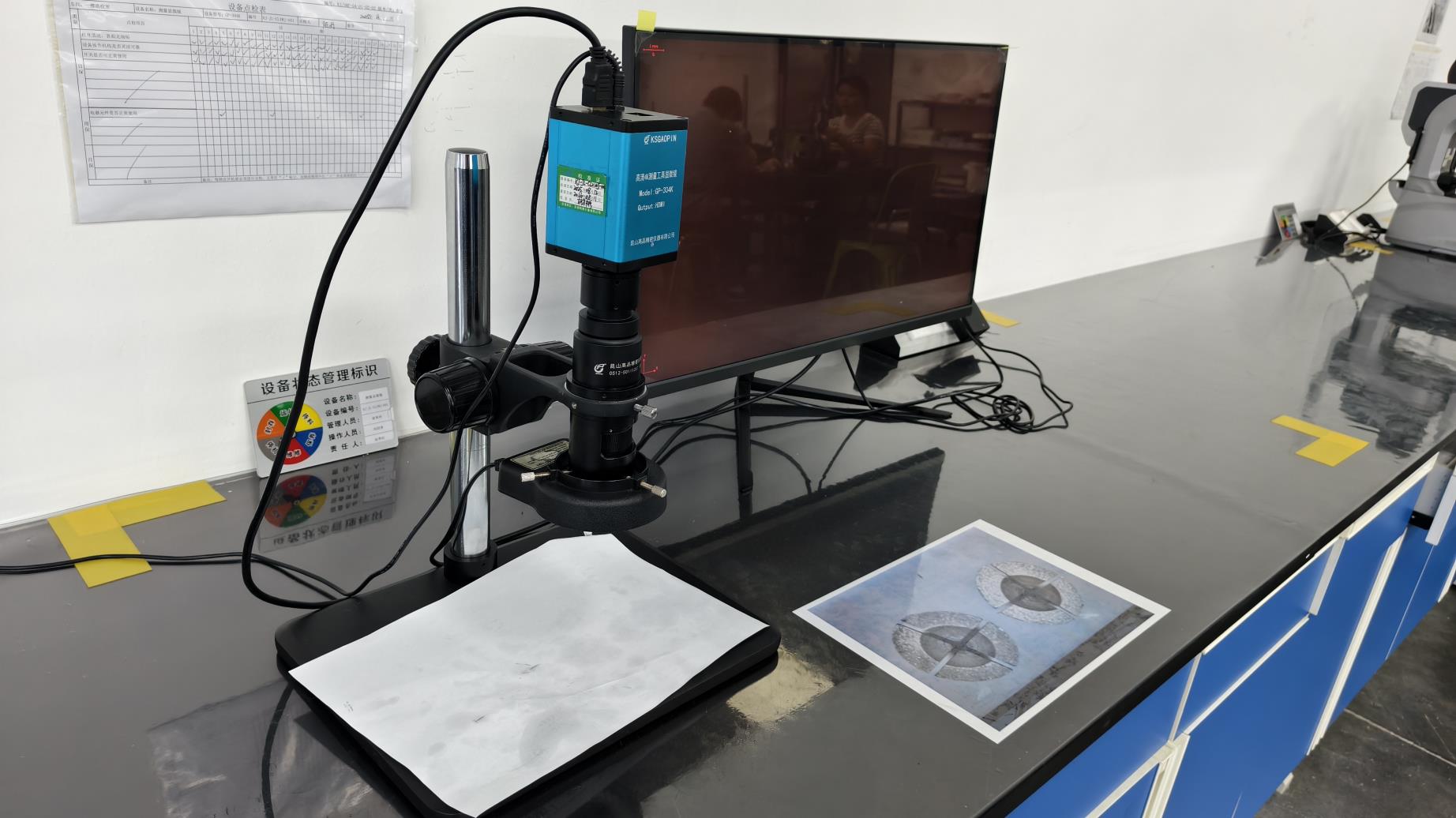
To achieve structural dimensional tolerances within ±5 microns, Moventra utilizes world-class Swiss-type CNC automatic lathes, high-speed milling centers, and advanced cleanroom assembly environments. Here is an overview of our state-of-the-art manufacturing floor:
In pediatric and adult deformity correction clinics, the rigid neck of monoaxial screws allows surgeons to apply direct corrective rotation to individual vertebrae. This enables 3D restructuring and normalization of the spinal curve without mechanical play in the screw head.
In emergency trauma centers, monoaxial screws provide stable internal fixation to treat unstable burst fractures or fracture-dislocations of the thoracolumbar spine. The rigidity of the construct prevents vertebral collapse and accelerates early patient mobilization.
When treating degenerative spondylolisthesis, combining monoaxial screws with interbody cages provides a stable environment for spinal fusion. This rigid setup helps maintain segment height and decompression over the long term.
The field of spinal fixation is moving toward smart, bioactive implants designed to accelerate fusion and lower postoperative infection rates. At Moventra, our R&D team works closely with research institutes to integrate new surface treatment technologies. Our developmental focus areas include:
Our long-term R&D goal centers on merging biomechanical rigidity with smart biocompatibility. By engineering pedicle screws that actively guide osteogenesis, we aim to reduce revision rates and support long-term patient recovery.
We supply comprehensive technical documentation, including raw material trace data (ASTM F136), mechanical testing records, and biocompatibility profiles. This supporting paperwork helps streamline localized regulatory filings (CE, FDA, ANVISA).
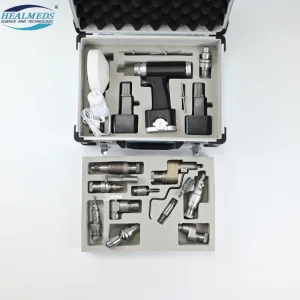
Alongside our screws, we manufacture complete surgical instrument kits, including torque-limiting screwdrivers, counter-torque wrenches, bone awls, and pedicle probes. This comprehensive product line simplifies purchasing for distributors.
To accommodate sterile field setups in modern operating rooms, we offer both non-sterile bulk packaging and sterile blister packing with secure double-barrier Tyvek seals, tailored to regional customer preferences.
 Moventra Medical