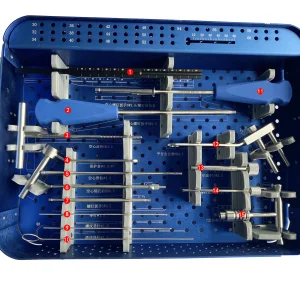
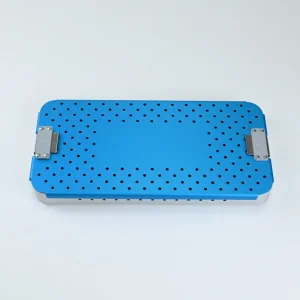
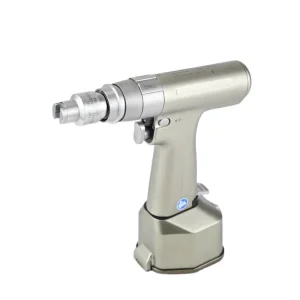
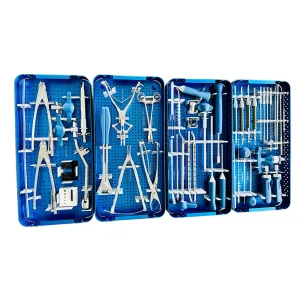
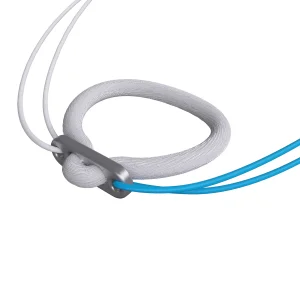
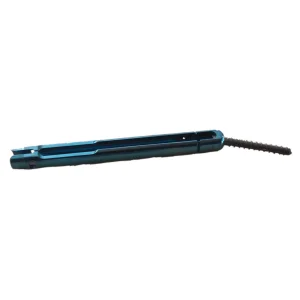
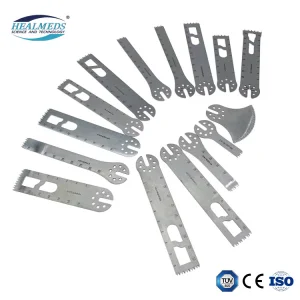
Founded in 2017, Moventra Medical Technology has grown into a world-class center of excellence for orthopedic device design, development, and high-volume clinical production. Our cutting-edge 18,600 m² manufacturing facility integrates the complete product cycle: from CAD/CAM simulation and precision Swiss CNC machining to comprehensive regulatory validation, cleanliness verification, and sterile packaging.
We serve international medical device brands, public and private hospital chains, and global OEM/ODM distributors across North America, Europe, South America, the Middle East, and Asia. As a reliable manufacturing partner, our business model centers on offering advanced mechanical engineering, flexible production scaling, and rigid regulatory adherence (ISO 13485, CE, Class I, II, and III medical device compliance).
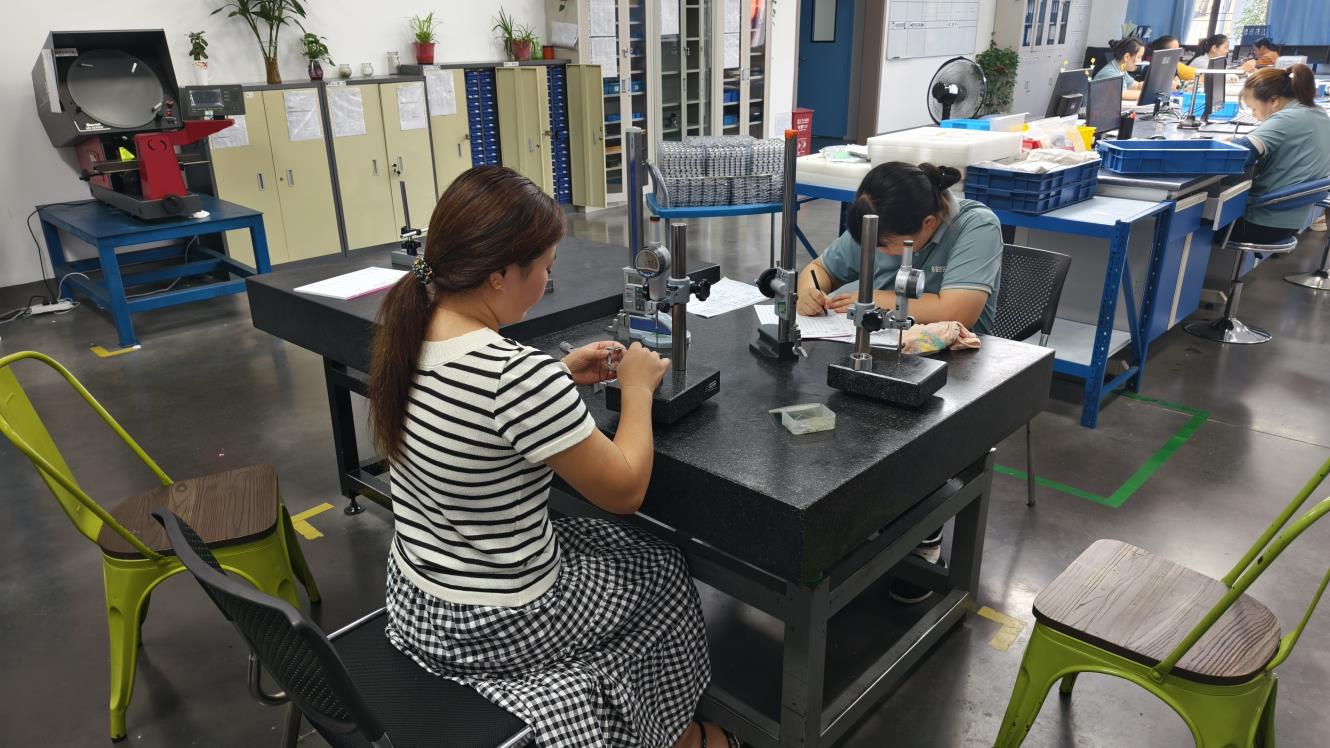
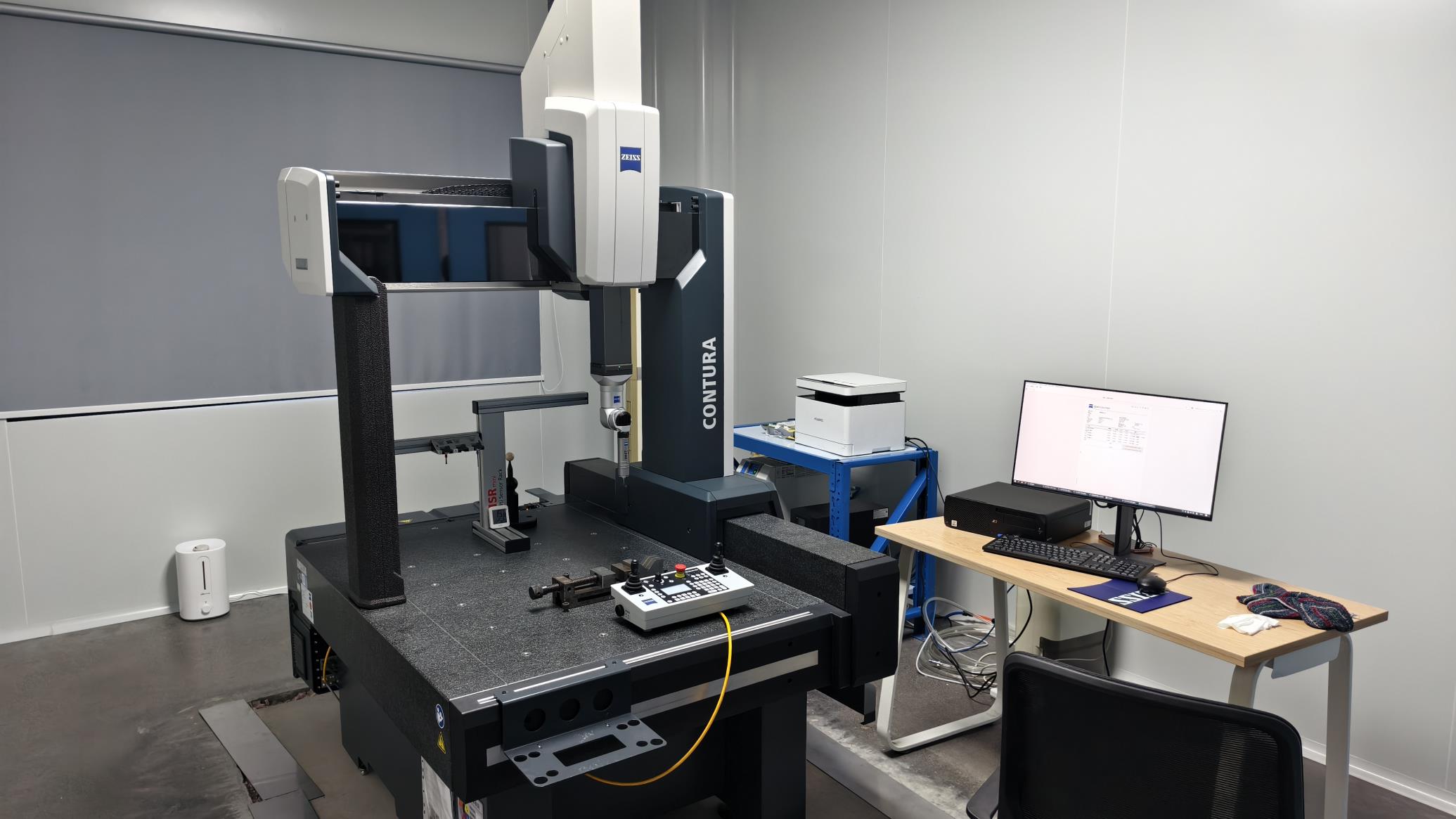
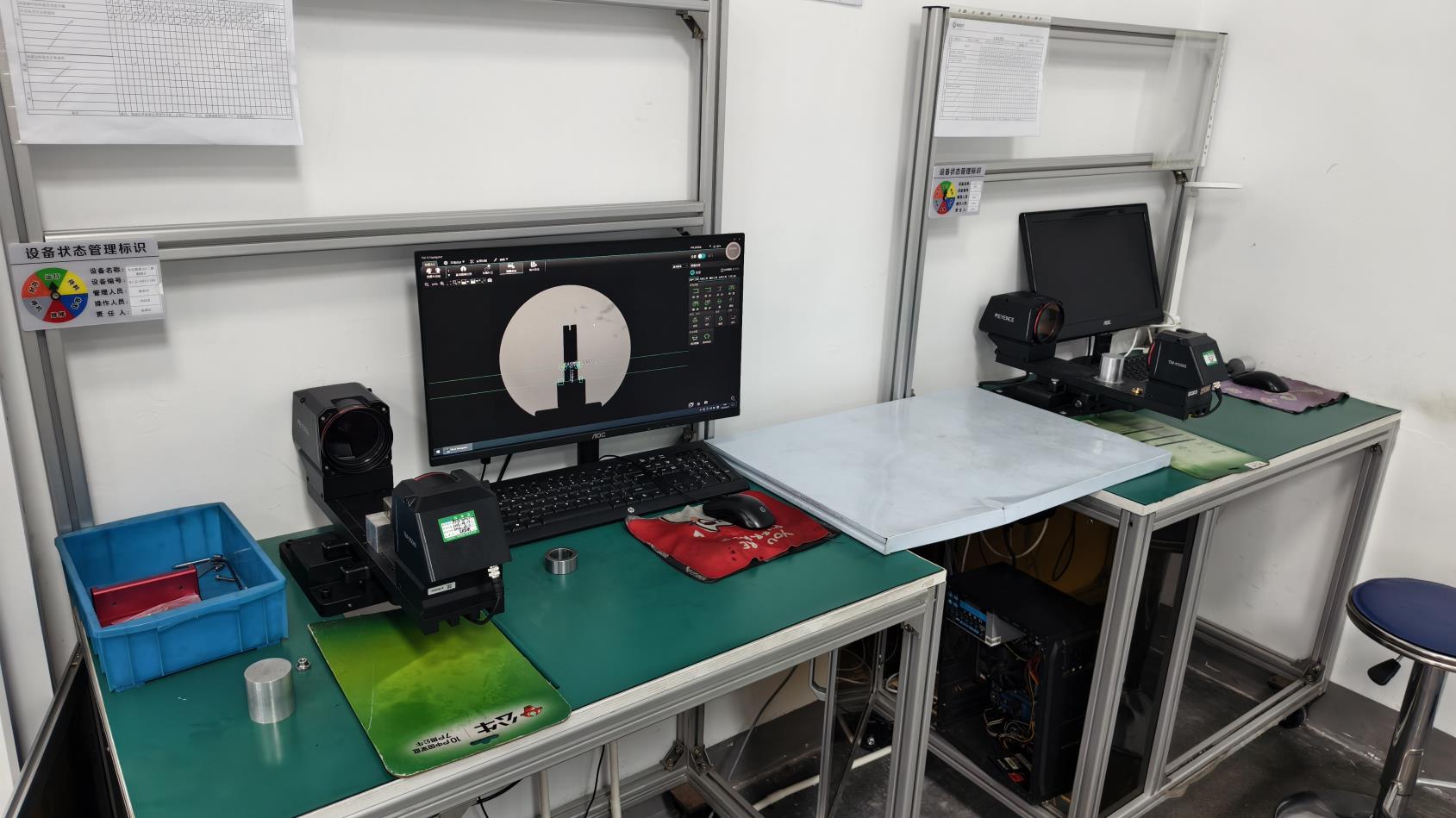
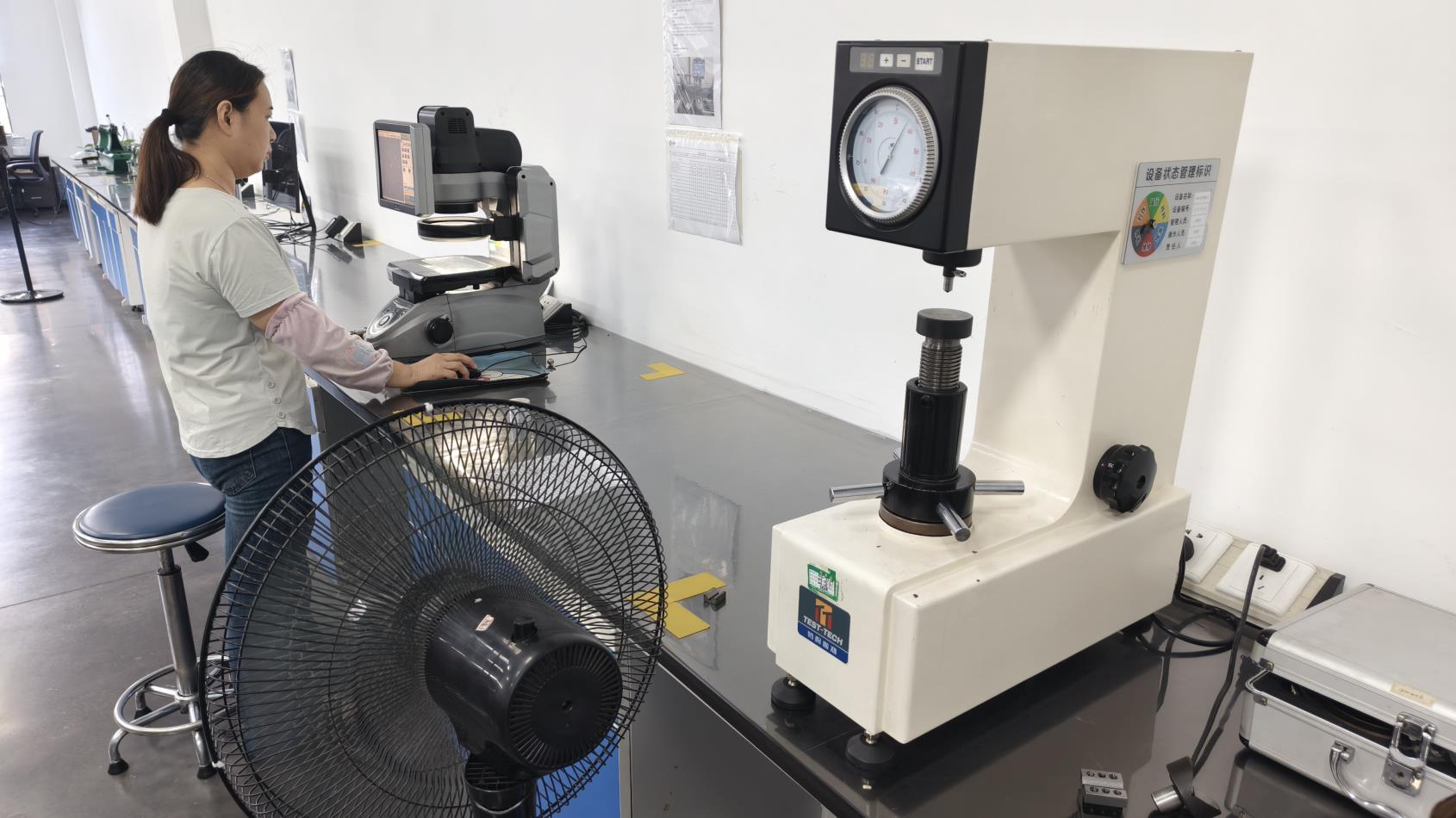
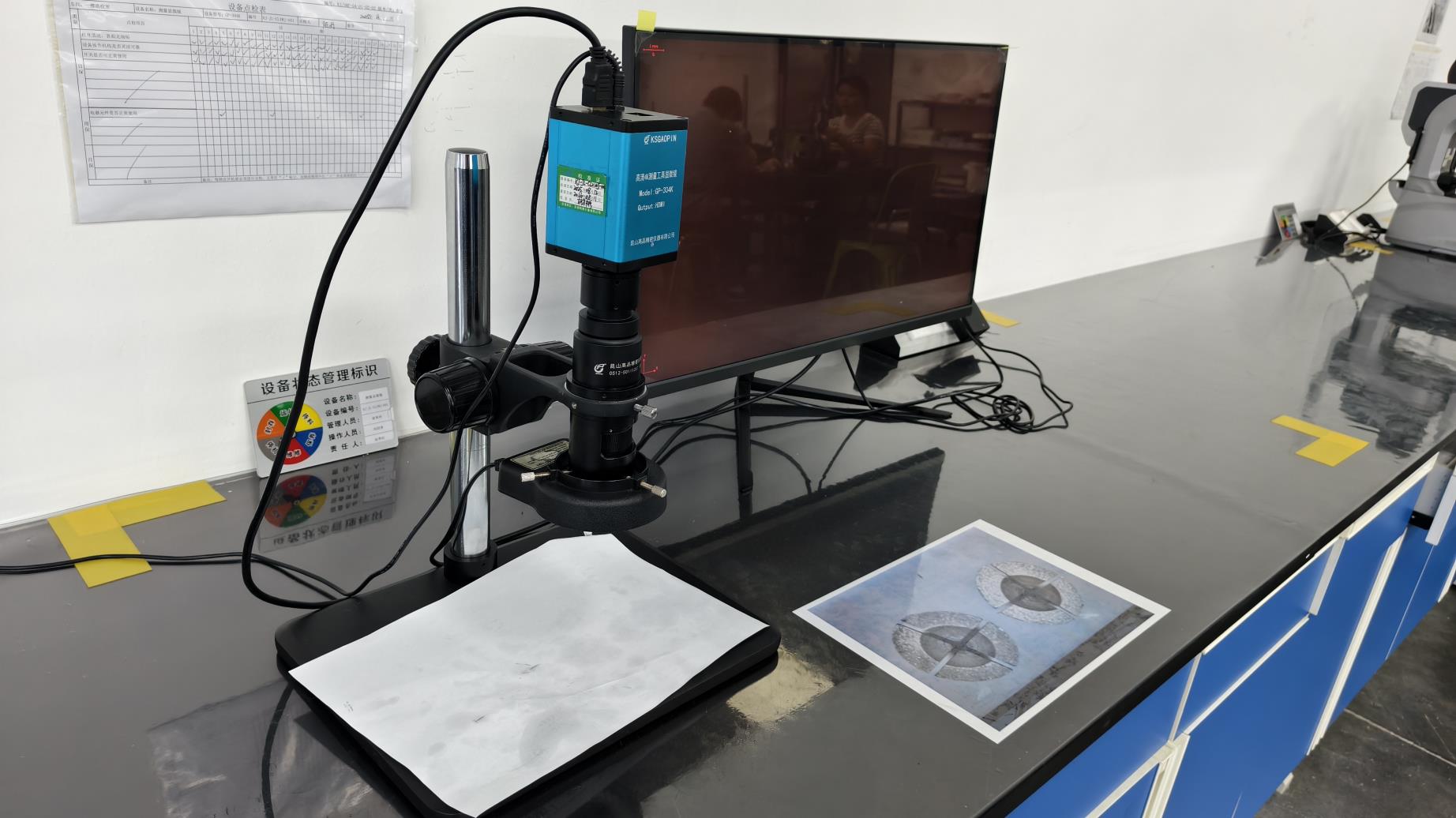
Quality Assurance Pledge: We perform 100% inspection before shipment using Coordinate Measuring Machines (CMM), spectroscopic material analysis, surface profile testing, and dynamic fatigue validation to guarantee critical failure limits exceed clinical parameters.
| Corporate Metric | Details |
|---|---|
| Established | 2017 |
| Facility Area | 18,600 m² |
| Annual Export Revenue | USD 23.8 Million |
| R&D Engineers | 86 Engineers |
| Quality Control Staff | 48 Personnel |
| Products Released (YoY) | 156 New Instruments |
| Key Certification | ISO 13485, CE, Class III Licensure |
| Global Supply Partners | 1,120 Partners |
The orthopedics industry is transitioning rapidly from standard surgical tools to smart, custom-fit systems. Healthcare providers require partners capable of navigating high metallurgical standards and advanced engineering designs.
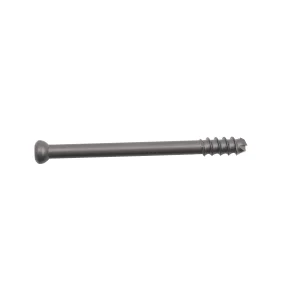
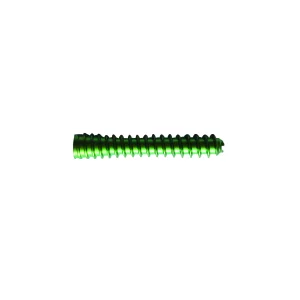
Smaller incisions, faster recovery times, and less tissue trauma drive the demand for micro-instruments, high-precision guide wires, and headless cannulated compression screws. Precision tolerance on micro-drills and cannulated guides must be kept within ±0.005mm.
Biomedical titanium (Ti-6Al-4V ELI) and implant-grade ultra-clean stainless steel (316LVM) remain industry standards. There is a strong structural pivot toward polyetheretherketone (PEEK) implants and surface modification coatings like HA (Hydroxyapatite) for improved osseointegration.
Smart orthopedic surgery relies heavily on navigation-assisted tools and robotic end-effectors. Instrument suppliers must maintain dynamic design iterations to match optical and electromagnetic tracking arrays built into surgical arms.
Procurement heads and medical device distributors encounter complex supply chain requirements. Here is how Moventra mitigates risks:
Every raw material batch undergoes chemical composition spectroscopy. We supply complete material certificate files (MTRs) and track unique batch-level identification codes on finished implants and surgical instruments. This facilitates seamless approvals under local regulatory agencies, such as FDA, MDR, and PMDA.
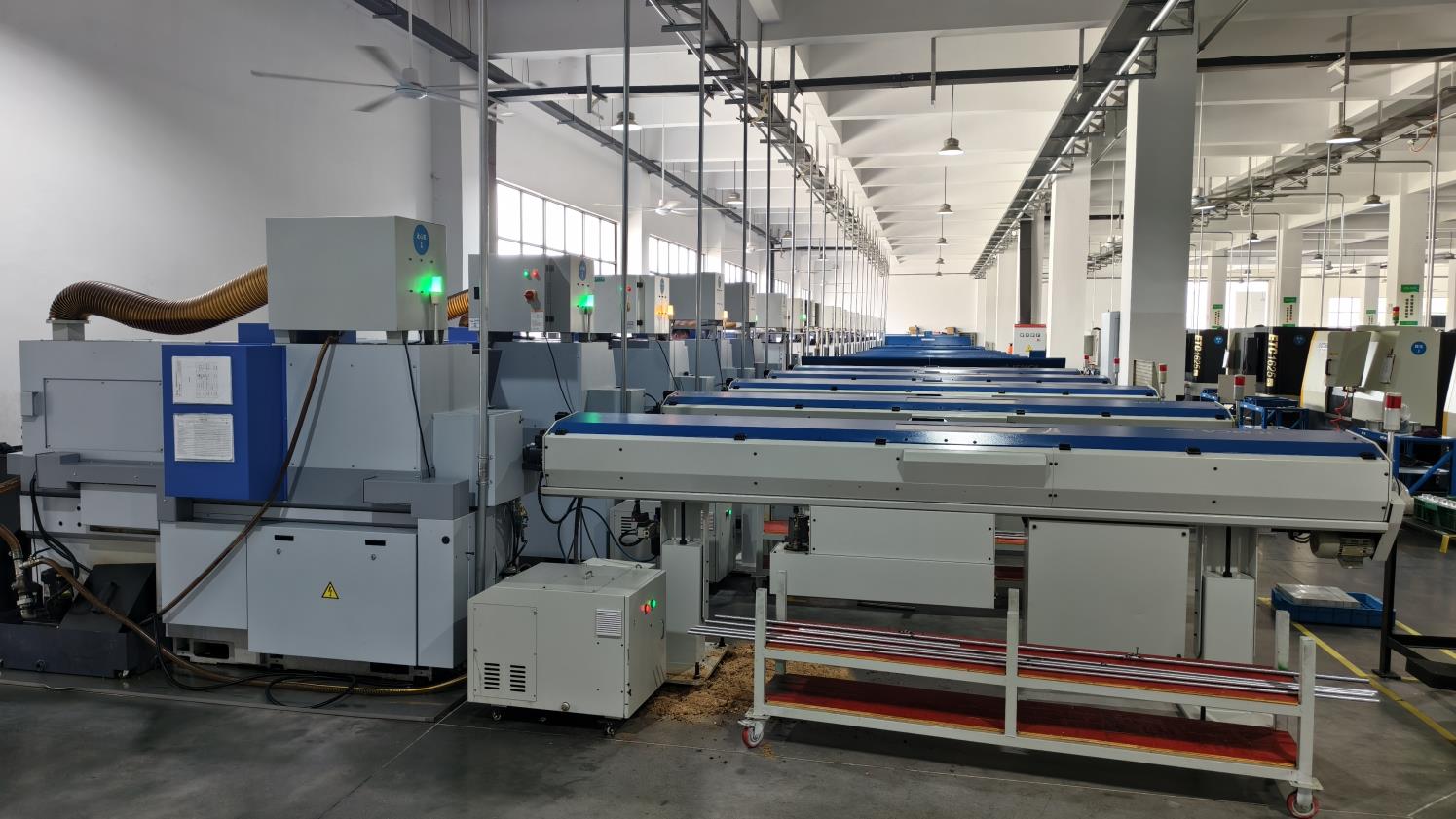
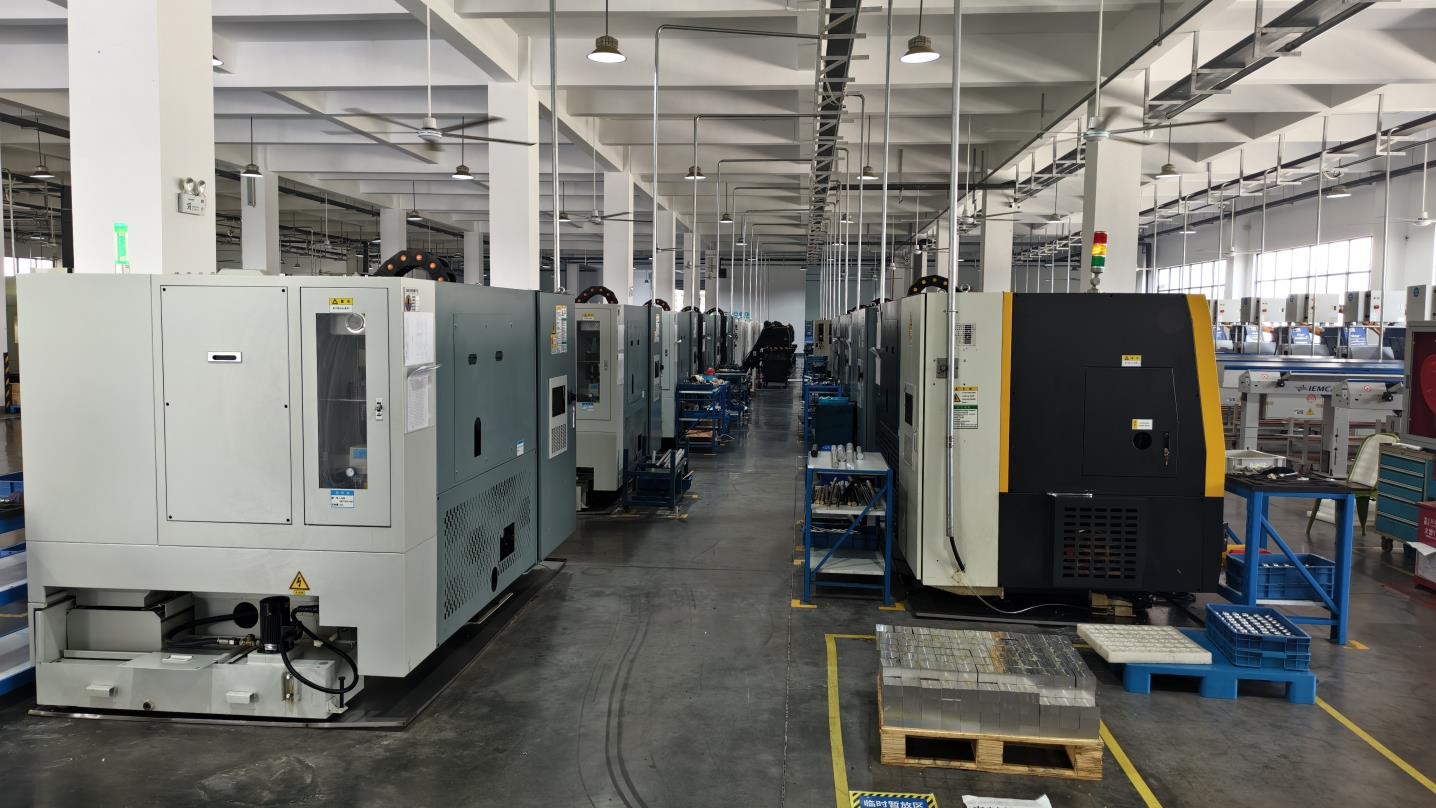
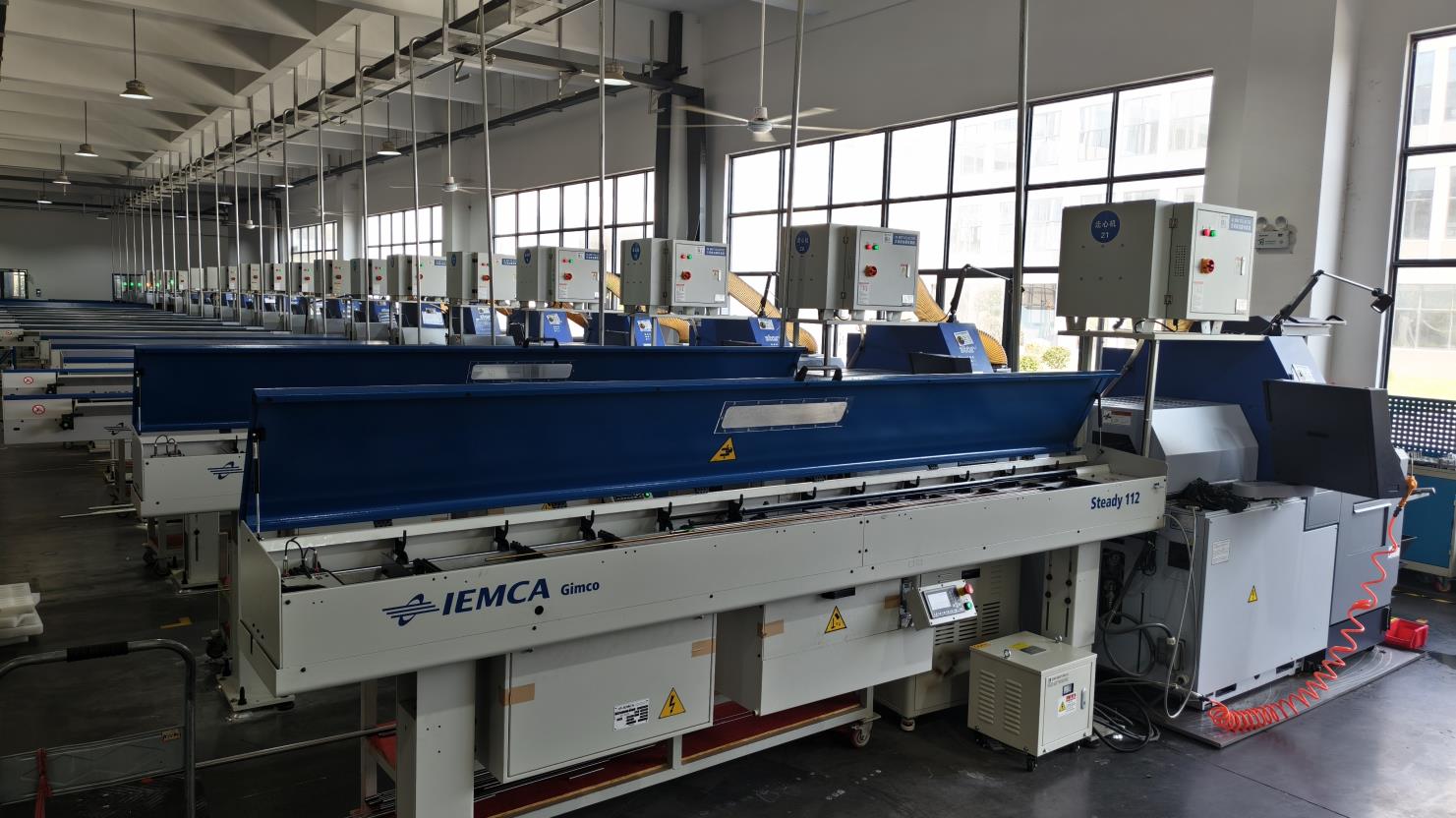
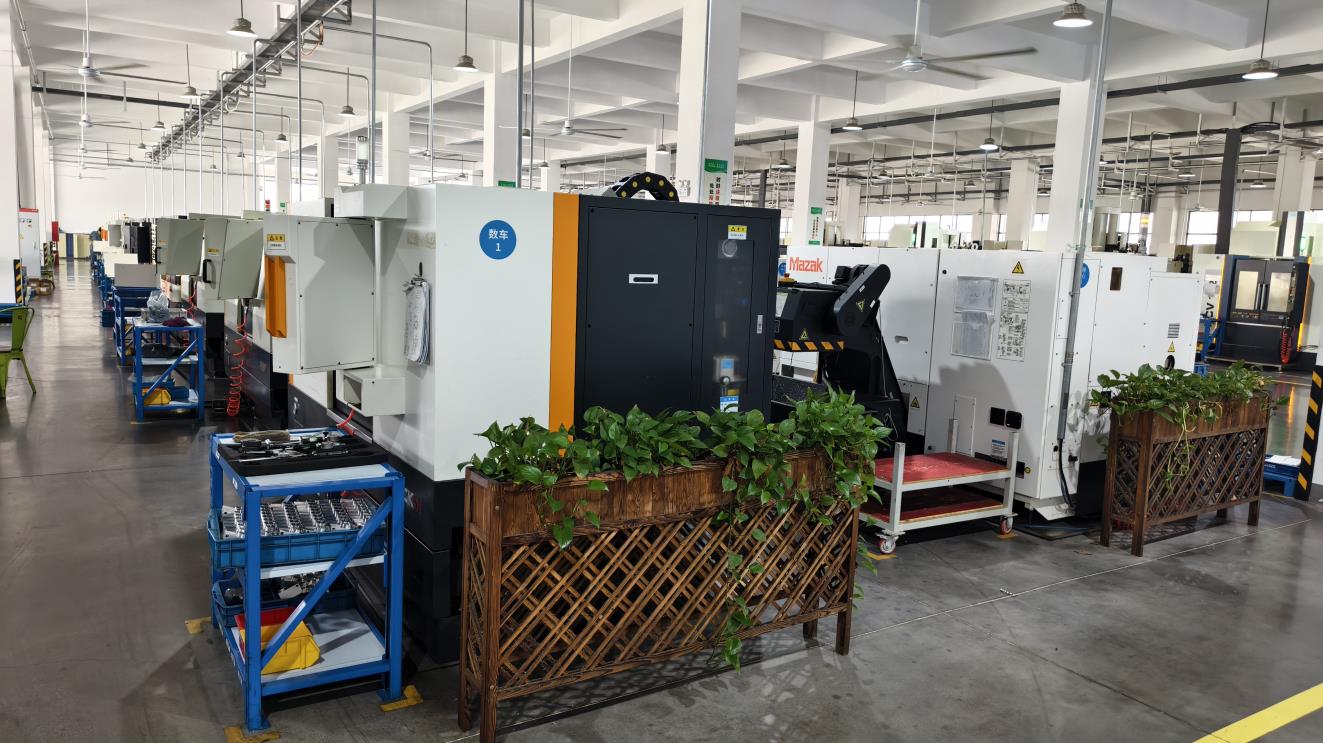
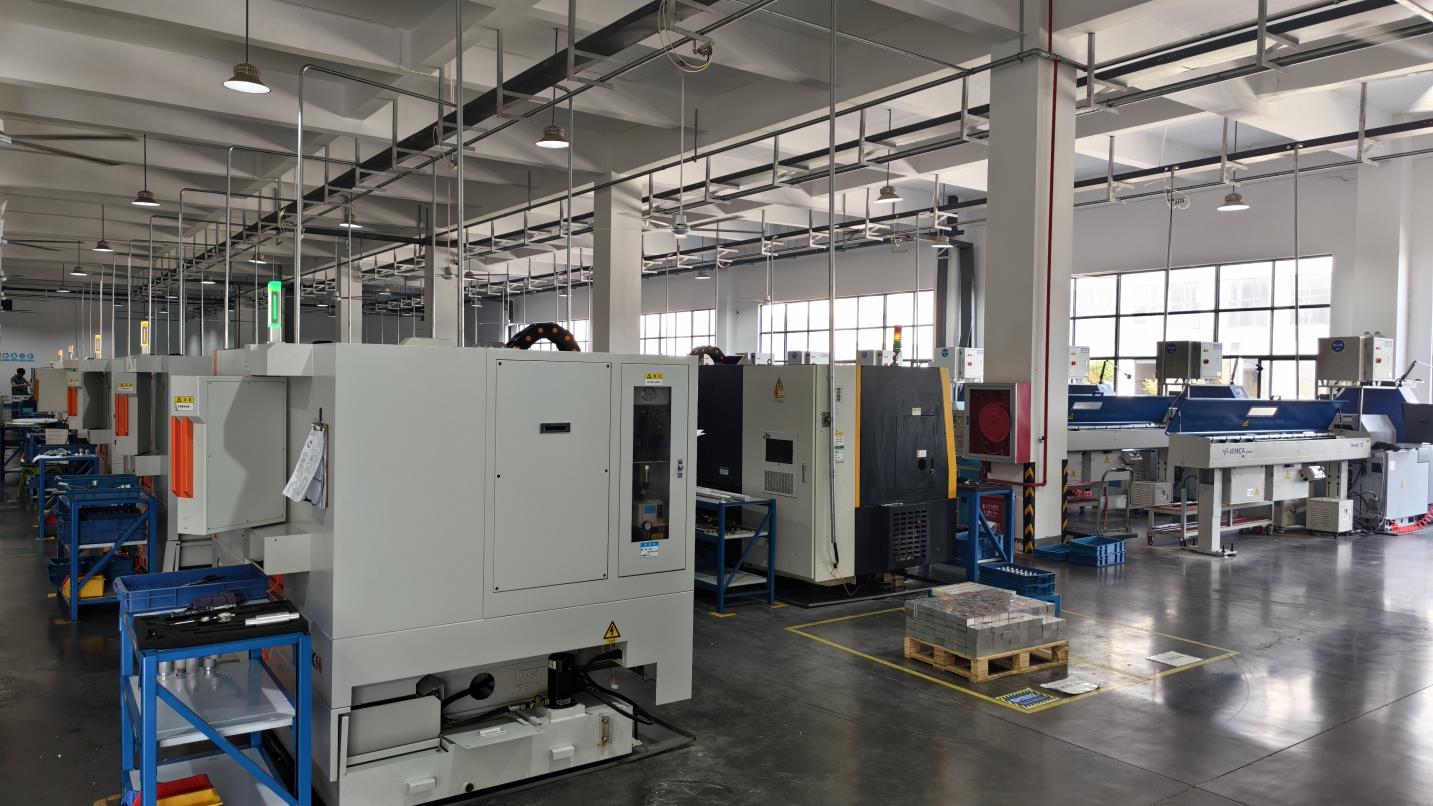
Surgical errors are directly prevented by mechanical reliability. Utilizing high-end Swiss-type CNC automatic lathes, we eliminate dimensional variance. Features such as self-tapping screw threads, cannulated channels, and instrument interfaces are checked continuously via 3D multi-sensor metrology systems.
Through our established network of 1,120 supply chain partners, we secure cost-stabilized titanium and medical-grade polymers. By running dynamic production planning, we guarantee reliable lead times for distributors, preventing stockouts during large-scale government hospital tender acquisitions.
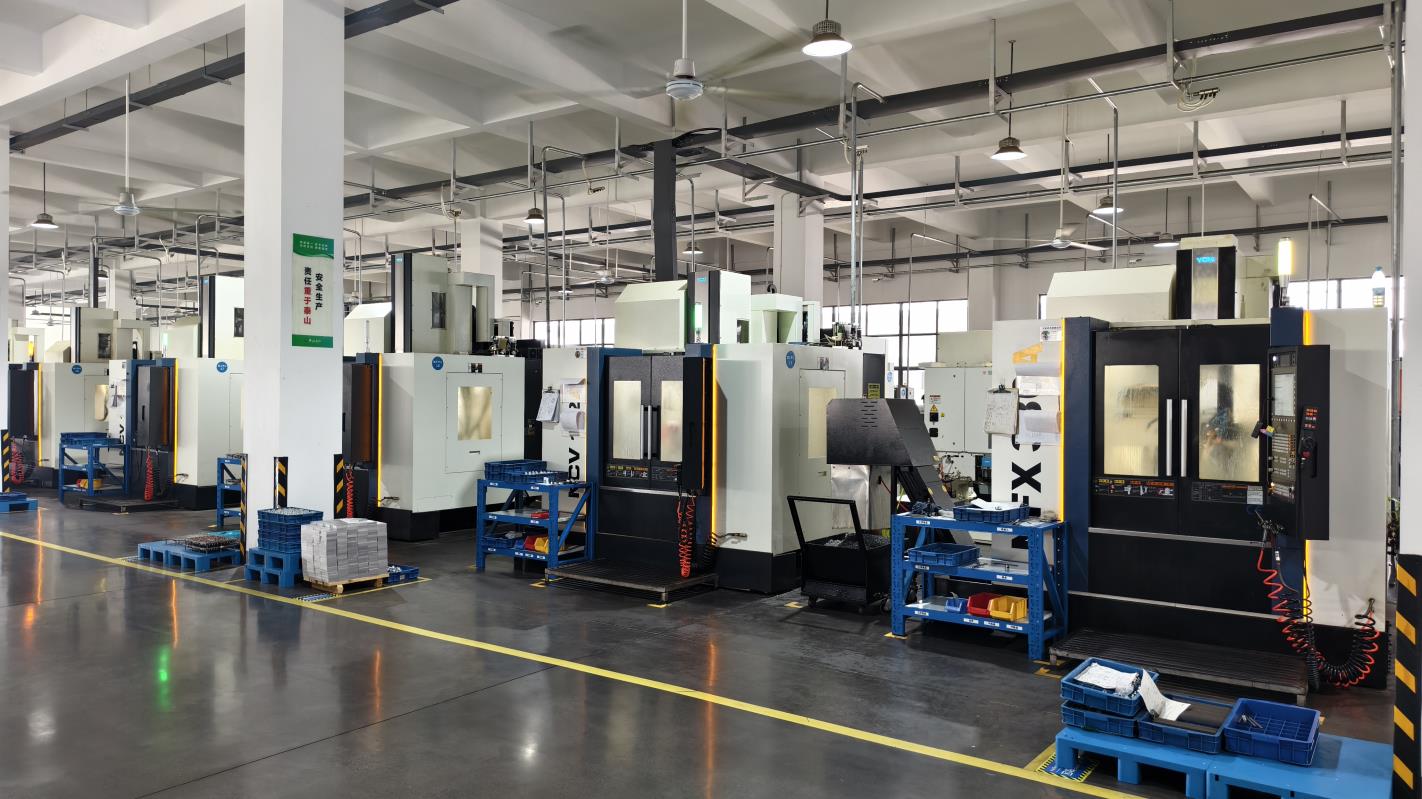
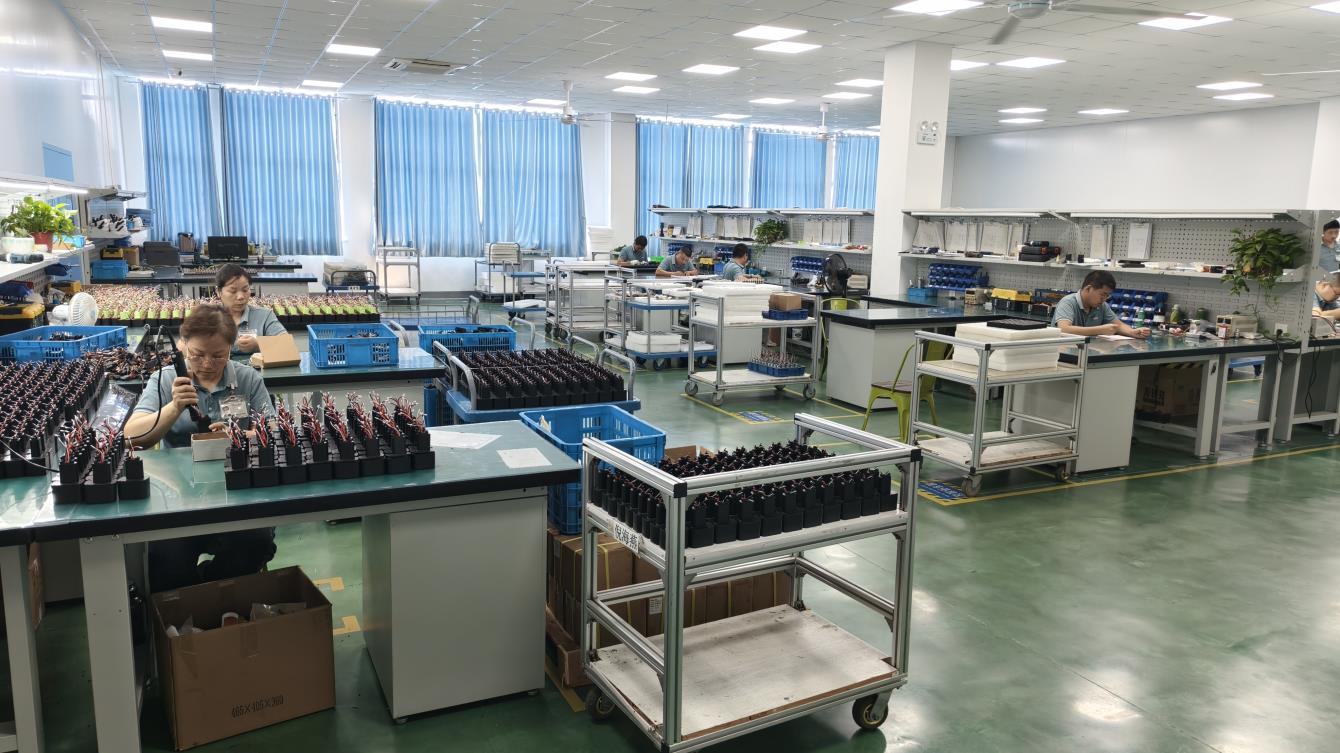
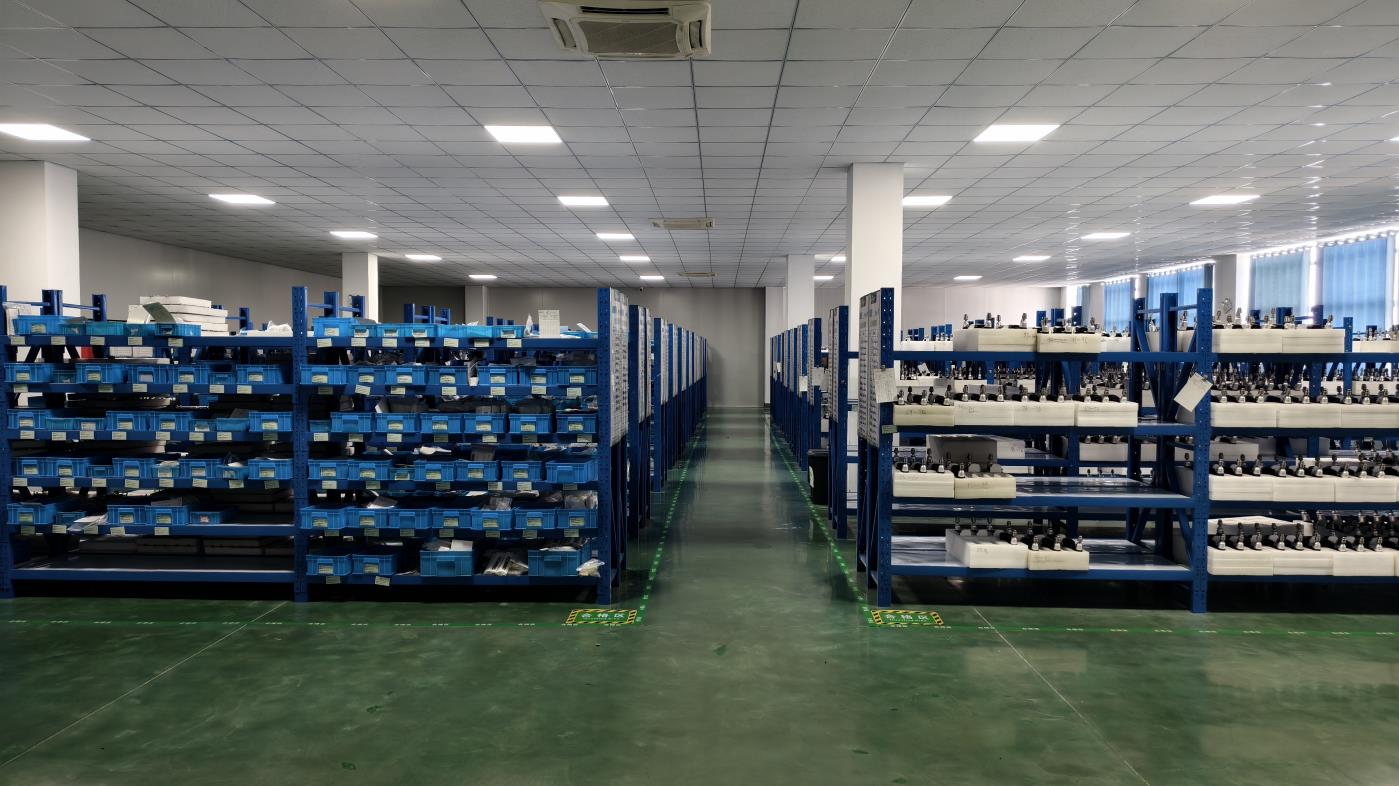
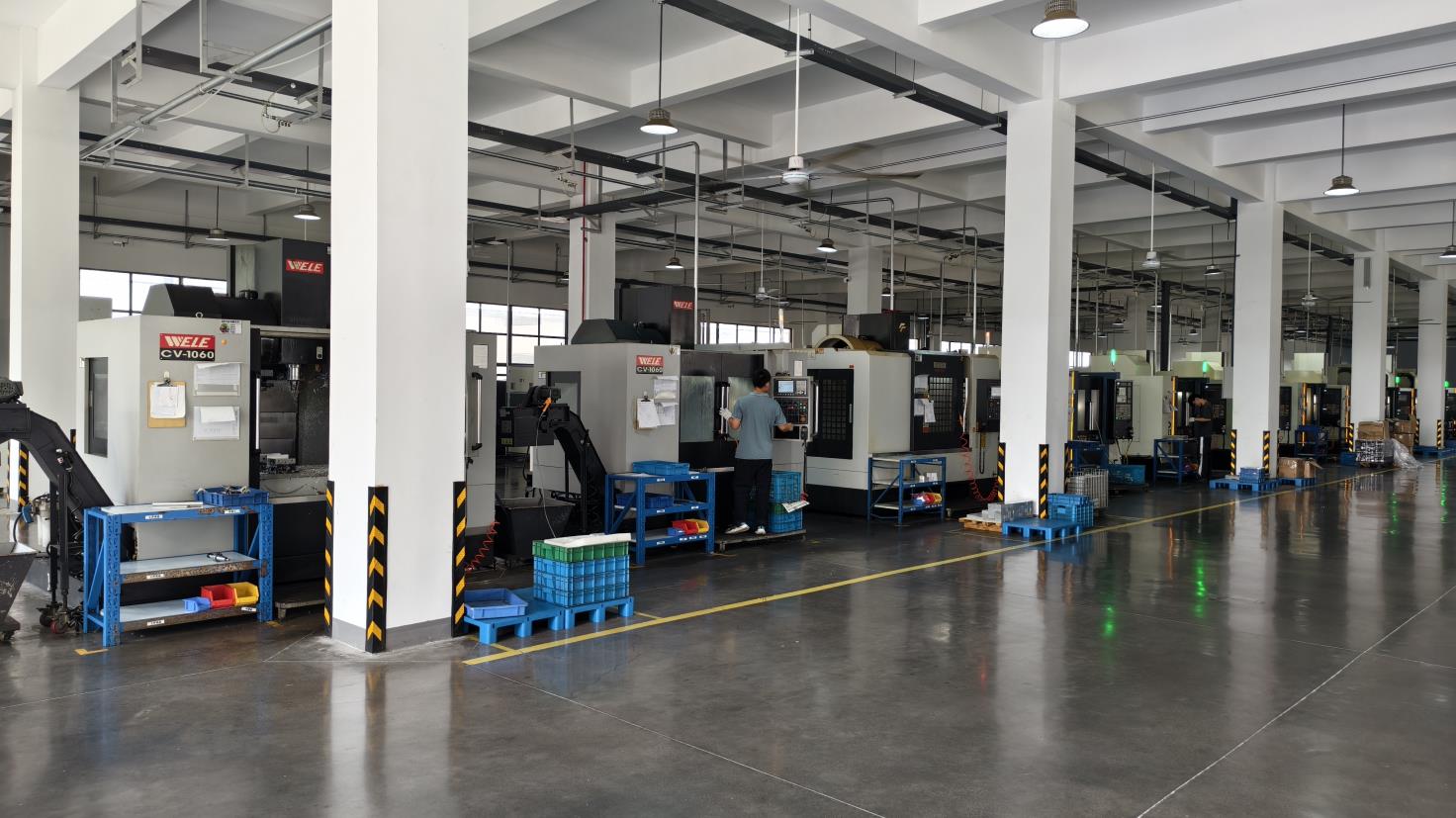
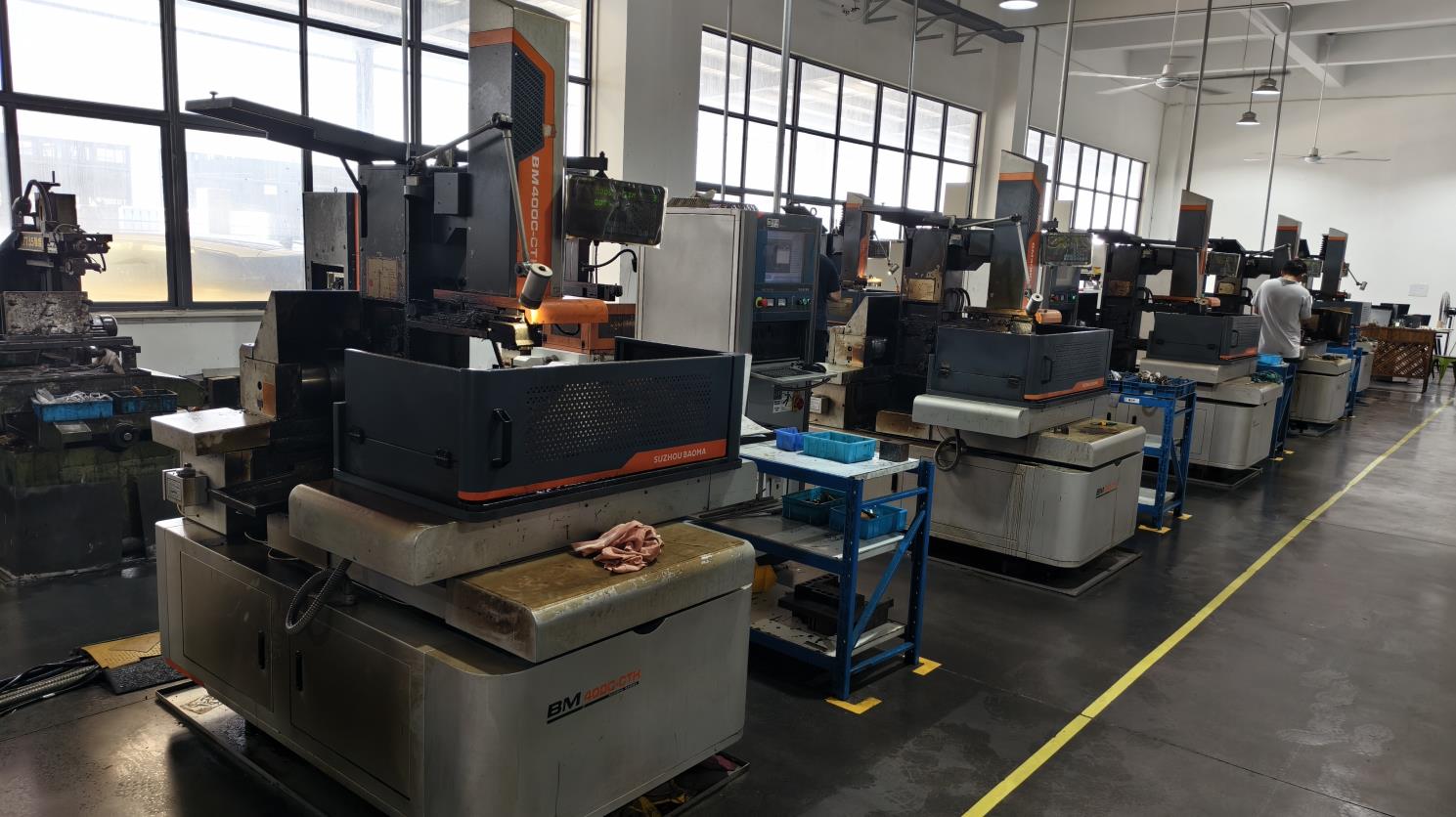
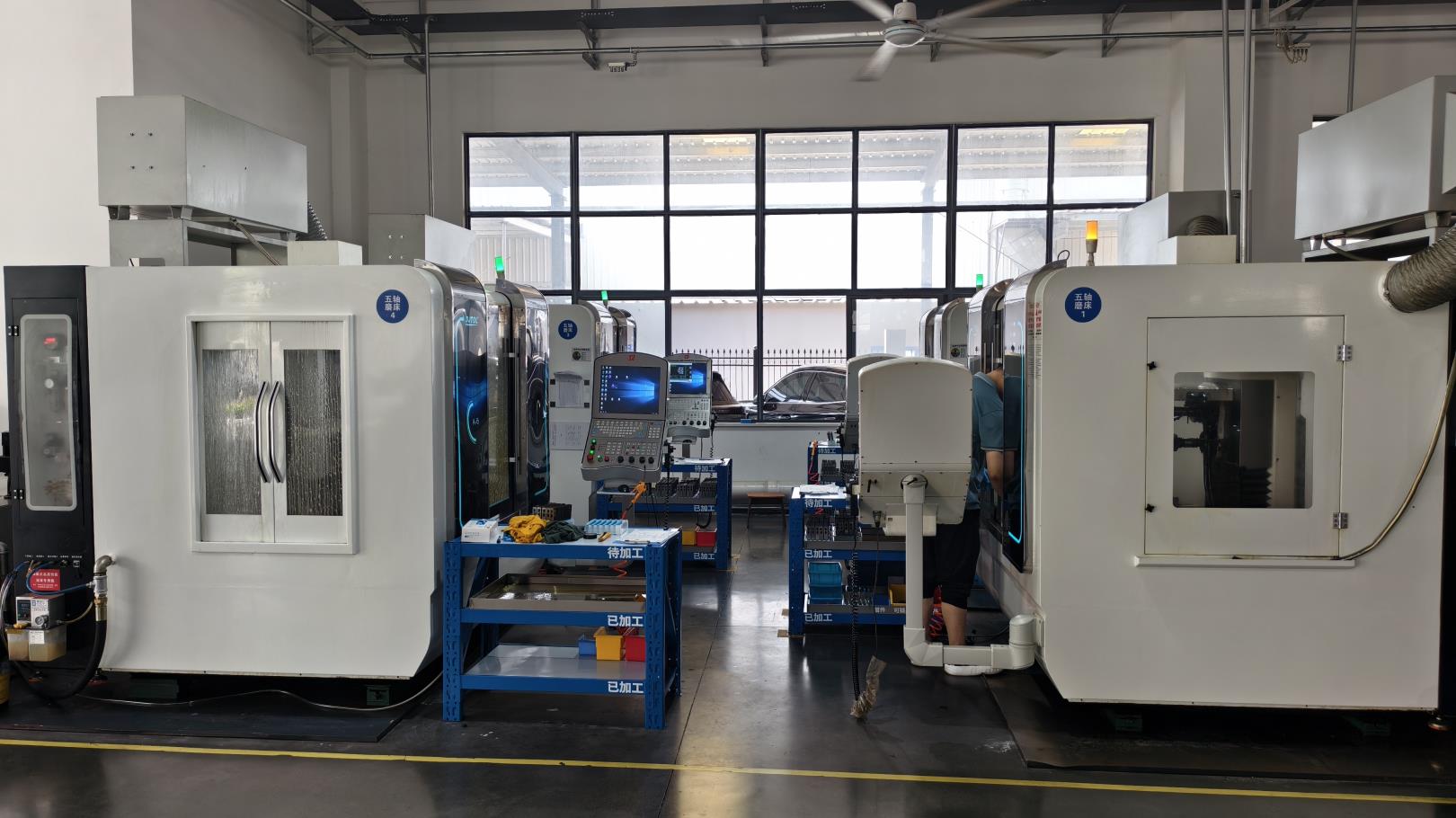
A look inside Moventra's advanced production floor, showing our Swiss CNC machining units and precision measurement labs.
Supporting global orthopedics brands requires constant design updates. Our engineering R&D team works along a multi-phase innovation roadmap.
Investigating porous titanium structures (resembling human trabecular bone) and biodegradable magnesium alloys to eliminate secondary extraction surgeries for temporary implants.
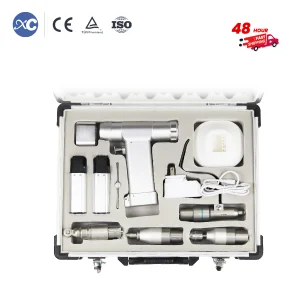
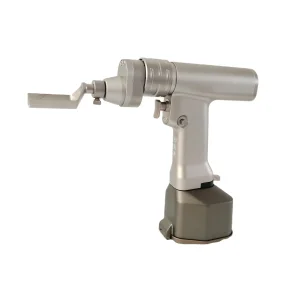
Developing surgical power tools integrated with real-time pressure, torque, and thermal feedback sensors. This aids surgeons in preventing osseous thermal necrosis during bone sawing and drilling.
Applying AI-driven anatomical file processing (CT scans) to output custom orthopedic instruments and patient-matched surgical guides within a compressed 72-hour turnaround time.
Critical information regarding sourcing raw materials, verifying quality, and navigating certification channels for medical device procurement.
 Moventra Medical