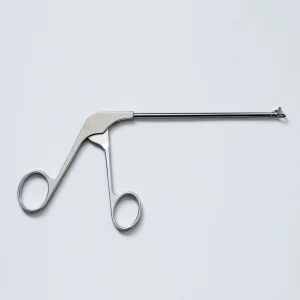
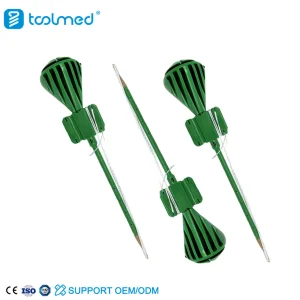
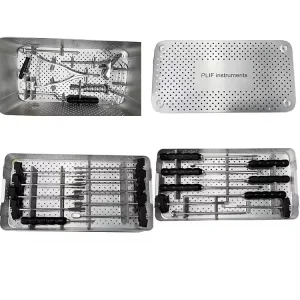
Innovative trauma systems, spinal cages, surgical drills, and veterinary implants certified for global clinical procedures.
Understanding the biomechanical demands and acute urgency of pelvic ring injuries.
Pelvic ring fractures represent some of the most critical and challenging emergencies in orthopedic trauma surgery. Often occurring as a result of high-energy trauma, such as motor vehicle collisions, industrial crushes, or falls from heights, these injuries are highly associated with severe retroperitoneal hemorrhage, visceral organ damage, and significant patient mortality. In these hemodynamically unstable patients, restoring structural volume and pelvic stability within the first "golden hour" is vital.
Pelvic External Fixators serve as the first line of defense in stabilizing unstable pelvic ring disruptions (such as Open Book fractures or Young-Burgess Lateral Compression type II/III injuries). By applying compression across the pelvic ring via skeletal pins inserted into the iliac crests or the supra-acetabular bone, external fixation reduces pelvic volume, controls cancellous bone bleeding, and stabilizes pelvic retroperitoneal hematomas. This rapid mechanical control is vital to stabilizing patient vital signs before definitive internal fixation can occur.
For medical device distributors and surgical clinical networks, partnering with a high-caliber OEM Pelvic External Fixator Manufacturer is essential. Clinicians depend on fixators that offer prompt assembly, modular flexibility, and strong pin-to-rod grip strength to prevent hardware displacement under heavy physiologic loads.
A comprehensive analysis of technical shifts, regulatory frameworks, and demand drivers.
Standard metallic rods are giving way to advanced carbon fiber composites and high-strength radiolucent PEEK polymers. This transition allows trauma surgeons to perform intraoperative fluoroscopy and postoperative CT/MRI scans without scattering or visual artifacts, ensuring precise anatomical alignment verification.
Orthopedic implants and external fixator instrumentation face increased scrutiny under EU MDR (2017/745) and US FDA regulatory pathways. Global medical brands require manufacturing partners with full material traceability, validated cleanroom packaging, and robust ISO 13485 quality systems.
Modern emergency departments and military field trauma units require snap-fit coupling designs. Pre-sterilized, modular custom procedure kits simplify logistics and reduce the surgical prep time down to single-digit minutes.
How advanced metallurgy and precision geometric configuration optimize mechanical performance.
Developing an effective pelvic external fixator requires balancing mechanical rigidity with clinical usability. At Moventra, our R&D engineering divisions employ finite element analysis (FEA) to evaluate stress distribution profiles across various structural configurations. This helps ensure our fixators perform reliably under load.
We utilize Medical-Grade Titanium Alloys (Ti-6Al-4V ELI) and high-strength Stainless Steels (316LVM) to machine self-drilling, self-tapping Schanz pins. Dynamic dual-thread geometry ensures superior purchase in both cortical and cancellous bone, minimizing the risk of aseptic loosening and pin-tract infections.
Our modular pelvic clamps feature serrated contact interfaces that resist rotational slipping under high mechanical loads. High-torque tightening nuts are engineered to allow single-point locking, enabling the trauma surgeon to fix three-dimensional adjustments with a single instrument turn.
We source aerospace-grade carbon fiber tubes that achieve the optimal weight-to-stiffness ratio. These rods are entirely radiolucent, allowing surgeons to monitor skeletal alignment intraoperatively under C-arm fluoroscopy without metal artifacts.
A Leading OEM/ODM Enterprise Customizing Orthopedic Surgical Solutions Worldwide.
Established in 2017, Moventra Medical Technology (China) Co., Ltd. has grown into a leading manufacturer of orthopedic implants and surgical instruments. Over a modern 18,600 m² footprint, we unify 13 years of technical expertise, 86 specialized R&D engineers, and a network of over 1,120 supply chain partners to support global medical brands, hospitals, and national procurement projects.
Our vertically integrated facility features CNC machining centers, testing labs, and strict quality control verification.
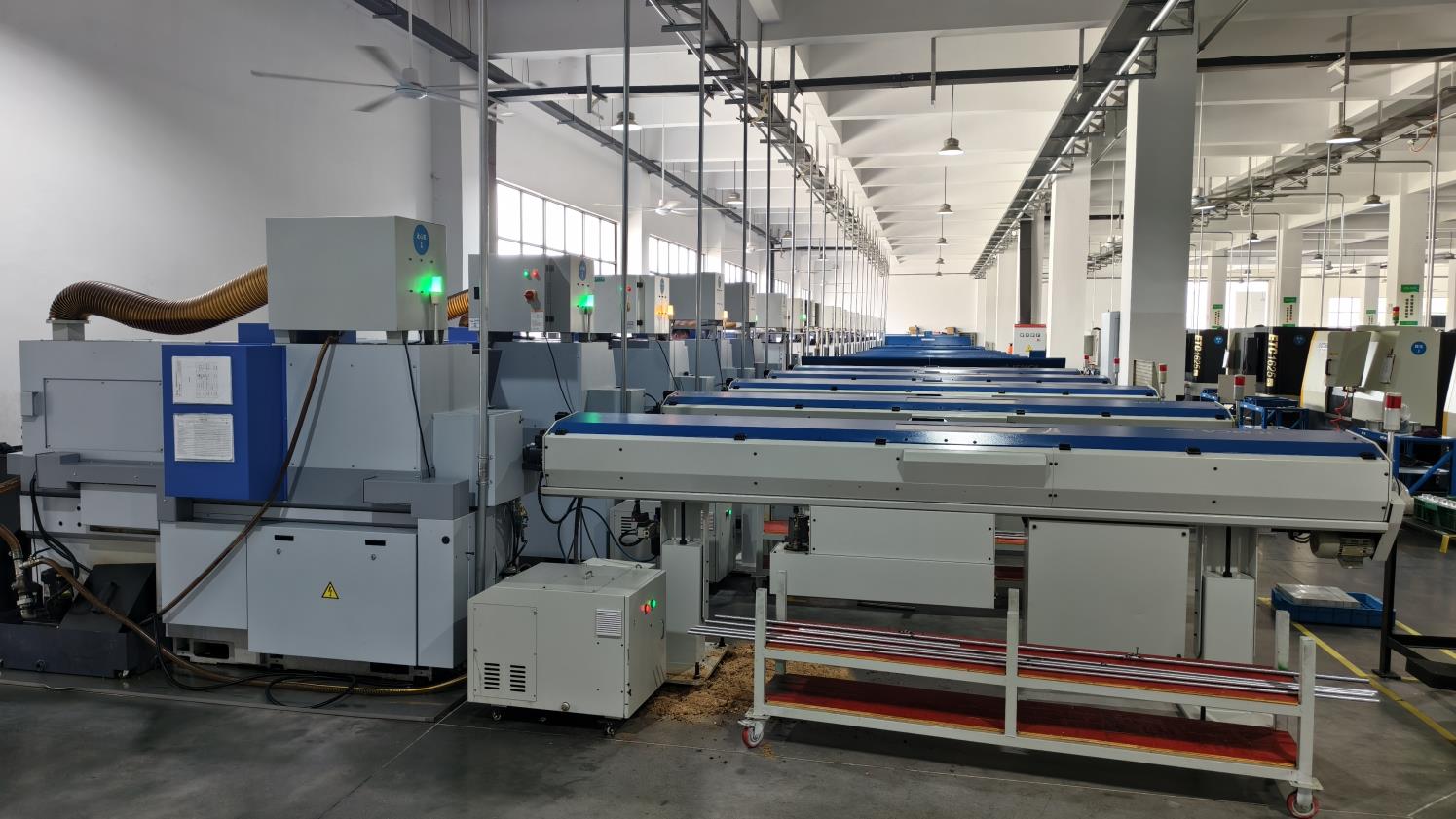
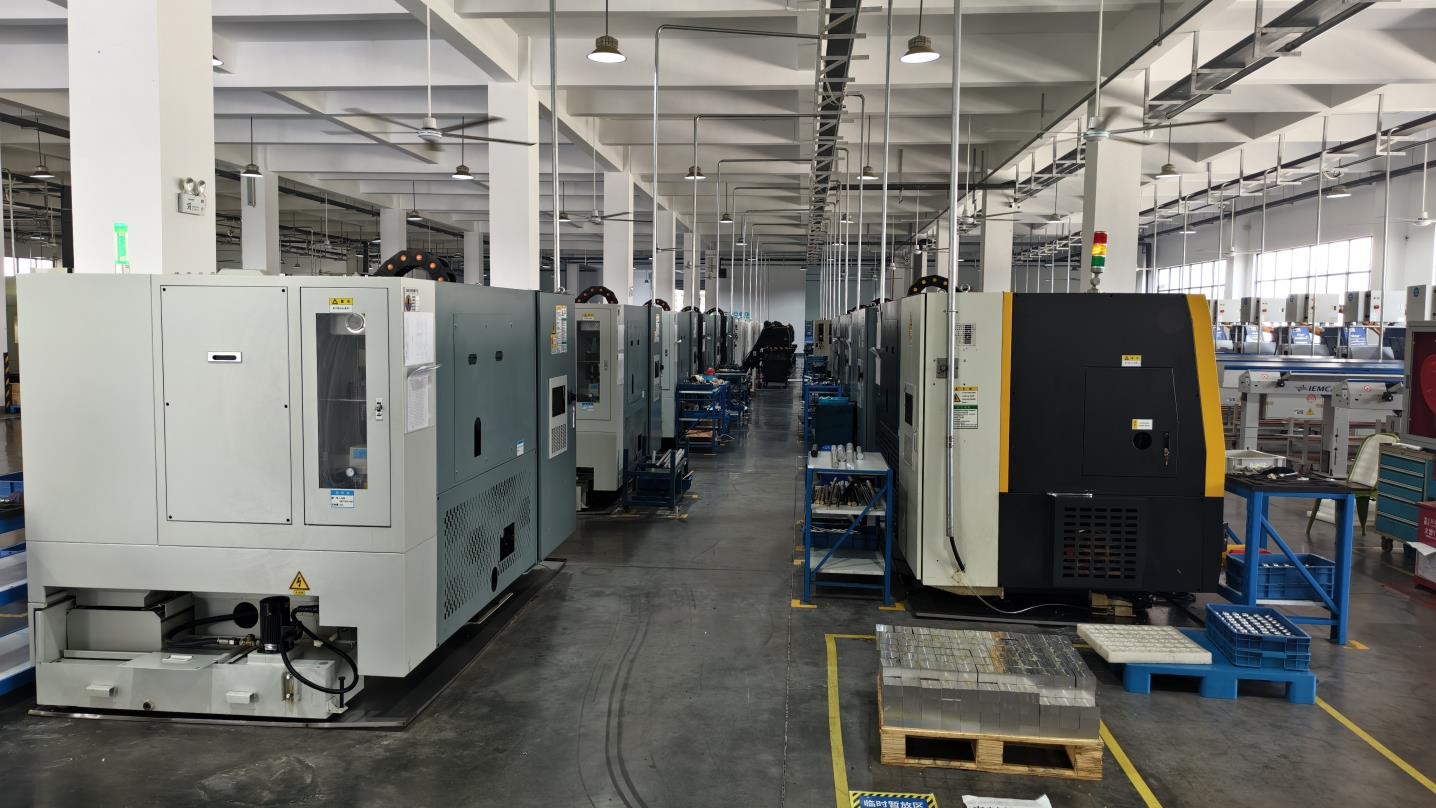
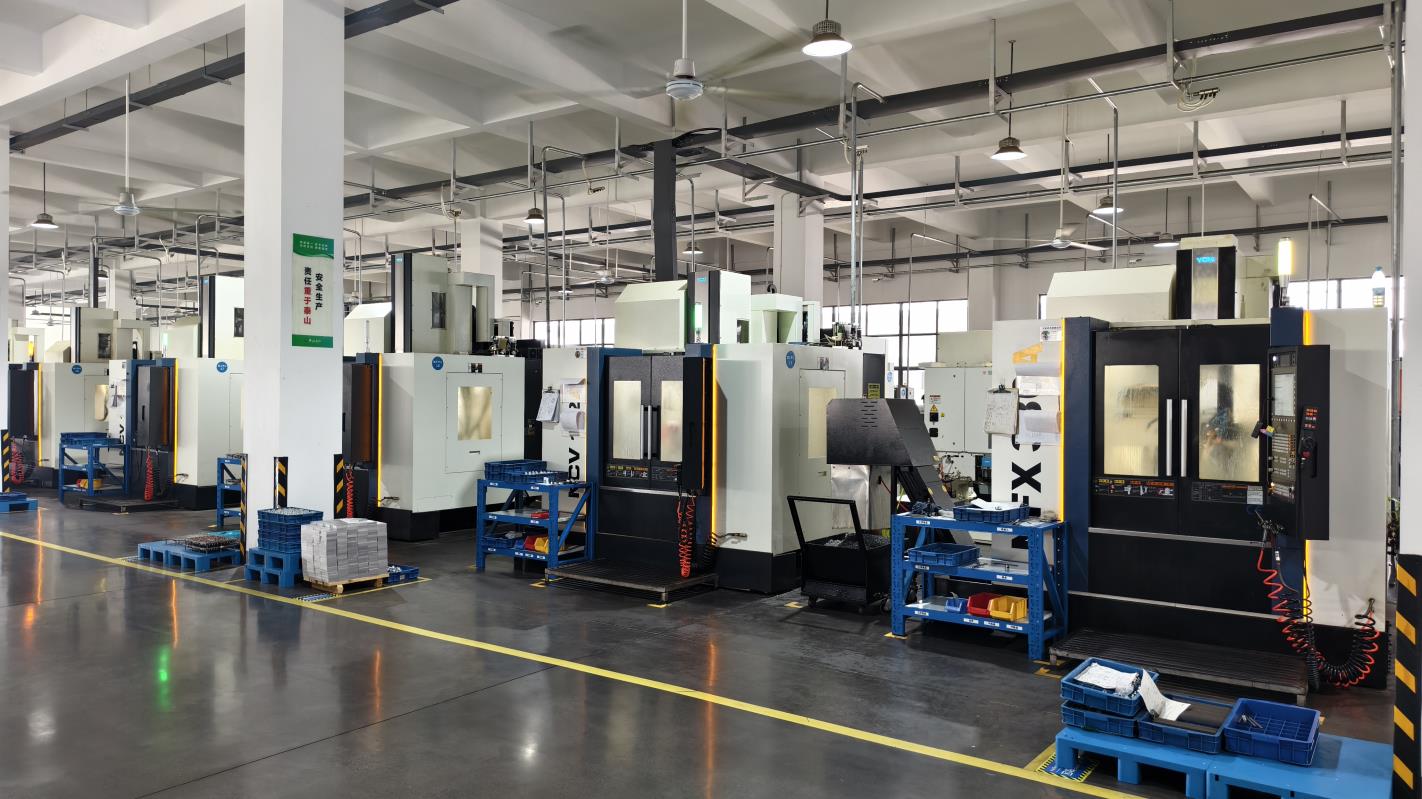
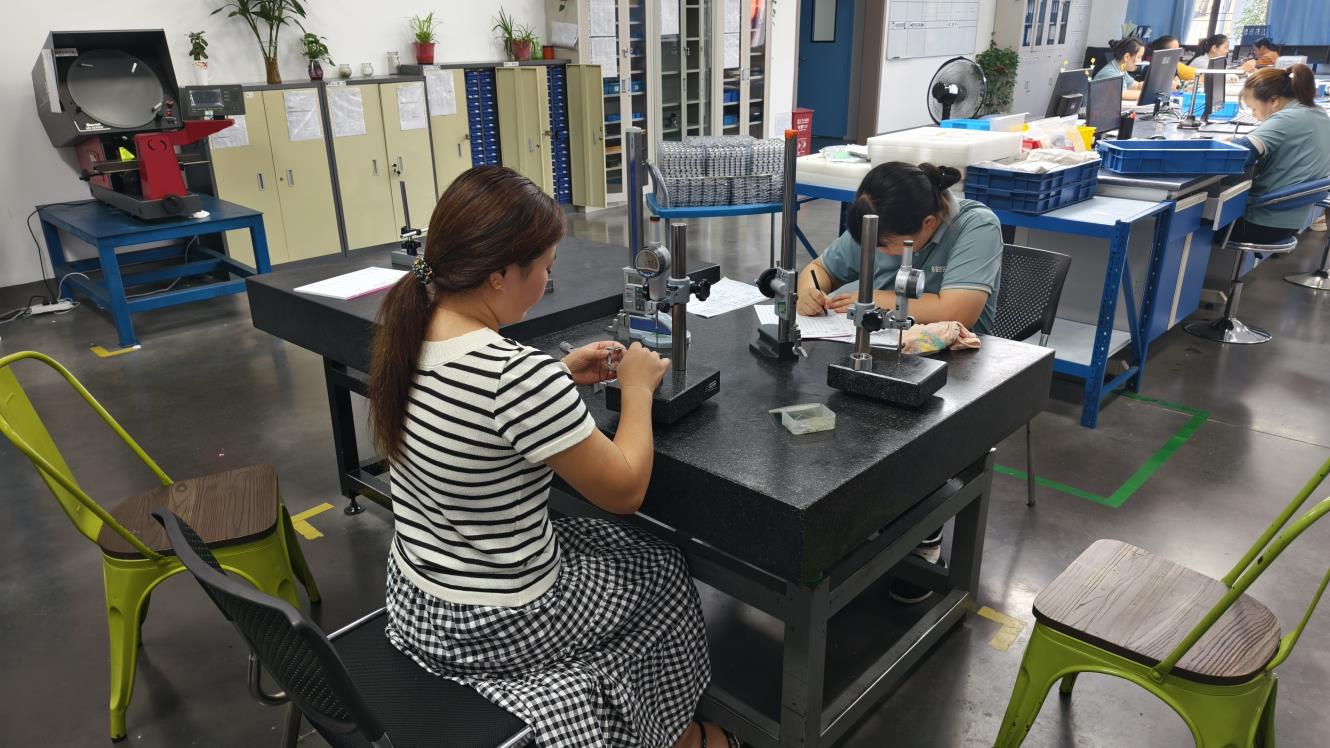
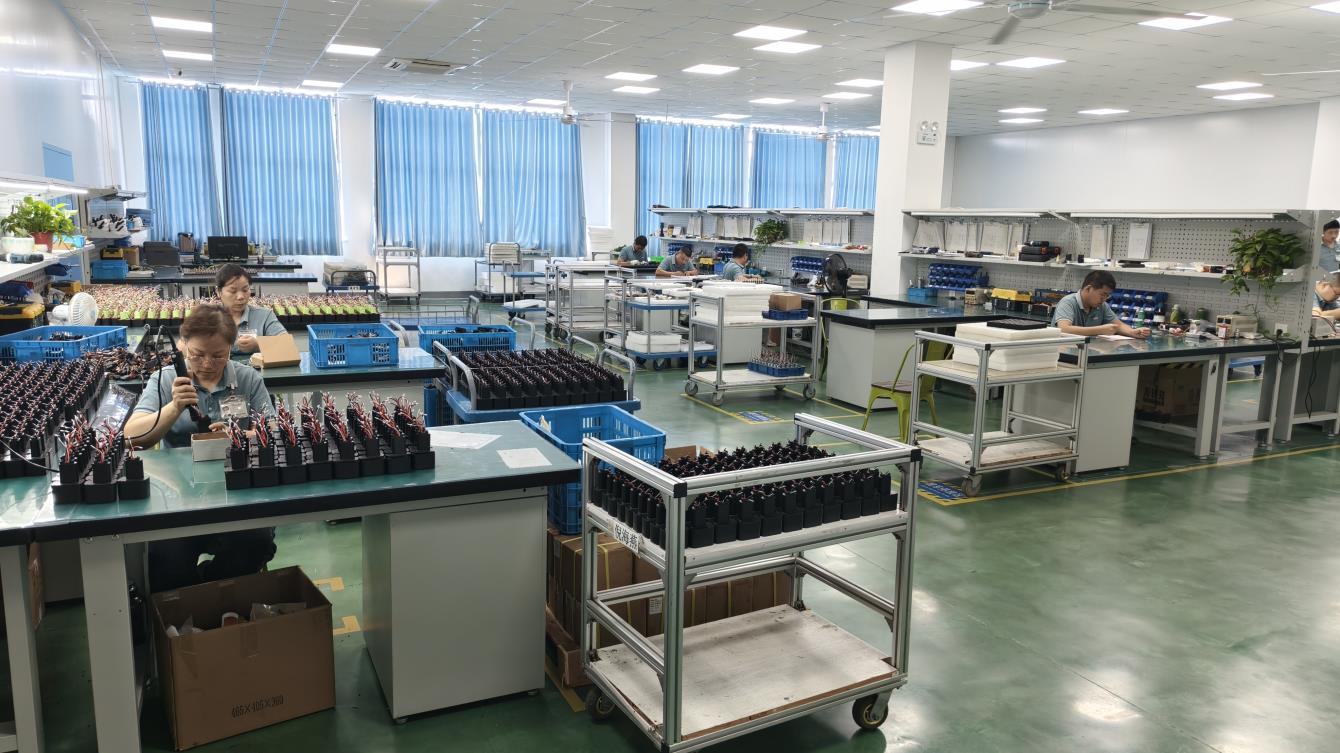
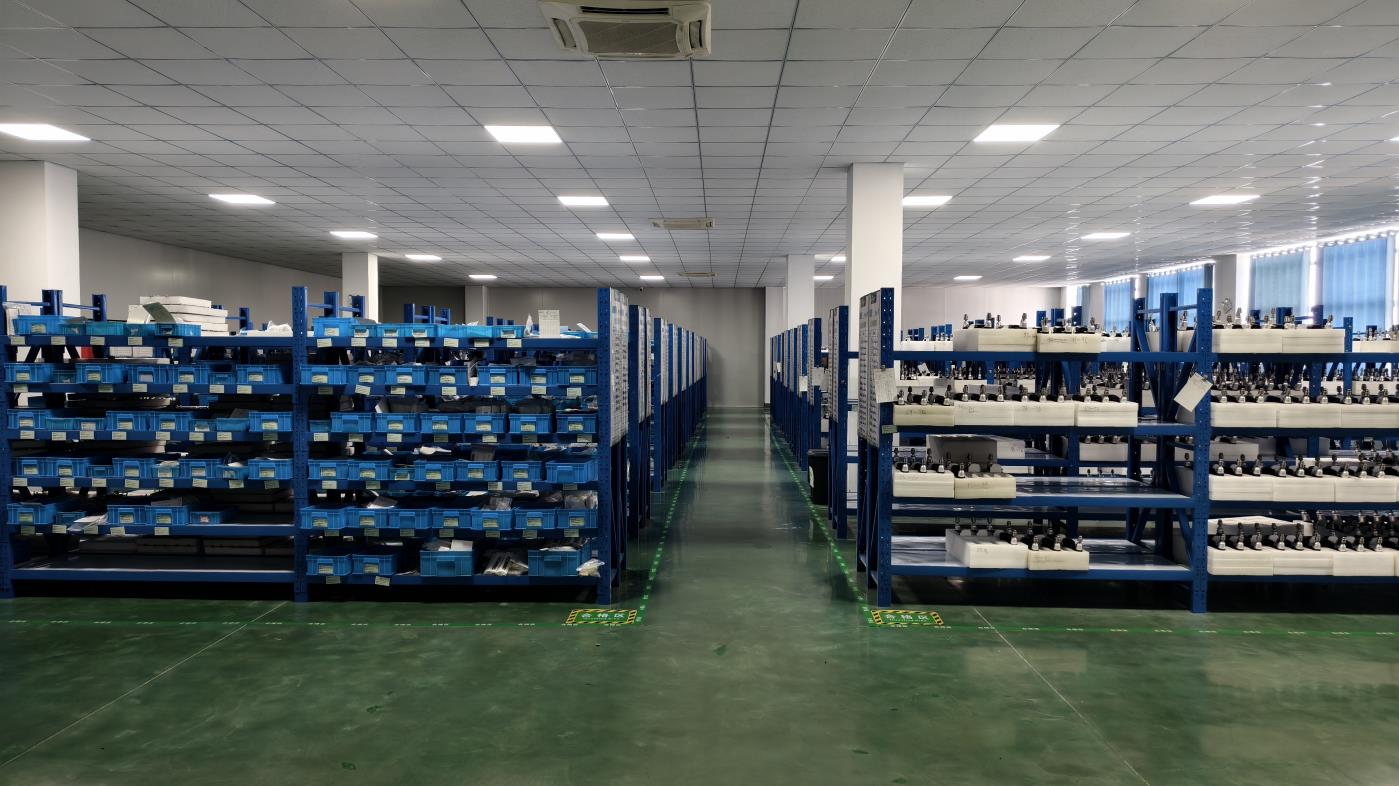
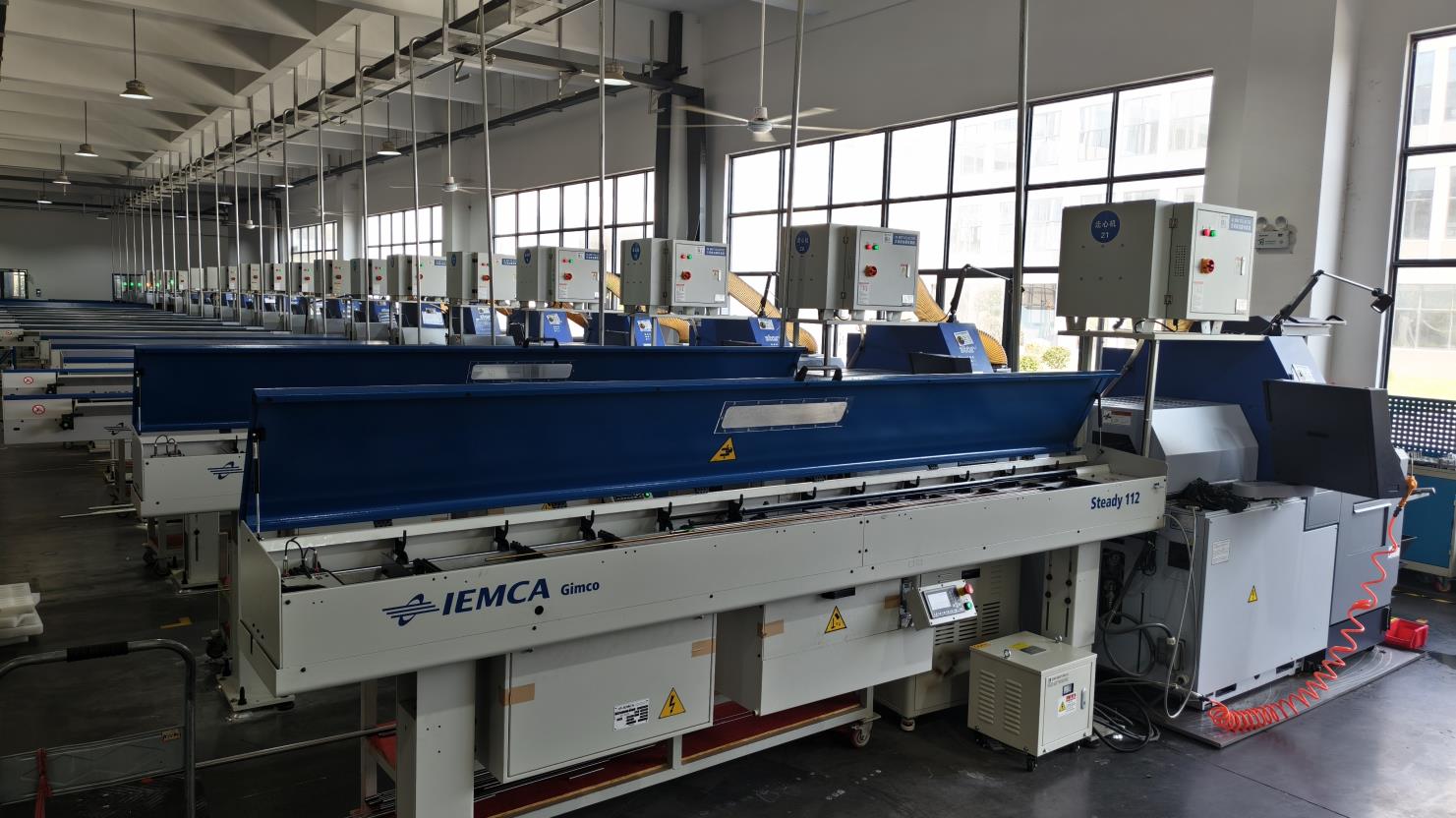
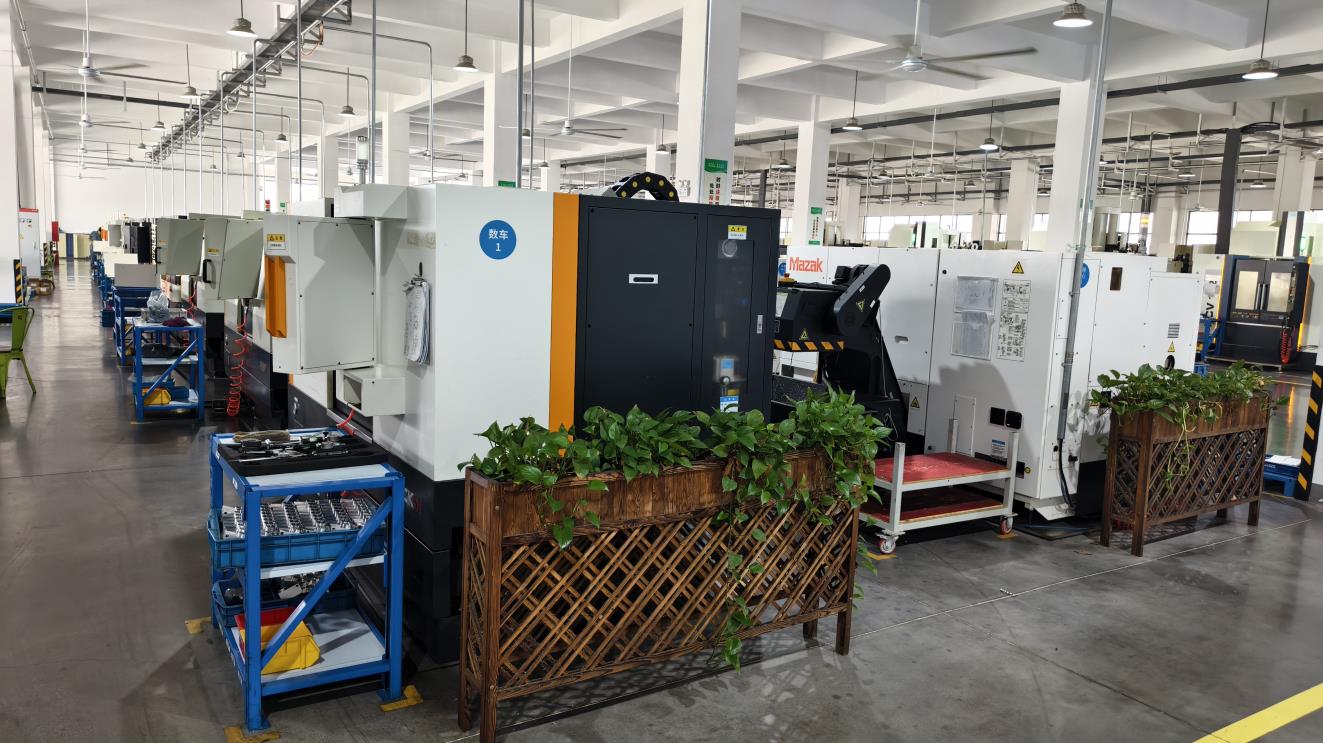
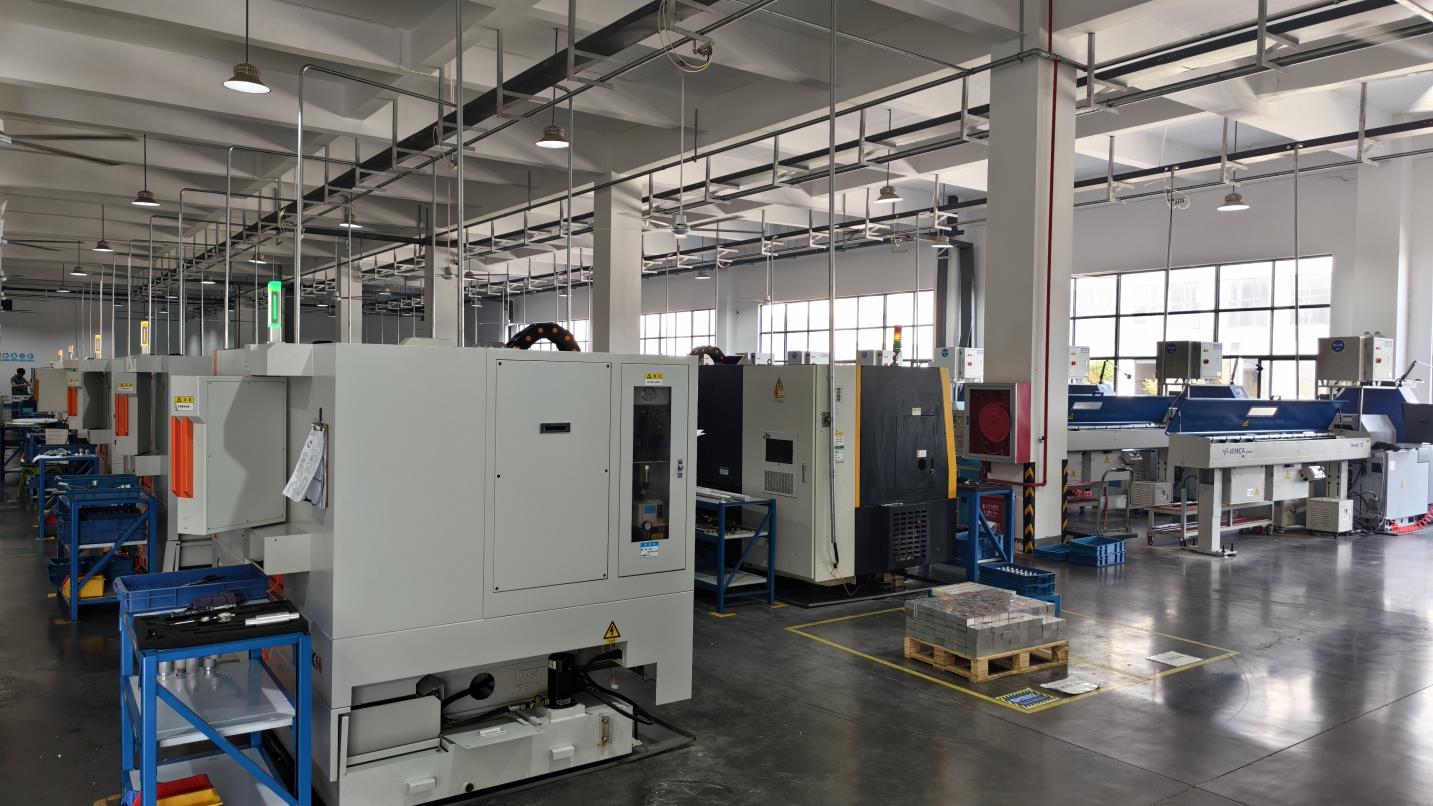
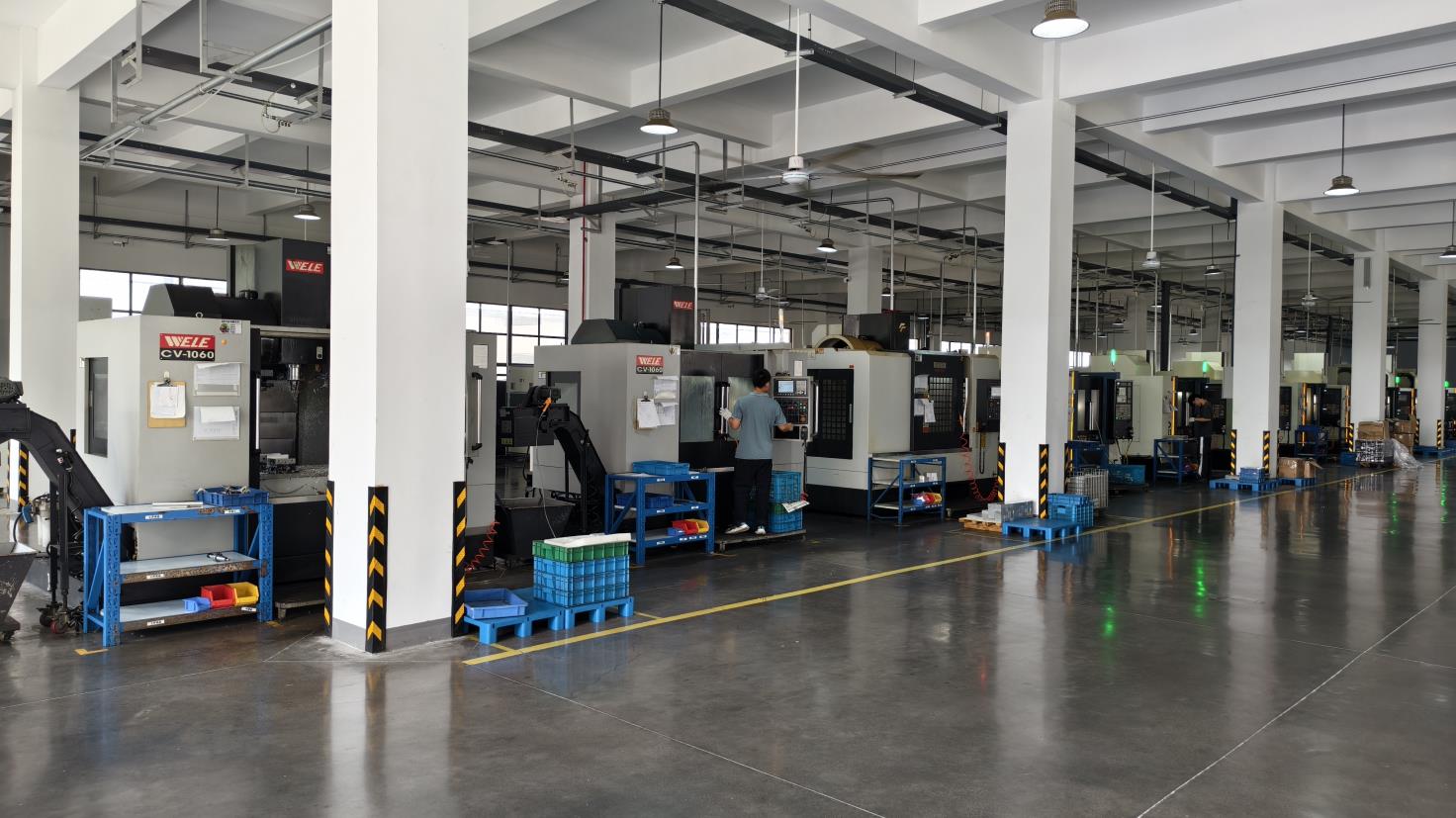
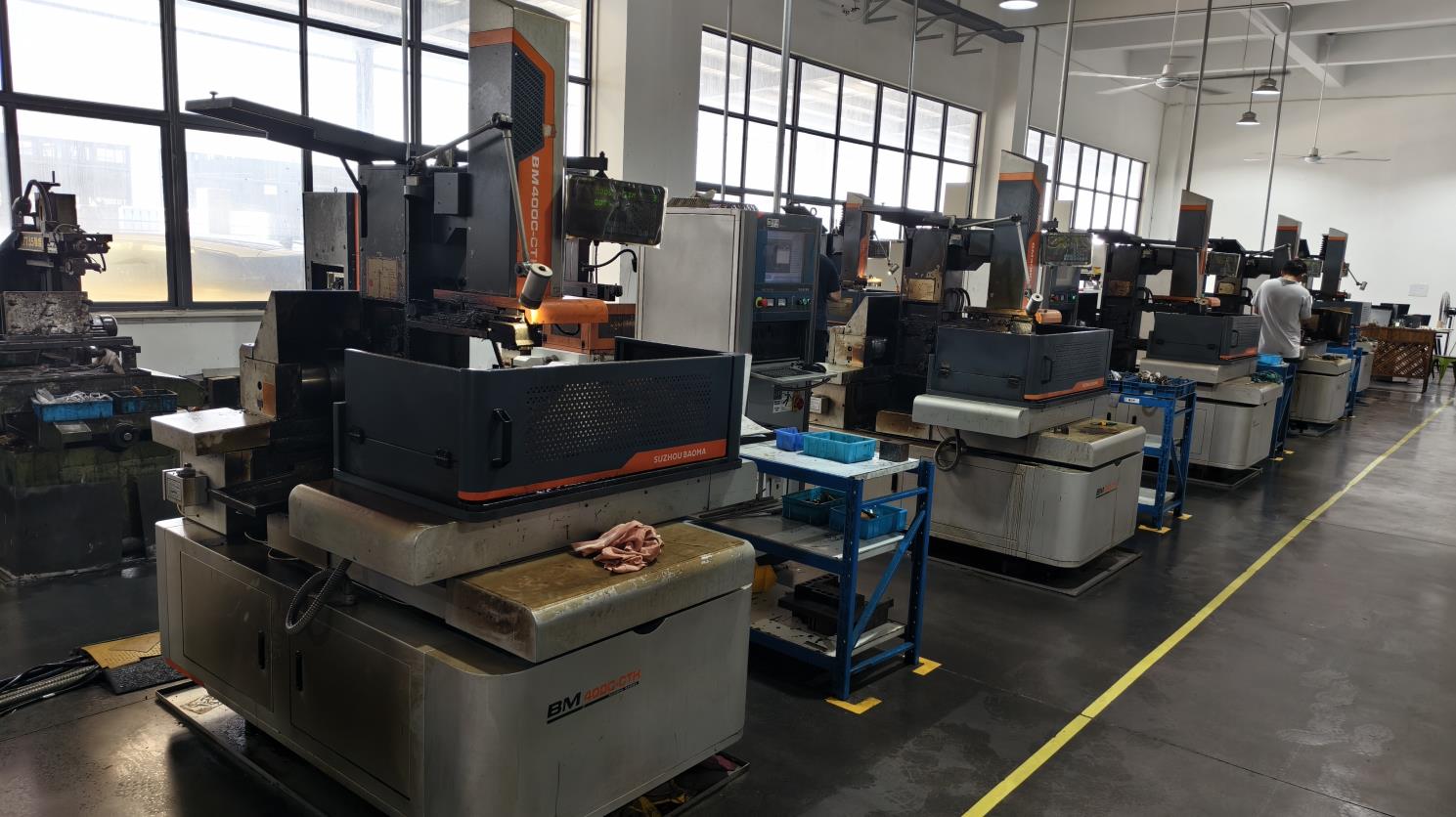
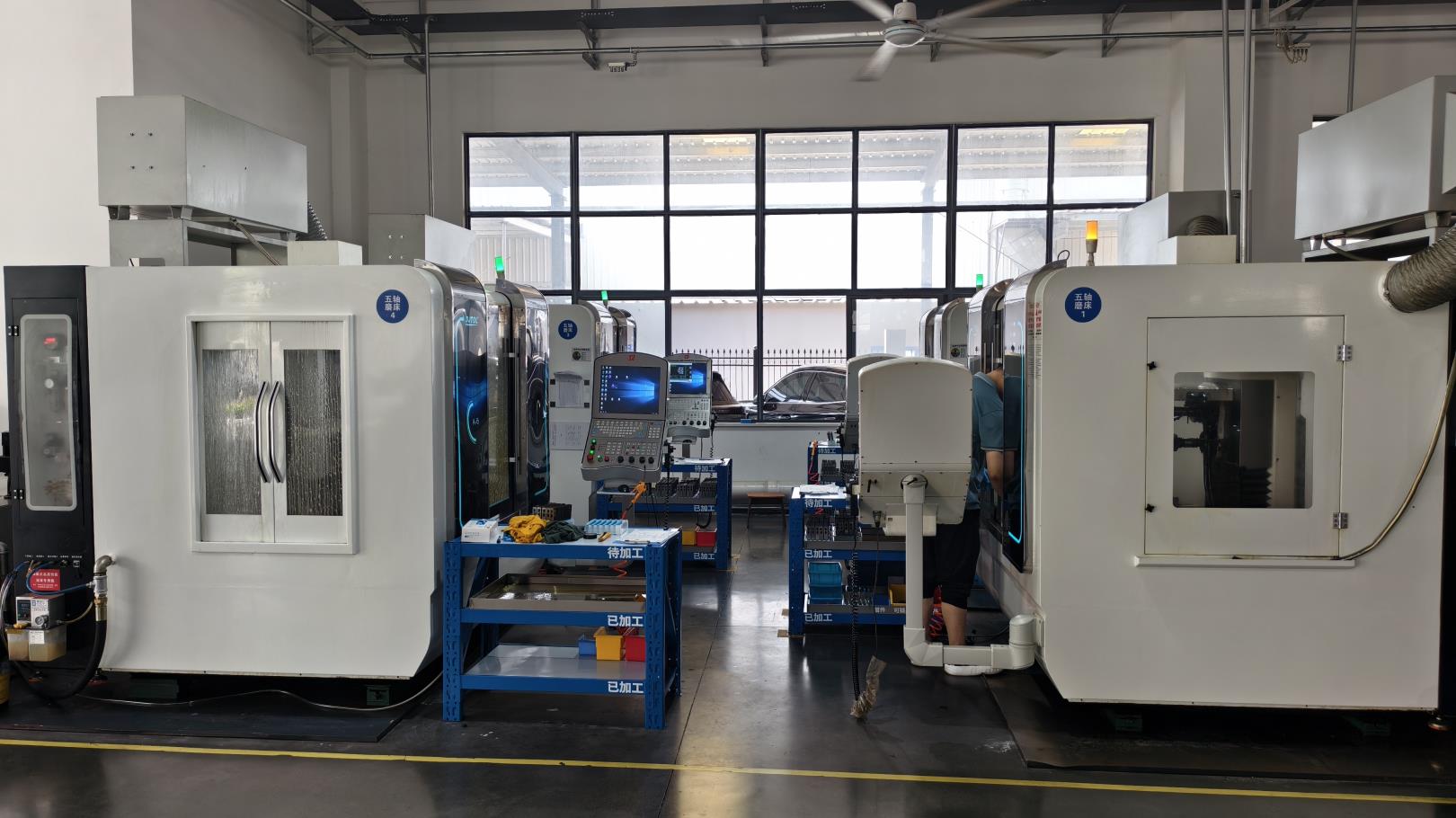
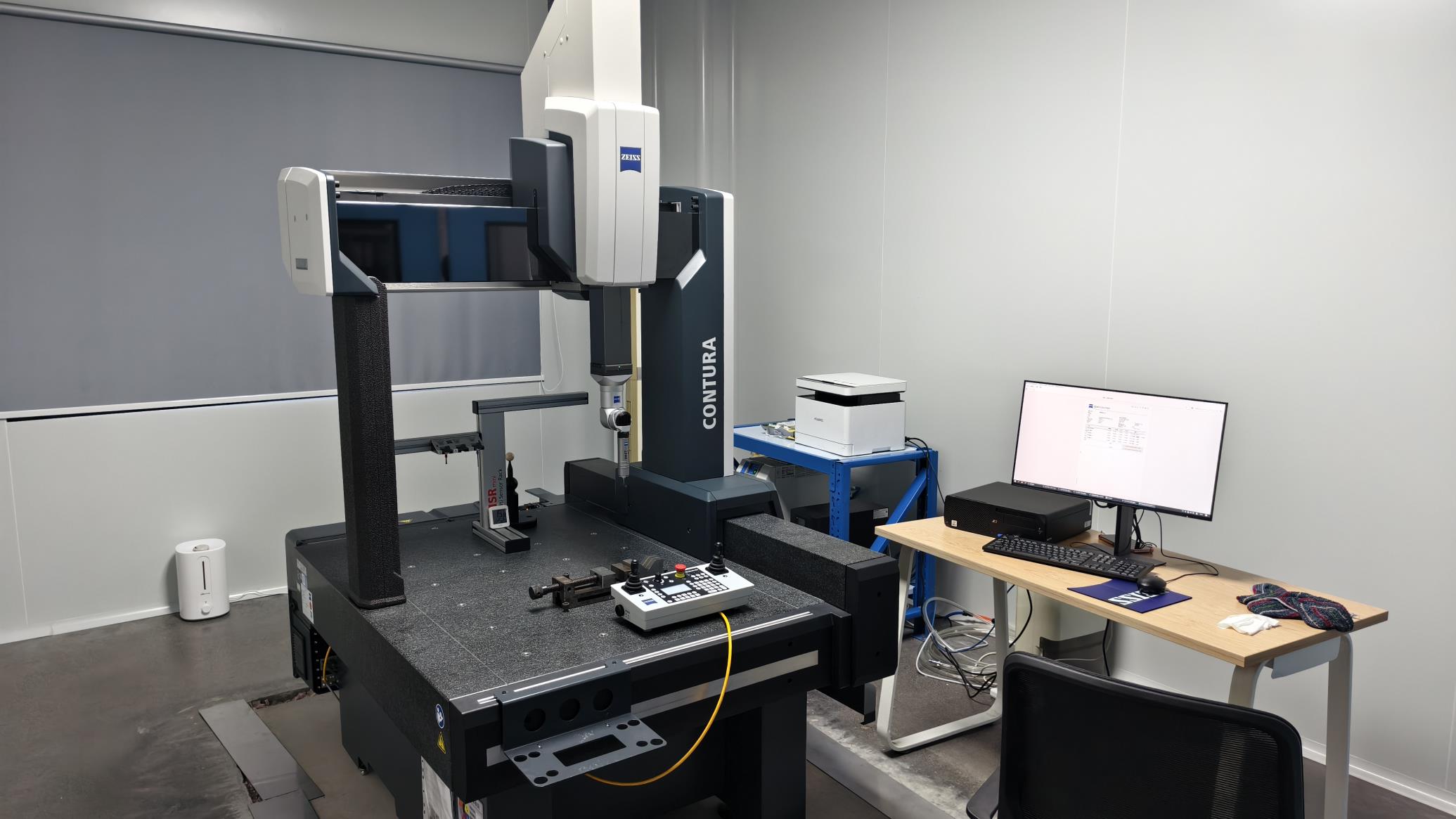
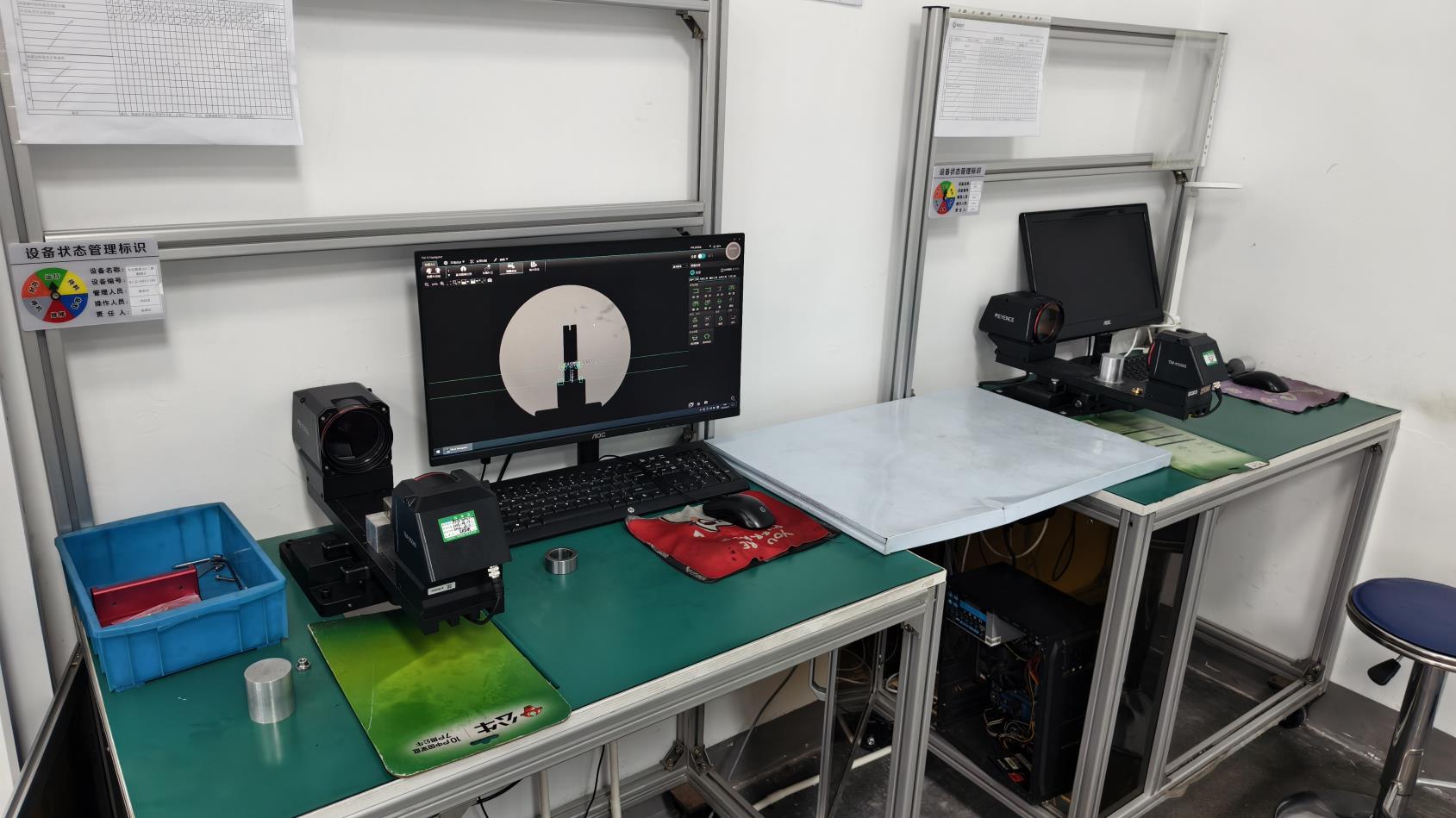
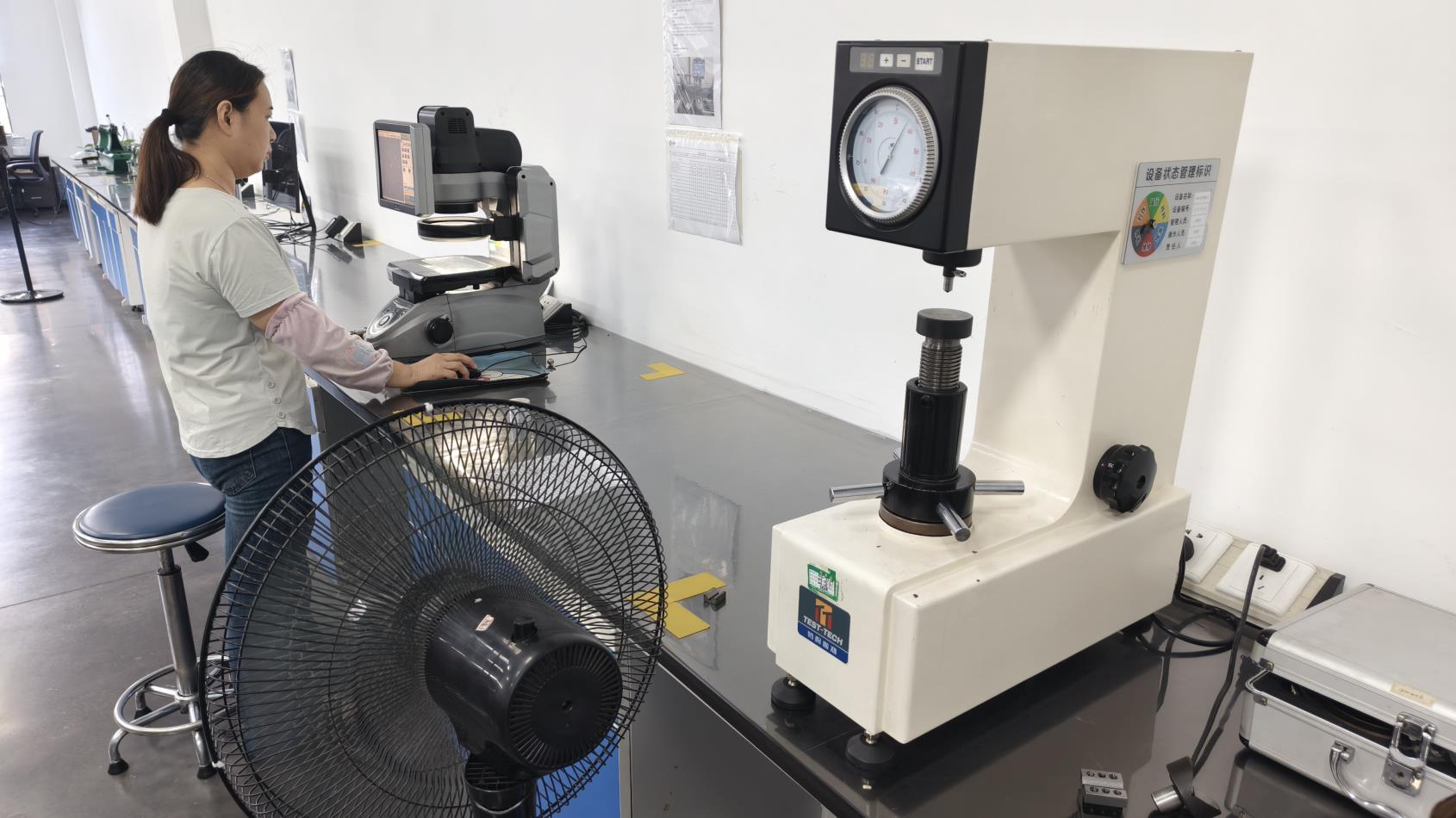
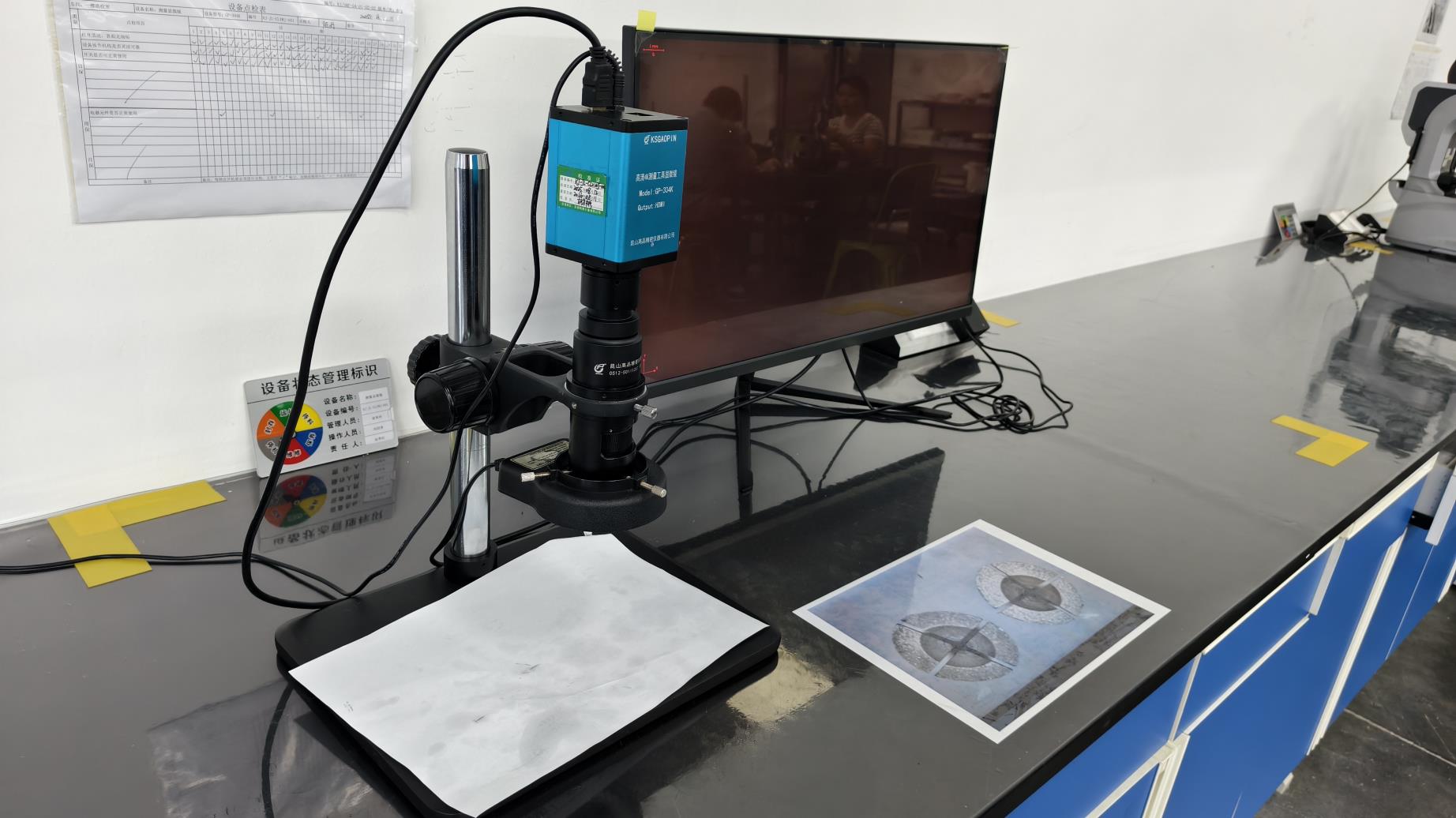
Empirical breakdown of Moventra’s operational footprint and quality assurance parameters.
| Operations Parameter | Details & Specifications |
|---|---|
| Company Name | Moventra Medical Technology (China) Co., Ltd. |
| Brand Registration | Moventra |
| Established Year | 2017 |
| Production Area | 18,600 m² (Equipped with ISO Class 7 Cleanroom & CNC Zones) |
| Annual Export Volume | USD 23.8 Million |
| Total Export Tenure | 7 Years |
| Core Industry Tenure | 13 Years |
| Quality Testing Protocols | 100% Quality Inspection Before Shipment |
| Product Inspection Methods | Dimensional Inspection, Material Analysis, Surface Finish Inspection, Mechanical Performance Testing, Sterility Verification |
| Dedicated QC Auditors | 48 Certified Quality Control Specialists |
| Operations Type | Manufacturer, OEM & ODM, Exporter |
| Principal Export Markets | North America, Europe, South America, Middle East, Southeast Asia, Australia |
| Active Supply Partners | 1,120 Verified Partners |
| Client Typology Served | Medical Device Brands, Orthopedic Distributors, Hospitals, Importers, Government Procurement Projects |
| R&D Competence | Independent Product Design, Rapid Prototyping, OEM/ODM Development, Customized Engineering Solutions |
| Customization Scale | Logo Customization, Packaging Customization, Product Design Customization, Drawing-Based Manufacturing, Sample-Based Manufacturing |
| Product Releases (Last FY) | 156 New Orthopedic Solutions Registered |
| In-House Engineers | 86 R&D Engineers |
Adapting mechanical frame designs to distinct clinical settings and regional trauma configurations.
Trauma management protocols vary depending on regional geography, local clinical facilities, and emergency transport times. Moventra designs external fixators to perform reliably across a wide range of emergency healthcare settings:
In highly industrialized areas, crushing injuries from heavy machinery often cause severe bilateral pelvic fractures. In these cases, pelvic fixators must offer strong mechanical rigidity to maintain stability over several weeks, especially when definitive internal surgery must be delayed due to severe soft-tissue trauma or infection risks.
In rural communities where patients face long transport times to a specialized trauma center, lightweight and quick-to-apply external pelvic clamps are essential. These simple modular systems can be assembled rapidly by general surgeons to stabilize the pelvic volume and control bleeding during air or road transport.
Blast injuries and natural disasters present challenging medical situations with high casualty rates. For these environments, Moventra provides pre-packaged, sterile-packaged pelvic fixation configurations. Designed to be highly portable, resistant to harsh conditions, and requiring minimal tools, these kits allow quick stabilization in field hospitals.
From design blueprint to sterile-packaged implant, we simplify your supply chain.
Moventra serves as a comprehensive OEM/ODM manufacturing partner, helping brands bring orthopedic solutions from concept to clinical reality. Our production workflow is designed to manage regulatory compliance and manufacturing accuracy at every step:
Our engineering team works directly with your R&D group, converting drafts, drawings, or physical samples into high-fidelity CAD/CAM programs. We perform mechanical stress tests and structural optimization before manufacturing begins.
Utilizing high-end Swiss-type lathes and 5-axis machining centers, we manufacture critical components with tight tolerances (+/- 0.005mm). Micro-machining and specialized thread milling are completed in-house.
Implants and instruments undergo automated ultrasonic cleaning and anodization to ensure consistent passivation. Products are then cleanroom-packaged in validated sterile barriers, ready for direct hospital distribution.
Addressing key regulatory, material, and mechanical questions for orthopedic distributors and surgeons.
Browse our expanded portfolio of surgical equipment, bone plates, screws, and arthroscopic instruments.
 Moventra Medical