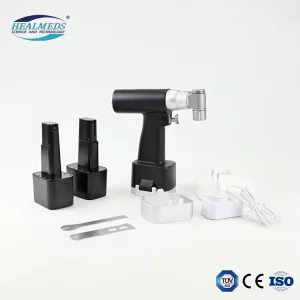
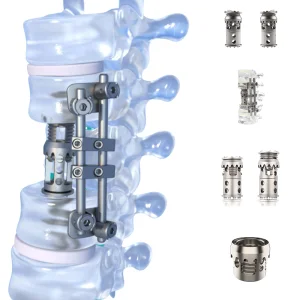
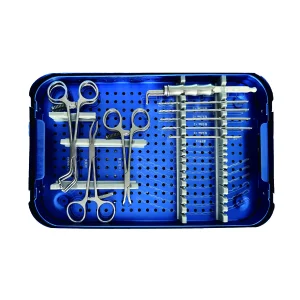
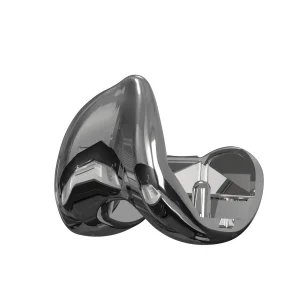
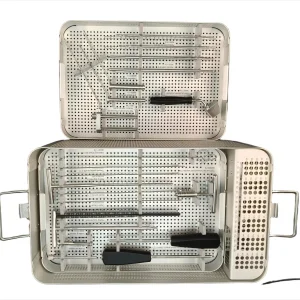
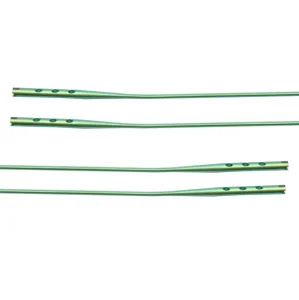
Explore our elite portfolio of high-precision orthopedic implants and specialized instrumentation kits trusted by healthcare institutions worldwide.
Proximal humeral fractures represent one of the most common skeletal injuries, accounting for nearly 6% of all adult fractures. They present high incidence rates among the geriatric population due to osteoporotic degeneration. Clinical management of complex 3-part and 4-part fractures (according to the Neer classification) requires anatomical reconstruction and stable internal fixation to encourage early functional rehabilitation and minimize complications such as avascular necrosis (AVN) of the humeral head, joint stiffness, and varus collapse.
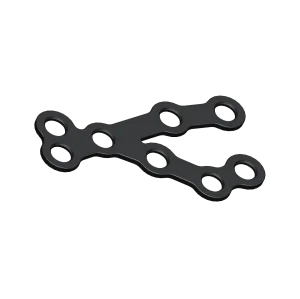
Anatomically contoured locking compression plates (LCPs) have emerged as the surgical standard for proximal humeral osteosynthesis. Unlike traditional non-locking systems, Proximal Humeral Locking Plates behave as fixed-angle construct systems. This biomechanical configuration shifts load transmission away from the plate-bone interface to the plate-screw interface. This preservation of periosteal blood supply is critical for osteopenic bone structures, where rigid grip strength is hard to establish using conventional cortical threads.
A premier manufacturing hub for trauma, joint reconstruction, spine, and custom OEM orthopedic medical devices based in China.
Moventra Medical Technology (China) Co., Ltd. is a professional manufacturer specializing in the research, development, production, and global supply of orthopedic medical devices and surgical solutions. Established in 2017, the company is dedicated to delivering innovative, high-quality products for trauma, spine, joint reconstruction, sports medicine, and orthopedic surgical procedures.
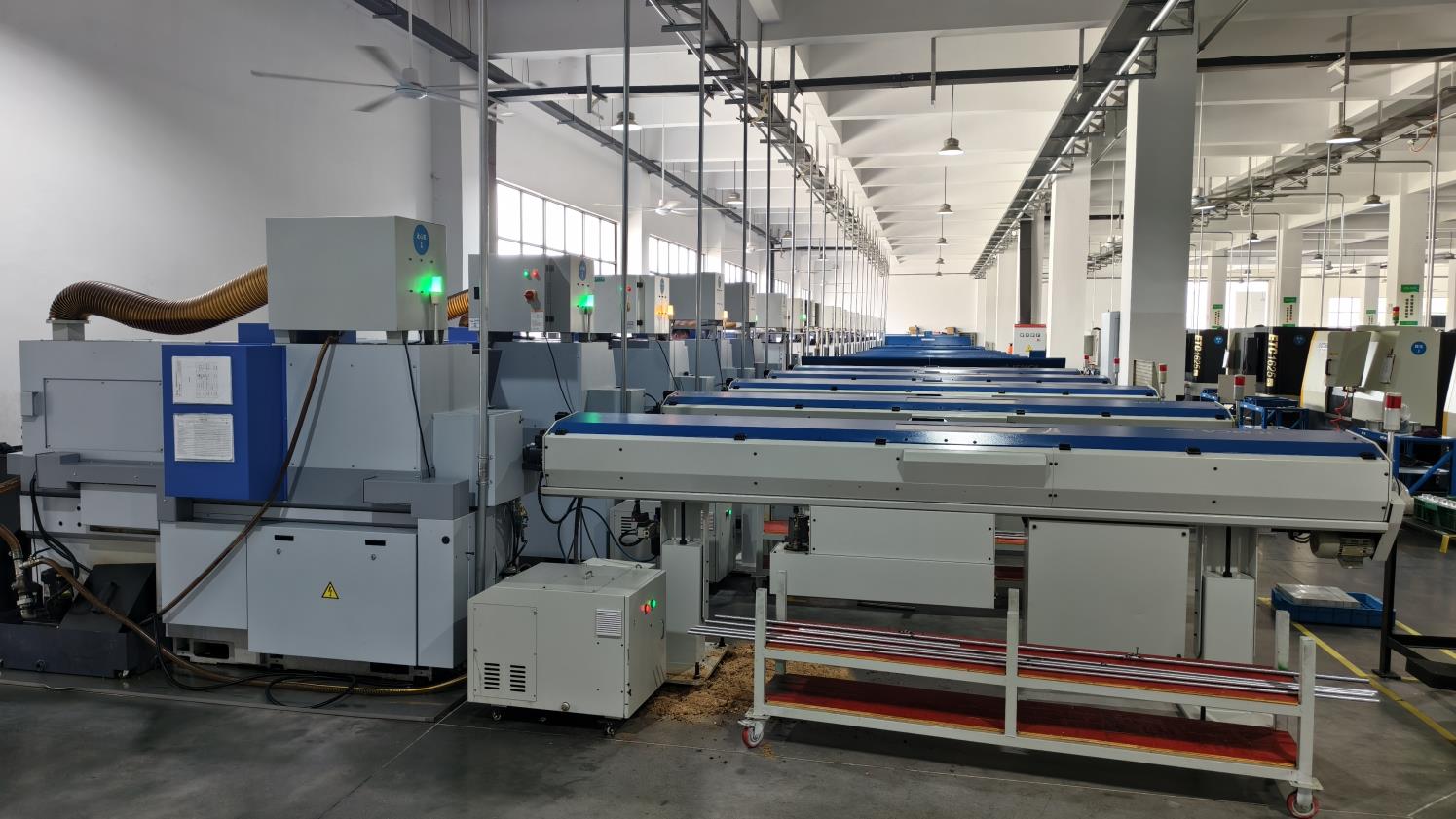
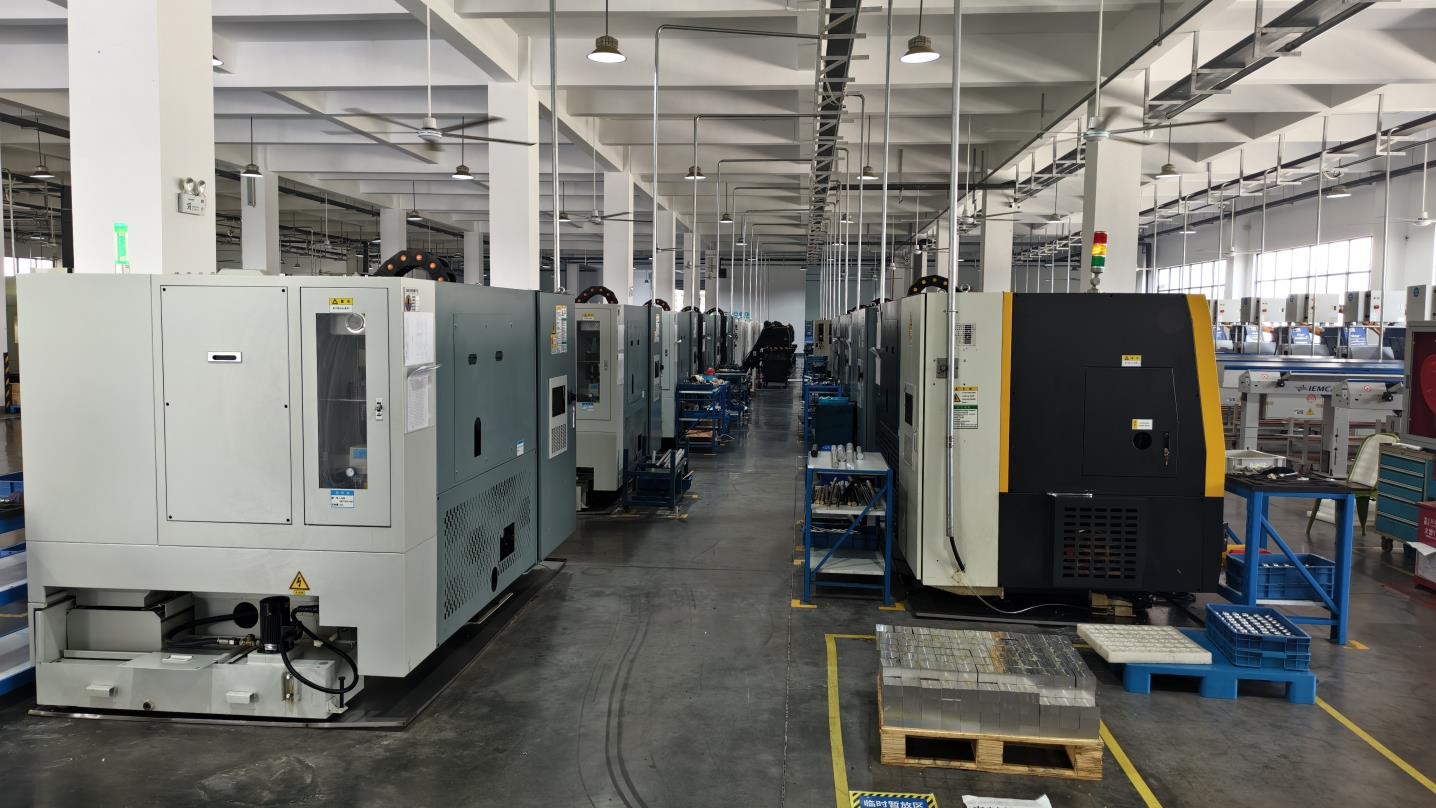
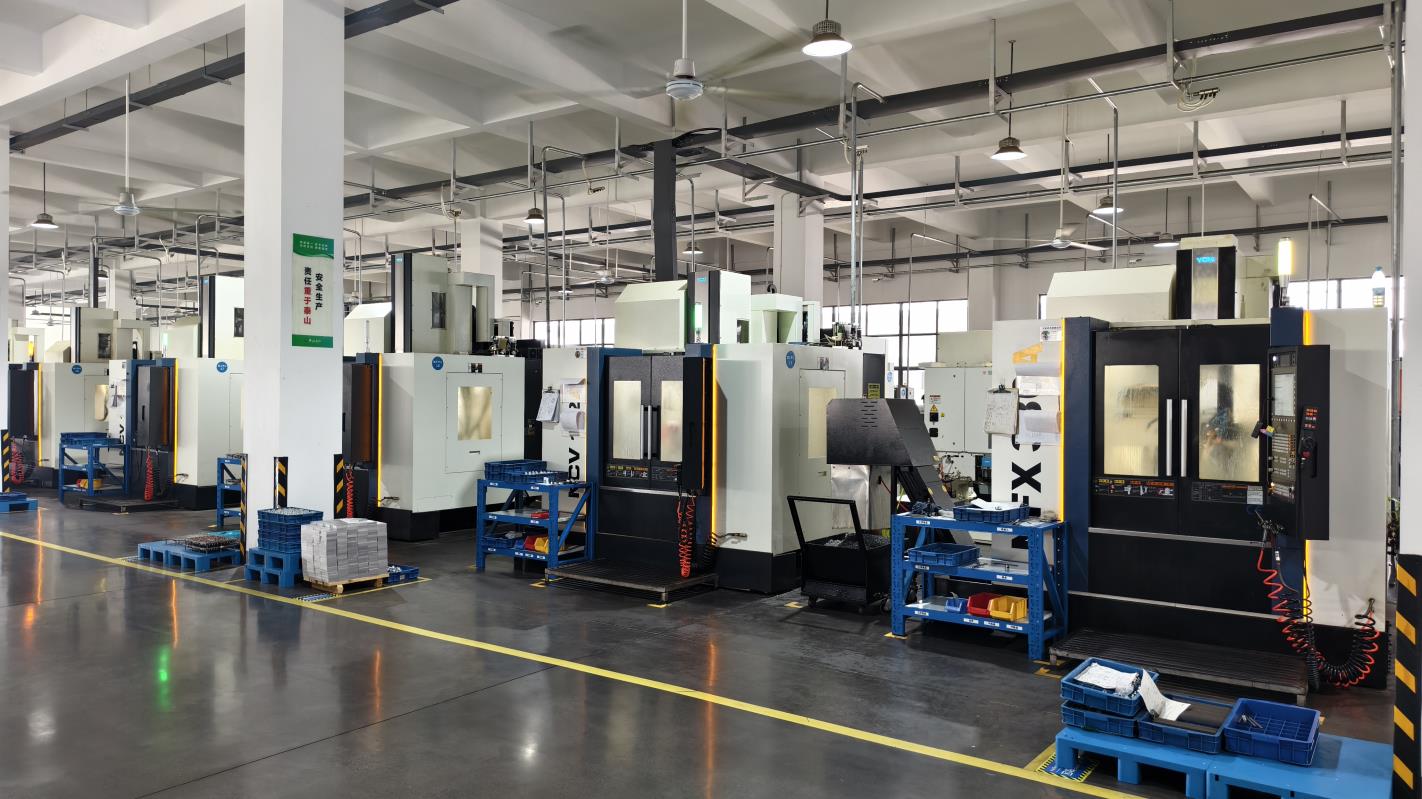
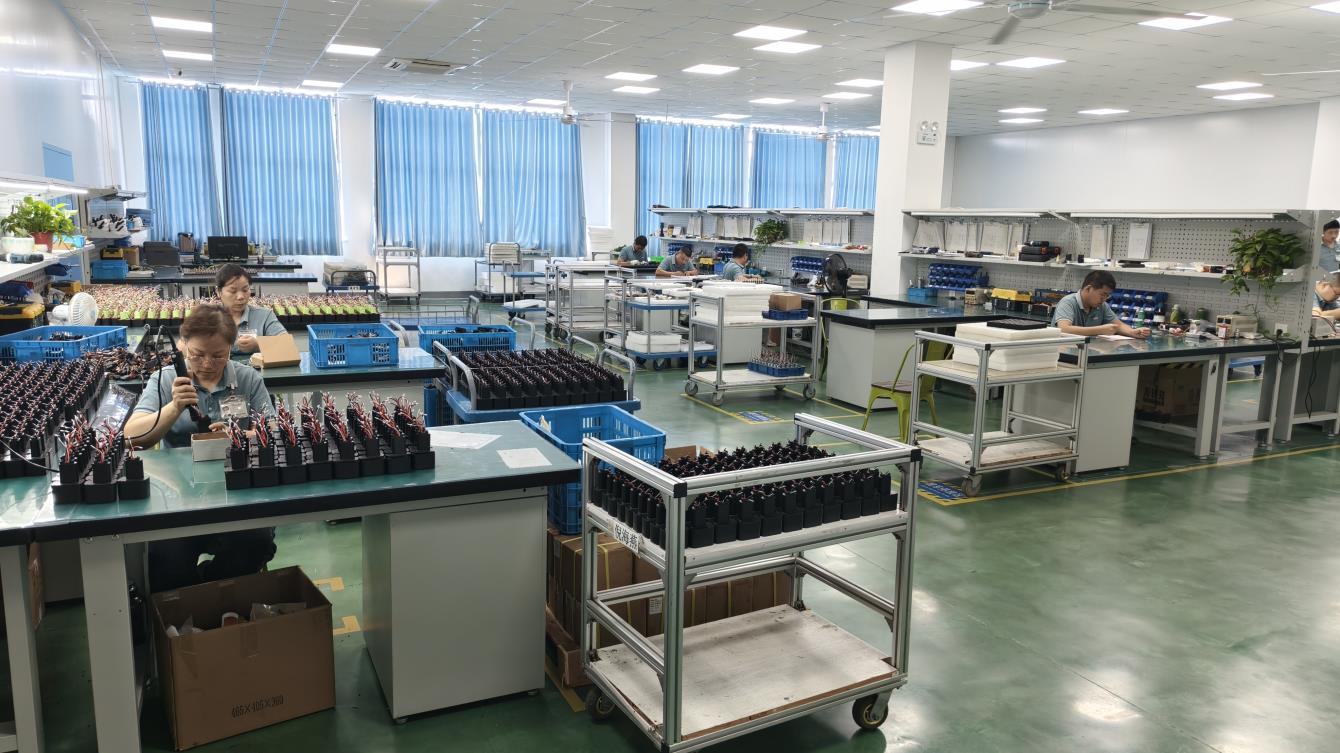
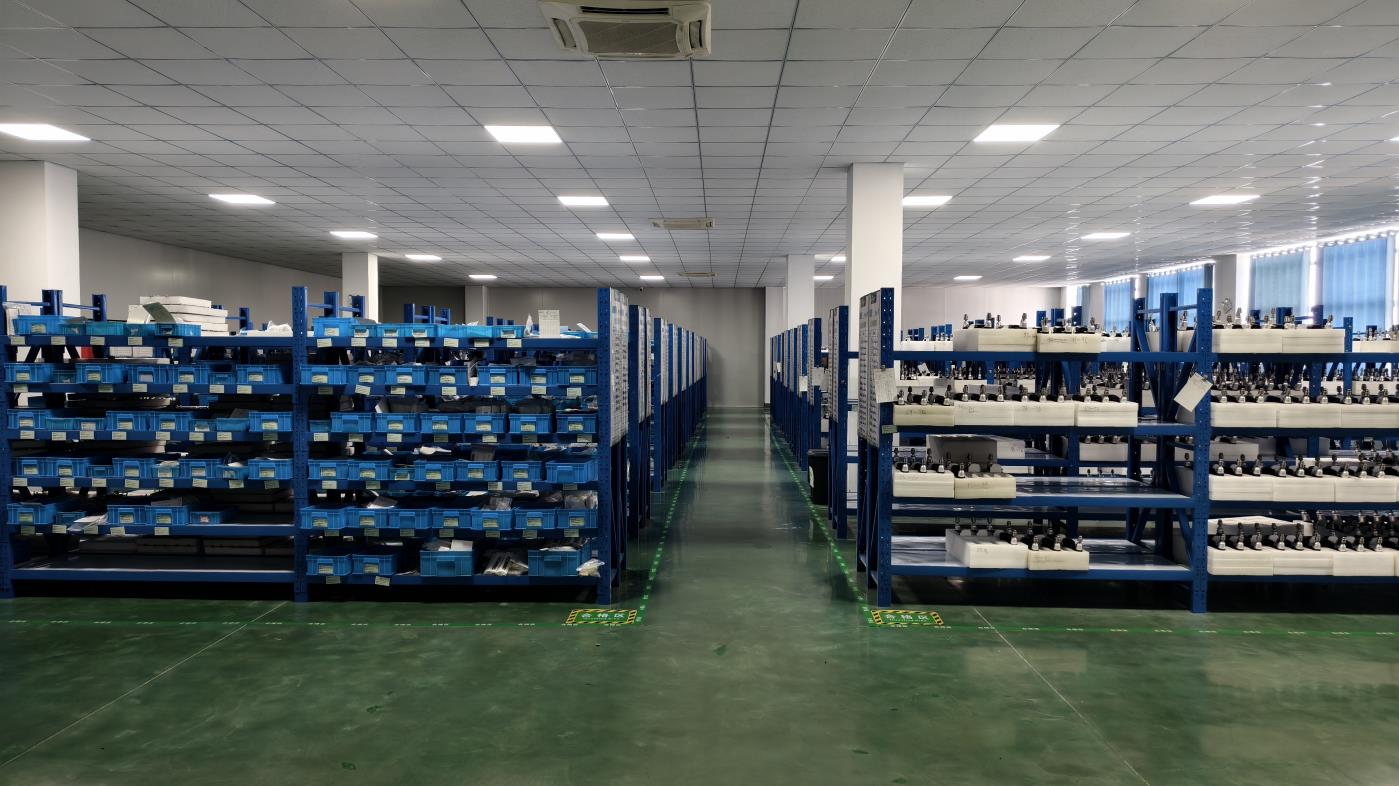
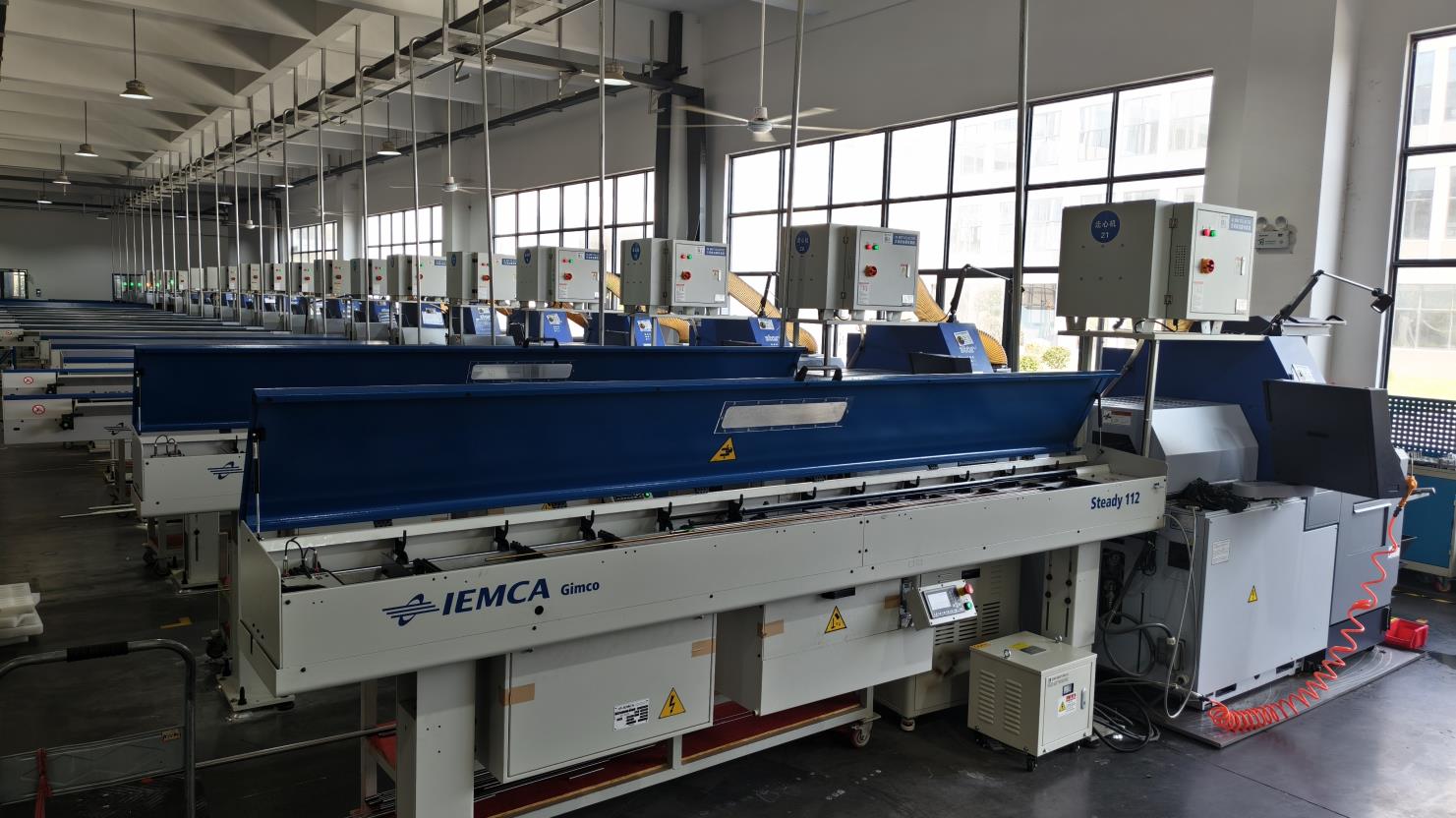
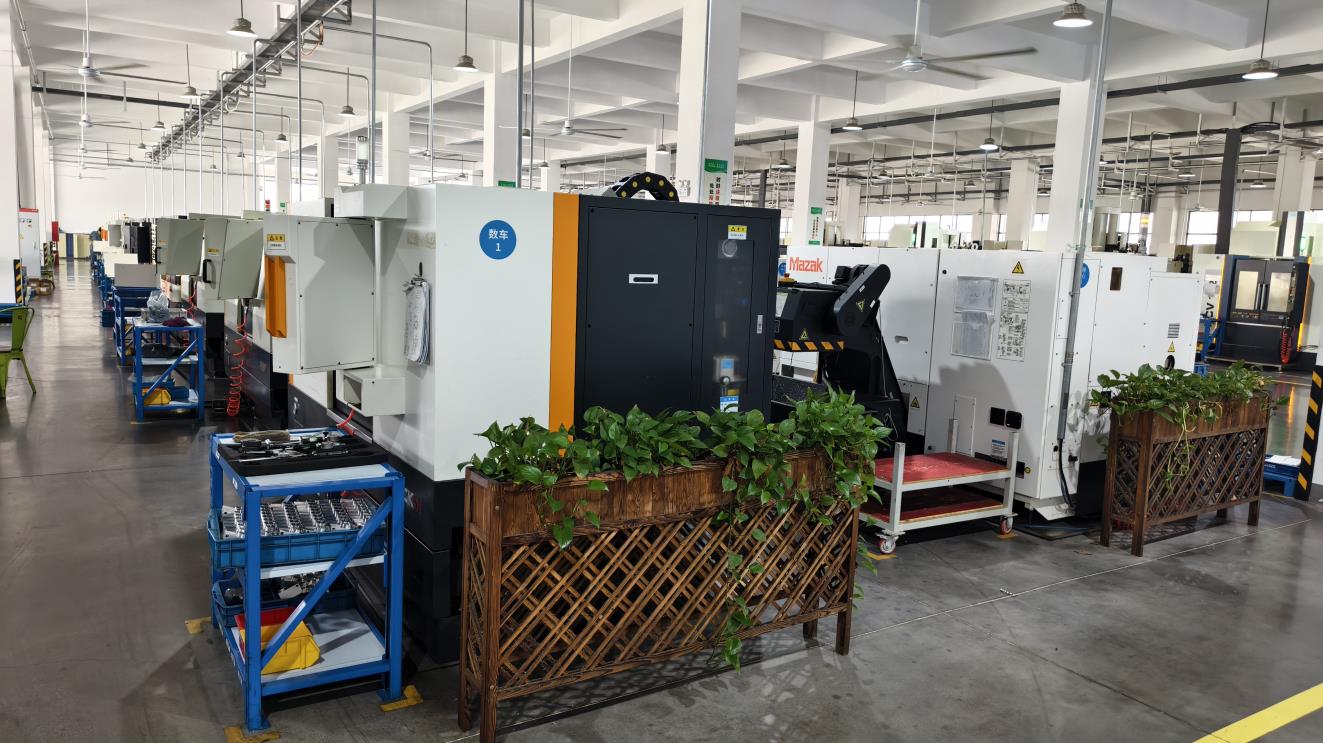
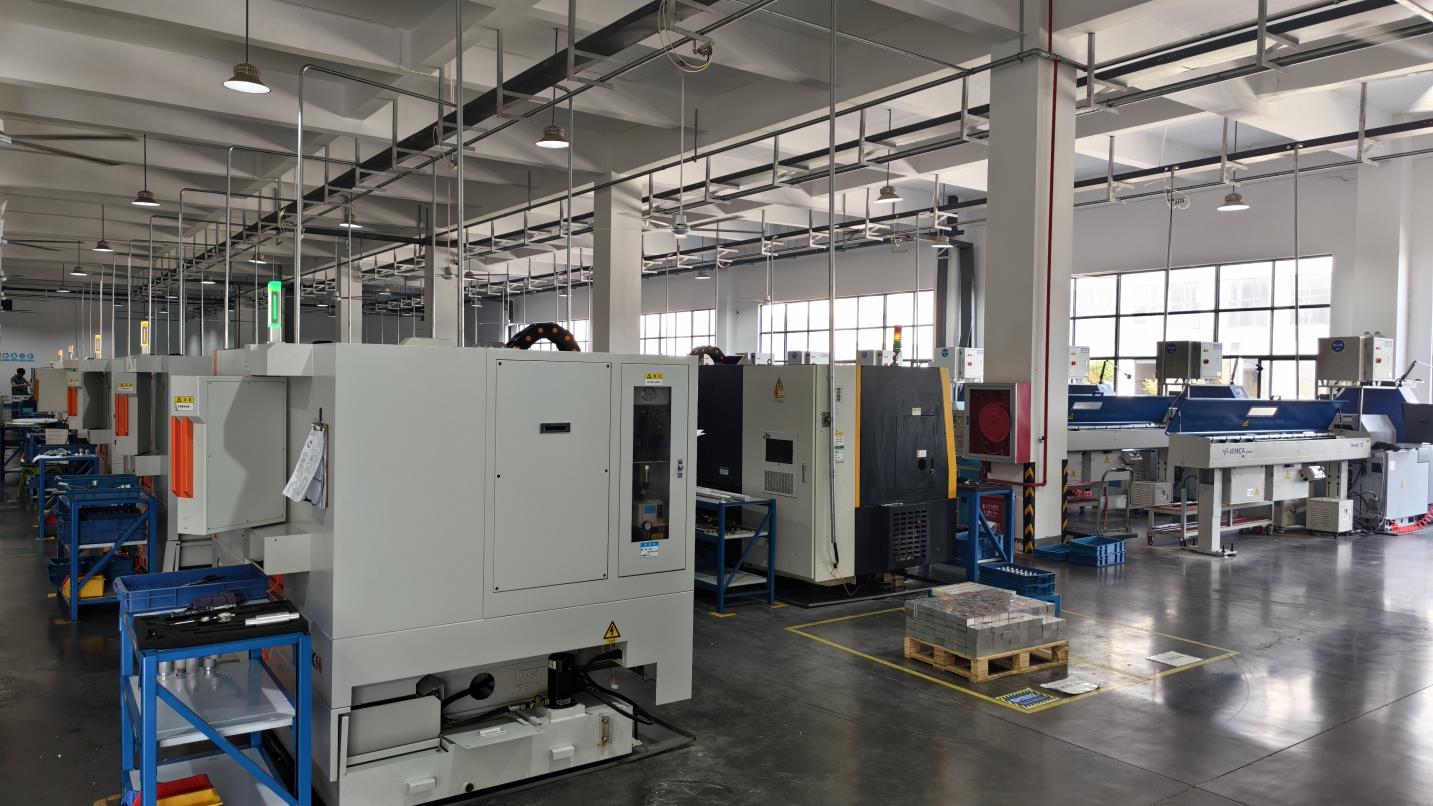
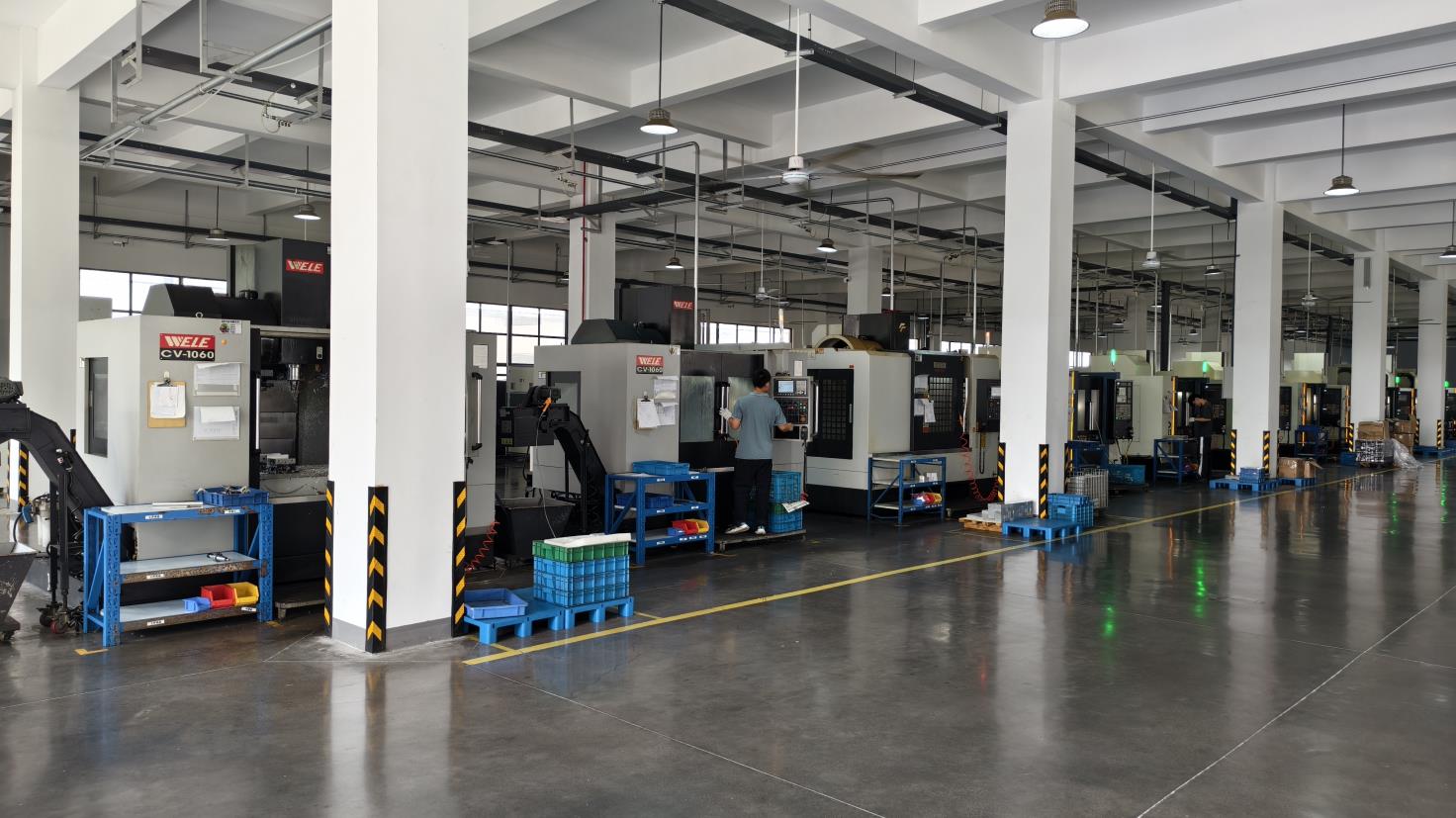
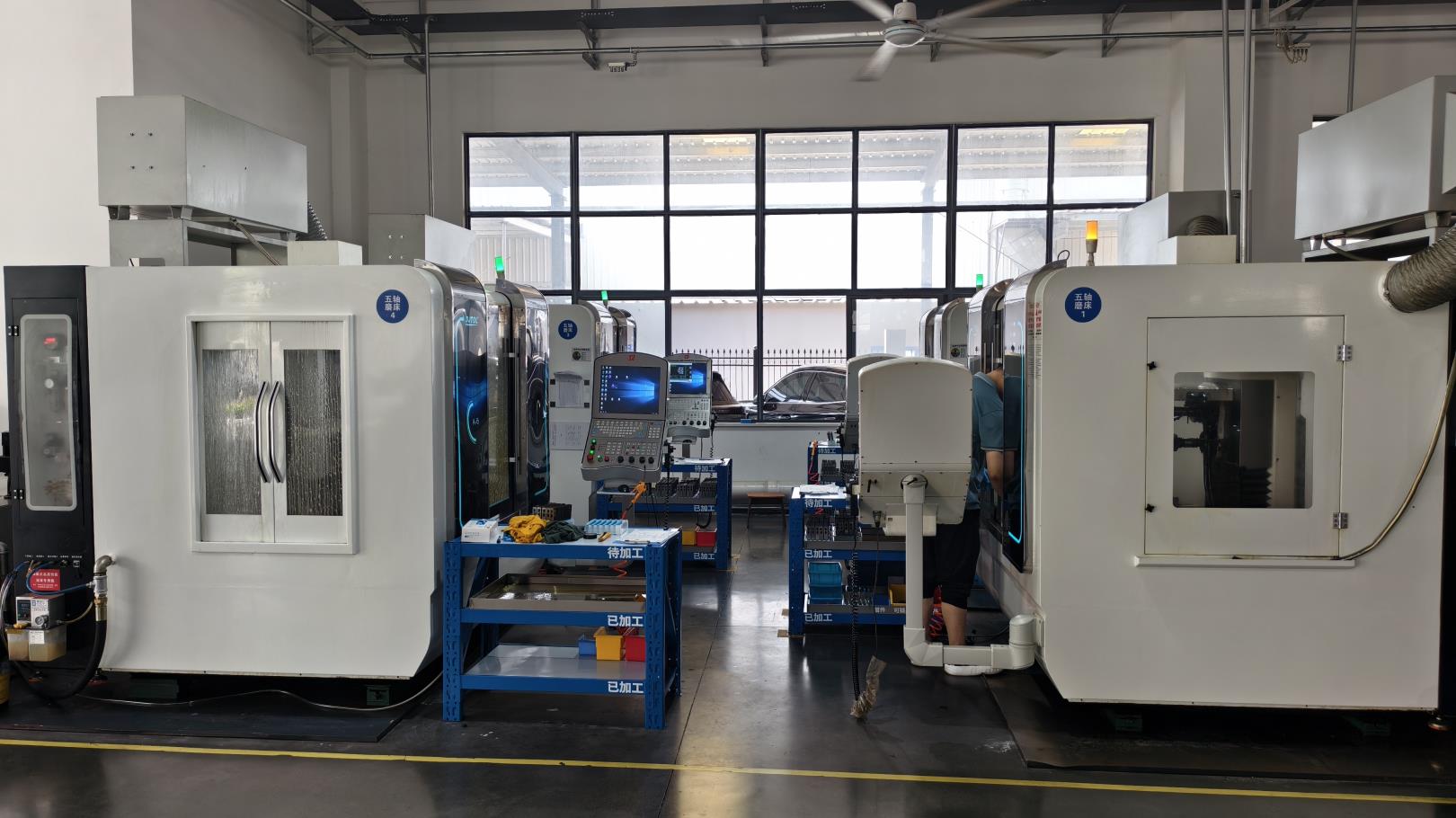
With a modern manufacturing facility covering 18,600 m², Moventra integrates advanced CNC machining, precision manufacturing, automated production lines, and strict quality management systems to ensure every product meets international medical standards. Our commitment to continuous innovation enables us to provide reliable OEM and ODM services for global medical device brands, distributors, and healthcare institutions.
Supported by an experienced R&D team and comprehensive quality assurance system, Moventra continuously develops innovative orthopedic solutions that improve surgical efficiency and patient outcomes. Our products are exported to customers worldwide and are trusted for their precision, safety, and consistent performance.
| Item | Details |
|---|---|
| Company Name | Moventra Medical Technology (China) Co., Ltd. |
| Brand | Moventra |
| Established | 2017 |
| Facility Area | 18,600 m² |
| Annual Export Revenue | USD 23.8 Million |
| Export Experience | 7 Years |
| Industry Experience | 13 Years |
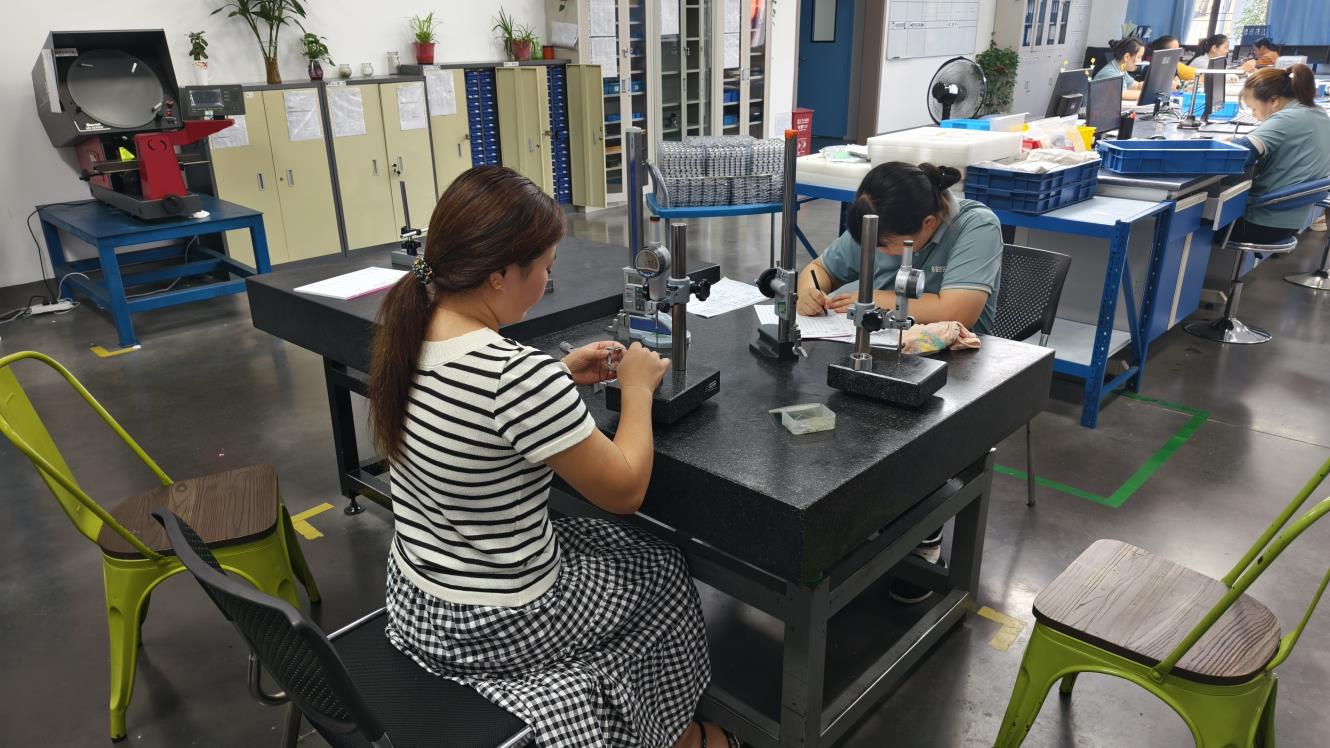
| Quality Inspection | 100% Quality Inspection Before Shipment |
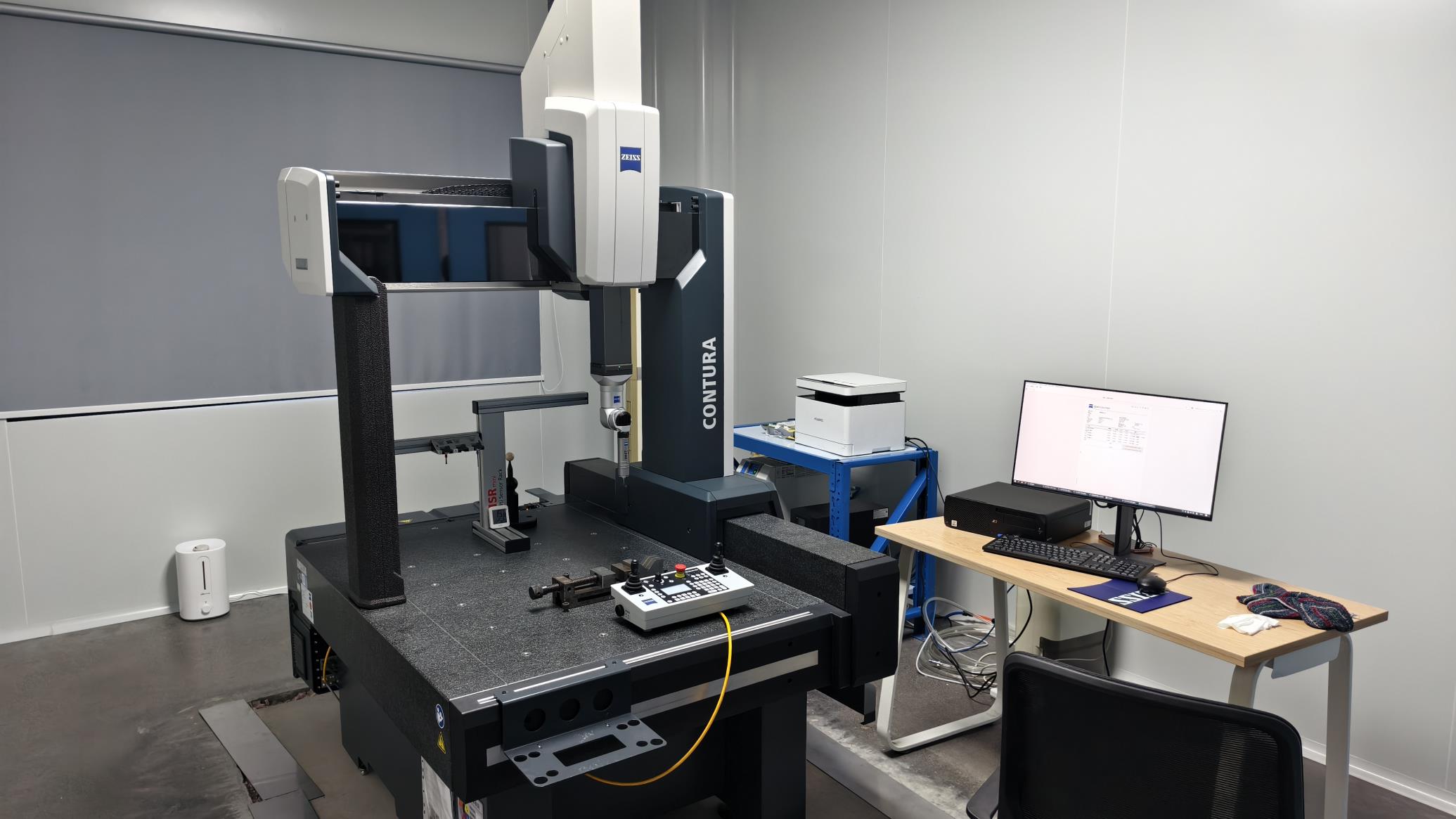
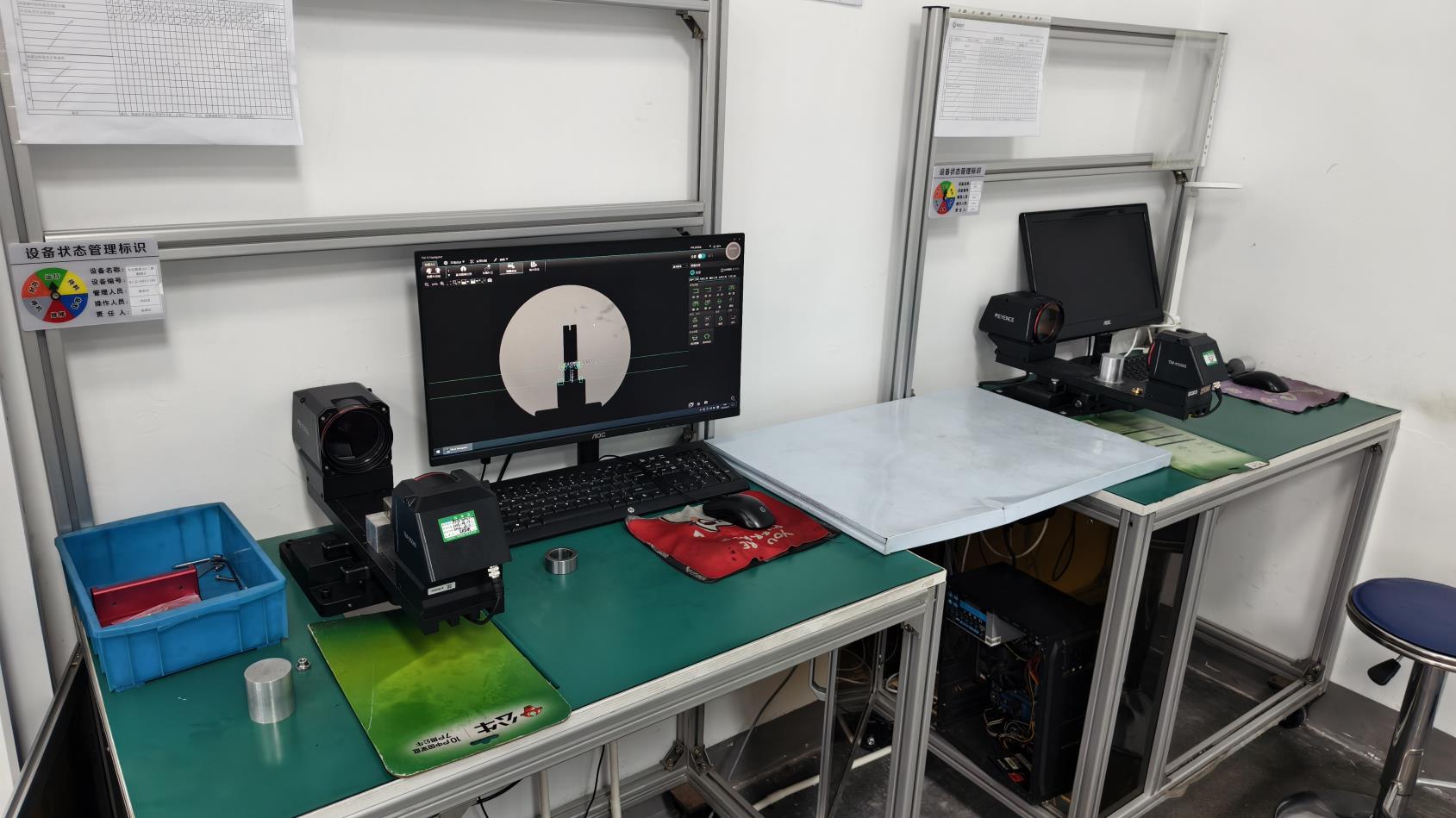
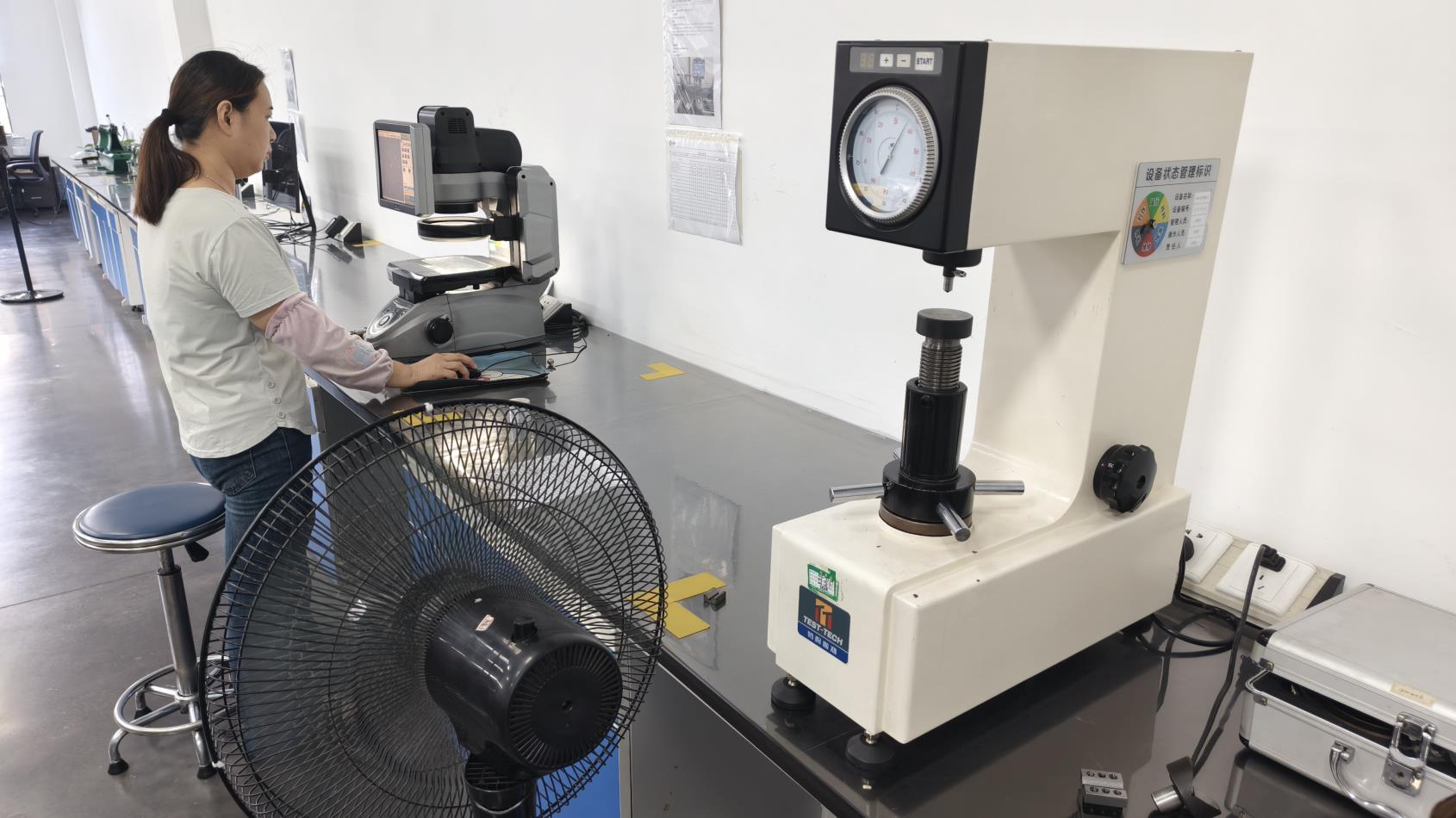
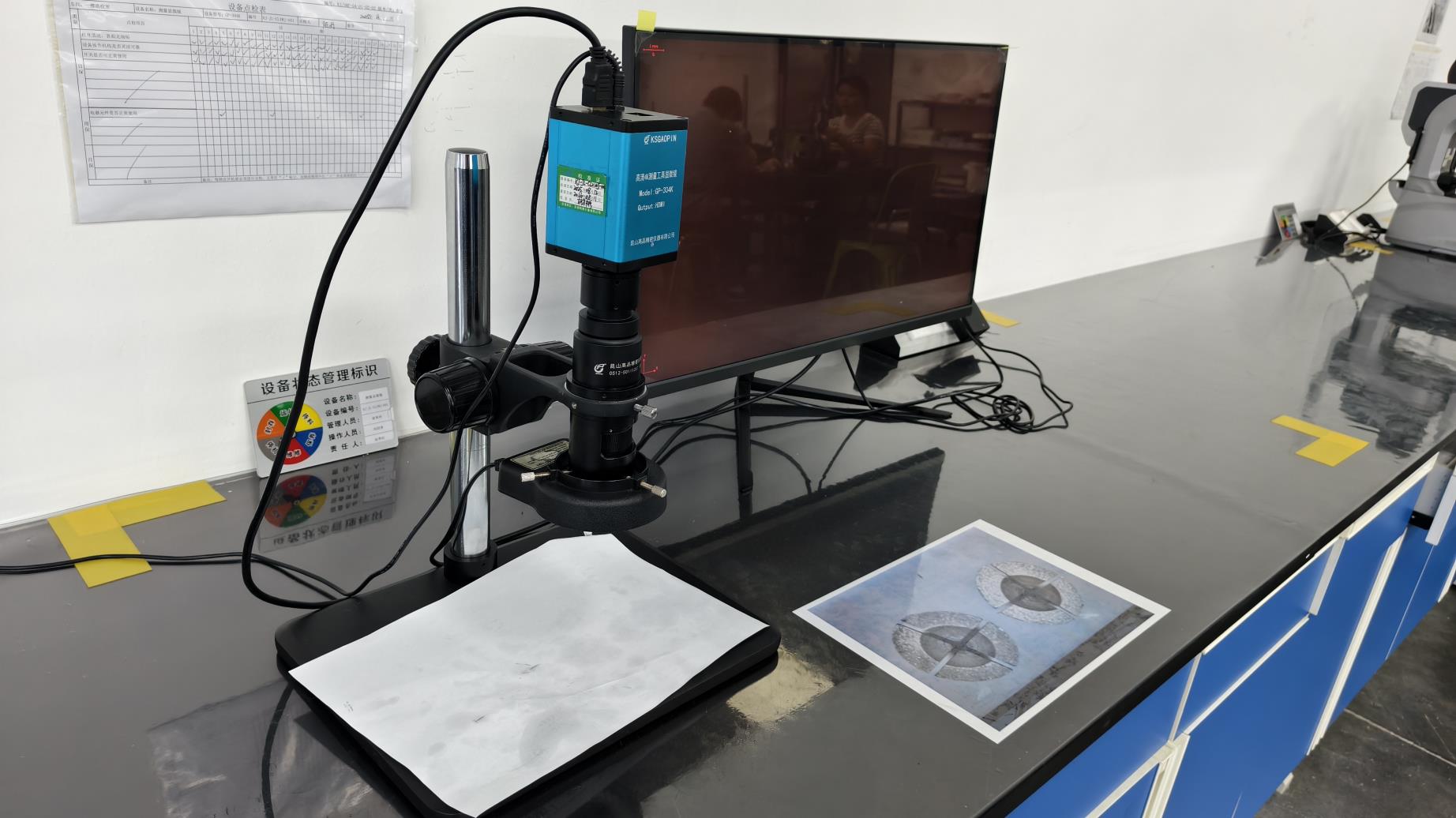
| Product Inspection Methods | Dimensional Inspection, Material Analysis, Surface Finish Inspection, Mechanical Performance Testing, Sterility Verification |
| Quality Control Staff | 48 |
| Business Type | Manufacturer, OEM & ODM, Exporter |
| Main Markets | North America, Europe, South America, Middle East, Southeast Asia, Australia |
| Supply Chain Partners | 1,120 |
| Main Customer Types | Medical Device Brands, Orthopedic Distributors, Hospitals, Importers, Government Procurement Projects |
| R&D Capability | Independent Product Design, Rapid Prototyping, OEM/ODM Development, Customized Engineering Solutions |
| Customization Options | Logo Customization, Packaging Customization, Product Design Customization, Drawing-Based Manufacturing, Sample-Based Manufacturing |
| New Products Released Last Year | 156 |
| R&D Engineers | 86 |
Over the last decade, China has transitioned from a high-volume manufacturing center to a global leader in high-precision biomedical engineering. Companies like Moventra combine state-of-the-art manufacturing hardware with deep material science capabilities to offer superior orthopedic implants at competitive price points.
Proximal humeral locking plates manufactured by Moventra undergo advanced anodization treatments. Anodizing creates a stable oxide layer on titanium (Type II anodization), improving fatigue resistance, decreasing friction coefficient, and preventing cold-welding between locking screws and the plate. For osteosynthesis implants, we ensure biocompatibility through rigorous chemical cleaning processes in controlled cleanrooms (Class 10,000/ISO Class 7 standards), avoiding any endotoxin residue on finished sterile products.
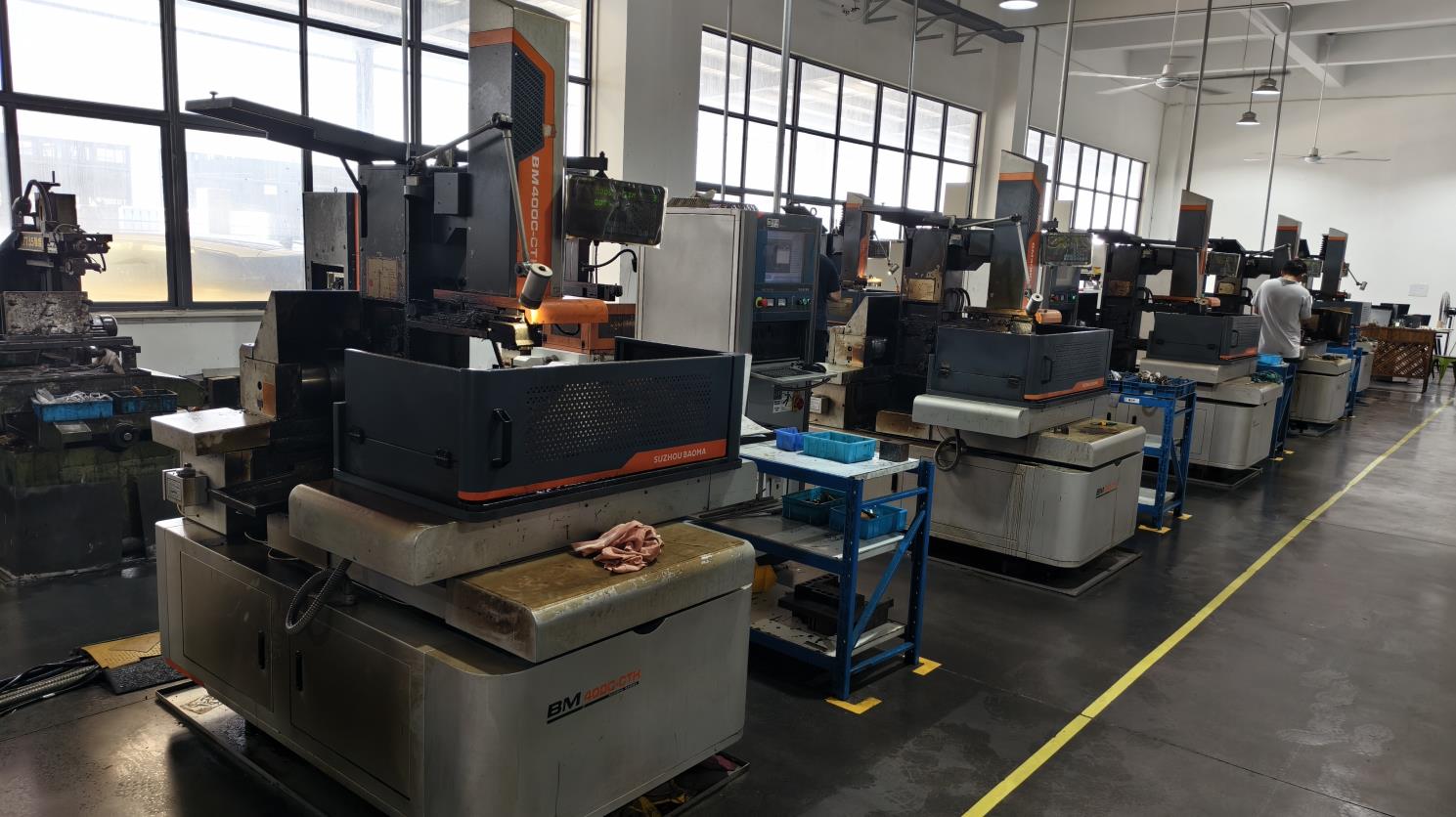
Inside Moventra's advanced ISO-certified workshop and high-tech quality testing center.
Global orthopedics procurement entails complex supply lines and strict regulatory barriers. Different markets present distinct anthropometric demographics, necessitating local sizing modifications. For instance, the average anatomical curvature of the proximal humerus differs significantly between North American and East Asian populations.
Moventra overcomes these issues with a specialized Macro Solutions System for global medical device distributors, hospitals, and national health ministries:
For international bulk buyers, we deploy rapid prototype manufacturing protocols. Utilizing modern wire-cutting and rapid CNC set-ups, new design concepts are realized in functional titanium models in under 10 business days. This minimizes time-to-market metrics and ensures that distributors win local tenders with rapid product delivery times.
The field of orthopedic implants is moving rapidly towards smart and custom designs. Below are key technical developments Moventra is integrating into our ongoing R&D pipelines:
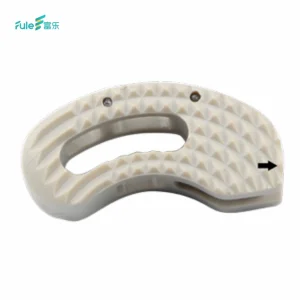
Polyetheretherketone (PEEK) combined with carbon fiber provides an elastic modulus similar to that of human cortical bone (approx. 18-20 GPa). This close match avoids stress shielding, a common biomechanical problem where titanium plates absorb all structural loads, leading to localized osteopenia. Furthermore, PEEK plates are completely radiolucent, enabling clear postoperative radiographic check-ups to assess healing progression without metal artifact scattering.
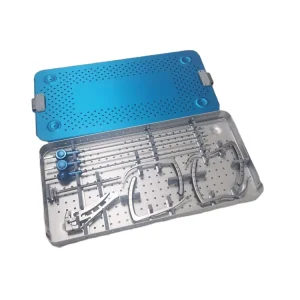
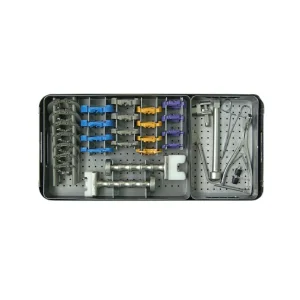
Surgical methods are shifting towards tissue-sparing options. Modern proximal humeral plates are engineered with insertion guides and specialized target instrumentation to enable insertion via small surgical incisions, protecting the axillary nerve and preserving bone blood supply.
Innovations in magnesium-based bioabsorbable alloys are currently under research. Using these materials for non-critical positioning screws could eliminate the need for secondary hardware extraction surgeries, lowering healthcare costs and patient trauma.
Professional insights on manufacturing, quality standards, and OEM capabilities for global purchasers.
Discover related implant options, trauma plating systems, and specialty surgical kits.
 Moventra Medical