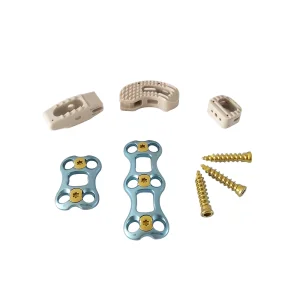
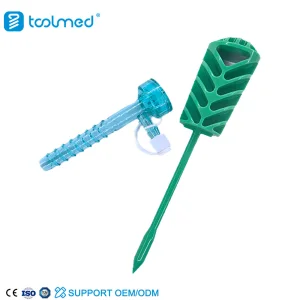
Explore our state-of-the-art orthopedic medical devices manufactured under cleanroom environments matching international standards.
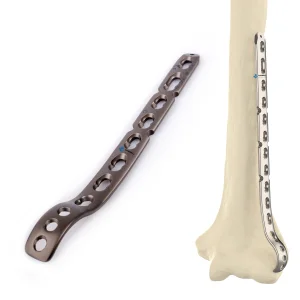

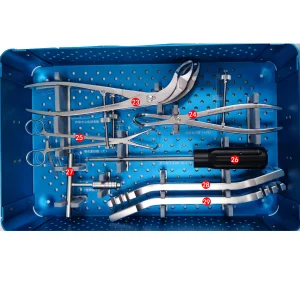
The global joint replacement market has experienced unprecedented growth, driven by an aging global demographic, increasing prevalence of degenerative joint diseases like osteoarthritis, and the rising demand for active-aging solutions. Total hip arthroplasty (THA) and total knee arthroplasty (TKA) remain the cornerstones of orthopedic restorative surgeries. Modern surgical advancements, including robotic-assisted orthopedic surgeries and patient-specific instrumentation (PSI), have placed exceptional demands on the structural integrity, dimensional tolerances, and biocompatibility of joint replacement components.
To navigate these shifts, medical device original equipment manufacturers (OEMs) and brand owners are transitioning from traditional local assembly models to integrated global contract manufacturing partnerships. Working with an specialized supplier allows brands to mitigate volatile raw material costs, bypass long regulatory validation cycles, and utilize highly localized production environments. Today’s industrial landscape demands more than just machining; it requires micro-precision, comprehensive validation protocols, and structured regulatory compliance strategies, such as the European Union Medical Device Regulation (EU MDR) and the United States FDA 510(k) clearances.
Moventra Medical Technology (China) Co., Ltd. is a premier manufacturing partner specialized in high-performance orthopedic solutions.
| Strategic Indicator | Manufacturing & Operational Metrics |
|---|---|
| Company Name | Moventra Medical Technology (China) Co., Ltd. |
| Brand Identity | Moventra |
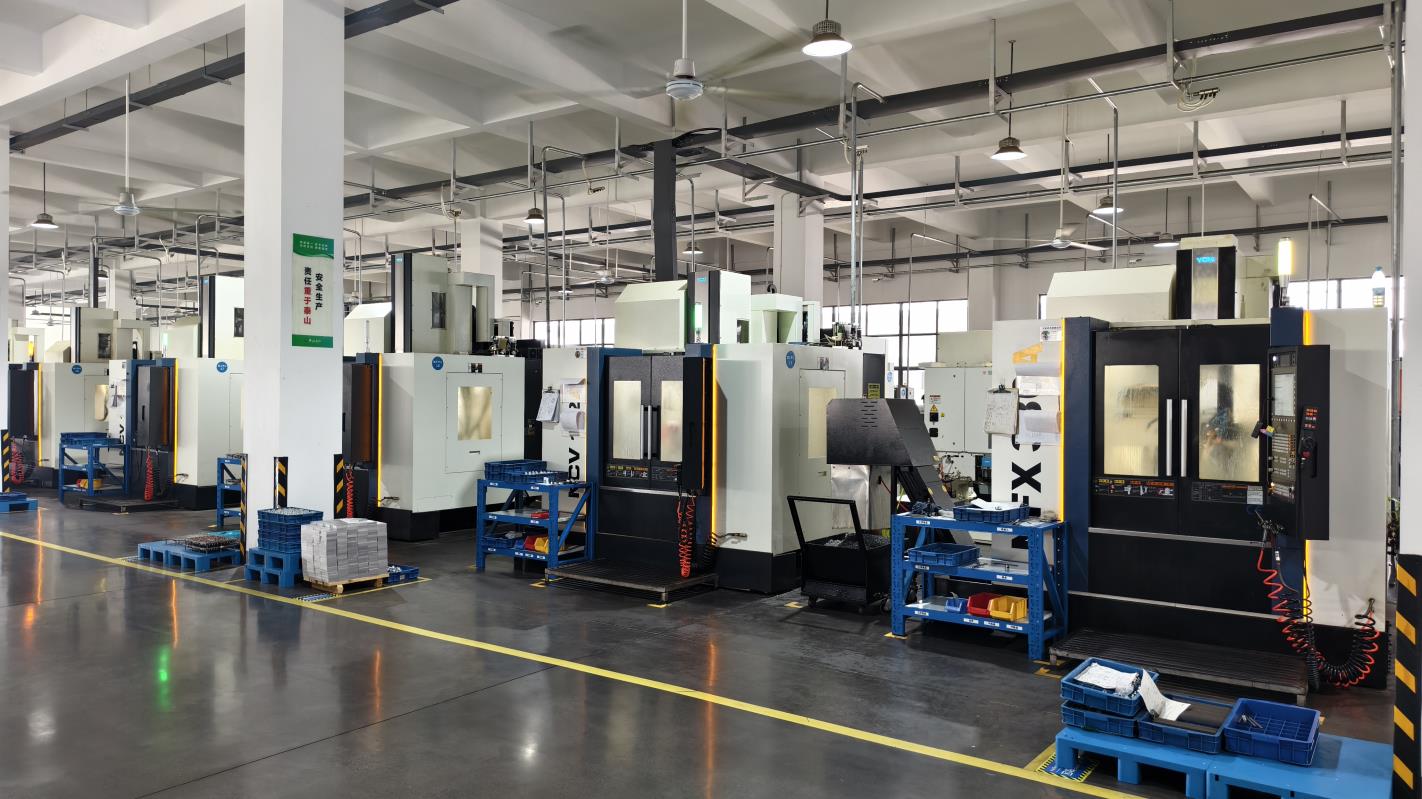
| Production Facility | Modernized CNC and testing facility spanning 18,600 m² |
| Export History & Revenue | 7 Years of direct export experience, reaching USD 23.8 Million annually |
| Total Industry Experience | 13 Years of orthopedic implant and instrumentation engineering excellence |
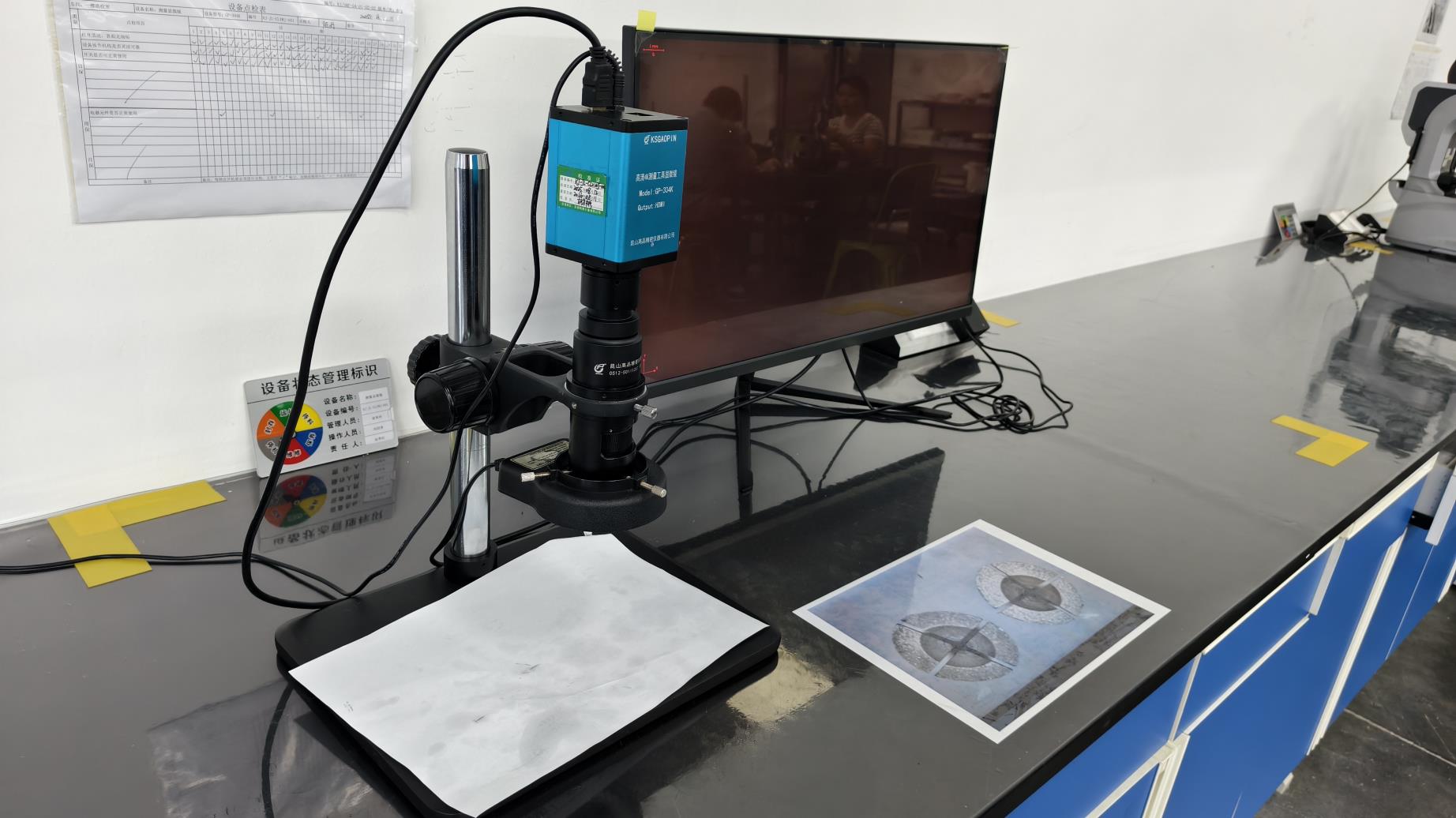
| Quality Inspection protocols | 100% Quality Inspection before shipment using coordinate measuring machines (CMM) and laser microscopes |
| Testing Methodologies | Dimensional inspection, Material chemistry analysis, Surface roughness analysis, Mechanical tensile & wear performance testing, Sterility validation |
| Dedicated QA/QC Staff | 48 highly qualified Quality Assurance specialists |
| Business Models supported | Direct Manufacturer, Custom OEM / ODM Development, Volume Exporter |
| Key Markets Serviced | North America, Western & Eastern Europe, South America, Middle East, Southeast Asia, Australia |
| Supply Chain Integrity | Networked with over 1,120 validated raw material and process partners globally |
| Target Client Profile | Global Medical Device Brands, Orthopedic Distributors, Specialized Hospitals, Importers, Government Tenders |
| R&D Capability & Output | Independent product design, rapid 3D printing prototyping, finite element analysis (FEA), custom engineering solutions |
| Customization Level | Custom laser branding, custom medical grade packaging, bespoke implant geometries based on CT/MRI scans |
| Recent R&D Performance | Successfully introduced 156 new products over the last fiscal year |
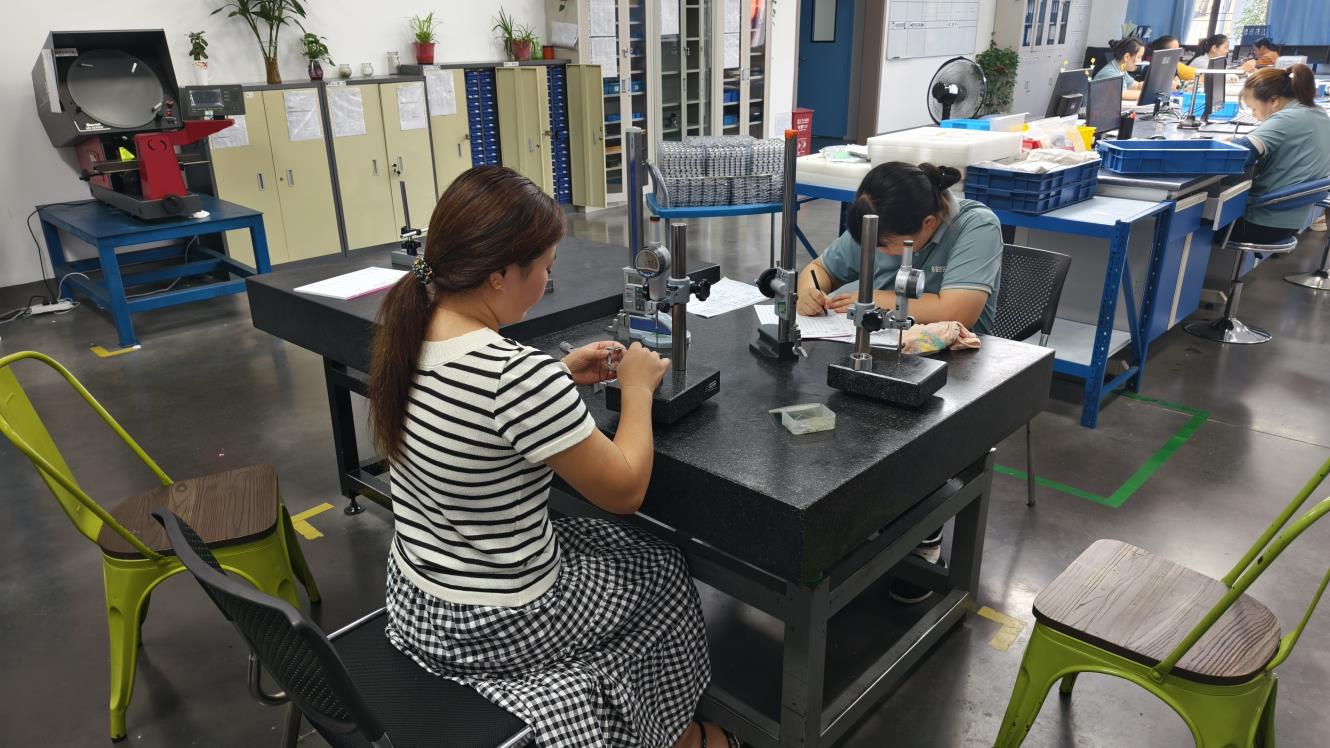
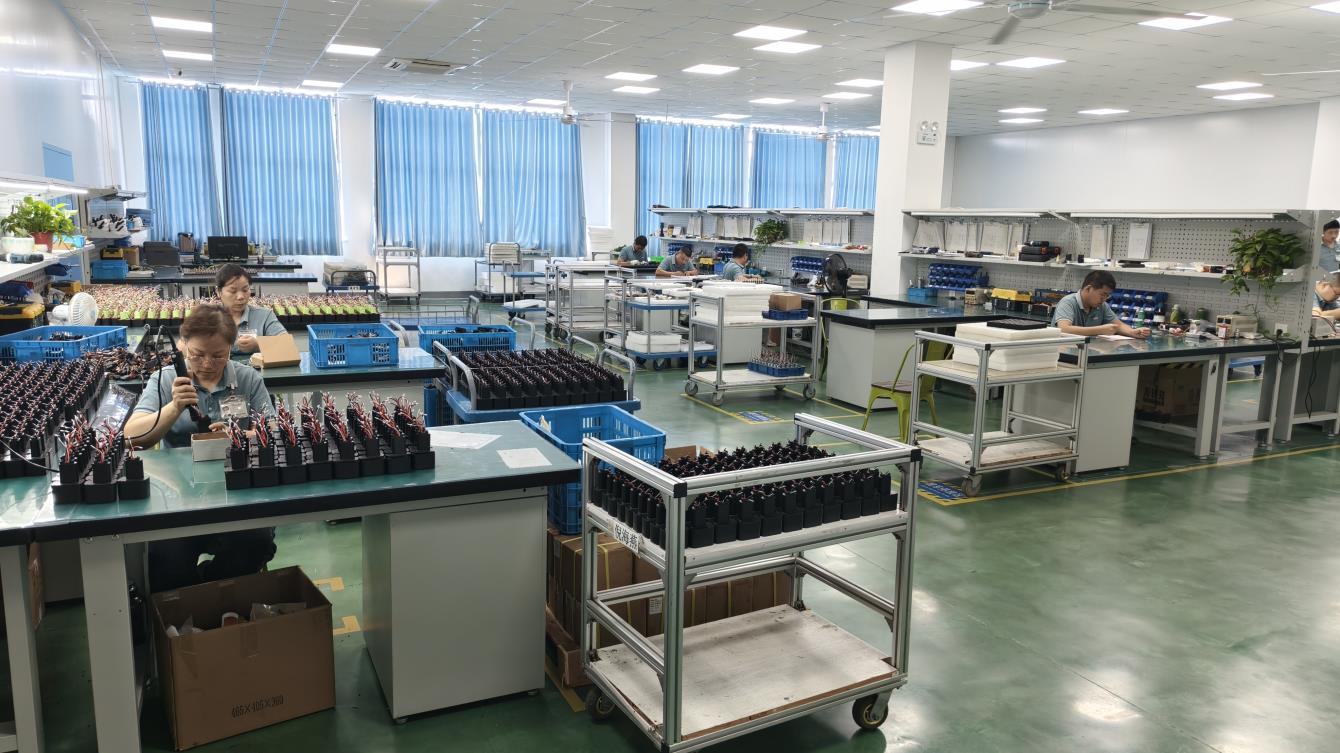
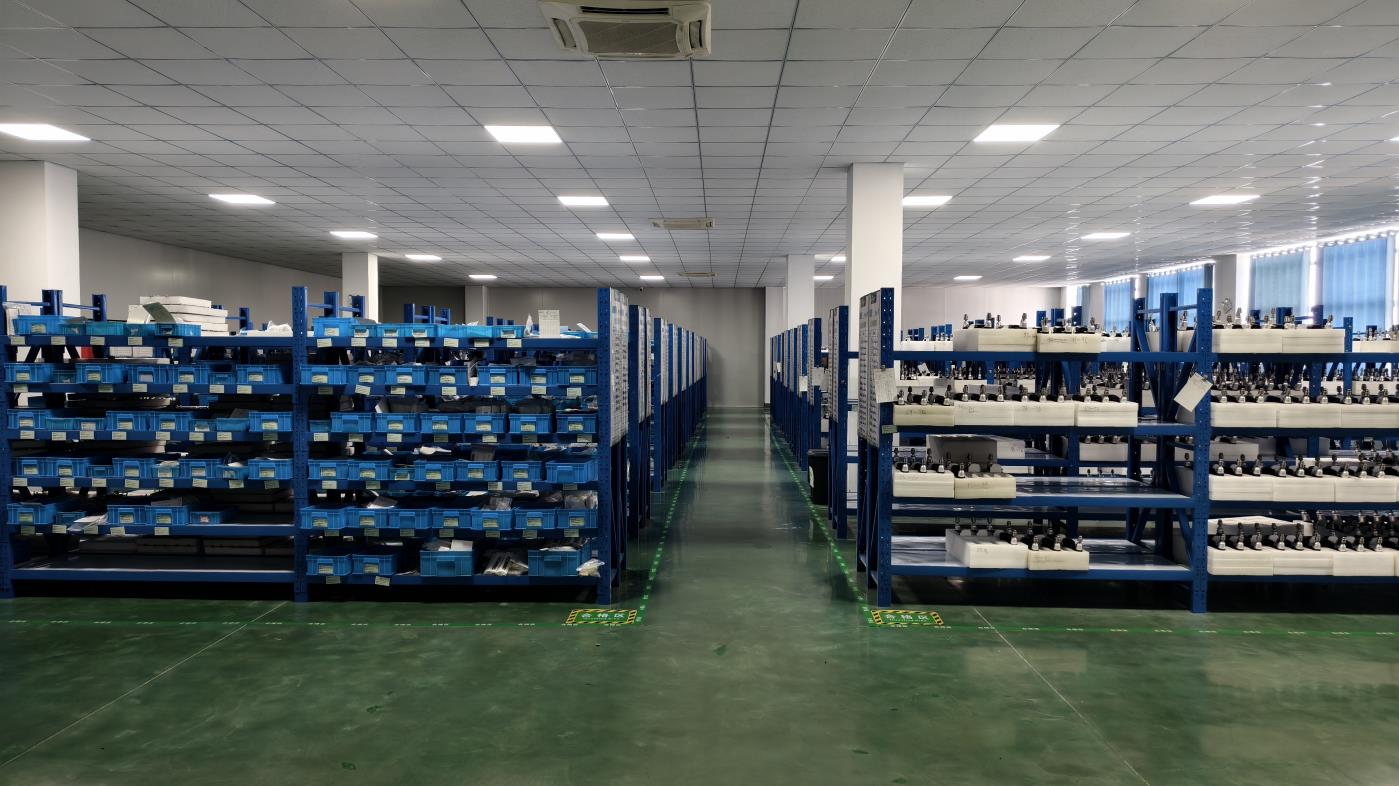
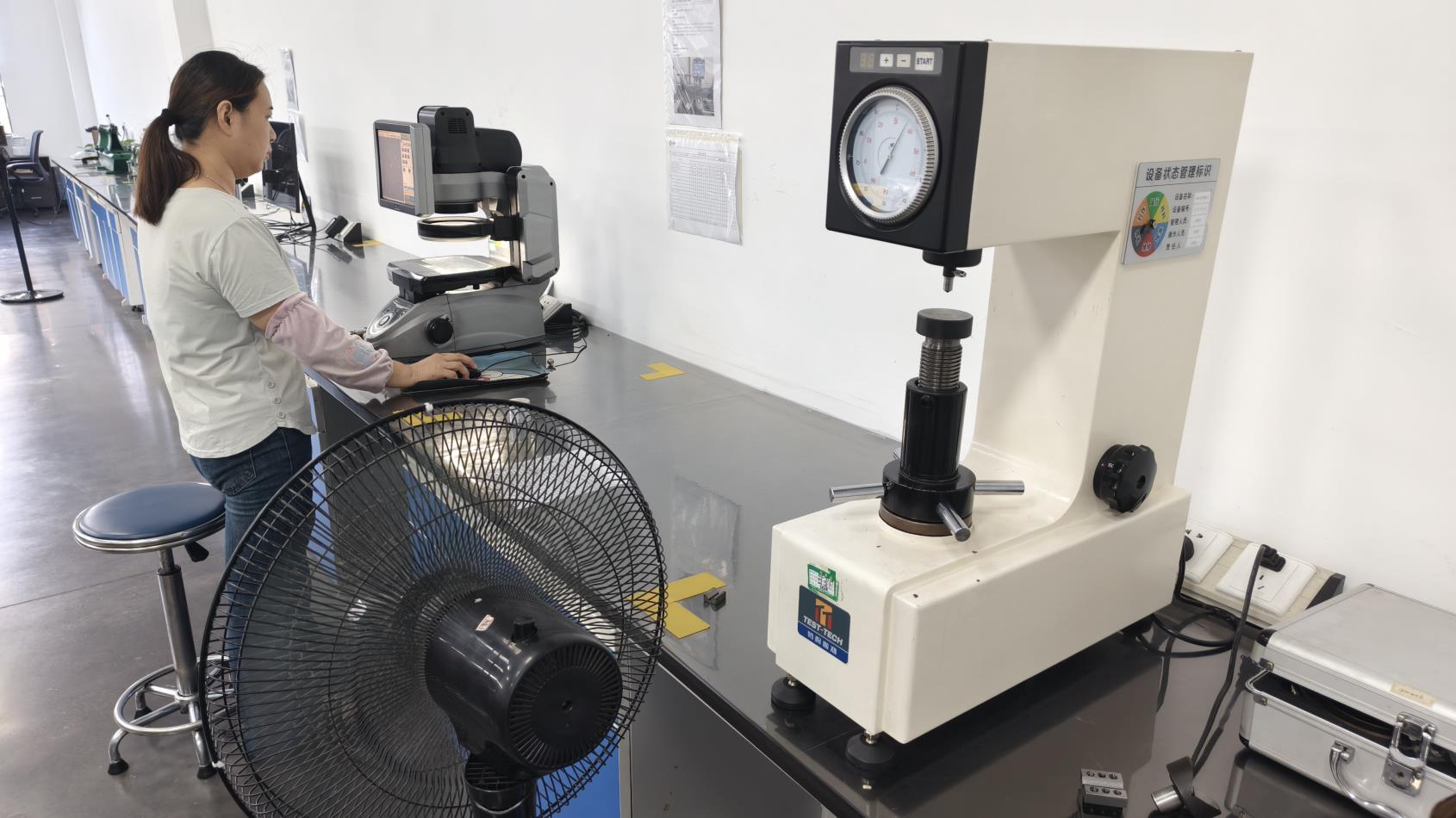
Visual breakdown of Moventra's advanced machining capability, testing technologies, and assembly spaces.
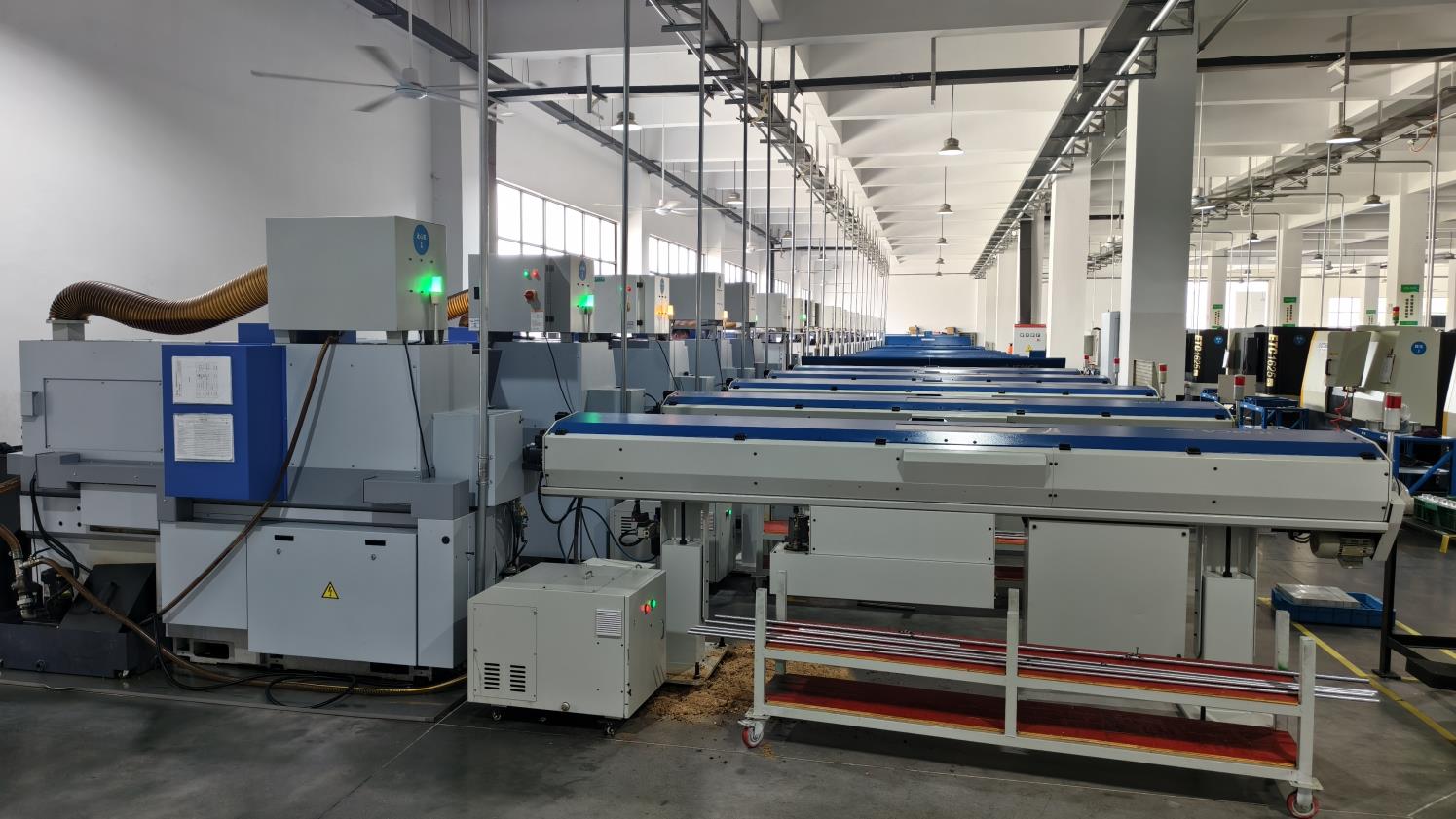
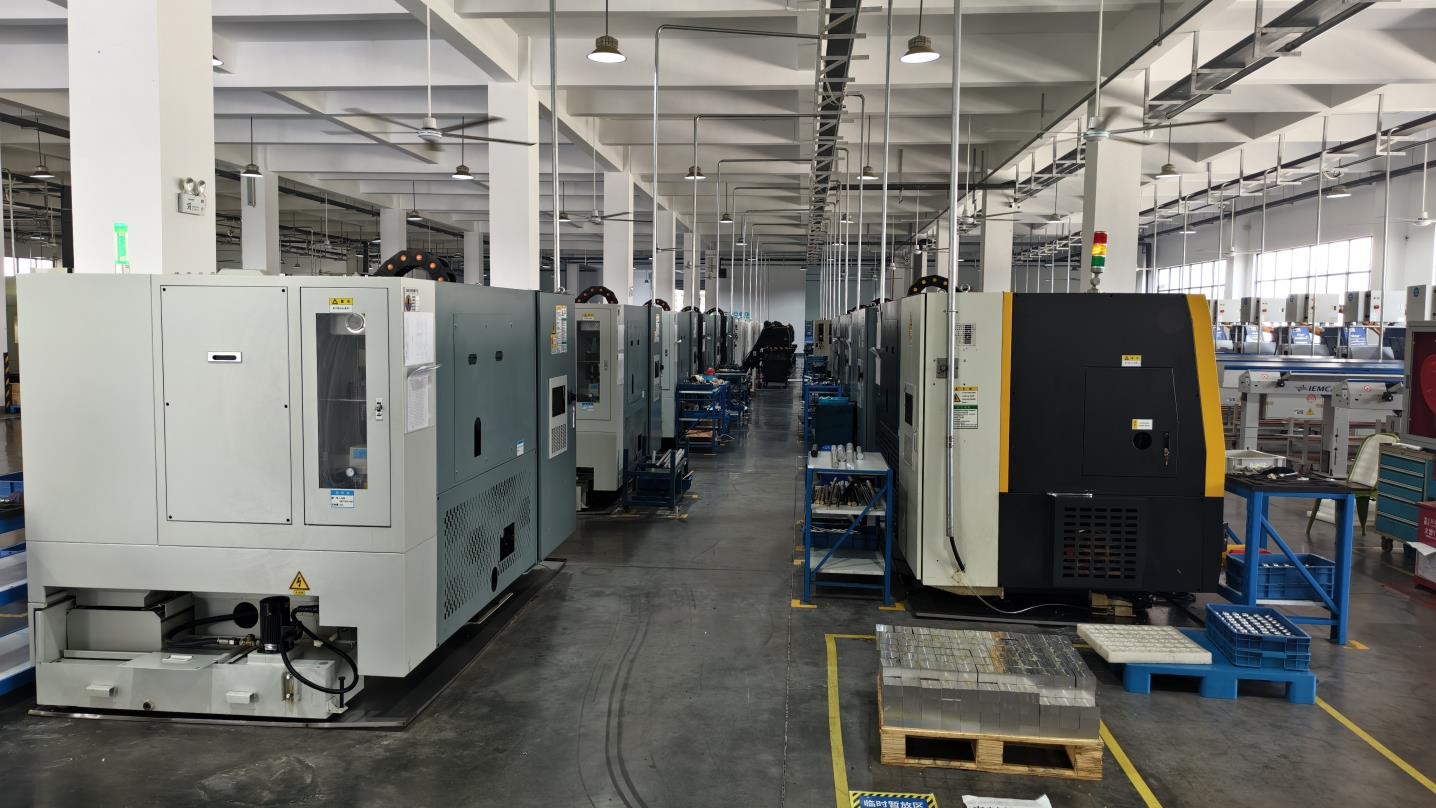
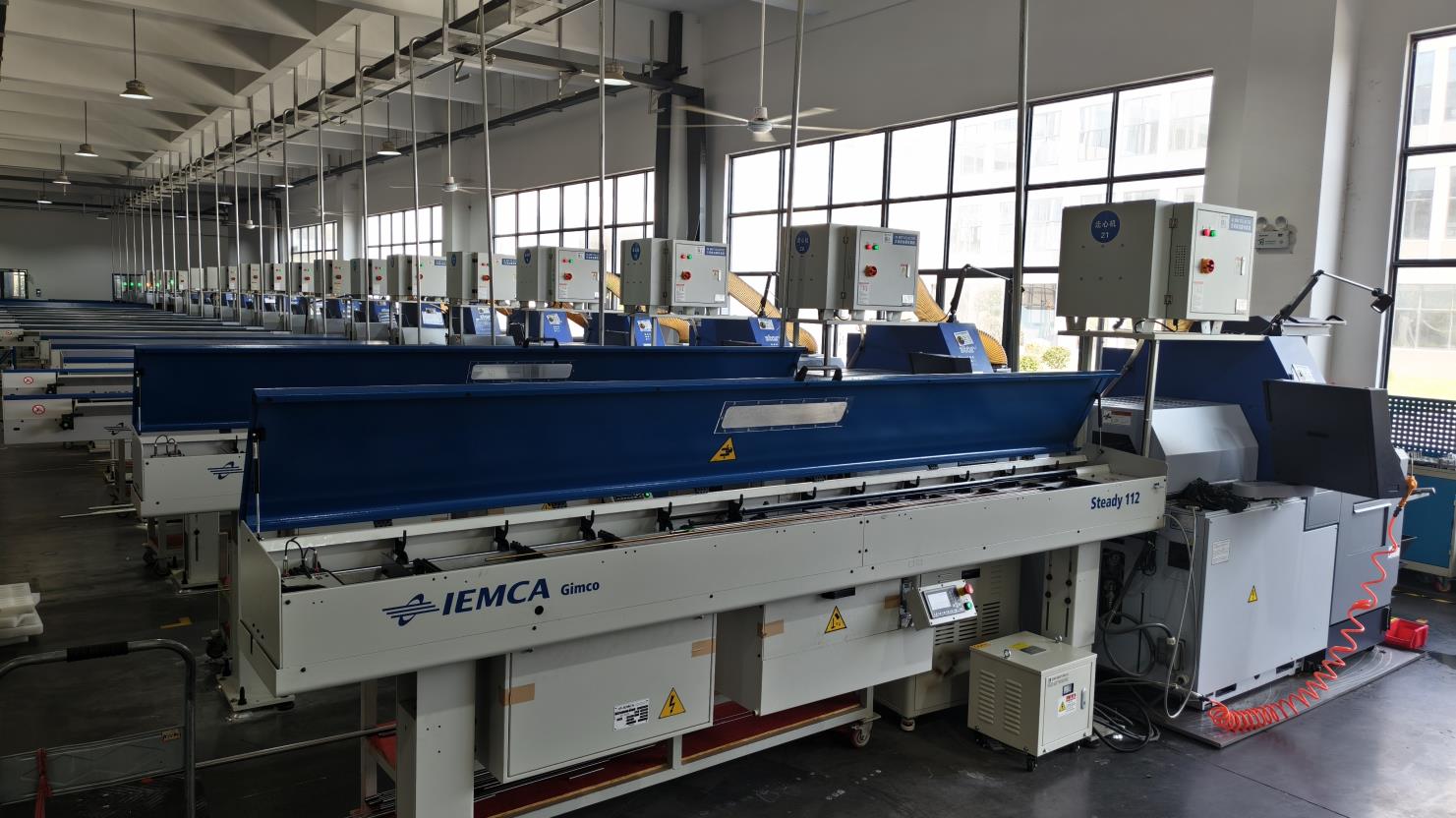
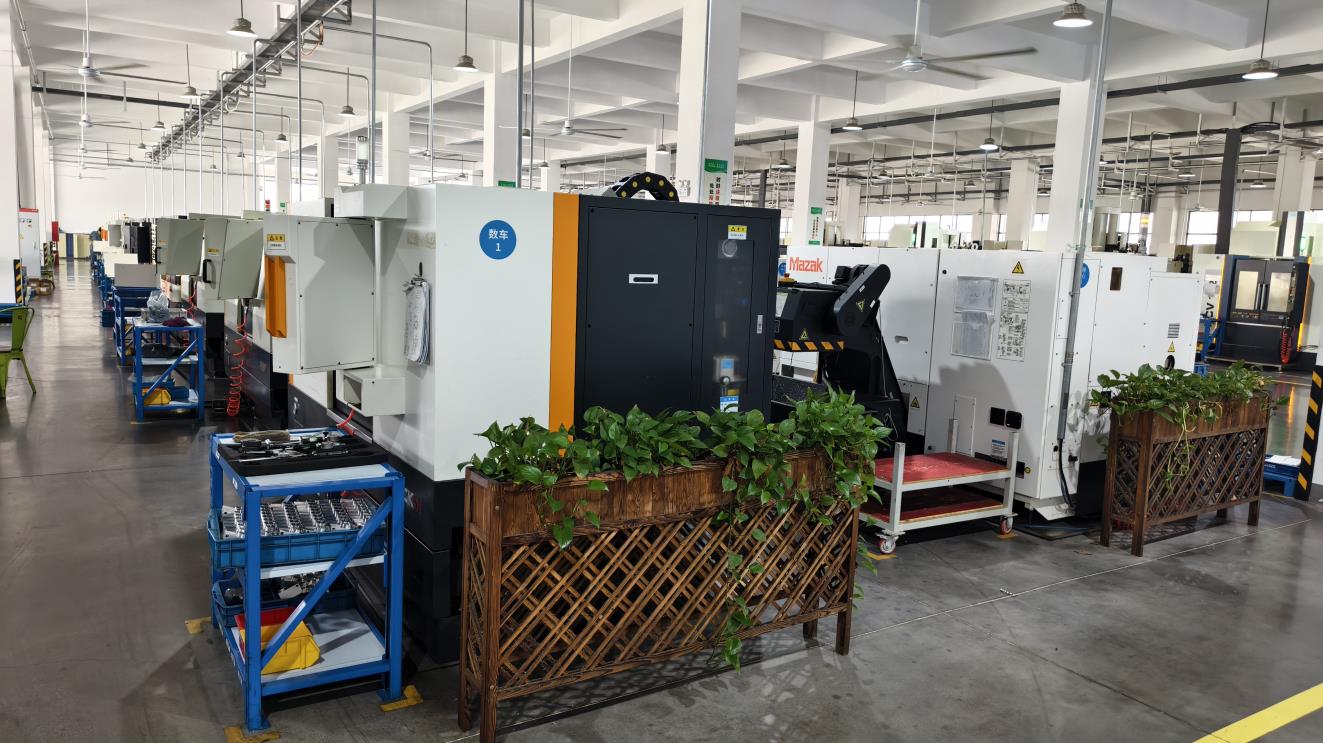
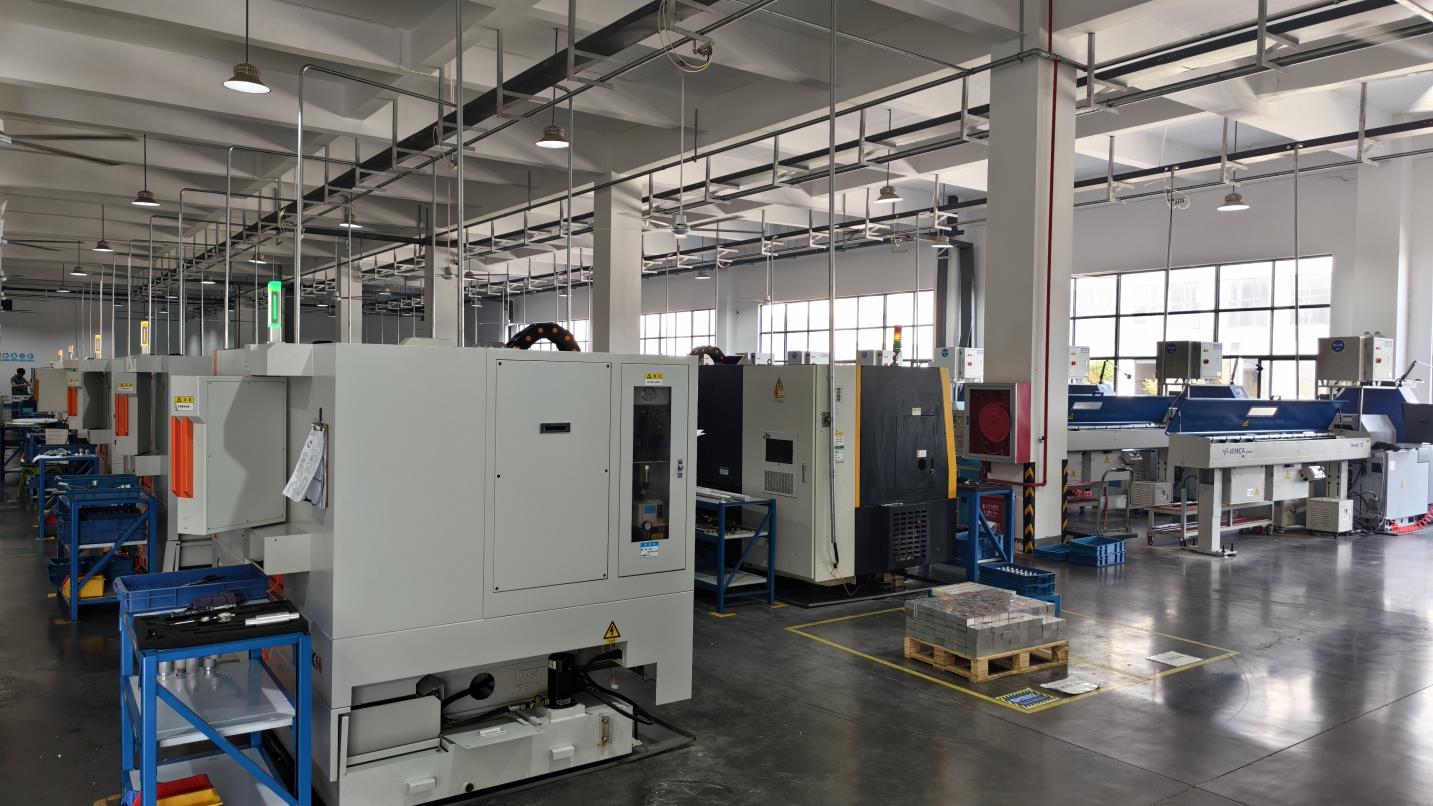
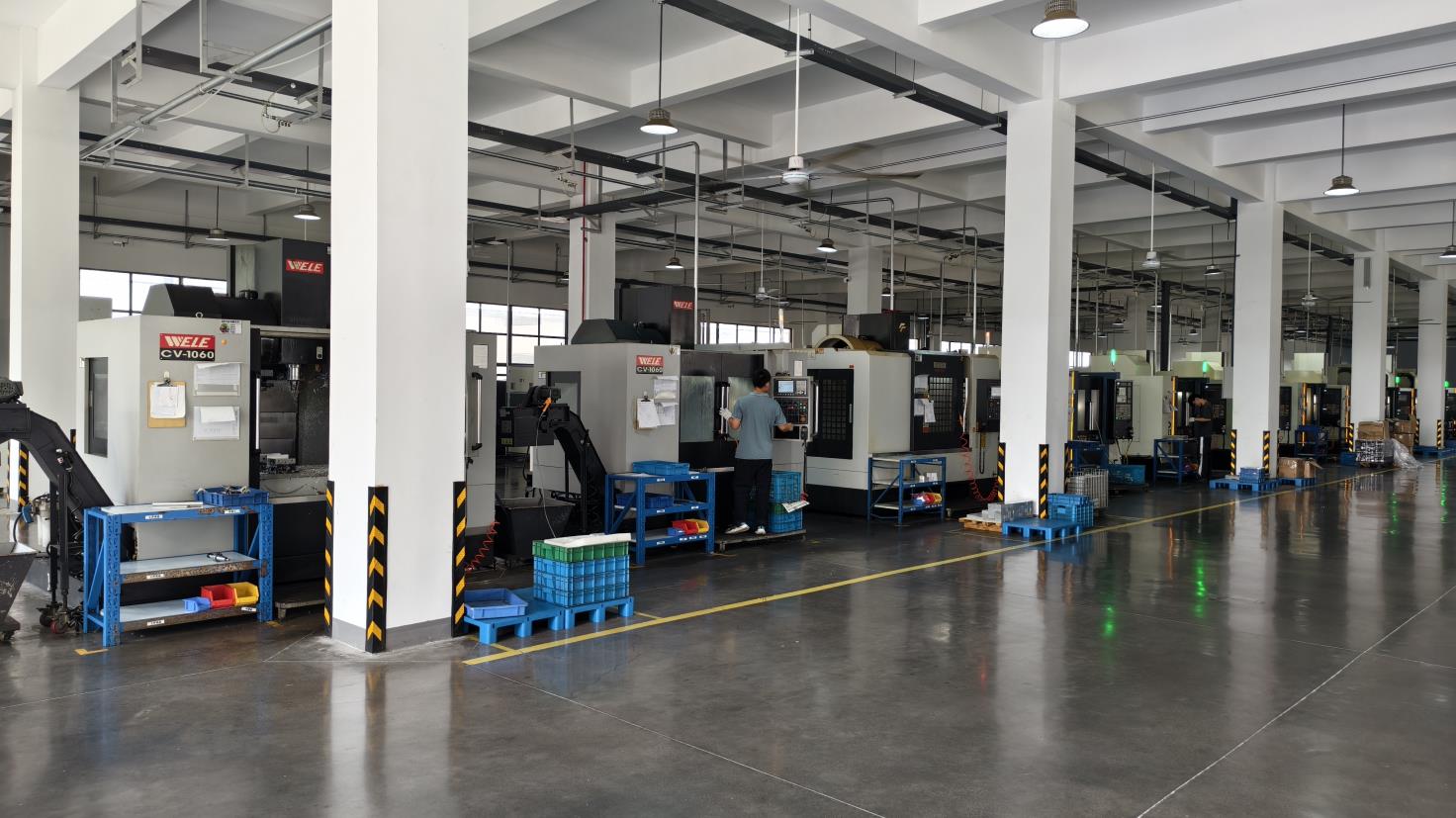
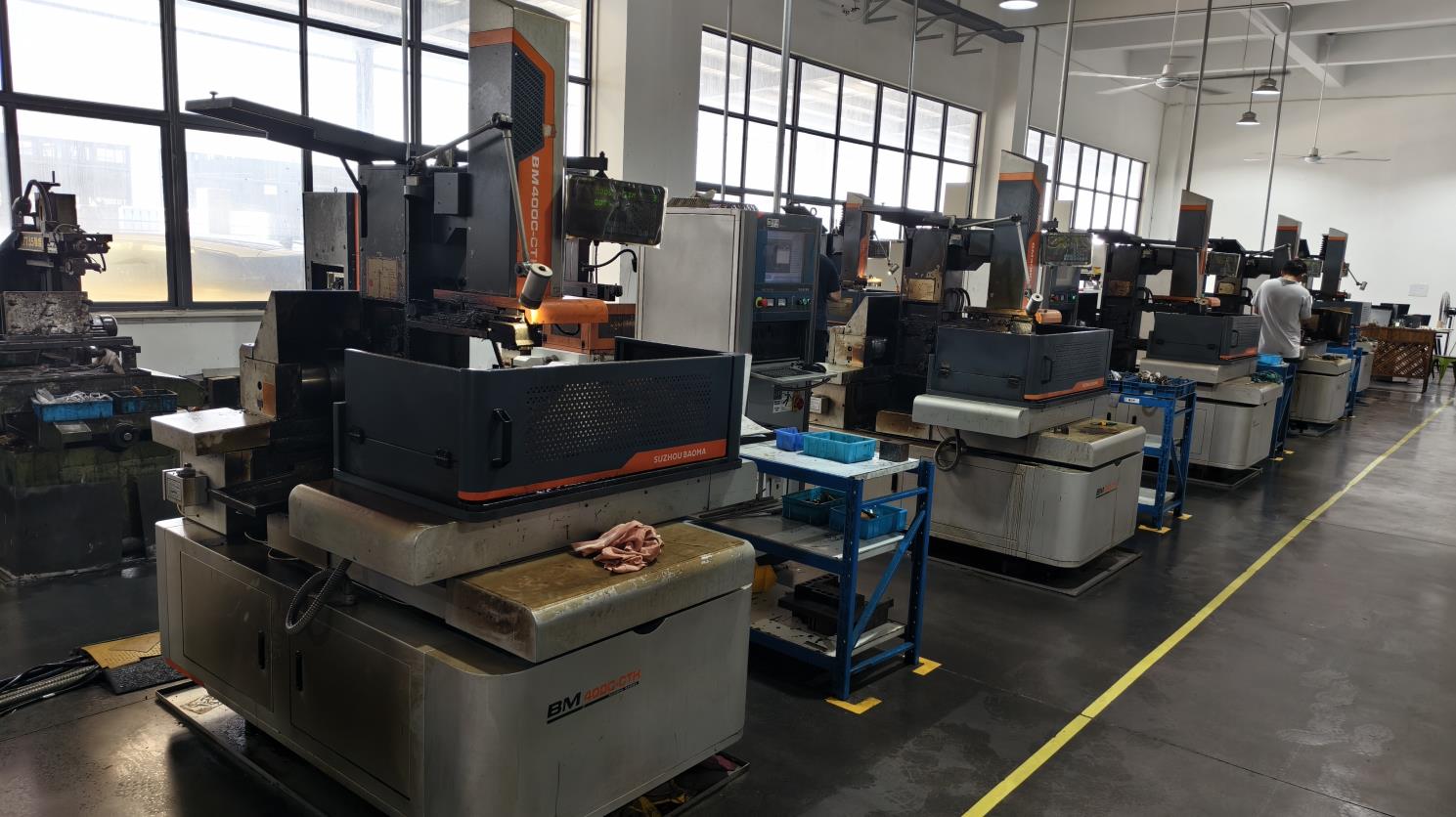
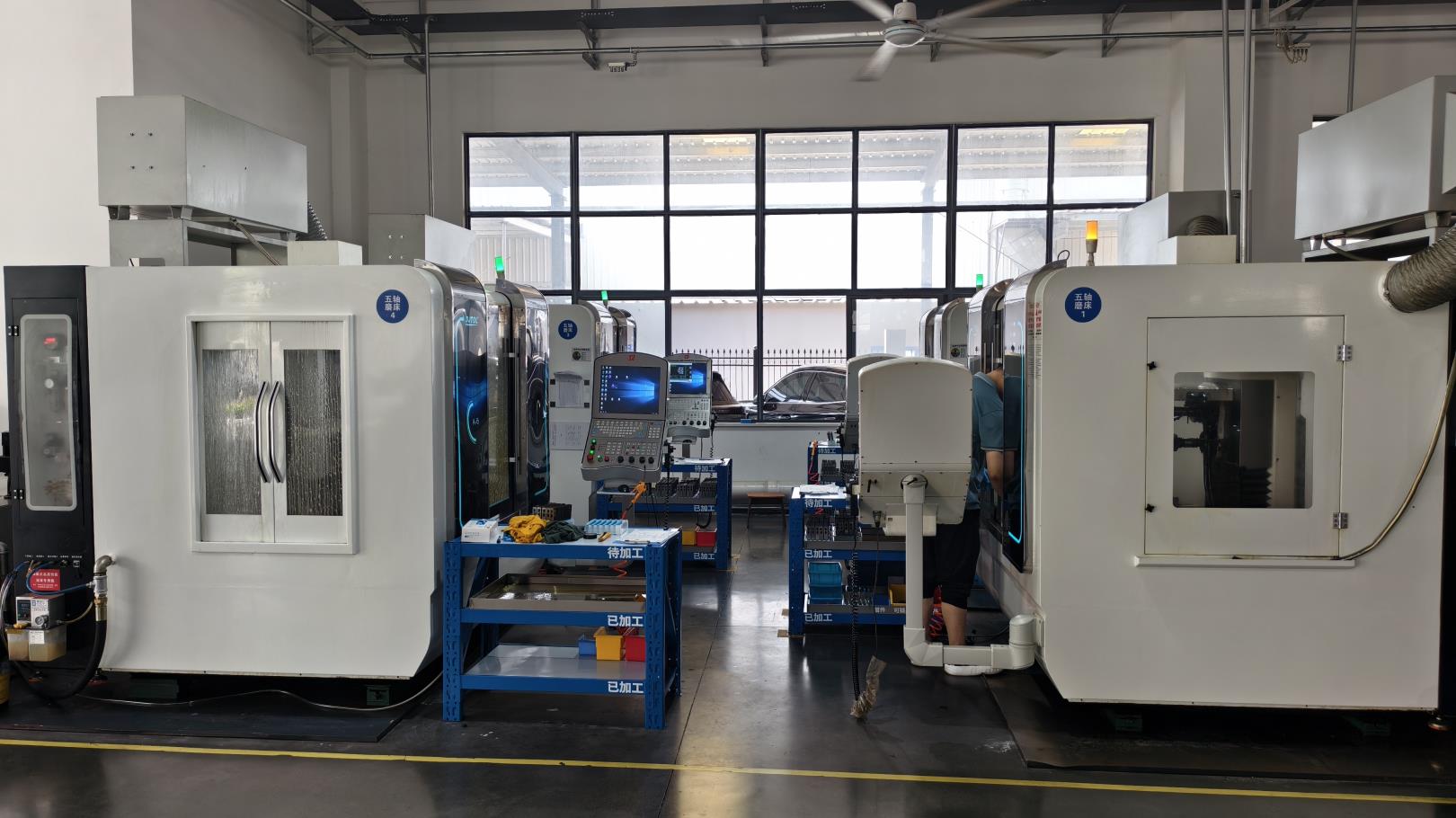
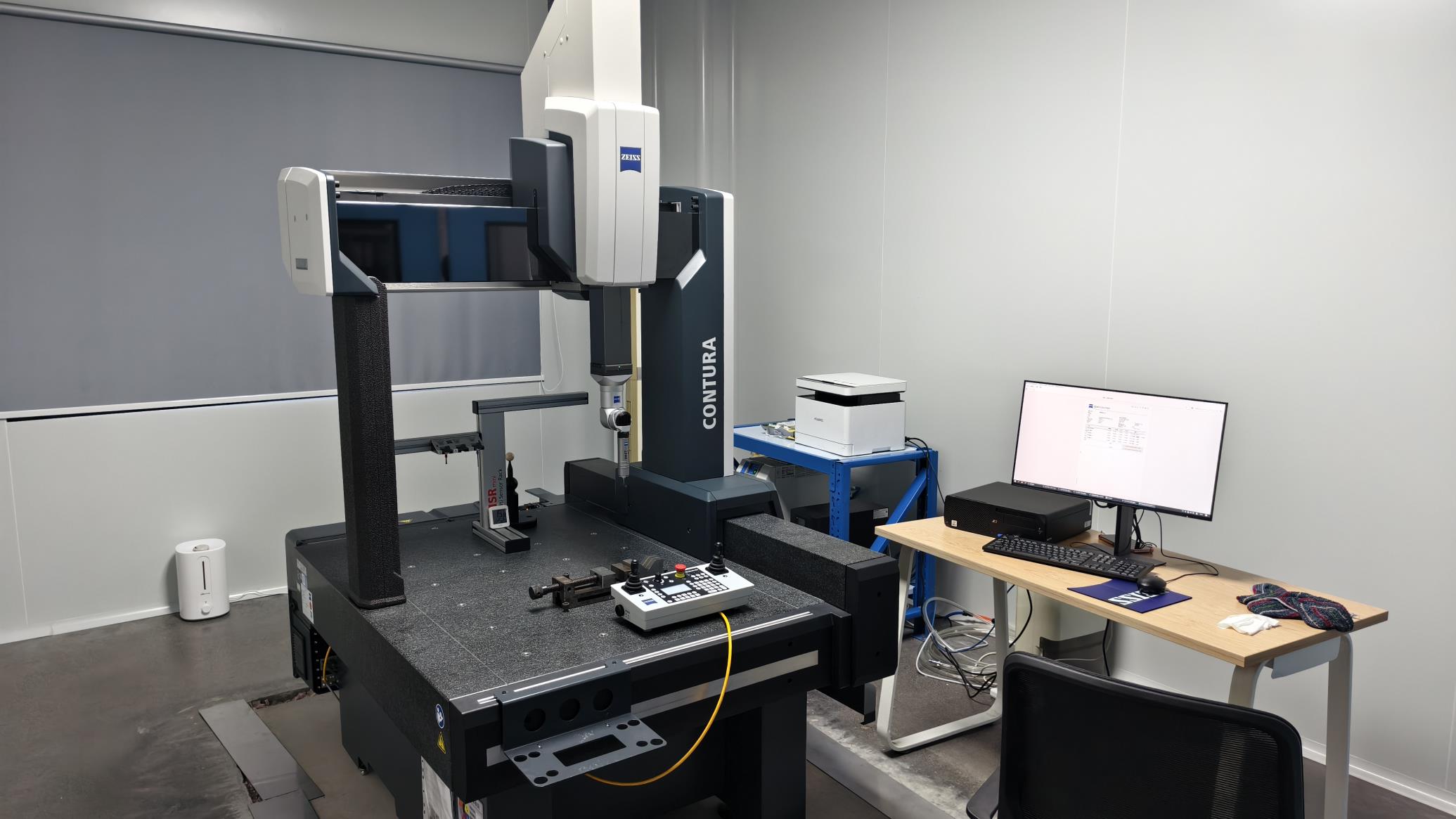
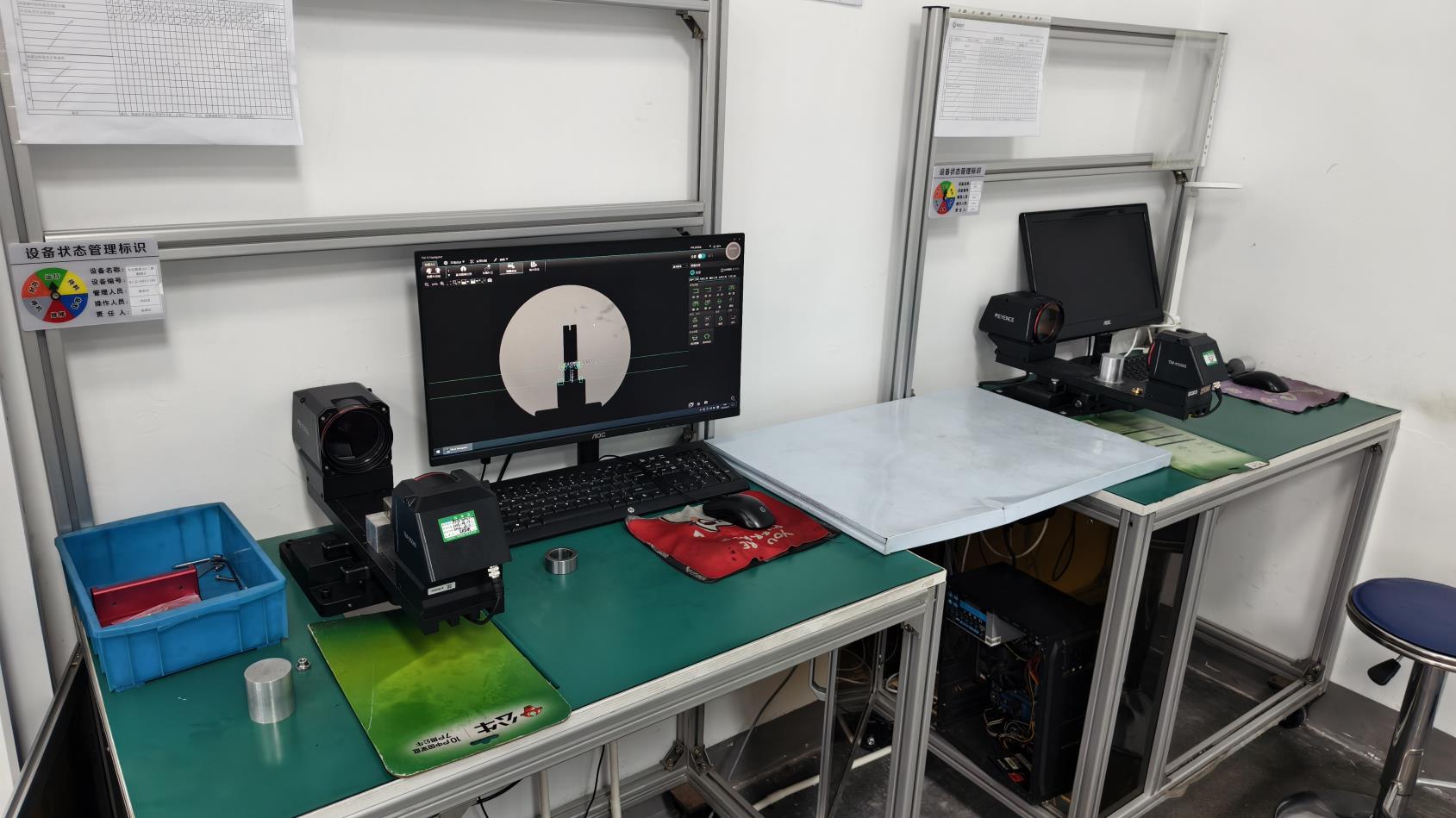
The structural efficacy of joint replacement components relies on material selection and advanced tribological design. Key materials must exhibit biocompatibility, fatigue resistance, and chemical stability in biological environments. At Moventra, we utilize certified, traceable medical-grade alloys and polymers to manufacture joint reconstruction implants and instrumentation:
Long-term mechanical stability depends on biological osseointegration. Moventra employs modern surface processing technologies, including plasma spraying, acid-etching, and automated abrasive blasting, to create micro-porous surface textures on titanium implants. These porous geometries resemble trabecular bone structure, encouraging rapid osteoblast attachment and vascular infiltration. For articulating surfaces, we achieve mirror-like finishes (surface roughness Ra < 0.02 μm) using multi-step automated polishing systems to minimize frictional coefficients.
Entering international healthcare markets requires adherence to strict quality management systems (QMS). As an established OEM/ODM contract manufacturer, Moventra's operations align with global regulatory frameworks, including ISO 13485:2016, the European Union Medical Device Regulation (EU MDR 2017/745), and US FDA 21 CFR Part 820 Quality System Regulations.
Our quality control program is managed by a team of 48 QA/QC professionals who monitor every production stage. Raw material verification includes optical emission spectrometry (OES) and mechanical tensile testing to ensure compliance with ASTM and ISO standards. Machined parts undergo dimensional validation using high-precision coordinate measuring machines (CMM) calibrated to sub-micron accuracy.
For implants shipped in a sterile state (sterile-packed, direct-to-hospital), we perform sterilization validation studies to establish a Sterility Assurance Level (SAL) of 10-6. Packaging processes are carried out in Class 10,000 (ISO Class 7) and Class 100,000 (ISO Class 8) cleanrooms, where environmental particulates, microbial load, and relative humidity are continuously monitored.
How our customized joint components and orthopedic kits solve key challenges for surgical teams.
We supply femoral stems, acetabular cups, and ultra-high-molecular-weight polyethylene (UHMWPE) liners designed for long-term wear resistance, reducing osteolysis and implant loosening in primary hip and knee replacement procedures.
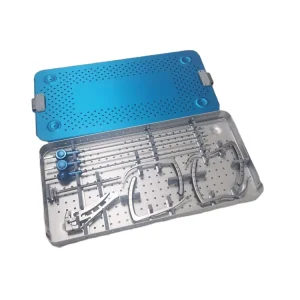
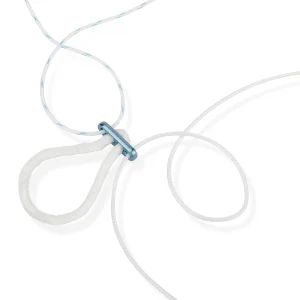
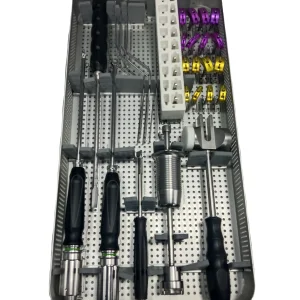
Our ACL/PCL reconstruction instrument sets, interference screws, and adjustable loop plates assist sports medicine surgeons in performing anatomical ligament reconstructions with reliable, high-strength fixation.
We engineer customized bone-conserving solutions, revision stems, and modular metal augmentation blocks to address complex bone loss and structural instability during revision joint surgeries.
Moventra continues to align its research and development with emerging industry standards. Over the next five years, our technological roadmap focuses on three key areas in orthopedic manufacturing:
Direct Metal Laser Sintering (DMLS) using medical titanium alloy powders allows for the production of complex, highly customized trabecular structures. We are expanding our 3D printing capabilities to manufacture integrated porous implants that eliminate the risk of coating delamination and support faster bone ingrowth.
The future of joint replacement includes postoperative feedback. We are developing prototype sensor-embedded knee instrumentation trial components capable of measuring intraoperative joint balance and contact forces. This real-time diagnostic data helps surgeons optimize ligament balancing and component alignment during surgery.
Using machine learning models trained on orthopedic imaging data, our R&D team is developing automated design platforms. These systems automatically generate custom implant designs and toolpath instructions directly from patient CT scan data, reducing production lead times for custom implants from weeks to days.
Answers to common technical, manufacturing, and supply chain questions from medical device distributors and brand managers.
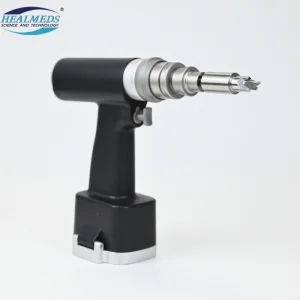
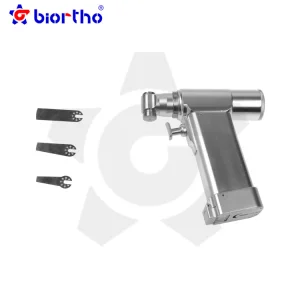
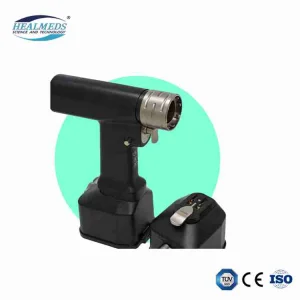
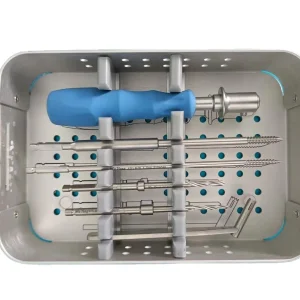
High-durability power tools, spinal implants, and trauma plate systems engineered for demanding clinical environments.

 Moventra Medical