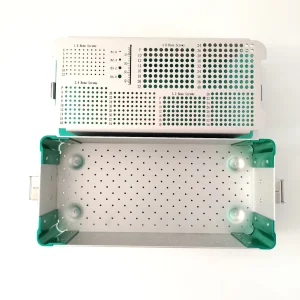
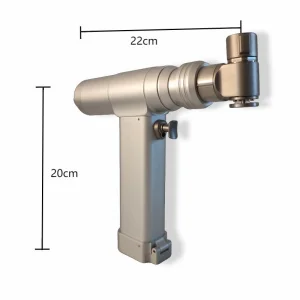
Explore our core surgical systems, fixation hardware, and precise power tools engineered for human and veterinary applications.
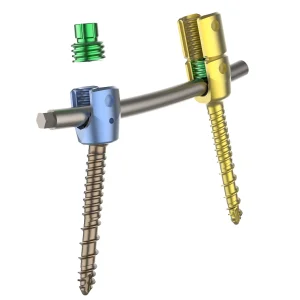
Spinal stabilization procedures rely heavily on posterior fixation assemblies where the spinal rod serves as the structural backbone. The design, metallurgical profile, and mechanical tolerances of these rods dictate the clinical success of scoliosis correction, degenerative disc therapies, and spinal trauma management. For orthopedic surgeons and purchasing teams, specifying the correct rod properties is vital to minimizing implant failure rates and ensuring dynamic sagittal balance alignment.
As a premier OEM/ODM Titanium Spinal Rods manufacturer, Moventra Medical Technology understands that the balance between rigidity and fatigue-resistance defines clinical durability. By leveraging medical-grade Ti-6Al-4V ELI (Grade 23) and customized surface finishes, we fabricate orthopedic hardware capable of sustained performance under continuous physiological loads without structural degradation.
Leveraging 13 years of advanced orthopedic device design and production capabilities from our state-of-the-art facility in China.
| Profile Item | Manufacturing & Export Capabilities Detail |
|---|---|
| Company Name | Moventra Medical Technology (China) Co., Ltd. |
| Established | 2017 (Featuring 13 Years of Core Industrial Experience) |
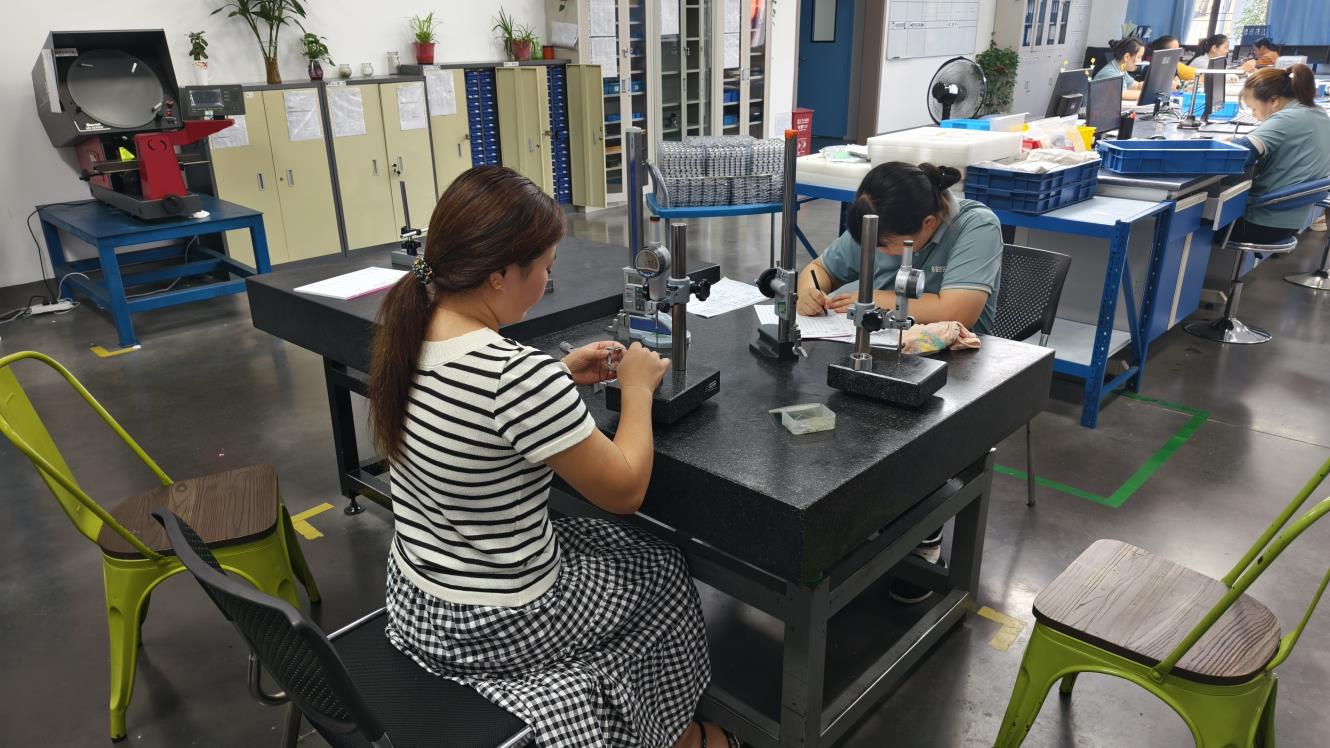
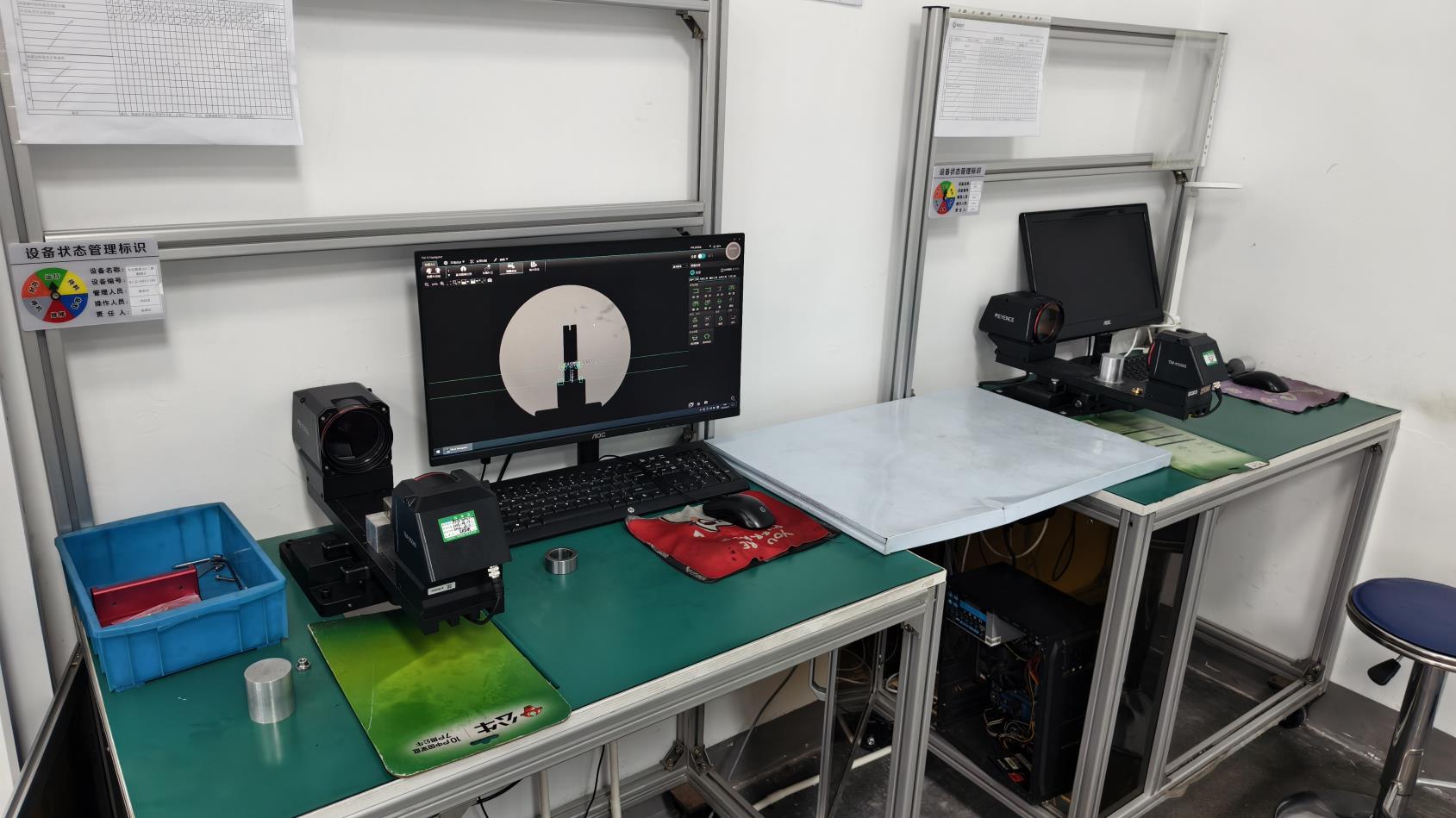
| Quality Inspection | 100% Comprehensive Inspections & Verification protocols before dispatch |
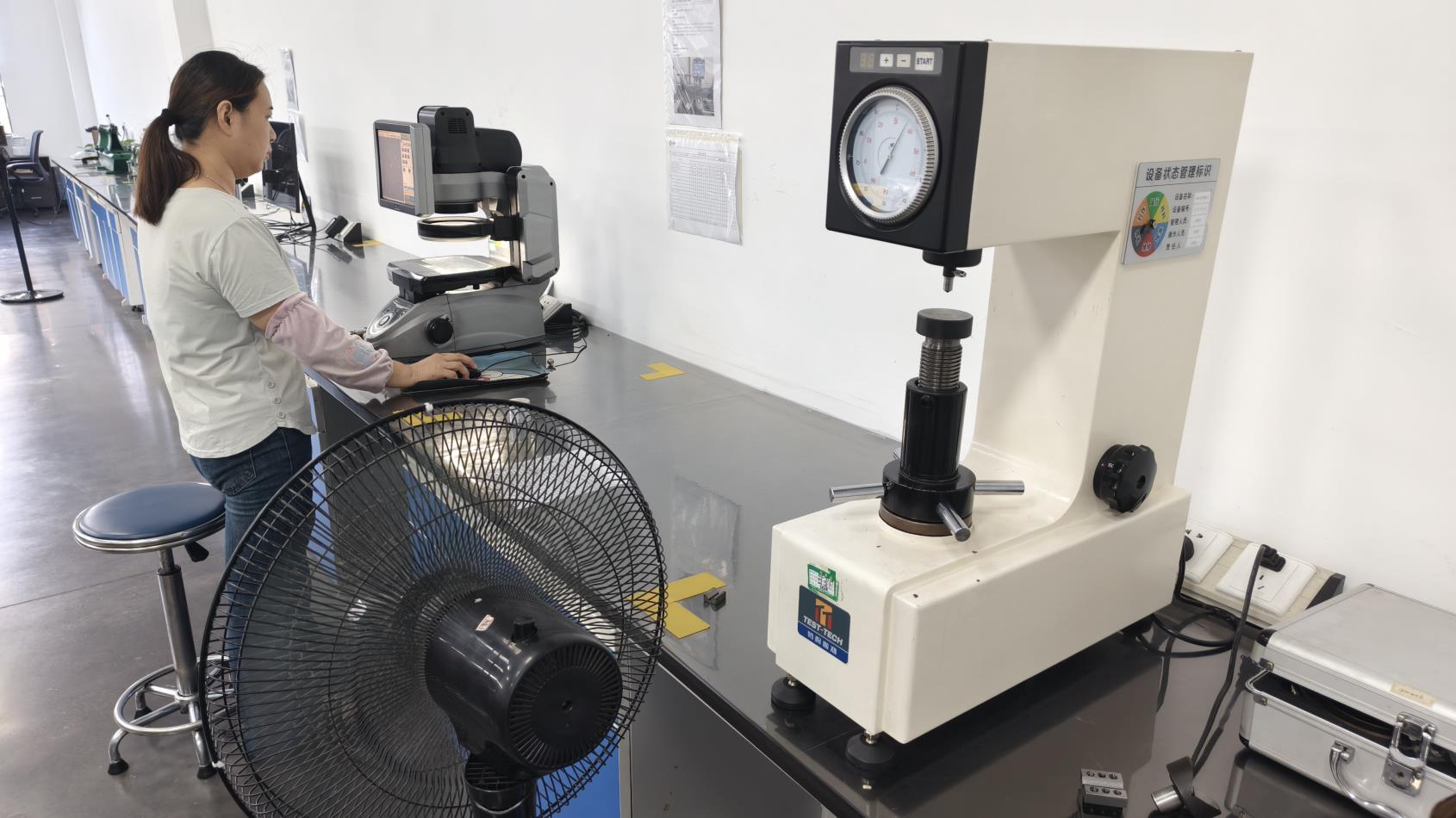
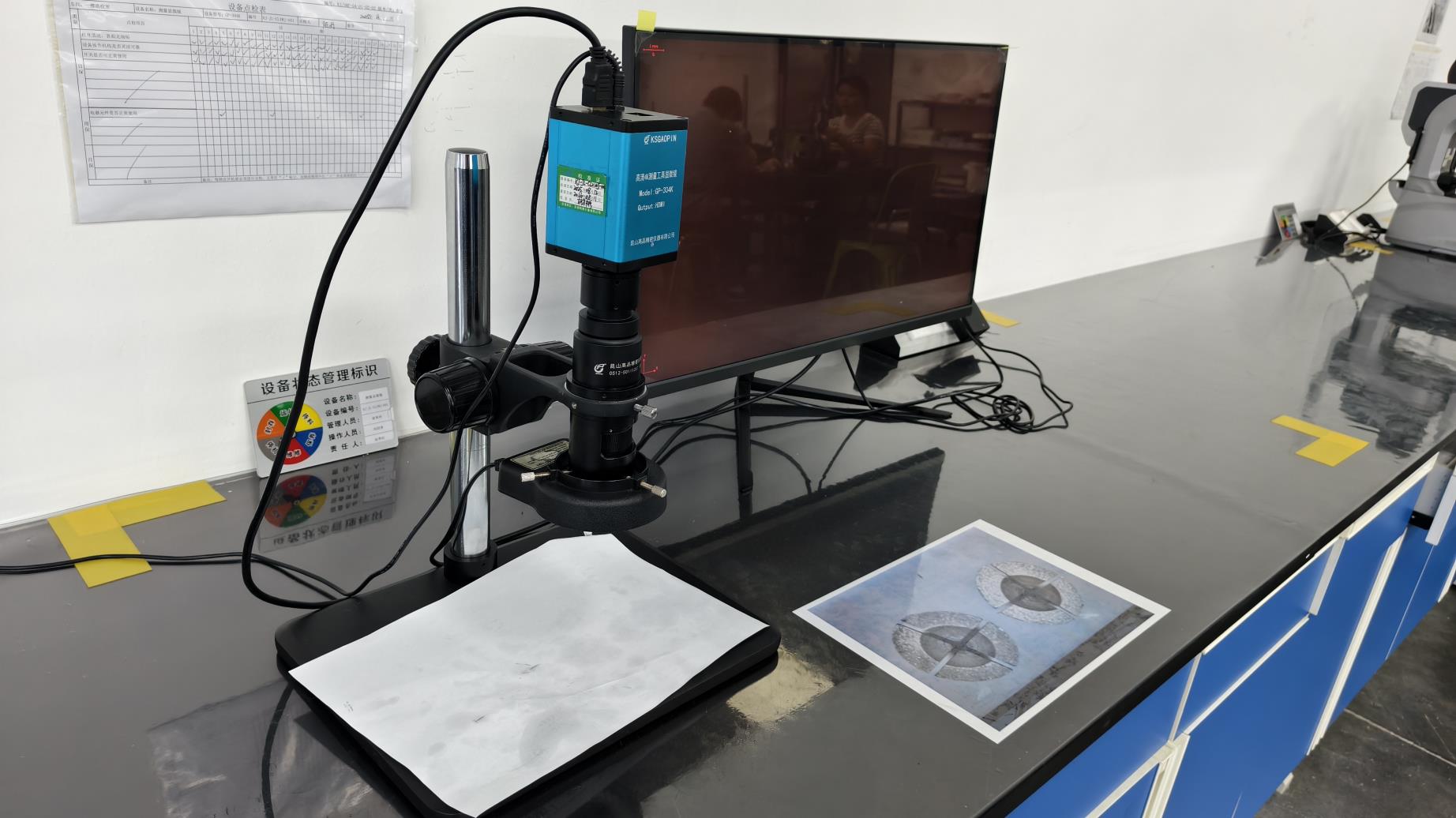
| Product Inspection Methods | Dimensional Metrology, Material Chemistry Analysis, Surface Finish Profiling, Mechanical Fatigue Testing, Sterility Validation |
| Core Business Verticals | Manufacturer, OEM/ODM Design Partner, International Exporter |
| Global Distribution Footprint | North America, Europe, South America, Middle East, Southeast Asia, Australia |
| Supply Chain Network | 1,120 Certified Material & Process Partners |
| Engineering Capabilities | Independent Design, Rapid Metal Prototyping, Custom Profile Extrusions, AO Standard Testing |
| OEM Customization Scope | Laser Marking/Logo Branding, Custom Blister & Carton Packaging, Dimensional Profiling (Ø5.5mm, Ø6.0mm, custom hex-ends) |
| Product Innovation Rate | 156 New Orthopedic Devices & Components Launched Annually |
Procuring spinal implants for national health networks, hospital purchasing alliances, or global medical device brands demands strict adherence to regulatory protocols. Technical buyers are not merely purchasing hardware; they are managing clinical risk. The primary expectations from an OEM partner are material traceability, regulatory documentation (CE, FDA pathways, ISO certificates), and batch-to-batch consistency.
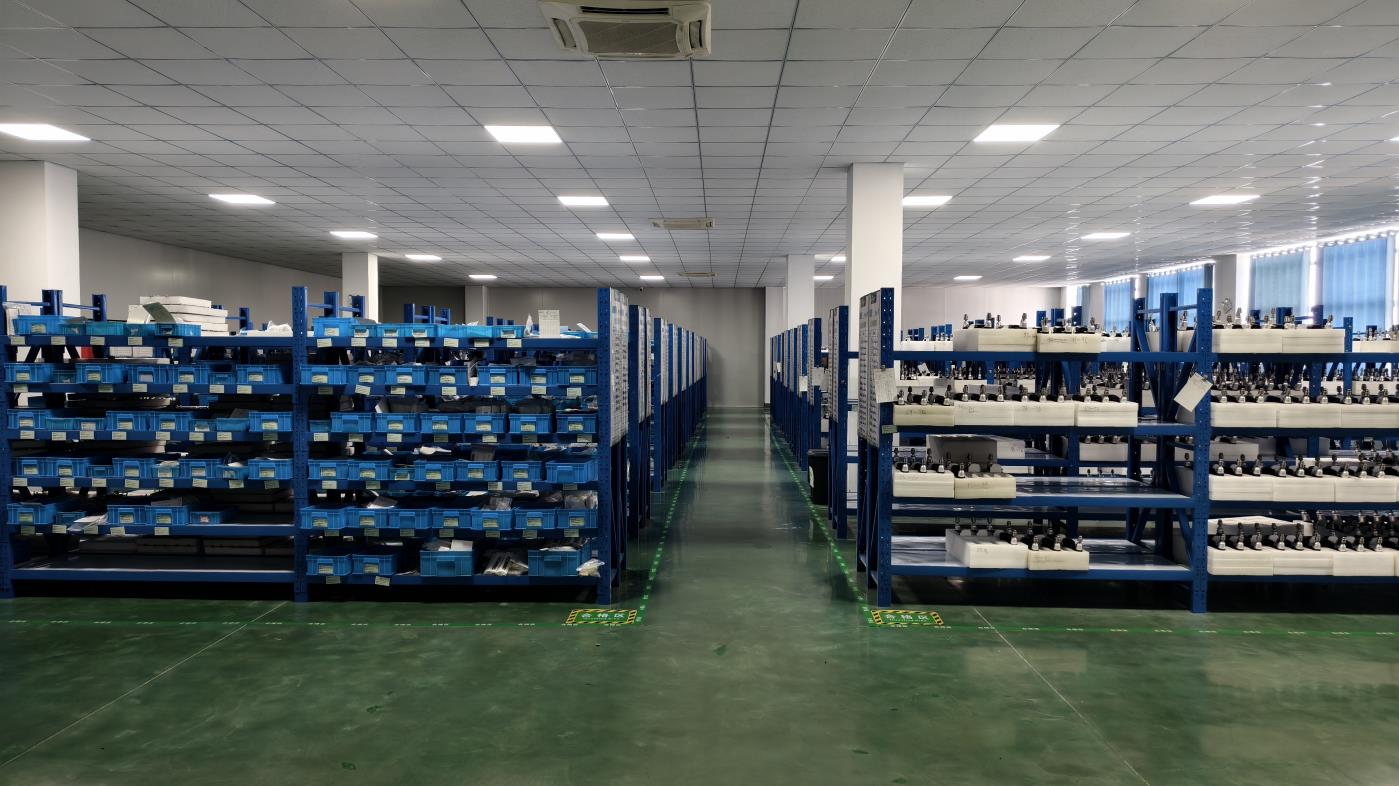
At Moventra, our supply chain guarantees 100% raw material verification. Each shipment of raw titanium alloy bars is accompanied by chemical melt sheets and mechanical properties declarations. Our manufacturing facility undergoes routine internal and third-party audits to maintain compliance with ISO 13485 standards, giving global buyers total confidence in raw material source legitimacy and manufacturing control.
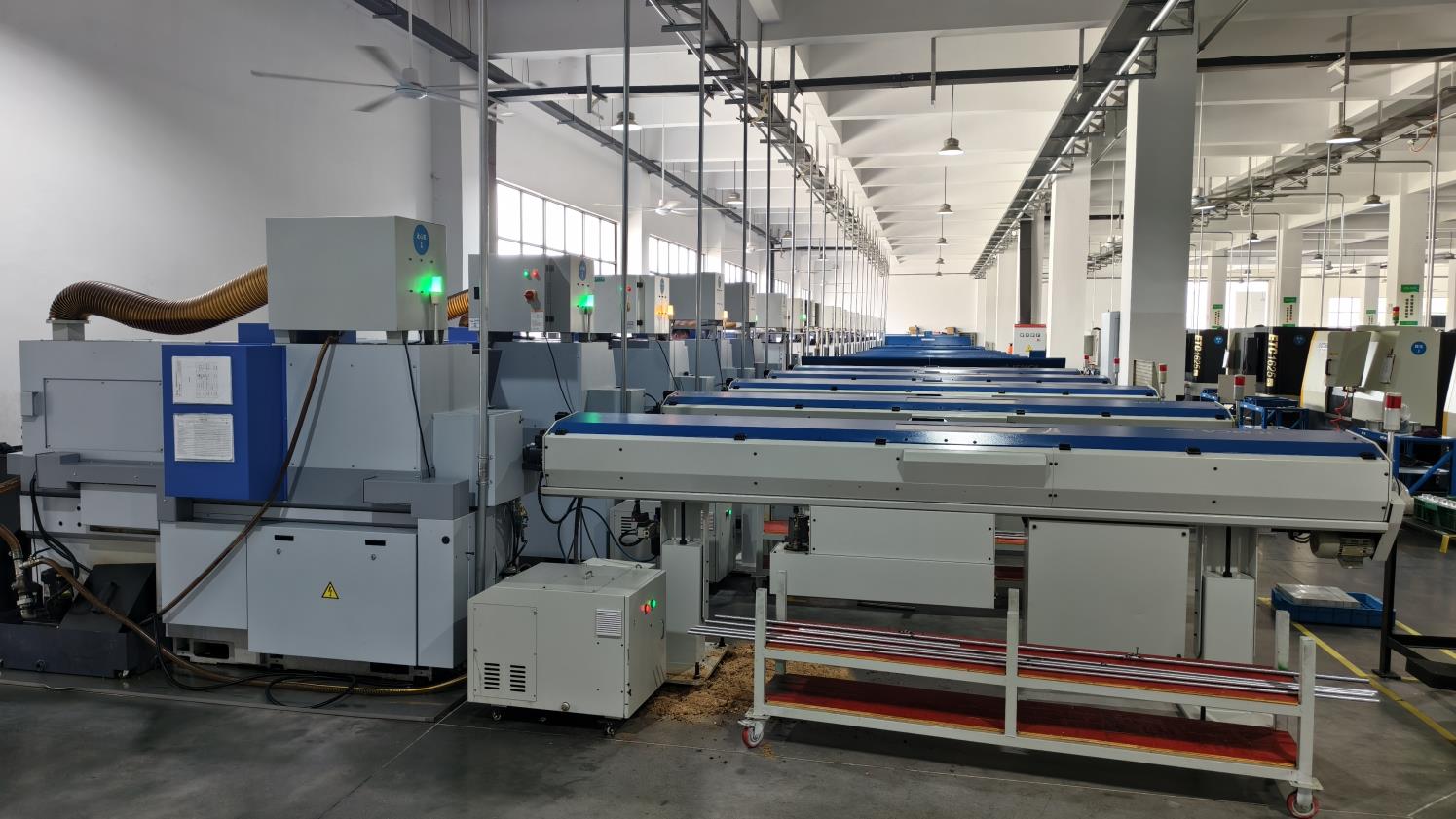
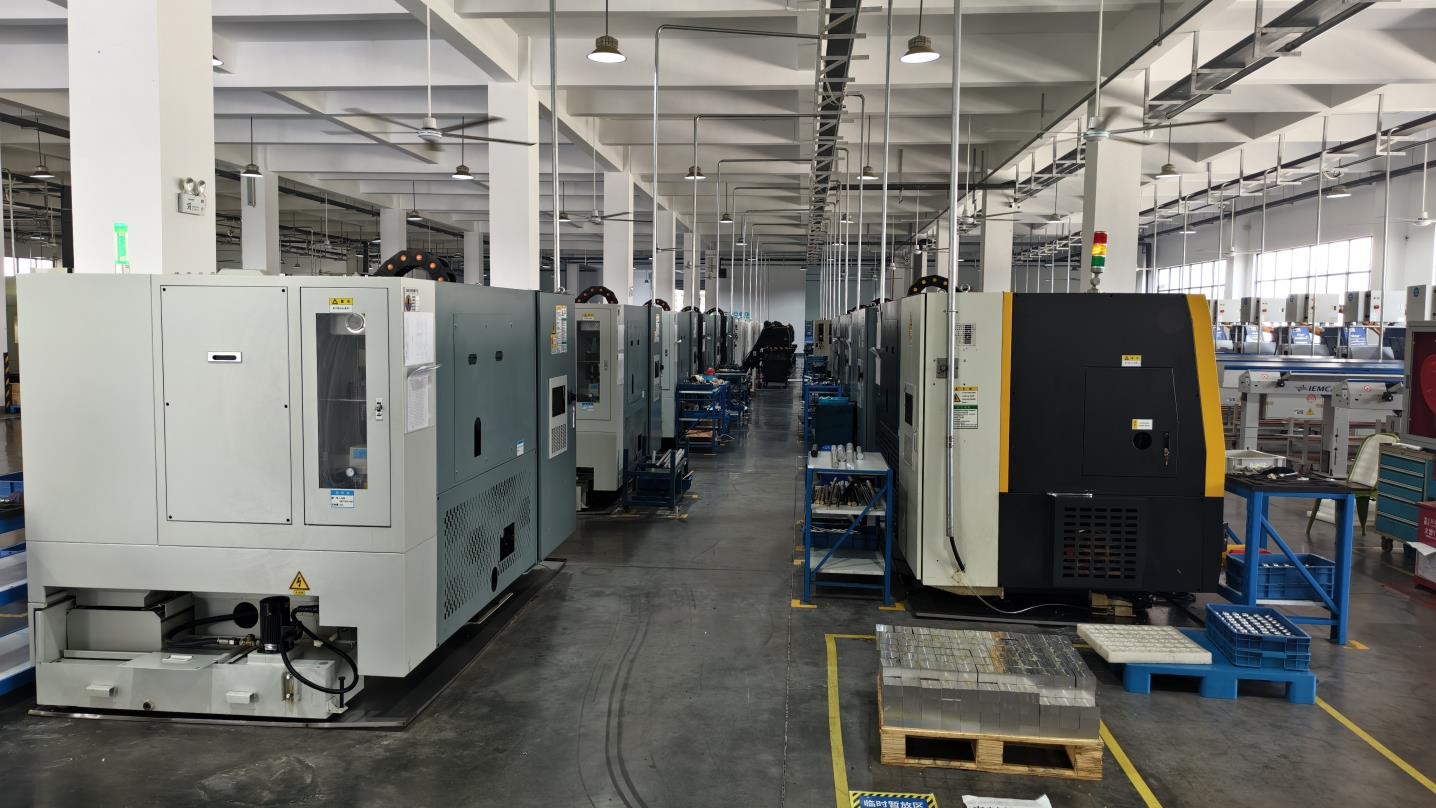
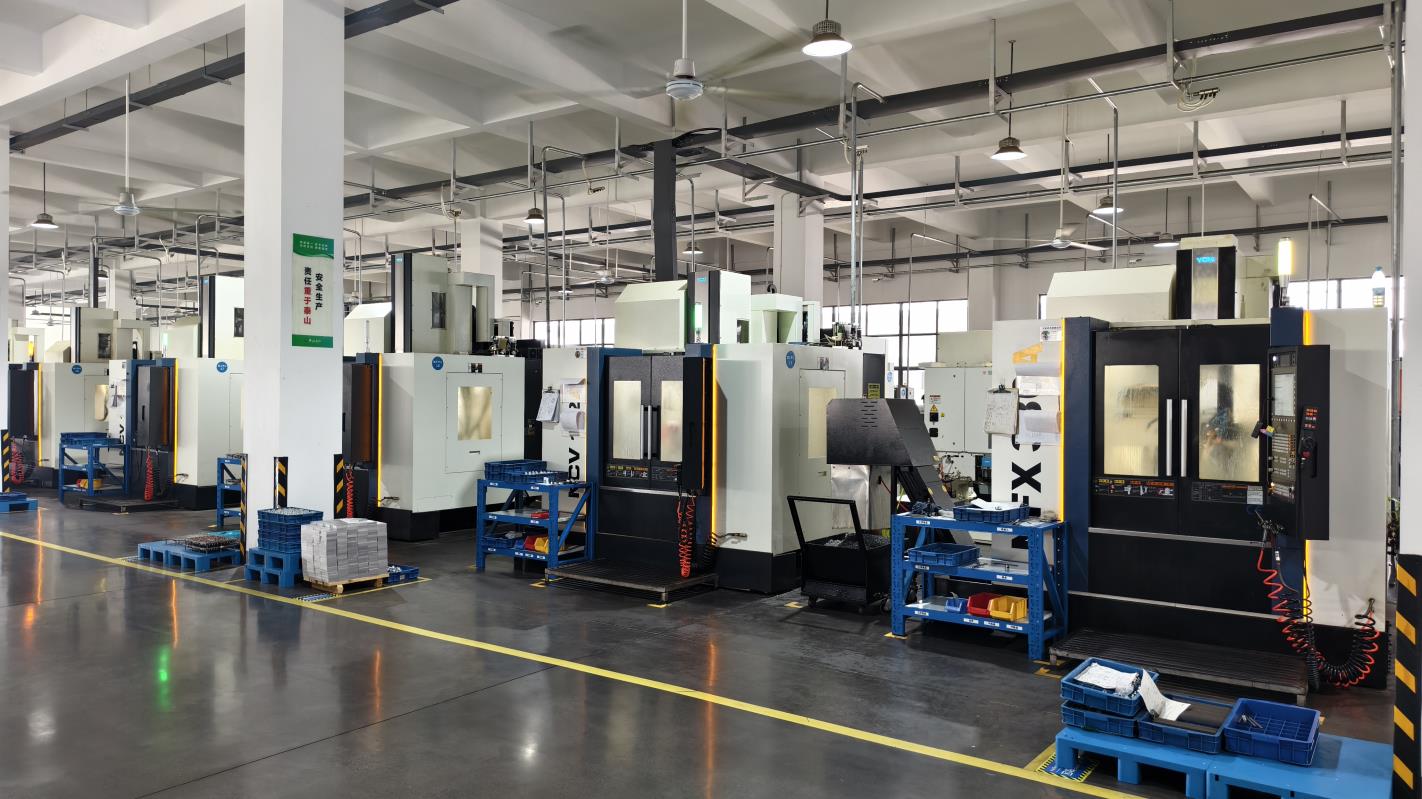
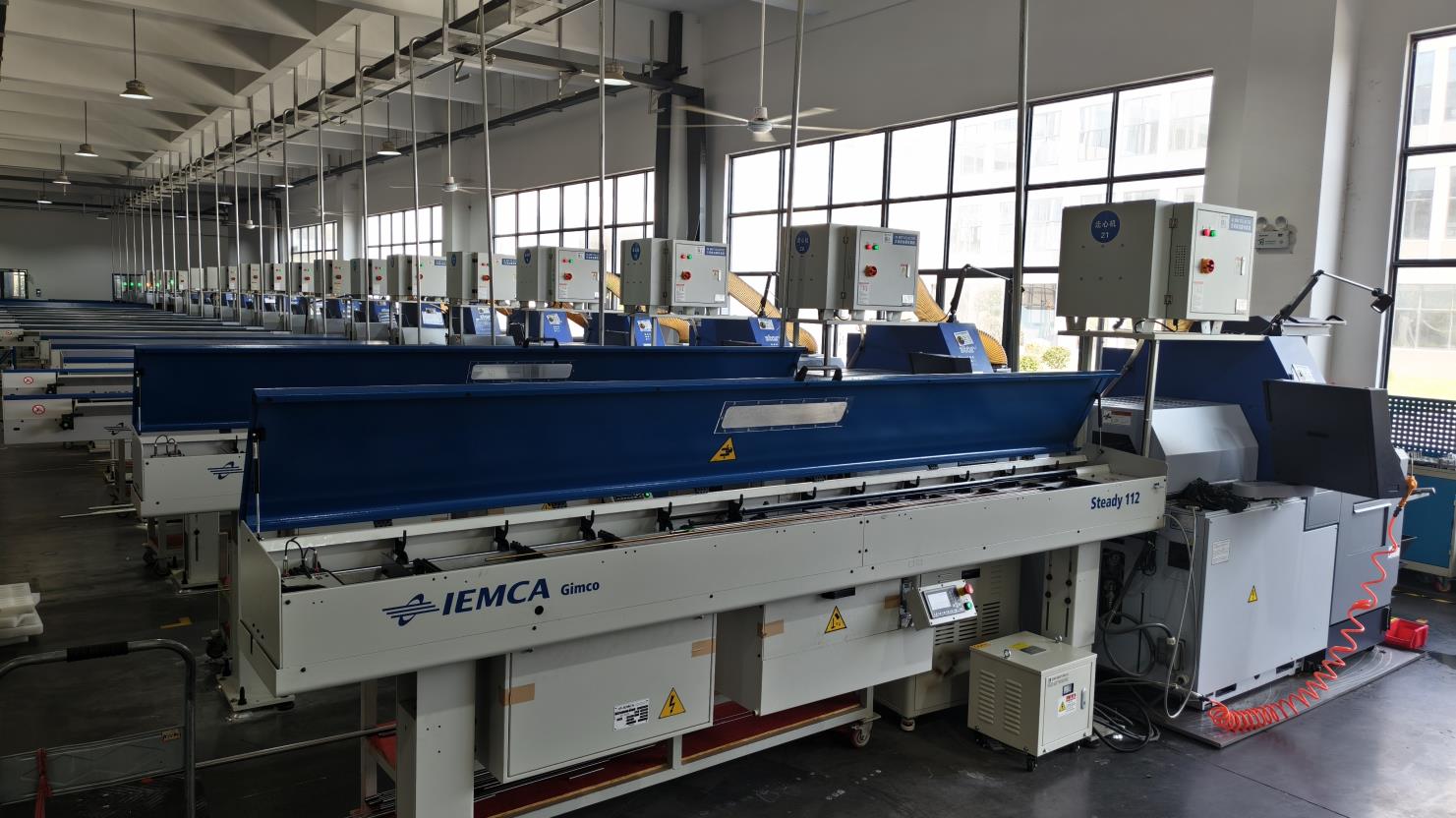
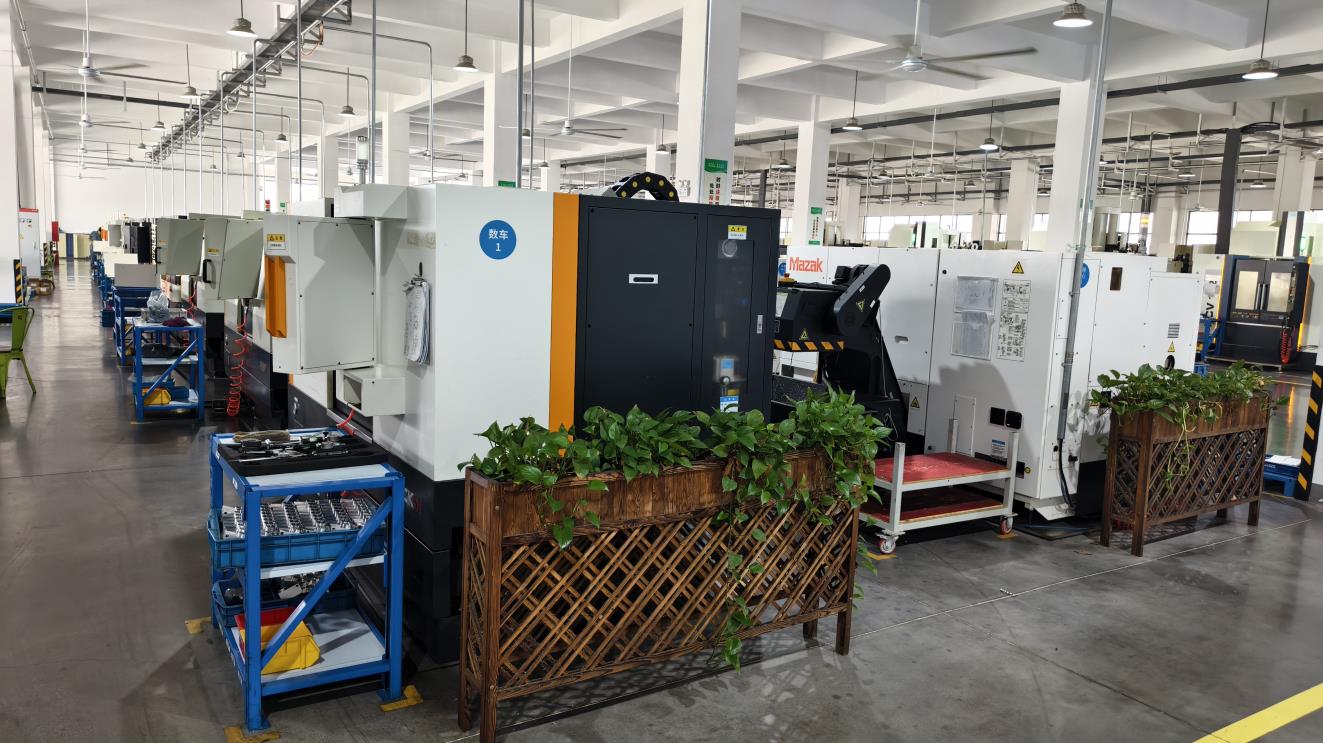
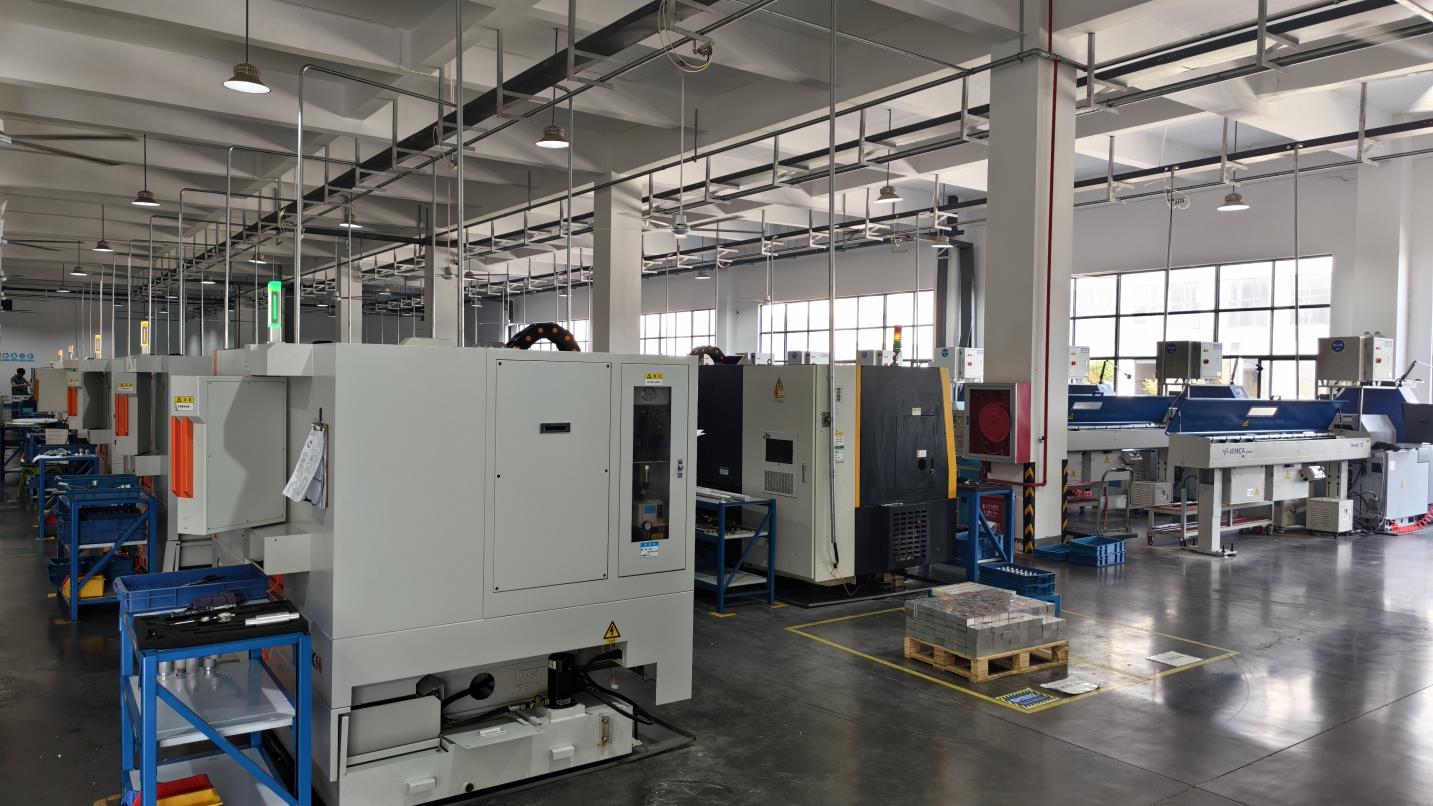
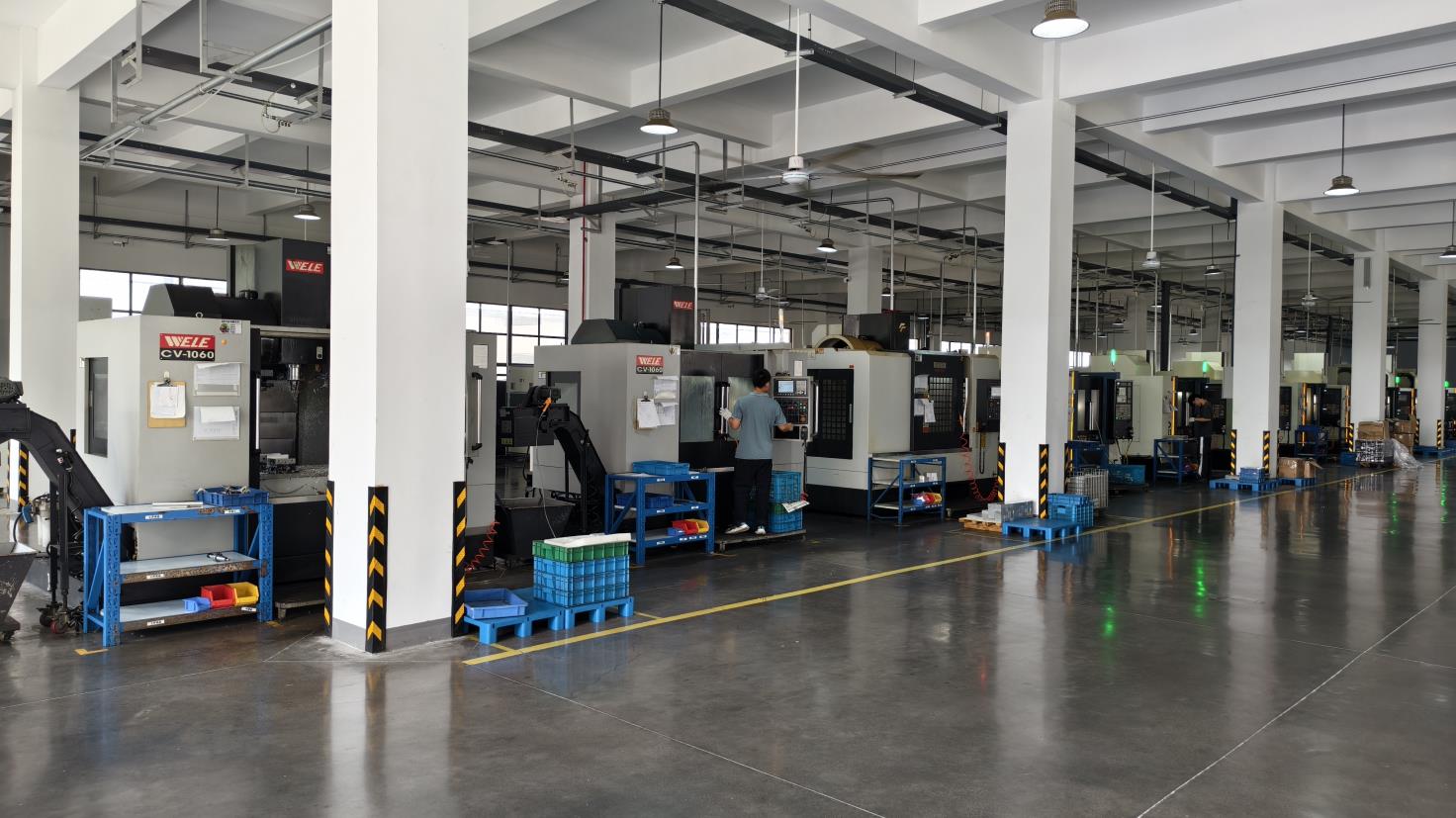
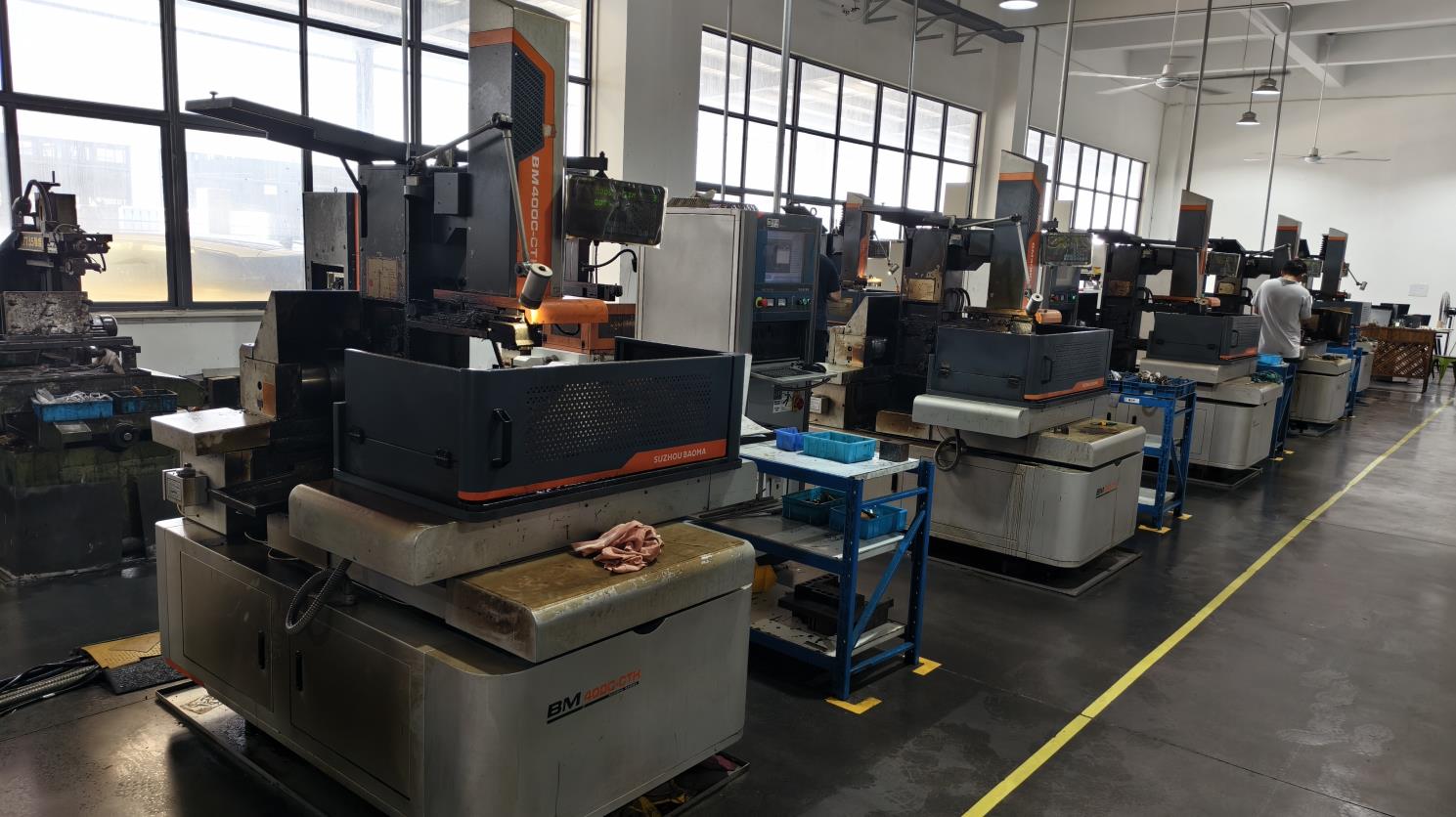
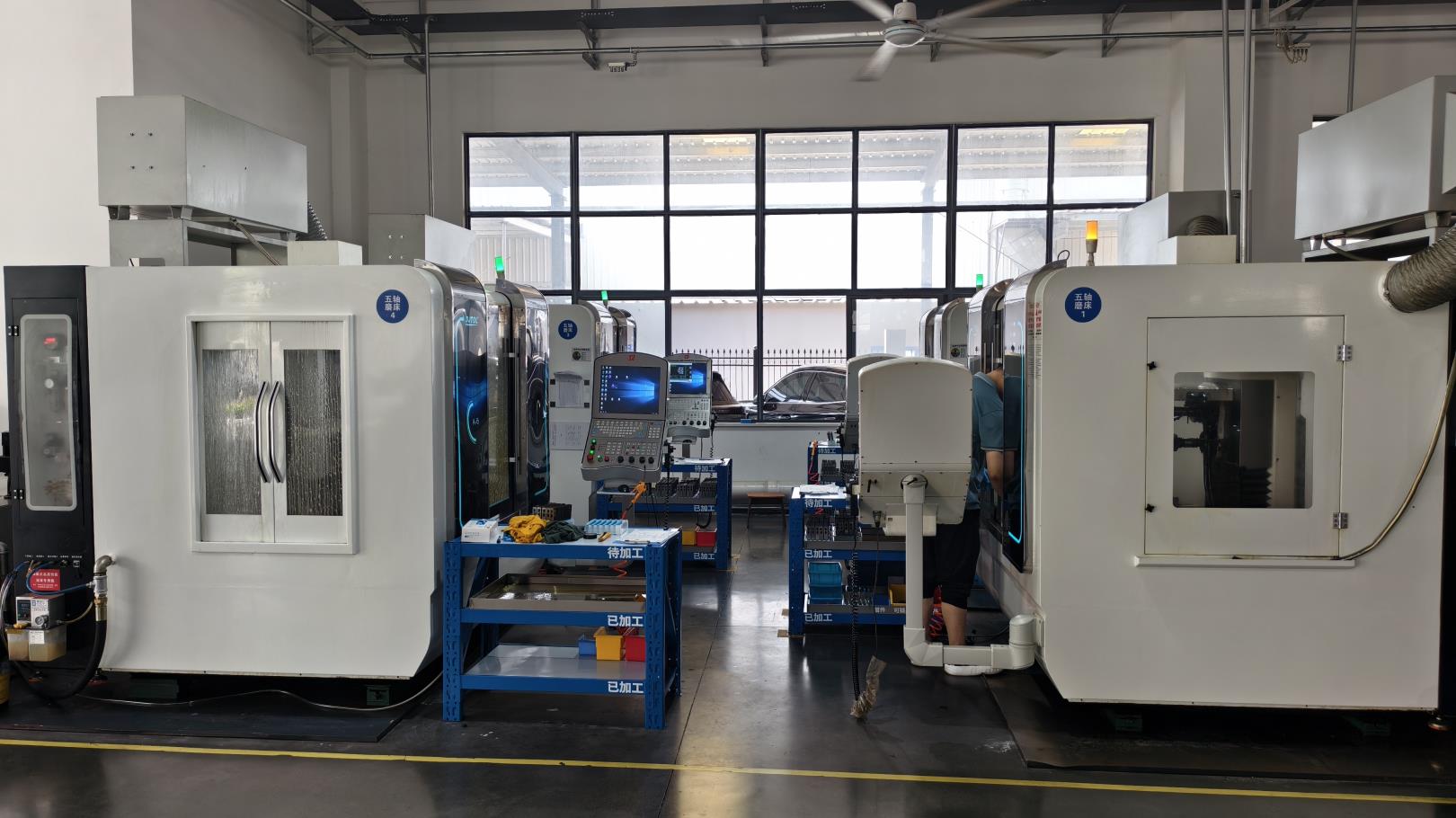
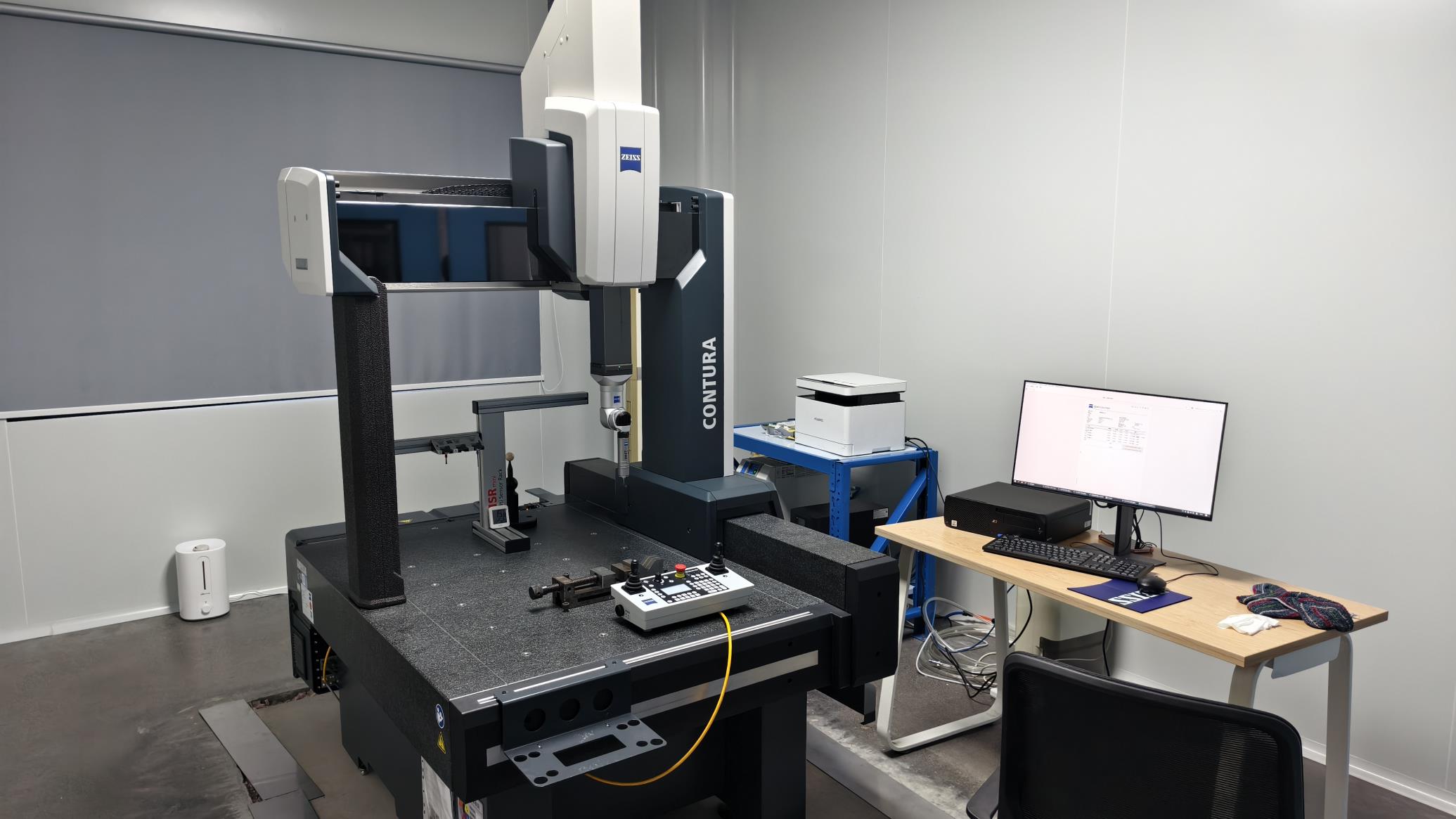
Our facility houses Swiss-type longitudinal CNC lathes, multi-axis machining centers, and wire-cut EDM systems. These machines allow us to achieve micron-level precision, maintaining geometric tolerances of ±0.005mm for all spinal rod products.
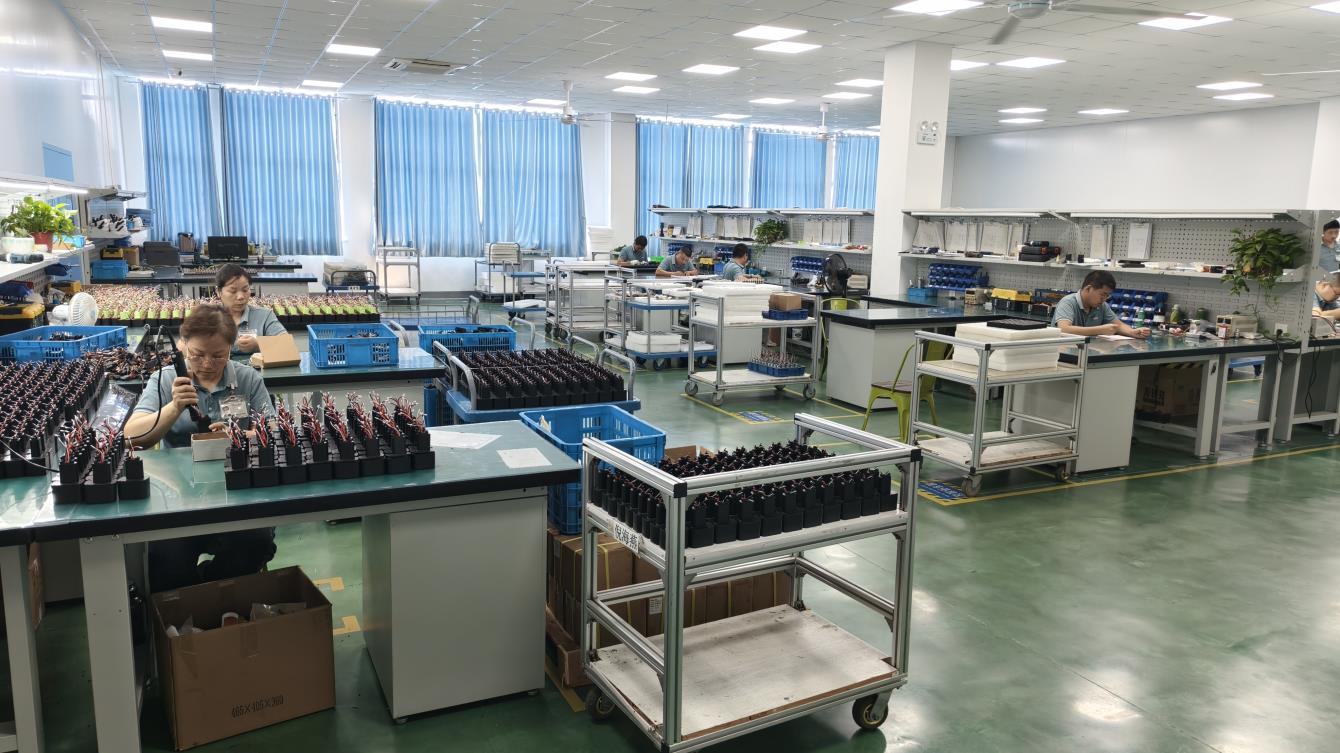
From initial design utilizing high-end CAD/CAM modeling systems, through material processing, cleaning, and cleanroom packaging, we manage all production stages internally. This minimizes reliance on third-party vendors and keeps costs down.
Whether you require standard 5.5mm pediatric rod structures, 6.0mm adult stabilization units, or customizable hex-ended rods, our 86 R&D engineers develop prototype samples quickly, speeding up your time-to-market.
Entering regulated healthcare markets requires regionalized support and detailed technical dossiers. Moventra provides full regulatory assistance, including providing documentation for FDA 510(k) applications, European CE MDR technical files, and regional registration documents in South America and the Asia-Pacific region.
We collaborate directly with local regulatory consultants and distributors to customize testing parameters and labelling systems, including localized language support, UDI (Unique Device Identification) barcoding, and custom sterilization layouts. This targeted assistance helps minimize regulatory barriers and shortens the path to market approval.
The spinal fixation landscape is transitioning toward minimally invasive surgeries (MIS) and personalized patient treatments. This shift has altered spinal rod design demands, driving growth in pre-bent rod configurations, hybrid polymer-metal configurations (PEEK paired with Titanium), and rigid 3D-printed constructs.
MIS approaches demand contoured bullet-tip rods that can be guided smoothly through specialized percutaneous portals, minimizing soft-tissue disruption and reducing patient recovery times.
Standard straight rods are increasingly being replaced by pre-contoured alternatives engineered to match typical anatomical curves, saving operating room prep time and preventing contouring stress points.
A transparent look at our specialized manufacturing environment, precision testing systems, and high-precision CNC machinery.
Detailed explanations regarding materials, manufacturing compliance, lead times, and global distribution logistics.
Explore our complete catalog of precision instruments, trauma systems, and surgical tools engineered for orthopedics.
 Moventra Medical