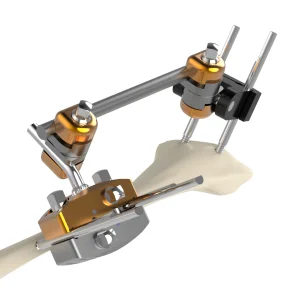
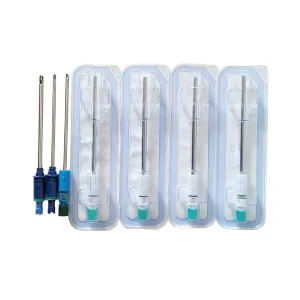
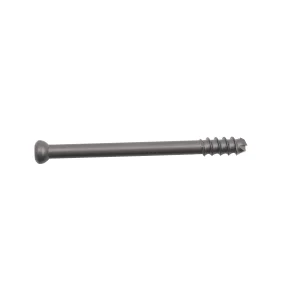
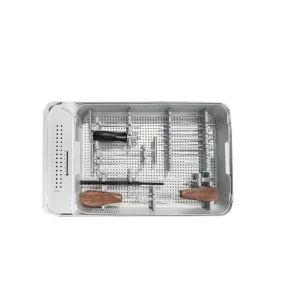
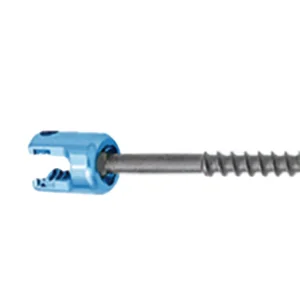
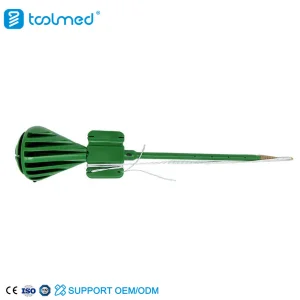
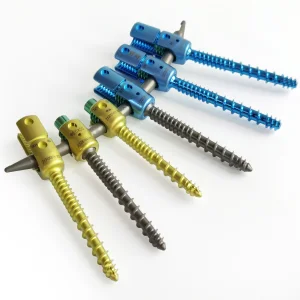
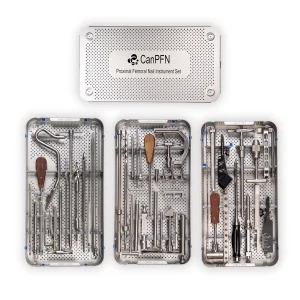
Explore precision-engineered orthopedic implants, instrumentation systems, and high-strength fixation components designed for clinical excellence.
Suspended cortical fixation represents a major paradigm shift in sports medicine, particularly for soft tissue reconstruction such as Anterior Cruciate Ligament (ACL) reconstruction. In the past, surgeons relied heavily on fixed-loop cortical fixation devices. While functionally stable, fixed-loop systems require meticulous pre-operative planning and exact tunnel length calculations. Any structural discrepancy can lead to incomplete graft insertion or graft-tunnel mismatch.
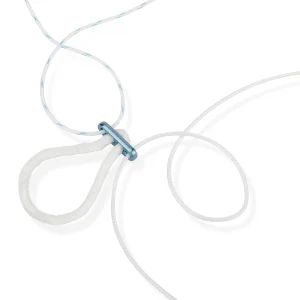
The introduction of Adjustable Loop Suspended Fixation systems solved this key limitation. By utilizing a continuous loop of high-strength, non-absorbable suture material (often Ultra-High-Molecular-Weight Polyethylene, UHMWPE) woven through a cortical titanium or PEEK button, these systems allow surgeons to manually adjust loop length intra-operatively. This dynamic flexibility ensures that the graft can be pulled into the femoral tunnel completely, maximizing the contact area between the tendon graft and the bone channel, which is crucial for optimal biological healing (ligamentization).
Current technological trends are focused on reducing "graft abrasion" at the button-loop interface, developing hybrid PEEK-titanium button profiles for low profile soft tissue irritation, and integrating pre-loaded pull sutures that streamline graft preparation in the operating room. As global orthopedic procedures rise due to sports injuries and aging populations, the demand for reliable adjustable loop suspension devices has grown rapidly, encouraging manufacturers to upgrade production tolerances to microscopic precision.
Sourcing implant-grade medical devices requires strict alignment with biological safety standards, regulatory approvals, and mechanical consistency.
Implants must have CE marks, FDA 510(k) clearances, or ISO 13485 certifications. Sourcing from accredited facilities like Moventra ensures that design dossiers and clinical evaluations meet strict local market guidelines.
Procurement teams require comprehensive validation documentation. This includes cyclic loading performance testing, pull-out strength metrics, and wear particle generation profiles under ASTM standards.
The use of implant-grade Titanium alloy (Ti-6Al-4V ELI) and medical-grade PEEK (Polyetheretherketone) is standard. Quality verification through independent material analysis labs is critical to prevent adverse tissue reactions.
For B2B buyers, particularly those coordinating government procurement tenders or supplying national hospital networks, selecting a manufacturing partner that offers 100% Quality Inspection and maintains complete material traceability (from raw bar stock to finished sterilized packaging) is not optional—it is a baseline requirement for patient safety.
China's medical device manufacturing sector has evolved beyond simple cost-efficiency. Today, advanced facilities like Moventra Medical Technology (China) Co., Ltd. represent the integration of Factory 4.0 standards. This transformation is driven by automation, CNC precision machining, and strict quality control processes that rival European and American competitors.
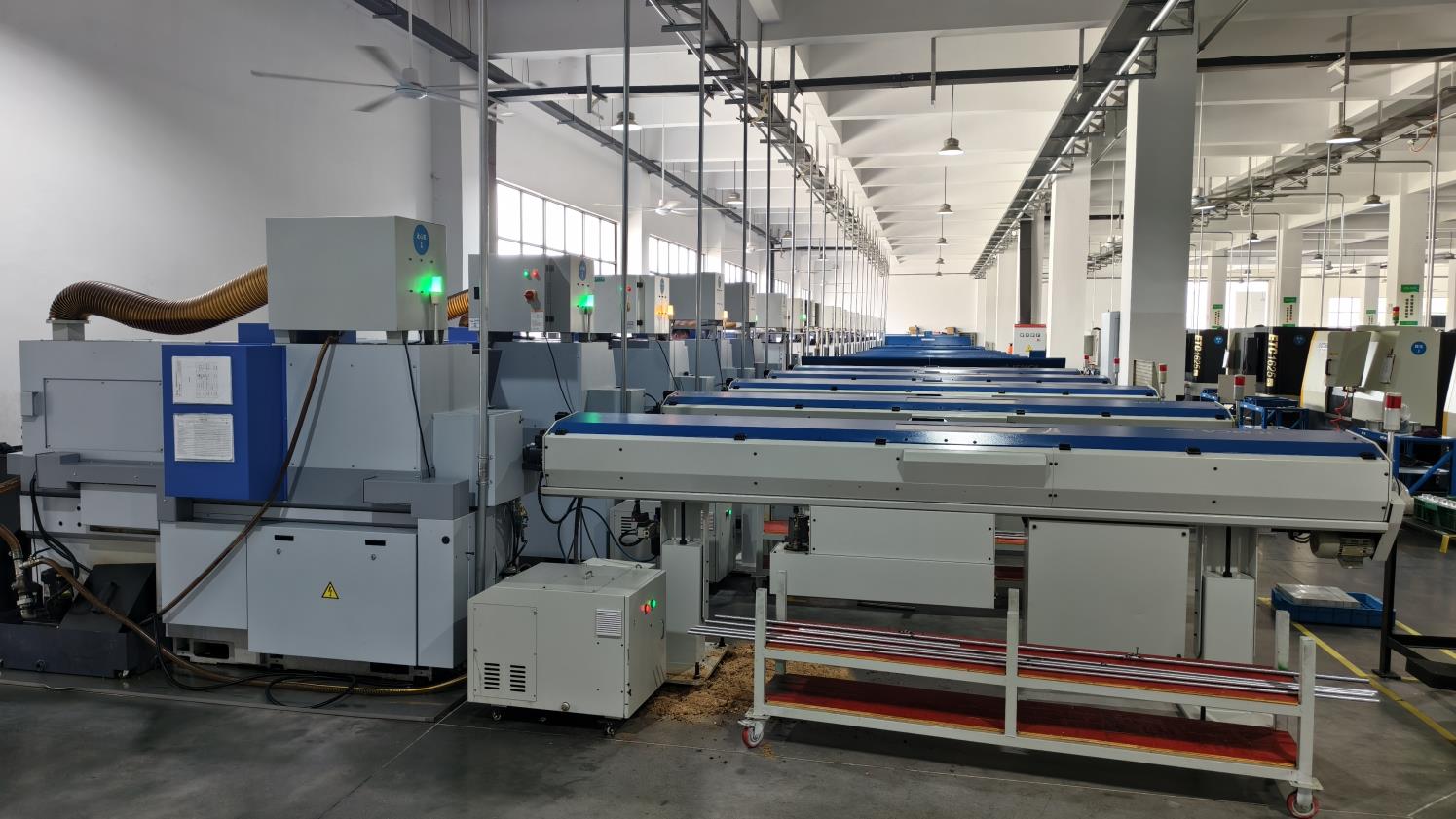
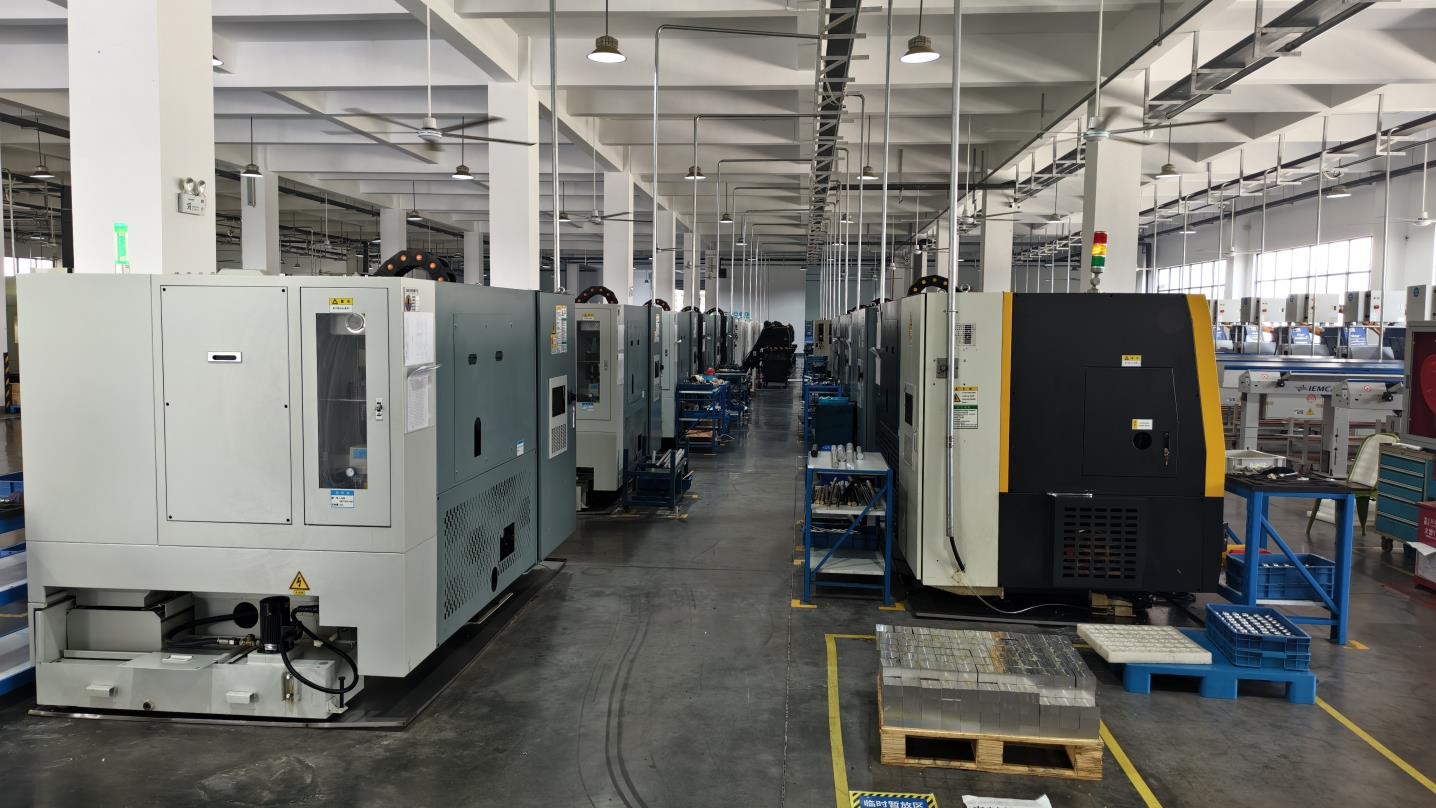
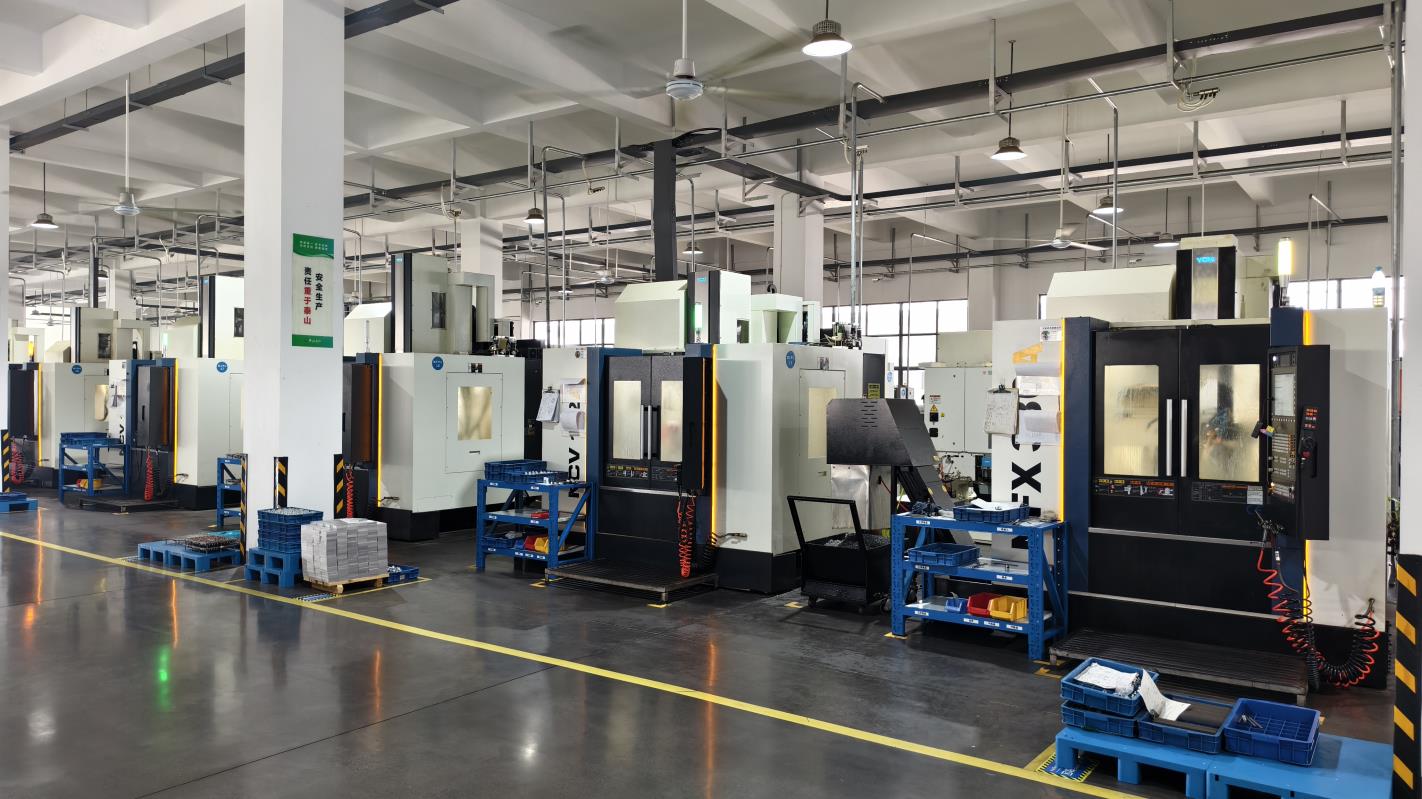
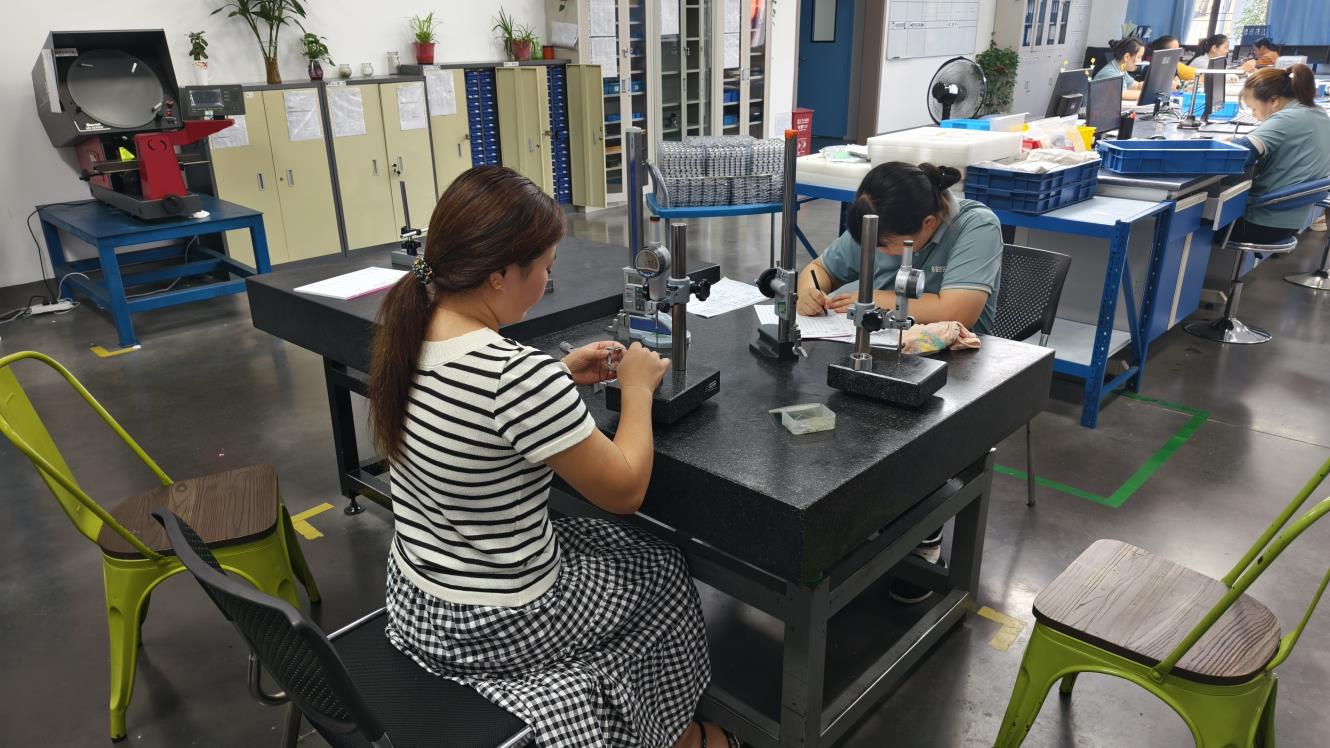
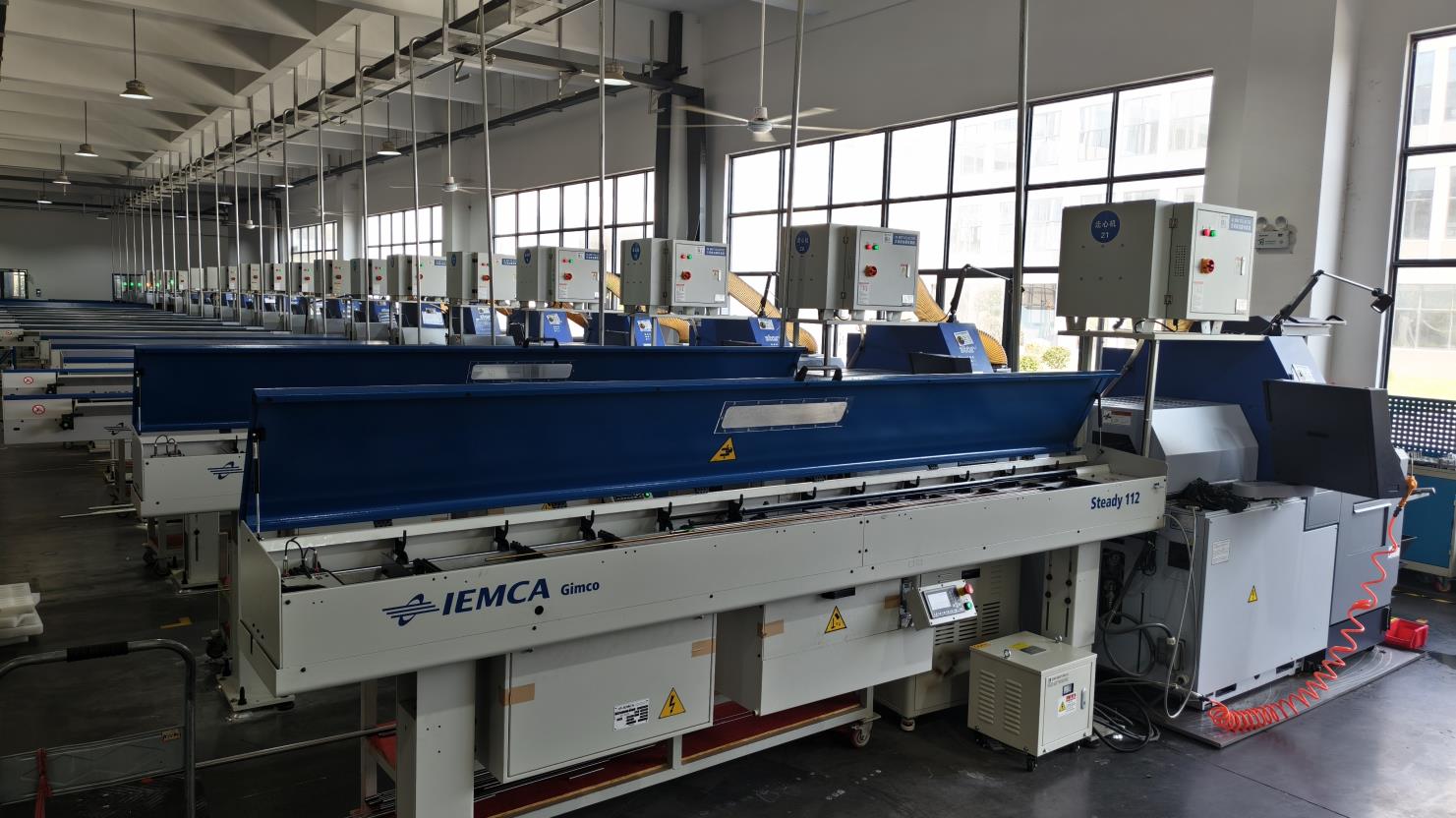
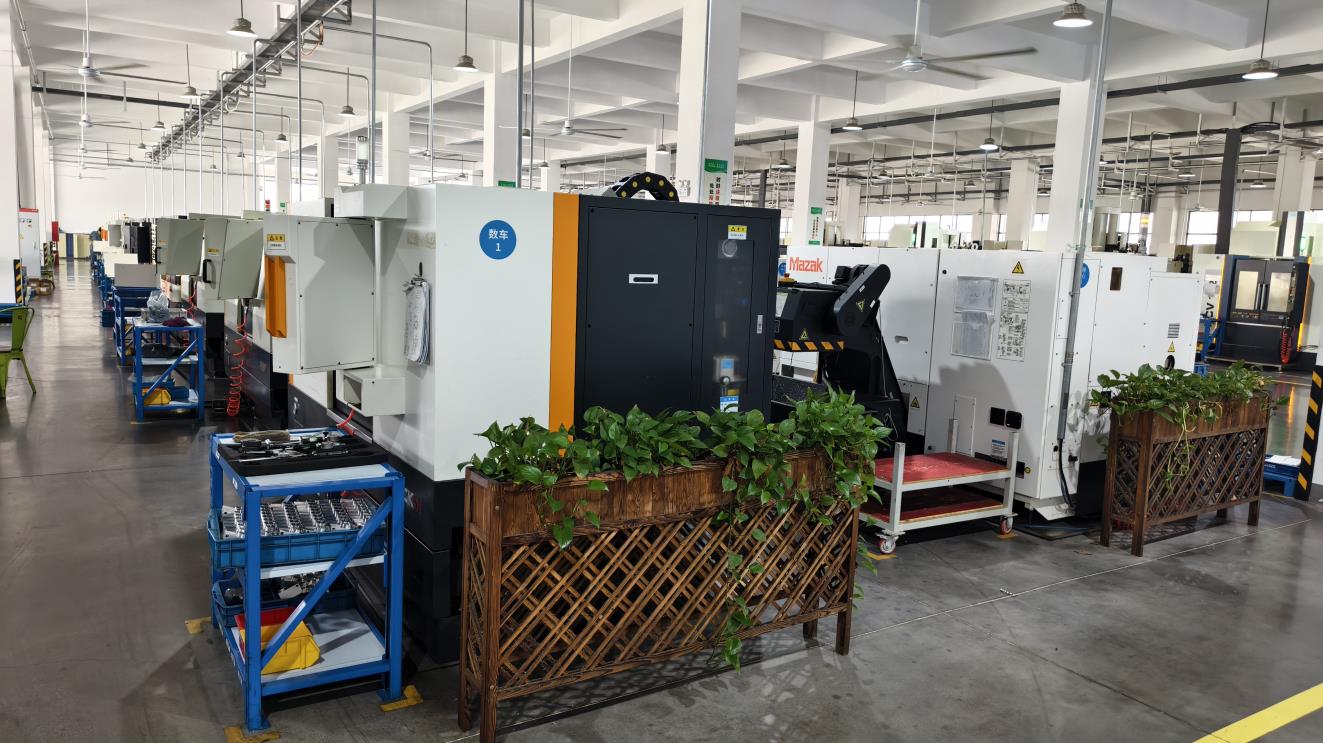
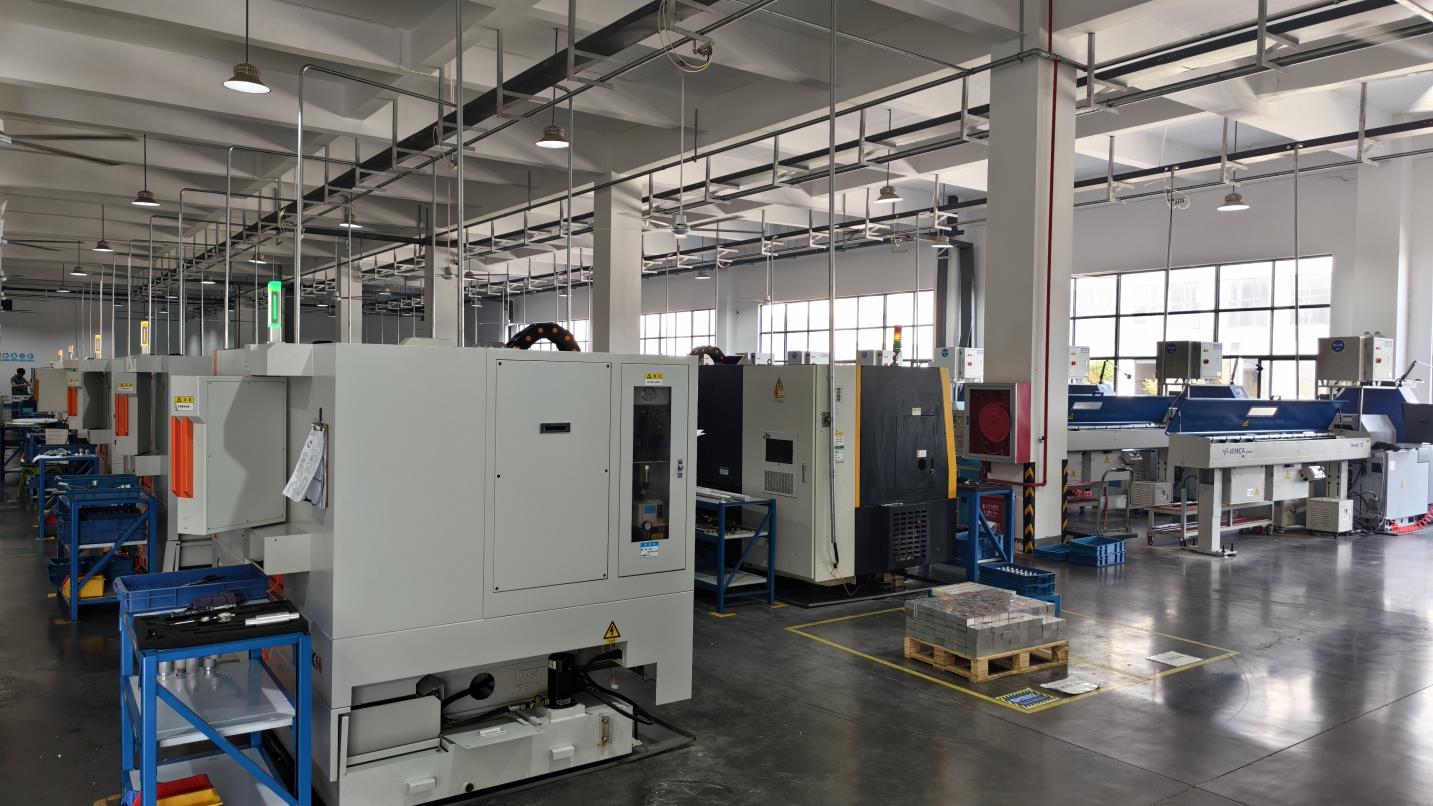
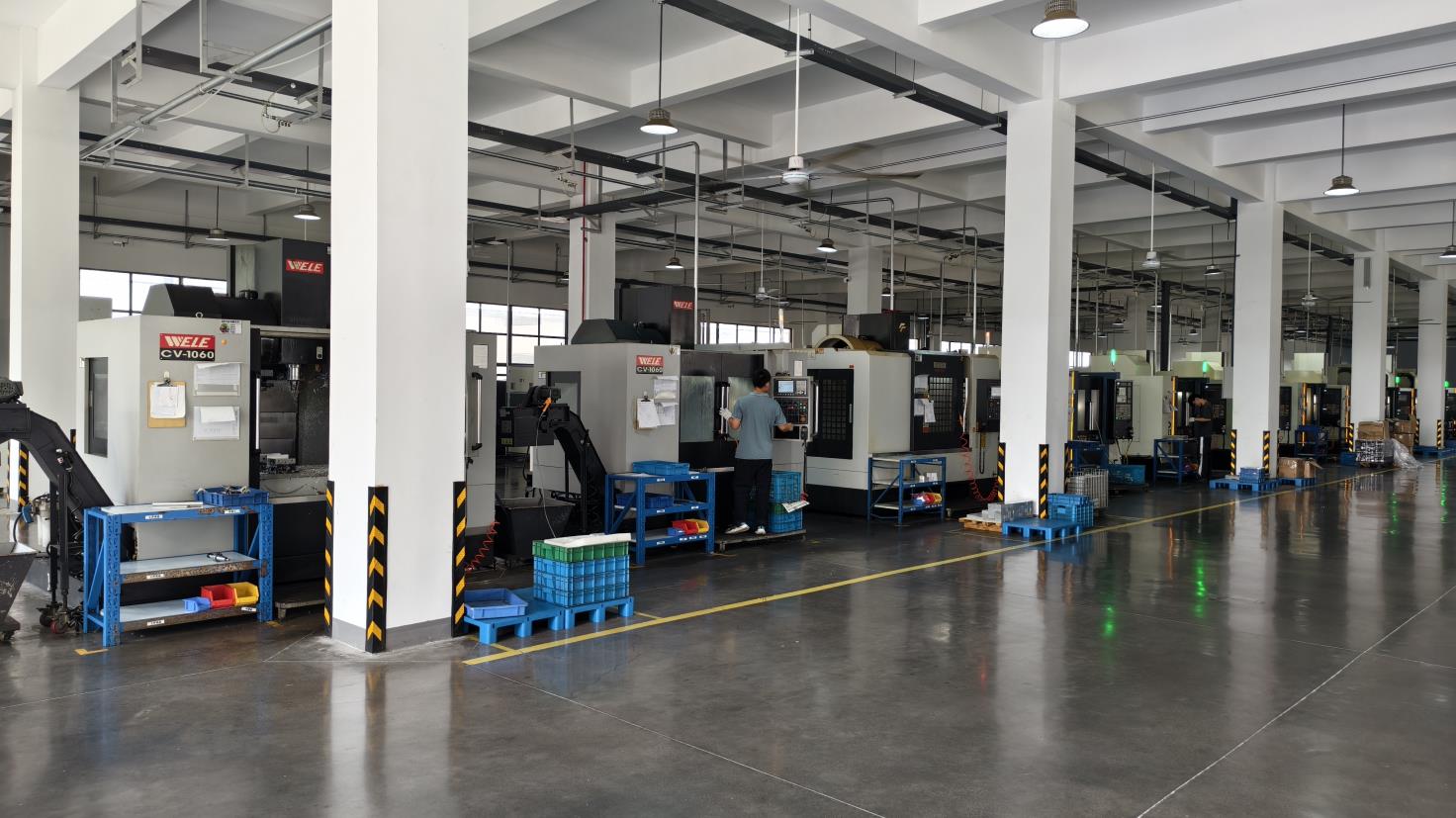
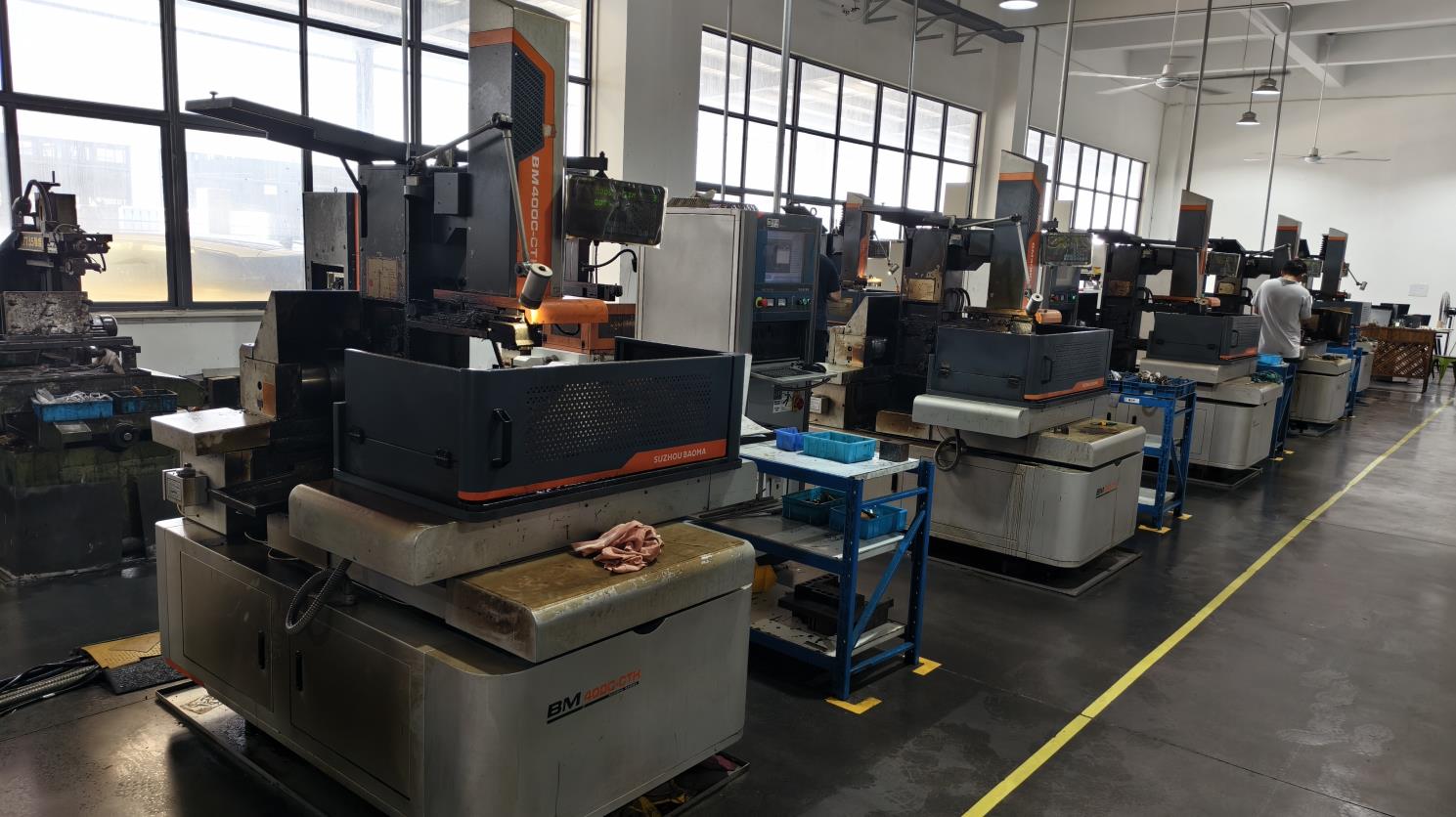
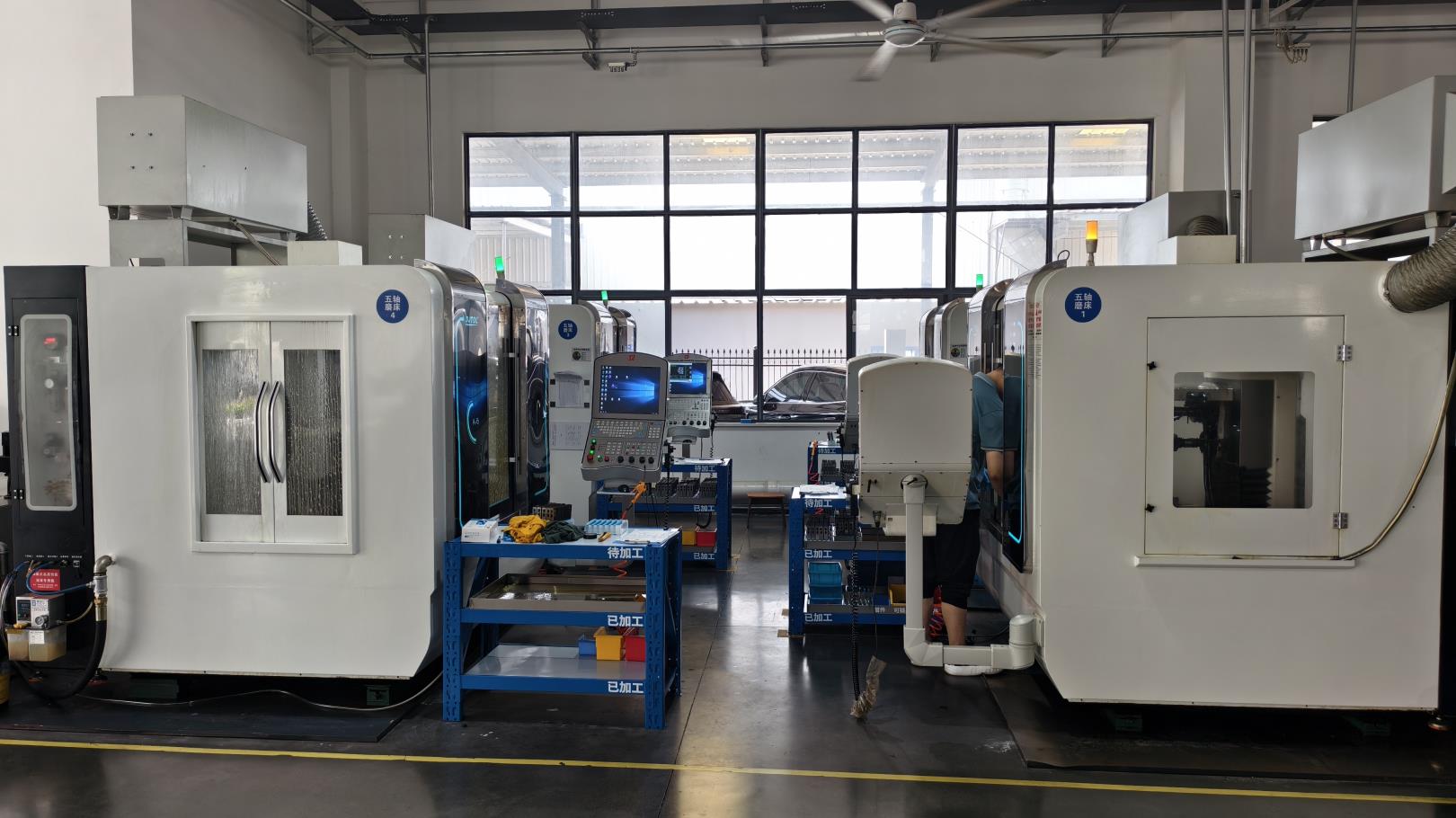
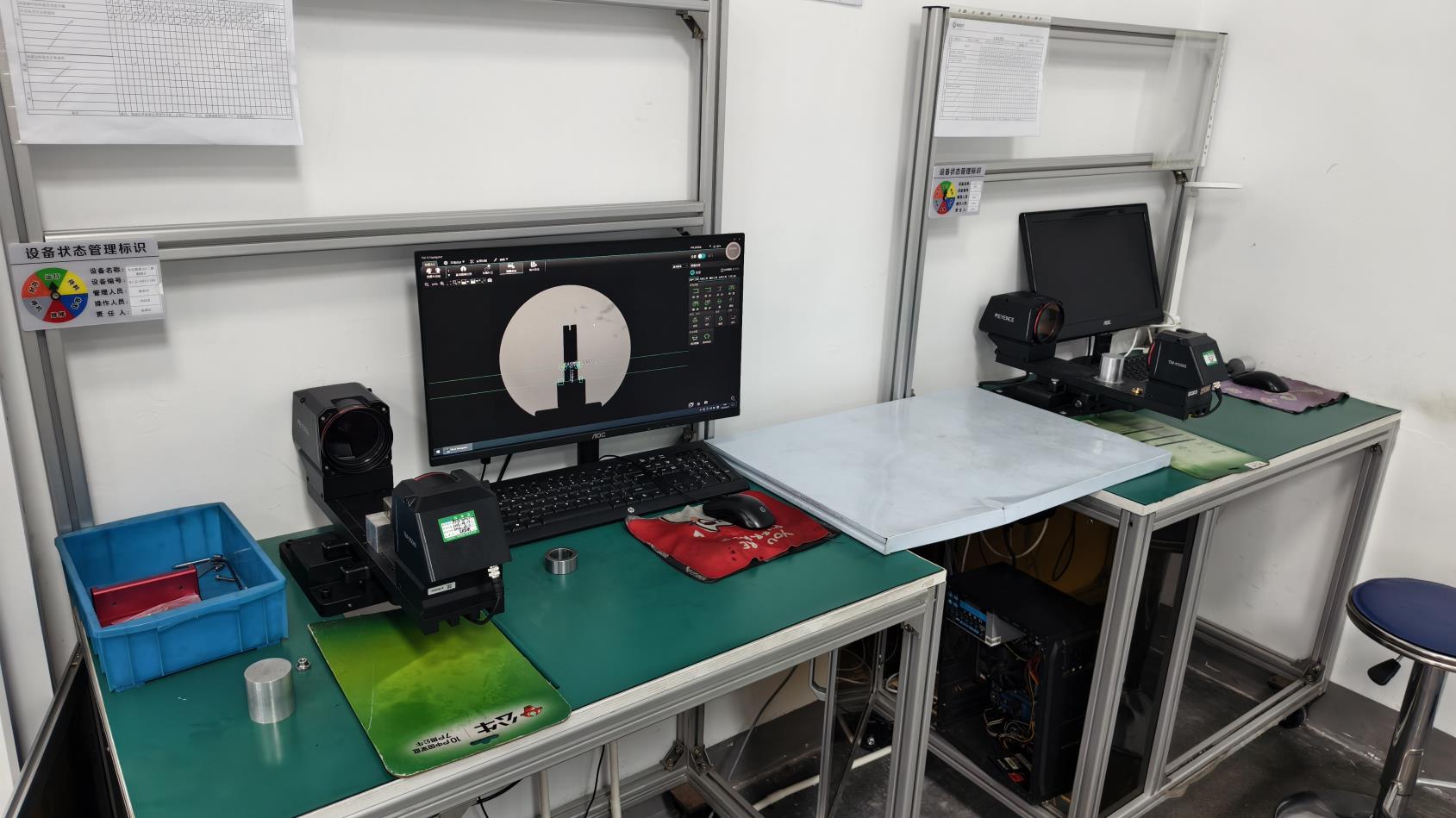
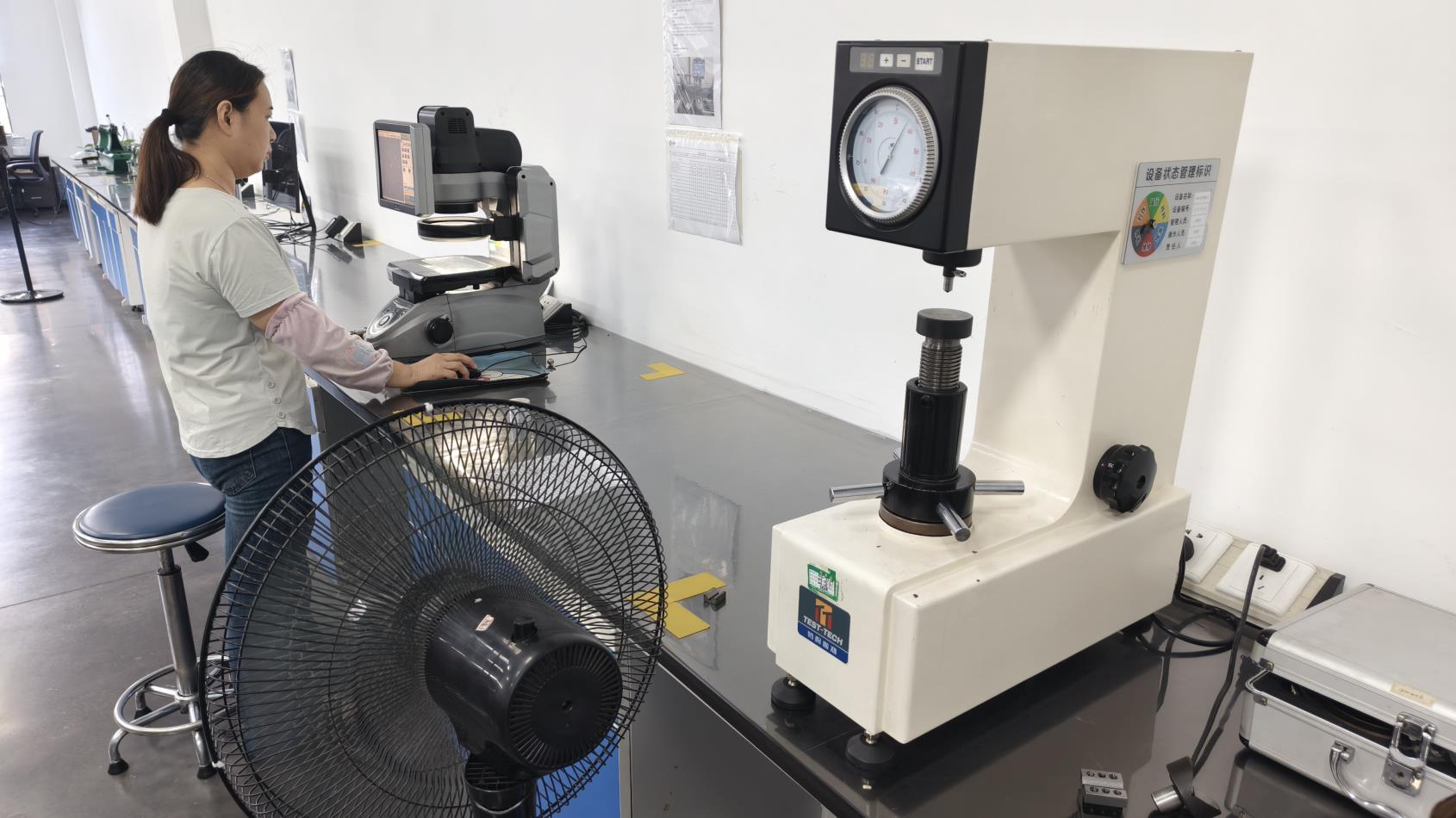
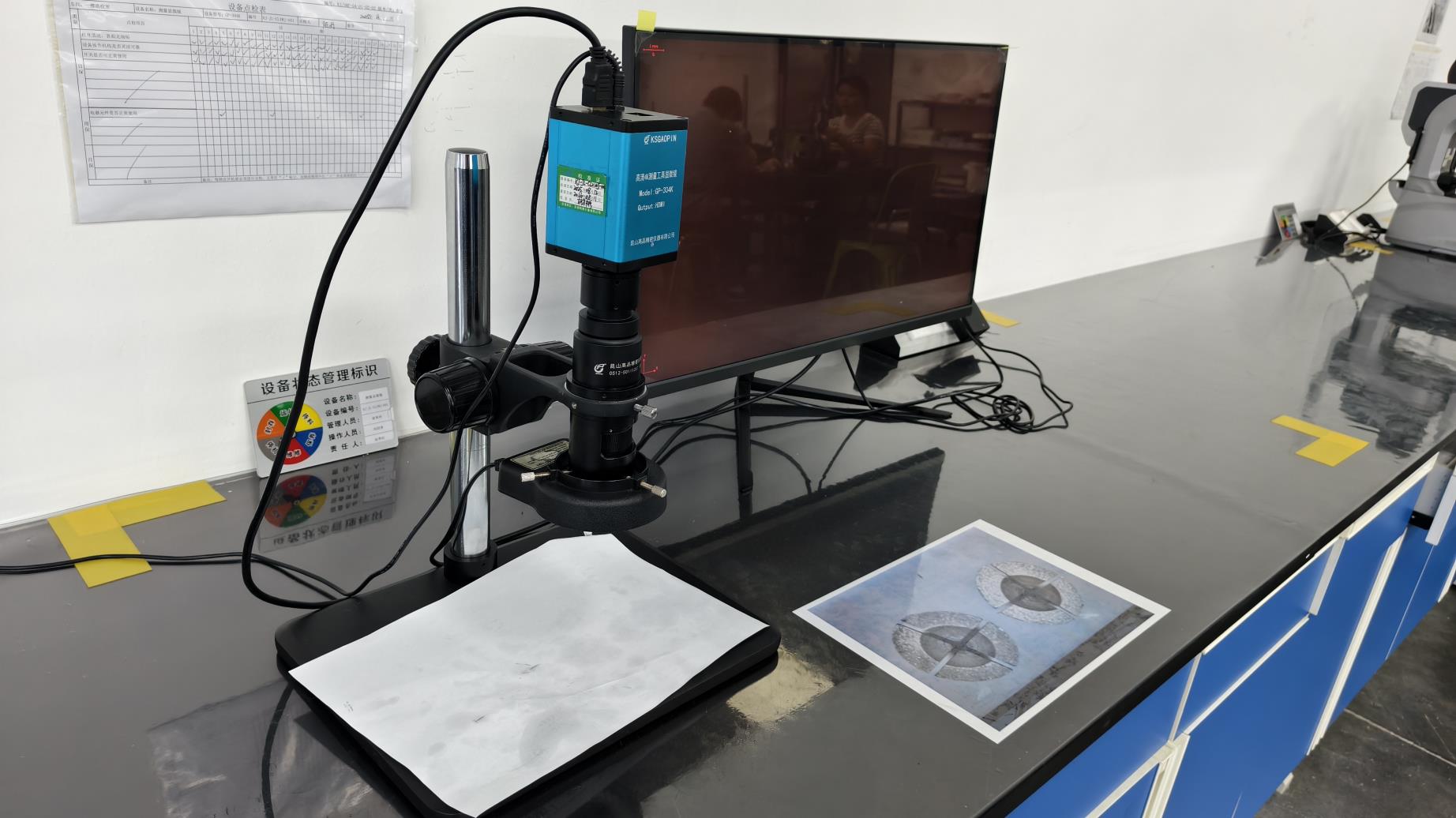
Operating a modern 18,600 m² facility, Moventra employs state-of-the-art Swiss-type lathe and milling centers to achieve tolerances down to the micrometer level. Why is this critical for adjustable loop suspended fixations? The cortical button relies on smooth internal chamfers. If the edges of the suture holes are even slightly rough, the high-tension suture can fray under physiological loading, leading to failure. By utilizing automated robotic deburring and high-magnification microscope inspections, Moventra eliminates these manufacturing variations.
Facility Footprint
R&D Engineers
Pre-Shipment Inspection
Export Experience
Beyond raw production precision, supply chain resilience is a major advantage. Moventra manages localized supply structures containing over 1,120 partner relationships. This ensures consistent access to certified medical-grade titanium and surgical stainless steel, even during global supply line disruptions. Additionally, having an on-site R&D team of 86 engineers allows for rapid prototyping, enabling Moventra to release over 150 new products annually and support OEM/ODM designs for global orthopedic brands.
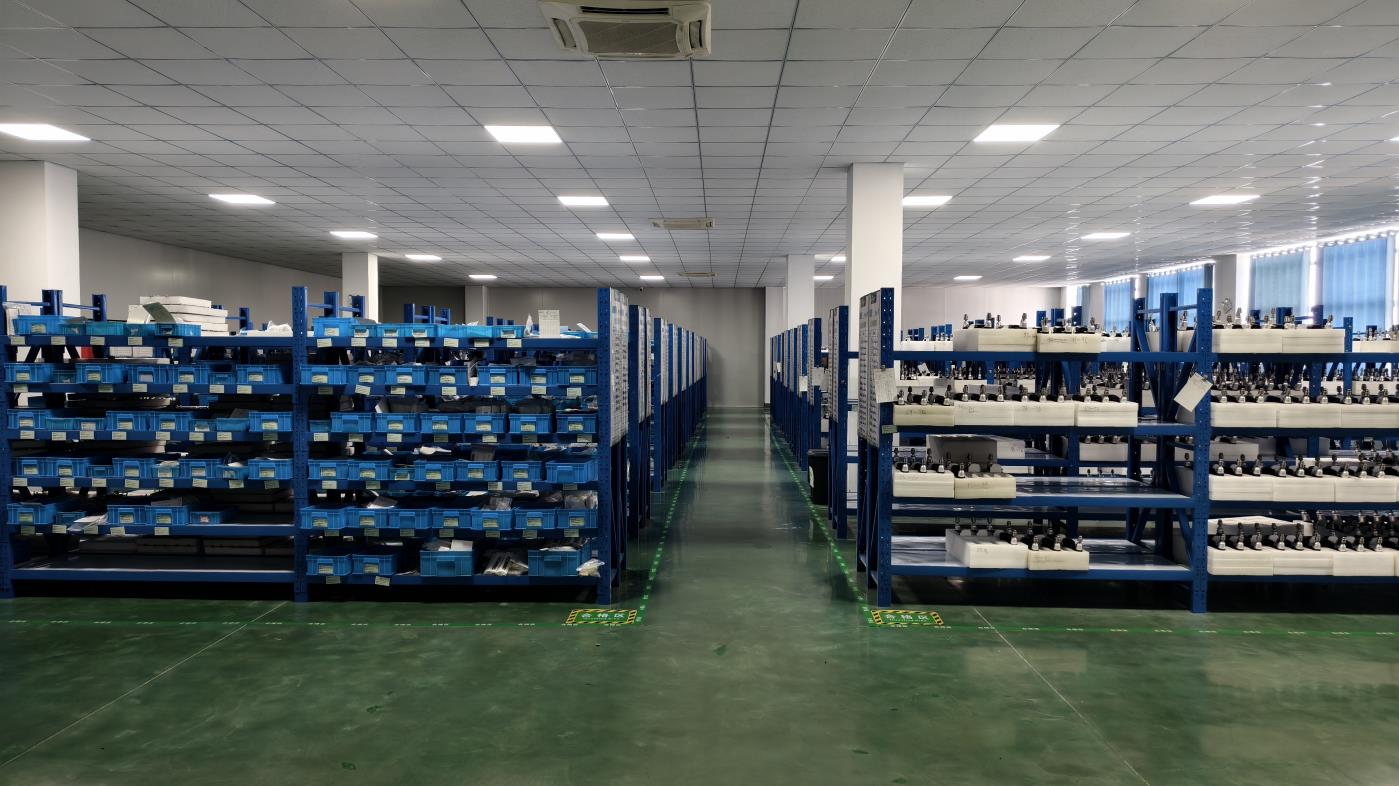
A closer look at Moventra Medical Technology's operational scale, testing capabilities, and commercial footprint.
Moventra Medical Technology (China) Co., Ltd. is a professional manufacturer specializing in the research, development, production, and global supply of orthopedic medical devices and surgical solutions. Established in 2017, the company is dedicated to delivering innovative, high-quality products for trauma, spine, joint reconstruction, sports medicine, and orthopedic surgical procedures.
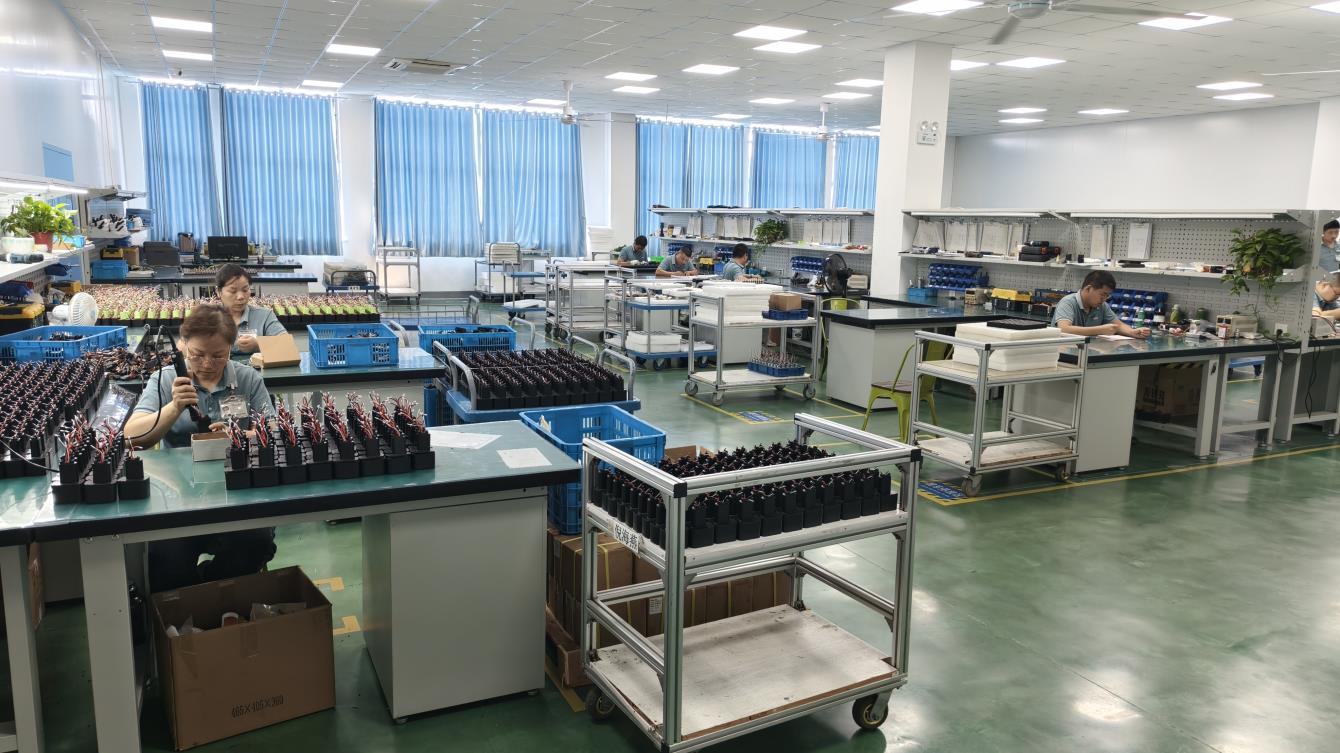
With a modern manufacturing facility covering 18,600 m², Moventra integrates advanced CNC machining, precision manufacturing, automated production lines, and strict quality management systems to ensure every product meets international medical standards. Our commitment to continuous innovation enables us to provide reliable OEM and ODM services for global medical device brands, distributors, and healthcare institutions.
| Operating Parameters | Operational Capacities & Standards |
|---|---|
| Company Name | Moventra Medical Technology (China) Co., Ltd. |
| Brand Name & Origin | Moventra (China) |
| Established Year | 2017 (7 Years Dedicated Exporting, 13 Years Industry Experience) |
| Facility Cleanroom & Production Area | 18,600 m² modern manufacturing hub |
| Annual Export Turnout | USD 23.8 Million |
| Quality Control Protocol | 100% Quality Inspection before shipping |
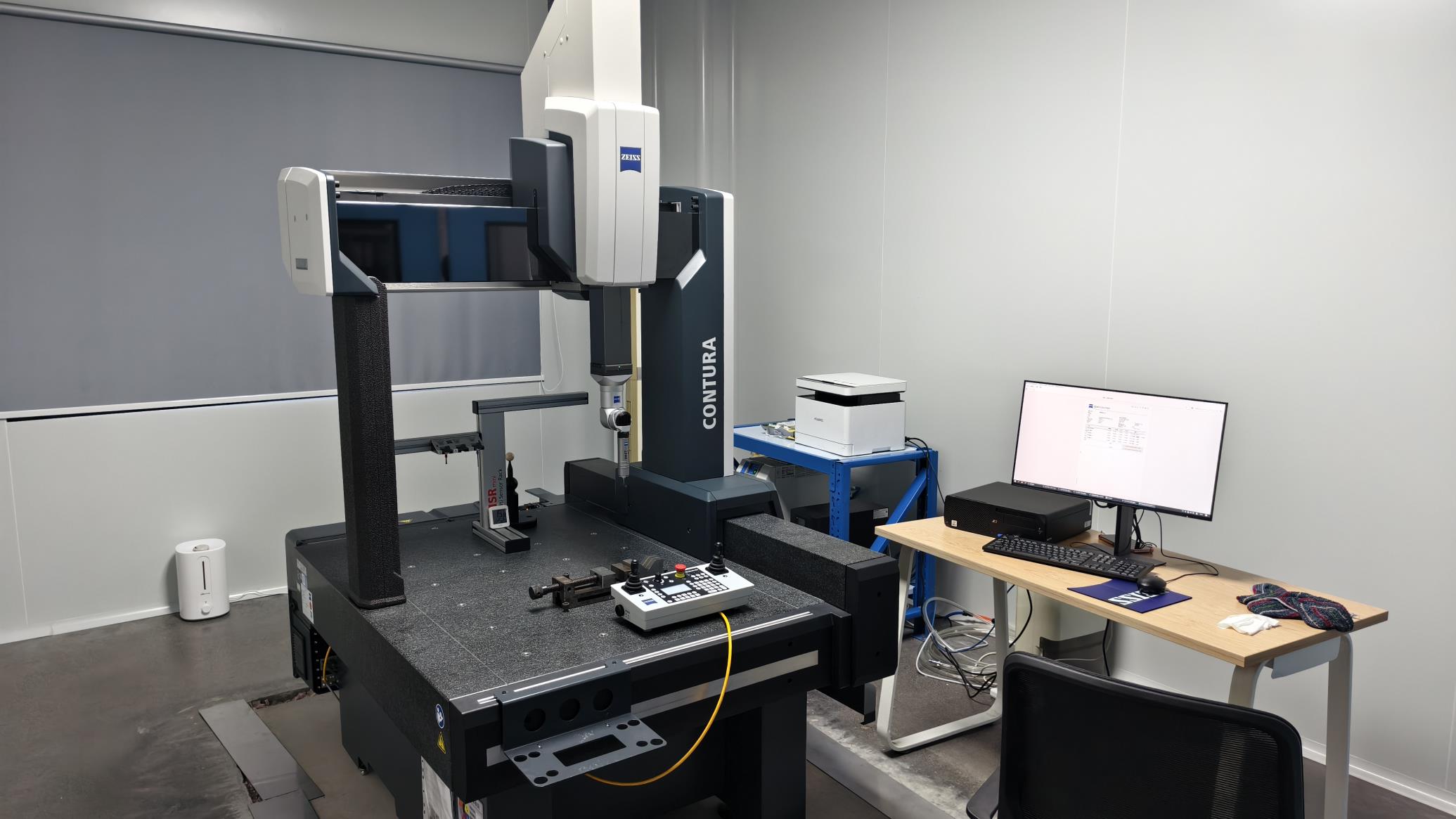
| Verification Methodologies | Dimensional Inspection, Material Analysis, Surface Finish Inspection, Mechanical Performance Testing, Sterility Verification |
| Dedicated Quality Staff | 48 specialized QC inspectors |
| Operational Classification | Manufacturer, OEM & ODM, Exporter |
| Primary Global Markets | North America, Europe, South America, Middle East, Southeast Asia, Australia |
| Supply Chain Integration | 1,120 active material & processing partners |
| Target Clients | Medical Device Brands, Orthopedic Distributors, Hospitals, Importers, Government Tenders |
| R&D Scope | Independent Product Design, Rapid Prototyping, OEM/ODM Development, Customized Engineering Solutions |
| Customization Support | Logo, Packaging, Product Design, Drawings-based or Sample-based manufacturing |
| Engineering Capacity | 86 R&D Engineers; 156 New Products released last year |
Reviewing our advanced machinery, ISO-certified assembly lines, and high-precision testing rooms.
Adjustable loop fixation systems are versatile tools in modern reconstruction surgery. Their clinical utility spans several common procedures:
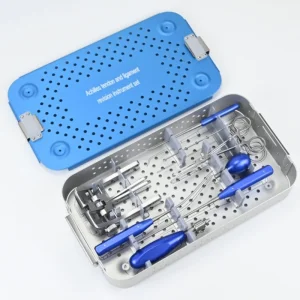
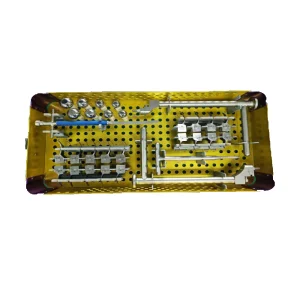
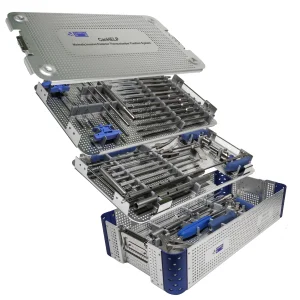
Operating rooms in different markets have varying instrumentation preferences. In North America and Europe, there is high demand for sterile single-use kits that package the adjustable loop plate with drills, depth gauges, and guide pins. In emerging markets, hospitals often rely on reusable instrument trays to manage costs. Sourcing partners must be flexible enough to offer customized packaging configuration options.
When selecting a supplier for suspension fixation components, look beyond catalog price points. Evaluate manufacturers based on four pillars of operational capability:
Providing expert technical insights into adjustable loop technology, biomechanical verification, and sourcing logistics.
Additional products designed to support surgical operations, joint reconstructions, and complex trauma procedures.
 Moventra Medical