Explore our leading surgical systems, precision bone fixation instrumentation, and medical devices certified for trauma and spinal interventions.

The global orthopedic implant sector is experiencing a monumental transition driven by demographics, technological upgrades, and structural healthcare reforms. Bone plates and screws, categorized under internal fixation devices, represent the cornerstone of orthopedic trauma management and reconstructive surgeries. These devices are utilized to stabilize fractured bone fragments, facilitate anatomical alignment, and accelerate early mobilization of patients.
Rising geriatric populations prone to osteoporotic fractures, combined with traffic collisions, propel the constant clinical demand for anatomical plating systems.
Shift from stainless steel to high-grade Titanium Alloys (such as Ti-6Al-4V ELI) and PEEK, enhancing bio-compatibility and reducing implant-associated infections.
Hospitals and global brands are diverging their procurement channels to highly efficient medical hubs in East Asia to balance cost effectiveness with regulatory conformity.
Modern bone plates are no longer simple dynamic compression plates (DCP). The development of Locking Compression Plates (LCP) has revolutionized fixation, combining the options of locking screws and conventional screws. This design allows angular stability and acts as an internal fixator without requiring direct plate-to-bone contact, preserving periosteal blood supply. Meanwhile, screws have evolved into self-tapping, self-drilling, and cannulated variants, allowing minimally invasive insertions with highly precise thread structures.
"In internal fixation engineering, the friction-locked interface of standard plating has been augmented by positive locked interfaces. This paradigm shift dramatically reduces plate-induced osteonecrosis and enhances the biomechanical stability required for immediate postoperative weight-bearing."
A Premier Center of Excellence in Orthopedic Medical Device Manufacturing
Moventra Medical Technology (China) Co., Ltd. is a professional manufacturer specializing in the research, development, production, and global supply of orthopedic medical devices and surgical solutions. Established in 2017, the company is dedicated to delivering innovative, high-quality products for trauma, spine, joint reconstruction, sports medicine, and orthopedic surgical procedures.
With a modern manufacturing facility covering 18,600 m², Moventra integrates advanced CNC machining, precision manufacturing, automated production lines, and strict quality management systems to ensure every product meets international medical standards. Our commitment to continuous innovation enables us to provide reliable OEM and ODM services for global medical device brands, distributors, and healthcare institutions.
Supported by an experienced R&D team and comprehensive quality assurance system, Moventra continuously develops innovative orthopedic solutions that improve surgical efficiency and patient outcomes. Our products are exported to customers worldwide and are trusted for their precision, safety, and consistent performance.
| Corporate Metric | Operational Parameter |
|---|---|
| Company Name | Moventra Medical Technology (China) Co., Ltd. |
| Established Year | 2017 (13 Years Industry Experience) |
| Facility Footprint | 18,600 m² state-of-the-art facility |
| Annual Export Revenue | USD 23.8 Million (7 Years Export Experience) |
| R&D Engineering Unit | 86 Engineers (156 New Products/Year) |
| Quality Inspection Staff | 48 Specialists (100% Pre-Shipment Inspection) |
| Key Testing Methods | Dimensional Inspection, Material Analysis, Mechanical Performance Testing |
| Core Markets Covered | North America, Europe, South America, Middle East, Australia |
Combining Swiss-type machining precision with high-capacity production lines to meet the strict quality standards of the global implant market.
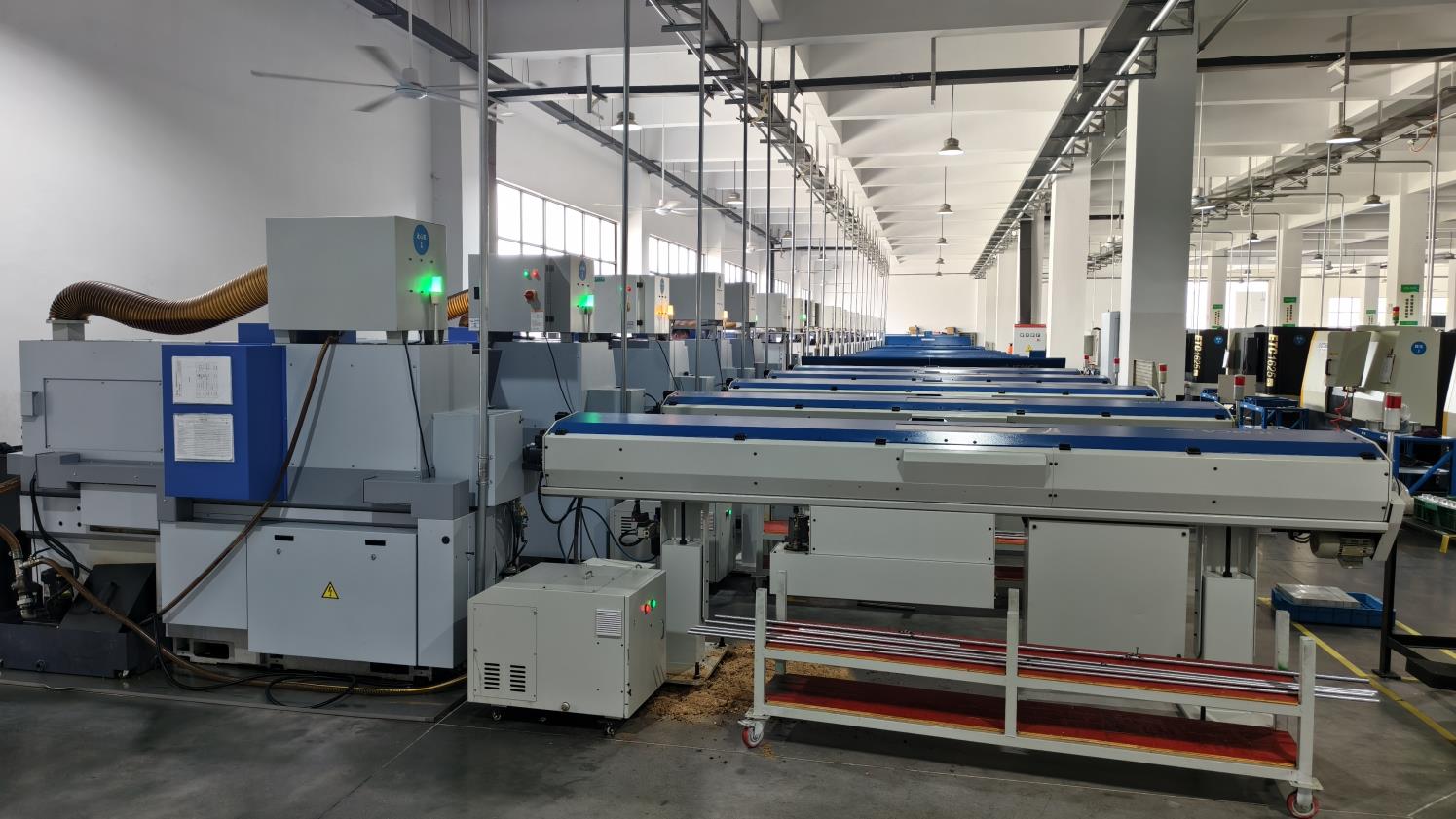
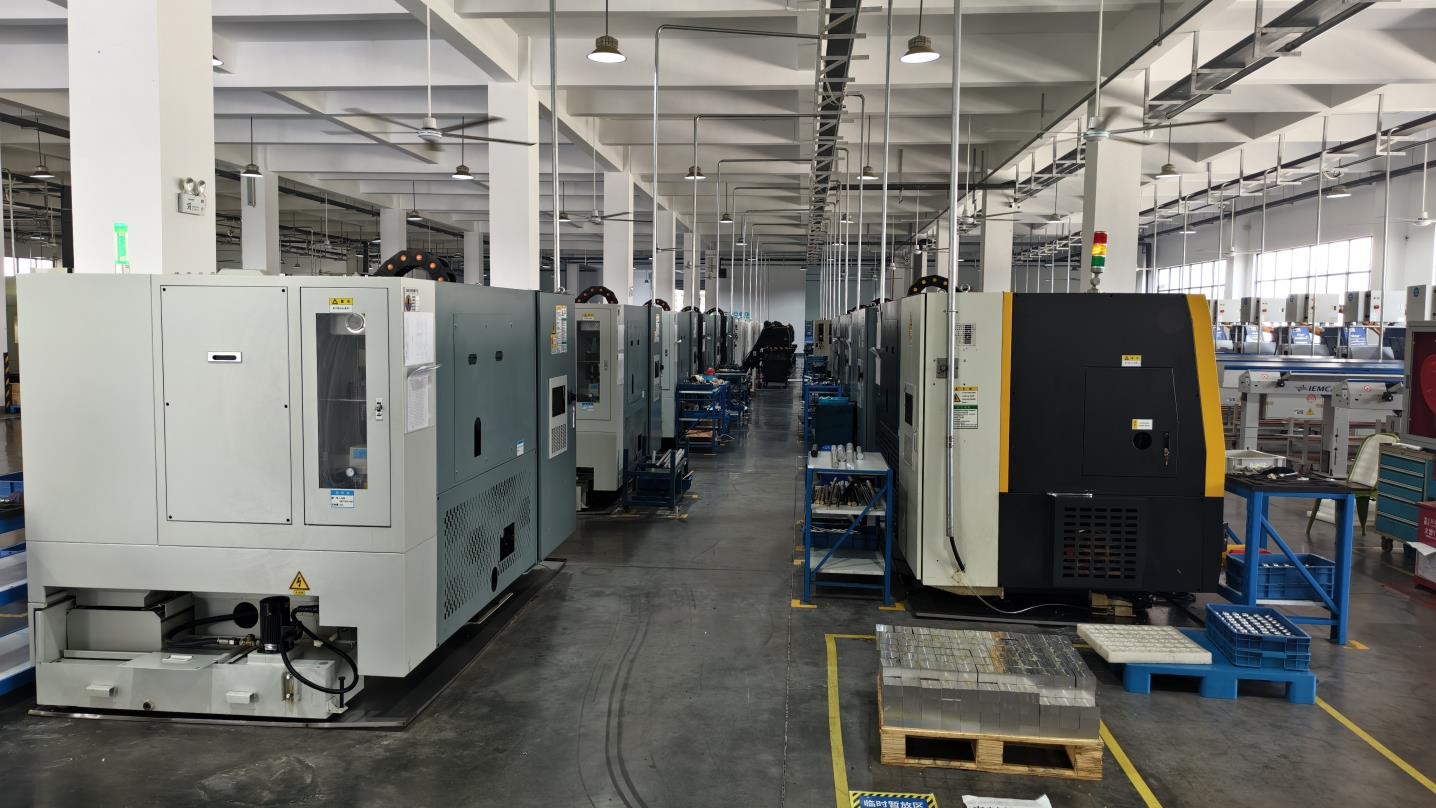
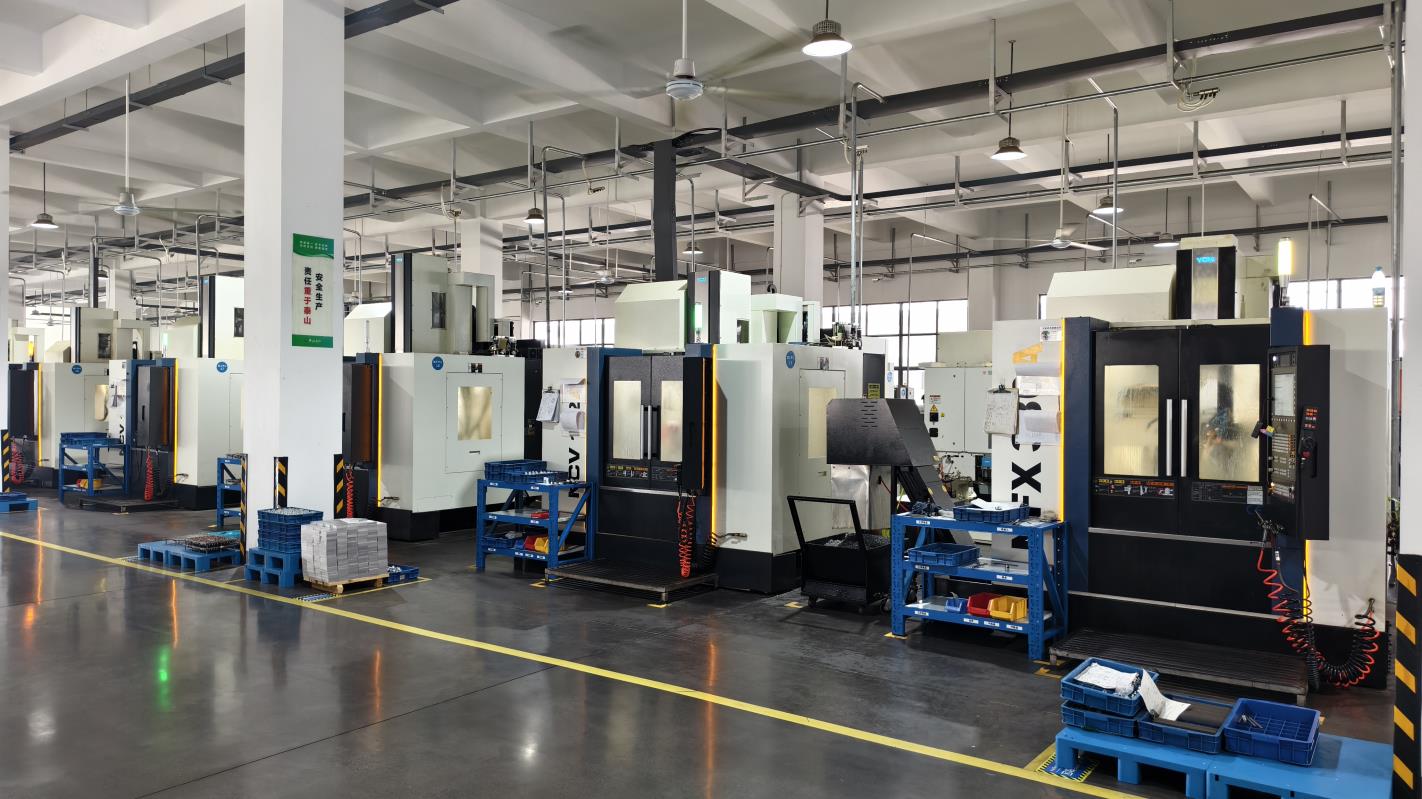
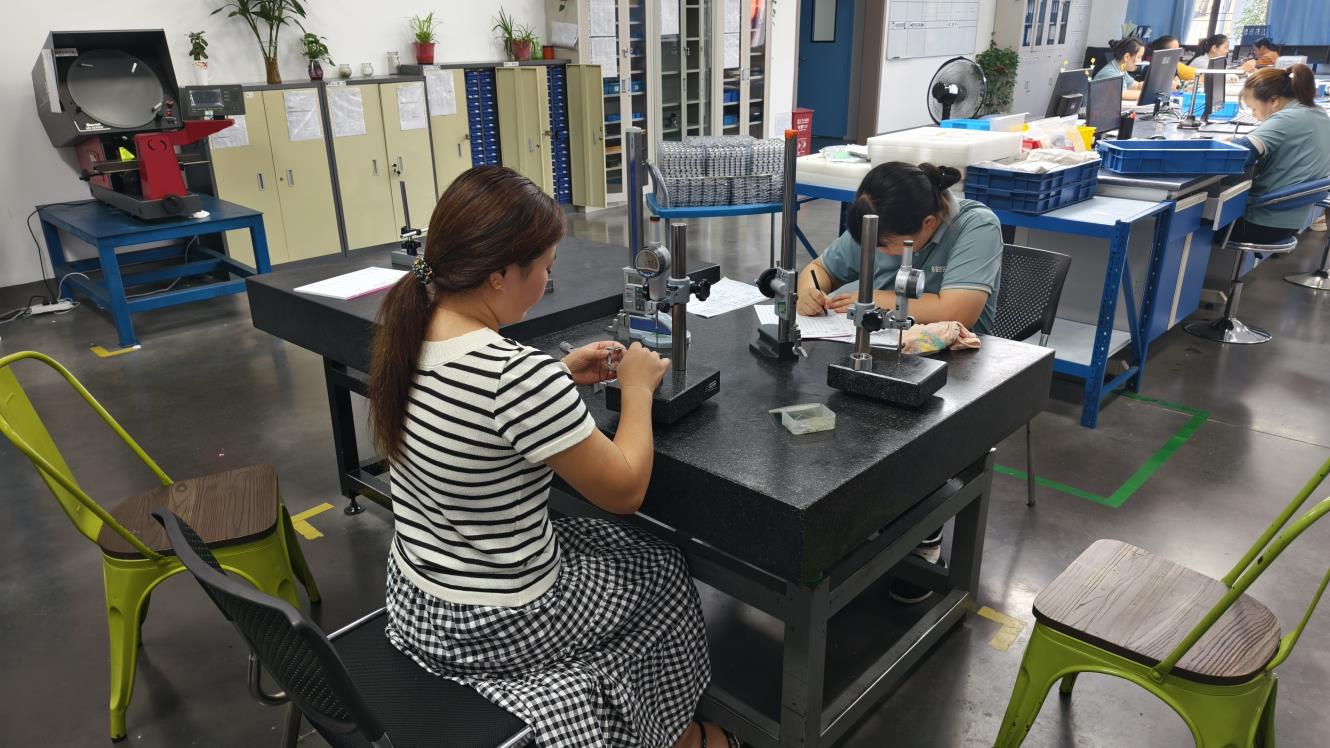
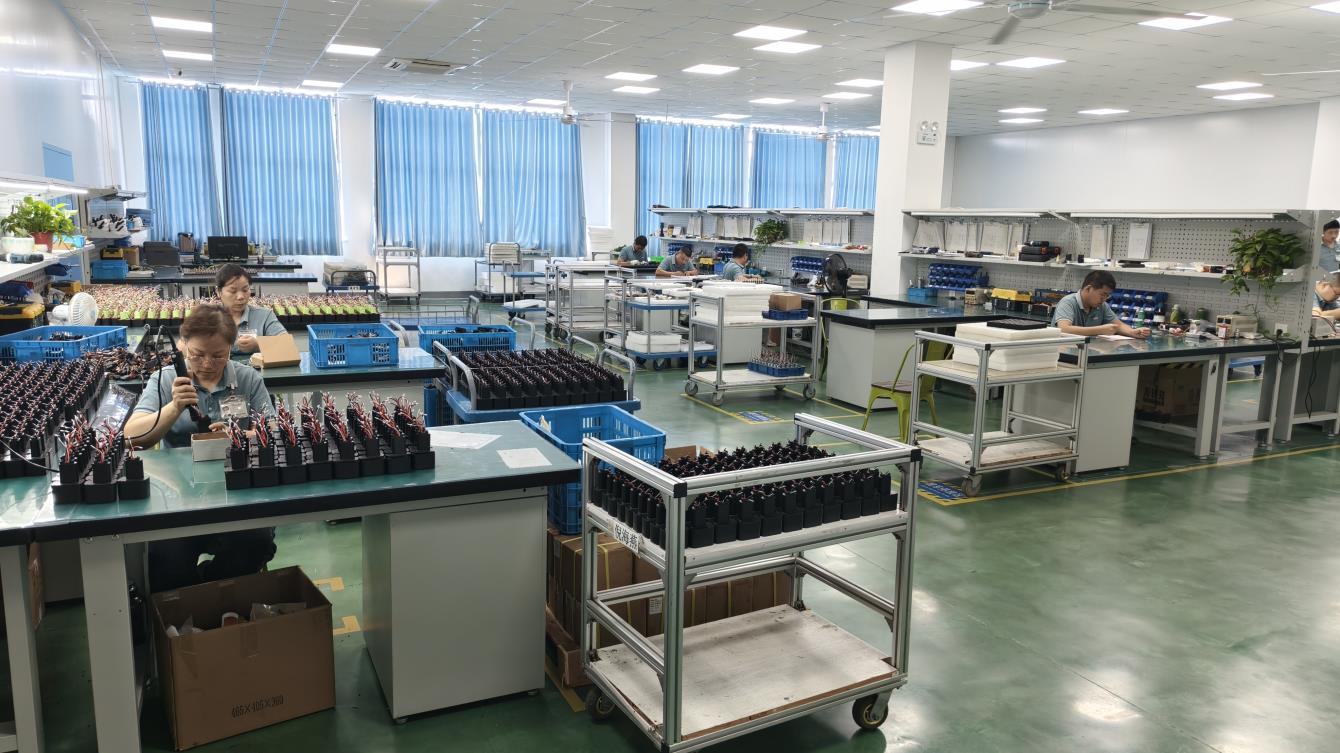
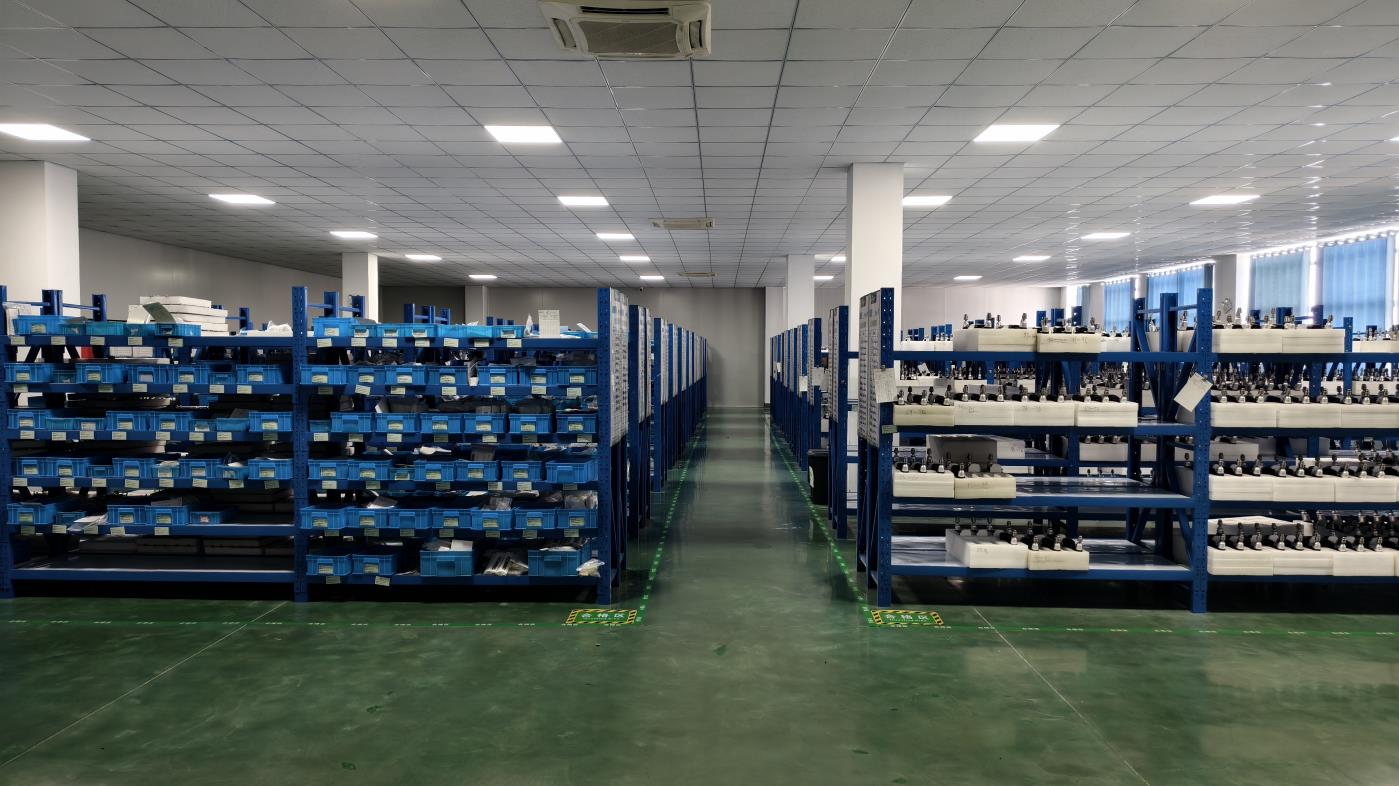
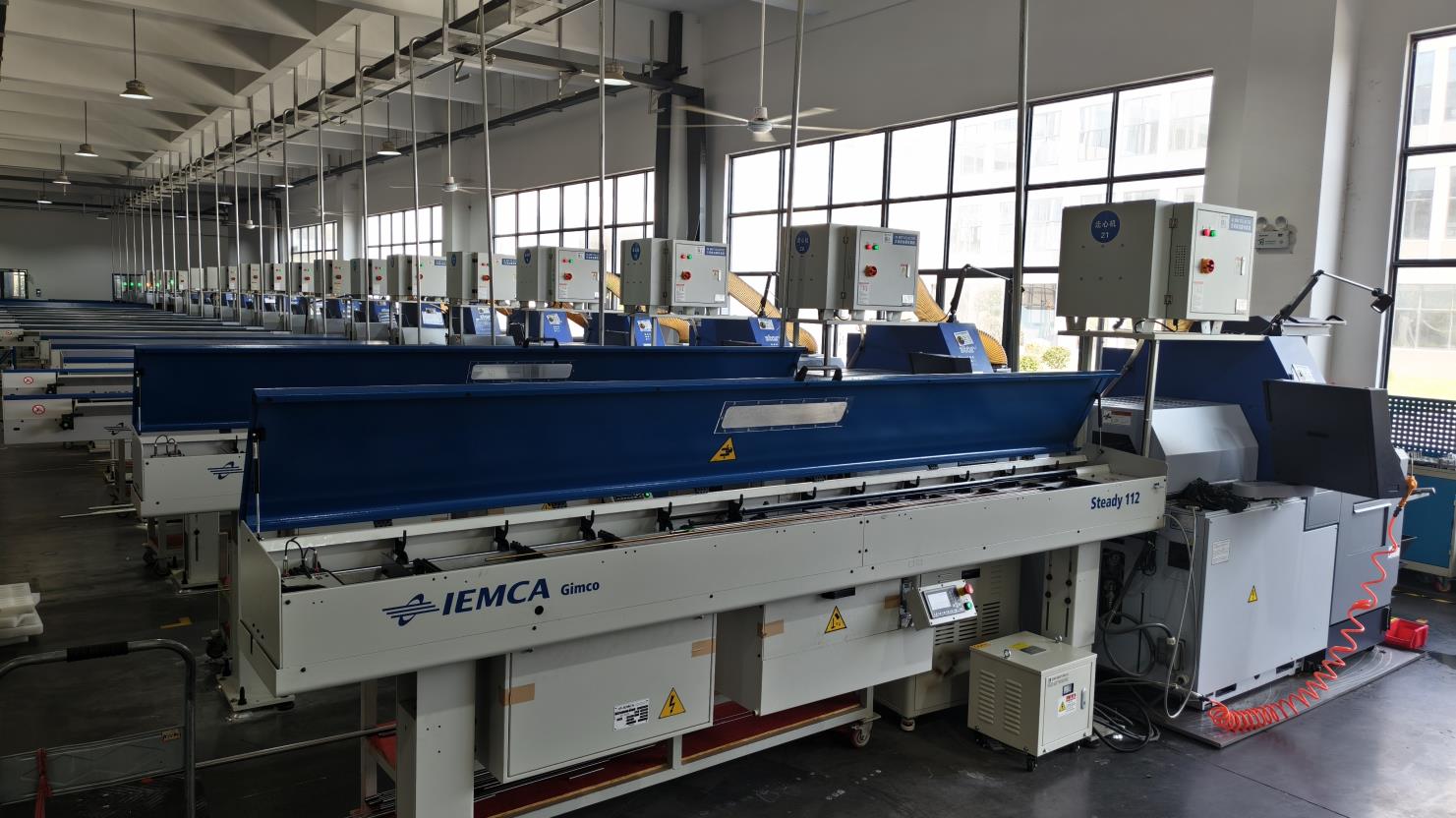
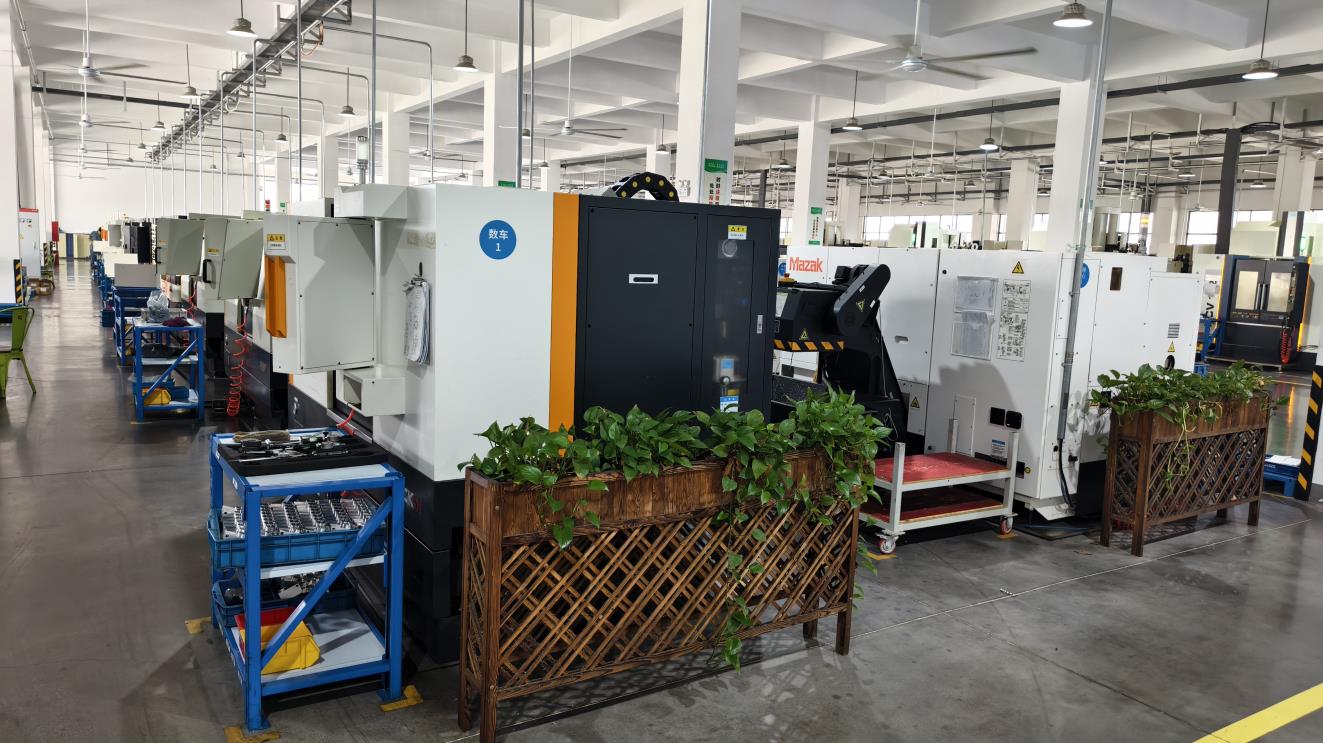
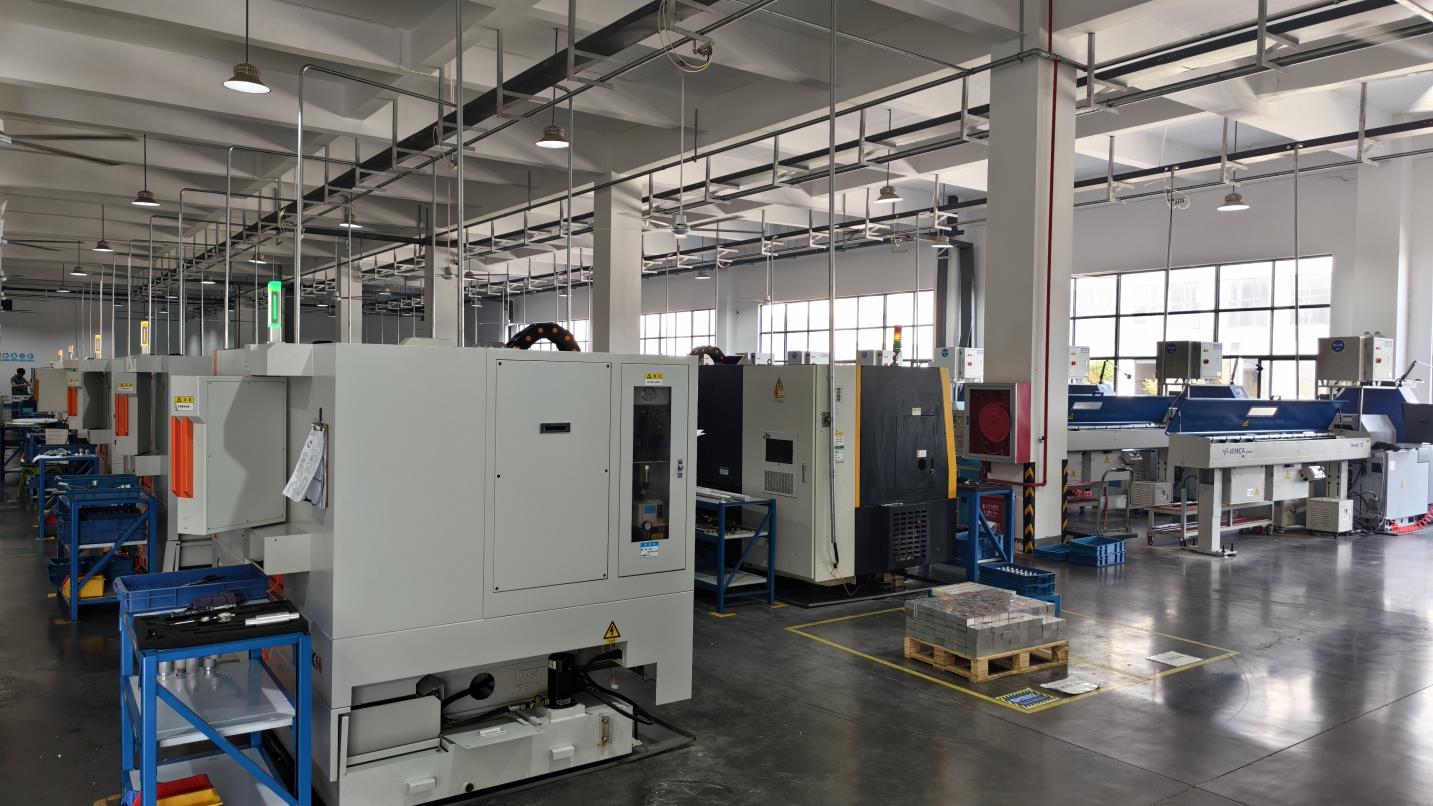
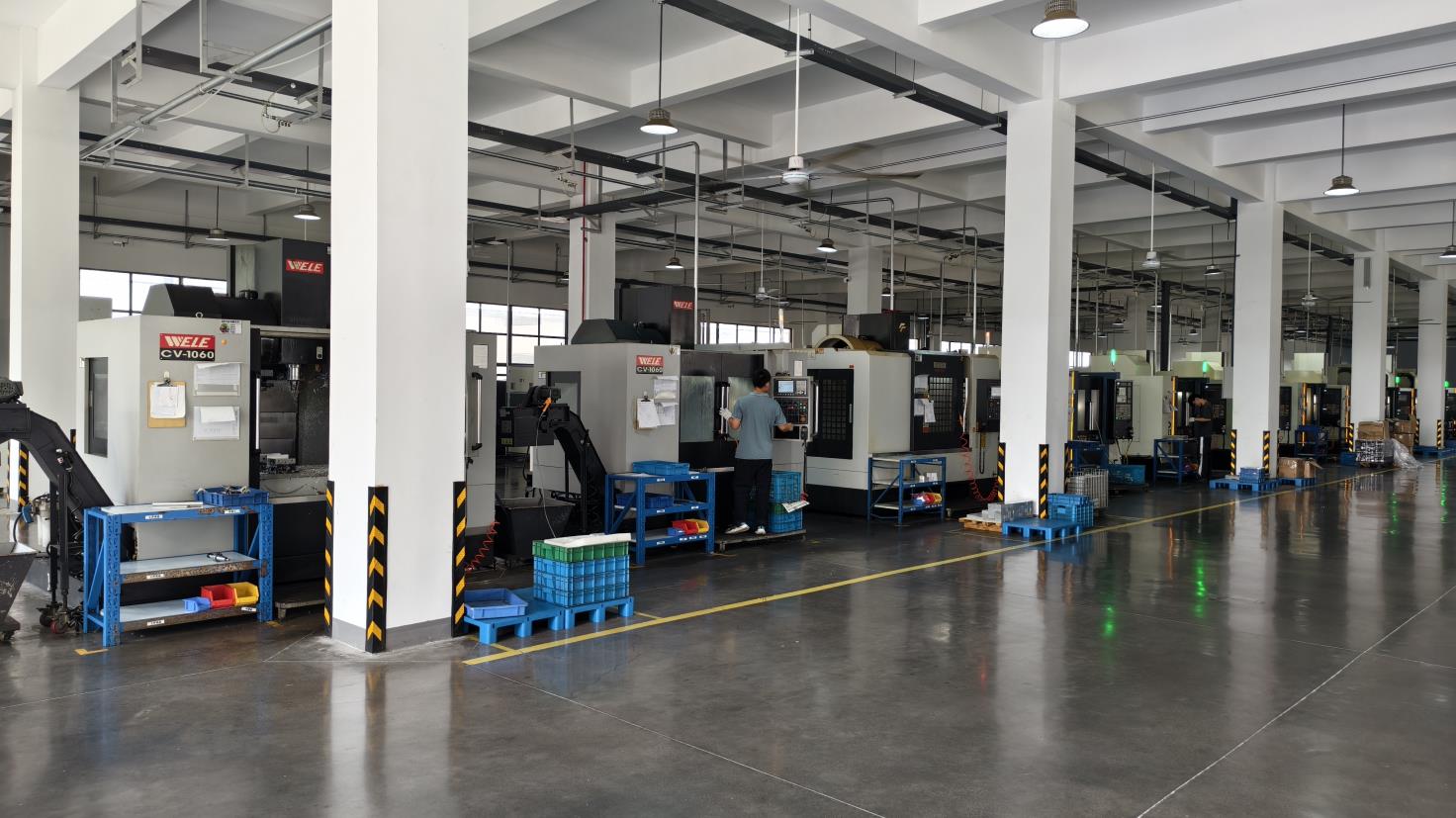
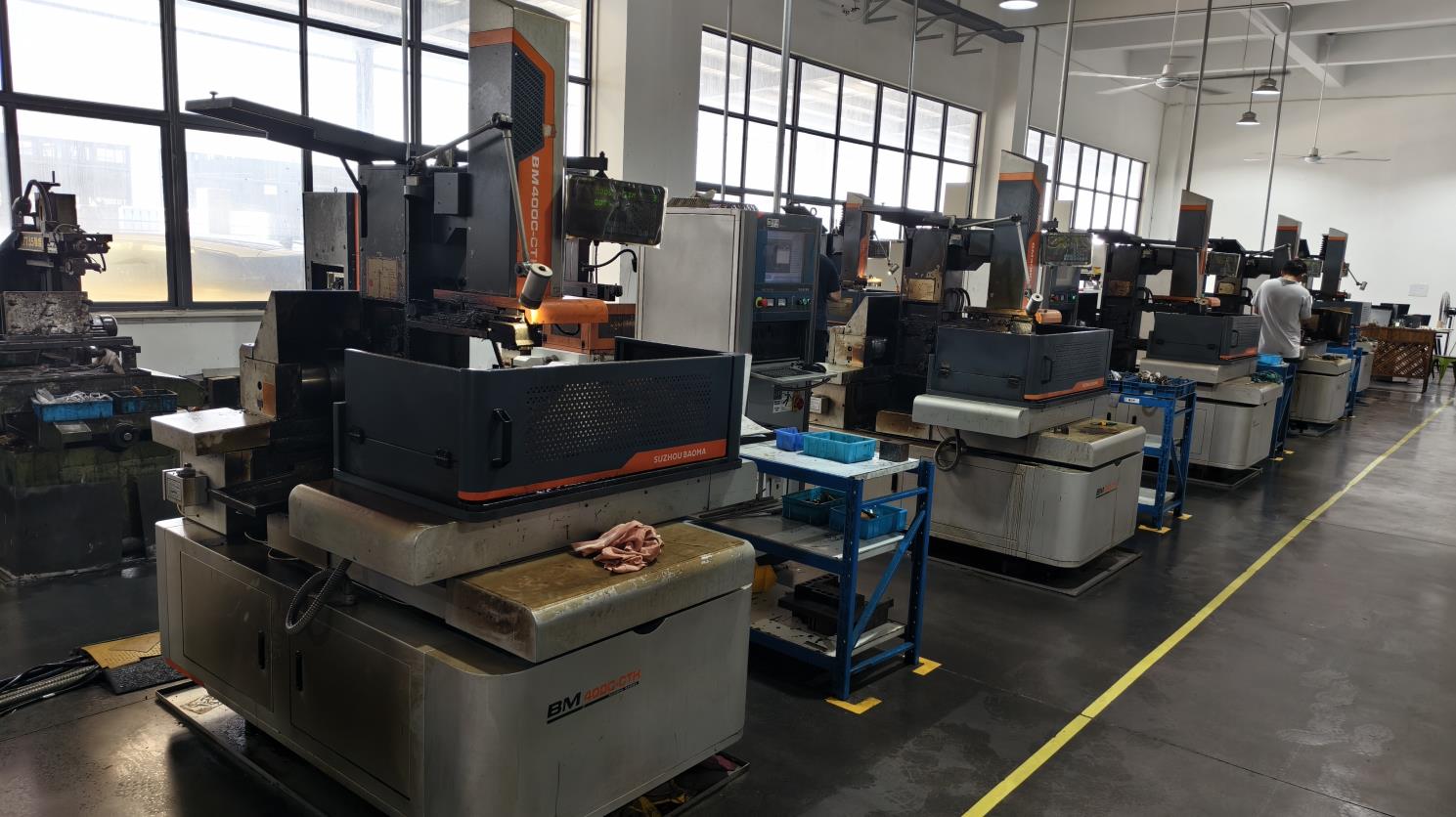
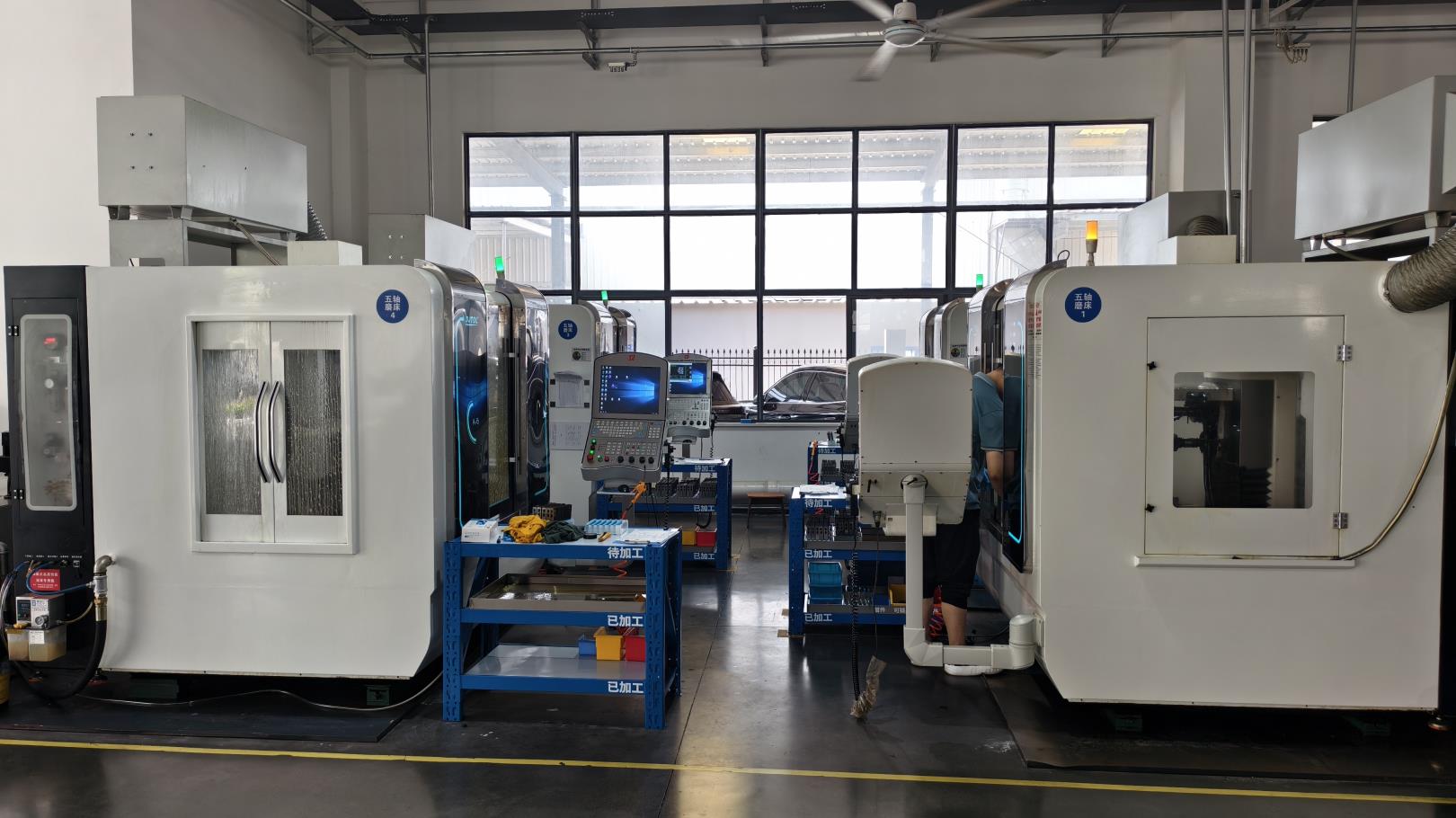
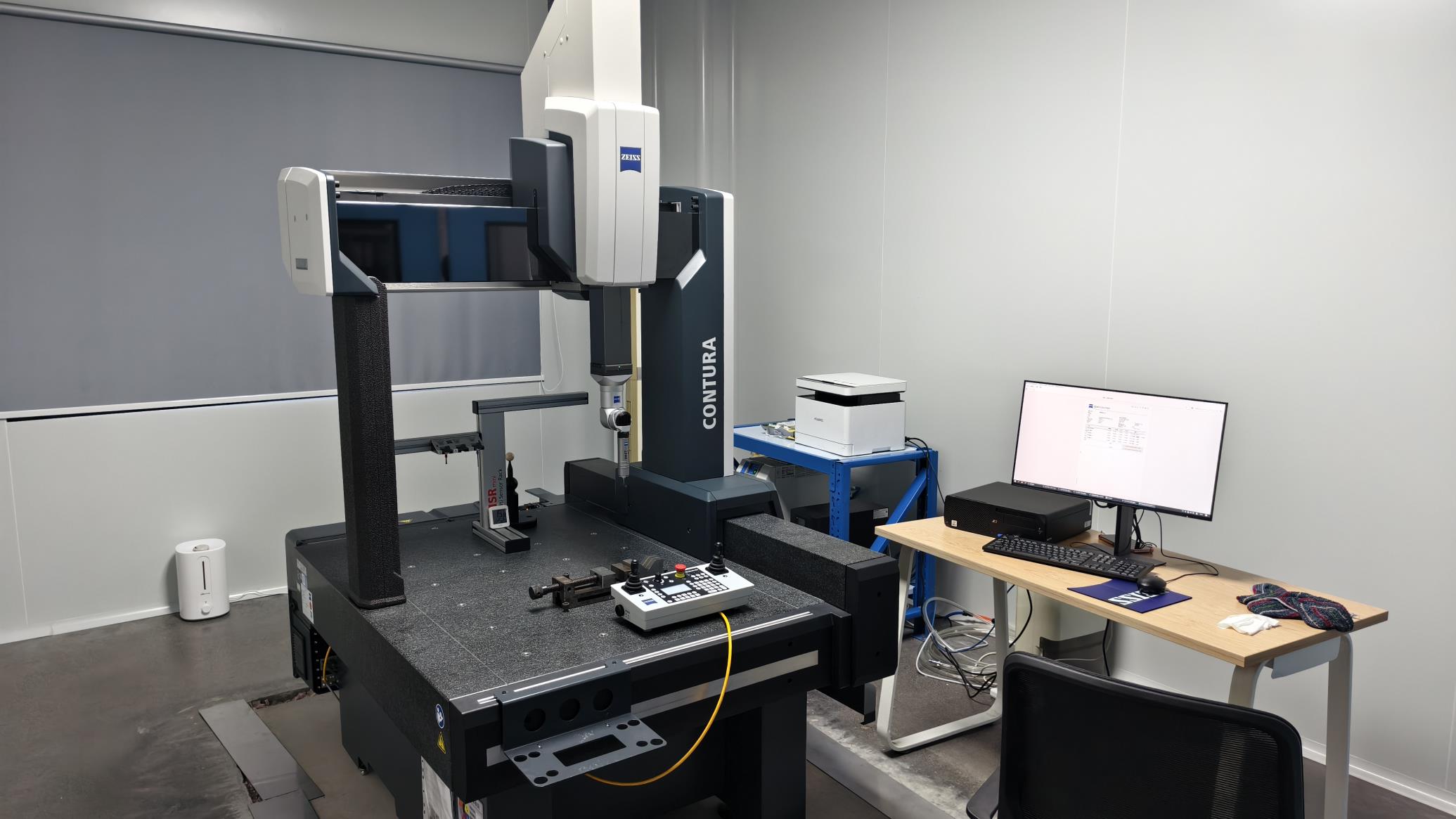
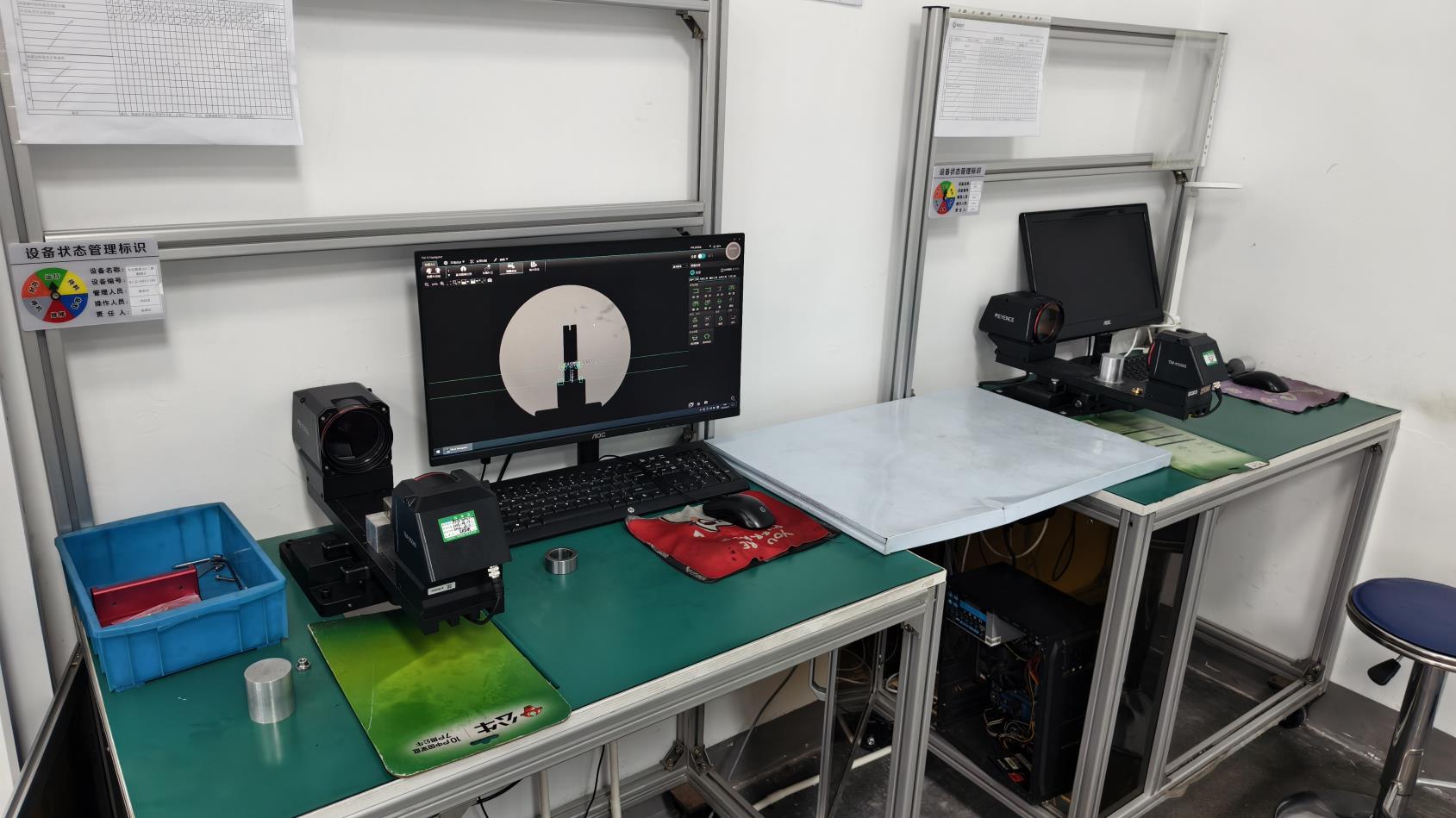
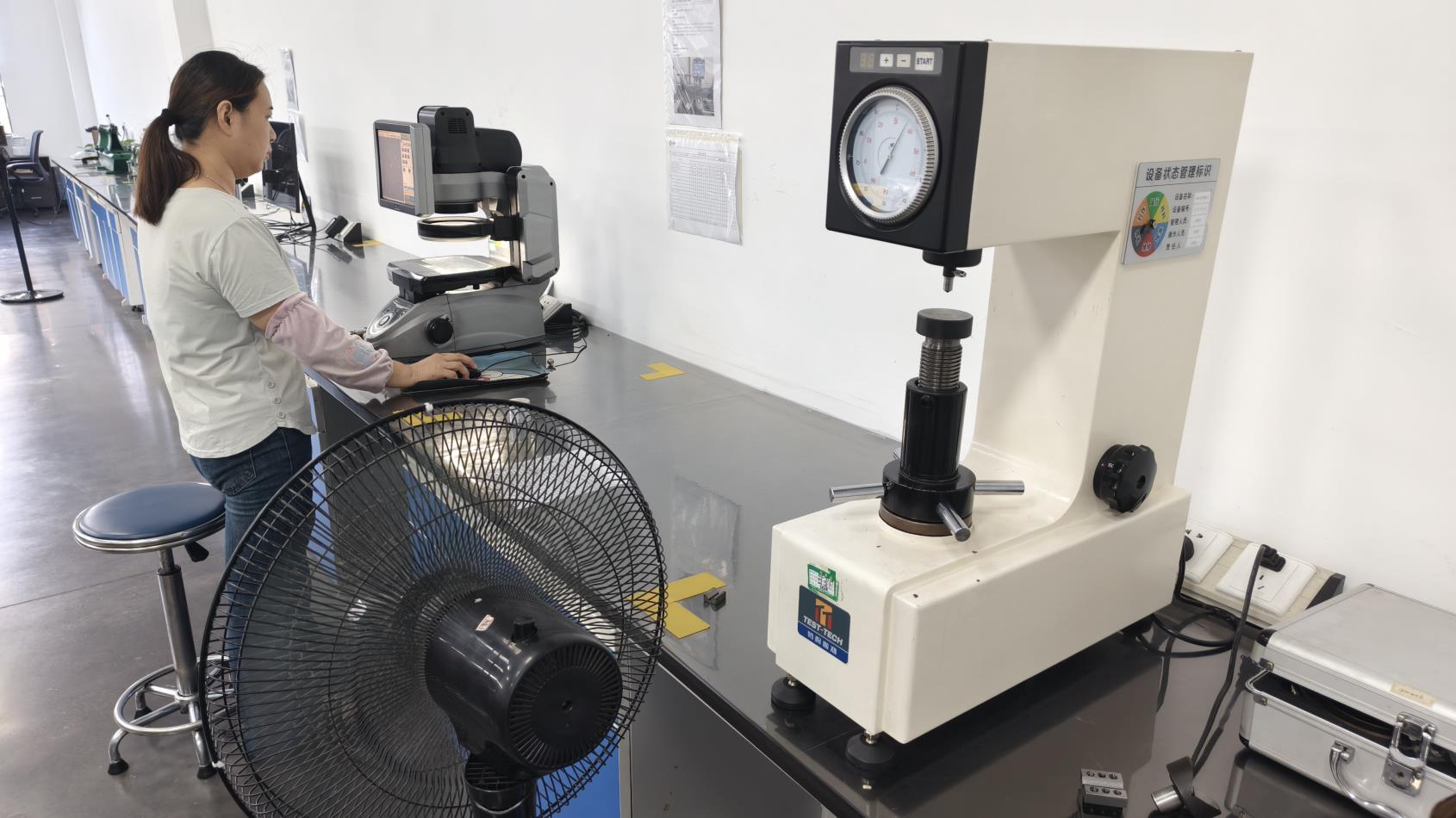
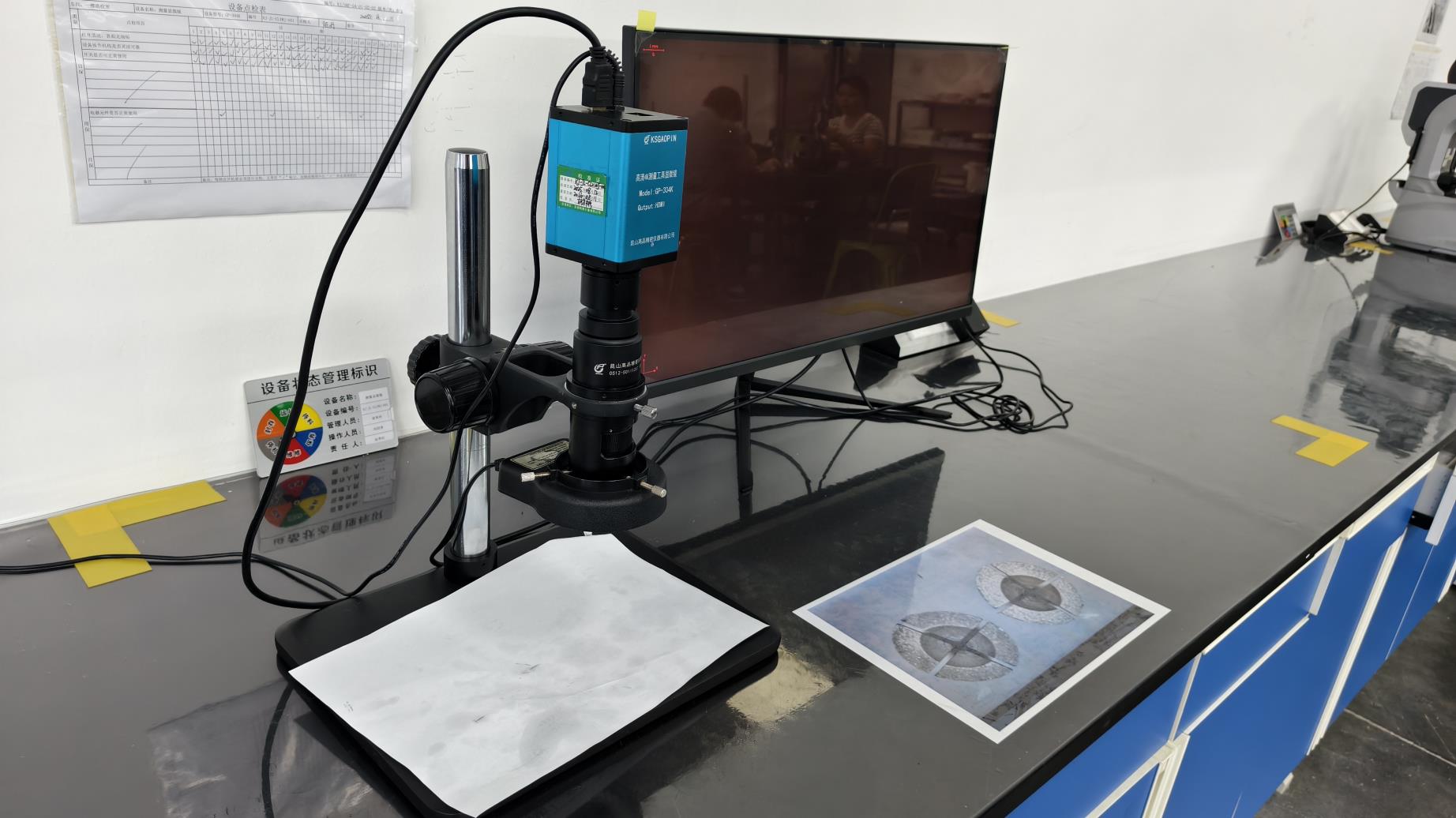
The manufacturing ecosystem in China has evolved from high-volume production to precision engineering. High-performance Swiss-type CNC lathes and multi-axis machining centers enable the fabrication of complex micro-structures, such as variable-pitch pedicle screw threads and pre-contoured anatomical lock plates. By leveraging integrated local supply networks, factories like Moventra offer structural efficiency advantages:
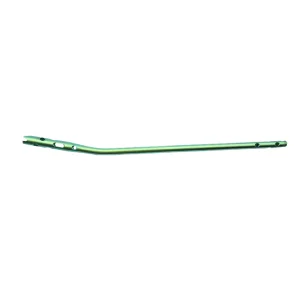
Bone plates and screws are widely used in trauma surgeries. The treatment of metaphyseal and diaphyseal long bone fractures requires anatomic locking plates that match the curvature of the bone. In pediatric operations, the demands are more specialized: implants must support osteosynthesis without hindering growth plates. Pediatric intramedullary elastic nails and mini-locking plates are critical for these younger patients, providing stabilization while preserving growth potential.
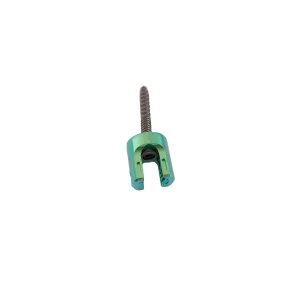
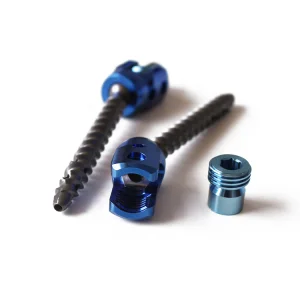
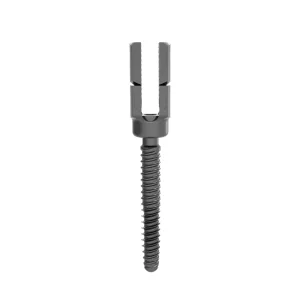
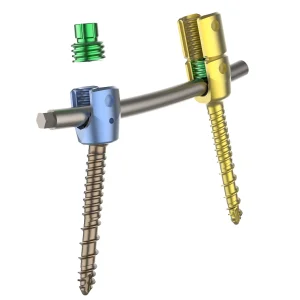
Degenerative disc diseases, spinal trauma, and scoliosis require rigid stability. Polyaxial titanium pedicle screw systems, combined with rods and transversal connectors, form a protective framework for fusion. Sourcing high-quality pedicle screw setups with specialized threads ensures low torque insertion and high pull-out resistance, preventing post-operative screw loosening.
Veterinary medicine has seen a major expansion in surgical implants. Companion animals require specialized osteotomy plates for conditions like Tibial Plateau Leveling Osteotomy (TPLO) and fracture fixation. Small, light, and bio-compatible plates are required for small dogs, alongside arthroscopic shaver blades designed for meniscal debridement. Manufacturers now offer specialized veterinary orthopedic options, adapting human implant technologies for animal welfare.
Clinical Focus: Bio-implant design must minimize stress shielding. Highly rigid stainless steel implants can shield the healing bone from structural stresses, leading to localized osteoporosis. Using Titanium alloys helps distribute stresses more evenly, promoting stronger bone remodeling.
Procuring medical implants demands strict compliance and risk mitigation. For hospital procurement executives, medical device brands, and distributors, selecting the right partner involves assessing quality management systems and manufacturing capabilities. Below are key factors to consider during evaluation:
Ensure the supplier maintains ISO 13485 (Medical Devices Quality Management) and holds certificates like CE MDR and FDA 510(k) clearances for targeting specific global markets.
Confirm the use of implant-grade titanium conforming to ASTM F136 or ISO 5832-3 standards. Always request original Material Test Reports (MTRs).
Verify that final cleaning, assembly, and packaging occur in Class 100,000 (ISO Class 8) cleanrooms to prevent particulate contamination prior to sterilization.
Modern procurement strategies emphasize building relationships with manufacturers that support OEM/ODM customization. This allows companies to localize their product portfolios for region-specific clinical preferences, such as customizing plate profiles for specific anatomical distributions. Additionally, partnering with suppliers who maintain stock of key surgical instrument kits alongside implants simplifies procurement and ensures compatibility during procedures.
Expert insights on materials, testing protocols, and regulatory requirements for bone plates and screws.
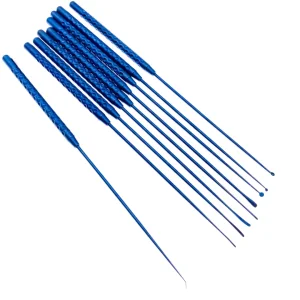
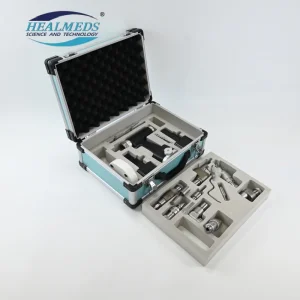
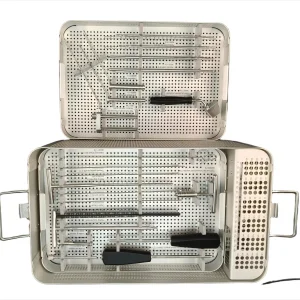
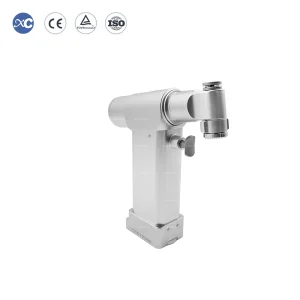
Explore our specialized range of orthopedic instrument sets, veterinary cutting systems, and high-performance pedicle screw systems.
 Moventra Medical