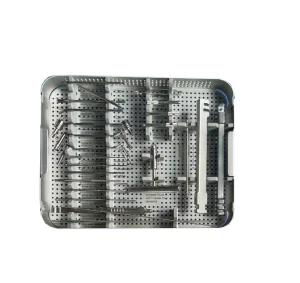
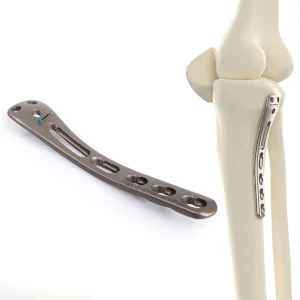
High-performance trauma systems, spine implants, and orthopedic instrumentation sets manufactured to global medical standards.
Proximal femoral fractures, particularly unstable intertrochanteric fractures in geriatric patients, present a major clinical challenge. The primary treatment objective is to achieve prompt, stable fixation that permits early mobilization, minimizing the risk of systemic complications. Over the past few decades, intramedullary fixation has emerged as the mechanical gold standard, with the Proximal Femoral Nail Antirotation (PFNA) leading the innovation curve.
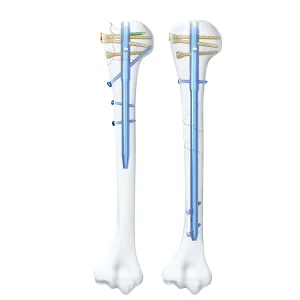
The defining feature of the PFNA design is the replacement of conventional lag screws with a single, highly compacted helical blade. This helical blade achieves fixation by compacting the surrounding bone during insertion, rather than removing bone tissue. This compaction is critical in osteoporotic bone, where implant "cut-out" remains a primary failure mode. The compressed bone provides enhanced resistance to rotational and varus displacement, offering superior biomechanical stability. Additionally, the anatomically optimized nail geometry, featuring a lateral relief cut and various distal locking options, reduces stress concentrations in the femoral shaft and minimizes the potential for secondary fractures.
Clinical Insight: Clinical follow-up studies reveal that PFNA constructs significantly reduce operative time, intraoperative blood loss, and the rate of cut-out complications in comparison to dynamic hip screws (DHS). For healthcare systems, sourcing high-performing, certified PFNA implants from qualified suppliers directly correlates with improved patient outcomes and reduced revision surgeries.
When evaluating the world's leading suppliers of proximal femoral nail systems, global procurement teams analyze raw material sourcing, biomechanical testing protocols, quality control infrastructure, and global certification statuses (FDA, CE MDR). Below is an analytical review of the top 10 manufacturers shaping the global PFNA landscape.
As a pioneer in internal fixation, DePuy Synthes developed the original PFNA system. Their design sets the global benchmark for instrument ergonomics and mechanical reliability. Their manufacturing relies on high-grade titanium alloys and ultra-precise milling, supported by extensive clinical datasets.
Stryker's intramedullary solutions, notably the Gamma3 and Gamma4 systems, leverage advanced biomechanical engineering. Stryker is recognized for integrating digital surgical navigation interfaces and advanced instrumentation kits, catering to high-volume orthopaedic centers.
Smith & Nephew specializes in advanced surface treatments. Their intramedullary systems focus on structural longevity and minimal soft tissue disruption, incorporating specialized distal targeting systems that reduce intraoperative fluoroscopy exposure.
Recognized for comprehensive joint reconstruction and trauma portfolios, Zimmer Biomet produces intramedullary solutions prioritizing anatomical adaptiveness. Their nail geometries cater to diverse patient ethnicities, reducing mismatch risks.
Emerging as a leading global manufacturer, Moventra bridges the gap between premium engineering and competitive cost structures. Boasting a state-of-the-art 18,600 m² facility and a substantial R&D team, Moventra offers robust OEM/ODM services, supplying ISO/CE certified trauma implants to medical brands and distributors worldwide.
While predominantly known for spinal instrumentation, Medtronic's trauma divisions produce high-grade intramedullary devices, featuring high-precision locking configurations and digital supply chain tracking.
Aesculap is renowned for its German engineering standards, providing durable and precise orthopedic instrumentation and implants. Their intramedullary nails are designed for optimal rotational stability and high biological compatibility.
Orthofix integrates biological solutions with external and internal fixation. Their intramedullary designs focus on load-sharing mechanics and micro-motion control to stimulate early callus formation.
Historically recognized for lower extremity and upper extremity portfolios, Wright Medical's contributions to biomechanical design and anatomical mapping continue to influence modern intramedullary nail architectures.
A established Chinese orthopaedic implant pioneer, Canwell delivers a comprehensive trauma portfolio, including CE-marked PFNA and interlocking nail systems, backed by decades of industrial manufacturing experience.
A premier Chinese manufacturing partner for high-precision orthopedic medical devices and custom OEM/ODM solutions.
Moventra Medical Technology (China) Co., Ltd. is a professional manufacturer specializing in the research, development, production, and global supply of orthopedic medical devices and surgical solutions. Established in 2017, the company is dedicated to delivering innovative, high-quality products for trauma, spine, joint reconstruction, sports medicine, and orthopedic surgical procedures.
With a modern manufacturing facility covering 18,600 m², Moventra integrates advanced CNC machining, precision manufacturing, automated production lines, and strict quality management systems to ensure every product meets international medical standards. Our commitment to continuous innovation enables us to provide reliable OEM and ODM services for global medical device brands, distributors, and healthcare institutions.
Supported by an experienced R&D team and comprehensive quality assurance system, Moventra continuously develops innovative orthopedic solutions that improve surgical efficiency and patient outcomes. Our products are exported to customers worldwide and are trusted for their precision, safety, and consistent performance.
| Specification Parameter | Details & Operational Standards |
|---|---|
| Company Name | Moventra Medical Technology (China) Co., Ltd. |
| Brand Association | Moventra |
| Industry Experience | 13 Years of Industrial Leadership |
| Quality Inspection Protocols | 100% Quality Inspection Before Shipment |
| Product Verification Methods | Dimensional Inspection, Material Analysis (Spectral), Surface Finish Metrology, Mechanical Performance Testing, Sterility Verification |
| Business Models Supported | Manufacturer, OEM & ODM Exporter |
| Main Global Markets | North America, Europe, South America, Middle East, Southeast Asia, Australia |
| Supply Chain Network | 1,120 active domestic & global partners |
| Primary Customer Profiles | Medical Device Brands, Orthopedic Distributors, Hospitals, Importers, Government Procurement Projects |
| R&D Scope | Independent Product Design, Rapid Prototyping, OEM/ODM Development, Customized Engineering Solutions |
| Customization Options | Logo Etching, Customized Sterile Packaging, Product Design Modification, Drawing-Based & Sample-Based Manufacturing |
| Annual Product Development Output | 156 New Products Released Last Year |
Every stage of the production process, from bar milling to final QA checking, is completed in-house under strict Class III medical device protocols.
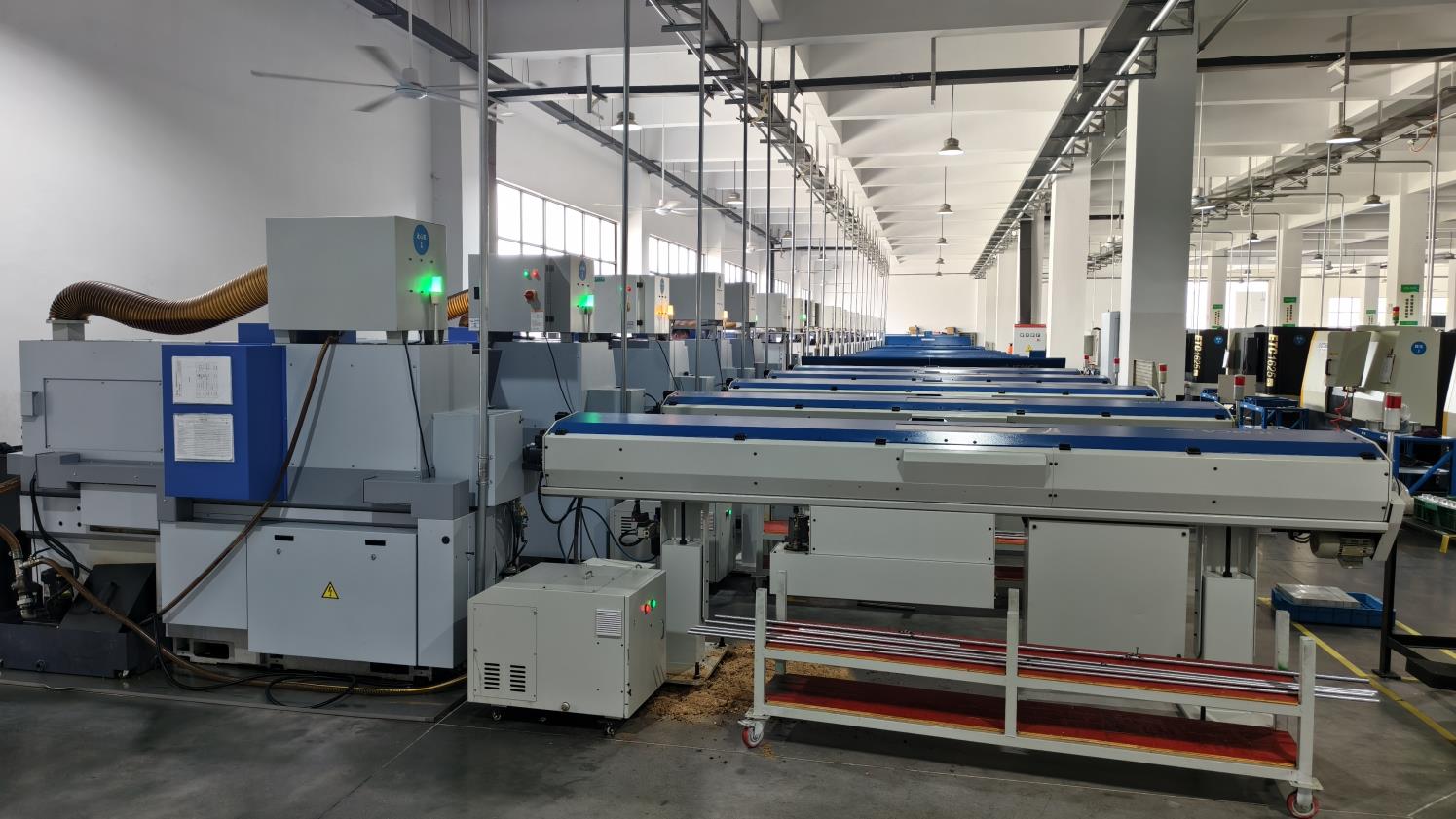
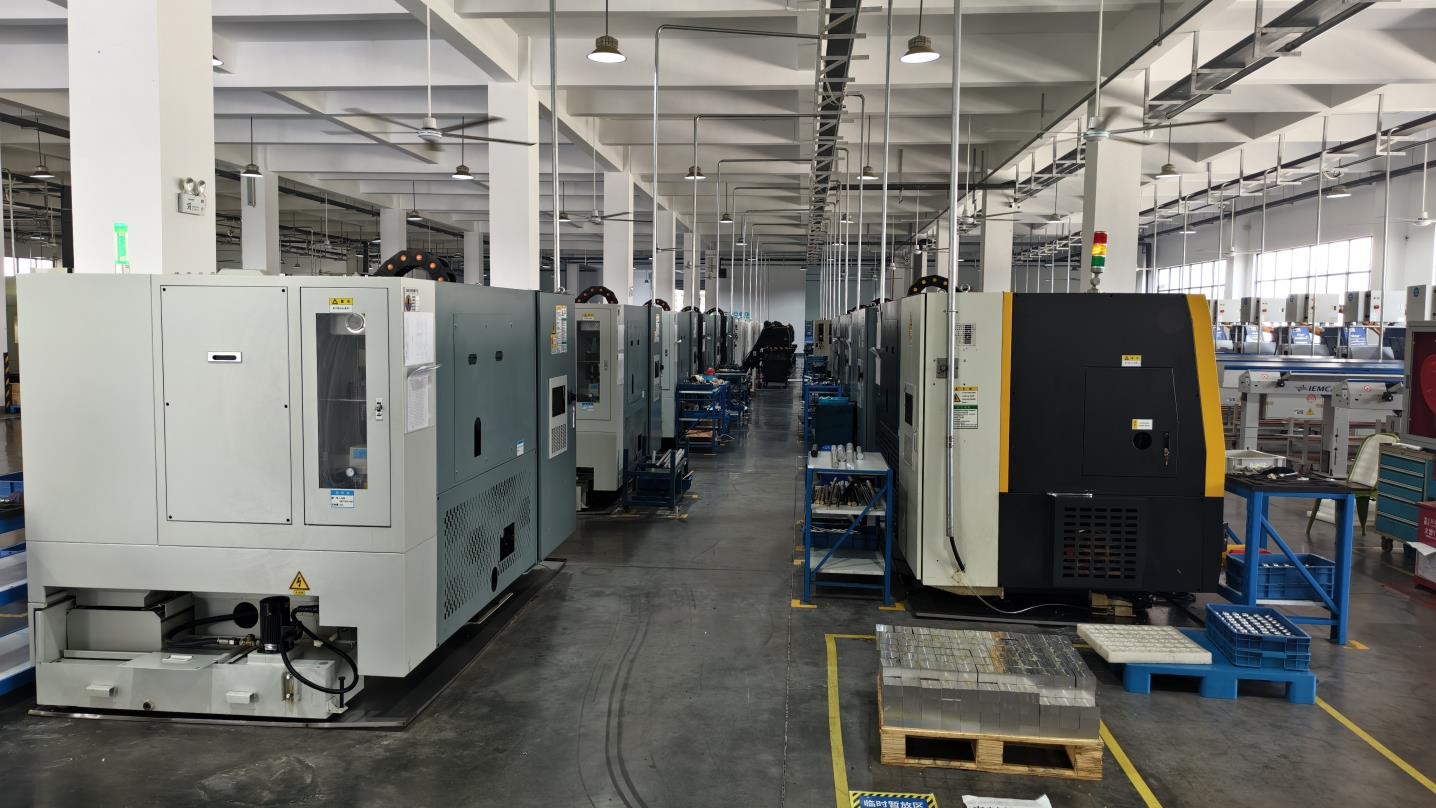
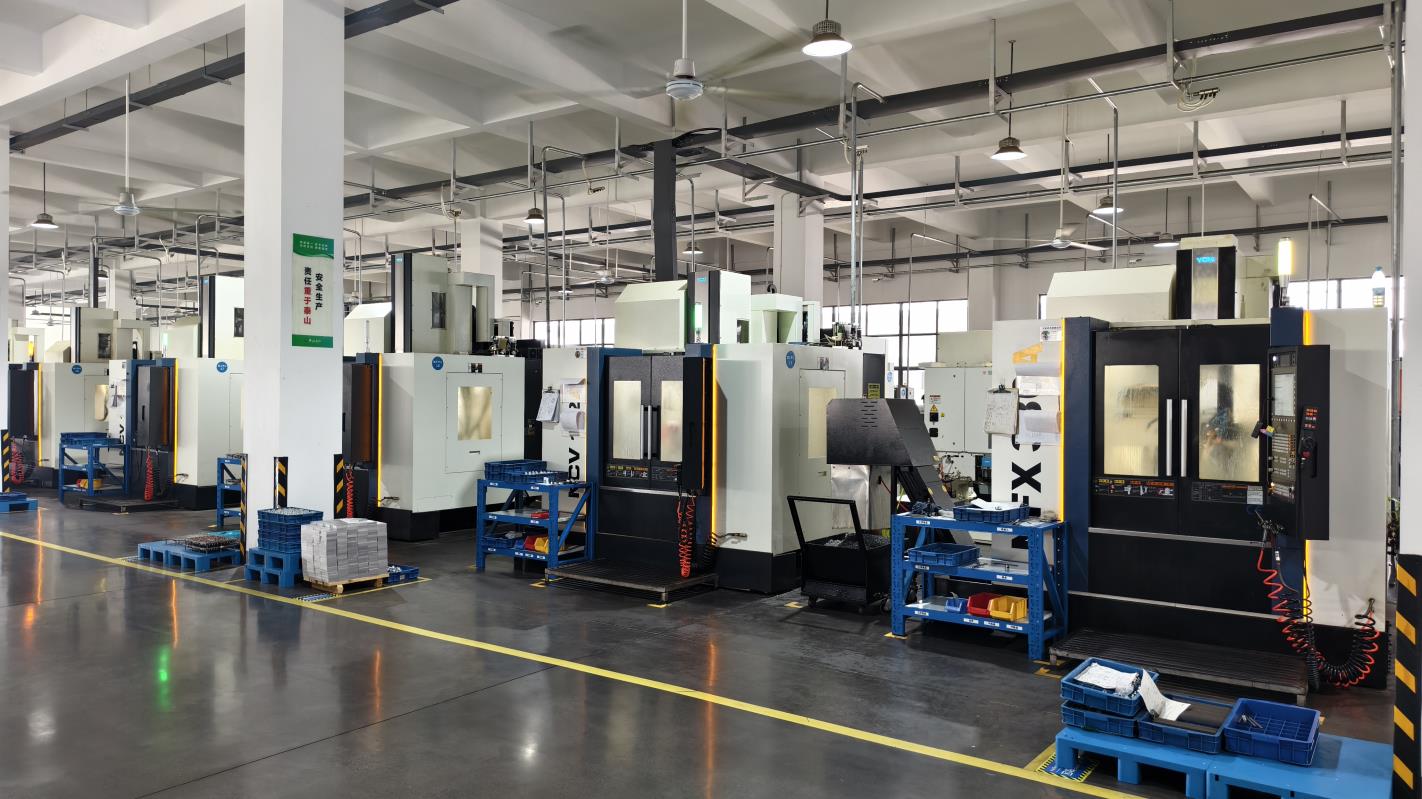
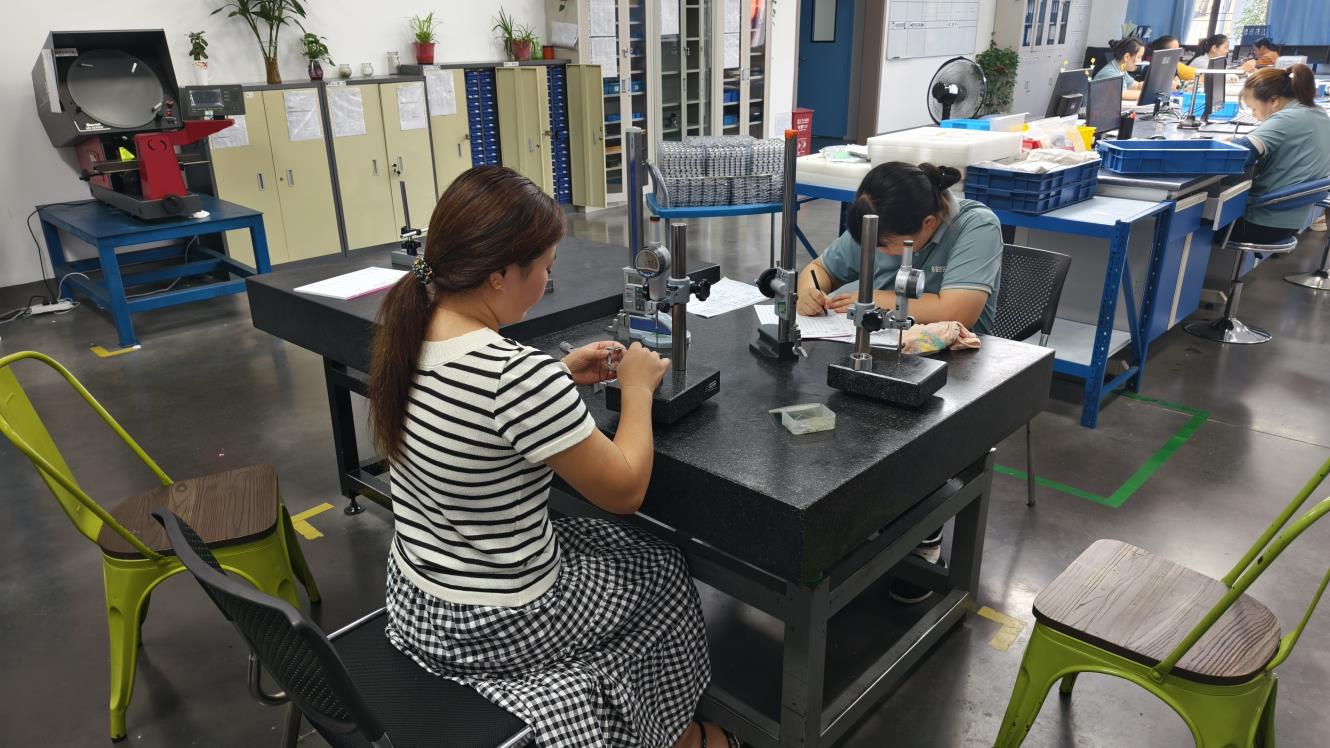
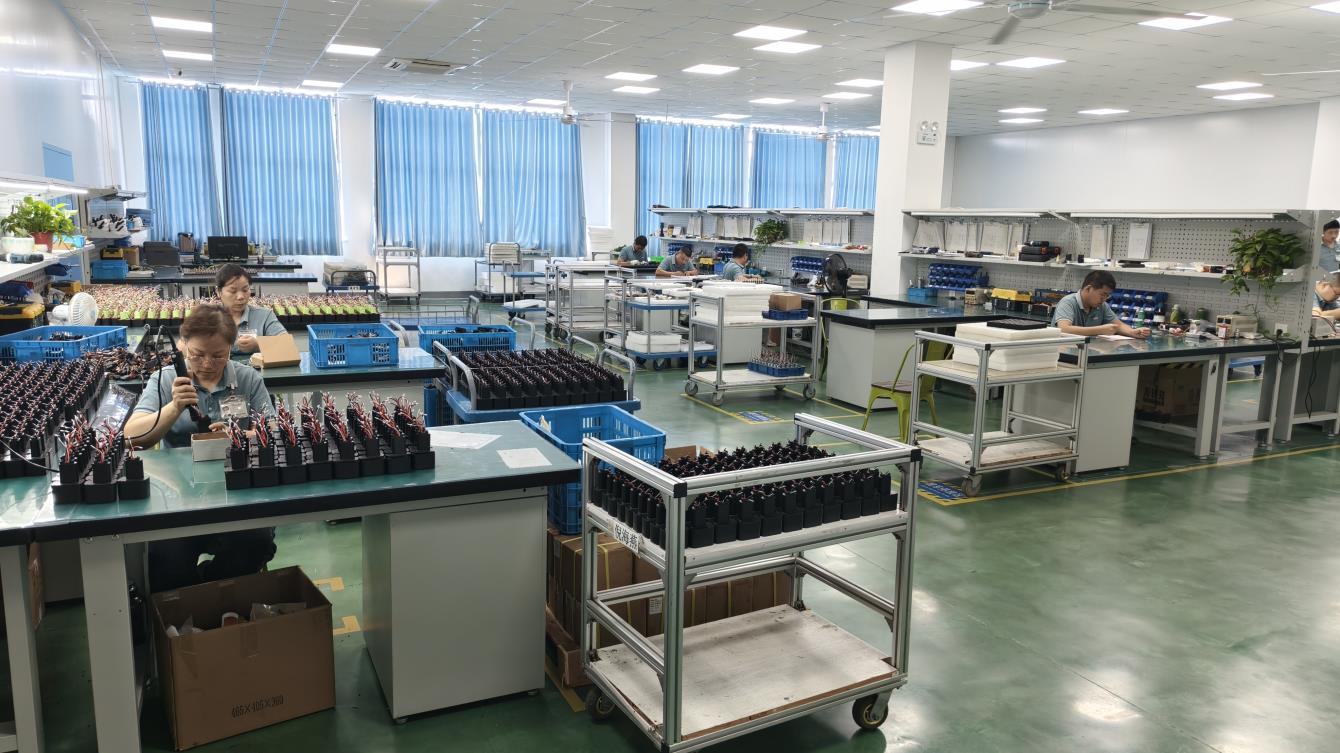
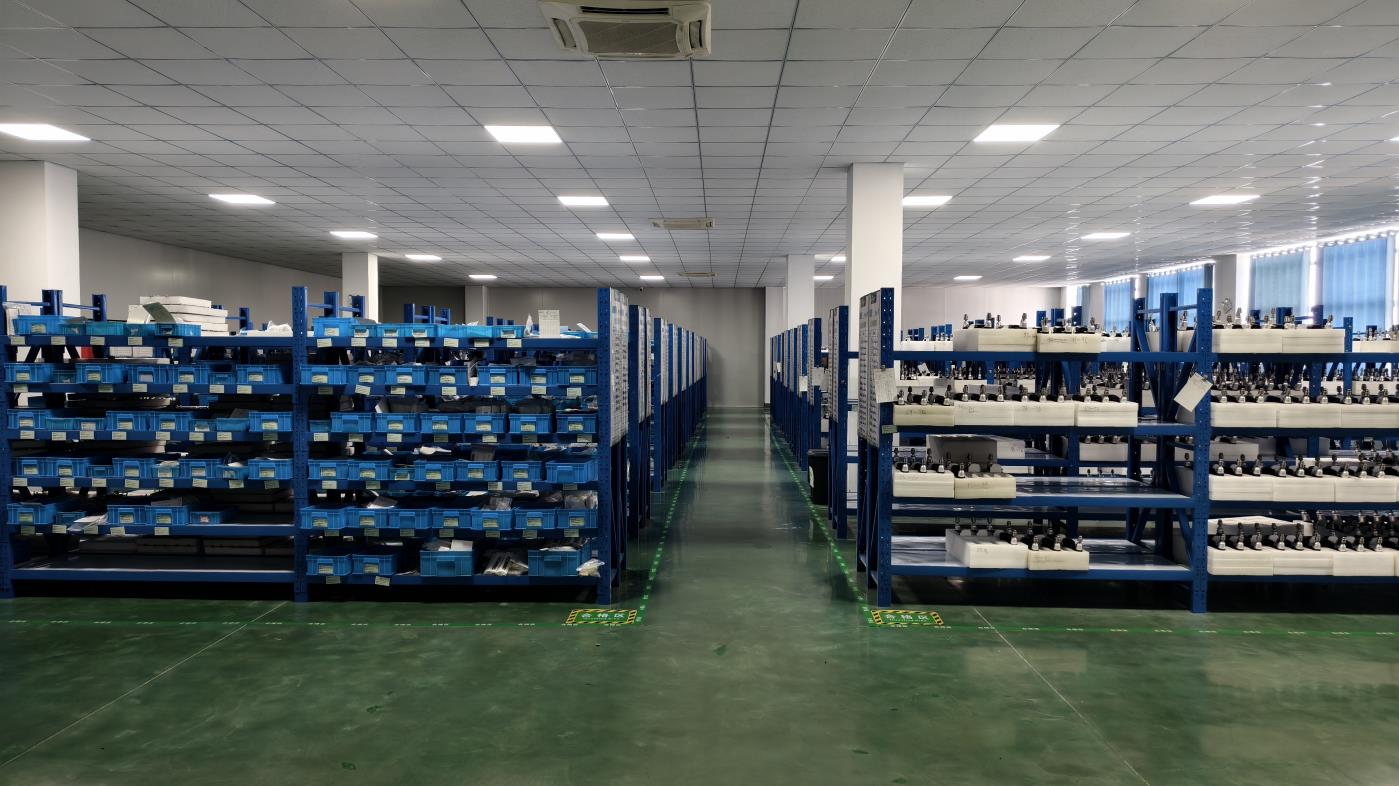
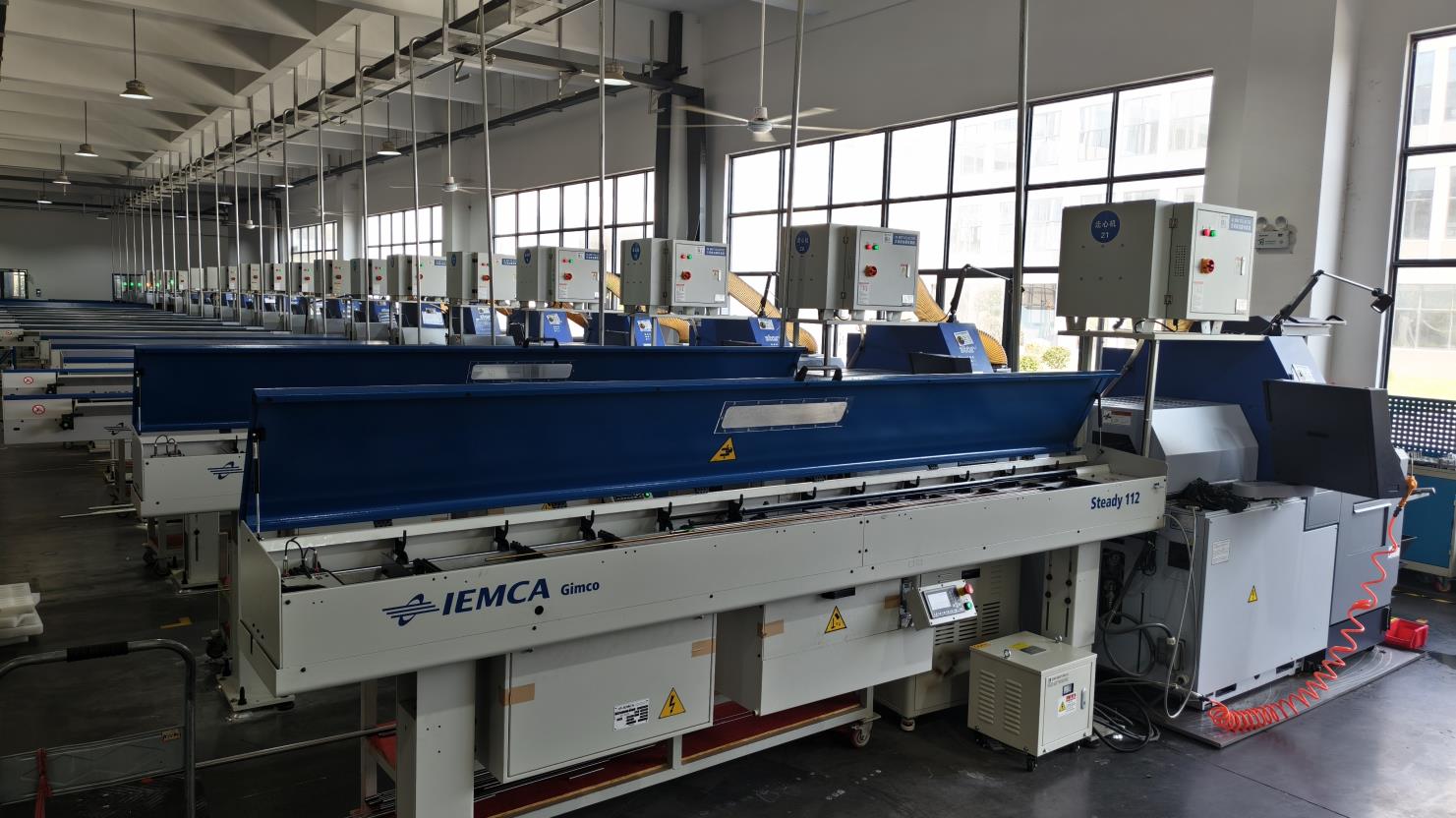
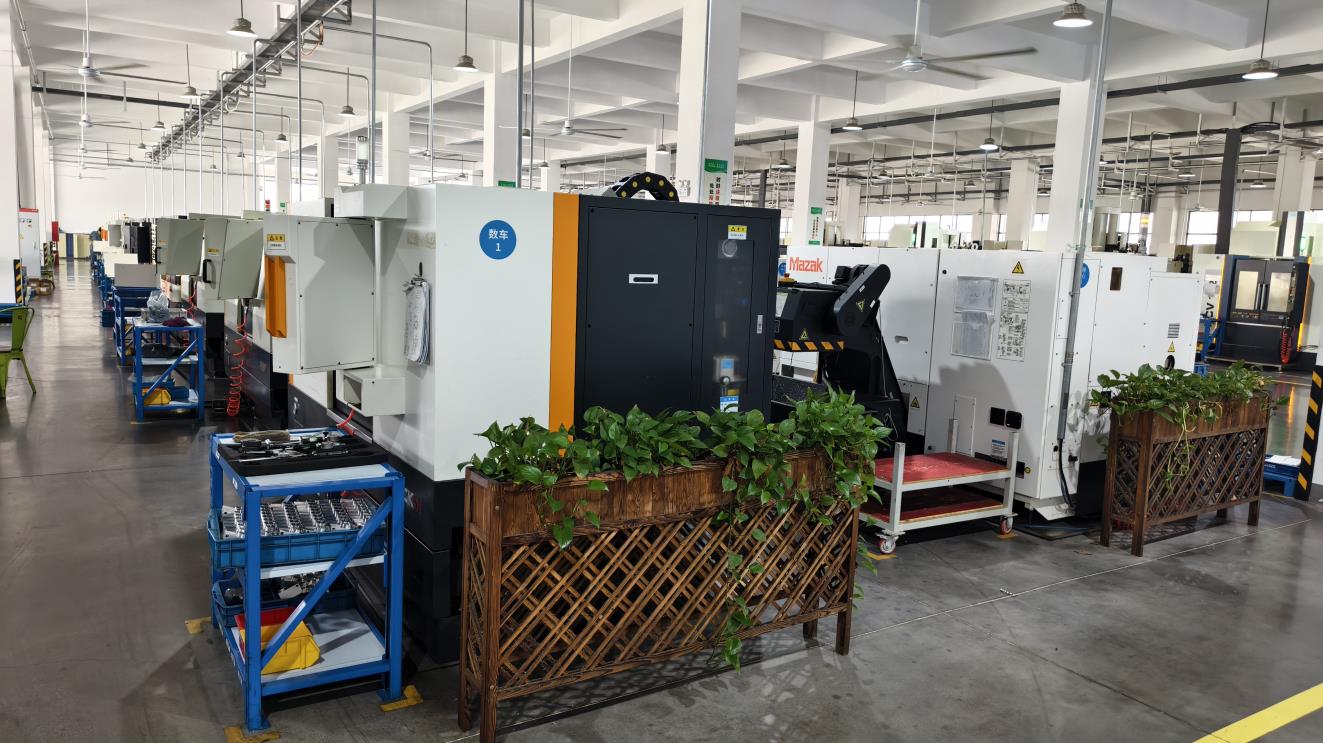
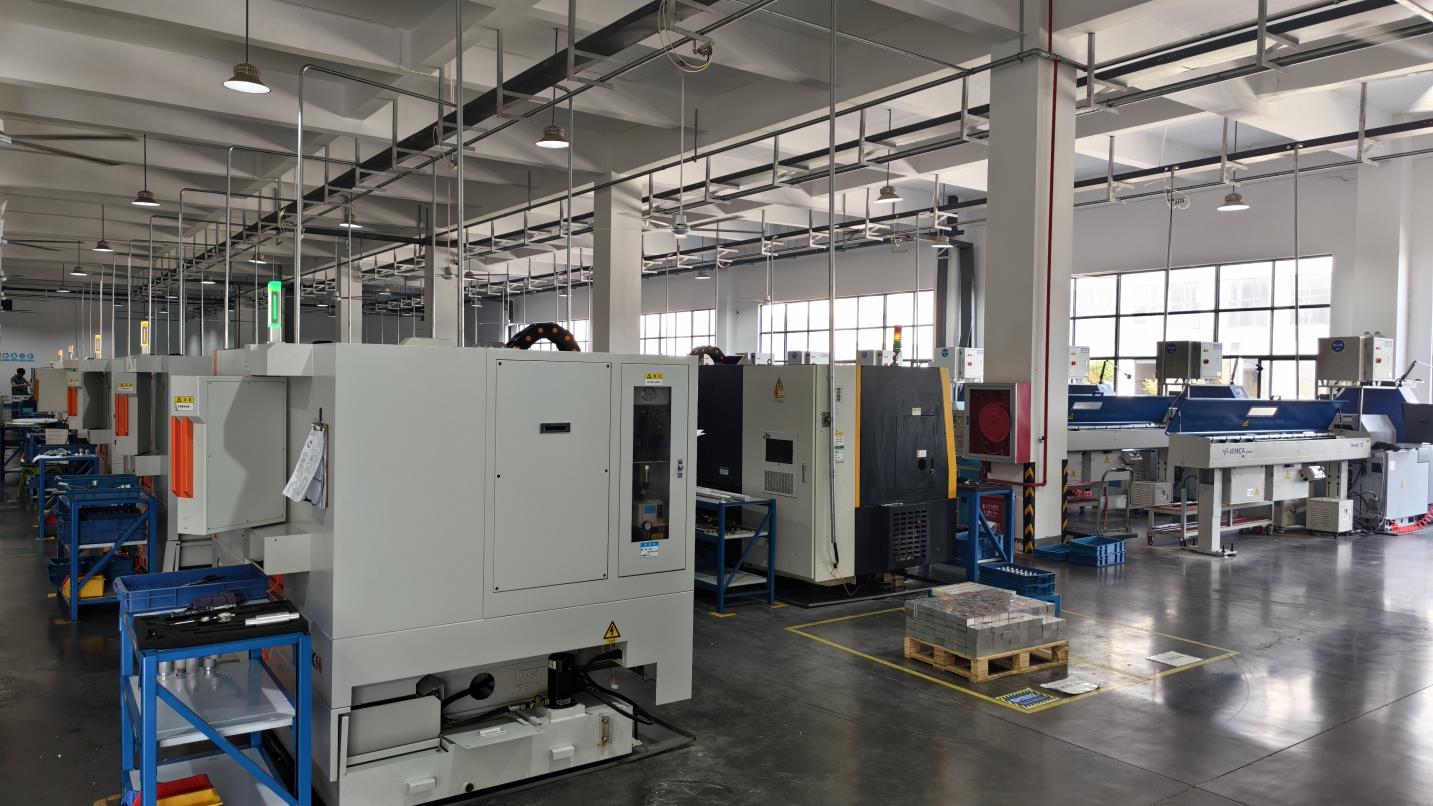
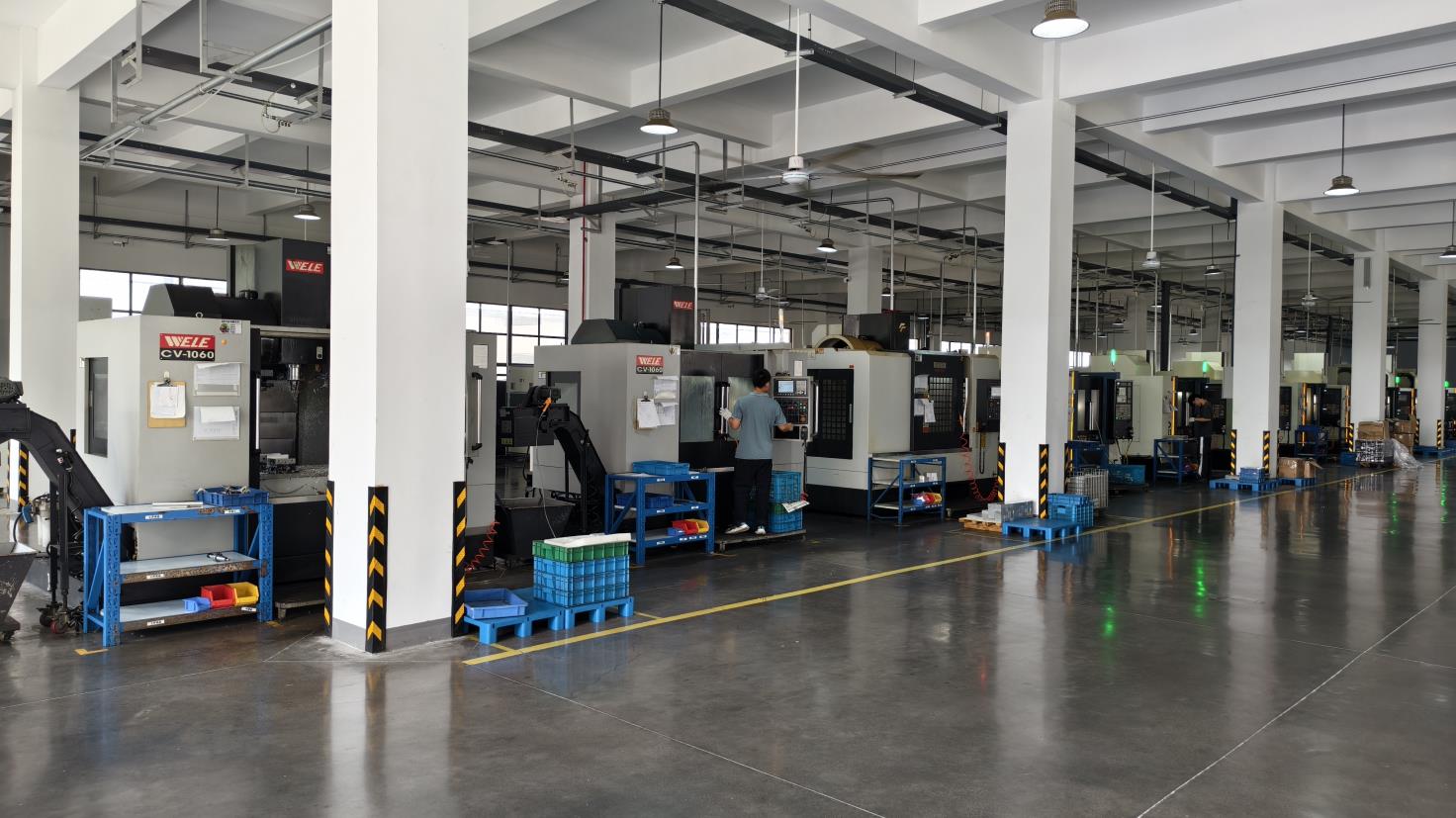
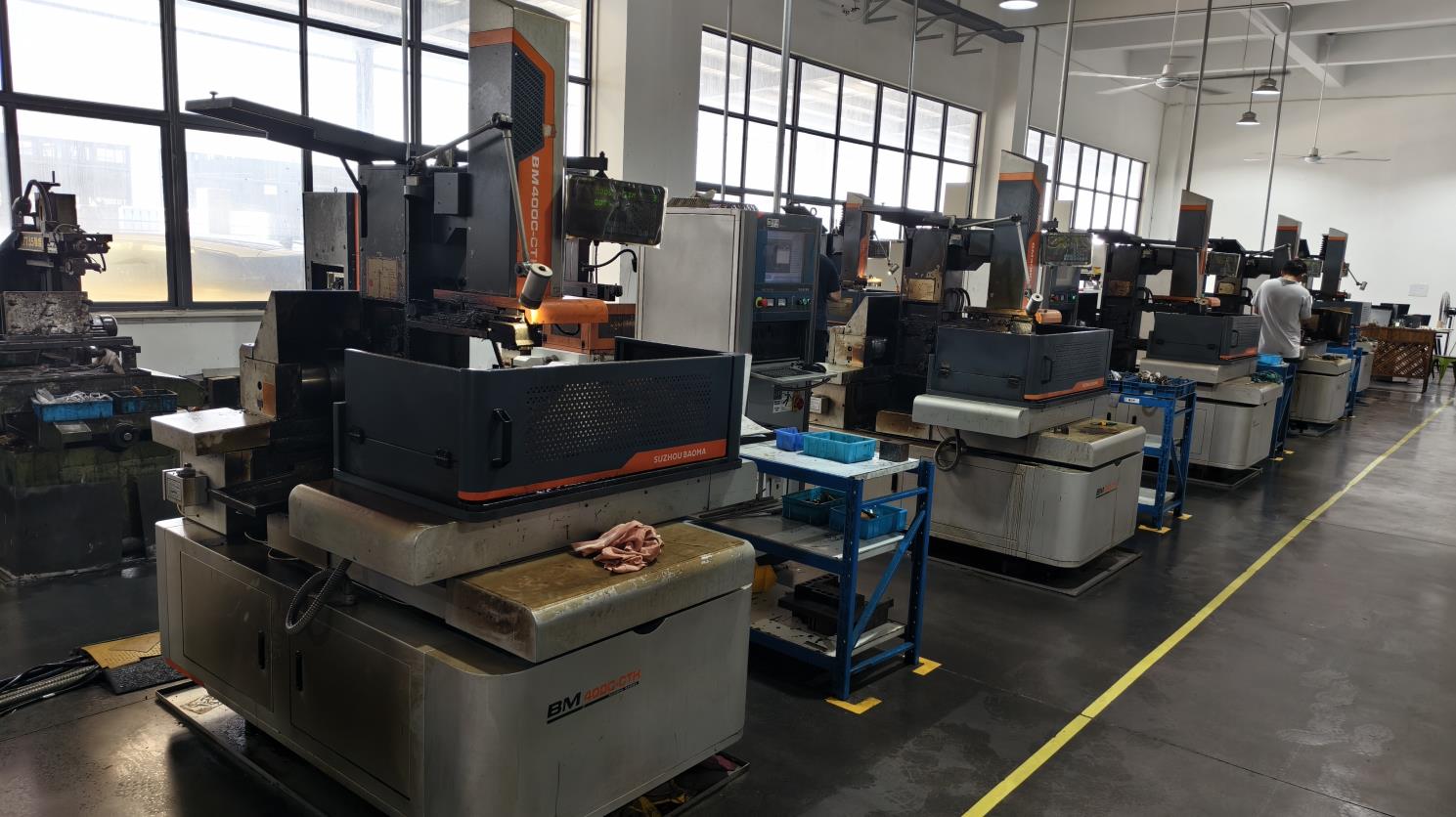
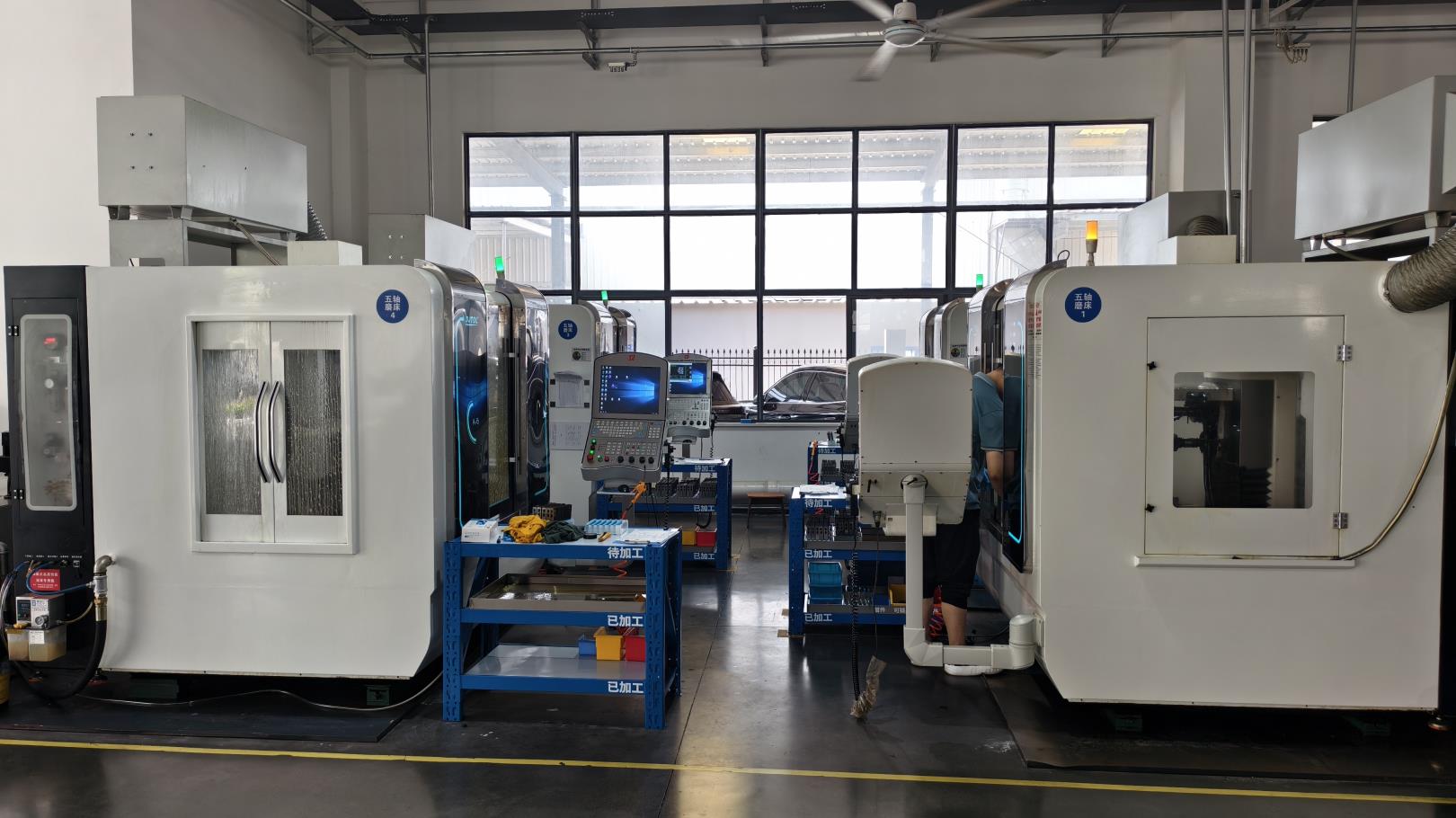
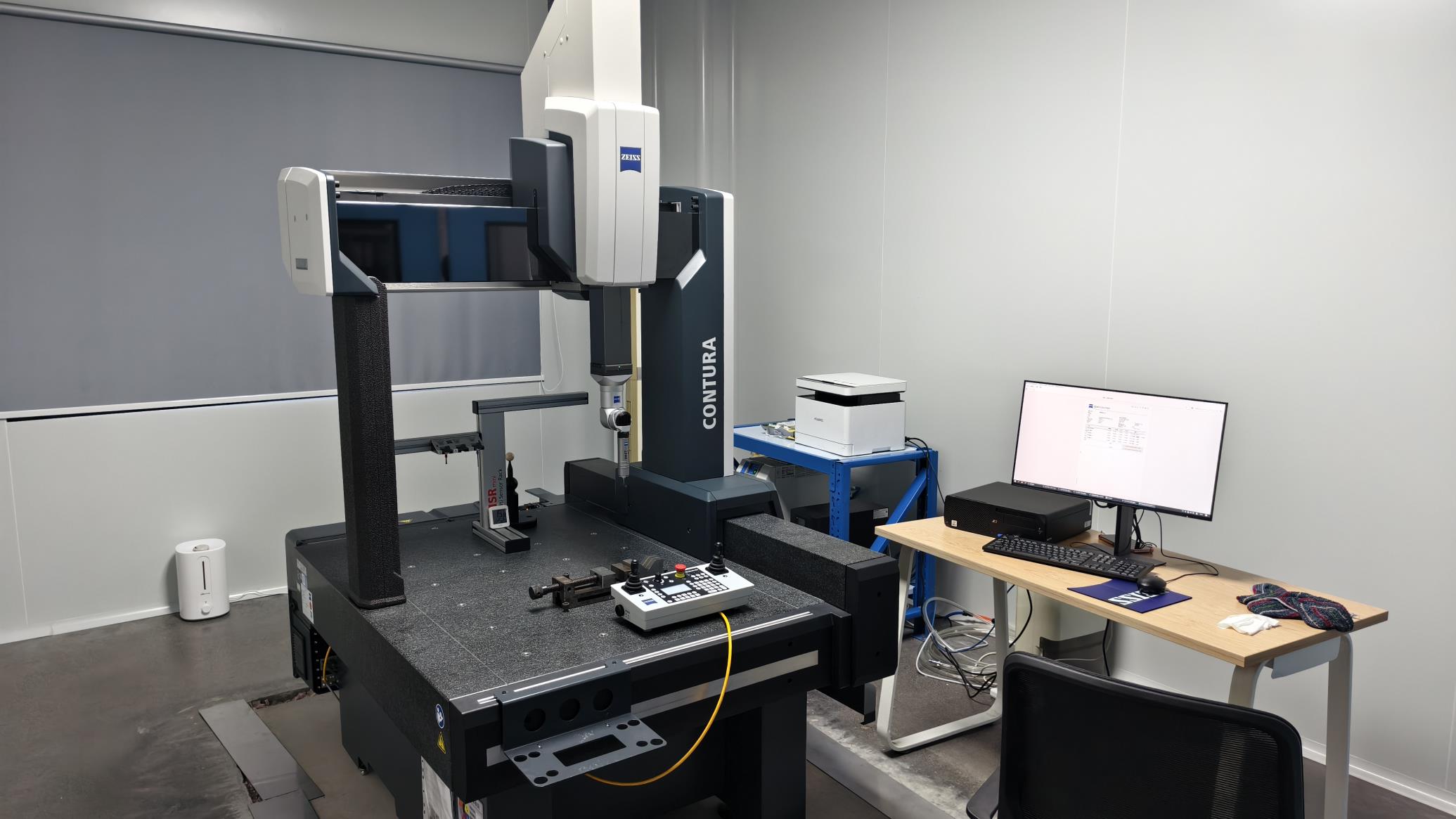
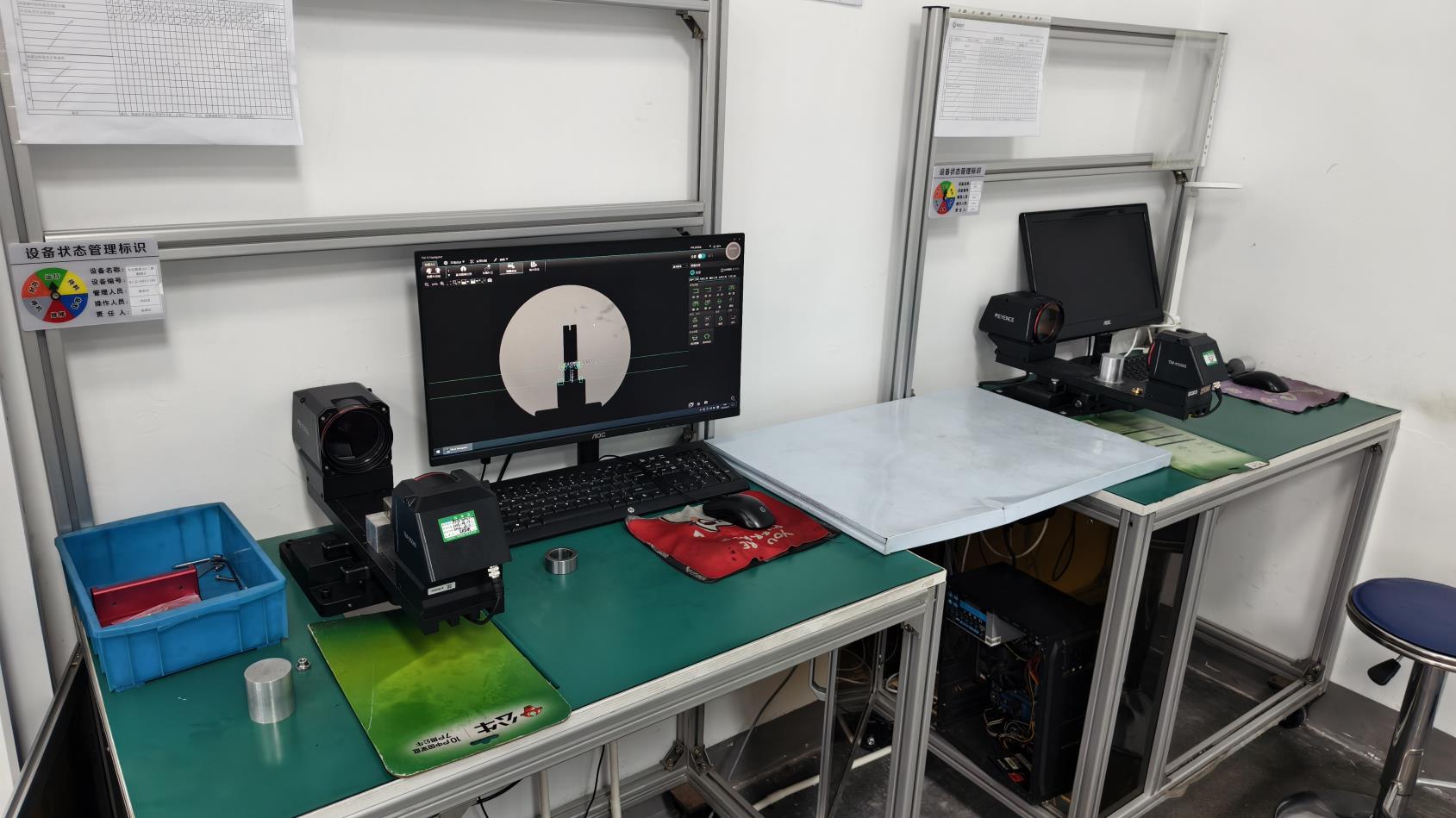
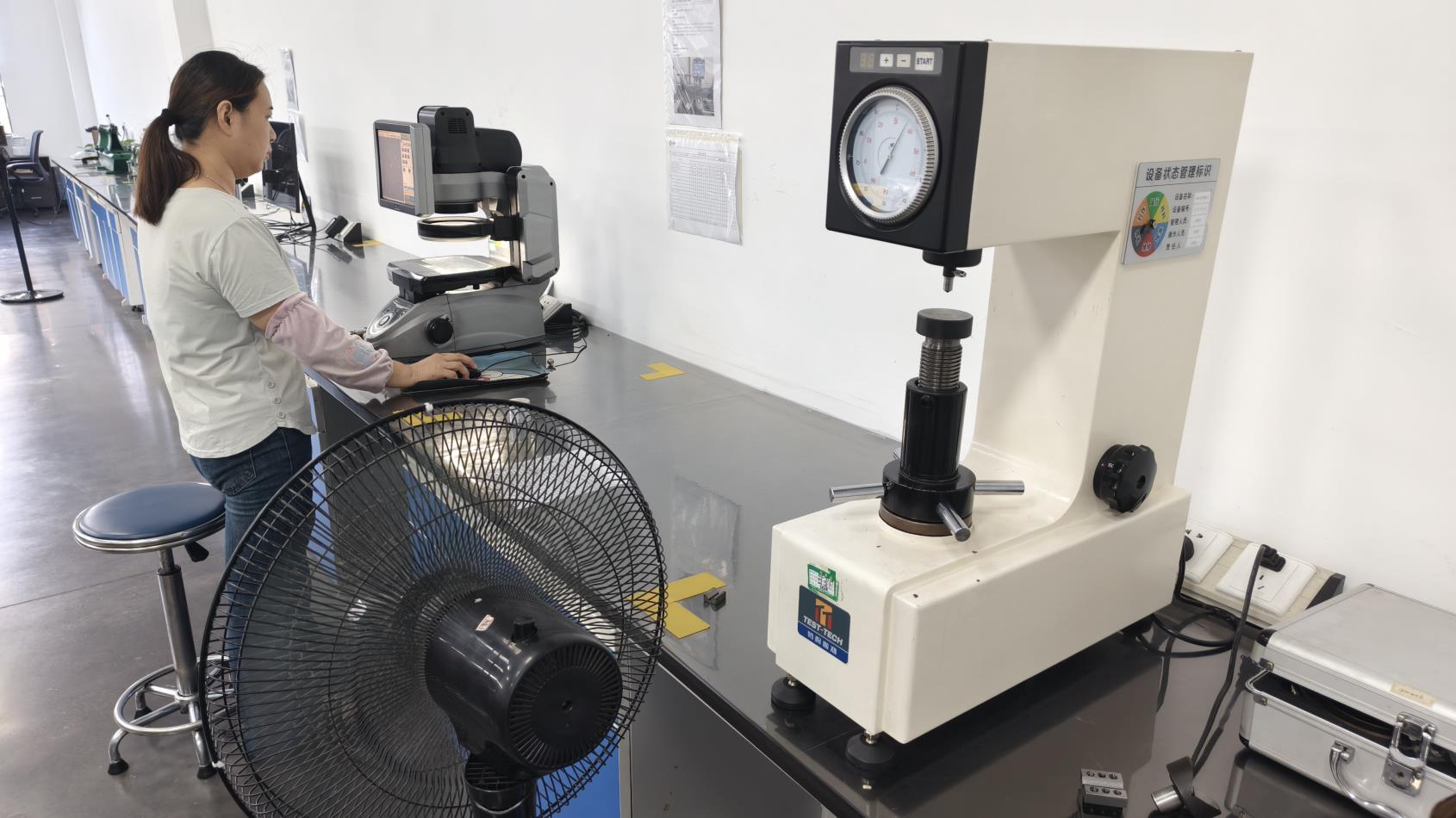
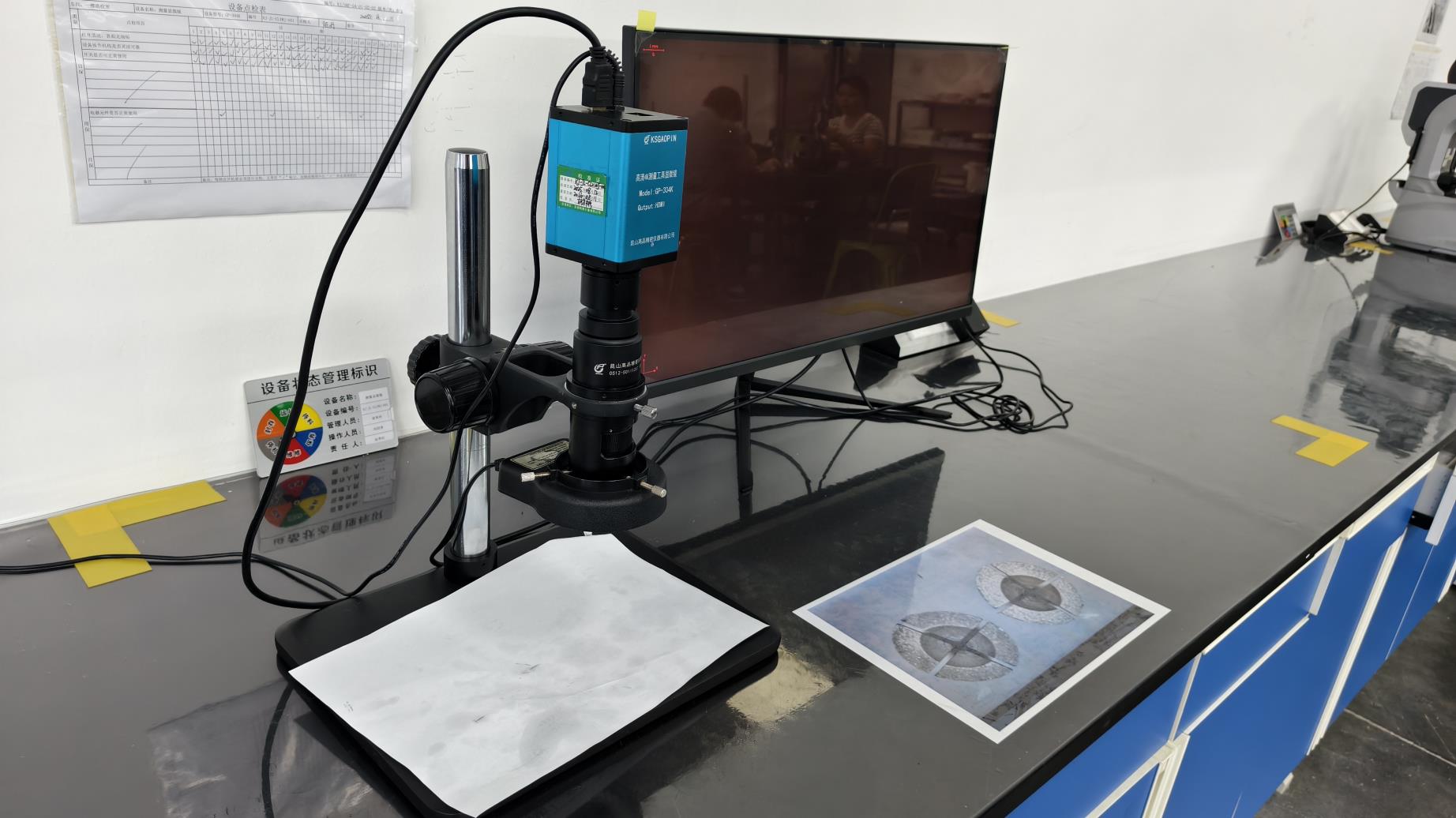
The global medical device market has shifted significantly toward high-quality, cost-efficient manufacturing hubs. China's medical device industry, specifically in the orthopedics sector, has matured rapidly. Sourcing PFNA and trauma implants from leading manufacturers like Moventra provides distinct advantages:
By utilizing Swiss-type CNC lathes, multi-axis machining centers, and wire cutting technologies, manufacturers can meet tolerance levels within micrometers. These technologies allow for the production of complex, smooth helical blades and anatomic nail curvatures that mimic native femoral medullary canals.
With thousands of local supply chain partners specializing in medical-grade titanium alloys (Ti-6Al-4V ELI), sterile packaging materials, and surface finishing technologies (such as anodization), Chinese manufacturers can quickly scale production. This integration reduces lead times compared to Western counterparts, offering a key competitive advantage.
Reputable Chinese suppliers implement quality systems aligning with international regulatory standards, including ISO 13485:2016 and EU CE certification. Every batch of implants undergoes chemical composition analysis, mechanical fatigue testing, and strict sterility validation. This ensures compliance with FDA 510(k) clearances and EU MDR standards, simplifying market access for international distributors.
The purchasing needs for proximal femoral nails vary widely across regional health systems:
To meet these diverse needs, manufacturers provide customized services, including laser-etched branding, custom-engineered instrument layouts, and localized clinical training support.
The field of intramedullary fixation continues to evolve to meet clinical demands:
Expert technical insights regarding PFNA implants, manufacturing tolerances, material selection, and procurement logistics.
Ancillary tools, surgical drills, spinal reconstruction systems, and specialized trauma implants.
 Moventra Medical