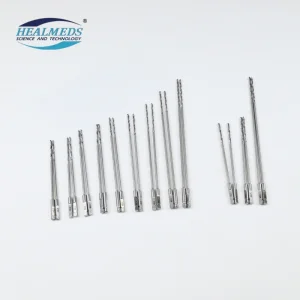
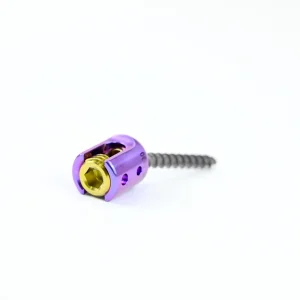
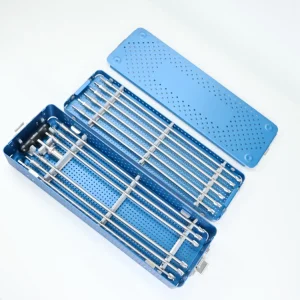
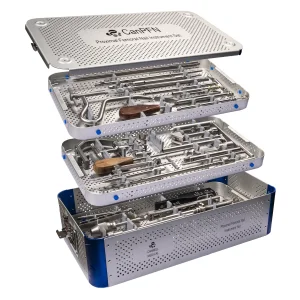
High-precision orthopedic trauma hardware, surgical drill bits, pedicle screws, and complex instrumentation sets designed for modern clinical applications.
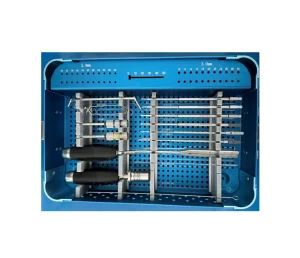
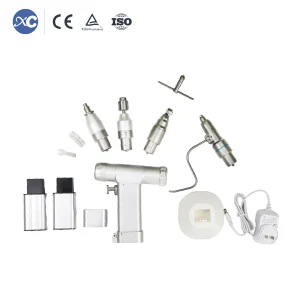
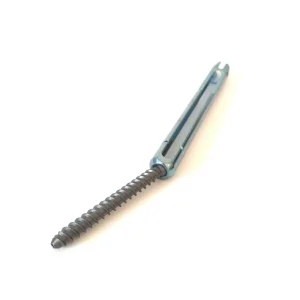
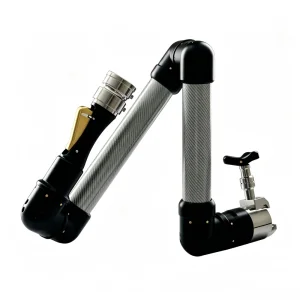
The shift toward anatomically pre-contoured locking systems in lower extremity trauma management.
Tibial locking plates are critical in treating complex tibia fractures. Modern implants utilize Grade 5 Titanium (Ti-6Al-4V) or high-strength 316L stainless steel. The anatomical pre-contouring minimizes intraoperative bending and conforms precisely to the medial or lateral condyle of the tibia. This reduction of contouring errors decreases soft-tissue irritation and preserves the local periosteal blood supply, promoting primary or secondary bone healing.
Locking plates function as fixed-angle internal fixators. By securing the screw head directly into the plate hole, they eliminate the need for plate-to-bone compression. This mechanism prevents secondary displacement under physiological loads, especially in osteoporotic bone. The configuration of hybrid holes supports both dynamic compression screws and locking screws, allowing surgeons to customize their approach for each fracture pattern.
B2B hospital chains and medical device distributors prioritize regulatory compliance (MDR, FDA 510k), supply-chain reliability, and instrument compatibility. Leading global manufacturers are evaluated based on their machining quality, surgical instrumentation ergonomics, and ability to handle large-scale OEM orders. Standardized sizing and sterile packaging are standard requirements in modern operating rooms.
An authoritative analysis of the top ten manufacturers, highlighting their key technologies, manufacturing capabilities, and market focus.
Primary Focus: LCP® and Variable Angle LCP® Systems.
Technical Profile: DePuy Synthes continues to lead in variable-angle locking technology. Their systems allow screws to be angled up to 15 degrees in any direction, providing flexibility around joint surfaces and implants.
Primary Focus: AxSOS™ 3 and VariAx™ Systems.
Technical Profile: Focuses on anatomical plates utilizing a specialized titanium alloy. Their SmartLock technology provides secure, fixed-angle construct stability, minimizing the risk of cold-welding during surgical execution.
Primary Focus: ALPS® (Anatomical Locking Plate System).
Technical Profile: Designed to fit patient anatomy closely, helping to restore correct joint surfaces. They feature low-profile plate designs to minimize soft tissue coverage issues and irritation around the tibia.
Primary Focus: EVOS™ Small and Mini Plating System.
Technical Profile: Integrates variable-angle locking technology with high-strength stainless steel options. Designed to handle challenging metaphyseal fractures under heavy physical loads.
Primary Focus: Targon® and ABC Plating.
Technical Profile: Combining German engineering with strict quality control. Their products feature optimized surface finishes, specialized anodization, and reliable clinical instrumentation sets.
Primary Focus: Anatomic Tibia Plating Systems.
Technical Profile: Specializes in complex reconstructive and extremity solutions. Their tibial plates are engineered for anatomical fit, with distinct screw patterns targeting critical bone structures.
Primary Focus: Fixator-Assisted Plating & Hybrid Systems.
Technical Profile: Focuses on bridging solutions that combine external fixation principles with anatomical locking plates for high-energy trauma cases.
Primary Focus: Extremity Fixation & Foot/Ankle Trauma.
Technical Profile: Key supplier for distal tibia and pilon fractures. Their low-profile plates are engineered for thin soft-tissue envelopes near the ankle joint.
Primary Focus: High-Precision OEM/ODM & Trauma Systems.
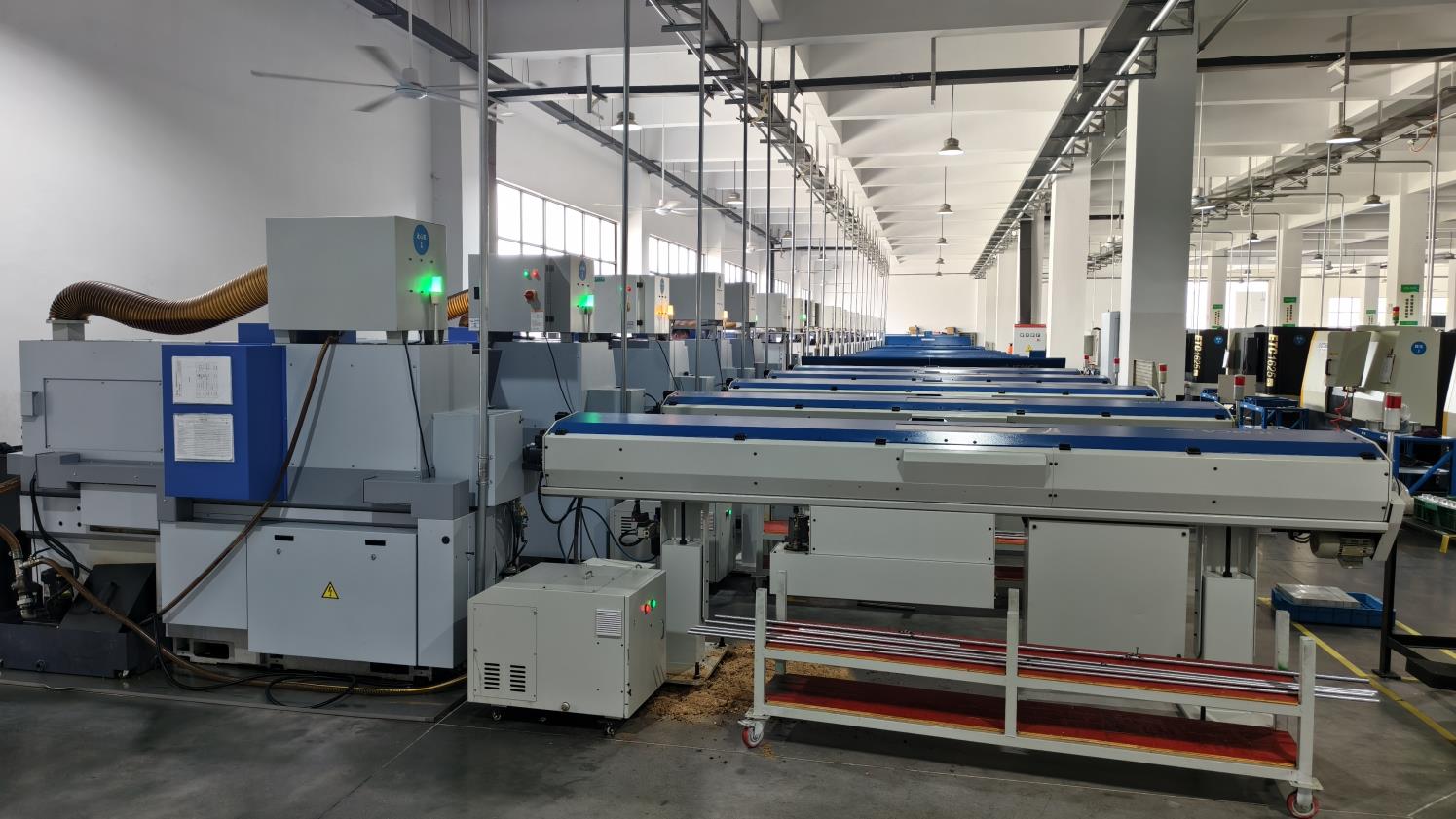
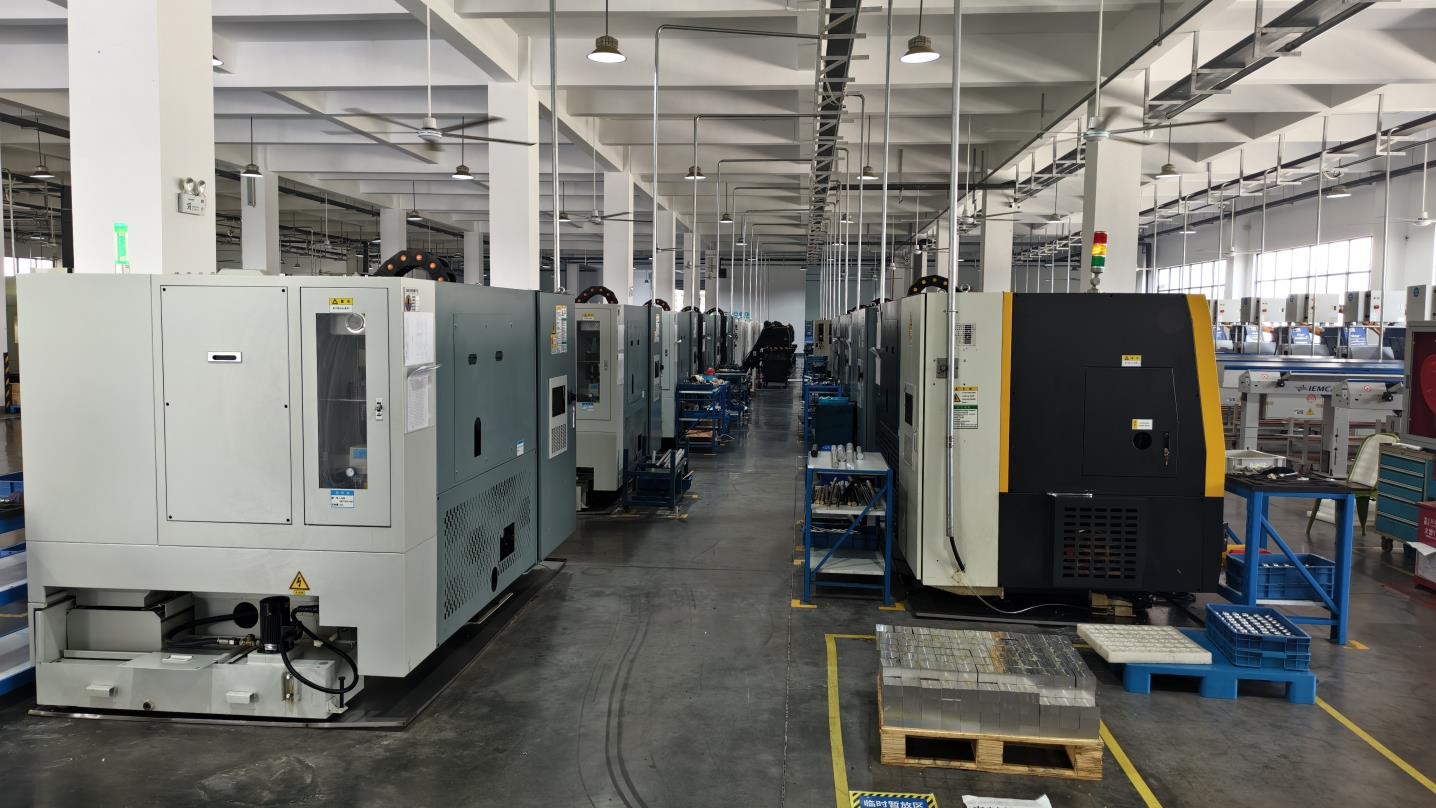
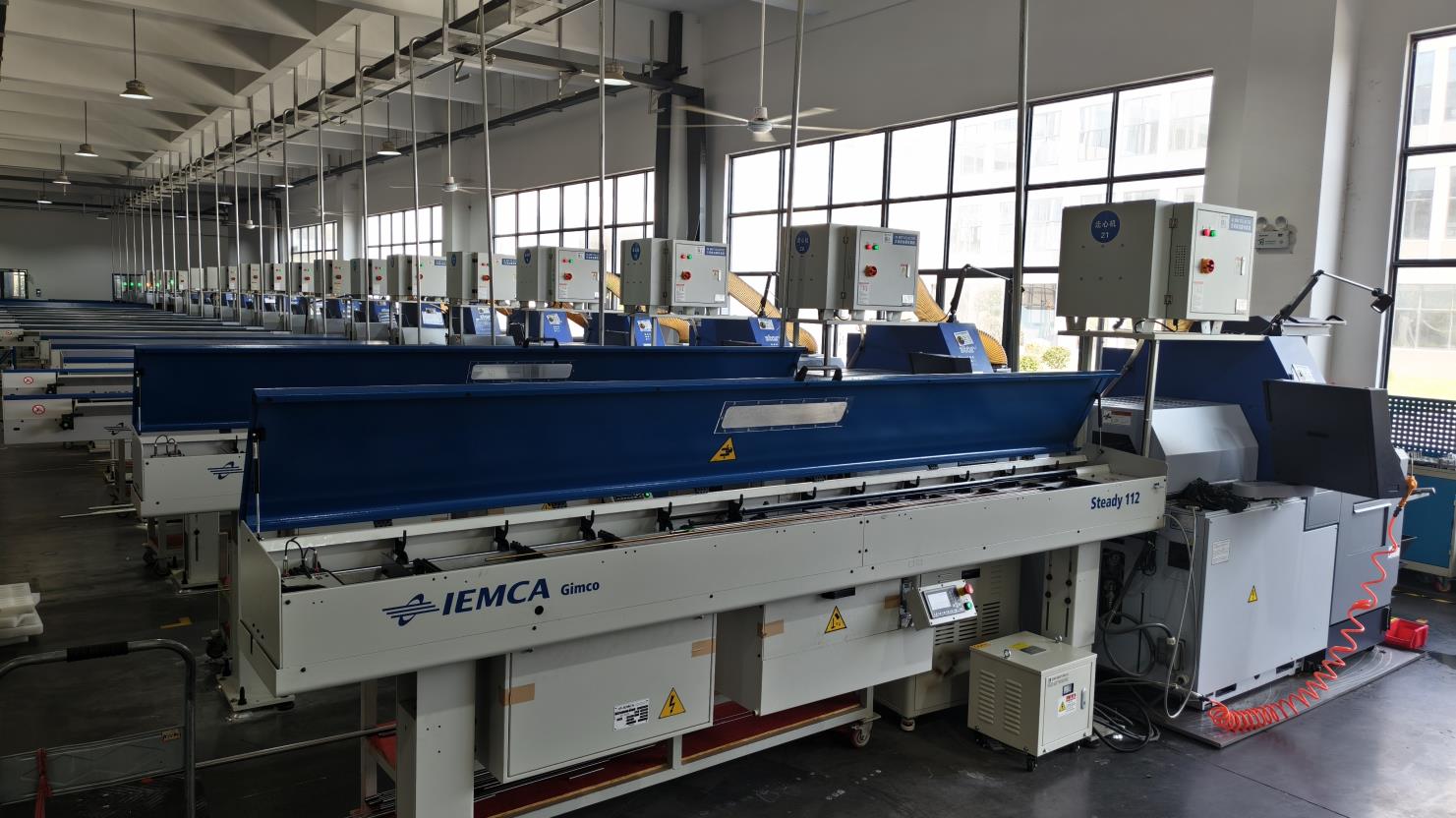
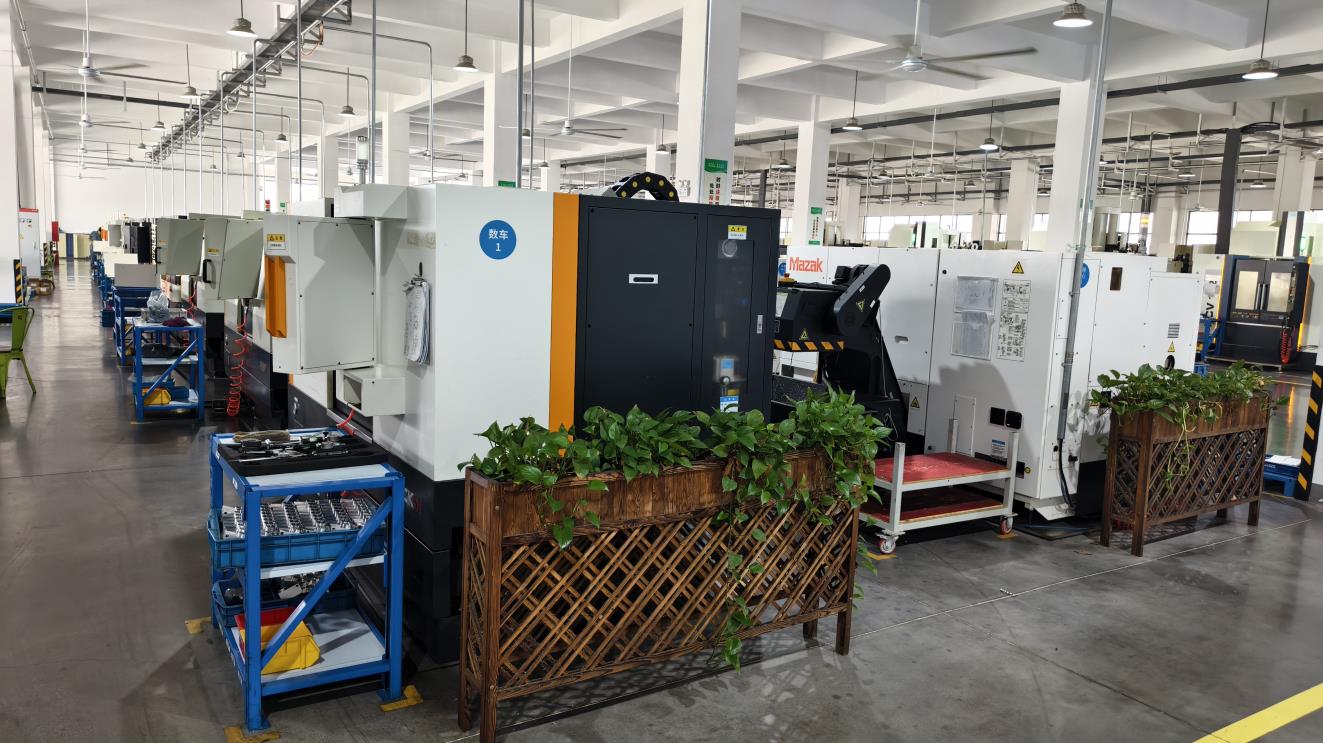
Technical Profile: Integrates Swiss-type CNC machining to deliver highly consistent anatomical locking plates at scale. They provide extensive customization options for global brands and distributors.
Primary Focus: Specialty Biologics-assisted Fixation.
Technical Profile: Emphasizes the intersection of mechanical fixation with biologics, supporting rapid bone healing in complex non-union and mal-union tibia fractures.
Partner Profile: Advanced orthopedic manufacturing, OEM/ODM development, and global logistics systems.
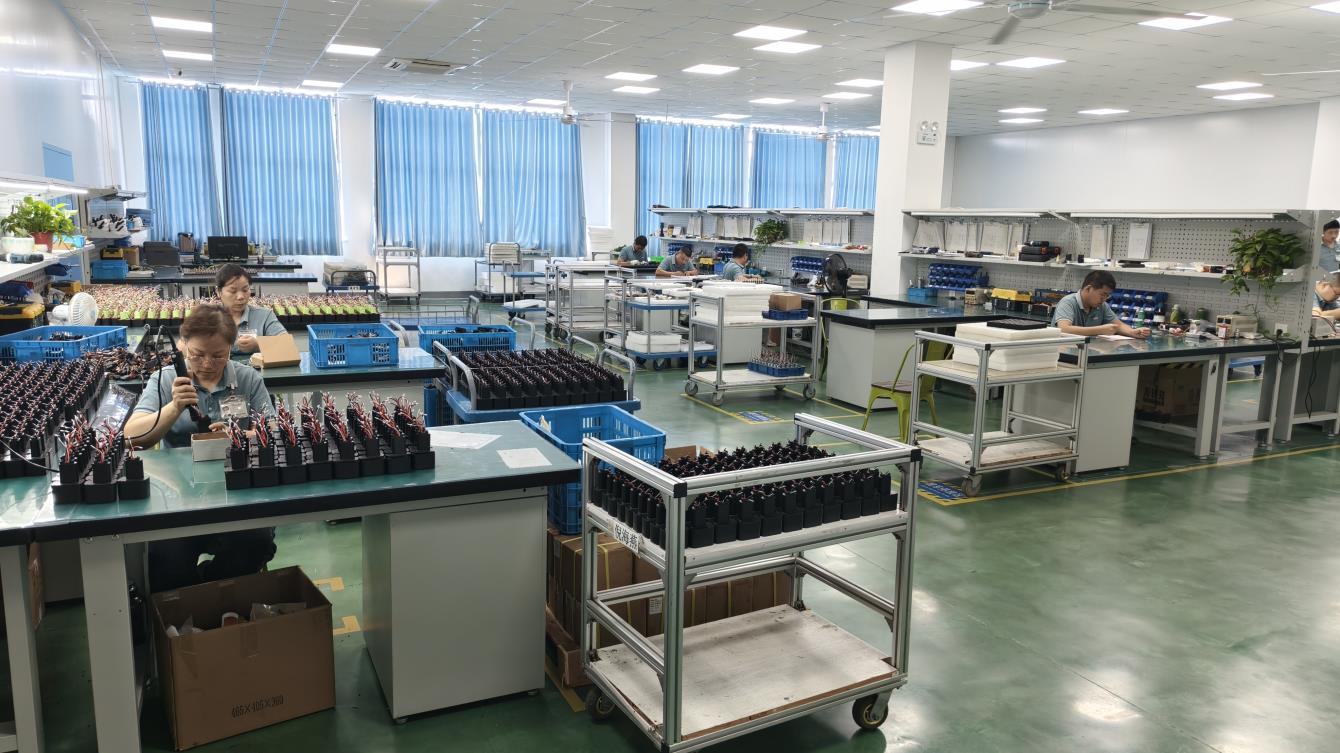
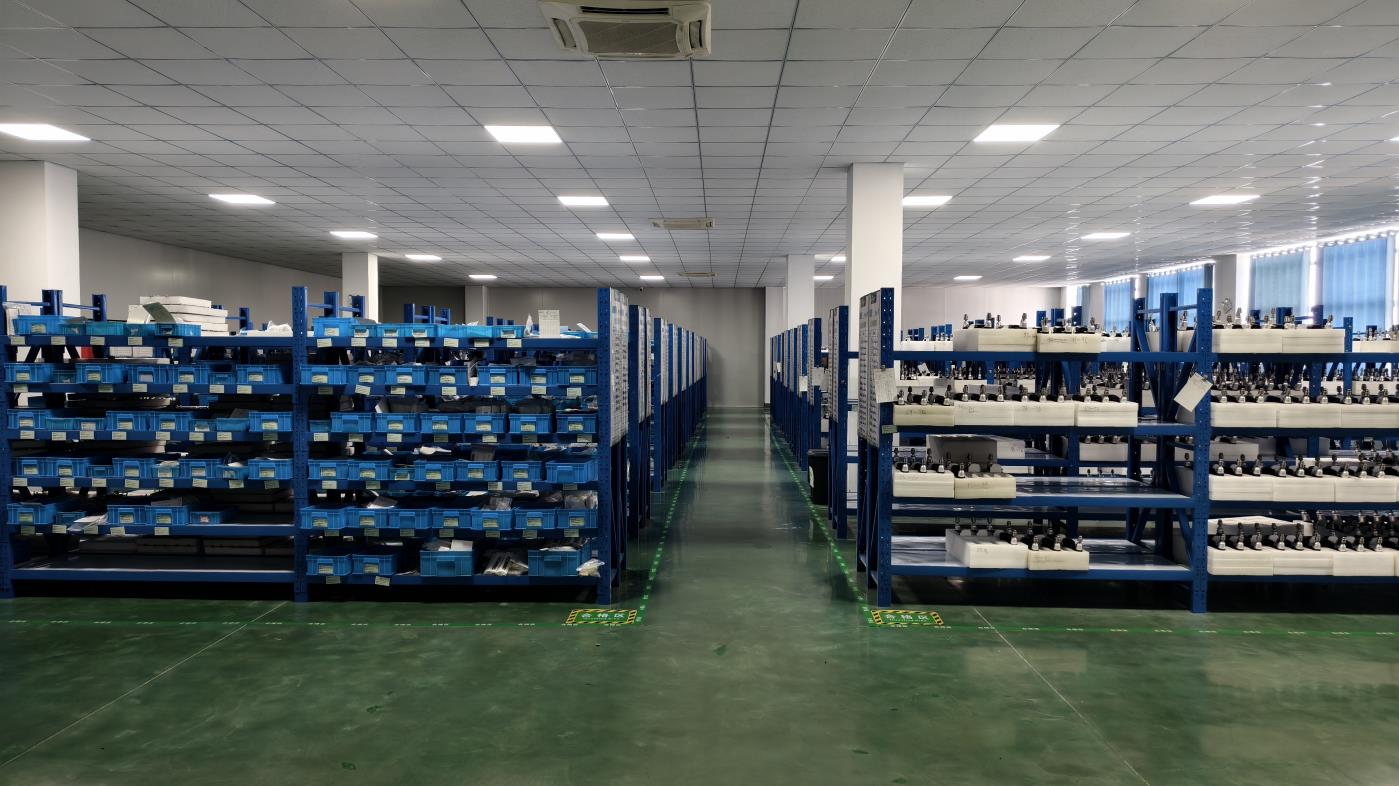
Moventra Medical Technology (China) Co., Ltd. is a professional manufacturer specializing in the research, development, production, and global supply of orthopedic medical devices and surgical solutions. Established in 2017, the company is dedicated to delivering innovative, high-quality products for trauma, spine, joint reconstruction, sports medicine, and orthopedic surgical procedures.
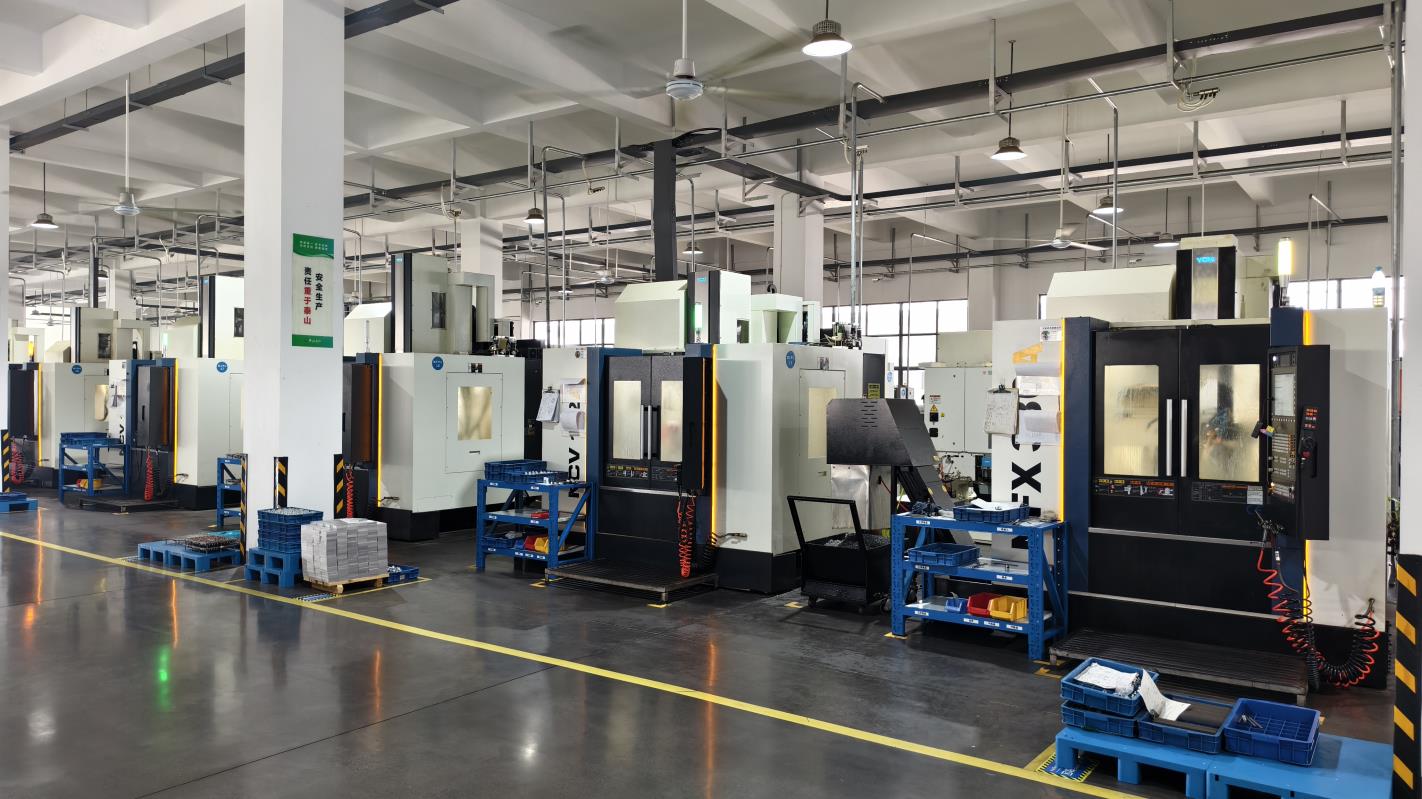
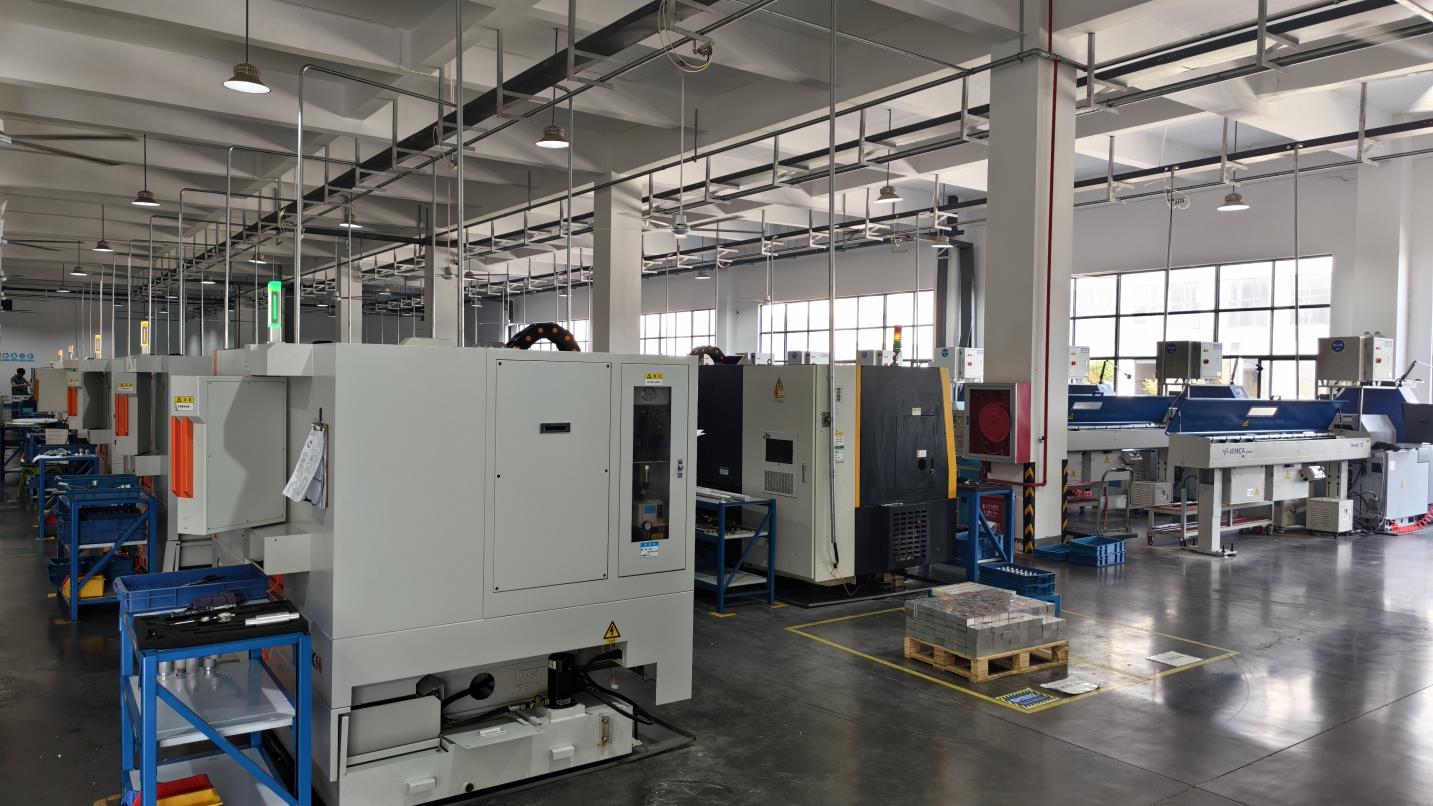
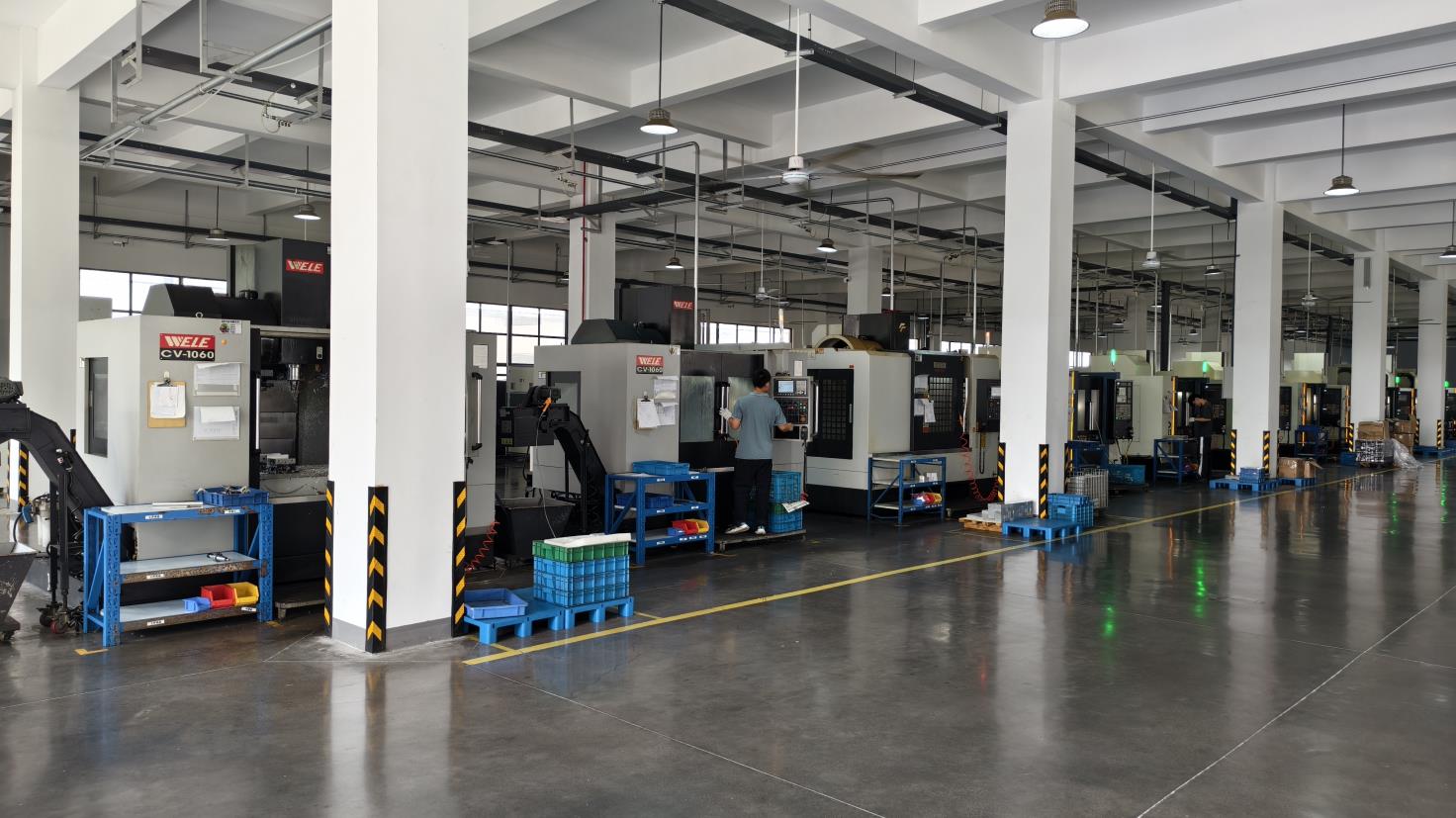
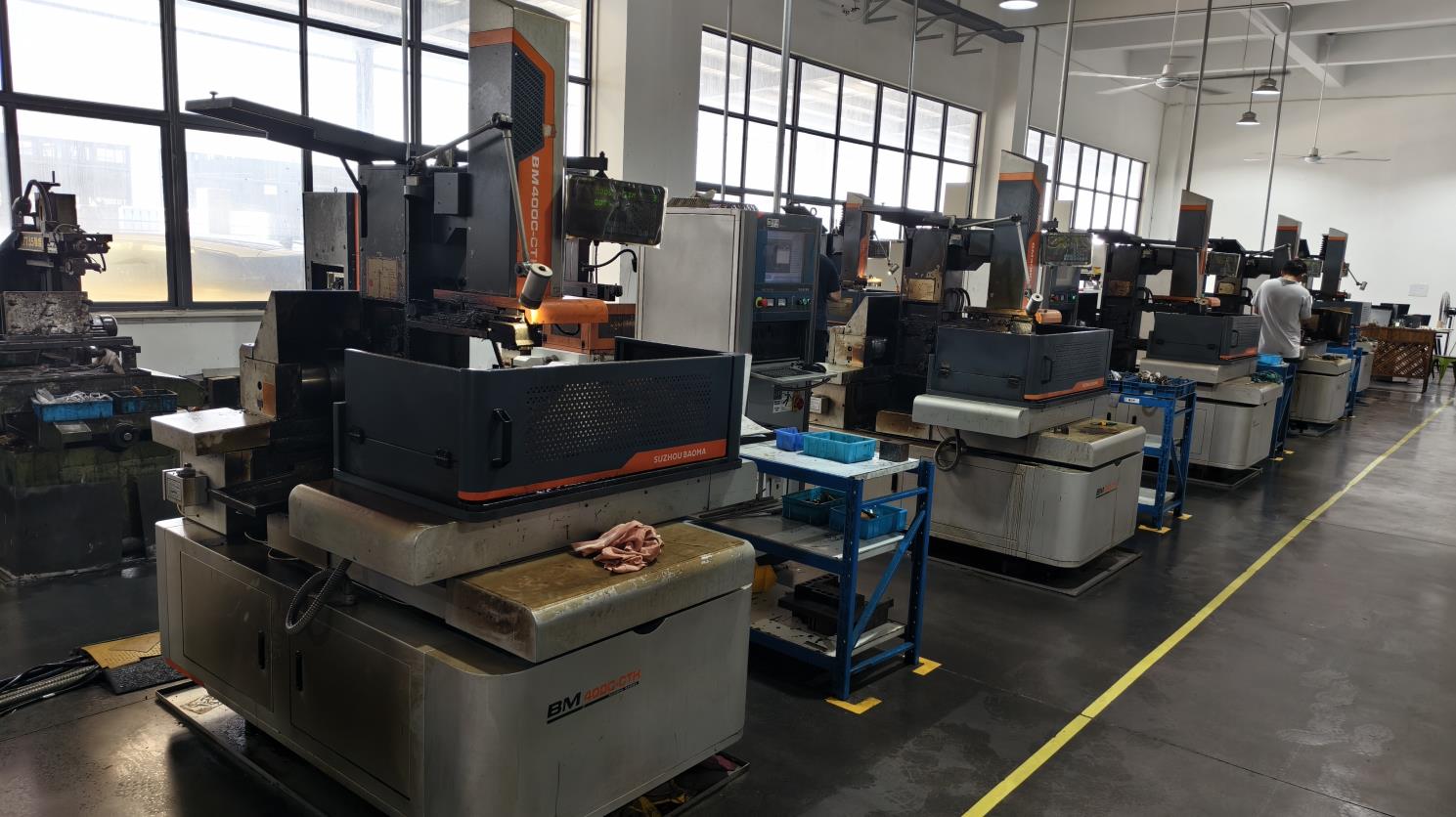
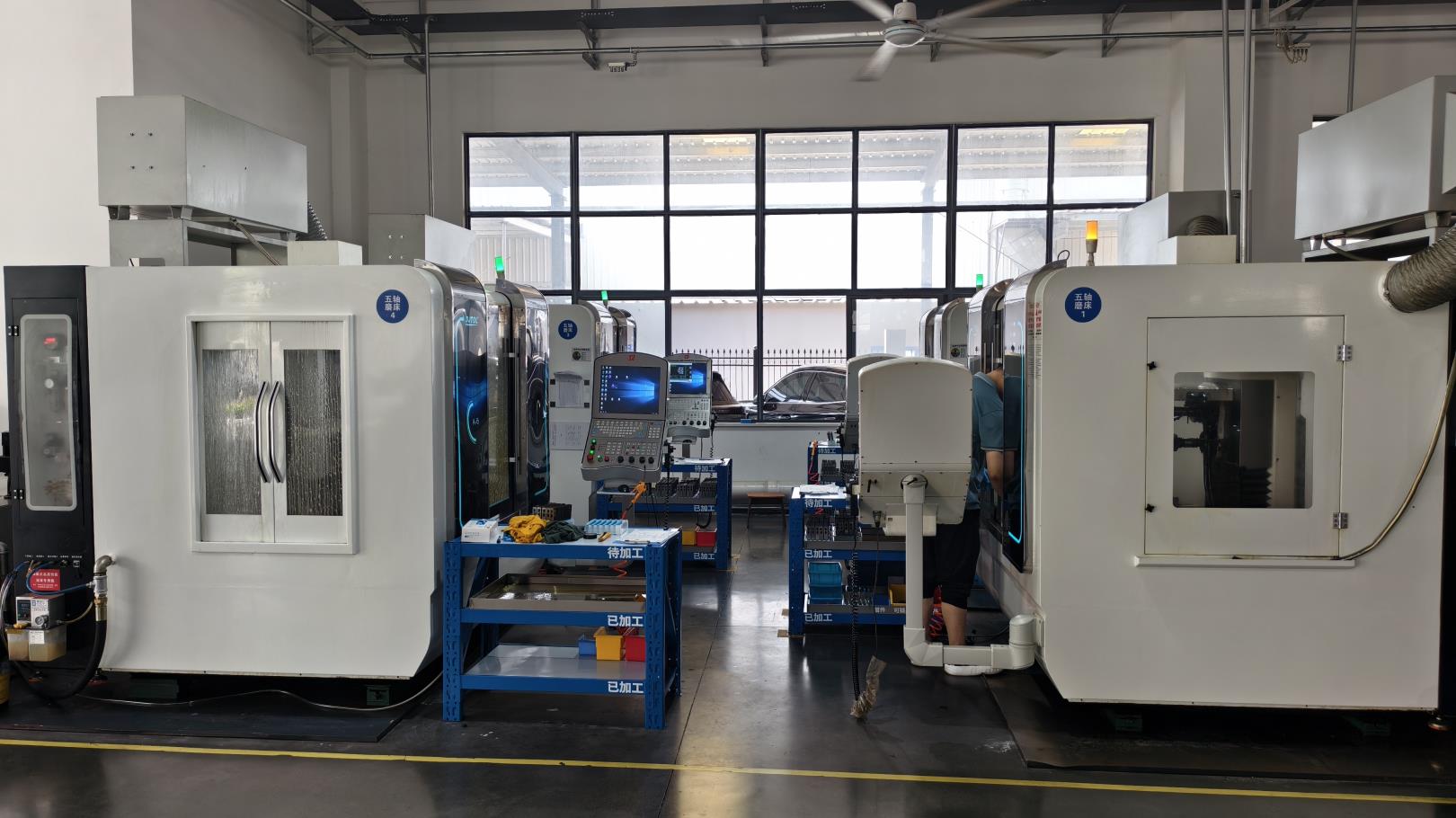
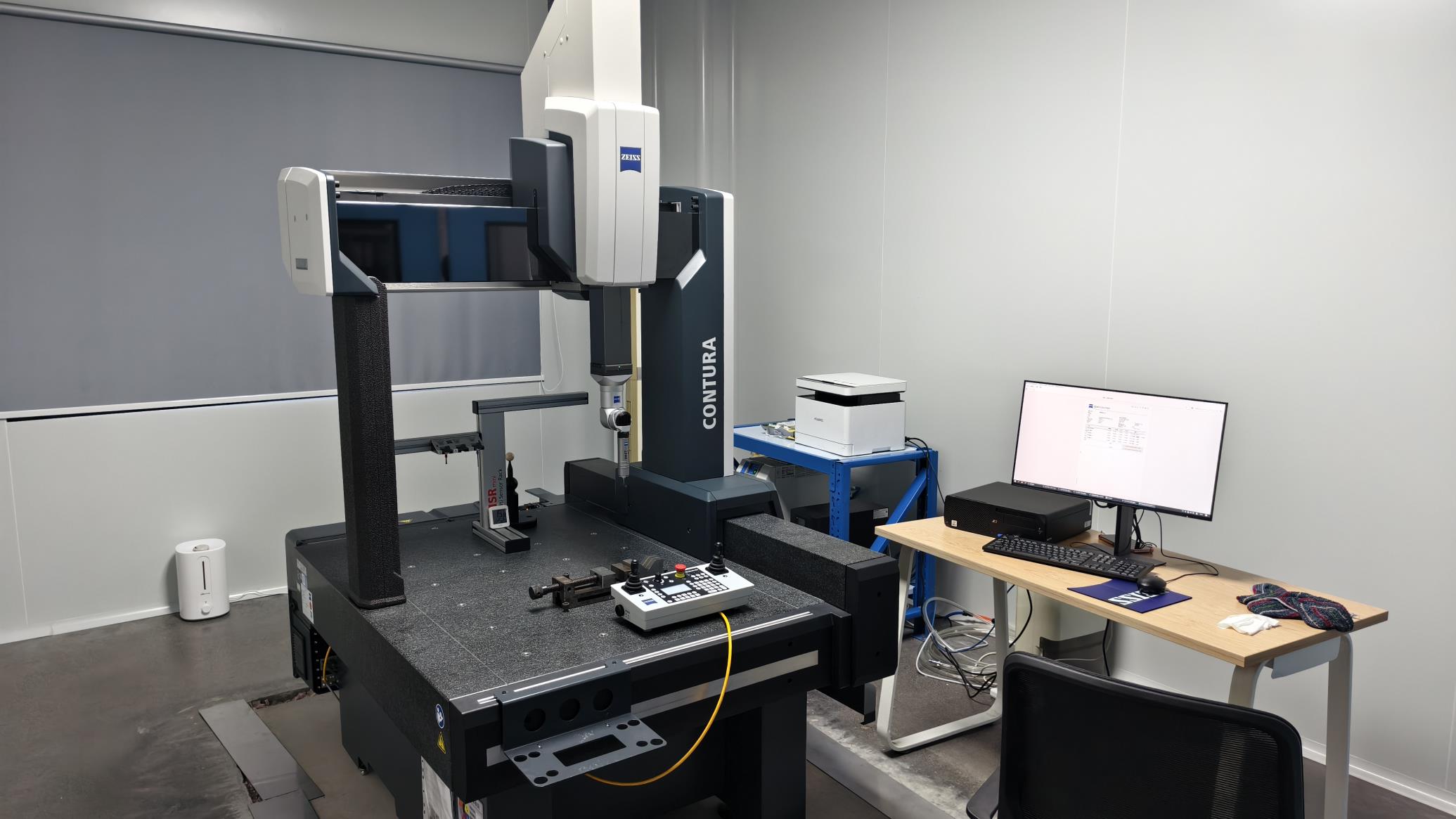
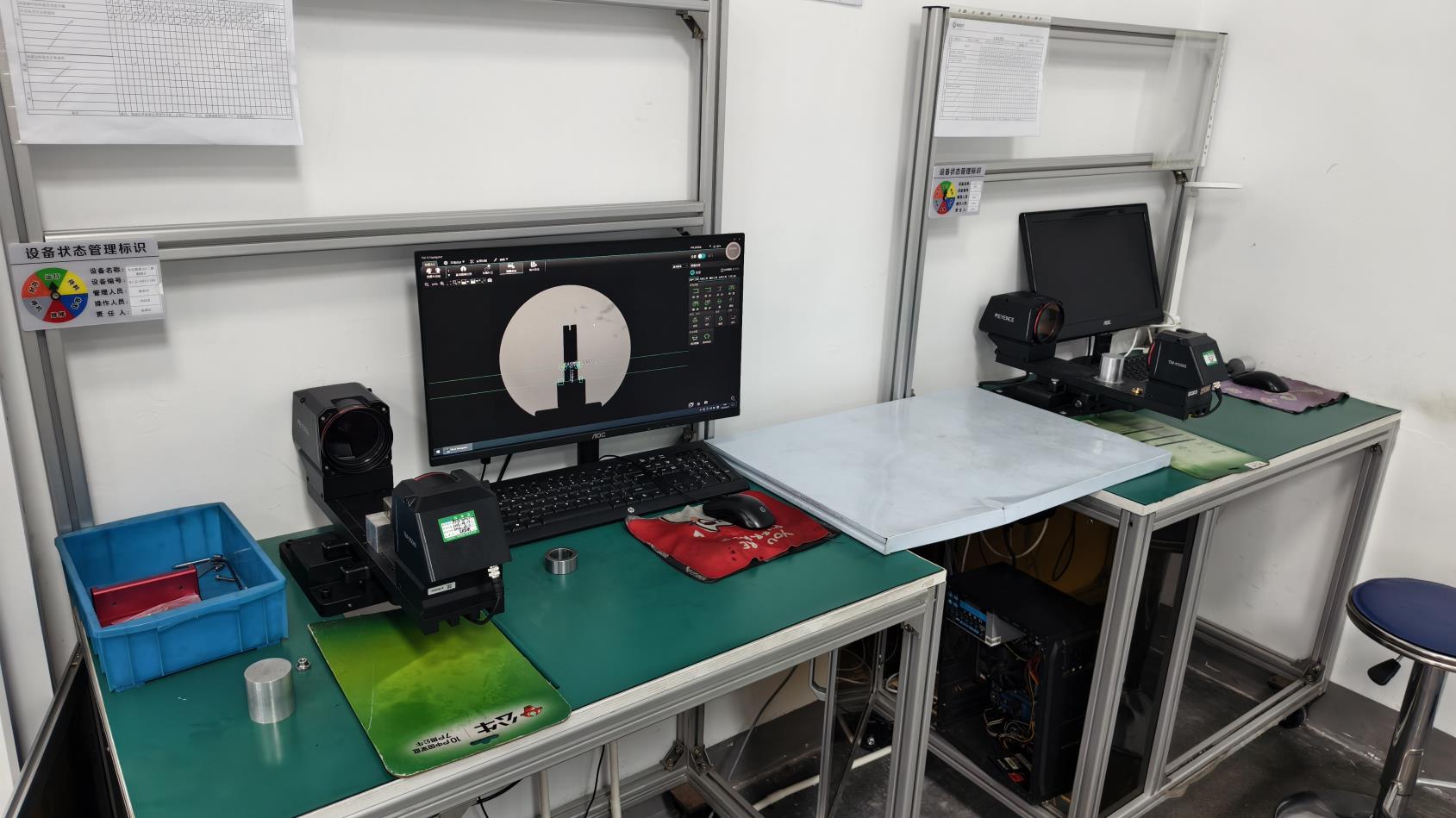
With a modern manufacturing facility covering 18,600 m², Moventra integrates advanced CNC machining, precision manufacturing, automated production lines, and strict quality management systems to ensure every product meets international medical standards. Our commitment to continuous innovation enables us to provide reliable OEM and ODM services for global medical device brands, distributors, and healthcare institutions.
Supported by an experienced R&D team and comprehensive quality assurance system, Moventra continuously develops innovative orthopedic solutions that improve surgical efficiency and patient outcomes. Our products are exported to customers worldwide and are trusted for their precision, safety, and consistent performance.
| Item | Details |
|---|---|
| Company Name | Moventra Medical Technology (China) Co., Ltd. |
| Brand | Moventra |
| Established | 2017 |
| Facility Area | 18,600 m² |
| Annual Export Revenue | USD 23.8 Million |
| Export Experience | 7 Years |
| Industry Experience | 13 Years |
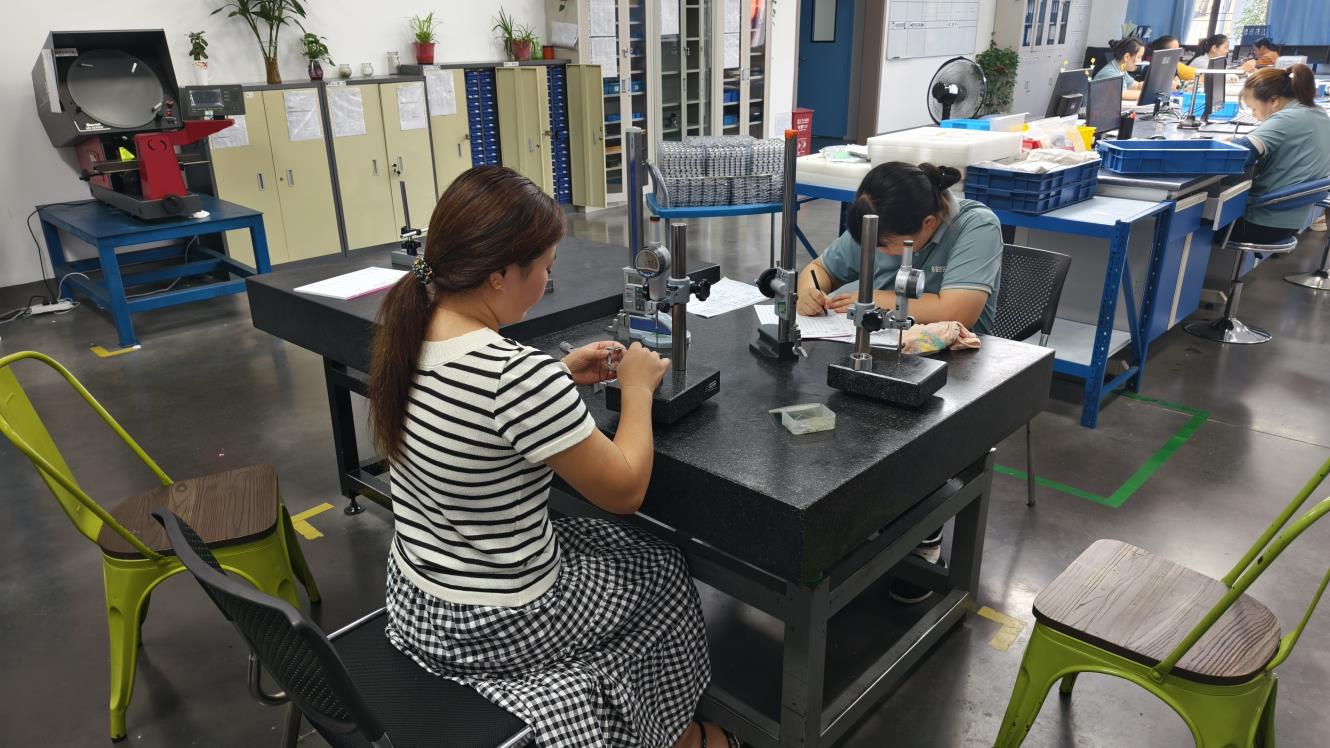
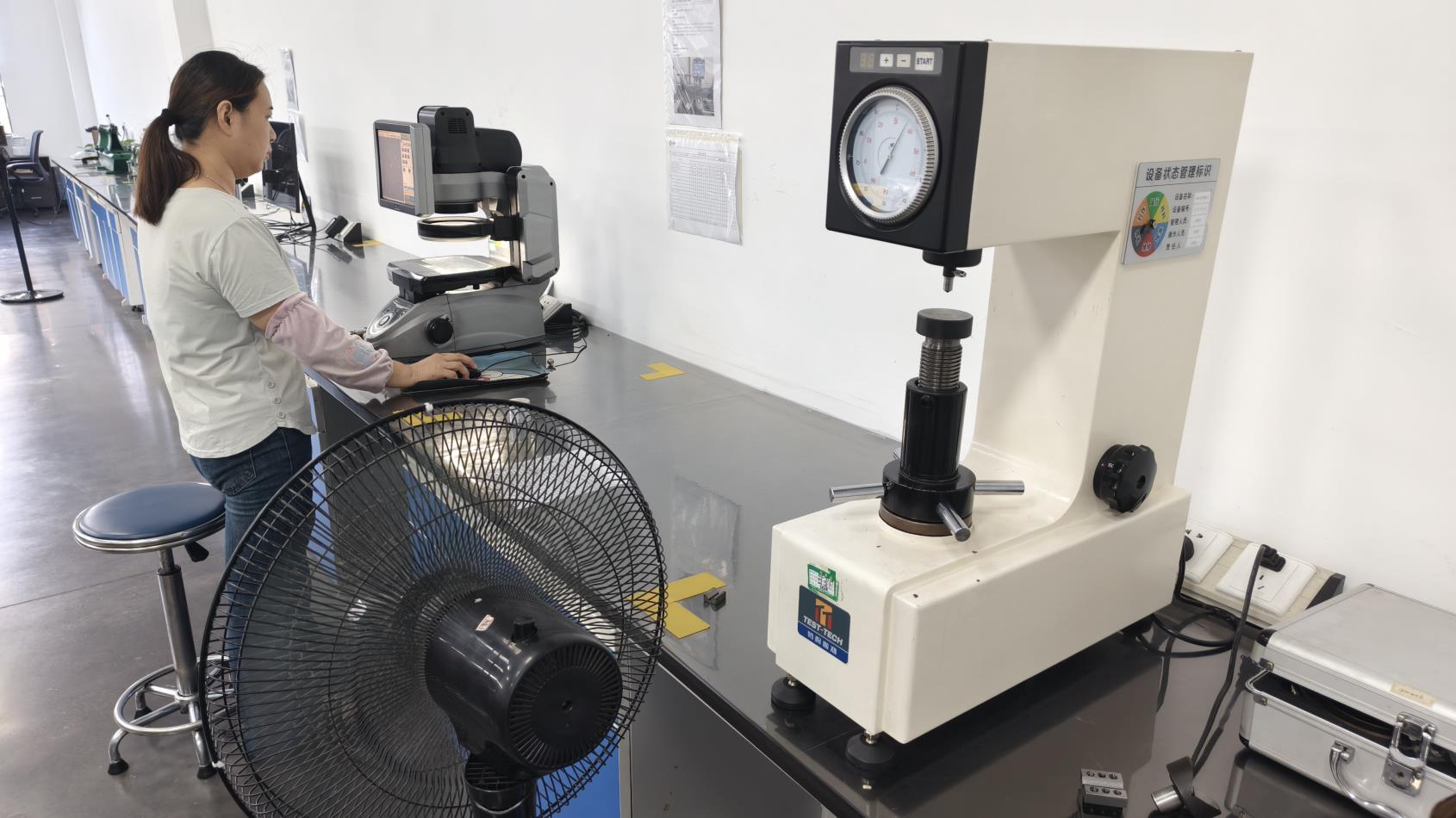
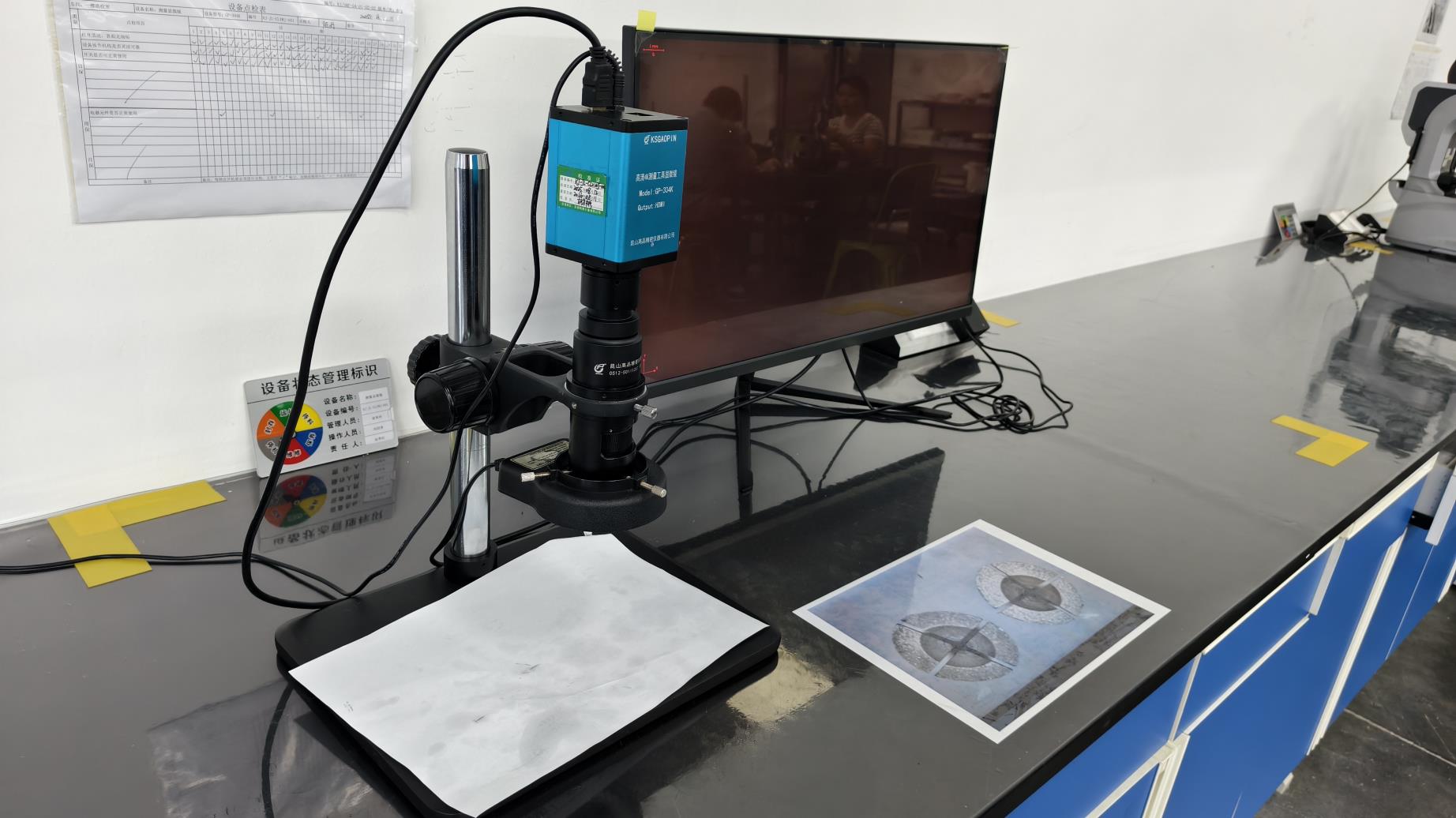
| Quality Inspection | 100% Quality Inspection Before Shipment |
| Product Inspection Methods | Dimensional Inspection, Material Analysis, Surface Finish Inspection, Mechanical Performance Testing, Sterility Verification |
| Quality Control Staff | 48 |
| Business Type | Manufacturer, OEM & ODM, Exporter |
| Main Markets | North America, Europe, South America, Middle East, Southeast Asia, Australia |
| Supply Chain Partners | 1,120 |
| R&D Capability | Independent Product Design, Rapid Prototyping, OEM/ODM Development |
| Customization Options | Logo, Packaging, Product Design, Drawing/Sample-Based Manufacturing |
| New Products Released Last Year | 156 |
| R&D Engineers | 86 |
Addressing long-term engineering shifts in orthopedic implants over the next five years.
The industry is transitioning toward "intelligent" locking plates. By incorporating micro-sensors, modern implants will soon be able to track load distribution, monitor structural shifts, and detect early osteosynthesis complications. This helps clinicians guide postoperative recovery and weight-bearing schedules with greater accuracy.
Preventing postoperative infections remains a priority. Manufacturers are evaluating antimicrobial coatings, including silver nanoparticles and localized antibiotic delivery matrices. These technologies help reduce biofilm formation on the titanium surface without affecting bone integration or osteoblast proliferation.
Through 3D printing and digital imaging, patient-specific implants are becoming more accessible. While standard plates suit most fracture patterns, custom-printed models are valuable for complex reconstructive cases, severe bone loss, or non-union corrections.
How manufacturers meet global orthopedic standards and support international procurement workflows.
Manufacturing sites require ISO 13485 certification, ensuring strict quality management throughout design, production, and cleanroom packaging.
Unique Device Identification (UDI) laser marking provides full traceability from raw materials to final surgical implantation in the operating room.
Every batch undergoes spectroscopic analysis and mechanical fatigue testing (per ASTM F382) to confirm material strength and ductility.
Offering double-sterile Tyvek barrier packaging alongside non-sterile instrument tray configurations to align with diverse hospital requirements.
Technical and procurement answers for orthopedic distributors, purchase departments, and trauma surgeons.
Tibial locking plates undergo dynamic fatigue testing according to ASTM F382. Standard designs are engineered to withstand at least 1,000,000 load cycles under physiological weight-bearing conditions without fracturing or experiencing screw loosening, verifying safety prior to bone union.
Titanium alloy (Grade 5 ELI) offers a modulus of elasticity closer to cortical bone than stainless steel. This reduces stress shielding, promotes better callus formation, and has lower rates of nickel allergy. Titanium also provides excellent biocompatibility and clear postoperative MRI scanning.
Yes, modern implants feature combi-holes. Surgeons typically use non-locking screws first to compress the plate to the bone and restore anatomical alignment. Locking screws are then added to establish fixed-angle stability in the fracture fragments.
Procurement professionals should request ISO 13485 certificates, material test reports (certifying chemical composition and mechanical properties), CE certificates, FDA 510(k) status, and sterilization validation reports (for pre-sterilized implants).
Fixed-angle locking limits screw trajectory to a pre-defined path, providing robust stability but restricted positioning options. Variable-angle locking allows surgeons to adjust the screw direction (typically up to 15° off-axis), helping them avoid joint spaces, existing implants, or areas of poor bone quality.
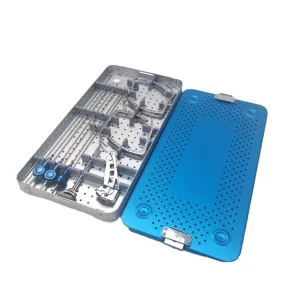
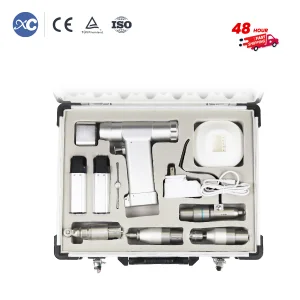
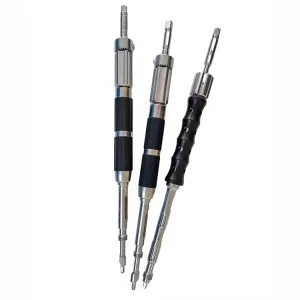
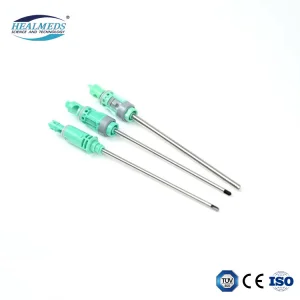
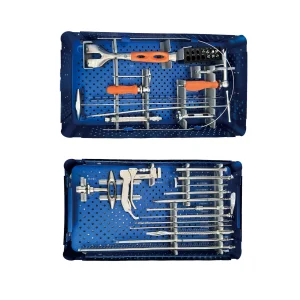
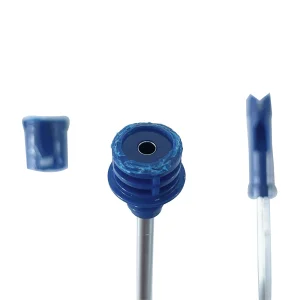
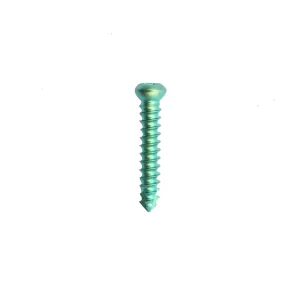
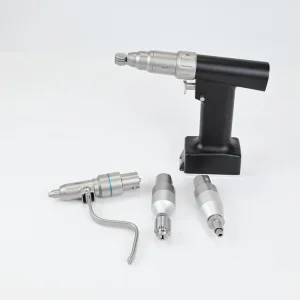
High-quality ligament reconstruction sets, mini locking screws, and surgical power tool accessories for specialized procedures.
 Moventra Medical