Explore our high-precision implant portfolios fabricated from premium biocompatible materials for advanced surgical stability.
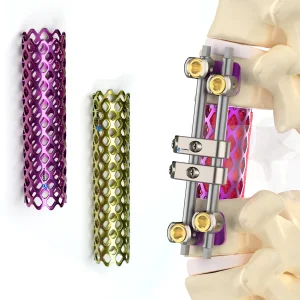
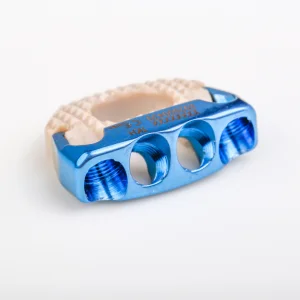
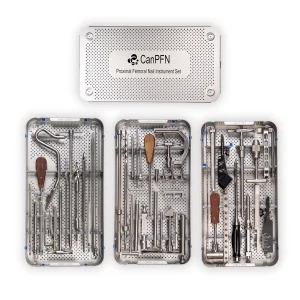
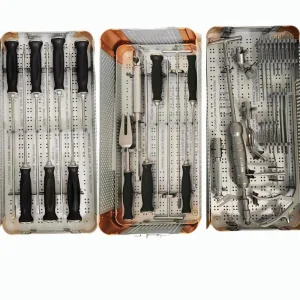
In total hip arthroplasty (THA), choice of fixation remains the cornerstone of long-term implant survivorship and post-operative mobility. The cemented hip prosthesis has long been recognized as the gold standard for specific patient profiles—particularly the elderly, patients with compromised bone density, and those presenting with osteoporotic structures (Dorr Type C bone). Through the mechanical interlock of Polymethyl Methacrylate (PMMA) bone cement within the cancellous bone structure, cemented hip prostheses deliver immediate post-operative stability, minimizing the risk of intraoperative fractures and early subsidence.
As a leading orthopedic manufacturer, Moventra Medical Technology harnesses micro-tolerance engineering and premium materials (such as Cobalt-Chromium-Molybdenum and medical-grade Titanium Alloys) to produce cemented femoral stems and acetabular components that meet the rigorous biomechanical criteria demanded by modern orthopedic surgery.
"We engineer stability. By optimizing stem geometry, surface roughness (Ra values configured for cement adhesion), and modulus of elasticity, our systems significantly reduce shear stress at the bone-cement interface."
| Moventra Enterprise Overview | |
|---|---|
| Established | 2017 (13 Years Industry Experience) |
| Facility Area | 18,600 m² Modernized Complex |
| Annual Export Revenue | USD 23.8 Million |
| R&D Capability | 86 Engineers | 156 New Products/Year |
| Quality Control | 48 Staff | 100% Inspection Before Shipment |
| Compliance & Certs | CE & ISO 13485 Certified Class III Implants |
| Capabilities | OEM & ODM, Logo & Packaging Customization |
| Key Markets | North & South America, Europe, Middle East, Asia-Pacific |
The global hip reconstruction market is witnessing a major phase of geographic customization. While developed regions with younger patient demographics often lean toward biological fixation (cementless implants), the cemented hip prosthesis maintains a high-volume market share globally. In emerging economies, and within established clinical systems across Europe (such as the UK and Nordic countries with robust National Joint Registries), cemented arthroplasty is widely utilized due to its stellar long-term survivorship (often exceeding 15–20 years in registries) and highly predictable cost-efficacy profile.
For B2B orthopedic buyers, distributors, and healthcare systems, partnering directly with a top-tier Chinese manufacturer like Moventra guarantees access to high-quality implants that match global technological benchmarks. This alignment minimizes high cost barriers, allowing for efficient hospital procurement and tenders without sacrificing surgical outcomes.
Prosthetics must fit localized anatomical profiles. Human femur morphology varies greatly across regions; European populations tend to have larger medullary canals compared to East Asian demographics, which typically display narrower canals with different femoral neck angles. To meet these distinct requirements, Moventra provides tailored design options:
Modern cemented hip designs are far from static. Moventra's R&D department is driving innovation across three key technical domains:
We focus on refining the articulation between the Cobalt-Chromium-Molybdenum (CoCrMo) femoral head and the ultra-high-molecular-weight polyethylene (UHMWPE) cup to minimize wear debris and osteolysis.
Our stems feature satin surface finishes with controlled roughness (Ra 0.8–1.8 μm) to facilitate optimal PMMA cement micro-interlock and prevent interface rotation.
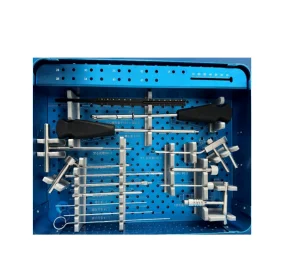
Developing surgical instruments that integrate seamlessly with navigation systems and robot-assisted surgical arms to ensure highly precise cement mantle preparation.
Our 18,600 m² state-of-the-art facility integrates premium Swiss-type machining and comprehensive Class III medical testing labs.
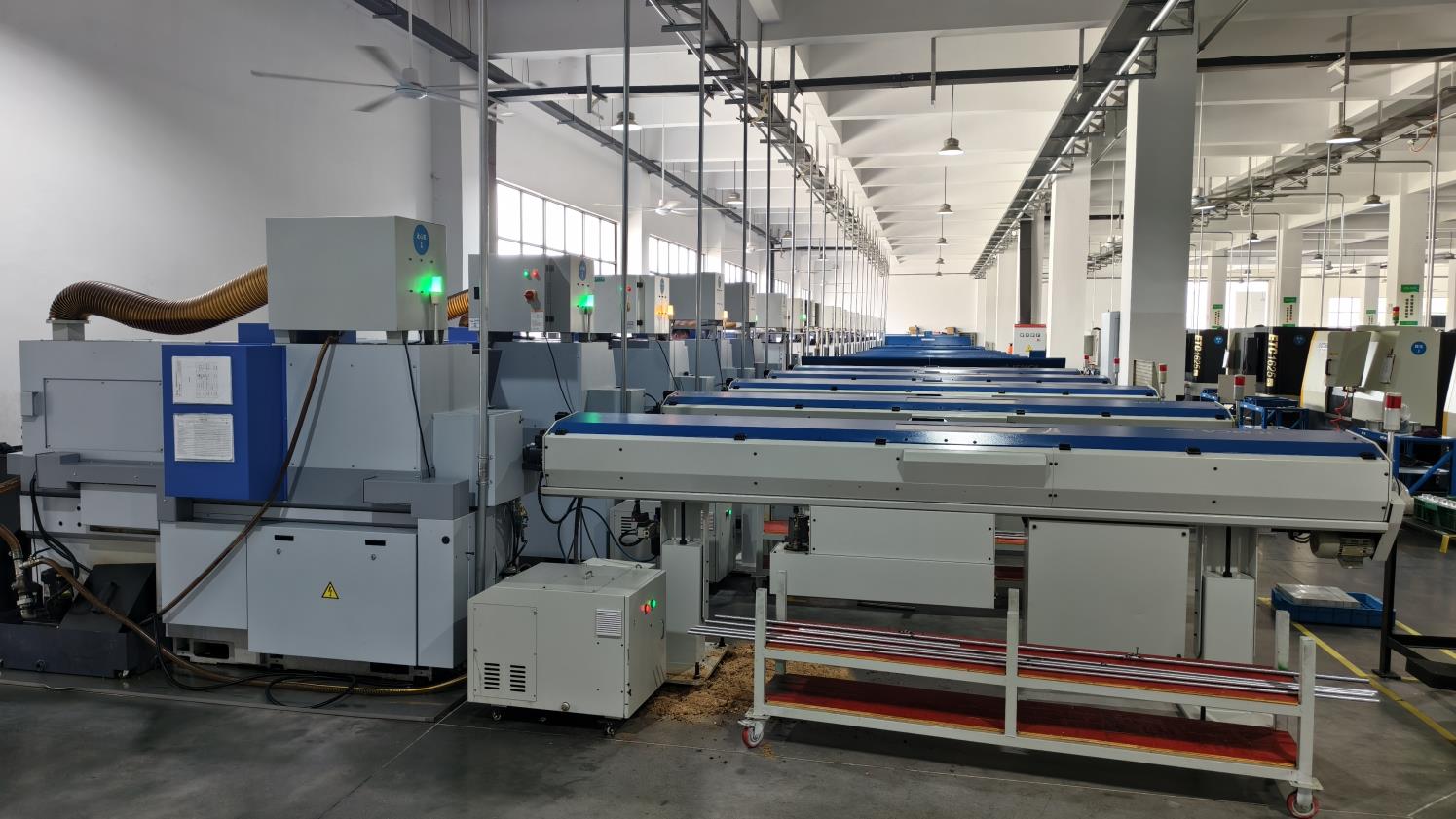
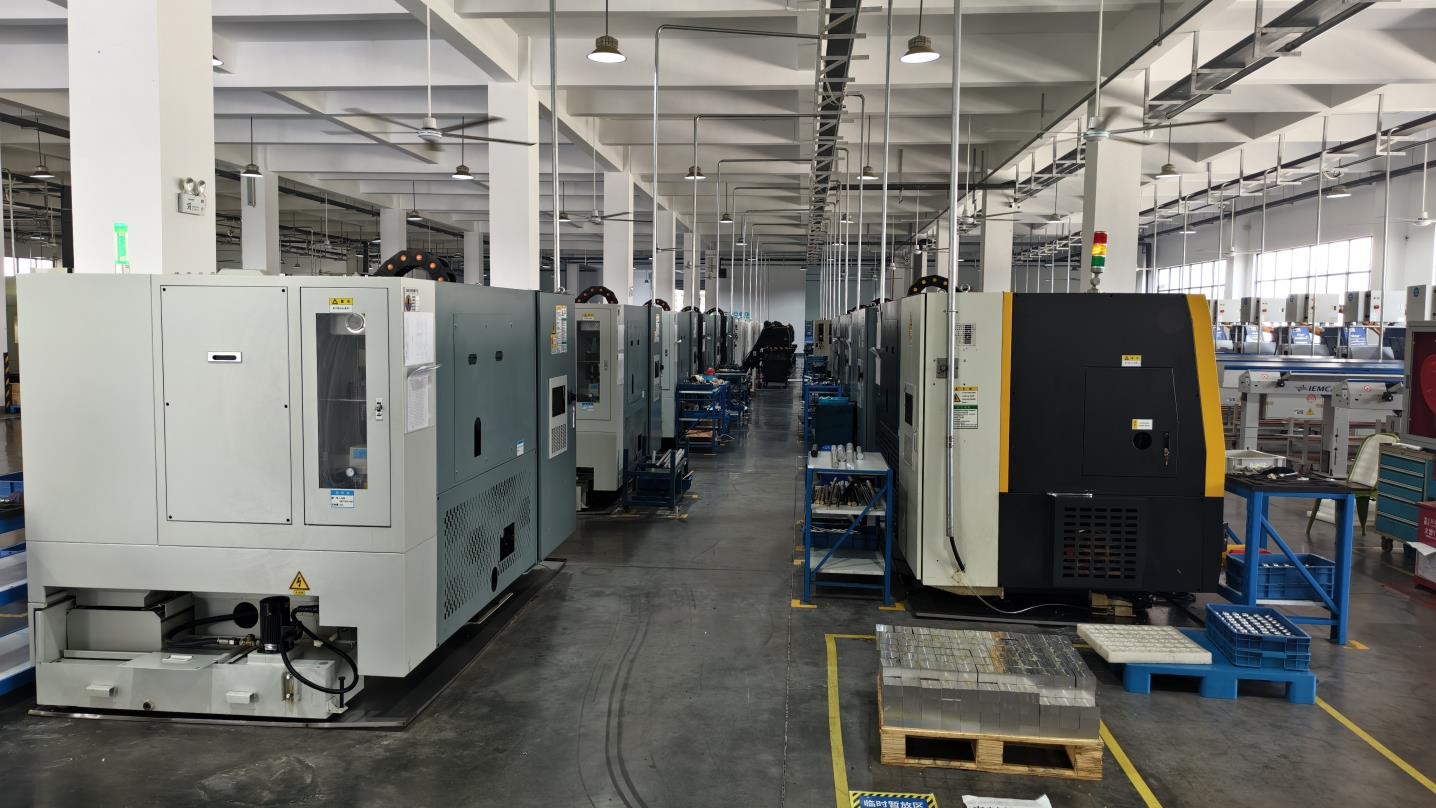
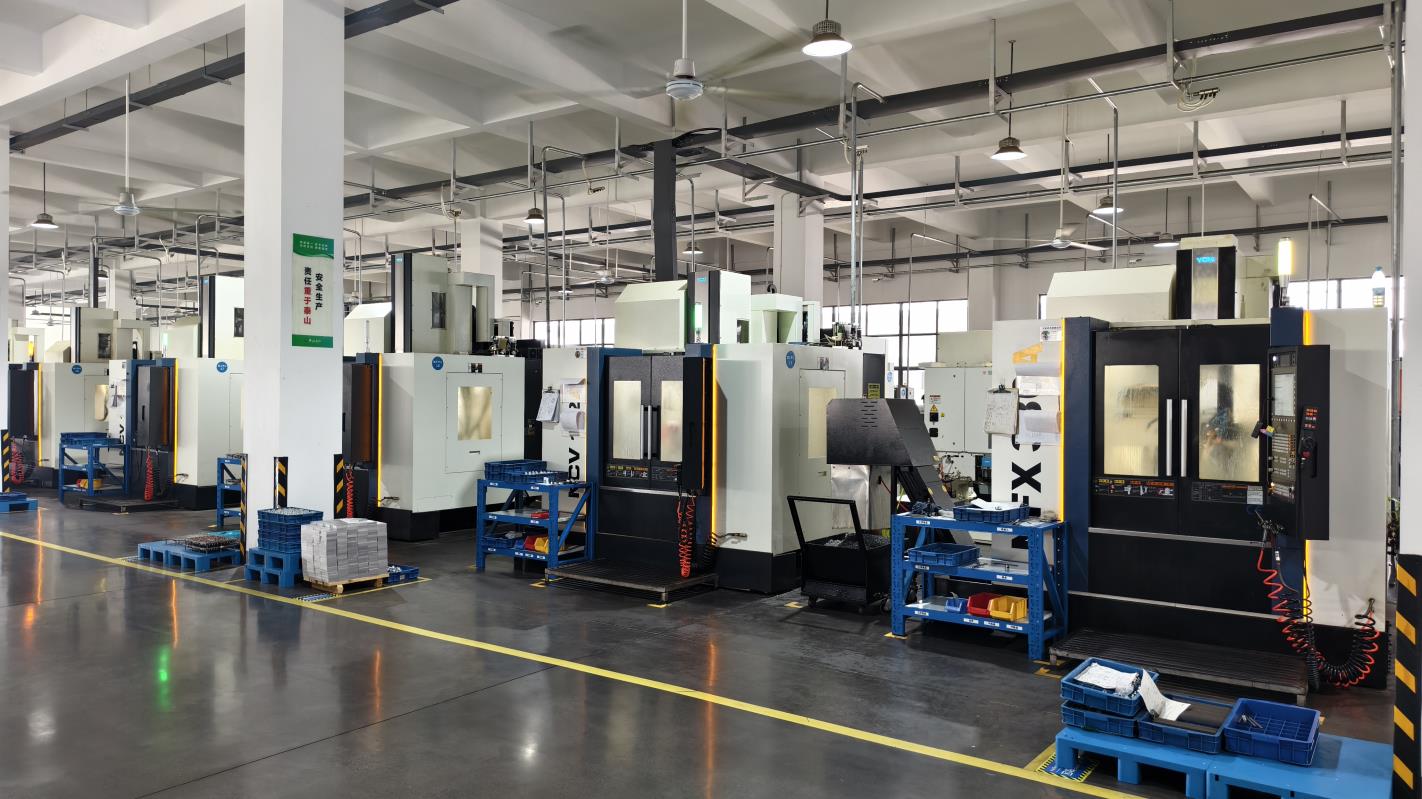
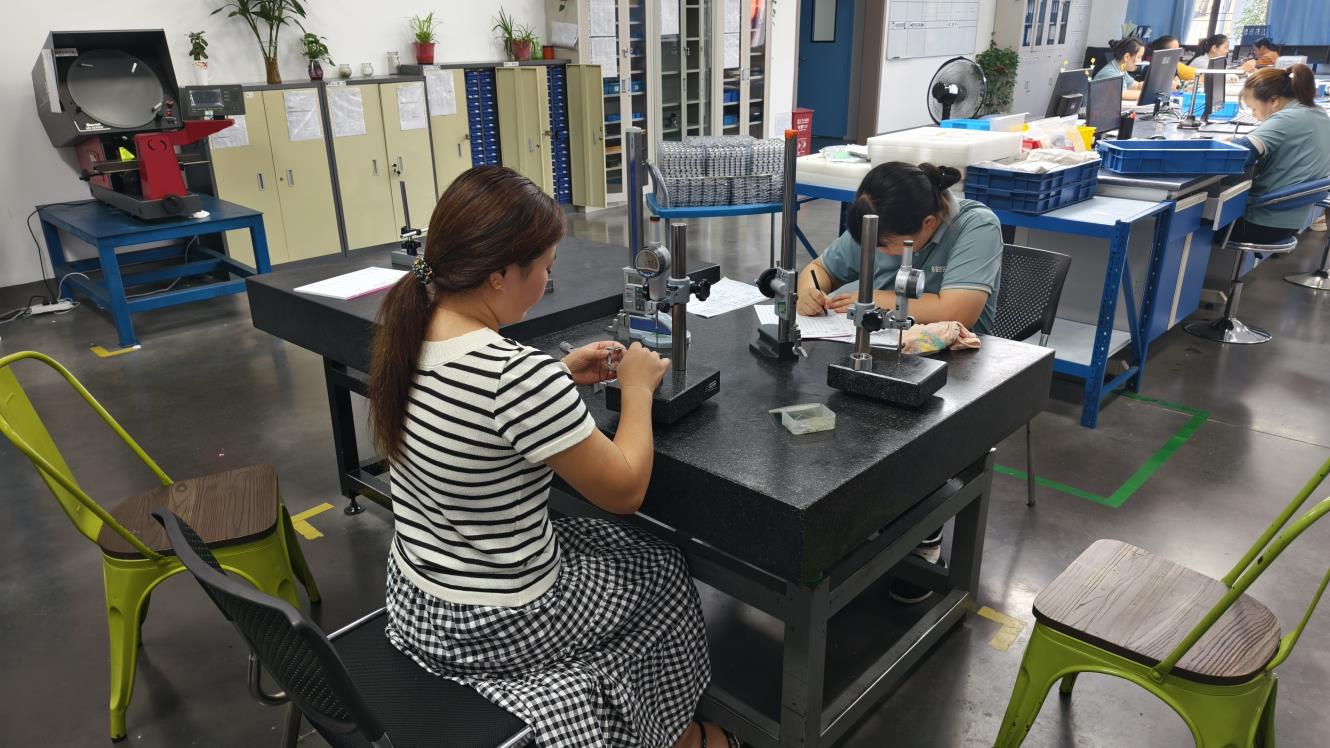
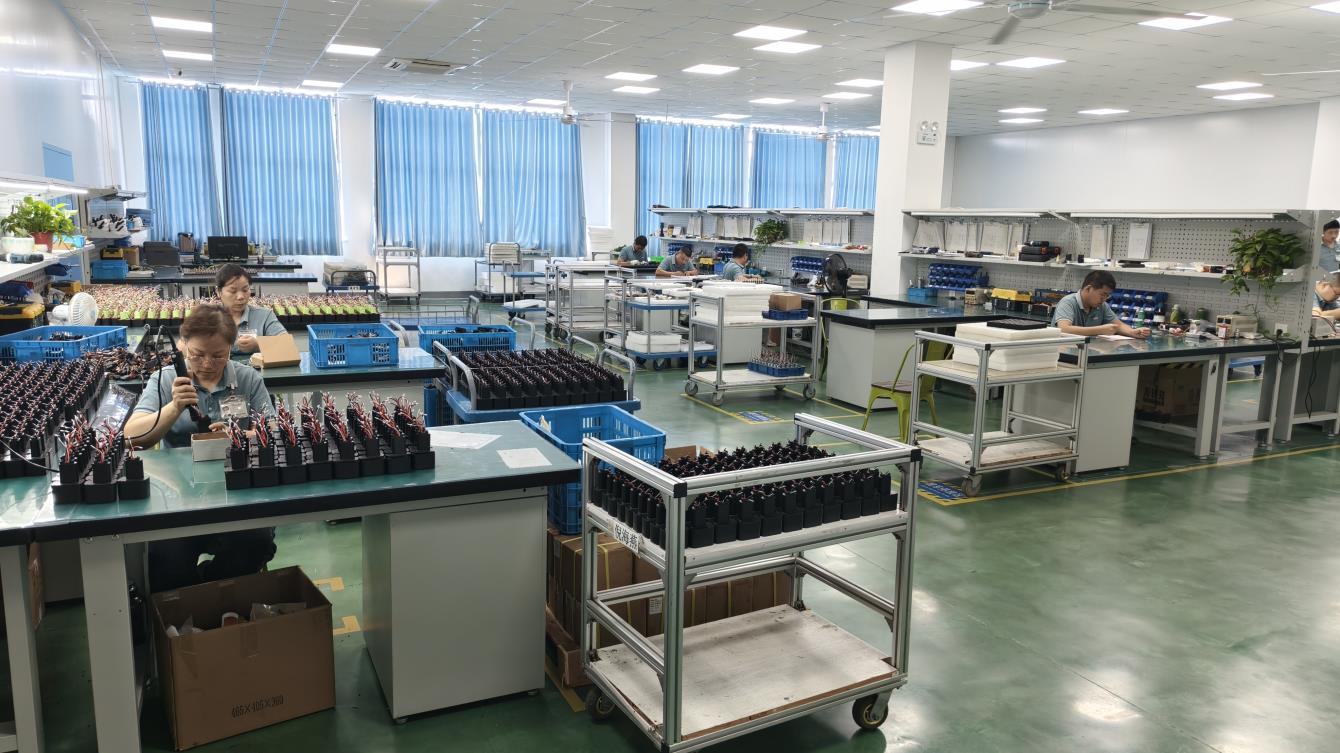
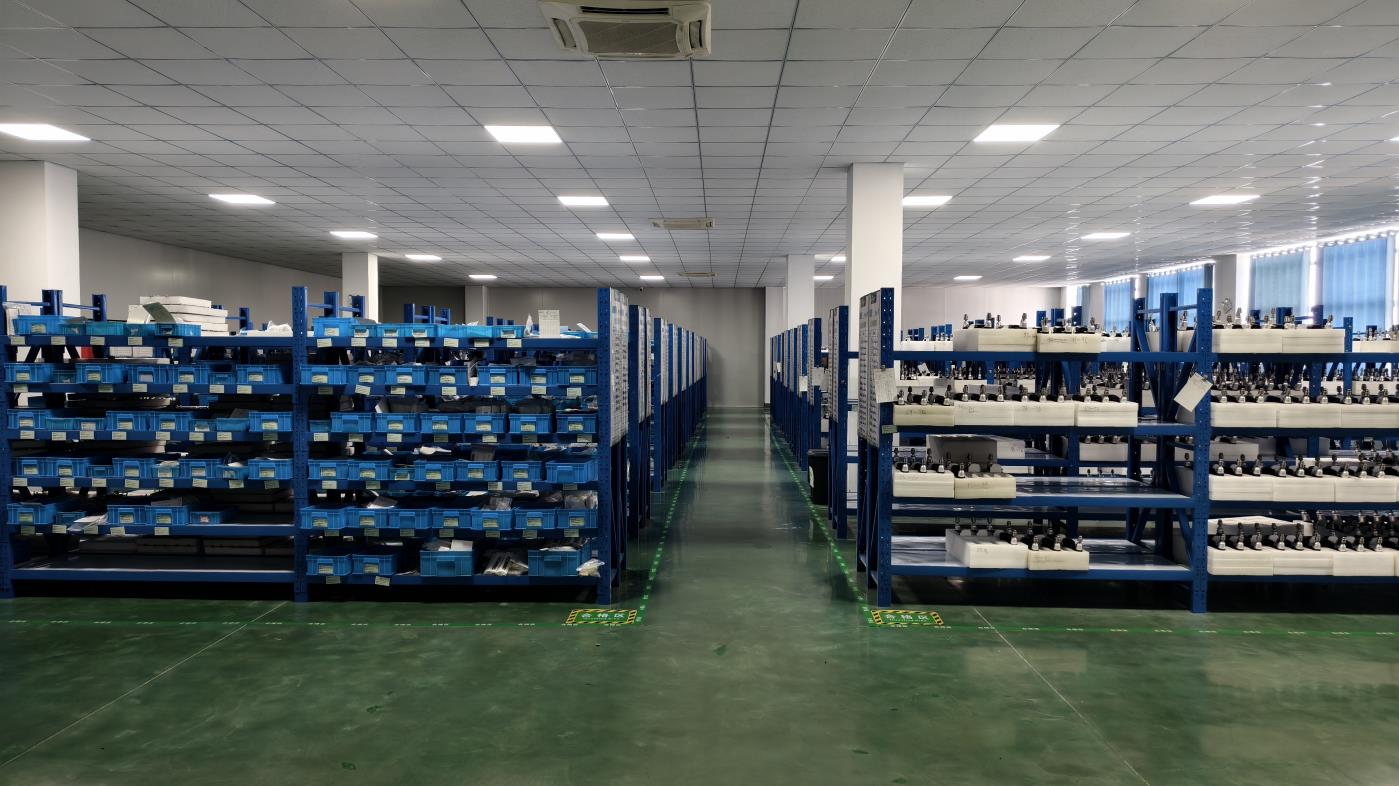
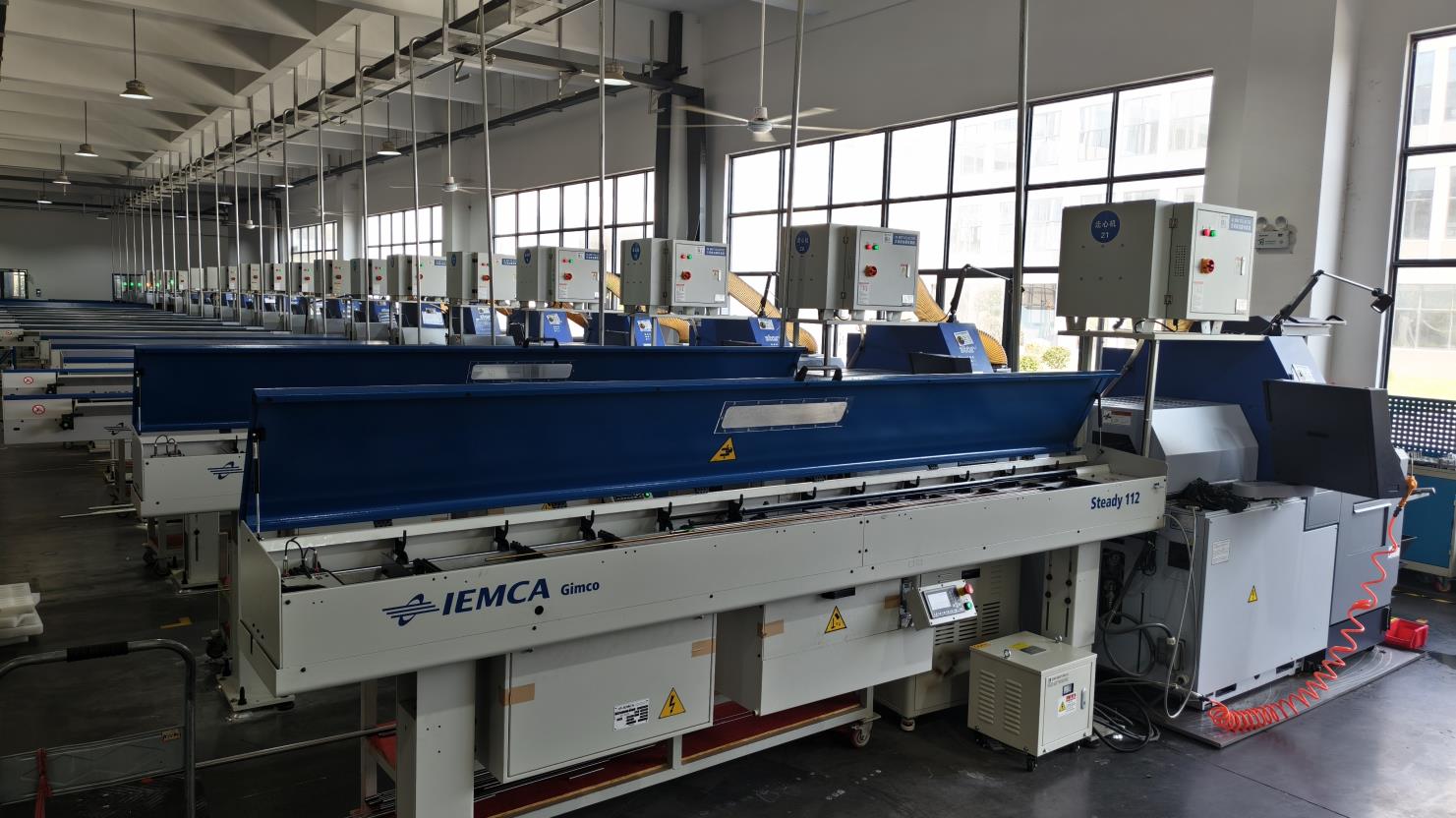
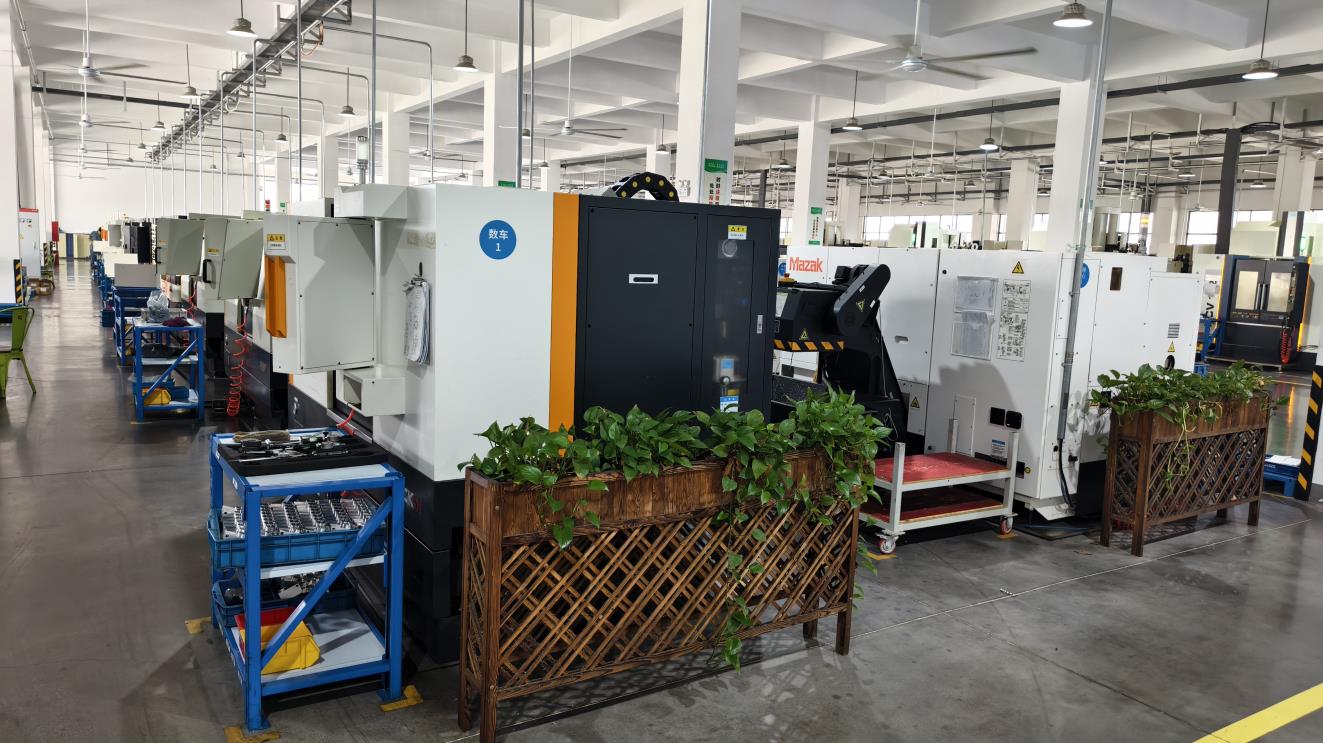
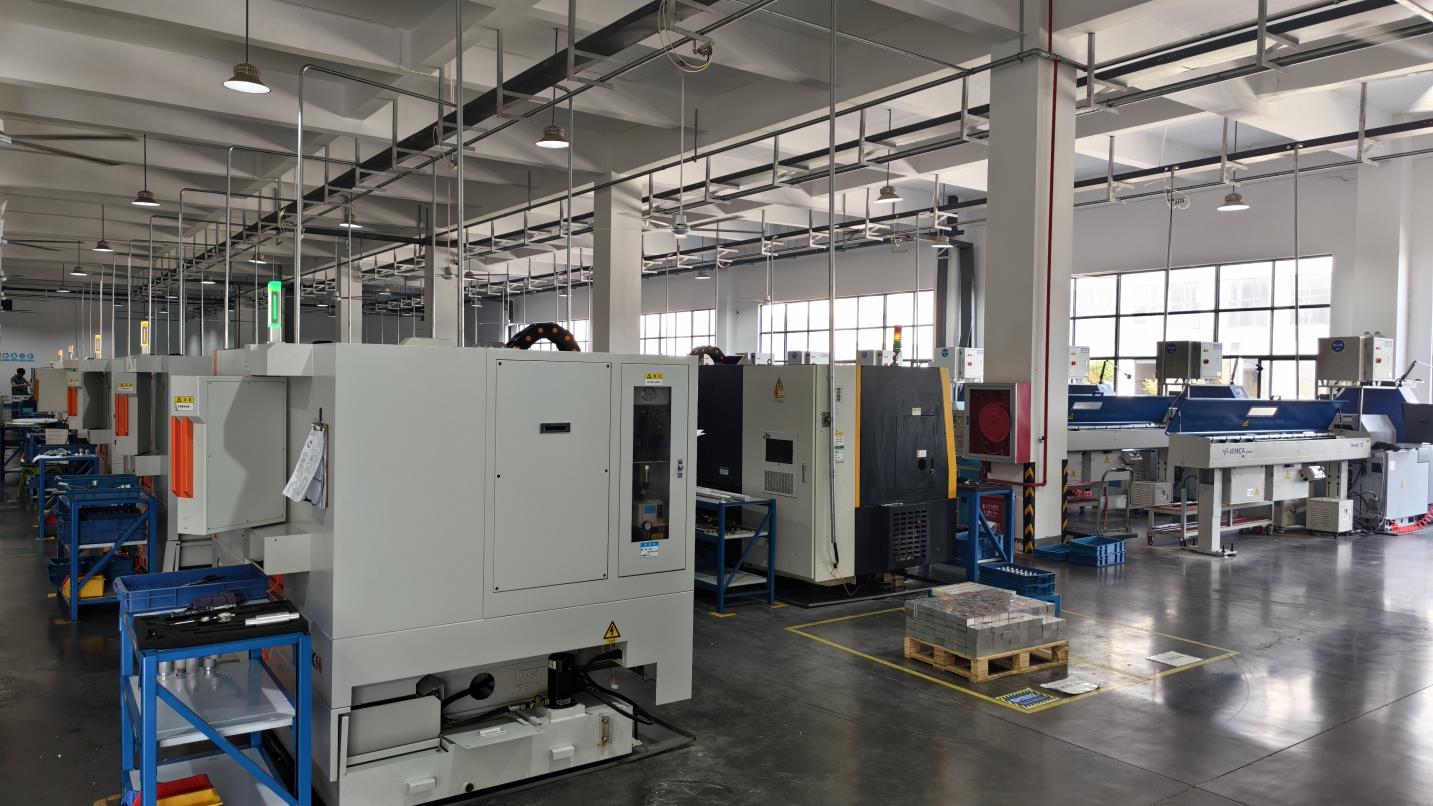
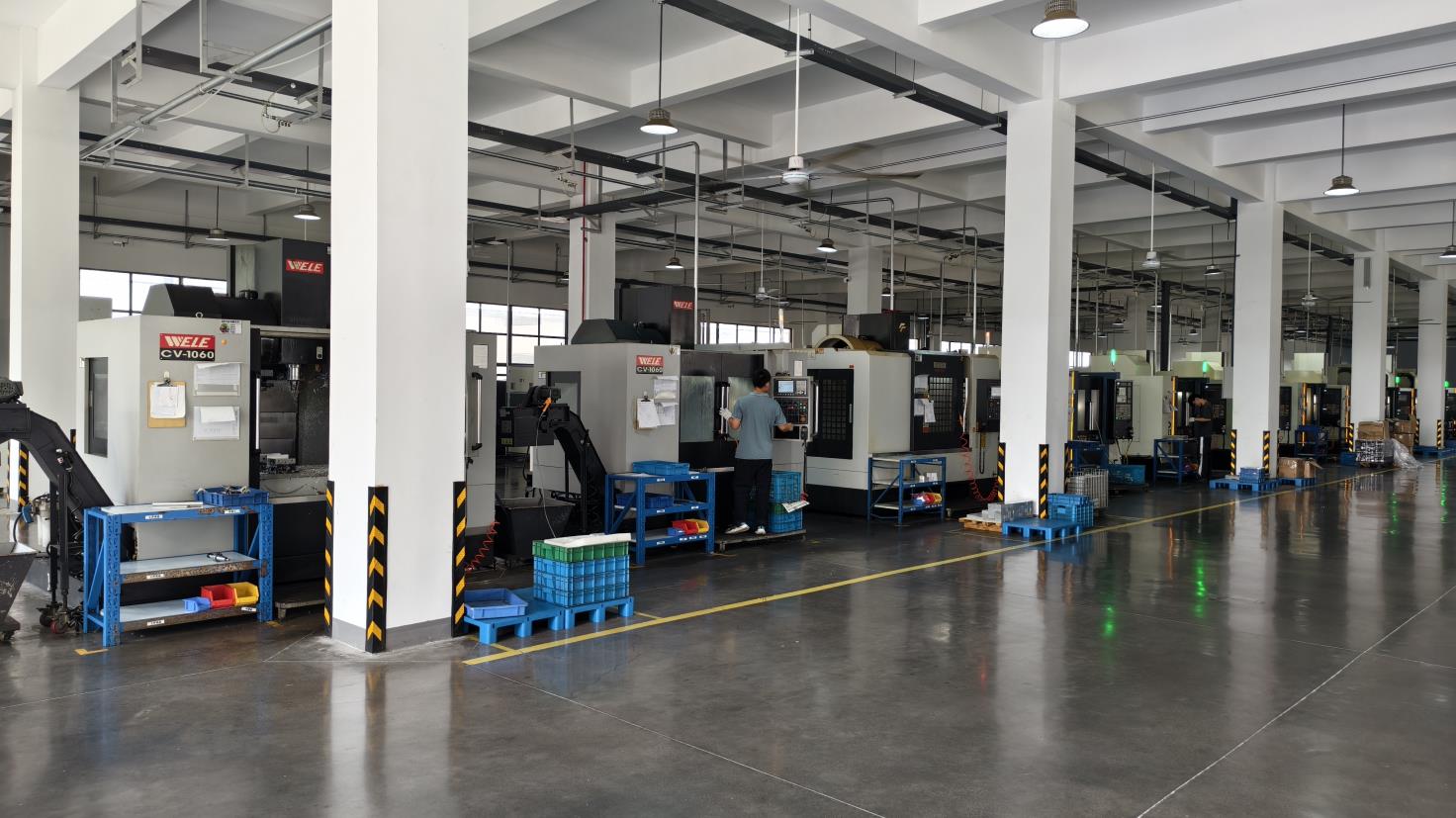
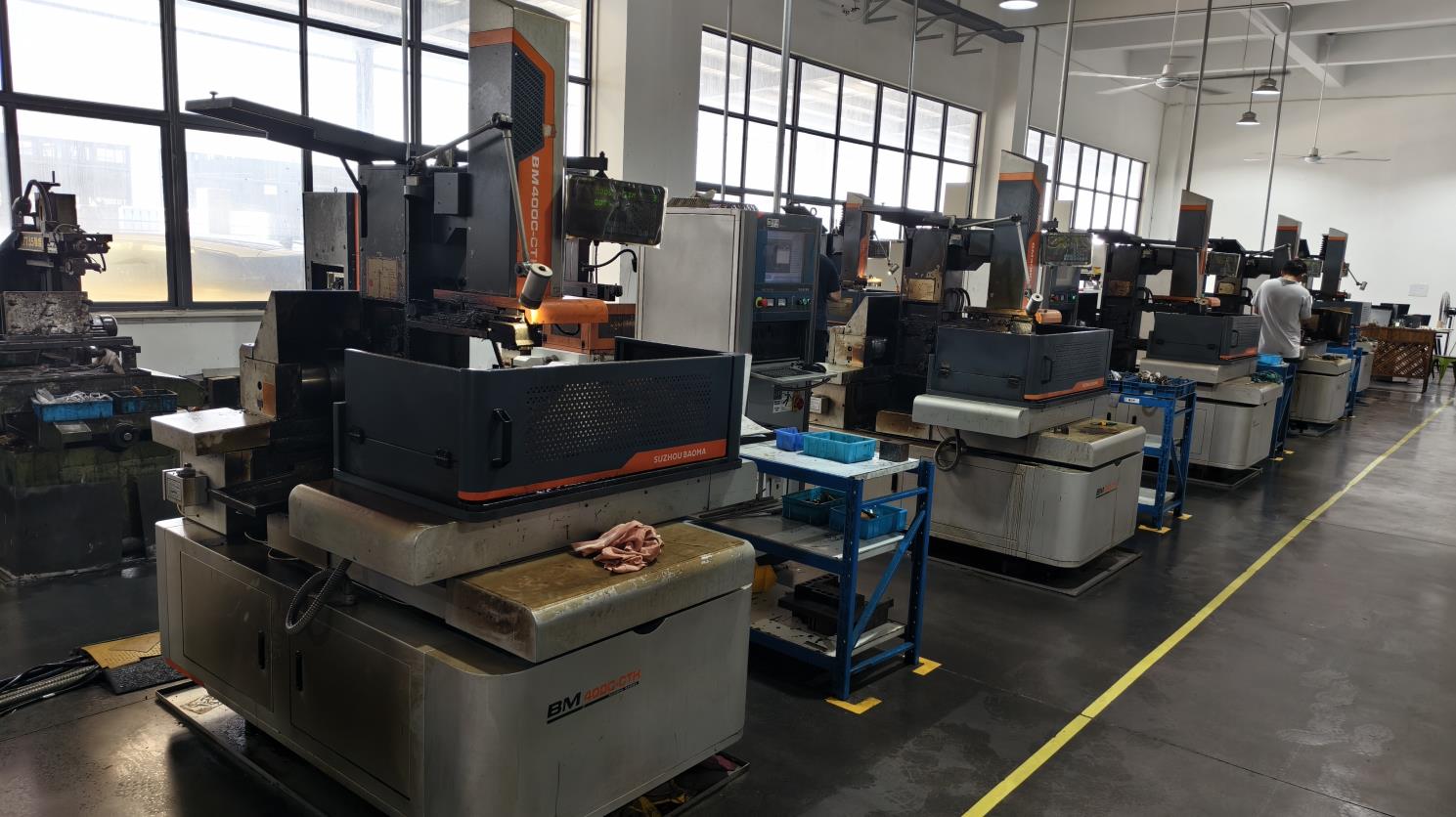
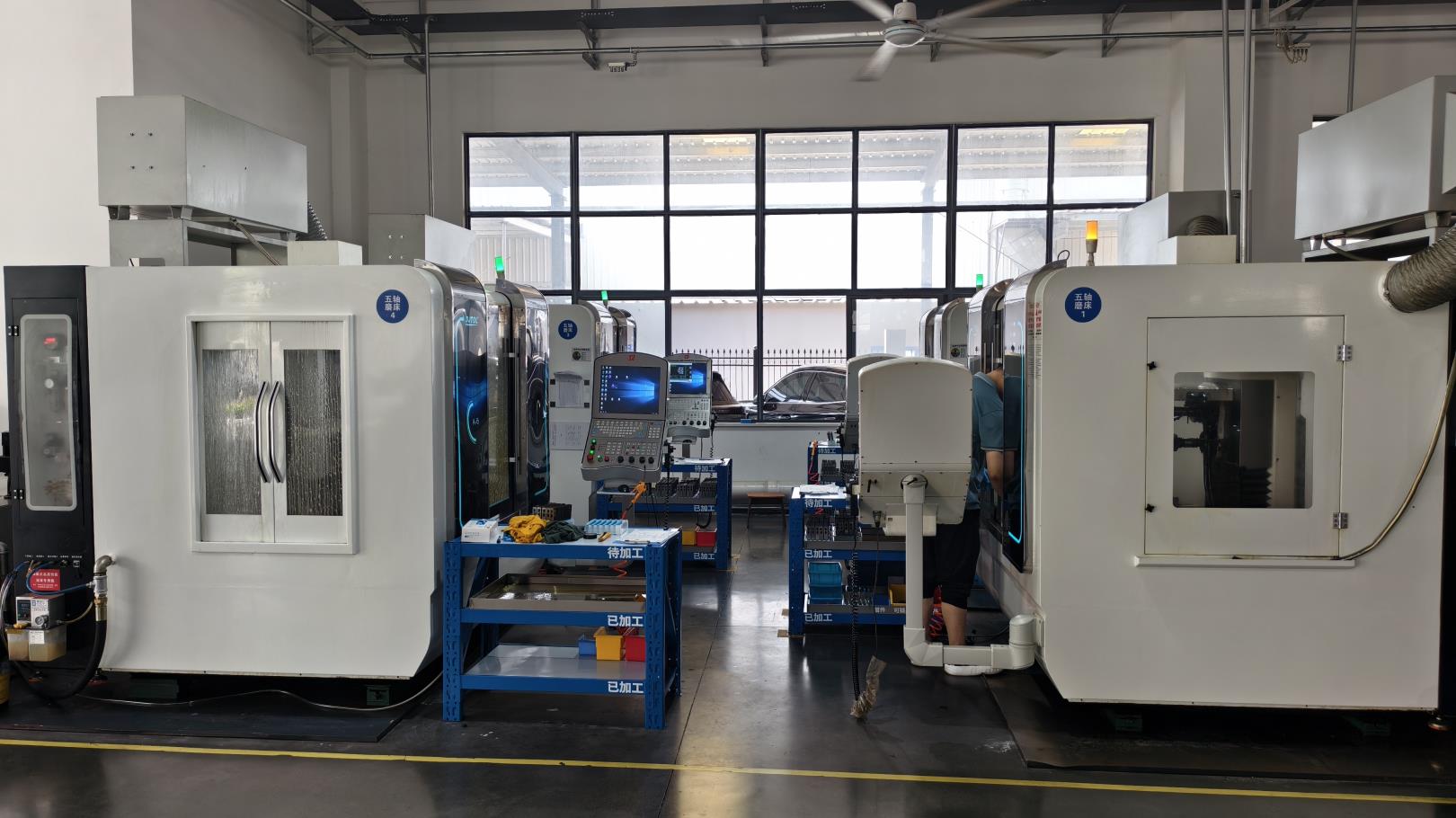
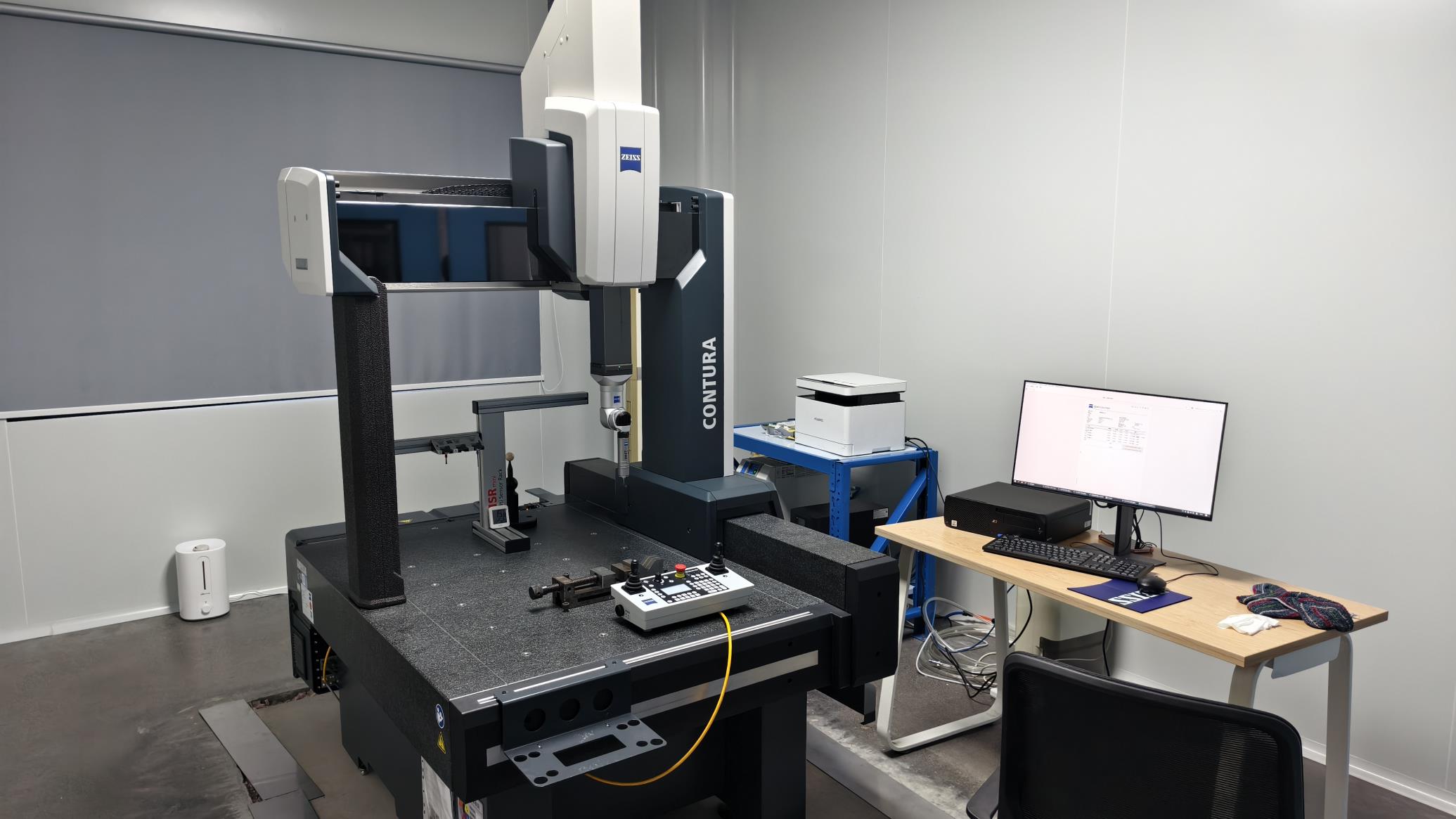
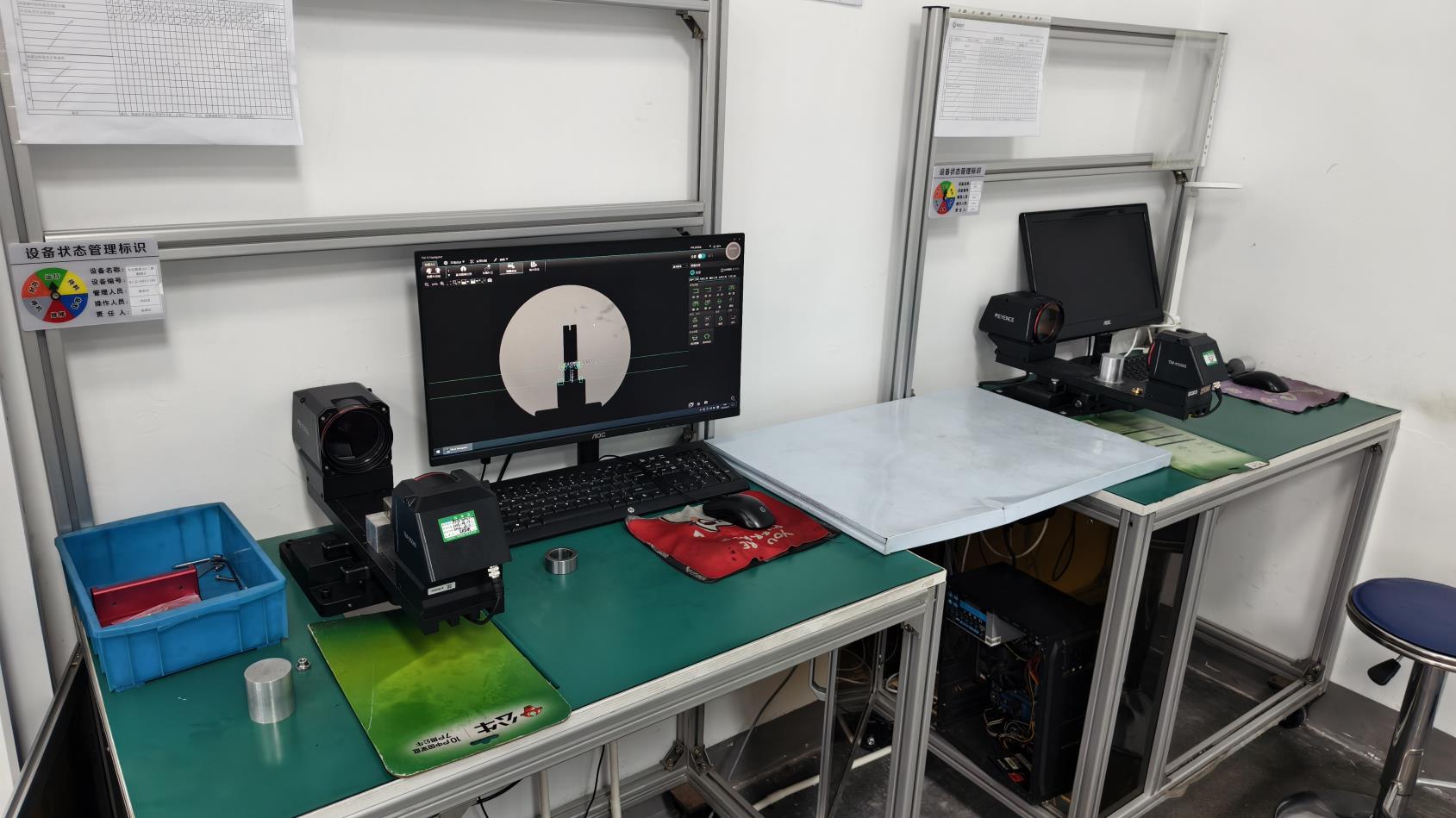
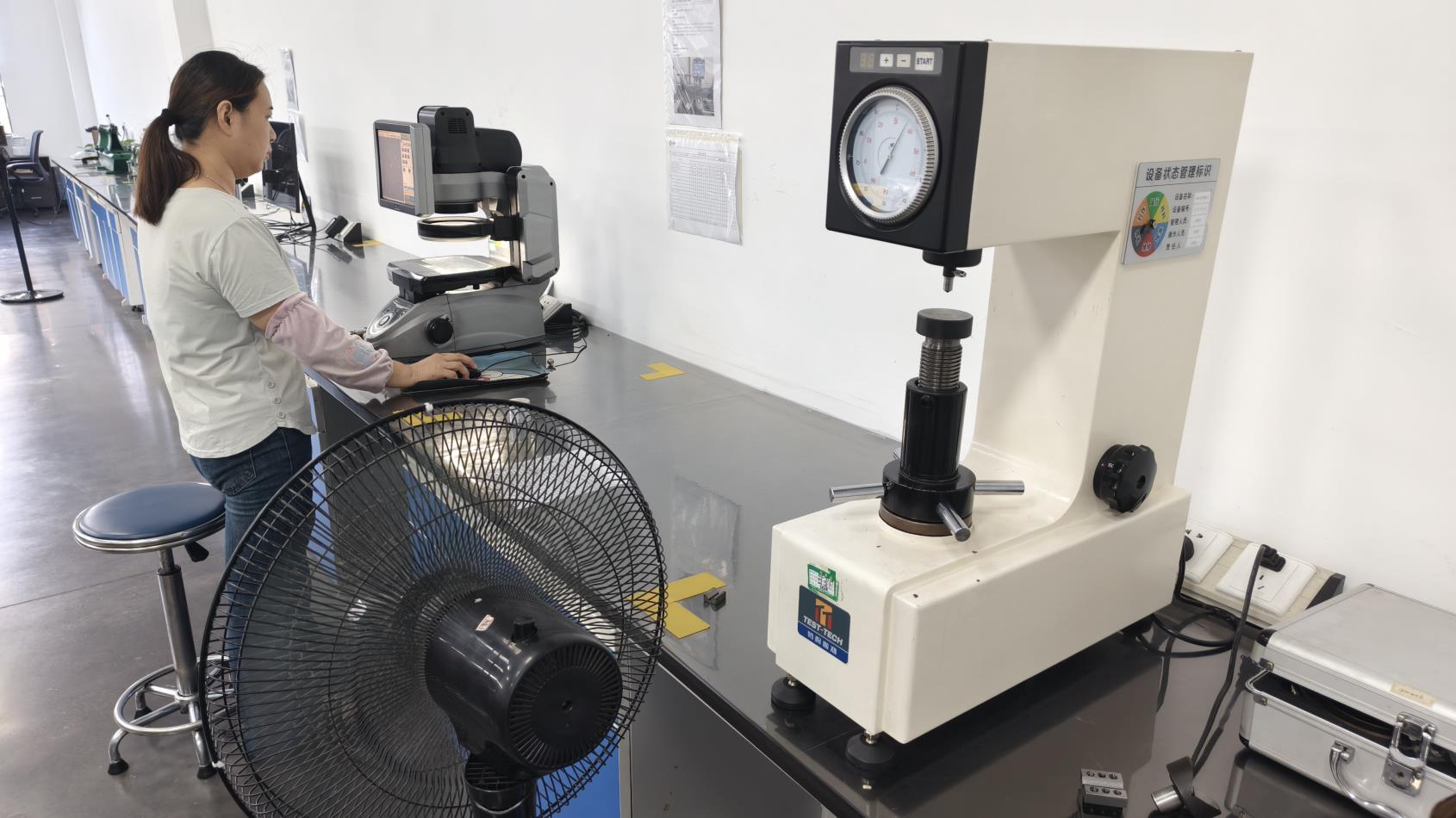
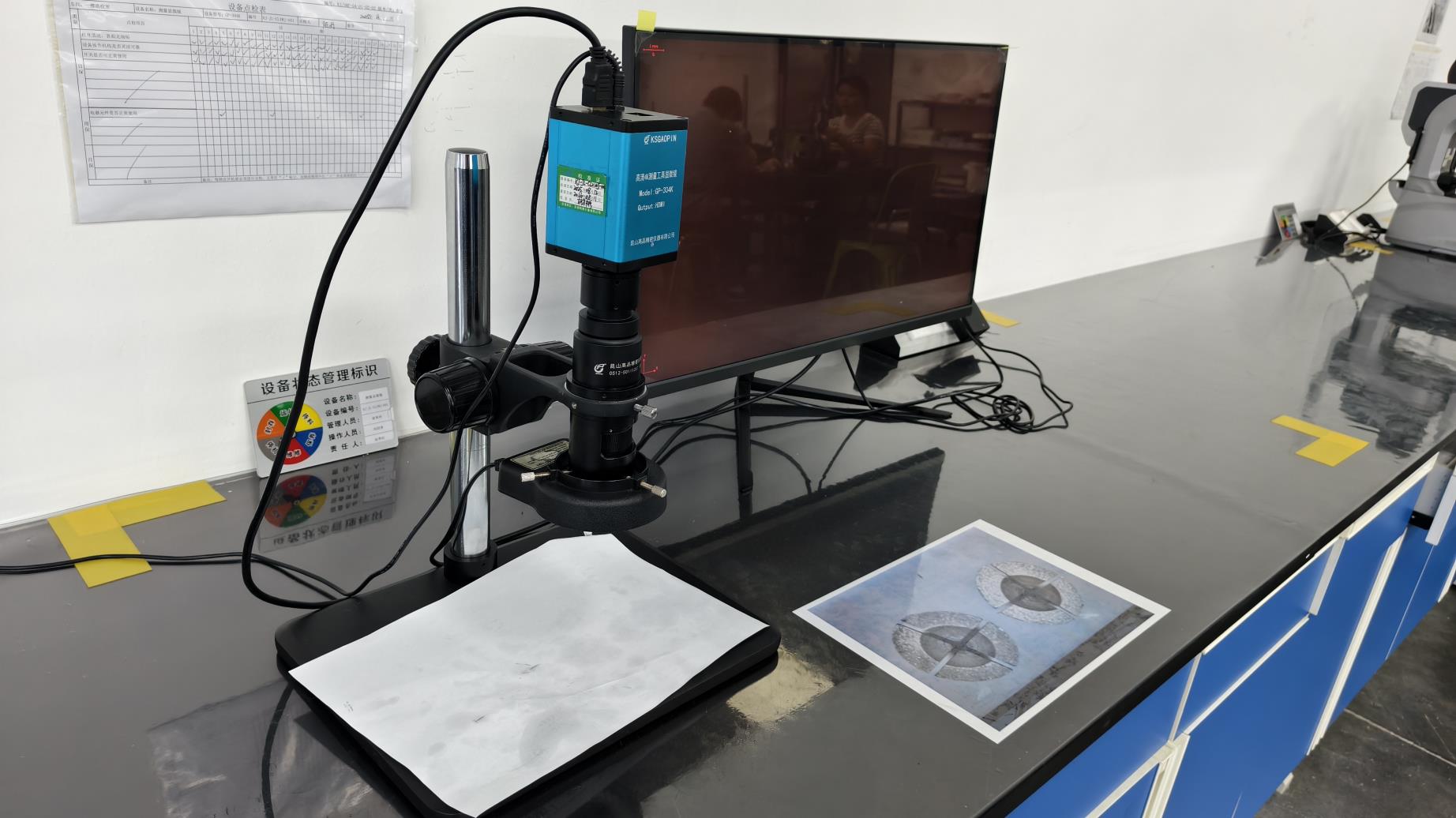
China's medical manufacturing infrastructure offers unparalleled industrial advantages. At Moventra, we leverage a robust network of 1,120 supply partners, giving us direct access to high-grade biomedical raw materials, specialized heat treatment providers, and modern sterile packaging services. This vertical integration dramatically shortens lead times, reduces manufacturing waste, and insulates our global clients from supply shocks.
Our lean manufacturing practices enable us to offer competitive pricing without compromising quality. With an experienced team of 48 quality control specialists and 86 R&D engineers, we execute strict verification procedures at every stage, keeping product non-conformity rates below 0.05%.
Navigating the complex regulatory landscape of medical device registration is a critical challenge for global distributors. Moventra simplifies this process. All our facilities operate under ISO 13485 quality systems, and our primary joint reconstructive and trauma lines carry CE certification, ensuring regulatory compatibility in demanding markets.
We provide full-scope regulatory support dossier preparation, including: biocompatibility reports, mechanical fatigue performance data (ISO 7206 series for hip implants), cleanroom environmental controls, and sterile barrier testing protocols. This technical backing accelerates the product registration process in target countries, ensuring smooth market entry.
Browse our advanced surgical tools, sports medicine devices, and specialty trauma systems designed for clinical efficiency.

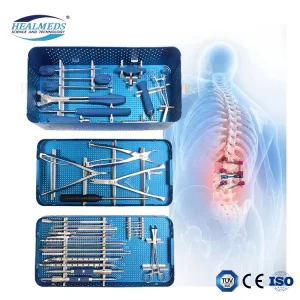
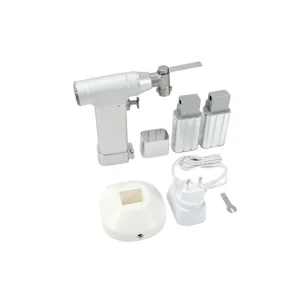
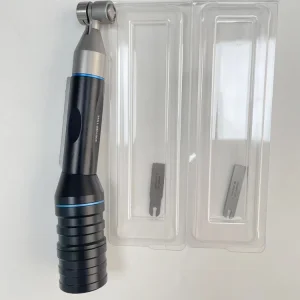
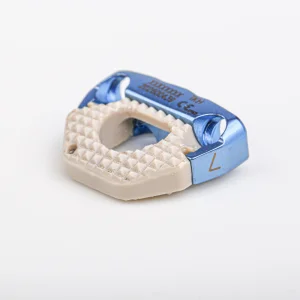
Clear, direct technical answers regarding biocompatibility, custom engineering, regulatory compliance, and logistics.
A: Cemented hip prostheses are indicated for patients with poor bone quality, such as severe osteoporosis or Dorr Type C femoral bone structures. The PMMA bone cement provides immediate mechanical stability by interlocking with the trabecular bone, reducing the risk of intraoperative periprosthetic fractures and early implant subsidence.
A: We use high-purity, biocompatible alloys including Cobalt-Chromium-Molybdenum (CoCrMo) for articulating heads, medical-grade Titanium Alloys (Ti-6Al-4V ELI) for high tensile strength, and Ultra-High-Molecular-Weight Polyethylene (UHMWPE) for low-wear joint interfaces.
A: Every production batch undergoes comprehensive quality control testing. This includes coordinate measuring machine (CMM) dimensional analysis, metallurgical microscope microstructural checks, microhardness testing, surface roughness analysis, mechanical fatigue testing, and sterility verification.
A: Yes, we provide full OEM and ODM services. This includes custom branding and laser marking, custom sterile packaging, customized instrument kit configurations, and specialized engineering design based on client drawings or physical samples.
A: Standard OEM and catalog products are typically processed within 30 to 45 days. Customized or newly engineered implants may require 60 to 90 days, depending on regulatory approvals and testing requirements. We manage all logistics through our ISO-certified facilities and verified global freight partners.
A: We supply complete technical dossiers containing ISO 13485 certifications, biocompatibility reports, mechanical fatigue performance data, and cleaning/sterility verification documentation. This information helps streamline the local registration and registration transfer processes for our clients.
 Moventra Medical