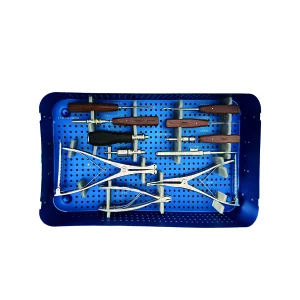
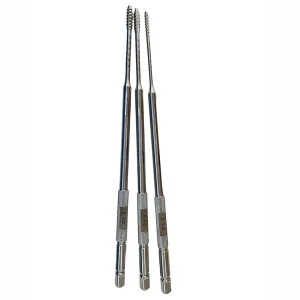
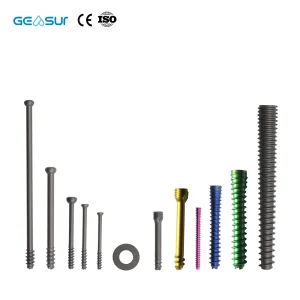
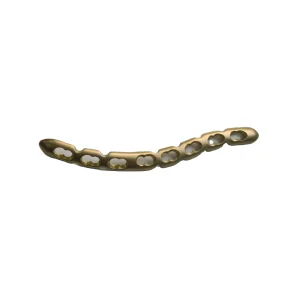
Explore our state-of-the-art orthopedic implants, spine cages, and specialized surgical instrument sets manufactured in China under clinical-grade quality standards.
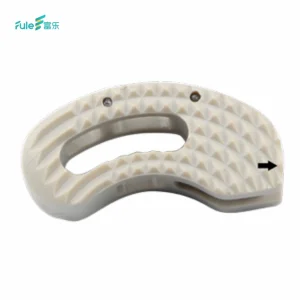
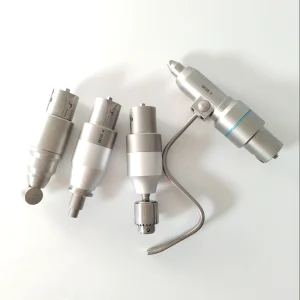
The global orthopedic landscape has witnessed a rapid evolution from open, highly invasive spinal surgeries to Minimally Invasive Spine Surgery (MISS). This paradigm shift is driven by clinical mandates to reduce patient trauma, minimize blood loss, lower infection rates, and accelerate post-operative recovery. Central to the success of these procedures is the design and manufacturing quality of MISS implants and delivery instruments.
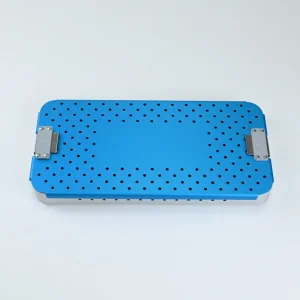
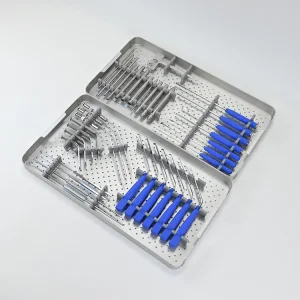
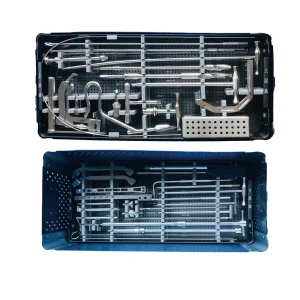
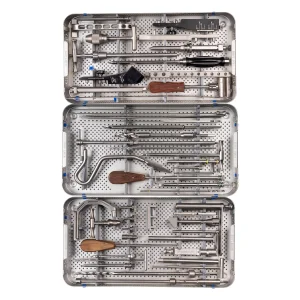
Traditional spinal fusion required extensive muscle dissection to expose the spinal anatomy. In contrast, MISS procedures rely on specialized retractor systems (such as the Bopull LED Spine Instruments Set) and cannulated surgical techniques to access the spinal column through tiny incisions. Consequently, the mechanical demands on spinal implants, such as pedicle screws and interbody fusion cages, have dramatically escalated. Implants must now be designed for seamless guided delivery through narrow access paths while maintaining robust, long-term biomechanical stability.
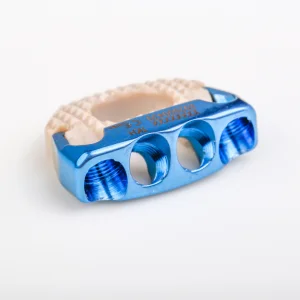
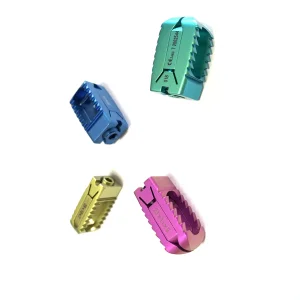
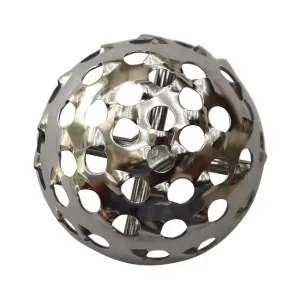
Modern PEEK cages are treated with plasma-sprayed titanium coatings or designed with porous lattice structures to optimize bone-to-implant contact and accelerate fusion rates.
Dynamic stabilization implants preserve physiological motion at adjacent segments, reducing the incidence of Adjacent Segment Disease (ASD) following rigid fusion.
By leveraging percutaneous pedicle screw systems and expandable interbody spacers, surgeons minimize posterior muscle detachment, reducing postoperative back pain.
Moventra Medical Technology (China) Co., Ltd. is a global leader in high-performance orthopedic device manufacturing, combining cutting-edge engineering with world-class quality systems.
Established in 2017, Moventra Medical Technology (China) Co., Ltd. is a professional manufacturer specializing in the research, development, production, and global supply of orthopedic medical devices and surgical solutions. The company is dedicated to delivering innovative, high-quality products for trauma, spine, joint reconstruction, sports medicine, and orthopedic surgical procedures.
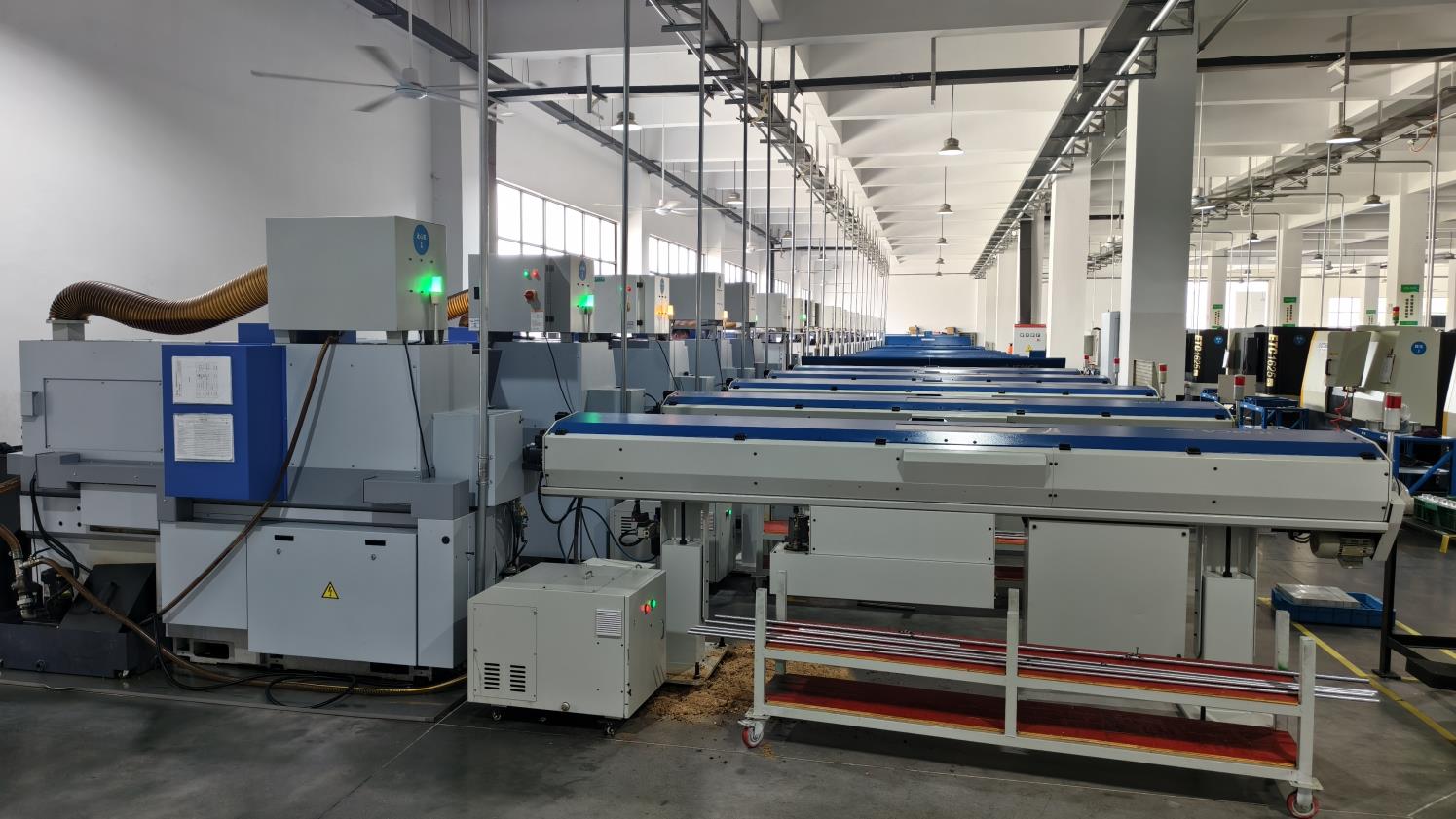
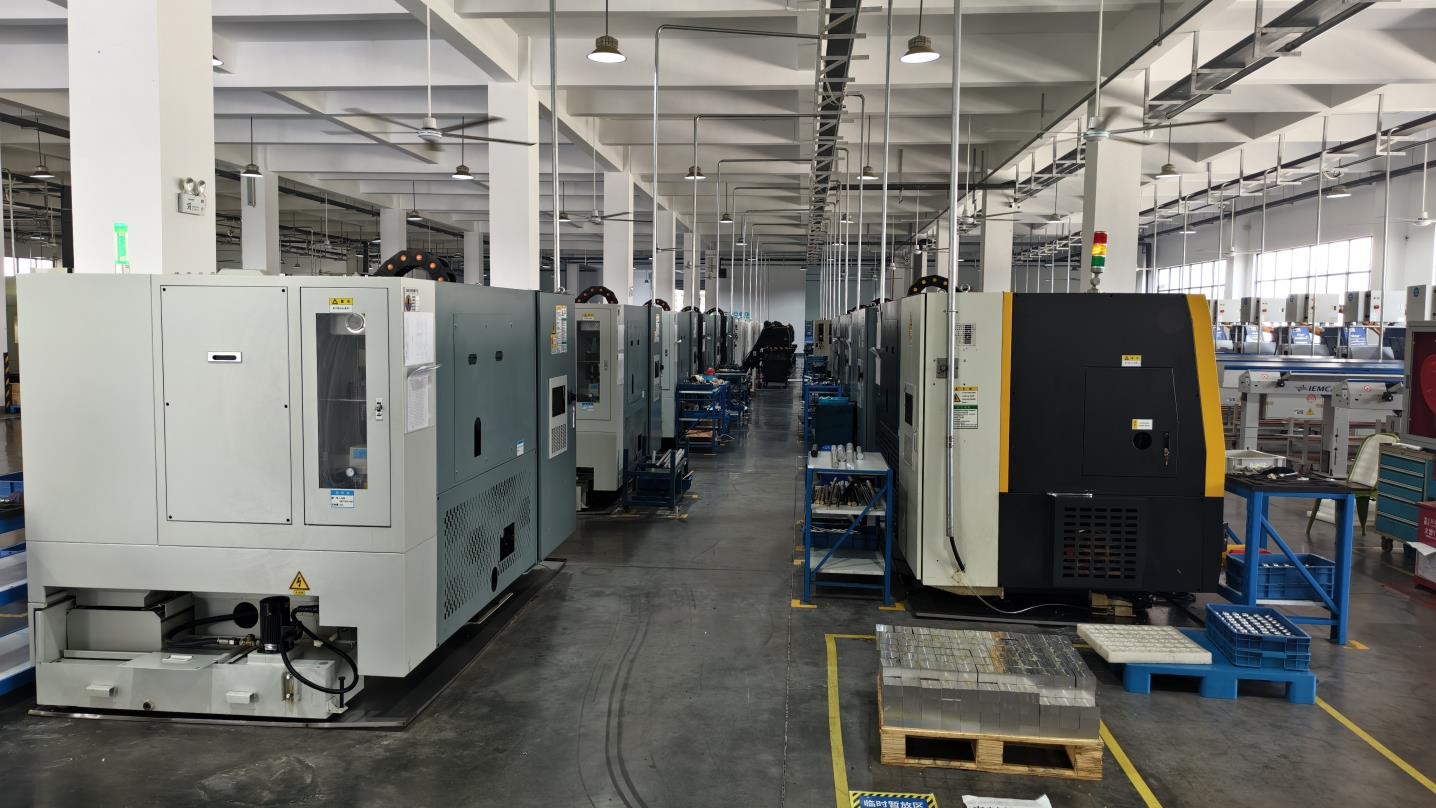
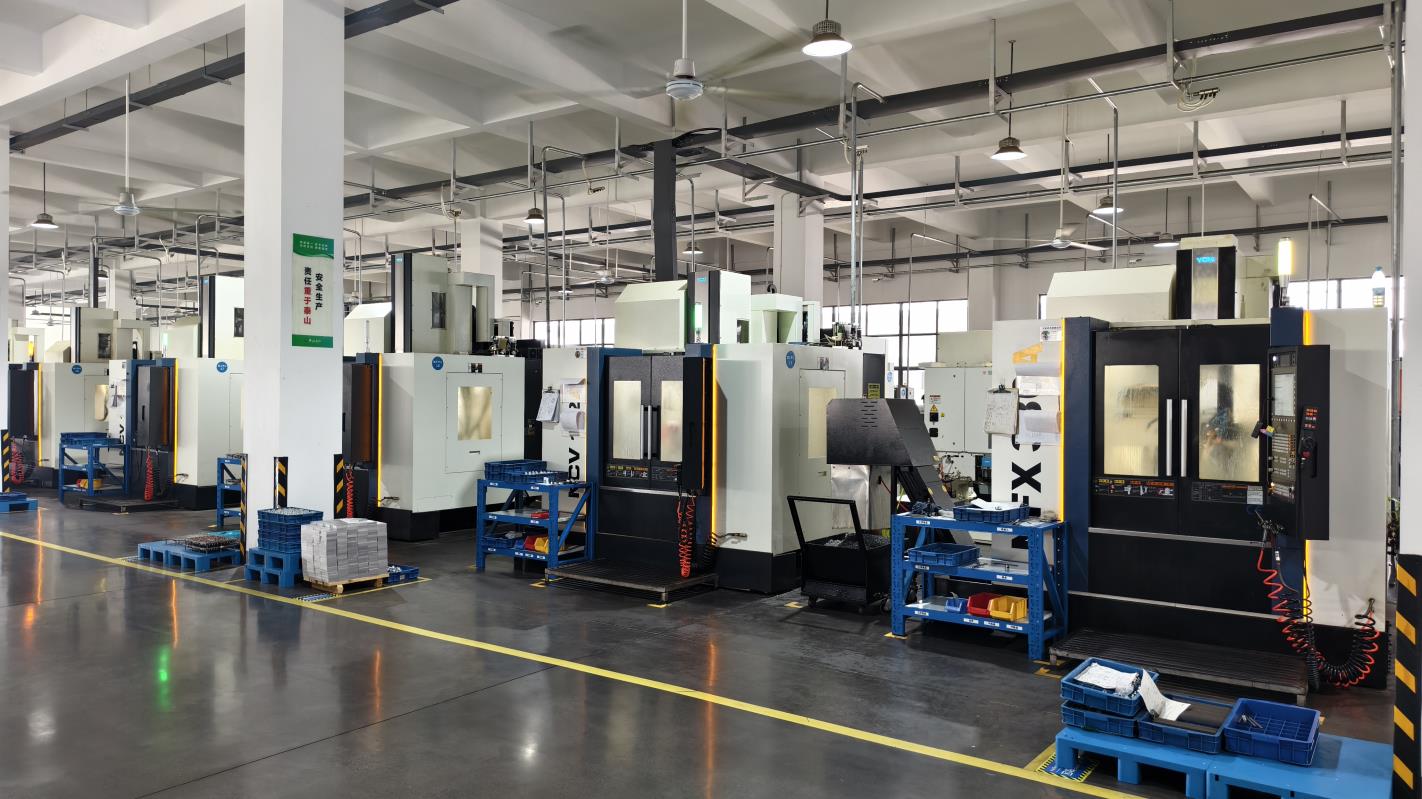
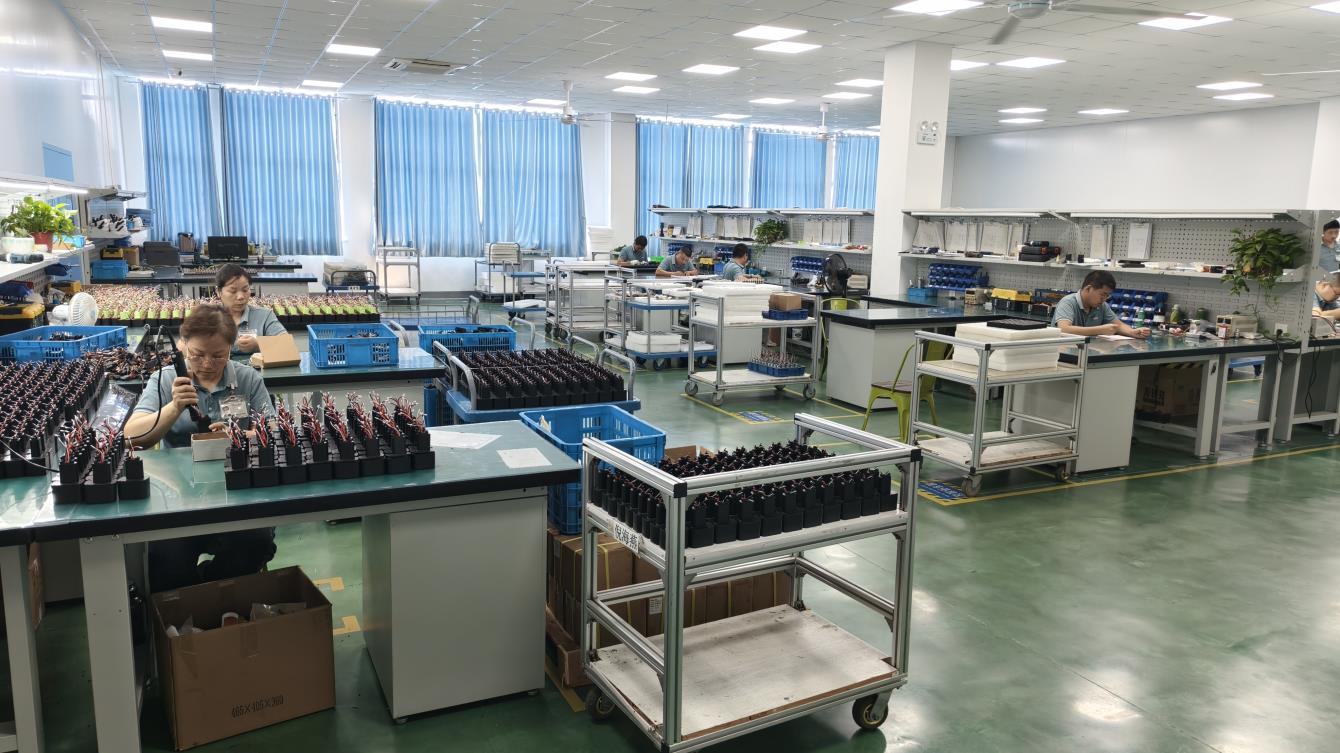
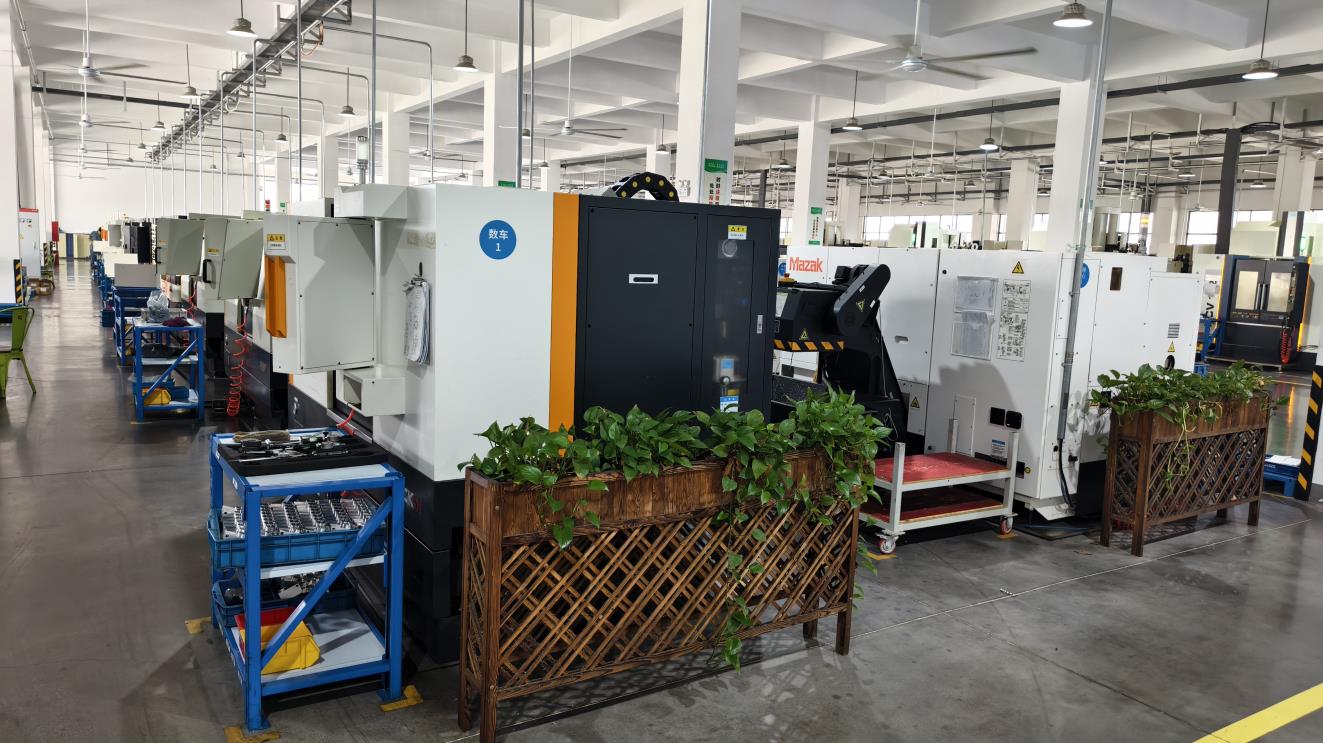
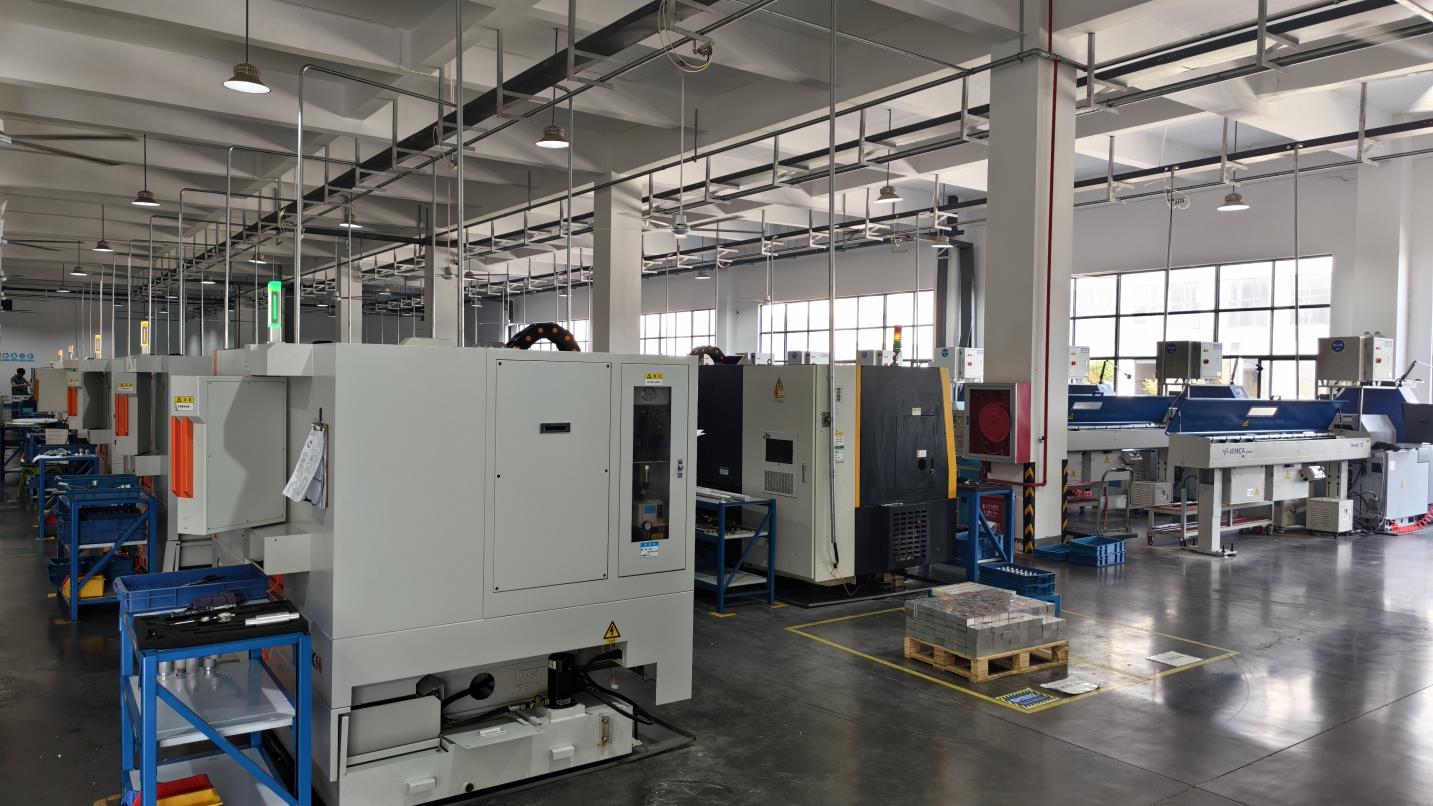
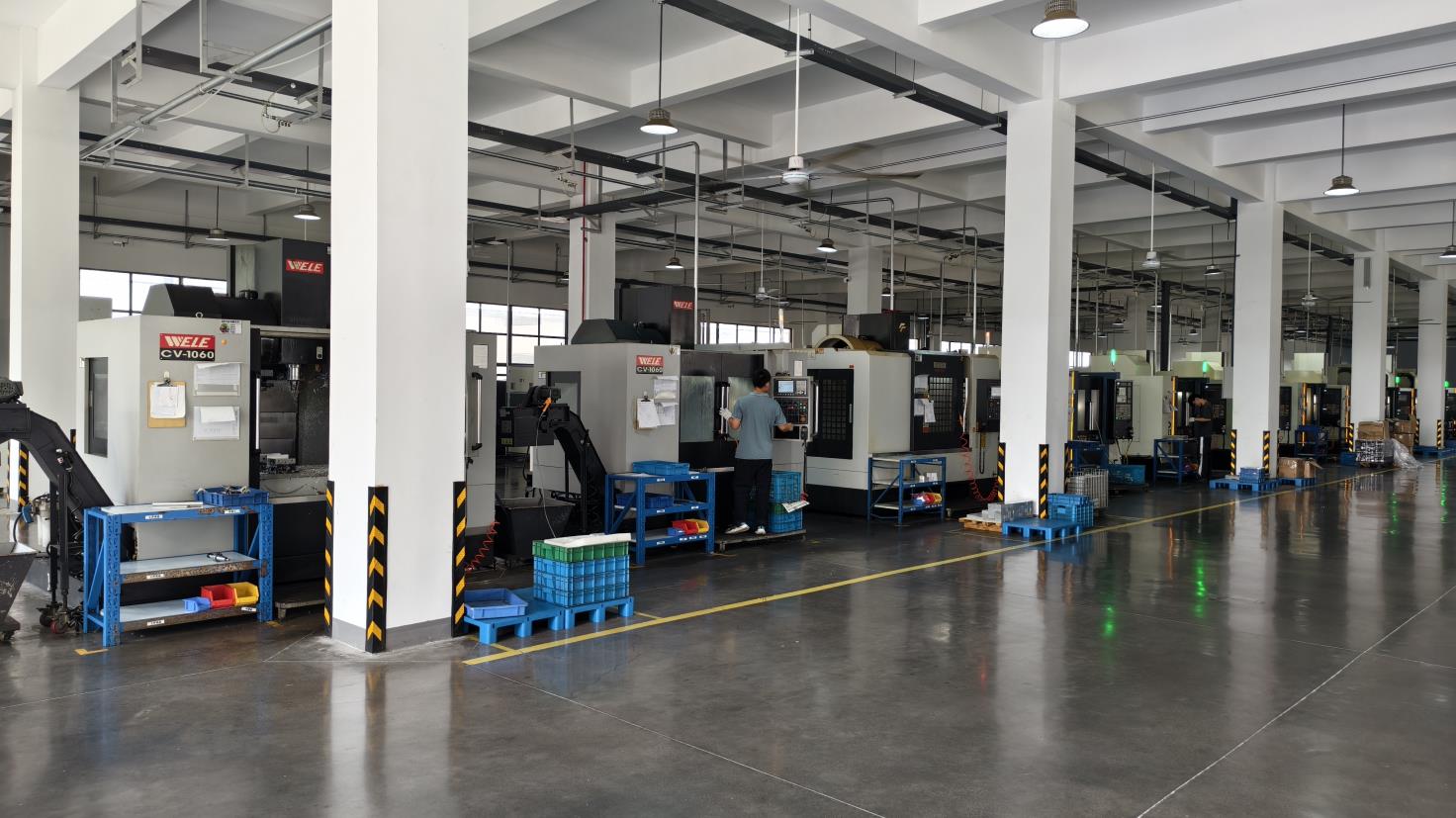
With a modern manufacturing facility covering 18,600 m², Moventra integrates advanced CNC machining, precision manufacturing, automated production lines, and strict quality management systems to ensure every product meets international medical standards. Our commitment to continuous innovation enables us to provide reliable OEM and ODM services for global medical device brands, distributors, and healthcare institutions.
Supported by an experienced R&D team (boasting 86 R&D engineers) and a comprehensive quality assurance system, Moventra continuously develops innovative orthopedic solutions that improve surgical efficiency and patient outcomes. Our products are exported to customers worldwide and are trusted for their precision, safety, and consistent performance.
| Specification Category | Details & Operational Metrics |
|---|---|
| Company Name | Moventra Medical Technology (China) Co., Ltd. |
| Brand / Trademark | Moventra |
| Established | 2017 (With 13 Years of Accumulated Industry Experience) |
| Facility Area | 18,600 m² class-leading production cleanrooms and labs |
| Annual Export Revenue | USD 23.8 Million |
| Export Experience | 7 Years serving medical ecosystems worldwide |
| Quality Inspection Protocol | 100% Quality Inspection Before Shipment (Zero-tolerance quality policy) |
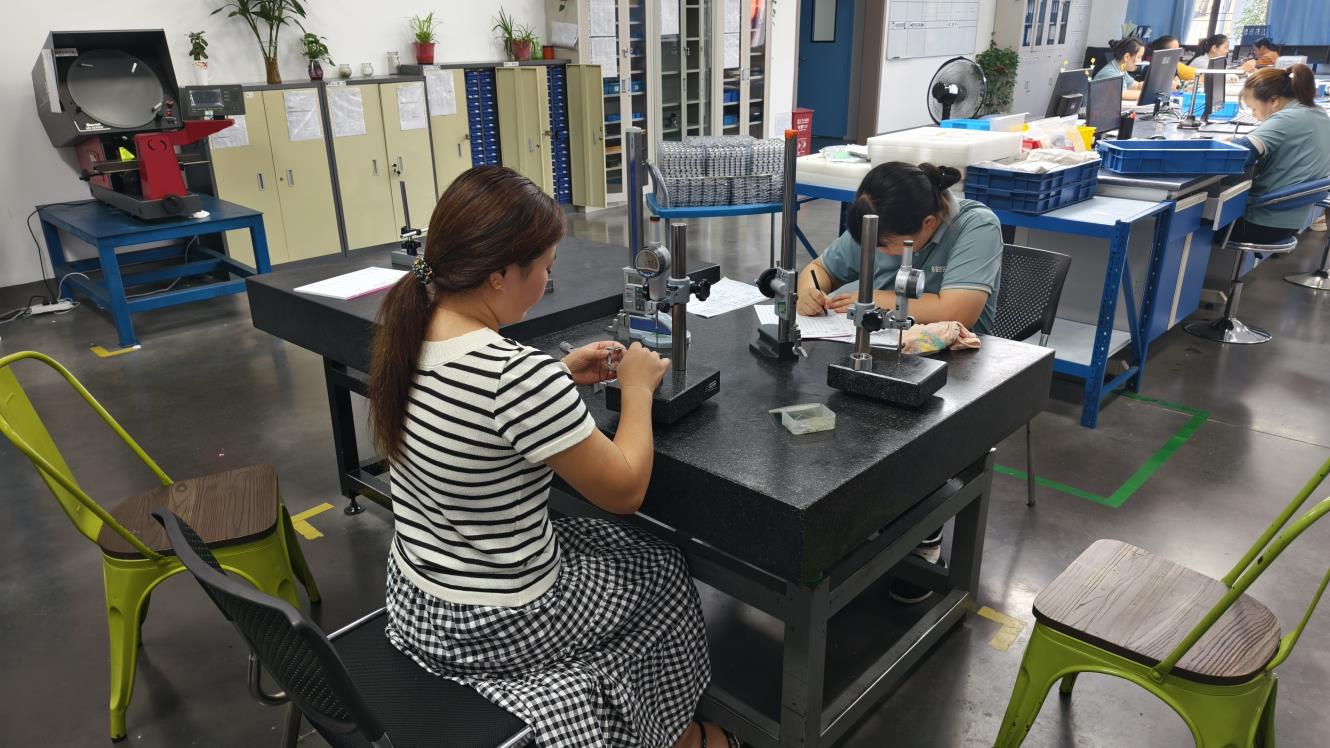
| Inspection Methodologies | Dimensional Inspection, Material Analysis, Surface Finish Inspection, Mechanical Performance Testing, Sterility Verification |
| Dedicated QC Staff | 48 Certified Quality Control Specialists |
| Core Business Type | Manufacturer, OEM & ODM Contract Manufacturing, Global Exporter |
| Main International Markets | North America, Europe, South America, Middle East, Southeast Asia, Australia |
| Global Supply Chain Partners | 1,120 clinical and distribution partners |
| Client Base | Medical Device Brands, Orthopedic Distributors, Hospitals, Importers, Government Procurement Projects |
| R&D Capabilities | Independent Product Design, Rapid Prototyping, OEM/ODM Development, Customized Engineering Solutions |
| Customization Options | Logo Customization, Packaging Customization, Product Design Customization, Drawing-Based Manufacturing, Sample-Based Manufacturing |
| New Product Launches (YoY) | 156 novel orthopedic components introduced last year |
| R&D Engineers | 86 experienced biomaterial and biomechanical engineering experts |
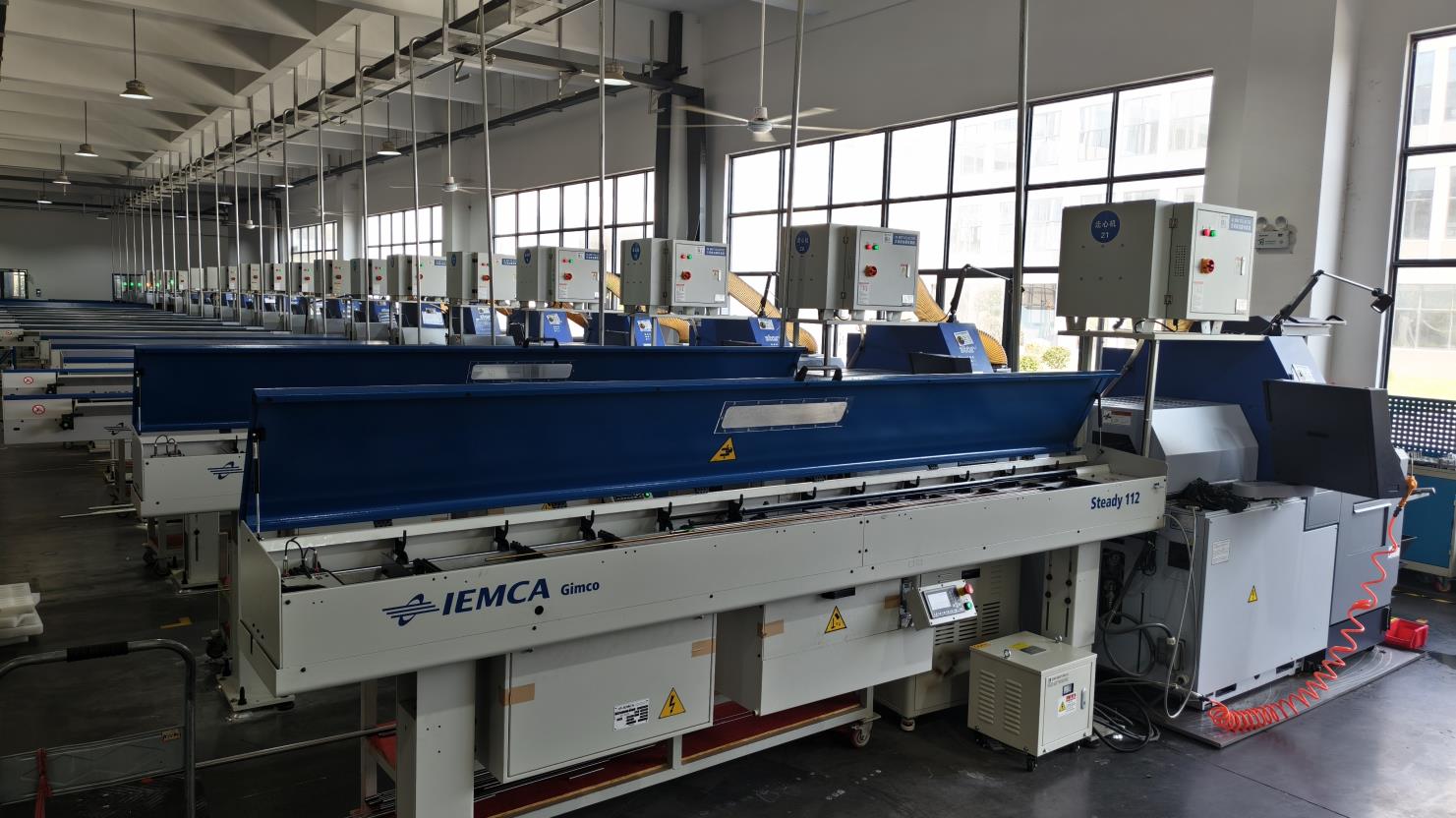
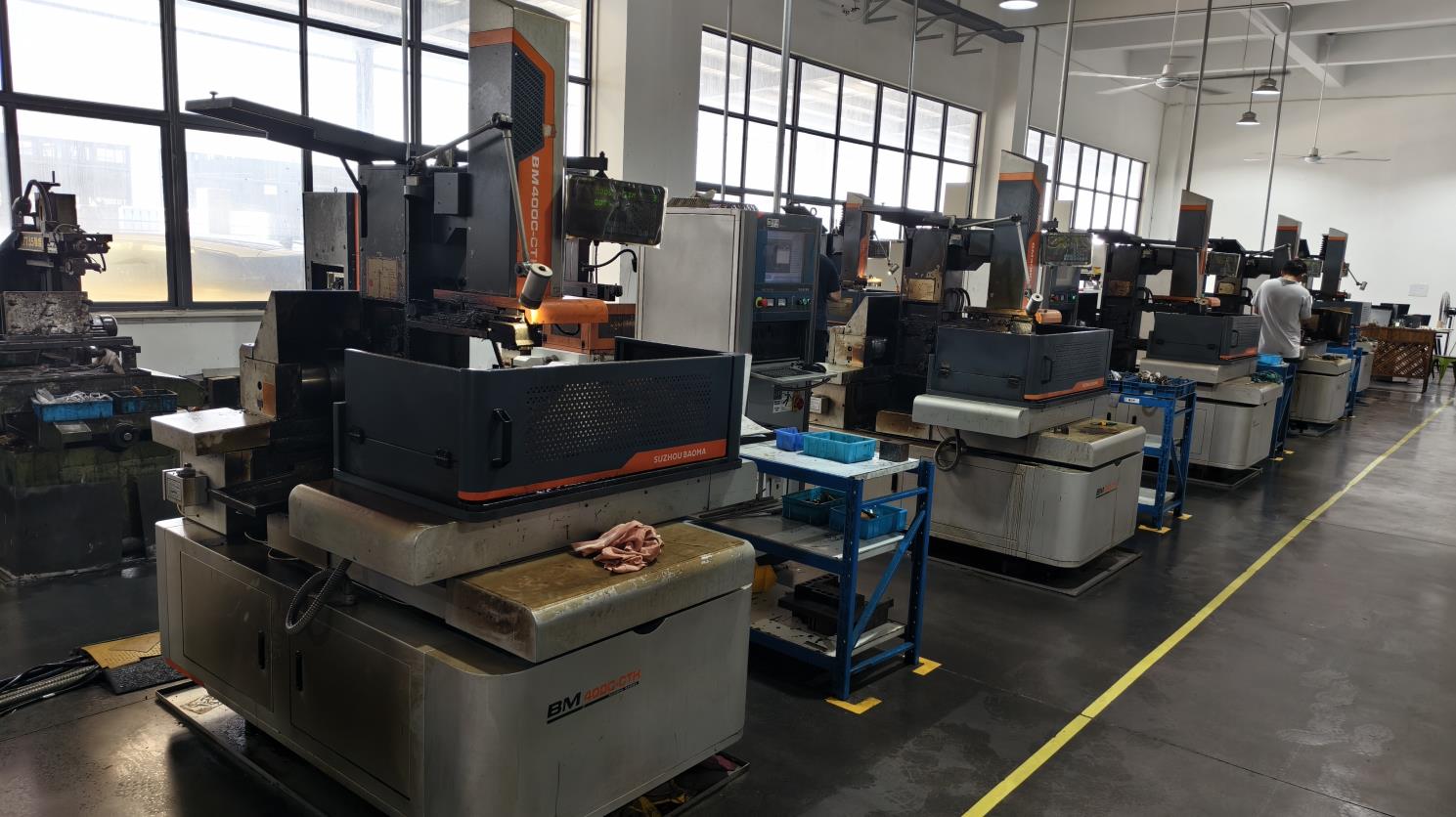
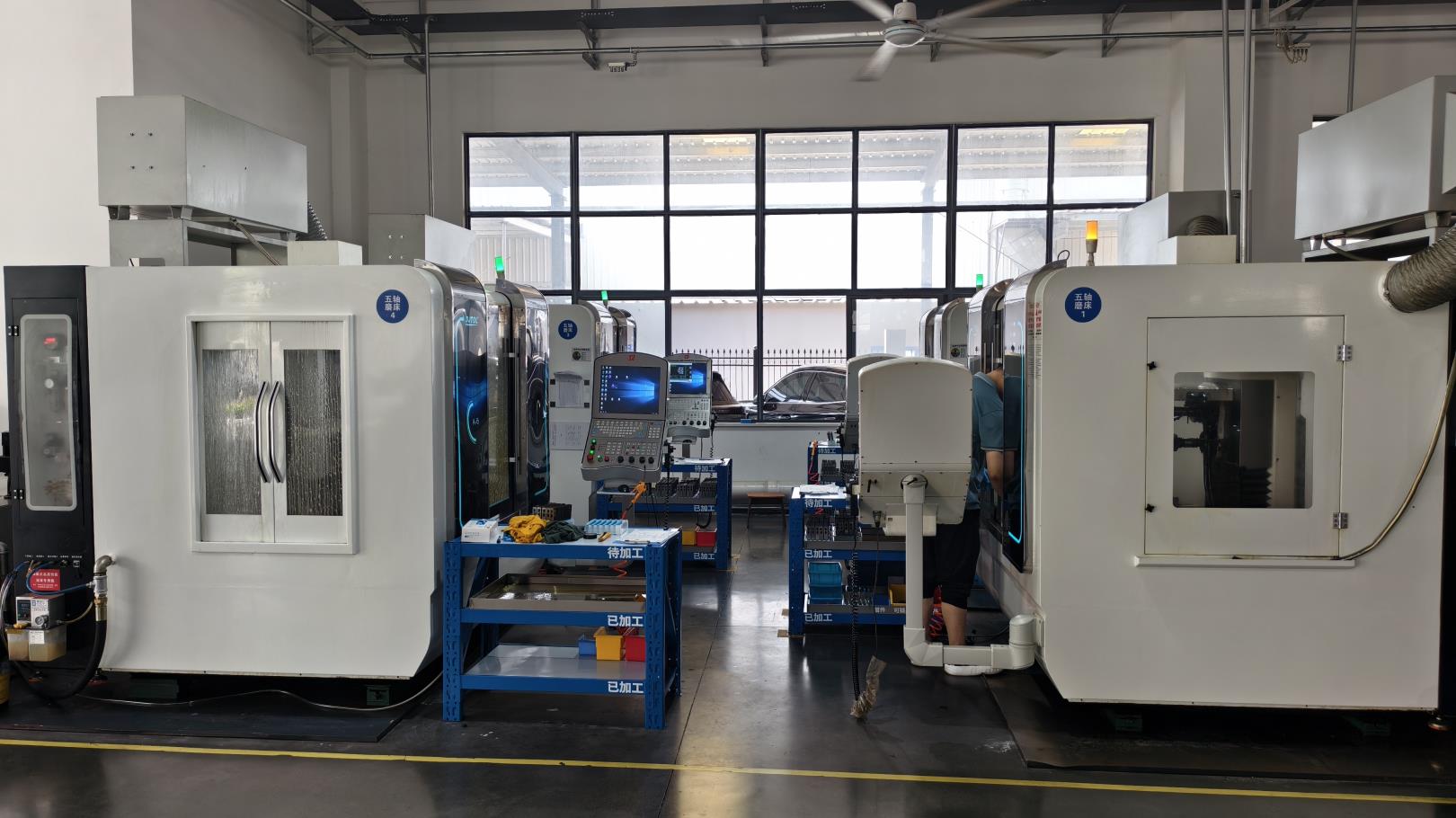
Our facility is equipped with state-of-the-art Swiss-type machining and multi-axis milling technology to guarantee micron-level tolerances for critical spinal implants.
Healthcare procurement teams and global orthopedic distributors encounter several major hurdles: navigating tightening regulatory frameworks, ensuring raw material supply consistency, and mitigating long manufacturing lead times. Resolving these challenges requires a manufacturer to implement vertical supply chain integration and comprehensive compliance structures.
With the transition from the Medical Device Directive (MDD) to the Medical Device Regulation (MDR) in Europe, Class III implantable devices face unprecedented scrutiny. Importers must secure suppliers that offer complete material traceability, raw material Certificates of Conformity (CoC), and rigorous clinical evaluation documentation. Moventra implements a strict trace-back system for titanium alloys (ASTM F136) and medical-grade PEEK (Invibio Optima), ensuring seamless regulatory registration processes.
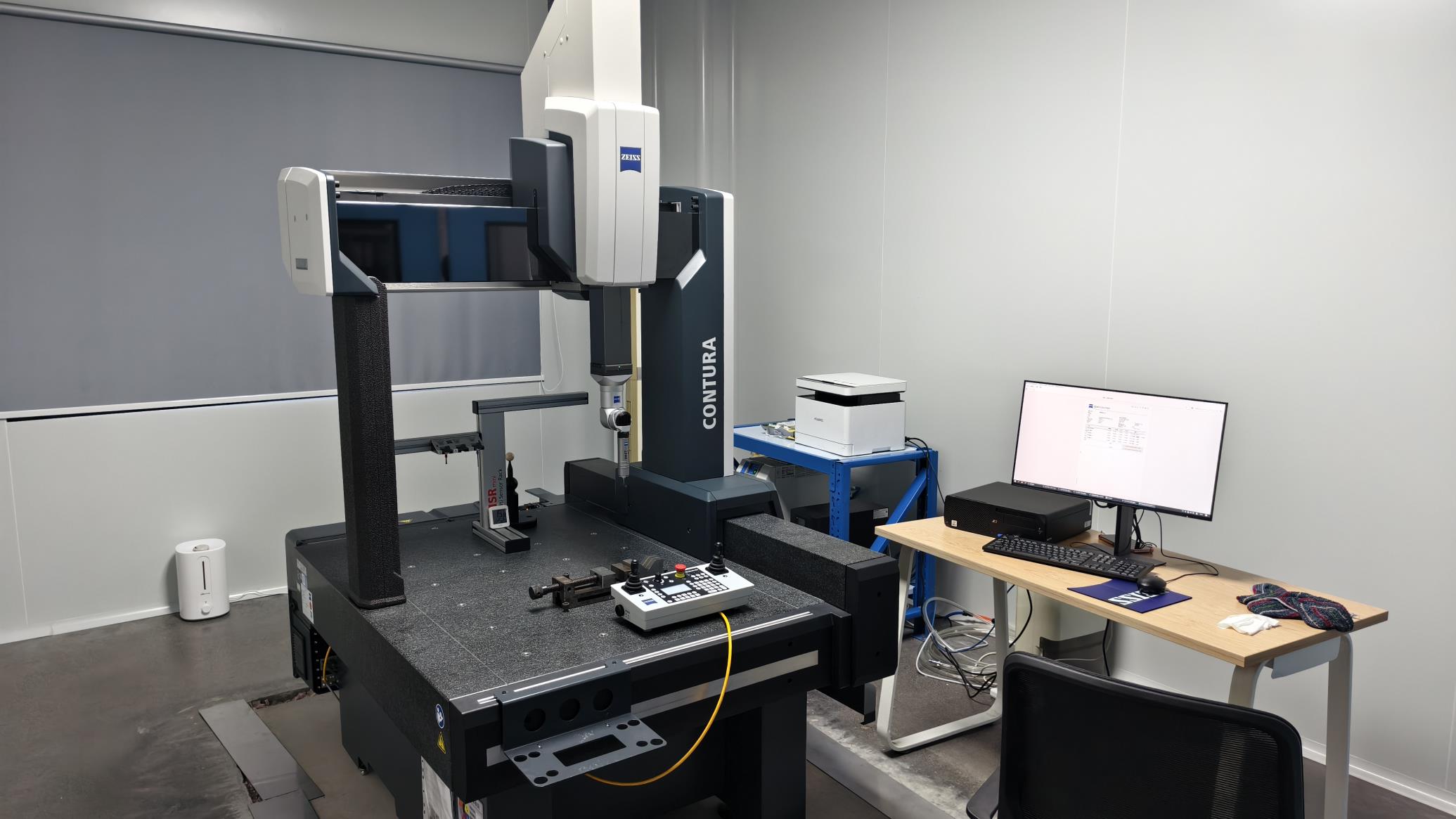
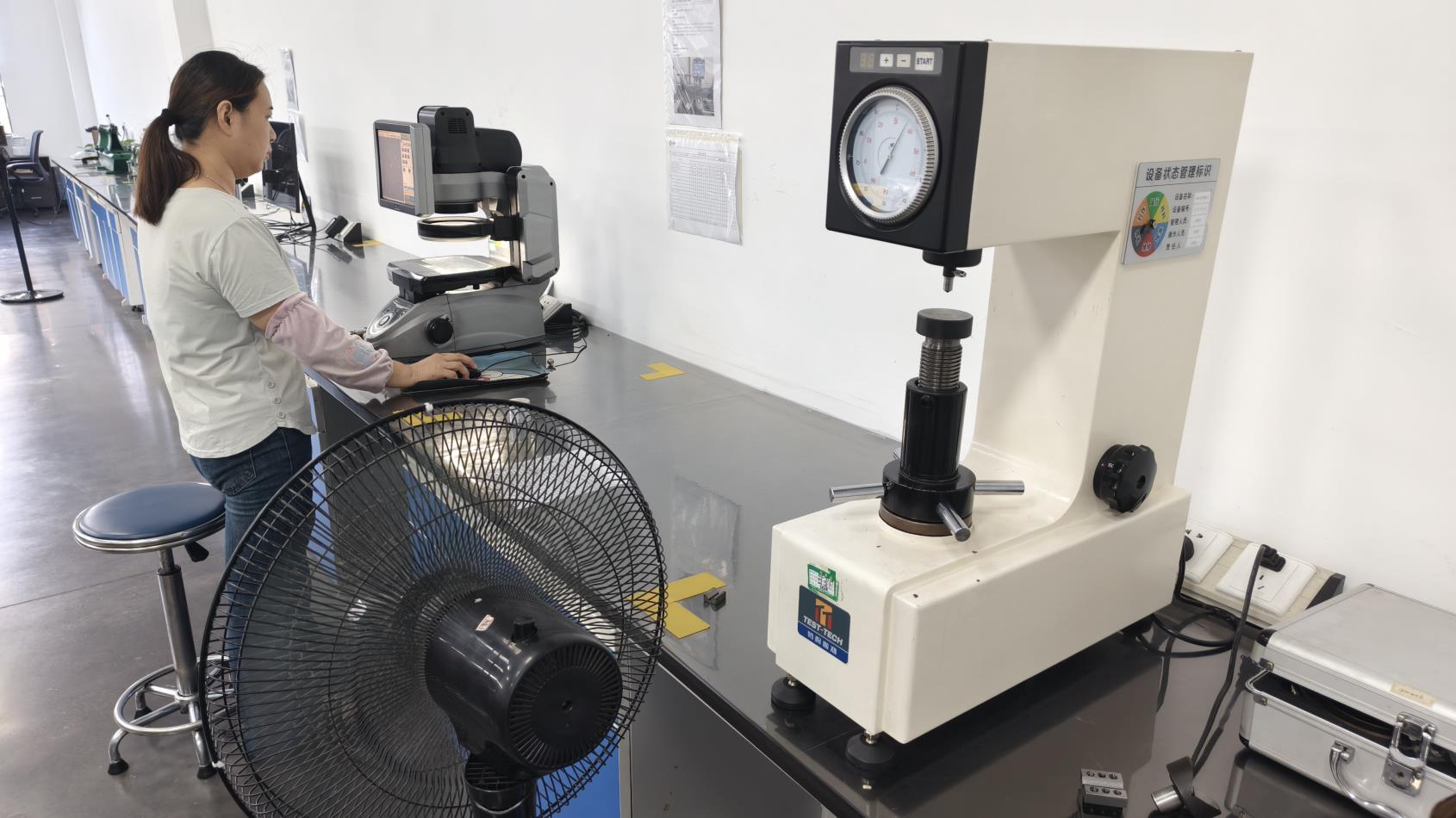
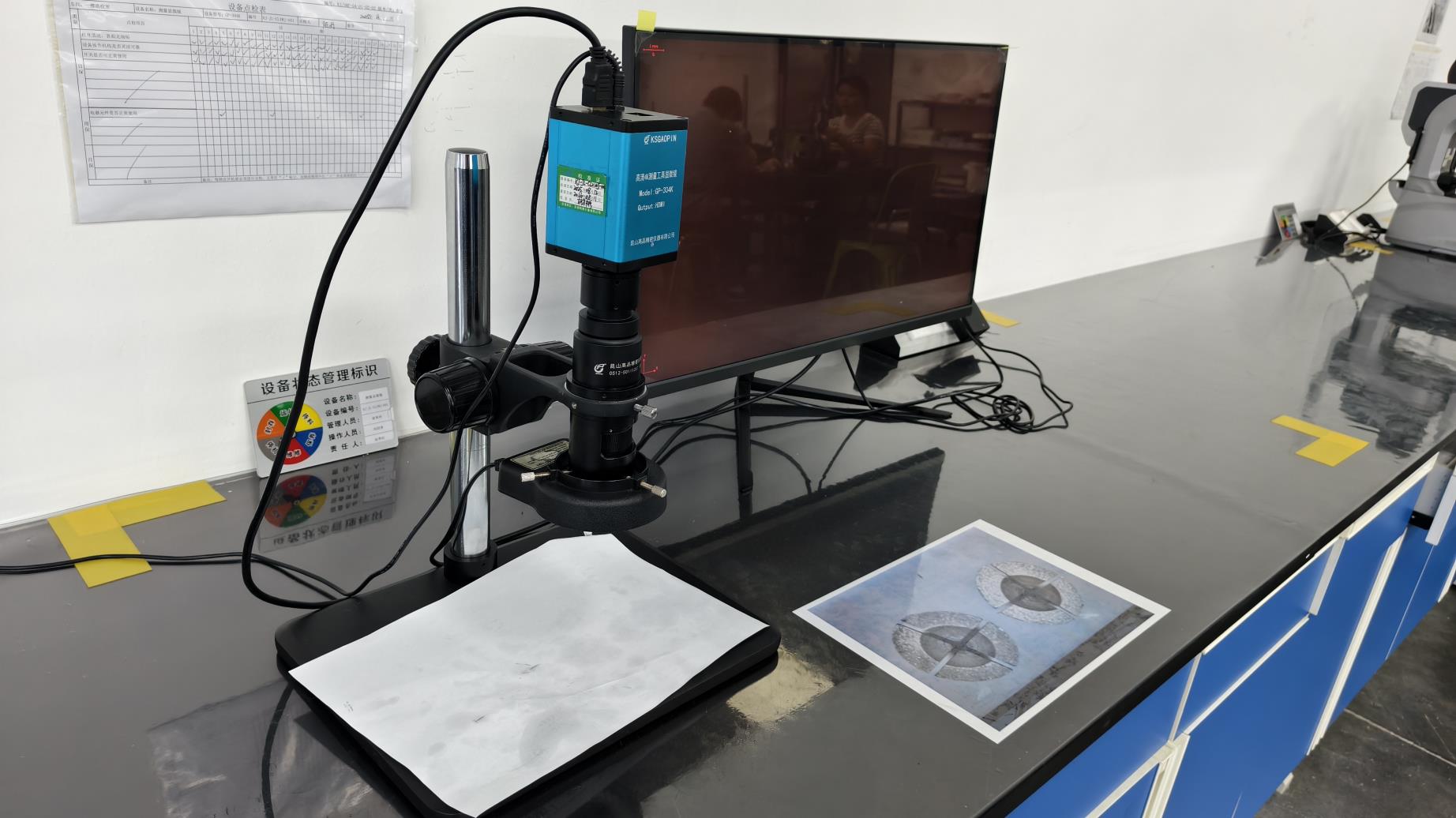
Minimally invasive spinal surgical instruments and implants require dimensional tolerances within ±0.005mm. Any dimensional deviation in pedicle screw threads or interbody cage locking mechanisms can lead to mechanical failure. Utilizing our Swiss-type lathes and CNC machining centers, Moventra ensures high repeatability across production batches, verified by our Three-Coordinate Measuring Machines (CMM).
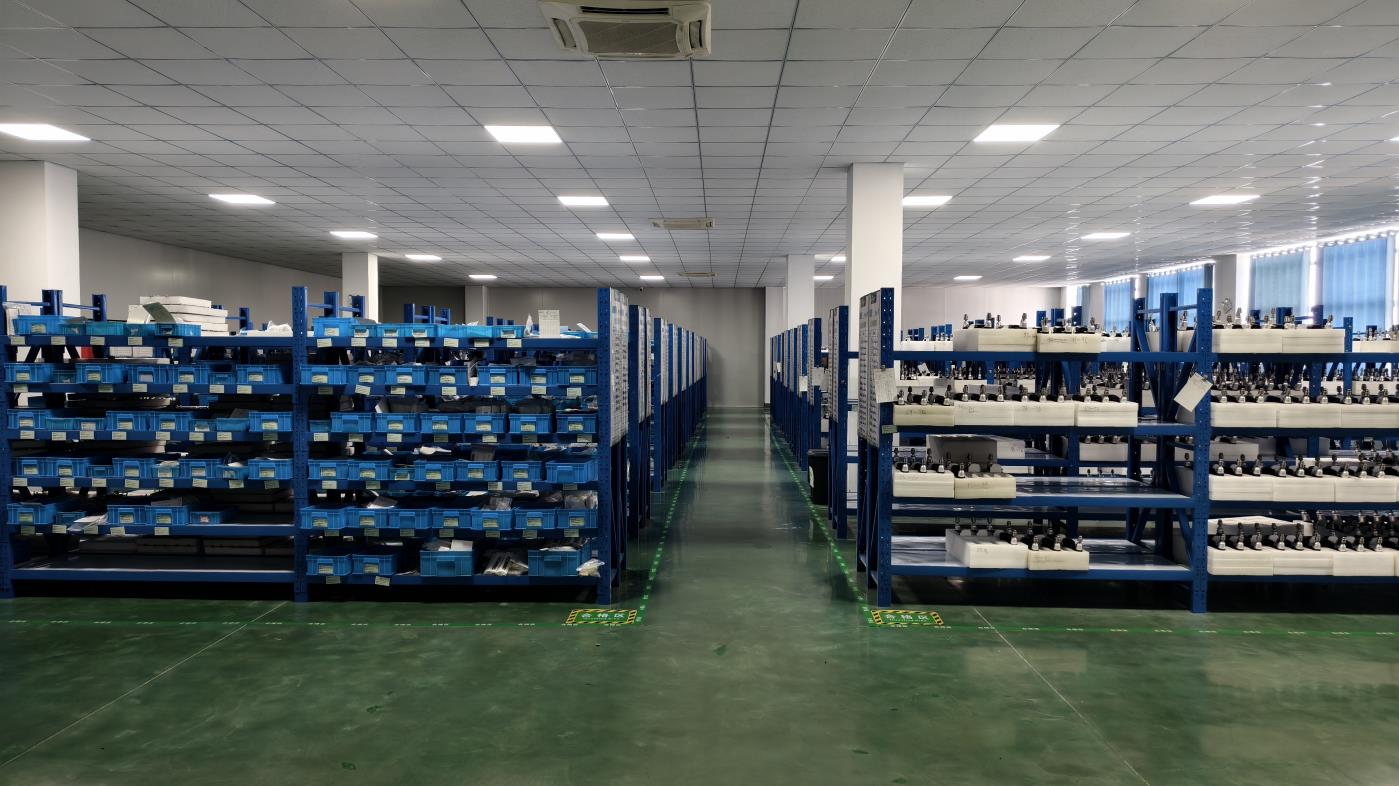
Global logistics disruptions require manufacturers to maintain robust capacity planning. With 18,600 m² of production space and a high-efficiency layout, we manage active inventory buffers for critical implant sizes, ensuring that international tenders and large-scale distributor orders are shipped reliably and on schedule.
Implantable materials must undergo strict validation for bioburden and sterility levels. Our facility implements verified cleaning systems alongside partnerships with leading gamma-ray and EtO sterilization providers, guaranteeing that sterilized medical implants comply fully with ISO 11137 and ISO 11135 standards.
The field of spinal arthrodesis is moving rapidly toward intelligent, bio-adaptive, and patient-specific implant designs. Moventra is actively investing in three primary development areas to maintain a leading position in orthopedic manufacturing technology.
Moving beyond solid titanium and machined PEEK, 3D additive manufacturing allows for the creation of open-pore structures. These interconnected pores promote osseous integration throughout the body of the implant, mimicking the structural properties of human trabecular bone.
Designed for insertion through narrow MISS channels, expandable cages can be dilated in situ to restore disc height and lordotic angle. This minimizes nerve root retraction and optimizes segmental balance.
Applying nanoscale hydroxyapatite (HA) or surface-modifying PEEK implants via physical vapor deposition (PVD) significantly accelerates early bone fusion, reducing the risk of pseudoarthrosis.
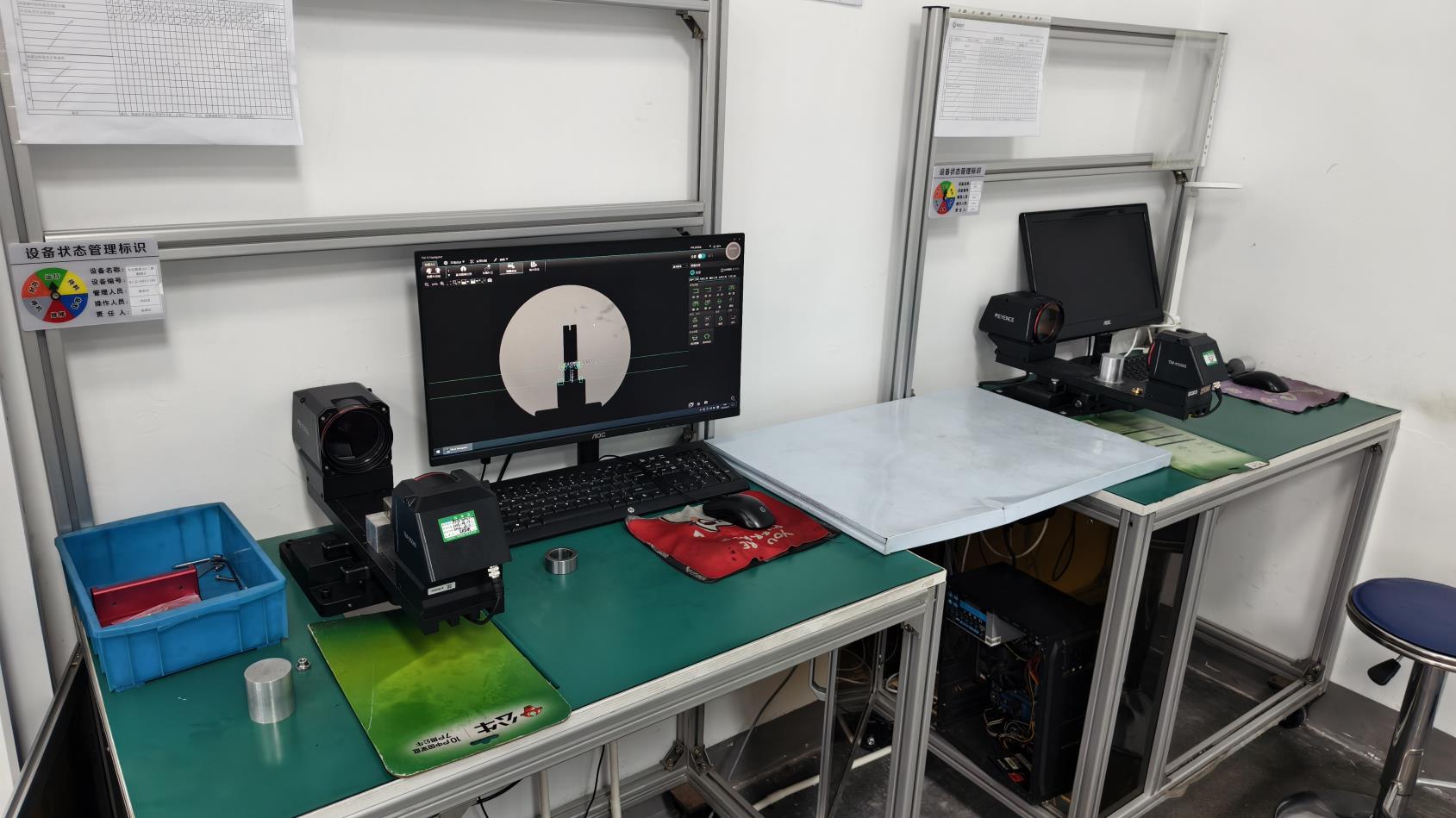
As a seasoned contract manufacturer (OEM & ODM), we support our partners with comprehensive regulatory documentation and supply chain services. Our 48-member quality control department manages a strict five-tier inspection protocol:
With a staff of 86 R&D Engineers, Moventra provides comprehensive CAD modeling, finite element analysis (FEA), and rapid prototyping. We can transition customized designs from concept drawings to physical, sterile-packed implants in as little as 30-45 days.
Common questions regarding quality assurance, materials, production capacity, and OEM/ODM cooperation pathways.
Explore our specialized orthopedic trauma systems, intramedullary nails, joint prostheses, and veterinary surgical instrumentation.
 Moventra Medical