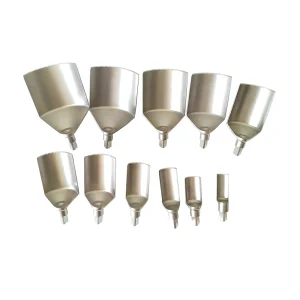
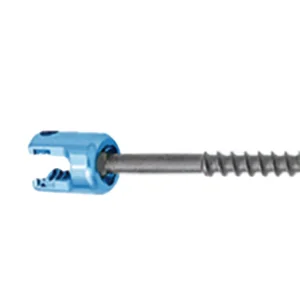
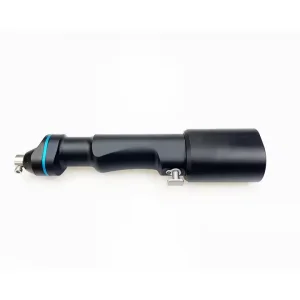
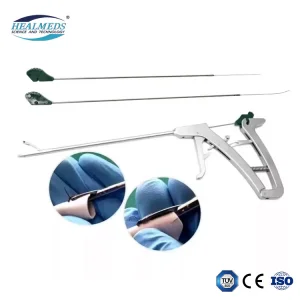
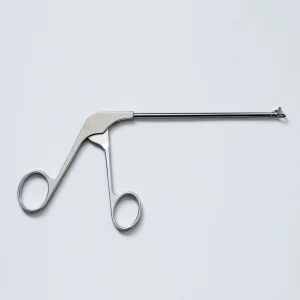
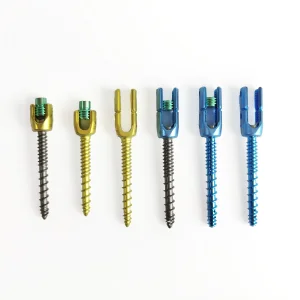
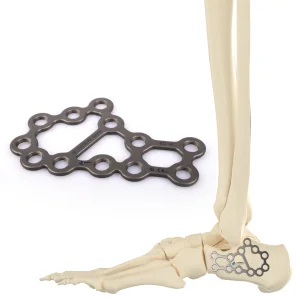
Discover our highly engineered surgical instrument trays, spinal pedicle systems, and orthopedic trauma solutions crafted with biomedical precision.
Within the ecosystem of orthopedic surgeries, instrument trays and sterilization cases are not passive storage vessels. They represent critical structural elements designed to secure, transport, and successfully sterilize high-tolerance surgical implements. As medical regulations tighten globally (notably with the transition to MDR in Europe and stricter FDA 510(k) clearances in the US), manufacturers are forced to elevate the metallurgical and structural properties of containment hardware.
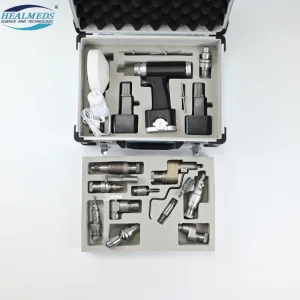
Anodized aluminum alloy trays and surgical screw boxes must withstand aggressive autoclave cycles, chemical wash downs, and micro-vibrations during shipping. Inadequate thermal conductivity or localized condensation within a tray design can lead to sterilization failures or instrument oxidation, compromising surgical safety and triggering Surgical Site Infections (SSIs).
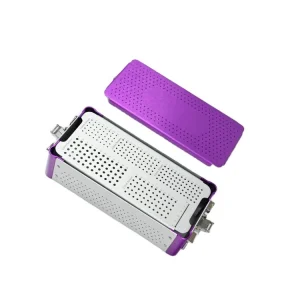
Advanced sterilization tray design utilizes optimized perforation geometry (usually offering open surface configurations greater than 45%) to facilitate uniform steam penetrability and rapid dry times, minimizing the dangerous risk of "wet packs" inside clinical storage.
Precision-engineered trays utilize AL6061-T6 and medical-grade PPSU (Polyphenylene sulfone) inserts to prevent chemical pitting under intensive enzymatic detergents.
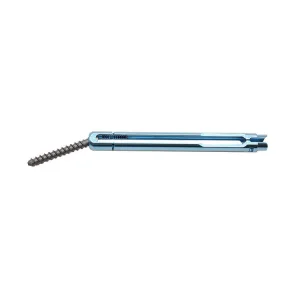
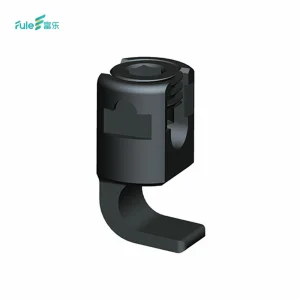
Silicone insert brackets configured custom-fit for 2.7 screw architectures, spine pedicle screws, and complex osteotomy instrumentation sets.
Advanced Production Facility
Dedicated R&D Engineers
Annual Global Export Revenue
New Products Released Annually
Why materials selection and surface passivation dictate the service life of surgical container systems.
We implement Type III hard-coat anodization (MIL-A-8625) on our aluminum alloy housings. This builds a non-porous ceramic layer protecting against alkaline washes up to pH 11.5.
For modular bone screw boxes, Polyphenylene sulfone (PPSU) grids provide outstanding hydrolytic stability, permitting 2,000+ steam sterilization cycles without structural embrittlement.
Standardizing on a universal tray envelope configuration optimizes clinical sterile storage density by up to 25%, drastically reducing the logistical footprint of healthcare providers.
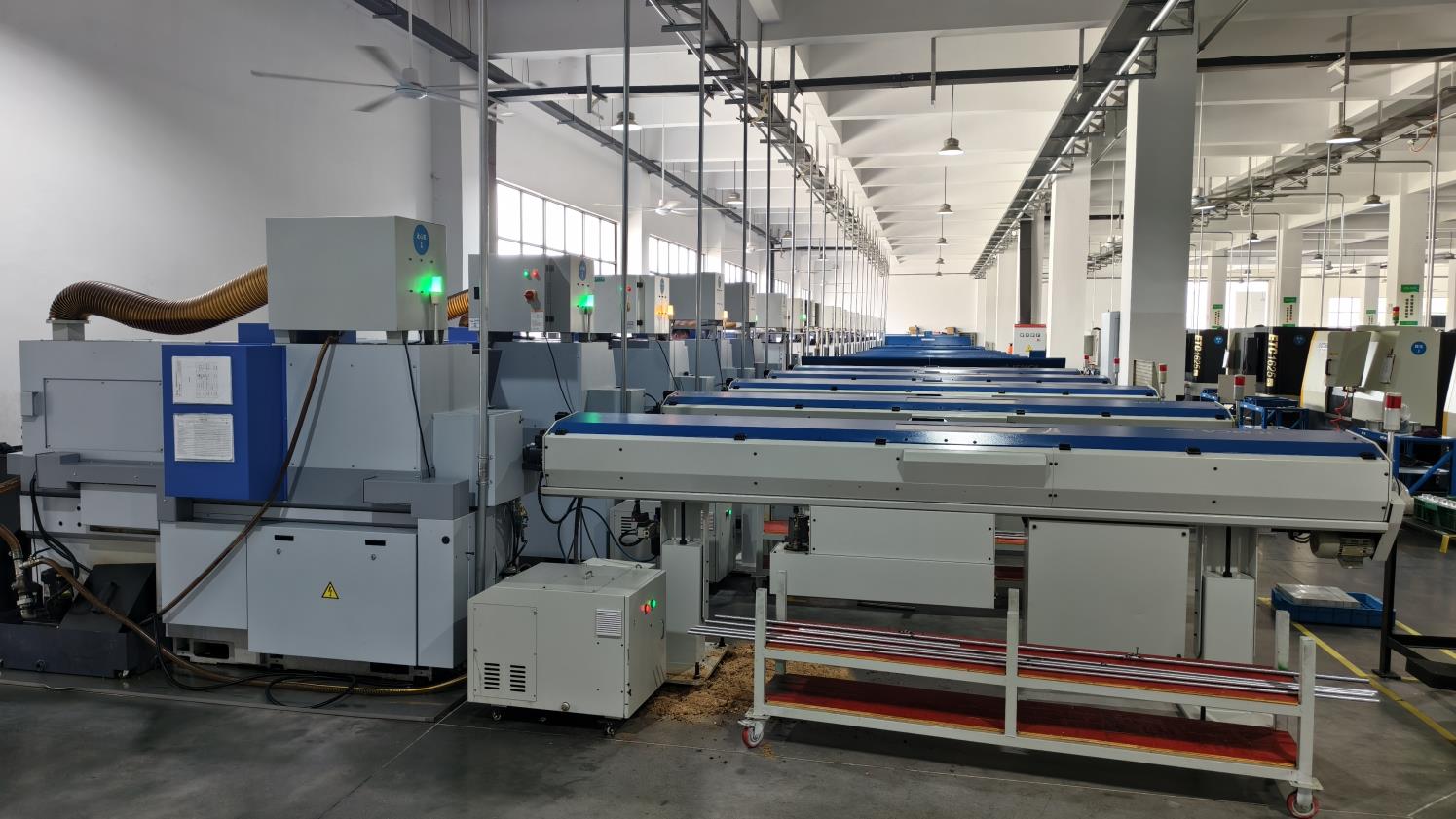
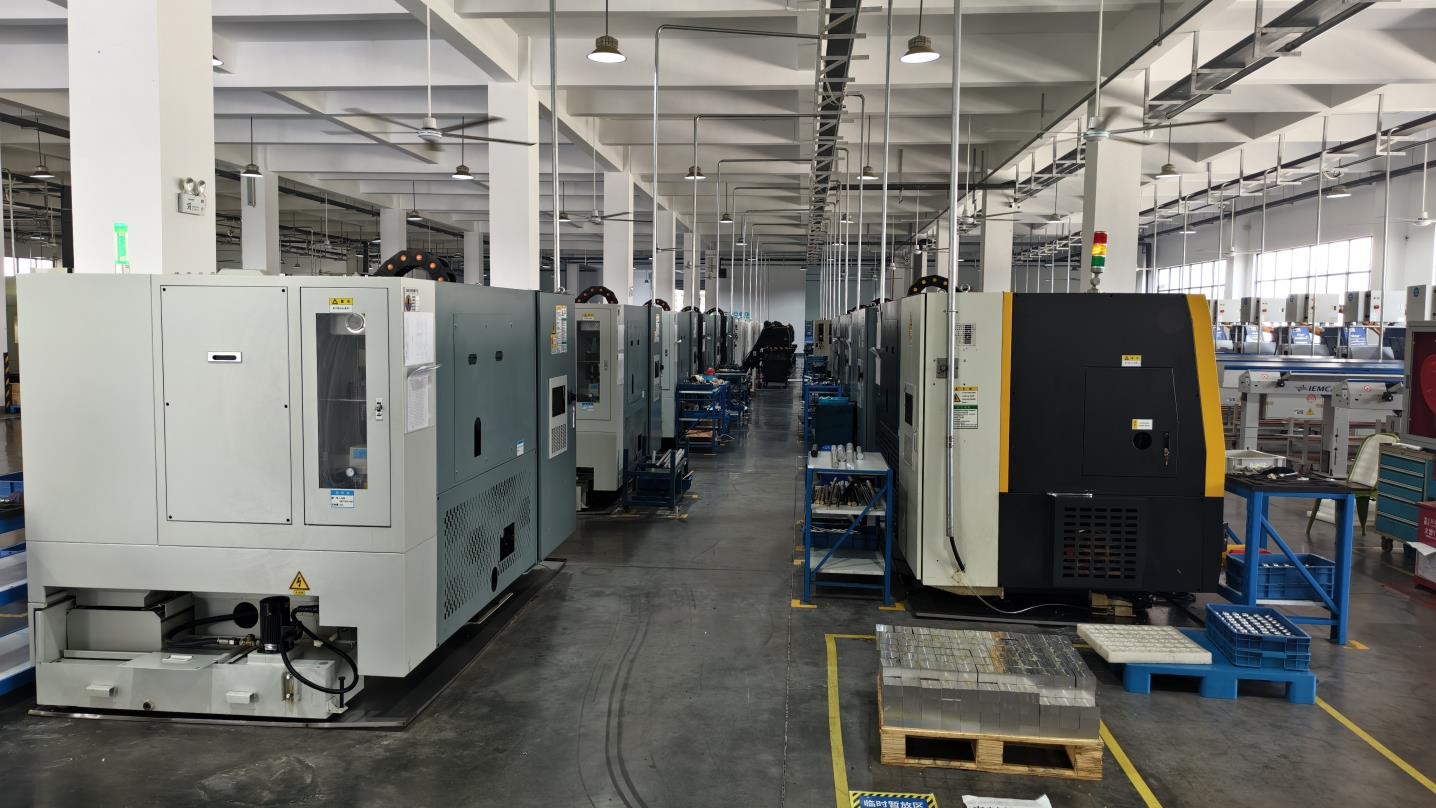
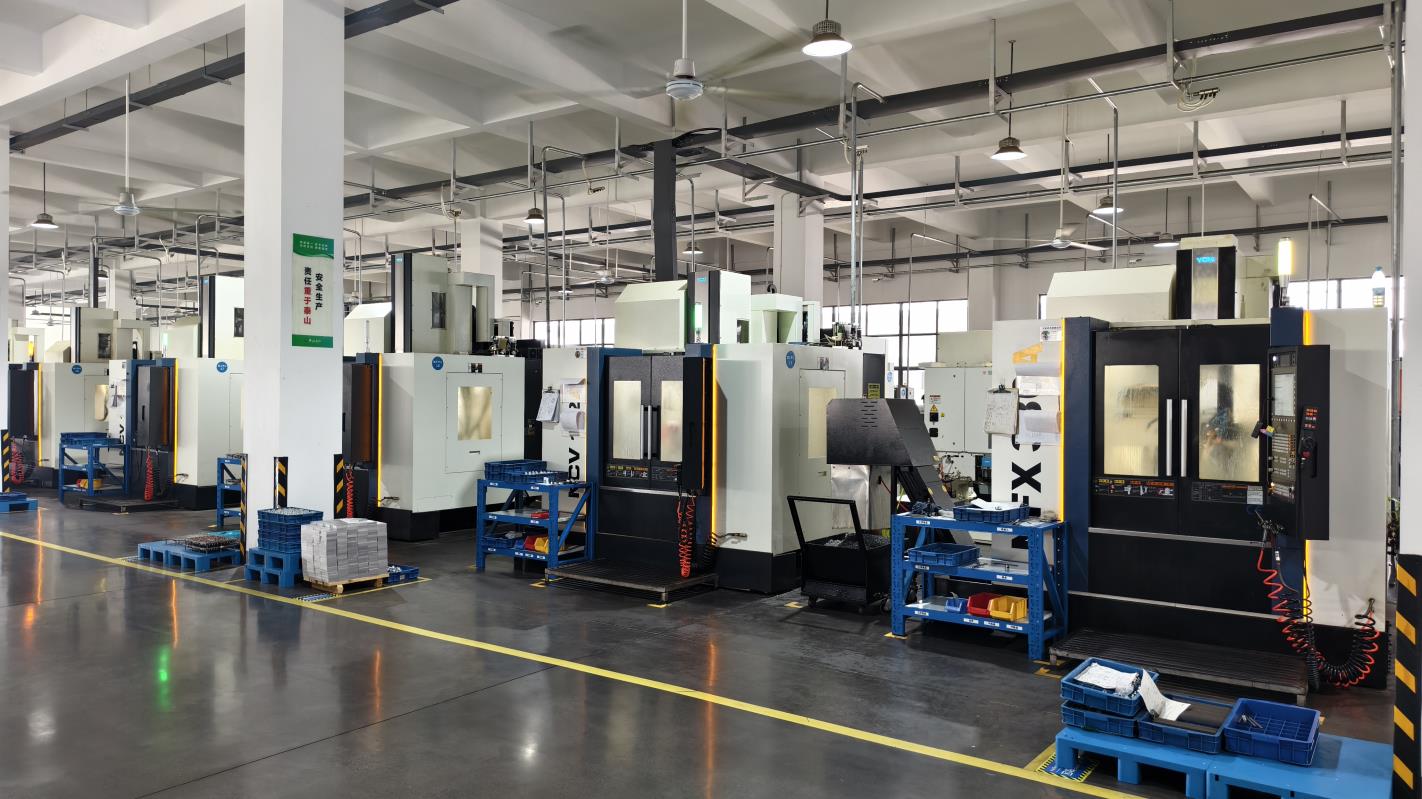
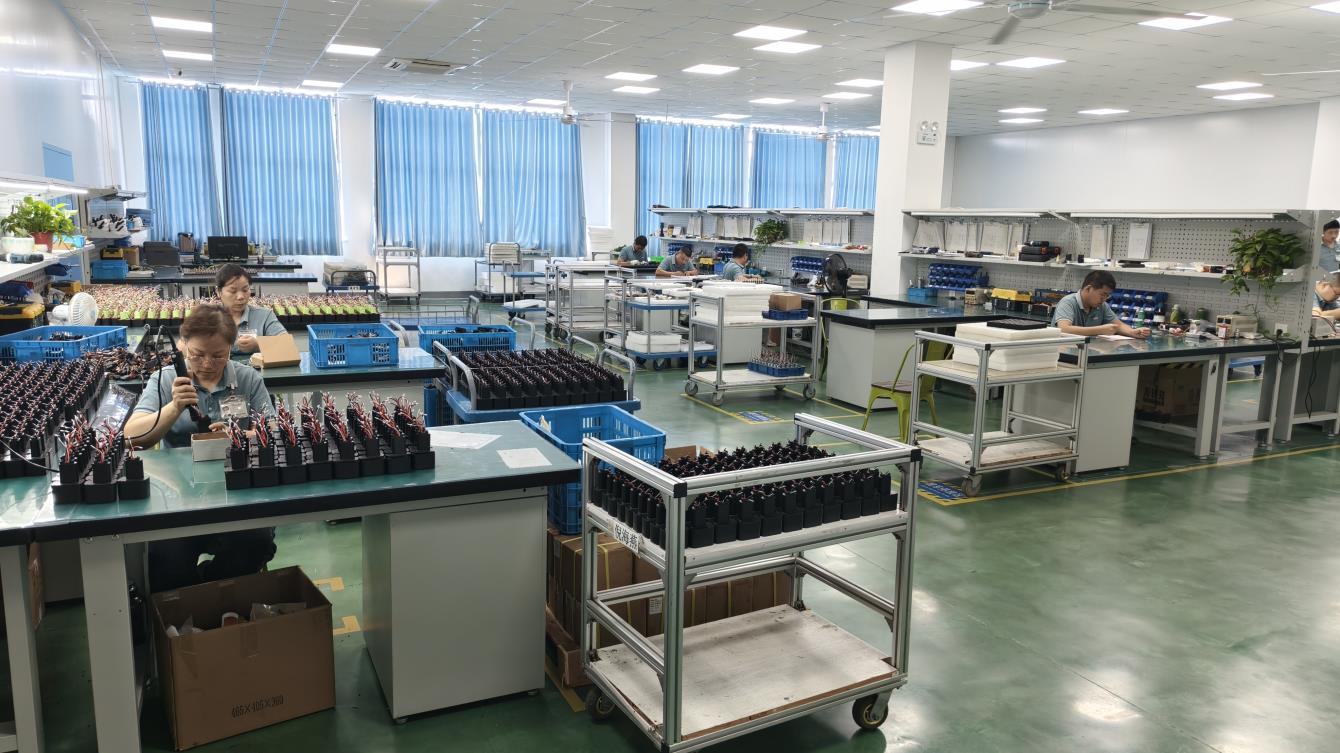
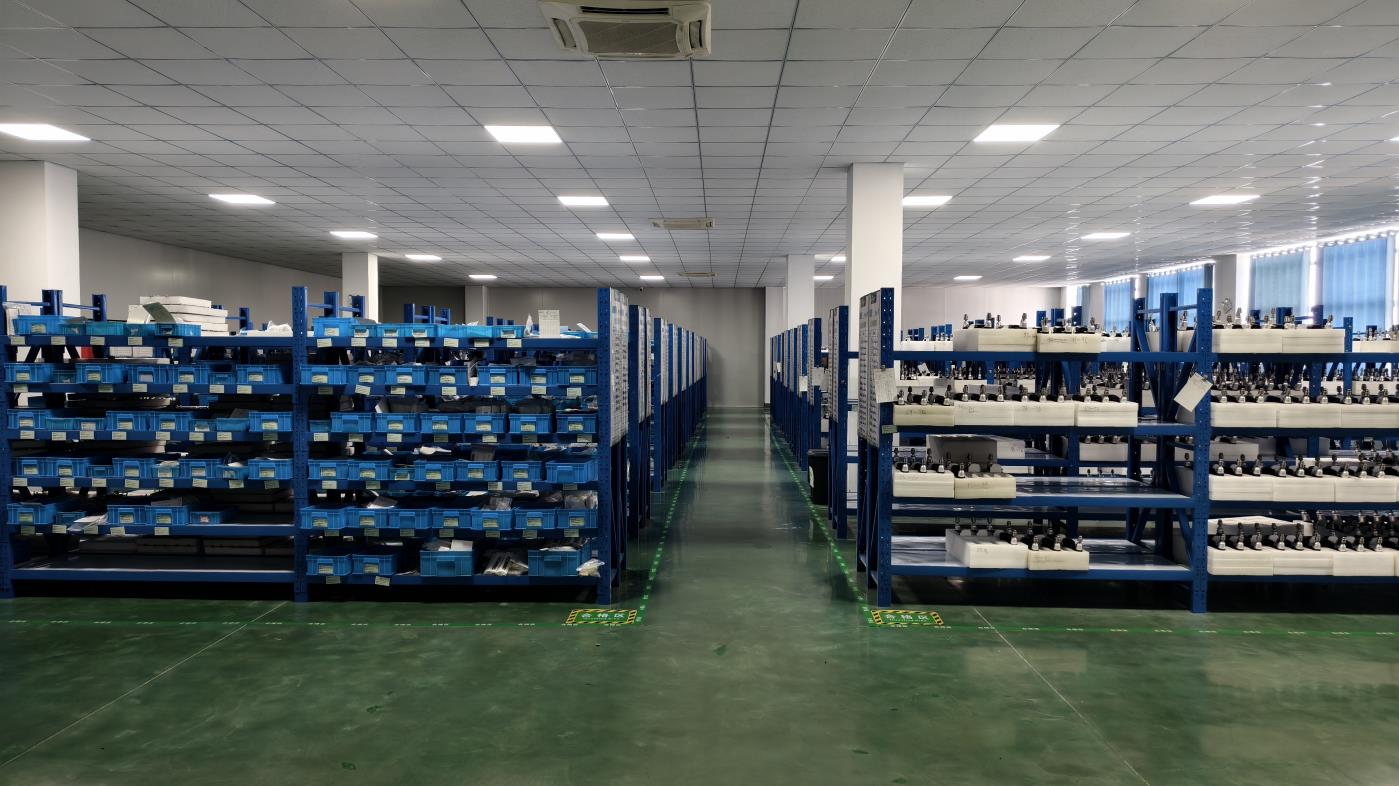
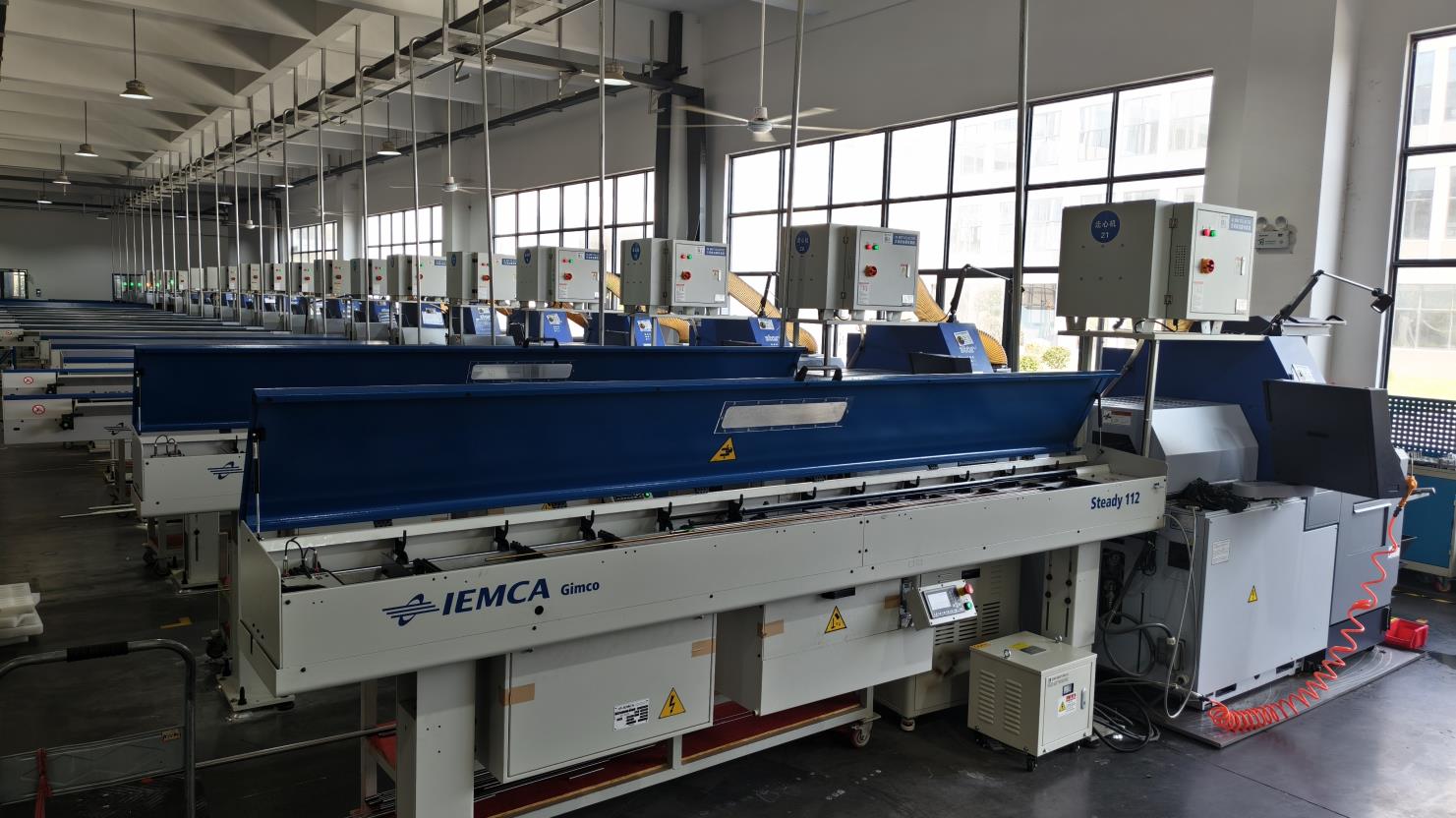
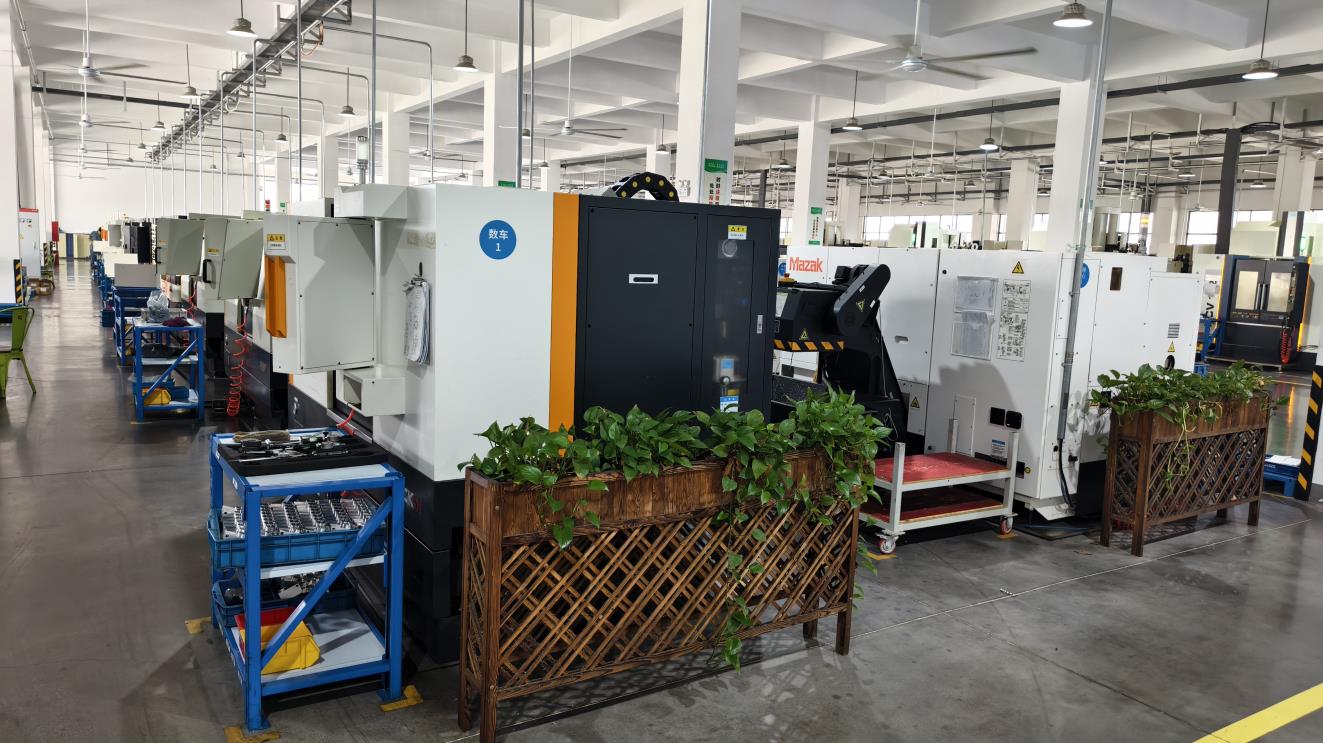
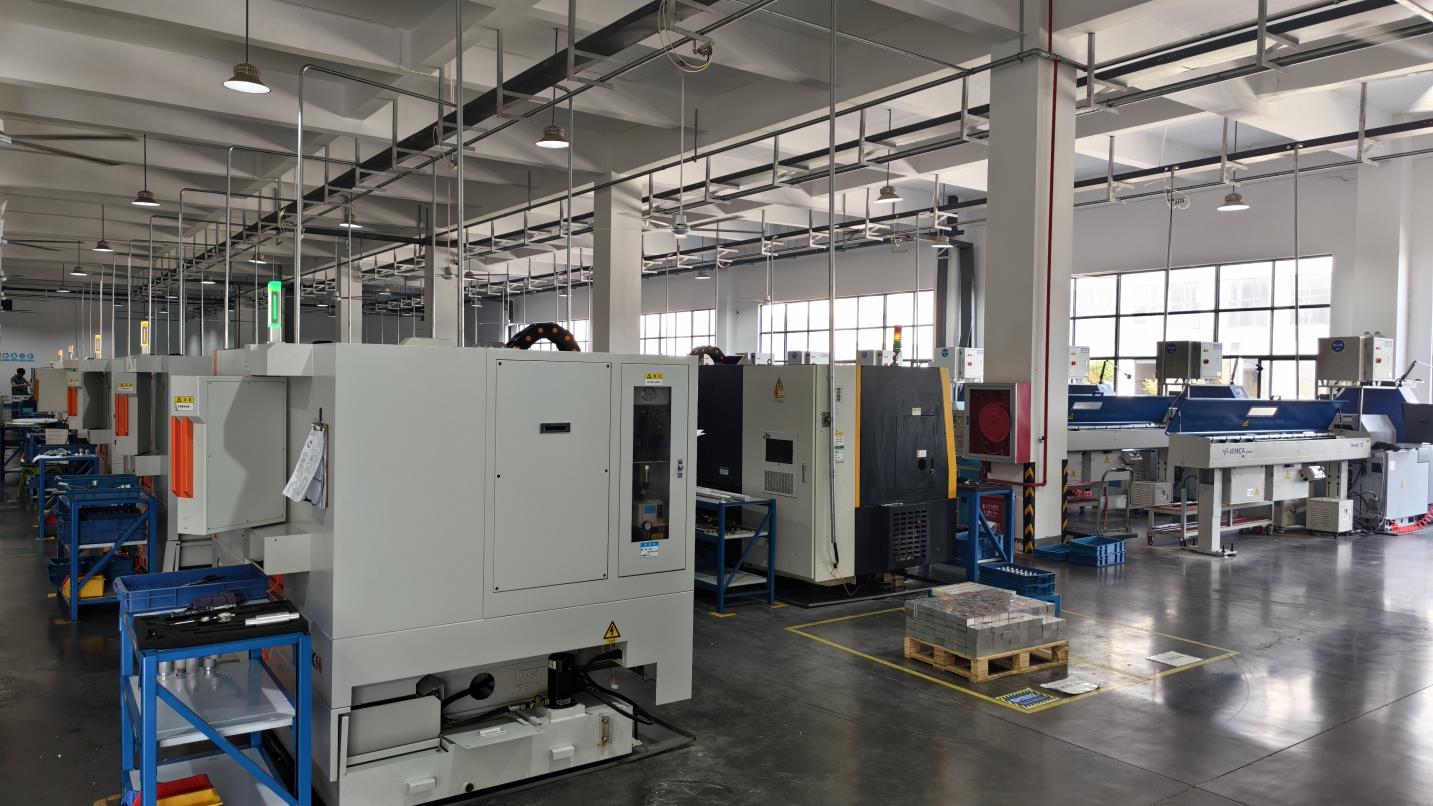
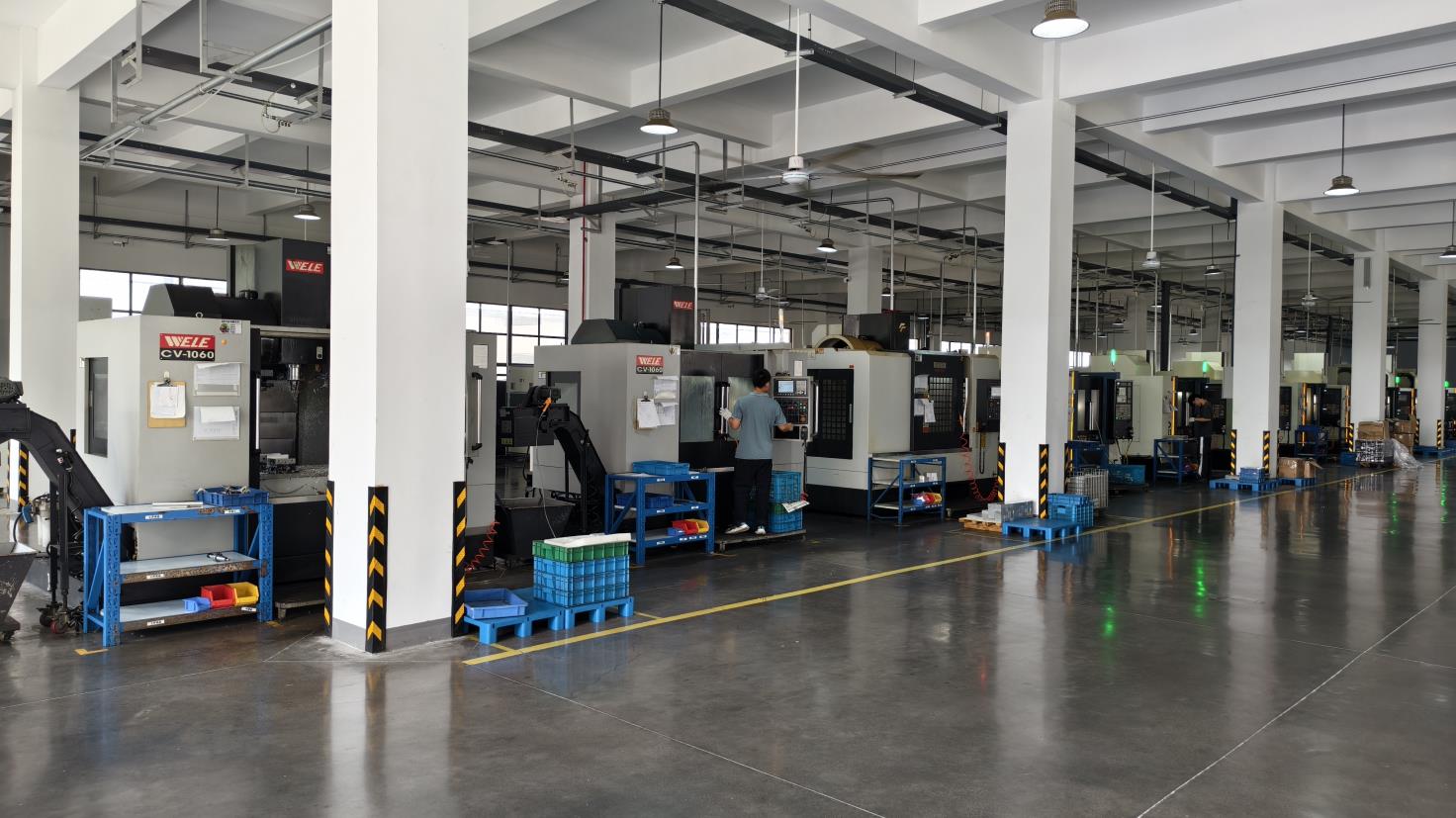
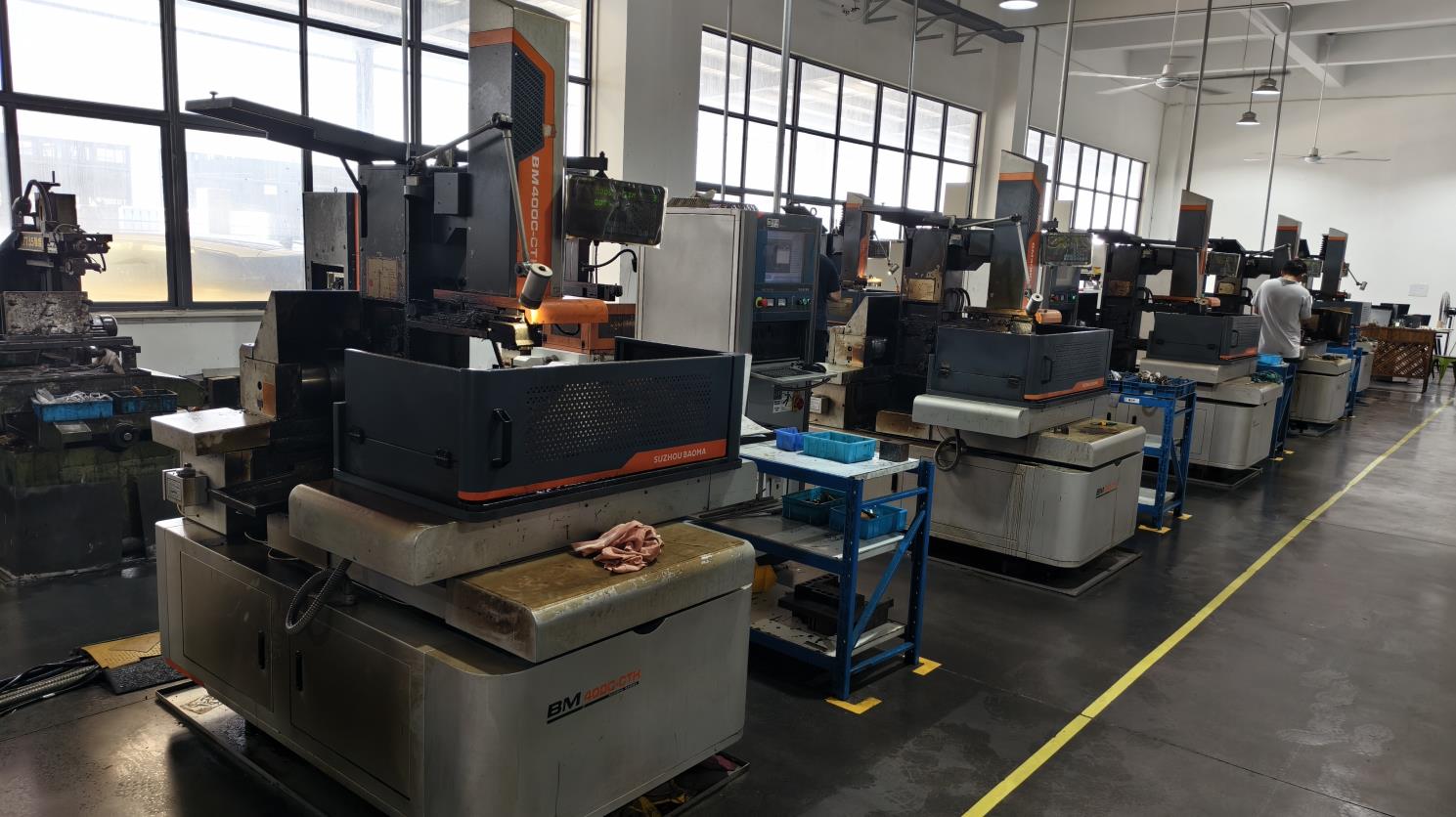
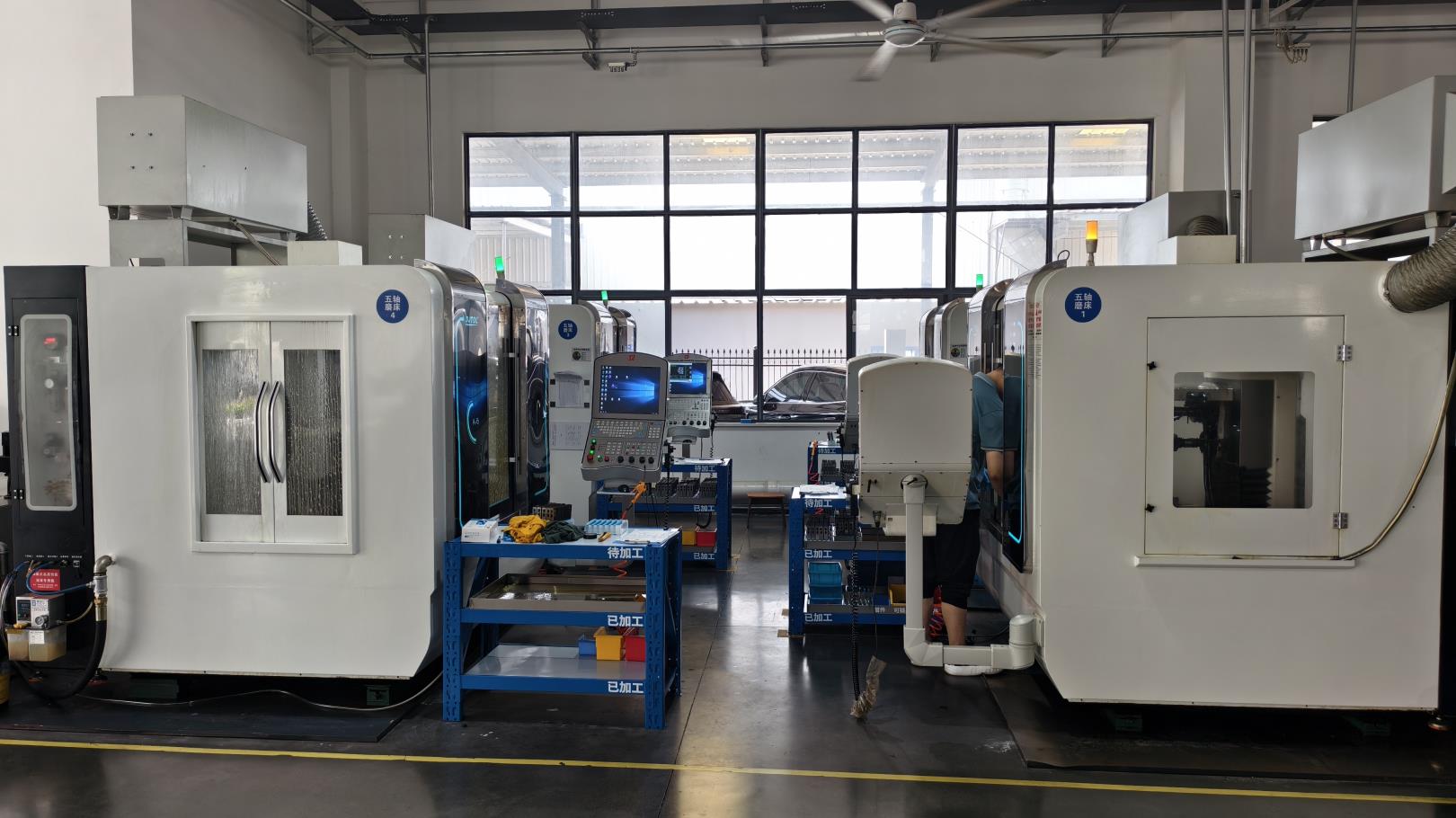
Established in 2017, integrating precision Swiss-type lathes, multi-axis machining centers, and validation laboratories.
| Specification Metric | Moventra Production Capacity & Quality Assurance Standards |
|---|---|
| Company Entity | Moventra Medical Technology (China) Co., Ltd. (Brand: Moventra) |
| Establishment & Industry Pedigree | Founded in 2017; 13 years of core orthopedic industry R&D & manufacturing experience. |
| Facility Footprint | 18,600 m² modern facility integrating Swiss-type machining and ISO Class 7 cleanrooms. |
| Annual Export Volume | USD 23.8 Million, servicing North America, Europe, South America, and Asia-Pacific. |
| R&D Staff Strength | 86 senior R&D and tooling engineers delivering 156 custom orthopedic designs last year. |
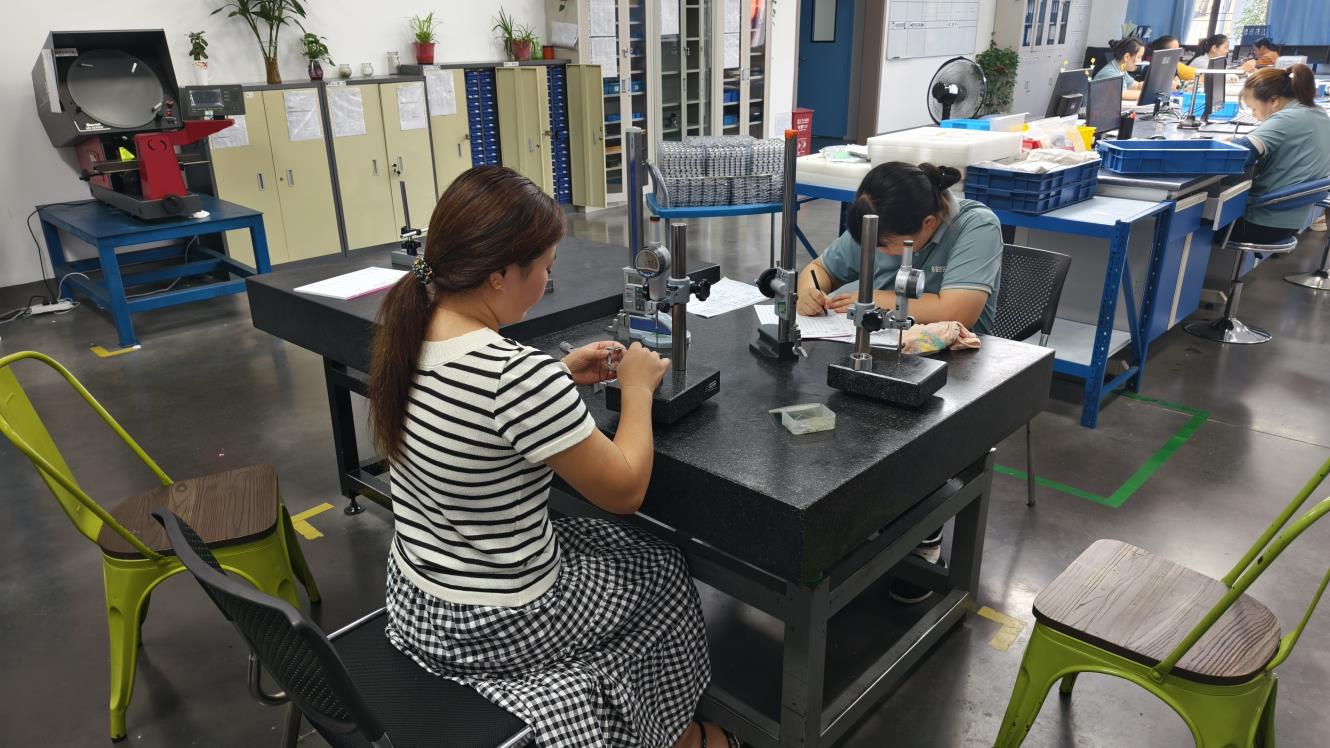
| Quality Inspection & QC Team | 100% Quality Inspection run by 48 dedicated QA specialists before dispatch. |
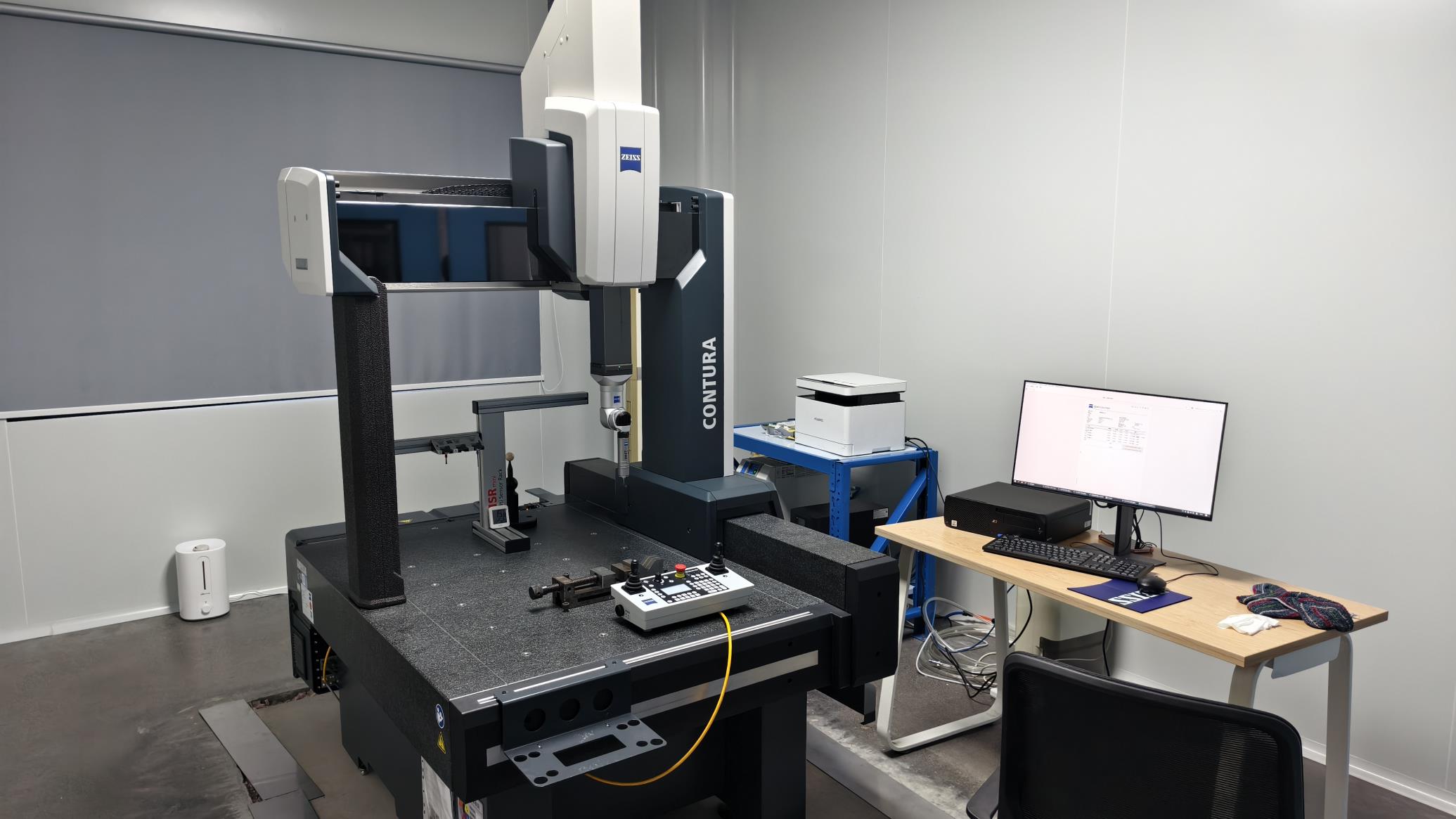
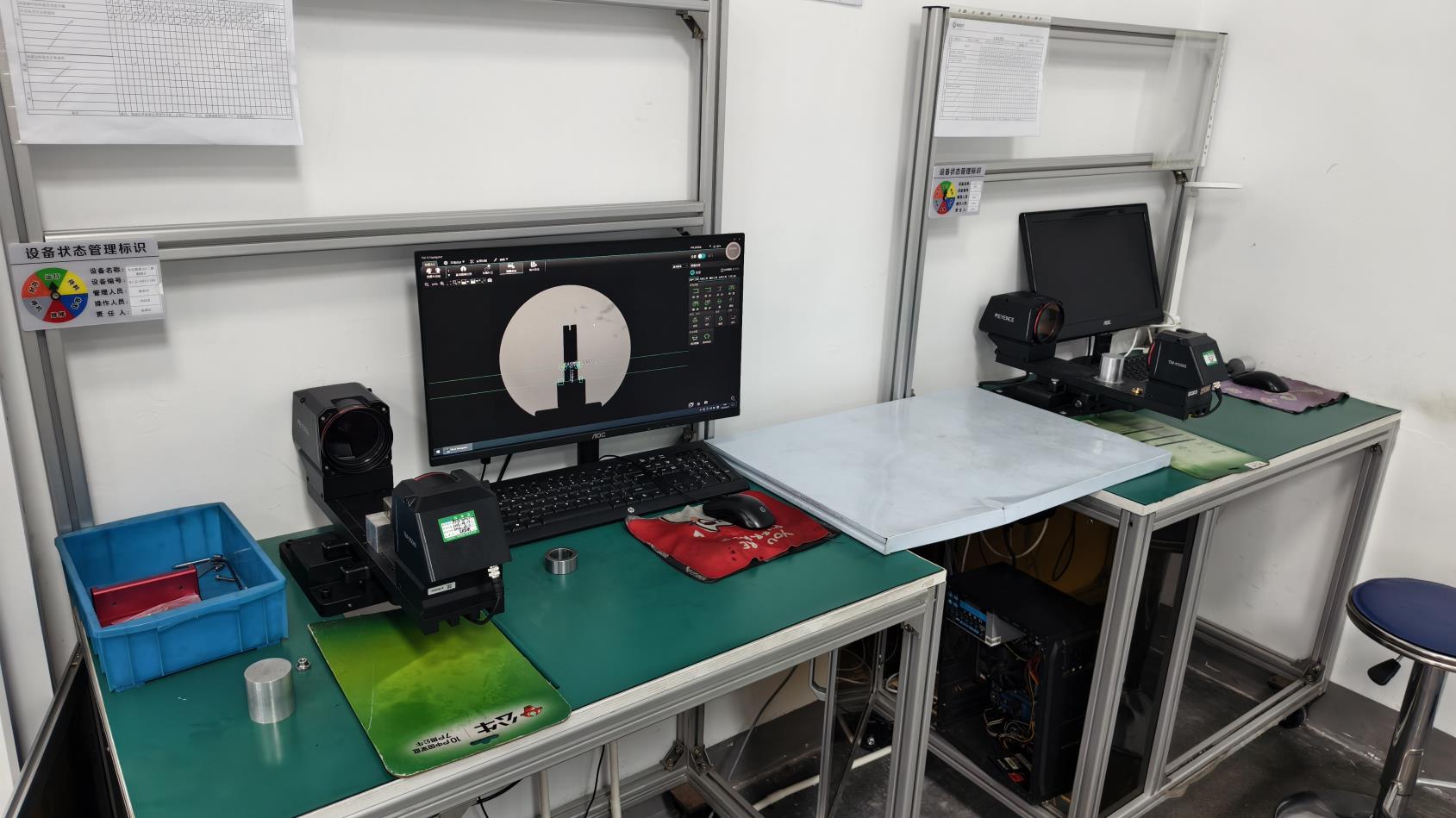
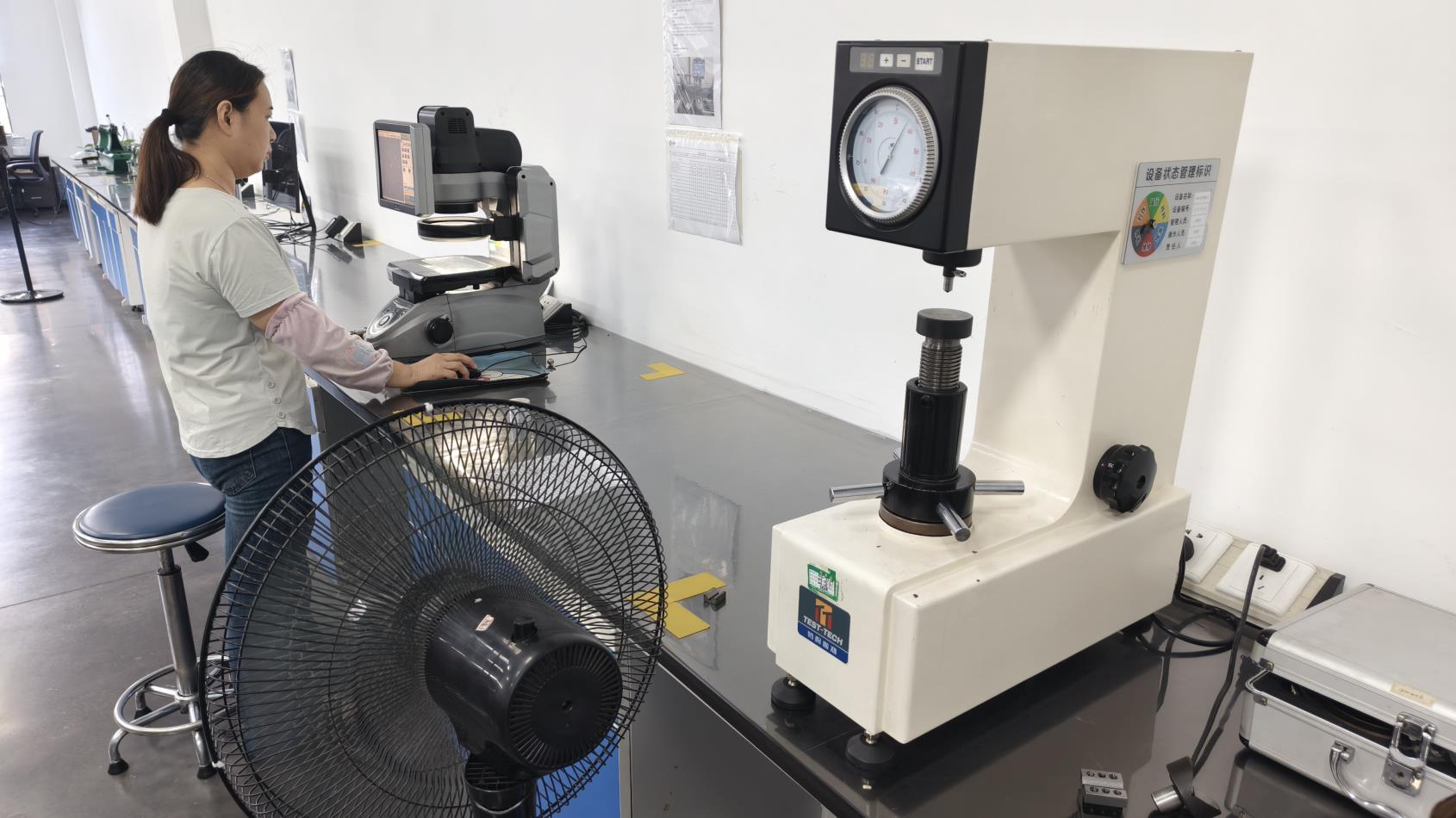
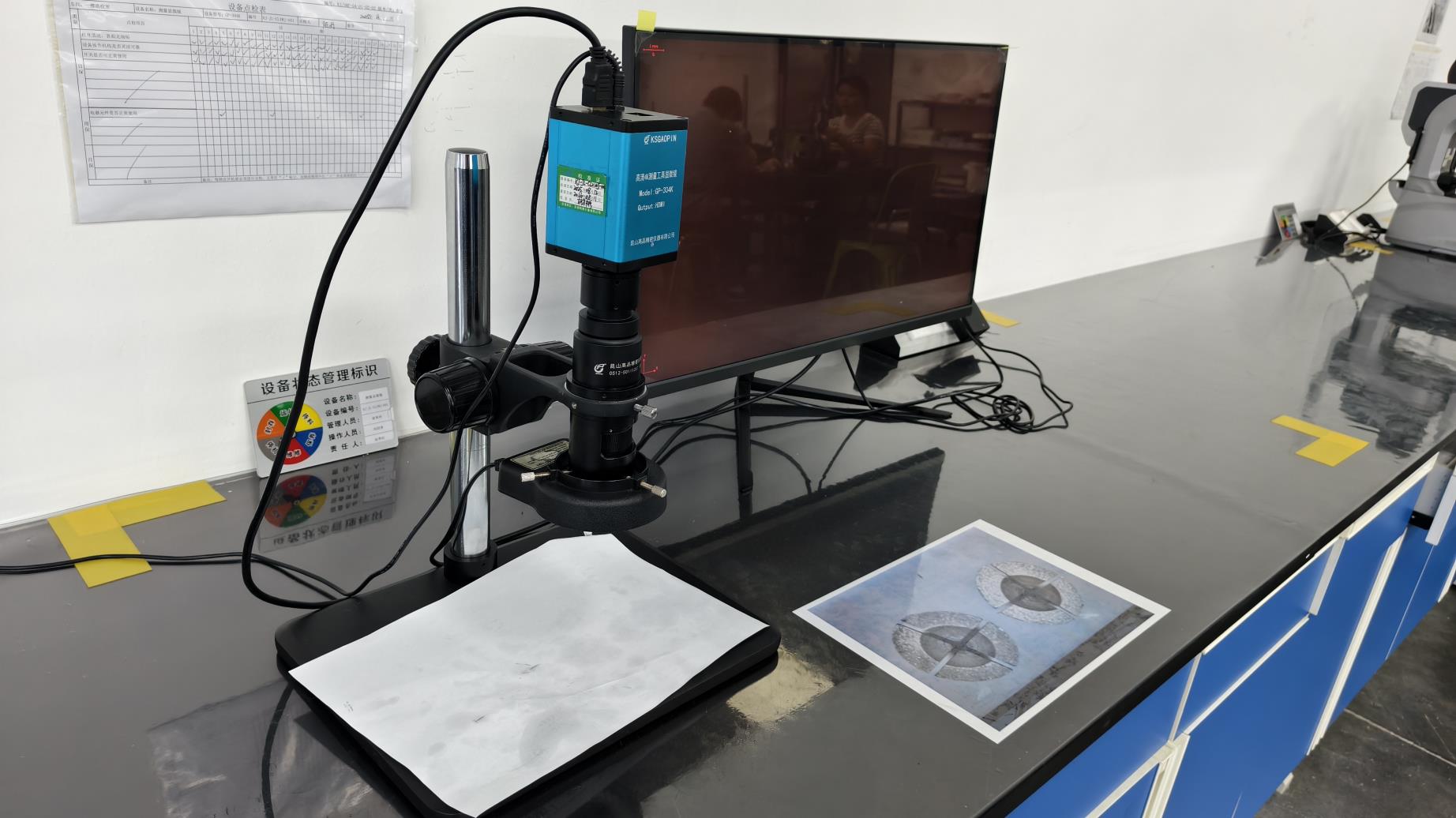
| Inspection Methodologies | Dimensional inspection, material chemical analysis, surface roughness profile testing, tensile/mechanical testing, sterility verification. |
| Target Customer Profiles | Global Medical Device Brands, Orthopedic Importers, Distributors, Hospital Procurement Teams. |
A visual walkthrough of our high-end Swiss-type lathes, assembly workflows, and testing laboratories.
Different orthopedic disciplines require vastly divergent layout geometries inside sterilization trays. Trauma instrument trays prioritize rapid tool visibility and identification. Bone plate and screw configurations must align with the surgeon's workflow—ranging from drill guides to taps, and finally, screw placement.
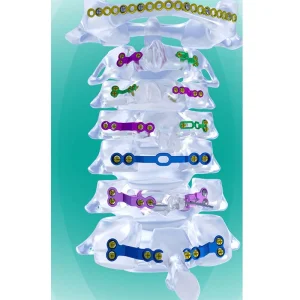
Our spinal instrumentation cases, built for posterior cervical laminoplasty or minimally invasive pedicle screw setups, incorporate multi-tiered structures. Silicone brackets with customizable durometer profiles grip implants with enough force to prevent transit abrasion, yet allow seamless retrieval inside the sterile operating field. This direct ergonomic mapping significantly reduces total operating room preparation times.
By shifting to our standardized anodized aluminum tray structures, hospitals see a demonstrable drop in postoperative infections. The structural integration of side steam channels paired with customizable lid options prevents bacterial ingress during storage post-autoclave, satisfying modern EN 868-8 requirements.
Essential insights for global medical device purchasing managers, distributors, and orthopedic brand manufacturers.
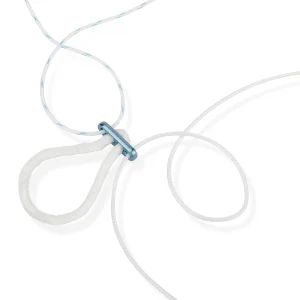
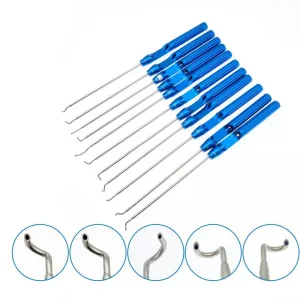
Review the remainder of our advanced catalog, highlighting implant systems, trauma plates, and arthroscopic pass-through devices.
 Moventra Medical