Precision-engineered trauma, joint, and spinal surgical solutions compliant with global quality management standards.
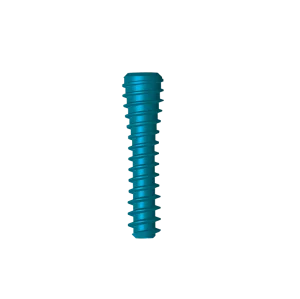
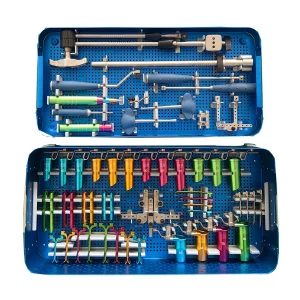
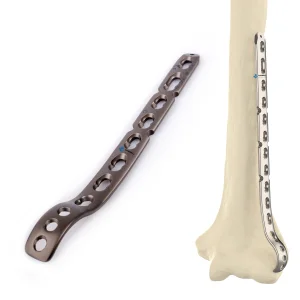
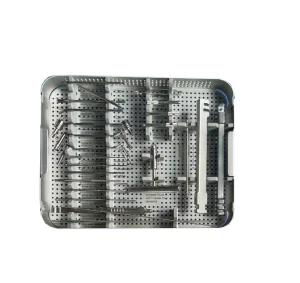
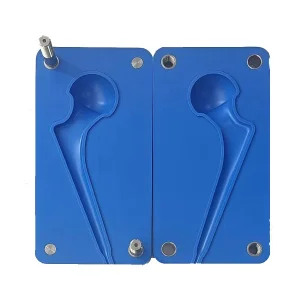
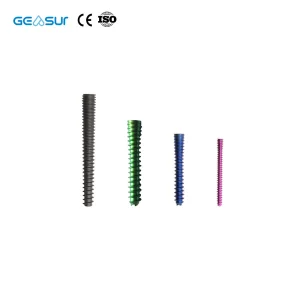
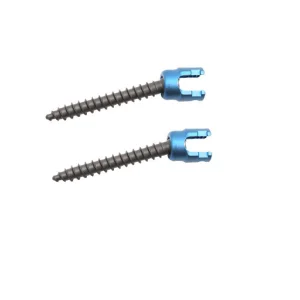
The Proximal Femoral Nail Antirotation (PFNA) has revolutionized the internal fixation of unstable trochanteric and subtrochanteric fractures. Its load-bearing characteristics leverage the intramedullary axis, reducing the bending moment on the implant compared to extramedullary devices such as the Dynamic Hip Screw (DHS).
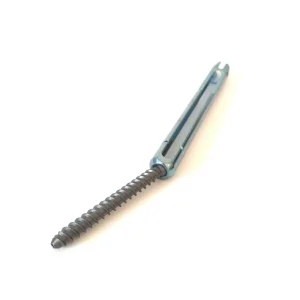
By substituting the standard lag screw with a specialized helical blade, PFNA compaction achieves superior mechanical anchorage in osteoporotic bone. The compaction of bone around the blade significantly increases resistance against cut-out, which remains a key metric for surgical success rates globally.
Extensive clinical studies demonstrate that the PFNA helical blade compresses the trabecular bone instead of removing it, which is crucial for geriatric patients with reduced bone mineral density. This compression yields up to 50% greater rotational stability and pull-out resistance compared to traditional hip screws.
The global demand for orthopedic trauma implants is shifting rapidly toward minimally invasive surgical techniques (MIS). Advanced PFNA configurations now incorporate anatomically pre-bent designs (e.g., 6° lateral relief angle) to simplify nail insertion and minimize pressure on the greater trochanter tip. Modern titanium alloys (Ti-6Al-4V ELI) are combined with advanced surface modifications like anodic oxidation to improve fatigue strength and bio-integration, reducing the likelihood of hardware failure.
Furthermore, digital surgical planning and intraoperative navigation systems are increasing the requirements for dimensional tolerances in implants and corresponding instrumentation. As a leading manufacturer, Moventra focuses on tight-tolerance engineering to ensure seamless compatibility with modern computer-assisted orthopedic surgery (CAOS) workflows.
How B2B orthopedic buyers, hospital networks, and distributors evaluate supply partners in a changing regulatory landscape.
With the transition from MDD to MDR in Europe and stricter FDA 510(k) guidelines, distributors require extensive documentation. Raw material certificates, ISO 13485 audits, biocompatibility validation, and clinical evaluation reports are non-negotiable prerequisites for market entry.
Macroeconomic challenges have made lead times and delivery consistency key selection criteria. B2B buyers look for vertically integrated suppliers with strong domestic sourcing of clinical-grade titanium and high-capacity CNC infrastructure to mitigate global supply shocks.
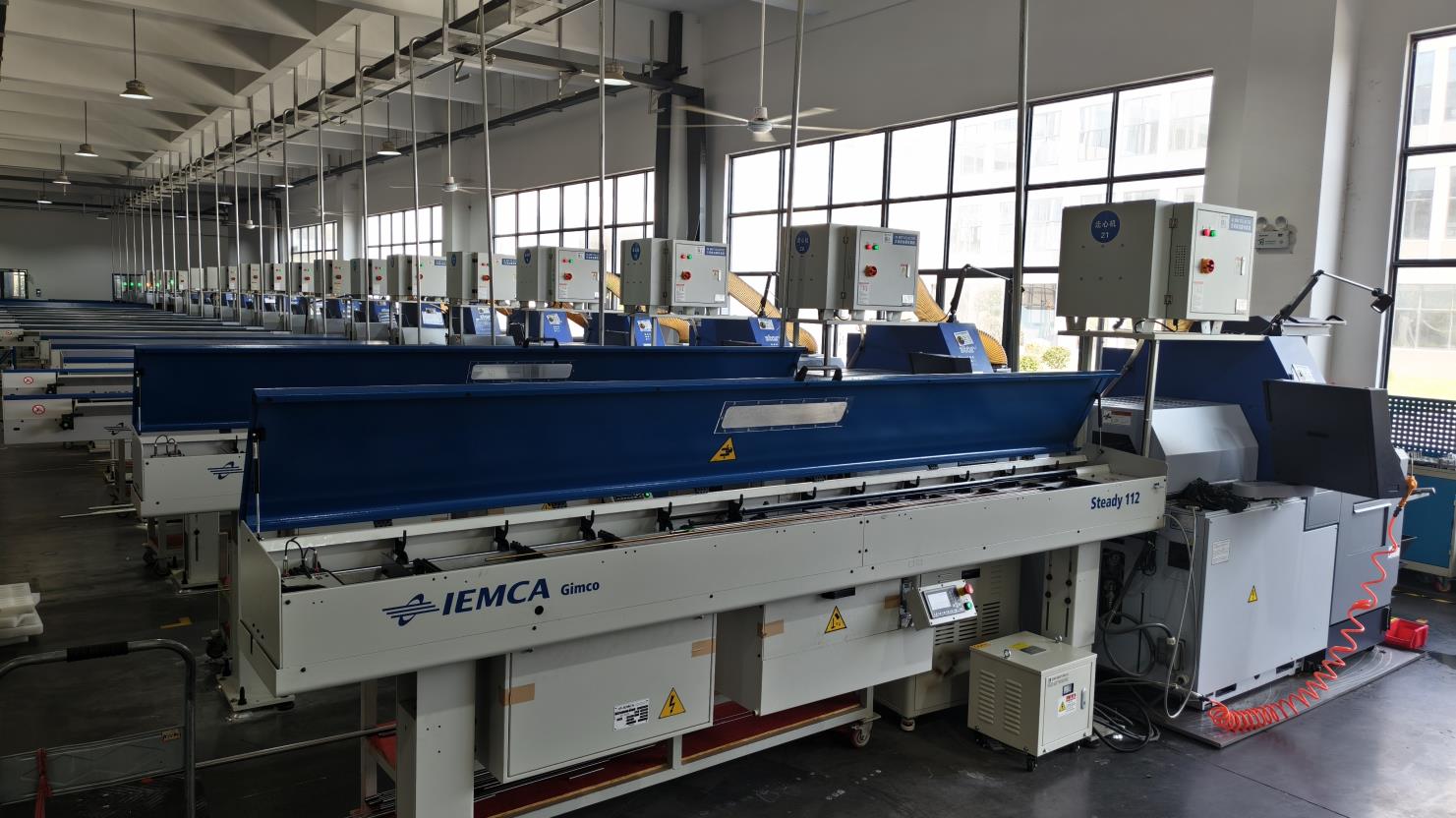
Dimensional tolerances down to the micrometer level are required to prevent intraoperative jamming of guide wires or locking bolts. Advanced Swiss-type machining and multi-coordinate quality inspection are standard demands of global brand owners seeking OEM partners.
Procurement directors are optimizing the value chain by sourcing directly from qualified Chinese OEMs. By bypassing multiple layers of intermediaries, hospitals and regional distributors achieve up to a 40% reduction in acquisition costs without sacrificing mechanical performance or clinical safety.
Inside the modern manufacturing ecosystems driving cost efficiency, extreme precision, and end-to-end traceablity.
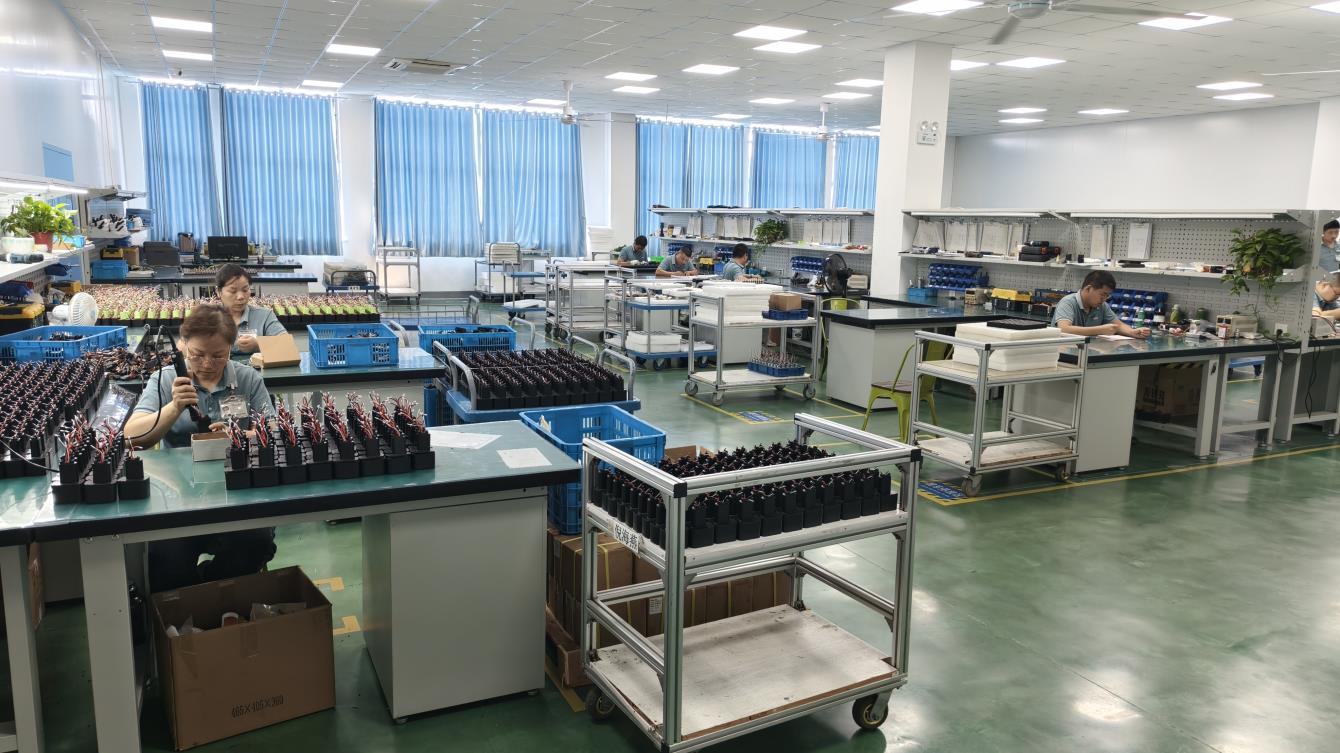
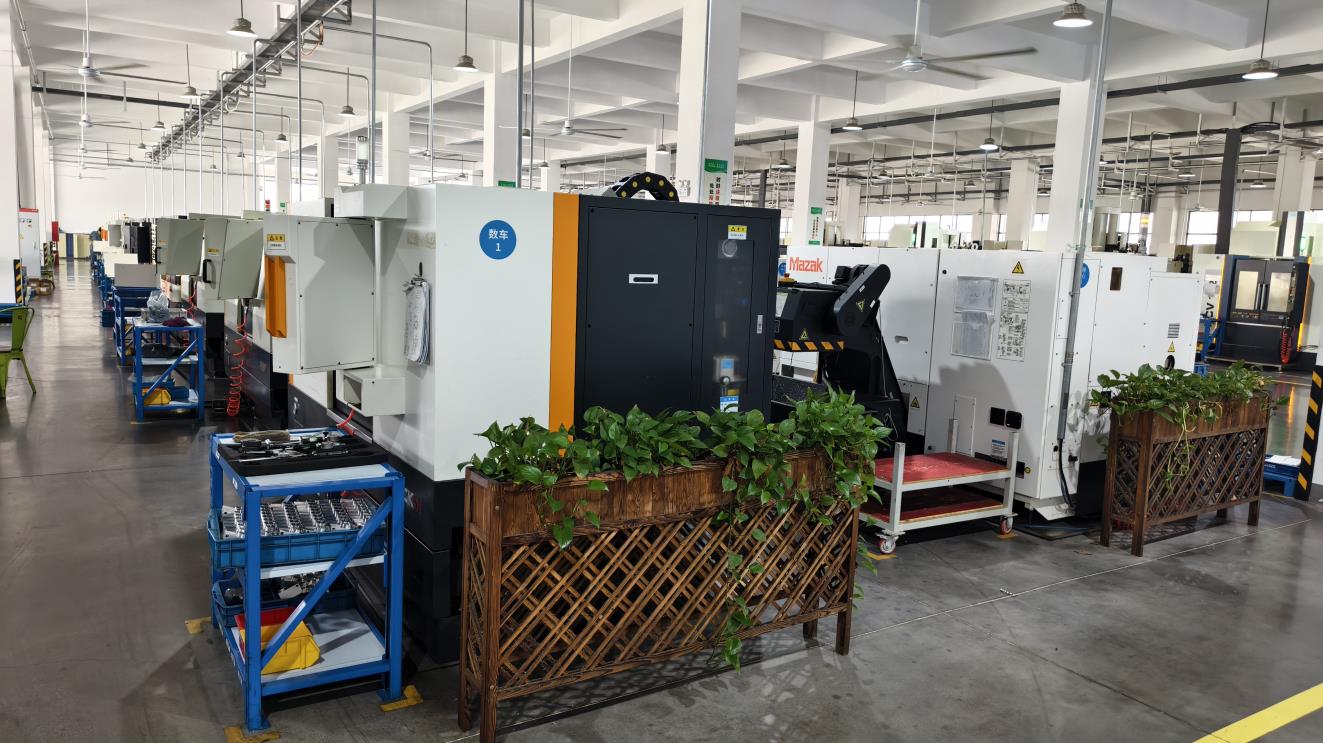
The era of manual orthopedic manufacturing has transitioned to automated smart factories. By deploying high-speed Swiss-type lathes, automated cleaning lines, and cleanroom packaging technologies, Chinese medical device manufacturers deliver consistent quality across high-volume production runs.
Real-time monitoring systems track cutting tool wear during CNC processes to ensure that outer diameter and thread profiles remain within nominal tolerances. These automated feedback loops minimize unit-to-unit variance, ensuring that every PFNA nail, helical blade, and locking screw conforms to international standards.
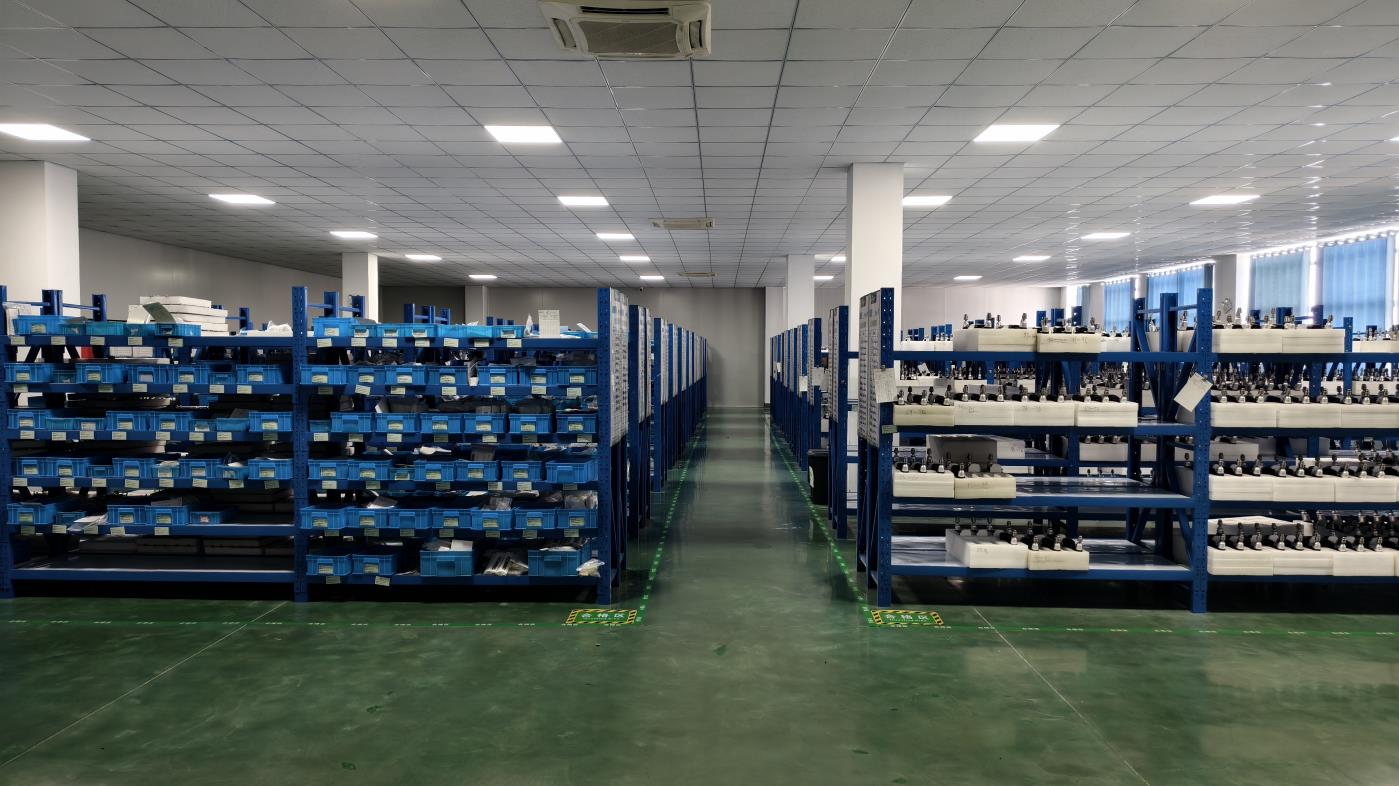
Quality begins with raw material verification. Premium suppliers utilize medical-grade titanium alloys sourced exclusively from certified mills. Every batch of titanium undergoes chemical composition analysis (spectroscopy) and mechanical tensile testing before entering production. Optical barcoding allows full traceability from the raw titanium bar to the sterile implant package in the operating room.
A premier global manufacturer specializing in the research, development, and supply of orthopedic medical devices.
Established in 2017, Moventra Medical Technology (China) Co., Ltd. is dedicated to delivering innovative, high-quality products for trauma, spine, joint reconstruction, sports medicine, and orthopedic surgical procedures. Our modern manufacturing facility integrates advanced CNC machining, precision manufacturing, automated production lines, and strict quality management systems to ensure every product meets international medical standards.
Supported by an experienced R&D team and a comprehensive quality assurance system, Moventra continuously develops innovative orthopedic solutions that improve surgical efficiency and patient outcomes. Our products are exported to customers worldwide and are trusted for their precision, safety, and consistent performance.
| Specification Item | Details & Capabilities |
|---|---|
| Company Name | Moventra Medical Technology (China) Co., Ltd. |
| Brand | Moventra |
| Established | 2017 |
| Facility Area | 18,600 m² |
| Annual Export Revenue | USD 23.8 Million |
| Export Experience | 7 Years |
| Industry Experience | 13 Years |
| Quality Inspection | 100% Quality Inspection Before Shipment |
| Product Inspection Methods | Dimensional Inspection, Material Analysis, Surface Finish Inspection, Mechanical Performance Testing, Sterility Verification |
| Quality Control Staff | 48 Specialists |
| Business Type | Manufacturer, OEM & ODM, Exporter |
| Main Markets | North America, Europe, South America, Middle East, Southeast Asia, Australia |
| Supply Chain Partners | 1,120 Partners |
| Main Customer Types | Medical Device Brands, Orthopedic Distributors, Hospitals, Importers, Government Procurement Projects |
| R&D Capability | Independent Product Design, Rapid Prototyping, OEM/ODM Development, Customized Engineering Solutions |
| Customization Options | Logo Customization, Packaging Customization, Product Design Customization, Drawing-Based Manufacturing, Sample-Based Manufacturing |
| New Products Released Last Year | 156 Innovative Items |
| R&D Engineers | 86 Engineers |
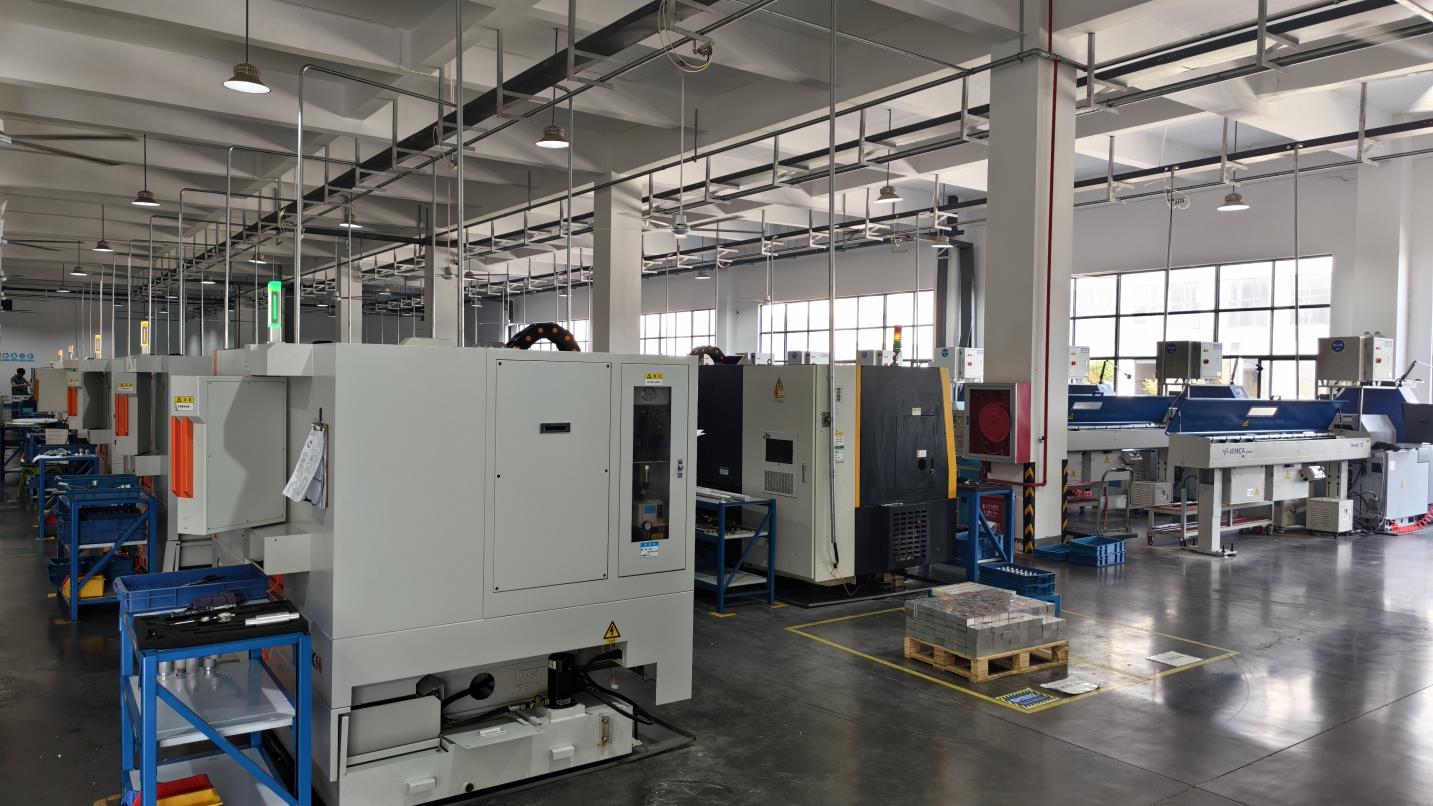
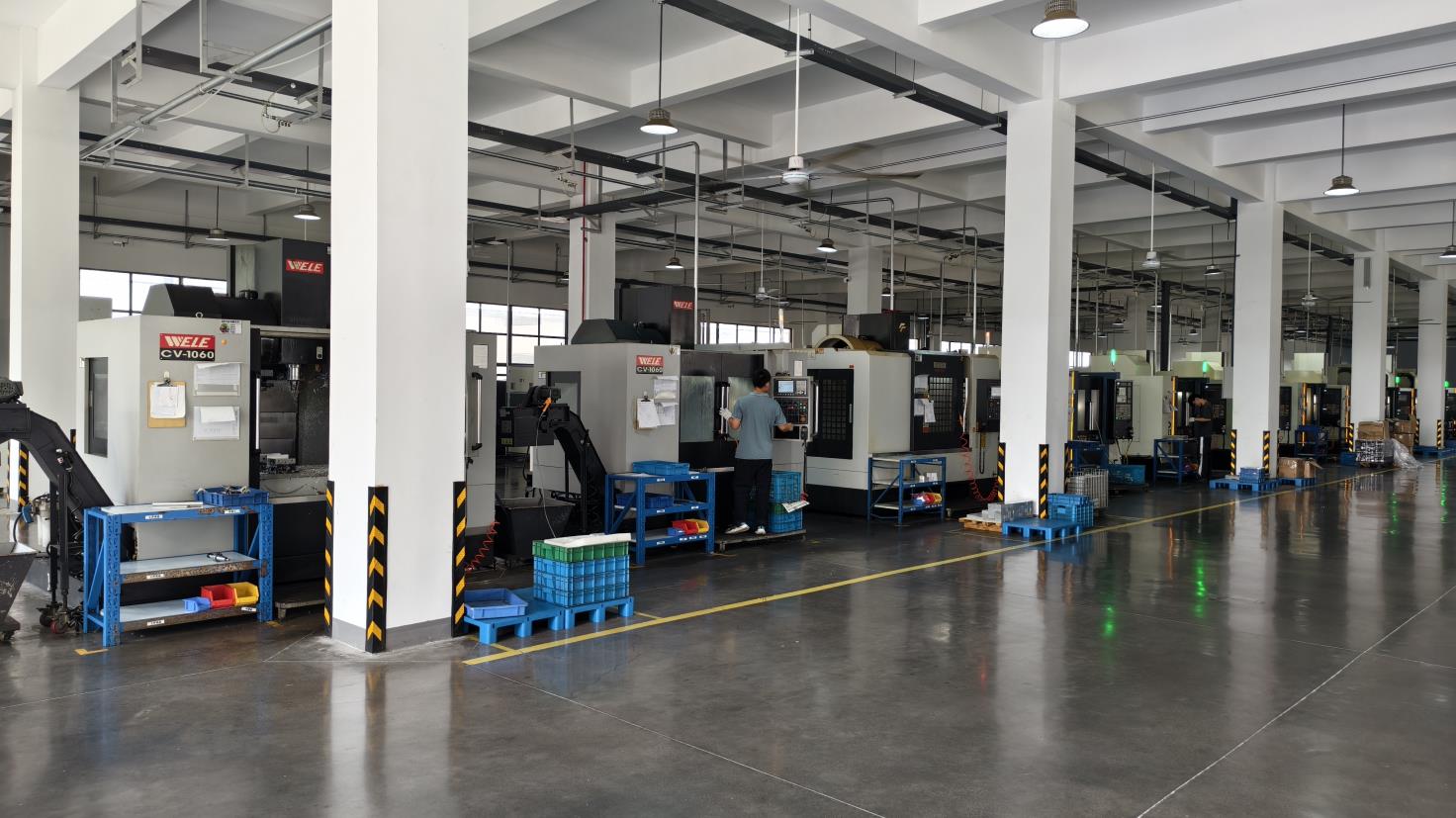
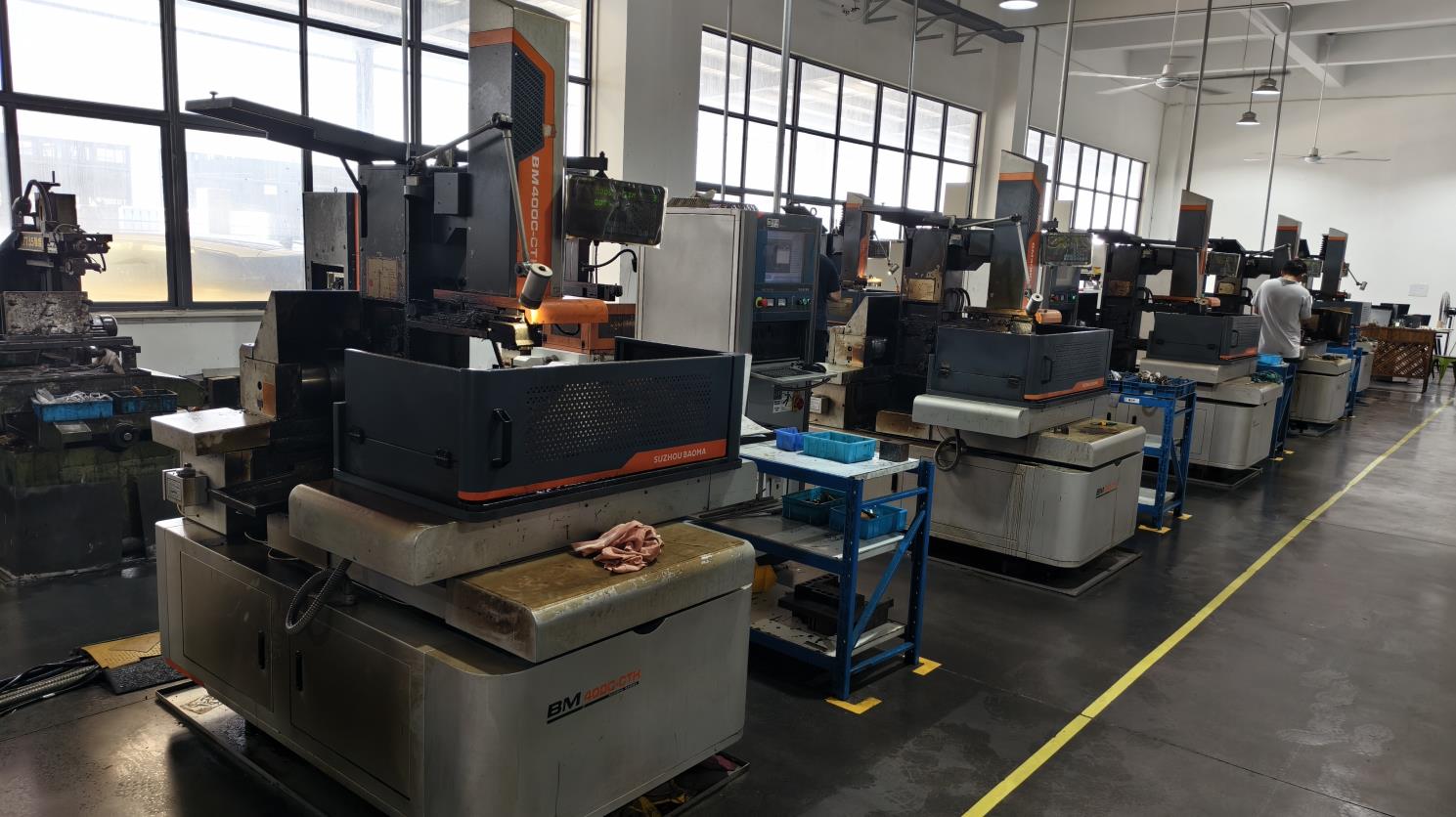
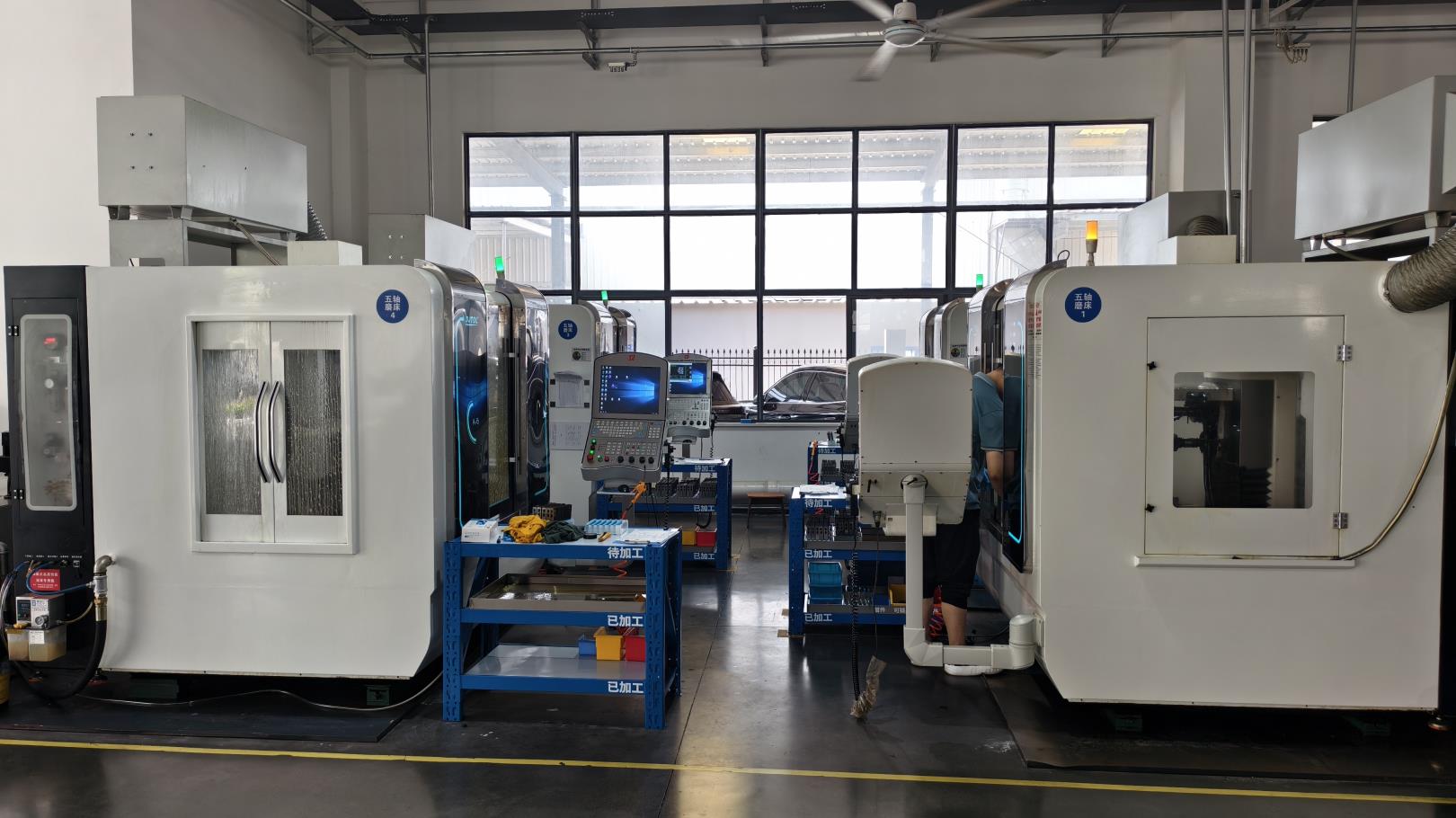
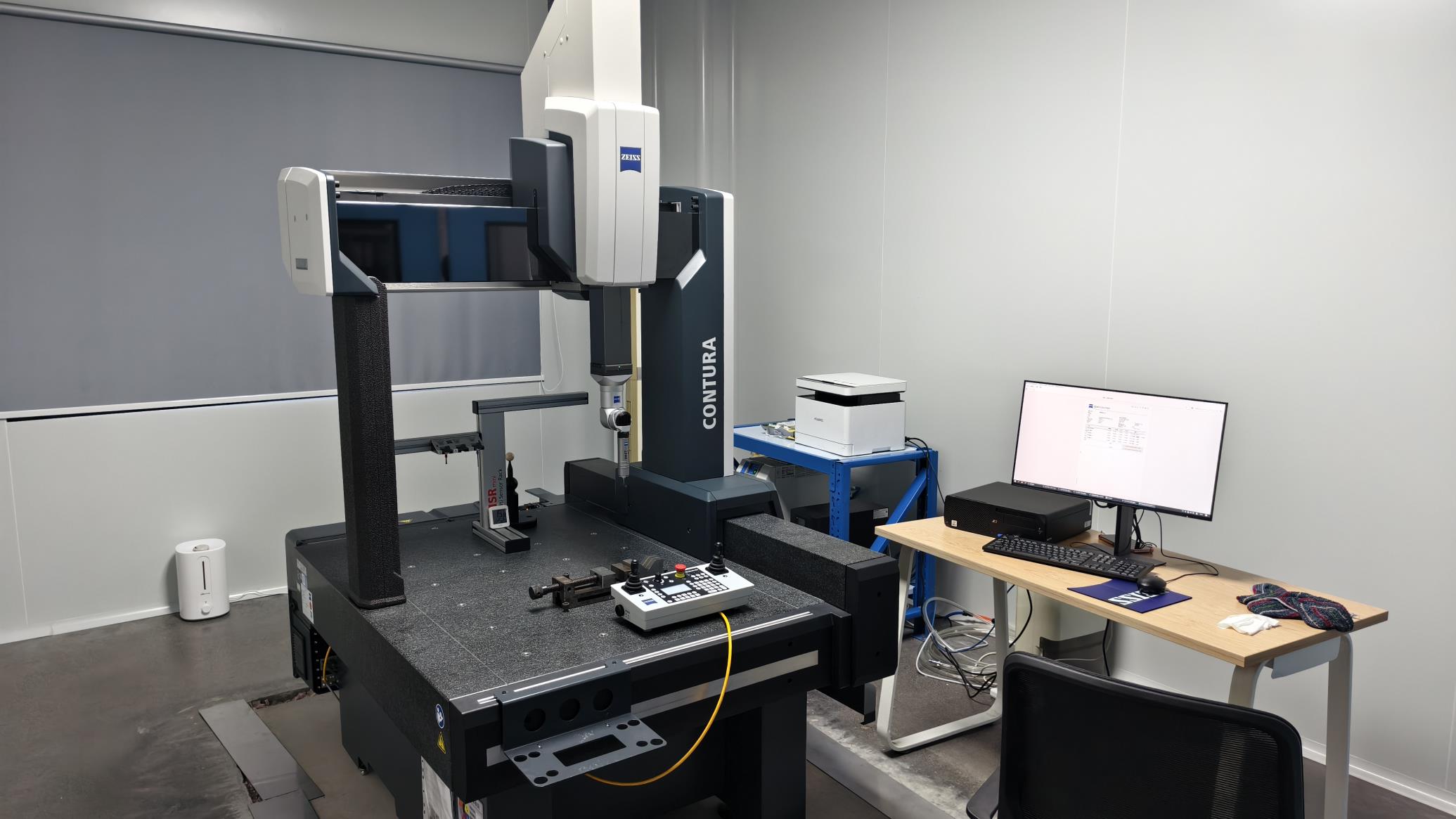
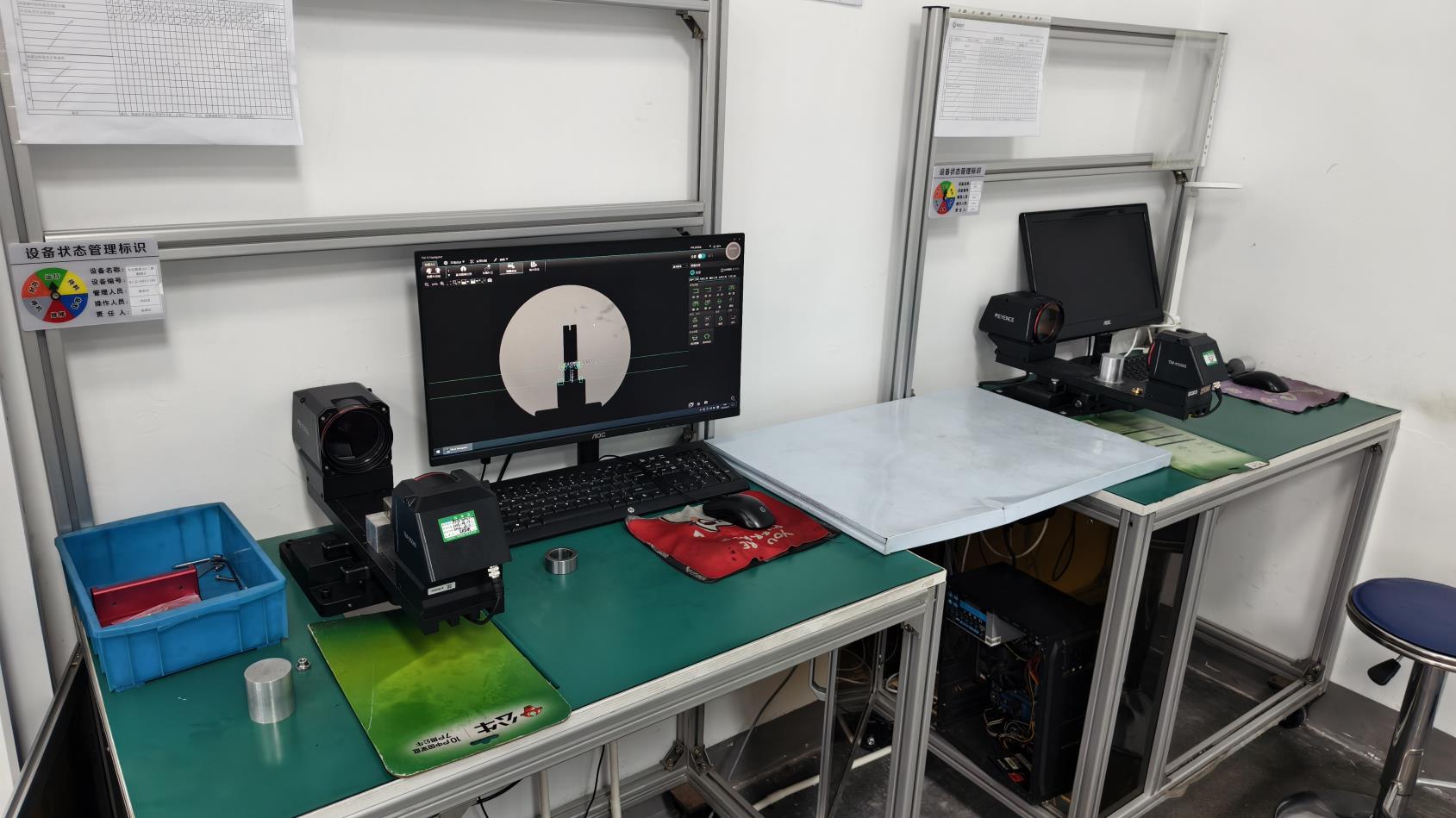
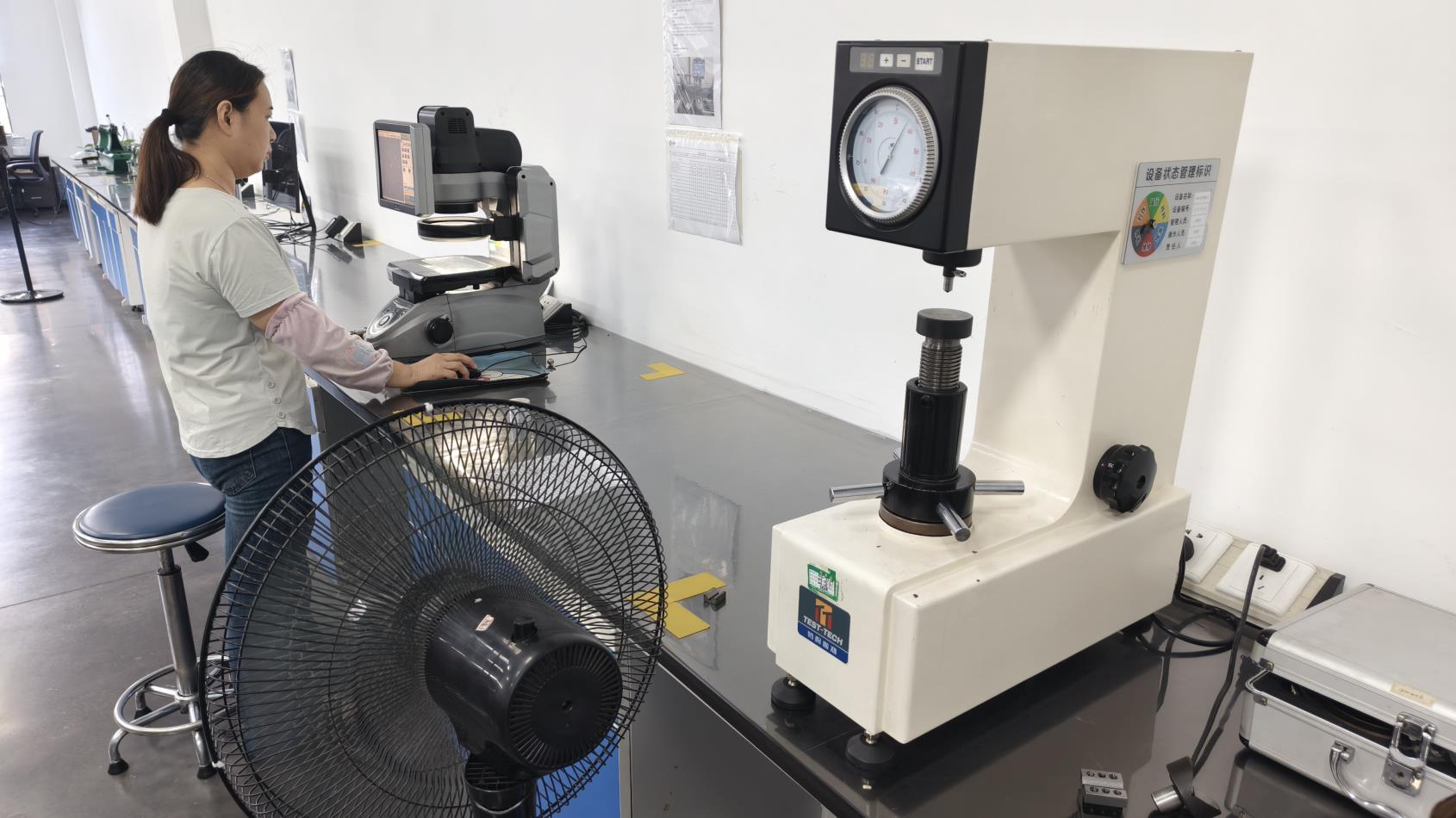
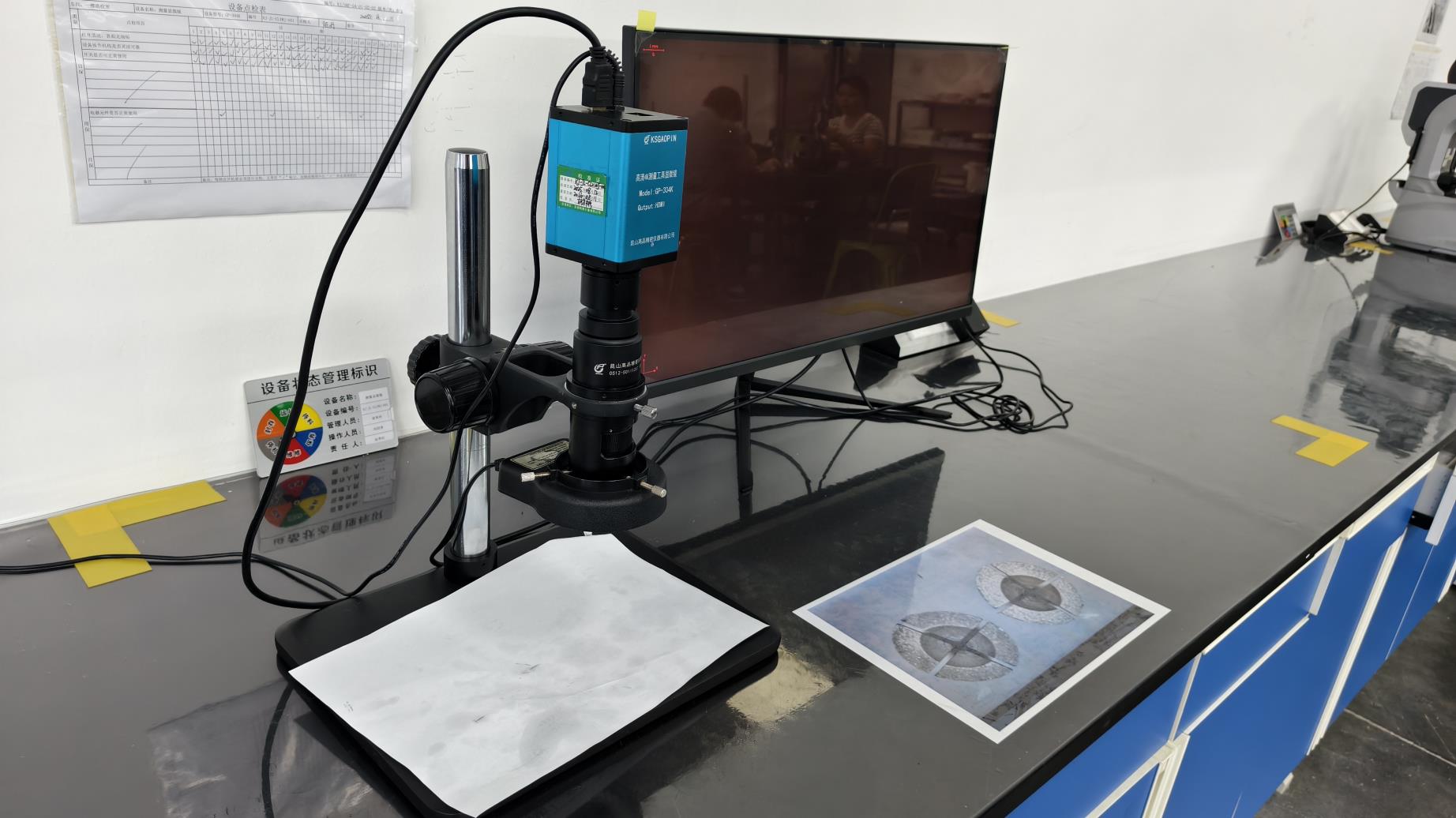
Our facility houses the advanced equipment necessary to achieve high-precision tolerances and consistent mechanical performance.
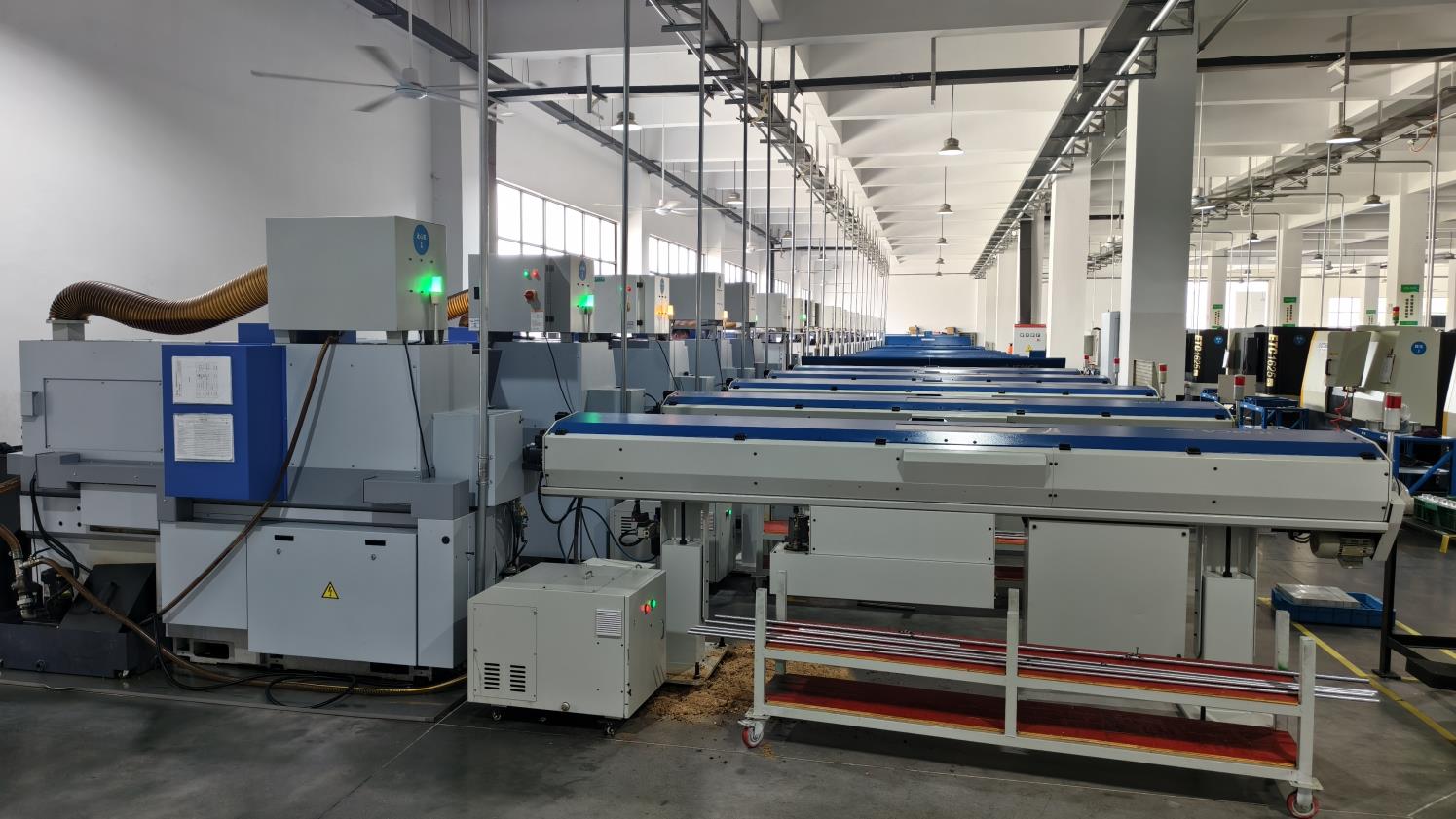
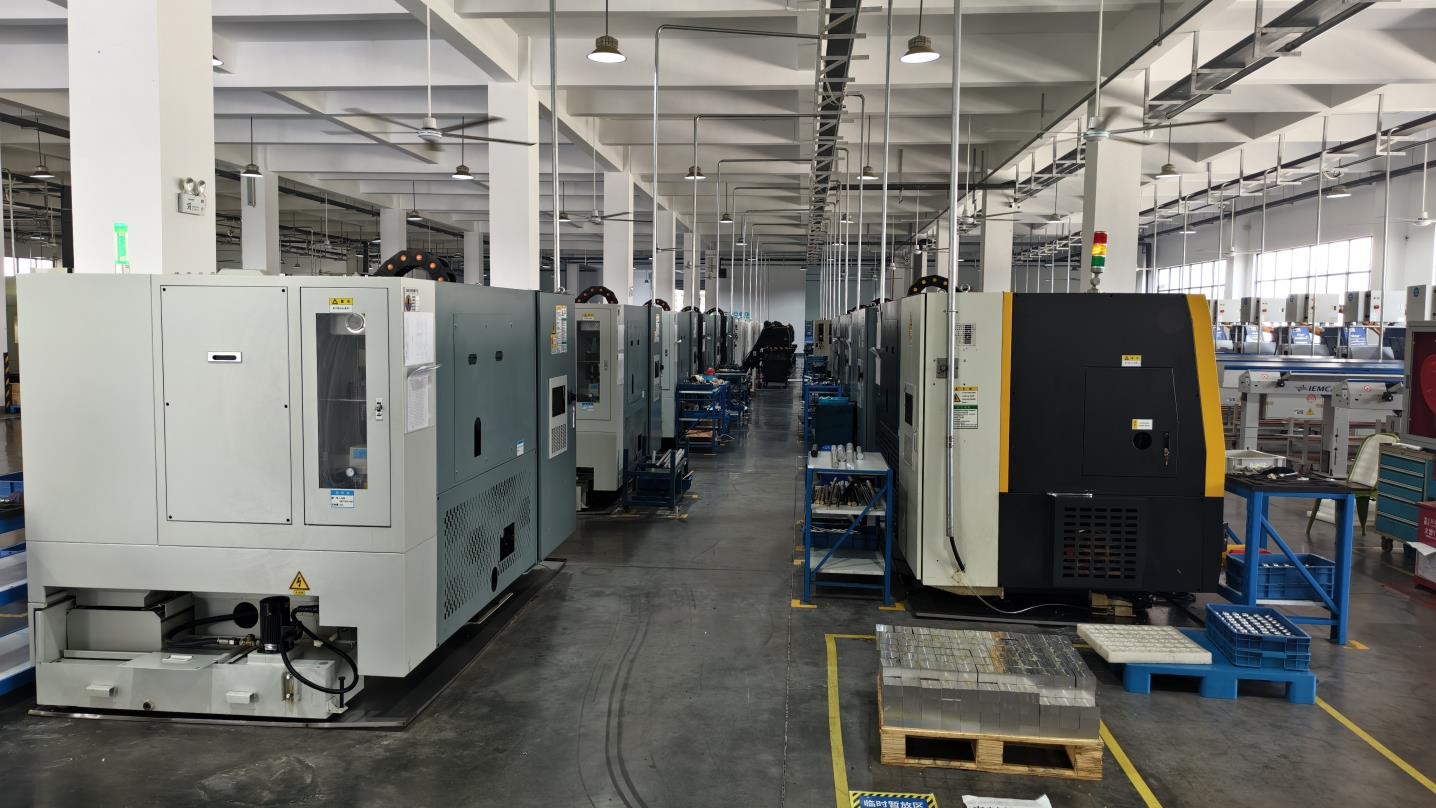
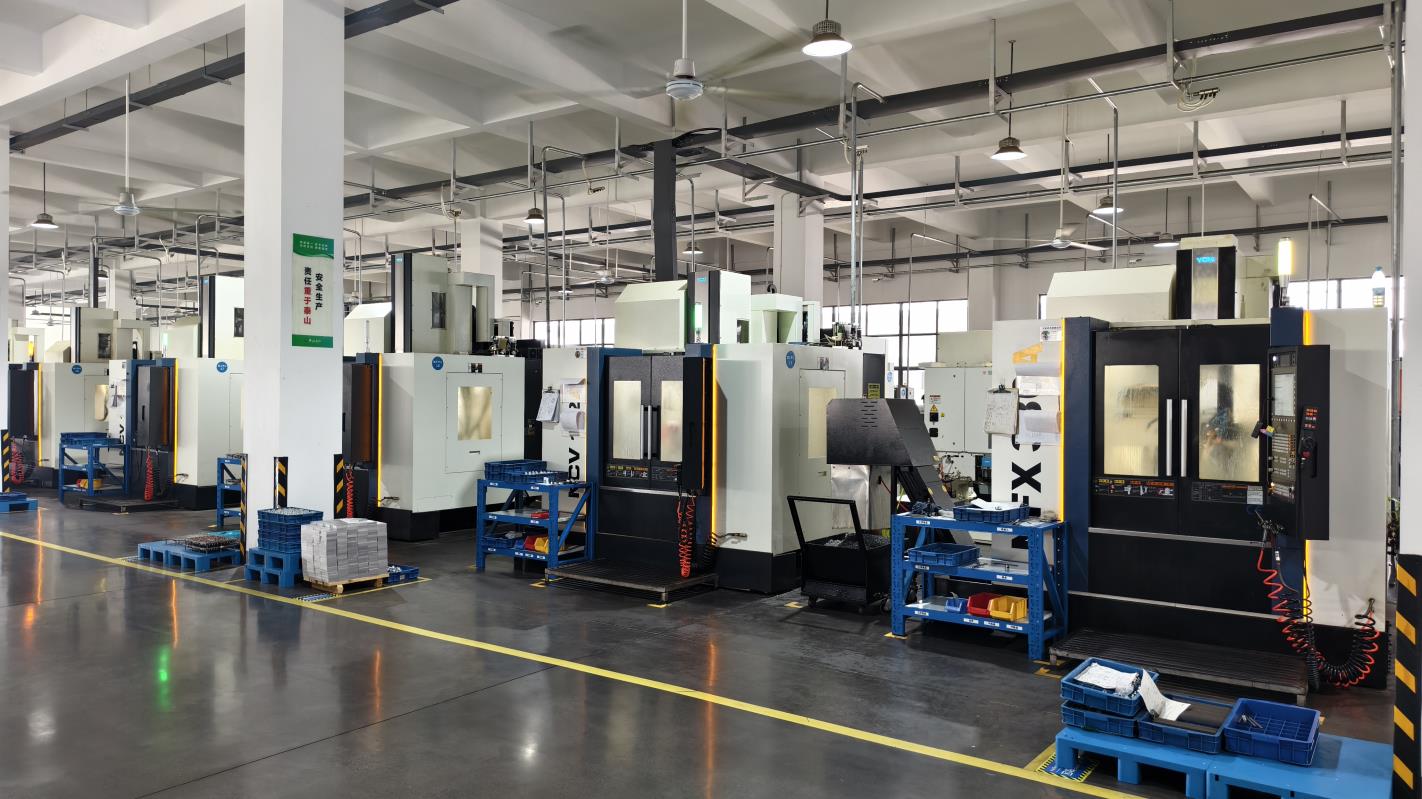
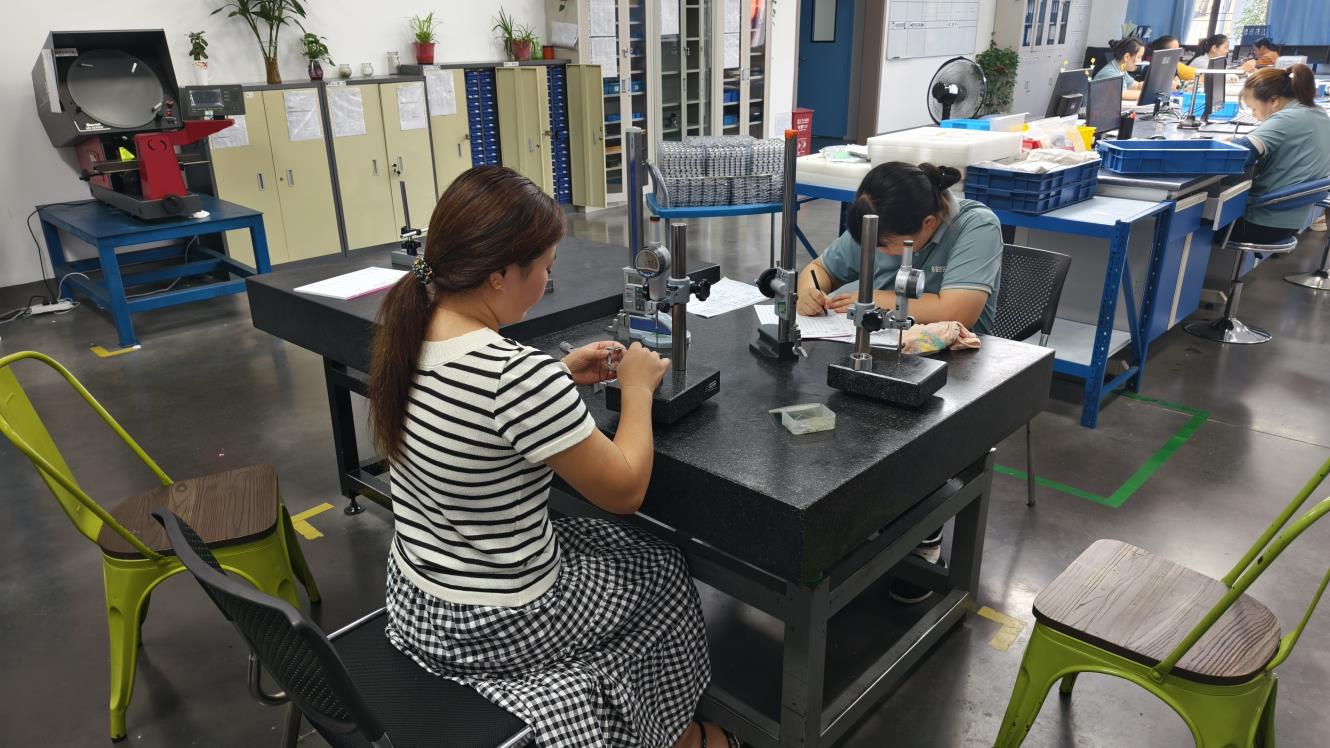
Addressing anatomical variability and operational challenges across regional patient demographics.
Orthopedic surgeons worldwide deal with diverse femur morphologies. For instance, the anterior curvature (bowing) of the femur varies significantly between Caucasian and Asian populations. Rigid intramedullary nails with mismatched radii of curvature (ROC) can lead to anterior cortex impingement or distal femur perforation.
Moventra's R&D team designs PFNA solutions that address these anatomical nuances. By adjusting the ROC and dynamic lateral entry angles, our nails facilitate smoother insertion paths, minimizing structural bone stress. The distal tip is also tapered and rounded to prevent localized stress concentration at the termination point of the nail inside the medullary canal.
Unstable subtrochanteric fractures require stable dynamic compression. Our long PFNA nails provide targeted distal locking configurations (static or dynamic) to facilitate axial controlled compression while maintaining rotational stability.
Geriatric hip fractures are complex to treat. The compaction mechanics of our helical blade enhance purchase in weak cancellous bone, significantly reducing postoperative cut-out risks.
For fractures secondary to metabolic bone disease or metastatic lesions, our long intramedullary nails span the entire length of the femur, providing structural reinforcement.
Answering technical, regulatory, and commercial inquiries for orthopedic distributors, sourcing managers, and surgical specialists.
The helical blade compacts the surrounding bone instead of drilling it out. This compaction is particularly beneficial in osteoporotic bone, where it increases the surface contact area and resistance to rotation, thereby reducing the rate of femoral head cut-out compared to traditional compression screw designs.
We perform 100% inspection before shipment using dimensional analysis, material spectroscopy, CMM mapping, surface roughness checking, and mechanical fatigue testing. Raw materials are sourced exclusively from audited suppliers with full mill test certificates (MTC) matching ISO 5832-3 or ASTM F136 requirements.
Standard OEM manufacturing lead times range from 4 to 8 weeks, depending on the complexity of the implant geometry and sterilization requirements. Rapid prototyping can be completed in 2 to 3 weeks using our dedicated R&D CNC facilities.
Yes, our PFNA intramedullary nails feature distal locking slots that accommodate both static and dynamic locking configurations. This allows the surgeon to choose between rigid stabilization or controlled dynamic sliding based on the patient's specific fracture morphology and bone density.
Expanding treatment capabilities across traumatology, joint reconstruction, and orthopedic surgeries.
 Moventra Medical