Precision-engineered systems engineered to meet international clinical regulatory criteria.
Posterior Lumbar Interbody Fusion (PLIF) remains a bedrock technique for managing lumbar mechanical instability. Within this context, the biomaterial selected for the interbody spacer is vital to long-term radiographic and clinical success. Over the past two decades, Polyetheretherketone (PEEK) has emerged as the premier choice, largely displacing conventional titanium mesh cages.
Unlike titanium implants, which have a high modulus of elasticity, PEEK mirrors the load-bearing characteristics of natural cortical bone (3-4 GPa). This significantly reduces stress-shielding, encouraging axial load transfer through the bone graft inside the cage, promoting physiological fusion.
PEEK’s radiolucency allows surgeons to monitor bone growth, trabecular bridging, and fusion progress on CT scans or standard radiographs without the visual artifacts caused by metallic devices. Embedded tantalum markers assist with precise radiographic positioning.
Medical-grade implantable PEEK exhibits high chemical resistance and biocompatibility, minimizing adverse tissue reactions. It endures repeated autoclaving cycles without structural degradation, making it suitable for spinal implants.
The global demand for spinal fusion hardware is expanding, driven by aging demographic profiles, an increase in degenerative disc disease diagnoses, and rising healthcare expenditures in emerging markets. When sourcing PLIF PEEK Cages, international procurement entities (such as OEM medical brands, distributors, and hospital networks) must navigate rigorous quality standards:
Established in 2017, Moventra Medical Technology (China) Co., Ltd. is a professional manufacturer specializing in the research, development, production, and global supply of orthopedic medical devices and surgical solutions.
With 13 years of industry experience and a robust supply chain network of 1,120 partners, Moventra provides OEM/ODM manufacturing. We feature independent product design, rapid prototyping, and custom engineering solutions, introducing up to 156 new products annually.
| Item | Details |
|---|---|
| Company Name | Moventra Medical Technology (China) Co., Ltd. |
| Brand | Moventra |
| Established | 2017 |
| Facility Area | 18,600 m² |
| Annual Export Revenue | USD 23.8 Million |
| Export Experience | 7 Years |
| Industry Experience | 13 Years |
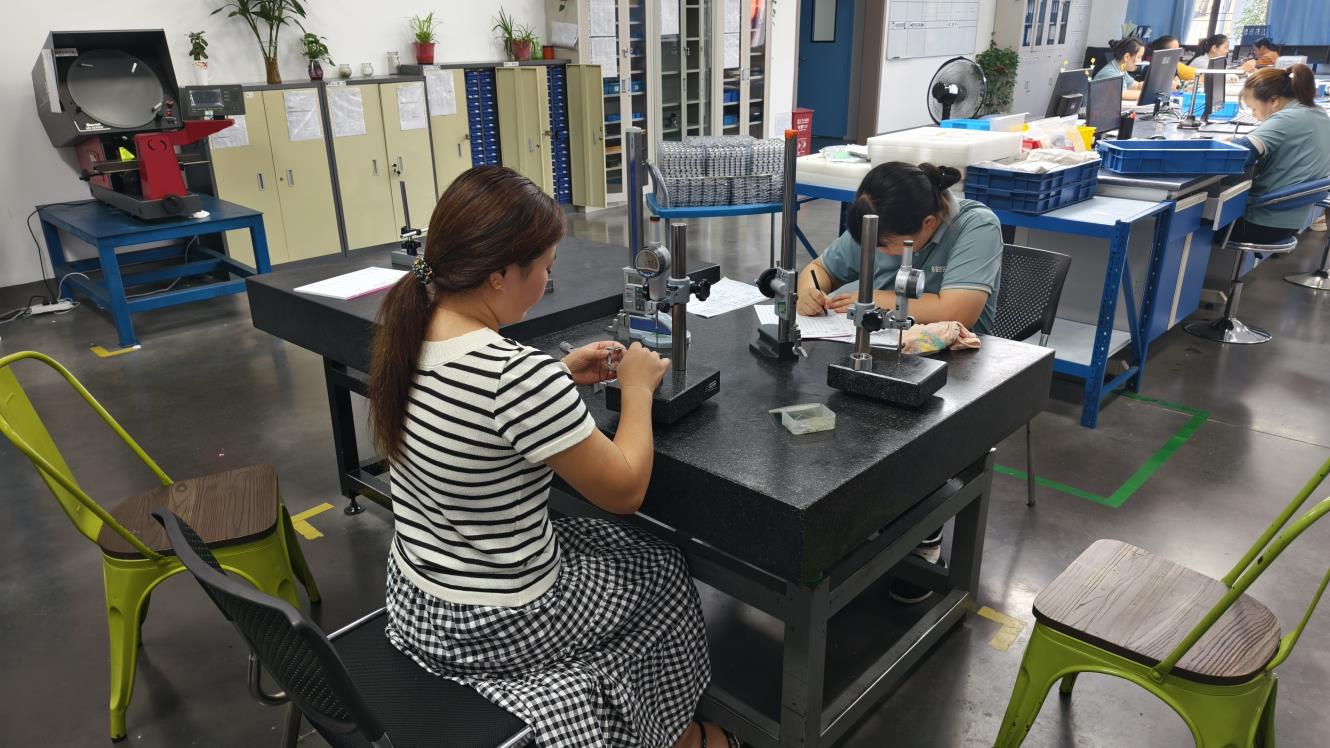
| Quality Inspection | 100% Quality Inspection Before Shipment |
| Product Inspection Methods | Dimensional Inspection, Material Analysis, Surface Finish Inspection, Mechanical Performance Testing, Sterility Verification |
| Quality Control Staff | 48 |
| Business Type | Manufacturer, OEM & ODM, Exporter |
| Main Markets | North America, Europe, South America, Middle East, Southeast Asia, Australia |
| Supply Chain Partners | 1,120 |
| Main Customer Types | Medical Device Brands, Orthopedic Distributors, Hospitals, Importers, Government Procurement Projects |
| R&D Capability | Independent Product Design, Rapid Prototyping, OEM/ODM Development, Customized Engineering Solutions |
| Customization Options | Logo Customization, Packaging Customization, Product Design Customization, Drawing-Based Manufacturing, Sample-Based Manufacturing |
| New Products Released Last Year | 156 |
| R&D Engineers | 86 |
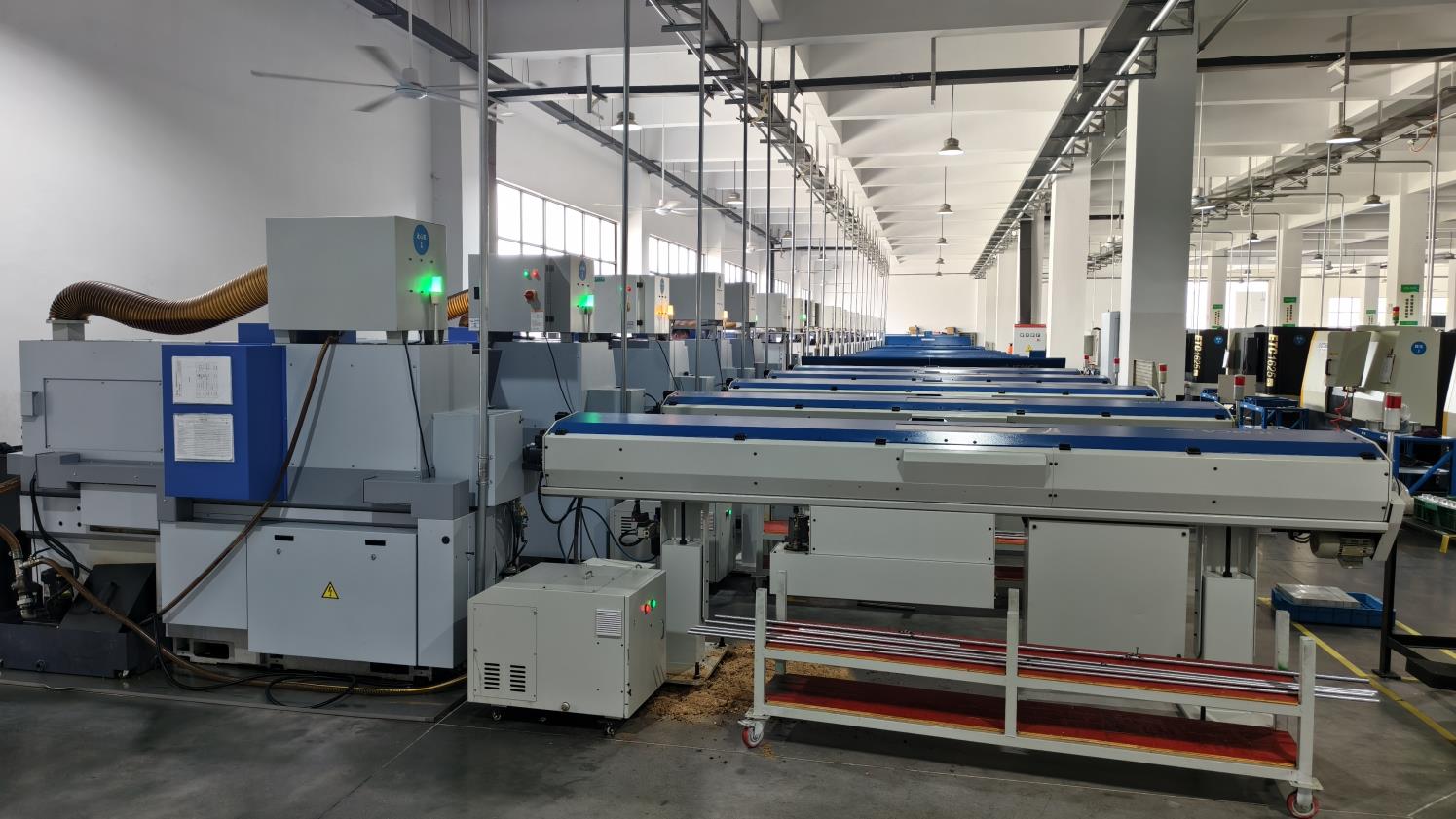
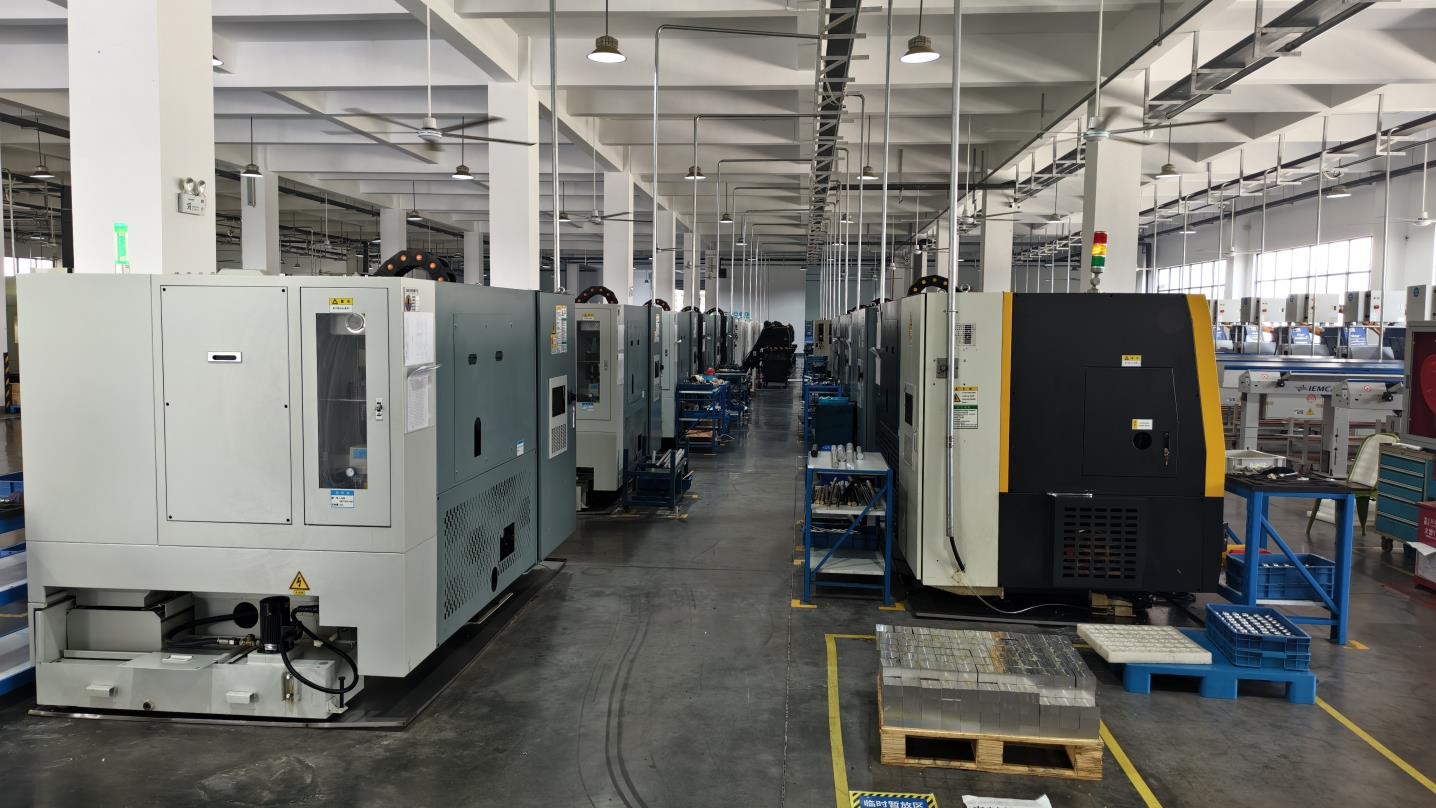
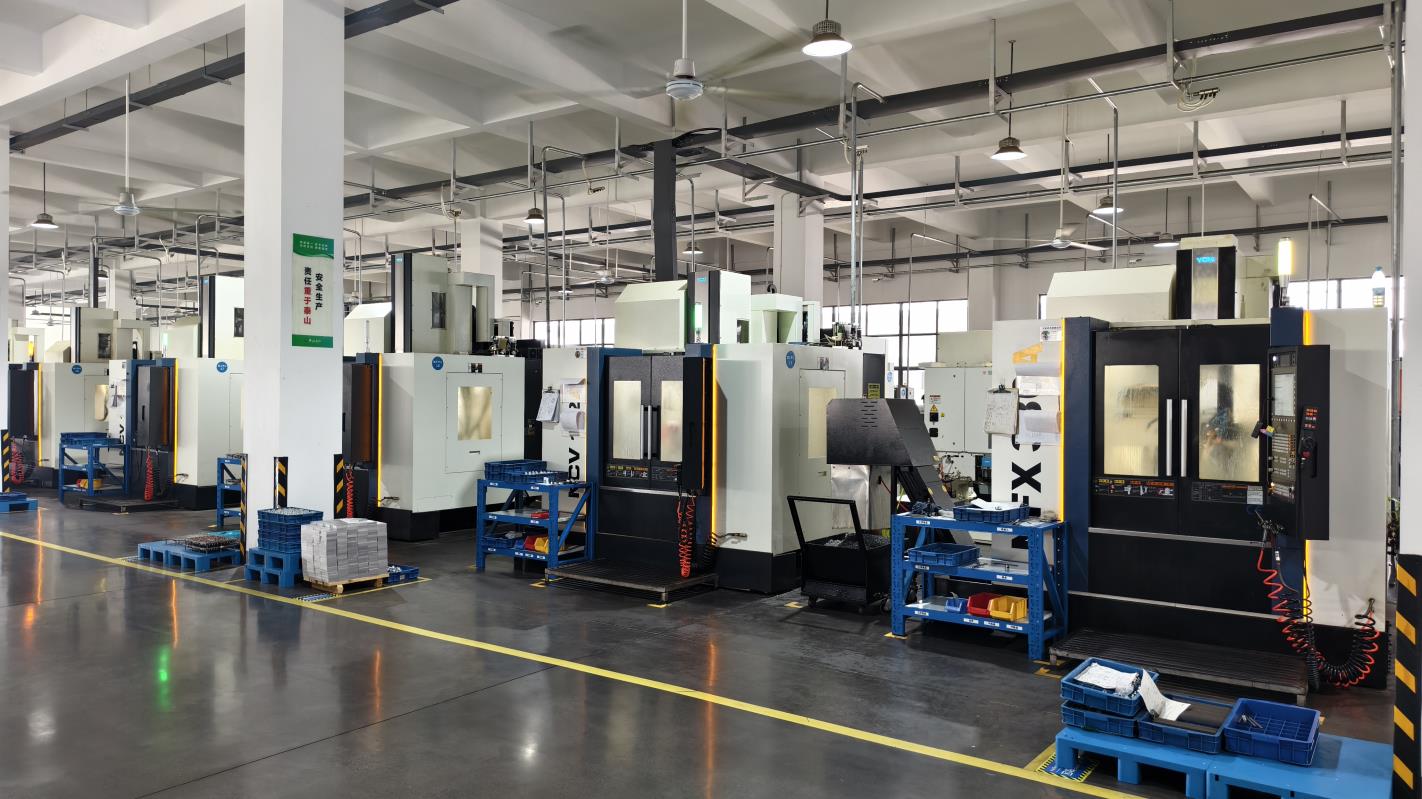
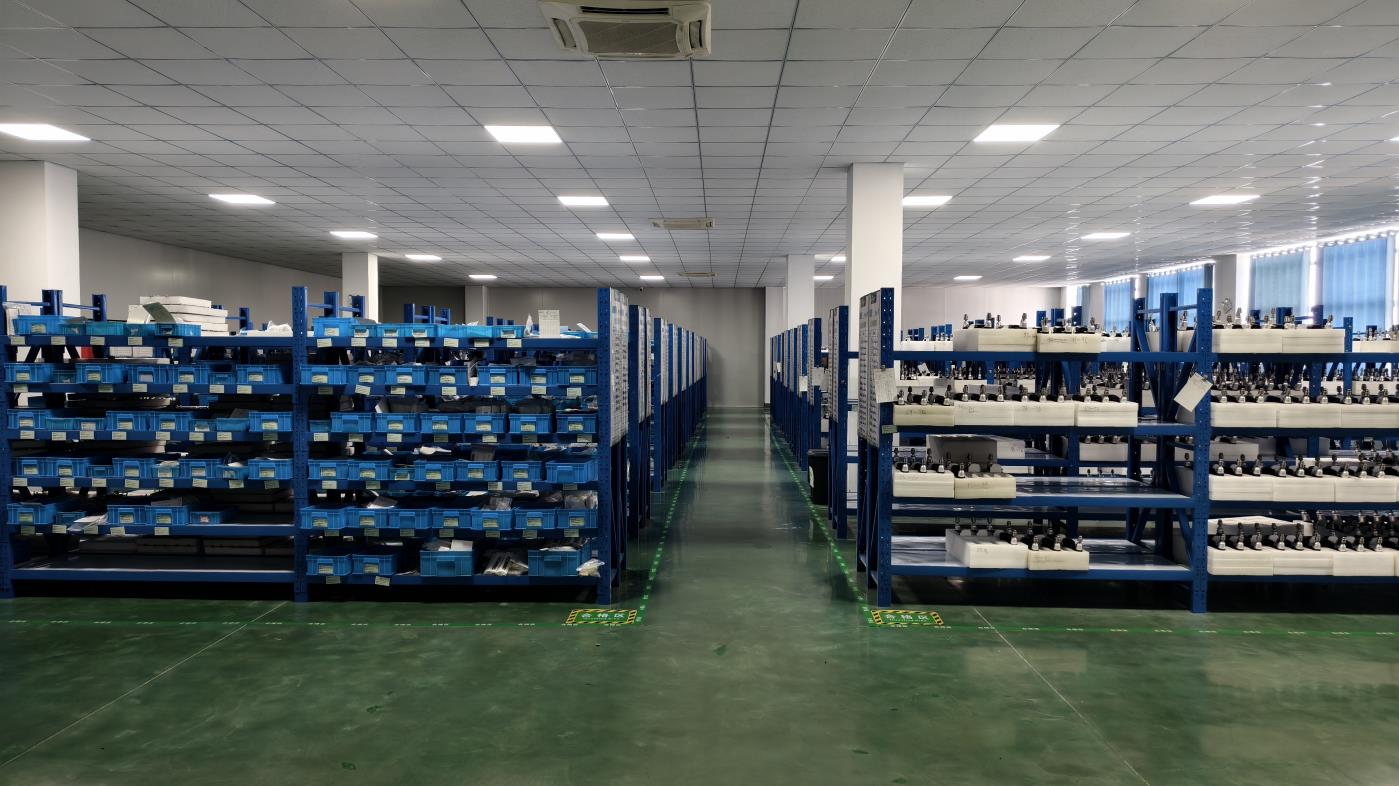
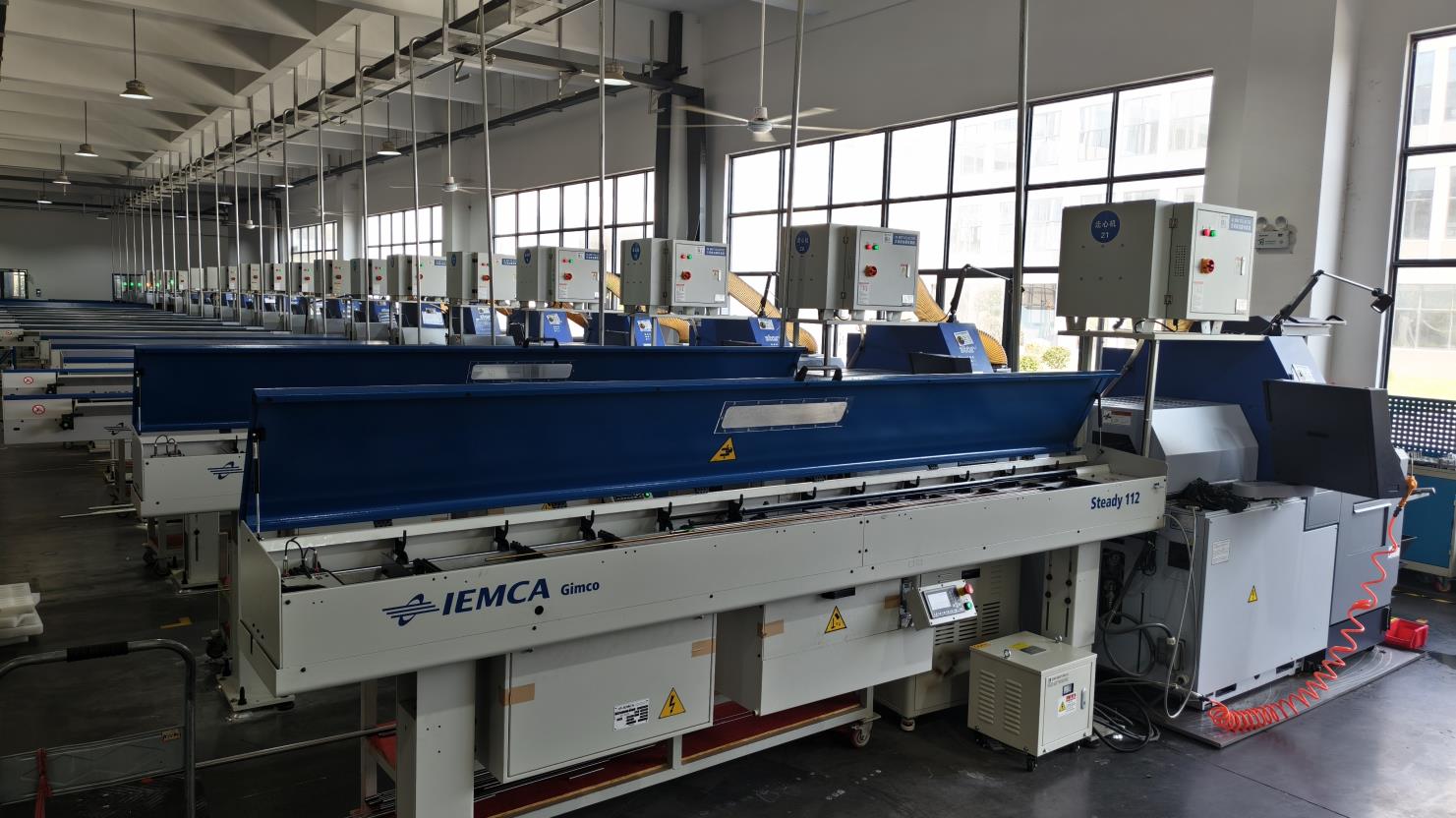
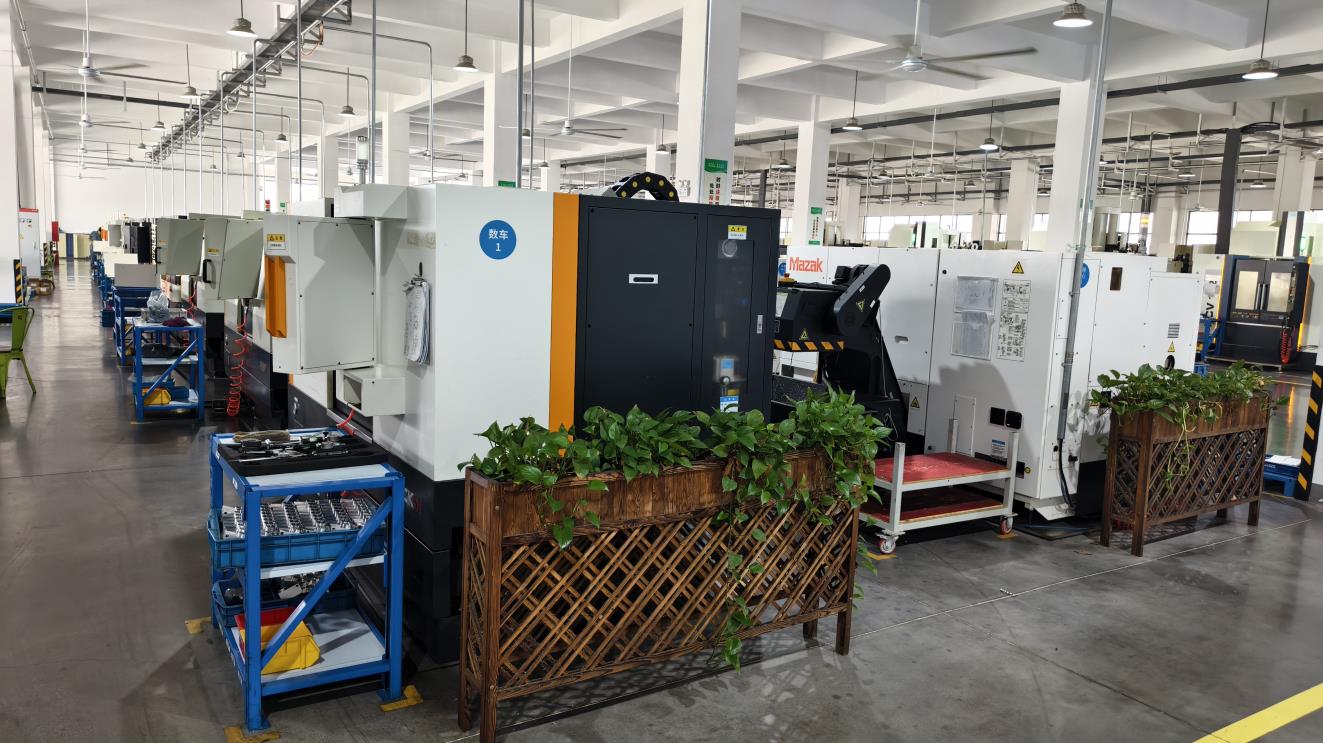
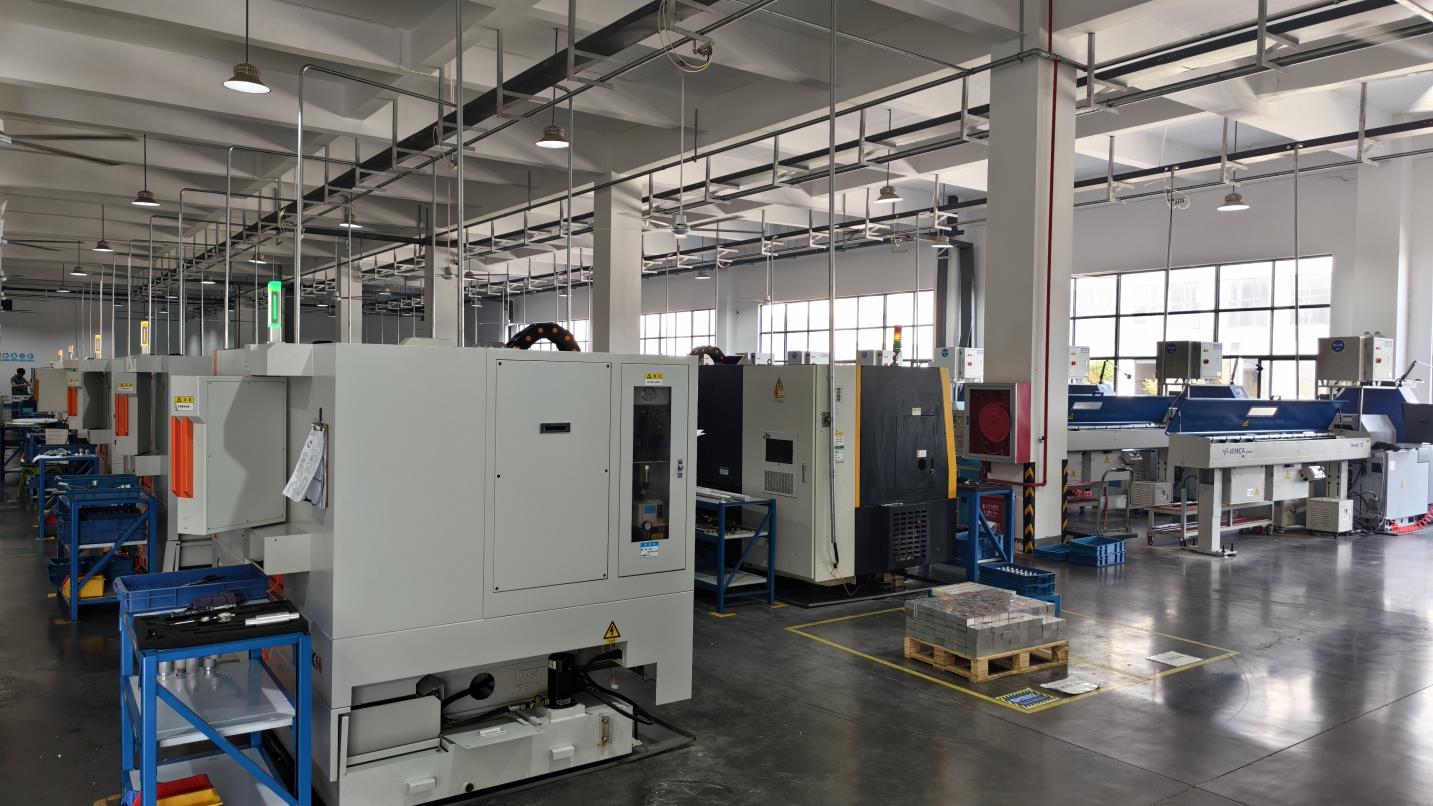
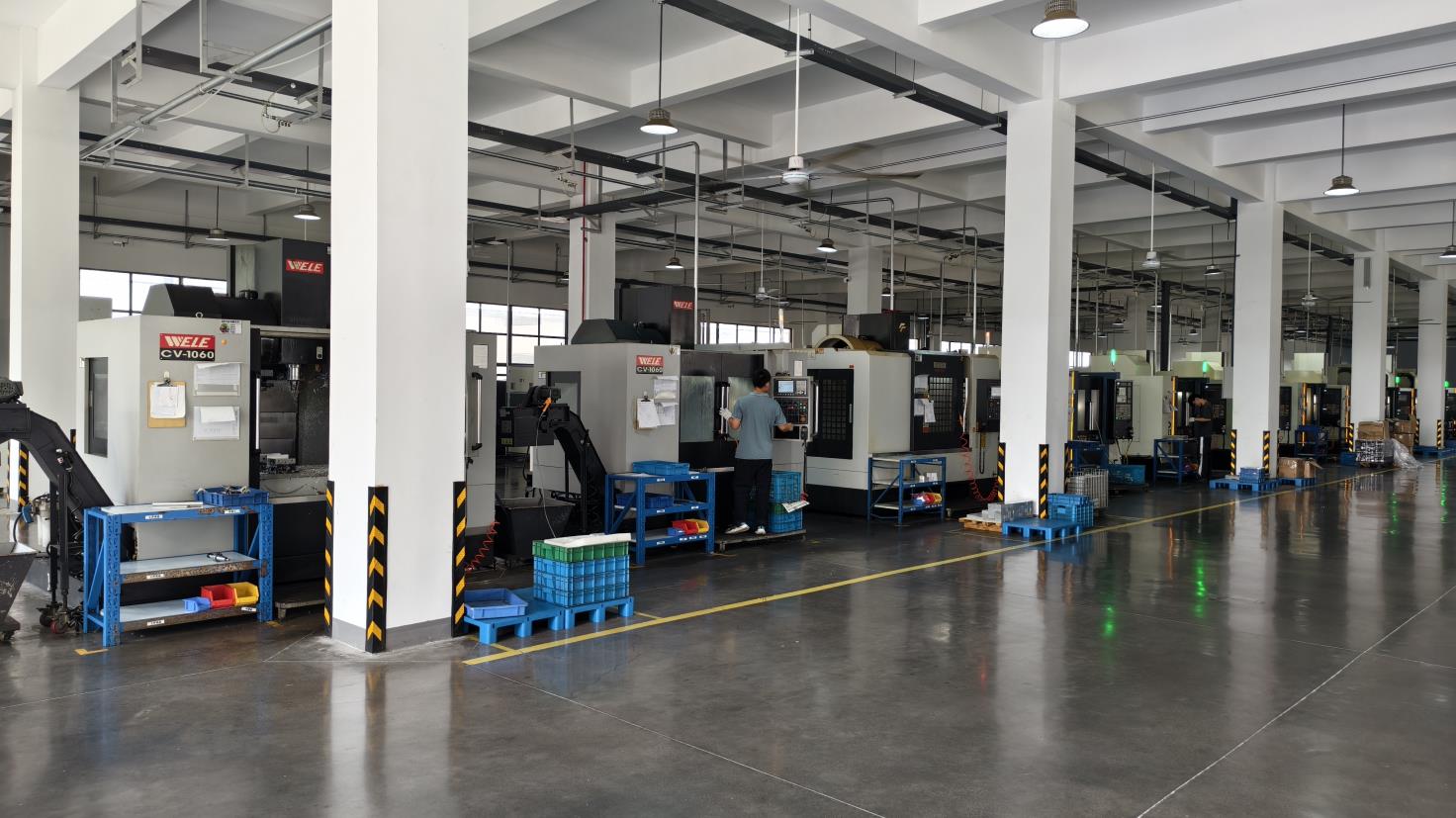
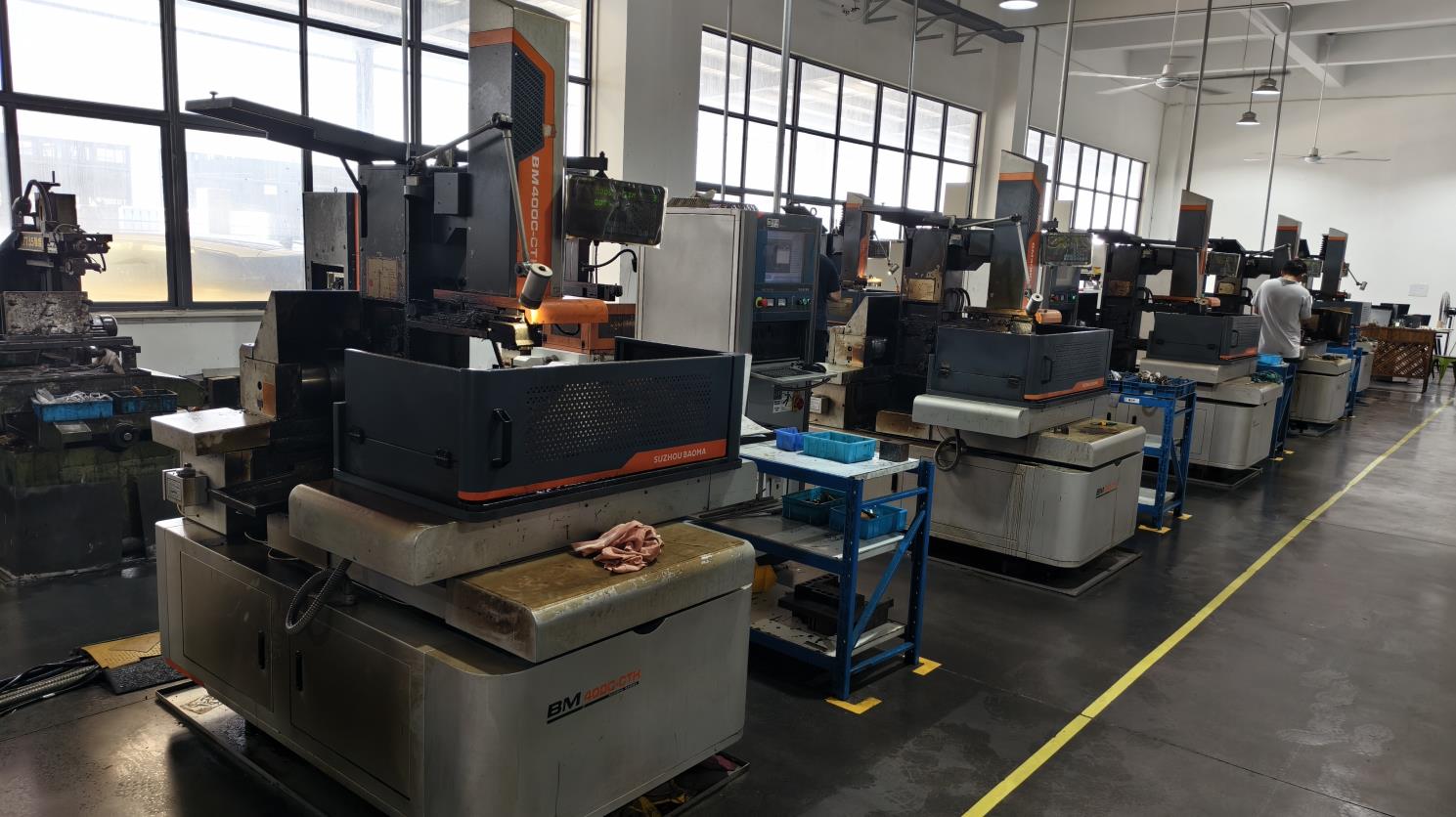
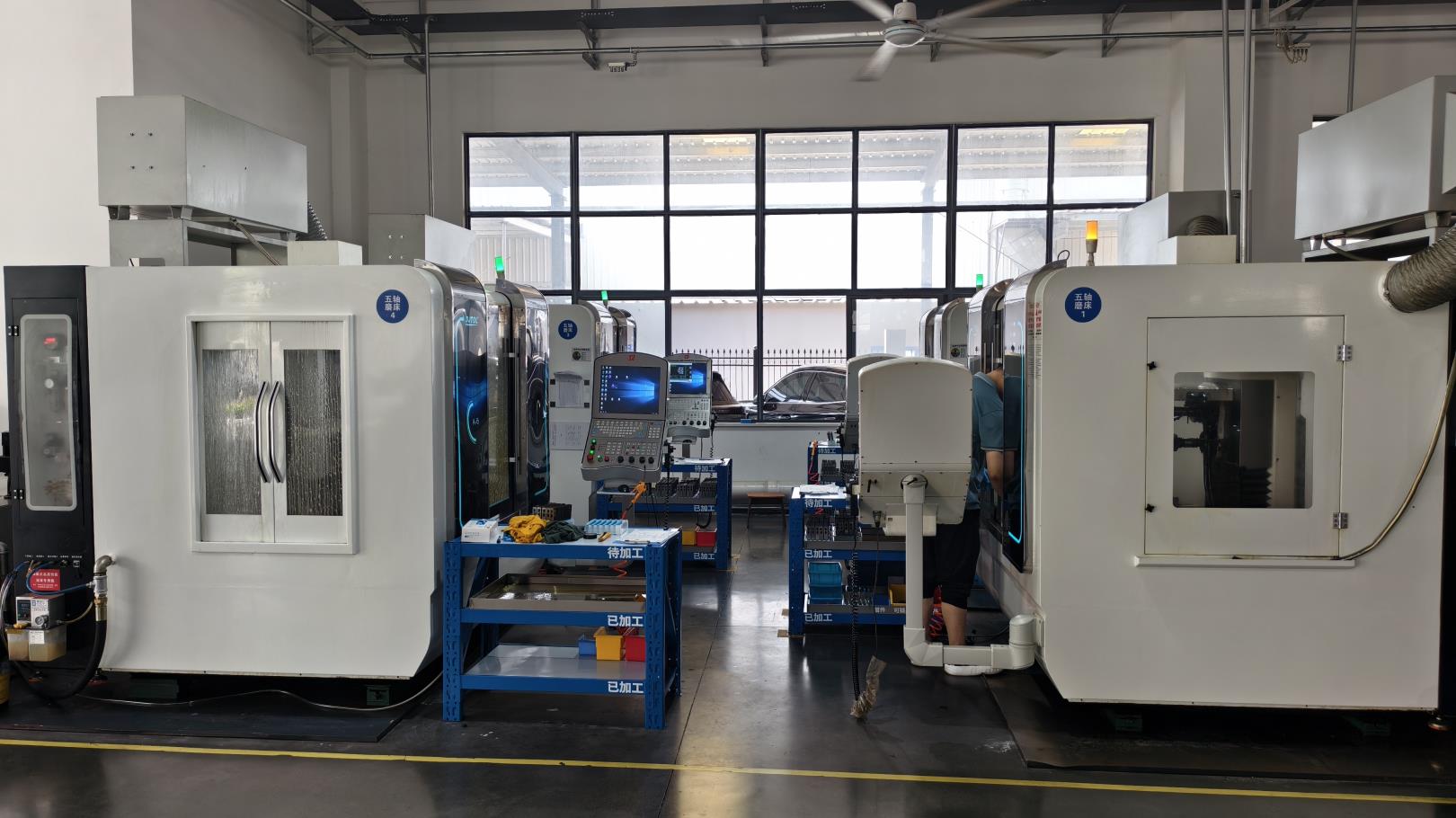
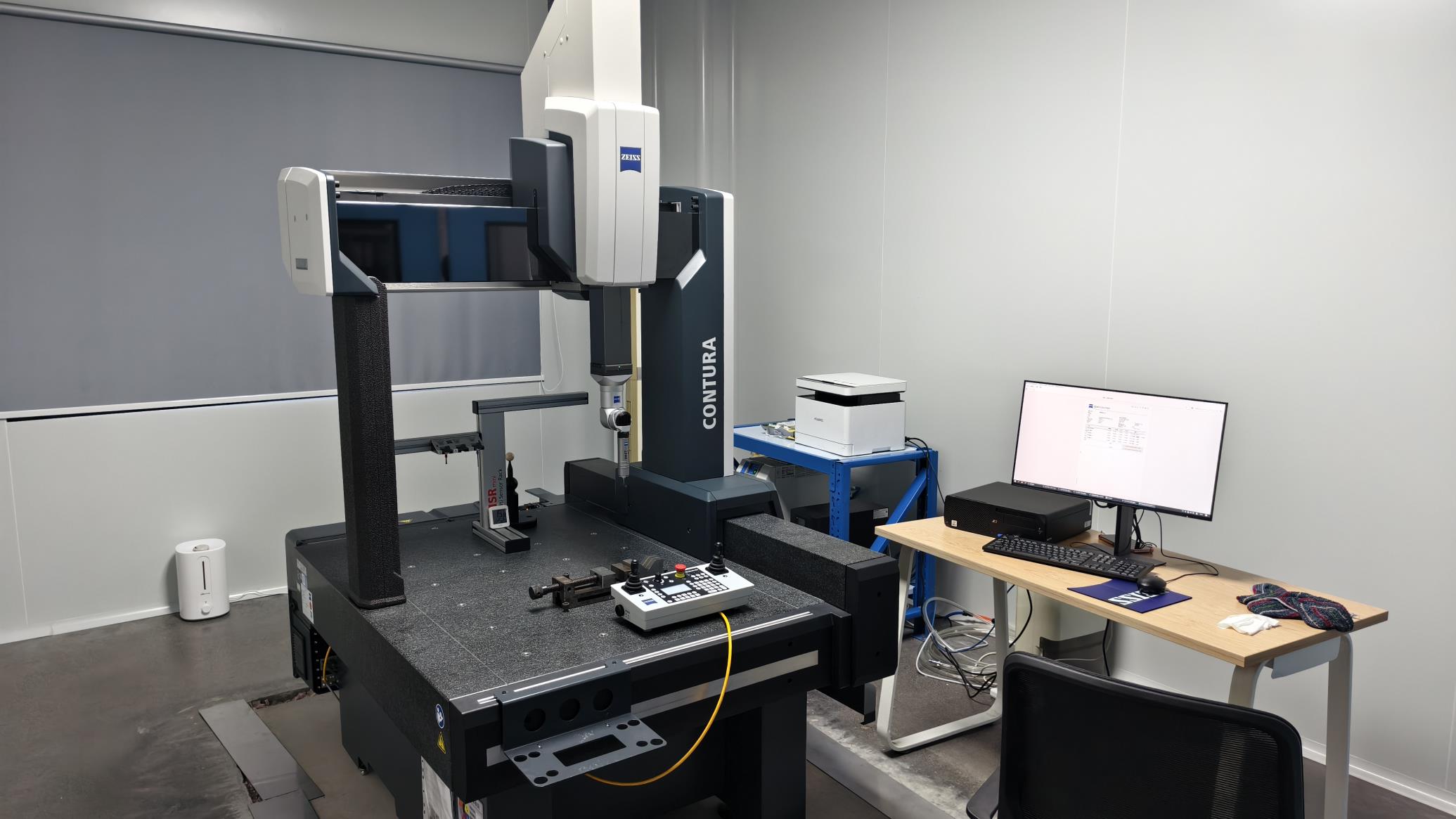
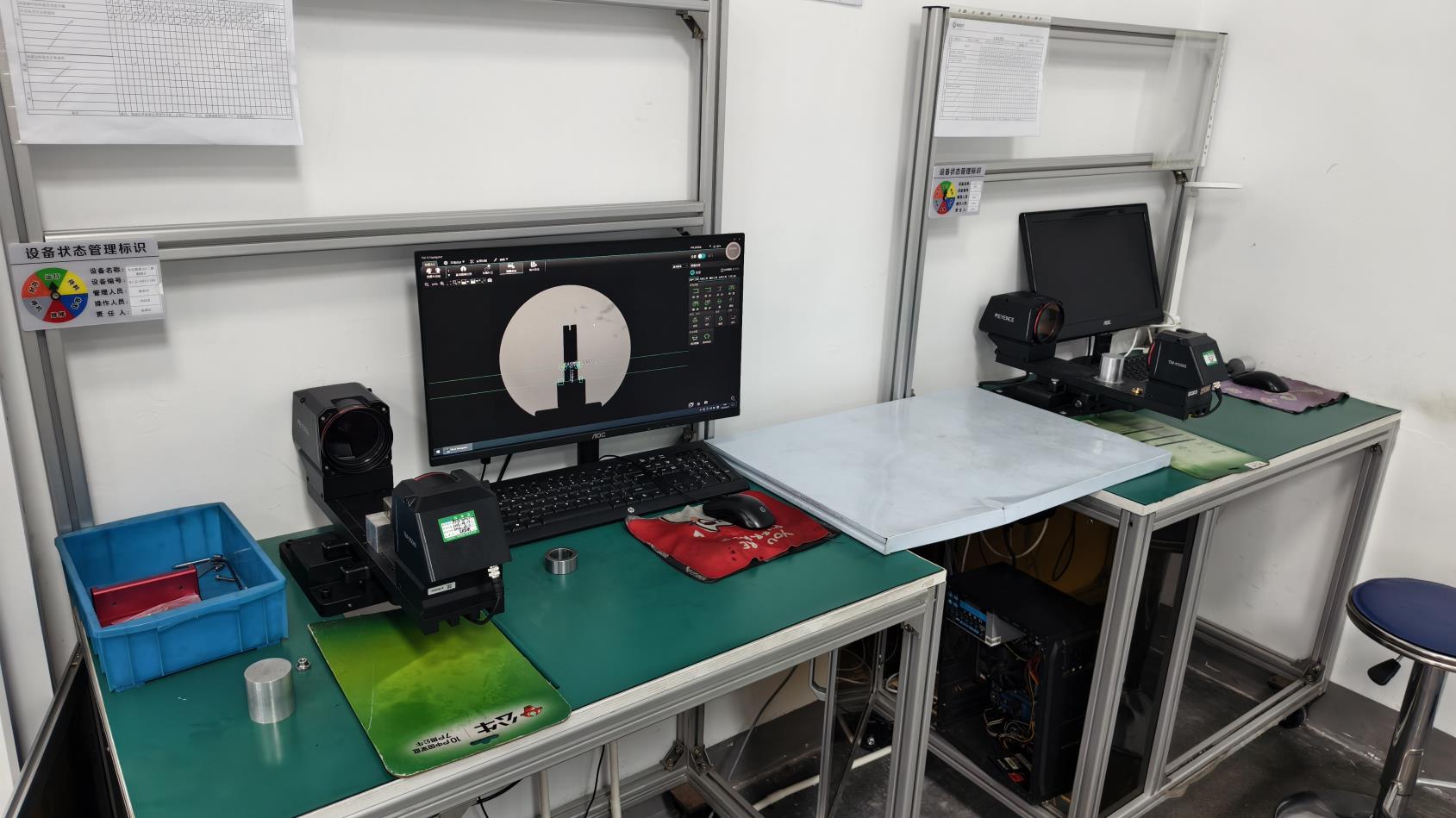
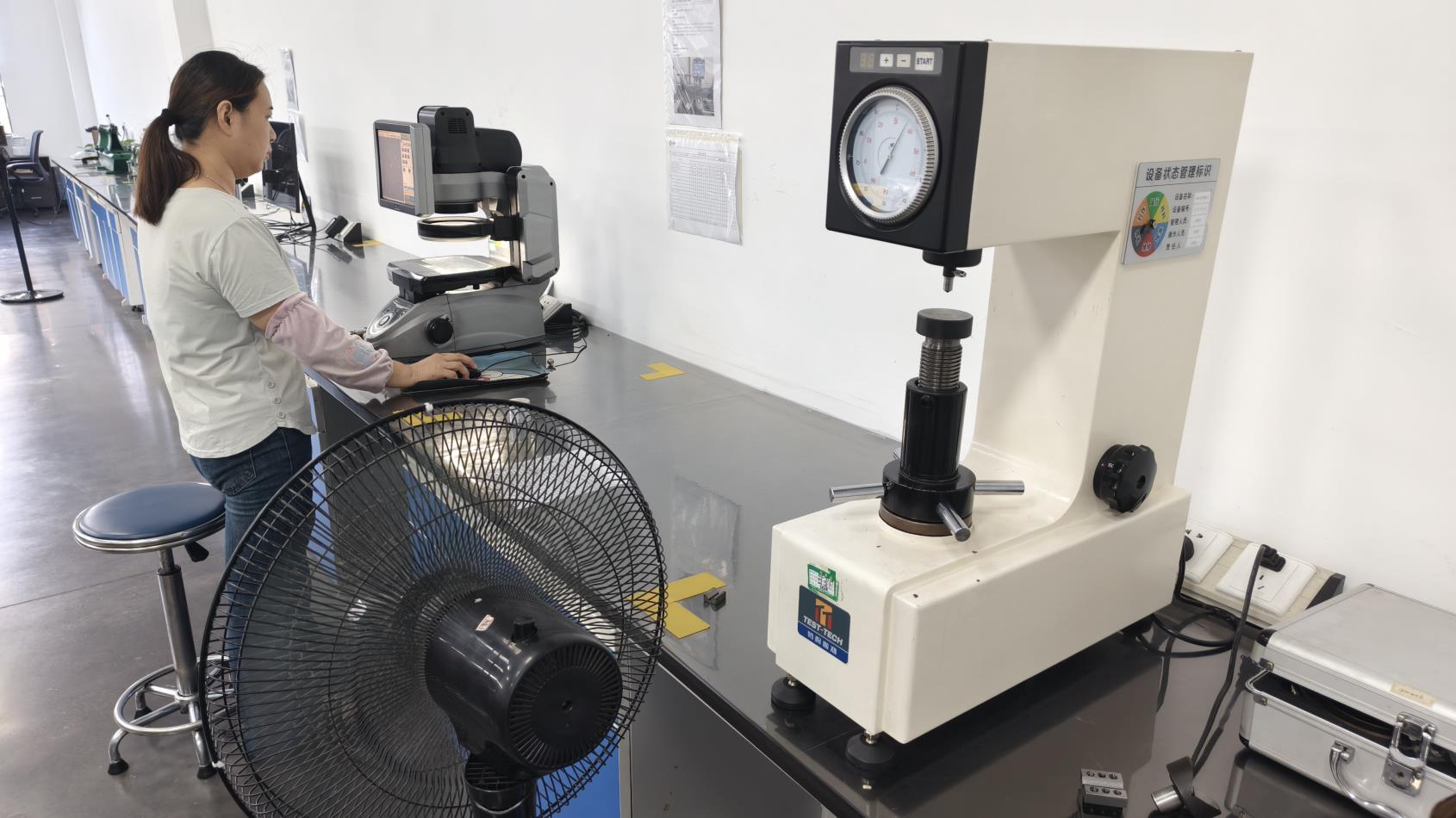
Modern medical manufacturing requires strict repeatability. The Chinese orthopedic industry has transitioned from manual processing to Factory 4.0 models. Moventra uses high-precision tooling and computerized logistics management to guarantee consistency across multi-thousand-unit production runs.
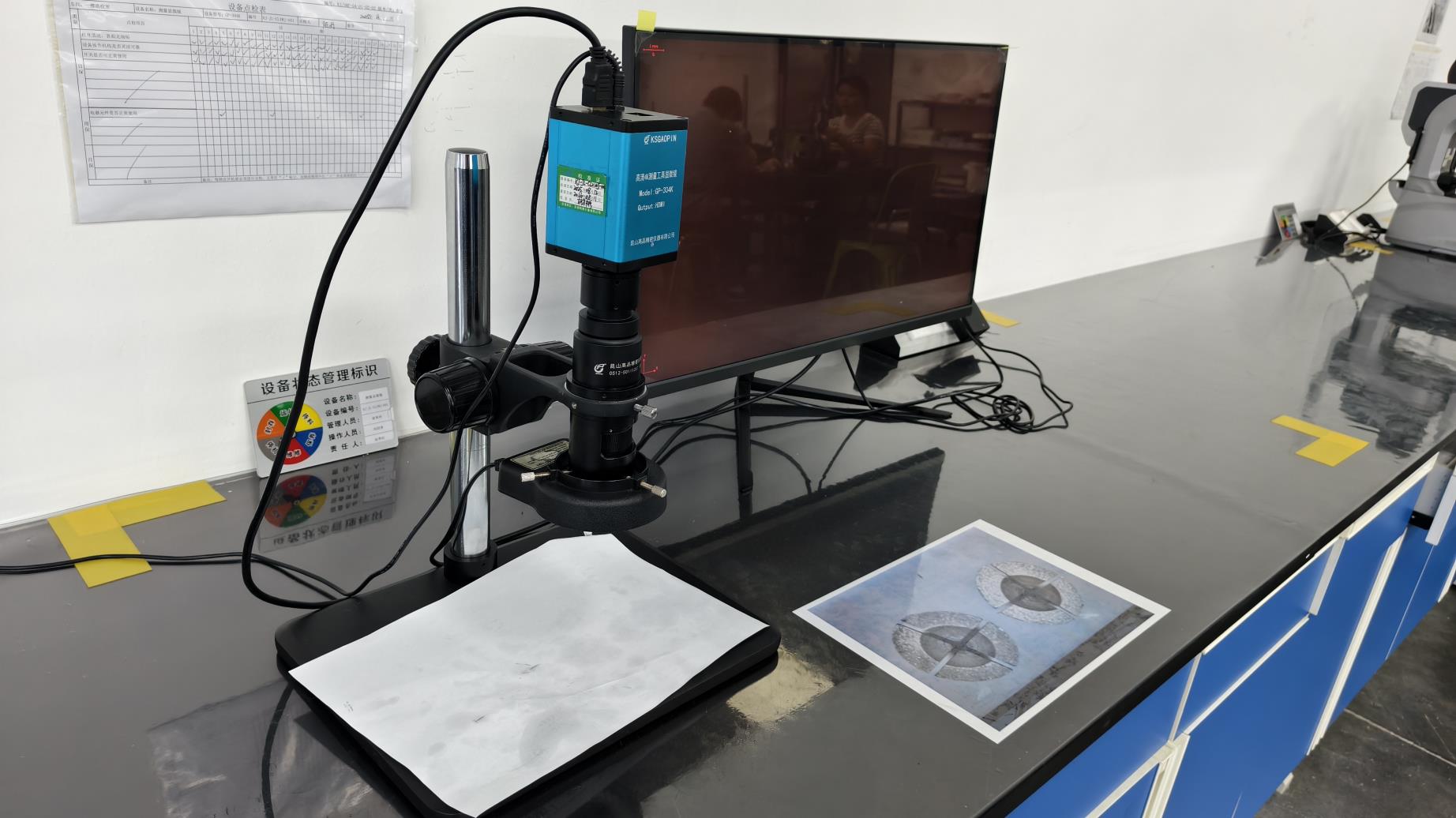
Key manufacturing steps include Swiss-type turning, multi-axis milling, surface processing, and dimensional verification inside temperature-regulated inspection facilities. Below is an inside look at our advanced manufacturing lines:

PLIF PEEK cages are engineered to restore intervertebral height, normalize spinal lordosis, and decompress neural pathways. Standard application scenarios include:
Expert technical insights regarding sourcing and specifying PLIF PEEK cages.
Explore our line of trauma, joint fixation, and surgical tool kits.
 Moventra Medical