Explore our elite portfolio of high-precision orthopedic implants, surgical tools, and structural revision components engineered for severe bone defects and soft tissue reconstruction.
Revision Knee Arthroplasty (RKA) represents one of the most complex, demanding disciplines within orthopedic joint reconstruction. Unlike primary Total Knee Arthroplasty (TKA), where healthy bone stock and intact ligamentous structures provide a predictable baseline, revision surgeries are defined by dynamic variables: severe osteolysis, compromised collateral ligaments, mechanical instability, aseptic loosening, and periprosthetic joint infection (PJI). As patient life expectancy rises and younger, more active cohorts receive primary implants, the global clinical demand for durable, modular, and biomechanically sound revision knee systems has reached an unprecedented scale.
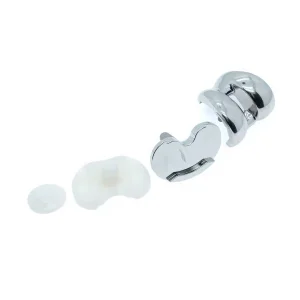
From an orthopedic engineering perspective, a revision knee prosthesis must provide flexible constraint levels (ranging from Posterior Stabilized [PS] to Condylar Constrained Knee [CCK], up to fully constrained Rotating Hinge systems) while accommodating unpredictable bone loss through modular extensions, such as tibial and femoral stems, metal augments, and metaphyseal sleeves. The ability to customize intraoperatively allows orthopedic surgeons to adapt to real-time clinical challenges, ensuring stable biological or cement-based fixation even in the presence of Anderson Orthopaedic Research Institute (AORI) Type II or Type III bone defects.
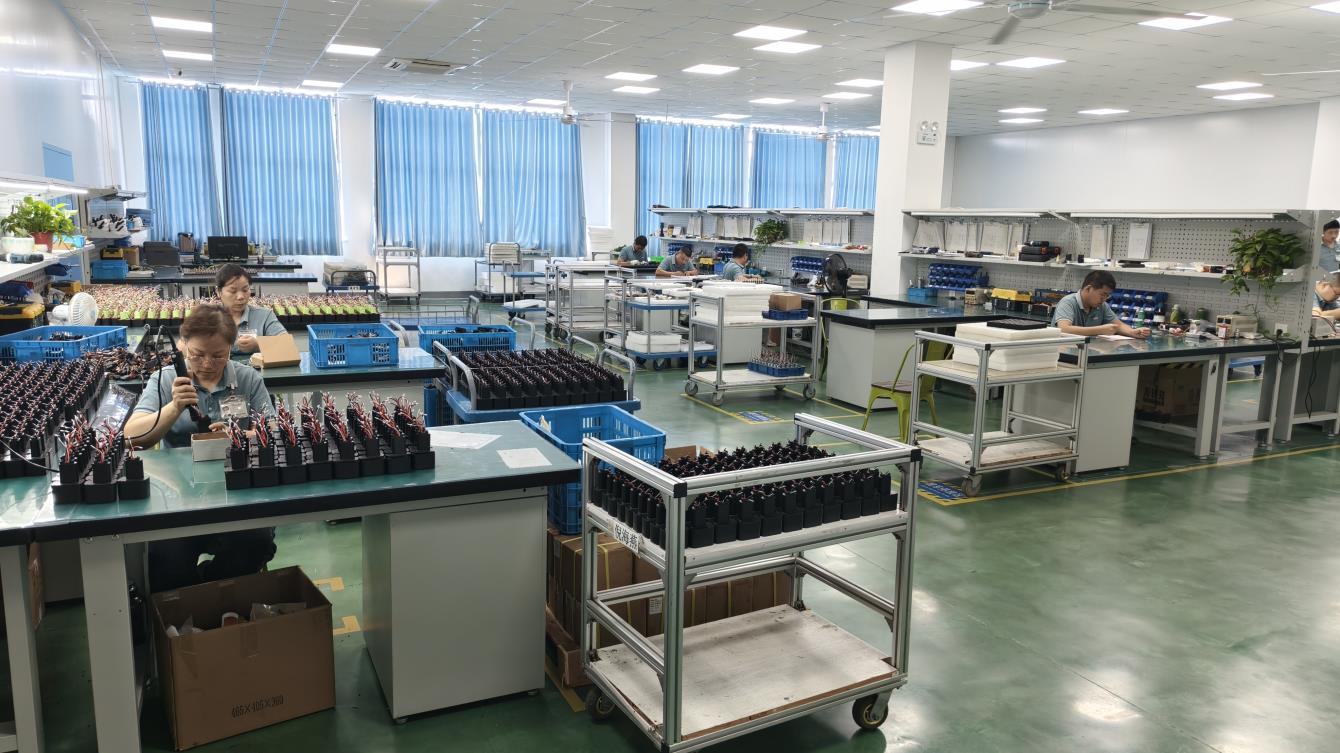
Moventra Medical Technology (China) Co., Ltd. is a professional manufacturer specializing in the research, development, production, and global supply of orthopedic medical devices and surgical solutions. Established in 2017, the company is dedicated to delivering innovative, high-quality products for trauma, spine, joint reconstruction, sports medicine, and orthopedic surgical procedures.
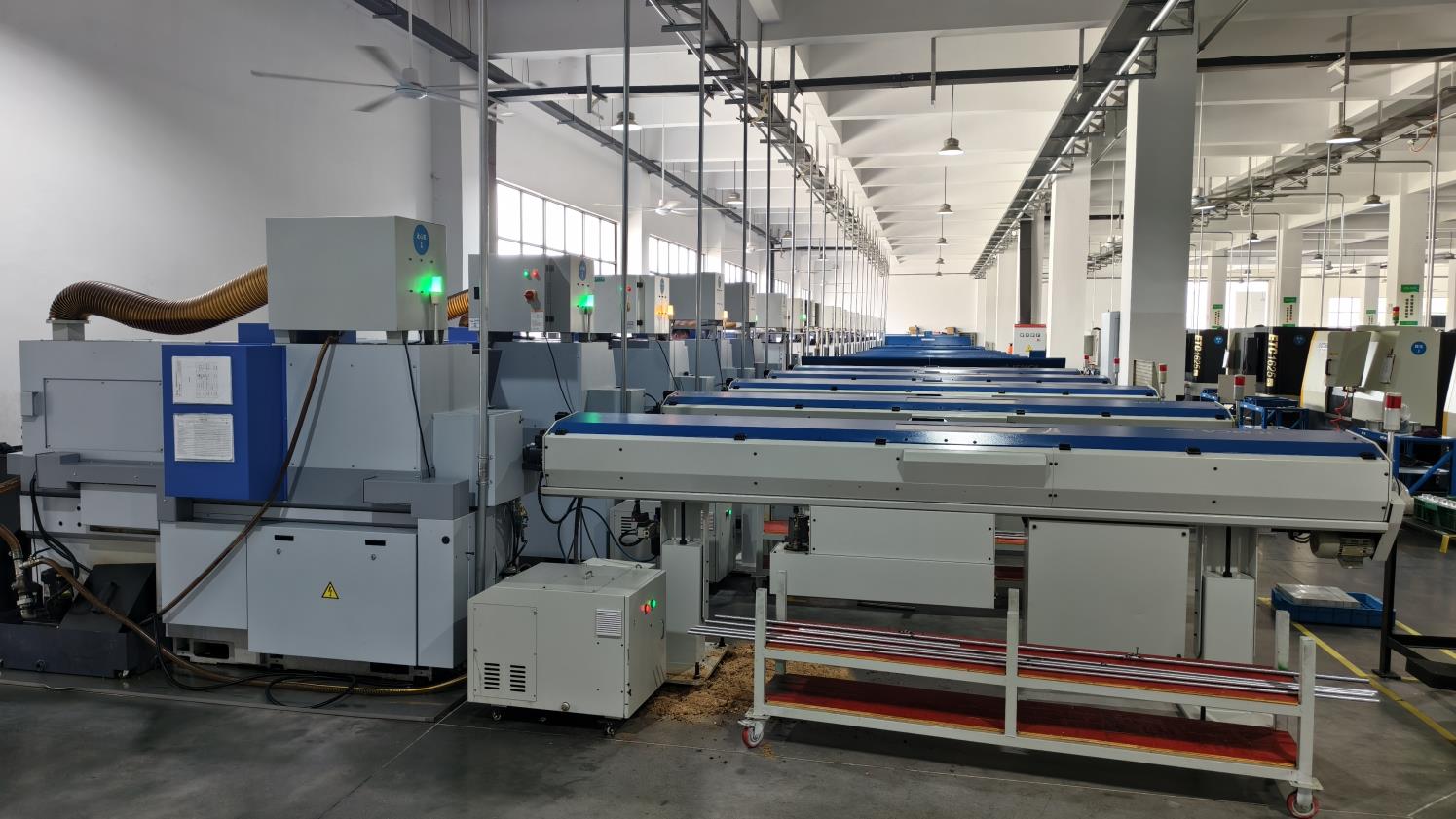
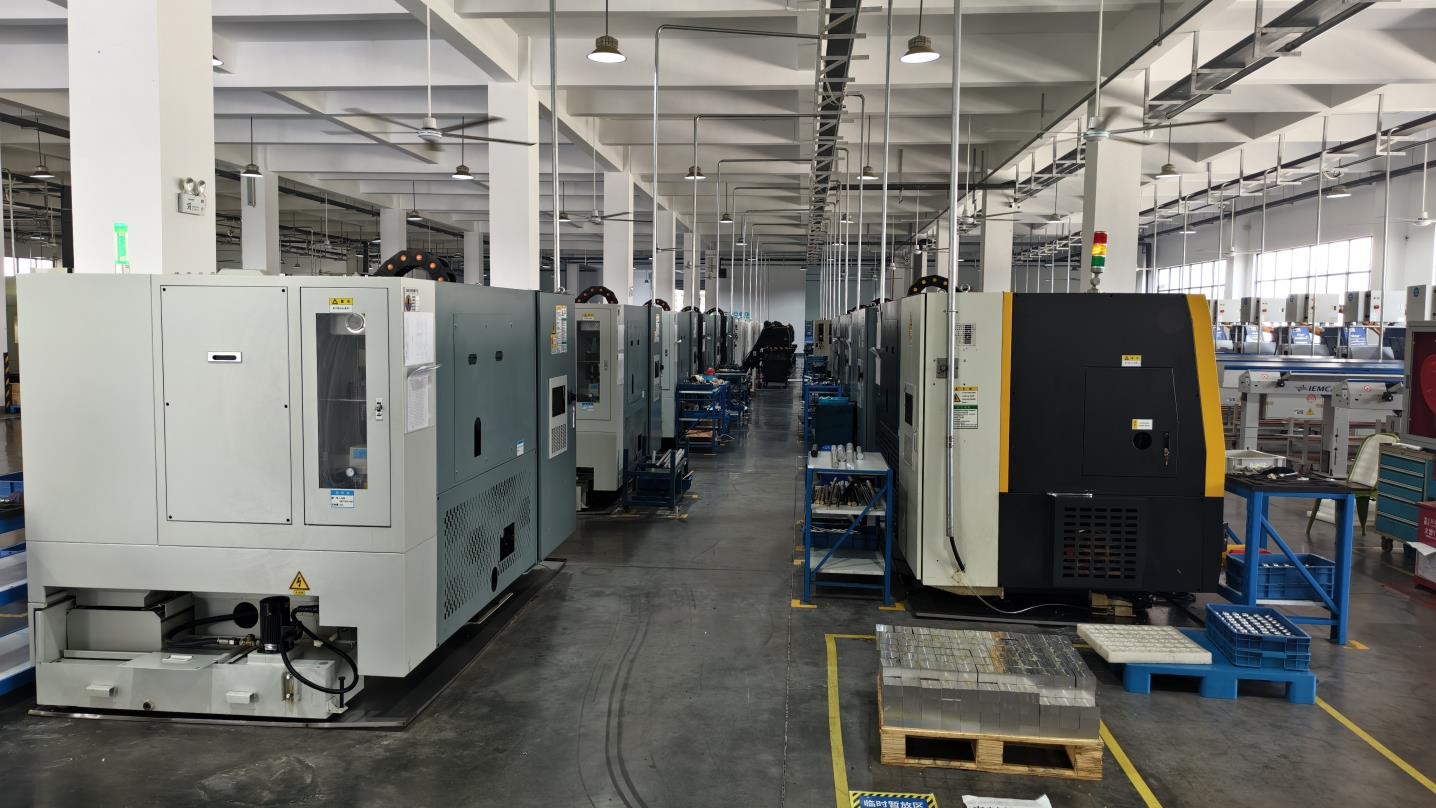
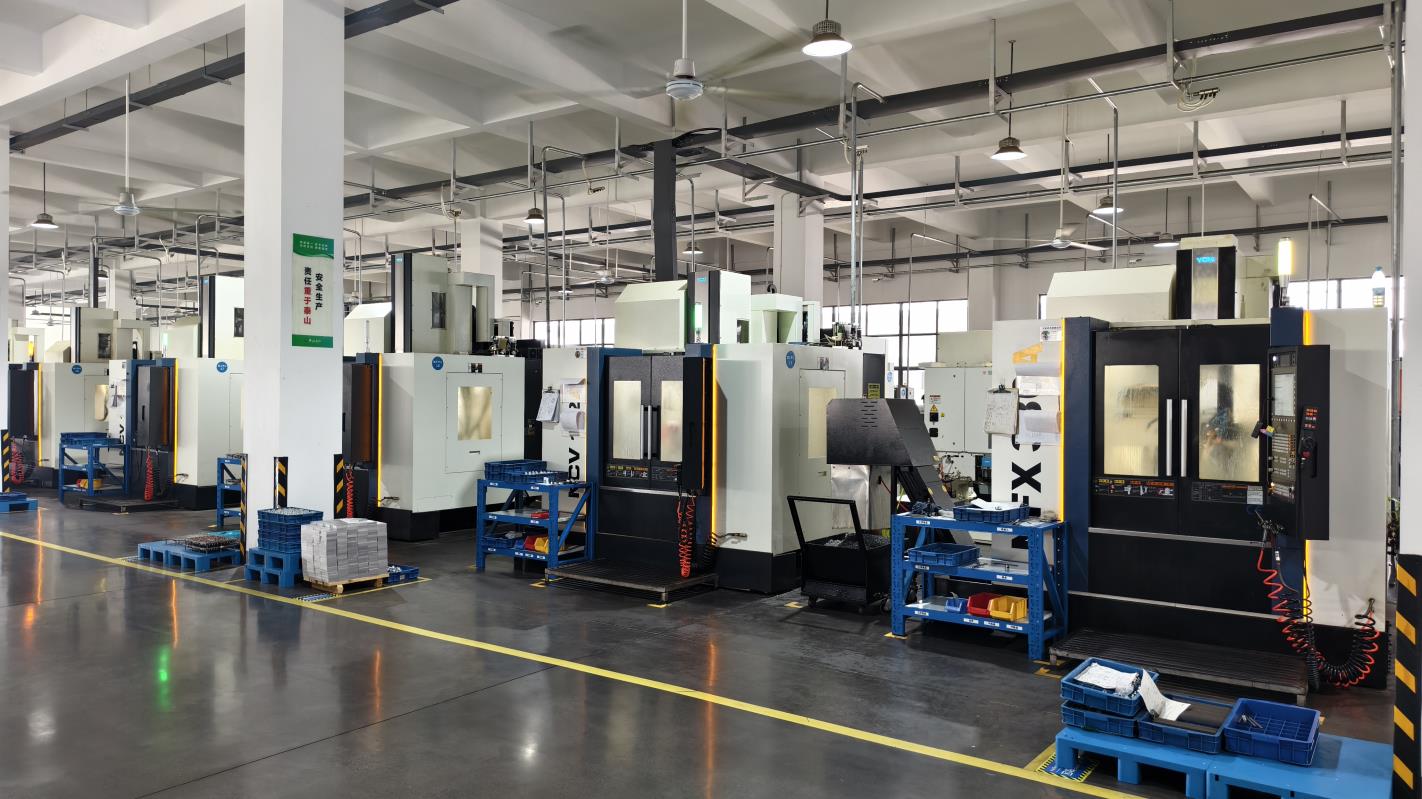
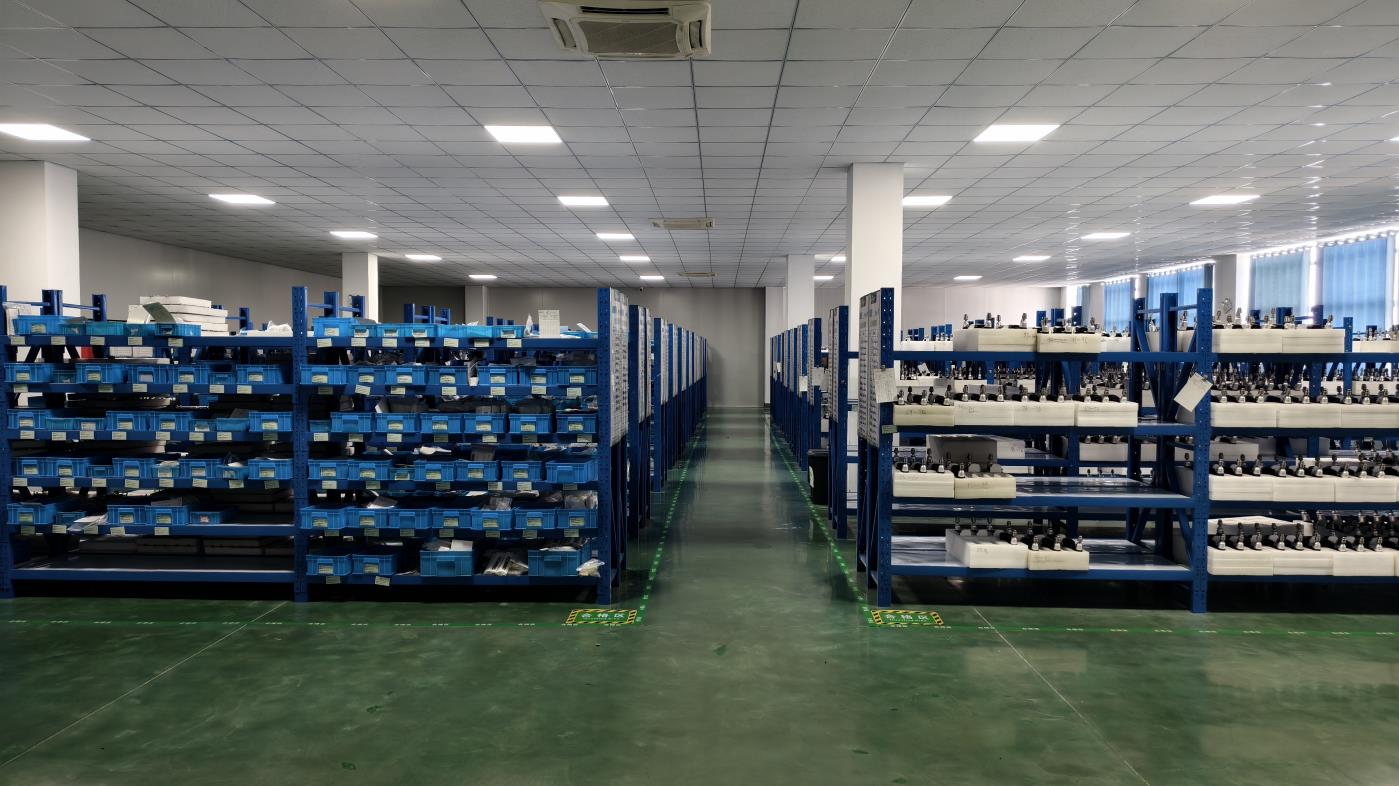
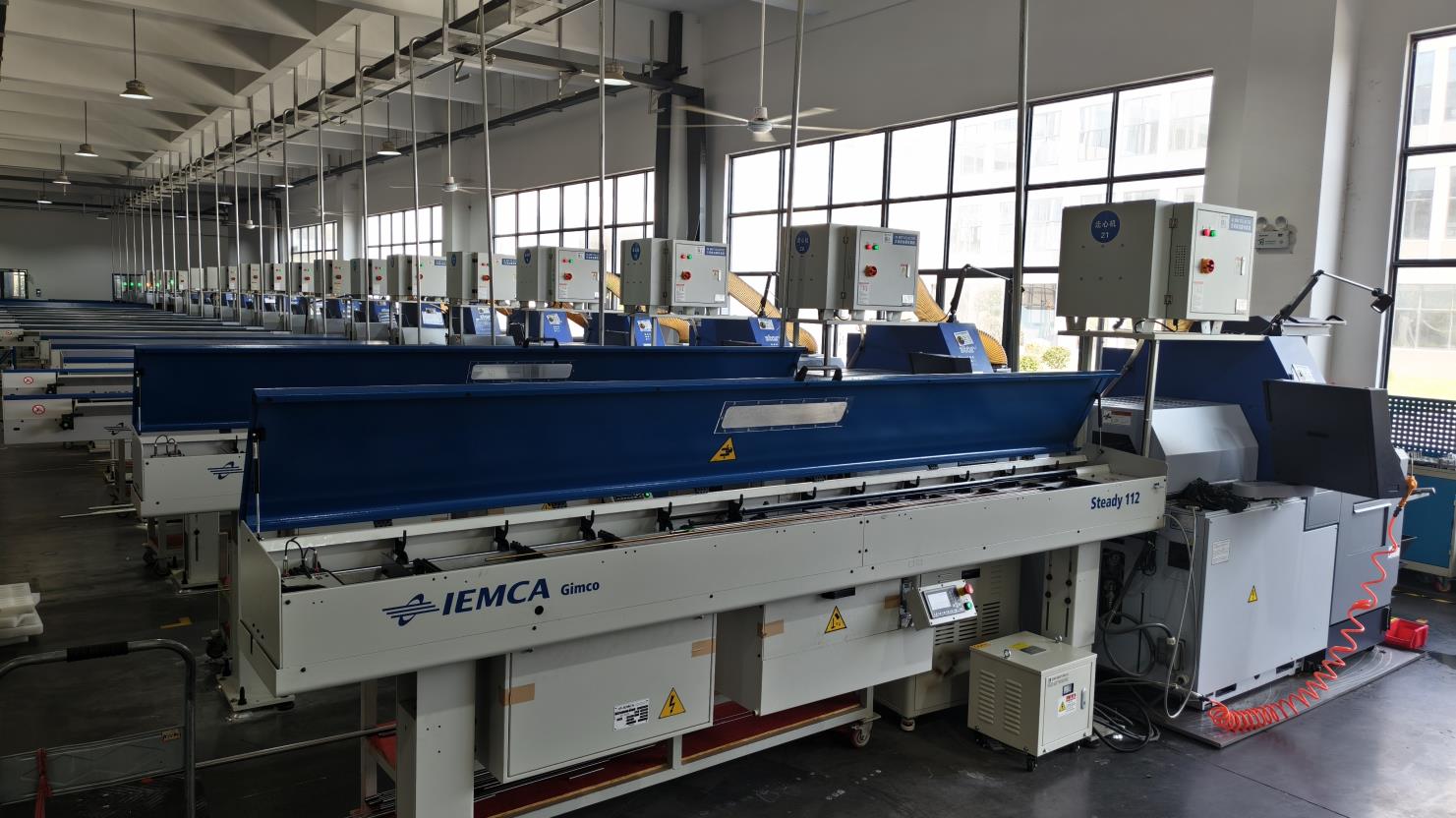
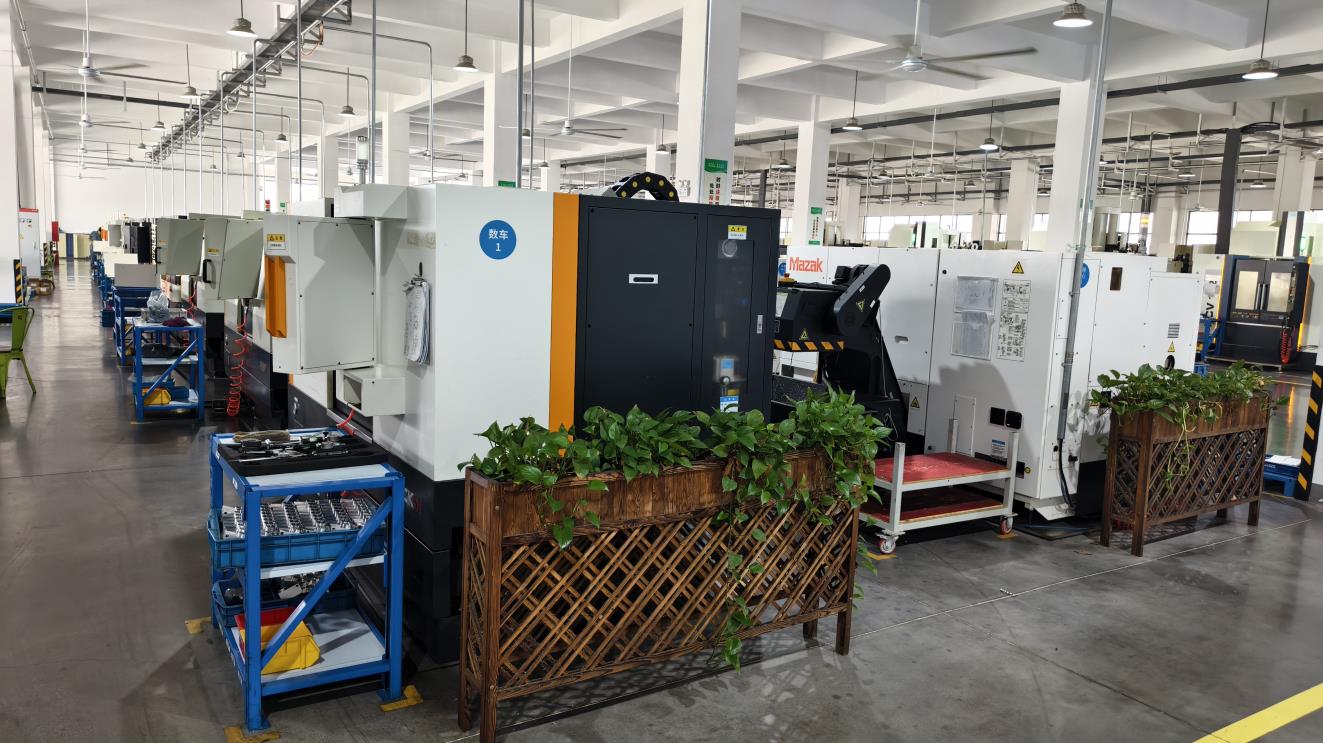
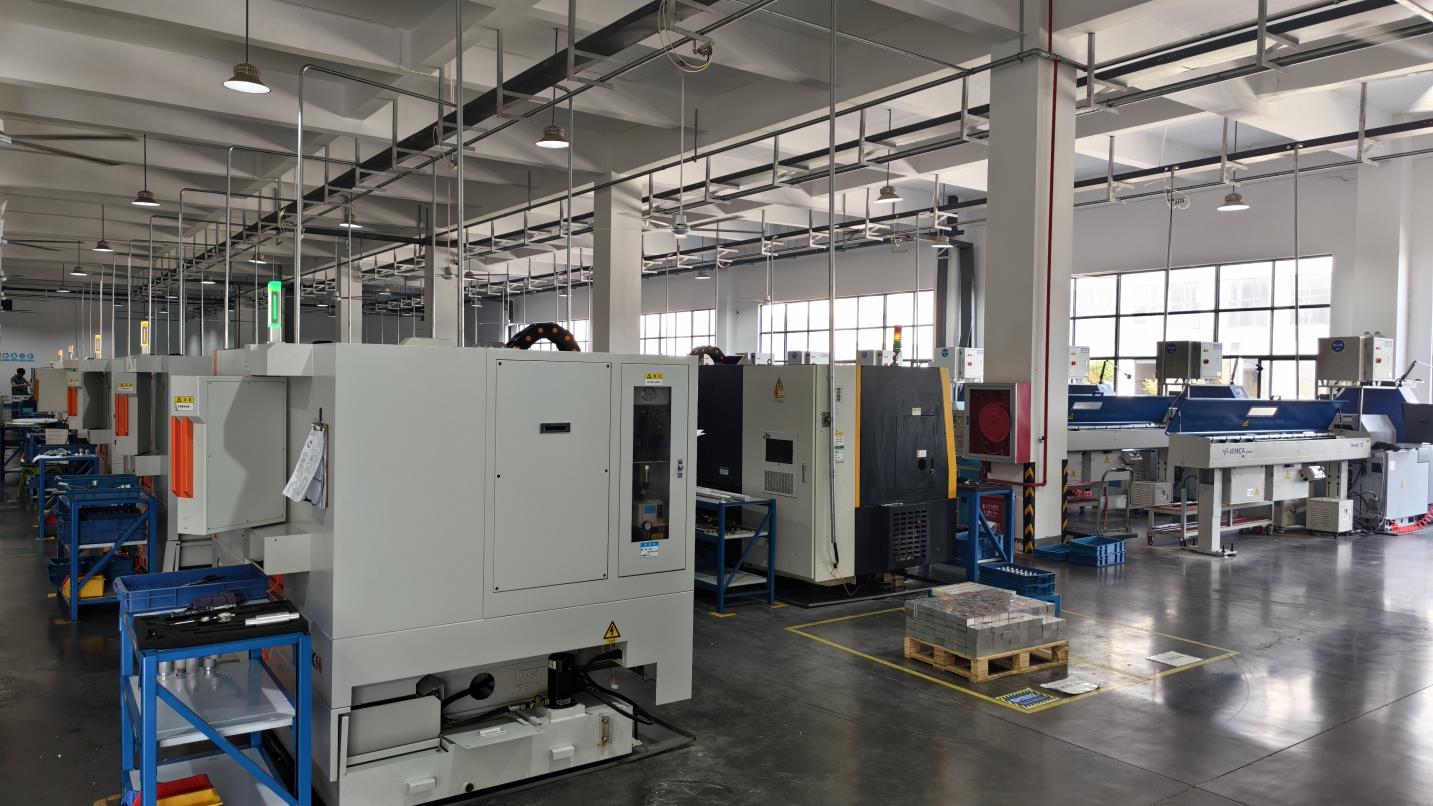
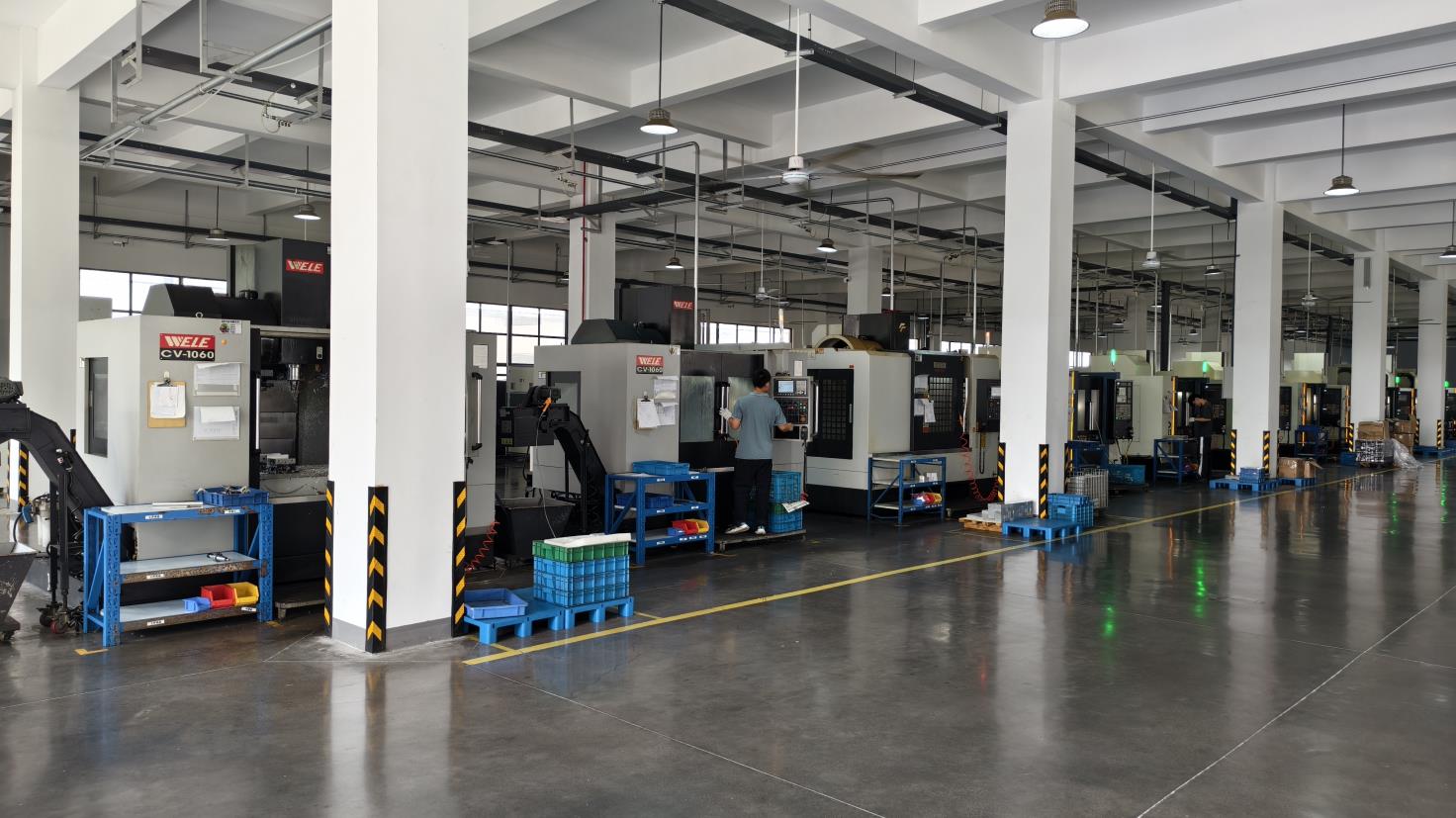
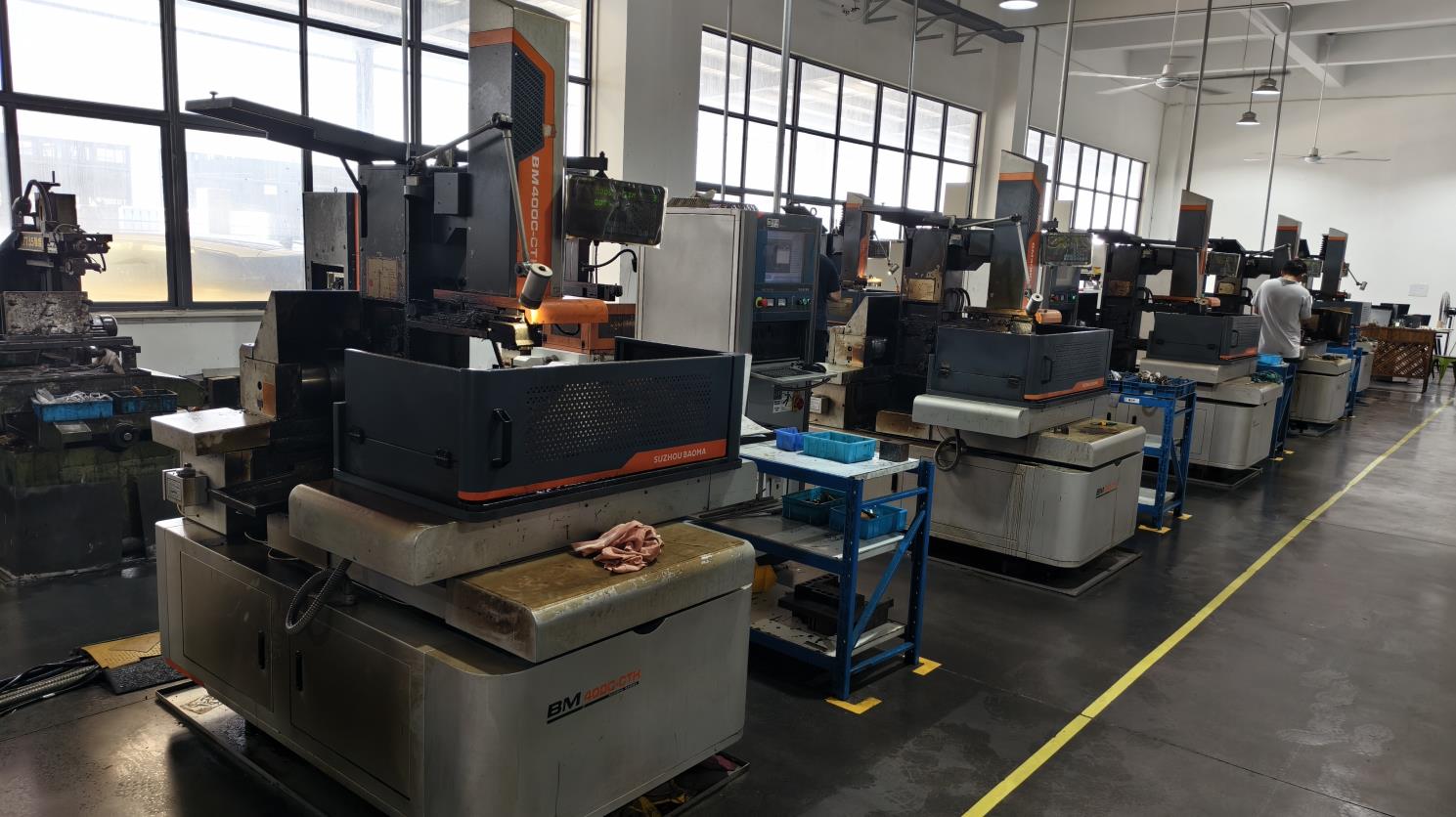
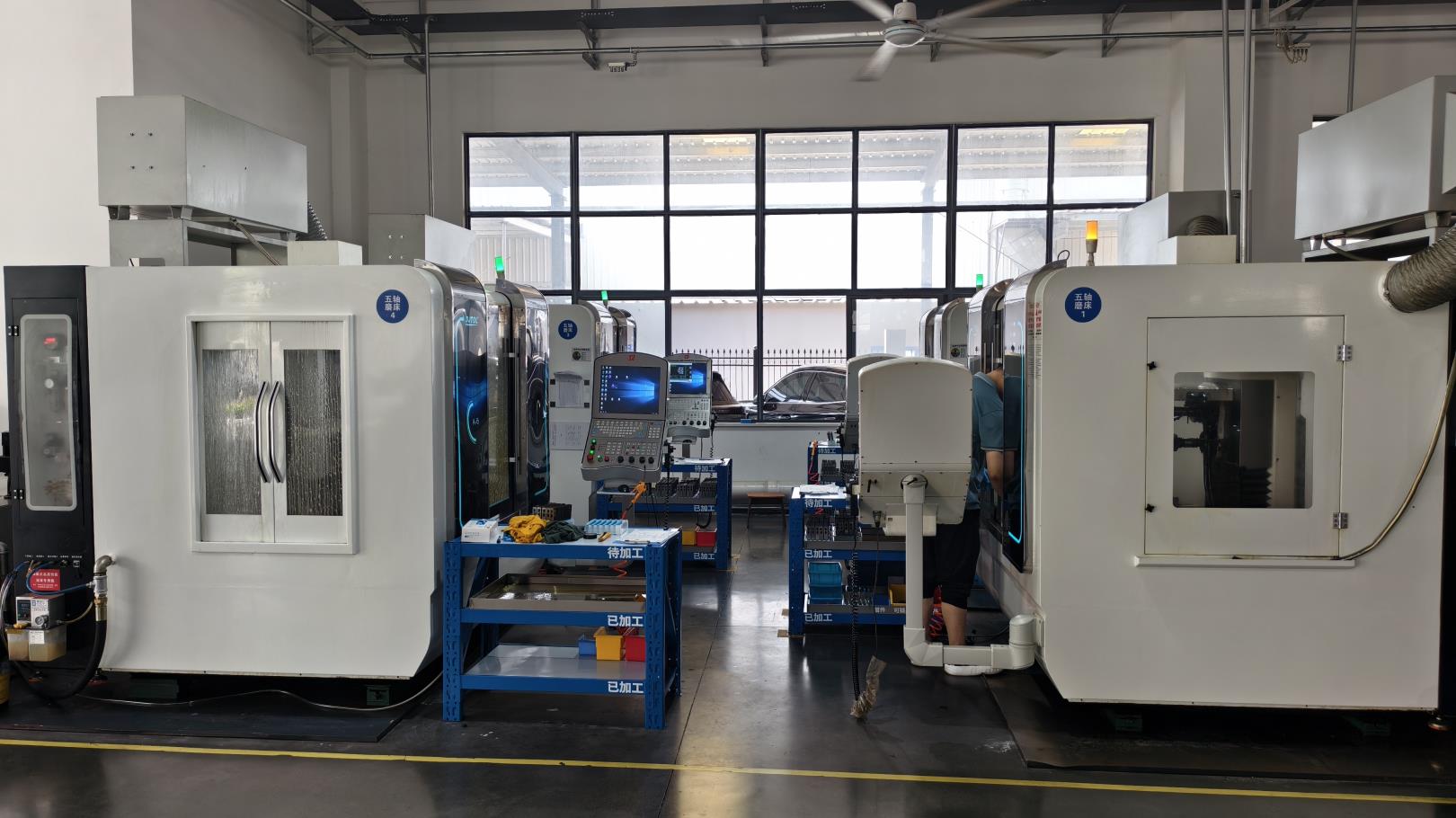
With a modern manufacturing facility covering 18,600 m², Moventra integrates advanced CNC machining, precision manufacturing, automated production lines, and strict quality management systems to ensure every product meets international medical standards. Our commitment to continuous innovation enables us to provide reliable OEM and ODM services for global medical device brands, distributors, and healthcare institutions.
Supported by an experienced R&D team and comprehensive quality assurance system, Moventra continuously develops innovative orthopedic solutions that improve surgical efficiency and patient outcomes. Our products are exported to customers worldwide and are trusted for their precision, safety, and consistent performance.
| Item Details | Specifications & Capabilities |
|---|---|
| Company Name | Moventra Medical Technology (China) Co., Ltd. |
| Brand | Moventra |
| Established | 2017 |
| Facility Area | 18,600 m² |
| Annual Export Revenue | USD 23.8 Million |
| Export Experience | 7 Years |
| Industry Experience | 13 Years |
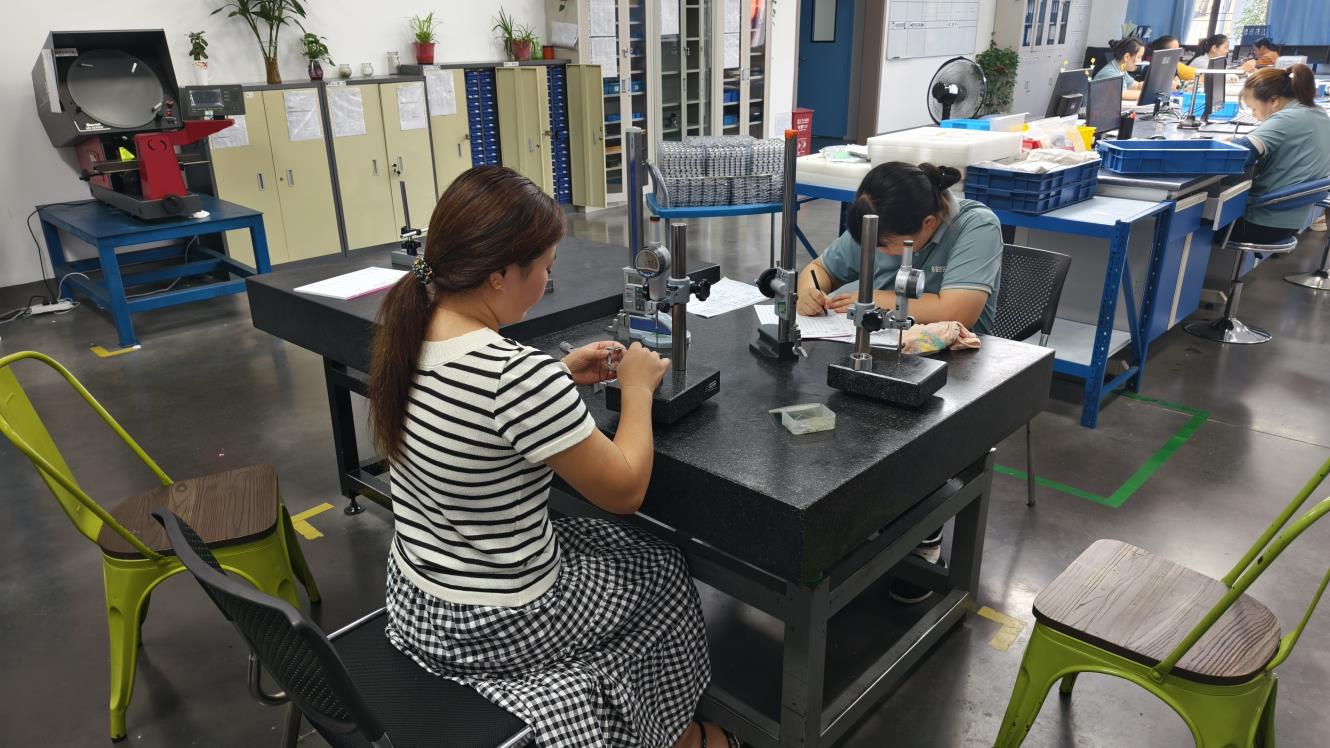
| Quality Inspection | 100% Quality Inspection Before Shipment |
| Product Inspection Methods | Dimensional Inspection, Material Analysis, Surface Finish Inspection, Mechanical Performance Testing, Sterility Verification |
| Quality Control Staff | 48 |
| Business Type | Manufacturer, OEM & ODM, Exporter |
| Main Markets | North America, Europe, South America, Middle East, Southeast Asia, Australia |
| Supply Chain Partners | 1,120 |
| Main Customer Types | Medical Device Brands, Orthopedic Distributors, Hospitals, Importers, Government Procurement Projects |
| R&D Capability | Independent Product Design, Rapid Prototyping, OEM/ODM Development, Customized Engineering Solutions |
| Customization Options | Logo Customization, Packaging Customization, Product Design Customization, Drawing-Based Manufacturing, Sample-Based Manufacturing |
| New Products Released Last Year | 156 |
| R&D Engineers | 86 |
Adapting to the future of orthopedic biomechanics through additive manufacturing, custom metallurgy, and digitized pre-operative planning.
Additive manufacturing via selective laser melting (SLM) allows for the development of high-porosity trabecular titanium coatings. These structures mimic the elasticity and structural density of cancellous bone, significantly reducing stress shielding and accelerating biological osseointegration.
Periprosthetic joint infection (PJI) is a primary reason for early revision failures. Future-proof revision prostheses feature surface coatings functionalized with silver nanoparticles, copper ions, or localized antibiotic-eluting matrices to suppress biofilm formation without compromising cell viability.
Integrating micro-sensors into the tibial insert represents the next frontier in postoperative joint monitoring. Real-time data on contact pressure, joint balancing, wear rate, and temperature alerts clinicians to early-stage micromotion and mechanical imbalances before clinical failure manifests.
Orthopedic surgeons require implants that accommodate unpredictable internal environments. Our modular revision knee systems are designed to address the challenges outlined in the AORI classification system. By offering customizable options for both femoral and tibial segments, these implants ensure stability and long-term performance.
AORI Class I (Intact Metaphyseal Bone): For minor bone loss where the joint line is easily restorable, our modular systems utilize minor bone graft options or minimal augment adjustments. Stable primary-style designs with stem extensions are usually sufficient.
AORI Class II (Damaged Metaphysis / Cavitary or Segmental Loss): Requires structural restoration. By using modular tibial and femoral metal augments (thick blocks, wedges, and distal/posterior femoral spacers), surgeons can reconstruct the original articular line, protecting structural stability under cyclic weight-bearing stresses.
AORI Class III (Severe Metaphyseal Deficiency / Collateral Ligament Laxity): Requires robust support systems, including metaphysical sleeves, highly porous cones, or fully constrained rotating hinge knee (RHK) systems. These components redirect physiological loads away from compromised bone segments and transfer them directly into the diaphyseal canal via cemented or press-fit stems.
How advanced automation and strict material standards form the foundation of Moventra's global export capacity.
We source top-tier Cobalt-Chromium-Molybdenum (CoCrMo - ASTM F75) for high wear-resistance joint surfaces, and Titanium Alloy (Ti6Al4V ELI - ASTM F136 / ISO 5832-3) for stem extensions to match the natural flexibility of bone. Bearing components are machined from Ultra-High Molecular Weight Polyethylene (UHMWPE - ISO 5834-2), offering low friction and high longevity.
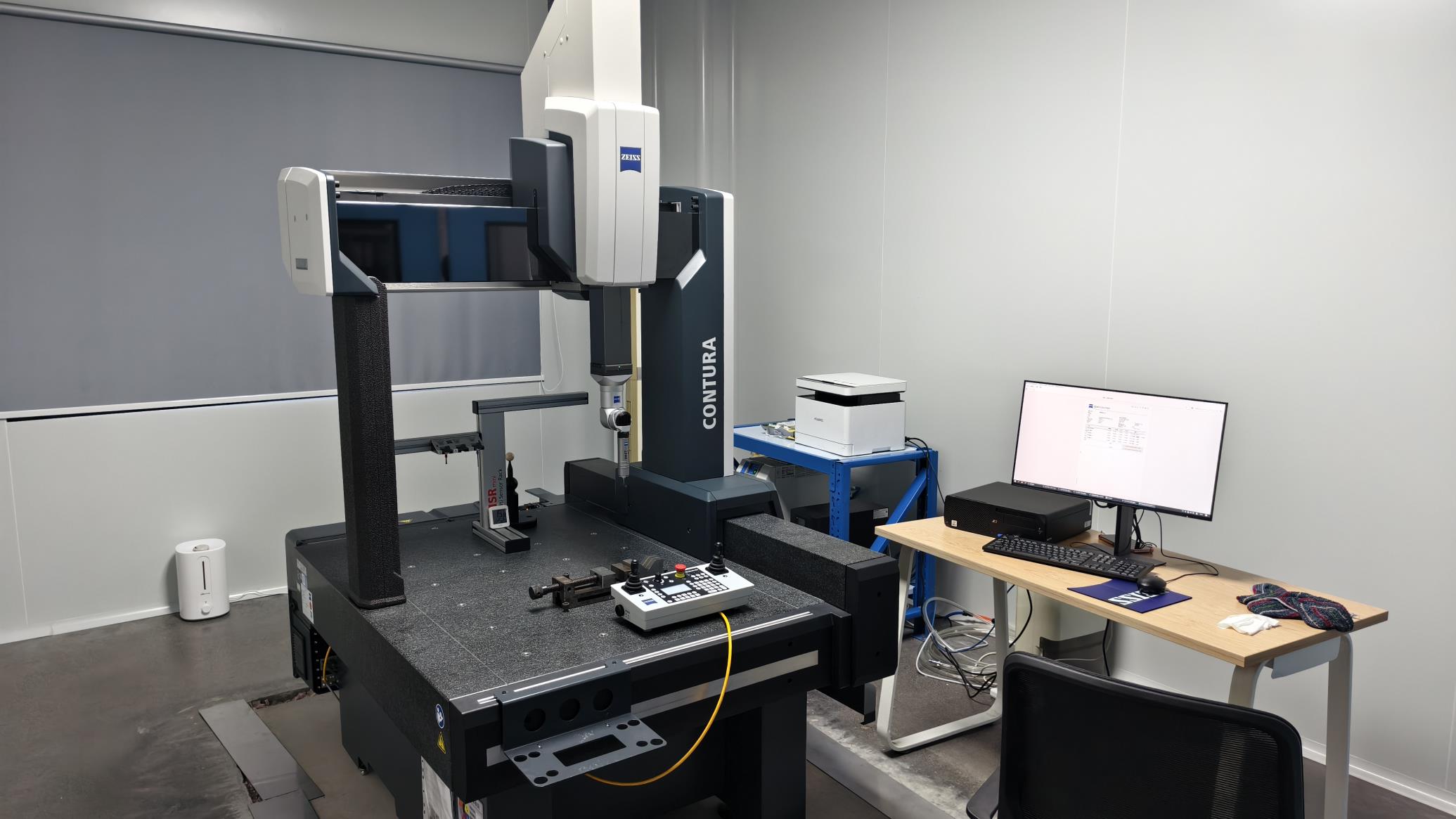
Our facility houses 5-axis CNC machining centers, Swiss-type high-speed lathes, and precise electrical discharge wire-cutting equipment. This machinery operates with structural tolerances within single-digit micrometers, ensuring secure taper locks between modular components.
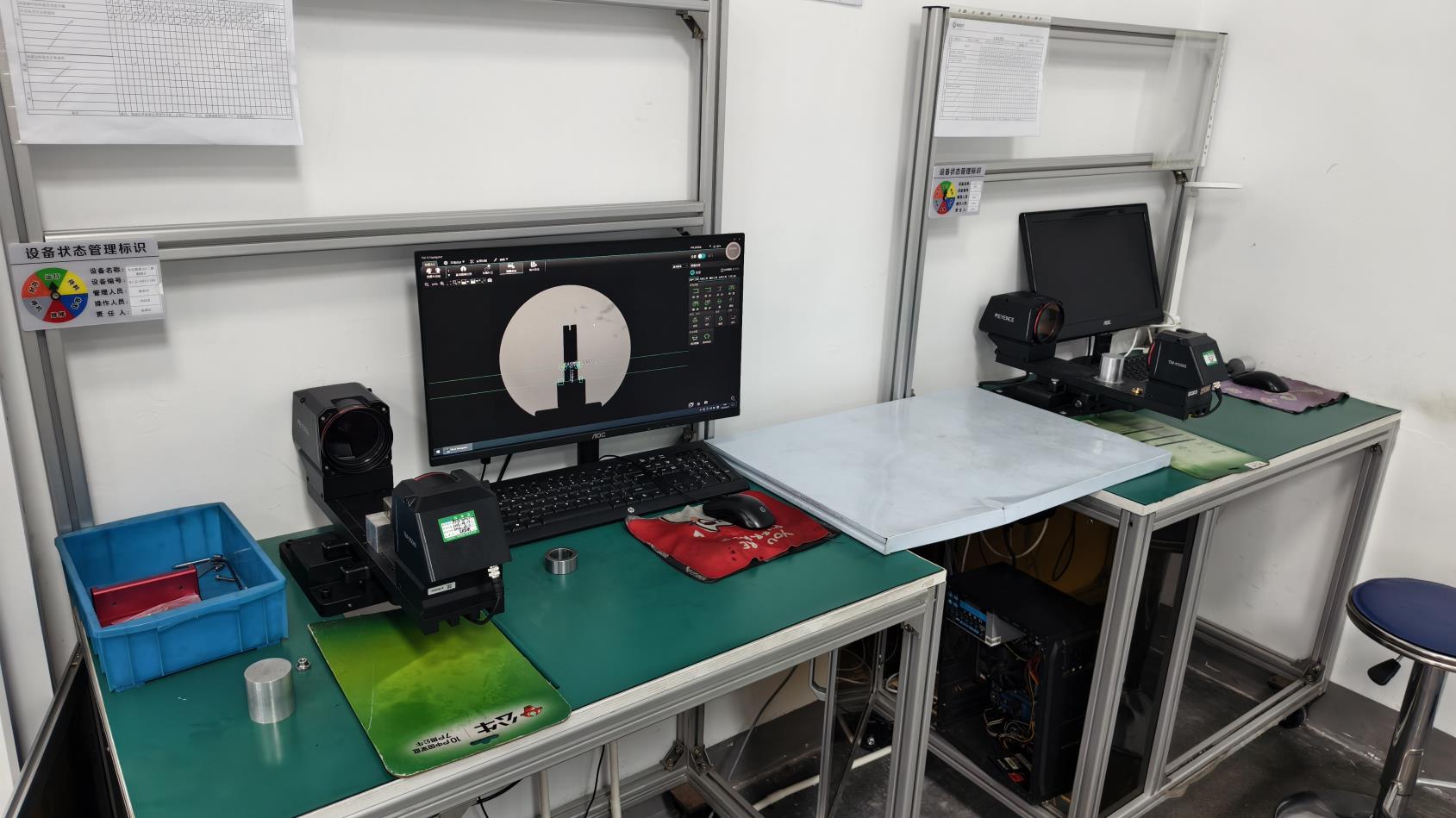
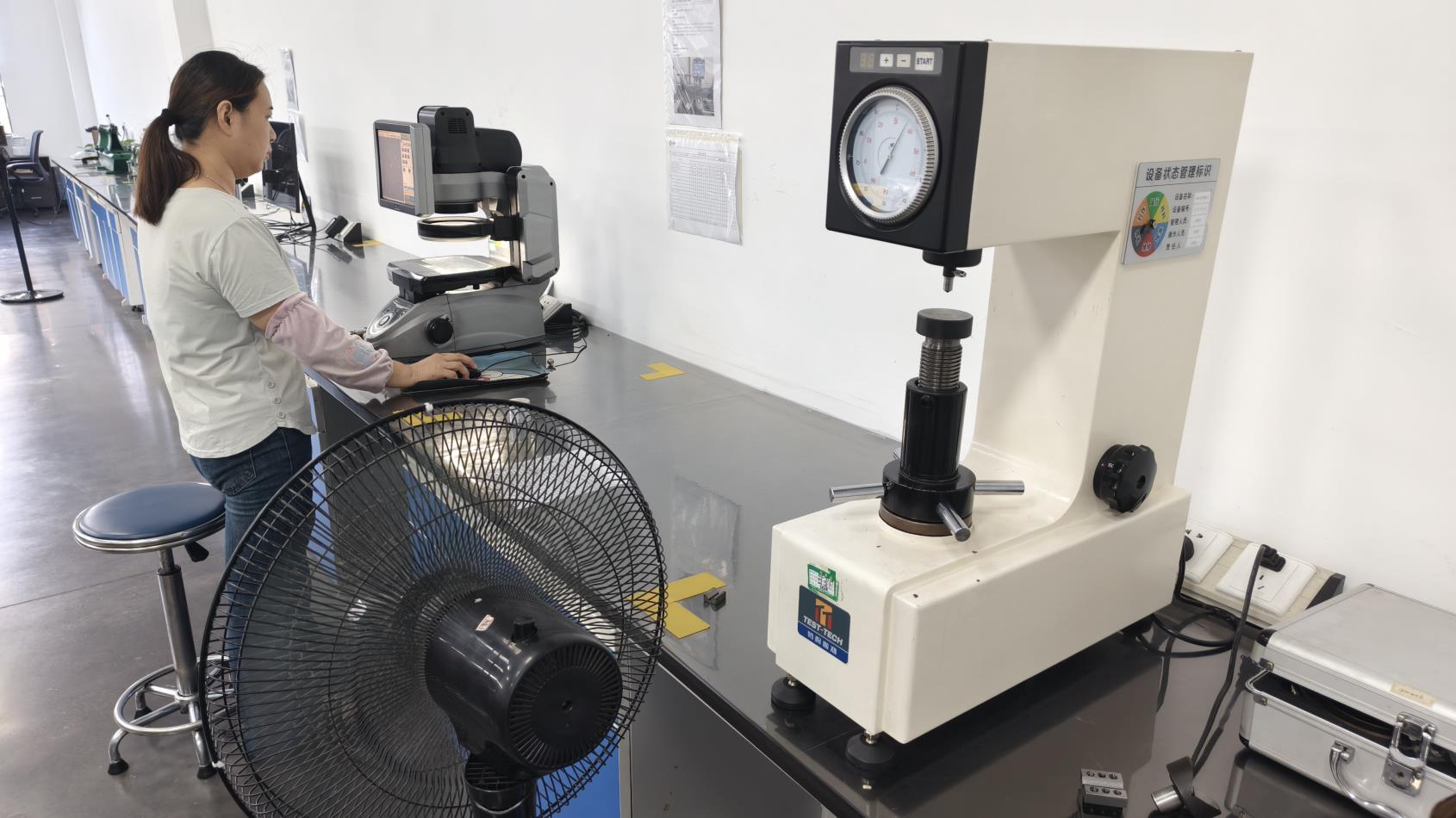
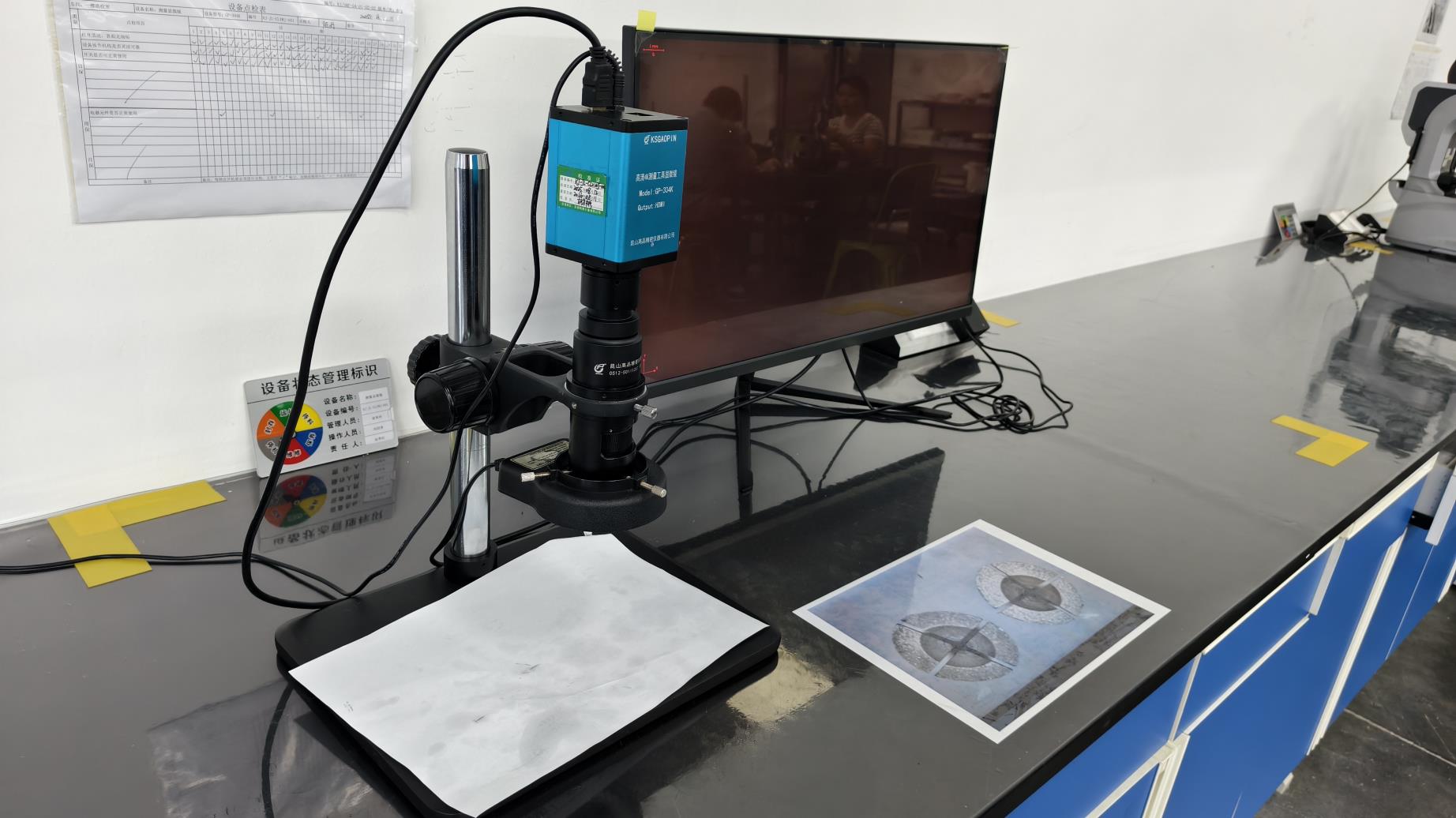
All finished products undergo non-destructive inspection (NDT), coordinate metrology validation, surface roughness mapping, and fatigue testing under simulated physiological loads. Cleanrooms operating under ISO Class 7/8 classifications prepare implants for sterile packaging.
Navigating global healthcare markets requires strict compliance with regulatory standards. Moventra's manufacturing pathways align with international standards, ensuring smooth customs clearance and market entry:
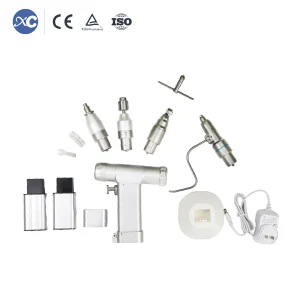
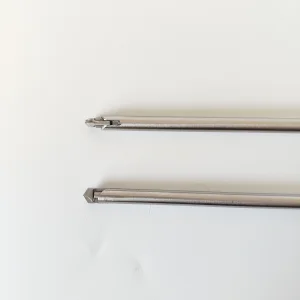
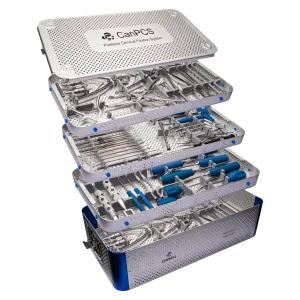
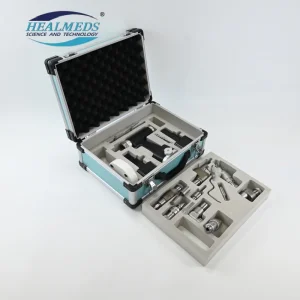
Successful revision knee surgeries require accurate, reliable instrumentation. We provide specialized trial sets and surgical instruments alongside our implants, ensuring orthopaedic surgeons can verify size, alignment, and ligament balance before implanting the final components.
We work closely with local distributors, hospital systems, and procurement agencies. By supplying comprehensive CAD files, surgical manuals, step-by-step videos, and hands-on training materials, we ensure surgical teams have the support needed for successful implant procedures.
Modern hospital purchasing managers, medical device brands, and international distributors face high cost pressures, supply chain disruptions, and shifting regulatory demands. Sourcing revision knee prostheses from a reliable Chinese manufacturer like Moventra offers strategic advantages:
Advanced Chinese manufacturing facilities help lower production costs without sacrificing raw material quality or mechanical precision. This enables healthcare networks to manage joint reconstruction expenses effectively.
With 86 R&D engineers, we customize implants and instruments to target specific anatomical variations, custom branding requirements, or unique regional clinical preferences.
Backed by over 1,120 supply chain partners, our 18,600 m² factory maintains steady production schedules to avoid backorders on critical implant sizes.
Clinical, technical, and procurement answers for orthopedic professionals and purchasing managers.
Select from our specialized line of cutting tools, casting systems, plate constructs, and knee arthroplasty components.
 Moventra Medical