Highly engineered precision systems designed to streamline complex arthroplasty, trauma, and spinal stabilization protocols.
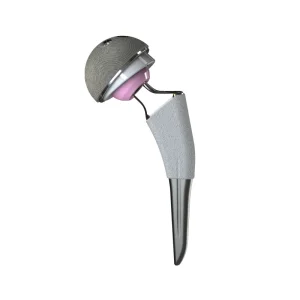
The global orthopedics market has witnessed a significant structural transition in joint reconstruction, driven by an aging global population, rising active-life expectancy, and shifting dynamics in osteoporotic fracture management. The Bipolar Hip Prosthesis has solidified its clinical positioning as a primary selection for hemiarthroplasty procedures, specifically in treating displaced intracapsular femoral neck fractures (Garden Classification Stage III and IV) in elderly patients.
Unlike unipolar components that interface directly with the natural acetabulum, modern bipolar hip prostheses employ a dual-mobility structure: an inner bearing head rotating inside an outer metallic cup. This compound mechanism minimizes friction, curtails stress concentrations within the acetabular cartilage, and drastically reduces the incidence of acetabular erosion and subsequent protrusio acetabuli. Globally, the clinical demand is surging across regions with high osteopenic indices—such as Western Europe, North America, and Northeast Asia—where hospital networks demand durable, cost-effective, and biomechanically superior implants to minimize secondary revision procedures.
The core objective of modern joint reconstruction development at Moventra is structural optimization at the primary and secondary friction interfaces. The biomechanical development of the BP Orthopaedic Bipolar Head System follows a meticulous engineering pipeline aimed at replicating natural joint kinematics. The roadmap centers around three primary pillars:
To reduce wear debris—which is a primary trigger for osteolysis—implant pairings require extreme biocompatibility and low wear rates. We utilize Medical Grade Titanium Alloy (Ti-6Al-4V ELI) conforming to ASTM F136 for structural components, ensuring a low modulus of elasticity close to that of cortical bone. This minimizes the risk of stress shielding. For dynamic bearing couples, High-Nitrogen Stainless Steel or High-Carbon Cobalt-Chromium-Molybdenum (CoCrMo) Alloys are combined with Ultra-High-Molecular-Weight Polyethylene (UHMWPE) or Vitamin E-stabilized cross-linked polyethylene (XLPE) liners to optimize sliding resistance.
Our bipolar design leverages a self-centering, internal locking mechanism. When physiological loads are applied, the eccentric geometry generates a restoring force vector that aligns the cup perpendicular to the load path. This self-aligning property reduces the range of micro-motion at the outer bearing interface, transferring primary motion to the internal bearing. This minimizes the overall acetabular cup movement against the natural acetabulum.
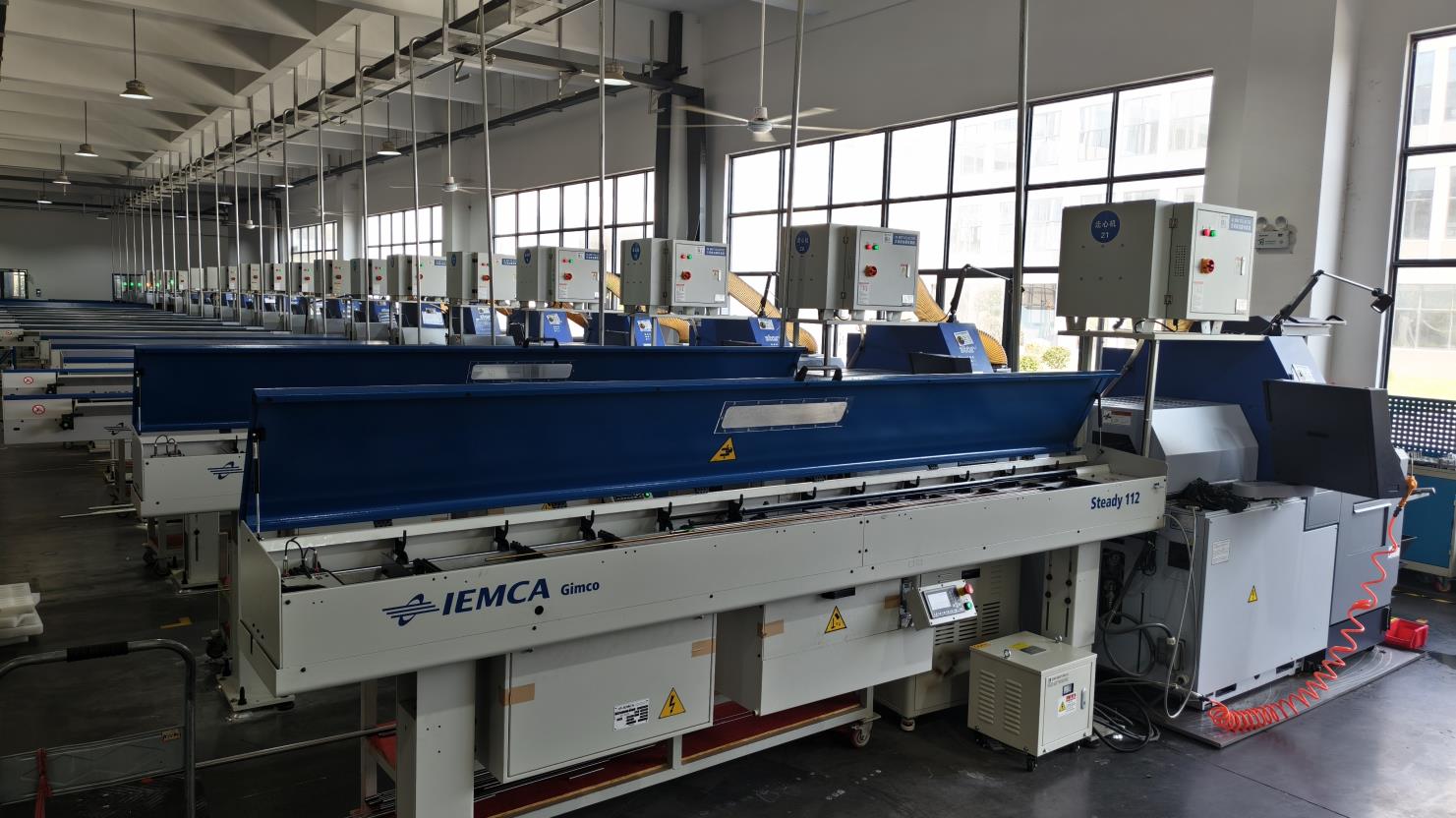
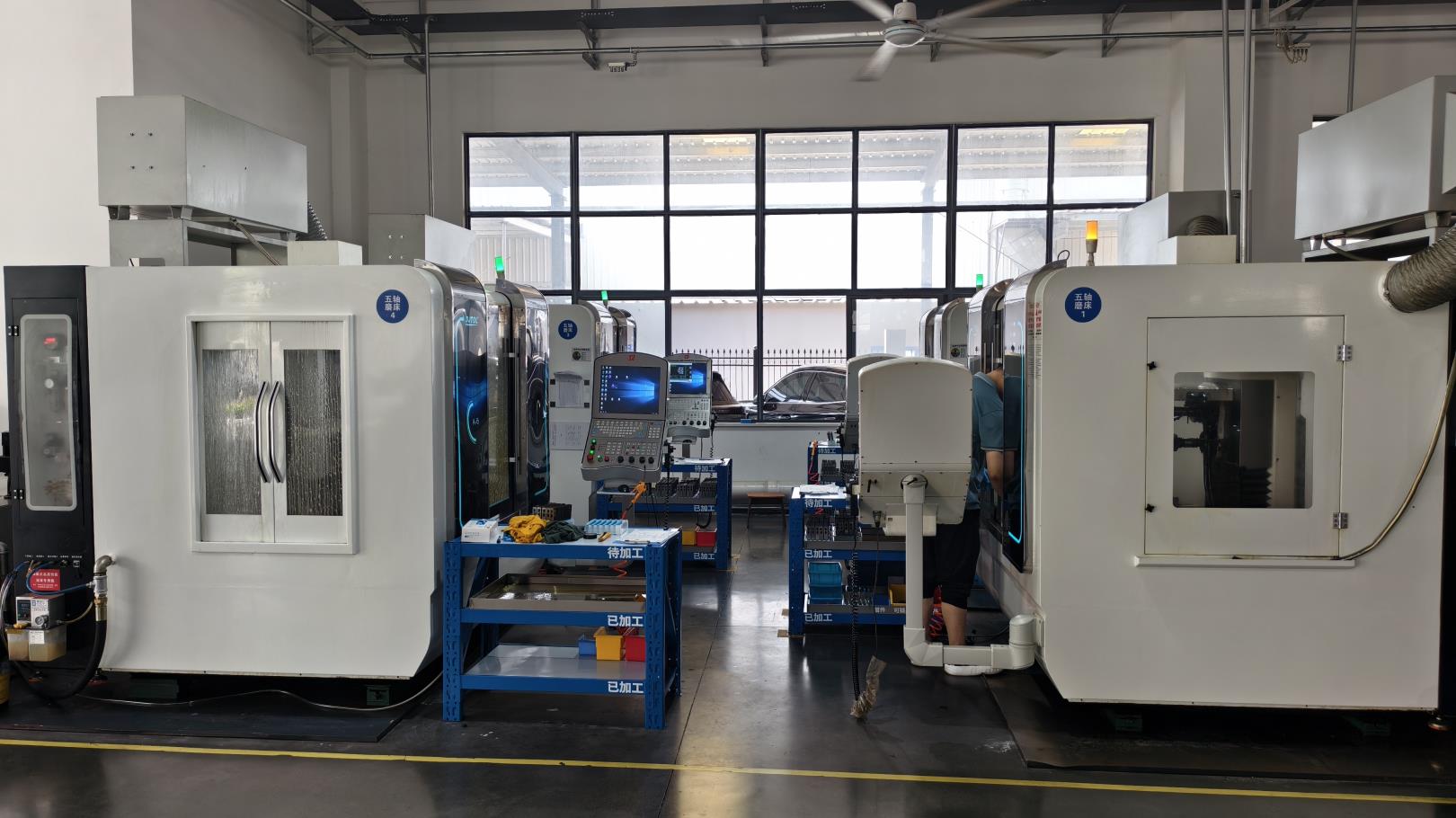
Using automated Swiss-type grinding and polishing procedures, we achieve mirror-finish surface roughness values (Ra < 0.01 µm) on the articulating surfaces. This minimizes frictional torque and friction-induced osteolytic responses, guaranteeing stability in patient mobility over long-term clinical lifespans.
Every batch of raw titanium and CoCr alloy undergoes strict mass spectrometry and metallographic analysis to ensure complete structural density and microstructural integrity.
Components are assembled and packaged in strict cleanrooms conforming to ISO 13485 quality protocols, eliminating any trace contaminants that could induce septic loosening.
Simulating 5 million mechanical cycles under physiological gait patterns to confirm that the displacement parameters and wear debris output remain well below dangerous thresholds.
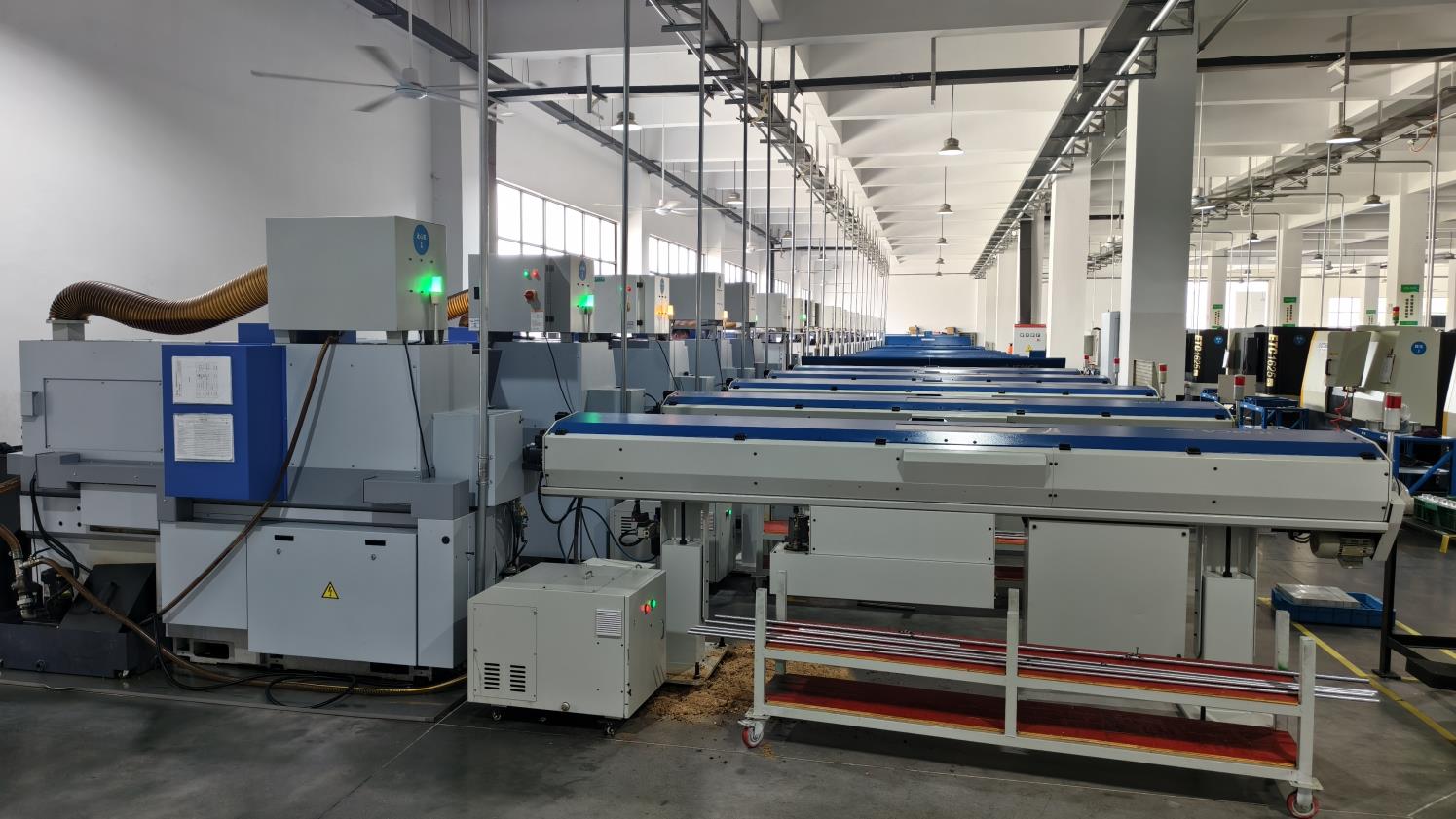
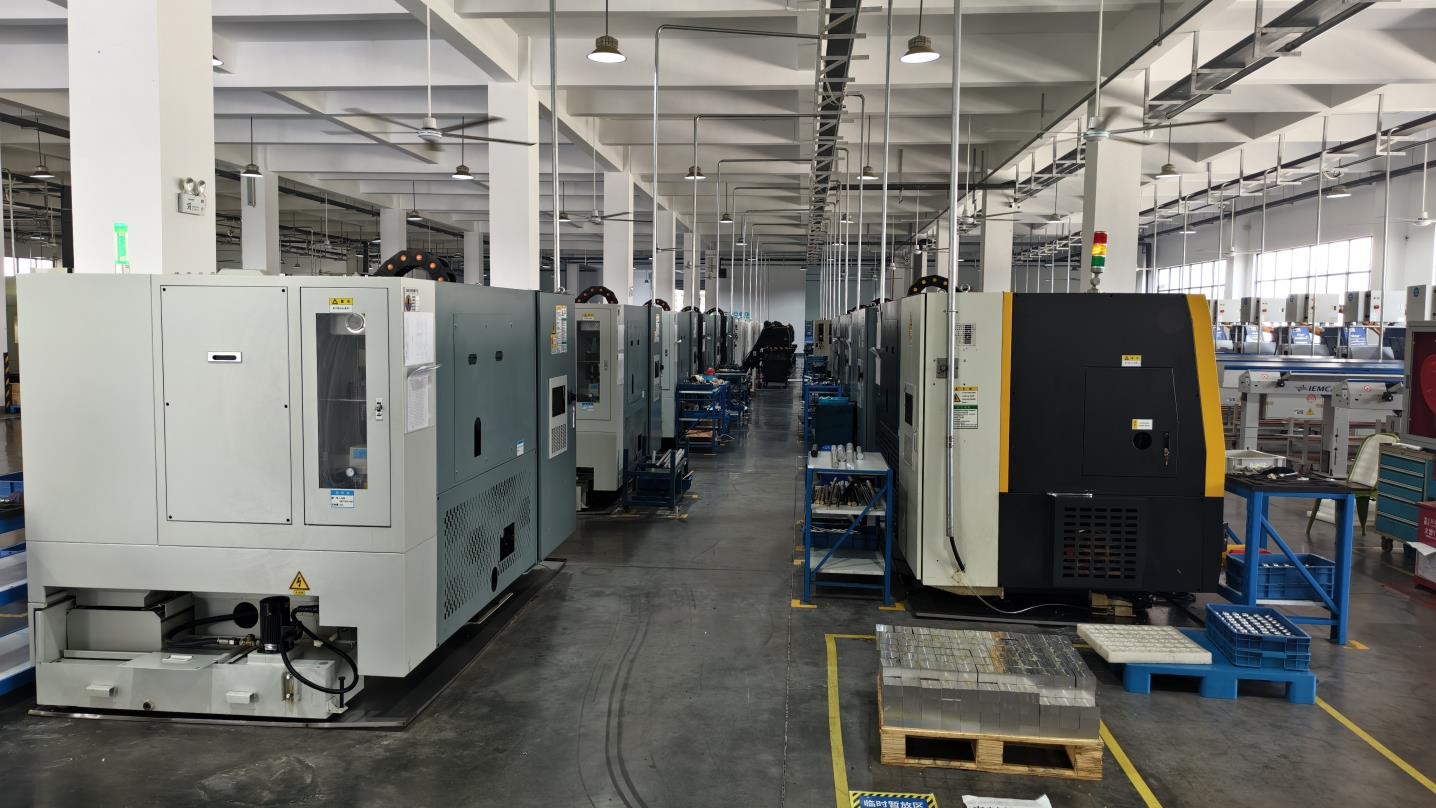
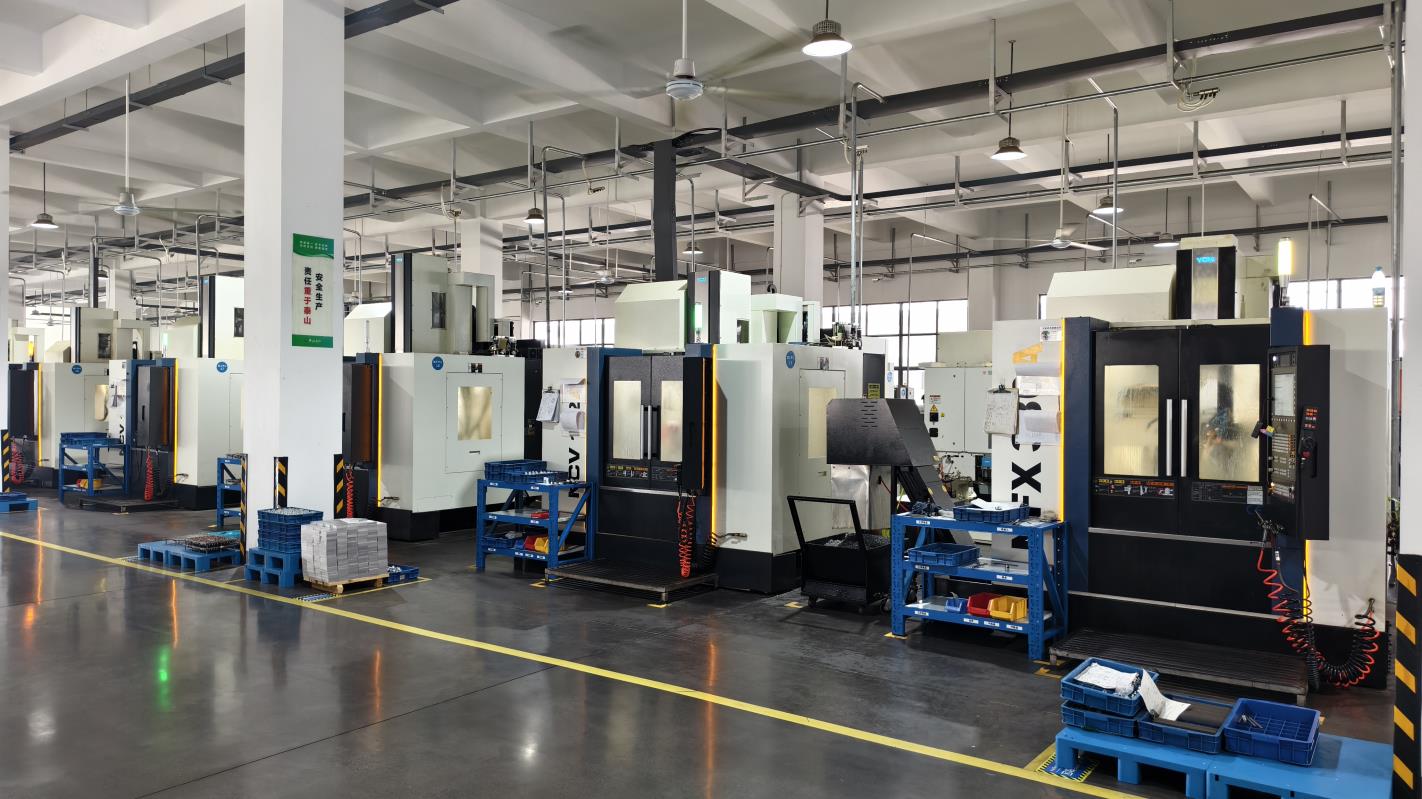
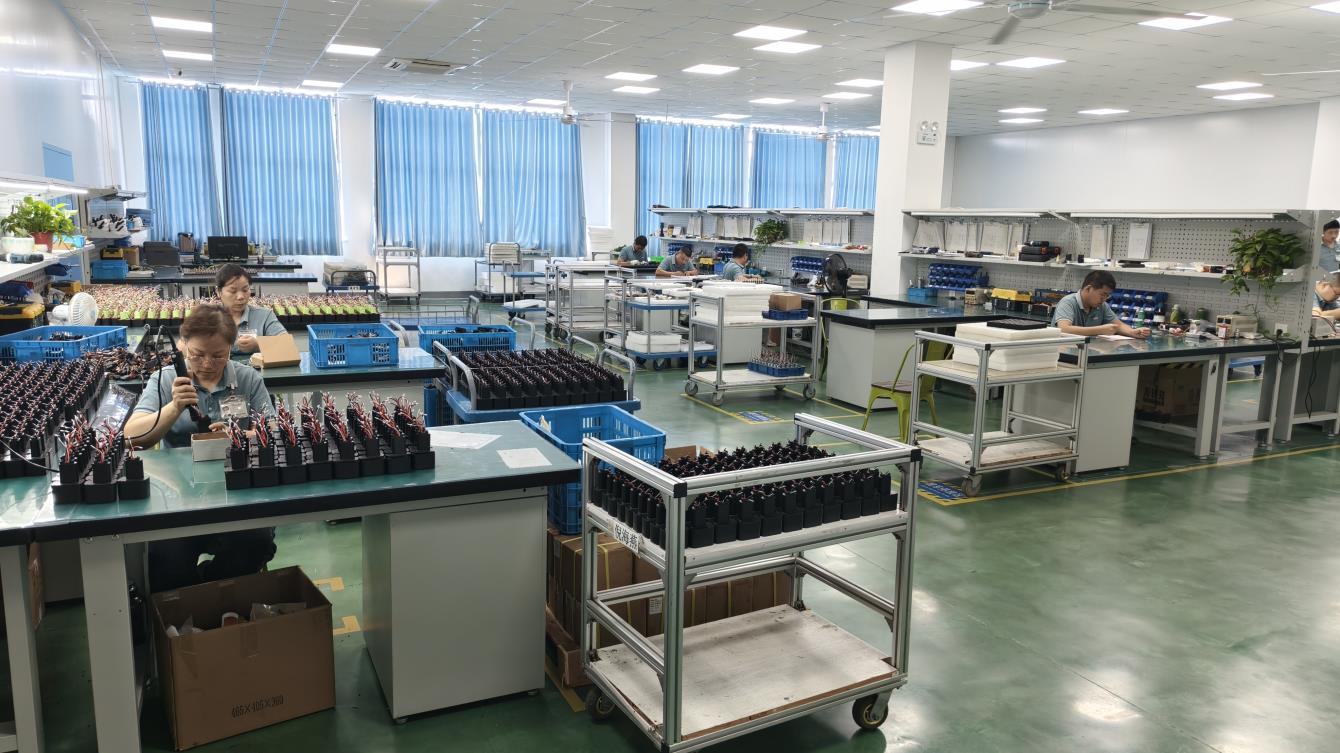
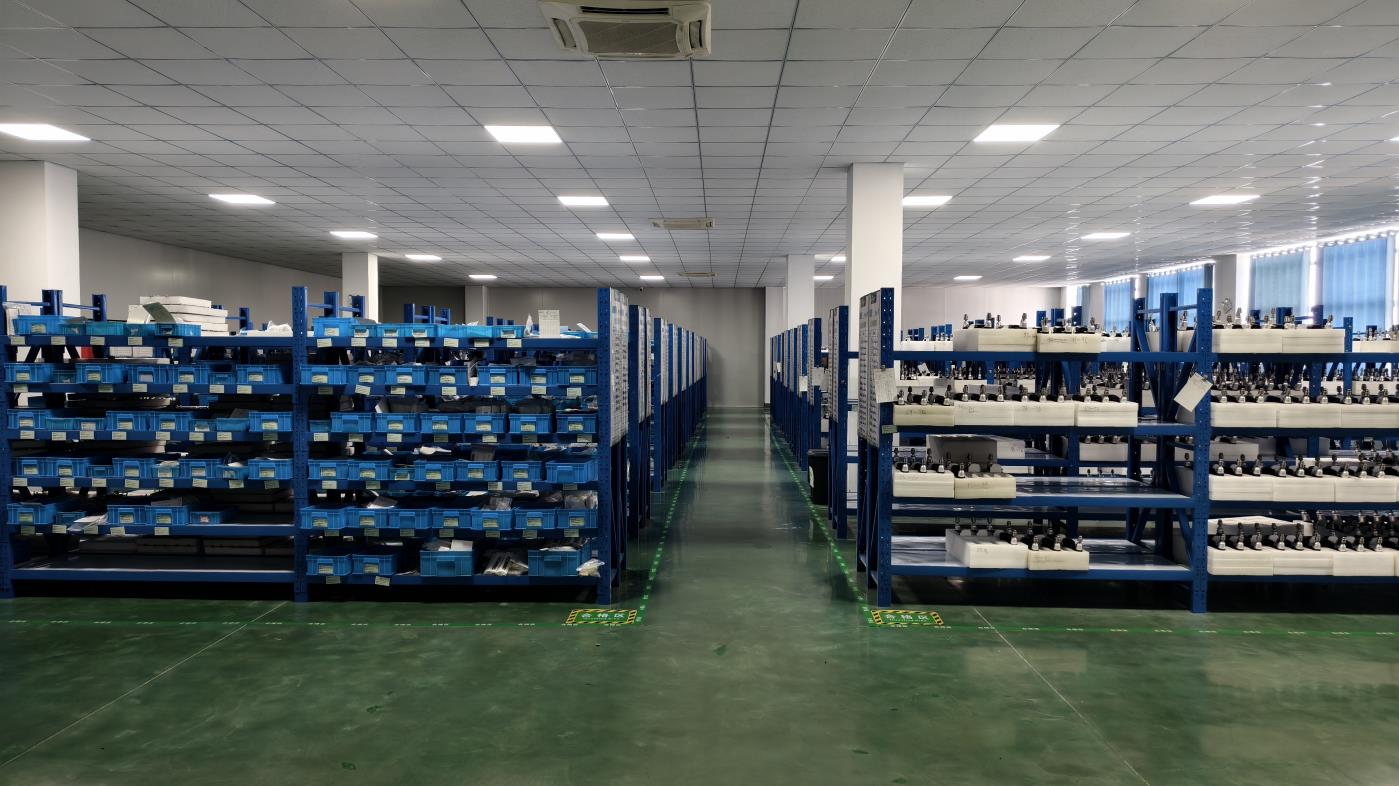
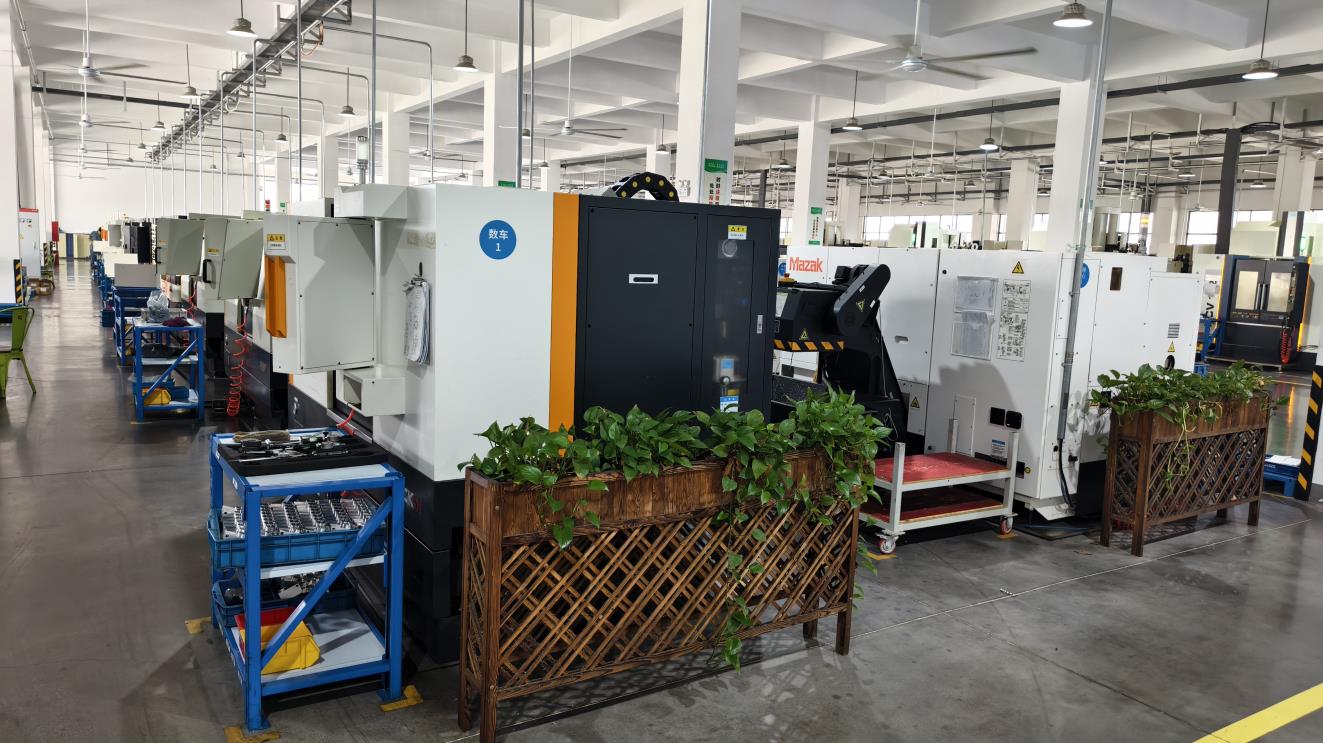
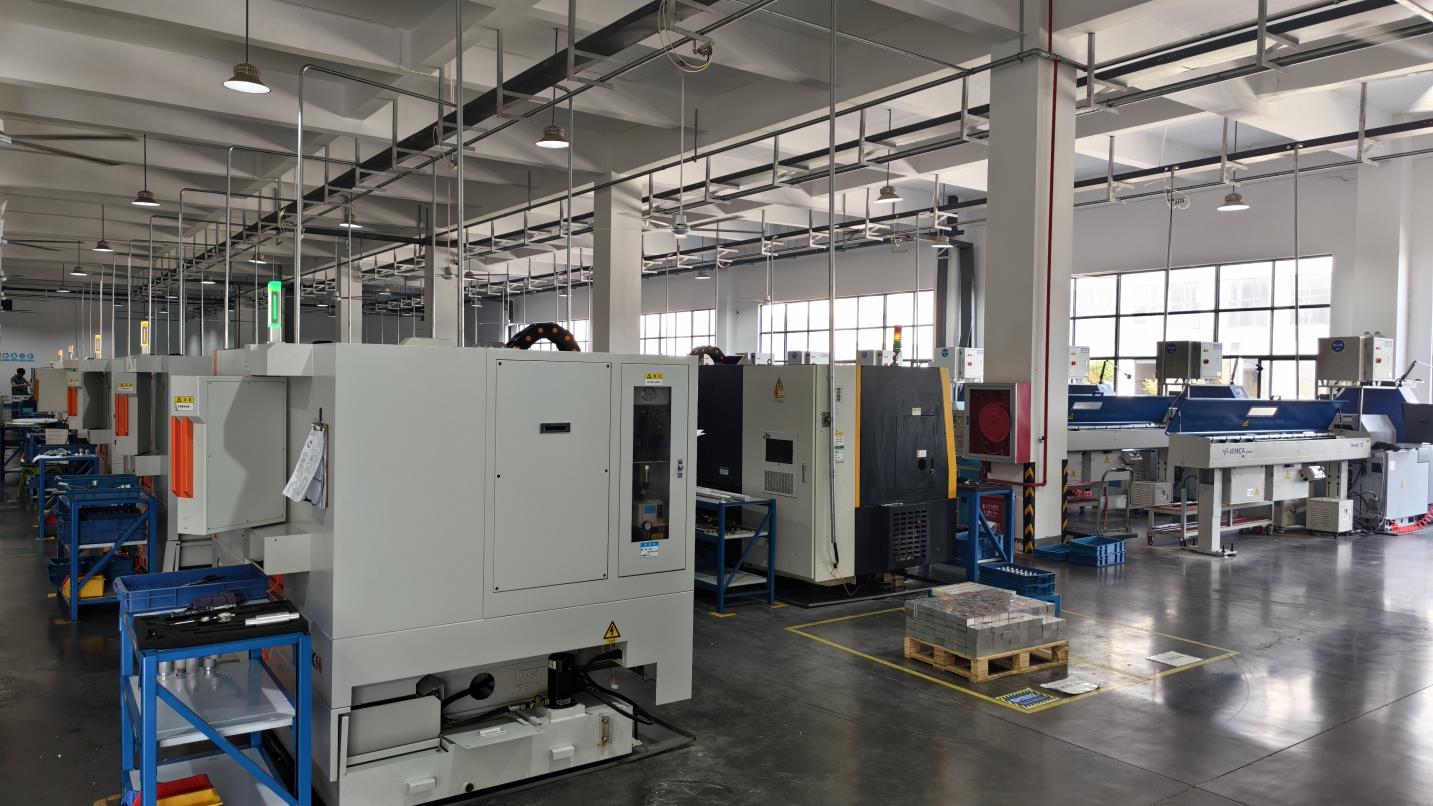
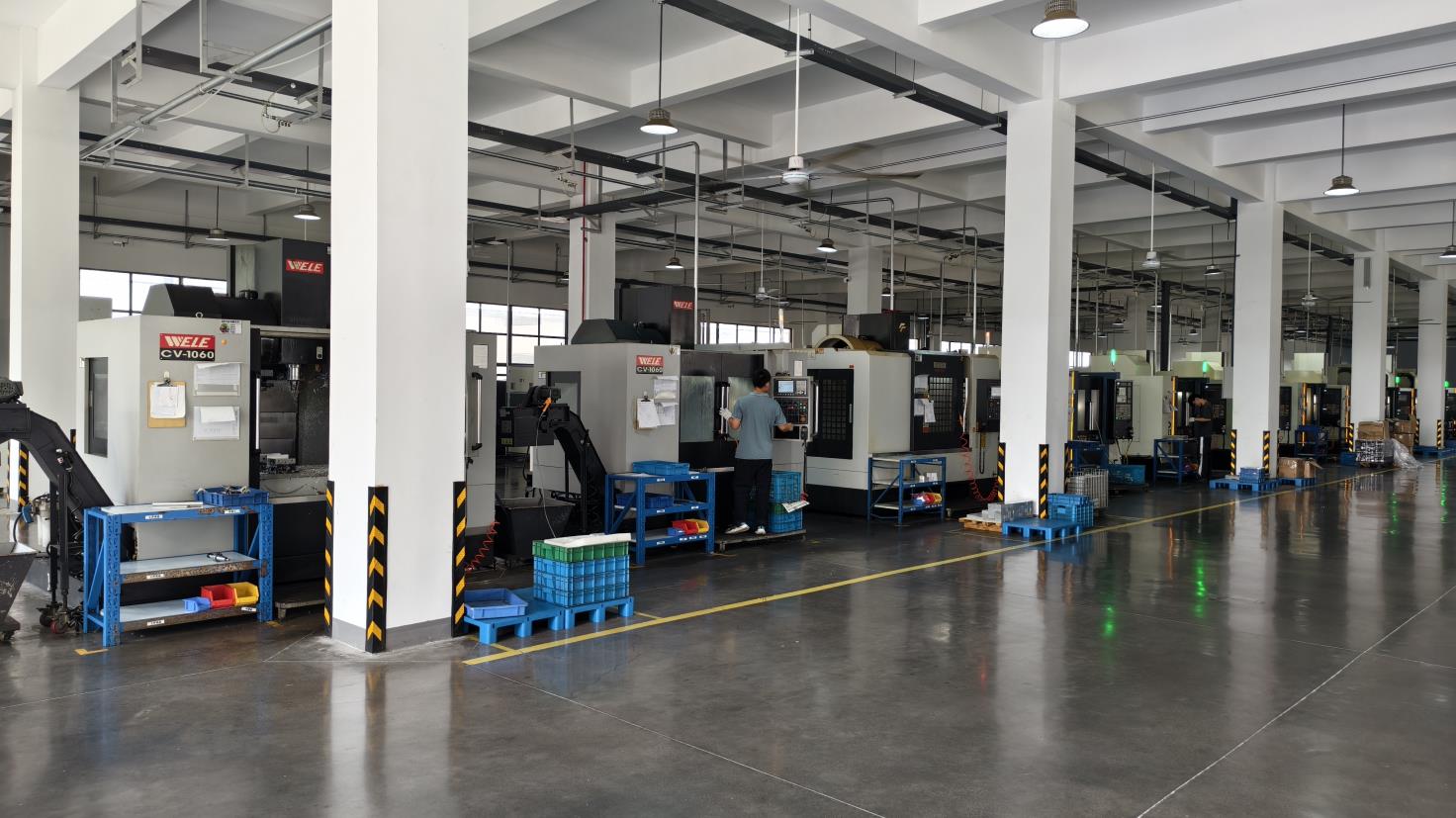
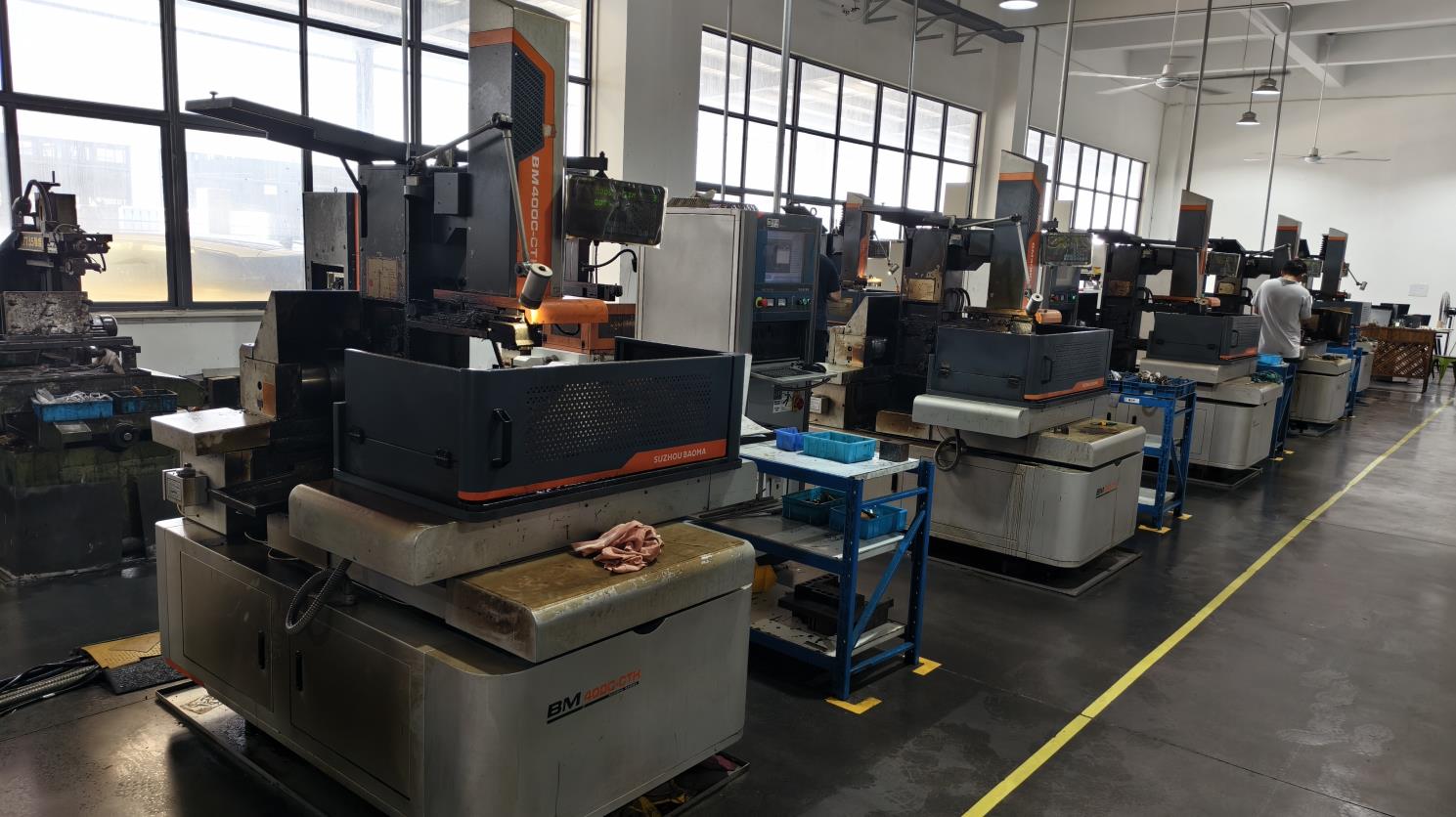
A state-of-the-art 18,600 m² manufacturing facility specializing in high-precision, sub-micron orthopedic manufacturing.
Moventra Medical Technology (China) Co., Ltd. is a professional manufacturer specializing in the research, development, production, and global supply of orthopedic medical devices and surgical solutions. Established in 2017, the company is dedicated to delivering innovative, high-quality products for trauma, spine, joint reconstruction, sports medicine, and orthopedic surgical procedures.
With our modern manufacturing facility covering 18,600 m², Moventra integrates advanced CNC machining, precision manufacturing, automated production lines, and strict quality management systems to ensure every product meets international medical standards. Our commitment to continuous innovation enables us to provide reliable OEM and ODM services for global medical device brands, distributors, and healthcare institutions.
Supported by an experienced R&D team and comprehensive quality assurance system, Moventra continuously develops innovative orthopedic solutions that improve surgical efficiency and patient outcomes. Our products are exported to customers worldwide and are trusted for their precision, safety, and consistent performance.
| Item / Parameter | Details & Tech Capabilities |
|---|---|
| Company Name & Brand | Moventra Medical Technology (China) Co., Ltd. (Brand: Moventra) |
| Established | 2017 (13 Years Industry Experience within core engineering team) |
| Facility Area | 18,600 m² fully integrated manufacturing, testing, and storage ecosystem |
| Annual Export Revenue | USD 23.8 Million with distribution across key global regions |
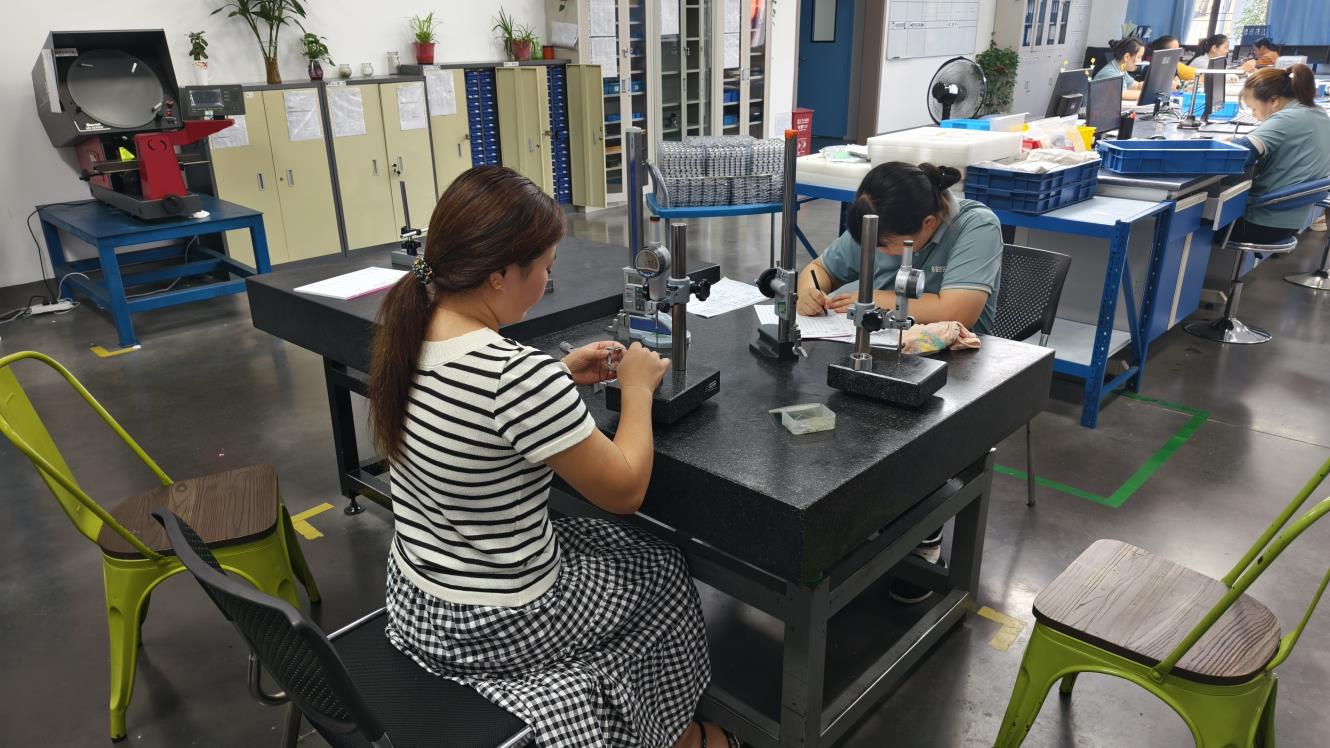
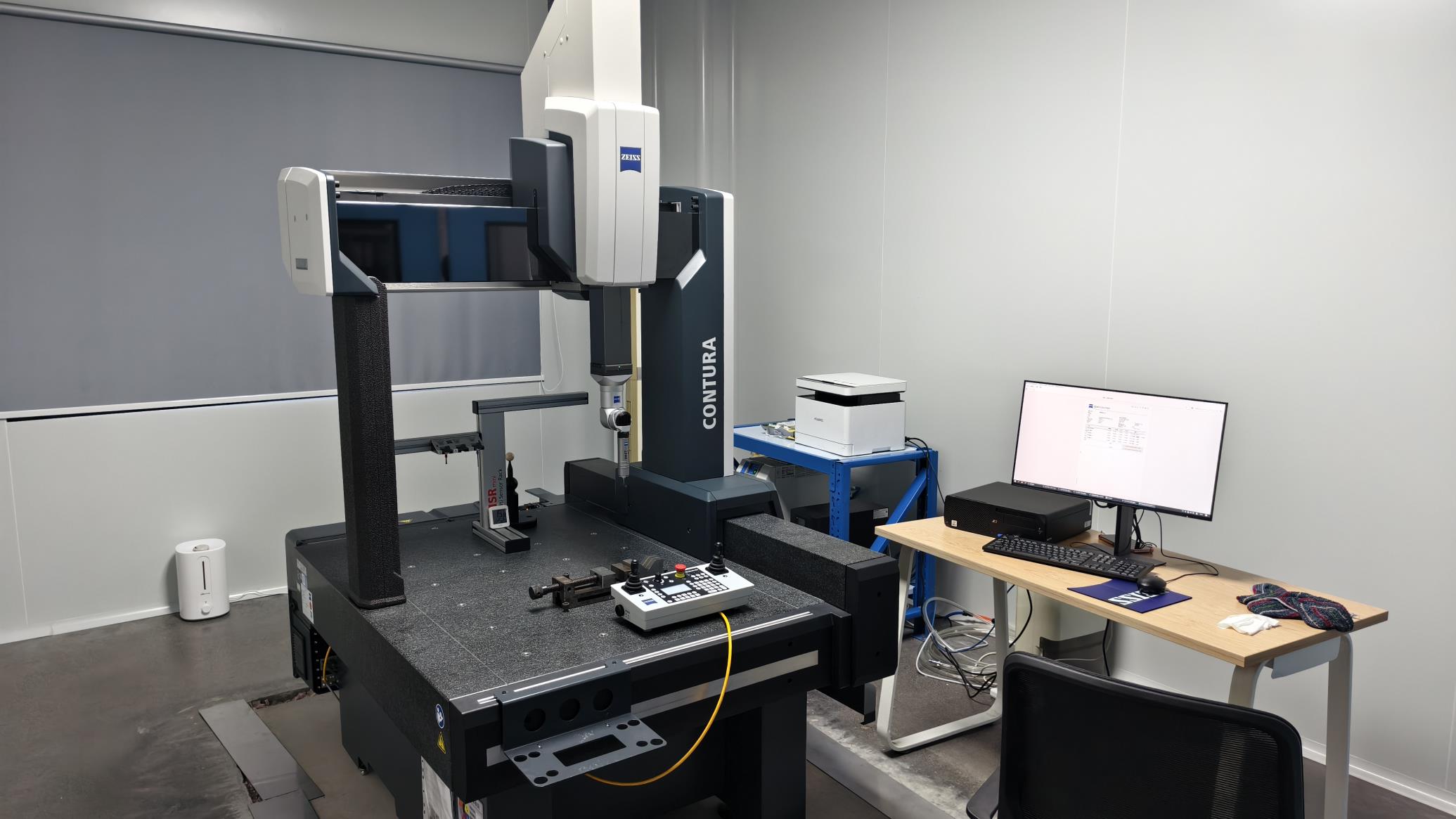
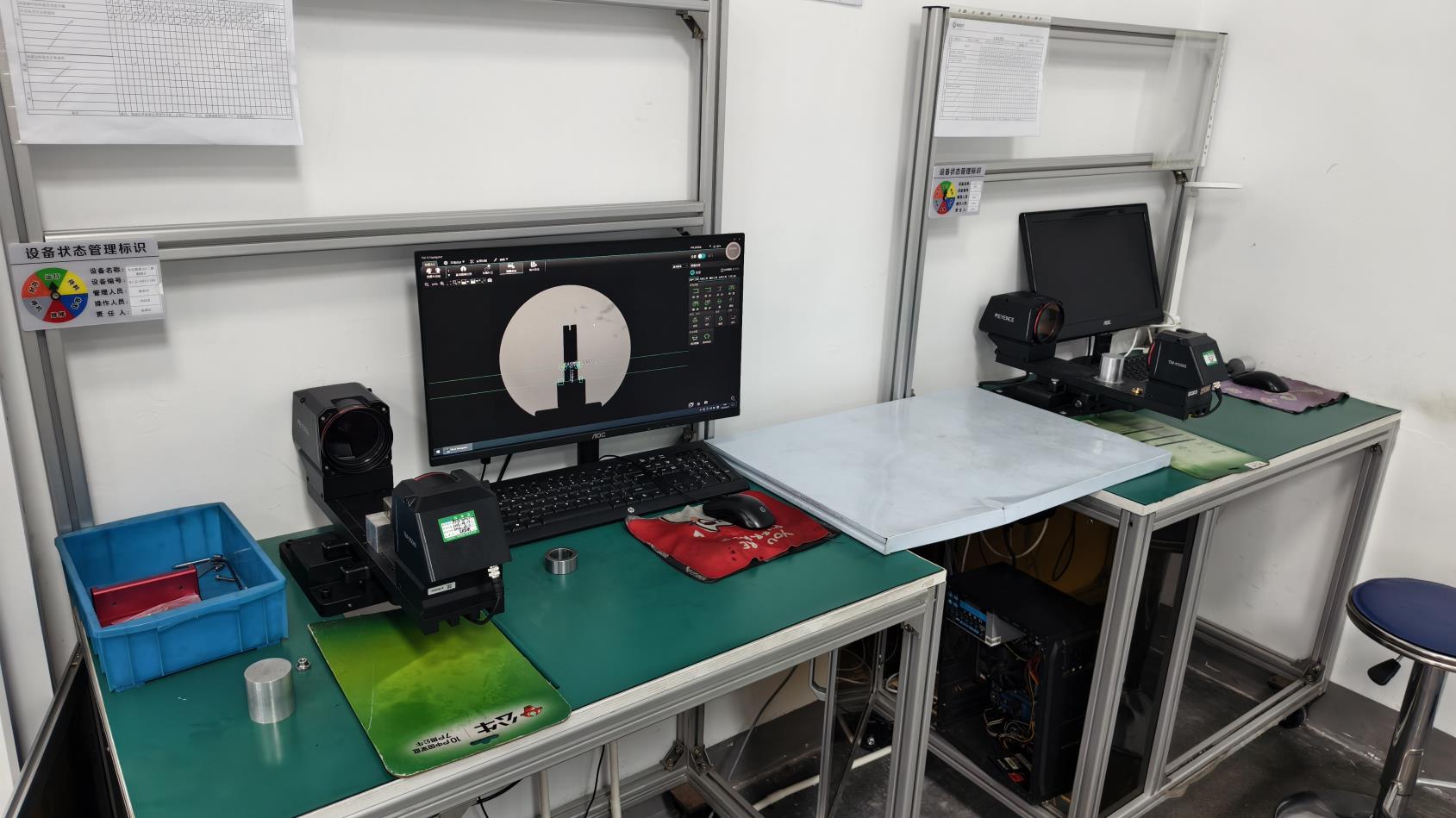
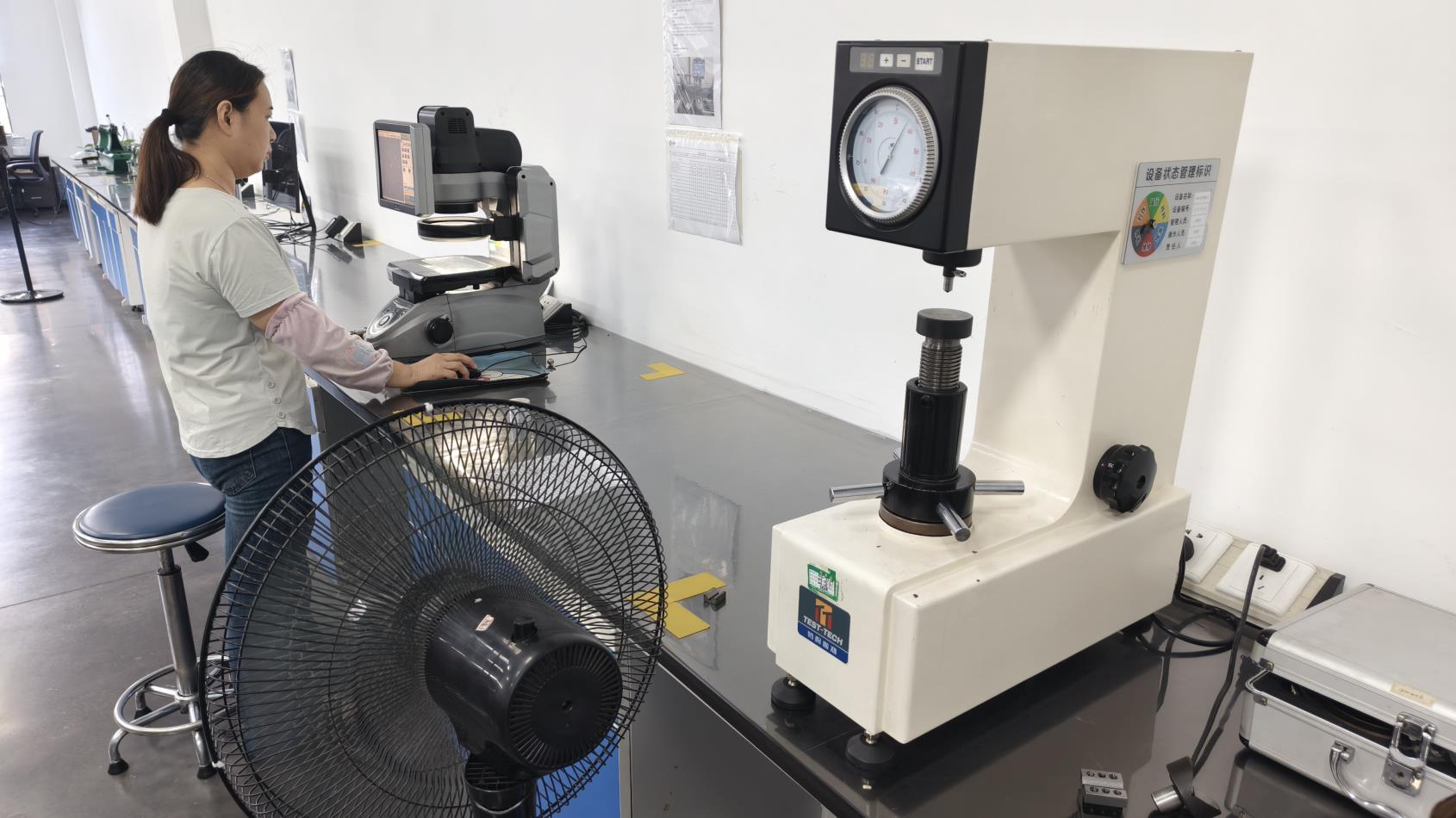
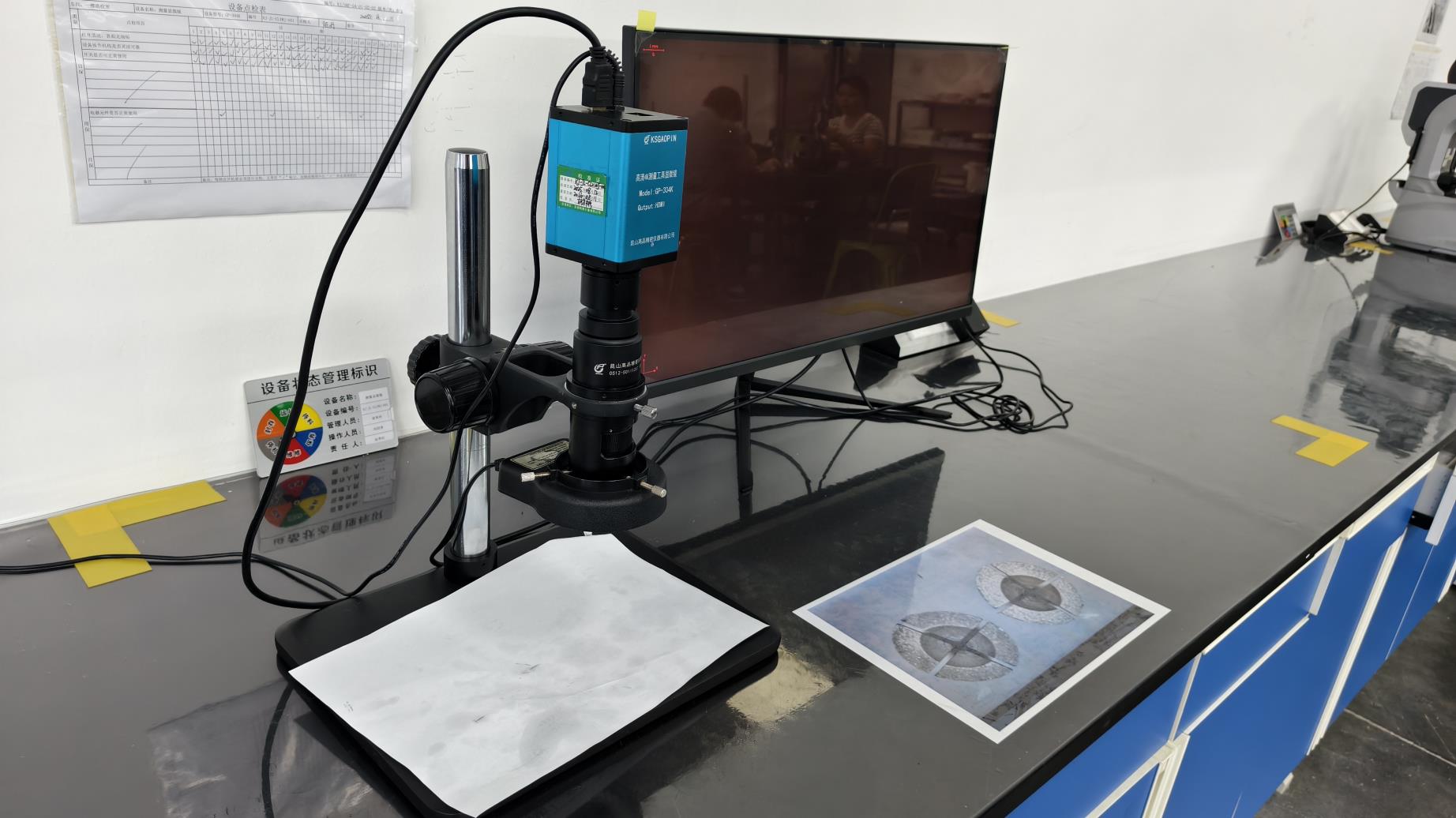
| Quality Inspection Protocols | 100% Quality Inspection Before Shipment (zero tolerance for mechanical anomalies) |
| Product Inspection Methods | Dimensional Inspection, Material Analysis, Surface Finish Inspection, Mechanical Performance Testing, Sterility Verification |
| Quality Control Staff | 48 Dedicated QA/QC Specialists |
| R&D Capability & Engineers | 86 Engineers specializing in Independent Product Design, Rapid Prototyping, and OEM/ODM Customization |
| Customization Options | Logo & Packaging customization, Drawing-based manufacturing, and custom alloy sintering |
| New Products Released | 156 innovative implants and instrument packages launched last year |
As a seasoned supplier, Moventra understands that procurement success goes beyond supplying sterile implants. Distributors, hospital chains, and government bodies require comprehensive, long-term procurement models that reduce risk and ensure operational stability:
Technical and clinical answers tailored for distributors, purchase officers, and orthopedic engineers.
Complementary surgical instruments, veterinary implants, and stabilization systems for multi-disciplinary surgical programs.
 Moventra Medical