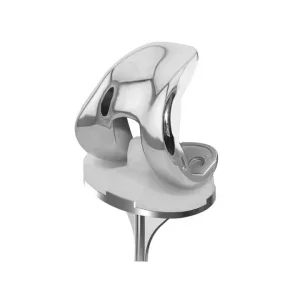
High-precision orthopedic constructs engineered for high structural load compliance and physiological tissue repair.

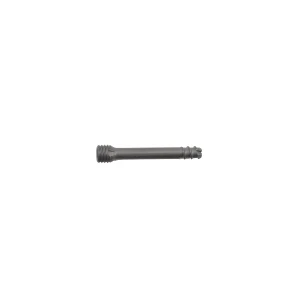
In modern reconstructive surgeries, spinal fusion, and trauma management, the role of bone graft substitutes has evolved from simple filler materials to active bioactive frameworks. As orthopedic surgeons target faster recovery rates and long-term mechanical stability, top-tier bone graft manufacturers must supply options that exhibit optimized osteoconduction, osteoinduction, and osteogenesis.
The shift from traditional autografts—which carry risks of donor site morbidity—to next-generation synthetic biomaterials represents a significant leap forward in surgical tech. Advanced synthetic ceramics, including biphasic calcium phosphates (BCP), hydroxyapatite (HA), and beta-tricalcium phosphate (β-TCP), offer structural profiles that mimic natural human bone. They undergo controlled resorption rates while providing stable scaffolds that encourage new bone growth.
"Clinical efficacy is closely linked to structural design. The porosity, pore-size distribution, and interconnectivity of bone grafts dictate cellular migration and vascularization pathways, transforming inert implants into living structural bone."
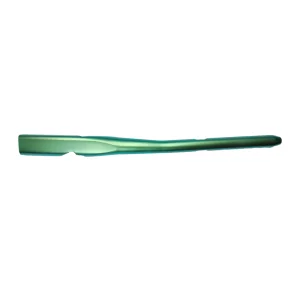
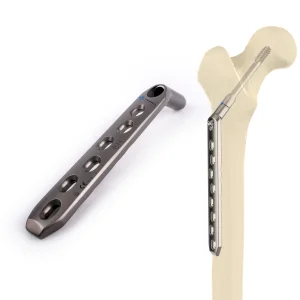
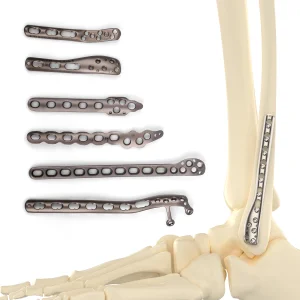
As leading suppliers, optimizing bone graft performance requires coordinating with internal hardware. Secure osteogenesis is rarely achieved in isolation; it depends on stabilizing plates, screws, and interbody constructs. By integrating synthetic bone matrix with strong mechanical fixations—such as anatomical plates, pedicle screw configurations, and intramedullary nails—surgeons can achieve both immediate structural support and biological integration.
Moventra Medical Technology (China) Co., Ltd. is a professional manufacturer specializing in the research, development, production, and global supply of orthopedic medical devices and surgical solutions. Established in 2017, the company is dedicated to delivering innovative, high-quality products for trauma, spine, joint reconstruction, sports medicine, and orthopedic surgical procedures.
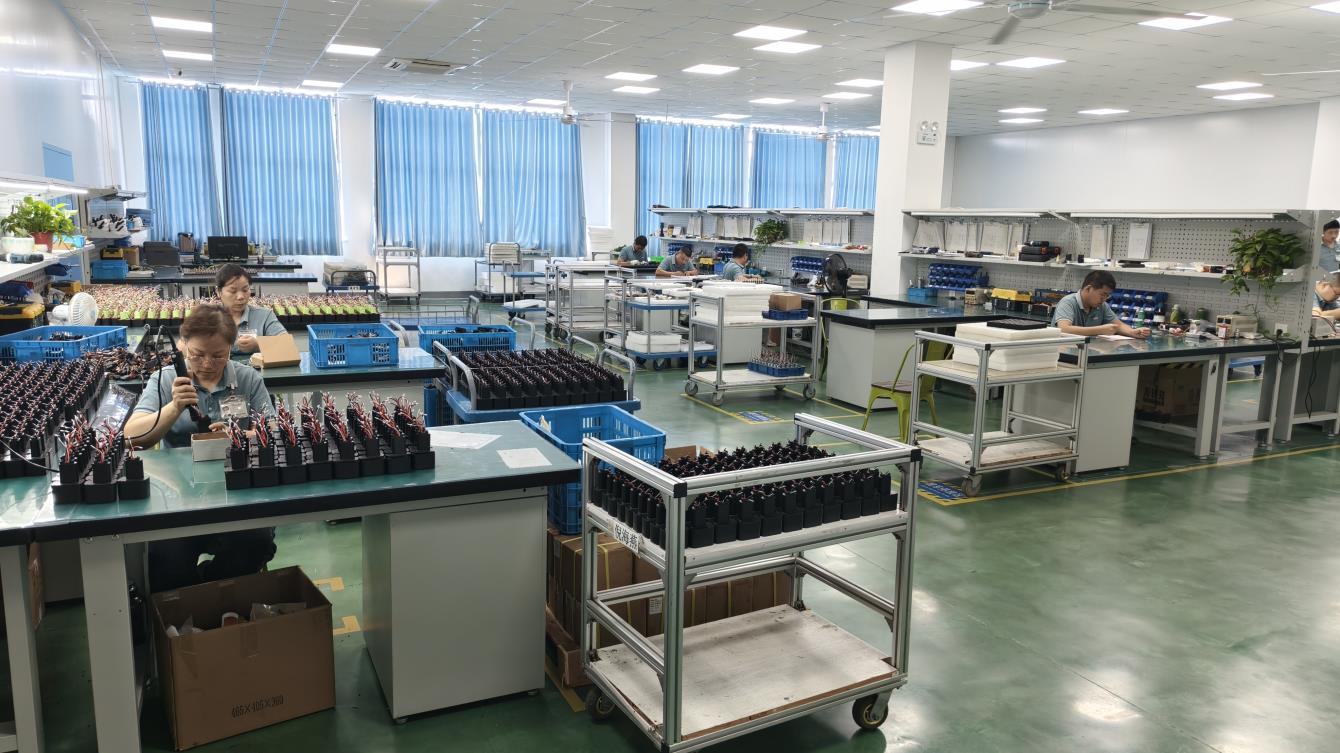
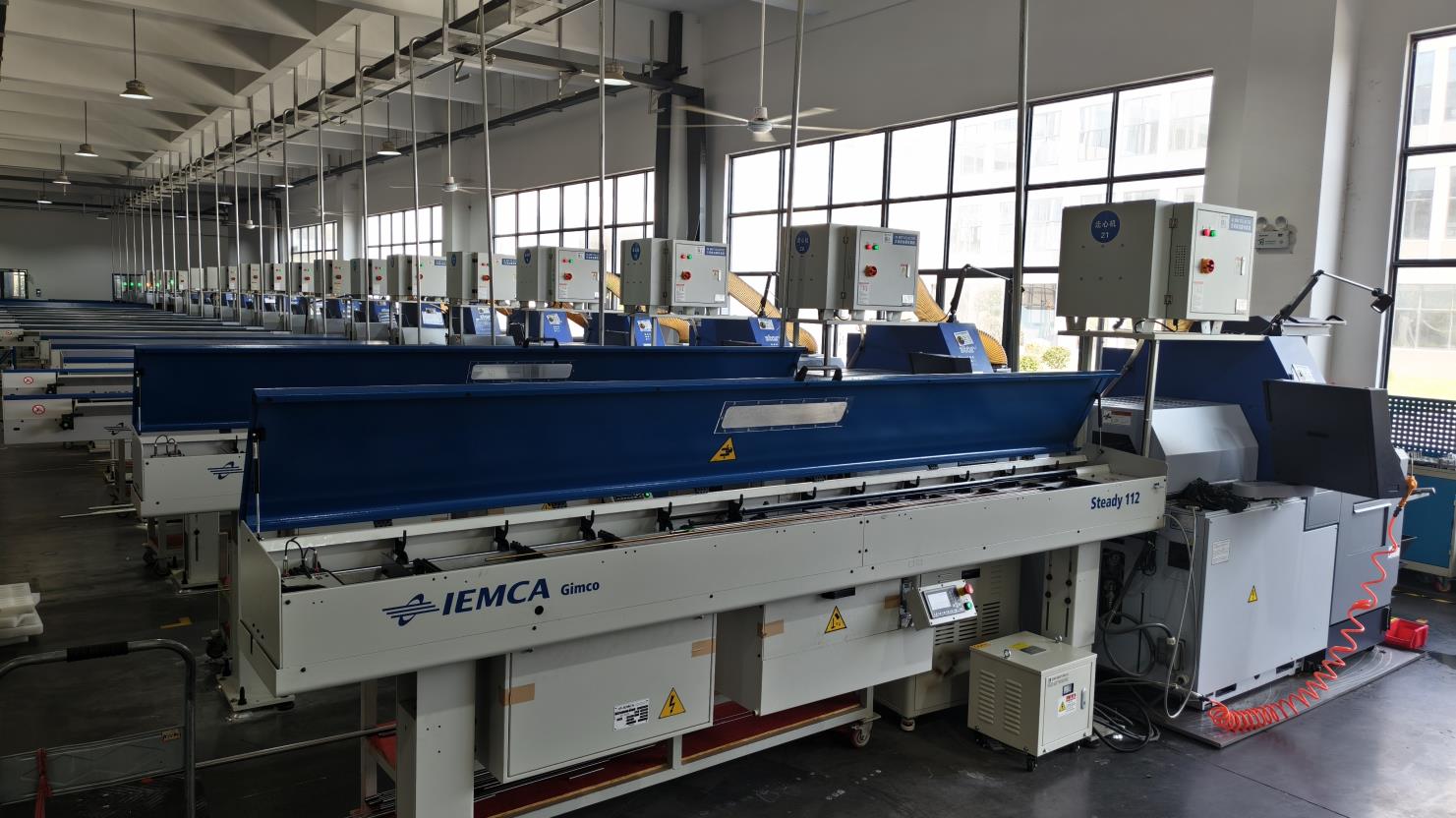
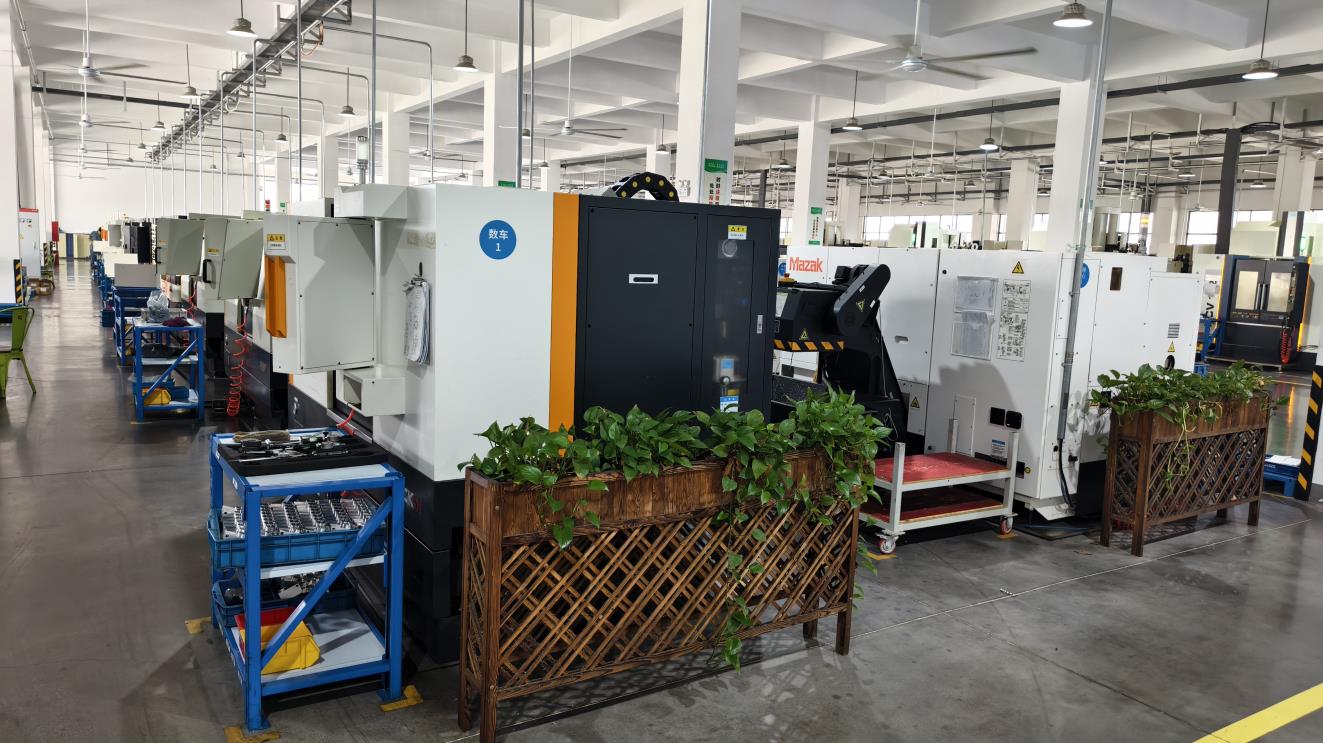
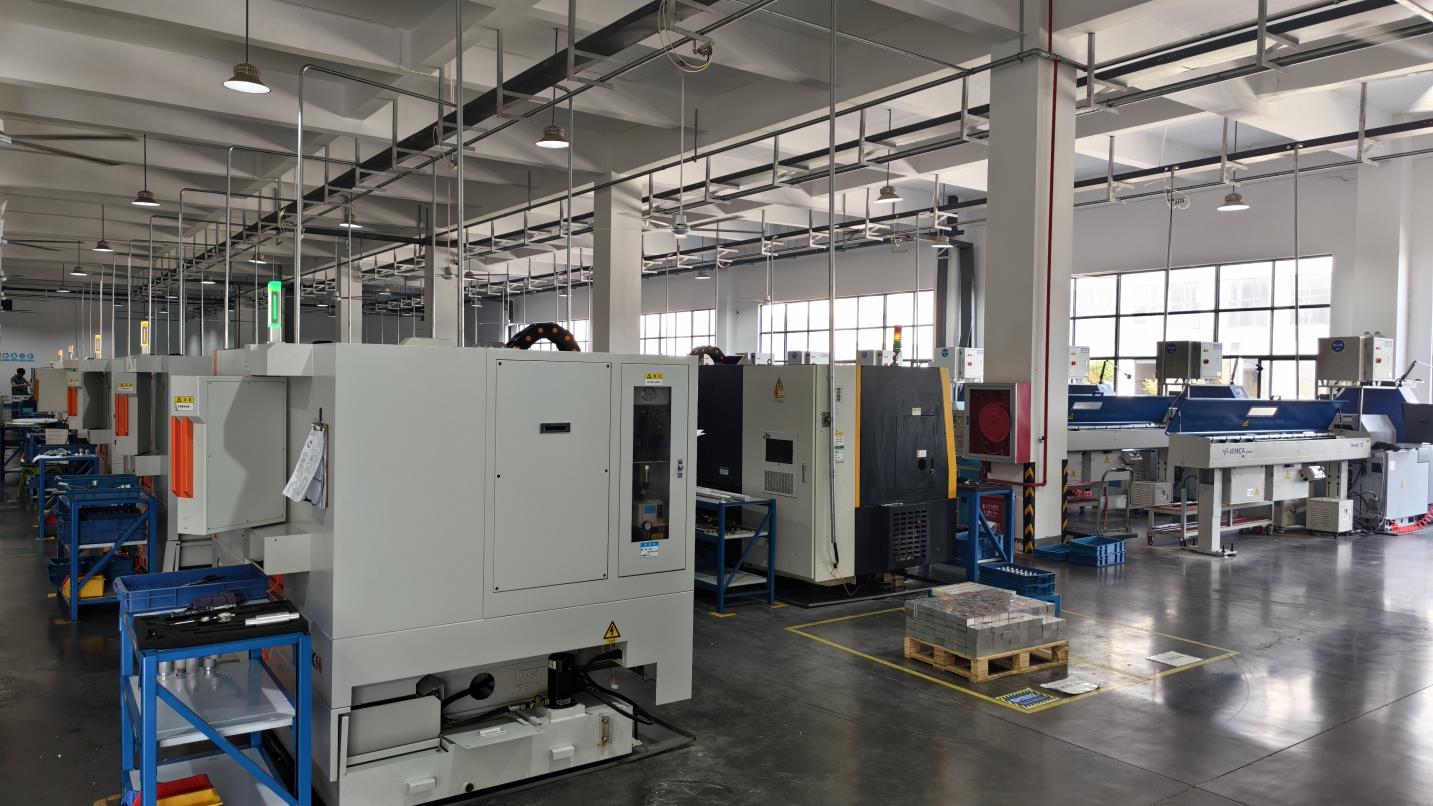
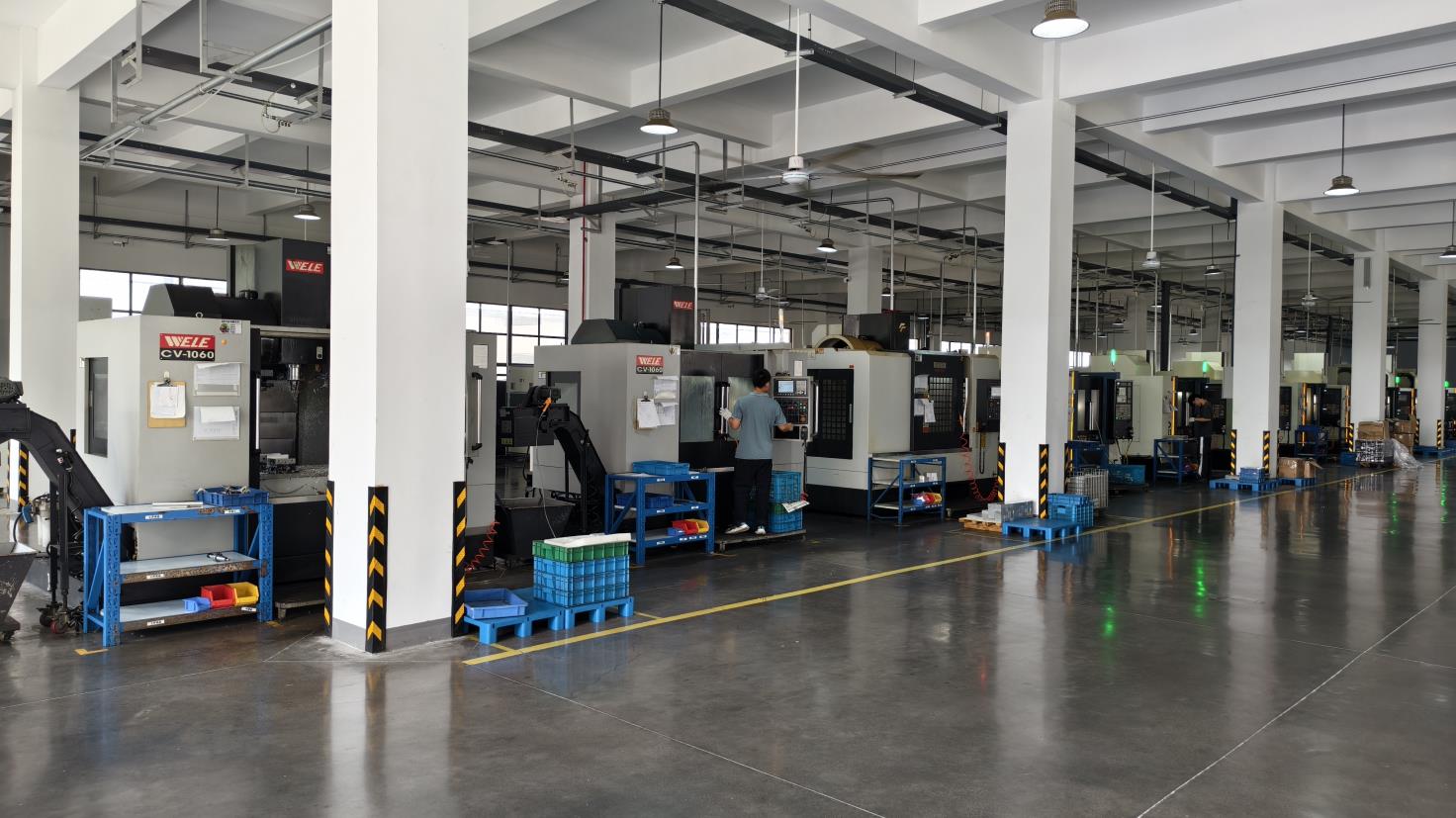
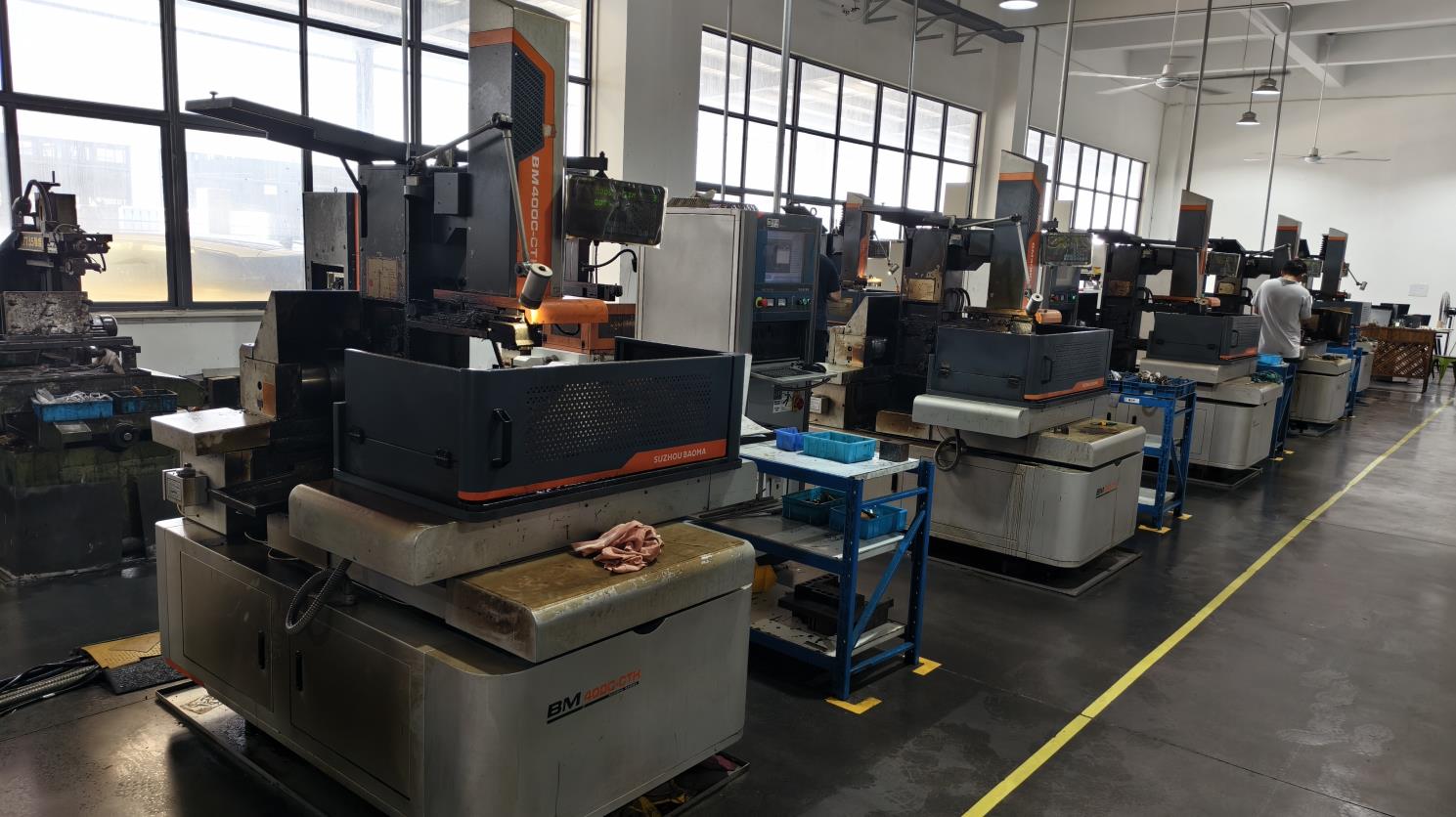
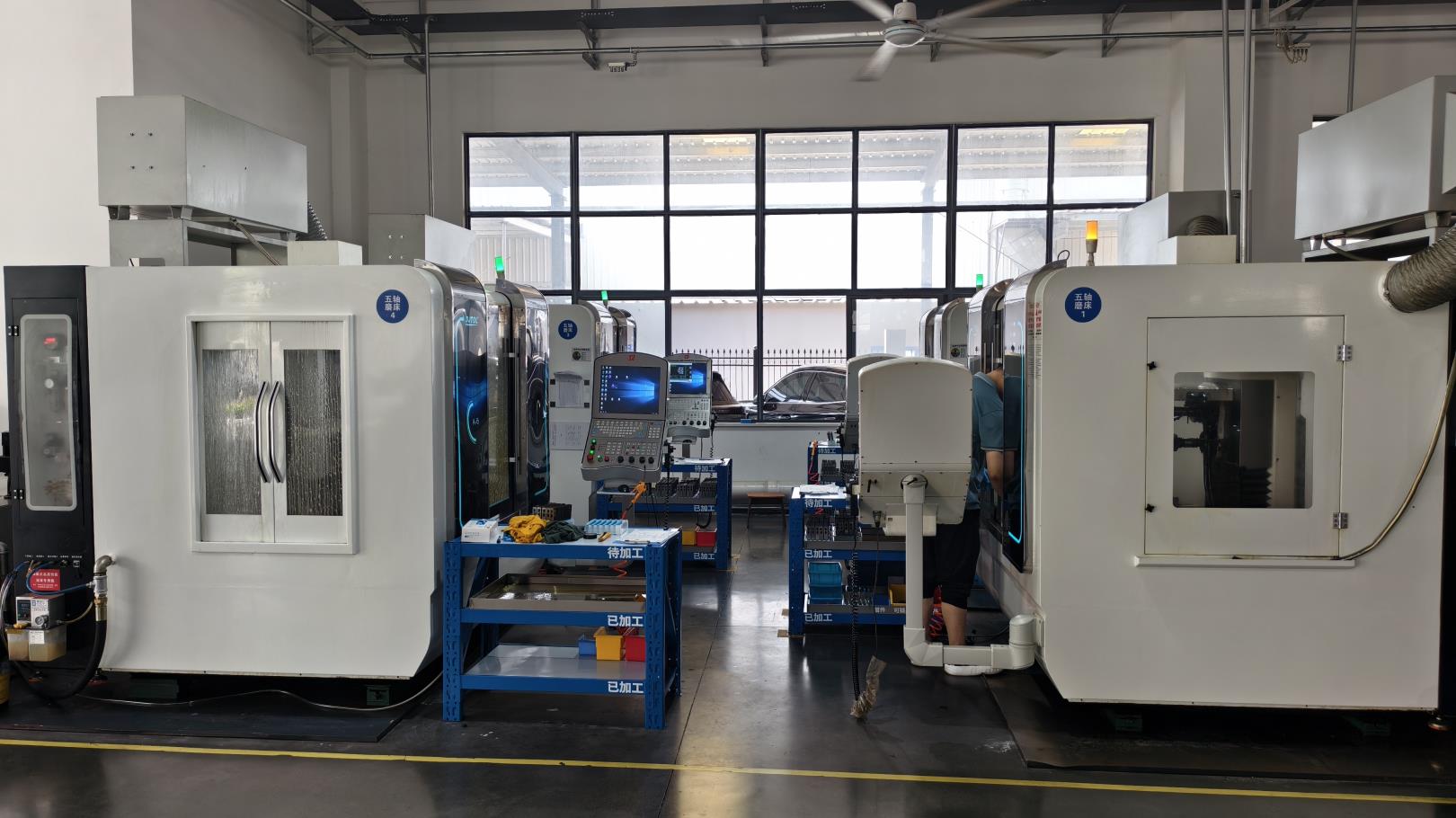
Operating from a modern manufacturing facility covering 18,600 m², Moventra integrates advanced CNC machining, precision lathe and milling setups, automated production lines, and comprehensive quality control processes. This ensures all products comply with international medical device directives (including CE, ISO 13485, and MDD certifications). Our industrial expertise enables us to support global medical brands, healthcare networks, and distributors with reliable OEM and ODM services.
| Operational Parameters | Manufacturing & Engineering Detail |
|---|---|
| Company Name | Moventra Medical Technology (China) Co., Ltd. |
| Brand Identification | Moventra |
| Established | 2017 |
| Facility Area | 18,600 m² |
| Annual Export Revenue | USD 23.8 Million |
| Export Experience | 7 Years |
| Industry Experience | 13 Years |
| Quality Inspection protocol | 100% Quality Inspection Before Shipment |
| Product Inspection Methods | Dimensional Inspection, Material Analysis, Surface Finish Inspection, Mechanical Performance Testing, Sterility Verification |
| Quality Control Staff | 48 Professionals |
| Business Type | Manufacturer, OEM & ODM, Exporter |
| Main Markets | North America, Europe, South America, Middle East, Southeast Asia, Australia |
| Supply Chain Partners | 1,120 global partners |
| Main Customer Types | Medical Device Brands, Orthopedic Distributors, Hospitals, Importers, Government Procurement Projects |
| R&D Capability | Independent Product Design, Rapid Prototyping, OEM/ODM Development, Customized Engineering Solutions |
| Customization Options | Logo Customization, Packaging Customization, Product Design Customization, Drawing-Based Manufacturing, Sample-Based Manufacturing |
| New Products Released Last Year | 156 New Products |
| R&D Engineers | 86 Engineers |
B2B medical device procurement requires strict compliance with high performance and regulatory standards. For hospital supply chain managers and international distributors, evaluating bone graft and orthopedic implant manufacturers goes beyond assessing product cost. Factors such as delivery consistency, sterilization validation, raw material origin tracking, and regulatory documentation are critical.
Surgical-grade titanium (Ti-6Al-4V ELI), ultra-high-molecular-weight polyethylene (UHMWPE), and medical-grade bio-ceramics must be sourced from validated, premium suppliers. Because bone remodeling scaffolds and osteoinductive structures operate in high-stress, bioreactive environments, even minor trace impurities can compromise patient safety. Moventra utilizes strict chemical analysis, mechanical stress testing, and microstructural checks on all raw material lots before they enter the manufacturing line.
The modern medical device industry requires suppliers who can easily adapt to shifts in market demand. Our facility handles both large-scale production runs and customized product modifications. By integrating design tools with rapid prototyping machinery, we significantly reduce the time needed to bring custom orthopedic plates, specialty bone screws, and specialized surgical instruments to market.
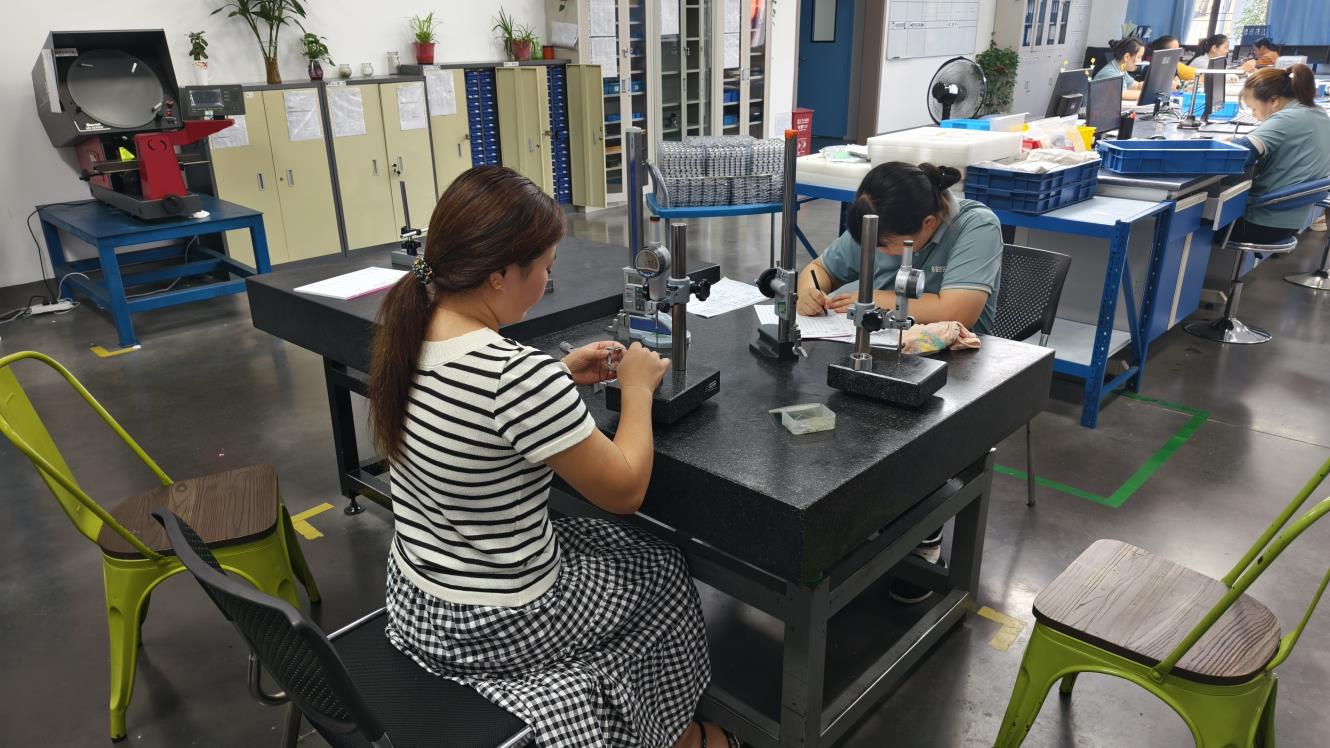
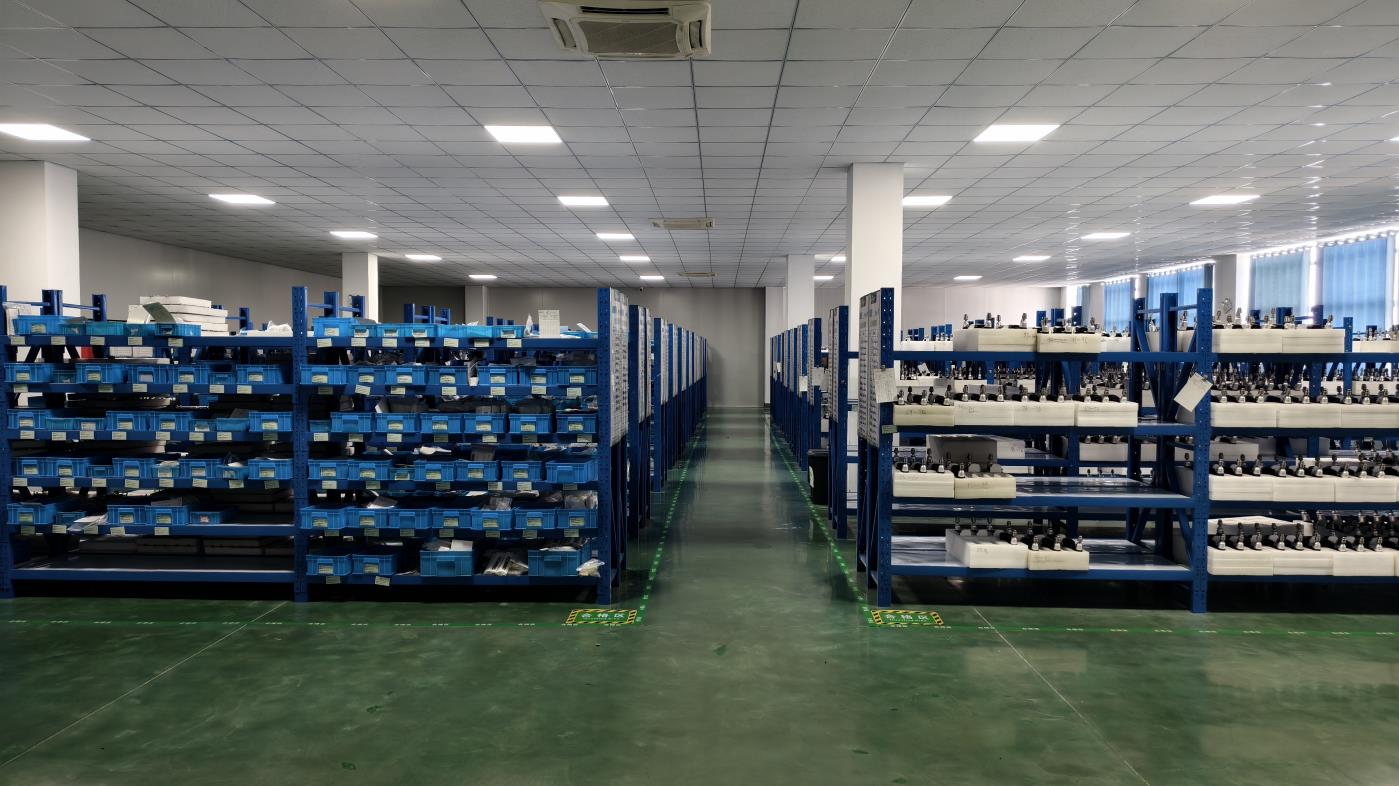
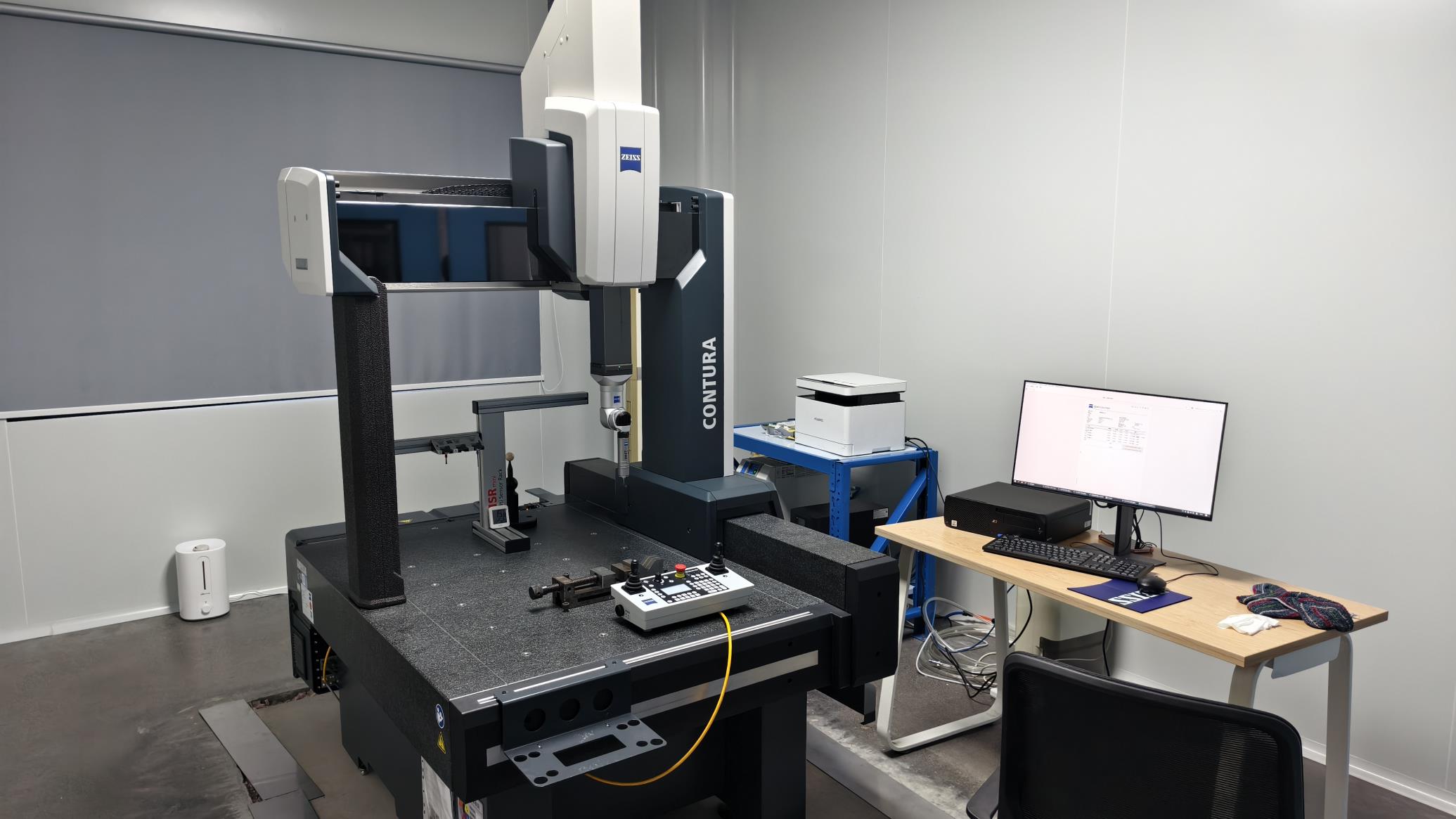
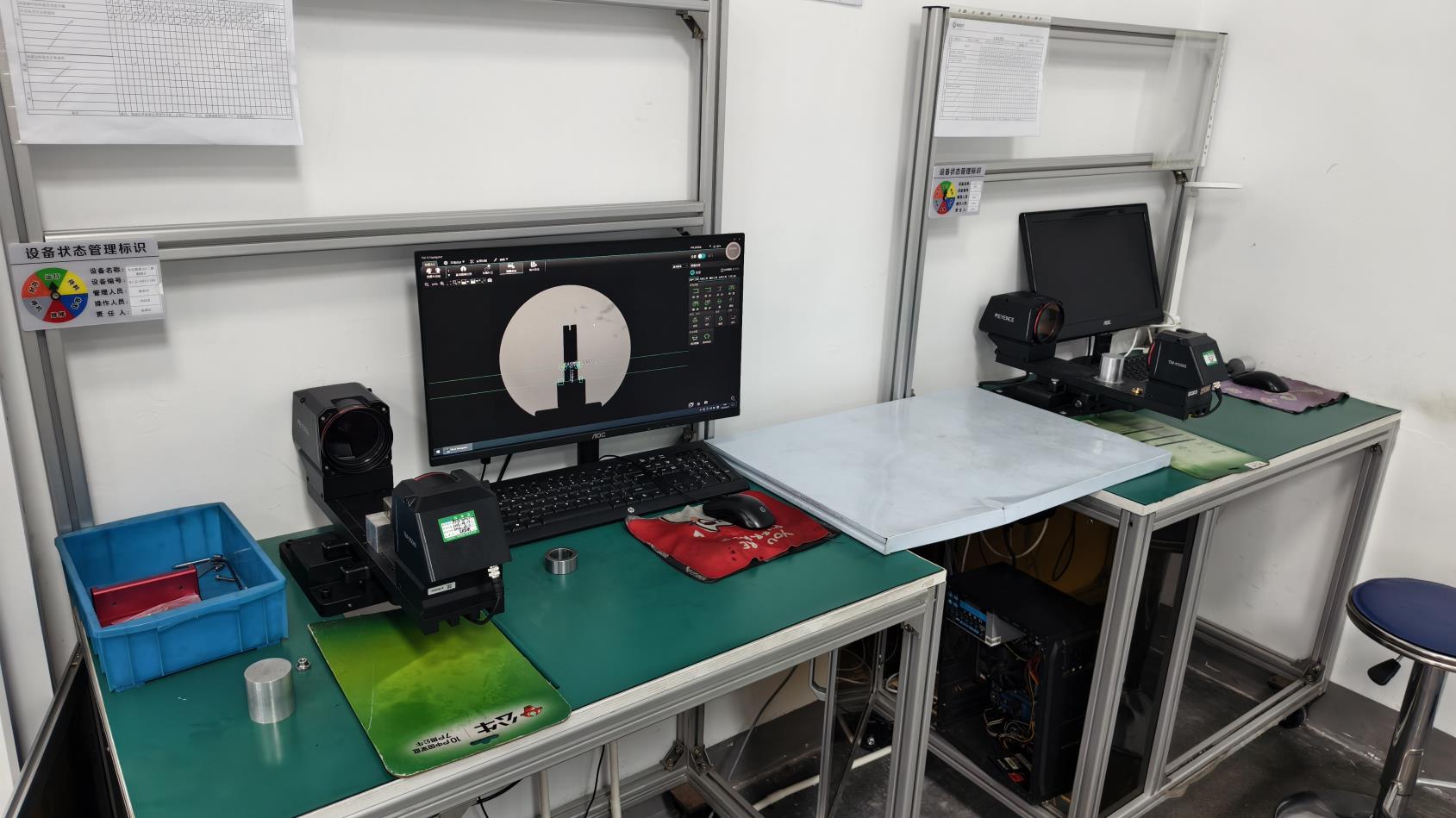
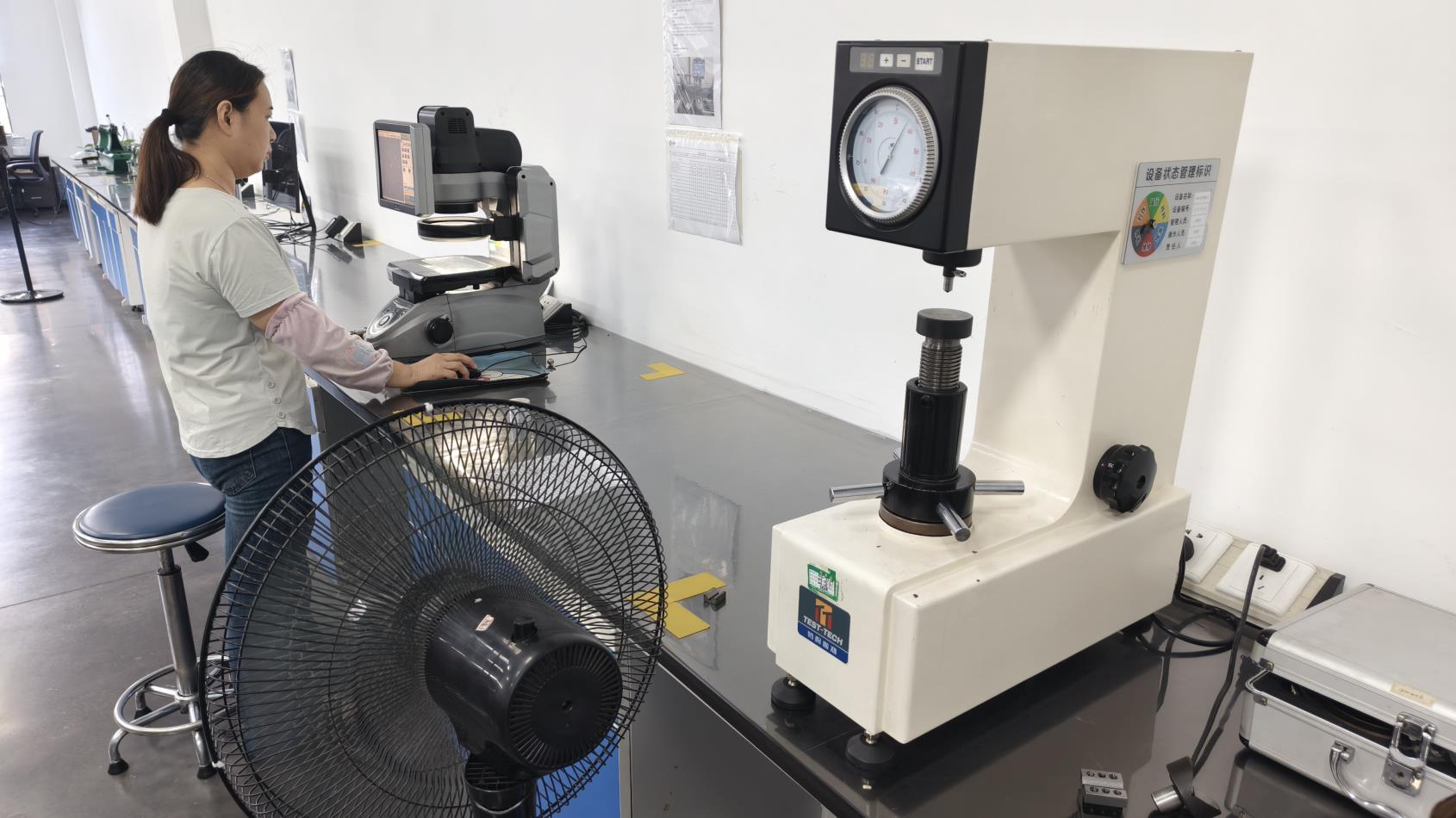
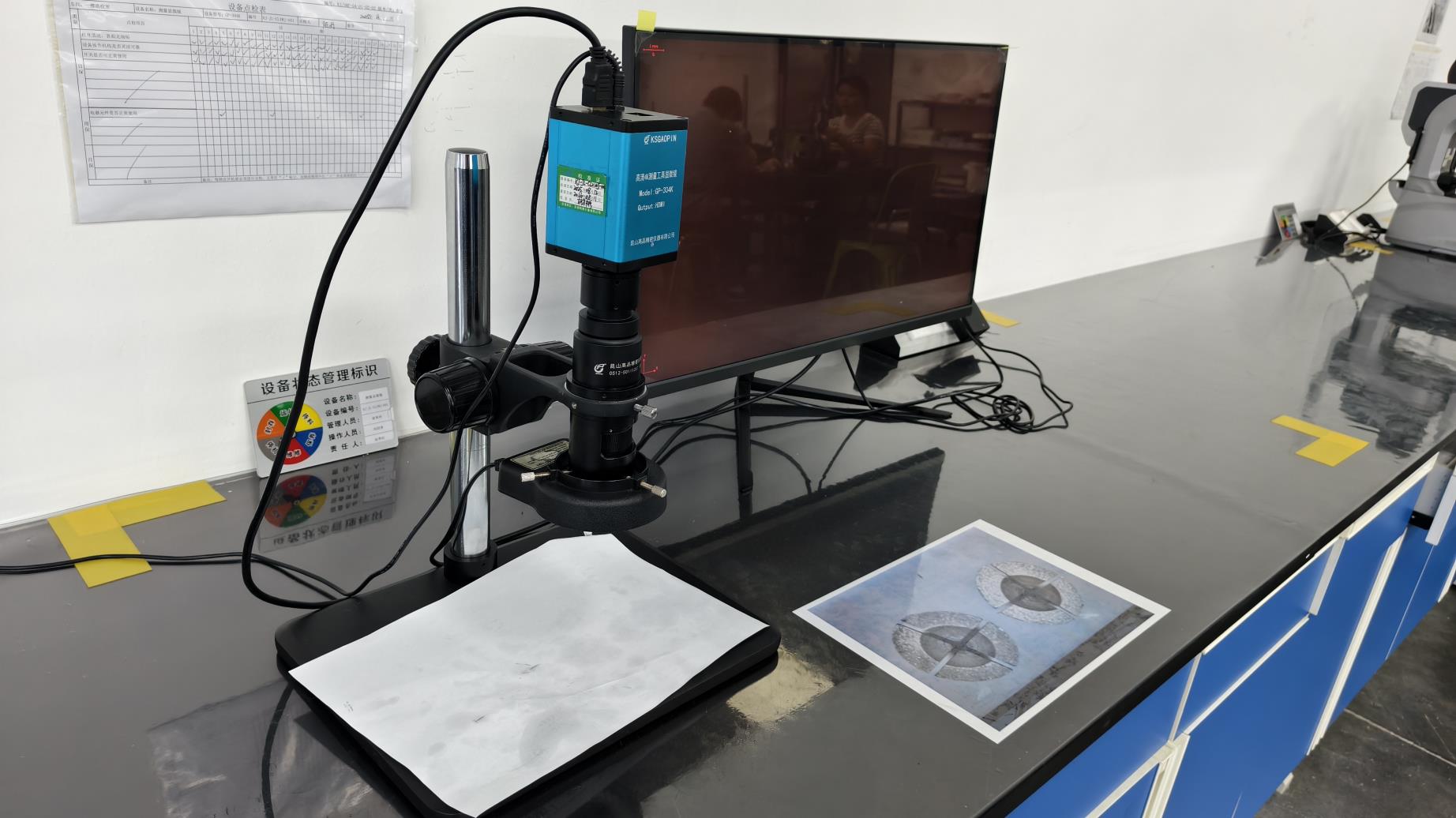
A visual tour of our modern manufacturing facility, showcasing the high-precision equipment used to produce our medical devices.
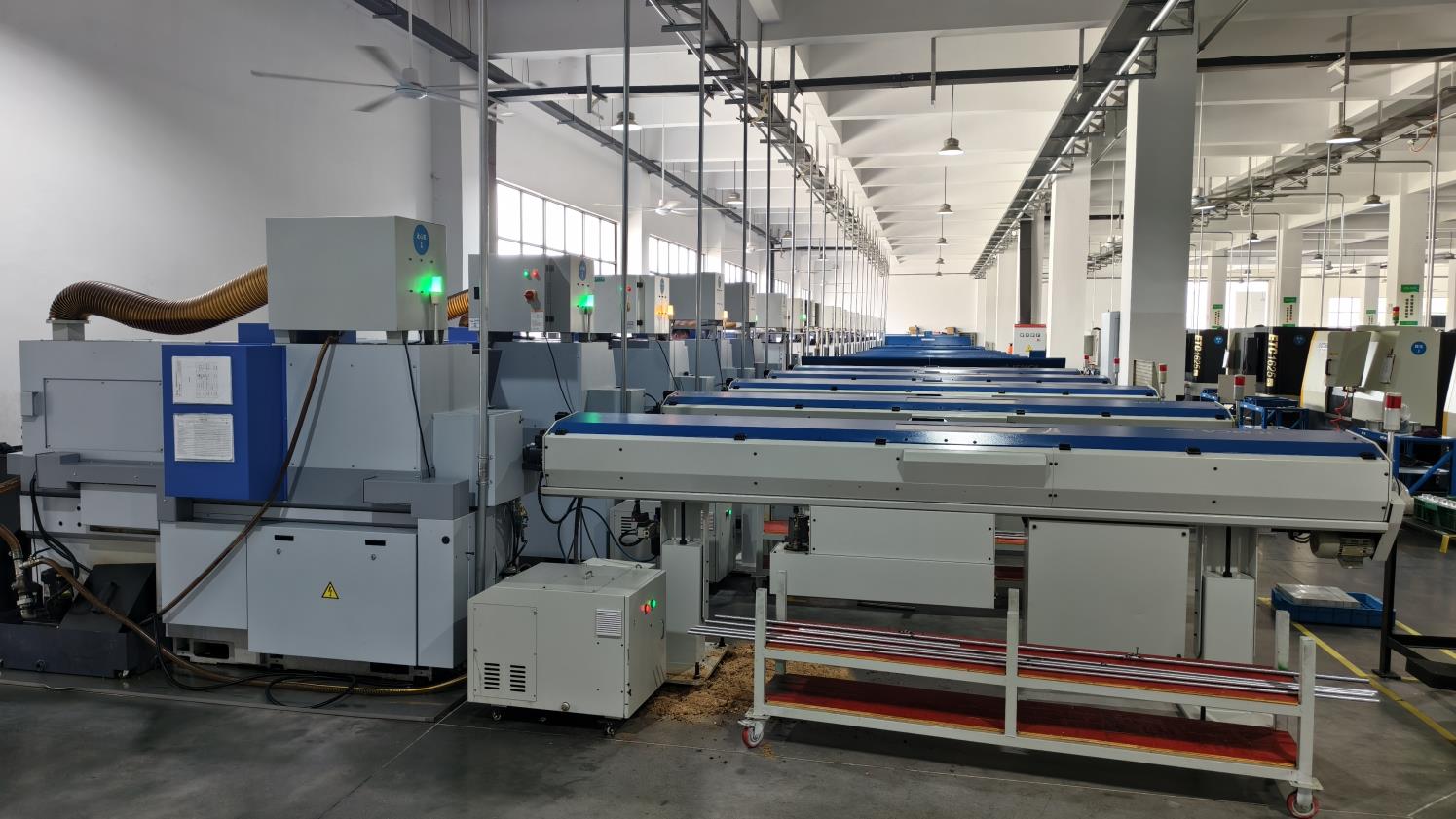
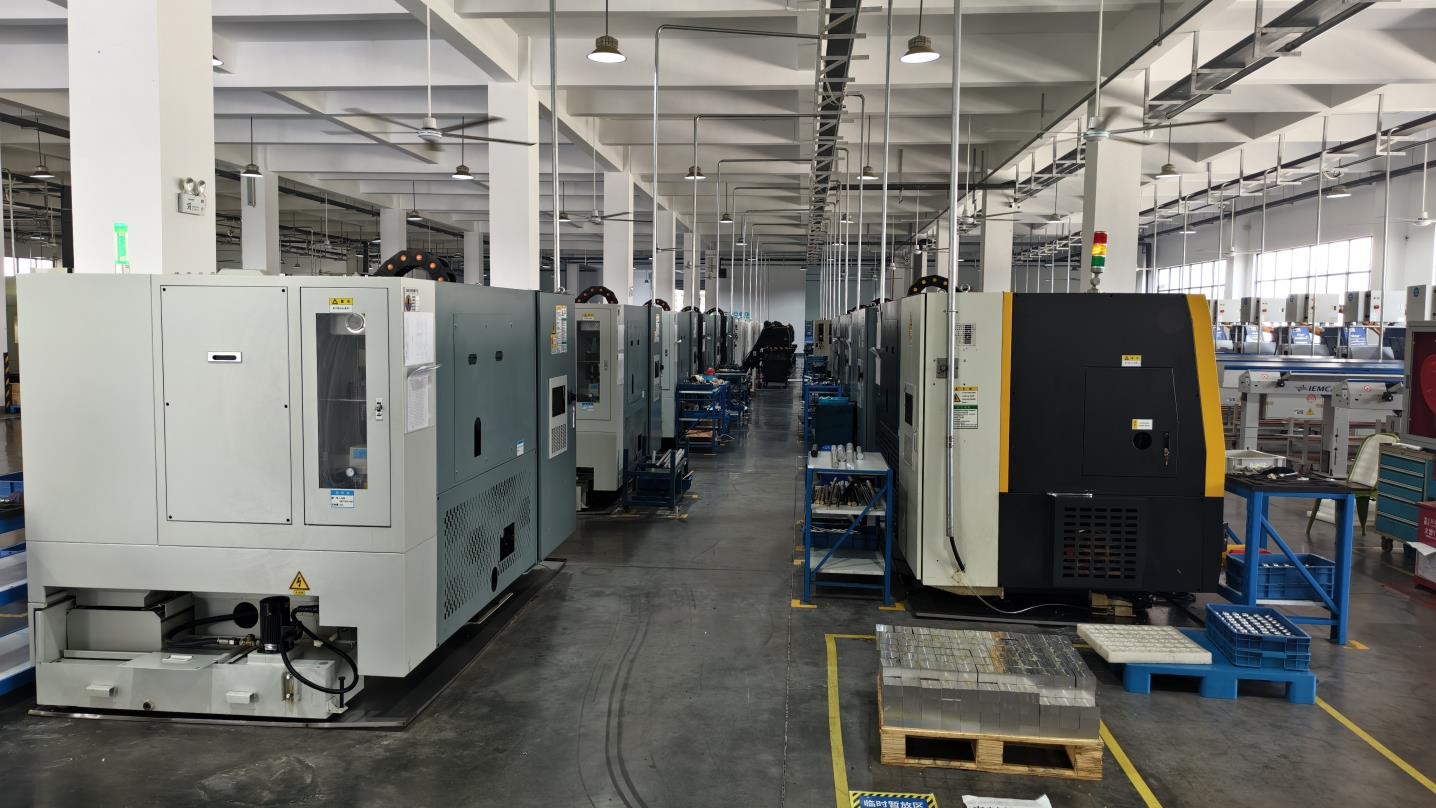
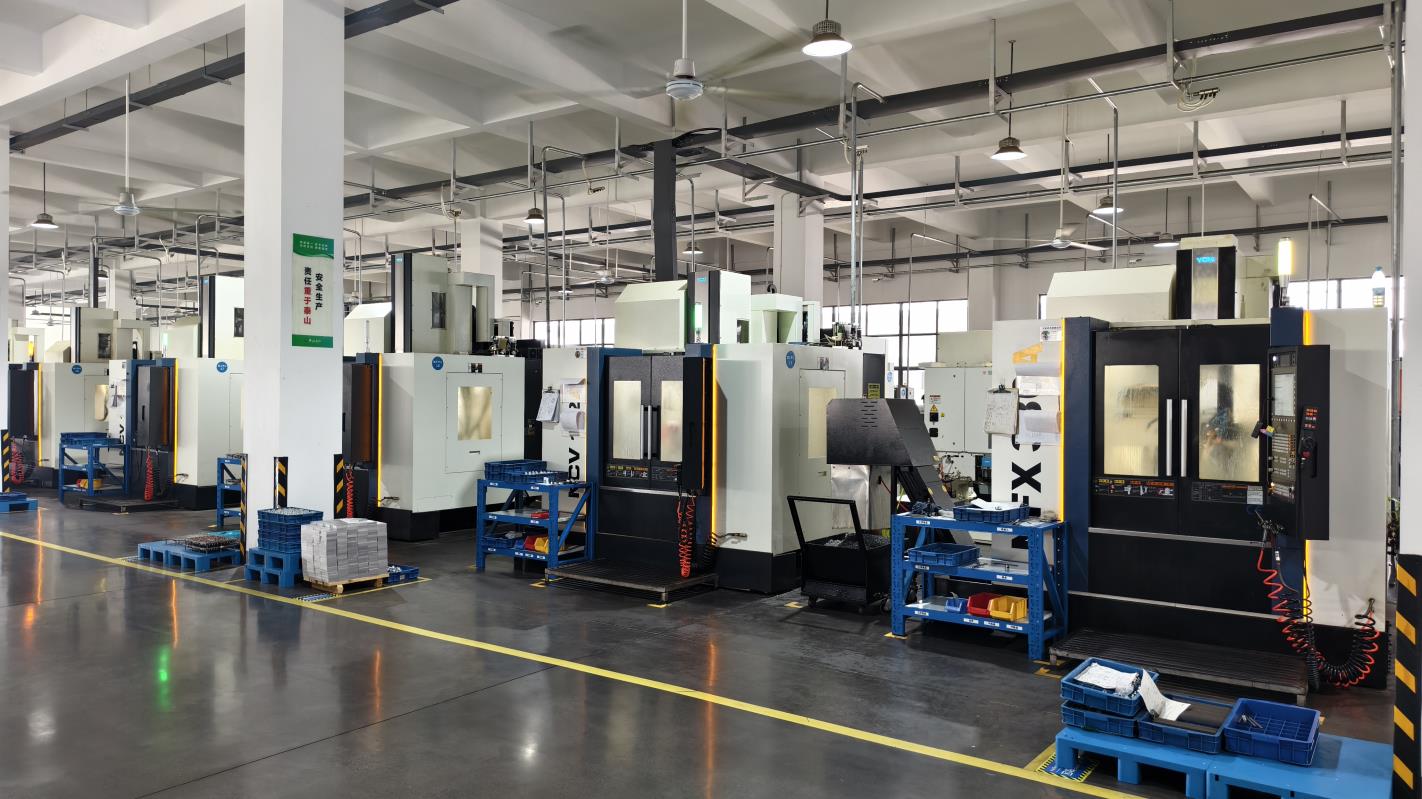
The field of bone grafting is shifting from passively osteoconductive ceramics to dynamic, osteoinductive solutions. R&D departments worldwide are focused on integrating bioactive glasses, recombinant human growth factors (such as rhBMP-2), and patient-specific, 3D-printed scaffolds to optimize healing.
Silicon and boron-based molecular lattices that react with bodily fluids to form natural hydroxyapatite coatings, speeding up tissue attachment and integration.
Using temperature-responsive hydrogels to deliver demineralized bone matrix (DBM) exactly where needed, keeping the material stable at the surgical site.
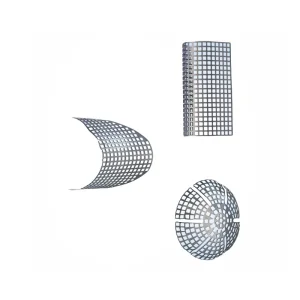
Creating custom-fit titanium and ceramic matrices designed directly from patient CT scans, ensuring a perfect match for complex anatomical shapes.
In response to these industry shifts, Moventra continues to upgrade its precision machining capabilities. By adjusting the surface roughness and micro-geometry of our implants, we enhance bone-to-implant contact (BIC). This design approach supports the stability and integration of both synthetic grafts and structural hardware, improving long-term clinical outcomes.
Under the EU Medical Device Regulation (MDR 2017/745) and US FDA Class II & III guidelines, orthobiologics and orthopedic devices are subject to strict regulatory oversight. Quality assurance teams must implement rigorous verification protocols for every batch of implants produced.
Moventra’s quality system relies on multi-stage validation. Every raw material lot undergoes spectroscopic analysis to verify mechanical properties and alloy purity. Post-production, components undergo dimensional inspection on coordinate measuring machines (CMM) to ensure alignment with specifications, followed by ultrasonic cleaning and sterilization validation.
Additionally, cleanroom environments are monitored for particulate levels and bioburden to guarantee the sterility of all implantable products. We provide our global partners with complete documentation portfolios, including material test reports, sterilization records, and certification details, ensuring smooth customs clearance and regulatory compliance in local markets.
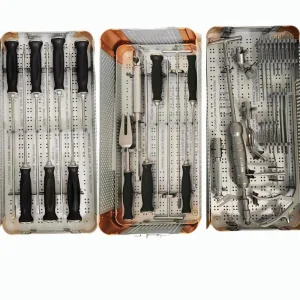
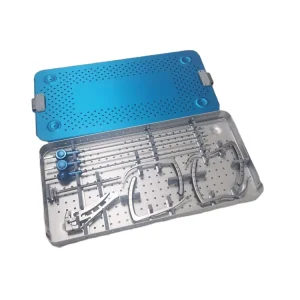
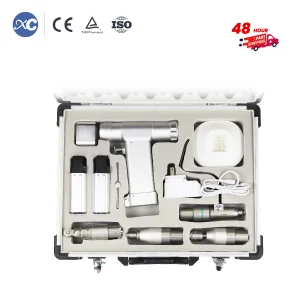
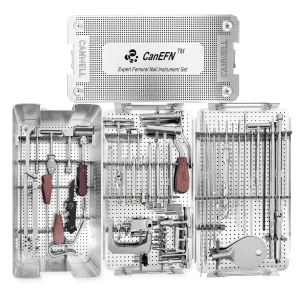
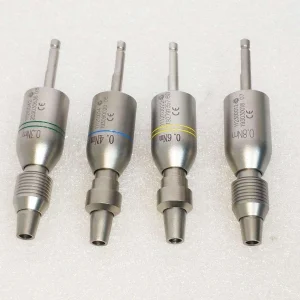
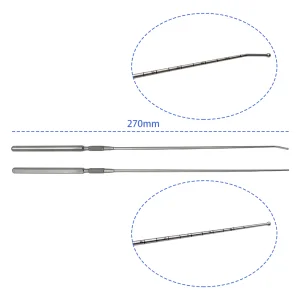
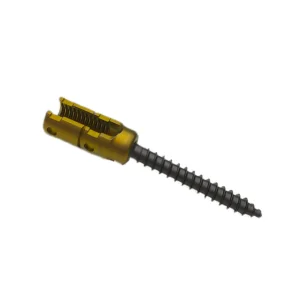
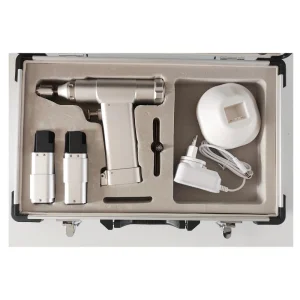
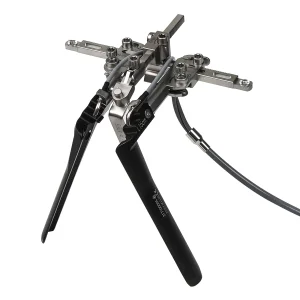
Reliable surgical instrumentation and stabilization hardware designed to assist orthopedic surgeons in clinical environments.
 Moventra Medical