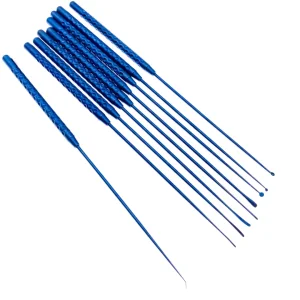
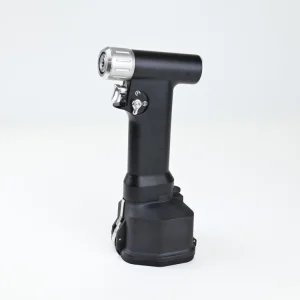
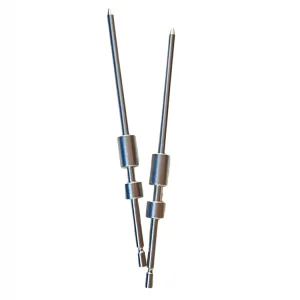
Advanced trauma, spine, joint reconstruction, and precision microsurgical instruments
Moventra Medical Technology (China) Co., Ltd.
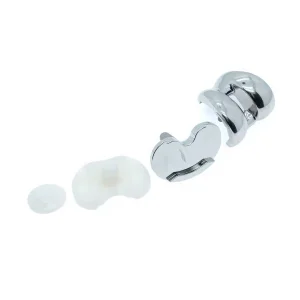
Moventra Medical Technology (China) Co., Ltd. is a professional manufacturer specializing in the research, development, production, and global supply of orthopedic medical devices and surgical solutions. Established in 2017, the company is dedicated to delivering innovative, high-quality products for trauma, spine, joint reconstruction, sports medicine, and orthopedic surgical procedures.
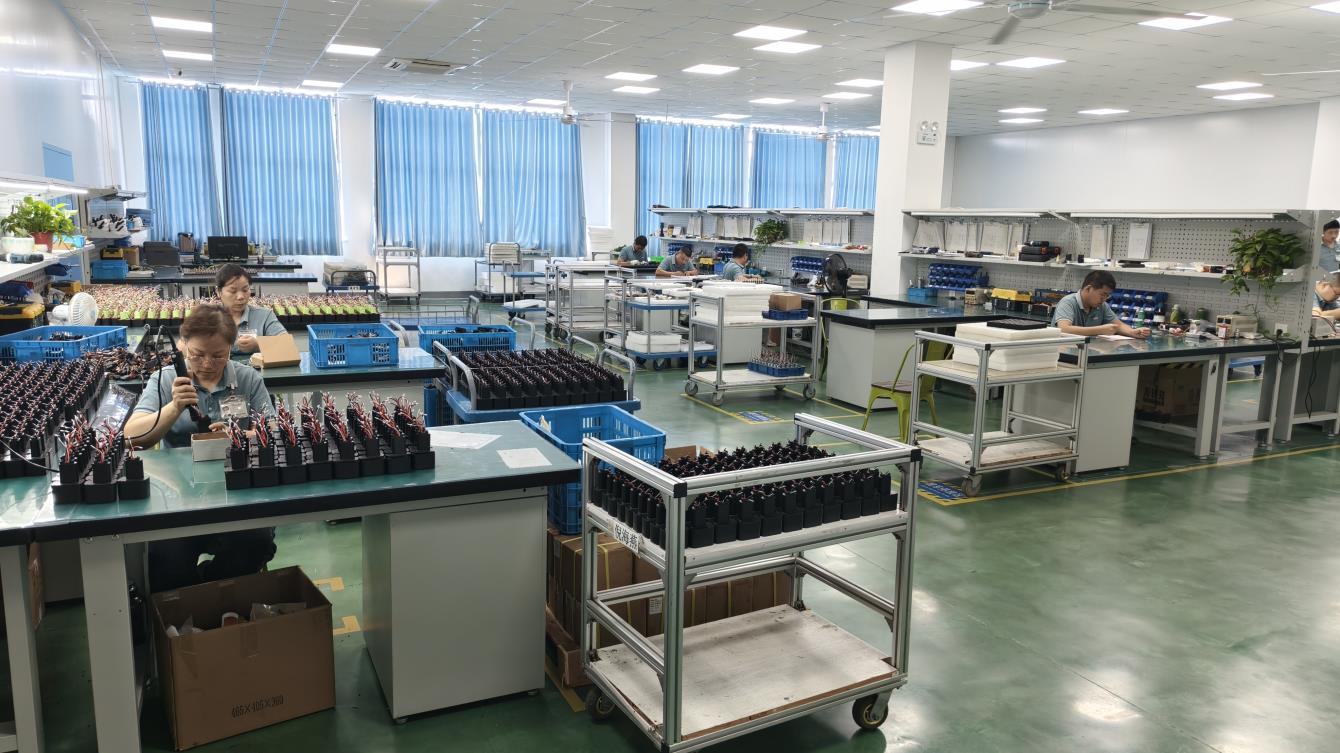
With a modern manufacturing facility covering 18,600 m², Moventra integrates advanced CNC machining, precision manufacturing, automated production lines, and strict quality management systems to ensure every product meets international medical standards. Our commitment to continuous innovation enables us to provide reliable OEM and ODM services for global medical device brands, distributors, and healthcare institutions.
Supported by an experienced R&D team and comprehensive quality assurance system, Moventra continuously develops innovative orthopedic solutions that improve surgical efficiency and patient outcomes. Our products are exported to customers worldwide and are trusted for their precision, safety, and consistent performance.
| Key Specifications | Details & Capabilities |
|---|---|
| Company Name | Moventra Medical Technology (China) Co., Ltd. |
| Established & Experience | Established in 2017 | 13 Years of Industry Experience |
| Facility Area | 18,600 m² state-of-the-art facility |
| Annual Export Revenue | USD 23.8 Million (7 Years Export Experience) |
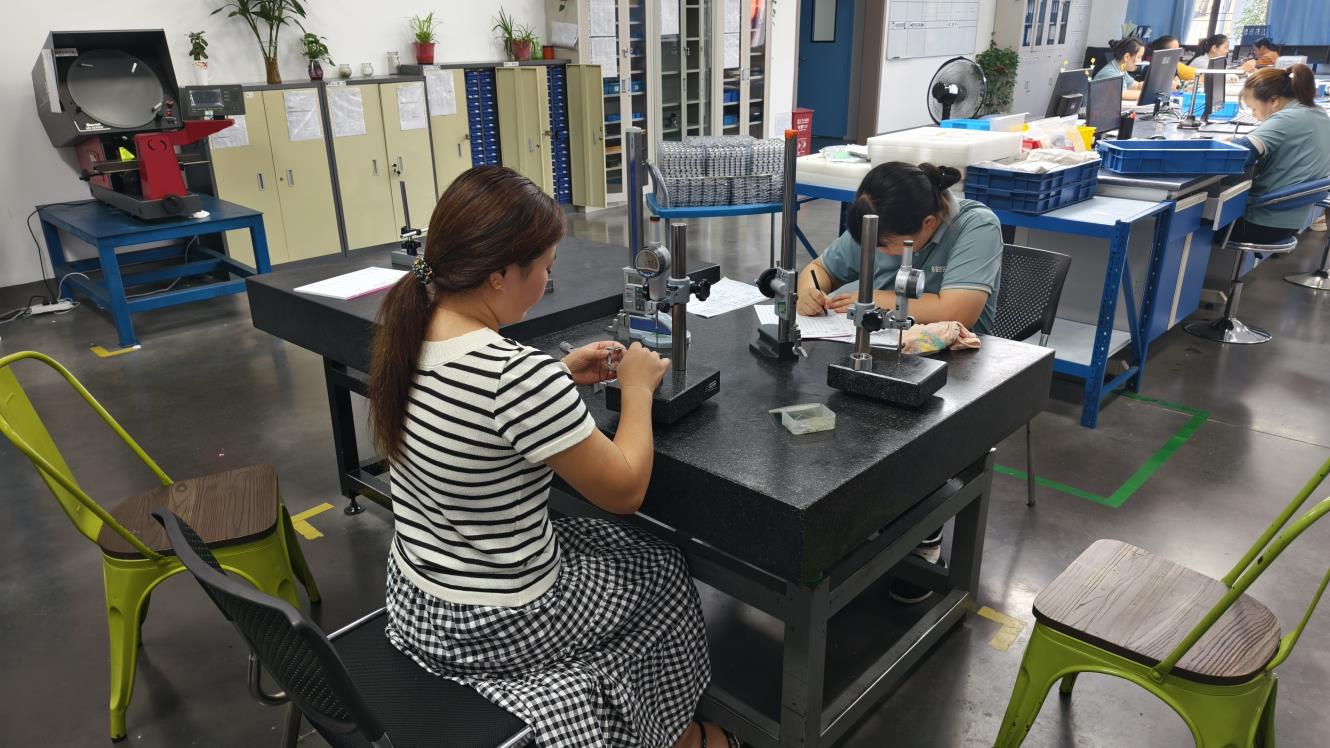
| Quality Assurance Team | 48 QC staff, 100% Quality Inspection before shipment |
| R&D Capability | 86 R&D Engineers | 156 New Products Released Last Year |
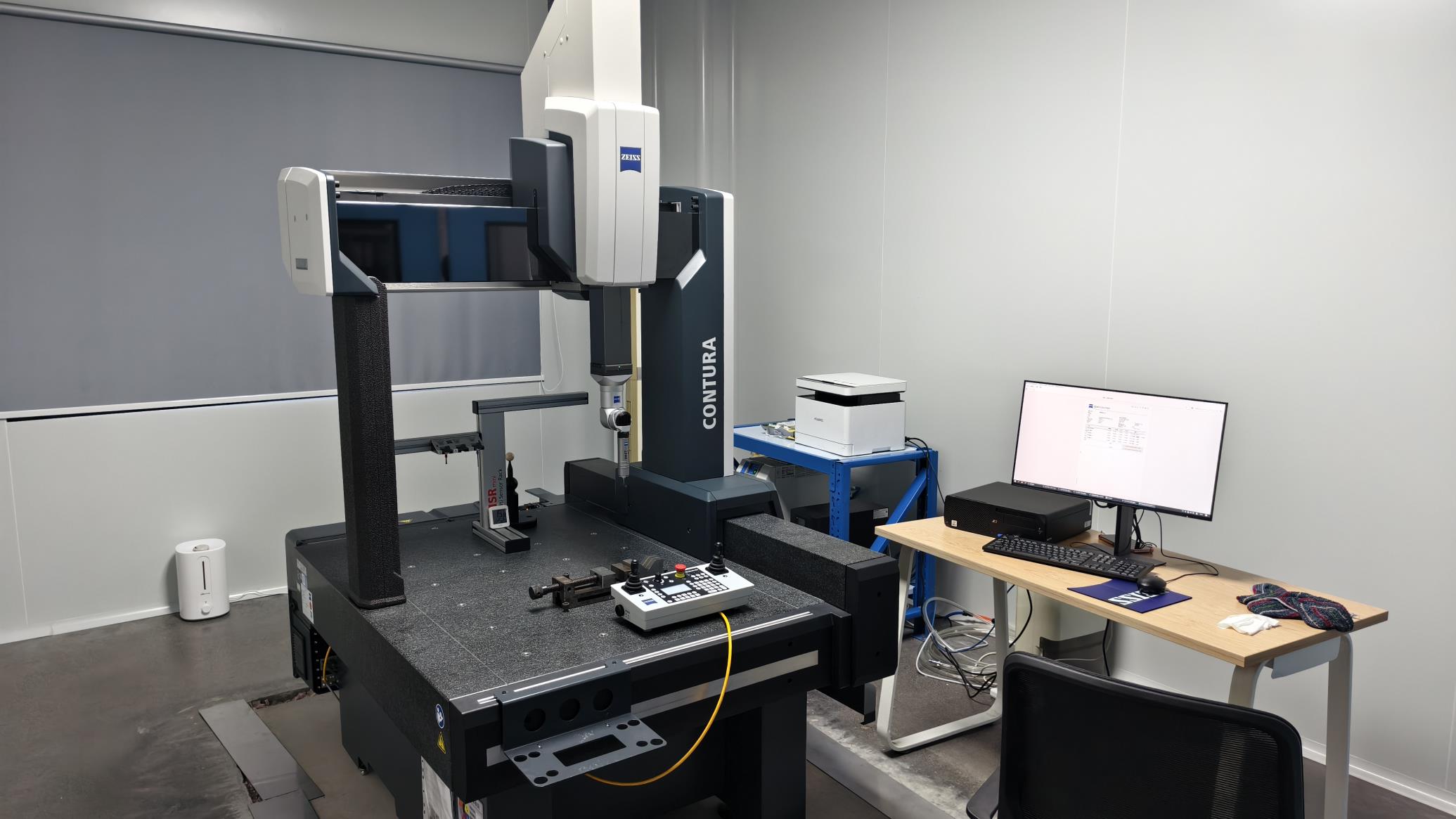
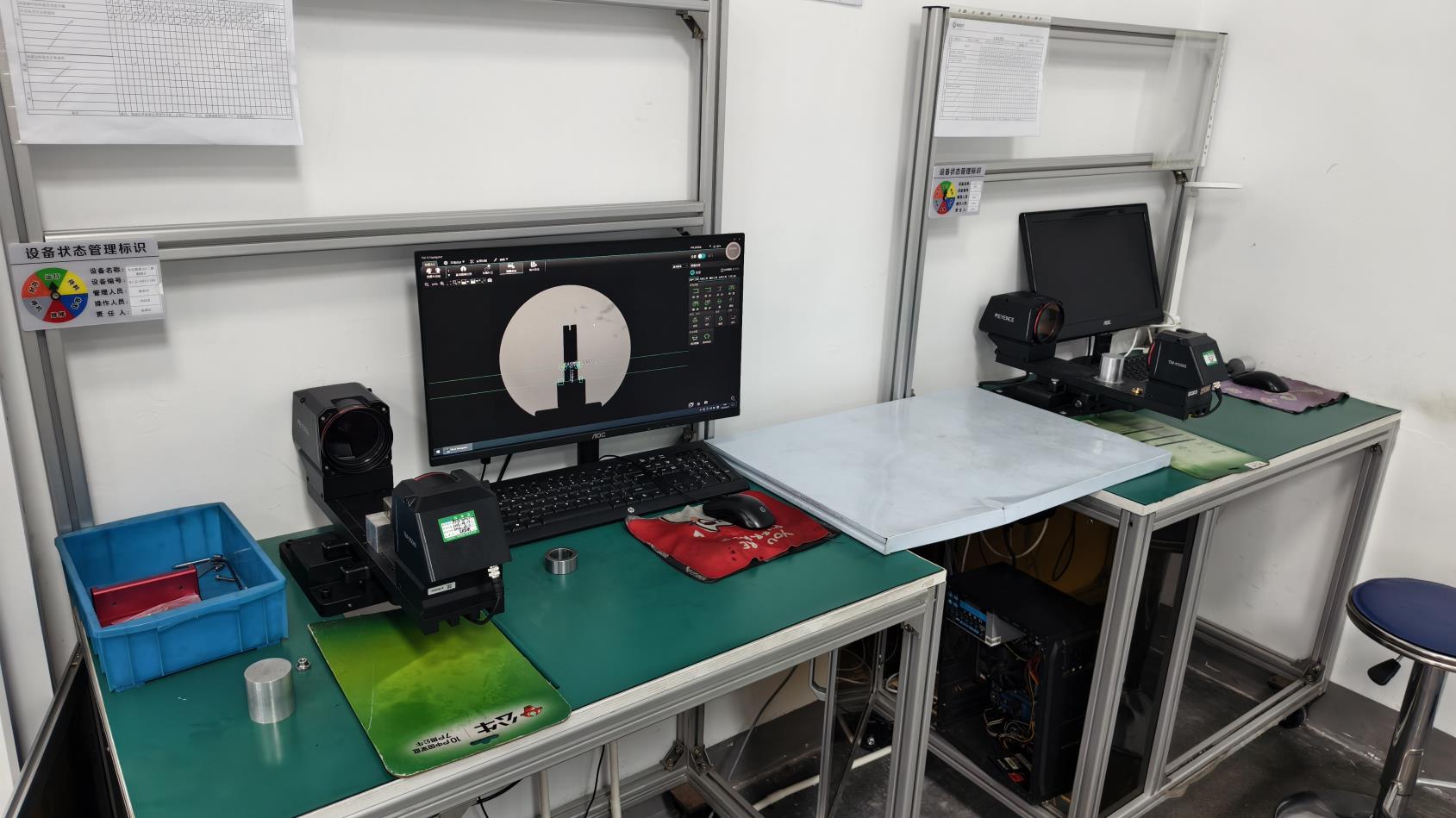
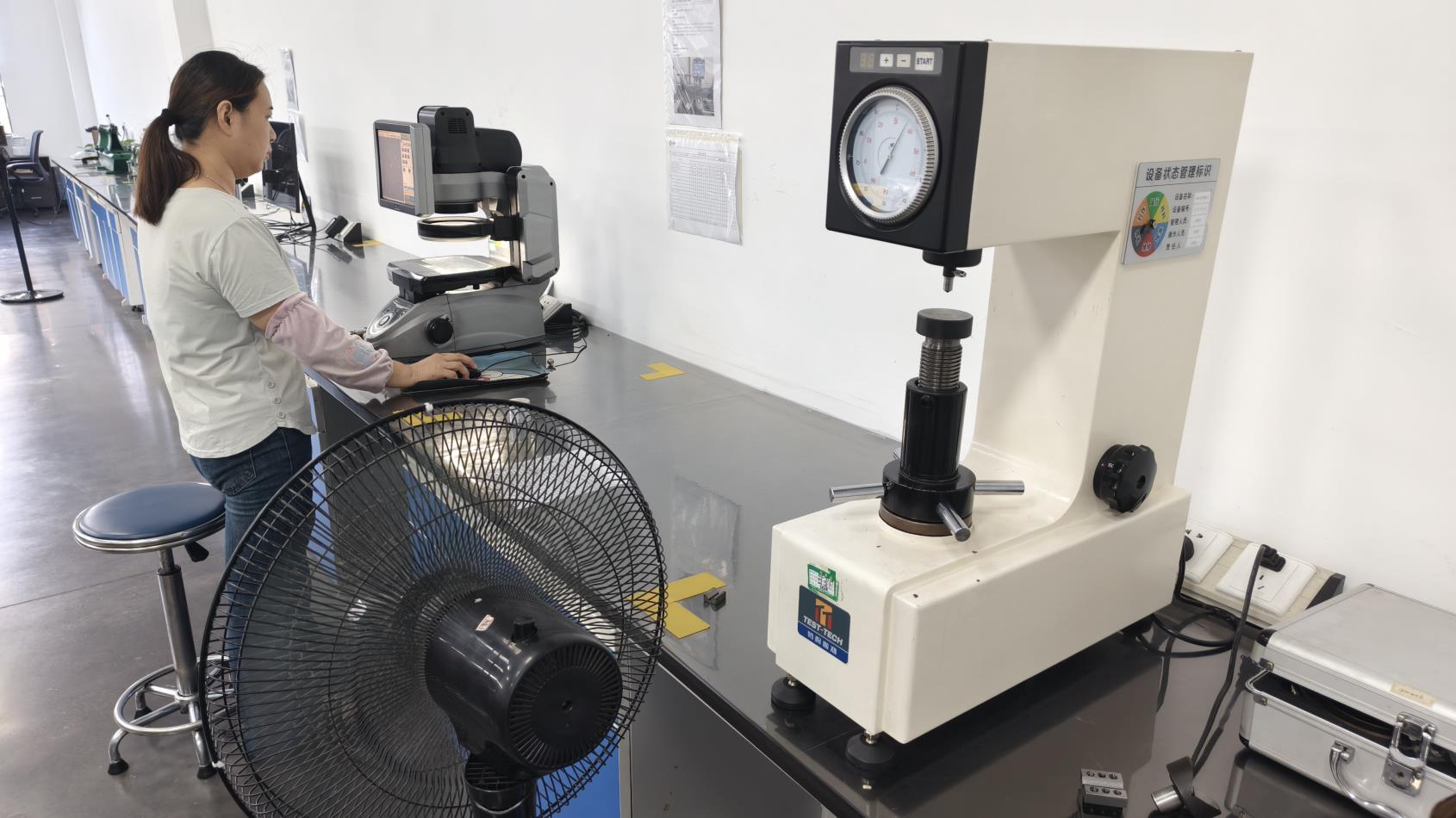
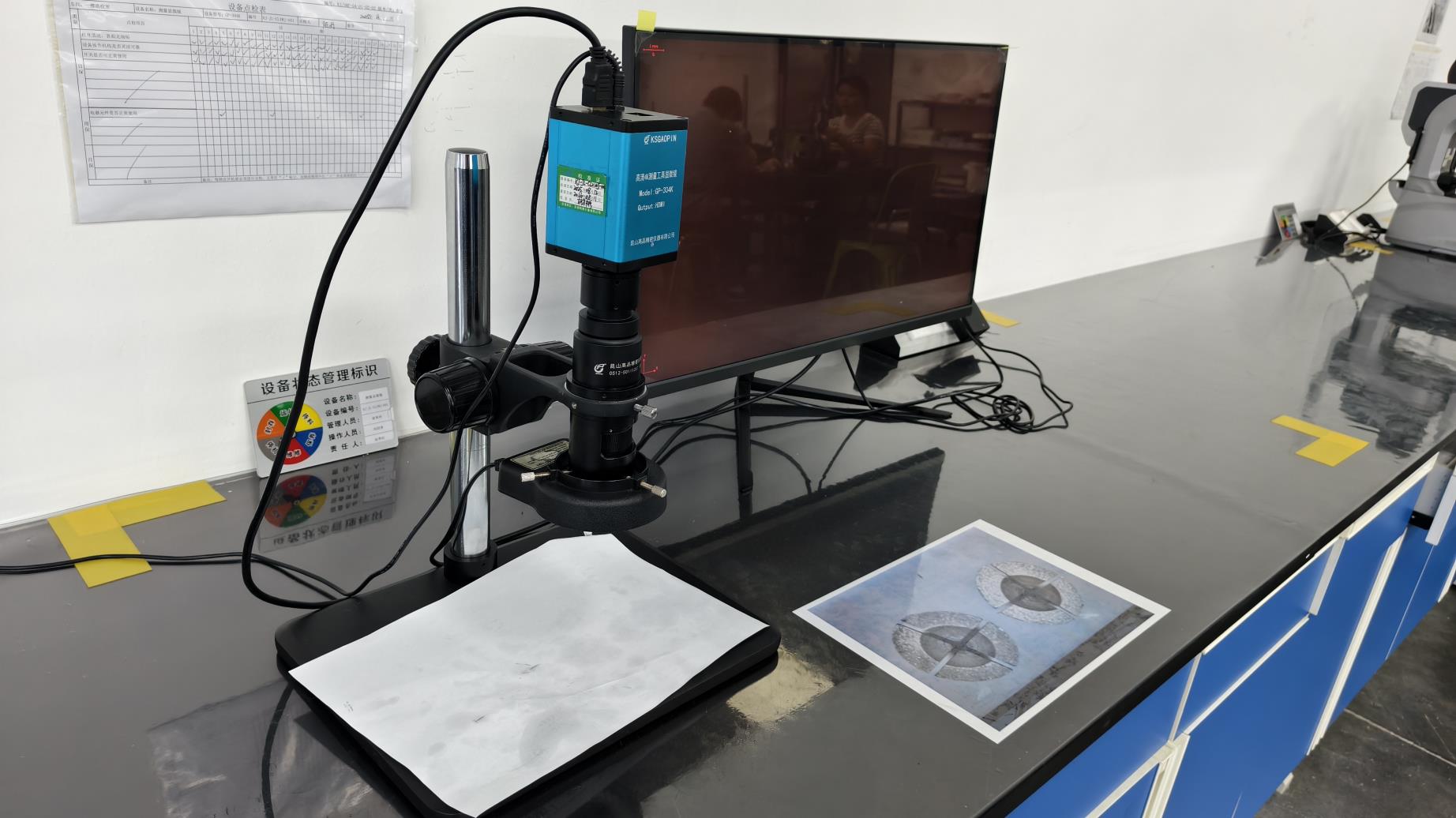
| Inspection Methods | Dimensional Inspection, Material Analysis, Surface Finish Inspection, Mechanical Performance Testing, Sterility Verification |
| Business Scope | Manufacturer, OEM & ODM Exporter supporting Brands, Distributors, and Hospital Procurements |
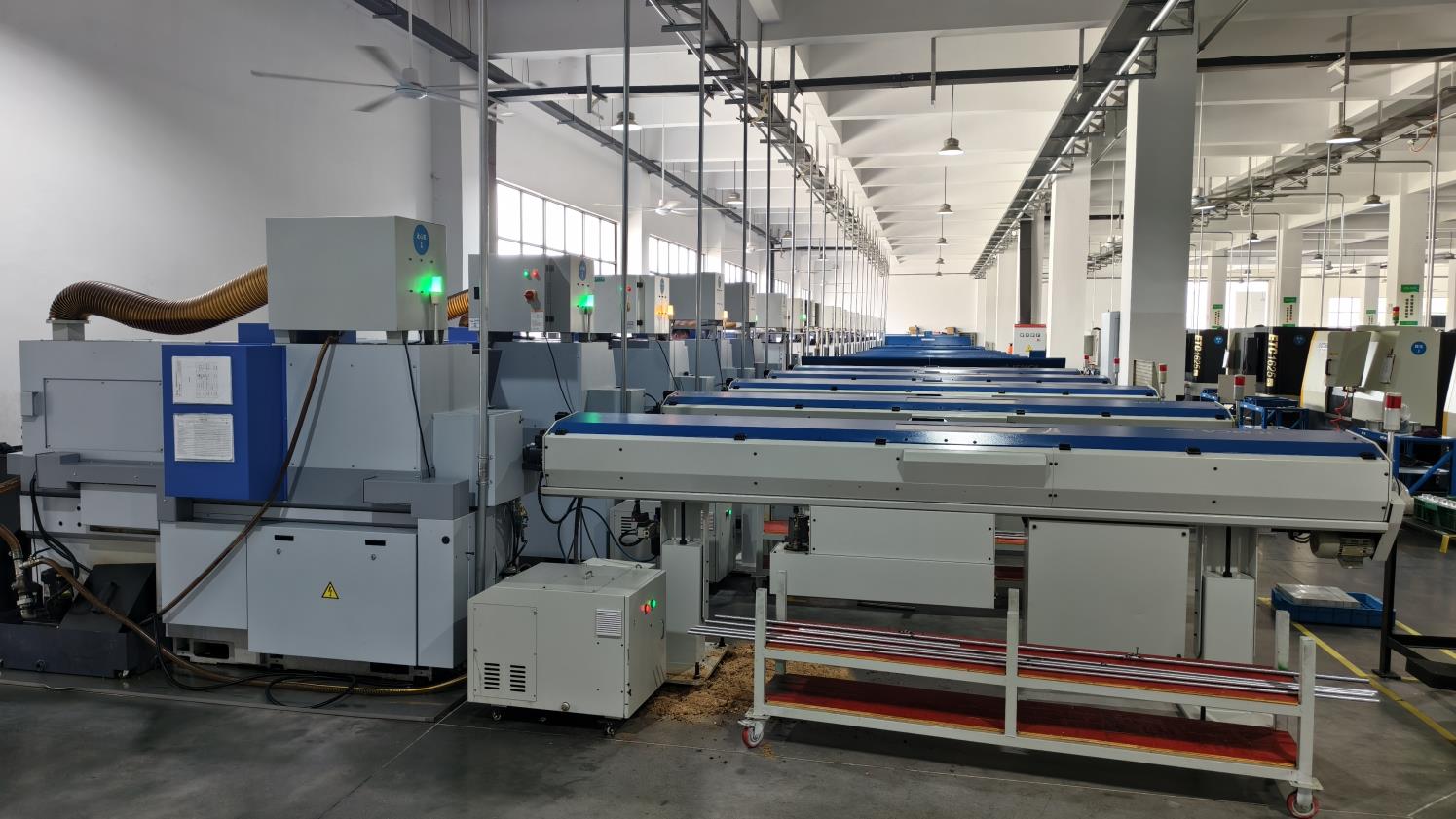
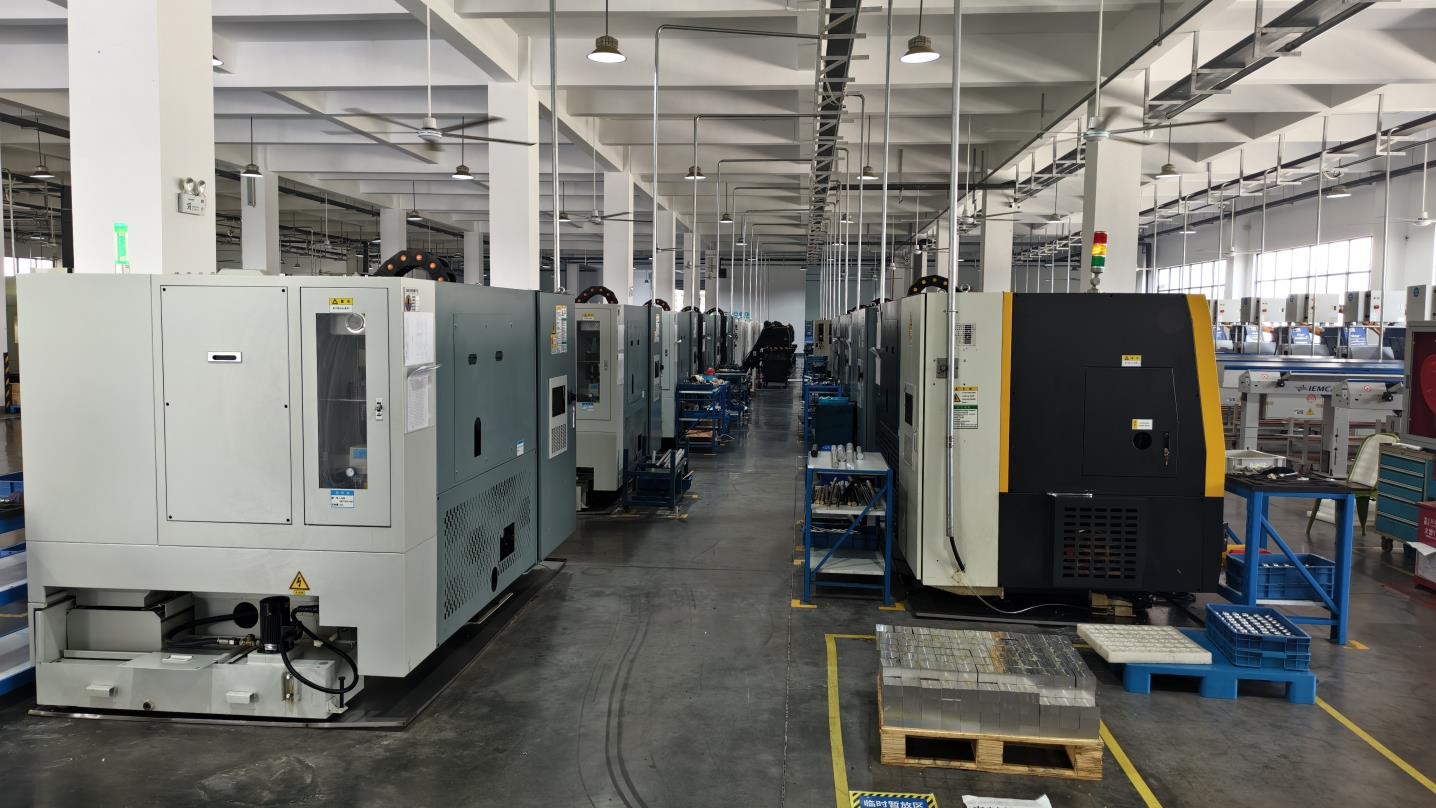
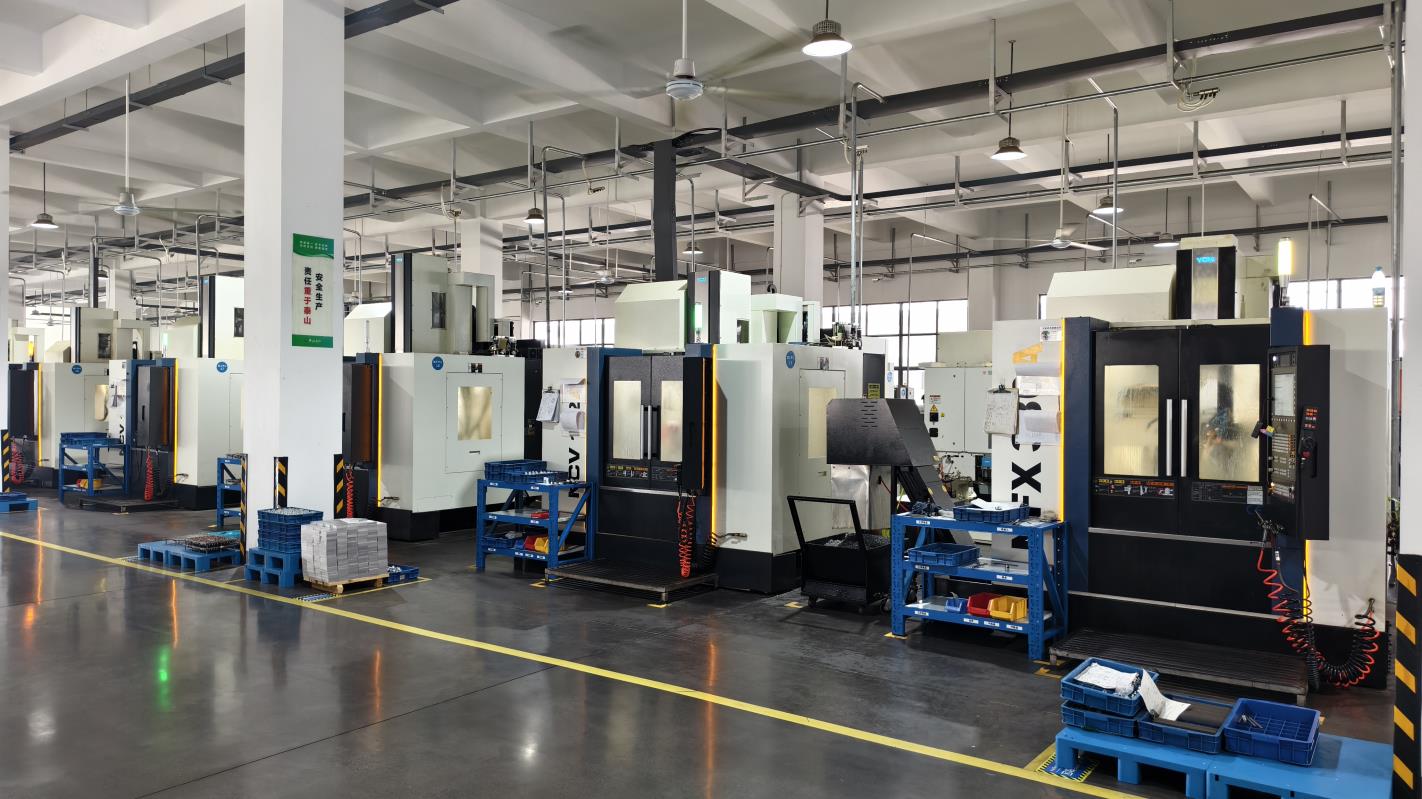
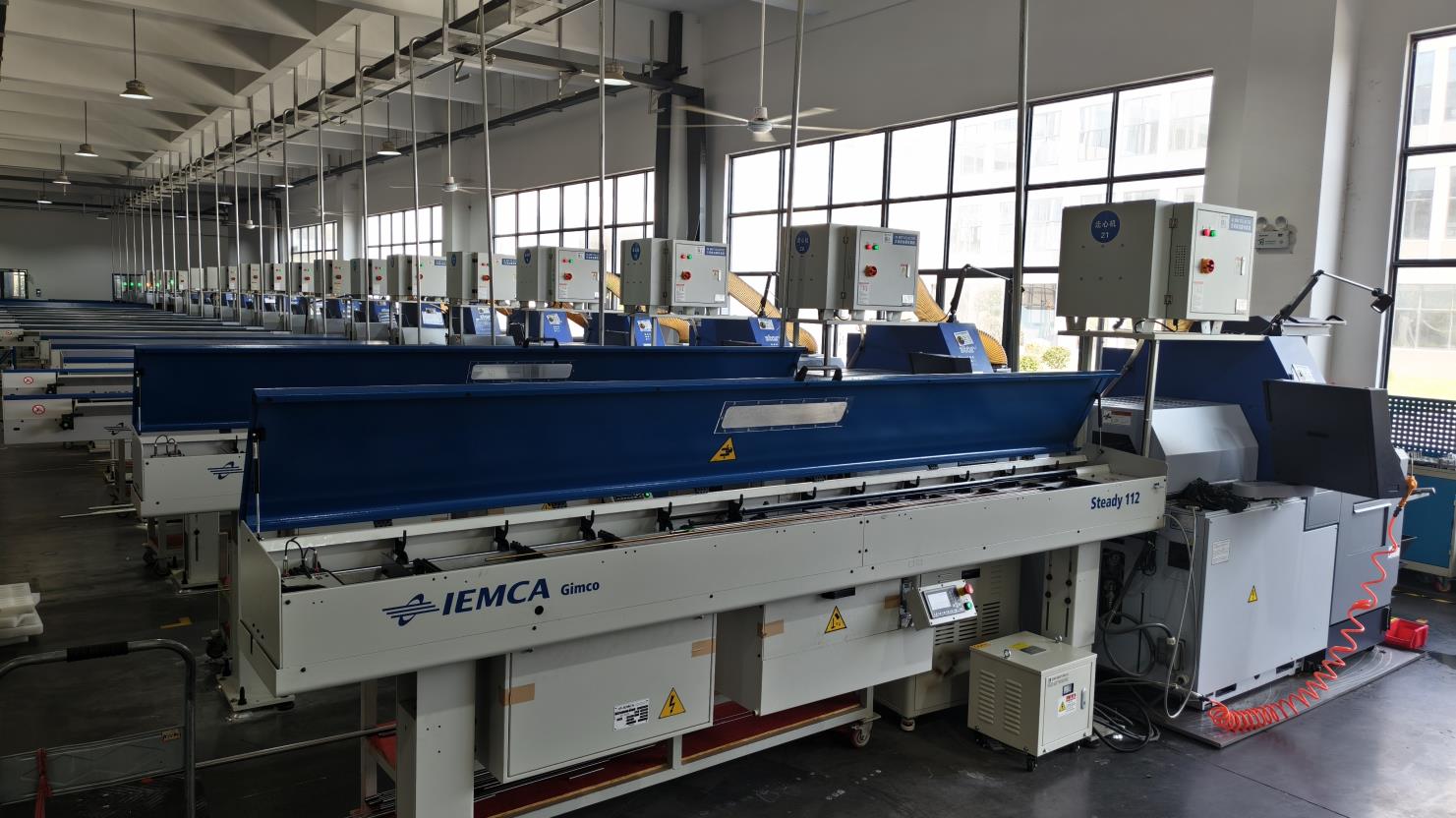
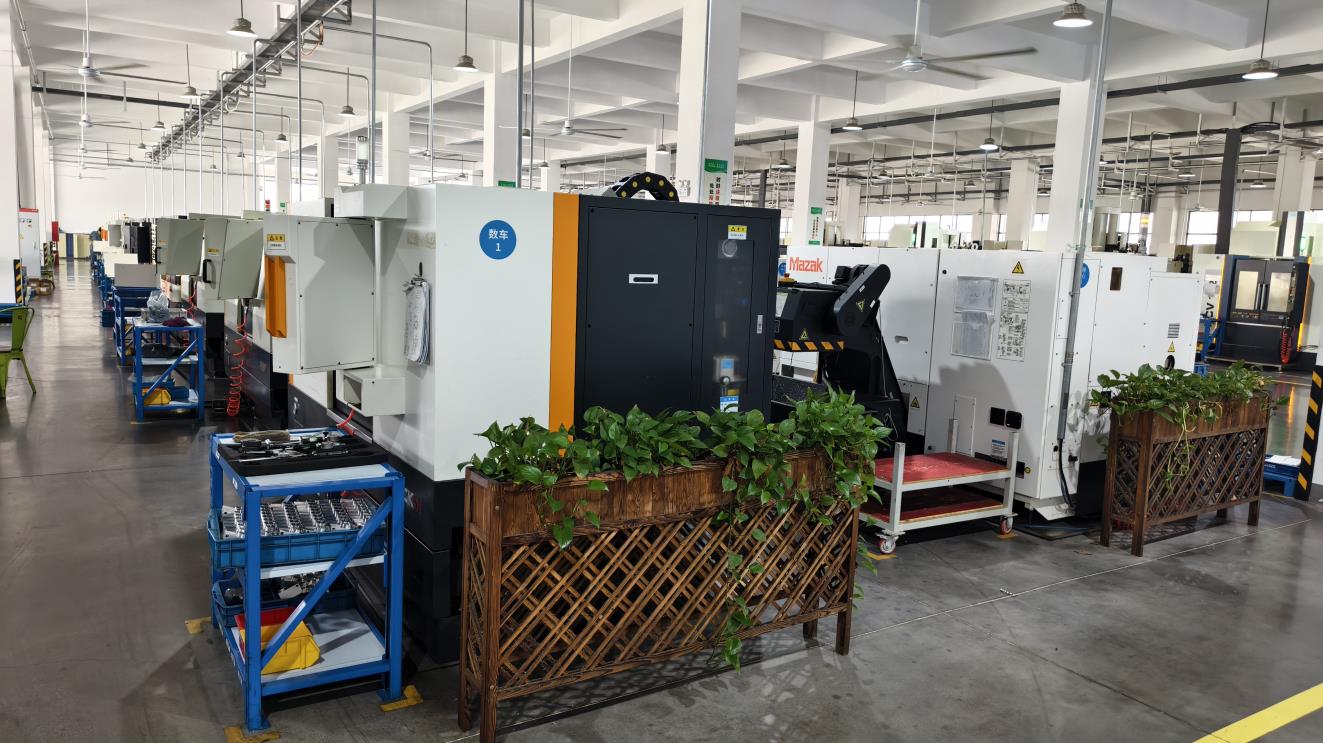
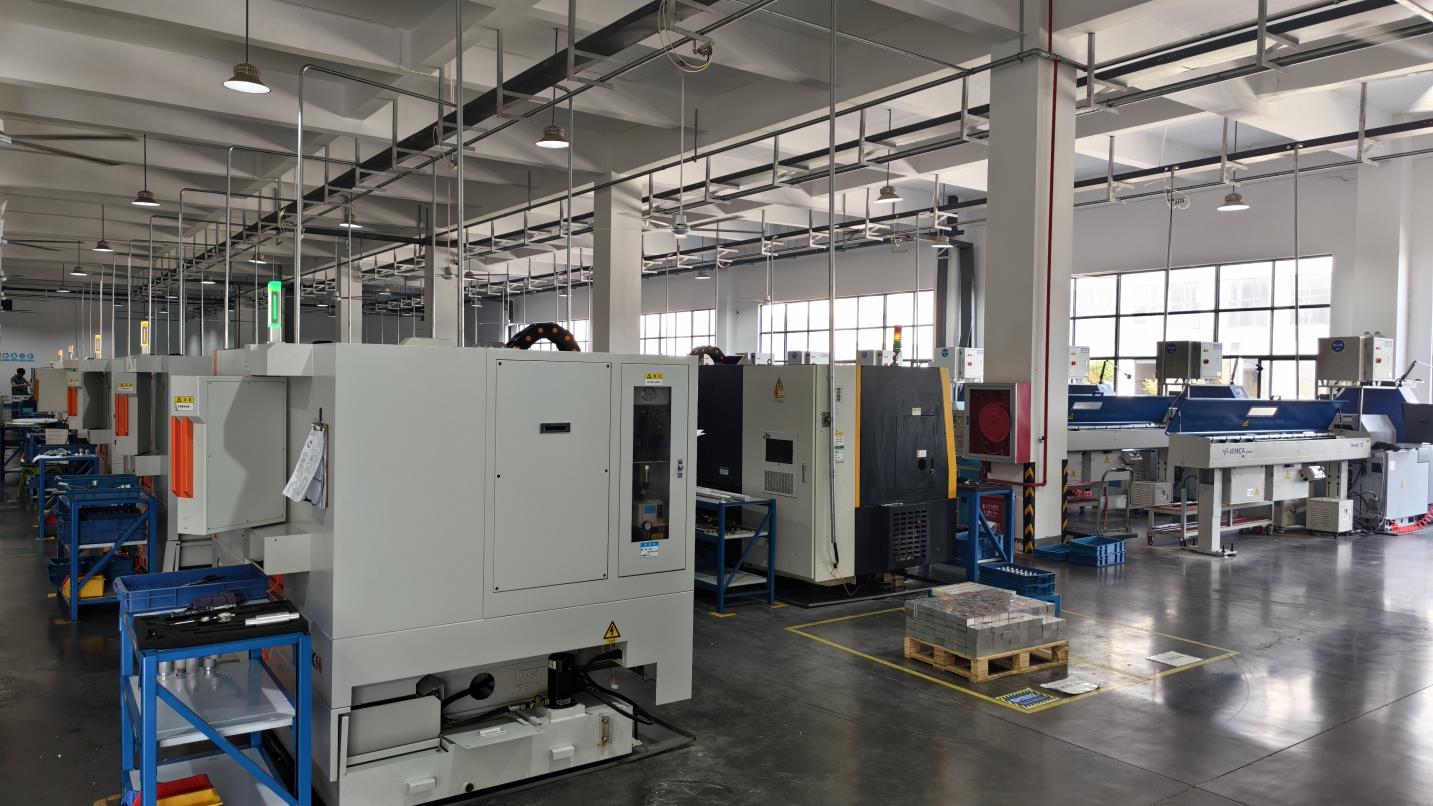
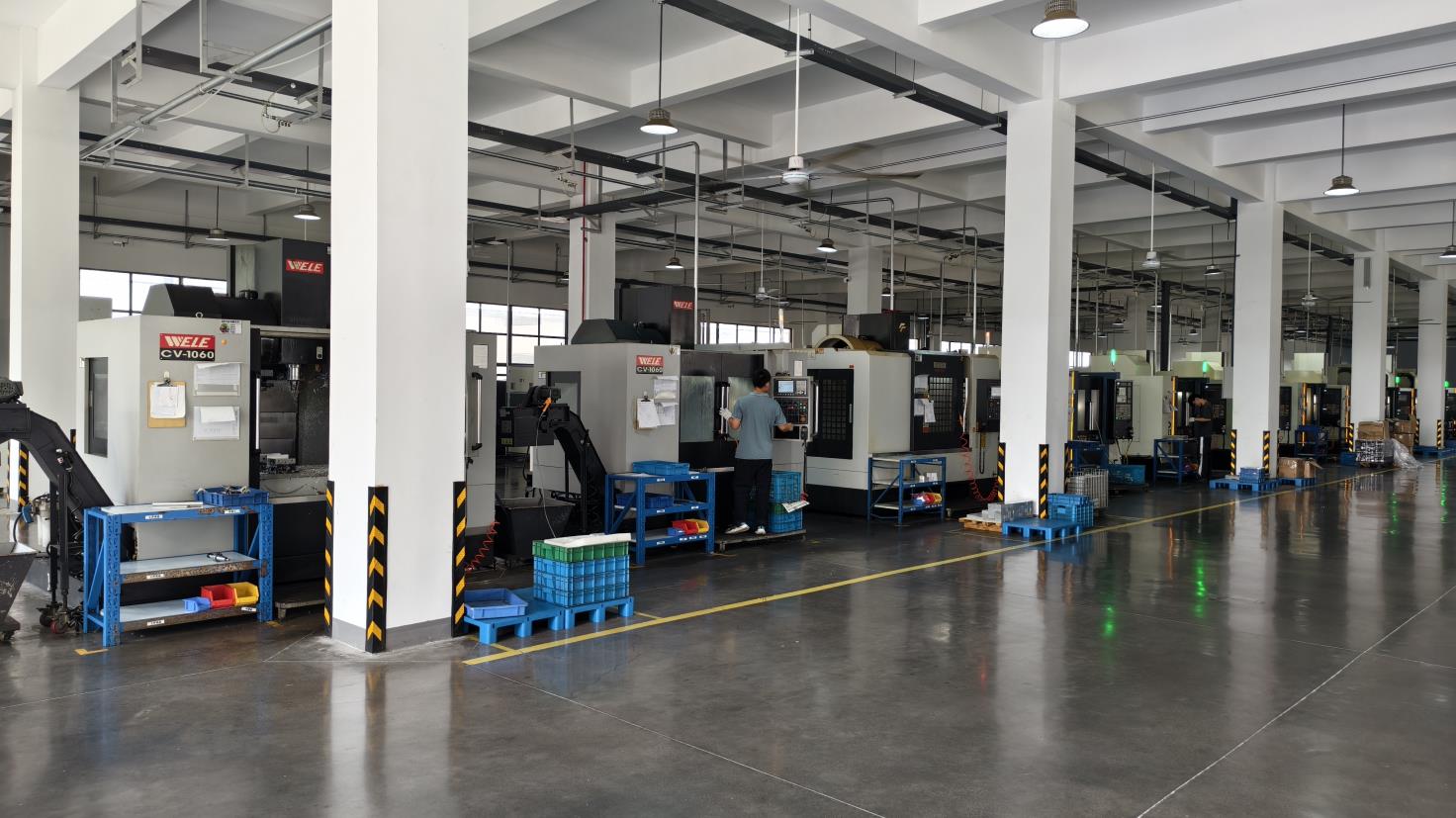
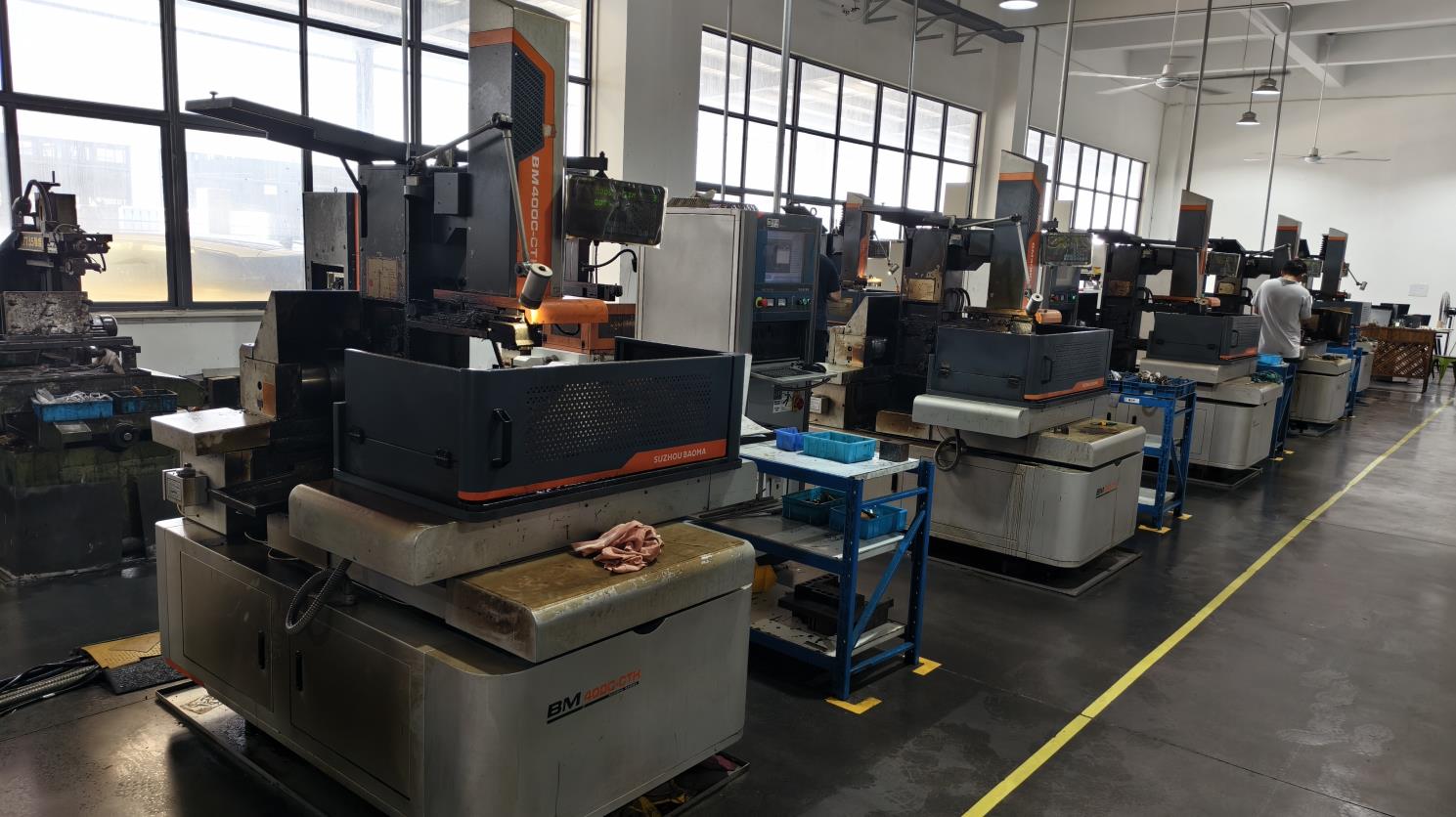
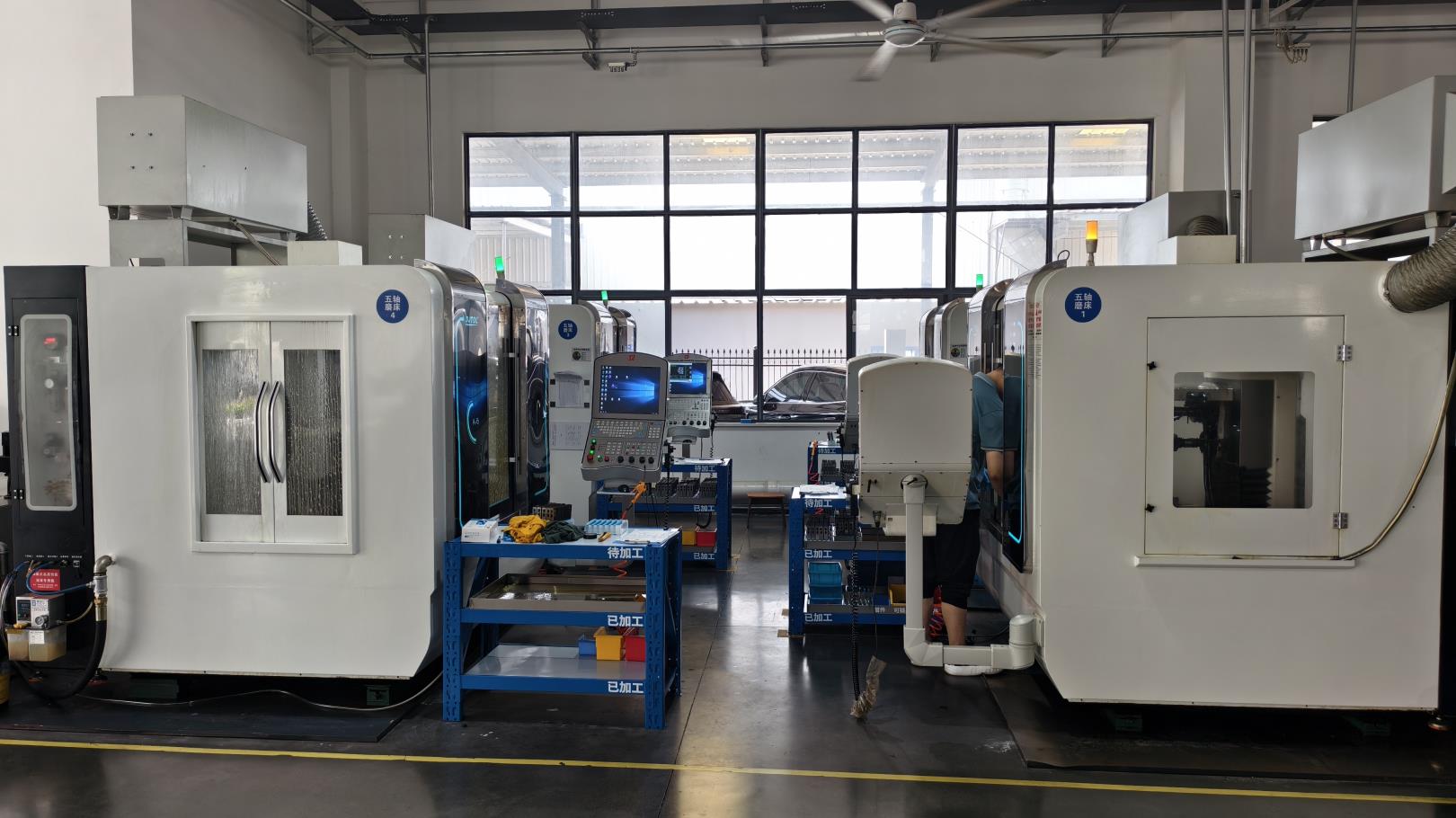
Equipped with advanced Swiss-type lathes, CNC machining centers, and comprehensive testing systems
A comprehensive clinical, mechanical, and global trade analysis of orthopedic fixation systems
Orthopedic bone screws are not merely fasteners; they are highly engineered mechanical-biological interfaces designed to facilitate stable internal fixation, accelerate osteointegration, and minimize mechanical failures such as pull-out or stress shielding. The success of modern fracture fixation and spinal fusion depends fundamentally on the optimization of screw geometry, core diameter, thread pitch, and surface characteristics. For instance, cortical bone screws feature shallow threads and a small pitch to maximize holding power in dense, cortical bone layers. Conversely, cancellous bone screws leverage deeper threads and a larger pitch to engage with the spongy, porous trabecular structure of cancellous bone.
As a leading supplier and exporter, Moventra Medical recognizes that the mechanical integrity of bone screws must balance two primary forces: insertion torque and pull-out strength. High insertion torque can lead to structural damage of the screw head or micro-fractures in the surrounding bone bed, while low pull-out strength risks premature fixation failure before solid fusion occurs. Through rigorous R&D, our engineers have developed specialized thread profiles and tip configurations—such as self-tapping flutes and self-drilling points—that optimize the torque-to-hold ratio. This minimizes trauma to the local bone structure and ensures stable initial compression, which is crucial for primary healing.
The choice of material dictates the biocompatibility, fatigue life, and corrosion resistance of bone screws. The industry benchmark remains Grade 5 Titanium Alloy (Ti-6Al-4V ELI) and commercially pure titanium, celebrated for their exceptional strength-to-weight ratio and bio-inertness. In spine surgery and joint reconstruction, Polyetheretherketone (PEEK) has gained prominence due to its radiolucency and mechanical modulus that closely matches human bone, helping to mitigate the stress-shielding effect.
Modern clinical outcomes are significantly enhanced by surface modification technologies. Anodization (Type II and Type III) is widely employed to alter surface topography and chemistry, increasing wear resistance and color-coding screws for easy intraoperative identification. Emerging techniques, including acid etching, hydroxyapatite (HA) coating, and sandblasting, create a micro-rough surface that promotes direct osteoblast adhesion, accelerating the osteointegration process. These innovations ensure that the bone-screw interface is not just a physical connection, but a biological fusion.
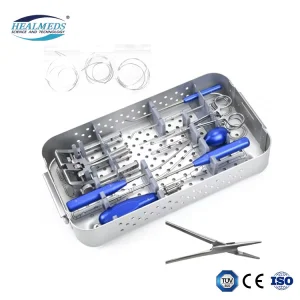
In global healthcare systems, efficiency in the operating room is directly linked to patient safety and cost management. Rather than procuring individual screws, hospitals and distributors demand comprehensive orthopedic kits—systems that combine locking plates, bone screws, guide wires, and specialized surgical instruments. Moventra Medical designs and delivers integrated trauma, spinal, and sports medicine systems that ensure seamless compatibility between implant and instrument.
The future of orthopedic fixation lies at the intersection of material science, digital planning, and personalized medicine. Moventra's R&D roadmap focuses on four key pillars that will define the next generation of implantable devices:
In a volatile global market, supply chain resilience is a primary KPI for medical device importers. Moventra Medical leverages China's advanced manufacturing ecosystem, coupled with Factory 4.0 principles, to deliver consistent quality and competitive pricing. Our 18,600 m² facility features automated CNC machining lines, Swiss-type high-speed turning centers, and precision wire-cutting machinery.
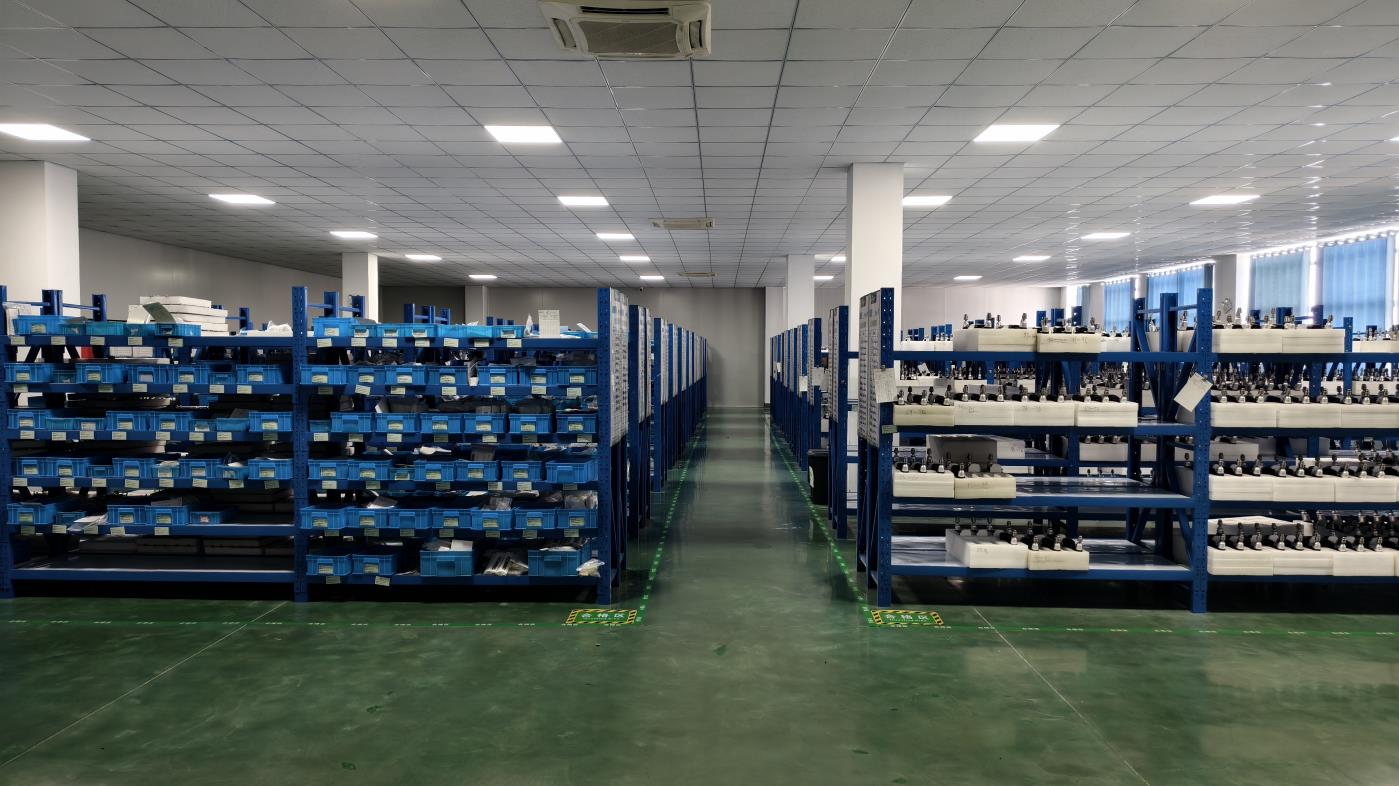
This automated infrastructure minimizes human error, ensures ultra-tight dimensional tolerances (down to ±0.005mm), and significantly reduces cycle times. Our vertical integration—spanning raw material sourcing, CNC milling, surface treatment, quality testing, and sterile barrier packaging under one roof—shields global clients from supply chain delays. By maintaining strategic stockpiles of medical-grade titanium and PEEK, we guarantee predictable lead times, even for large-volume government procurement and custom OEM/ODM runs.
Exporting implantable medical devices requires navigating a complex matrix of international regulations. Moventra Medical maintains strict adherence to global quality management systems, including ISO 13485:2016. Our manufacturing operations comply with Class II and Class III medical device standards, ensuring that every product exported carries verified safety profiles, material certifications, and traceability records.
We actively support our global partners by providing comprehensive registration dossiers (technical files, clinical evaluation reports, and stability data) to streamline regulatory clearance in local markets. Whether complying with European Union MDR regulations, US FDA 510(k) guidelines, or national health registrations in South America and the Middle East, our regulatory affairs team delivers the documentation required to ensure uninterrupted market access.
Addressing the complex purchasing needs of medical brands, distributors, and hospitals
We provide comprehensive mill test certificates (MTC) and chemical analysis reports for every batch of medical-grade Titanium and PEEK, tracing materials from raw ingots to final sterile implants.
We accommodate both specialized small-batch custom runs for niche clinical applications and high-volume mass production for national healthcare tenders, ensuring on-time global delivery.
From custom thread designs and head geometries to private labeling, custom laser marking, and sterile packaging configurations, our 86 R&D engineers transform drawings into certified products.
Addressing critical technical, regulatory, and mechanical questions from global procurement directors
Every batch of bone screws undergoes rigorous testing according to ASTM F543 standards, which evaluates torsional properties, insertion torque, and pull-out strength in polyurethane foam models. We also conduct fatigue testing to simulate long-term in vivo load cycles, ensuring no structural failures occur under physiological loads.
Our final cleaning, surface treatment, and packaging processes are completed in a Class 100,000 cleanroom (ISO Class 8) that is continuously monitored. We use pharmaceutical-grade ultrasonic cleaning and high-purity water systems to remove cutting fluids and particles. We offer both non-sterile bulk packaging and sterile barrier blister packaging sterilized by ethylene oxide (EO) or gamma radiation.
For custom orthopedic implants and instruments based on buyer drawings or physical samples, our R&D department completes 3D modeling and initial prototyping within 10 to 15 business days. Once the prototype is approved, production tooling, validation, and manufacturing of the first batch typically take 30 to 45 days, depending on the complexity of the custom geometry.
We primarily machine implants using certified Ti-6Al-4V ELI (ASTM F136) titanium alloy, commercially pure titanium (Grades 2 and 4), implant-grade 316LVM stainless steel (ASTM F138), and implant-grade Polyetheretherketone (PEEK-OPTIMA). All materials are sourced from leading global suppliers and include complete chemical analysis certificates.
Explore our complete range of certified spinal implants, trauma plates, and orthopedic tools
 Moventra Medical