Clinical-grade solutions manufactured under rigorous standards. Exploring advanced trauma, spine, joint reconstruction, and sports medicine instruments.
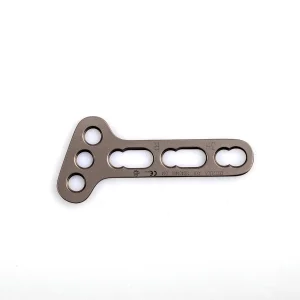
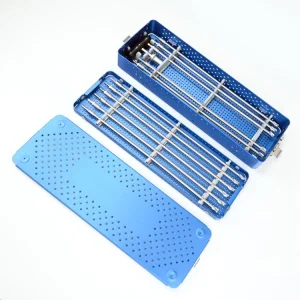
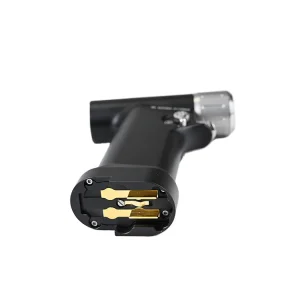
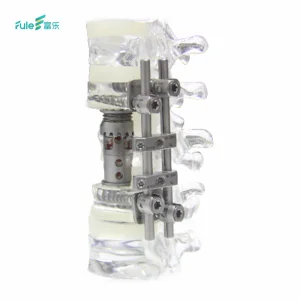
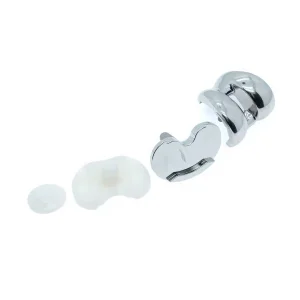
Total Knee Arthroplasty (TKA) stands as one of the most successful surgical innovations in orthopedic medicine. At the epicenter of its clinical success is the biomechanical interface of the patellofemoral joint. Dynamic patellar tracking, contact stress distribution, and wear-rate mitigation are paramount parameters that determine the longevity of prosthetic restorations. Patellar components—commonly constructed from Ultra-High-Molecular-Weight Polyethylene (UHMWPE)—serve as critical components that prevent painful bone-on-bone interfaces, reduce lateral subluxation risks, and guarantee optimal kinematics.
Over the past three decades, the debate surrounding routine versus selective patellar resurfacing has matured. Modern clinical consensus emphasizes that using high-precision patellar implants significantly mitigates secondary revision surgeries. Consequently, orthopedic OEMs and clinical procurers seek manufacturers capable of producing highly biocompatible, fatigue-resistant, and geometrically precise patellar implants.
The global demand for orthopedic reconstruction components is scaling at a compound annual growth rate (CAGR) of over 5.8%. This growth is catalyzed by a rise in the geriatric demographic, increasing athletic knee trauma cases, and the clinical shift toward early arthroplasties. Modern suppliers categorize patellar components into three primary designs:
As regulatory standards (such as FDA Class III clearances and EU MDR certifications) become more stringent, global device brands are consolidating their supply chains, relying on specialized contract manufacturers who can guarantee 100% material compliance, zero-defect geometry, and consistent sterile barrier integrity.
China has transformed from a high-volume manufacturing hub into a highly sophisticated center for advanced medical device production. Companies like Moventra Medical Technology (China) Co., Ltd. represent this technological shift. The industrial efficiency of Chinese orthopedic production facilities is anchored in several structural advantages:
From medical-grade titanium bar sourcing to Swiss-type CNC precision milling, vacuum plasma spraying (VPS), and ISO Class 7 (Class 10,000) cleanroom packaging, the entire supply pipeline is co-located. This minimizes transcontinental logistics times, stabilizes raw material procurement, and ensures traceable material documentation.
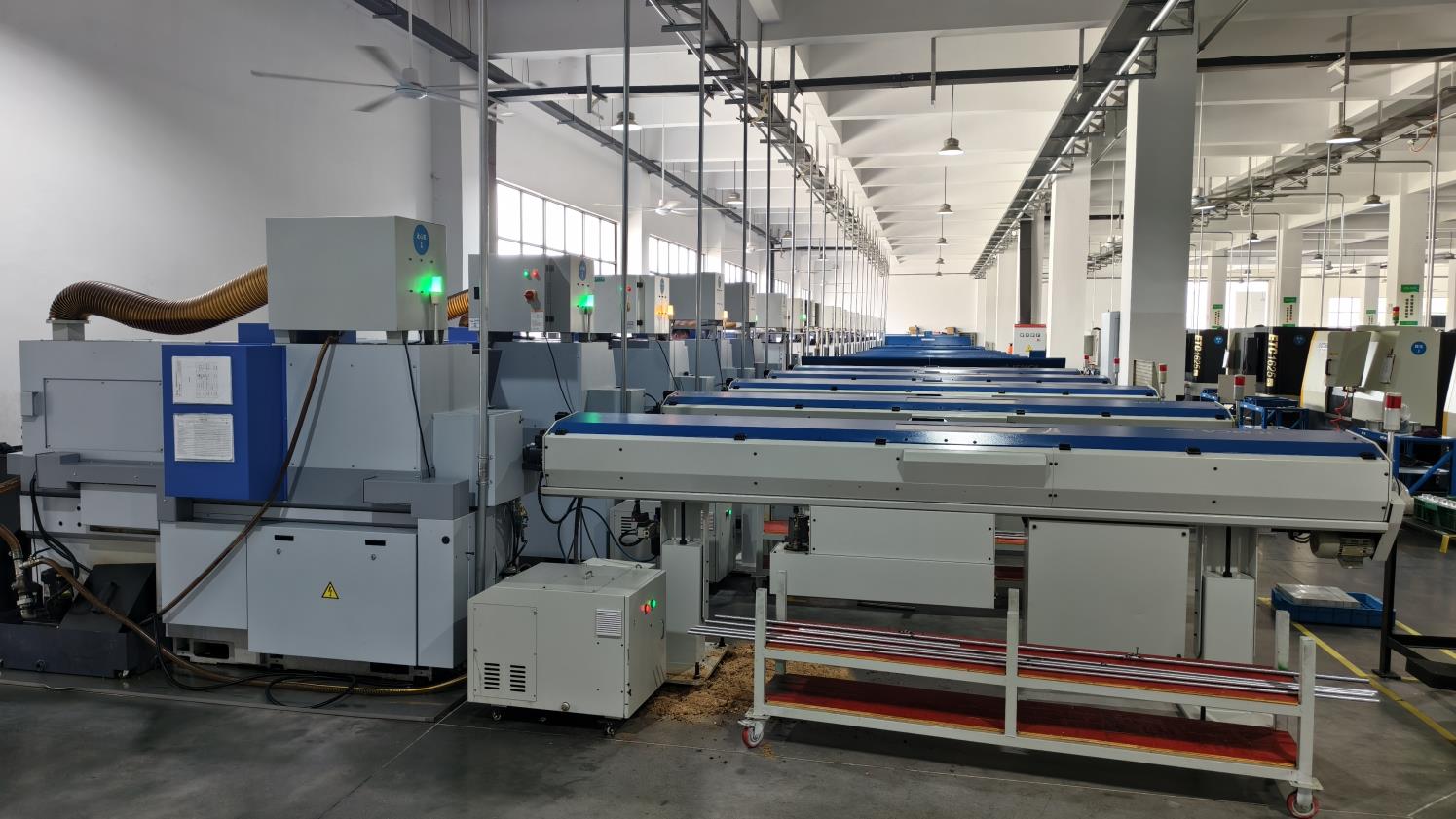
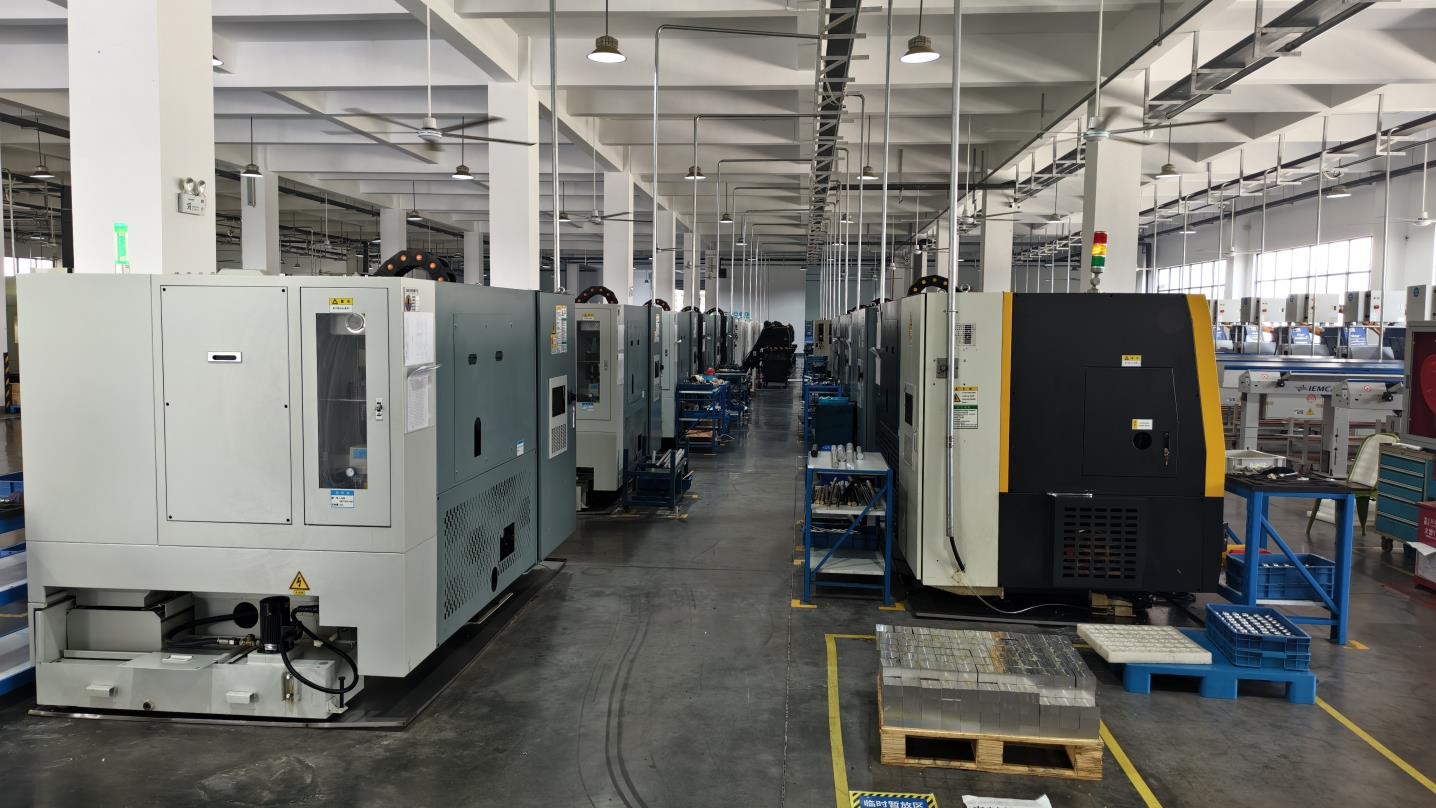
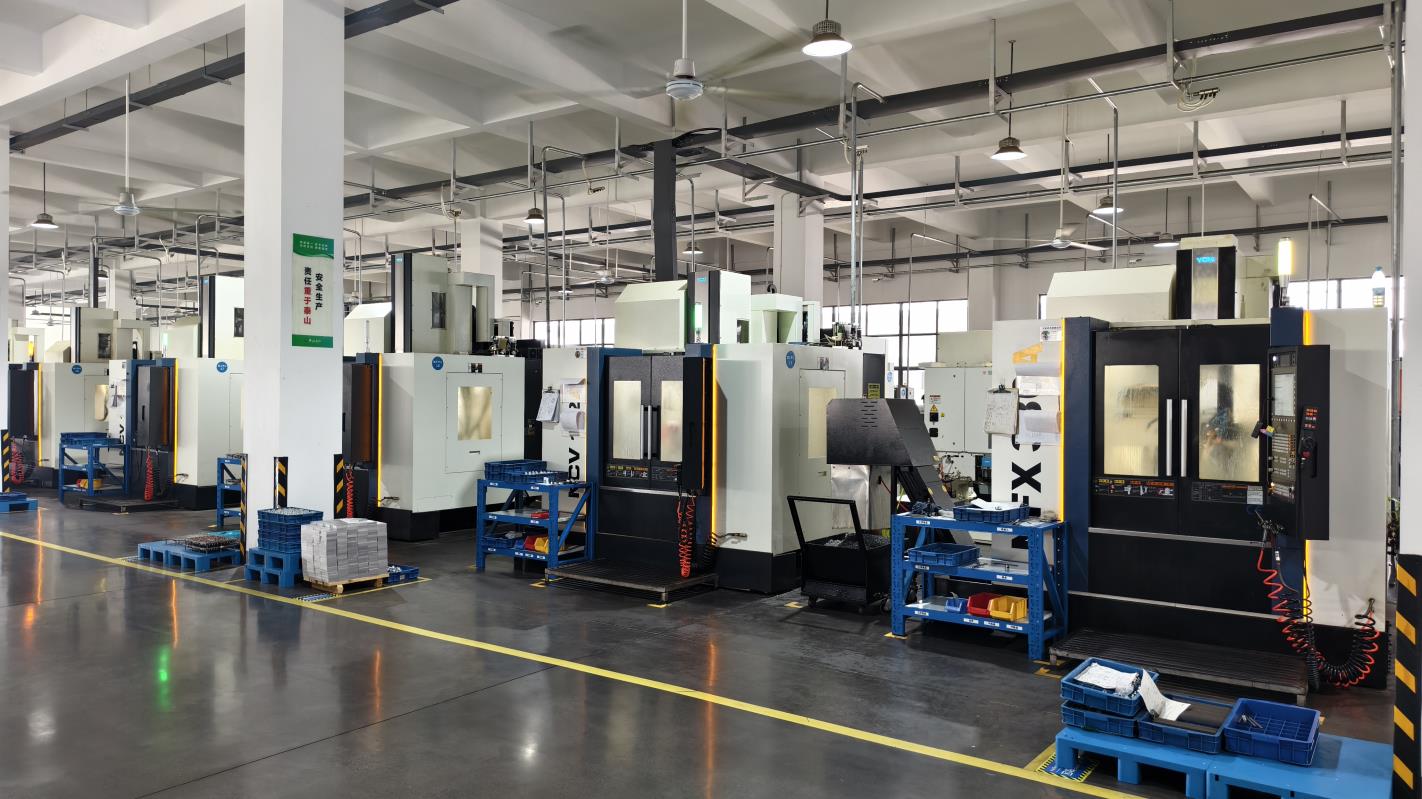
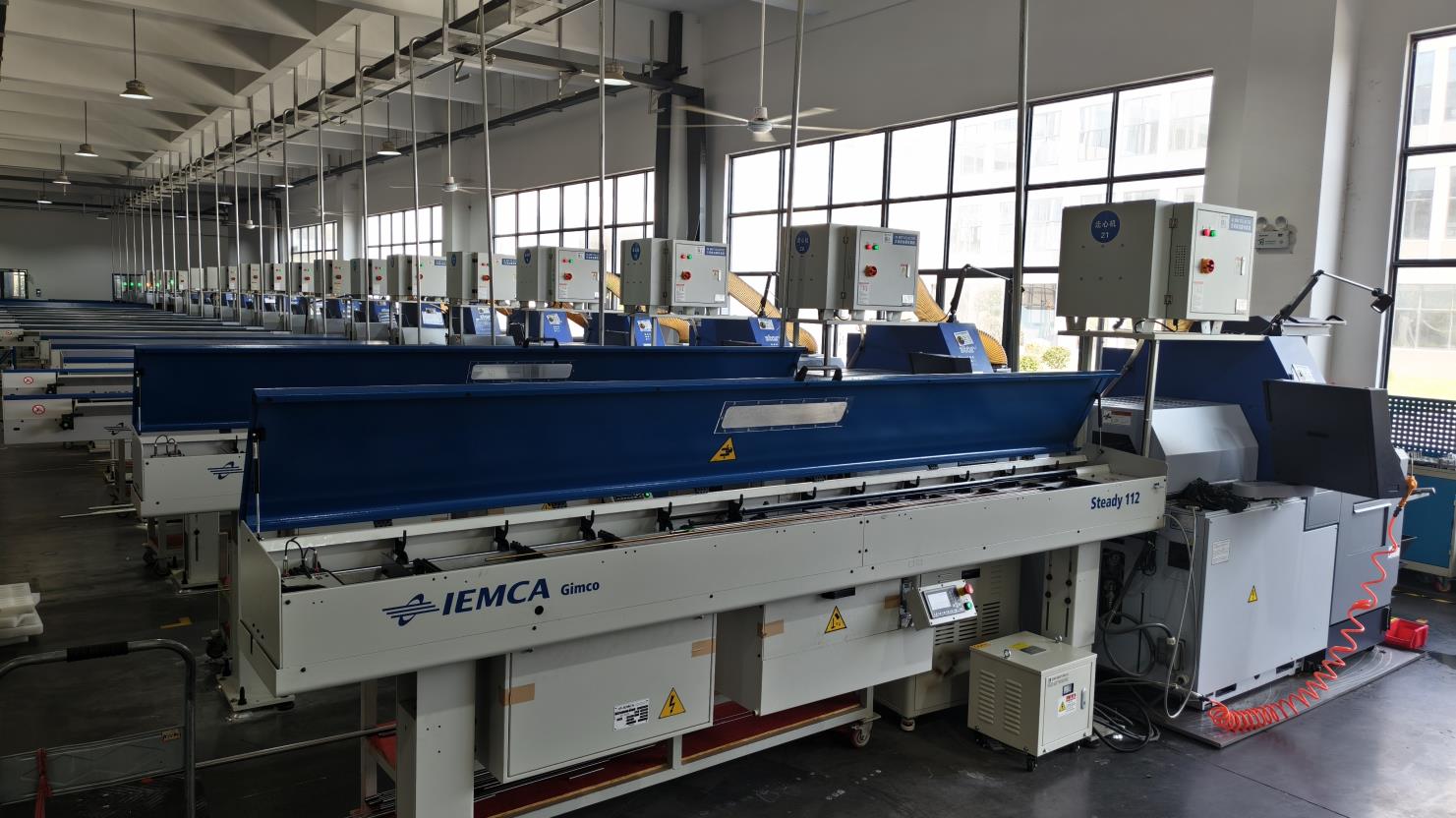
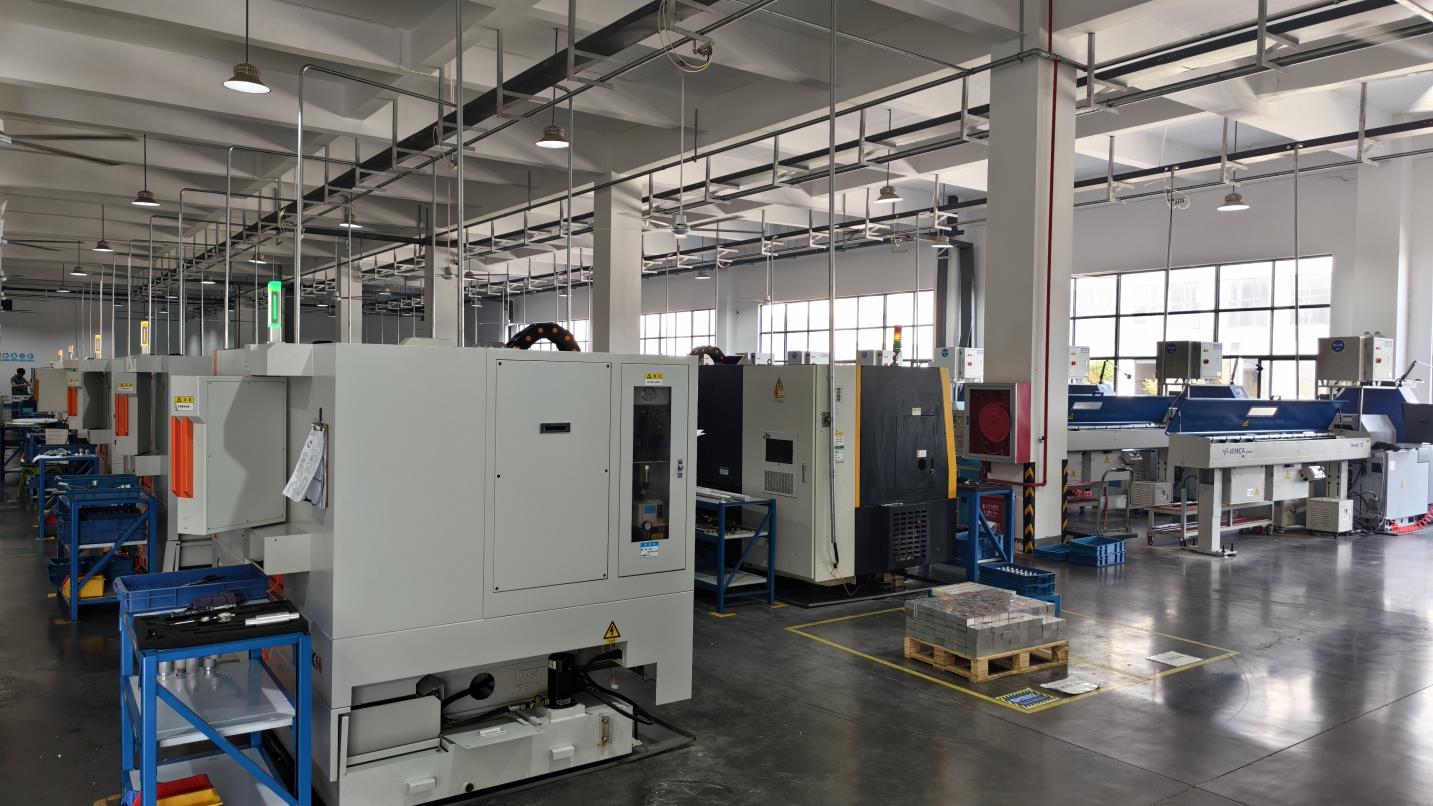
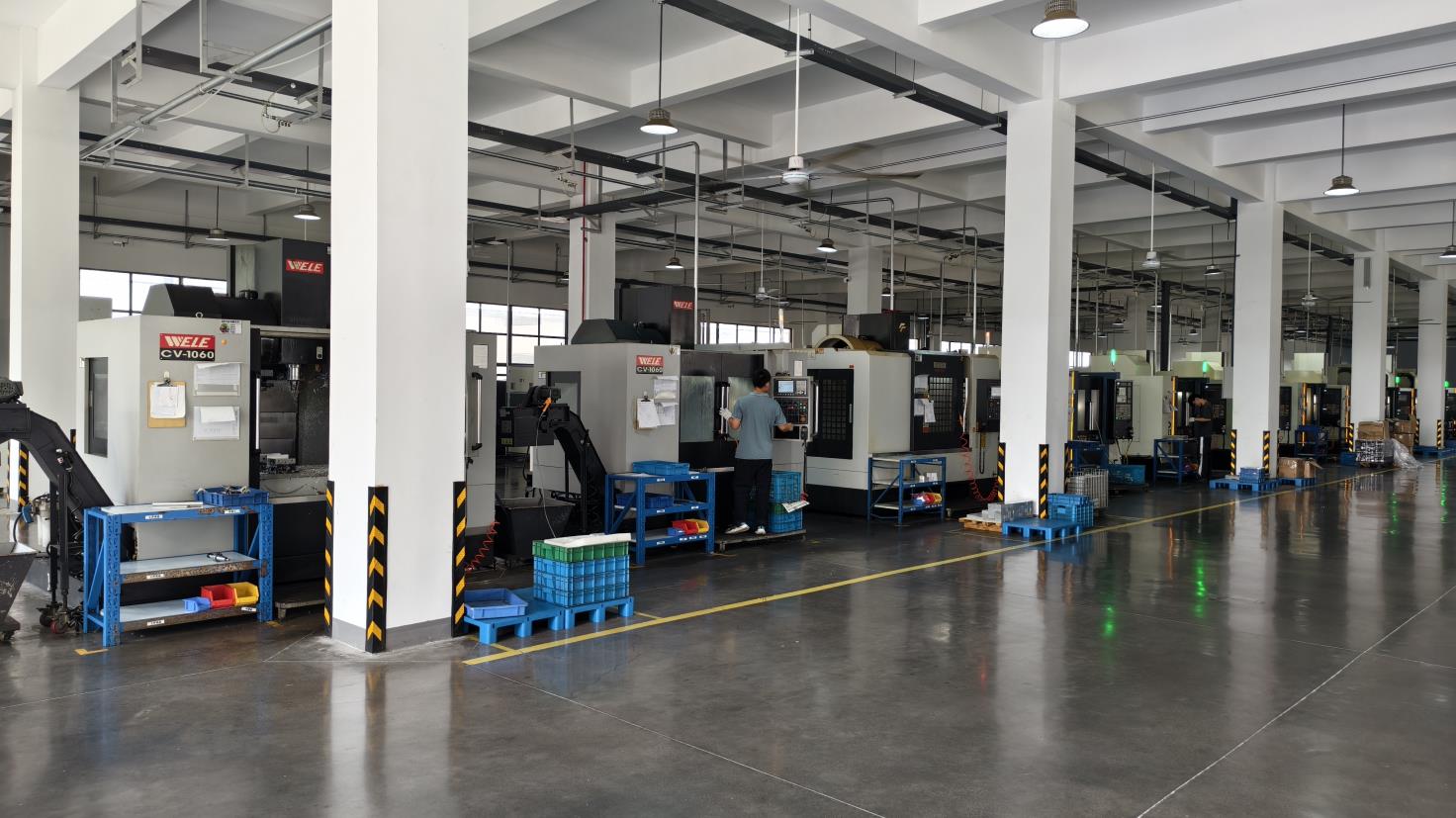
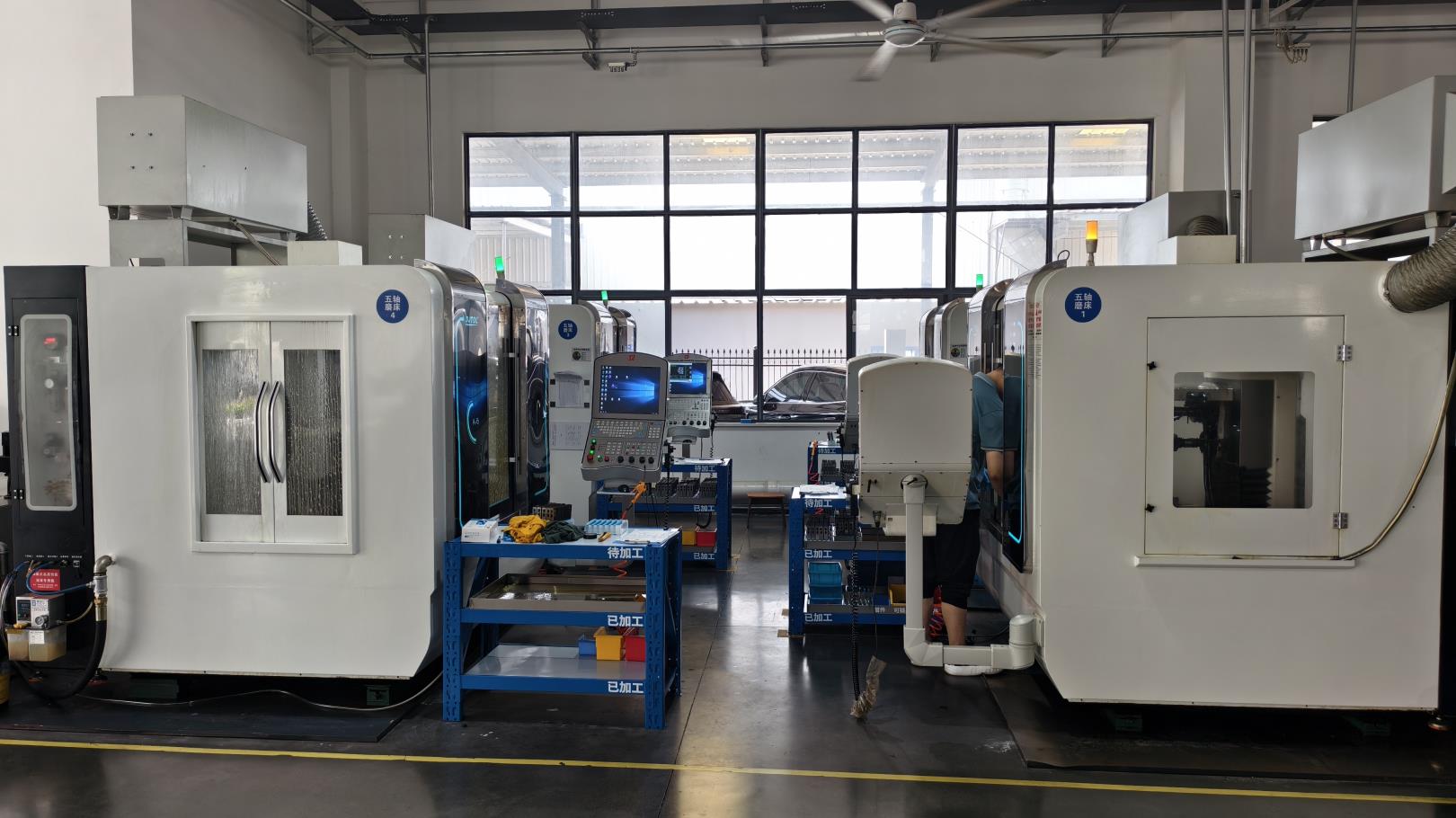
Modern Chinese facilities utilize advanced manufacturing technologies. Utilizing high-axis Swiss-type lathe centers and multi-axis milling systems allows for the fabrication of complex micro-textures on implant pegs. These details optimize PMMA cement interdigitation or direct bone ingrowth.
By integrating automation and maintaining low local operating overheads, Chinese manufacturers provide top-tier orthopedic solutions at a fraction of the cost of Western competitors. This structural advantage allows global brands and government procurement projects to achieve significant cost optimization without compromising clinical quality or regulatory compliance.
Patient anatomy varies widely across demographic groups. A common clinical issue with standard patellar components is sizing mismatch, which leads to patellofemoral overstuffing, lateral patellar tilt, or patellar impingement. Responding to these issues, advanced suppliers design localized solutions:
Looking ahead, several key trends are shaping the future of orthopedic implants:
Established in 2017, Moventra Medical Technology is a trusted manufacturer of high-precision orthopedic medical devices, integrating advanced research and development with strict quality control systems.
With 13 years of industry-wide experience, Moventra exports across North America, Europe, South America, the Middle East, Southeast Asia, and Australia.
Moventra Medical Technology (China) Co., Ltd. specializes in trauma, spine, joint reconstruction, sports medicine, and surgical instruments.
Full support for OEM/ODM. We offer logo engraving, tailored packaging, and custom drawing-based design configurations.
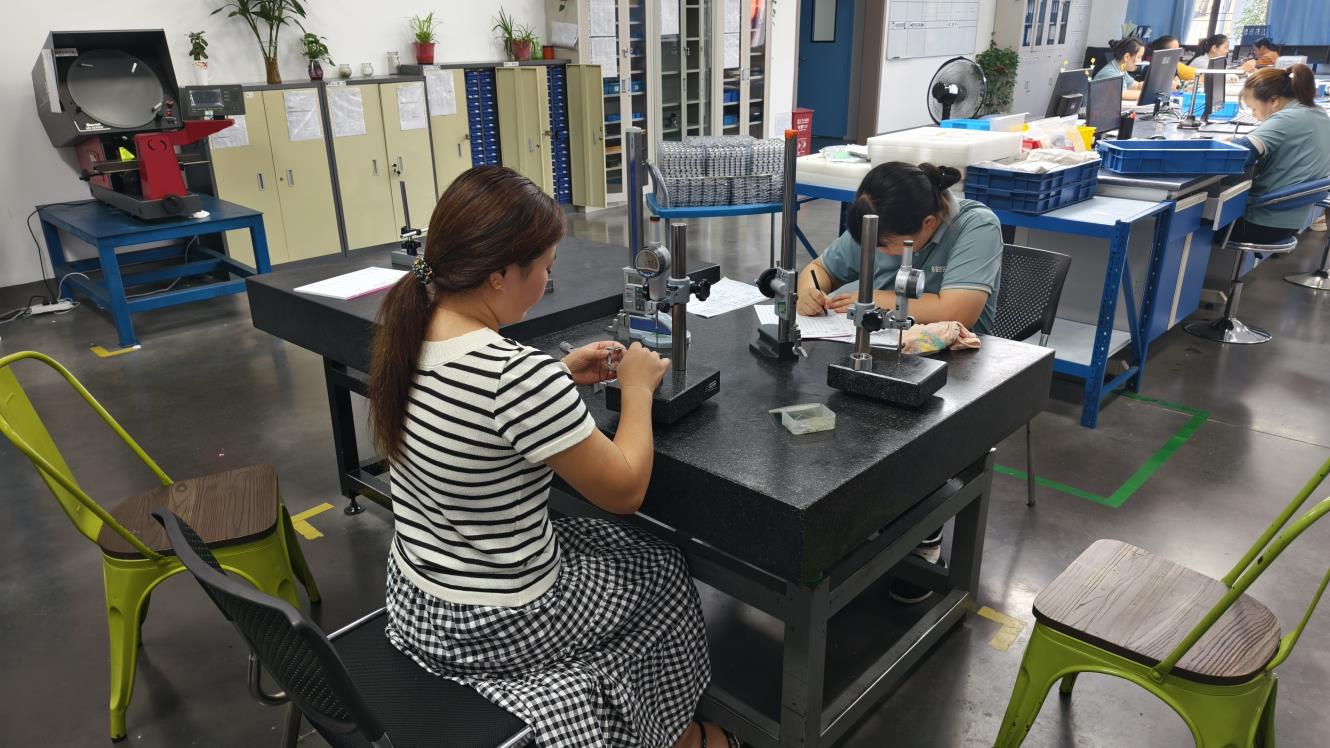
Rigorous pre-shipment tests including dimensional inspection, material analysis, mechanical testing, and sterility verification.
Our solutions serve over 1,120 supply chain partners, hospitals, and national procurement projects across six continents.
| Operational Metrics | Specifications & Verification Details |
|---|---|
| Company Name | Moventra Medical Technology (China) Co., Ltd. (Brand: Moventra) |
| Established & Experience | Founded in 2017; 7 years of global export and 13 years of orthopedic industry experience. |
| Facility Capacity | 18,600 m² modern manufacturing plant. Up to 156 new products released annually. |
| R&D Resources | 86 professional design engineers providing rapid prototyping and customized engineering. |
| Quality Control Staff | 48 dedicated QA/QC professionals ensuring ISO 13485 standards. |
| Inspection Methods | Dimensional inspection, material analysis, surface finish testing, mechanical testing, sterility verification. |
| Target Customers | Medical device brands, orthopedic distributors, healthcare groups, global importers, and hospitals. |
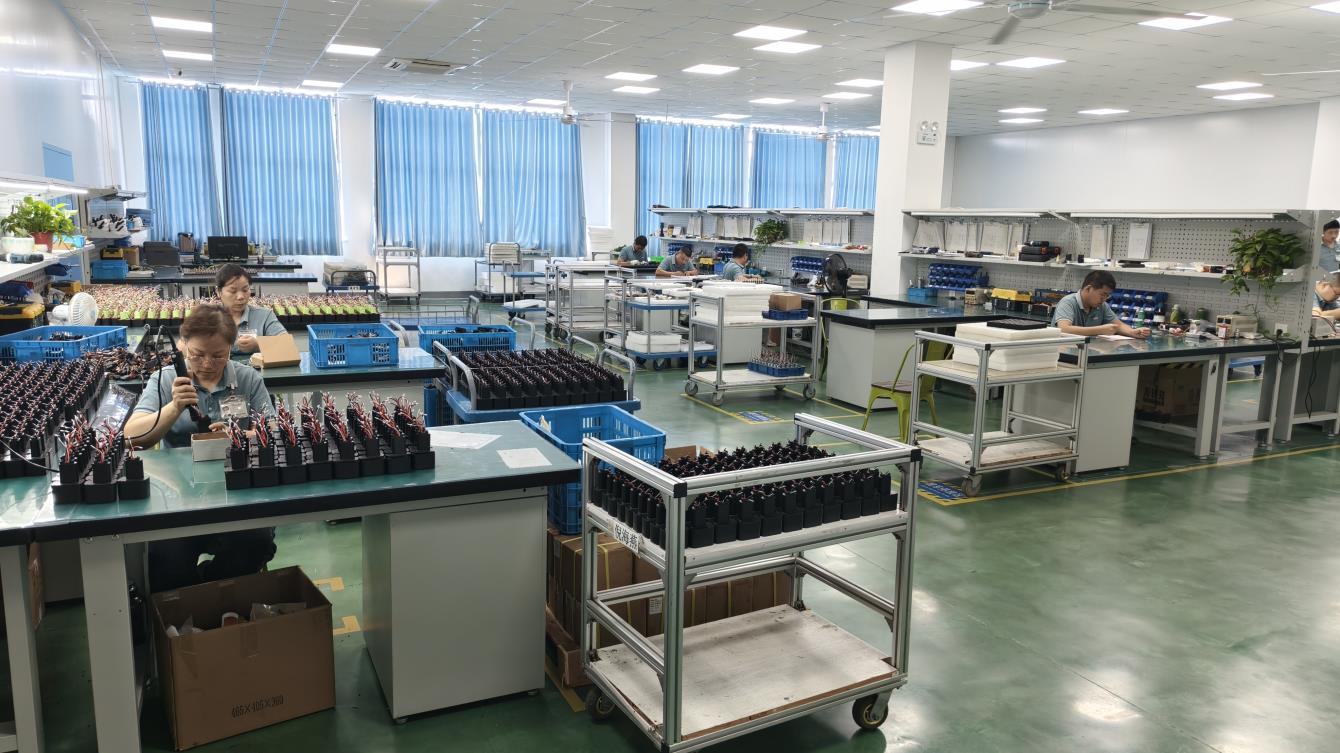
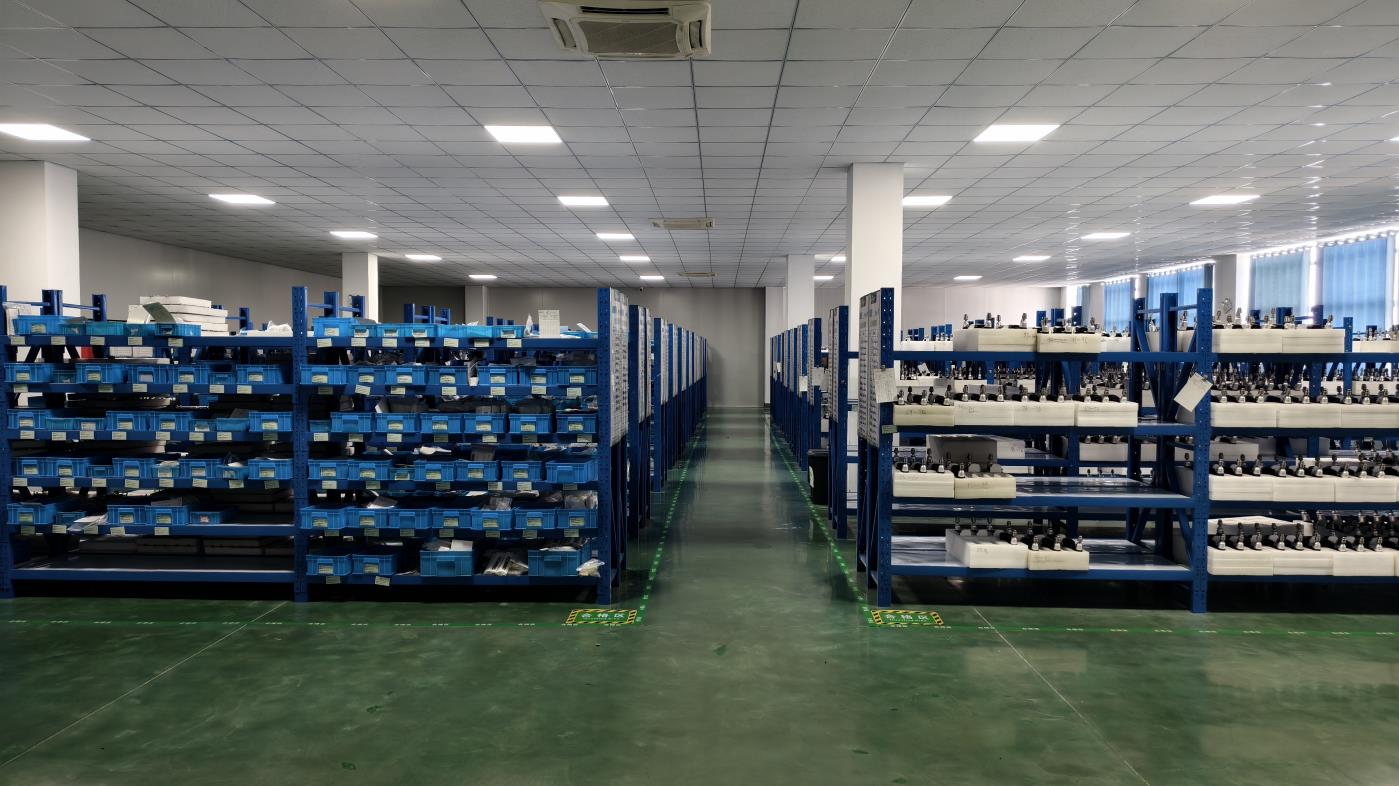
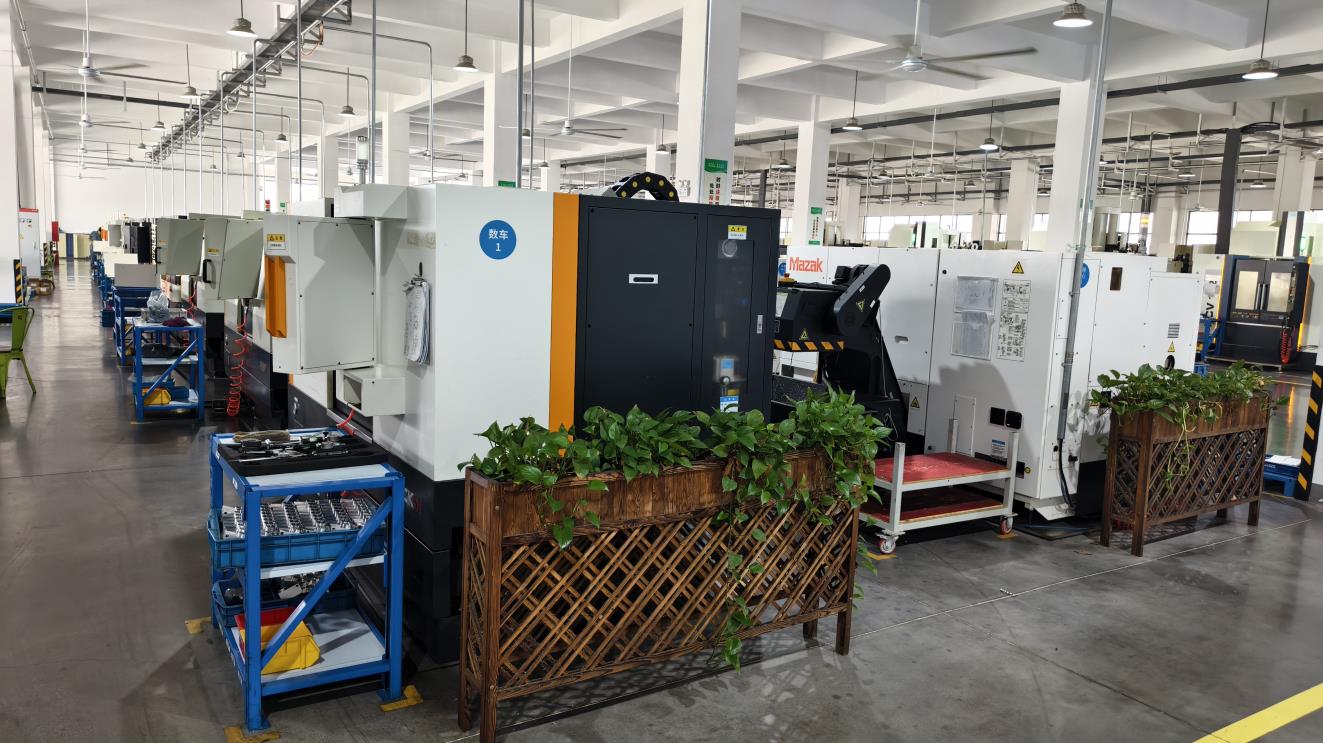
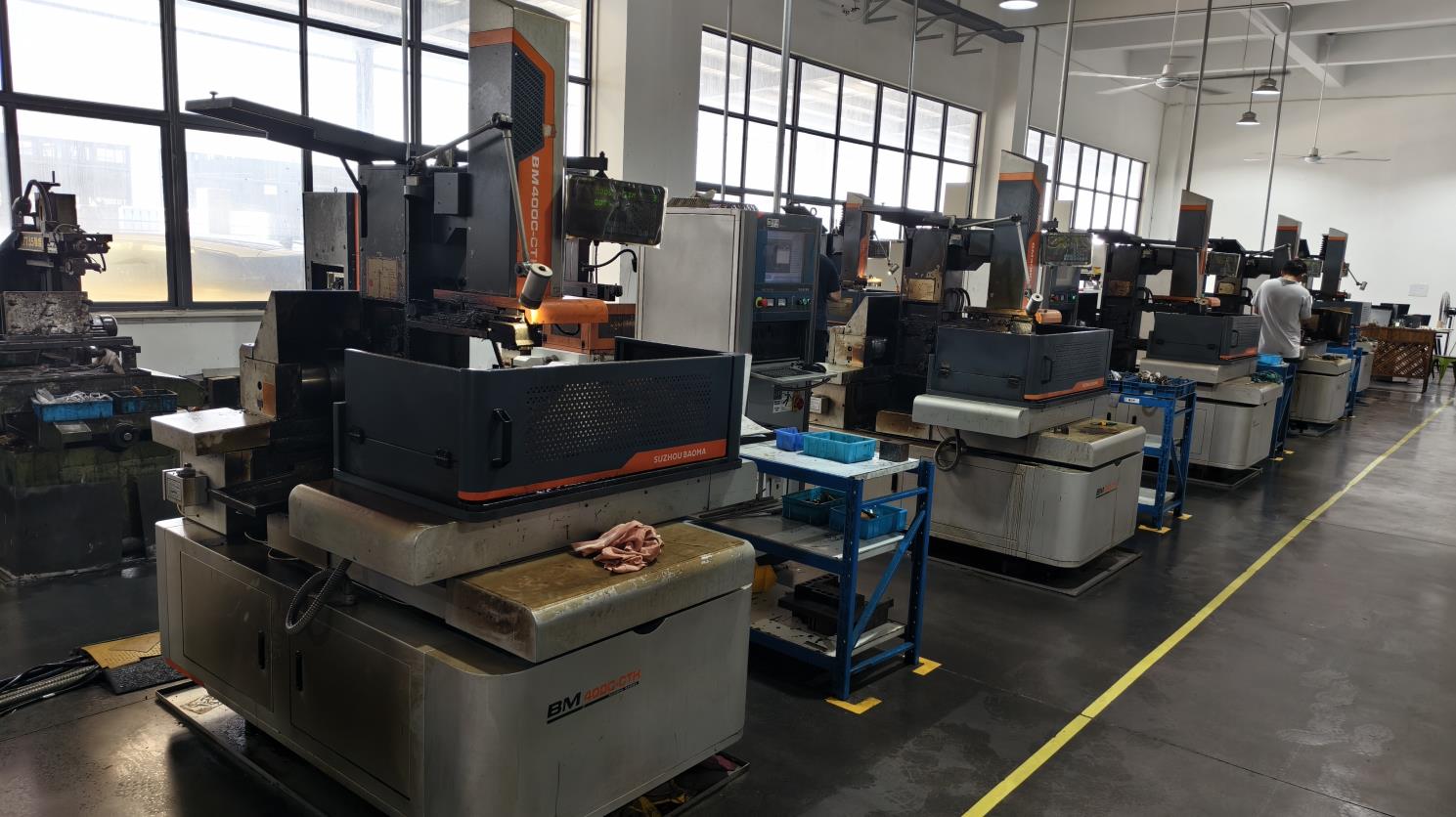
Inside Moventra's manufacturing floor: combining precision machining, material verification, and rigorous testing protocols.
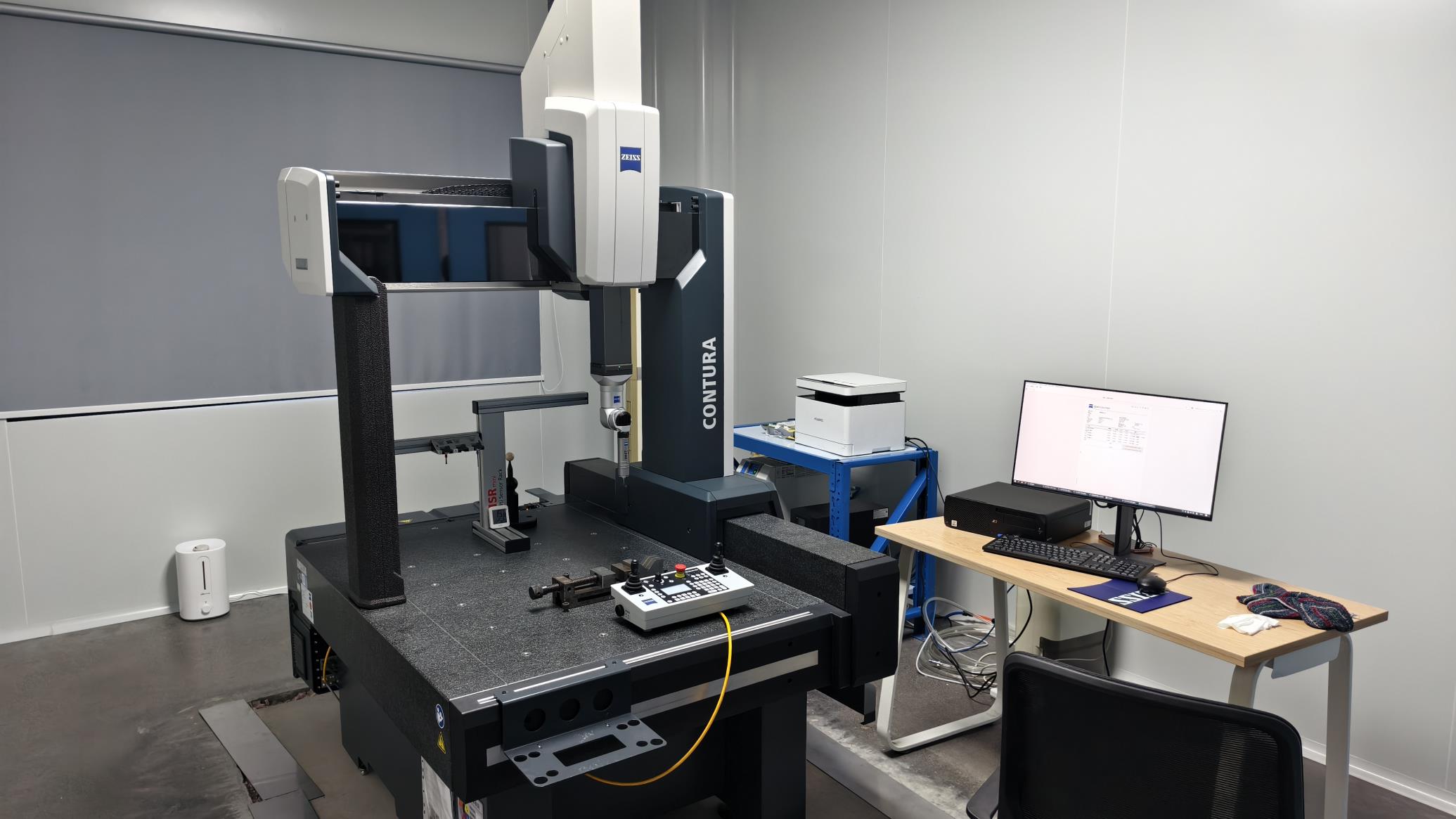
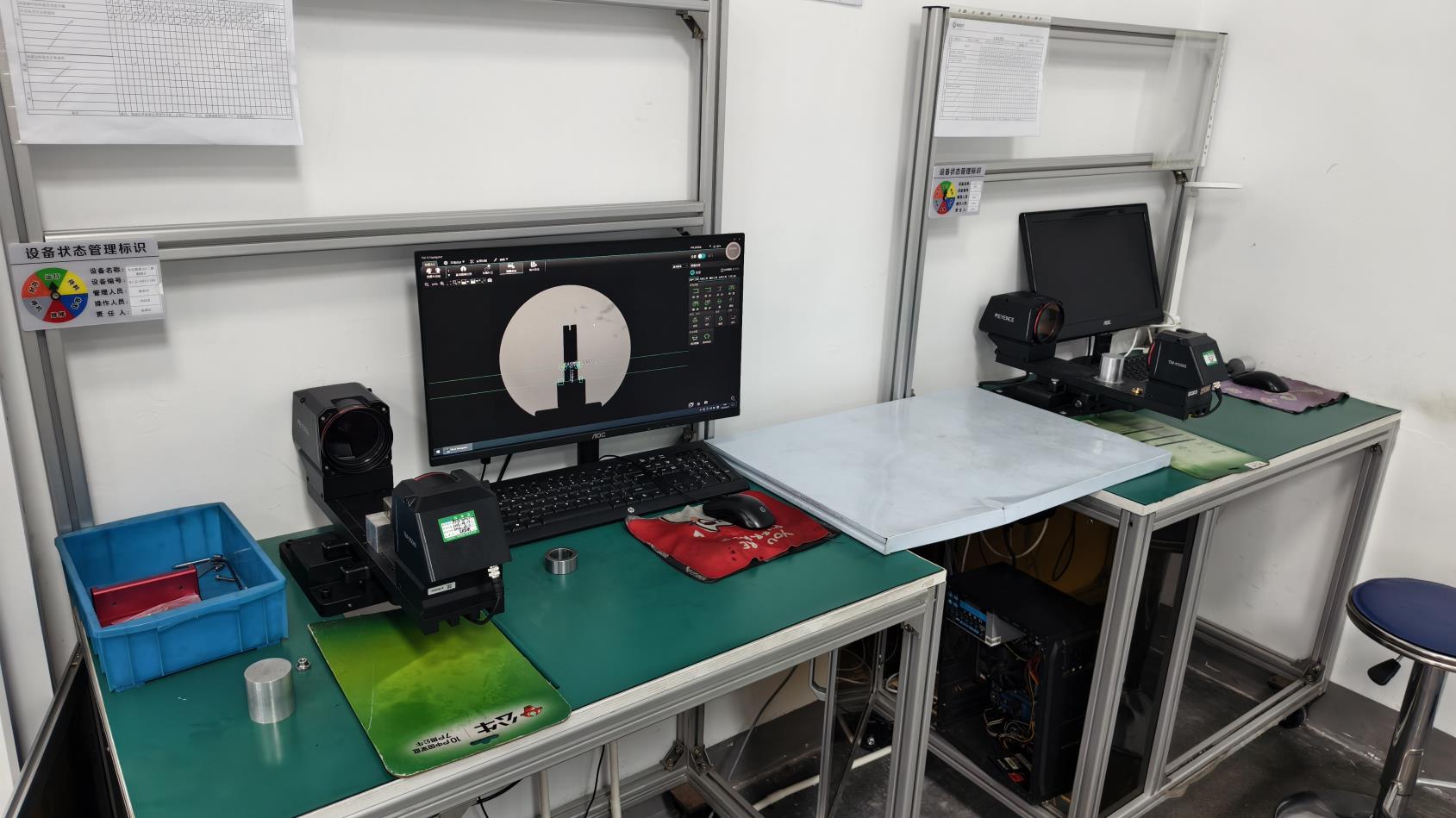
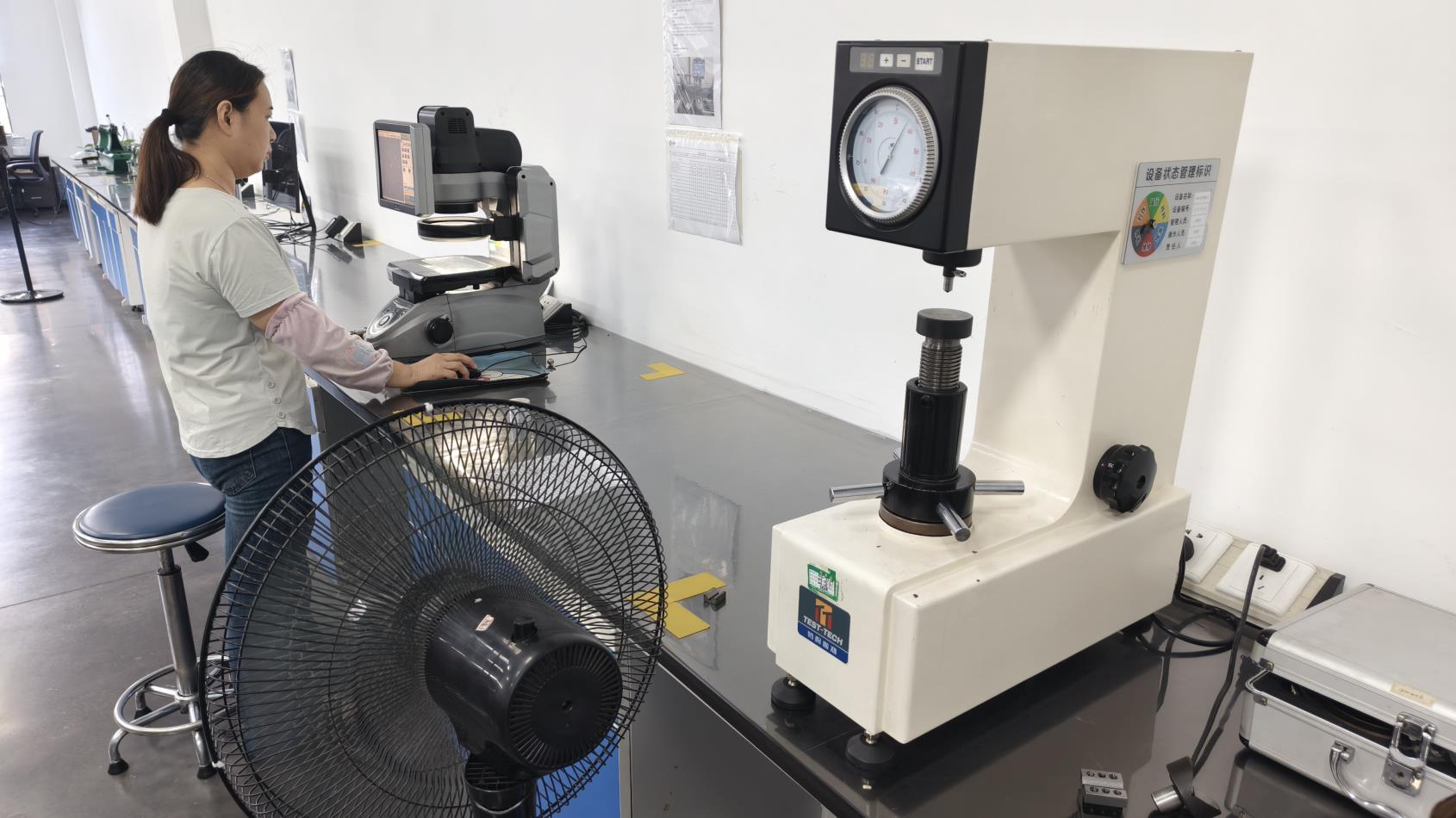
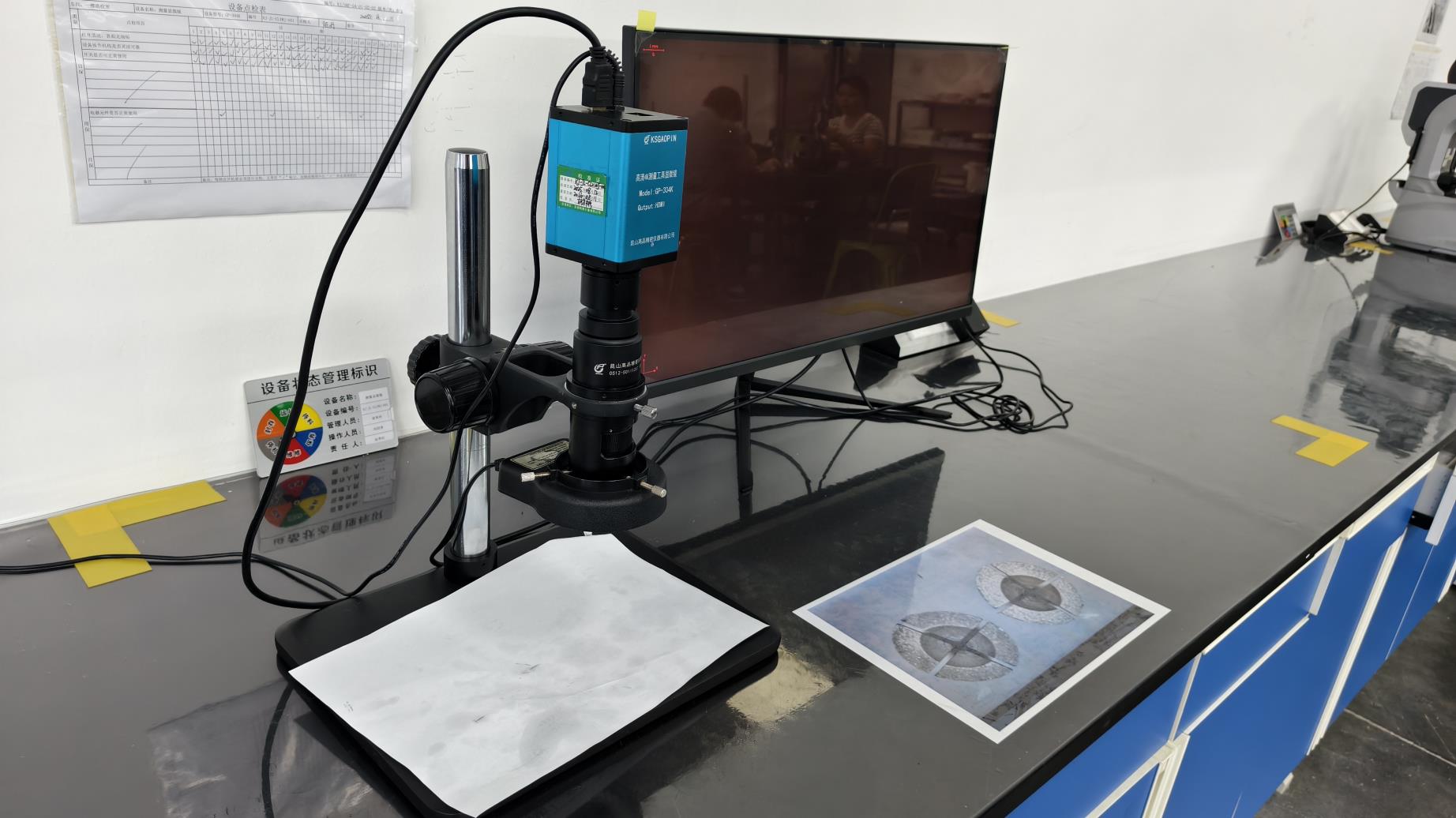
Answers to common technical, quality control, and international supply chain inquiries regarding orthopedic implants.
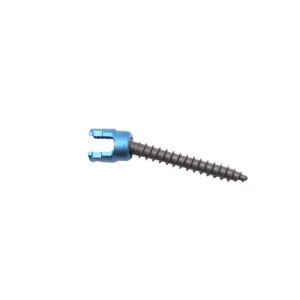
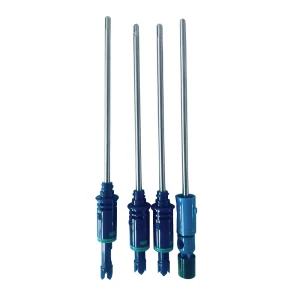
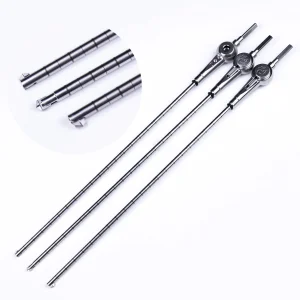
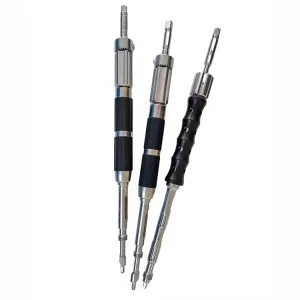
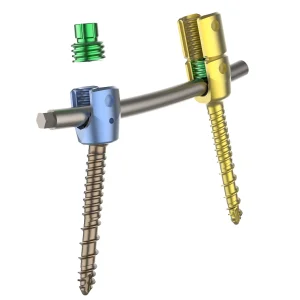
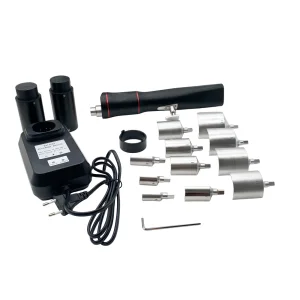
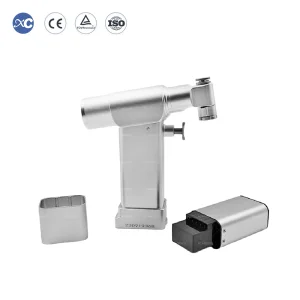
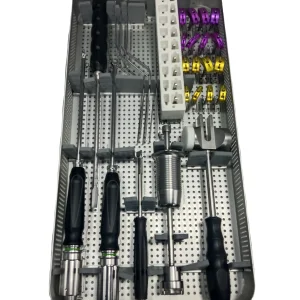
Additional products from our trauma, spinal fixation, veterinary, and joint reconstruction lines.
 Moventra Medical