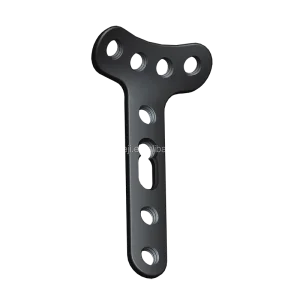
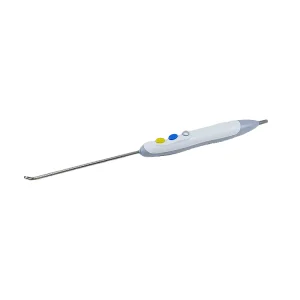
Explore our premium orthopedic components, specialized sports medicine instruments, and trauma systems designed for global distributors and high-standard clinical applications.
Total Shoulder Arthroplasty (TSA) has evolved into one of the most successful orthopedic procedures for treating advanced glenohumeral arthritis, rotator cuff tear arthropathy, complex proximal humeral fractures, and osteonecrosis. In the quest to restore anatomical kinematics and patient comfort, orthopedic design has shifted from rigid, monoblock implants to highly modular, biomechanically optimized, and bone-preserving shoulder reconstruction systems.
The fundamental challenge of shoulder joint reconstruction lies in its vast range of motion and lack of inherent bony stability. Unlike the hip joint, which relies on a deep ball-and-socket constraint, the glenohumeral joint mimics a golf ball on a tee. This requires total shoulder prosthesis manufacturers to master the delicate equilibrium between soft-tissue tensioning, implant fixation, and surface tribology. Today, manufacturers are tasked with producing both Anatomical Total Shoulder Arthroplasty (aTSA) systems—which replicate natural human geometry—and Reverse Total Shoulder Arthroplasty (rTSA) systems, which biomechanically invert the anatomy to allow the deltoid muscle to compensate for a non-functional rotator cuff.
"For orthopedic surgeons and medical device OEMs, selecting a manufacturing partner is not just a sourcing decision; it is a critical regulatory, clinical, and biomechanical alignment. True clinical success is defined at the intersection of micrometer-level machining tolerances and material science integrity."
State-of-the-art total shoulder prosthesis manufacturing demands strict adherence to metallurgical and polymer engineering excellence. The component interfaces face tremendous shear stresses, micro-motion, and friction-induced wear. Below is an overview of the technical standards utilized by top-tier manufacturers:
Conforms to ASTM F75 or ASTM F1537. It is the gold standard for humeral head components, providing an ultra-smooth, scratch-resistant surface with an average roughness (Ra) under 0.02 microns to minimize articular wear against the glenoid.
Conforms to ASTM F136. Utilized primarily for humeral stems and metal-backed glenoids due to its exceptional biocompatibility, fatigue strength, and a modulus of elasticity closer to cortical bone, which minimizes stress shielding.
Infused with Vitamin E (antioxidant) to counter oxidative degradation over long-term clinical deployment. Used for the articulating glenoid cup or reverse insert to reduce particulate wear debris and subsequent osteolysis.
To enhance secondary (biological) fixation, manufacturers apply specialized coatings to titanium stems and glenoid backings. These include vacuum plasma sprayed (VPS) pure titanium, hydroxyapatite (HA) layers, or highly porous 3D-printed trabecular titanium configurations. These structures feature interconnected porosity (usually 60%–80% volume with 300–600 micrometer pore size) that mimics trabecular bone, promoting rapid osteointegration and preventing long-term implant loosening.
The global shoulder reconstruction market is experiencing robust growth, driven by an aging population, rising rates of osteoarthritis, and the expanding clinical success of reverse shoulder designs. The commercial landscape is characterized by strict regulatory hurdles, demanding that suppliers and OEM partners hold robust quality systems capable of passing stringent audits.
For medical device brands and multinational distributors, supply chain resilience is paramount. Partnering with comprehensive manufacturers like Moventra allows companies to leverage state-of-the-art manufacturing facilities, reduce time-to-market, and manage capital expenditures effectively. Contract manufacturing in the orthopedic sector requires a deep understanding of international harmonized standards, material certification traceability, and process validation protocols (IQ/OQ/PQ) for CNC machining, cleanroom packaging, and sterilization.
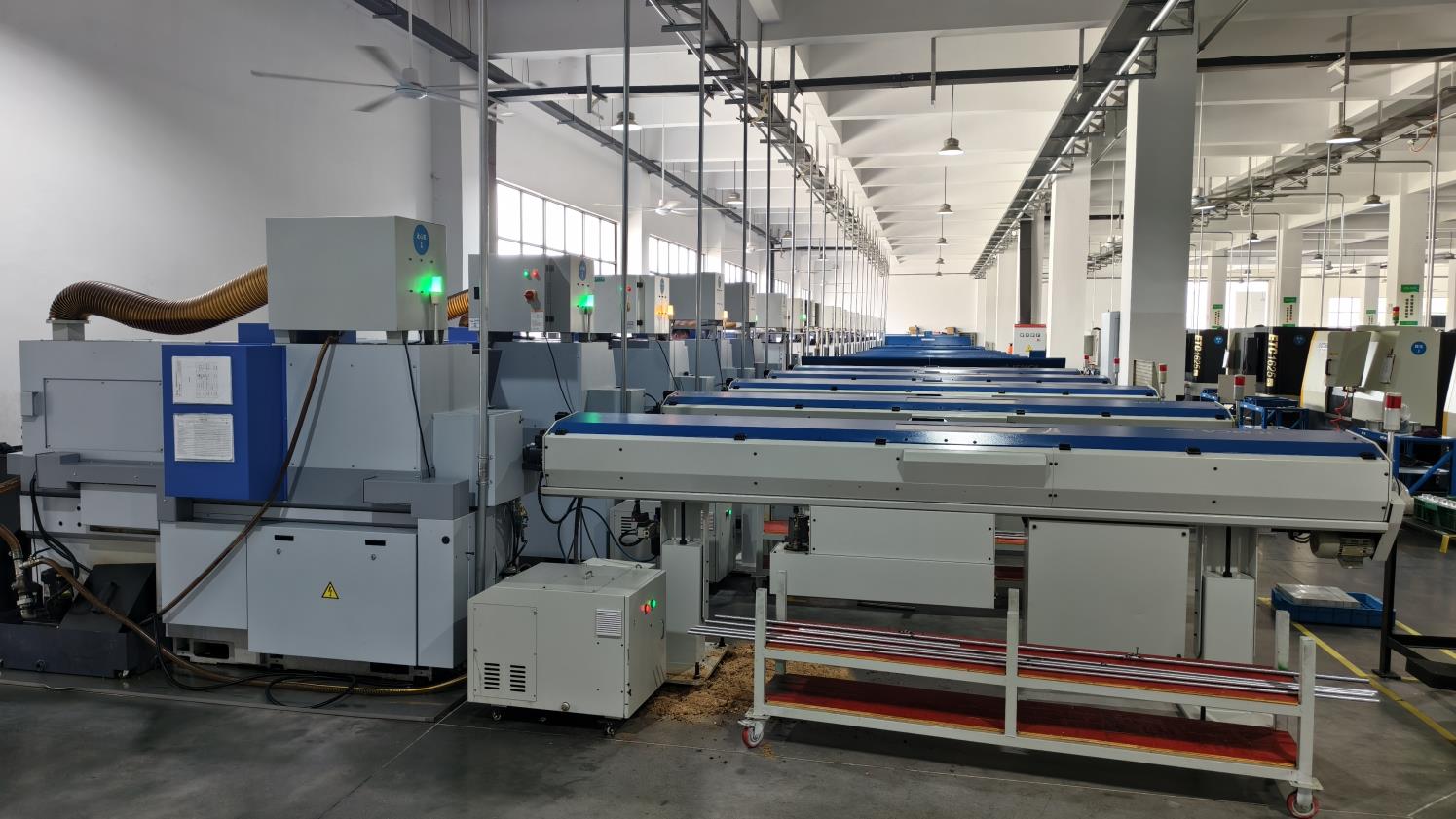
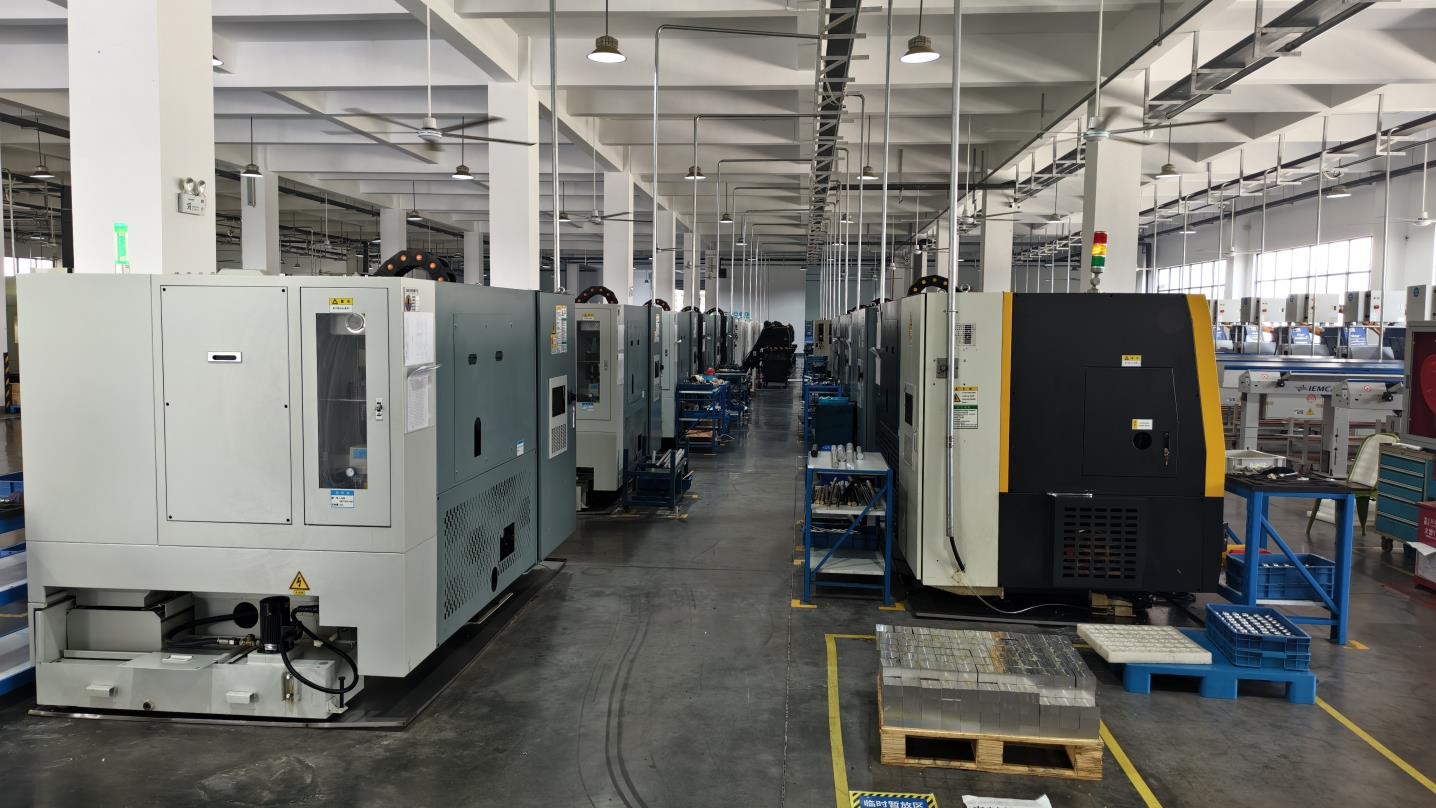
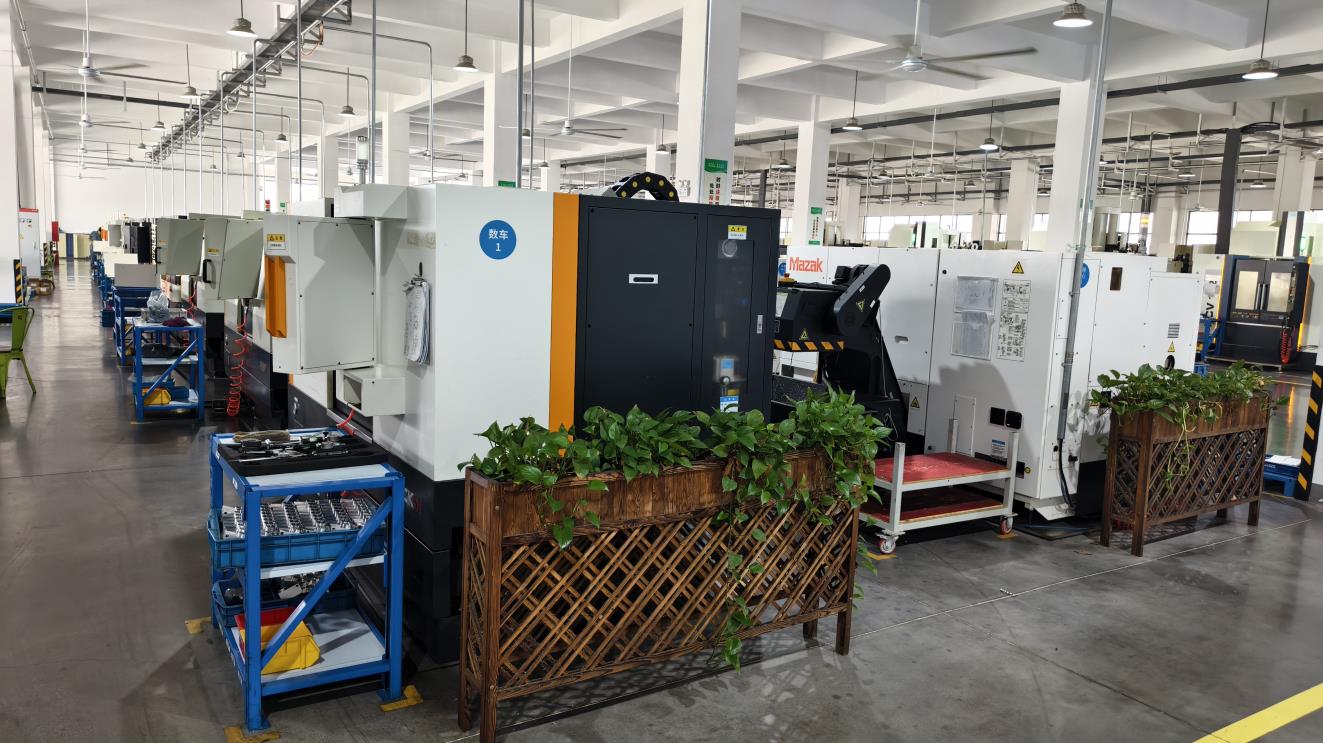
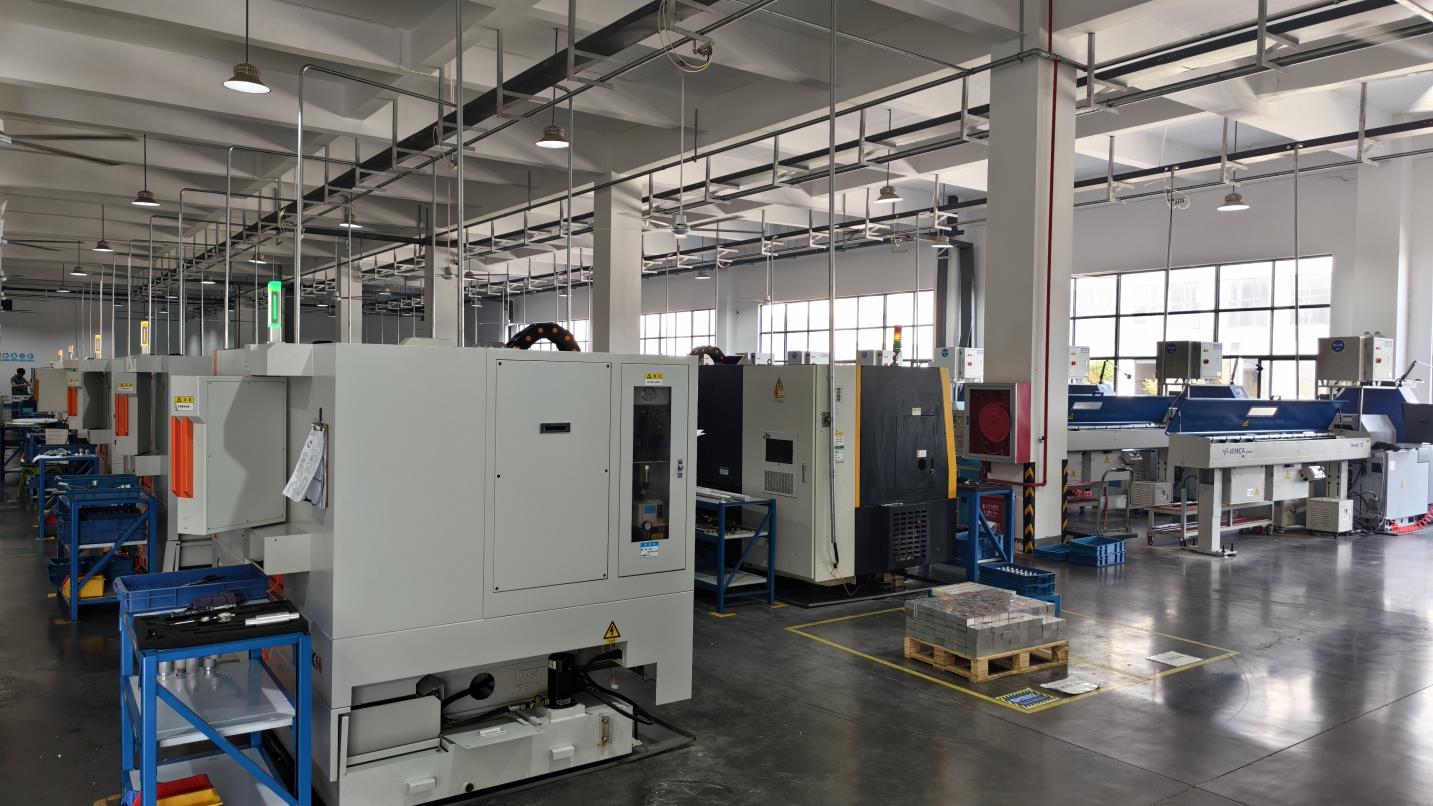
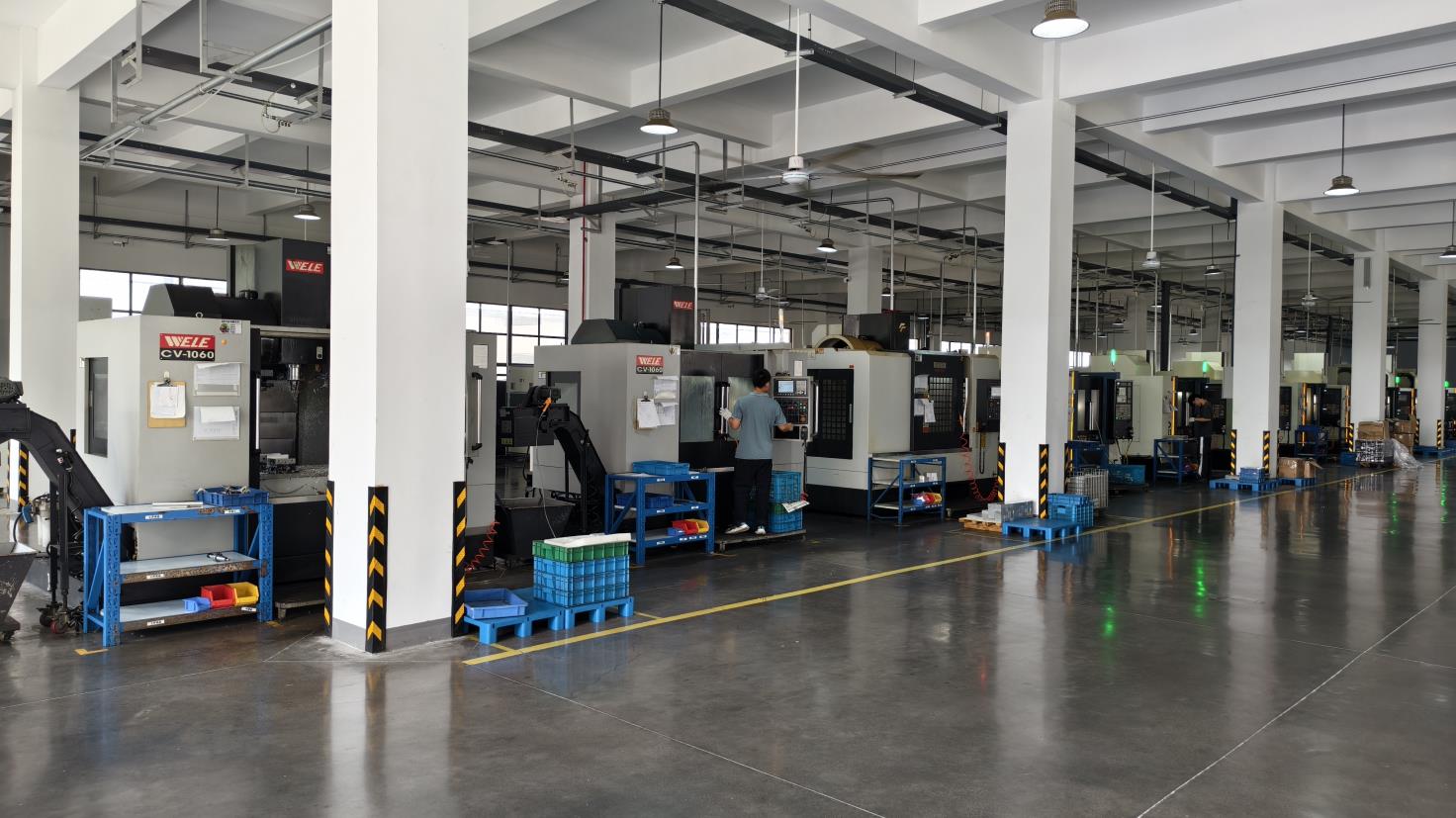
Established in 2017, Moventra Medical Technology (China) Co., Ltd. is a leading professional manufacturer dedicated to the research, development, precision engineering, and global supply of orthopedic medical devices and advanced surgical solutions. Spanning a modern manufacturing facility of 18,600 m², Moventra integrates CNC machining, automated milling, assembly, and rigorous quality inspection to deliver class-leading trauma, spine, joint reconstruction, and sports medicine products.
| Item | Details |
|---|---|
| Company Name | Moventra Medical Technology (China) Co., Ltd. |
| Brand | Moventra |
| Established | 2017 |
| Facility Area | 18,600 m² |
| Annual Export Revenue | USD 23.8 Million |
| Export Experience | 7 Years |
| Industry Experience | 13 Years |
| Quality Inspection | 100% Quality Inspection Before Shipment |
| Product Inspection Methods | Dimensional Inspection, Material Analysis, Surface Finish Inspection, Mechanical Performance Testing, Sterility Verification |
| Quality Control Staff | 48 |
| Business Type | Manufacturer, OEM & ODM, Exporter |
| Main Markets | North America, Europe, South America, Middle East, Southeast Asia, Australia |
| Supply Chain Partners | 1,120 |
| R&D Capability | Independent Product Design, Rapid Prototyping, OEM/ODM Development, Customized Engineering Solutions |
| Customization Options | Logo Customization, Packaging Customization, Product Design Customization, Drawing-Based Manufacturing, Sample-Based Manufacturing |
| New Products Released Last Year | 156 |
| R&D Engineers | 86 |
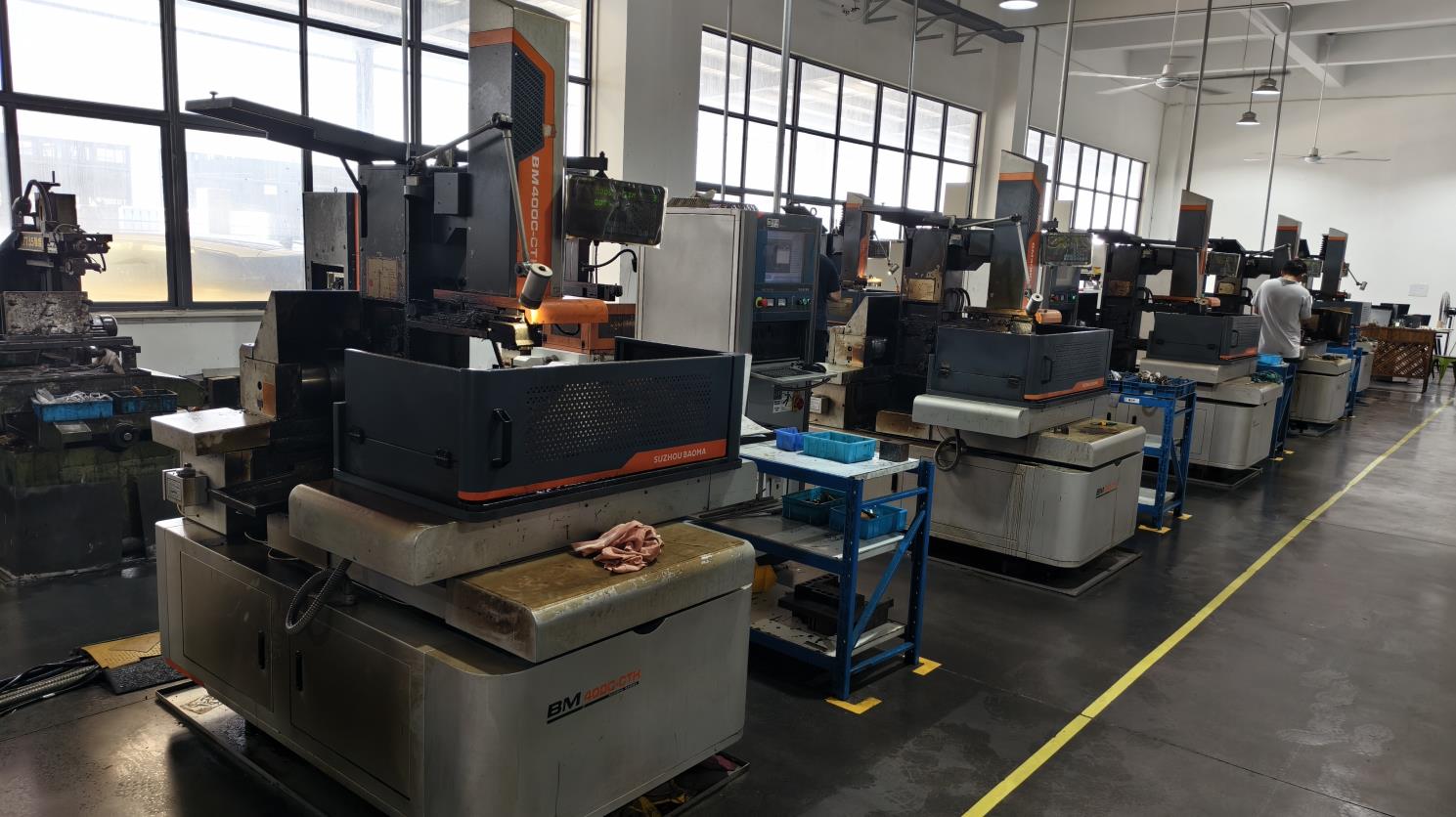
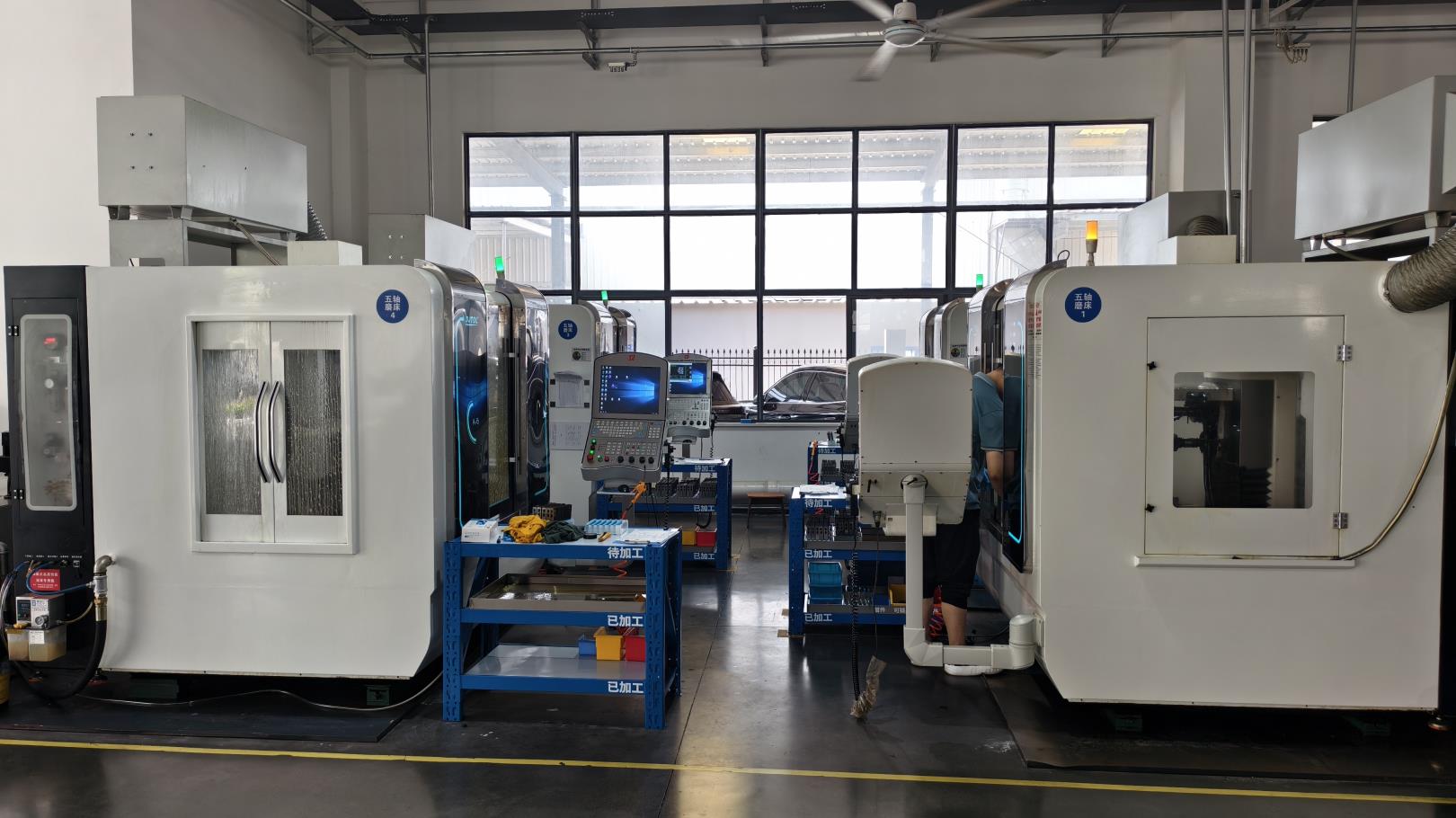
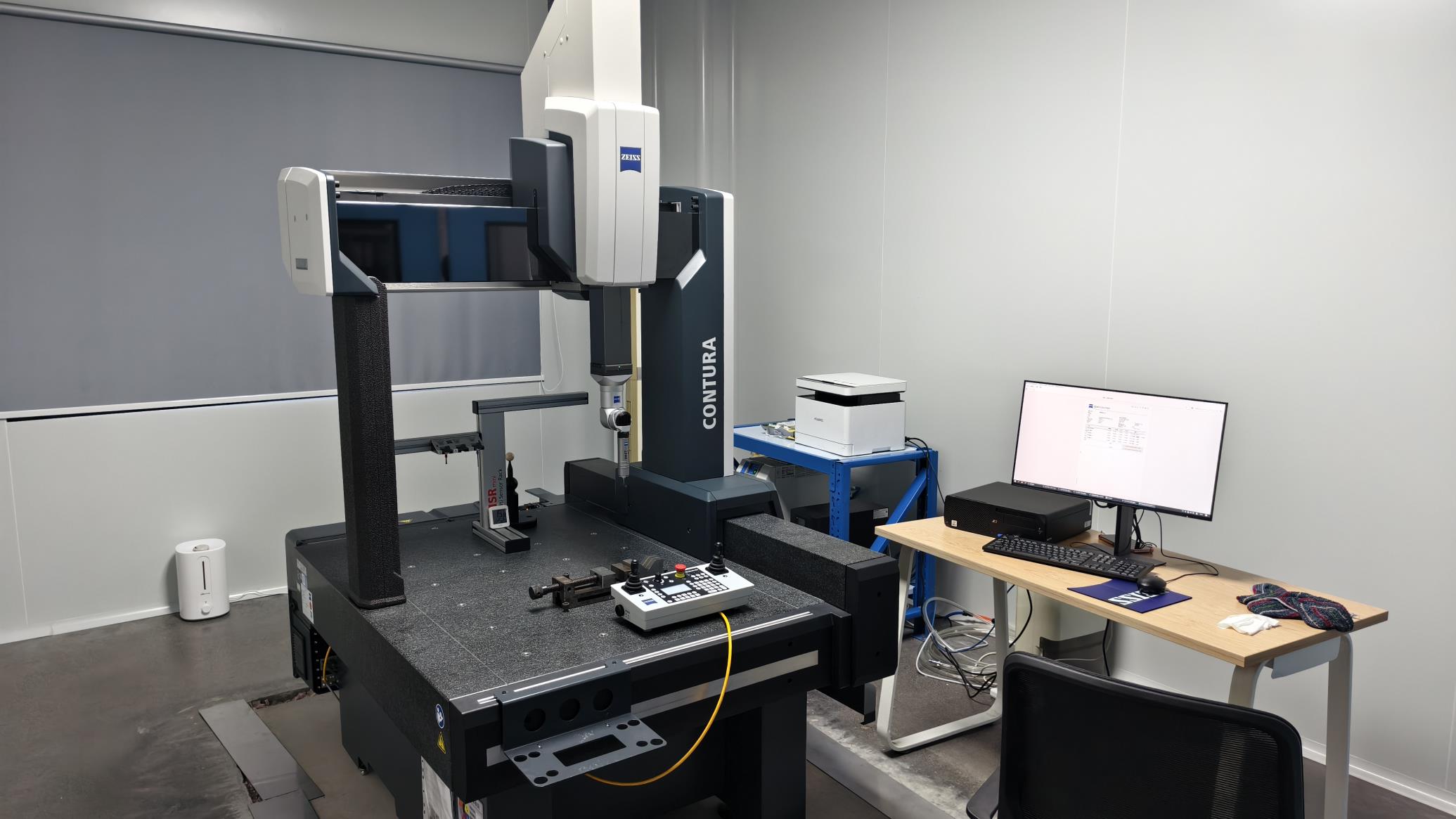
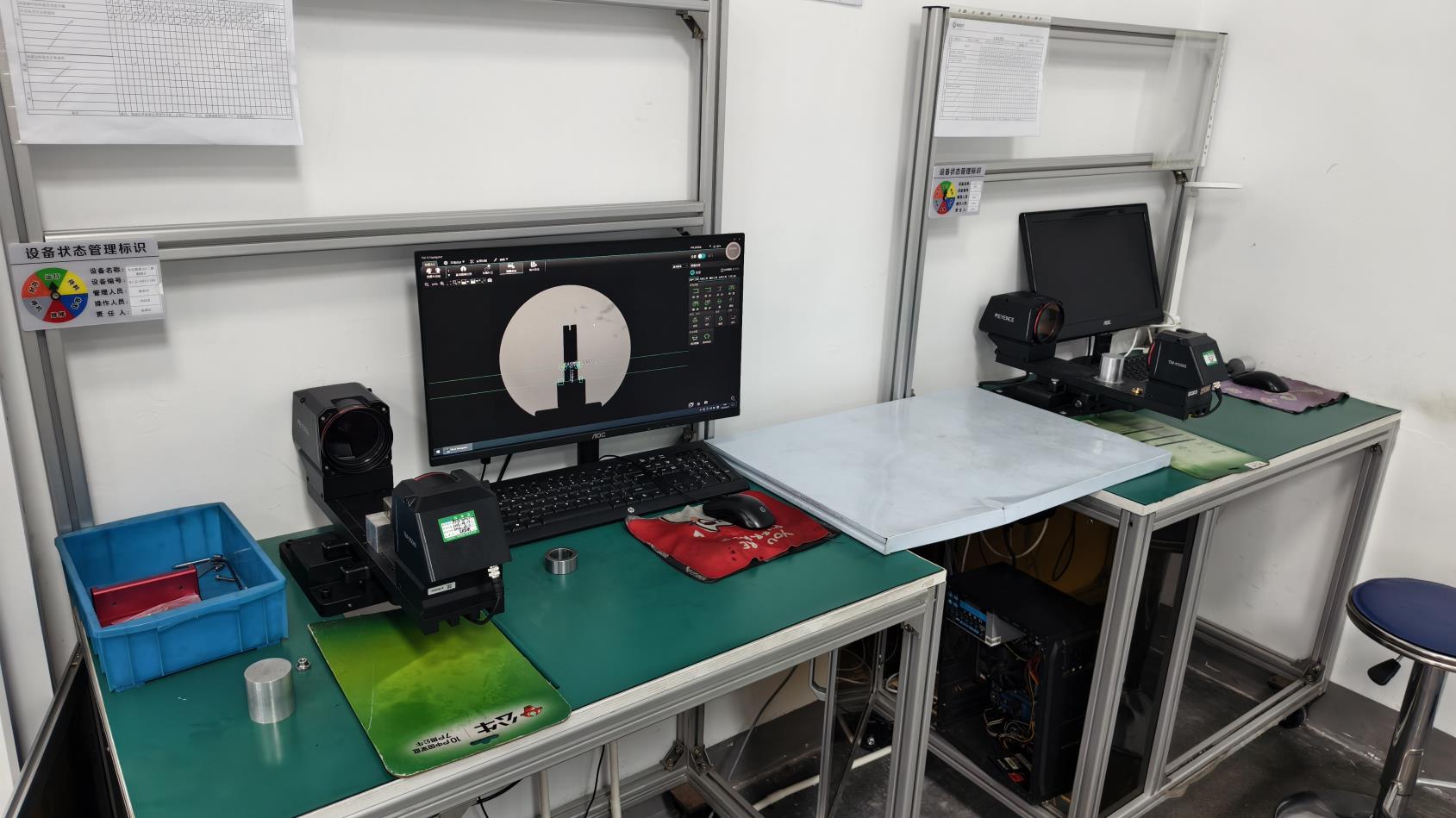
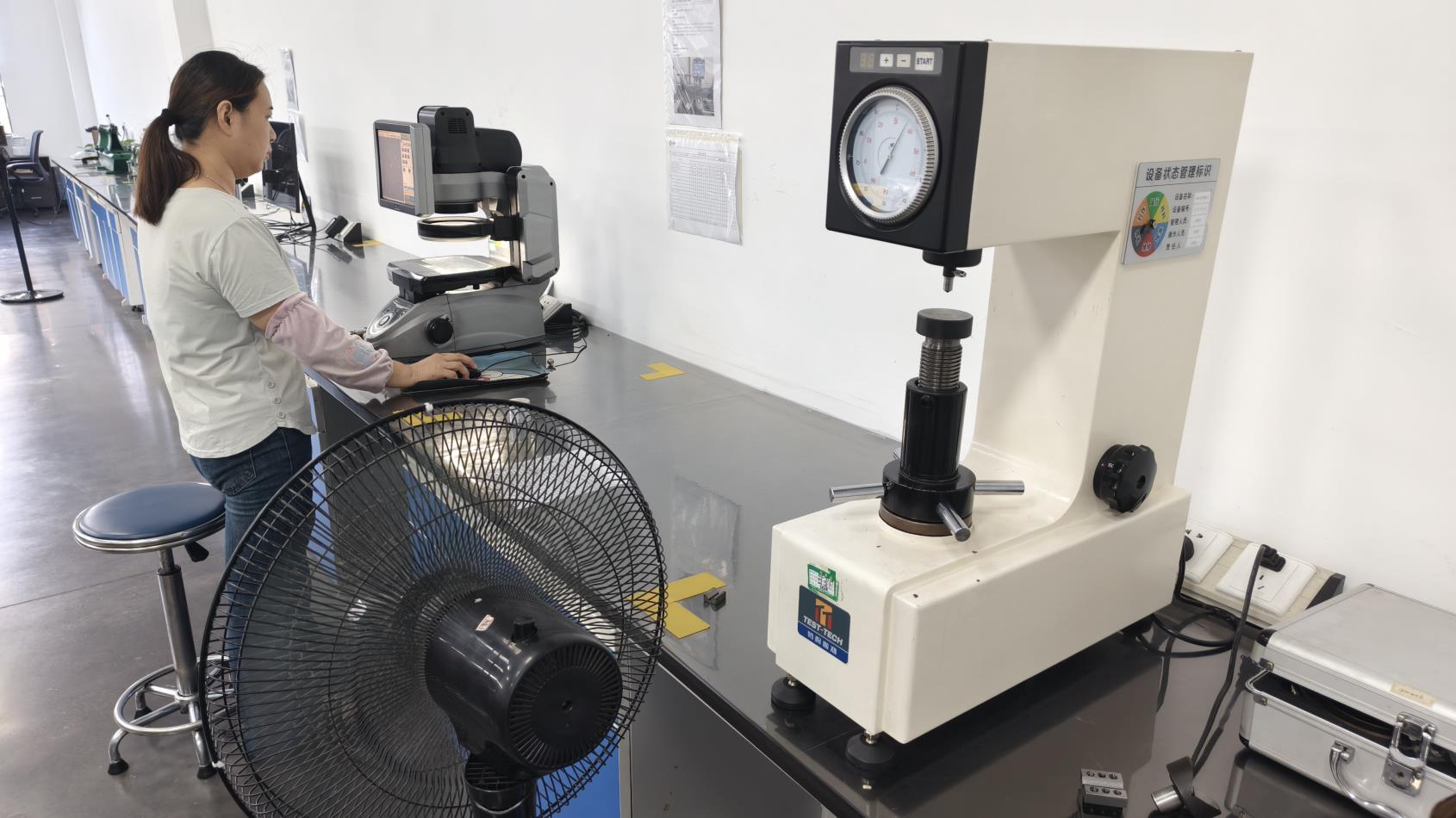
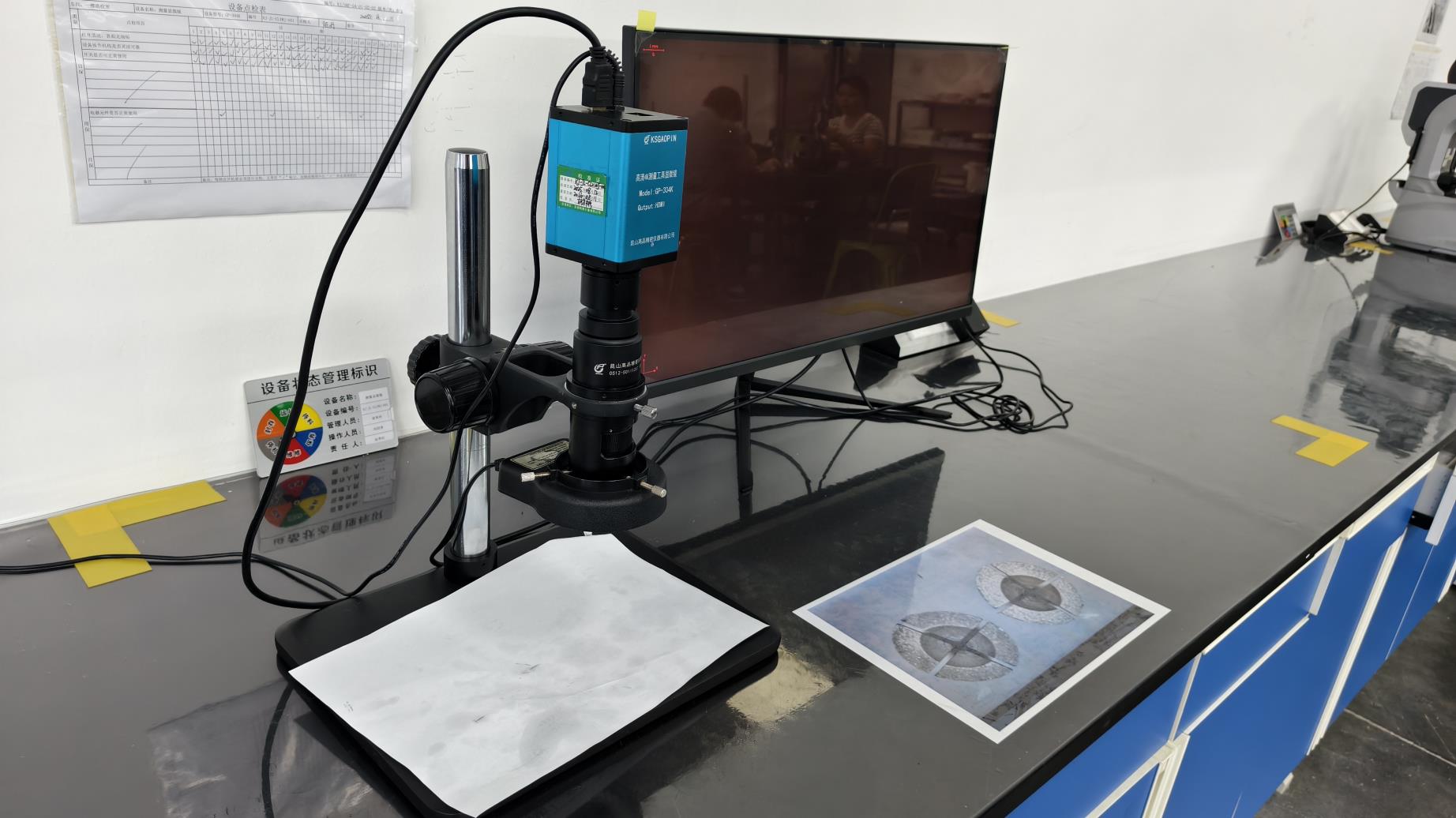
Our manufacturing division utilizes advanced multi-axis machining centers, Swiss-type lathes, precise wire-cutting systems, and specialized grinding machinery. Our quality laboratory features coordinate measuring machines (CMM), two-dimensional micrometers, hardness testers, and metallographic microscopes to ensure every implant is certified for clinical use.
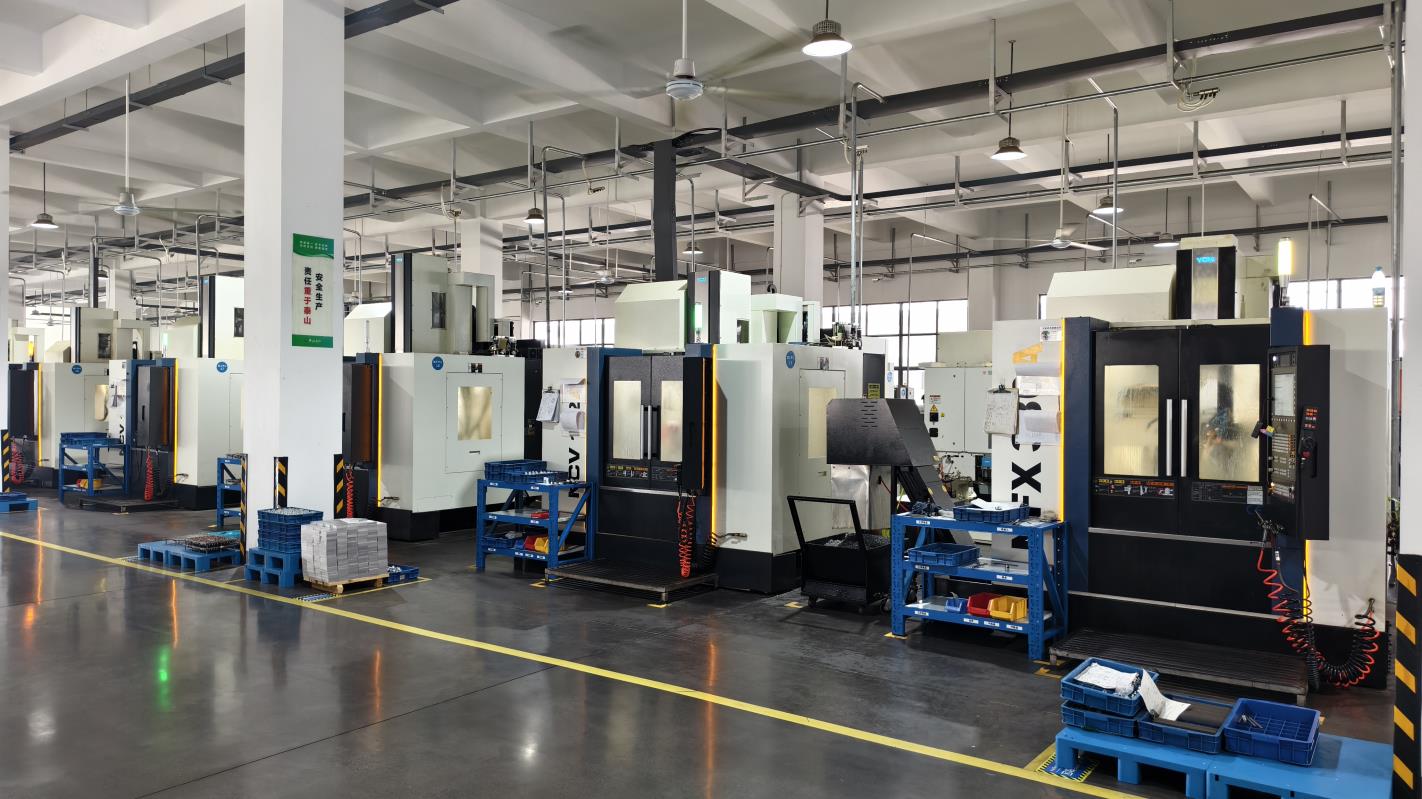
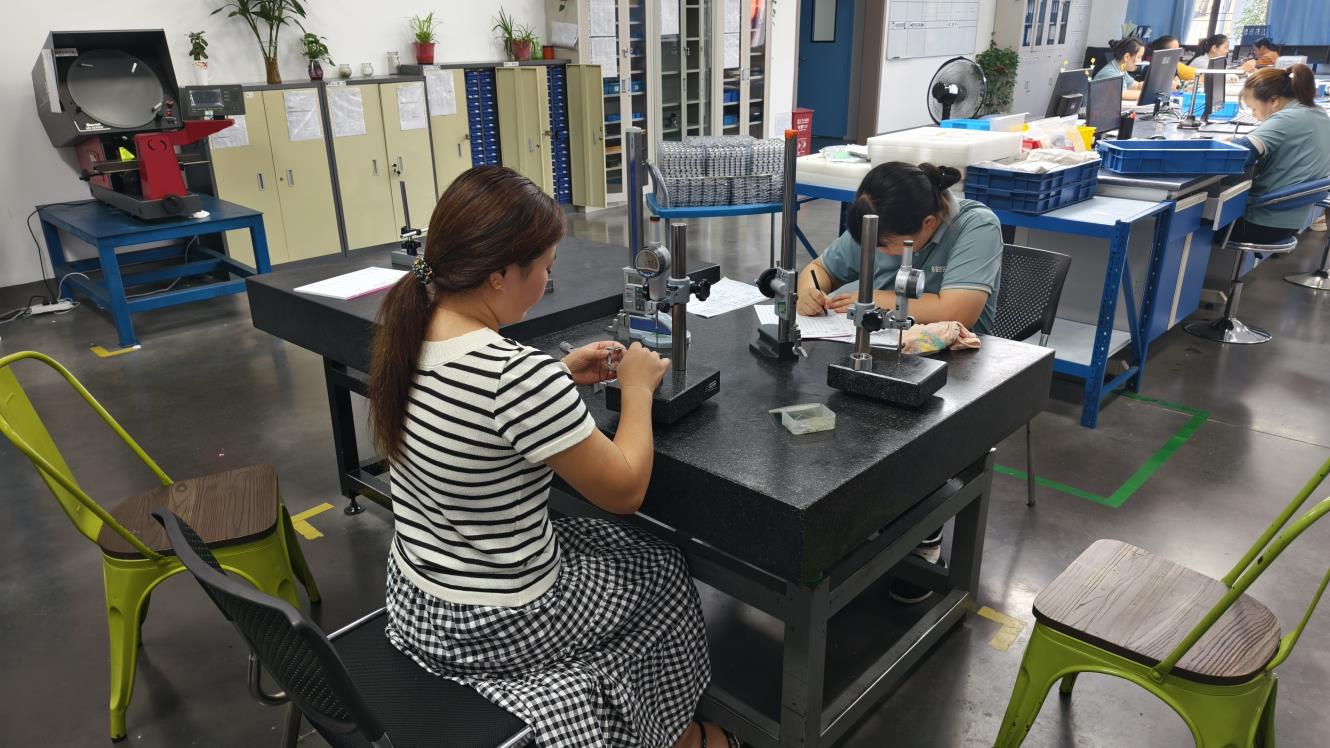

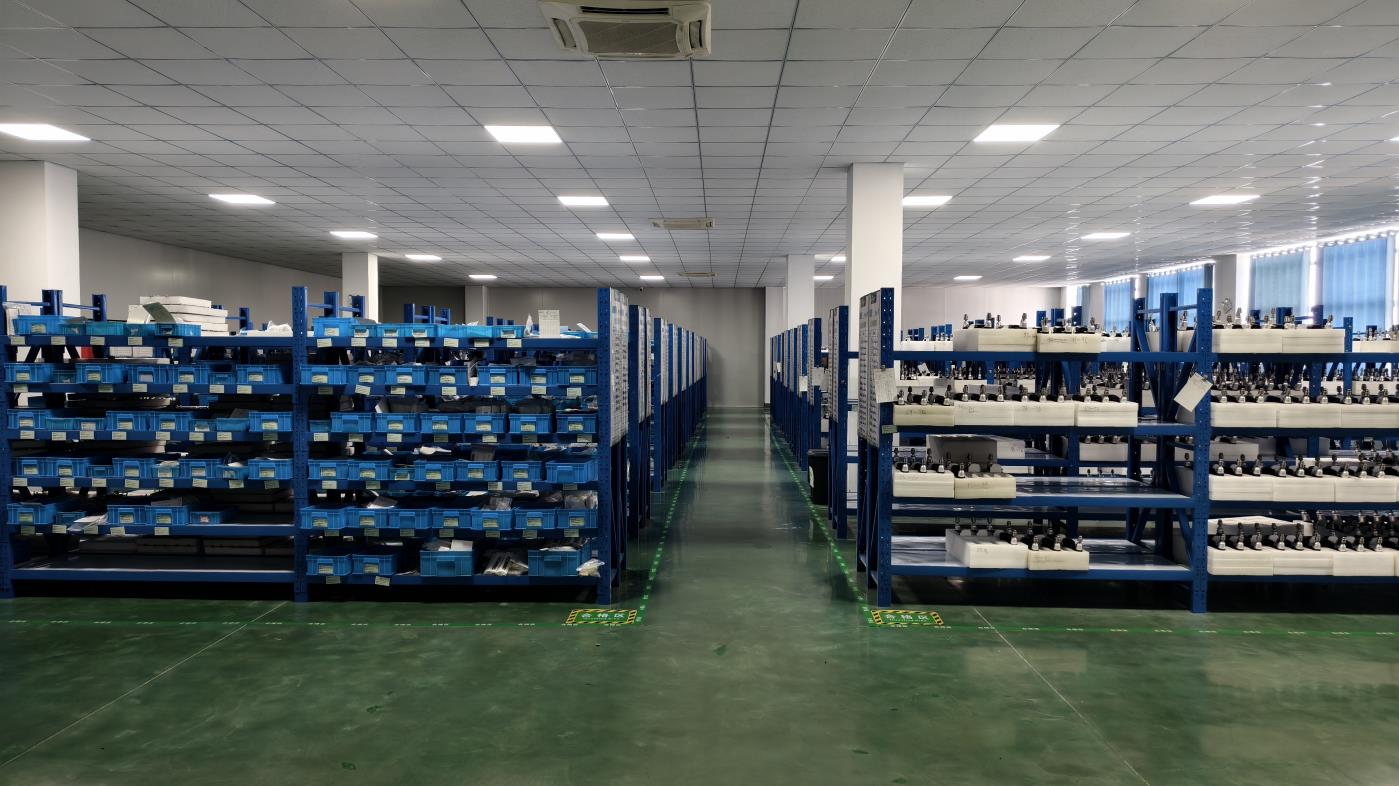
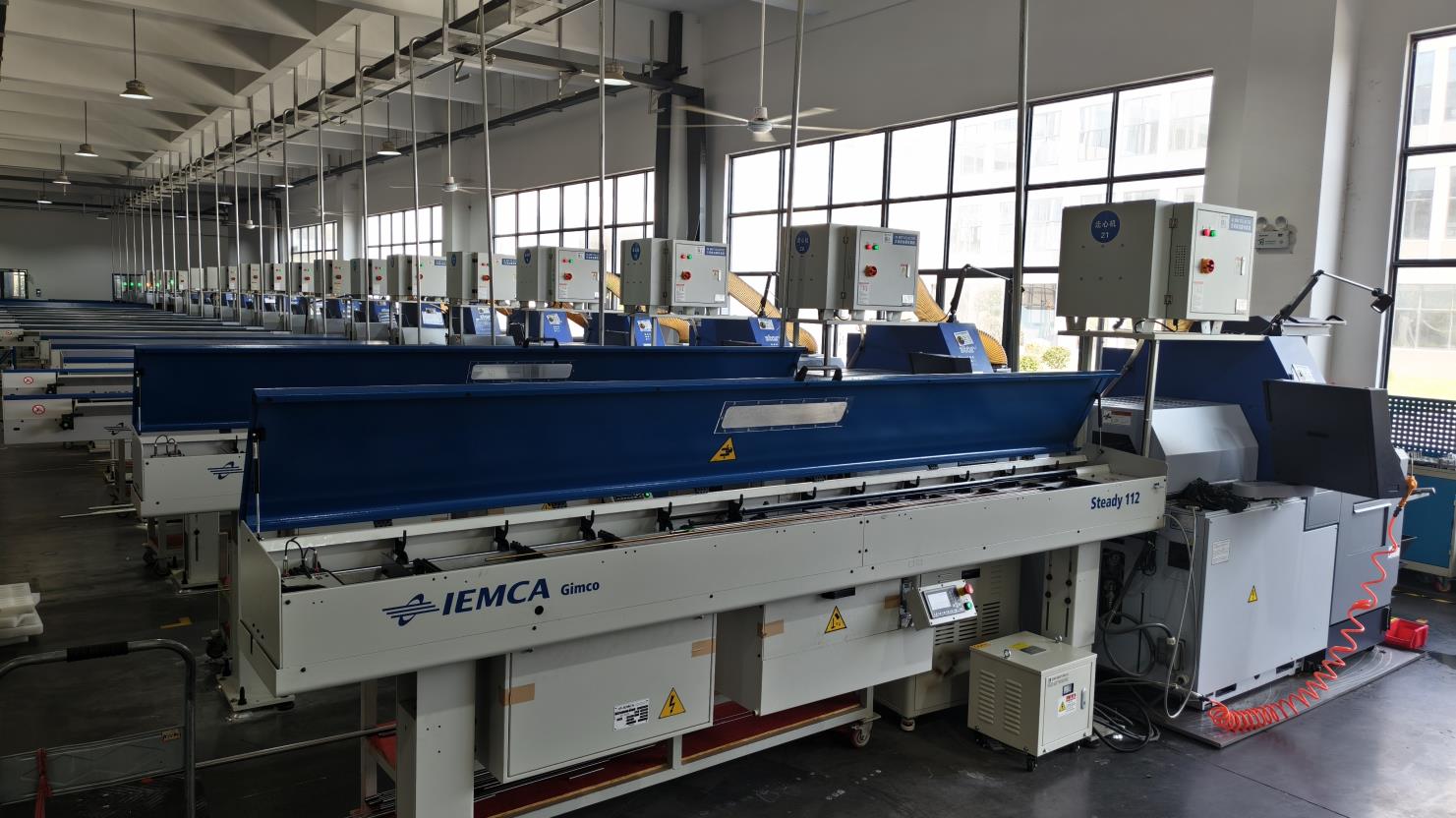
Orthopedic devices must conform to regional anatomical and regulatory differences. A generic shoulder implant design may not satisfy the needs of every demographic. For instance, morphometric research shows that Asian populations often exhibit smaller average humerus and glenoid dimensions compared to Western populations. A successful manufacturer must offer customized sizing portfolios to avoid overhanging implants, which can cause soft-tissue impingement and early failure.
Compliance with FDA 510(k) and EU MDR (Class III) is mandatory. We provide complete material certification (ISO 5832 series) and validation of sterilization cycles (Gamma irradiation or EO gas) to support streamlined local registration.
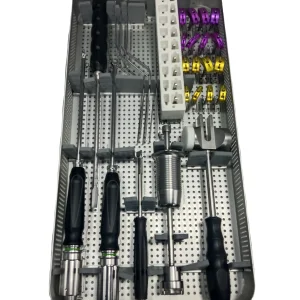
We supply modular, lightweight surgical instrumentation trays tailored to local sterile processing protocols, offering both multi-use steam-sterilizable trays and single-use polymer templates.
The next decade in shoulder reconstruction will focus on customization and intelligence. Advanced manufacturing is moving past standard modular systems to incorporate technologies like:
Using preoperative CT scans to 3D print titanium glenoid baseplates, accommodating severe bone loss and complex deformities.
Integrating antimicrobial elements like copper or silver ions, or applying osteoinductive nano-coatings to reduce surgical site infections and accelerate healing.
Developing optical and electromagnetic tracking guides to assist surgeons in achieving precise implant alignment during procedures.
Find technical answers to common questions about materials, custom specifications, and regulatory clearance for total shoulder prostheses.
Browse our additional line of veterinary instruments, arthroscopic tools, and specialized surgical accessories for comprehensive orthopedic care.
 Moventra Medical